

Pray for Safe Travels and Love—Your Ikuta Shrine Travel Guide
With one of the longest histories in Japan, “Ikuta Shrine” is one of Kobe’s most iconic shrines.
It’s also famous as a matchmaking power spot, and many people visit to pray for love and meaningful connections.
Here, we’ll take a detailed look at the highlights and history of “Ikuta Shrine,” along with access and nearby sightseeing spots you’ll want to know to fully enjoy your visit.
What is Ikuta Shrine Like?
“Ikuta Shrine,” located in Chuo Ward, Kobe City, Hyogo Prefecture, is an ancient shrine with over 1,800 years of history.
“Ikuta Shrine” enshrines Wakahirume-no-Mikoto, a sun deity, as its main kami, and it’s famous for blessings for matchmaking.
There are also many smaller shrine buildings within the grounds that enshrine deities connected to the main kami, as well as gods that were originally worshiped in this area,
and it’s also said to bring blessings for safe childbirth, long life in good health, traffic safety, and more.
Amulets and bracelets said to bring matchmaking blessings, along with heart-shaped ema plaques, are especially popular with women in love.
The highly accurate “Mizu-mikuji” is also a love-fortune omikuji.
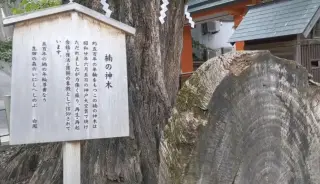
Be sure to take a stroll through “Ikuta no Mori,” the forest that spreads across the north side of the shrine grounds.
It’s also good to know that the origin of the name “Kobe” is tied to “Ikuta Shrine.”
It’s said that in 806, 44 households called “Kambe” were established to care for the deity of Ikuta Shrine, and this became the origin of the place name “Kobe.”
Origins and History of Ikuta Shrine
Following a divine message from Wakahirume-no-Mikoto, “Ikuta Shrine” was built in 201.
For a time after its founding, it was enshrined at a place in Kobe City called “Isagoyama,” but after damage from river flooding, it was moved to its current location in 799.
With its long history, “Ikuta Shrine” also saw “Ikuta no Mori” become a stage for the Genpei War that took place from 1180 to 1185.
The Genpei War was a conflict in which the Minamoto clan, another samurai-led force, defeated the powerful Taira clan.
The fall of the Taira marked the beginning of the Kamakura period (1185–1333).
Though it has suffered repeatedly from earthquakes, flood damage, and war, it has been rebuilt each time, and is also worshiped as the “shrine that rises again.”


Access to Ikuta Shrine
“Ikuta Shrine” is in an easy-to-reach location, and you can arrive in Approx. 15 minutes from “Kobe Station,” a key transportation hub for sightseeing in Kobe.
From “Kobe Station,” take the JR Tokaido-Sanyo Main Line and get off at “Sannomiya Station.”
From the station, it’s a 10-minute walk.
Ikuta Shrine Hours and Admission
For Ikuta Shrine visiting hours, please refer to the table below.
Admission is free.
- Hours
-
7:00am–5:00pm
*In summer only, the gate closes at 6:00pm - Hours for ofuda and goshuin services
- 9:00am–5:00pm
What’s the Best Season to Visit Ikuta Shrine?
The best season to visit “Ikuta Shrine” is the hatsumode season in January.
Special New Year events are held, the area gets lively with crowds, and you can also enjoy food stalls.
If you don’t like big crowds, May to June is recommended.
You should be able to enjoy a refreshing walk around the shrine grounds surrounded by fresh greenery.

5 Must-See Highlights at Ikuta Shrine
“Ikuta no Mori” is famous as a matchmaking power spot, but there’s much more to see and enjoy than that alone.
Be sure to take in “Ikuta Shrine’s” historic buildings and spaces where you can feel a sacred atmosphere.
From here, we’ll introduce a carefully selected list of highlights you should pay attention to when you visit “Ikuta Shrine.”
1. The “Romon Gate,” Towering as the Front Entrance of Ikuta Shrine
The “Romon Gate” serves as the front entrance of “Ikuta Shrine,” welcoming visitors as the first thing they see.
It’s a gate with a roof on the upper level of its two-story structure, and its vivid vermilion color is especially eye-catching.
At “Ikuta Shrine,” also a popular hatsumode spot, it’s a tradition to open the gate at 12:00am on January 1 and beat drums atop the “Romon Gate” to welcome the New Year.
If you’re sightseeing in Kobe over the New Year holidays, why not welcome the new year while experiencing Japanese tradition?

2. The “Shaden,” Where You Can Pray to the Kami in a Sacred Space
The “shaden,” which enshrines the main kami, is a must-see when visiting “Ikuta Shrine.”
The “shaden” refers to the combined area of the “honden” (main sanctuary) and “haiden” (worship hall), and inside the “haiden” is an open-air stone-paved plaza where solemn Shinto rites are performed.
As you pass through the “haiden,” you’ll see the “honden,” where the sacred object of worship is enshrined.
You’ll likely be captivated by the beautiful “honden,” decorated in vermilion and gold.
Take your time and pray while savoring the sacred atmosphere of both the “haiden” and “honden.”
Also worth a look are the two muscular komainu guardian dogs that sit in front of the “haiden.”

3. The “Mizu-mikuji,” a Love Fortune Said to Be Scarily Accurate
Among the many love-related spots and amulets at “Ikuta Shrine,” the “Mizu-mikuji” is especially popular.
It’s an “omikuji” fortune focused on love luck, and it’s known for being very accurate.
“Omikuji” are fortunes in which you pray to the gods and receive a reading of good or bad luck.
You can buy the “Mizu-mikuji” at the shop next to the “Romon Gate.”
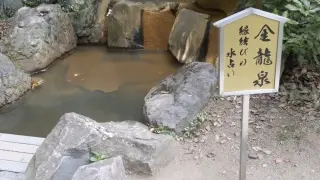
After purchasing it, take it to “Kinryusen” in “Ikuta no Mori” and dip it in the water.
The result then appears, making it a wonderfully mysterious fortune.

4. “Ikuta no Mori,” Filled with Long History and Lush Greenery
“Ikuta no Mori” is also where you reveal your “Mizu-mikuji” result.
In the past, it was known as a scenic spot and was a larger forest than it is today, but part of it was burned in air raids.
Now, only the forest on the north side of “Ikuta Shrine’s” grounds remains.
Like “Ikuta Shrine,” “Ikuta no Mori” has a long history, and it was also the site of the Genpei War, leaving behind many legends.
As you stroll through the forest filled with trees that are hundreds of years old, it should be interesting to reflect on the past.
There is also “Ikutamorizashisha” within “Ikuta no Mori,” which enshrines a deity of safe childbirth and growth, so don’t forget to stop and pray.

5. “Oumi Shrine,” Known for Blessings for Safety at Sea and Traffic Safety
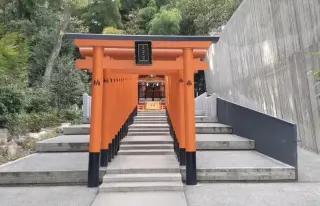
“Oumi Shrine” is an auxiliary shrine located on the south side of the grounds.
It enshrines Sarutahiko-no-Mikoto, a deity of sea travel, and is said to bring blessings for safety at sea and traffic safety.
One distinctive feature is a monument with a relief of a ship next to the torii gate.
It’s also known for receiving many offerings from ship- and sea-related companies, due to its blessings for safety at sea.
Why not stop by to pray for safe travels?

Ikuta Shrine “Jinx”
In fact, despite being famous for matchmaking, “Ikuta Shrine” has a “jinx” that says, “If a new couple visits, they’ll break up.”
It’s said that Wakahirume-no-Mikoto, a goddess, gets jealous when couples visit and causes them to separate.
Apparently, this jinx spread after a major celebrity who held their wedding at “Ikuta Shrine” later got divorced.
Many shrines that enshrine matchmaking deities have similar jinxes.
That’s because matchmaking deities are gods who “connect you with the right partner.”
Put another way, they “won’t connect you with someone who isn’t right for you,” so ties with an unsuitable person may be cut.
That’s likely how the jinx that couples who go together will break up came about.
3 Sightseeing Spots Near Ikuta Shrine
Kobe has long been a city where trade flourished, and many foreign cultures flowed in.
Because of that, the city retains an international atmosphere, letting you feel the foreign influence of the time.
After touring “Ikuta Shrine,” try visiting the nearby sightseeing spots introduced below as well.
1. Kobe Kitano Ijinkan (Foreign Residences)
During the opening of Kobe Port in 1868, “Kobe Kitano Ijinkan-gai” developed as a foreign residential area.
From a hill overlooking the sea, the area has a unique streetscape where Western-style and Japanese-style buildings stand side by side.
Around 30 Western-style buildings still remain much as they were, and 16 of them are open to the public.
Each building has its own design, including the iconic “Weathercock House” with its weathervane, the “Moegi House” with its beautiful light green exterior walls from the time it was built, and the “Uroko House,” whose exterior is covered in around 3,000 pieces of natural slate that look like fish scales.
With stylish streets that feel like a theme park, you’ll enjoy a fun stroll.

2. Kobe Former Foreign Settlement
Kobe opened its port in 1868 and became a hub for international trade.
Within the city, Kobe Motomachi was designated as a residential area for foreign residents, and it’s lined with impressive modern Western-style buildings, offering a European atmosphere while still in Japan.
Historic, culturally valuable buildings, luxury brand stores, and distinctive international shops are scattered throughout, and there are also many cafes and general goods shops. At night, the area transforms beautifully with illumination. With its seaside location, it’s an area where you can soak up a romantic vibe.

3. Nankinmachi
Kobe’s “Nankinmachi” is counted as one of Japan’s three major Chinatowns, alongside Yokohama Chinatown and Nagasaki Shinchi Chinatown.
With over 100 Chinese restaurants, along with Japanese and Western eateries, grocery shops, and variety stores, you can enjoy street food while taking in the lively atmosphere—think pork buns, shark fin, baked soup dumplings, Peking duck, and more.
Nankinmachi Square, located in the center, features a Chinese-style pavilion that stands 6.8m tall, with 13 stone statues placed around it.
There are also ornate Chinese-style gates: “Changan Gate” to the east, “Xian Gate” to the west, and “Kaei Gate” to the south.

3 Popular Restaurants Near Ikuta Shrine
After visiting Ikuta Shrine, you’ll want to stop by some of the area’s distinctive restaurants while enjoying the afterglow of exploring the city.
From long-established Kobe beef to Western-style favorites, you’ll find memorable dishes you can only enjoy here.
Between the shrine’s calm and the city’s buzz, treat yourself to a food experience you’ll remember.
1. Kobe Beef Steak Hana Houbi
“Kobe Beef Steak Hana Houbi” is a teppanyaki specialty restaurant in the Sannomiya area of Chuo Ward, Kobe City.
Run by two highly experienced chefs who previously served as hotel head chefs, it offers course meals centered around “Kobe beef.”
All seats are counter seating, and a key draw is watching the lively teppanyaki cooking right in front of you.

2. Mimasaka Kobe Sannomiya
An okonomiyaki restaurant located right after you exit Sannomiya Subway Station.
The current owner, the founder’s son, carries on the home-style flavor established when the restaurant opened in 1972.
The signature menu item is “suji meat,” a longtime beloved comfort food in Kobe’s downtown neighborhoods.

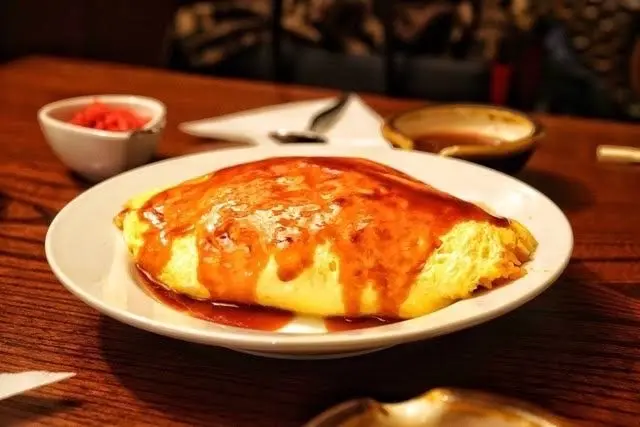
3. European-style Cuisine Mon
A long-established Western-style restaurant founded in 1936, so well-known in Kobe that people say there’s no one who doesn’t know it.
The first owner opened it in Shinkaichi, believing that “Western food is the future,” and after World War II it moved to its current location.
Open the wooden door and step inside, and you’ll find an international vibe with antique-inspired decor.
3 Recommended Places to Stay Near Ikuta Shrine
Known as a matchmaking shrine, Ikuta Shrine sits in the heart of Sannomiya and is also a popular starting point for sightseeing in Kobe.
Around the area and the harbor, you’ll find accommodations that fit Kobe’s style, from historic hotels to resort-like stays with ocean views.
Here are carefully selected hotels that balance quality and convenience.
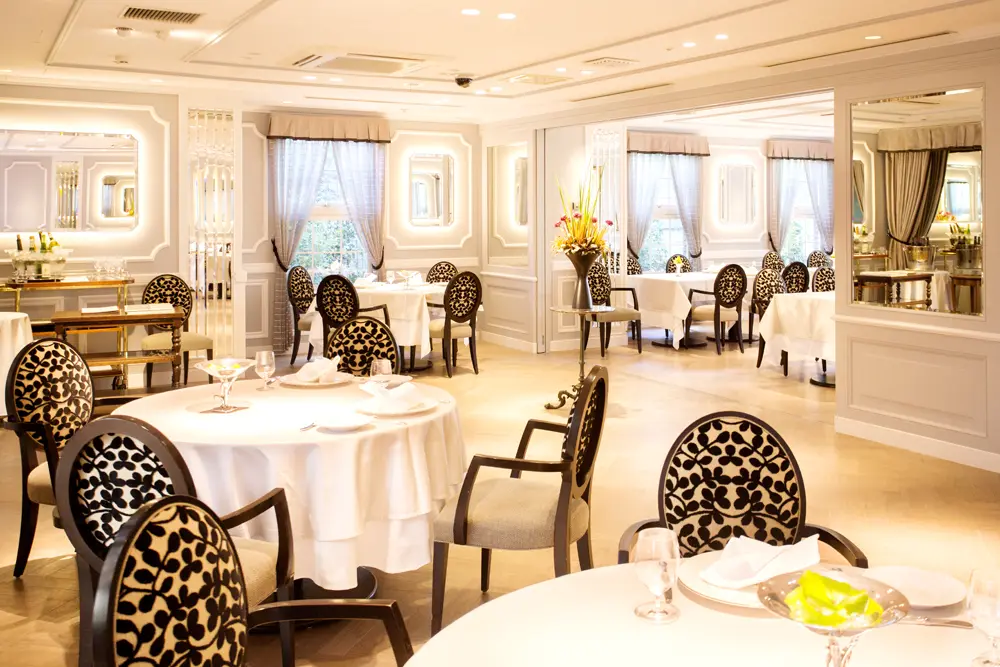
1. Kobe Kitano Hotel
An urban auberge built along Tor Road in the Kitano Ijinkan district.
Set in an elegant red-brick building, it offers 30 rooms, each with a different character and British-inspired design details.
It’s a member of Relais & Châteaux, a nonprofit association that only internationally acclaimed hotels and restaurants can join.
2. Hotel La Suite Kobe Harborland
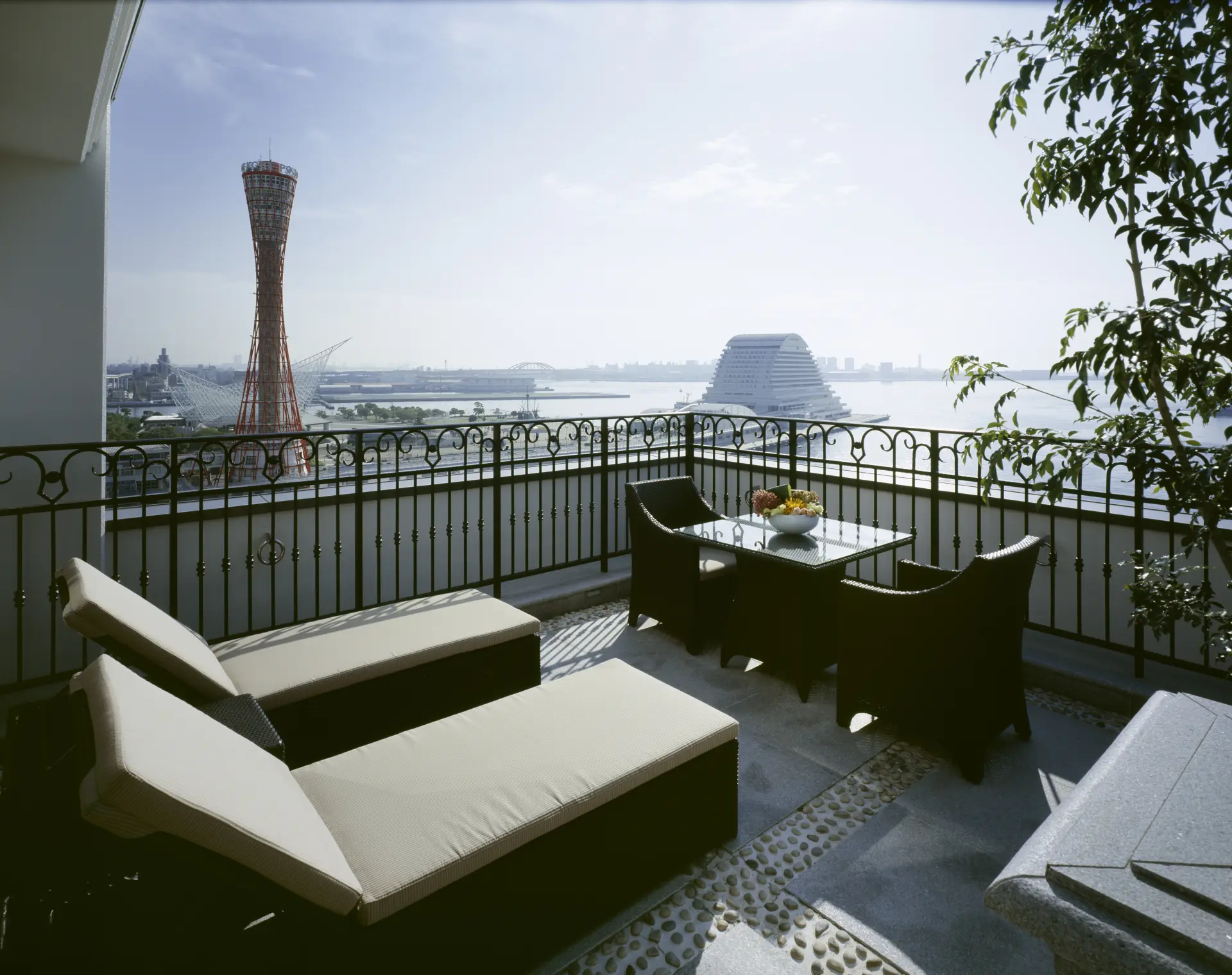
A small luxury hotel located in Harborland overlooking Kobe Port, known for ocean-view rooms that all come with terraces.
With just 70 rooms, it offers a spacious, indulgent layout—every room is at least 70㎡—and the terrace provides panoramic views of Kobe’s harbor night scenery.
3. Kobe Meriken Park Oriental Hotel
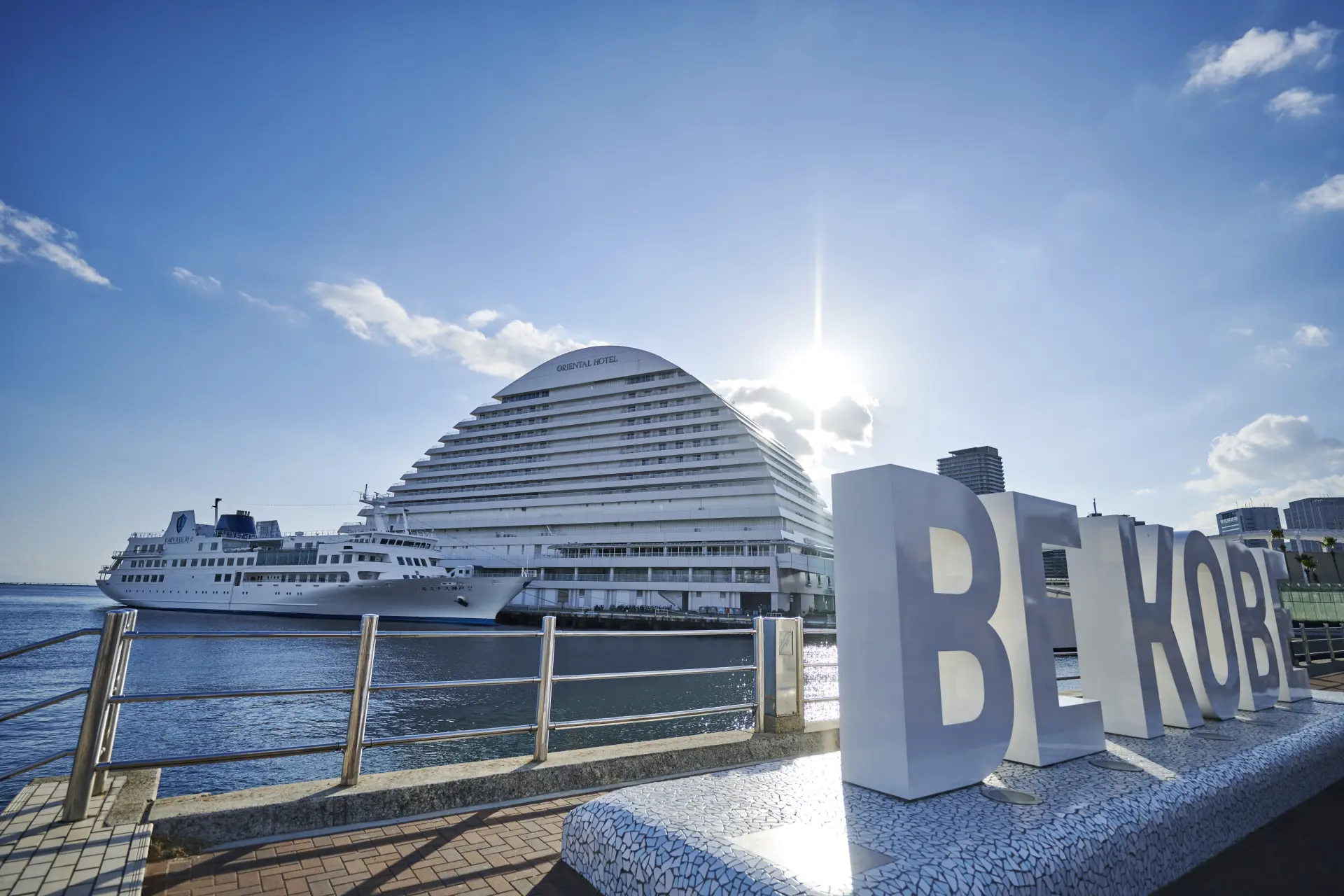
A standout hotel in Kobe’s bay area, with a striking curving design inspired by white waves.
Located on Naka Pier in Kobe Port, the hotel is surrounded by the sea on 270 degrees and is proud of four different views in each direction.
Guest rooms range from standard to suite types. Every room features a wood-deck balcony, letting you enjoy an elegant hotel stay that feels like a cruise.
Reviews of Ikuta Shrine
3.63
Some reviews are AI-translated.
-
If it’s your first time in Kobe, this is a nice place to stop by. It has a strong sense of history, which creates a really striking contrast with the shopping area around it.
If you’re already shopping nearby, it’s worth popping in for a quick visit. Nice to check out without having to go out of your way or wait in a long line. -
It's not too far from downtown and the transportation is fairly convenient. The grounds aren't very big, but it's quiet and there aren't too many tourists.
FAQ about Ikuta Shrine
Q
Which kami are enshrined at Ikuta Shrine?
A
It enshrines the goddess Wakahirume-no-Mikoto.
Q
What blessings is Ikuta Shrine known for?
A
It’s said to bring blessings for matchmaking, love fulfillment, safe childbirth, long life in good health, and more.
Q
What’s the “jinx” at Ikuta Shrine?
A
There’s a jinx that says if a new couple visits, the goddess gets jealous and causes them to break up.
Summary
“Ikuta Shrine” boasts a history of over 1,800 years, making it one of Japan’s oldest shrines.
You’ll likely feel that long history throughout the grounds.
Even if you’re not into history, if you’re hoping for love fulfillment or a meaningful connection, it’s well worth a visit.
Try the “Mizu-mikuji” to read your love fortune, pray at the honden, and pick up an “omamori” amulet to help connect you with your ideal partner.
Since it’s easy to access from Kobe Station, it’s also recommended to stop by to pray for safe travels.
Beyond the nearby sightseeing spots introduced here, Kobe still has plenty more to offer—be sure to use the article below as a reference and enjoy the city to the fullest.