


![[The Complete Guide to Ichibankuji] Extremely Popular in Japan! A Thorough Look at the Lottery Where Everyone Wins](http://cdn.gltjp.com/edo/img/hero/hero-1kuji/logo-en@2x__20260927-143630__.webp)
Welcome to
“GOOD LUCK TRIP”
Discover the Japan You Never Knew - with GOOD LUCK TRIP, your multilingual travel guide.
Sightseeing Place


 Editors’ Choice
Reviews
Editors’ Choice
Reviews

-
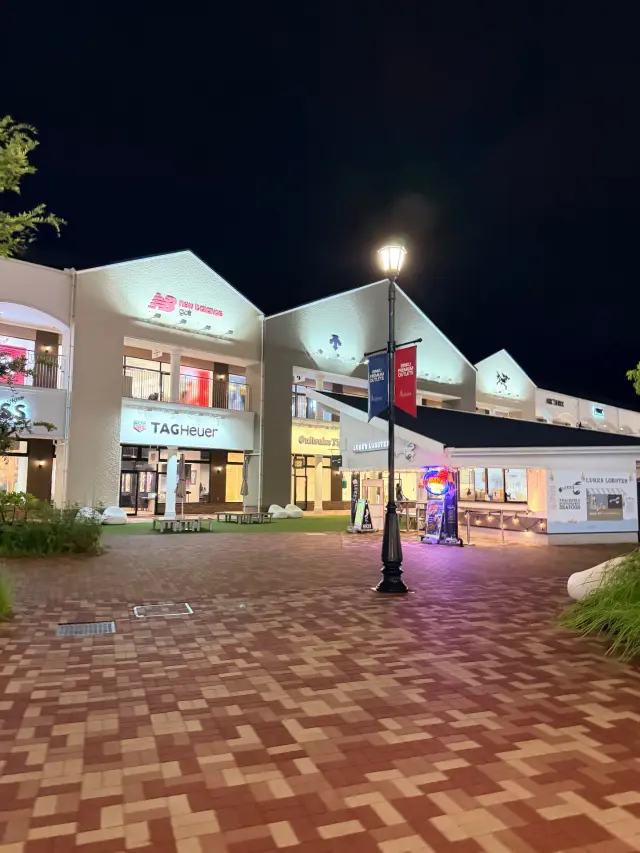
Rinku Premium Outlets
 Gina C
Rinku Premium Outlets in Osaka is a great place to include in your itinerary for shopping. It’s also very convenient to get to from Kansai Airport, making it especially suitable for stocking up before heading home. The outlet complex is huge, and the streets are designed to look like an American town, making it very pleasant to walk around and browse. There’s a wide variety of brands here, offering everything from sportswear, clothing, and shoes to household goods. When there are sales, it’s really easy to keep shopping nonstop. I personally think it’s a good place to take your time comparing prices. Some items are much cheaper than their original prices after discounts, and when I see something I like, I can’t resist buying it. Besides shopping, the grounds are also great for taking photos. The buildings and streets have an international feel, and when you get tired, you can take a break at a restaurant or café. When the weather is nice, it’s relaxing to stroll around and look at the stores. If your itinerary takes you near Kansai Airport, I highly recommend adding Rinku Premium Outlets. Not only can you find discounted items from many brands, but you can also make it the last stop of your trip and browse at your own pace. If you enjoy shopping, it’s really worth setting aside half a day to make the most of your final shopping time in Japan!
-
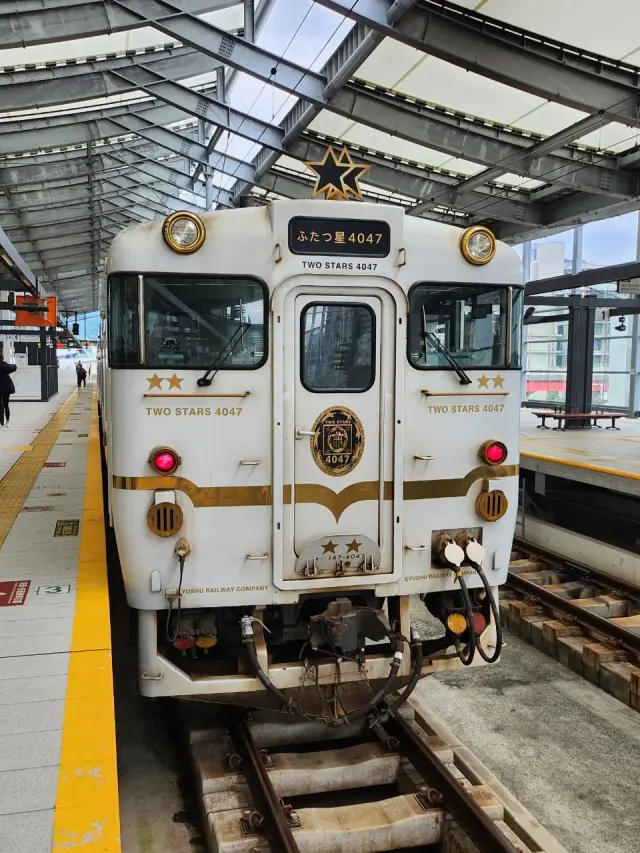
JR KYUSHU RAIL PASS
 一個漸漸喜歡上慢旅的人
If you're fascinated by unique trains like I am, then when visiting Kyushu, the kingdom of railways, a JR KYUSHU RAIL PASS is definitely the best key to unlocking a dream trip. Since I wanted to ride all of Kyushu's unique sightseeing trains on this trip, getting the All Kyushu pass turned out to be the best-value decision of the journey. Each of Kyushu's unique trains (D&S sightseeing trains) has a one-of-a-kind spirit. On this trip to Aso, I took the Aso Boy! on the way there, covered in playful dog illustrations; on the return trip, I switched to the Kawasemi Yamasemi, with its elegant, understated wooden interior designed for adults. From Hakata to Saga, I briefly experienced the luxurious 36+3, whose refined private tatami rooms and Japanese craftsmanship felt truly prestigious. On the way to Amakusa, I boarded the retro, jazz-themed A-TRAIN and enjoyed a specialty cocktail, which made the ride slightly tipsy and romantic. The most unforgettable of all was the Two Stars 4047 racing along the Ariake Sea. Its white cars reflected against the clear sky and ocean scenery, looking like a dream. On the way to Yufuin, the green Yufuin no Mori is another classic that shouldn't be missed. These unique trains not only offer exclusive local meals and commemorative postcards you can stamp, but also limited-edition souvenirs to collect. Finally, here's my practical advice: After booking in Taiwan, if you want to avoid the one- or two-hour lines often found at major stations like Hakata or Kumamoto, consider exchanging your pass at a Midori-no-Madoguchi ticket office in a less crowded small or medium-sized station along your itinerary. It can save valuable time. I recommend visiting Kyushu and fully experiencing a journey on its unique trains.
-
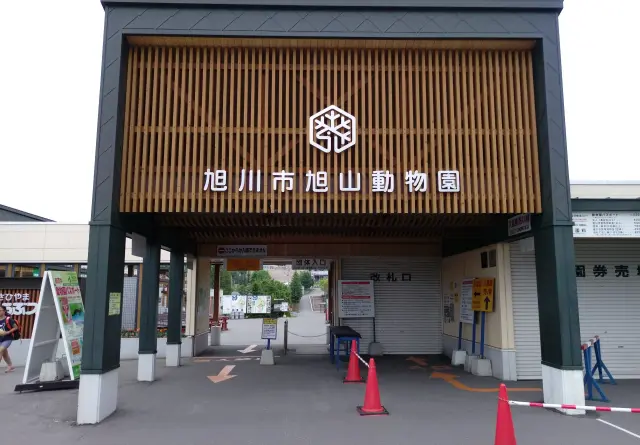
Asahiyama Zoo, Asahikawa City
Linda Liao
When visiting Asahikawa, Hokkaido, Asahiyama Zoo is an attraction you shouldn’t miss. Located on the outskirts of Asahikawa, the zoo opened in 1967. It was originally created in response to residents’ hopes for a recreational and educational place where children could connect with nature and learn about life. At the time, there was even debate over funding and whether it needed to be built, but thanks to public support, it was finally completed. Today, it has become one of Hokkaido’s most iconic zoos. What makes Asahiyama Zoo particularly special is its famous “behavioral exhibits.” Rather than keeping animals in cages for visitors to view, the zoo places greater emphasis on the animals’ natural abilities and habits, designing environments where they can move around, climb, swim, and rest comfortably. Many exhibits deliberately minimize heavy fencing and barriers, allowing visitors to observe the animals’ most natural behavior up close and from unexpected angles. As you walk around the zoo, you’ll also see many handwritten information boards made by the keepers themselves. They’re lively and full of clever touches, explaining not only the animals’ names but also why they behave the way they do and what interesting habits they have. The zoo also holds daily feeding and educational programs featuring different animals, so you can choose a few that interest you ahead of time. The natural and adorable interactions between the keepers and animals are often even more memorable than simply watching the animals. The penguins are definitely the most heart-melting part! The low fences provide an almost completely unobstructed view, so you can watch them swim and walk up close. It feels like stepping right into their world. After snow falls in winter, there’s also the hugely popular “Penguin Walk.” This activity was originally created to help the penguins get more exercise during winter, but it unexpectedly became Asahiyama Zoo’s most iconic winter attraction. Watching a group of penguins waddle right past you is so cute that you just can’t stop taking pictures!
-
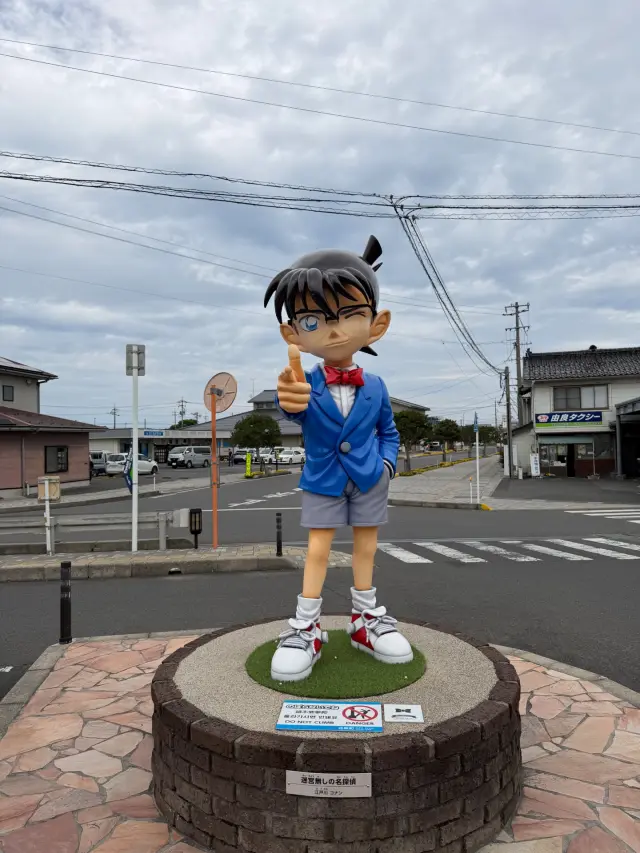
Conan Street
WANG
While traveling in Tottori, I made a special pilgrimage to Conan Street, a must-visit spot for any Detective Conan fan! The moment I stepped onto this street filled with manga elements, I was instantly fired up. Along the route from the station to the Gosho Aoyama Manga Factory, you can see tons of finely crafted bronze statues of manga characters. Whether it's Edogawa Conan with his ever-confident smile, the handsome and intelligent Kudo Shinichi, the gentle and devoted Mouri Ran, the adorably scatterbrained Mouri Kogoro, or even popular and mysterious characters like Kid the Phantom Thief, as well as the cool Akai Shuichi and Amuro Toru, you can find them on statues, bridge pillars, streetlights, and manhole covers along the way. There are surprises every few steps, and I couldn't stop taking pictures. Besides the photogenic streetscape, the shops and souvenir centers along the way are also really fun to browse. They're packed with all kinds of limited-edition character merchandise and souvenirs, making this a paradise for fans. The whole street is clean and relaxed, making it very pleasant to walk around. I highly recommend that anyone who loves Detective Conan visit when traveling in Tottori. Come look for your favorite characters, and you're sure to rediscover plenty of childhood memories and emotions!
-
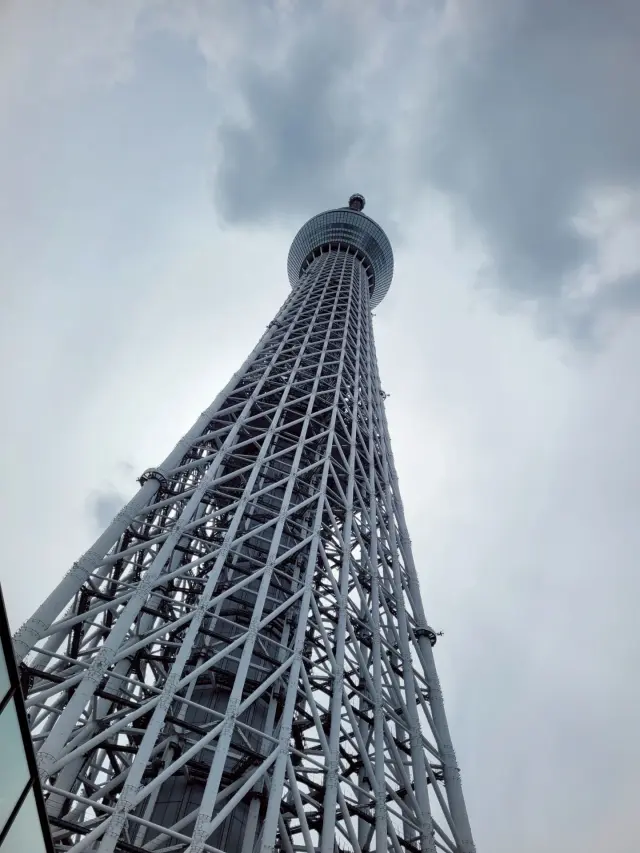
TOKYO SKYTREE(R) TOKYO SKYTREE TOWN(R)
Ming Yu
Visiting TOKYO SKYTREE was truly an incomparable experience! Looking up at the tower's structure from the ground during the day is spectacular, and the views of the entire Tokyo cityscape from the observation decks at 350 and 450 meters are extremely expansive. I was lucky enough to catch a limited collaboration exhibition with the popular anime BLUELOCK. The Tembo Galleria corridor was filled with character key visuals and photo walls, and there were also special cheering buttons, themed elevator wraps, and a pop-up souvenir shop. Fans definitely shouldn't miss it. A “Taiwan Festival” happened to be taking place in the plaza below the tower, with lanterns everywhere and all kinds of authentic food and snacks for sale, creating an incredibly lively atmosphere. I recommend buying observation deck tickets online in advance to save time waiting in line. After visiting the decks, you can head straight to the mall and nearby market. It's a must-visit attraction with plenty to see and experience!
-
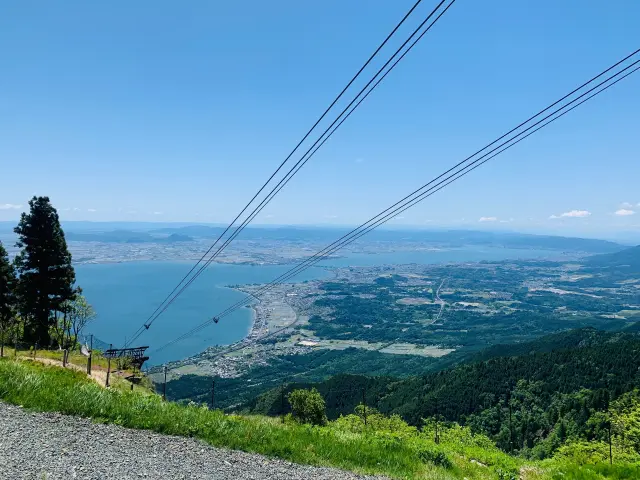
Biwako Valley
 hdwf2002
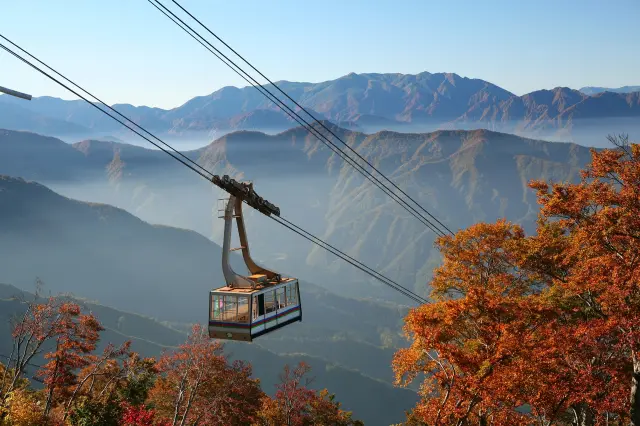
Biwako Valley is a great place to look out over Lake Biwa. From JR Shiga Station, you need to take a shuttle bus to the ropeway station. At 1,100 meters above ground level, it offers skiing in winter and is highly recommended as a summer getaway from the heat in Japan. The temperature at the top is instantly 4–6 degrees cooler, making it very comfortable. You can sit on the observation deck for free and enjoy panoramic views of Lake Biwa, or pay to enter the observation café at the summit, which is heated when it's cold. After enjoying the lake views, you can also head farther into the mountains for the chairlift and art installations and recreational facilities. Most importantly, these are also free to use. Just be sure to check the times for the ropeway down and the shuttle bus. If they don't line up well, you may have a long wait, or you may need to walk or take a taxi back to the station.
-
Kamigamo Shrine (Kamowakeikazuchi Shrine)
 Holly
Holly
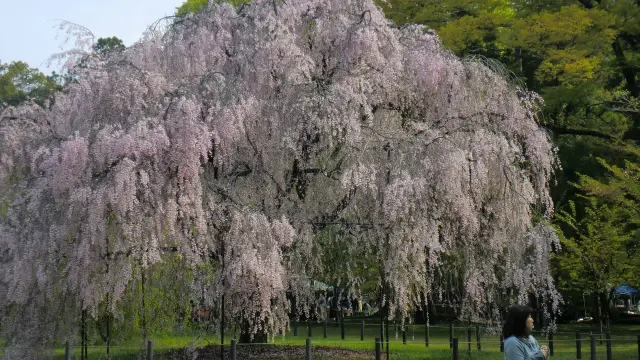
I happened to catch the Kamigamo Handicraft Market, held at Kamigamo Shrine on the fourth Sunday of every month. I have to say, Japan's handicraft markets are really great for shopping. The vendors aren't just local Japanese people—you'll also see international artists taking part. They sell everything from fabric goods, leather items, pottery, and woodwork to household goods, and many of the pieces aren't just attractive but also highly practical. Some stalls even clear out materials or unfinished items at very reasonable prices. Because of that, even though I hadn't particularly planned on buying anything, I ended up shopping the whole way through. The item that left the strongest impression on me was an orange canvas bag with cowhide handles. I still use it today, and it's truly very durable. The market also has some food stalls, but they mostly sell small baked goods, coffee, and handmade snacks rather than full meals. So if you plan to stay for a while, I'd recommend eating beforehand. The market is currently held from 9:00 to 15:00 on the fourth Sunday of every month, so check the date in advance if you want to catch it. Another thing I really like about visiting in summer is the stream that runs through the shrine grounds where the market is held. When you get hot from browsing, you can take a walk by the water. Lots of children play in the stream. If you plan to visit in summer, I'd recommend bringing an extra towel or a pair of sandals so you can play in the water more easily. After all, this kind of atmosphere is rarely seen in Taiwan. As for the shrine itself, Kamigamo Shrine and Shimogamo Shrine are both important shrines for the Kamo Festival, also known as the Aoi Festival. Both have striking vermilion tower gates, but they felt different to me. Shimogamo Shrine's gate feels grander, while Kamigamo Shrine's feels a little more refined and elegant. That may also have something to do with the large lawns, streams, and more open surroundings. I visited near the end of cherry blossom season, so I wasn't expecting much. To my surprise, the large weeping cherry tree on the grounds still had blossoms, so I was very lucky. It was also almost May and just before the Kamo Kurabeuma horse race, so I saw riders and horses moving around the grounds. Kamigamo Shrine's Kamo Kurabeuma is held every year on May 5 and is an ancient equestrian ritual that has continued for over 900 years. Just seeing the horses being prepared was already very impressive, though unfortunately I didn't get to see the actual event this time. There is also a sacred horse stable on the grounds, and I was lucky enough to see the white horse this time. Kamigamo Shrine has long had deep ties to horse worship and equestrian rituals, so everything from the sacred horse to the Kamo Kurabeuma gives this shrine a distinctive character that's less common among other shrines in Kyoto. Of the shrine items, my favorite is still the rabbit-shaped fortune slip. The tiny rabbit is truly adorable and is one of their signature items. Overall, I really like Kamigamo Shrine. If you happen to visit on the fourth Sunday of the month when the handicraft market is held, I highly recommend setting aside half a day to browse at a leisurely pace, plus about another hour to properly visit the shrine grounds. That will pretty much fill the day. If you're even luckier, you may come across a Shinto wedding. I saw a bride in a white shiromuku kimono here, and she fit the atmosphere of the shrine beautifully.
-
Washuzan
 雨妤魚
雨妤魚
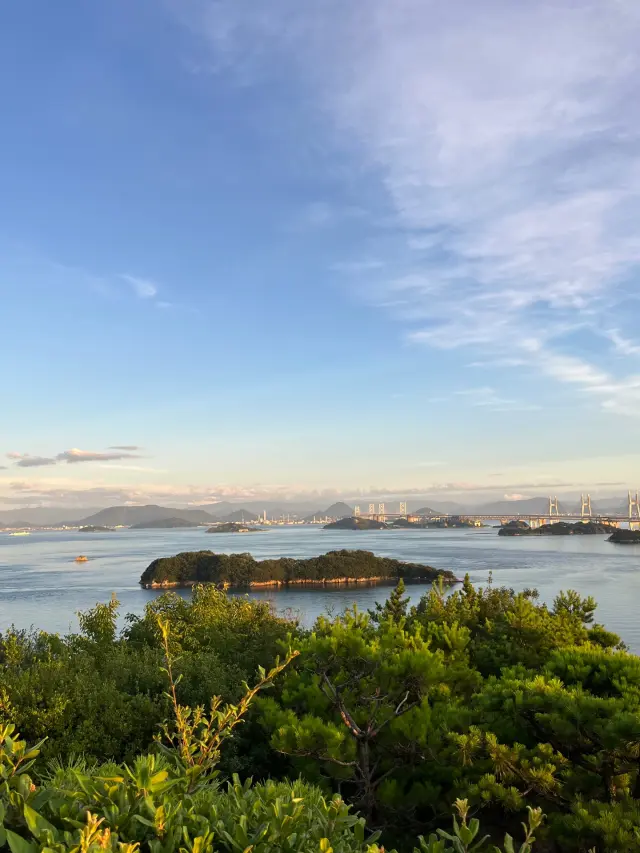
I've been to Kojima Bus Station twice. The first time, I wanted to go to Ojigatake to watch the sunset, and I chose between Ojigatake and Washuzan. But while I was looking up how to get back down, I found that Ojigatake was more convenient, except there were no more buses... I don't know whether I hadn't done enough research or got something wrong at the time. Anyway, I didn't make it to Ojigatake, and I was afraid I wouldn't be able to get back if I went to Washuzan... It put me in such a bad mood that even three delicious meals couldn't have cheered me up. (I really love sunrises and sunsets.) So this time, I researched the transportation super carefully, and I actually found out that Washuzan has a sunset bus! So I made up my mind to rush back from Tottori and watch the sunset to make up for last time. (If Tottori had a better spot, I definitely would've gone there, but Tottori is really so remote...) Anyway, in the end I really did get on the sunset bus as I'd hoped! Overall, it was pretty good. The older driver was also very cute and even made a huge heart sign at us! The only downside was that the mountain road was really bumpy, and there were no restrooms along the way, so you really should go before leaving. But the driver seemed like he really didn't want me to go, maybe because he was afraid I'd make us late? But there were still about ten minutes left. So I went anyway, and luckily I did! After arriving at Washuzan, the scenery before my eyes really felt like a painting. I'll just post the beautiful scenery in this review. (I'll put the beautiful sunset in the Seto Ohashi Bridge review. Honestly, I was a little moved. It wasn't simply thinking, wow, it's so beautiful. It was because I'd gone through so much and taken so many detours, rushing all the way back from Tottori, storing my luggage, finding the limited express train, and really worrying that I'd be late. In the end, I finally saw the sunset I'd wanted to see for so long! I'm so glad I came. No regrets now ٩(˃̶͈̀௰˂̶͈́)و
-
Wakayama Electric Railway Kishigawa Line
 周黛西
周黛西
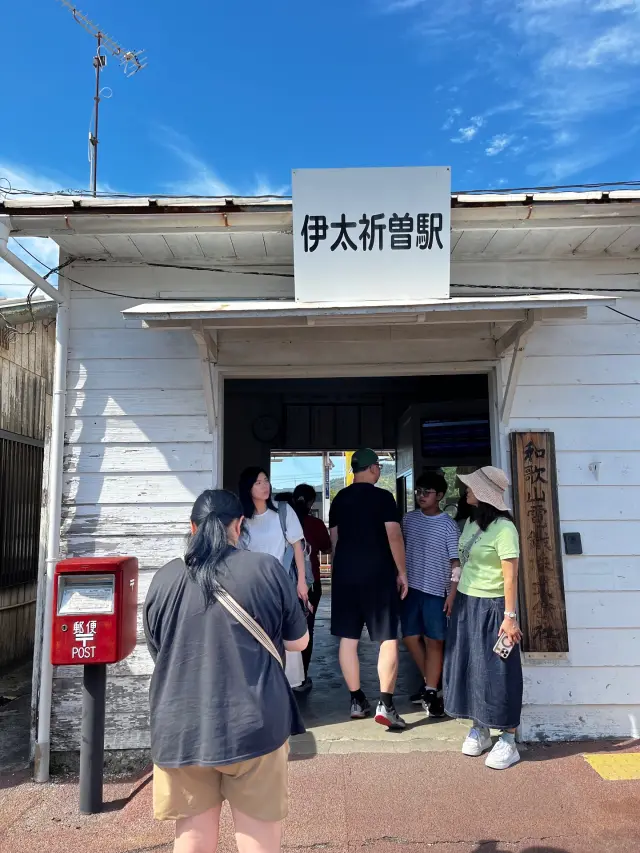
Drawn by a calico cat stationmaster, I came to Idakiso Station (GOTAMA was on duty) and boarded the luxurious cat-themed train to Kishi Station. Kishi Station became famous after the cat stationmaster Tama began serving there. The first cat stationmaster, Tama, who took office in 2007, has since become an angel. The current successor is the fourth-generation Tama, 6TAMA, carrying on the cat stationmaster's adorable image and friendliness. The station's design also incorporates many cute cat elements. The roof is shaped like cat ears, and the walls feature cat patterns. The overall design is full of childlike charm, with lots of cute cat details inside and outside the station. Travelers who come because of its fame get excited as soon as they step off the train. It truly is a must-visit stop for cat lovers. The cute and lovable calico cat stationmaster not only raised Kishi Station's profile but also boosted local tourism. With cat-themed decorations and facilities, Kishi Station successfully became a famous Wakayama attraction. It not only revitalized the area but also brought widespread fame to this once sparsely visited station. Kishi Station is more than just a transportation hub; it's also a successful example of using creativity to promote local development. Today, its unique charm and warm atmosphere draw countless visitors who come to experience this little cat station filled with love and endless creativity. The souvenir shop inside Kishi Station is packed with a dazzling variety of products. Next to Tama Cafe, it is also themed around the legendary cat stationmaster Tama and sells creative Tama merchandise. I wanted to buy every single item and take it home 😆😆. Across from Kishi Station is Kinokawa City's tourist exchange center, Kirari, which also has a very cute exterior. The second-floor windows look like a pair of adorable doll eyes. Inside is an information center offering travel information and transportation guides, making it easy for visitors to learn about nearby attractions and how to get around. I fell in love with Wakayama on my first visit. Next, I'll slowly check off the other attractions〜
-
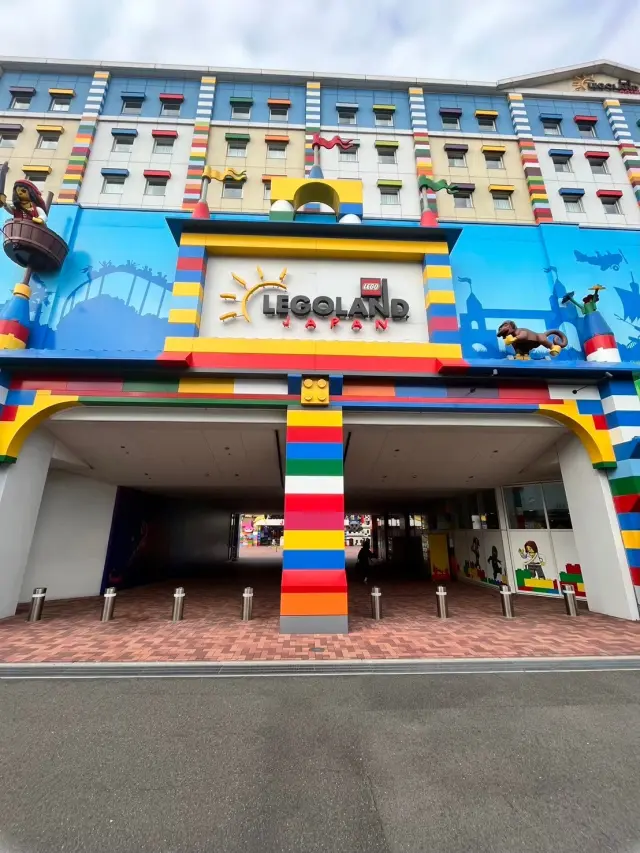
LEGOLAND®︎ Japan
 BobbyJenny
The entrance to LEGOLAND Japan in Nagoya feels like stepping into a colorful LEGO box magnified millions of times! Scenes built with more than 17 million LEGO bricks are everywhere, while the scent of caramel popcorn and the sound of children screaming fill the air. Whether you're admiring enormous brick dinosaurs up close or wandering through colorful brick streets, your inner child and sense of adventure are instantly awakened. The whole park is filled with an irresistible childlike excitement. The attractions here aren't just static displays—they're full of surprises and action! On Submarine Adventure, you can watch real sharks swim alongside a LEGO shipwreck through glass portholes. In Miniland, famous landmarks from across Japan are vividly recreated in LEGO form at a 1:1 scale, and even the little trains and vehicles move on their own. The most thrilling ride has to be The Dragon. Racing and twisting above the castle with the wind rushing past is just exciting enough, and even adults can have a great time. When you're tired from playing, don't miss the park-exclusive LEGO fries! These golden, crispy, brick-shaped fries are soft and tasty inside and so eye-catching that they're perfect for photos. A trip to LEGOLAND Japan in Nagoya brings a full day of laughter and surprises!
-
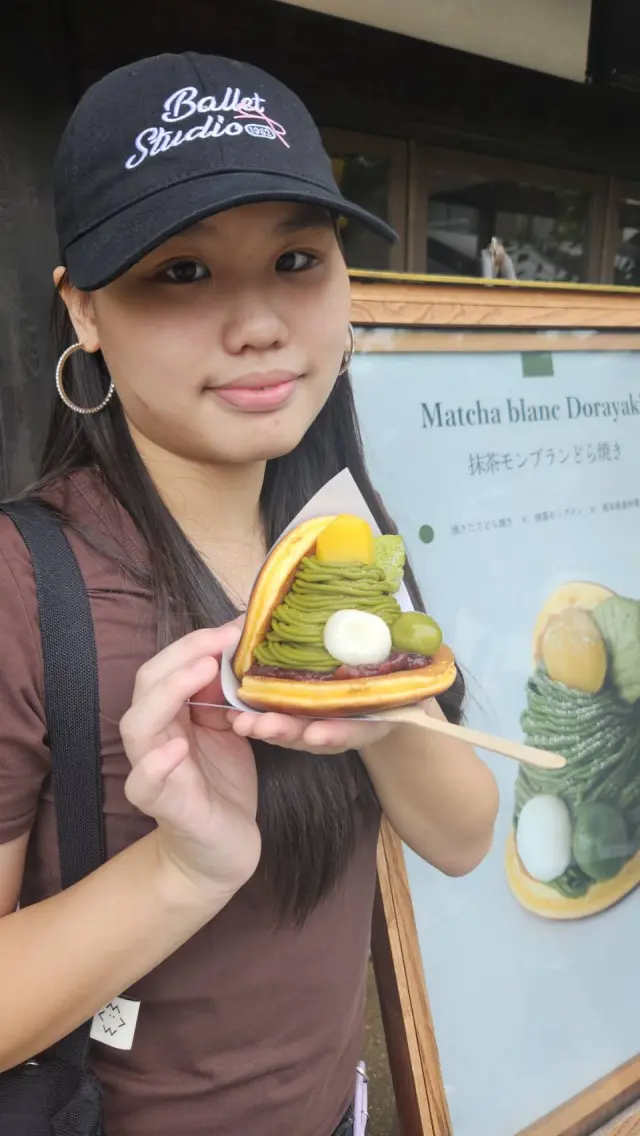
Yunotsubo Kaido
 陳泰任
陳泰任
Yunotsubo Kaido After leaving the dreamlike Kinrin Lake in Yufuin, I took a relaxed stroll along nearby Yunotsubo Kaido. It felt like stepping into another magical world full of imagination. The street is lined with all kinds of unique shops, from delicate goods and local souvenirs to an amazing variety of sweets and snacks. Each one feels like a carefully designed fairytale scene, making you want to explore them one after another. The themed shops with immersive experiences were especially fun. They were lively and playful, sometimes reminding me of the magical world of Harry Potter, and other times making me feel like I had walked into the familiar picture-book worlds of Snoopy and Miffy from childhood. The sweet, tempting aroma of dango along the way made the walk even happier. The seasonal Mont Blanc dorayaki from Yufuin Kikuchi was especially impressive. The chestnut flavor blended beautifully with the delicate dorayaki, and it looked so exquisite, almost like a piece of art, that I almost didn’t want to take a bite. The charm of Yunotsubo Kaido is not just shopping and browsing. It’s a journey where sights, flavors, and childhood memories come together. Each carefully made souvenir brings home not only something delicious, but also a sweet and unforgettable memory from the trip.
-
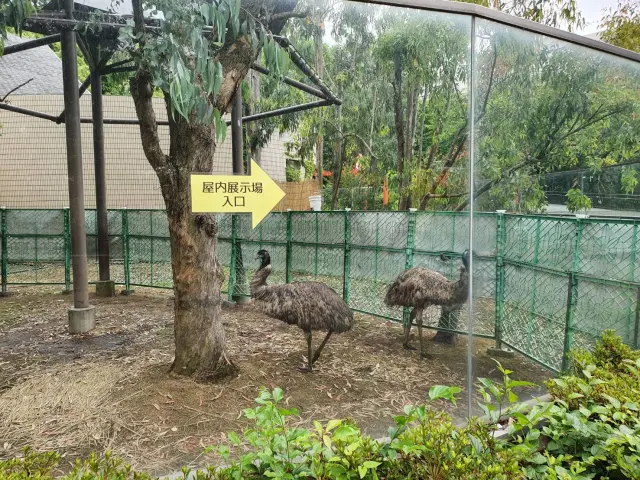
Tennoji Zoo
 楊雅雯
楊雅雯
Tennoji Zoo was originally just one stop on our trip, but it ended up being one of the biggest surprises in Osaka! It’s right in the city, so getting there is super convenient. With about 170 species and 1,000 animals, it’s much bigger than I expected. What impressed me most was that the animals all seemed well cared for. Their spaces were roomy, and the grounds were clean and well maintained, without the usual zoo smell. We took our time walking around and saw giraffes, polar bears, penguins, and lions. Before we knew it, we had spent several hours there. If you’re traveling independently in Osaka and want a spot that both adults and kids will enjoy, Tennoji Zoo is definitely worth adding to your itinerary!
-
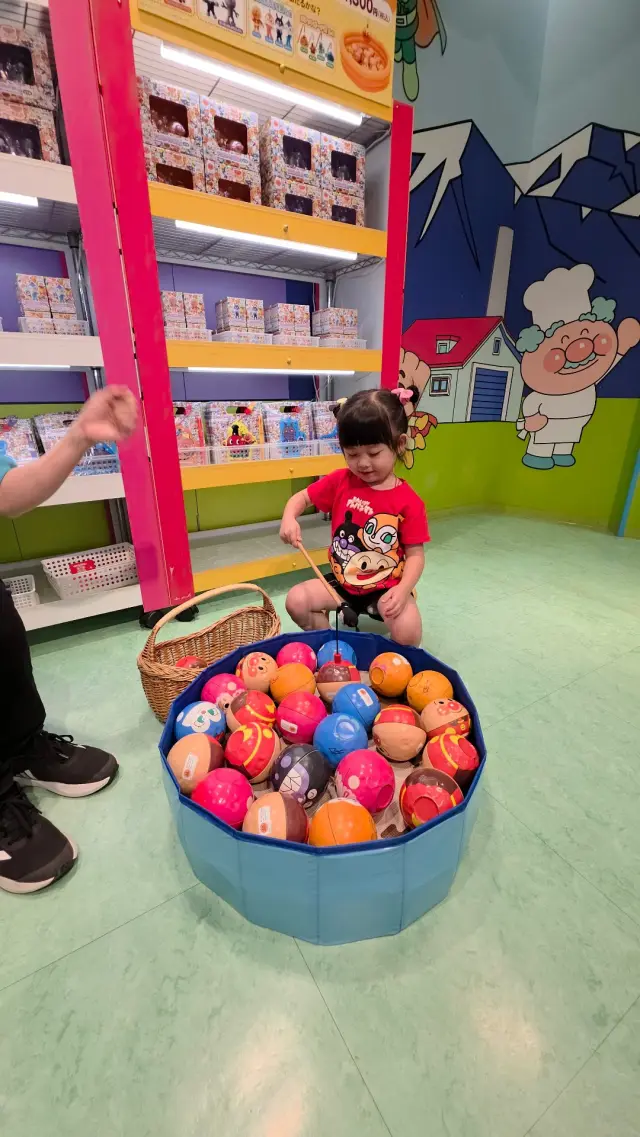
Nagoya Anpanman Children's Museum & Park
Queenie
In May, I traveled to Nagoya with my little one, and the thing we were most looking forward to was visiting Nagoya Anpanman Children's Museum & Park. This place is truly a paradise for kids. The park is clean, comfortable, and full of bright colors. You can see Anpanman and other adorable characters everywhere, so my child was excited from the moment we walked in. There are plenty of indoor play areas, outdoor attractions, and themed restaurants full of playful charm. Whether you’re playing, taking photos, or having a meal, you’ll come away with lots of great memories. It was raining heavily that morning, so I was worried it might affect our plans. Luckily, the rain stopped in the afternoon, and the outdoor show we had been looking forward to went on as planned. Seeing the characters interact so warmly with the kids made my little one laugh nonstop. We played from morning until the afternoon and still didn’t want to leave. It’s a fantastic spot for families with children. If you’re traveling independently in Nagoya with kids, I highly recommend setting aside a full day here. I’m sure both adults and children will leave with unforgettable and happy travel memories.
-
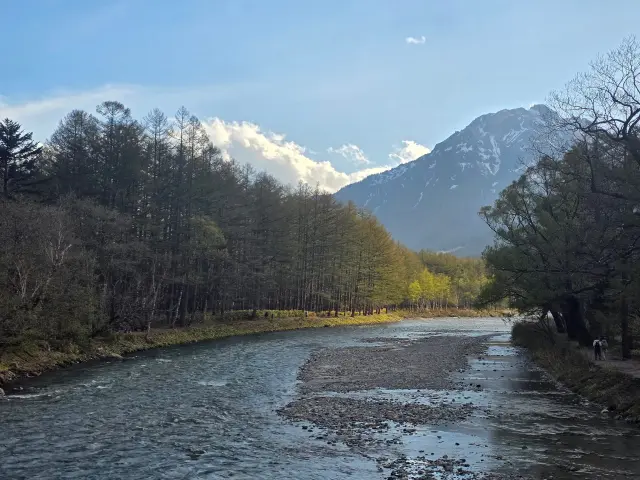
Kamikochi
王小鈞
Kamikochi | A breathtaking hidden gem you have to visit at least once in your life I once saw the beautiful scenery of Kamikochi in a travel magazine, and quietly made a wish to come here someday. This time, I planned a special one-day trip to Kamikochi and finally checked it off my dream list! Kamikochi, known as the "home of the gods," truly lives up to its reputation. The crystal-clear Azusa River, the majestic Hotaka mountain range, and the dreamy forest trails make every step feel awe-inspiring. The whole place feels like a living landscape painting, and it was hard to leave. What made it even better was the amazing weather that day. The blue sky and white clouds reflecting over the mountains and river made every casual photo look like a postcard. Whether it was the famous Kappa Bridge or the forest paths along the way, every corner was worth stopping to admire. If you love nature, enjoy photography, or just want to get away from the noise of the city and experience pure natural beauty, I sincerely recommend visiting Kamikochi at least once. It’s not just a scenic spot, but a place where you can truly relax and feel the charm of nature.
-
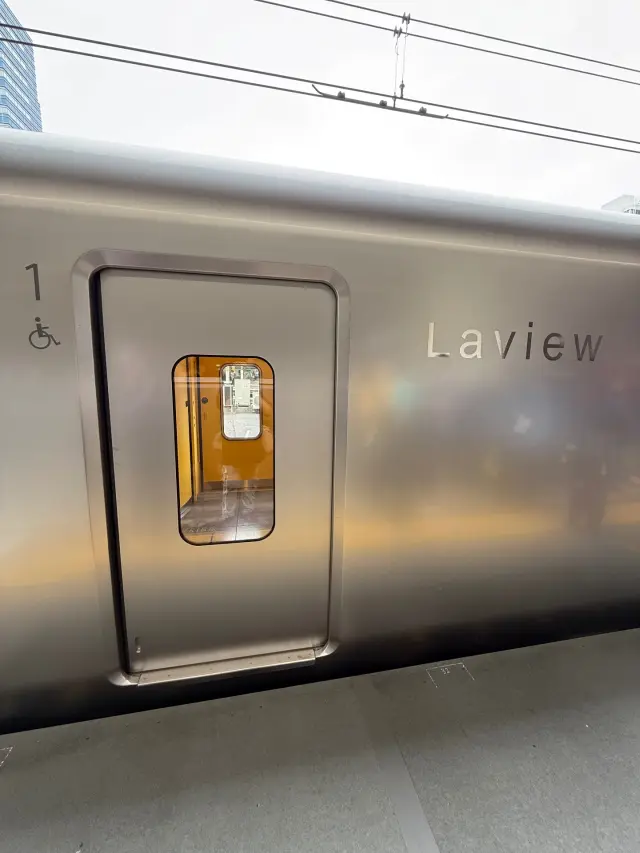
Chichibu Pilgrimage Circuit
Jing Hsu
Over the past two years, we’ve started planning our trips around Japan’s sightseeing trains and then arranging the rest of the itinerary around them. For those of us who don’t drive, it’s an especially convenient and comfortable way to travel. We were lucky enough to book the only sightseeing train that runs from Chichibu to Tokyo, the "52 Seats of Happiness," for Sunday, 2026/06/07 at 4:00 PM, departing Chichibu for Shinjuku. Since we wanted to make it a day trip and also choose the French dinner service with live onboard music, this is the itinerary we ended up with: At 9:00 in the morning, we took the Laview train from Ikebukuro Station, which first launched in March 2019. The ride took about 70 minutes. As soon as we arrived in Chichibu and exited the station, we saw the hot spring festival collaboration with Beitou in Taiwan. Right next to it was an area filled with all kinds of souvenirs and food. About a five-minute walk away is Chichibu’s most famous ramen shop, and my personal number one, "Chindatsu." After a satisfying meal, we strolled through the thoughtfully designed streets. The shops along the way were all decorated in such a warm and charming style. In about 15 minutes, we reached Chichibu Shrine. It shares the cultural motif of the three cute monkeys with Nikko Toshogu Shrine, but its traditional shrine architecture paired with brighter colors gives it a very different feel. After soaking in the spiritual atmosphere, we passed a supermarket that was amazing for shopping, then headed to the hot spring facility next to the station. The large public bath overlooks the mountains, and there are also stone slabs where you can lie down and relax, which was perfect for easing the fatigue from walking 20,000 steps a day over the past few days. The "52 Seats of Happiness" train is arranged like a French restaurant, and the meal was made with fresh, delicious ingredients. The authentic French sauces were impressively well done, and the live violin performance by a highly skilled musician was the perfect finishing touch to this trip.
-
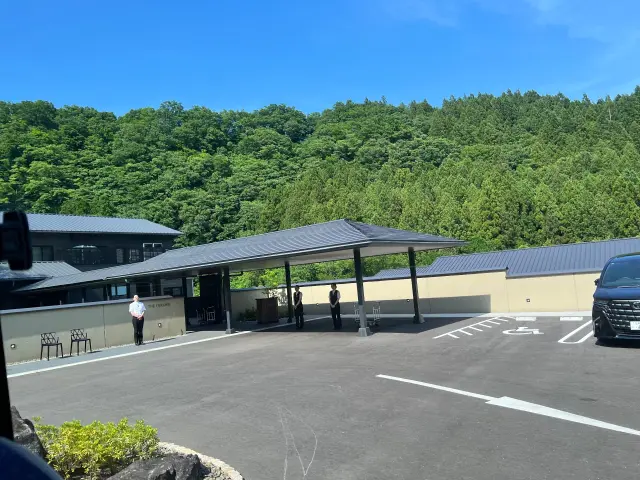
THE YUKAWA Ichijoh Branch
Fion Tsai
When we arrived at the station, we felt a little nervous, wondering whether anyone would be there to pick us up. However, our worries quickly proved unnecessary. Before long, we saw the driver approaching us with a warm smile. He kindly offered to take our luggage and reassured us that a staff member would be available to communicate in our language, so there was no need to worry. This immediately left us with an excellent first impression. Upon arriving at the hotel, we received a truly Japanese-style warm welcome that made us feel incredibly comfortable and cared for. We enjoyed a welcome drink in the lounge while our host thoughtfully introduced the hotel’s facilities and bar, encouraging us to relax and fully enjoy our stay. We were then escorted to our room, and everything felt effortless and inviting. We spent a wonderfully peaceful time in our room. Sitting on the terrace doing absolutely nothing, listening to the birds singing and the gentle sound of the stream, soaking in the hot spring bath, and sipping tea while reclining on a lounge chair-it was the perfect way to unwind and completely relax. The dining experience was equally impressive. The meals were carefully prepared according to our preferred dining times, and the staff had thoughtfully inquired about any dietary restrictions beforehand. Surrounded by beautiful scenery, we enjoyed first-class service, spacious surroundings, and a deep respect for our privacy. These aspects exceeded our expectations and made us feel truly valued. Our host was always quick to respond whenever we needed assistance, which was deeply touching. It reminded me of something I once read: the best service is not about constant attention, but about always being there when needed. On the second day, we enjoyed breakfast outdoors. After breakfast, we packed our luggage, reluctant to leave after such a wonderful two-day, one-night stay. As we departed, all the staff members, along with a lady who I believe was the owner, stood at the entrance to bid us farewell. I would like to thank her for creating such a beautiful property and for her meticulous attention to every detail. This was truly an exceptional experience. I wholeheartedly recommend it to anyone who loves nature, values privacy and quality, and is looking for a place to rejuvenate both body and mind. A stay here is something you will remember for a lifetime.
-
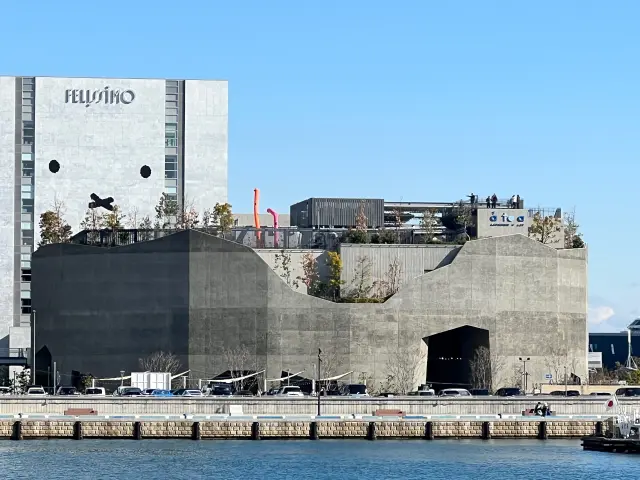
Kobe Port Tower
Norton Liang
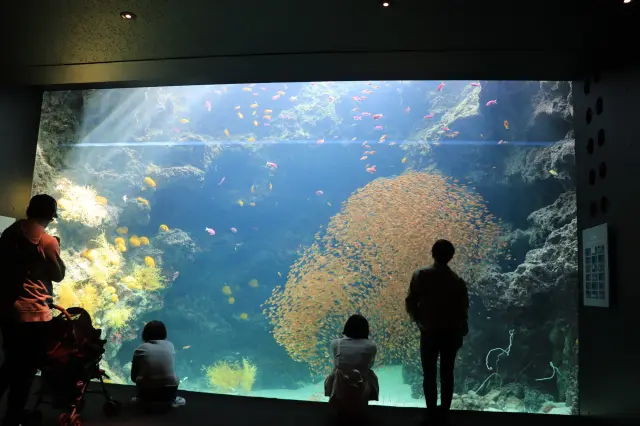
The theater-style aquarium "AQUARIUM × ART átoa" in Kobe Harbor has an architectural concept that beautifully combines the port city's historical memory with the symbolism of rebirth after the Great Hanshin Earthquake. Architectural concept: "The Uplift" The building symbolizes "land rising from the sea." Its rugged, rock-layer-like exterior represents Kobe gathering its strength again after the devastation and destruction of the 1995 Great Hanshin Earthquake, showing a resilient life force and being "reborn" where the mountains and sea meet. Coming to Kobe, a city I had overlooked for so long, the harbor moved me far beyond just the Ferris wheel 🎡 and Kobe Port Tower. What touched me even more was the rebirth of this land, its vibrant blue tones, and the powerful impact this building had on me!
-
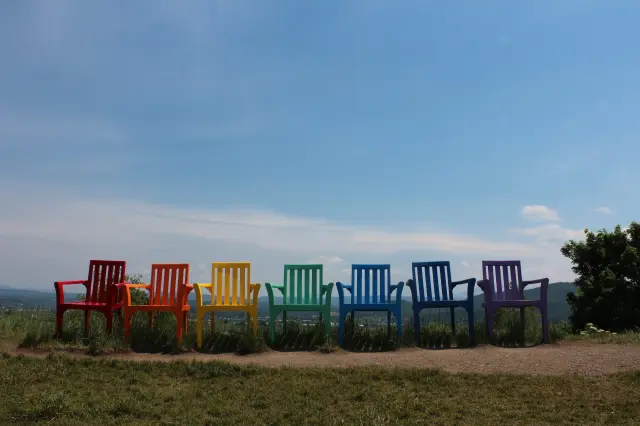
Ueno Farm
 W10B
W10B
Stepping into Ueno Farm feels like falling into a European fairy tale in an instant. The owner has brought a warm English-style garden to Hokkaido, and the biggest surprise is the many little fairies hidden among the flowers and greenery. These delicate art installations add a fun, treasure-hunt-like fairy-tale charm to a walk through the garden. Following the path up the hill, the row of colorful rainbow chairs at the top is a photo spot you absolutely shouldn’t miss. Sitting here and looking down, you can take in the patchwork-like garden and the wide-open rural scenery all at once. When the breeze blows through, being surrounded by all those colors and nature feels so soothing that it makes you want to sit there and lose track of time.
-
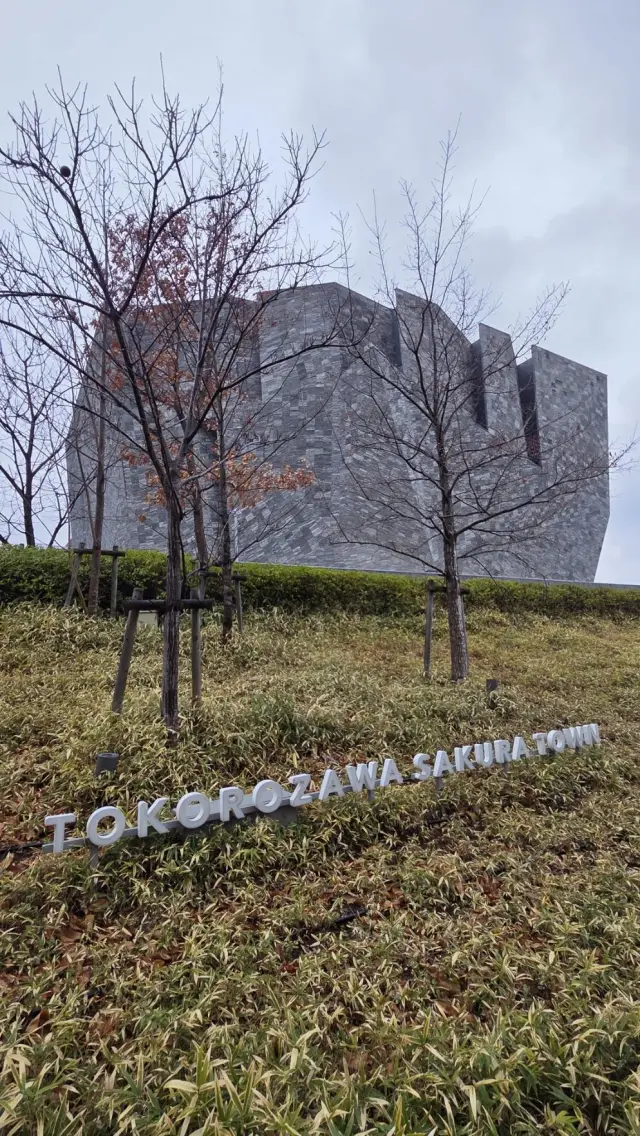
Tokorozawa Sakura Town
Rebecca Ĺïn
If you love art and architectural design, you definitely shouldn’t miss the Kadokawa Culture Museum (Rock Museum). There’s plenty of information on the official website, so it’s worth doing some research. I did a lot of prep for this solo trip, including the route, train tickets, online admission tickets, and working up the courage to go by myself. You may want to check whether your departure station has JR ticket service. I chose Ikebukuro Station because it’s closer to where I live. If you’re leaving the same day, you can just buy your ticket on-site. Since I booked early, I was able to purchase both the outbound and return tickets at once. After that, I bought the admission ticket online. Be sure to double-check that your train ticket is for the same day, because the admission ticket is nonrefundable! Train ticket: One ticket involves two segments with a transfer. The first part is from your departure station to Musashi-Urawa Station, then you transfer to Higashi-Tokorozawa Station. I recommend downloading Japan Transit Planner. On the day of travel, you can check the platform number there. When choosing the time, make sure it matches the fare of the ticket you bought. That’s the correct way to do it! Don’t accidentally buy a cheaper ticket and take a more expensive train. If nobody checks, you may get away with it, but if you do get inspected by chance, the penalty can be several times the fare. The ticket is valid only for that day, but you can use it at any time that day. Admission ticket: There are two types. One is just for the 1F light manga and light novel area. The other includes 1F and 2F, including the Rock Museum Shop & Cafe, which is also the entrance hall, as well as the 4F Bookshelf Theater and book street, and the 5F Musashino Gallery and corridor. The 3F is a free restaurant area. If you want to see the exhibition floors, you need to buy an additional ticket. There are actually three sides of Kadokawa’s signature Rock that you can photograph. When I visited, it happened to be a Japanese holiday, so there were lots of food trucks and lots of people outside. Unfortunately, it was rainy, wet, and cold. If it had been sunny, I could have taken even more beautiful photos. The lighting in the Bookshelf Theater changes often, so everyone’s photos will look a little different. Photography is prohibited on-site, so please keep that in mind. Visiting Kadokawa also fulfilled one of my dreams!
Recommend






Latest Articles


Things to Do
Eating Out


Shopping
Accommodation






Goods






Getting Around






Events & Festivals

Recommended Articles










Travel Guides to Destinations
Travel Itineraries

![[2 Nights, 3 Days in Iwate] A Healing Trip Through the Castle Town of Morioka and the Scenic Beauty of Northern Sanriku](https://static.gltjp.com/glt/data/article/21000/20856/20260511_013629_ad4360ba_w640.webp)

Special Features


















eBook

Tokyo 23 Wards (digest version)

Saitama Guide

JAPAN LUXE SHOPPING Feb. Issue

JAPAN LUXE SHOPPING Sept. Issue

TOKYO LUXE SHOPPING Apr. Issue

A sustainable trip to protect the future of the islands

Luxe Tours through Tohoku, Japan

TOKYO NGHT OUT GUIDE

TOUR YAMAGATA GUIDE

TONE NUMATA BREWERIES AND WINERY