


First Time in Tokyo? Where Should You Go?
Tokyo Travel Guide
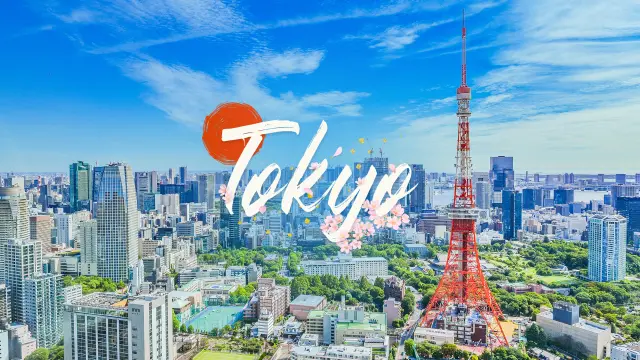
Tokyo is Japan's largest city, where streetscapes steeped in history and culture meet the cutting edge of contemporary life. Alongside popular attractions such as Asakusa, TOKYO SKYTREE®, Shibuya, and Shinjuku, each area offers its own scenery and its own way to enjoy the city.
Beyond strolling the historic downtown, shopping, and exploring the food scene, Tokyo also reaches into nature-rich areas such as Mount Takao and Okutama. The energy of a great metropolis and abundant nature exist side by side, and every area reveals a different face of Tokyo.
A Metropolis Where Old and New Coexist
Explore Tokyo by Area

-
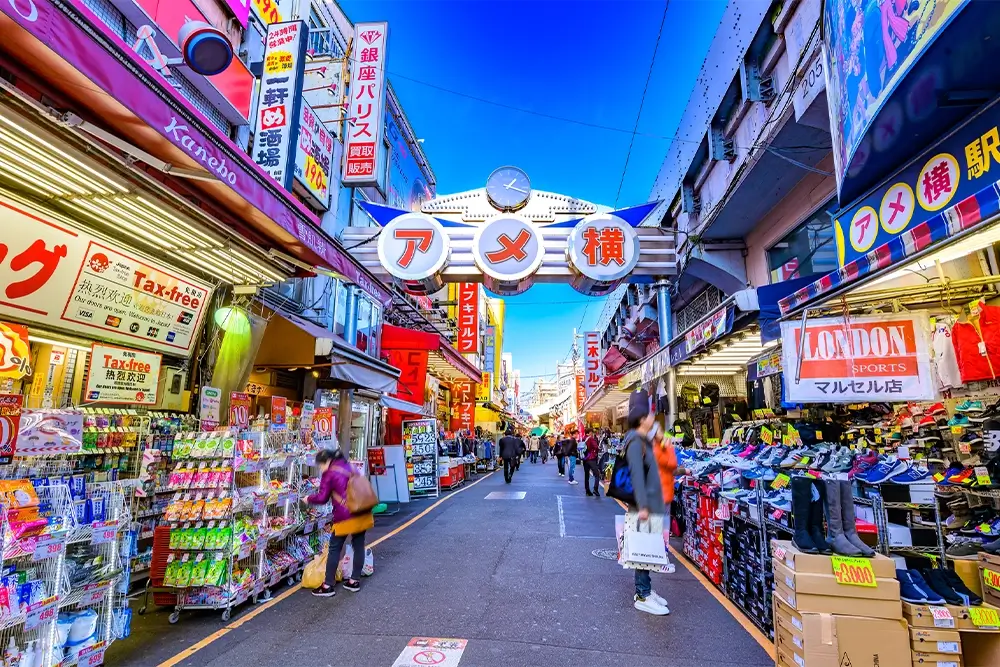
Ueno / Asakusa / Akihabara Ueno / Nippori / Asakusa / TOKYO SKYTREE / Akihabara / Kanda / Ochanomizu / Ryogoku / Kiyosumi-Shirakawa / Kinshicho
Home to some of Tokyo's most iconic attractions, including Sensoji Temple, TOKYO SKYTREE®, and Ueno Park. The area also takes in Asakusa and Ryogoku, where the old downtown atmosphere lingers, Kiyosumi-Shirakawa with its distinctive cafes, and Akihabara, known for its anime and gaming culture, offering a window into Tokyo's history, culture, and wonderfully varied streetscapes.
-
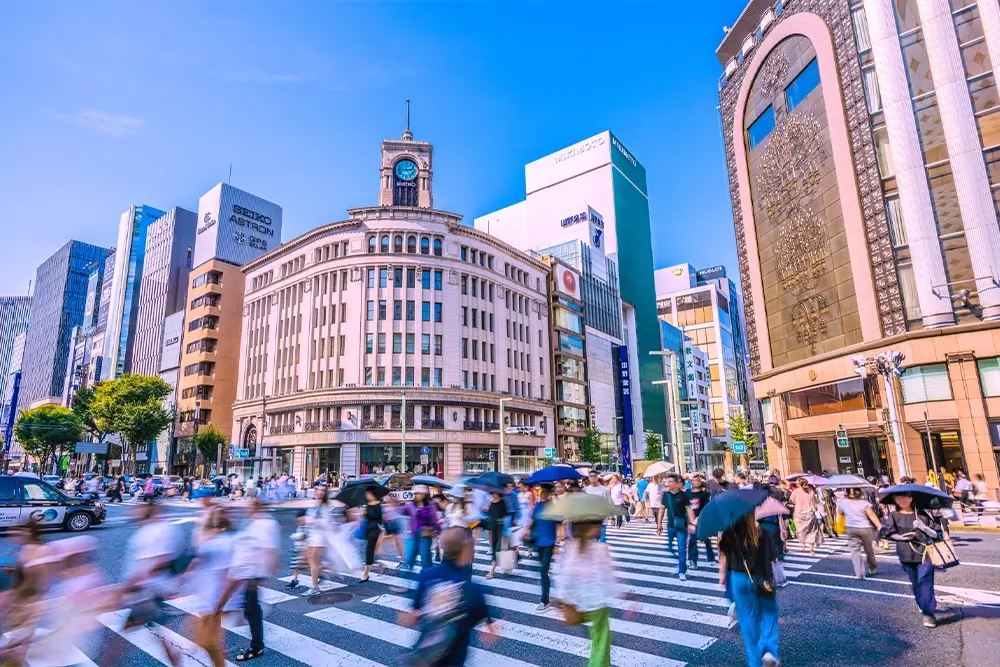
Tokyo Station / Ginza Tokyo Station / Nihonbashi / Marunouchi / Ginza / Yurakucho / Shimbashi / Toranomon / Tokyo Tower / Hamamatsucho
With Tokyo Station, Ginza, and Nihonbashi, this area makes an ideal base for sightseeing. Marunouchi is lined with modern architecture, while Ginza brings together long-established department stores and specialty shops, offering plenty of shopping and dining. From the scenery around Tokyo Tower to the historic streets of Nihonbashi, old and new Tokyo sit side by side.
-
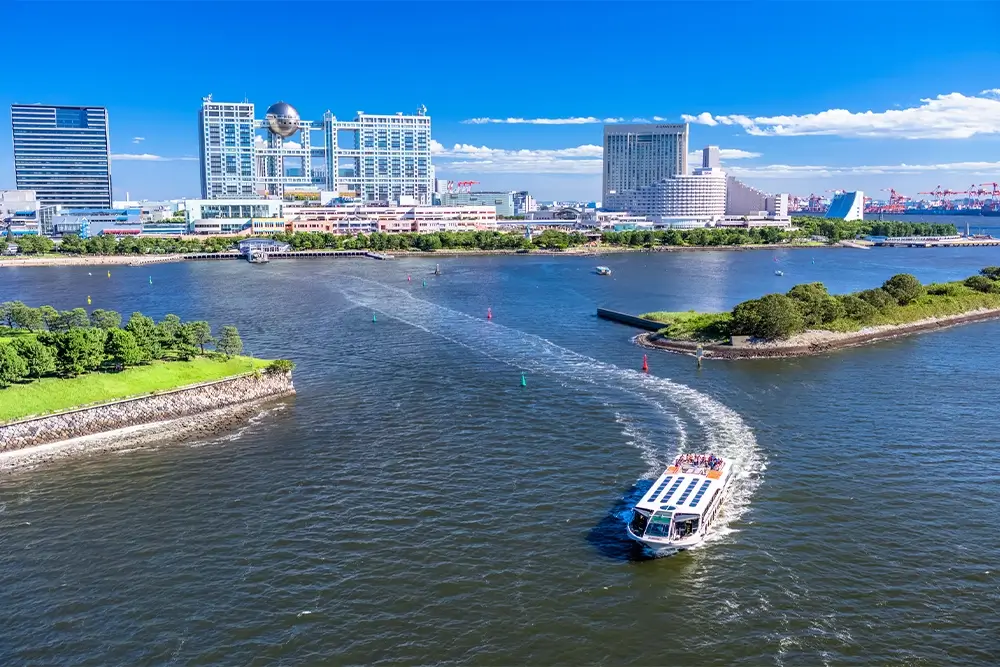
Odaiba / Toyosu Tsukiji / Odaiba / Toyosu
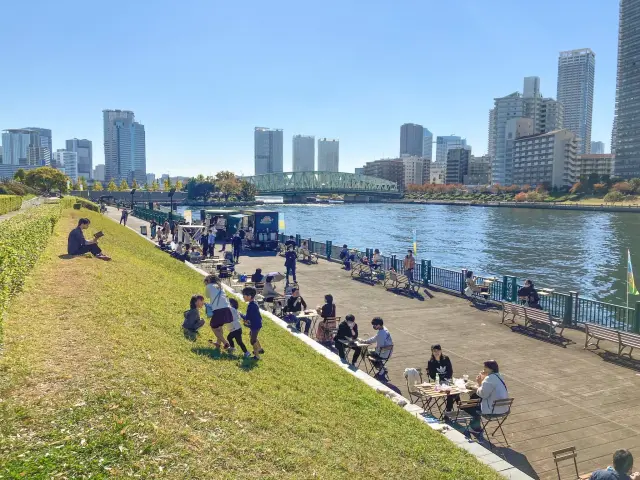
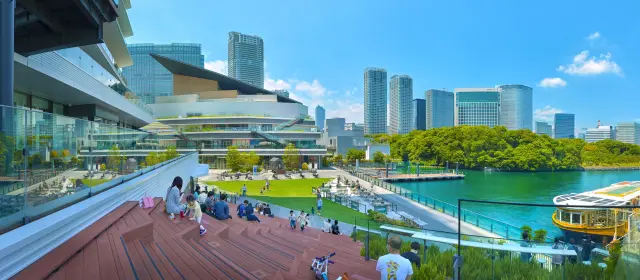
Attractions line Tokyo Bay in this area, including Toyosu Market and Odaiba Marine Park. Shopping complexes, indoor theme parks, and aquariums make it a great place for shopping and leisure, while the open views of the Rainbow Bridge and the night scenery over Tokyo Bay add to its appeal.
-
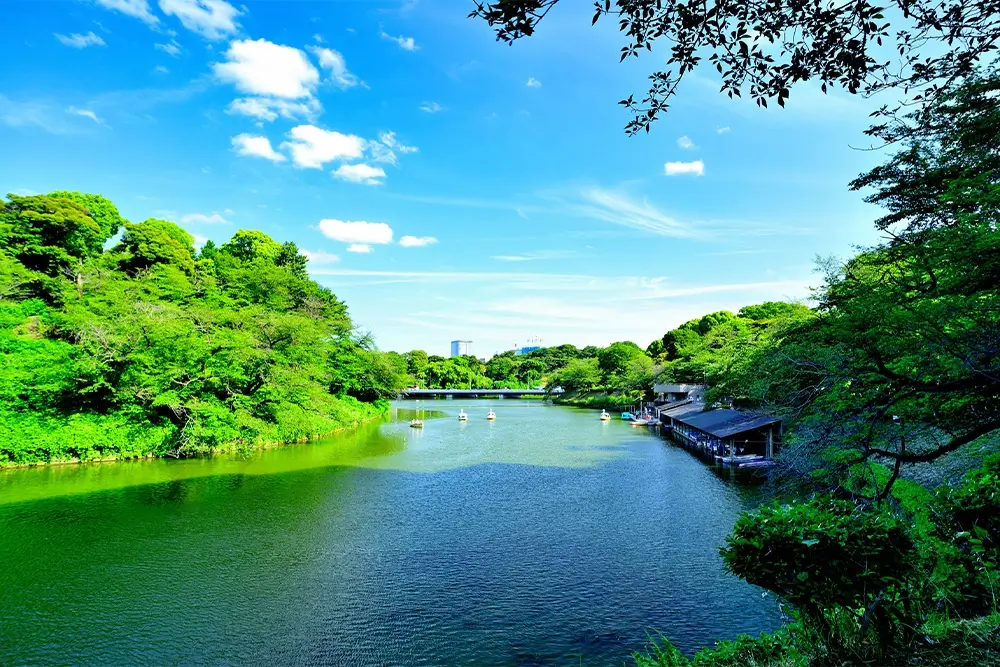
Around the Imperial Palace Kudanshita / Tokyo Dome
A green and open area centered on the Imperial Palace and Kitanomaru Park. Historic sites and cultural facilities are scattered throughout, making it a calm place for a walk despite being in the heart of the city. Tokyo Dome and Nippon Budokan host sporting events and concerts, giving the area plenty of variety.
-
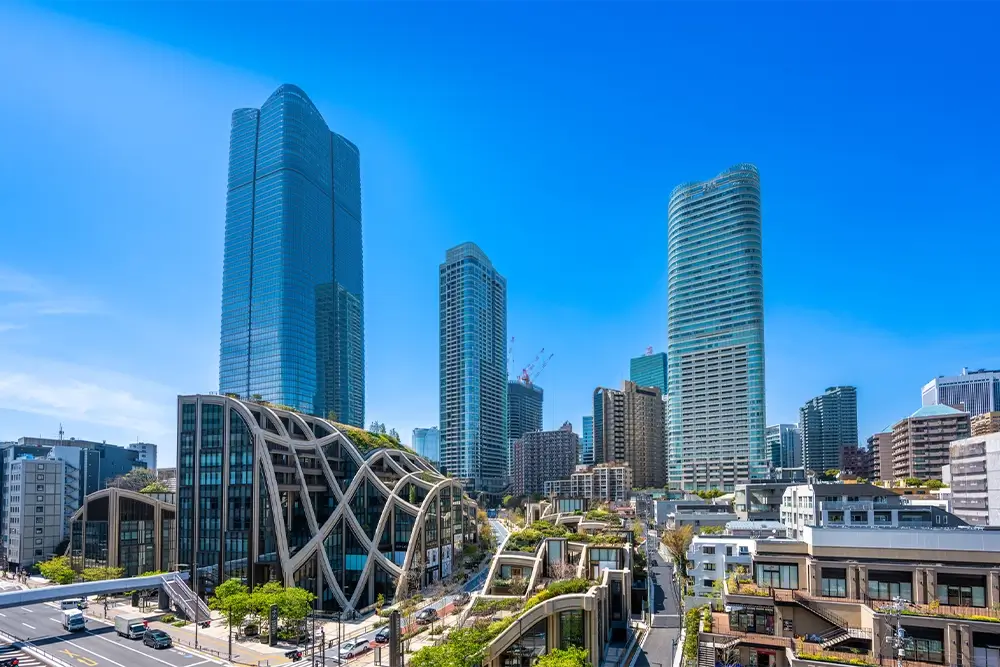
Akasaka / Roppongi Akasaka / Roppongi / Azabu-Juban
Roppongi, Akasaka, and Azabu-Juban form a sophisticated part of the city. Art museums and mixed-use complexes are dotted throughout, offering plenty of art and shopping. Azabu-Juban also has a traditional shopping street, so you can experience both the glamour and the quieter side of central Tokyo.
-
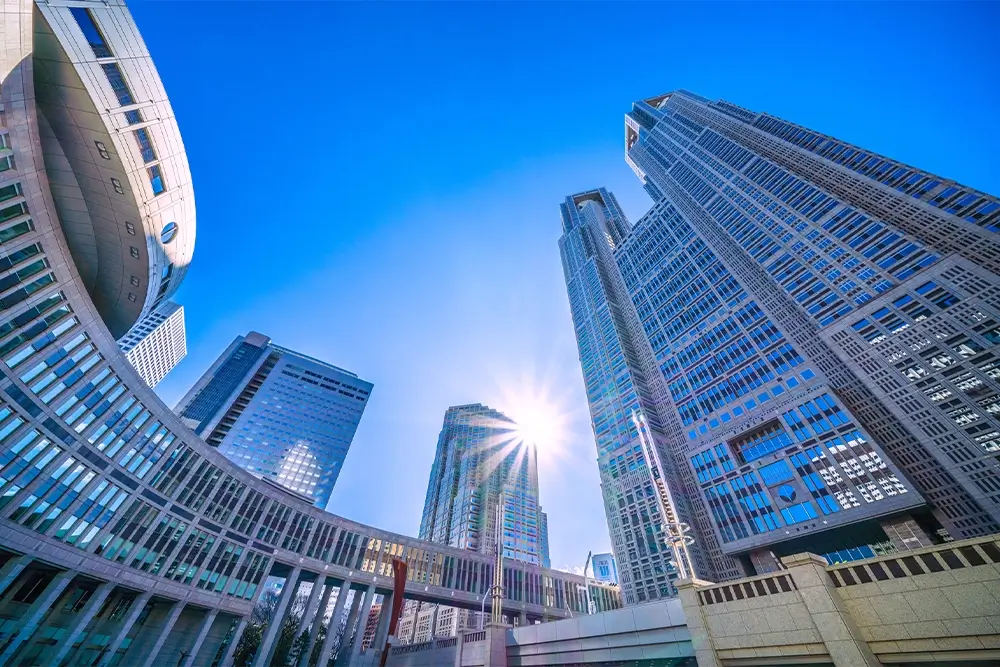
Shinjuku Shinjuku / Okubo / Yoyogi / Yotsuya / Nakano / Koenji / Ogikubo / Nerima
Centered on Shinjuku, this area offers a remarkable range of neighborhoods. Skyscraper-lined cityscapes, the Korean town of Shin-Okubo, and the offbeat shopping streets of Nakano and Koenji each have their own atmosphere to explore on foot, with everything from shopping and dining to culture.
-
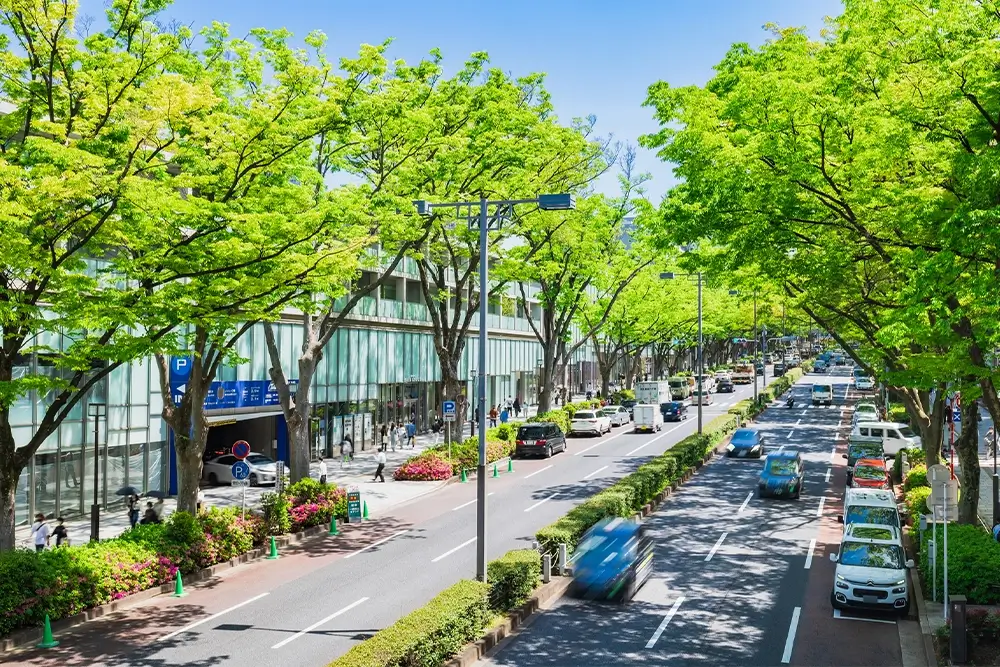
Shibuya / Harajuku Shibuya / Aoyama / Omotesando / Harajuku / Shimokitazawa / Meguro / Ebisu / Nakameguro / Daikanyama / Jiyugaoka / Sangenjaya / Setagaya / Futako-Tamagawa
Shibuya, Harajuku, and a host of other distinctive neighborhoods gather here. Many of these spots set the trends in fashion and culture, making the area ideal for shopping and cafe hopping. Stylish streets continue through Omotesando, Daikanyama, and Nakameguro, each with a character of its own.
-
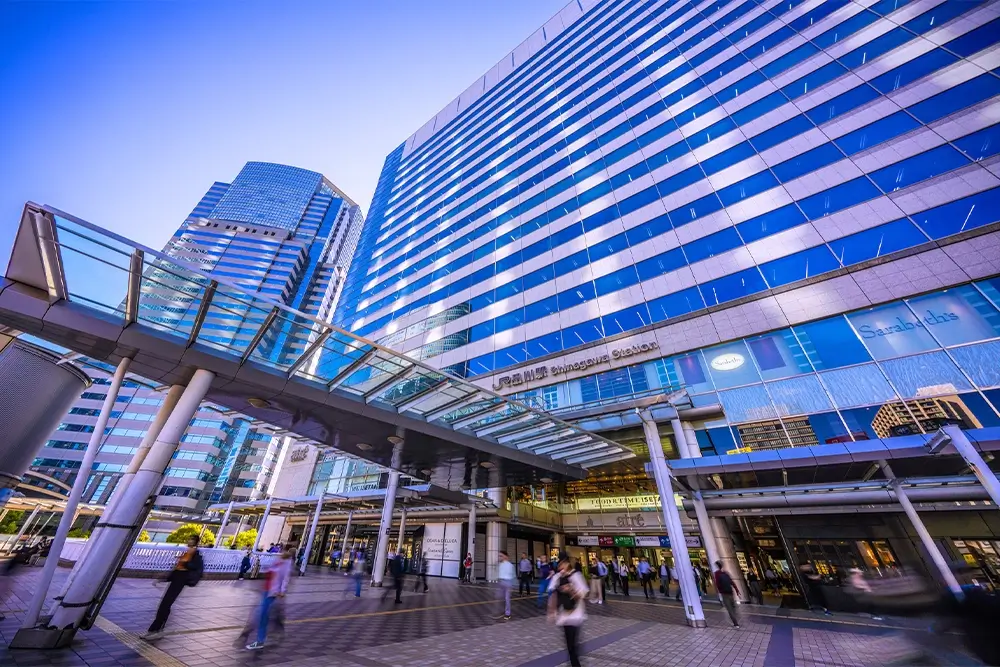
Shinagawa / Around Haneda Airport Shinagawa / Gotanda / Oimachi / Kamata / Around Haneda Airport
With Haneda Airport and Shinagawa Station, this area is a convenient base for exploring Tokyo. Excellent transport links make it popular for both sightseeing and business, and aquariums, observation decks, and shopping complexes offer plenty to see and eat between journeys.
-
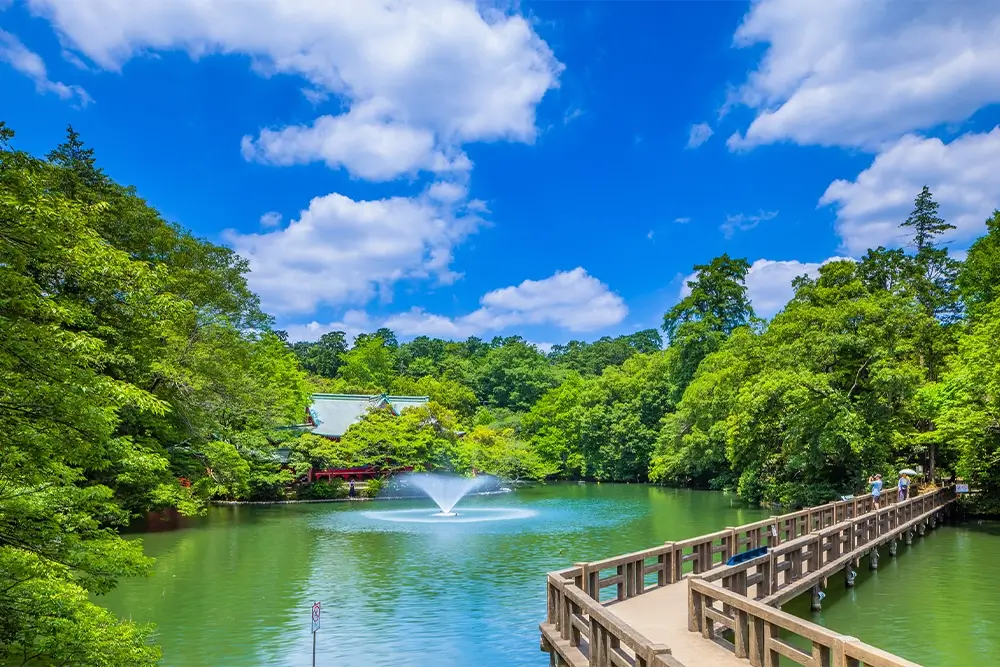
Kichijoji Kichijoji / Mitaka
Home to Inokashira Park and the Ghibli Museum, Mitaka, this area is perfect for enjoying nature and culture. Distinctive cafes and homeware shops abound, and its relaxed atmosphere makes it a pleasure to explore on foot. Park strolls, museum visits, and shopping all combine easily here.
-
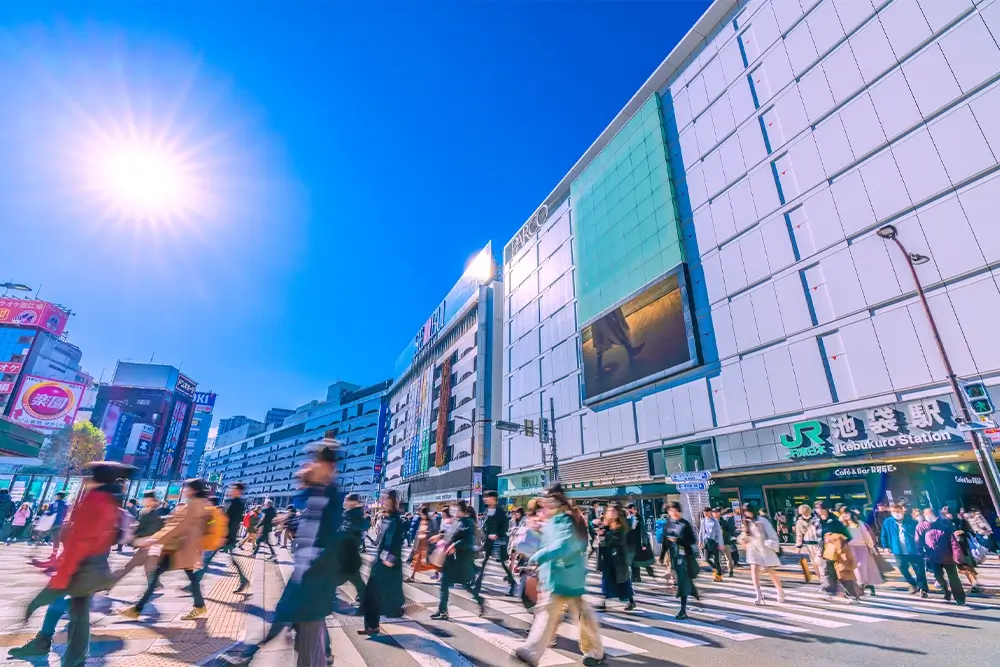
Ikebukuro Ikebukuro / Akabane / Itabashi
Sunshine City and a wealth of anime and manga destinations make this a varied area to explore. Along with shopping and dining, an aquarium and an observation deck give visitors of all ages something to enjoy. Akabane and Itabashi retain a local, old-town feel with their neighborhood shopping streets.
-
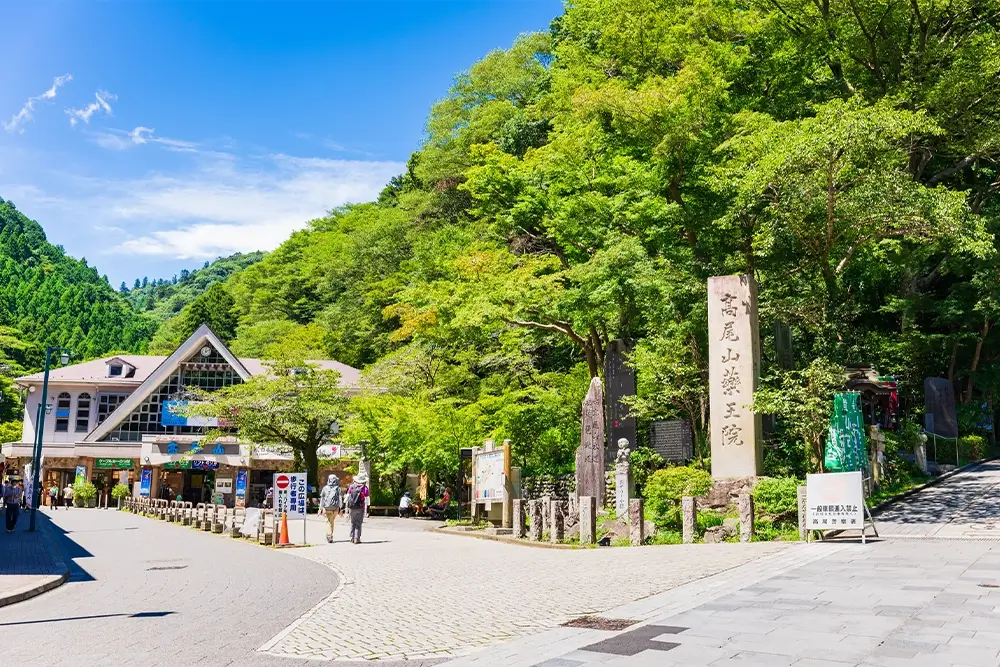
Mount Takao / Hachioji / Tama Tachikawa / Hachioji / Machida / Fuchu / Chofu / Tama
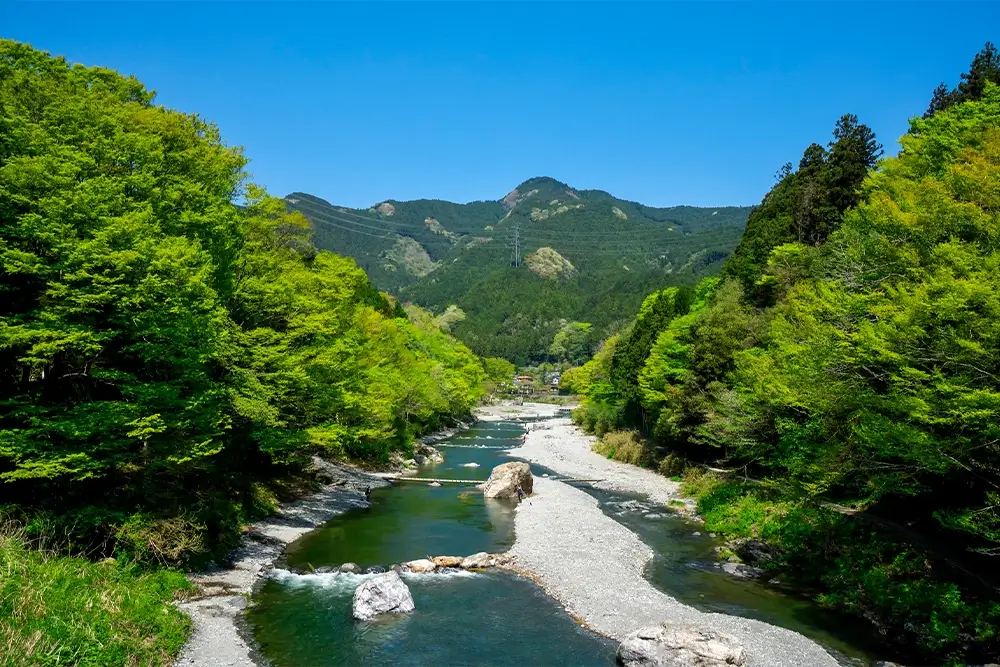
Rich nature and historic sites such as Mount Takao and Jindaiji Temple are scattered across this area. Hiking and seasonal scenery are the main draws, along with shrines, temples, and parks. Urban centers such as Tachikawa and Chofu mean nature and city life sit comfortably together.
-
-
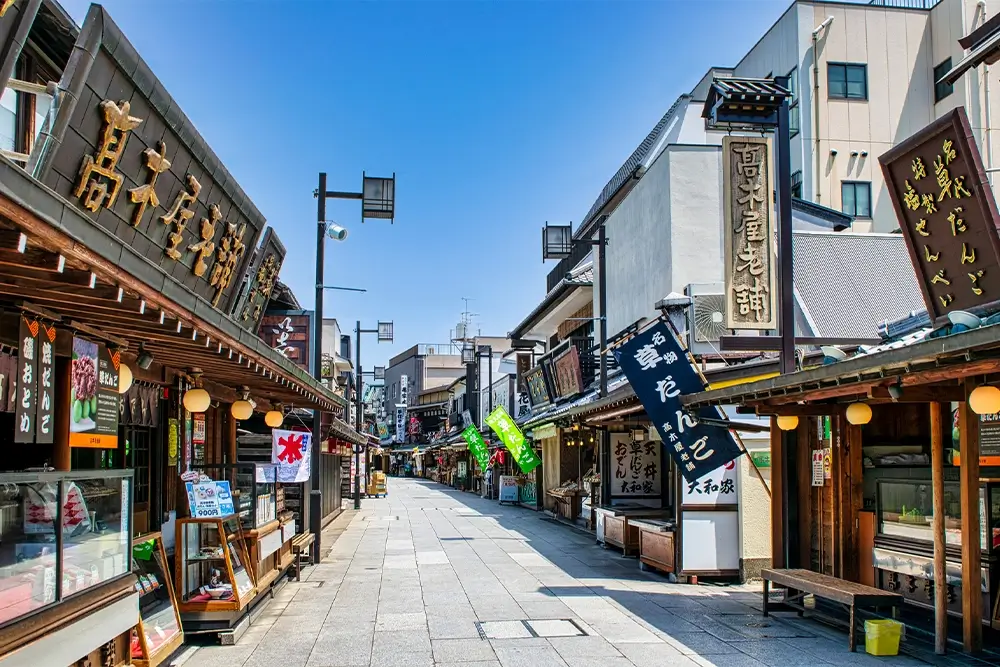
Katsushika / Shibamata Kita-Senju / Katsushika / Edogawa / Kasai
Centered on Shibamata Taishakuten, this area preserves the atmosphere of Tokyo's old downtown. Traditional shopping streets and historic sites offer a look at local life, while waterfront spots such as Kasai Rinkai Park are ideal for a stroll and a view.
-
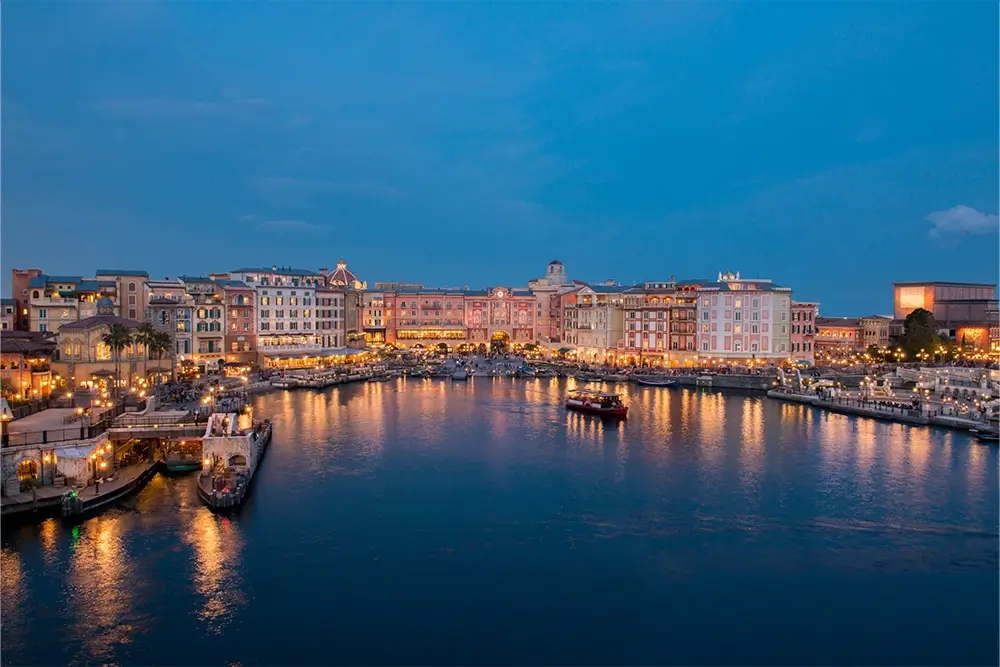
©Disney Tokyo Disney Resort
Japan's flagship theme park resort, centered on Tokyo Disneyland and Tokyo DisneySea. Located in Urayasu, Chiba Prefecture, it is often visited alongside a trip to Tokyo. Attractions, shows, and seasonal events offer entertainment for everyone.
GOOD LUCK TRIP Recommends
Must-Visit Attractions for Your First Trip to Tokyo
-
 Aoyama, Omotesando, Harajuku1. Meiji Jingu Shrine
Every year, Meiji Jingu Shrine boasts the largest number of visitors for Hatsumode (first shrine visit of the New Year) and the status of one of Tokyo’s leading power spots.
-
 Asakusa, Tokyo Skytree2. Sensoji Temple
One of Japan’s most frequented destinations! Over 1300 years of history here at the oldest temple in Tokyo.
-
 Asakusa, Tokyo Skytree3. TOKYO SKYTREE(R) TOKYO SKYTREE TOWN(R)
Take in Panoramic Views from 634 Meters Up! This Tower is in a Commercial Complex with Entertainment Facilities.
-
 Ueno, Nippori4. Ameyoko Shopping Street
A Popular Shopping Street Selling Everything from Food to Clothes.
-
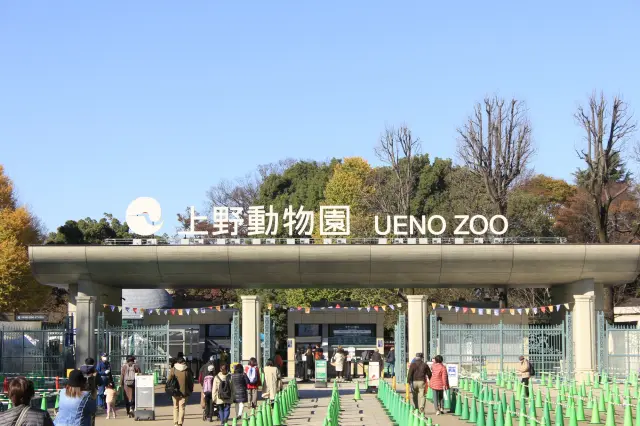 Ueno, Nippori5. Ueno Zoo
Japan’s first zoo, with a rich history.
-
 Shimbashi, Toranomon, Tokyo Tower, Hamamatsucho6. Tokyo Tower
Tokyo Tower, Beloved as a Symbol of Tokyo
-
 Akihabara, Kanda, Ochanomizu7. Akihabara Electric Town
One of Japan’s largest electronics towns, known globally as Akiba.
-
 Shibuya8. Shibuya Scramble Intersection
Crowded with Pedestrians, this is the World’s Busiest Crosswalk.
-
 Tsukiji, Odaiba, Toyosu9. Tsukiji Outer Market
A central place of “Food Town, Tsukiji” with over 400 wholesales and retail shops.
Top 5 Places to Visit in 2026
-
 Shibuya1. SHIBUYA SKY
An open feeling observation space overlooking Tokyo's landmarks.
-
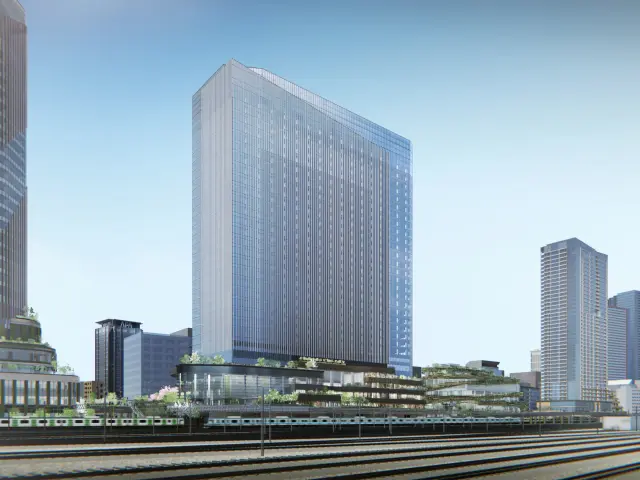 Shinagawa, Gotanda2. TAKANAWA GATEWAY CITY
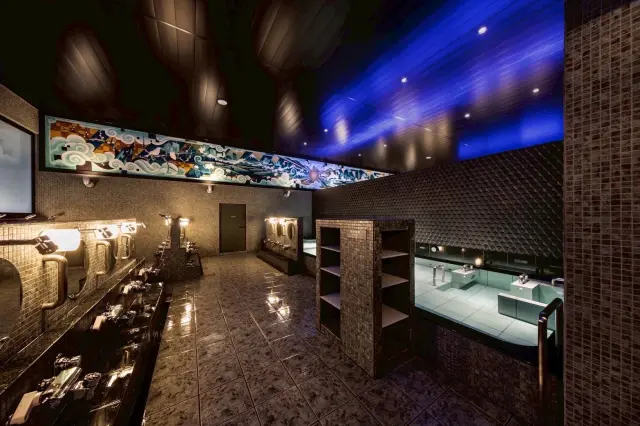
This futuristic mixed-use complex fully opened in spring 2026.
-
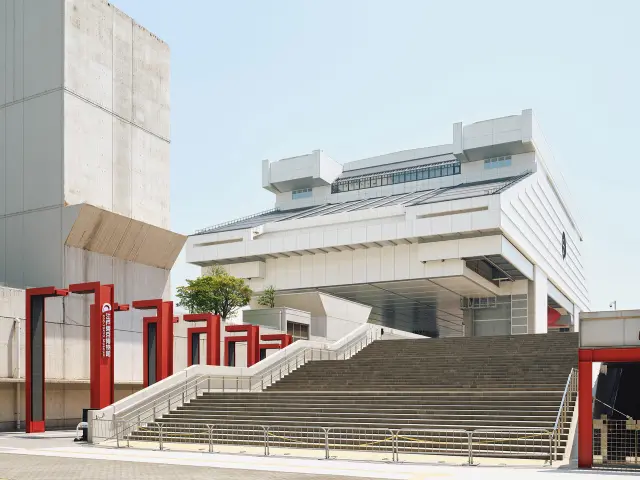 Ryogoku, Ningyocho, Kiyosumi-Shirakawa, Kinshicho3. Edo-Tokyo Museum
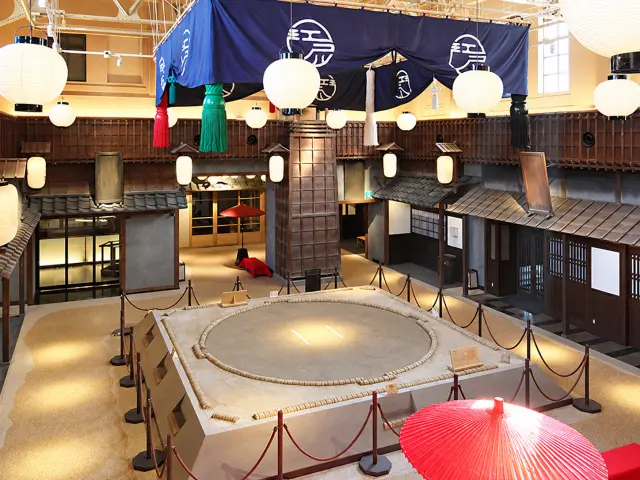
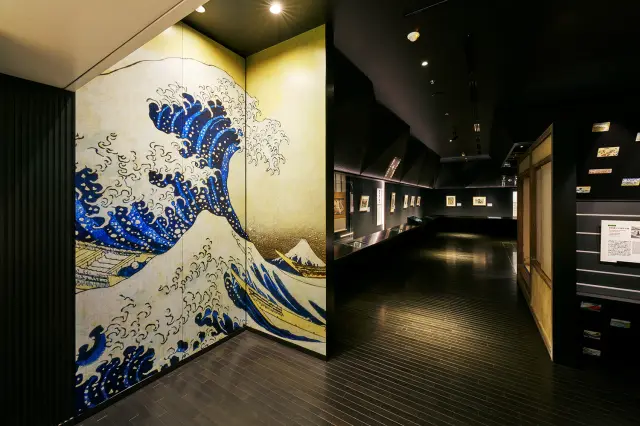
A museum renewed in 2026 that introduces the history and culture of Tokyo from the Edo period to the present day.
-
 Nakano, Koenji, Ogikubo, Nerima4. Warner Bros. Studio Tour Tokyo - The Making of Harry Potter
Experience the Grand World of a Hugely Popular Film Series.
-
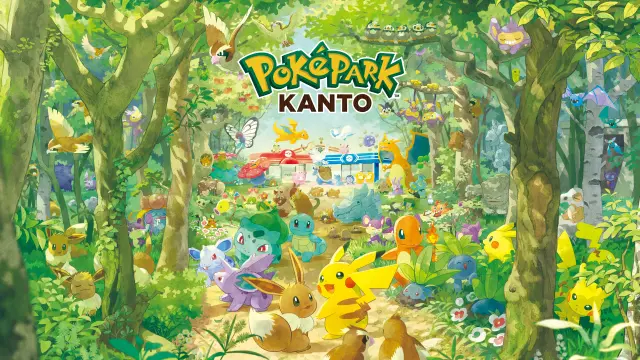 Fuchu, Chofu, Tama5. PokéPark KANTO
Embark on an adventure with more than 600 Pokémon! A new kind of permanent outdoor Pokémon facility.
Tokyo Attractions

GOOD LUCK TRIP Recommends
Top 5 Things to Do in Tokyo
-
1. Take In Tokyo's Landmarks and Cityscapes
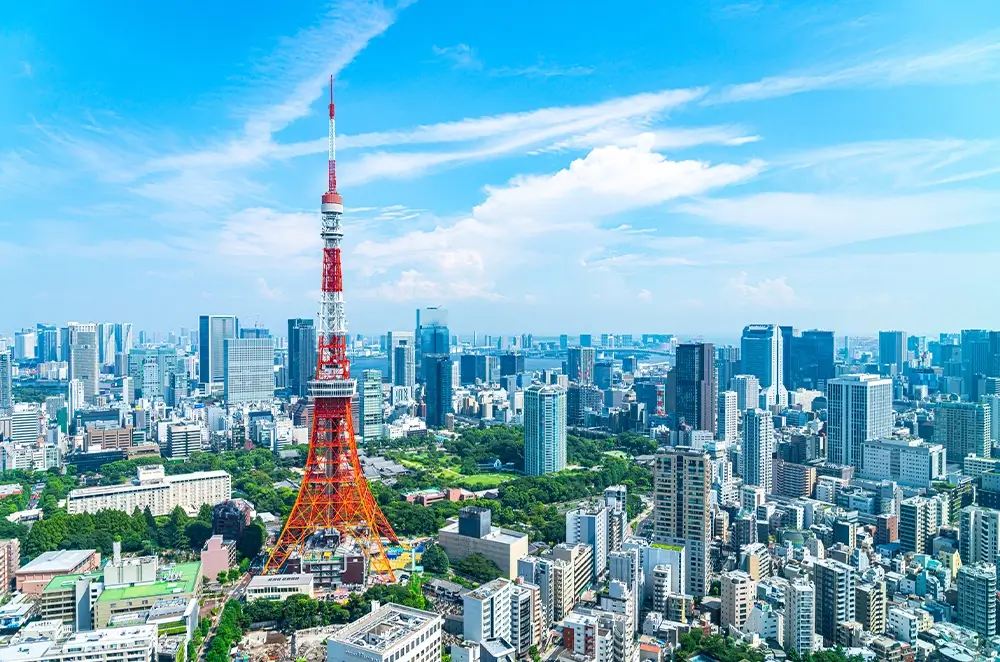
A trip to Tokyo calls for time with its landmarks and its unmistakable streetscapes. Skyscraper-filled panoramas and glittering night views capture the sheer scale of this vast metropolis.
-
Asakusa, Tokyo SkytreeTOKYO SKYTREE(R) TOKYO SKYTREE TOWN(R)
Take in Panoramic Views from 634 Meters Up! This Tower is in a Commercial Complex with Entertainment Facilities.
-
Shimbashi, Toranomon, Tokyo Tower, HamamatsuchoTokyo Tower
Tokyo Tower, Beloved as a Symbol of Tokyo
-
ShibuyaSHIBUYA SKY
An open feeling observation space overlooking Tokyo's landmarks.
-
-
2. Experience Japanese History and Culture at Sensoji Temple
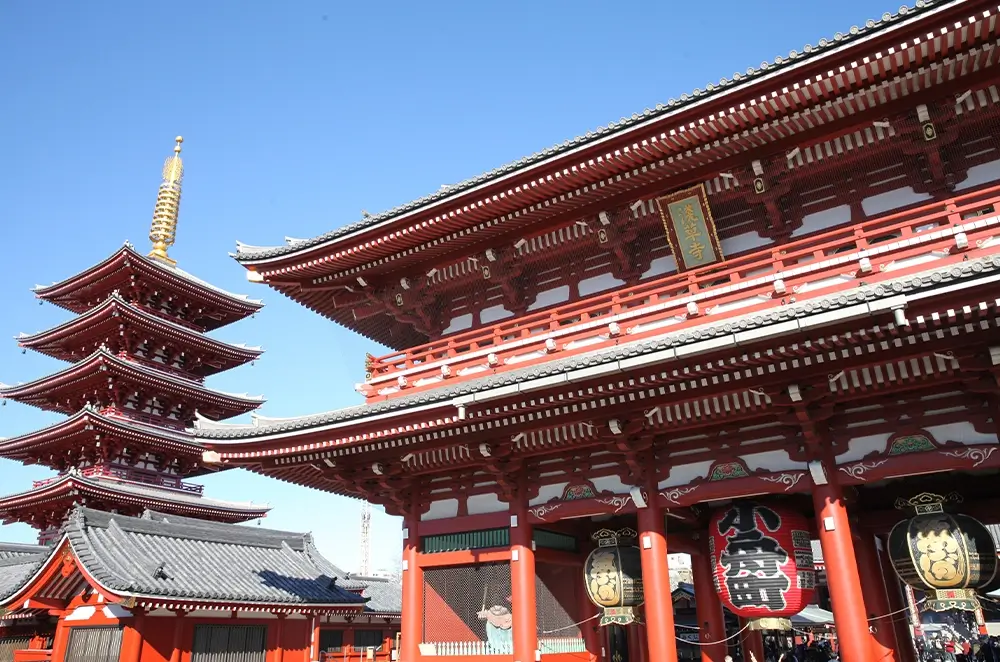
©浅草寺 If you want to connect with Japanese history and culture, Sensoji Temple is essential. A temple that has drawn worshippers since the Edo period, it is also home to iconic Tokyo scenes such as Kaminarimon Gate and the five-story pagoda.
-
3. Discover Tokyo's Food Culture and Old Downtown
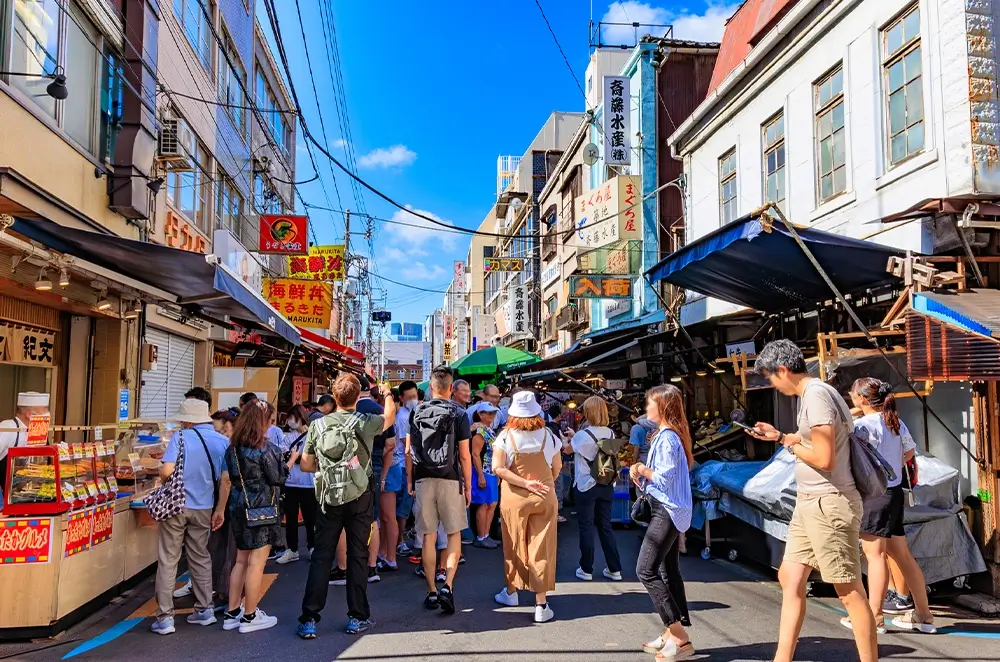
Sample your way through the lively Tsukiji Outer Market, explore Tokyo's celebrated drinking districts, and wander the old downtown streets to discover the many sides of the city. Each area has its own flavors and its own atmosphere.
-
Tsukiji, Odaiba, ToyosuTsukiji Outer Market
A central place of “Food Town, Tsukiji” with over 400 wholesales and retail shops.
-
 Shinjuku, Okubo, Yoyogi, YotsuyaShinjuku Golden Gai
A Historic Street of about 300 Bars and Pubs in Shinjuku’s Kabukicho.
-
 Kita-Senju, KatsushikaShibamata Taishakuten Sando
Immerse Yourself in the Romance of Shitamachi at Katsushika Shibamata, selected as Japan’s Important Cultural Landscape.
-
-
4. Experience the Cutting Edge of Anime and Gaming
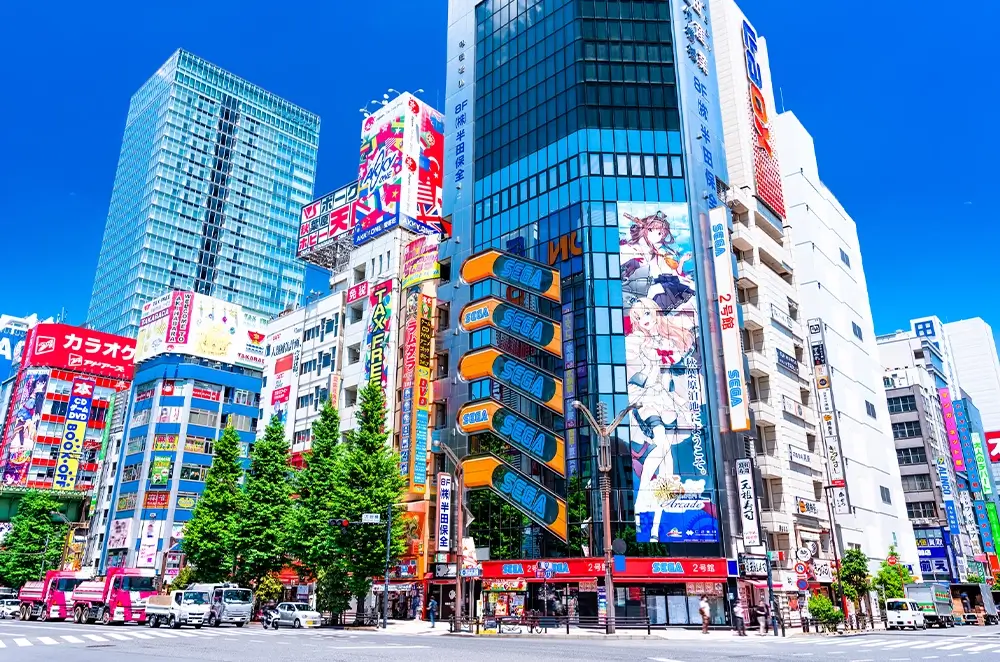
Tokyo is known around the world as a hub of anime and gaming culture. From the holy grounds of subculture to some of the largest anime stores anywhere, the city's pop culture is best experienced firsthand.
-
Akihabara, Kanda, OchanomizuAkihabara Electric Town
One of Japan’s largest electronics towns, known globally as Akiba.
-
 IkebukuroAnimate Ikebukuro Main Store
Just steps from the station! Anime merch and items to the brim at this select shop.
-
 Akihabara, Kanda, OchanomizuKawaii Maid Cafe and Bar Akiba Absolute Area
Cats disguised as humans serve as a maid. A classic maid cafe that is easy for beginners.
-
-
5. Escape to a World of Magic at Tokyo Disney Resort
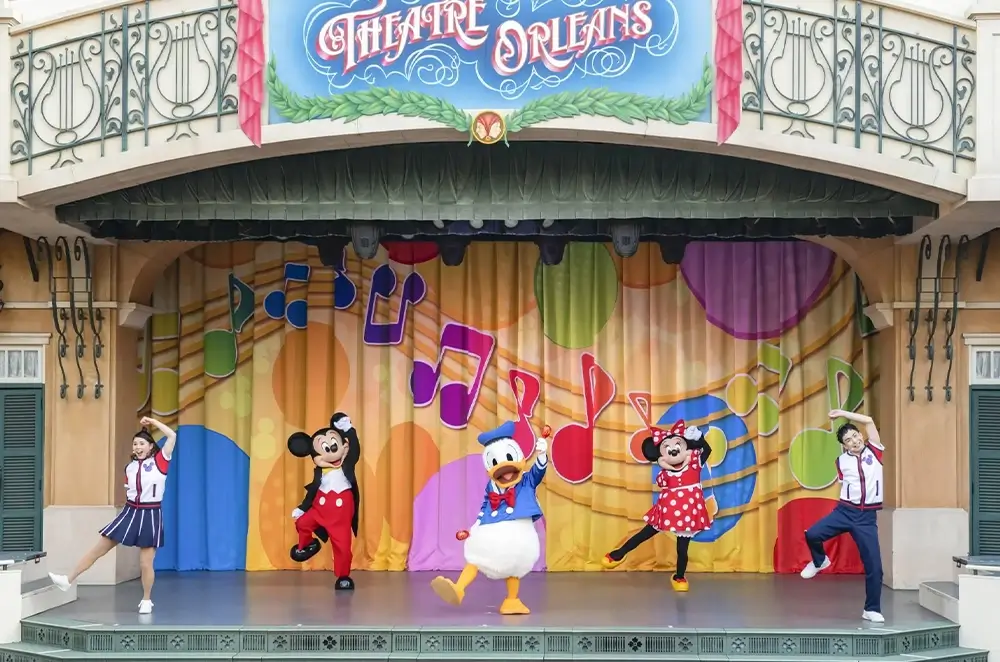
©Disney Tokyo Disney Resort comprises two theme parks, Tokyo Disneyland and Tokyo DisneySea. Attractions, shows, and seasonal events immerse visitors in an extraordinary world for a truly special day out.


Tokyo Feature Articles
![[Daikanyama Travel Guide] Enjoy a Tokyo-Style Stroll with Shopping and Great Food](https://static.gltjp.com/glt/data/article/22000/21174/20251025_041640_277ef42a_w640.webp)

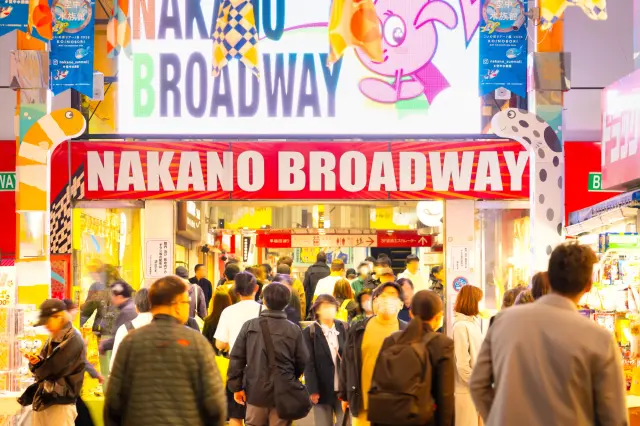
Must-Try Local Food in Tokyo!
Tokyo Food Guide
-
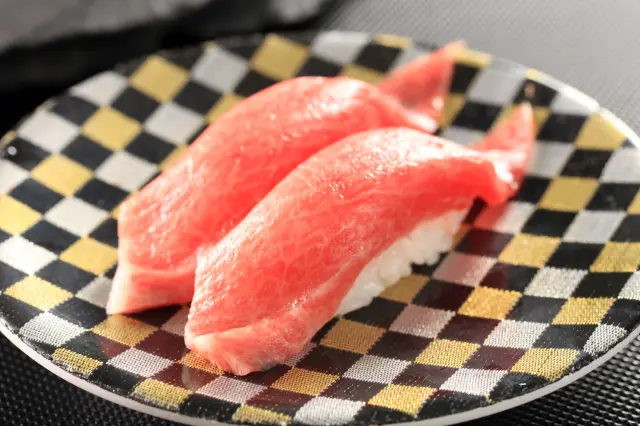
1. Edomae Sushi
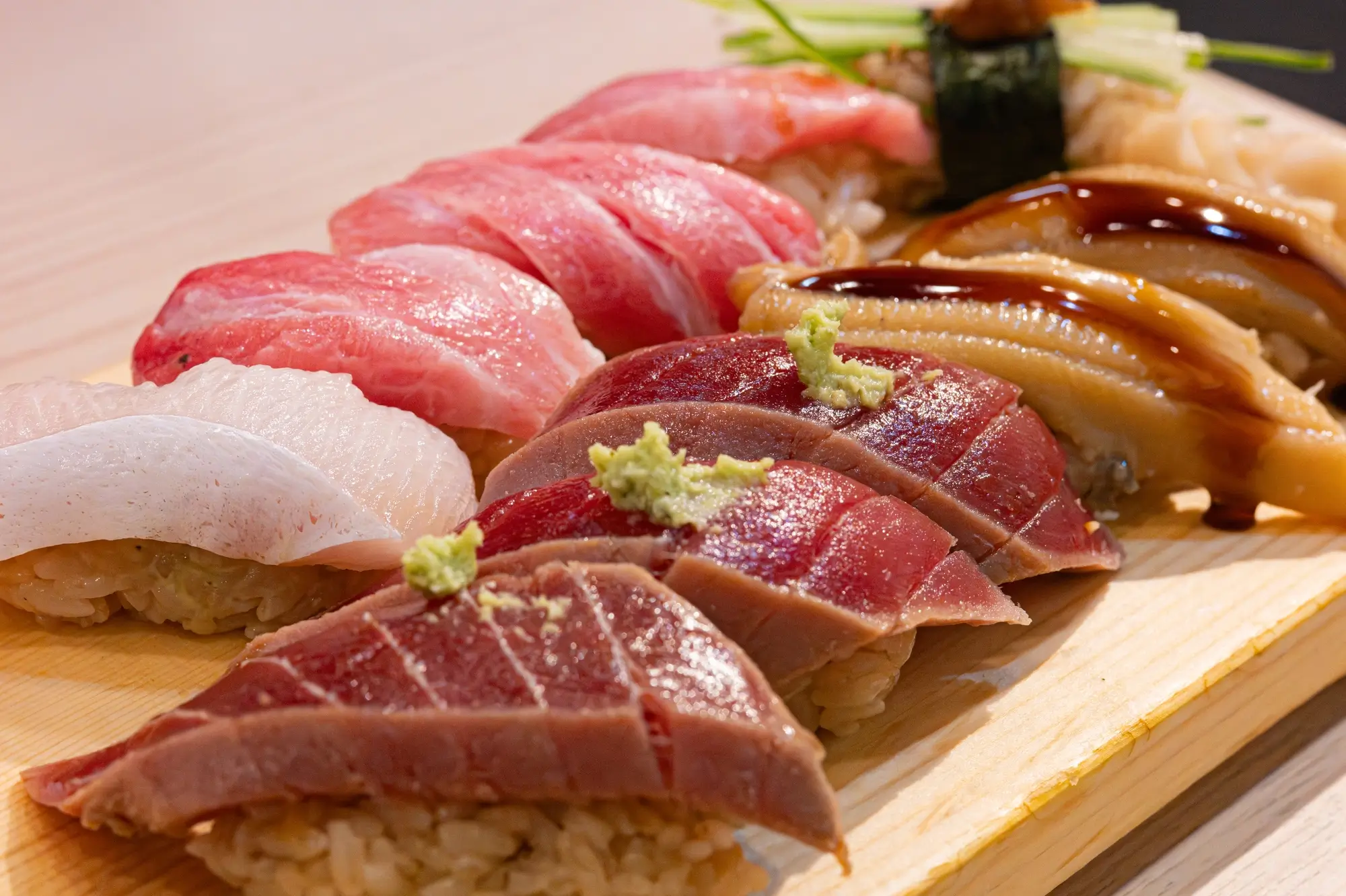
Tokyo's signature dish, Edomae sushi began in the Edo period as fast food served at street stalls. Today it is enjoyed everywhere from high-end restaurants to casual counters, and stands as one of Japan's defining culinary traditions.
-
2. Monjayaki

A griddle dish that represents the old downtown culture of Tokyo, with specialty restaurants concentrated in Tsukishima. Part of the appeal is the unique way monjayaki is eaten, pressed onto the hot griddle with a small spatula. With a wide range of ingredients and seasonings, every restaurant has its own take.
-
3. Fukagawa-meshi
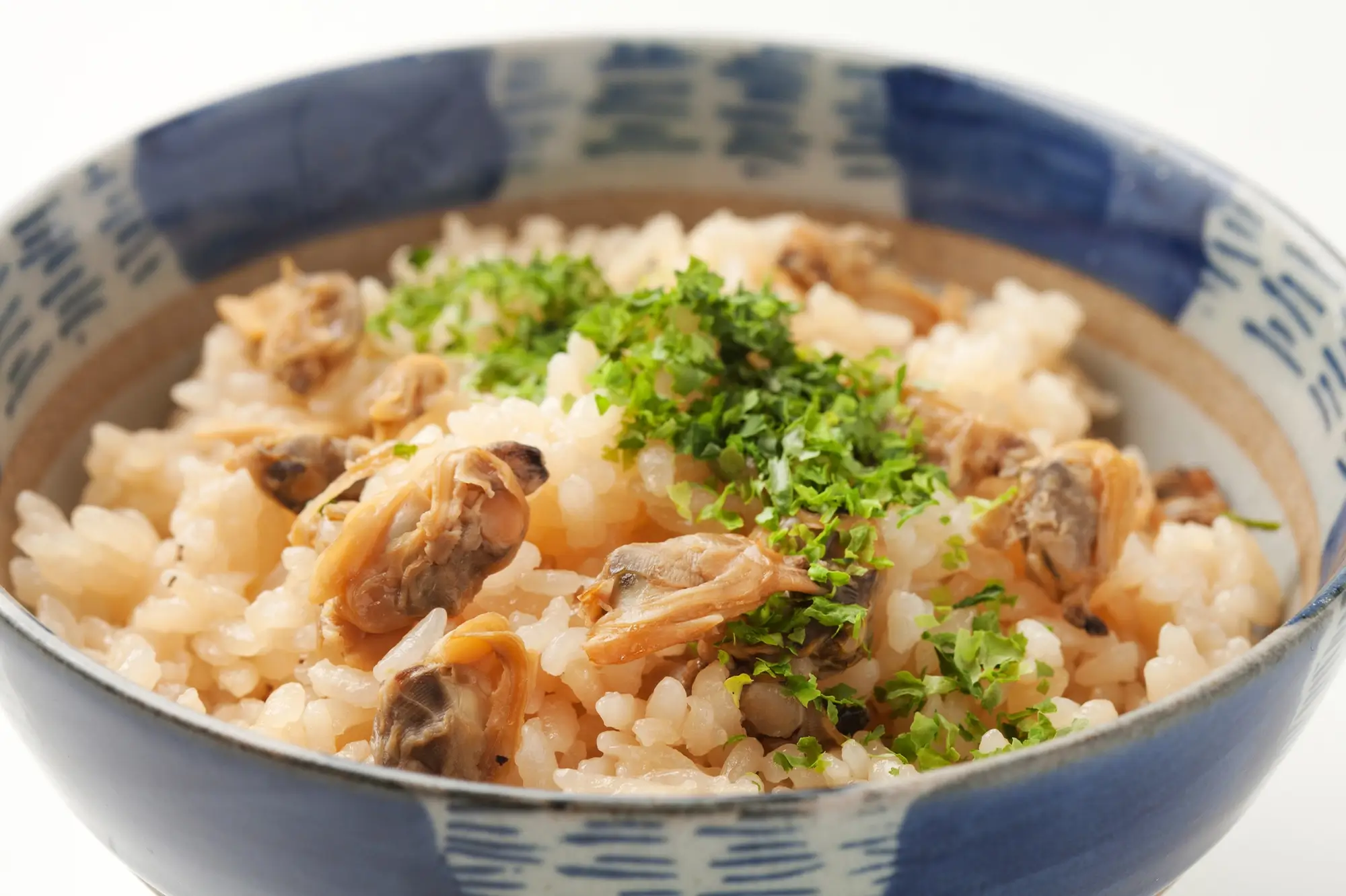
A local dish born in Fukagawa, a fishing town that flourished in the Edo period. Best known as rice cooked with clams, it is also served at some restaurants with the clam broth poured over the rice. It offers a taste of Tokyo's history and food culture.
-
4. Unagi (Grilled Eel)
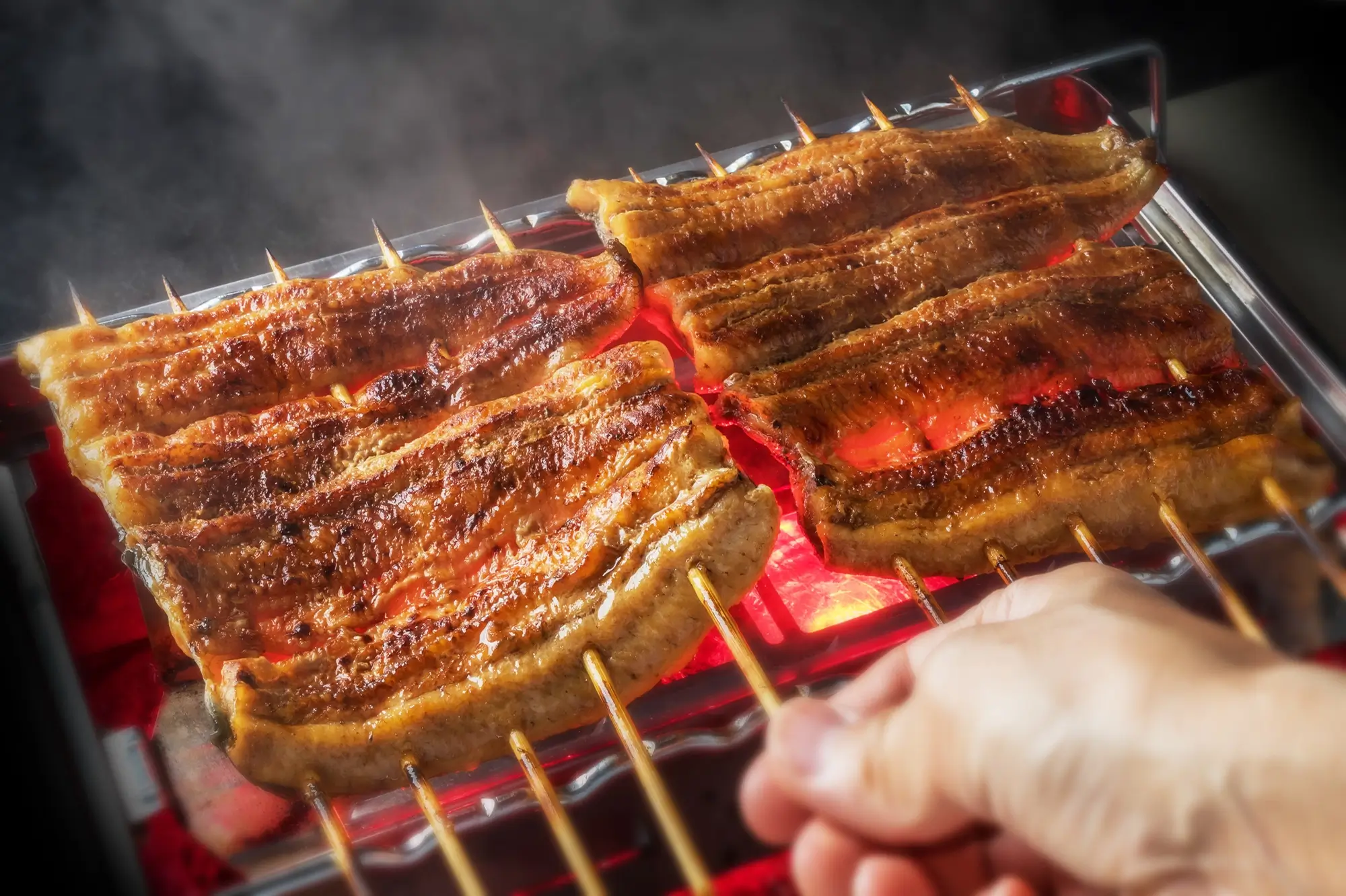
A Tokyo delicacy enjoyed since the Edo period. Many long-established specialty restaurants remain today, serving fragrant grilled kabayaki and unaju (grilled eel over rice).
-
5. Ningyoyaki
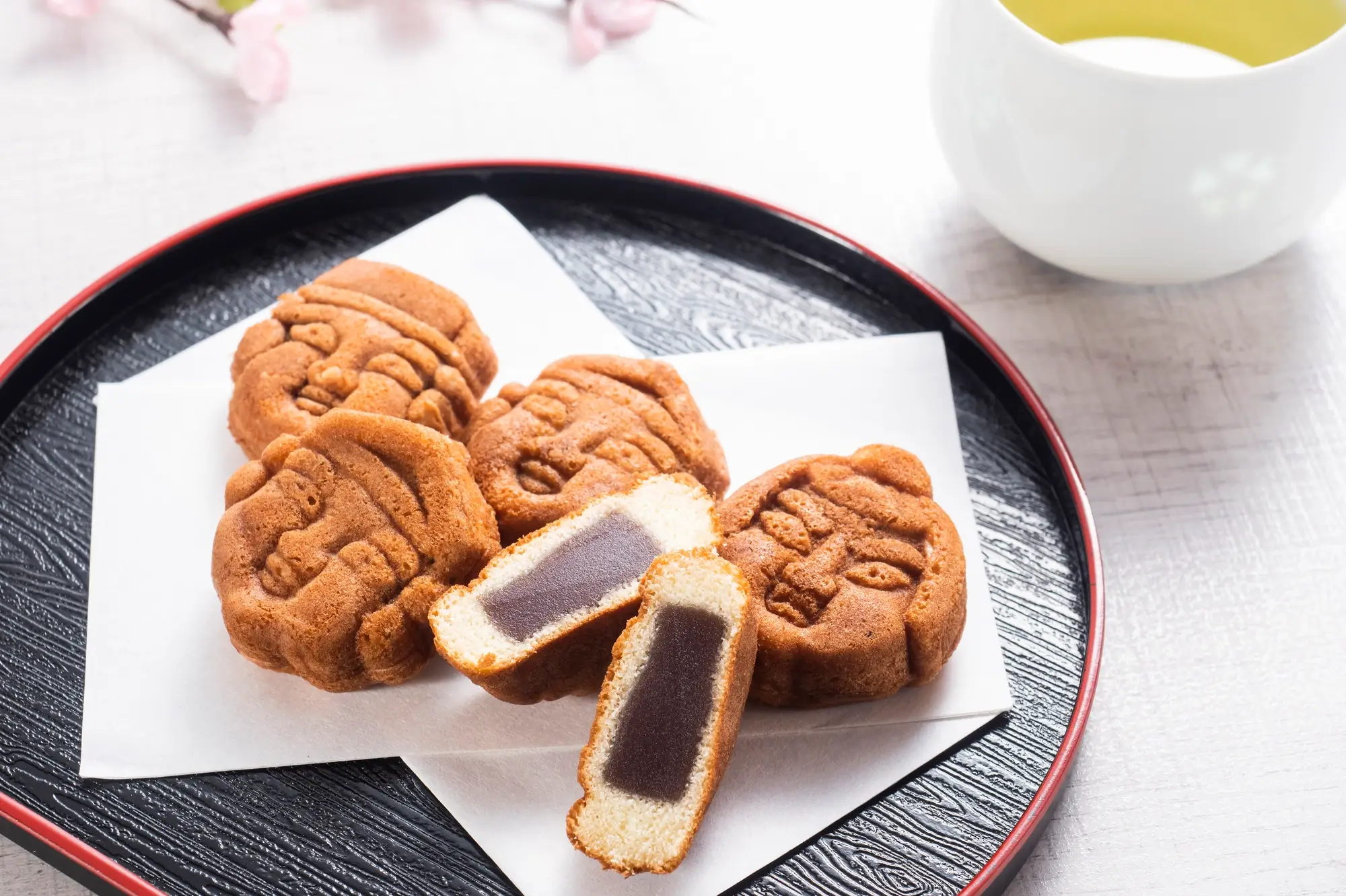
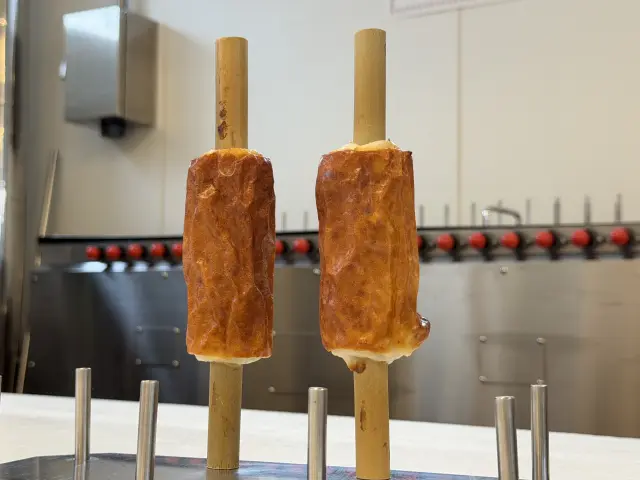
One of Asakusa's signature sweets. Batter shaped into dolls, Kaminarimon Gate, and other motifs is filled with sweet bean paste and baked. Popular both as a street snack and as a souvenir, it offers a taste of old Tokyo.
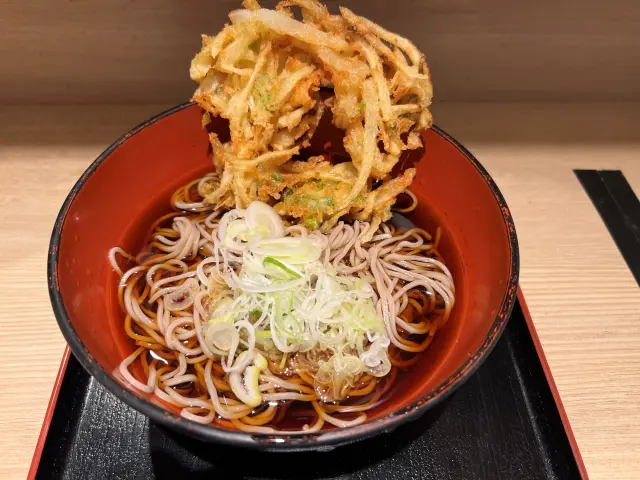
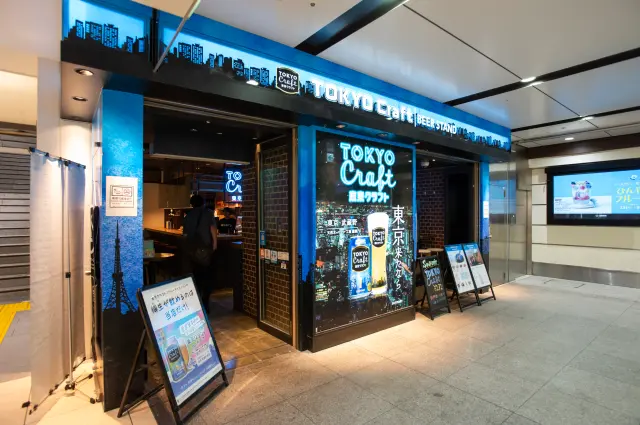
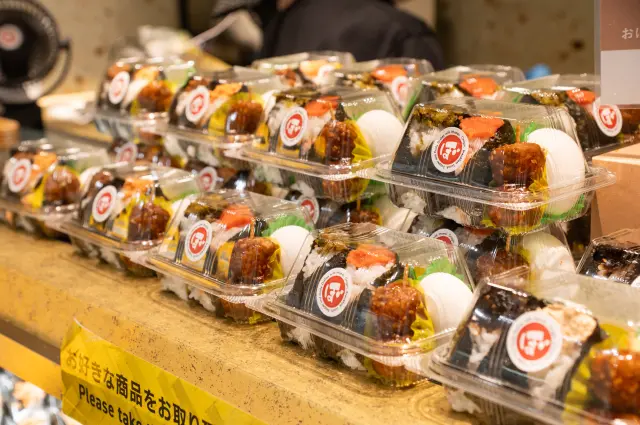
Where to Eat in Tokyo


Travel Ideas
Tokyo Itineraries
A 2-Day Itinerary Covering Tokyo's Most Popular Attractions
For a first trip to Tokyo, the goal is to take in the city's landmark sights efficiently even on a short schedule.
This plan covers Tokyo's essentials in two days, from historic and cultural sites such as the Imperial Palace, Sensoji Temple, and Meiji Jingu Shrine to popular attractions including TOKYO SKYTREE®, SHIBUYA SKY, and Odaiba Marine Park.
A classic itinerary that also takes in Tokyo's streetscapes, scenery, and local food.
Day 1
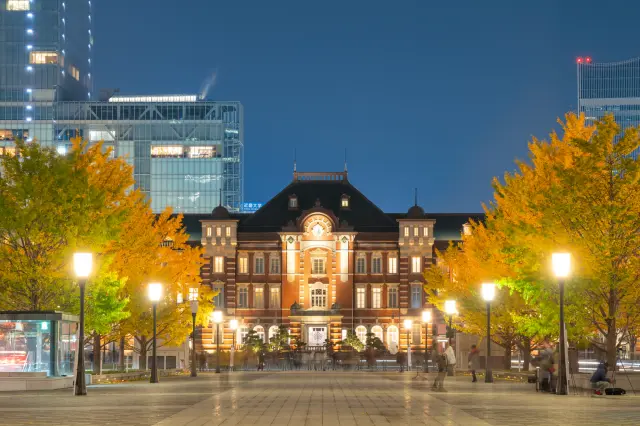
- 8:00 Start at Tokyo Station, restored to its original appearance
- 8:10 Enter through Otemon Gate and stroll the grounds of the Imperial Palace
- 9:20 Visit Nihonbashi, the starting point of Japan's historic highways and home to long-established shops
- 10:30 Shop for souvenirs at Kabukiza Theatre, the home of traditional Japanese performing arts
- Enjoy lunch at Tsukiji Outer Market, known for its fresh seafood
- Head to Tsukiji Hongwanji Temple and its striking oriental architecture
- 13:30 Stroll through the expansive Ueno Park
- 14:30 Hunt for bargains along Ameyoko Shopping Street
- 15:30 Wander Sensoji Temple, Tokyo's oldest temple, and Nakamise Shopping Street
- 17:30 Head to TOKYO SKYTREE TOWN® for sweeping views over the city
Day 2
- 9:00 Visit Meiji Jingu Shrine, an oasis in the heart of the city
- 10:00 Tour the Tokyo Camii Turkish Cultural Center
- 12:00 Take in Tokyo from about 230 meters up at SHIBUYA SKY
- 14:00 Enjoy panoramic views from Tokyo Tower, a symbol of the city
- 15:30 Soak up the city views from the Rainbow Bridge
- 17:00 Head to the waterfront at Odaiba Marine Park
- 18:00 Finish with a monjayaki dinner, a Tokyo specialty, in Tsukishima
A 4-Day Itinerary of Tokyo's Popular Areas and Entertainment
To explore Tokyo's most popular areas at a relaxed pace, a four-day itinerary is the way to go.
Enjoy the latest culture and shopping in Harajuku, Shibuya, and Shinjuku, then take in the refined streets and art spots of Ginza and Marunouchi. The plan also works in Odaiba's entertainment complexes and Tokyo Disney Resort, covering the city's signature areas.
Here is a four-day plan packed with Tokyo scenery, shopping, and entertainment.
Day 1
- 10:00 Start at Tokyo Station
- 11:00 Stroll Takeshita Street, the heart of Japan's youth culture
- 12:30 Browse the stylish shops along The Kyu-Shibuyagawa Yuho-Doro (Cat Street) and stop for lunch
- 14:00 See the world-famous Shibuya Scramble Intersection
- 14:30 Enjoy shopping at Shibuya Hikarie
- 17:00 Take in the cityscape from the Tokyo Metropolitan Government Building Observation Deck
- 18:00 Wander the neon-lit streets of Kabukicho
Day 2
- 10:00 Stroll Ginza-dori, lined with long-established department stores and specialty shops
- 11:00 Visit WAKO Main Store, a Ginza landmark
- 12:00 Enjoy lunch in the Ginza area
- 13:30 Take in the dreamlike world of goldfish and light at Art Aquarium Museum GINZA
- 15:30 Shop and explore inside KITTE
- 17:00 Look for souvenirs at First Avenue Tokyo Station
- 18:00 Have dinner at GRANSTA TOKYO
Day 3
- 10:00 Tour Toyosu Market
- 12:00 Enjoy lunch at Aqua City Odaiba
- 13:00 Visit the Fuji TV Headquarters Building with its landmark spherical observation room
- 14:30 Play at TOKYO JOYPOLIS, an indoor theme park
- 19:00 Take in the night views from the Odaiba Statue of Liberty
Day 4
- 9:00 Head to Tokyo Disney Resort
- Spend the whole day at Tokyo Disneyland or Tokyo DisneySea
Discover Tokyo by Season
Best Places to Visit Throughout the Year
Behind its skyscrapers, Tokyo has no shortage of green parks, gardens, and waterside walks. In spring, cherry blossoms color the city, and historic landmarks and riverside streets create scenery that is quintessentially Tokyo.
-
 Kudanshita, Tokyo DomeChidorigafuchi Green Way (Chidorigafuchi Moat)
Approximately 260 cherry trees brightly decorate the roadside, making it one of Tokyo's most famous cherry blossom viewing spots.
-
 Nakameguro, DaikanyamaMeguro River
A Famous Cherry Blossom Spot in Tokyo with 4km of Cherry Trees Lined Together.
-
 Shinjuku, Okubo, Yoyogi, YotsuyaShinjuku Gyoen National Garden
Beautiful gardens with seasonal nature and historical buildings.
Tokyo Weather and What to Wear in Spring
As winter's chill eases, cherry blossoms come into full bloom. Mornings and evenings can still feel cool in March, but comfortable days become more common from April, and by May it is sometimes warm enough for short sleeves. Temperatures are lower in the suburbs and mountains than in central Tokyo, so it is worth carrying a light layer.
| Month | March | April | May |
|---|---|---|---|
| Temperature | 10.8℃ | 15.4℃ | 19.9℃ |
Summer in Tokyo opens up the waterfront, with seaside walks, Tokyo Bay cruises, and leisure pools. There are plenty of places to enjoy the open-air feeling of the season and cool off without leaving the city.


Tokyo Weather and What to Wear in Summer
Humid days give way to full summer. July and August bring high temperatures, and protection from the strong sun and heat is essential. Central Tokyo feels especially hot due to reflected heat, so use a hat or parasol and drink water regularly.
| Month | June | July | August |
|---|---|---|---|
| Temperature | 23.3℃ | 27.4℃ | 28.4℃ |
Tokyo is dotted with places to enjoy culture and the arts. With its comfortable weather, autumn is ideal for visiting museums, watching traditional performing arts, and taking a quiet stroll through gardens as the leaves begin to turn.
-
 Aoyama, Omotesando, HarajukuMeiji Jingu Gaien (Outer Garden)
Sporting a Variety of Athletic Facilities, its Ginkgo Avenue is Famous.
-
 Meguro, EbisuTokyo Photographic Art Museum
A globally rare museum specializing in photography and film.
-
 Tachikawa, Hachioji, MachidaMount Takao
This Michelin 3-star Tourist Spot is Recommended for Beginner Mountain Climbers.
Tokyo Weather and What to Wear in Autumn
As the heat subsides, it becomes a fine season for walking and exploring. September can still be warm enough to work up a sweat, but by November mornings and evenings turn chilly. A coat comes in handy toward the end of autumn, so bring clothing you can adjust to the temperature.
| Month | September | October | November |
|---|---|---|---|
| Temperature | 24.7℃ | 19.6℃ | 14.2℃ |
Winter brings dazzling illuminations to the city. After the new year, shrines fill with people making their first visit of the year, and a bright, festive mood spreads through the streets. It is a wonderful season for walking around Tokyo.
-
 Tokyo Station, Nihonbashi, MarunouchiMarunouchi Illumination 2025
The wintertime tradition is Marunouchi shimmers with a champagne-gold color.
-
 Fuchu, Chofu, TamaYomiuriland
The representative amusement park of Tokyo that is roughly 30 minutes from Shinjuku Station and can be enjoyed by children and adults throughout the year.
-
Aoyama, Omotesando, HarajukuMeiji Jingu Shrine
Every year, Meiji Jingu Shrine boasts the largest number of visitors for Hatsumode (first shrine visit of the New Year) and the status of one of Tokyo’s leading power spots.
Tokyo Weather and What to Wear in Winter
The air is clear and sunny days are common. Mornings and evenings are cold, and from January through February temperatures often drop below 10°C (50°F). Along with a coat and scarf, moisturizer is worth packing, as the air can be very dry.
| Month | December | January | February |
|---|---|---|---|
| Temperature | 9.1℃ | 6.9℃ | 7.8℃ |
Tokyo Festivals & Events
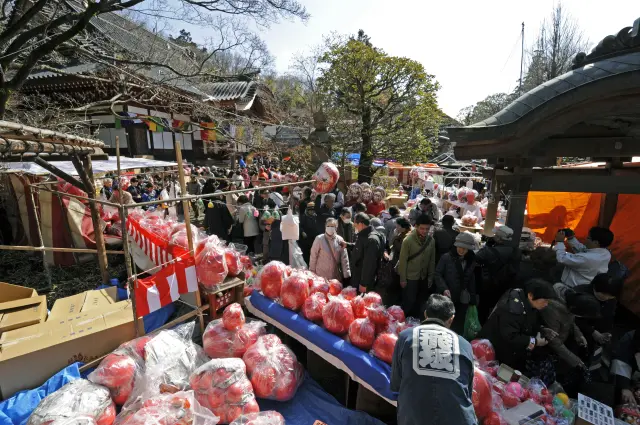
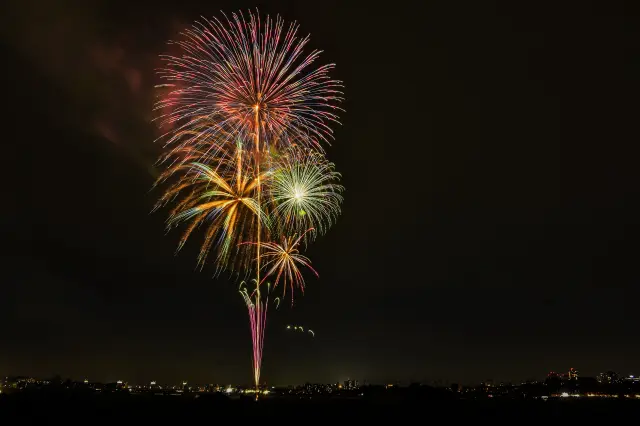
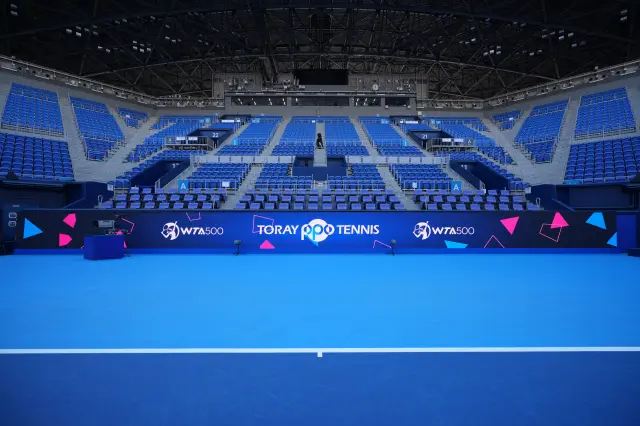


Explore the Best of Tokyo by Area and Theme
Recommended Spots in Tokyo by Area and Theme
No matching spots found.
More Articles
-
 Tokyo for Families Read More
 -
 Tokyo for Couples Read More
 -
 Cherry Blossoms in Tokyo Read More
 -
 Autumn Leaves in Tokyo Read More
 -
 Hot Springs in Tokyo Read More
 -
 Tokyo Illuminations Read More
 -
 Skiing near Tokyo Read More
 -
 Tokyo Nightlife Read More
 -
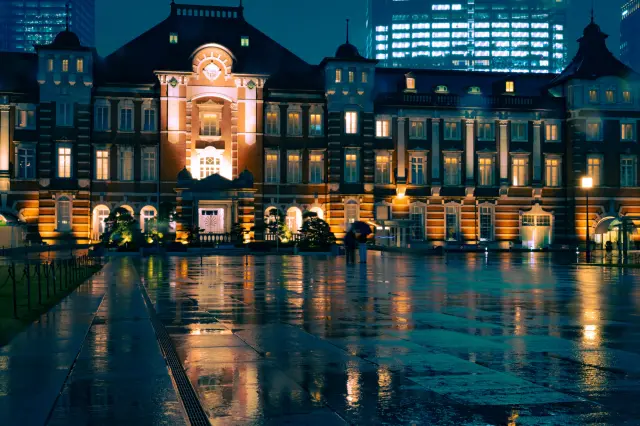 Rainy-Day Tokyo Read More
 -
 Tokyo for the Senses Read More
 -
 Around Tokyo Read More
Must-Buy Souvenirs in Tokyo
Tokyo Souvenir & Shopping Guide
-
1. Tokyo Banana "Mitsuketa"
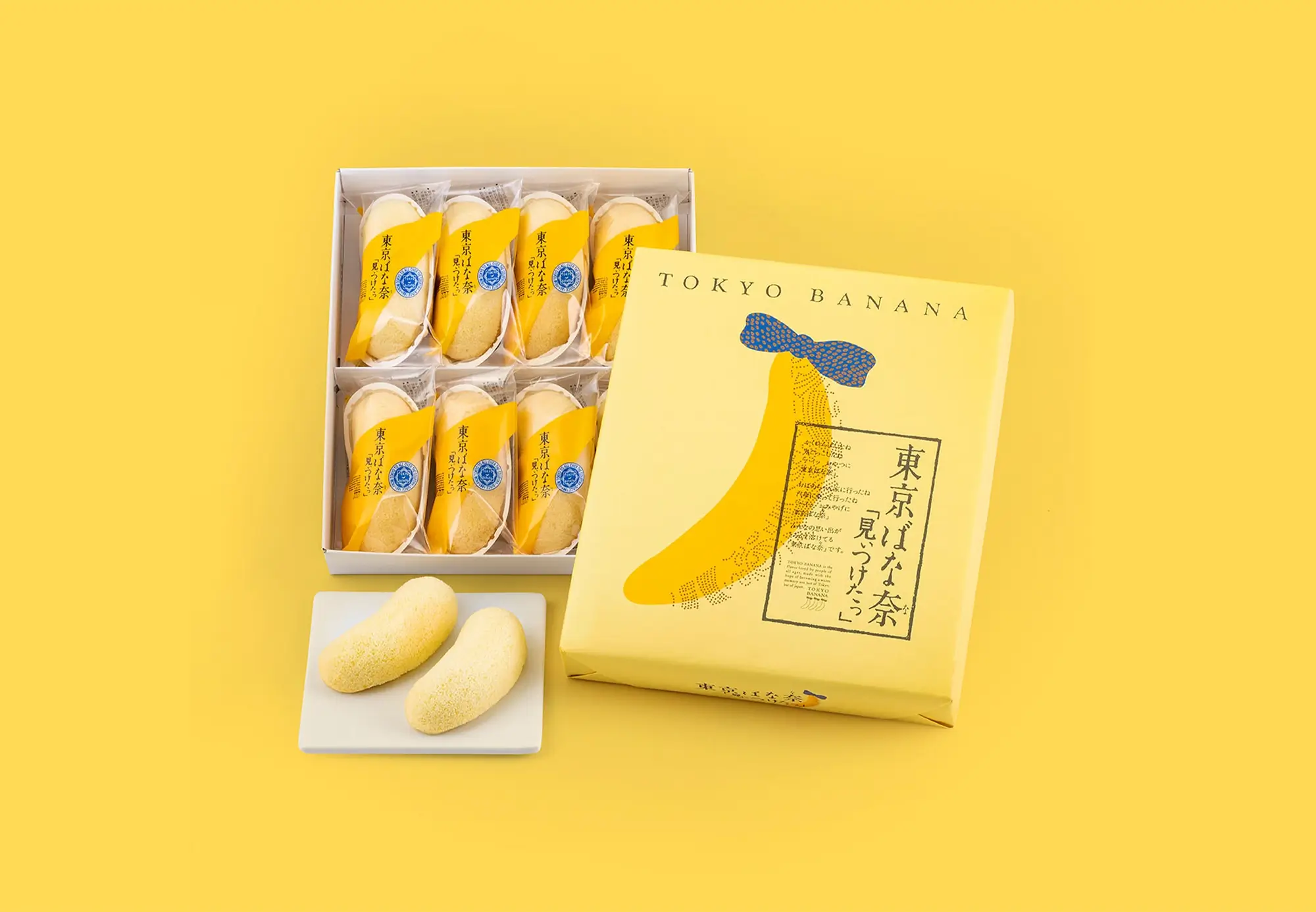
A classic Tokyo souvenir and a much-loved sweet. Soft sponge cake surrounds a smooth banana custard cream, with seasonal and region-exclusive versions also available.
-
2. Imo Yokan (Sweet Potato Jelly)
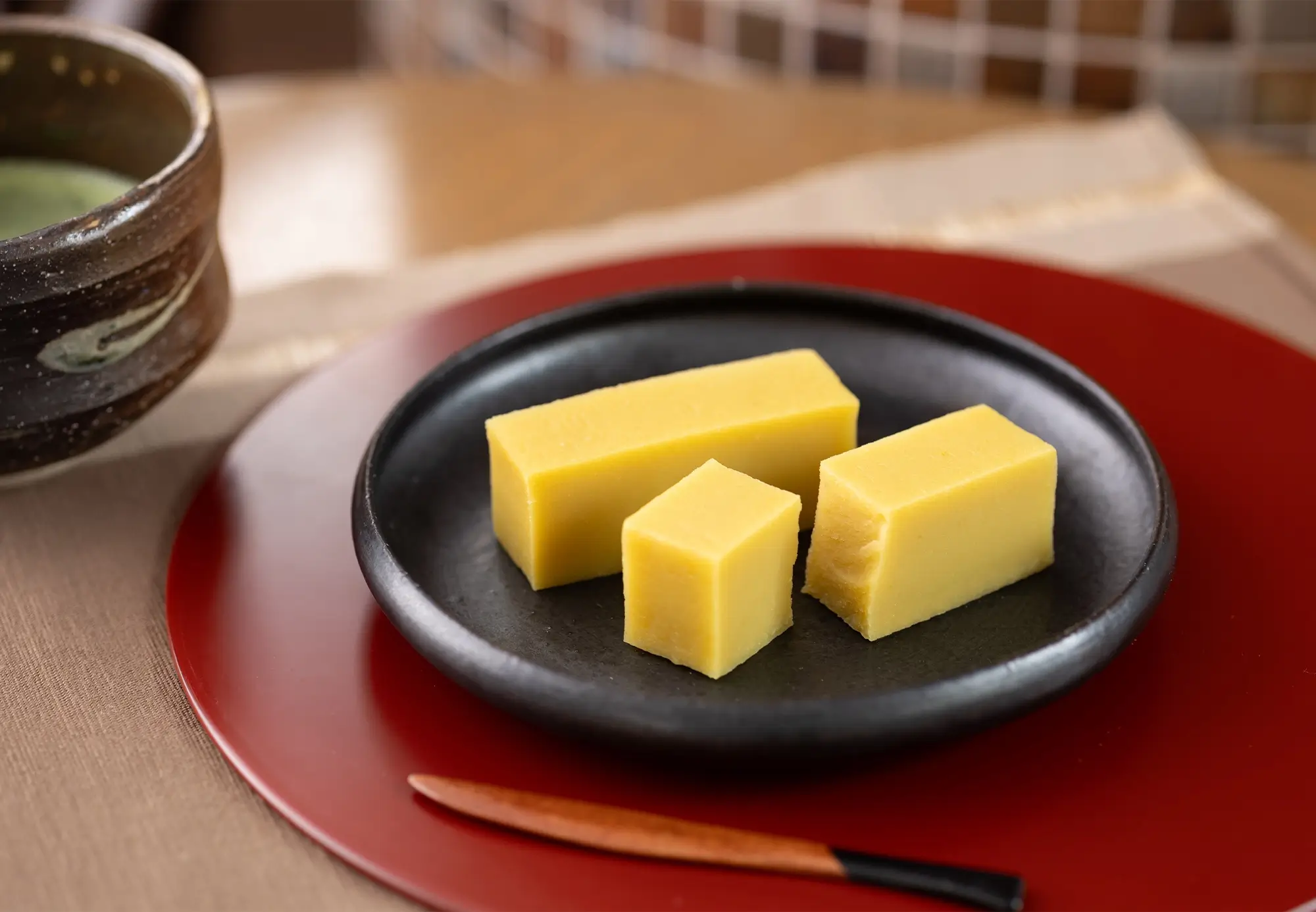
One of Tokyo's signature Japanese sweets, made with nothing but sweet potatoes, sugar, and a pinch of salt, so the gentle natural sweetness comes through. Its simple flavor is enjoyed by every generation.
-
3. Kaminari-okoshi (Puffed Rice Candy)
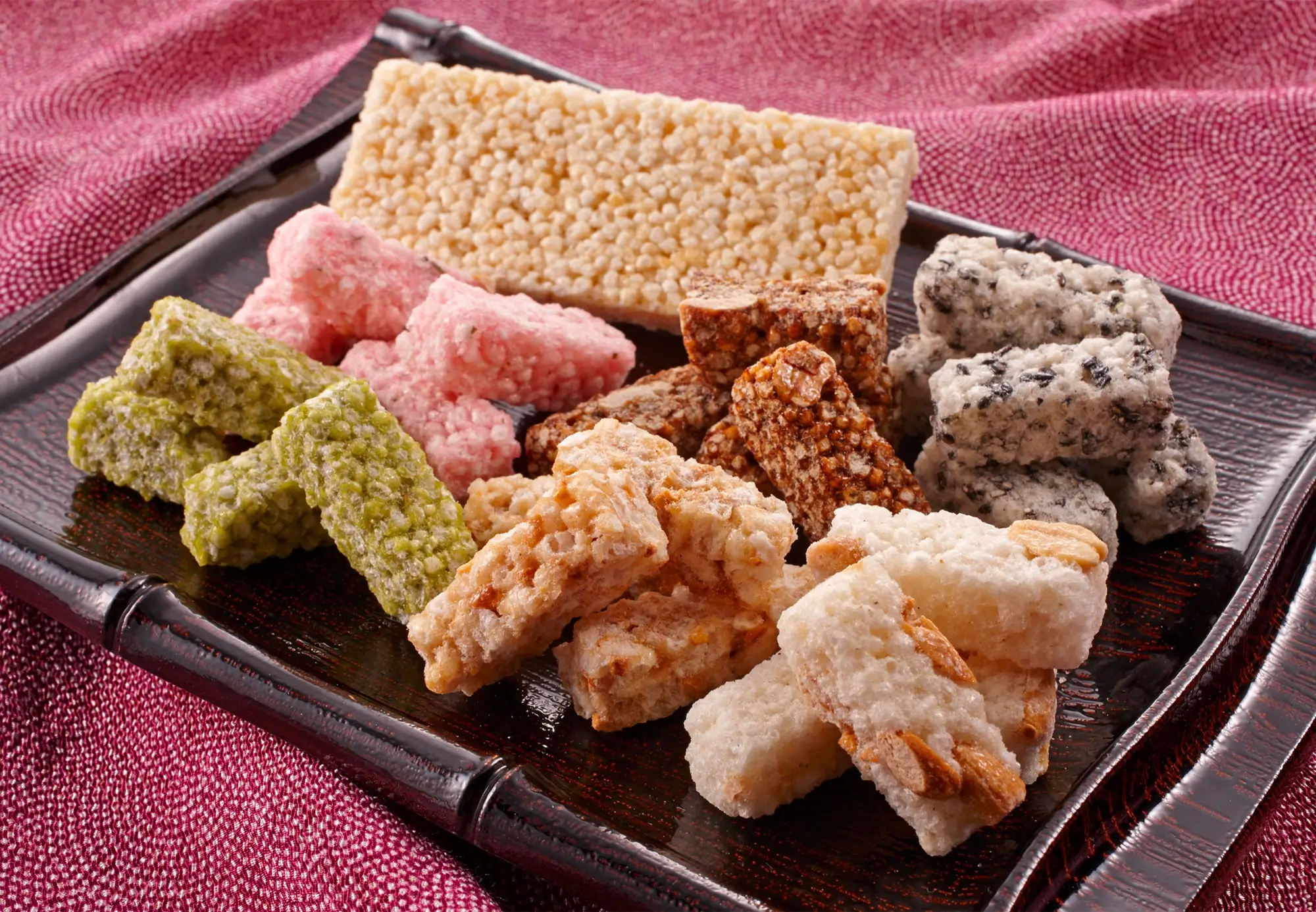
A famous Asakusa treat and one of Tokyo's classic confections. Popular as a souvenir that captures the culture of the old downtown, it is often picked up as part of a visit to Asakusa.
-
4. Tsukudani
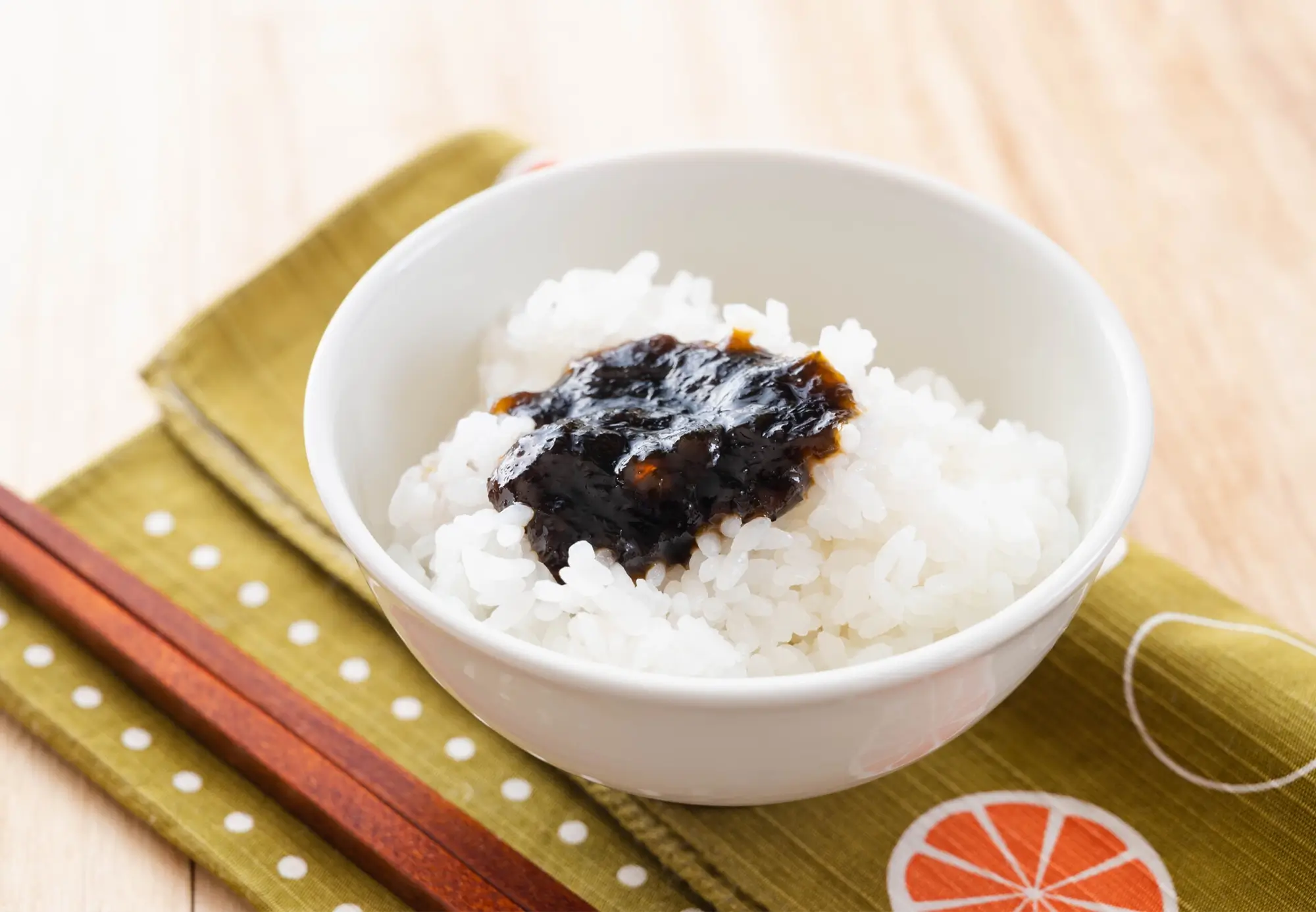
A preserved food said to have originated on Tsukudajima island in Tokyo. Ingredients such as nori seaweed and kelp are simmered in a sweet-savory sauce, making it a souvenir that reflects the city's food culture.
-
5. Edo Kiriko (Cut Glass)
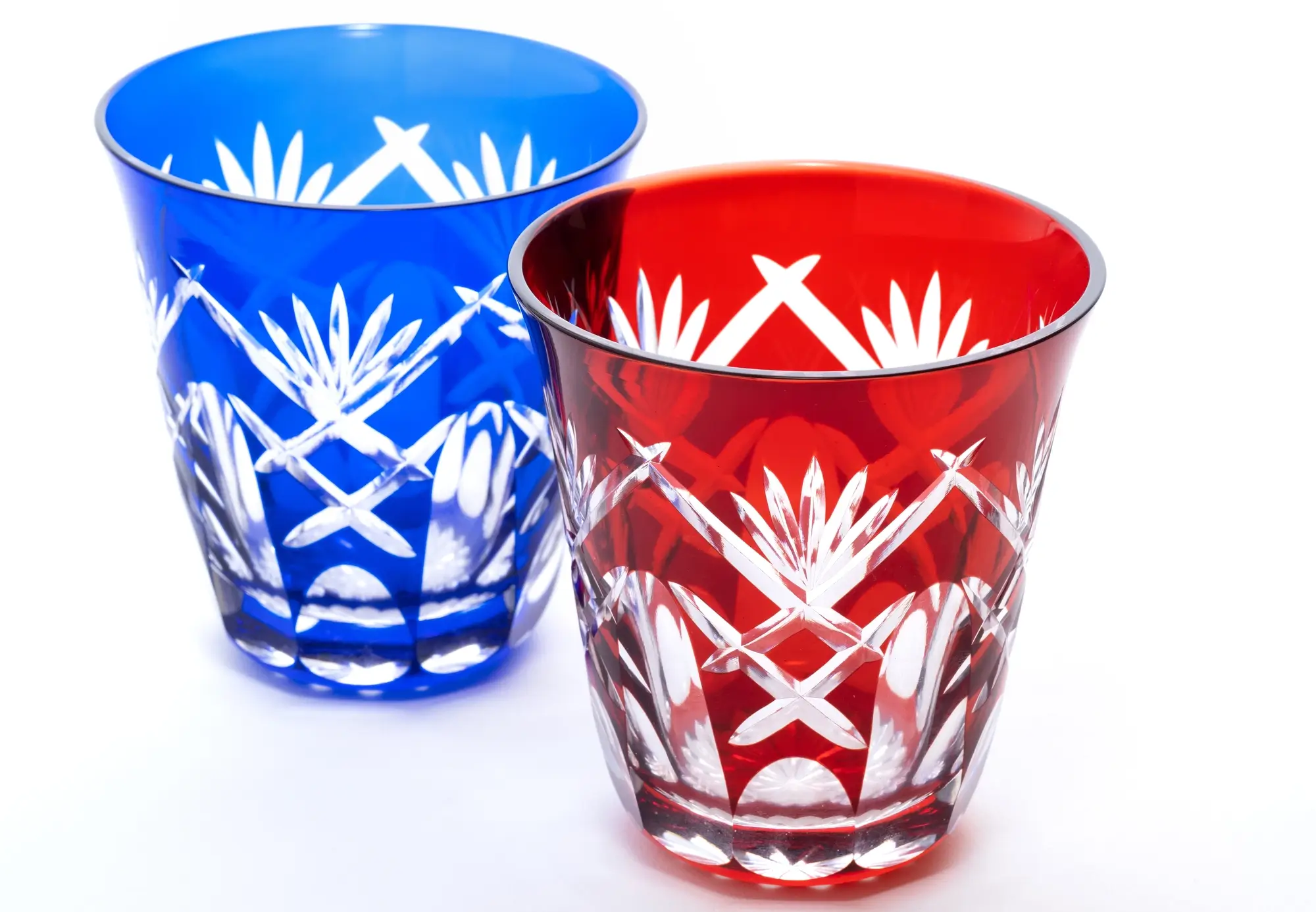
A traditional Tokyo craft that emerged in the late Edo period. Known for the delicate patterns cut into the surface of the glass, it is a popular choice for souvenirs and gifts.
Tokyo Souvenirs



Shopping in Tokyo
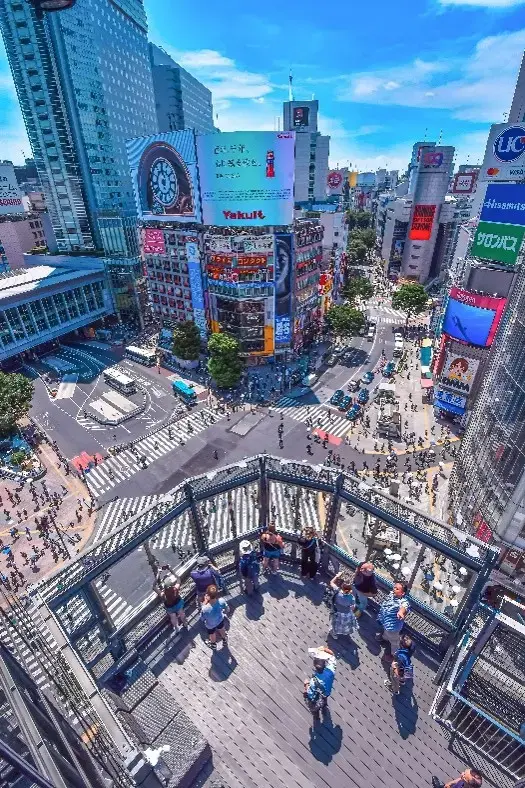
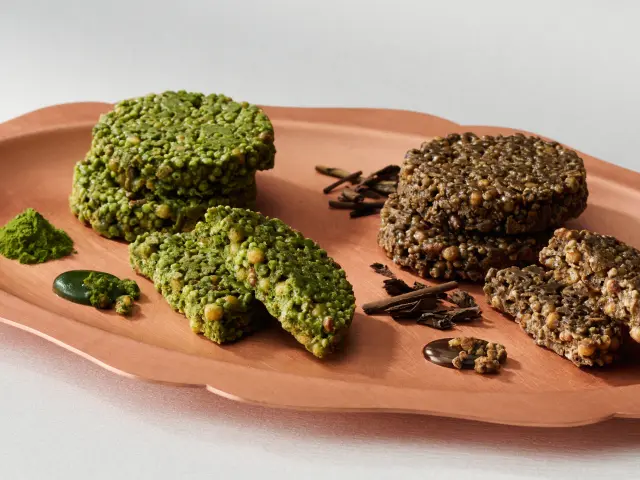
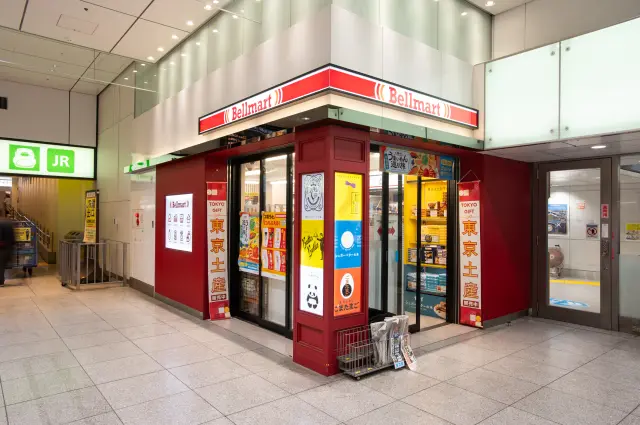
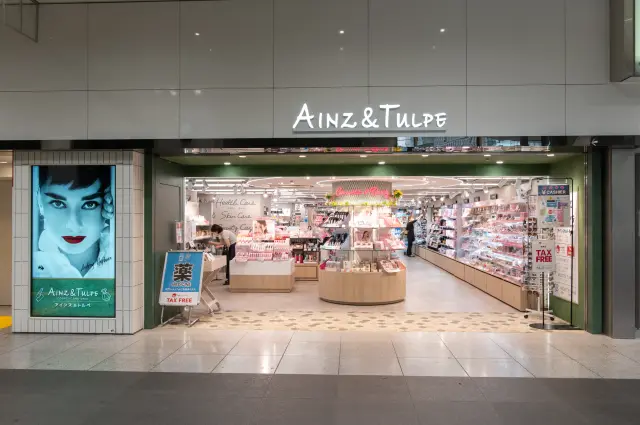

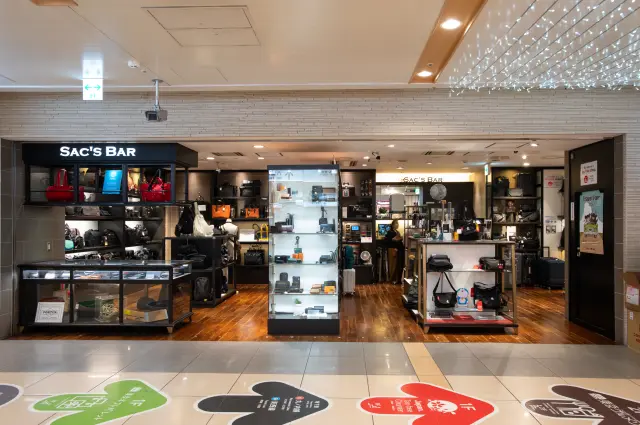
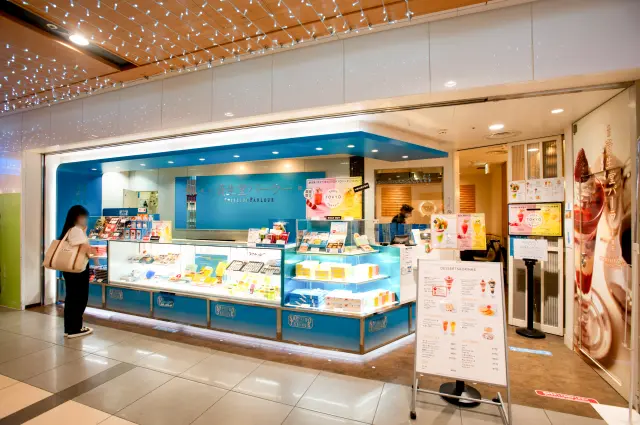
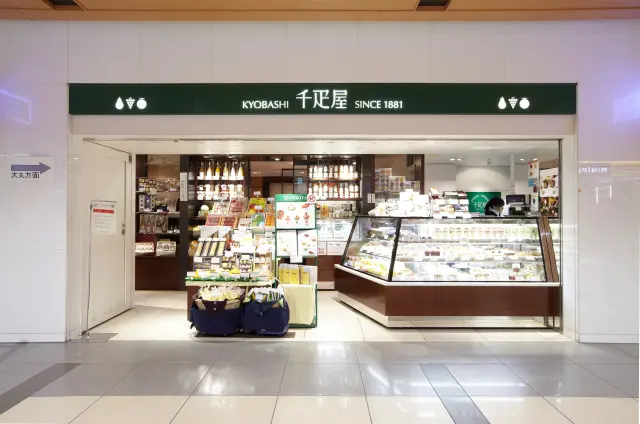
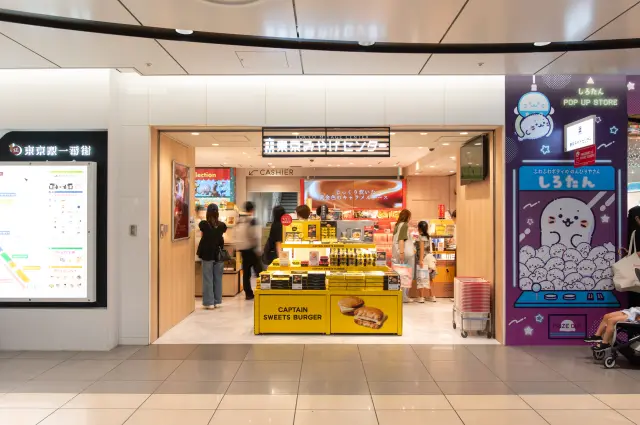
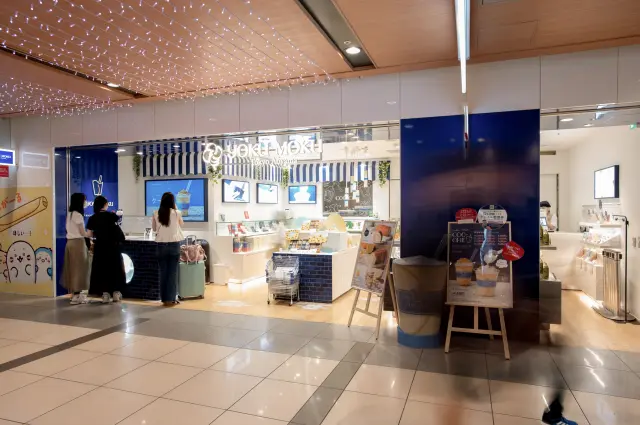
Recommended Areas in Tokyo
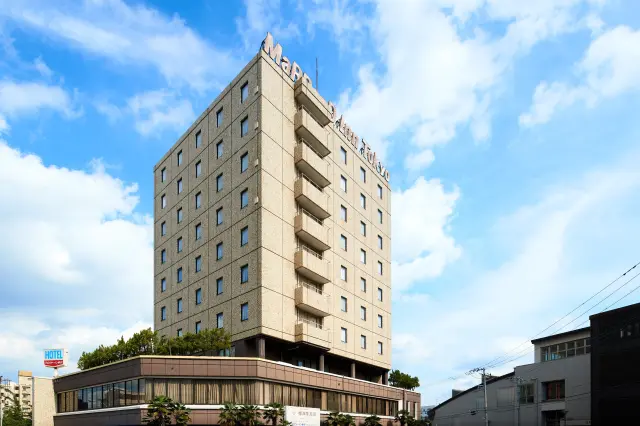
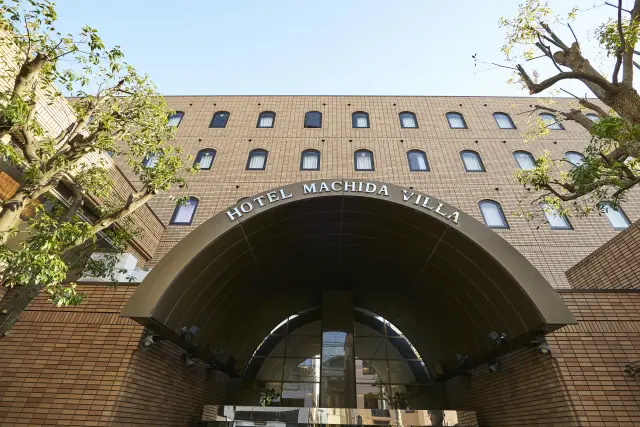
Tokyo Accommodation Guide
-
1. Tokyo Station / Ginza Area
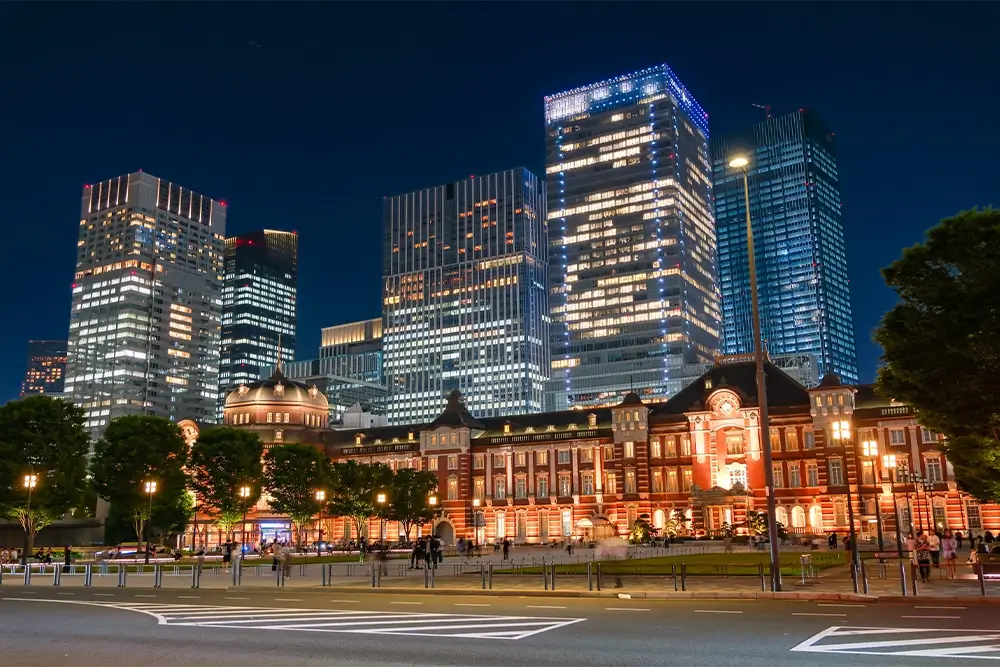
A central area covering Tokyo Station, Ginza, and Nihonbashi. Excellent access from the Shinkansen and the airports makes it an easy base for sightseeing. The Imperial Palace, the Marunouchi Station Building, and Ginza's shopping district are all close by, so you can combine sightseeing, dining, and shopping during your stay.
-
2. Ueno / Asakusa Area
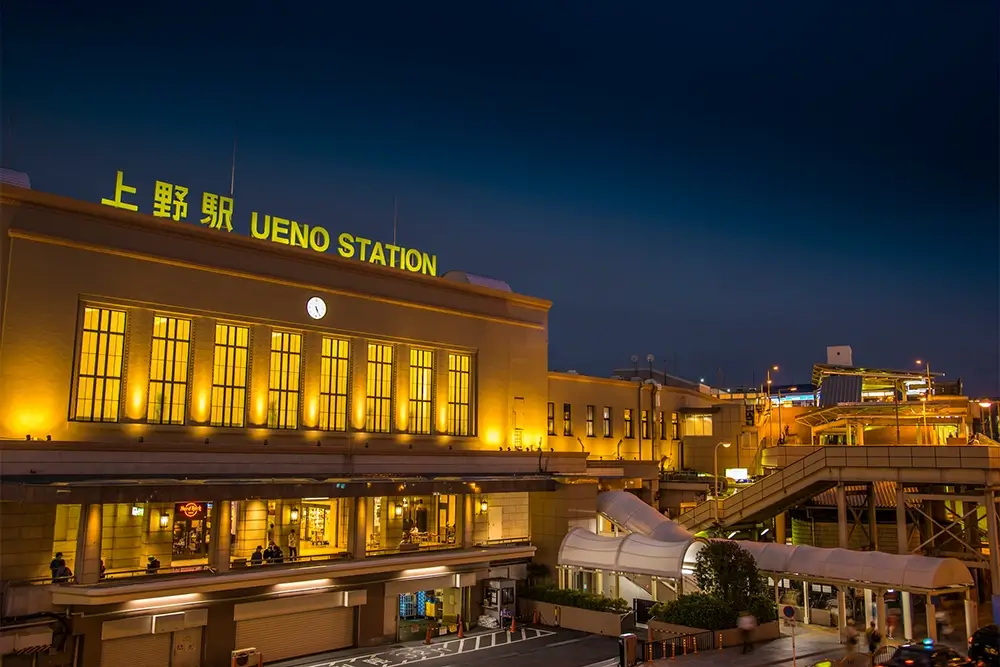
An area covering Asakusa and Ueno, home to landmark attractions such as Sensoji Temple, Nakamise Shopping Street, Ueno Park, and Ameyoko Shopping Street. It is easy to reach from Narita Airport and makes a convenient base, popular with travelers who want to explore Tokyo's old downtown atmosphere on foot.
-
3. Shinjuku / Shibuya Area
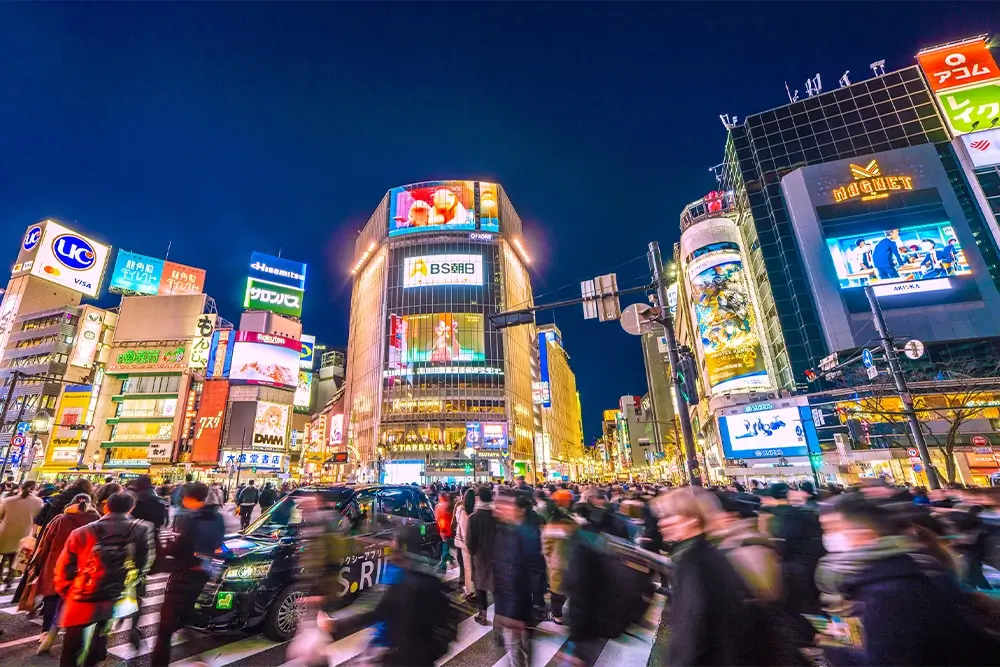
An area covering Shinjuku and Shibuya, packed with large shopping complexes and restaurants for those who want to shop and eat well. Multiple JR and subway lines make it easy to reach the rest of the city, and it is a great choice for anyone who wants to be in the middle of Tokyo's liveliest streets.
-
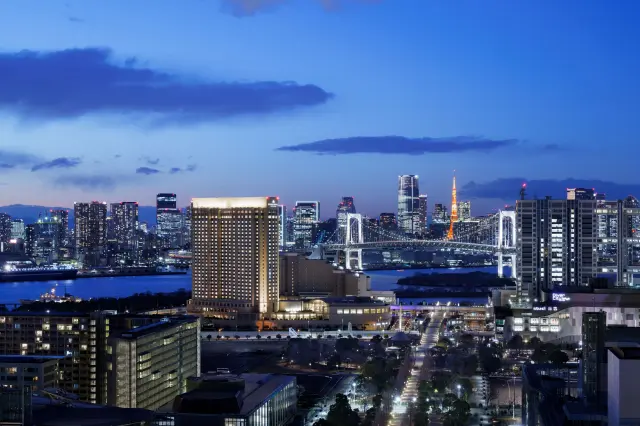
4. Odaiba / Toyosu Area
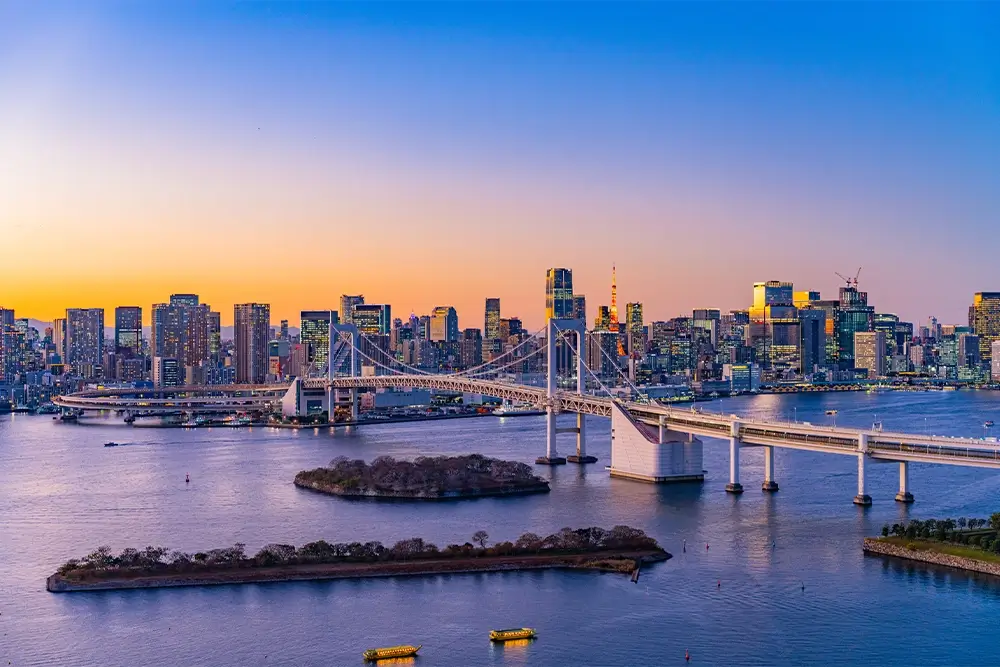
A bayside area covering Odaiba and Toyosu, where open views over Tokyo Bay are the main draw. Popular spots such as Odaiba Marine Park and Toyosu Market are within easy reach, and the waterfront setting adds a touch of leisure to a city sightseeing trip.
-
5. Tama Area
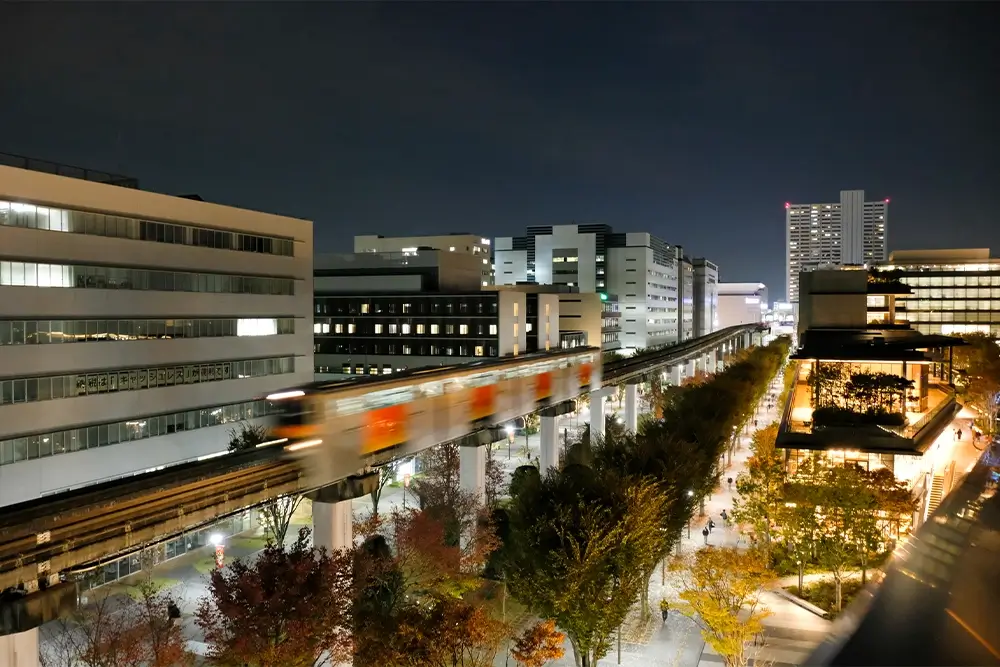
An area covering Tachikawa, Okutama, and Mount Takao, where abundant nature offers hiking and walking trails. It is easy to reach by train from central Tokyo, and places such as Showa Kinen Park and Mount Takao reveal a completely different side of the city.
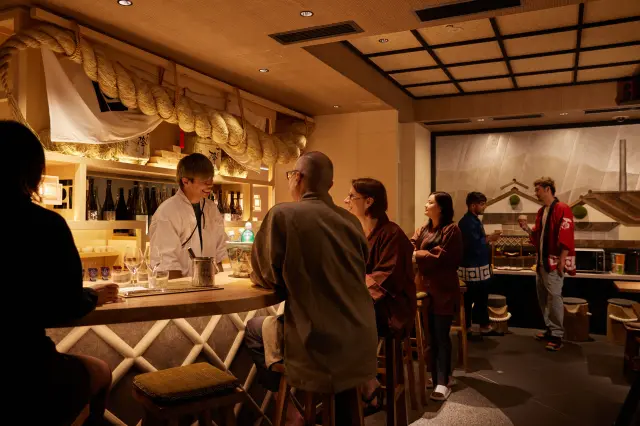
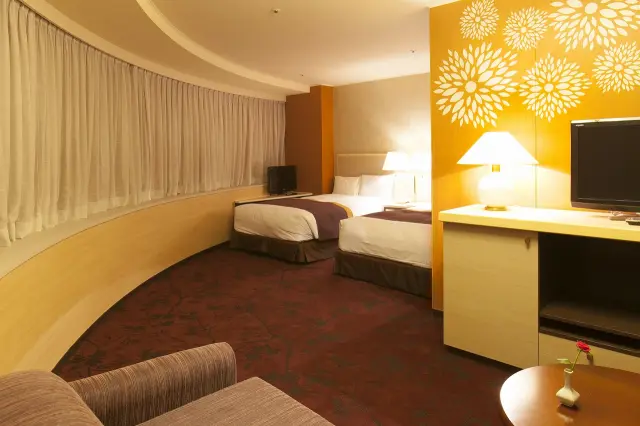
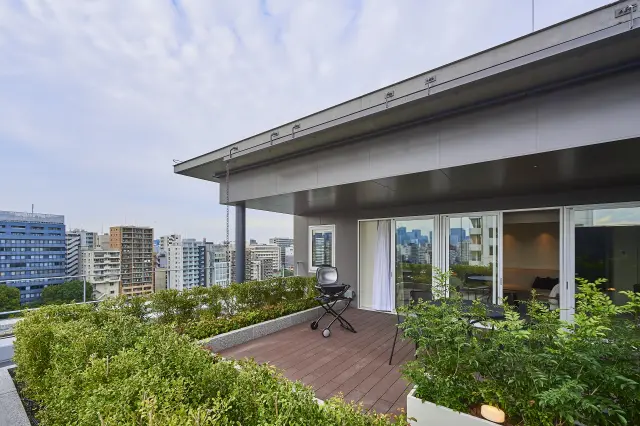
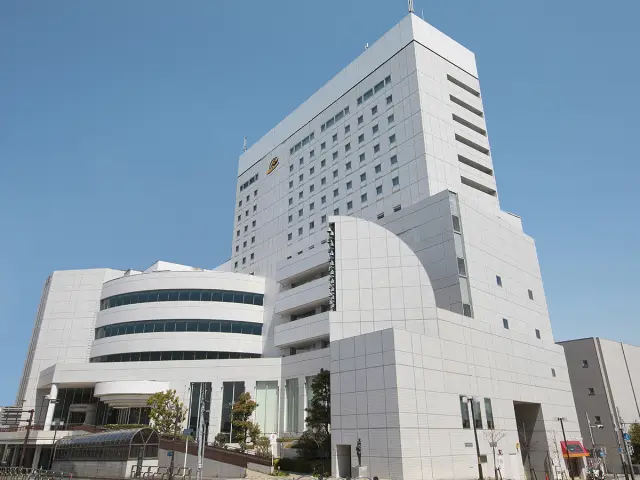
Where to Stay in Tokyo
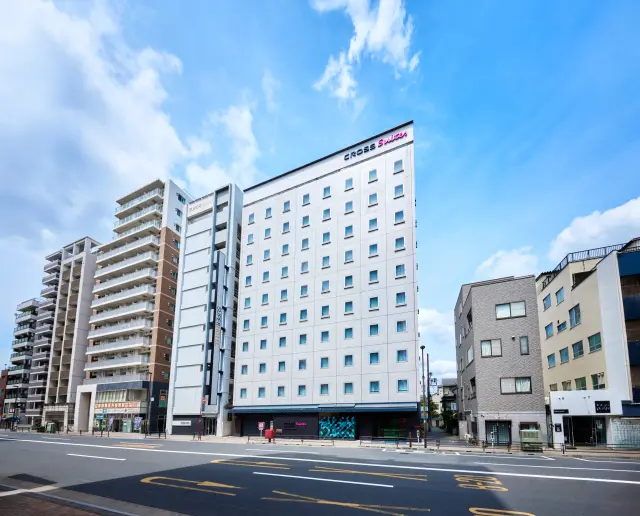

Essential Information for Visiting Tokyo
Tokyo Travel Information & Transportation Guide

How to Get to Tokyo
|
From Osaka (Tokaido Shinkansen) |
Shin-Osaka Station → Tokyo Station | Approx. 2 hr 30 min |
|---|---|---|
|
From Nagoya (Tokaido Shinkansen) |
Nagoya Station → Tokyo Station | Approx. 1 hr 40 min |
|
From Kyoto (Tokaido Shinkansen) |
Kyoto Station → Tokyo Station | Approx. 2 hr 10 min |
|
From Sendai (Tohoku Shinkansen) |
Sendai Station → Tokyo Station | Approx. 1 hr 30 min |
|
From Hokkaido (By Air) |
New Chitose Airport → Haneda Airport | Approx. 1 hr 40 min |
|
From Fukuoka (By Air) |
Fukuoka Airport → Haneda Airport | Approx. 2 hr |
|
From Okinawa (By Air) |
Naha Airport → Haneda Airport | Approx. 3 hr |

- Name
- Tokyo Metropolis
- Prefectural Capital
- Shinjuku Ward
- Main Airports
- Haneda Airport (Tokyo) / Narita International Airport (Chiba)
- Major Railway Stations
- Tokyo Station / Shinagawa Station / Shinjuku Station / Ikebukuro Station
- Location
- Southern Kanto region (the capital of Japan)
- Climate
- Four distinct seasons, with hot, humid summers and dry, mostly sunny winters.
- Best Time to Visit
- Year-round. Along with seasonal scenery and events, Tokyo offers museums, shopping complexes, observation decks, and many other attractions to enjoy at any time of year.
- Time Zone / Language / Currency
- Same as mainland Japan: no time difference, Japanese, and the Japanese yen (JPY).
- Transportation
- JR, subway, private railway, and bus networks are extensive, making trains the most convenient way to get around.
- Access to Other Areas
- Yokohama, Kamakura, and Hakone are all easy day trips, making Tokyo a practical base for exploring the wider metropolitan region.
- Travel Tips
- Trains are crowded during the morning and evening rush hours. Popular attractions get busy on weekends and holidays, so allow extra time in your schedule.
- Must-See Attractions
- TOKYO SKYTREE TOWN®, Sensoji Temple, and Meiji Jingu Shrine.
- Local Specialties
- Edomae sushi, monjayaki, and Fukagawa-meshi.
Tokyo Travel FAQs
Q
How many days should I spend in Tokyo?
A
For a first trip to Tokyo, 2–3 days is a good guideline. That is enough time to explore popular areas such as Asakusa, Ueno, Shibuya, and Shinjuku at a comfortable pace. If you also want to venture beyond the city, 4 days or more makes for a fuller trip.
Q
Can I get around Tokyo by train alone?
A
Yes. Tokyo's major attractions are all accessible by train or subway, so there is no need for a rental car. The transport network is highly developed, making public transportation the easiest option even on a first visit.
Q
Which areas are recommended for sightseeing in Tokyo?
A
For history and old downtown culture, head to Asakusa and Ueno. For shopping and dining, Shinjuku and Shibuya are ideal. The Tokyo Station and Ginza area makes a convenient base, while Odaiba and Toyosu offer bay views and leisure.
Q
When is the best time to visit Tokyo?
A
Tokyo is a year-round destination. Spring brings cherry blossoms and autumn brings colorful foliage, while summer offers fireworks festivals and events, and winter is the season for illuminations.
Q
Which IC cards can I use for transportation in Tokyo?
A
Suica, PASMO, and other transportation IC cards can be used. They work not only on trains and buses but also at some shops and vending machines, so having one makes getting around Tokyo much easier.