

© Senso-ji
Experience 120% of Senso-ji’s History and Culture: The Complete Senso-ji Travel Guide
Senso-ji is one of Japan’s most iconic tourist attractions.
If you are going to visit Senso-ji, you will surely want to experience everything it has to offer.
For first-time visitors, this article provides as much detail as possible on everything you need to make the most of Senso-ji, from its major highlights and the shops worth visiting along Nakamise Shopping Street to proper worship etiquette and how to draw an omikuji fortune.
Senso-ji: An Iconic Japanese Attraction Visited by Over 30 Million People Annually
Senso-ji is one of Japan’s most famous temples, attracting over 30 million worshippers from Japan and abroad every year.
Founded in 628, it is Tokyo’s oldest temple. The historically significant temple was even visited by the famous samurai warlord Tokugawa Ieyasu, who prayed there for victory in the decisive Battle of Sekigahara.
The temple grounds feature many structures that offer a sense of Japanese history, including Kaminarimon Gate, a symbol of Asakusa, and Senso-ji’s Denboin, which is designated an Important Cultural Property.
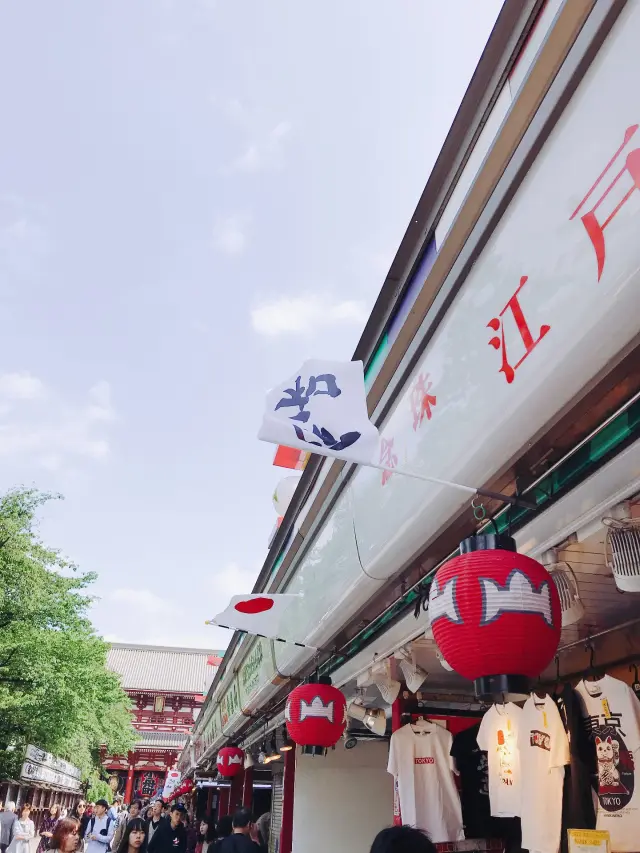
Along Nakamise Shopping Street, the approach leading to the Main Hall, visitors can shop for traditional Japanese sweets and tea or browse souvenirs filled with Japanese culture.
Offering a glimpse into Japan’s history and culture, Senso-ji is a place that both Japanese and international visitors will want to experience at least once.
How Do You Get to Senso-ji?
To get the most out of Senso-ji, we recommend entering through Kaminarimon Gate, walking along Nakamise Shopping Street, and continuing to the Main Hall.
Although the area is served by several stations and is easy to access, choose a station exit close to Kaminarimon Gate.
These four station exits are the closest to the gate.
The journey from Tokyo Station or Ikebukuro Station takes approximately 25 to 35 minutes using the JR Yamanote Line and Tokyo Metro Ginza Line.
From Shibuya, it takes approximately 40 minutes on the Tokyo Metro Ginza Line.
From Shinjuku, take the Toei Shinjuku Line and get off at Bakuro-yokoyama Station.
Walk to Higashi-nihombashi Station, transfer to the Toei Asakusa Line, and continue to Asakusa Station. The entire journey takes approximately 45 minutes.
5 Must-See Highlights of Senso-ji
Here are the places you should not miss when visiting Senso-ji, one of Japan’s most iconic attractions.
In addition to the classic highlights, we will introduce a few less conventional ways to experience the temple, so read up before your visit.
1. Kaminarimon Gate
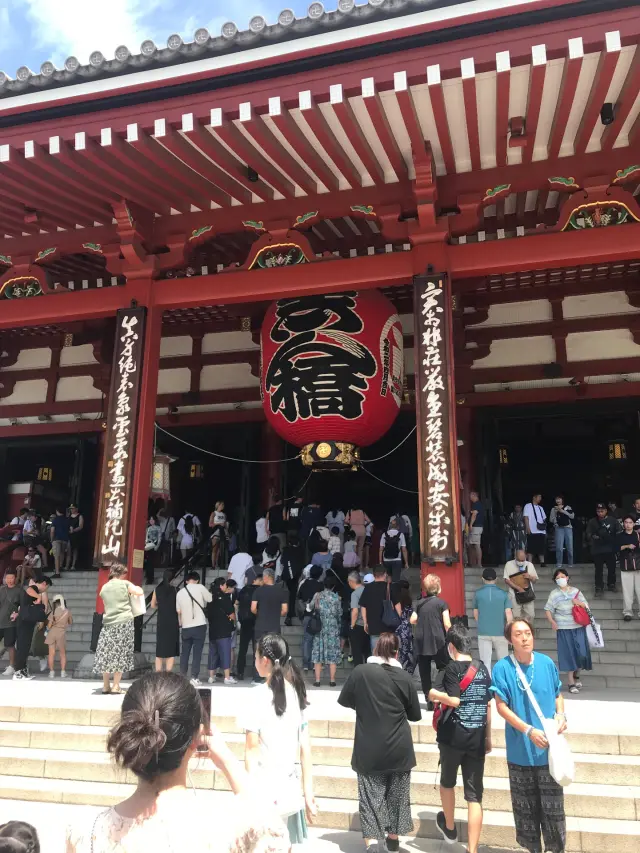
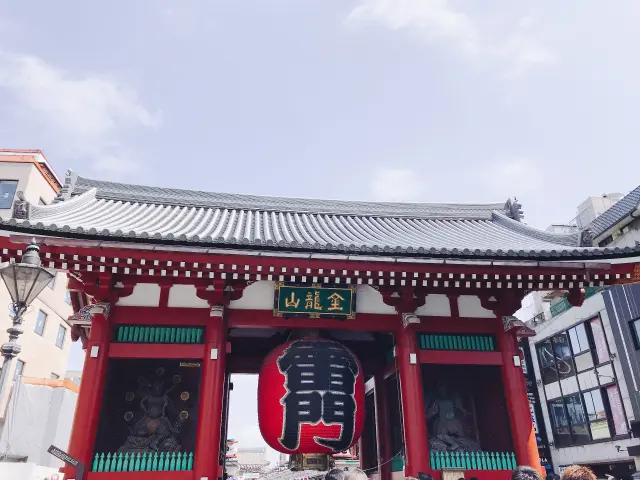
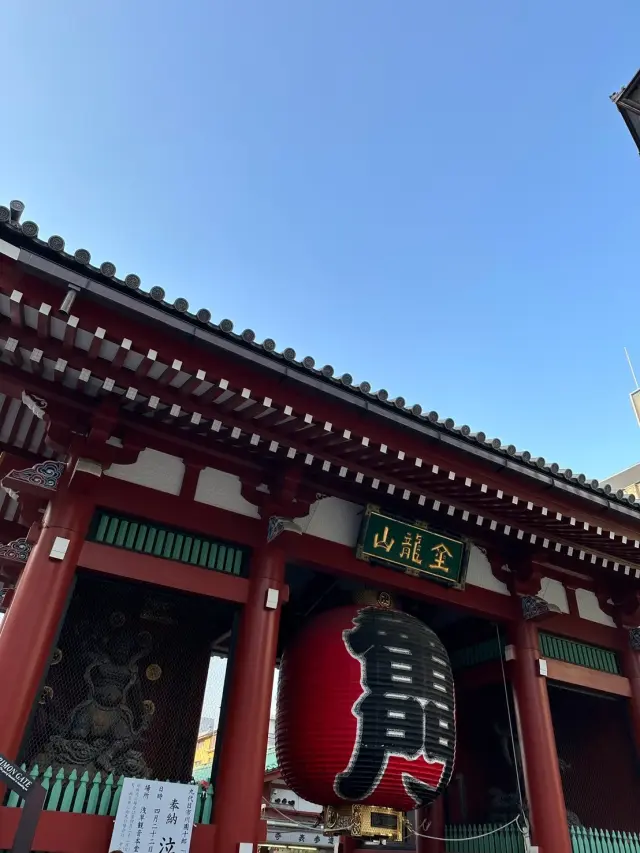
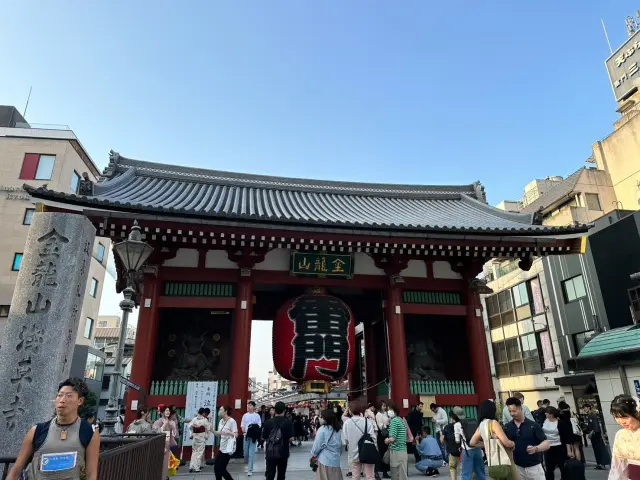
Kaminarimon Gate serves as the entrance to Senso-ji and is one of Asakusa’s best-known symbols.
The enormous lantern hanging from the gate, measuring 3.3 m wide and 3.9 m tall, is a popular photo spot.
However, the lantern is not the gate’s only highlight.
Do not miss the dragon carving on the bottom of the lantern, the statues of the gods of thunder and wind on either side of the gate, or the statues of Kinryu and Tenryu on the back.


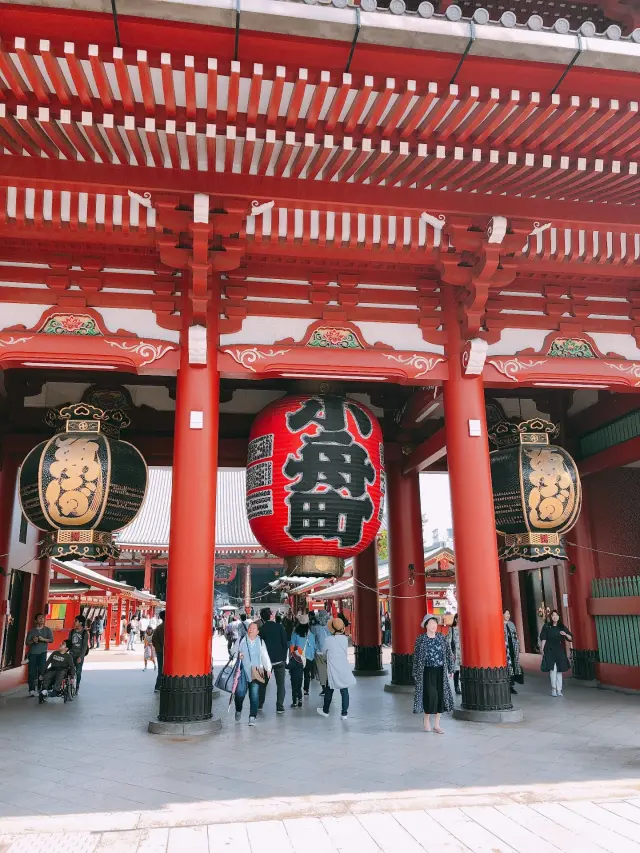
2. Hozomon Gate
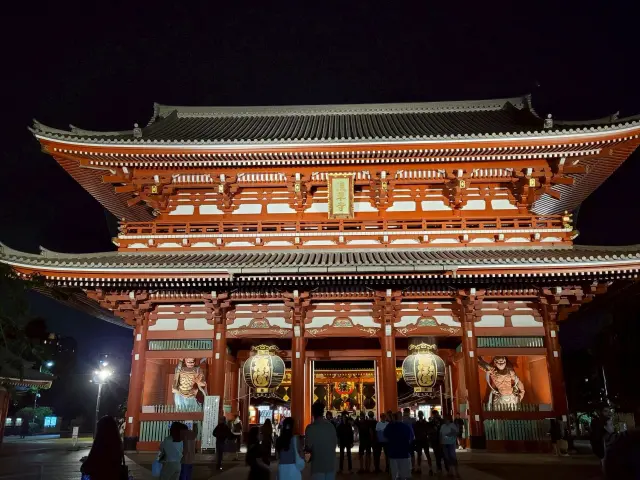
Hozomon is a large two-story gate standing in front of Senso-ji’s Main Hall.
Like Kaminarimon Gate, it has an enormous hanging lantern, which bears the characters for “Kobunacho.”
Two Nio guardian statues stand on either side of Hozomon Gate. Do not miss Agyo on the left, depicted with an angry expression and open mouth, or Ungyo on the right, depicted with an angry expression and closed mouth.
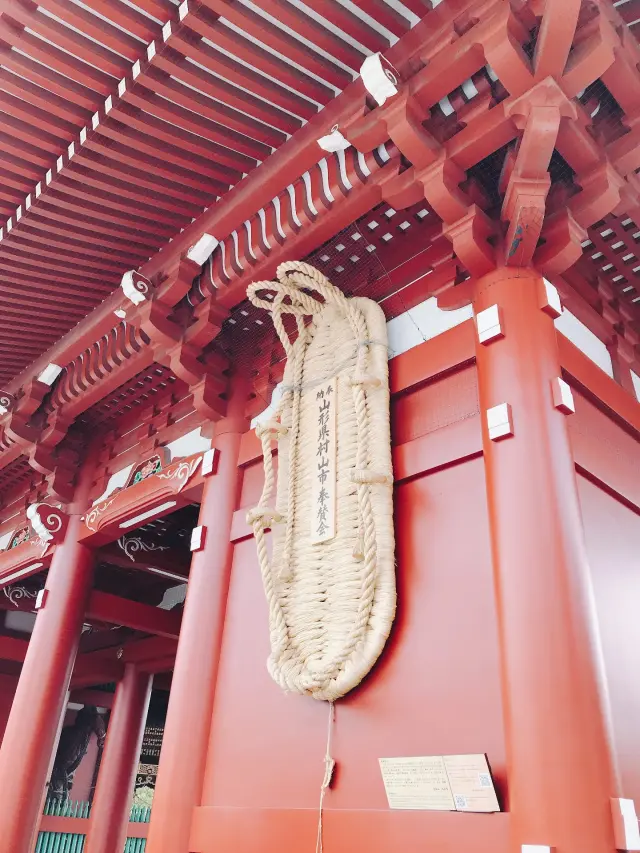
On the back of the gate, enormous straw sandals intended for the Nio guardians have been dedicated to ward off evil.


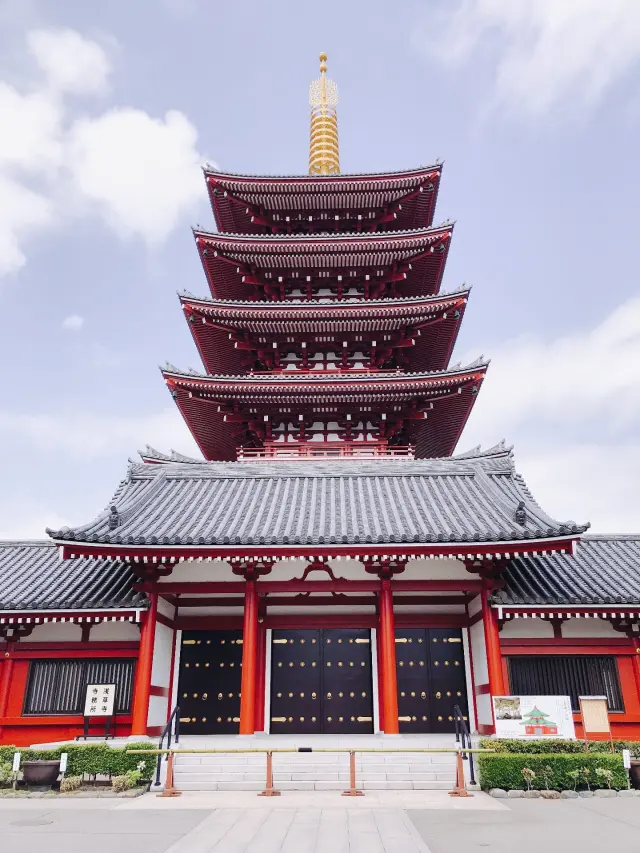
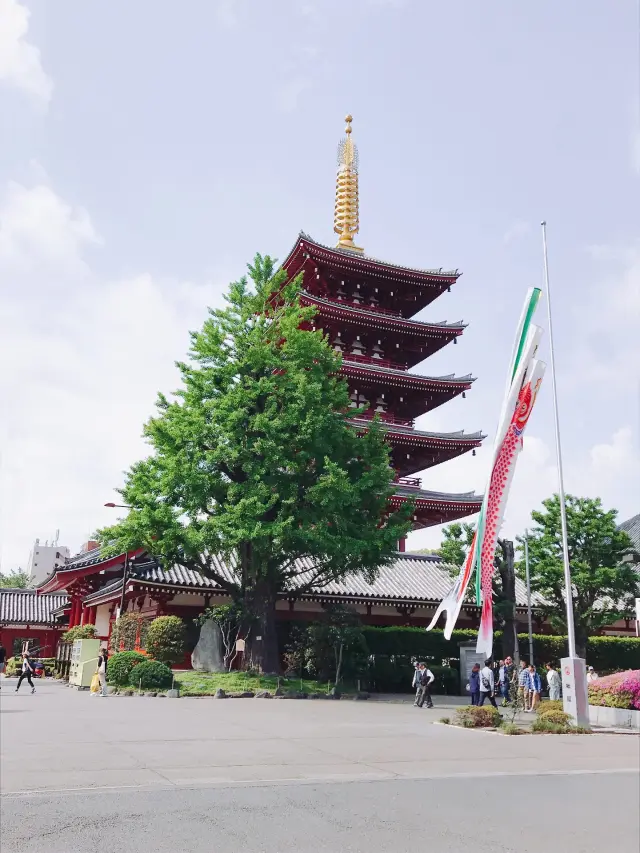
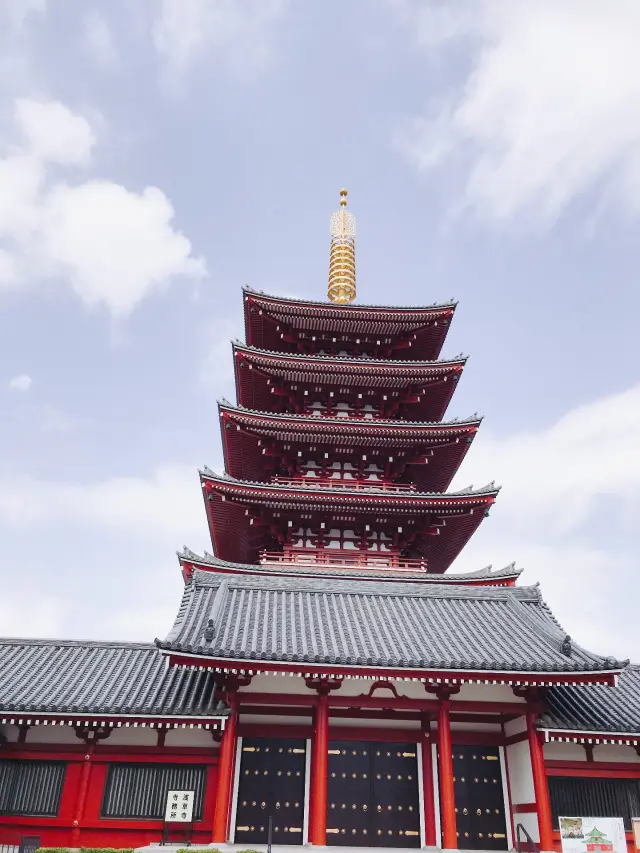
3. Five-Story Pagoda
Five-story pagodas are Buddhist structures found on the grounds of many temples, not only Senso-ji.
Among them, Senso-ji’s Five-Story Pagoda is one of the most famous.
The pagoda is approximately 53 m tall, roughly equivalent to a 15- to 20-story building.
The top floor houses sacred Buddhist relics said to be the remains of Shakyamuni Buddha.

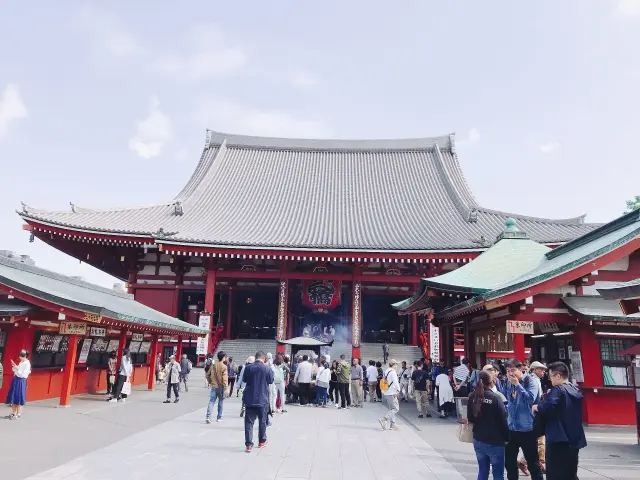
4. Senso-ji Main Hall
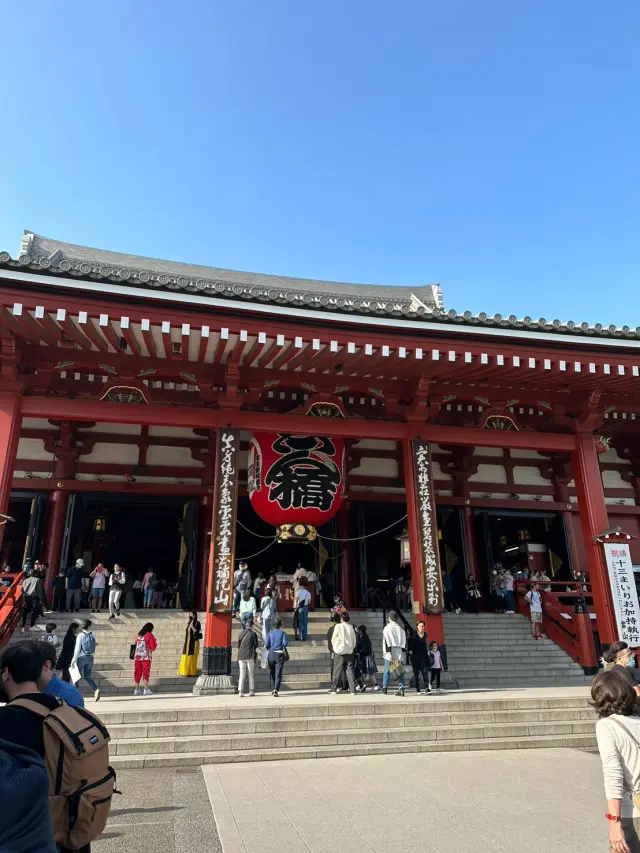
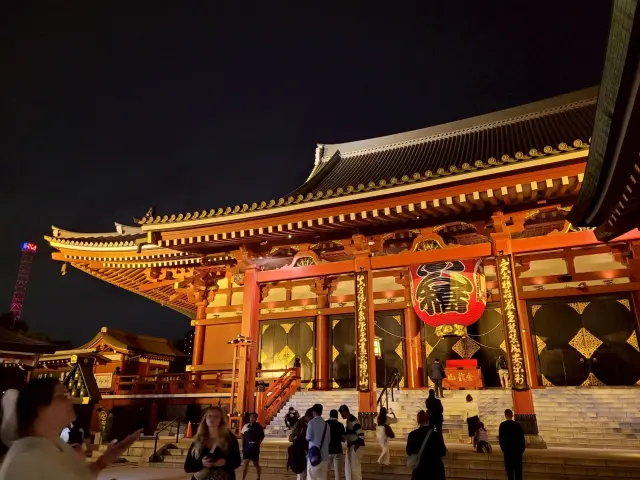
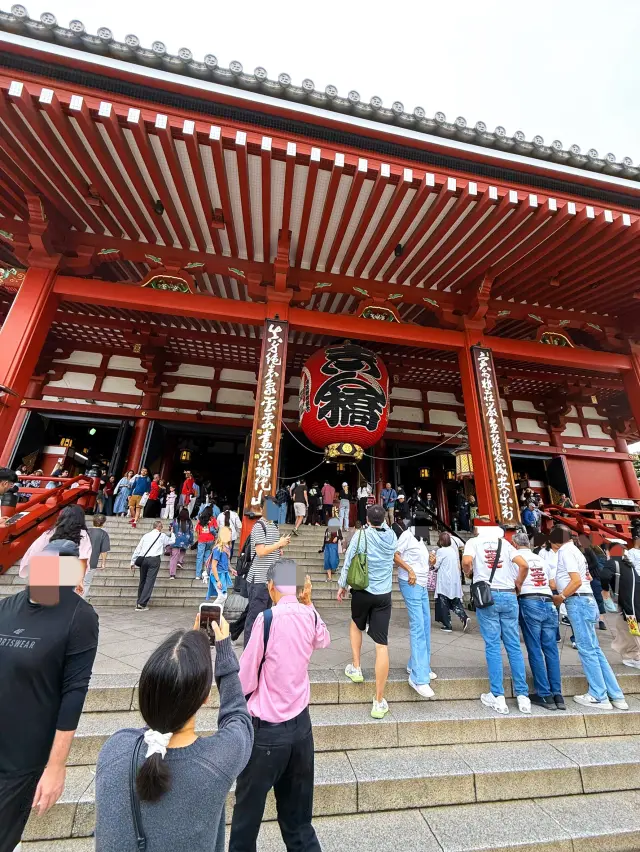
Senso-ji’s Main Hall is also called Kannondo because it enshrines the temple’s principal image, Sho Kanzeon Bosatsu, the Bodhisattva of Compassion.
A 4.5-meter-tall lantern, larger than the one at Kaminarimon Gate, hangs from the hall.
The Dragon Painting in the center of the ceiling and the Celestial Beings paintings on either side are breathtaking.
Photography is prohibited, making these precious works difficult to see elsewhere, so visit the Main Hall and remember to look up at the ceiling.
The Main Hall is believed to help worshippers fulfill their wishes.
Rather than being associated with one specific type of wish, the temple is said to grant wishes of all kinds.

5. Senso-ji Illuminated at Night
Although it is not widely known, Senso-ji is illuminated every evening from sunset until around 11:00 p.m.
Lit to accentuate their vermilion coloring, Kaminarimon Gate, Hozomon Gate, the Five-Story Pagoda, and the Main Hall take on a different character than they have during the day.
Nakamise Shopping Street is also illuminated after the stores close and their shutters come down, revealing the Asakusa Emaki murals painted across them.
These murals tell the story of Asakusa’s origins and depict traditional seasonal events. Since they can only be seen after the stores close, be sure to view them together with the evening illumination.
There are also fewer worshippers at night than during the day, allowing you to explore Senso-ji at a more relaxed pace.

Affordable and Filling: 5 Shops for Grab-and-Go Treats on Nakamise Shopping Street
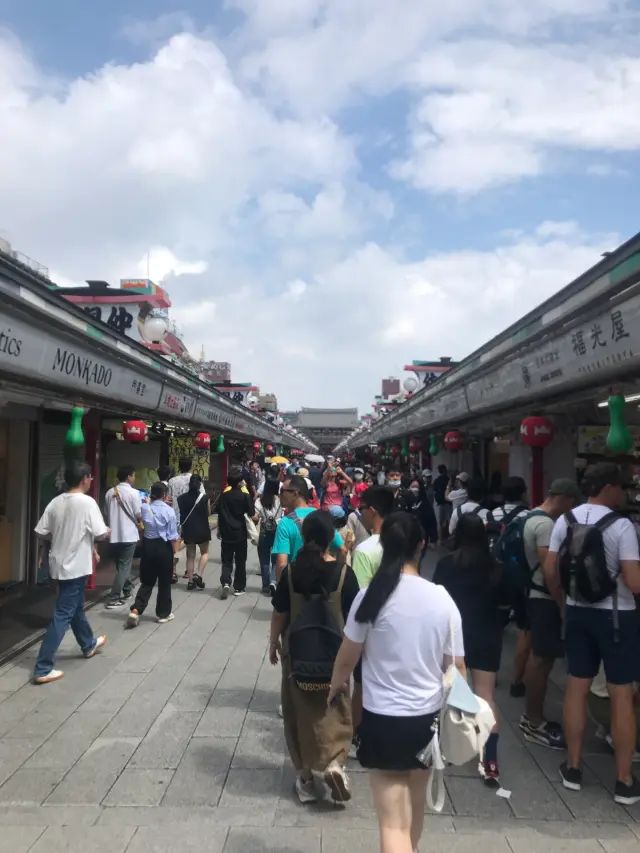
Nakamise Shopping Street, the temple approach connecting Kaminarimon Gate and Hozomon Gate, is lined with nearly 90 long-established food and souvenir shops.
Visitors can purchase traditional Japanese sweets that have been enjoyed for generations, including dango dumplings, ningyo-yaki cakes, and deep-fried manju buns, as well as matcha, all at reasonable prices. One shop even recreates the flavor of dango from the Edo period.

Keep in mind that eating while walking along Nakamise Shopping Street is considered poor manners.
Eat your purchase in front of the shop or in a nearby designated eating area.
Here are five carefully selected shops worth visiting on Nakamise Shopping Street.
1. Tokiwado Kaminari-okoshi Honpo Kaminarimon Main Store
Located beside Asakusa’s Kaminarimon Gate, Tokiwado Kaminari-okoshi Honpo Kaminarimon Main Store is a long-established okoshi shop with a history of over 200 years.
Kaminari-okoshi is made from rice mixed with ingredients such as peanuts.
At the Kaminarimon Main Store, visitors can watch artisans make the confection and sample freshly prepared, aromatic kaminari-okoshi on the spot. The second-floor Kaminarimon Observation Restaurant serves sweets and light meals with a view of Kaminarimon Gate.

2. Asakusa Kokonoe
Asakusa Kokonoe, located three storefronts from Senso-ji, is a popular shop frequently featured on television and in magazines.
Its age-manju, which are crisp on the outside and chewy inside, can be purchased individually and eaten on the spot.
There are 11 varieties of age-manju, making it easy to choose one to suit your mood.
In addition to age-manju filled with smooth red bean paste, the shop offers an unusual monjayaki-flavored variety. Try comparing several different flavors.

3. Asakusa Kibidango Azuma
This shop recreates kibidango once sold on Nakamise Shopping Street during the Edo period and prepares it in front of customers.
Served slightly warm, the soft and chewy kibidango is delicious.
Enjoy it in the eating area beside the shop, paired with chilled matcha in summer or amazake in winter.

4. Asakusa Chochin Monaka
Shaped like the lantern at Kaminarimon Gate, a symbol of Asakusa, this confection has a nostalgic appearance that evokes the traditional atmosphere of Tokyo’s old downtown neighborhoods.
The monaka wafers are made with domestically produced glutinous rice and carefully baked to create a light, crisp texture.

5. Kimuraya Honten
Founded in Keio 4 (1868), Kimuraya Honten has the longest history of any ningyo-yaki shop in Asakusa.
Located at the far end of Nakamise Shopping Street, just before Senso-ji’s Hozomon Gate, the shop is always bustling with visitors.
Its signature ningyo-yaki, made by filling a wheat flour and egg batter with smooth red bean paste, follows a recipe created by the shop’s founder. Their restrained sweetness and simple flavor make it tempting to eat one after another.

3 Things to Know to Get 120% Out of Your Visit to Senso-ji
In addition to visiting the highlights and shops introduced above, keeping the following points in mind will help you get 120% out of your visit to Senso-ji.
1. Explore Senso-ji in a Kimono
Exploring Senso-ji, Tokyo’s oldest temple, in a kimono may make you feel as though you have traveled back in time.
There are many kimono rental and dressing shops near Senso-ji. If you make a reservation in advance, you can arrive empty-handed and still explore the area in a kimono.
To experience traditional Japanese culture firsthand, consider strolling through Senso-ji in kimono.

2. Are Bad Fortunes Common? Test Your Luck with an Omikuji
Omikuji are paper fortunes that predict your luck and convey a message from a Buddhist or Shinto deity.
Senso-ji also offers omikuji, which can be drawn as follows.
- Place 100 yen in the collection box
- Shake the silver omikuji container and remove one stick
- Check the number written on the stick
- Open the drawer marked with the same number
- Take only the top omikuji from inside the drawer
Senso-ji’s omikuji are widely rumored to produce kyo, the worst fortune, more frequently than usual. Many people visit the temple to see whether the rumor is true or simply to test their luck.
If you have a wish or something troubling you, try drawing an omikuji.
You may receive a message that helps you fulfill your wish or resolve your concerns.

3. Follow the Proper Worship Etiquette
Buddhist temples and Shinto shrines each have established worship etiquette.
Following the proper customs will not only help you receive the Buddha’s blessings but may also leave you feeling refreshed by the time you depart Senso-ji.

Steps and Etiquette for Worshipping at Senso-ji
Worship etiquette differs between Buddhist temples and Shinto shrines and may also vary from one temple to another.
When visiting Senso-ji, follow the steps and etiquette below.
- Place your palms together and bow once in front of Kaminarimon Gate before passing through
- Continue along Nakamise Shopping Street and purify your hands and mouth at the purification basin
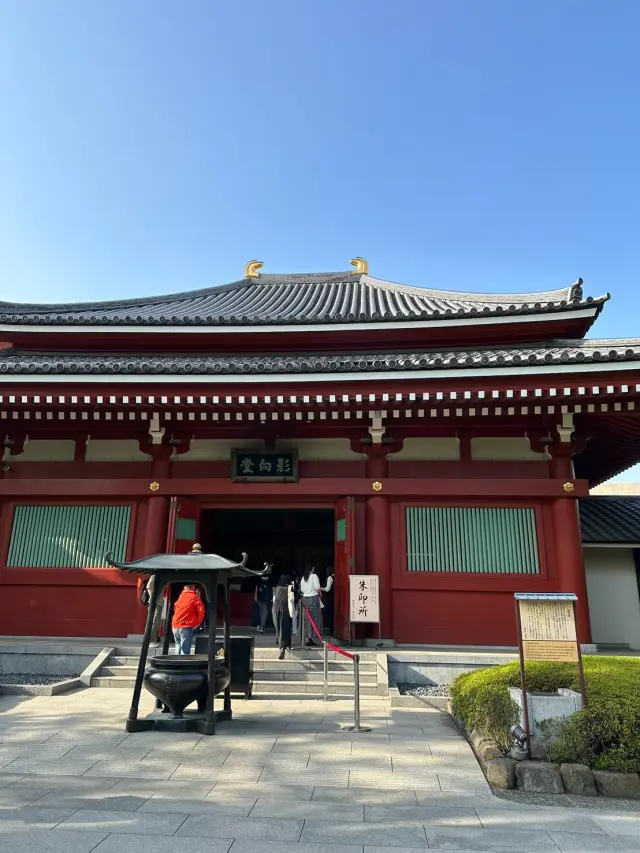
- Purify your body and mind with smoke from the incense burner. You may also offer incense
- Worship at the Main Hall
Etiquette at the Purification Basin
Before worshipping at a Buddhist temple or Shinto shrine, purify yourself by washing your hands.
Follow the steps below.
- Hold the ladle in your right hand and wash your left hand
- Transfer the ladle to your left hand and wash your right hand
- Return the ladle to your right hand, pour water into your left hand, and use it to rinse your mouth. Do not place your mouth directly on the ladle
- Hold the ladle upright so that water runs down and cleans the handle, then return it to its original position
Worship Etiquette
Follow the steps below when worshipping at Senso-ji’s Main Hall.
Unlike at a Shinto shrine, you should not clap your hands.
- Place a monetary offering in the offering box
- Place your palms together and bow once
- Bow lightly once more
An Easy Walk Away: 5 Carefully Selected Attractions Near Senso-ji
The area within walking distance of Senso-ji has many appealing attractions, including a shrine dedicated to the people who helped found the temple and TOKYO SKYTREE, one of Tokyo’s landmarks. There is enough to see and do around Senso-ji to fill an entire day.
After exploring the temple, be sure to visit the following five attractions as well.
1. Asakusa Hanayashiki
Located in Asakusa, Tokyo, this is Japan’s oldest amusement park. It features many nostalgic attractions that have been operating for decades. In addition to thrilling rides such as Japan’s oldest Roller Coaster, there are plenty of attractions for young children, including the Little Kids Ferris Wheel and the park’s famous Panda Car.

2. TOKYO SKYTREE
At the center of TOKYO SKYTREE TOWN stands the 634-meter-tall TOKYO SKYTREE, which serves as both a broadcasting tower and tourist attraction. Inside the tower are two observation areas: the Tembo Deck at 350 m and the Tembo Galleria at 450 m. At the base of the tower are TOKYO Solamachi®, where visitors can shop and dine; the TOKYO SKYTREE EAST TOWER office building; KONICA MINOLTA PLANETARIUM “TENKU” in TOKYO SKYTREE TOWN®; and Sumida Aquarium. This popular leisure destination attracts visitors from Japan and abroad, as well as local residents on weekends.

3. Daikokuya Tempura
Founded in 1887, this restaurant is known for tendon, a beloved Asakusa specialty. Its tempura is fried exclusively in sesame oil until golden brown. The restaurant takes pride in its distinctive, rich, sweet-and-savory sauce, whose recipe has remained unchanged since it opened.
Several varieties of tendon are available with different toppings. One popular option is the Ebi Tendon, featuring four large shrimp tempura served over rice.

4. Asakusa Shrine
This Shinto shrine stands beside the Main Hall of Senso-ji, the temple famous for Kaminarimon Gate. It is also known as Sanja-sama because it enshrines three local deities associated with the founding of Senso-ji. Although the exact date is unknown, the shrine is believed to have originated as Sanja Gongen-sha, which was founded sometime between the late Heian period and the early Kamakura period.
The current shrine building was constructed by Tokugawa Iemitsu in 1649. Having survived repeated fires, wars, and earthquakes, it retains the appearance of that era and was designated a national Important Cultural Property in 1951.

5. Kappabashi Kitchenware Town
Kappabashi Kitchenware Town is a shopping street stretching approximately 800 m from north to south between Asakusa and Ueno in Tokyo.
This unusual shopping district is home to approximately 170 stores specializing in food-related products, from cookware and tableware to restaurant signs.

3 Popular Restaurants Near Senso-ji
The area around Senso-ji has many dining spots where visitors can experience the traditional atmosphere of Tokyo’s old downtown neighborhoods and the energy of a popular tourist destination.
Here are some carefully selected restaurants to visit along with Senso-ji.
Discover more of Asakusa’s appeal through its food.
1. Daikokuya Tempura
Founded in 1887, this restaurant is known for tendon, a beloved Asakusa specialty. Its tempura is fried exclusively in sesame oil until golden brown. The restaurant takes pride in its distinctive, rich, sweet-and-savory sauce, whose recipe has remained unchanged since it opened.
Several varieties of tendon are available with different toppings. One popular option is the Ebi Tendon, featuring four large shrimp tempura served over rice.

2. Asakusa Imahan Kokusai-dori Main Store
Founded in Meiji 28 (1895), this long-established restaurant has been popular with everyone from local residents to tourists for 130 years.
Its signature sukiyaki is made with female Japanese Black beef carefully selected from across Japan by expert buyers.
The restaurant is equally particular about the vegetables essential to sukiyaki, selecting ingredients such as Senju green onions, described as the finest of all green onions, and thick, aromatic shiitake mushrooms that hold their own against the flavor of the sukiyaki sauce.

3. Kamameshi Haru Asakusa Main Store
Founded in 1926, this historic restaurant specializes in kamameshi and is said to have invented the dish.
Each individual serving of rice and ingredients is cooked and served in its own iron pot, carefully prepared to order one pot at a time.
Although it takes approximately 25 minutes to cook, the flavor makes it well worth the wait.

3 Recommended Places to Stay Near Senso-ji
Here are several comfortable, conveniently located hotels that make excellent bases for exploring Senso-ji.
The selection ranges from hotels offering refined, relaxing stays to stylish properties with simple, functional guest rooms, making it easy to choose one that suits your travel style.
Each promises a pleasant stay surrounded by the traditional atmosphere of Asakusa.
1. Richmond Hotel Premier Asakusa
Richmond Hotel Premier Asakusa enjoys an outstanding location in central Asakusa, approximately a 3-minute walk from Asakusa Station on the Tsukuba Express and an 8-minute walk from Asakusa Station on the Tokyo Metro Ginza Line. It provides convenient access to Asakusa attractions such as Senso-ji and Kaminarimon Gate.
Some guest rooms offer views of TOKYO SKYTREE® or Senso-ji’s Five-Story Pagoda, adding to the atmosphere of your sightseeing trip.

2. MyCUBE by MYSTAYS Asakusa Kuramae
This new cube-style accommodation was created by the MYSTAYS Hotel Group, which operates city hotels, resort hotels, community hotels, and limited-service hotels throughout Japan.
Each sleeping area, known as a cube, offers a spacious interior measuring 100 cm wide, 205 cm long, and 160 cm high. It is equipped with a safe, electrical outlets, and USB charging ports.

3. Tobu Hotel Levant Tokyo
An official hotel of TOKYO SKYTREE, one of Tokyo’s landmarks, this property offers views of the tower from its guest rooms and top-floor restaurant.
The nearest station, Kinshicho Station, is approximately 8 minutes from Tokyo Station, making the hotel an ideal base for sightseeing in Tokyo.
A direct bus to Tokyo Disney Resort® is also available exclusively to hotel guests and requires a reservation.
In addition to its convenient location, the hotel offers a wide variety of guest rooms.

Senso-ji Reviews
Some reviews are AI-translated.
-
It's almost impossible to get a photo of the huge red lantern with absolutely no one in it. Sensoji Temple is probably a must-visit attraction for anyone traveling to Tokyo! Sensoji is the oldest temple in Tokyo, and the Kaminarimon lantern at the entrance is very distinctive. I originally wanted to take a photo with it, but the crowd was so big that I could barely get through, so I gave up. The shopping street outside the temple has all kinds of little souvenirs and is a lot of fun to browse! There are also plenty of places to eat nearby. It's definitely worth setting aside half a day to explore.
-
-
When it comes to Tokyo's most iconic and famous attractions, Sensoji Temple, with its thousand-year history, is definitely one of the top ones. To avoid the frighteningly huge daytime crowds, we got up especially early and went during the peaceful golden hours of the morning.
As soon as we reached the entrance, the magnificent gate with the huge red Kaminarimon lantern hanging above was truly breathtaking up close and inspired a sense of solemn respect. Looking more carefully, we even saw the enormous straw sandals hanging under the gate, with plenty of fascinating details to take in. After passing through Kaminarimon and slowly walking into the temple grounds, the vivid vermilion eaves looked especially solemn and beautiful against the clear blue sky and white clouds.
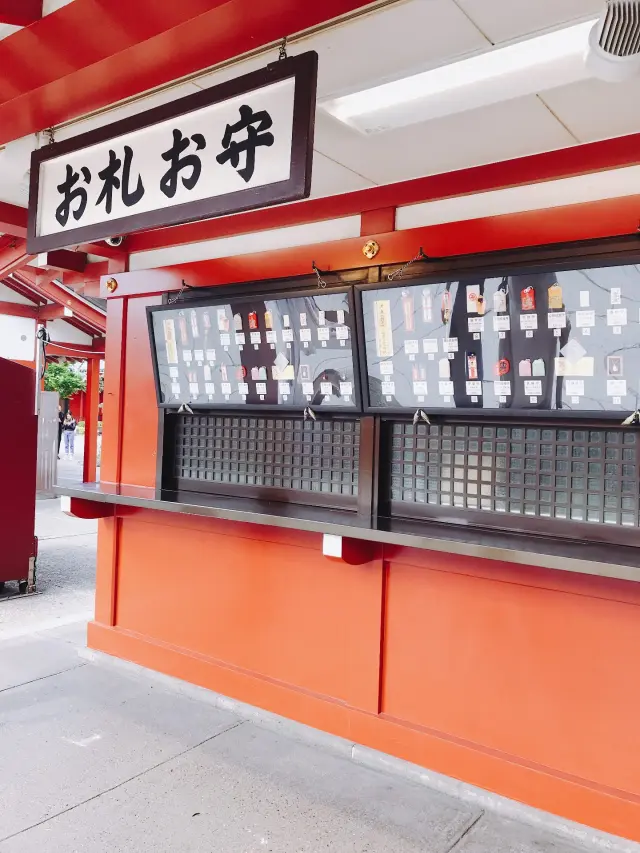
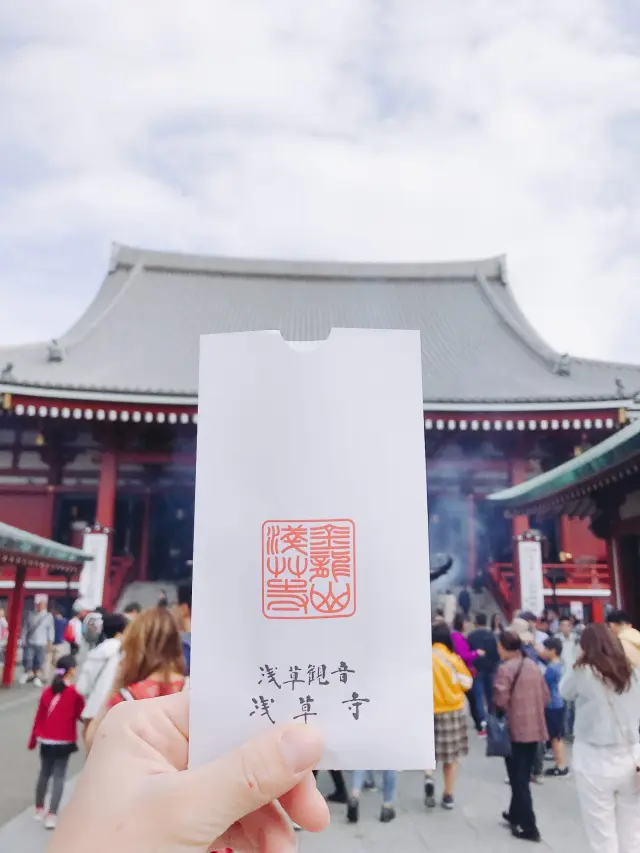
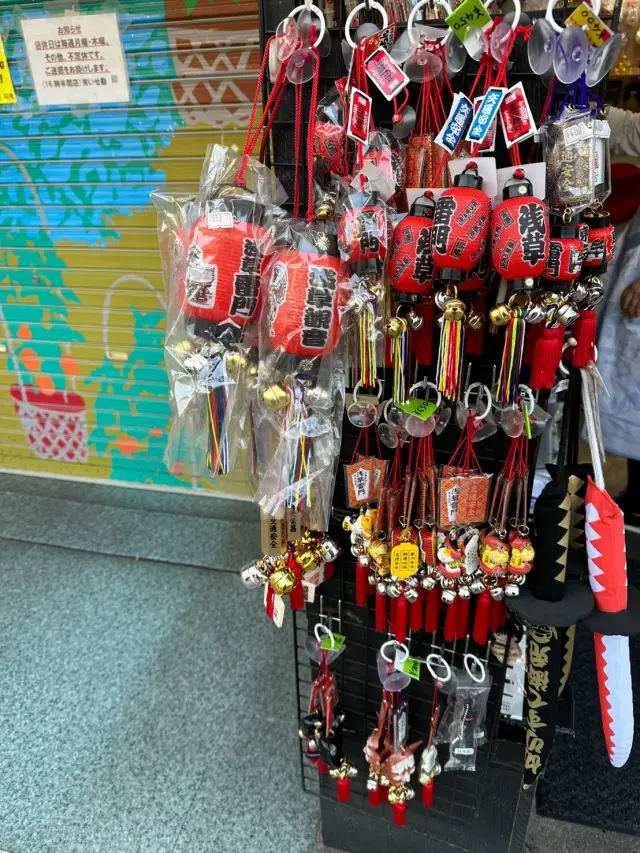
We quietly waited in line to worship and pray for safety. Afterward, we followed the local custom by drawing a fortune and choosing a delicate omamori as a keepsake. With only a few visitors around in the morning, being able to stroll quietly and fully appreciate the calm depth of this thousand-year-old temple felt like an incredibly luxurious experience. After worshiping, we headed to the lively Nakamise Shopping Street in front of the temple, sampling snacks and choosing souvenirs along the way. The whole outing offered plenty to see and do and was a classic Tokyo experience that should not be missed.
-
-
After passing through Kaminarimon Gate, you’ll come to the lively Nakamise shopping street, lined with all kinds of souvenir shops, traditional snacks, and uniquely Japanese products. It’s fun to browse and eat along the way. However, this visit really made me realize just how incredible the crowds at Sensoji Temple can be. It was packed with people from the entrance all the way to the area around the temple. You have to wait for an opening to take a good photo, and sometimes you can only move slowly along with the crowd.
Even with all the crowds, once you reach the main hall of Sensoji Temple, you can still feel its solemn, historic atmosphere. Watching everyone pray sincerely, draw fortunes, and ask for blessings naturally makes you slow down and experience Japan’s traditional temple culture.
Although the number of visitors this time was honestly a little overwhelming, Sensoji Temple is still well worth visiting when you’re in Tokyo! If you want to avoid the crowds, I recommend coming earlier. You may have a better chance of getting the photos you want.
-
-
Sensoji Temple is a place with a strong cultural feel. Starting with the large red lantern at the Kaminarimon Gate, you can immediately sense the rich atmosphere of traditional Japan. Walking along Nakamise Street to the temple, the little shops along the way are also full of character. There were many visitors, making it very lively!
-
-
I had excitedly planned to take a photo with the huge lantern at Sensoji Temple's Kaminarimon Gate, but the crowd was absolutely overflowing. After waiting forever without finding an opening, I finally decided to give up!
I was a little disappointed that I couldn't get the photo, but then I realized that casually taking pictures of the scenery around the temple was wonderful too. The vermilion buildings stood out against the blue sky, and every quick shot of the details in the eaves and lanterns was so beautiful and calming. Looking at the serene, elegant atmosphere in the photos made me feel completely relaxed and at ease. That's travel—going with the flow can be a wonderful reward in itself! -


Frequently Asked Questions About Senso-ji
Q
When can visitors worship at Senso-ji?
The temple grounds are open for worship 24 hours a day. The Main Hall is open from 6:00 a.m. to 5:00 p.m., or from 6:30 a.m. to 5:00 p.m. between October and March.
Q
What is the recommended route through Senso-ji?
We recommend entering the temple grounds through Kaminarimon Gate, the entrance to Senso-ji, then walking along Nakamise Shopping Street to visit Hozomon Gate, the Five-Story Pagoda, and the Main Hall.
Q
What is the difference between Senso-ji and Asakusa Shrine?
Although Asakusa Shrine stands immediately beside Senso-ji, they are entirely separate religious sites. However, they are not unrelated, as the shrine enshrines the fisherman brothers who were involved in the founding of Senso-ji.
Summary
This guide has covered everything you need to fully explore Senso-ji, from the temple’s highlights and the appeal of Nakamise Shopping Street to useful tips for making the most of your visit and attractions in the surrounding area.
If you are visiting Senso-ji for the first time, use this article as your guide while exploring the temple.
Author
Writers & Editors
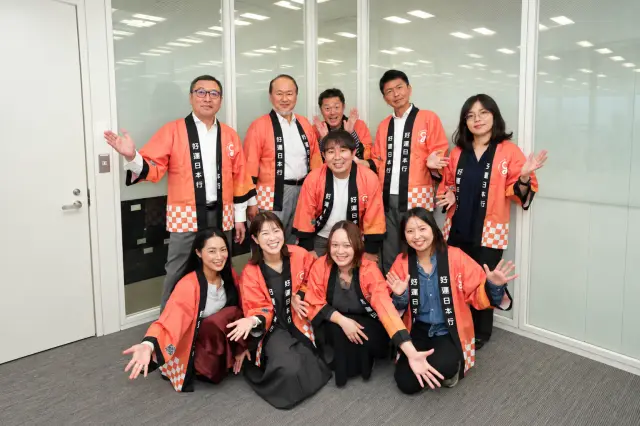
GOOD LUCK TRIP Editors
Sharing lesser-known ways to experience Japan with the world!