
Kuramae Travel Guide: Explore a Craft Town of Artisan Shops and Cafes
Located near Asakusa, Kuramae is dotted with small specialty stores, stationery shops, and cafes.
Step off the main streets into an alley, and you may discover an unexpected find.
Beyond shopping, you can create your own notebook or ink and stroll through an old-fashioned shopping street.
With about half a day, you can explore the shops and walk along the Sumida River.
Discover a different side of Tokyo as you wander through Kuramae, a neighborhood with a rich history of craftsmanship.
Kuramae: Where Old Tokyo Charm Meets New Ideas
Kuramae is an area along the Sumida River in Tokyo's Taito City, not far from Asakusa.
Its name comes from the storehouses once built here to hold rice belonging to the shogunate during the Edo period.
The area later developed as a neighborhood of wholesalers and small factories, and its culture of craftsmanship continues today.
In recent years, renovated older buildings have become home to a growing number of cafes, specialty stores, and design shops, adding a new dimension to the neighborhood.
New shops stand alongside long-established businesses, while popular cafes sit just steps from historic shrines. This blend of old and new is part of what makes Kuramae so interesting.
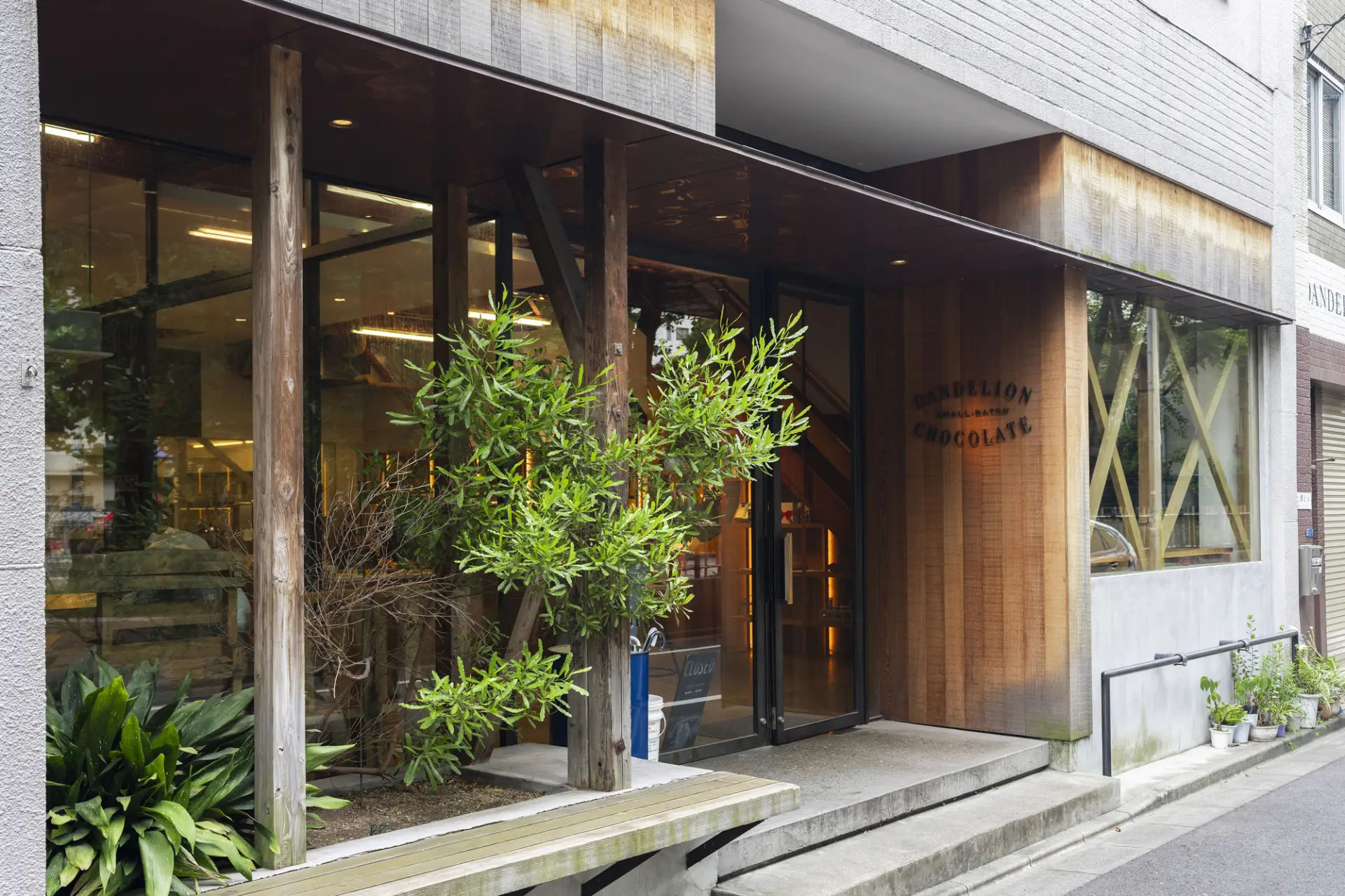
5 Things to Do in Kuramae
Shop for stationery and small leather goods, make an original item, or take a break at a thoughtfully designed cafe.
Kuramae has many shops and places worth exploring at a leisurely pace.
You can walk with a particular destination in mind or stop at a small shop that catches your eye along the way.
Here are five experiences to try when visiting Kuramae.
1. Browse the Craft Shops
Shopping in Kuramae does not have to end once you have visited the store you came for.
Small specialty shops selling stationery, leather goods, tableware, and household items are scattered throughout the side streets, each with its own character.
Items designed to highlight the texture of their materials and the pleasure of everyday use are enjoyable even just to browse.
Looking inside one small shop after another and listening to the owners explain their recommendations and the stories behind their products is one of the pleasures of shopping in Kuramae.
Walk through the alleys, and you may come across an unexpected find.
2. Try a Hands-On Craft Experience
In Kuramae, you can do more than buy finished products—you can also create something to suit your tastes.
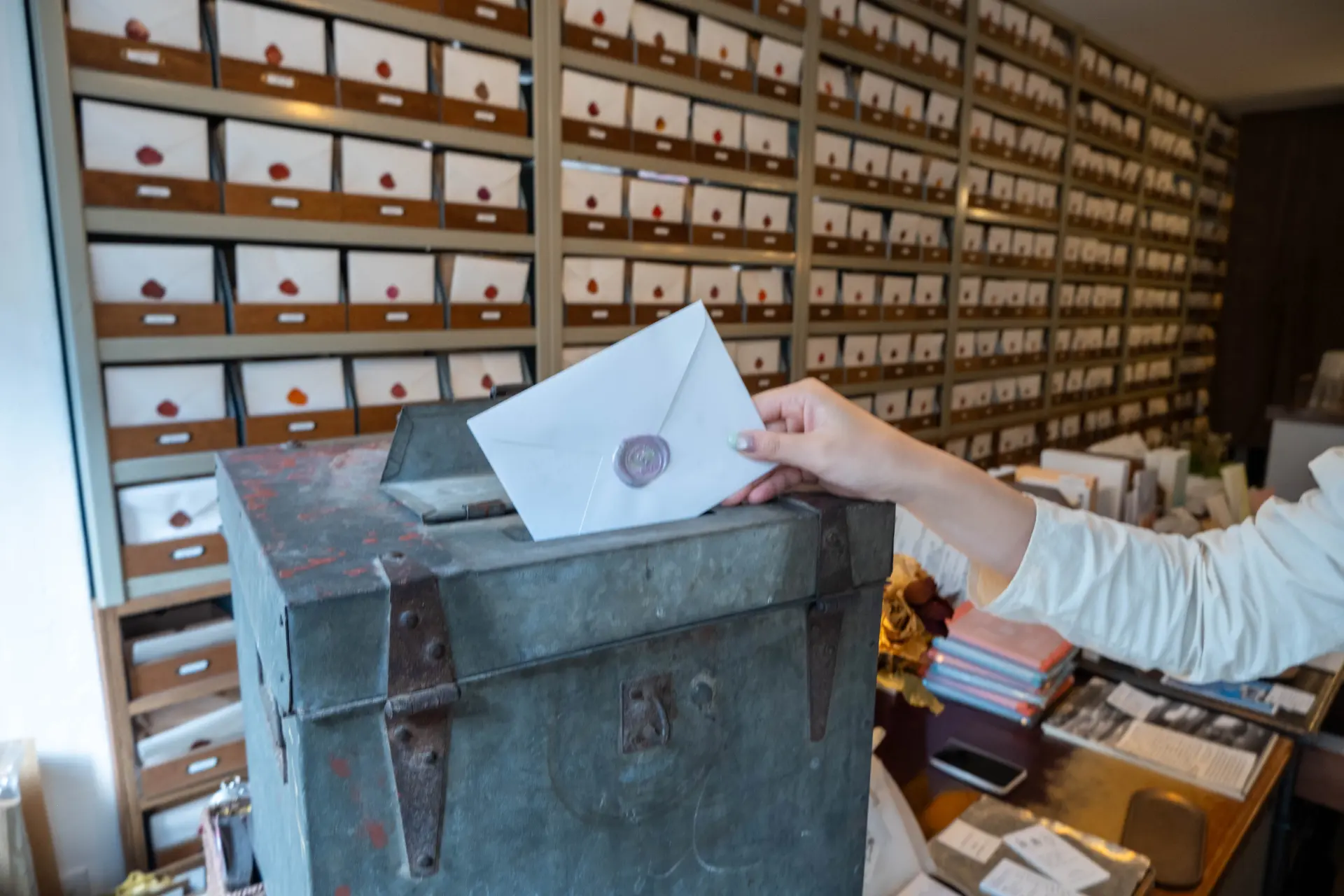
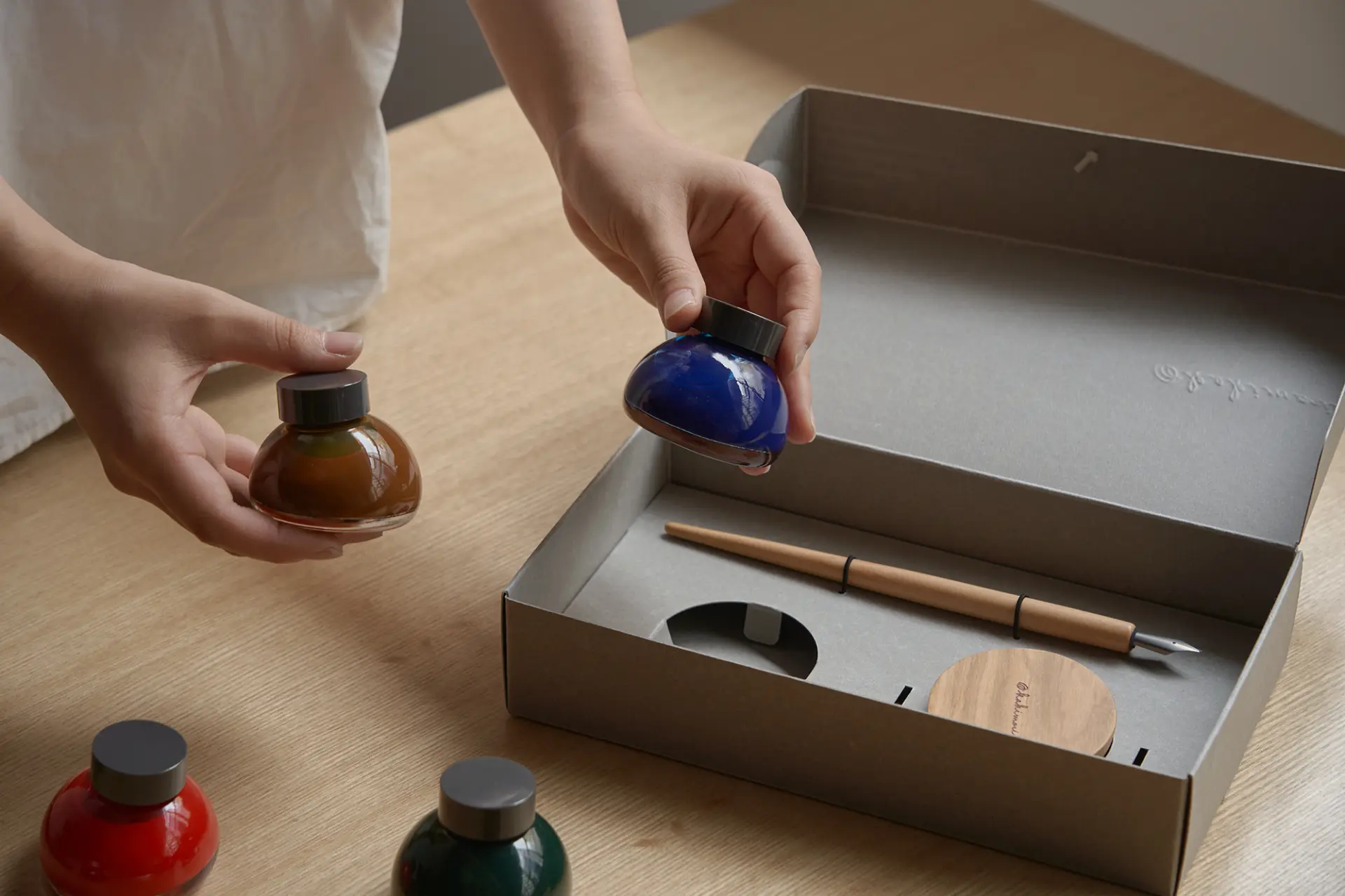
At the stationery store Kakimori, you can order a custom notebook by choosing the cover, paper, and binding, or create a custom ink in your preferred color.
Selecting the colors and materials and watching your item gradually take shape makes for a memorable travel experience.
Every time you use the finished piece, it may bring back memories of your time in Kuramae.
Some experiences require advance reservations, and completed items may take time to prepare, so check the details when planning your trip.
3. Visit Kuramae's Distinctive Cafes
As you walk through Kuramae, you will find plenty of cafes that invite you to stop in.
The neighborhood offers a diverse selection, from shops serving carefully brewed specialty coffee to chocolate specialists and cafes with freshly baked bread.
Each has its own atmosphere, including spaces that make creative use of former warehouses and older buildings.
Visiting several cafes between shopping stops is a fitting way to spend time in Kuramae.

4. Stroll Along the Sumida River
During your walk, make your way to the Sumida River, which flows along the eastern side of Kuramae.
The Sumida River Terrace is a waterfront promenade where you can take a leisurely walk while watching boats pass and viewing the cityscape across the river.
Continue toward Umayabashi Bridge or Kuramae Bridge to see their contrasting designs and waterside scenery.
At sunset, the colors of the sky and river gradually change. After dark, illuminated bridges and TOKYO SKYTREE add to the night view.
After visiting the lively cafes and shops, slow your pace and enjoy the breeze from the river.
5. Discover Traditional Local Businesses
Although Kuramae's newer shops and cafes attract plenty of attention, its historic side should not be overlooked. Traditional stores and workshops remain in areas once filled with wholesalers and small factories.
A short walk away is Torigoe Okazu Yokocho, a shopping street lined with prepared-food stores.
Pay attention to the storefront signs and weathered buildings as you walk, and you will see a side of Tokyo's traditional downtown neighborhoods that differs from its major tourist areas.
Along with the new shops, take time to notice the businesses that have supported this community for generations.
7 Recommended Kuramae Attractions to Visit on Your Walk
1. Kuramae Shrine
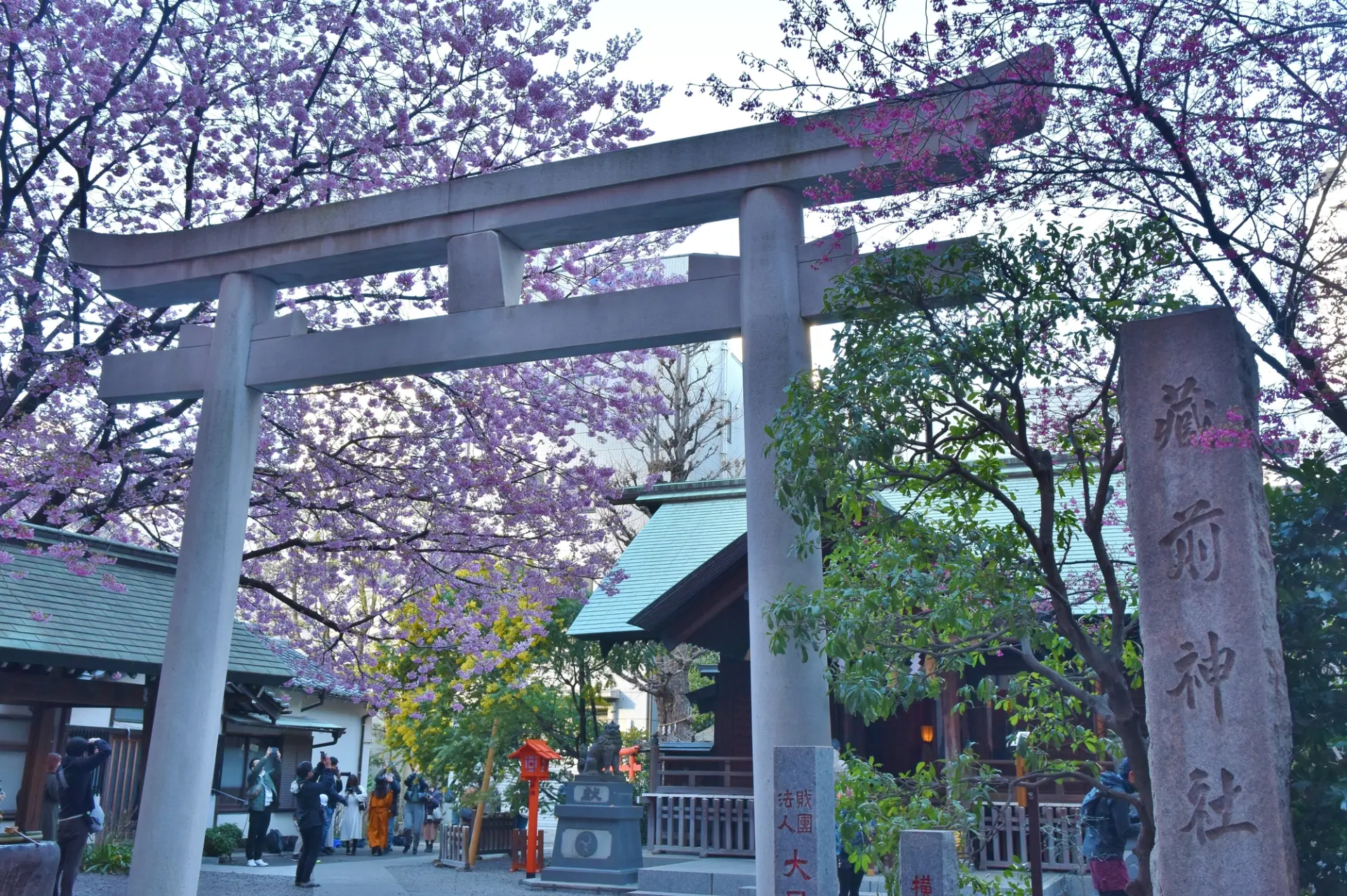
Kuramae Shrine is a historic local shrine founded in 1693.
During the Edo period, it hosted sumo tournaments, Japan's traditional form of wrestling, and became known as a lively gathering place.
The grounds contain stone monuments related to sumo, offering a glimpse into the history and culture of the time.
The spring flowers are especially popular. From late February through March in a typical year, pink early-blooming cherry blossoms and vivid yellow mimosa flowers fill the grounds with color.
Stop by during your walk to experience Japanese shrine culture and seasonal scenery.
2. Kakimori
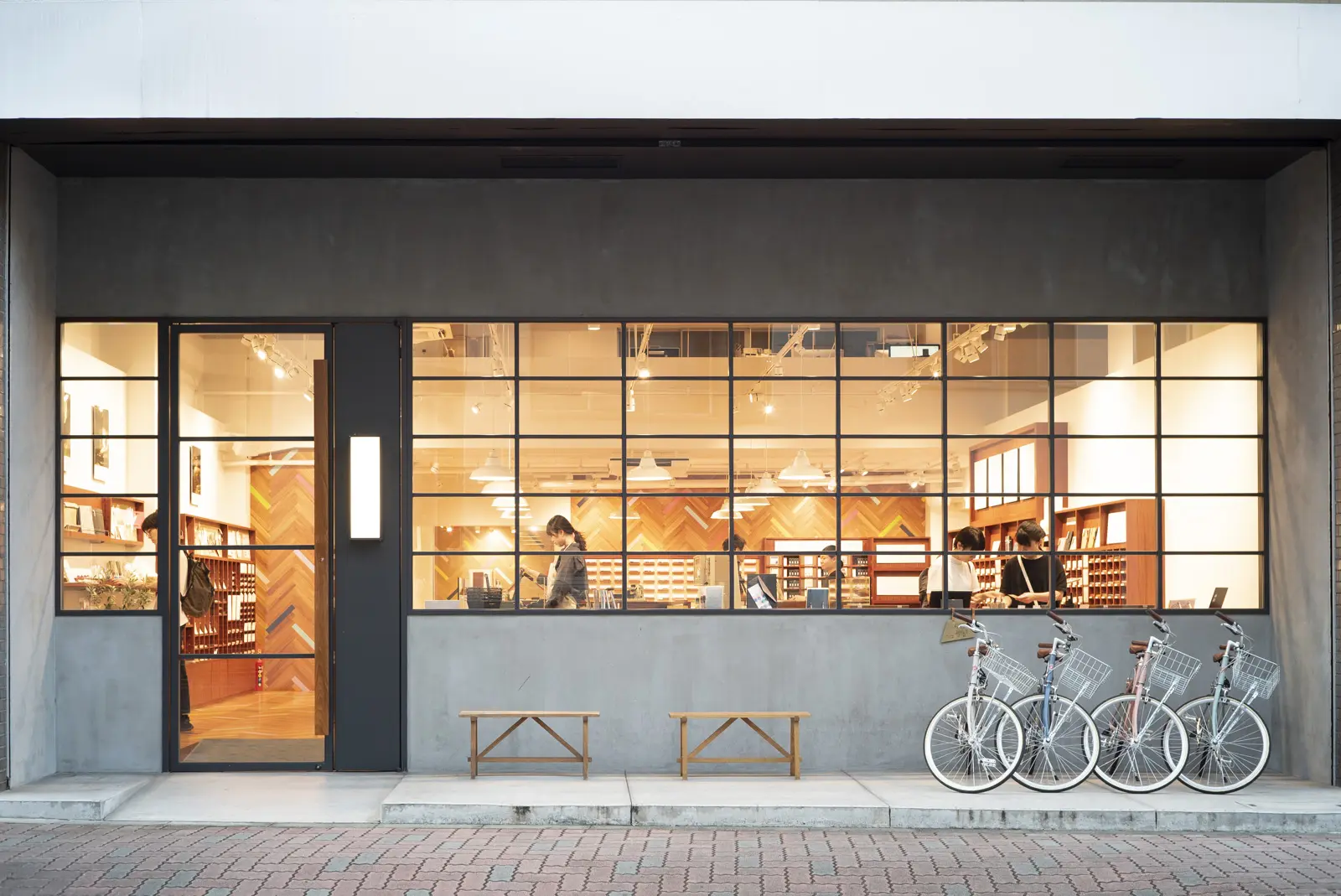
Kakimori is a Kuramae stationery store that encourages people to discover the pleasure of writing through its concept, “Enjoy Writing.” It carries fountain pens, inks, letter paper, and other stationery selected for both design and ease of use.
Its custom notebooks are particularly popular. Customers can choose their preferred cover, paper, binding, and other details to create a notebook of their own.
You can compare the textures of different papers and test how various pens feel as you search for your preferred combination.
Kakimori also offers a custom ink-making experience, making it a good place to find an original souvenir that reflects Kuramae's creative character.
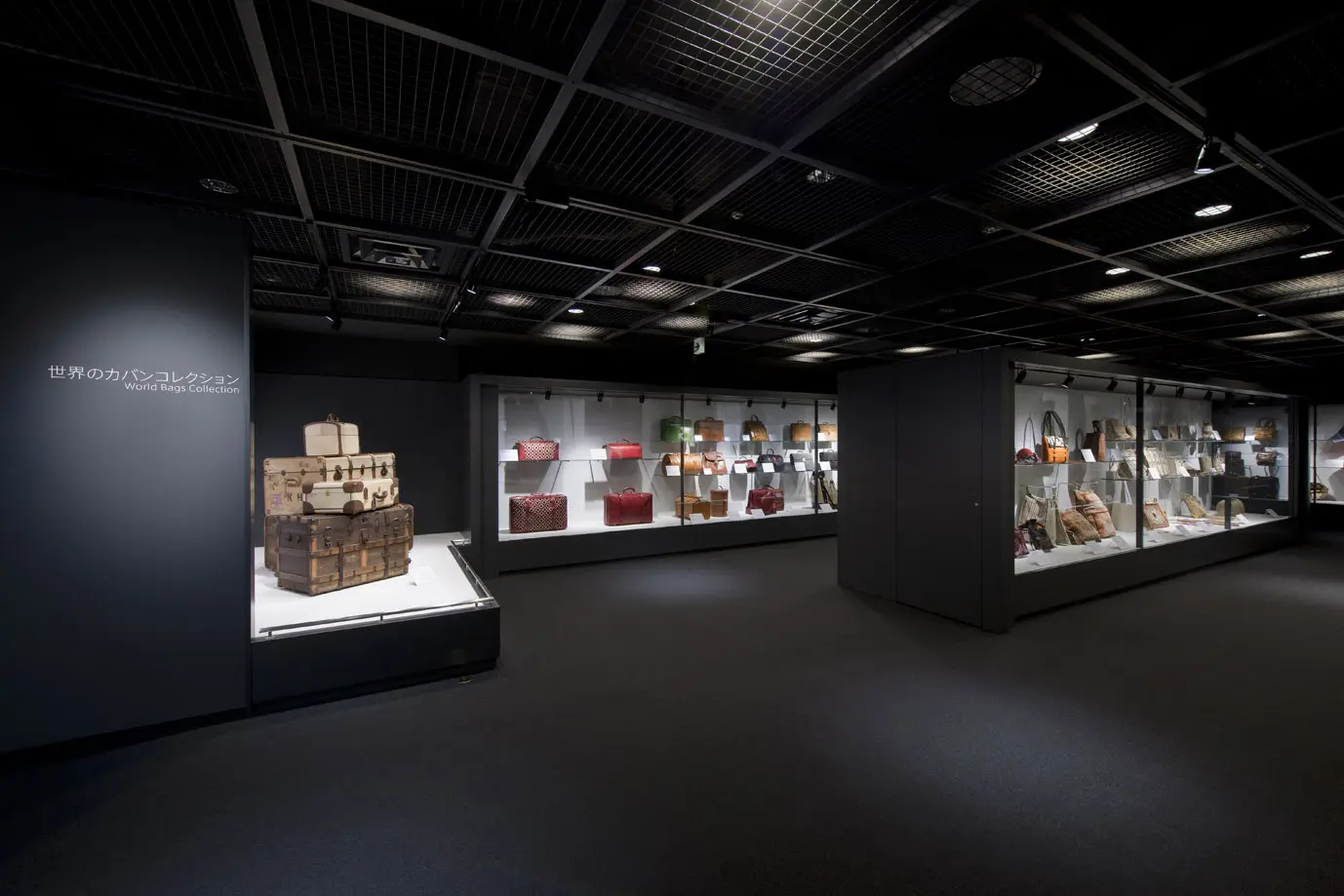
3. World Bags and Luggage Museum
This unusual museum explores cultures and history from around the world through bags and luggage.
Its collection includes more than 700 pieces gathered from approximately 50 countries across five continents, with a selection of notable items on display.
In addition to tracing the history of bags through the present day, exhibits introduce the materials, manufacturing techniques, and other details behind how bags are made.
The museum is conveniently located about a 1-minute walk from Asakusa Station on the Toei Subway and offers free admission.
4. east side tokyo
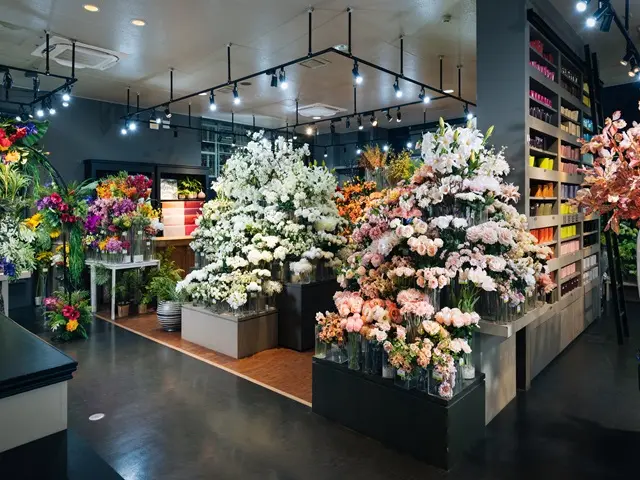
This specialty store carries an extensive selection of floral and craft supplies, including artificial flowers, vases, and gift-wrapping materials. Across its three floors, shoppers will find lifelike artificial flowers, preserved and dried flowers, floral arrangement tools, and more.
It is also enjoyable to compare the colors and textures of the different materials while choosing a bouquet for your room.
The store is worth visiting not only for those who enjoy crafts, but also for anyone looking for interior decorating ideas.
5. Torigoe Shrine
With a history spanning more than 1,300 years, Torigoe Shrine has long been cherished by the local community.
Its peaceful grounds offer a place to pray at a leisurely pace while viewing traditional Japanese shrine architecture.
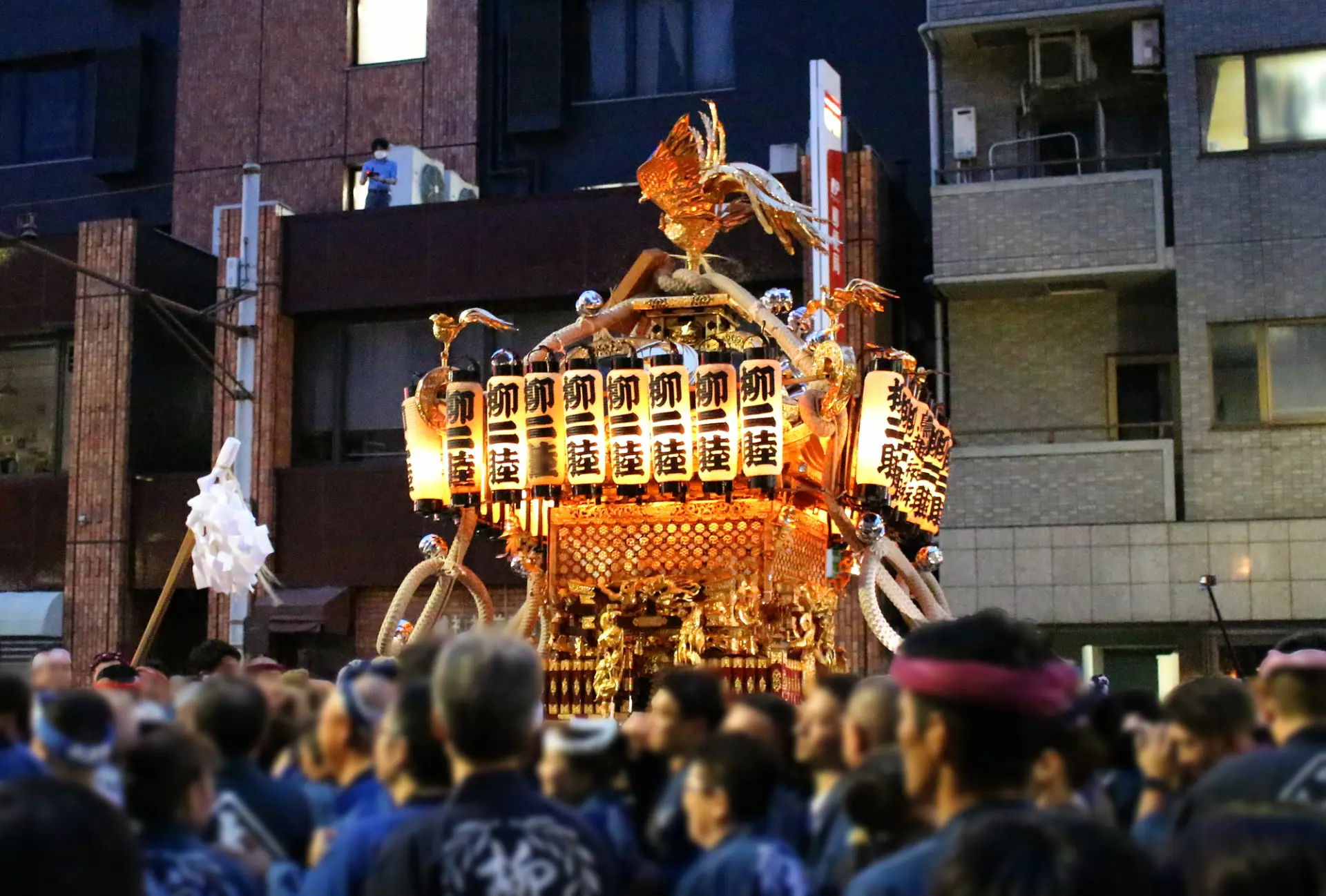
It is especially famous for the Torigoe Festival, held every June.
Large crowds carry an enormous portable shrine said to weigh approximately 4 metric tons through the neighborhood, creating an impressive sight. Near the end of the festival, visitors can also see the portable shrine illuminated by lanterns as it returns to the shrine.
This is a place to experience the festival culture passed down through Tokyo's traditional downtown neighborhoods.
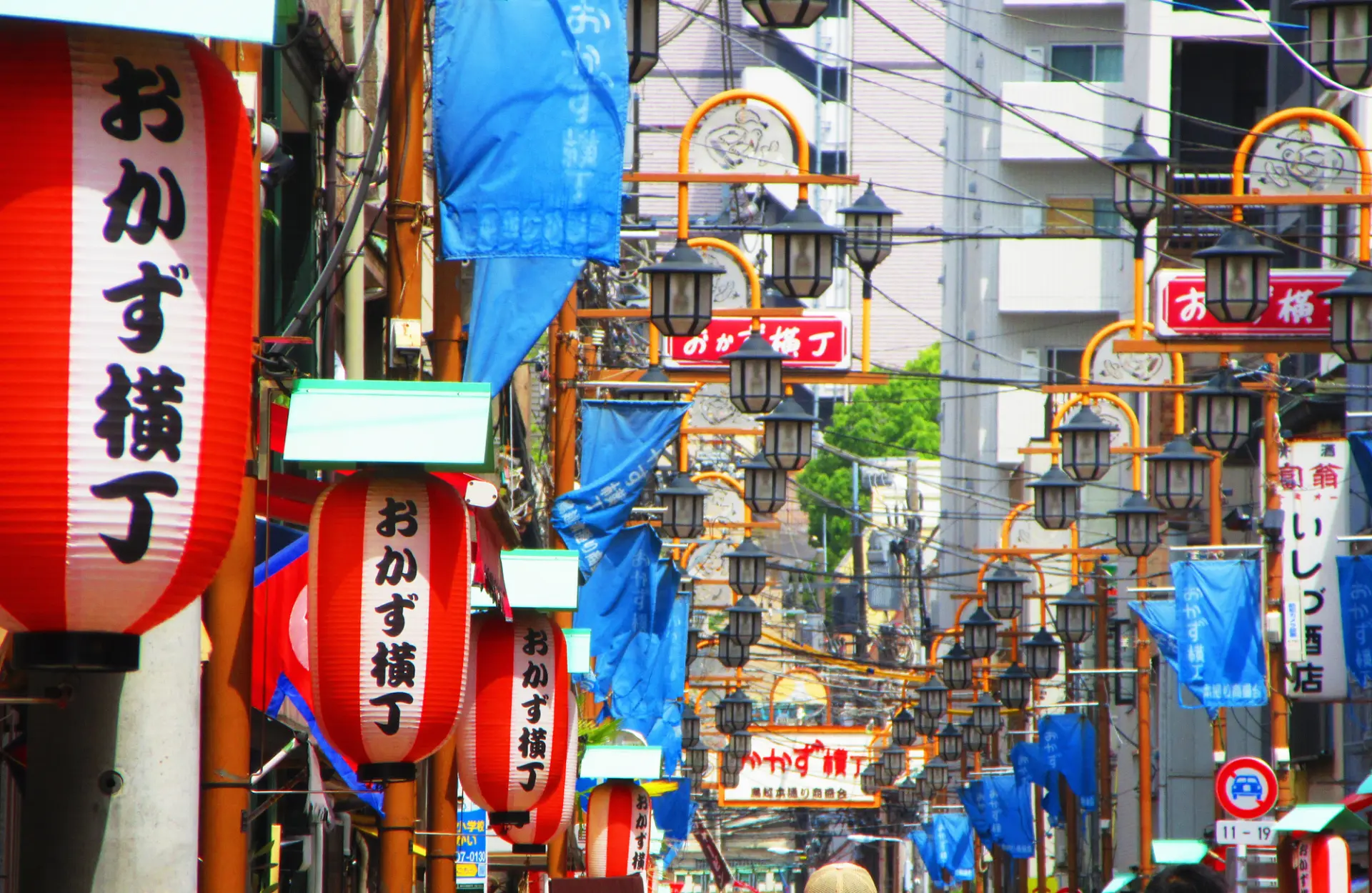
6. Torigoe Okazu Yokocho
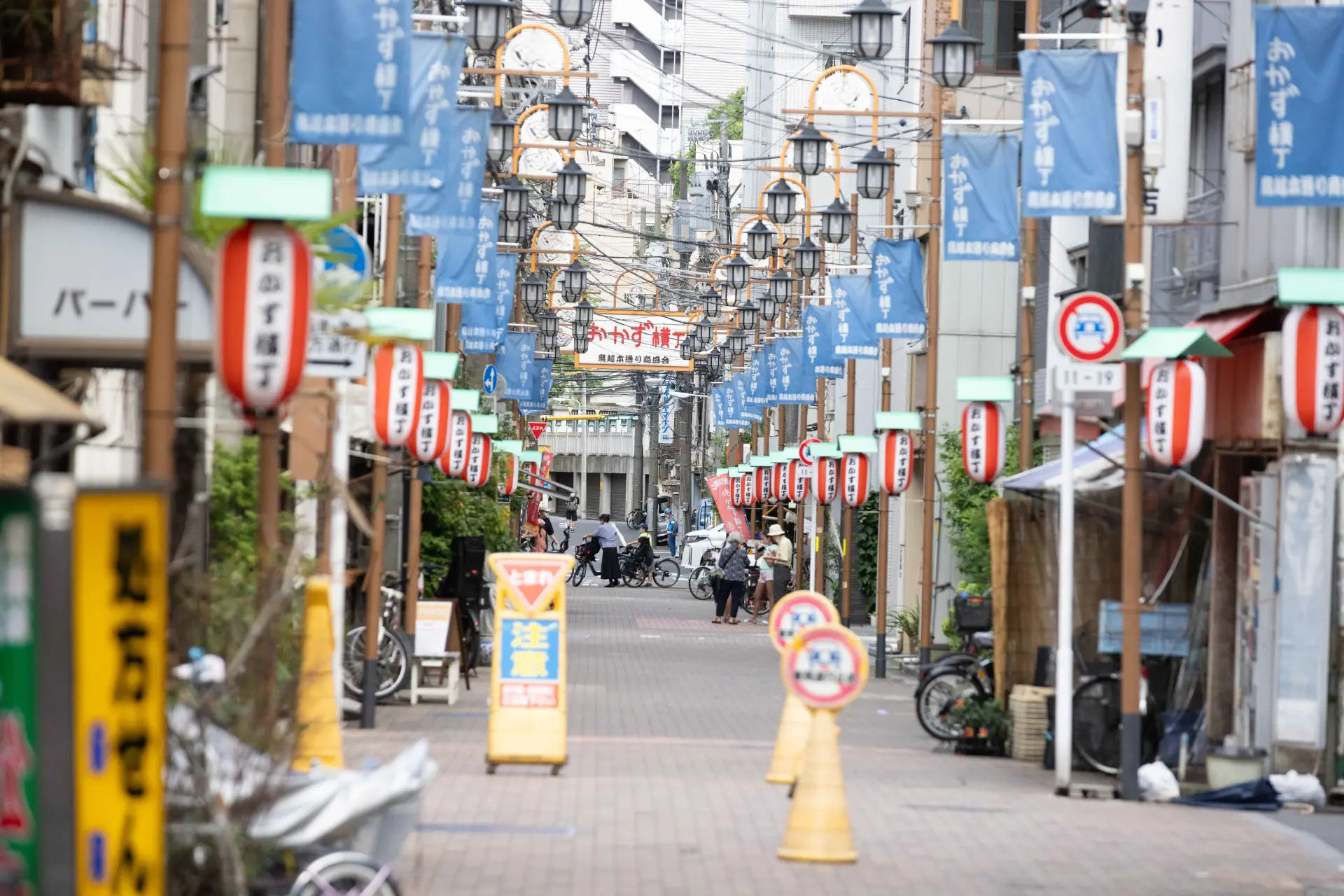
Located in Torigoe, Taito City, this traditional shopping street is lined with prepared-food stores and specialty shops.
The surrounding area was once home to many family-run factories. It is said that the street became known as “Okazu Yokocho,” or “Side Dish Alley,” after shops selling prepared foods increased to support the meals of busy local workers.
The approximately 230-meter street still has prewar commercial buildings with signboard-style facades, giving it a nostalgic atmosphere.
As you walk past the prepared foods displayed outside the shops, you can appreciate the appeal of a shopping street closely connected to everyday community life.
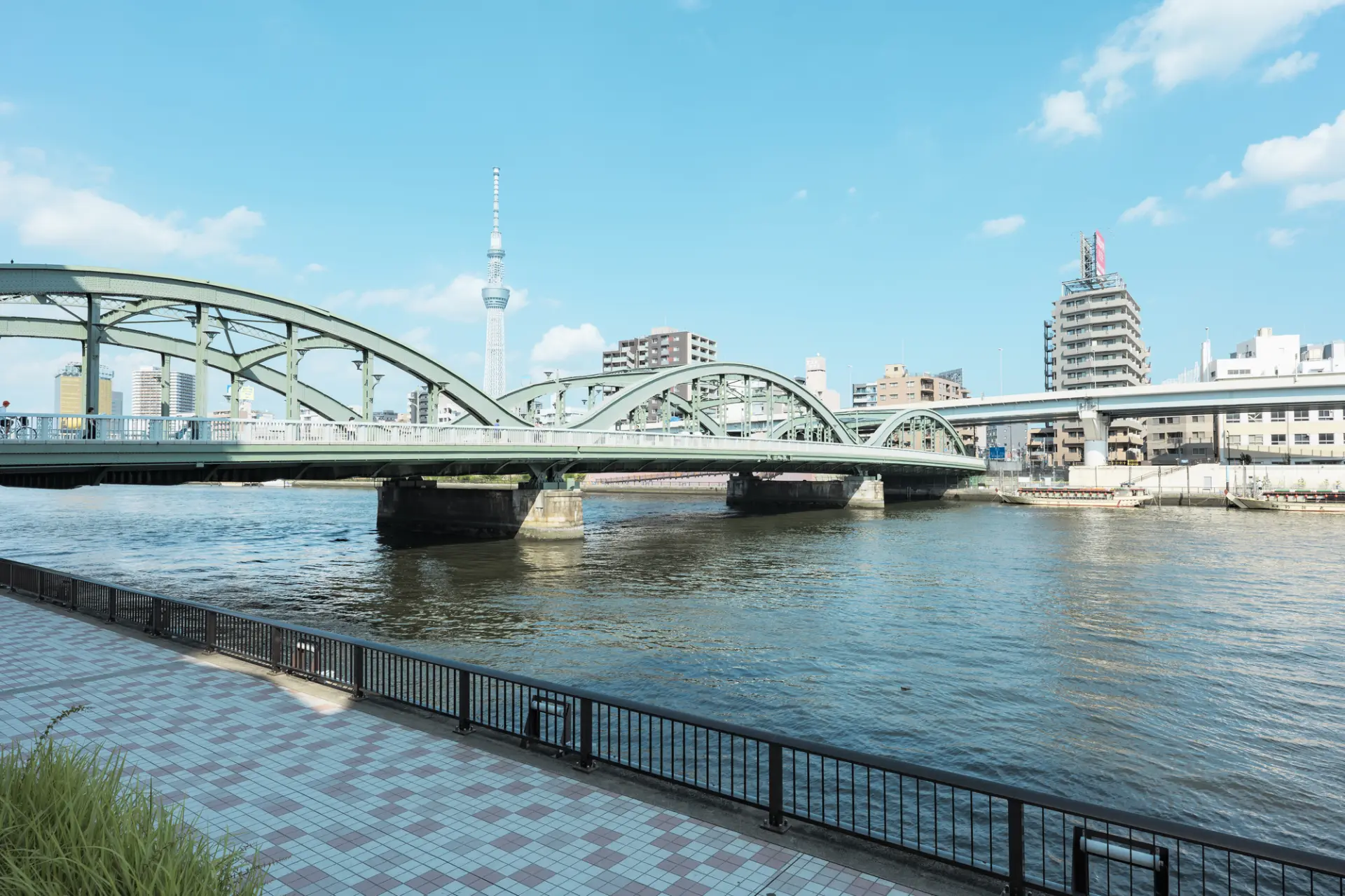
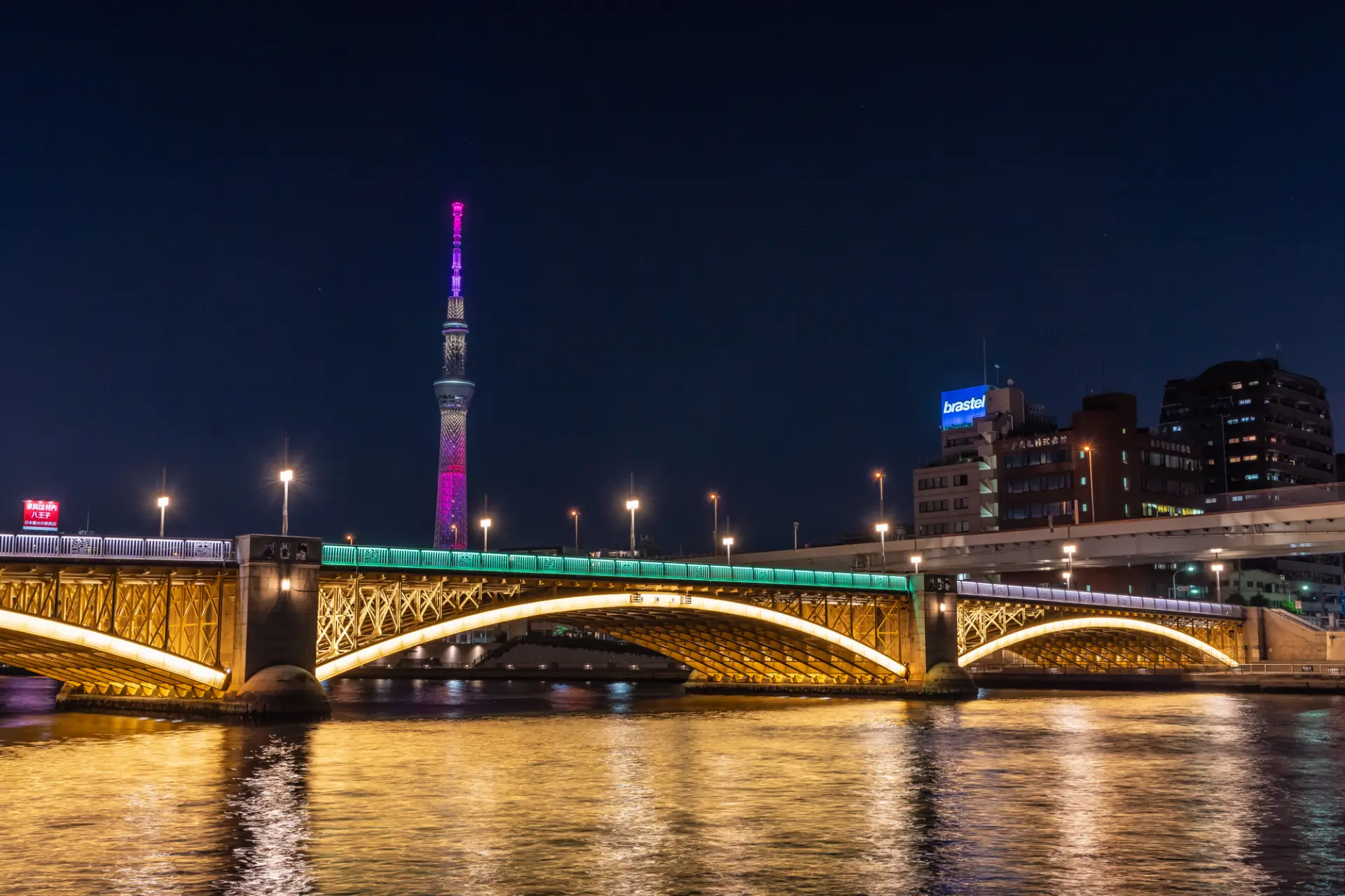
7. Kuramae Bridge
Kuramae Bridge is an attractive arch bridge spanning the Sumida River and connecting Kuramae with the Ryogoku area.
Completed in 1927, it is distinguished by its vivid yellow arches.
Its name refers to the shogunate's rice storehouses that once stood in this area during the Edo period.
The bridge also features decorations depicting sumo wrestlers, reflecting the area's history.
From the bridge, you can watch boats traveling along the Sumida River and see TOKYO SKYTREE. At night, the illuminated bridge creates another memorable view.
Recommended Walking Itinerary for the Best of Kuramae
Kuramae has long been known as a neighborhood of craftspeople and makers.
Experience the neighborhood's blend of old and new, where traditional shopping streets and historic shrines sit alongside distinctive specialty stores and cafes.
Estimated time: Approximately 4 hours
Nearest station: Kuramae Station on the Toei Subway
- 11:30 a.m. Torigoe Okazu Yokocho: Explore a shopping street lined with traditional prepared-food stores and specialty shops. Walk through the nostalgic streetscape and get a glimpse of everyday life in an old Tokyo neighborhood.
- Approximately 5 minutes on foot
- 12:05 p.m. Kakimori: Order an original notebook by selecting your preferred cover, paper, and binding. While waiting for it to be completed, browse the stationery inside the store. Items featuring Japanese-inspired designs and a focus on ease of use also make excellent travel souvenirs.
- Approximately 10 minutes on foot
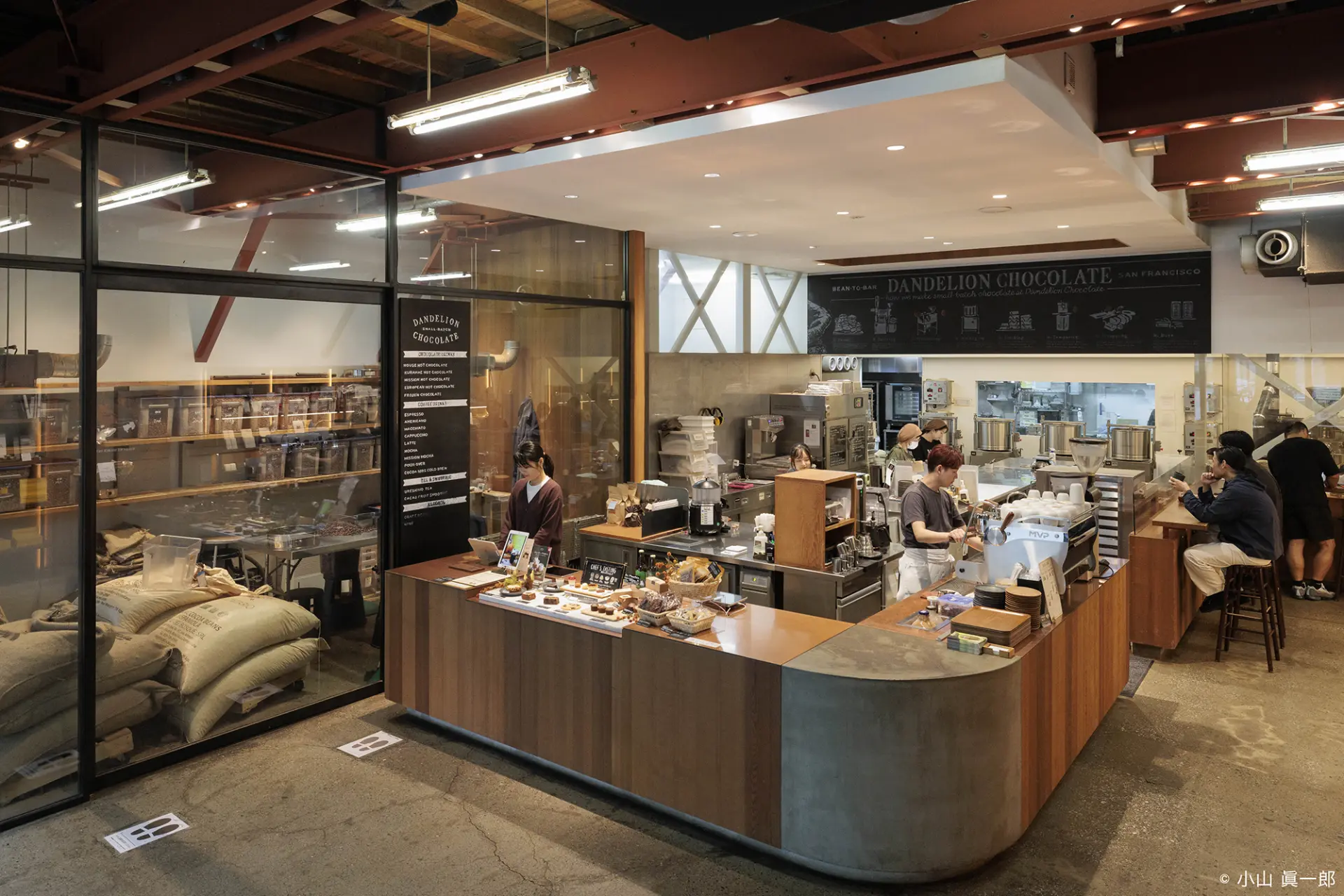
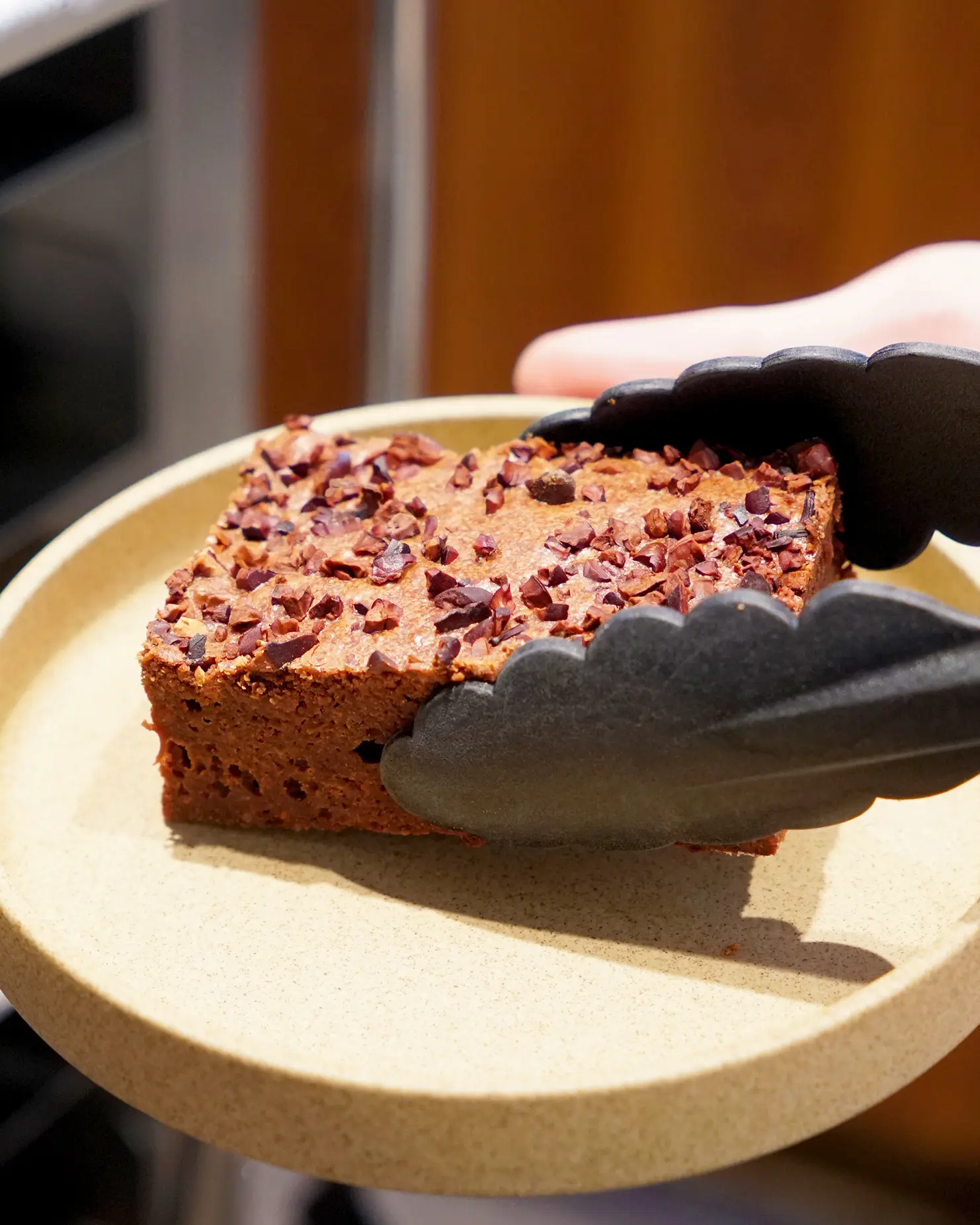
- 1:30 p.m. Dandelion Chocolate Factory & Cafe Kuramae: Take a break at a cafe with an adjoining chocolate factory. Sample chocolate drinks and sweets rich in the flavor of cacao.
- Approximately 5 minutes on foot
- 2:20 p.m. Kuramae Shrine: Experience traditional Japanese shrine worship at a shrine founded during the Edo period. The shrine once hosted sumo tournaments, and in spring, visitors can also see pink cherry blossoms and yellow mimosa flowers.
- Approximately 10 minutes on foot
- 2:50 p.m. Kuramae Bridge and Sumida River Terrace: Visit Kuramae Bridge, known for its yellow arches spanning the Sumida River. View TOKYO SKYTREE and passing boats from the bridge, then finish your walk with a stroll along the Sumida River Terrace waterfront promenade.
3 Kuramae Cafes and Restaurants That Showcase Their Makers' Craft
Kuramae offers a diverse range of places to eat and drink, from cafes serving carefully selected coffee and sweets to restaurants where visitors can experience Japanese food culture.
Many occupy stylish spaces that make creative use of older buildings, turning the meal itself into part of the travel experience.
Here are three places filled with Kuramae's distinctive character to visit between stops on your walk.
1. Dandelion Chocolate Factory & Cafe Kuramae
This San Francisco-based chocolate specialist opened its first Japanese location in 2016.
Inside a renovated mid-20th-century warehouse, visitors can watch the chocolate-making process from cacao bean to finished chocolate at close range.
The second floor has an open cafe space where you can enjoy sweets and drinks made with carefully crafted chocolate while looking out over the greenery of the park outside.
The Chef's Tasting, which highlights the distinctive flavors of cacao from different regions, is also popular.
2. YUWAERU Kuramae Main Store
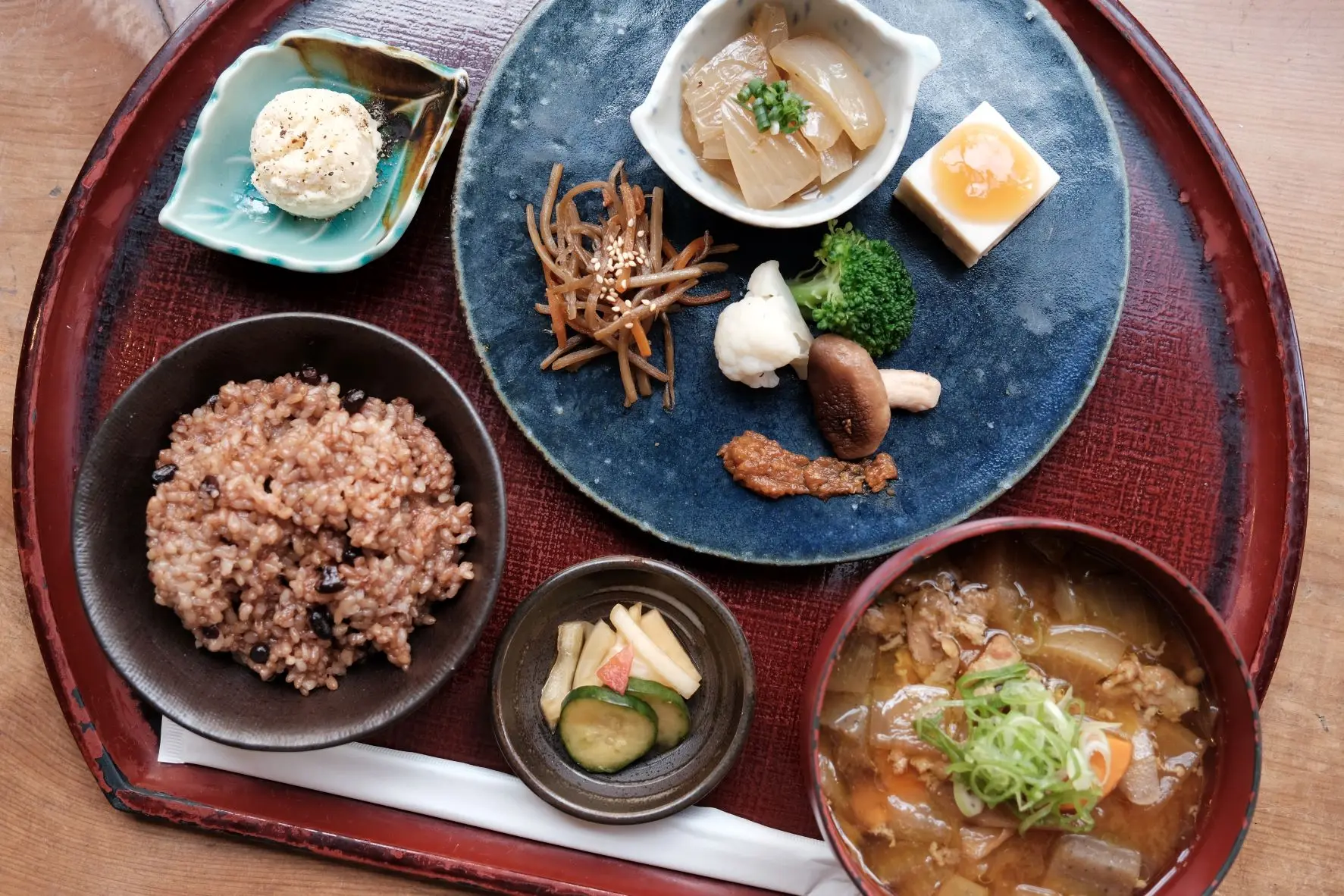
This Kuramae restaurant offers an introduction to traditional Japanese food culture centered on brown rice.
Its specialty is aged brown rice, which is cooked in a pressure cooker and rested for several days to develop a pleasantly chewy texture and natural sweetness.
At lunch, diners can create their own set meal by freely combining seasonal side dishes with a hearty soup.
In the evening, it becomes a tavern serving dishes made with seasonal ingredients alongside sake and wine.
The restaurant also has a retail area selling foods, seasonings, and other products, making it an approachable place to experience Japanese food culture.
3. Kissa Hangetsu
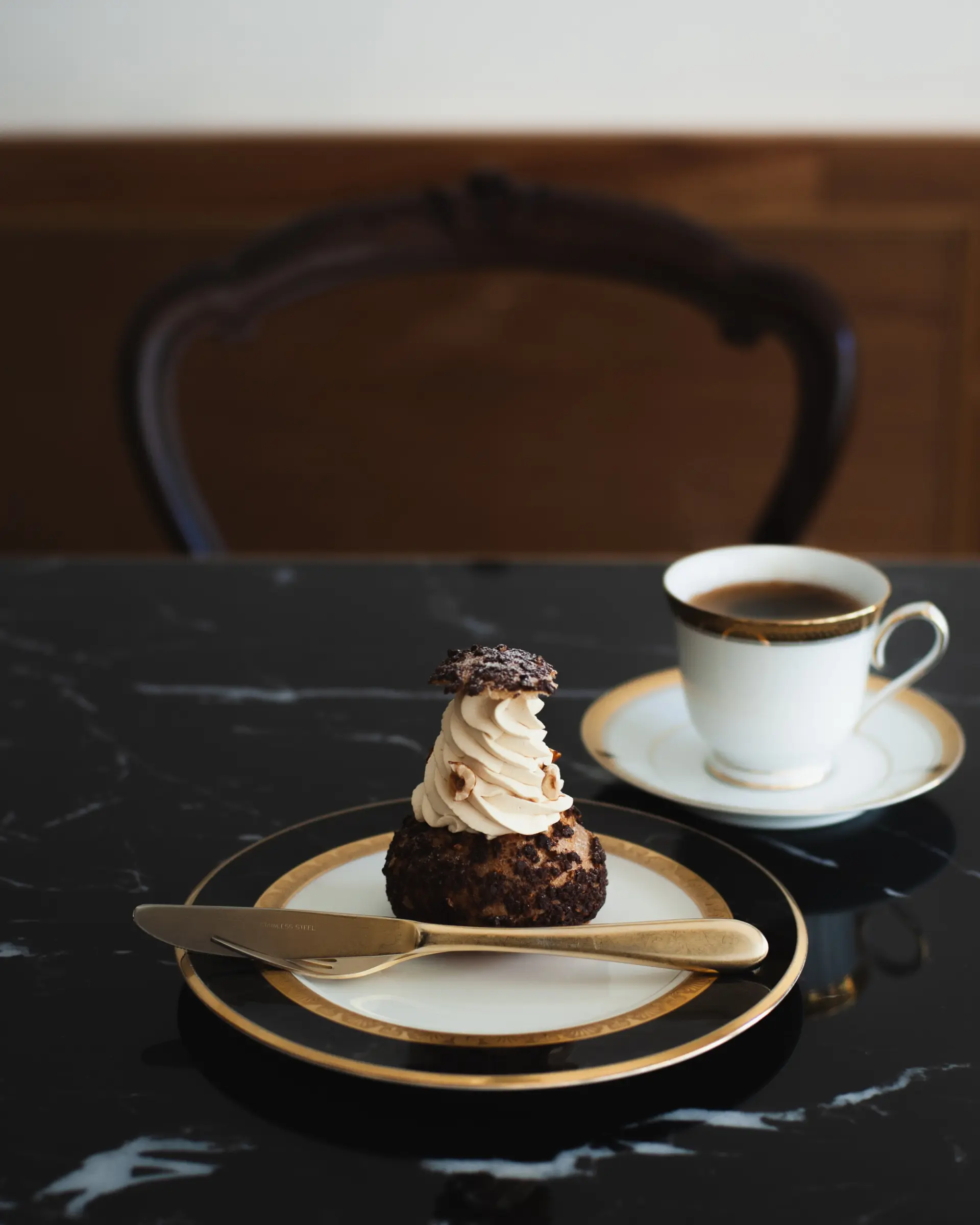
This Kuramae cafe has a sophisticated and relaxing atmosphere.
It serves aromatic dark-roast coffee made with beans roasted at the adjoining Hangetsu Roasting Laboratory.
Its carefully prepared selection of sweets includes cream puffs and shortcakes made with seasonal fruit, along with its signature no-bake cheesecake.
Morning service began in 2026, allowing visitors to stop by from breakfast through afternoon cafe hours.
It is a pleasant place to linger over carefully brewed coffee and sweets during a walk through Kuramae.
Stay Kuramae-Style: 3 Distinctive Accommodations
Kuramae has a number of distinctive accommodations, including hostels in renovated older buildings and hotels offering opportunities to experience Japanese culture.
Relax in a thoughtfully designed space or meet travelers from around the world—the stay itself can be part of the experience.
Here are three recommended places where you can enjoy a stay that suits your style while reflecting on your day in the neighborhood.
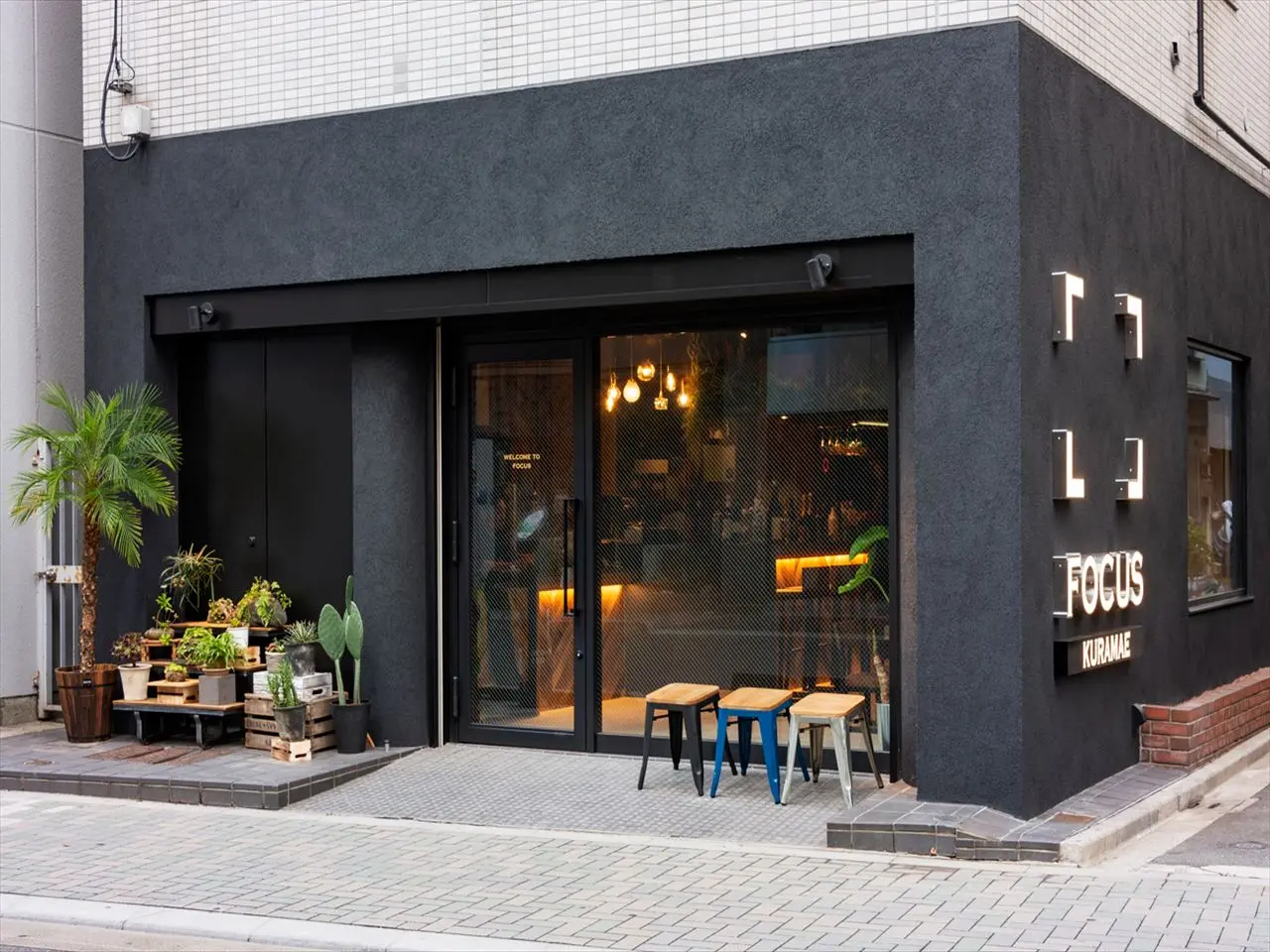
1. FOCUS KURAMAE
This hostel, built inside a renovated factory that once manufactured camera parts, is based on the concept of “accommodation and photography.”
Camera equipment rentals are available for guests, allowing them to explore Kuramae with a professional-grade camera in hand.
There are five room types, including single rooms and dormitories, so travelers can choose according to their style and budget.
The property also has private saunas and a specialty late-night parfait shop, giving guests several ways to spend their time after sightseeing.
2. SAKE Bar Hotel ASAKUSA
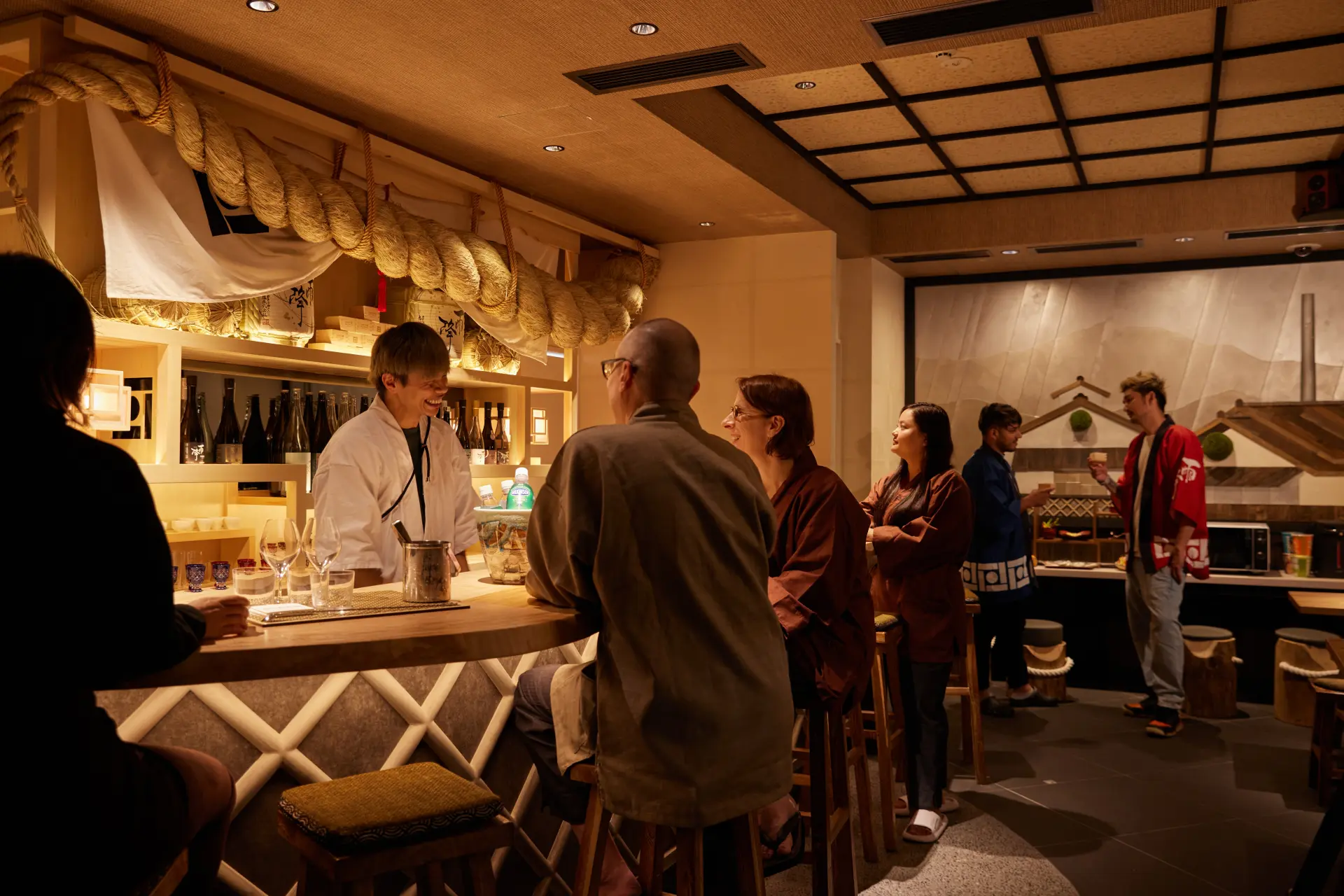
This concept hotel is operated directly by a sake brewery and offers guests an opportunity to experience Japanese culture through sake.
Its modern Japanese-style rooms feature decorative elements inspired by traditional Japanese crafts and culture, creating a calming atmosphere.
Accommodation plans include breakfast and free-flowing sake, which guests can enjoy in the bar lounge, at the footbath, or in a reservable private open-air bath.
A wide variety of sake is available, including seasonal labels, while breakfast features omusubi rice balls made with Japanese rice.
The hotel offers an immersive Japanese experience throughout the stay.
- Name in Japanese
-
SAKE Bar Hotel 浅草
(SAKE Bar Hotel ASAKUSA) - Postal Code
- 111-0043
- Address
-
1-6-7 Komagata, Taito-ku, Tokyo
Google Maps - Phone
- 03-3847-7117
- Check-in
- 3:00pm
- Check-out
- 11:00am
- Rates
- Standard Queen: from 21,500 yen per night with free-flow sake and breakfast included; Suite: from 67,252 yen per night with free-flow sake and breakfast included (rates for both are based on 2 guests per room, tax and service charge included)
- Access
- Approx. 2 minutes on foot from Exit A1 of Asakusa Station on the Toei Asakusa Line
- Credit Cards
- Accepted
- Official website
- Official website (English)
3. Nui. HOSTEL & BAR LOUNGE
This hostel is within walking distance of Kuramae Station and close to the Sumida River.
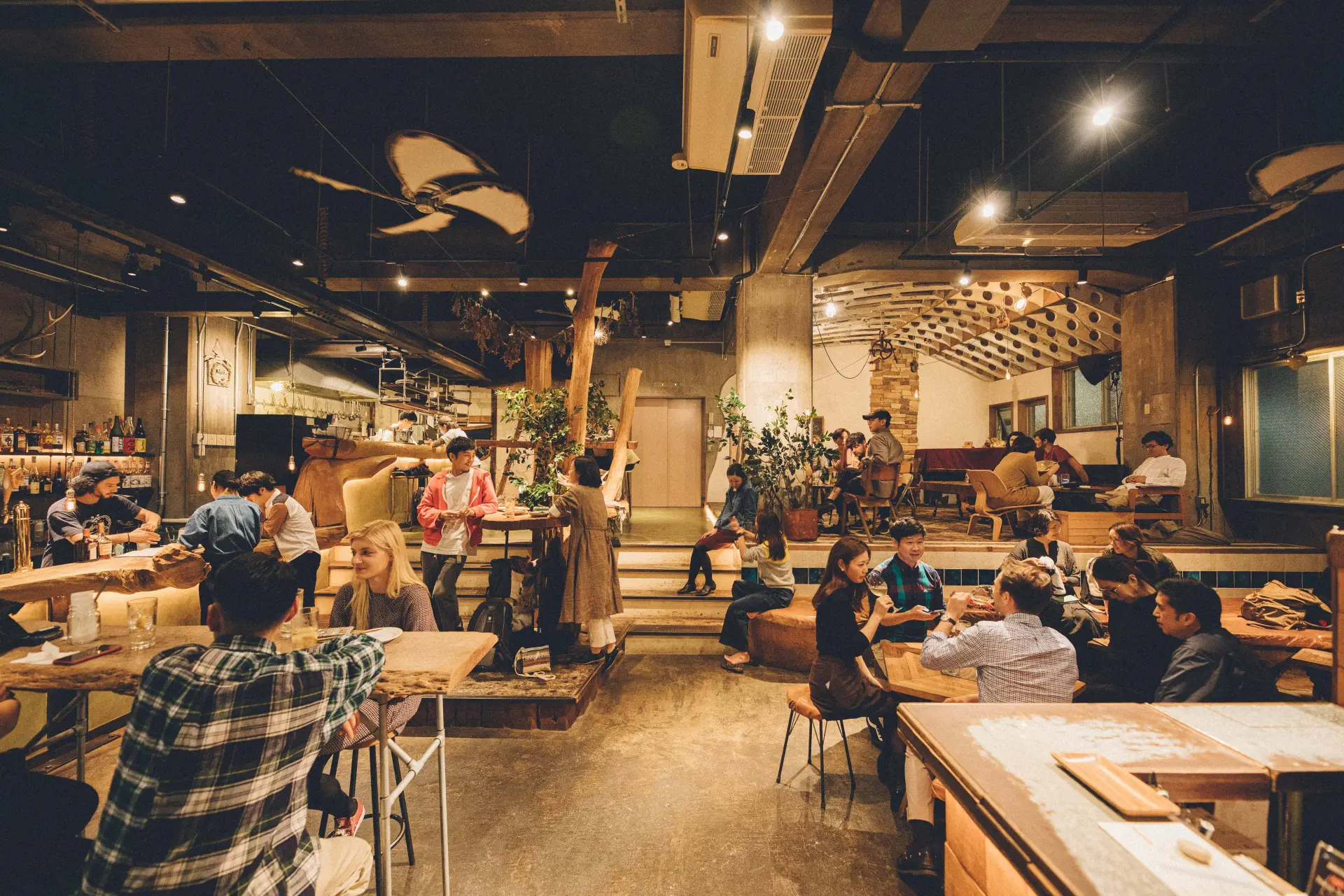
Its building, a renovated warehouse formerly used by a long-established toy company, has a spacious bar lounge with high ceilings where travelers from around the world mingle with local residents.
The lounge operates as a cafe from morning through afternoon and as a bar at night, serving food and drinks throughout the day.
Guests can choose between dormitories and private rooms, and shared facilities include a kitchen and library. It is a good option for those who value meeting people while traveling and prefer a flexible style of accommodation.
- Name in Japanese
- Nui. HOSTEL & BAR LOUNGE
- Postal Code
- 111-0051
- Address
-
2-14-13, Kuramae, Taito-ku, Tokyo
Google Maps - Telephone
- 03-6240-9854
- Check-in
- 4:00pm - 11:00pm
- Check-out
- 11:00am
- Room Price
- From 4,000 yen
- Access
-
(1) About 2 minutes on foot from Exit A7 of Kuramae Station on the Toei Subway Oedo Line
(2) About 3 minutes on foot from Exit A2 of Kuramae Station on the Toei Subway Asakusa Line - Credit Cards
- Accepted
- Website
- Official Website (English)
Getting to Kuramae
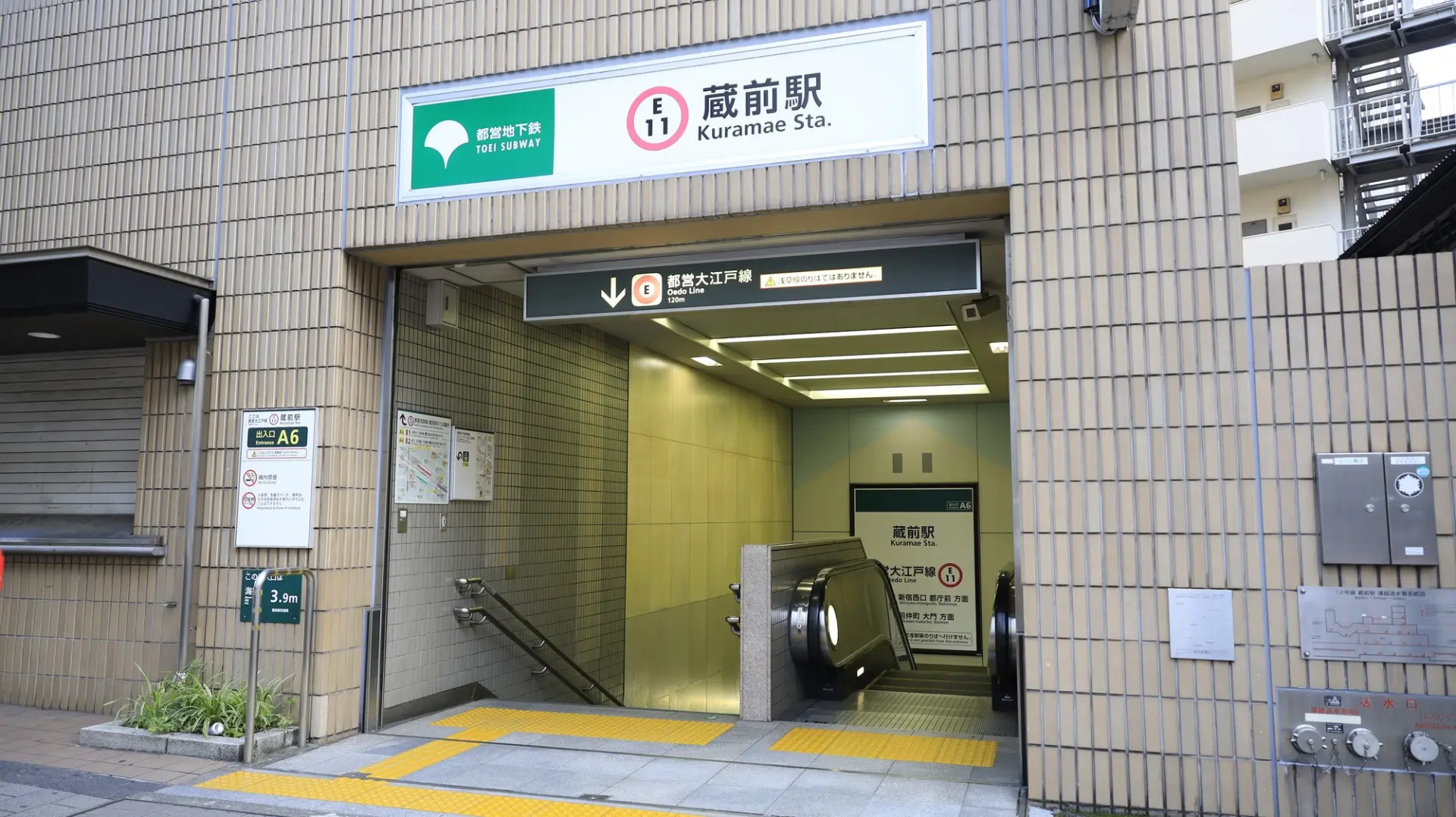
Kuramae Station, served by the Toei Asakusa Line and Toei Oedo Line, is the main gateway for exploring the neighborhood.
It is one stop from Asakusa on the Asakusa Line and one stop from Ryogoku on the Oedo Line, making it easily accessible from some of Tokyo's popular sightseeing areas. From Haneda Airport and Narita Airport, travelers can reach Kuramae using direct services connecting the Keikyu or Keisei lines with the Toei Asakusa Line. Note that the Asakusa Line and Oedo Line platforms at Kuramae Station are not connected by an underground passage, so passengers must exit to street level when transferring.
When Is the Best Time to Explore Kuramae?
Kuramae is enjoyable throughout the year, but spring and fall are particularly pleasant due to their mild weather.
In early spring, pink early-blooming cherry blossoms and yellow mimosa flowers bloom at Kuramae Shrine, creating colorful seasonal scenery.
In fall, the summer heat subsides, making it an ideal season for visiting shops and cafes or walking along the Sumida River.
Even in summer and winter, Kuramae offers plenty to do indoors, including browsing shops, visiting cafes, and joining craft experiences.
Whatever the season, there are opportunities to discover a favorite item or a welcoming space.
Choose where to visit according to the weather and temperature, and explore the neighborhood at your own pace.
Tips for Making the Most of Your Kuramae Walk
With its distinctive shops and cafes scattered throughout the neighborhood, Kuramae is enjoyable even when explored without a fixed plan.
However, many businesses are small, and opening hours and reservation procedures vary, so there are a few points worth checking in advance.
Kuramae is also a residential area filled with homes and workshops, making consideration for the surrounding community important.
Here are five things to know for a comfortable walk through the neighborhood.
1. Check Whether Popular Places Require Reservations or Numbered Tickets
Kuramae has many popular cafes and craft shops, and lines may form at well-known establishments on weekends and public holidays.
Craft experiences sometimes require advance reservations, while some businesses distribute numbered admission tickets when crowded.
If there is a particular shop or experience you want to visit, check its official website or social media accounts for the latest information.
Events related to craftsmanship, such as Monomachi, also draw larger crowds than usual. Plan with extra time and try to avoid the busiest periods while exploring the neighborhood.
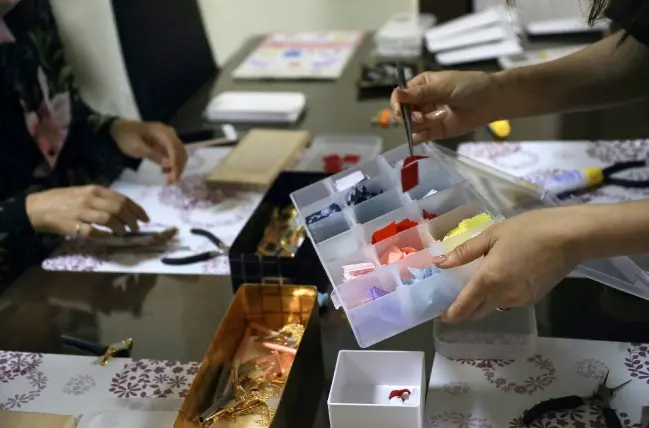
2. Check Business Days and Hours in Advance
Kuramae has many independently operated shops and cafes, and business days and hours vary by establishment. Some stores do not open until around 11:00 a.m. or noon, so places you want to visit may still be closed if you arrive early in the morning.
Some businesses are closed on weekdays or take irregular days off, so it is important to check ahead.
For an efficient visit, review business information in advance and plan your route around opening times.
One option is to visit shrines or walk along the Sumida River in the morning, then go shopping once the stores begin to open.
3. Be Considerate When Walking Through Residential Areas
Although Kuramae has many stylish shops and cafes, it is also a living neighborhood filled with traditional homes and workshops.
The quiet atmosphere of its backstreets and everyday scenery may tempt you to take photographs, but remember to be considerate of those around you.
Do not enter residential or workshop property without permission, and avoid blocking storefronts or narrow streets.
Photography policies also vary by business, so ask in advance if you are unsure.
Respect the lives of local residents while enjoying your walk through the neighborhood.
4. Dress Comfortably and Travel Light
Kuramae's attractions and shops are scattered within walking distance of one another, and exploring on foot is the best way to experience the neighborhood.
You will often move between side streets, so wear comfortable, familiar shoes and clothing that is easy to move in.
Summer brings strong sunlight and high temperatures, so bring a hat and something to drink, and take frequent breaks.
In winter, cold winds may blow along the Sumida River, so remember to dress warmly.
You may also find yourself buying more specialty goods and souvenirs than expected.
Keep your luggage as compact as possible so you can explore comfortably.
5. Use Public Transportation Instead of Driving
Public transportation is more convenient than driving when visiting Kuramae.
The nearest station, Kuramae Station, is served by the Toei Asakusa Line and Toei Oedo Line, providing easy access to nearby areas such as Asakusa and Ryogoku.
Many shops, cafes, and attractions are within walking distance of the station, so a car is not necessary to explore the neighborhood.
The area also has narrow streets and one-way roads, and some businesses do not have dedicated parking. If you plan to drive, check parking options in advance.
Using public transportation also makes it easy to combine Kuramae with a visit to Asakusa.
Frequently Asked Questions About Visiting Kuramae
Q
How much time should I allow for sightseeing in Kuramae?
Allow approximately 3 to 4 hours to visit the main shops, cafes, shrines, and other attractions. If you plan to join a craft experience, leave some extra time in your schedule.
Q
Can I visit Asakusa and Kuramae on the same trip?
Yes. They are one stop apart on the Toei Asakusa Line and are also close enough to travel between on foot. Combining sightseeing in Asakusa with visits to Kuramae's cafes and specialty stores is a good option.
Q
Can I enjoy Kuramae on a rainy day?
Yes. There are many indoor places to visit, including specialty stores, cafes, and craft experiences. Some experiences may require advance reservations.
Summary
Kuramae is a neighborhood where the atmosphere of old Tokyo blends comfortably with a fresh creative spirit.
The more you walk, the more you will discover, from craft shops that carry on artisan traditions and distinctive cafes to historic shrines and open views along the Sumida River.
Beyond visiting the main attractions, stepping into a small shop you happen to find in an alley is another way to experience the neighborhood.
Kuramae is also easy to reach from Asakusa and Ryogoku, making it worth adding to a Tokyo sightseeing itinerary.
Search for something that speaks to you and enjoy a memorable walk through Kuramae.
Author
Writers & Editors
GOOD LUCK TRIP Editors
Sharing lesser-known ways to experience Japan with the world!