


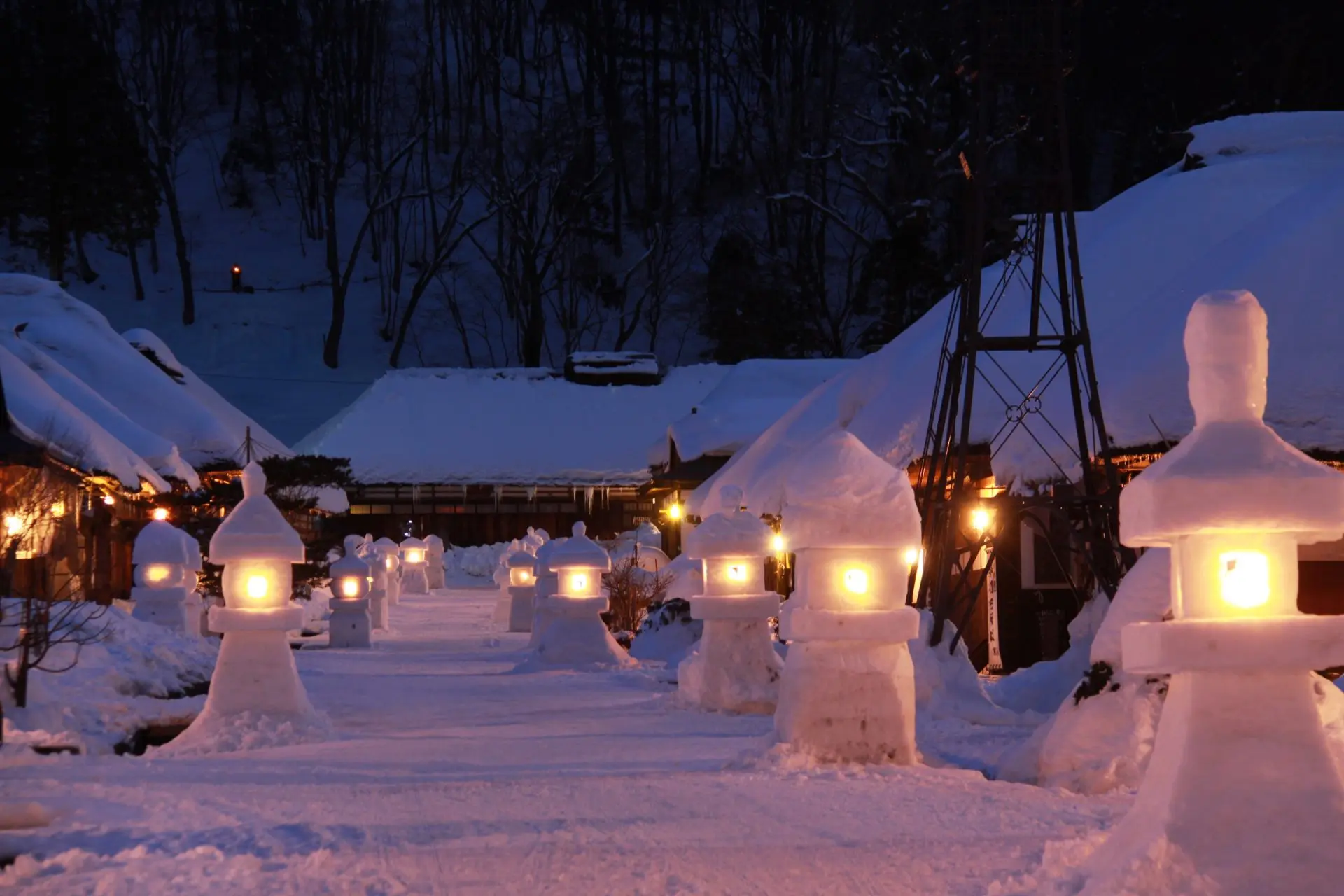
First Time in Tohoku? Where Should You Go?
Tohoku Travel Guide
Located in the northern part of Honshu, the Tohoku region is made up of six prefectures: Aomori, Iwate, Miyagi, Akita, Yamagata, and Fukushima. Facing both the Sea of Japan and the Pacific Ocean, with the Ou Mountains running down its center, it offers a wide variety of natural scenery, from deep forests and clear streams such as Oirase Stream to dramatically varied coastlines. It is also a treasure trove of hot springs, ranging from Ginzan Onsen with its Taisho-era romance to secluded springs deep in the mountains.
In the snowy areas, a distinctive way of life and culture developed amid harsh winters. Historic townscapes that preserve the atmosphere of the past, such as Ouchi-juku with its rows of thatched-roof houses, are another highlight. The true pleasure of traveling in Tohoku lies in discovering the different charms of each area, from rich nature and hot springs to a culture rooted in snow country.
Find Where to Go Across Six Distinctive Prefectures
Explore the Tohoku Region by Map

-
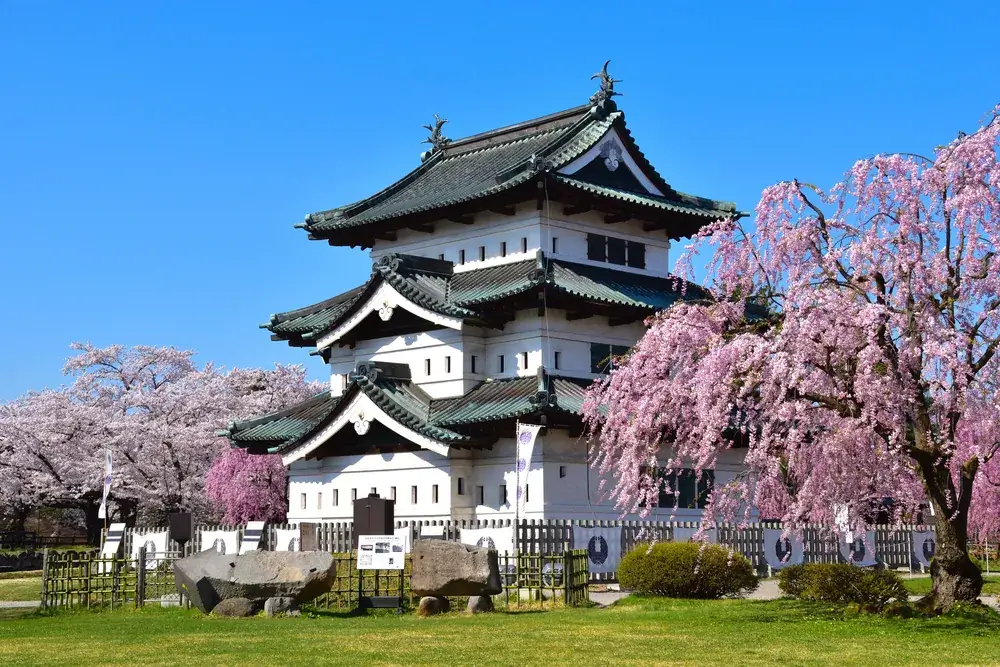
Aomori Prefecture
Located at the northern tip of Honshu and surrounded by sea on three sides, Aomori Prefecture is known for its rich nature, including the Shirakami Sanchi World Natural Heritage Site, the clear waters of Oirase Stream, and the majestic Hakkoda Mountains. Hirosaki retains the atmosphere of a castle town, and during the Aomori Nebuta Festival, floats carrying giant lanterns parade through the streets—history and traditional culture are very much alive here.
-
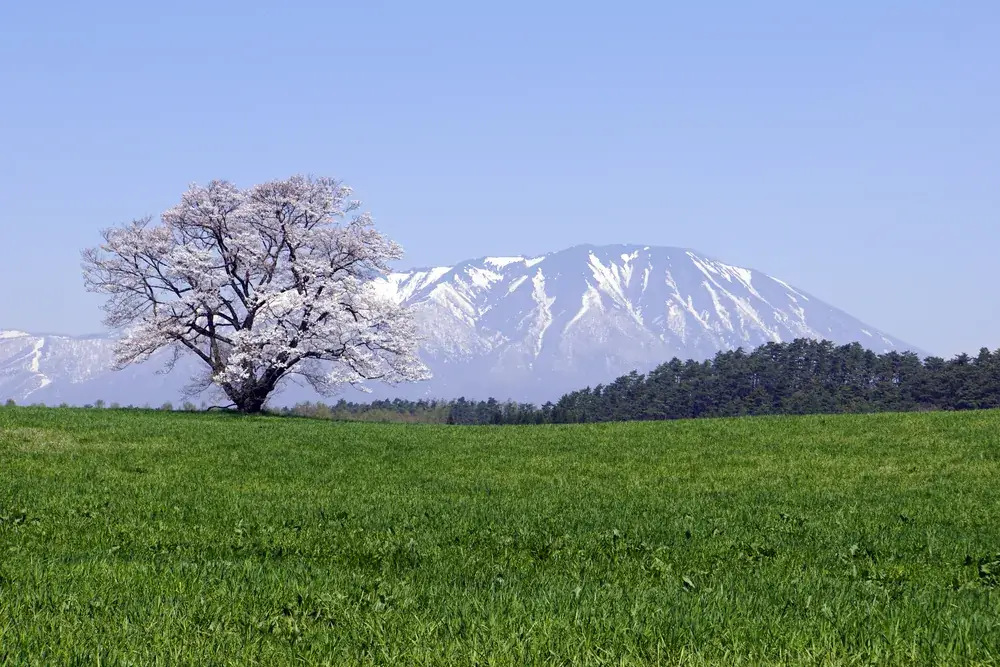
Iwate Prefecture
Iwate Prefecture is the second largest prefecture in Japan after Hokkaido. Mountains such as Mt. Iwate rise inland, while a rias coastline stretches along the Pacific. Chuson-ji Temple and Motsuji Temple in Hiraizumi, a World Heritage Site, preserve buildings and gardens that convey the glory of the Oshu Fujiwara clan. Jodogahama Beach with its striking white rocks and the Hanamaki Onsen area are also highlights.
-
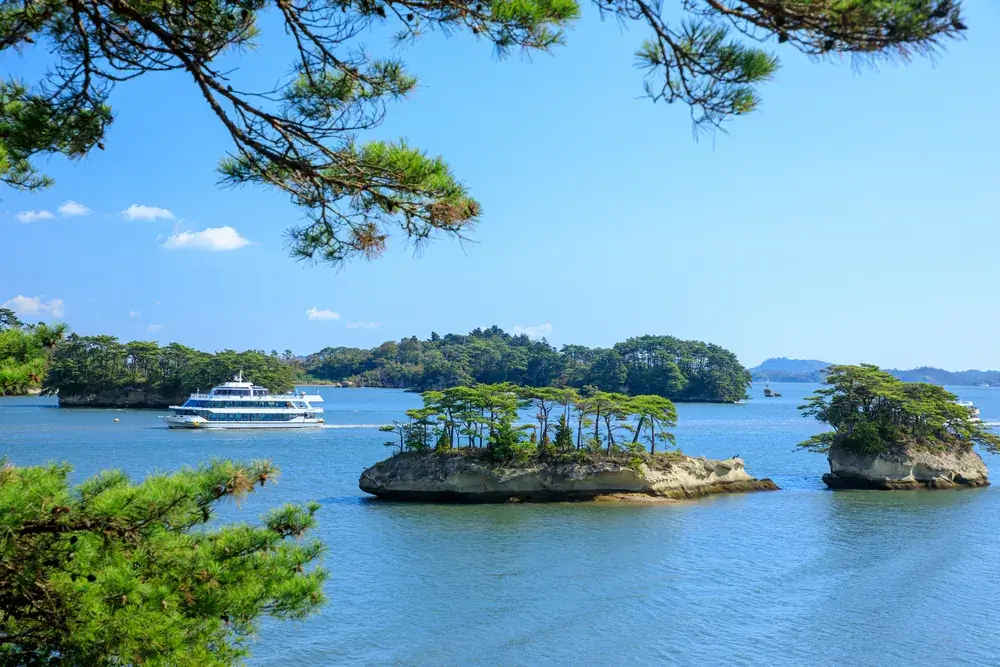
Miyagi Prefecture
Home to Sendai, the largest city in Tohoku, Miyagi Prefecture features landscapes that range from sea to mountains, including Matsushima—one of the Three Views of Japan—the rias coastline of Sanriku, and the Zao Mountains. Sendai has historic sites associated with Date Masamune, and famous hot springs such as Naruko Onsenkyo and Akiu Onsen are scattered across the prefecture. From city life to nature and hot springs, it offers a wide range of attractions.
-
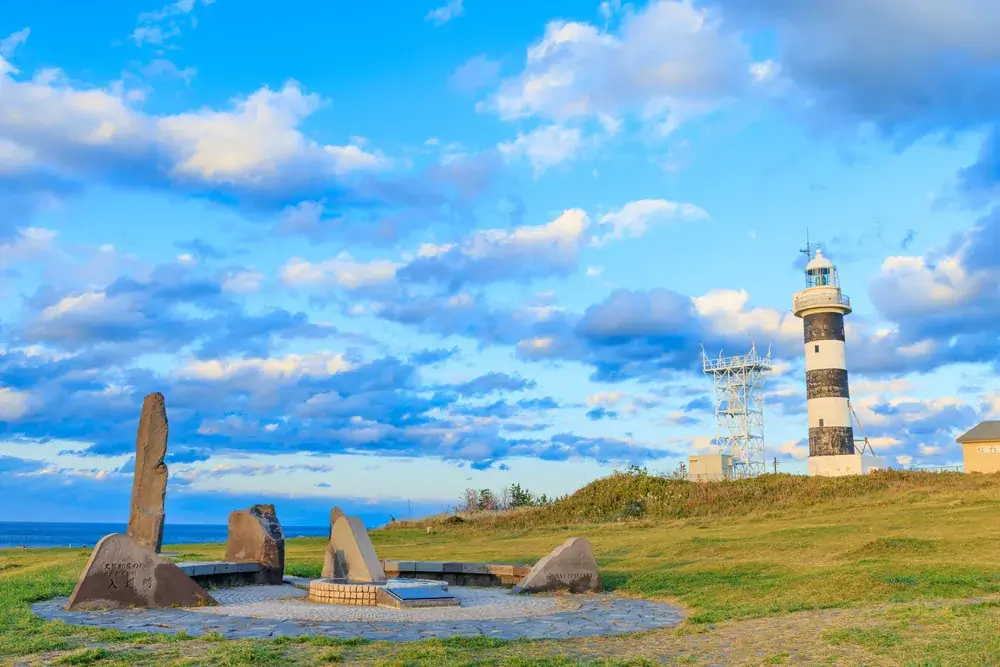
Akita Prefecture
Facing the Sea of Japan, Akita Prefecture includes some of the snowiest areas in Japan. Visitors can experience history and folk culture at the samurai residences of Kakunodate, which preserve the atmosphere of the Edo period, and through the Oga Peninsula's traditional event "Namahage of Oga." Secluded hot springs such as Nyuto Onsenkyo dot the mountains, and natural scenery like Lake Tazawa is another highlight.
-
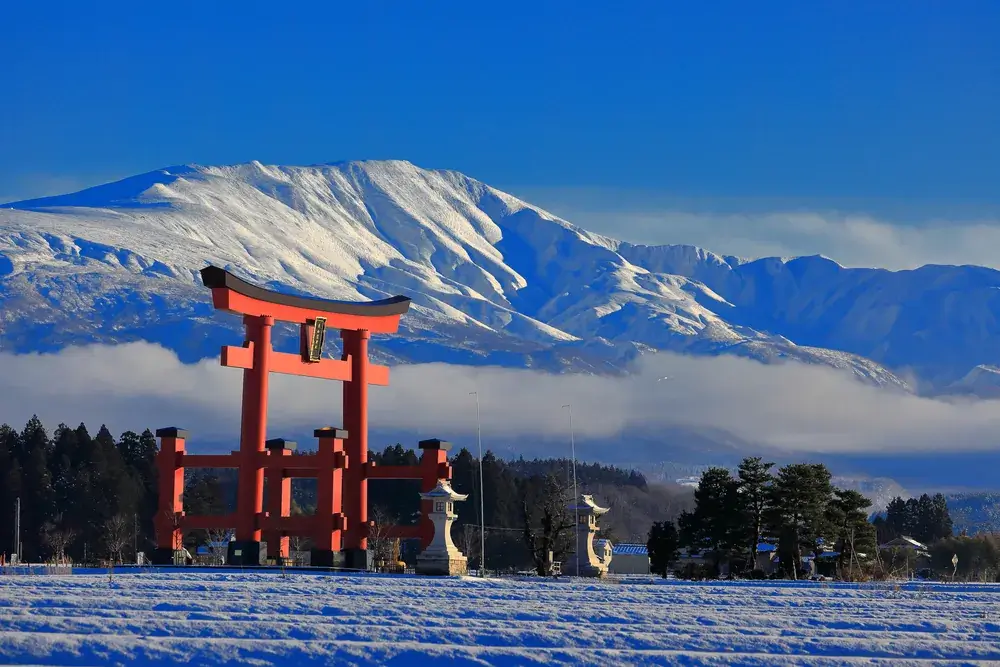
Yamagata Prefecture
Facing the Sea of Japan and surrounded by mountains such as the Zao range and Mt. Gassan, Yamagata Prefecture is home to famous sites including the Three Mountains of Dewa, rooted in mountain worship, and Yama-Dera (Hōjusan Risshakuji Temple), built on a cliff. It also has plenty of hot spring areas, from Ginzan Onsen with its Taisho-era romance to Zao Onsen. In winter, the frost-covered trees of Zao create a spectacular landscape.
-
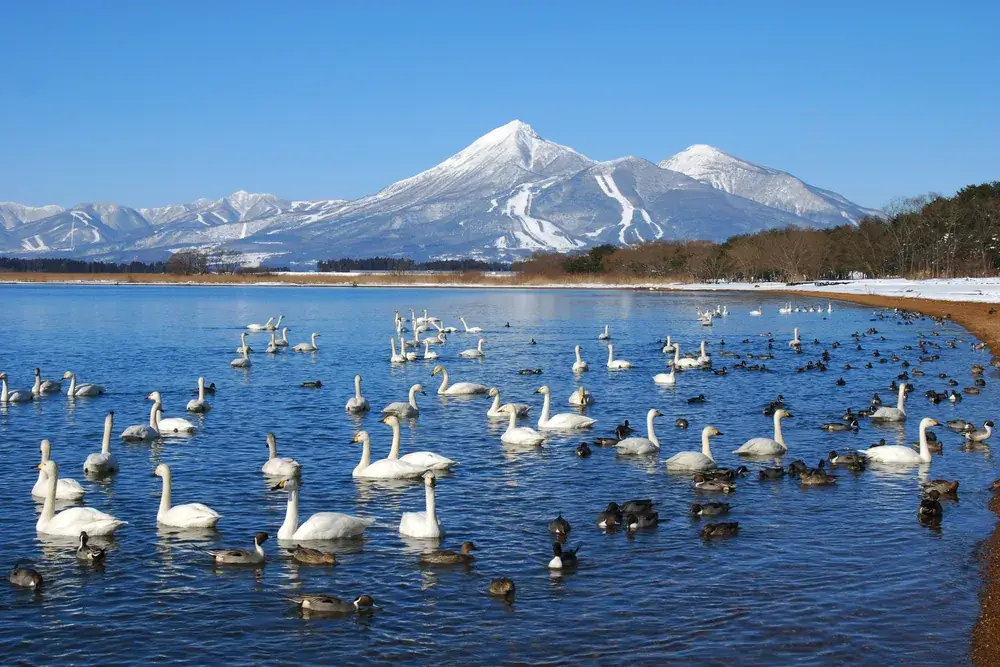
Fukushima Prefecture
Located in the southern part of the Tohoku region, Fukushima is the third largest prefecture in Japan. The Aizu area preserves historic sites such as Tsurugajo Castle and Ouchi-juku, while the Goshikinuma Ponds and Lake Inawashiro spread out at the foot of Mt. Bandai. Fukushima City has Hanamiyama Park, where flowers bloom throughout the seasons, and Iwaki City on the Pacific coast offers seaside attractions.
Must-Visit Attractions in Tohoku's Six Prefectures
Mountain streams flowing through deep forests, temples, shrines, and castle ruins steeped in history, and majestic lake scenery—the Tohoku region is dotted with famous sights where you can feel the nature and history unique to each place. These six spots, one representing each prefecture, are classics you won't want to miss on your first trip to Tohoku.
-
 AomoriOirase Stream
A Picturesque Natural Beauty with Waterfalls, Rocks, and Cliffs.
-
 IwateChuson-ji Temple
A Temple Famous for the Glistening National Treasure “Konjikidō Golden Hall” and Lotuses.
-
 MiyagiMatsushima
One of Three Great Views of Japan with the spectacular beauty of many islands.
-
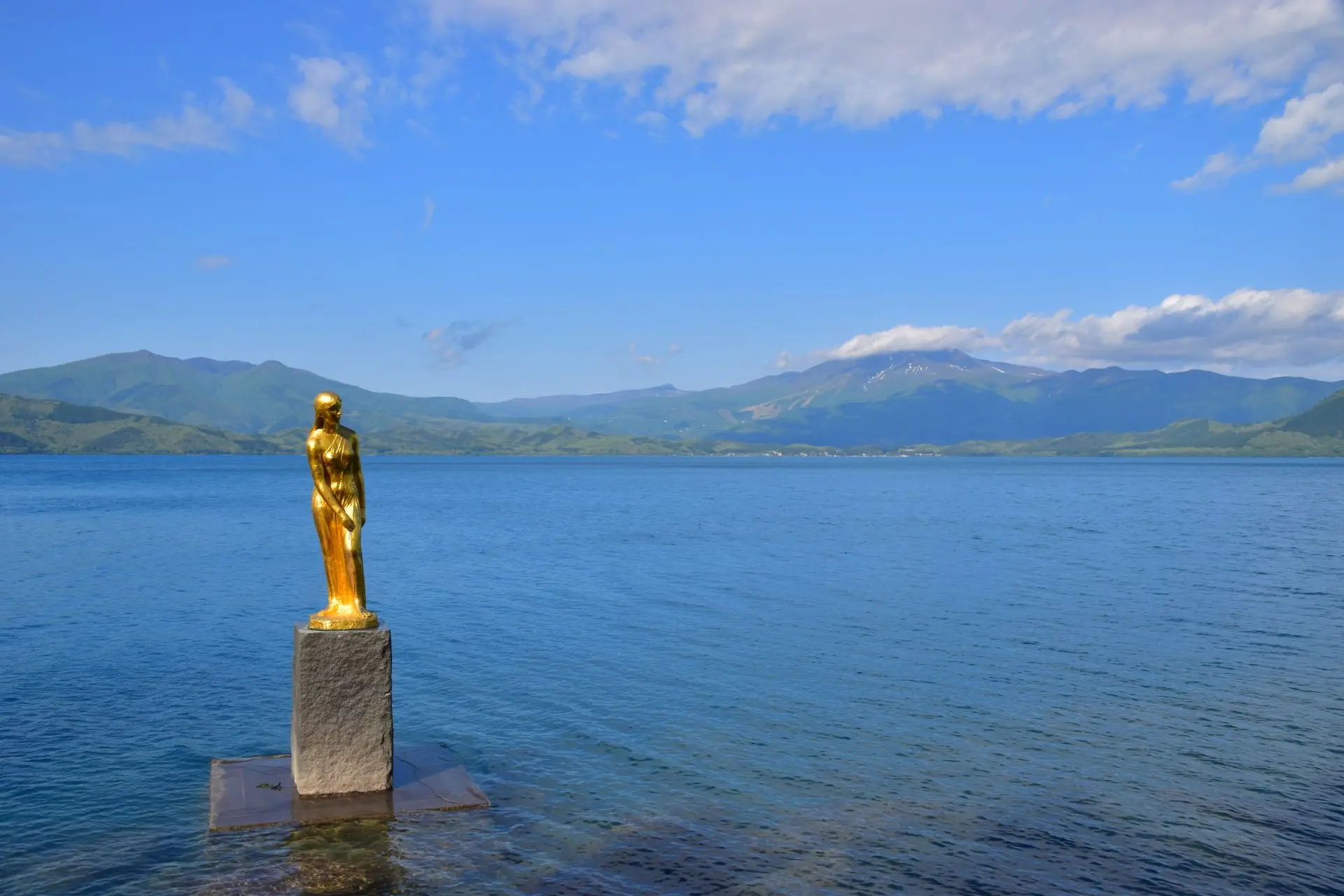 AkitaLake Tazawa
The lake boasts the deepest water in Japan with a beautiful cobalt blue surface.
-
 YamagataYamadera (Hojusan Risshakuji Temple)
Climb 1,015 stone steps to worship at a temple said to break harmful ties.
-
 FukushimaTsurugajo Castle
One of the Top 100 Japanese Castles and one of the three most famous castles in Fukushima, this castle is called the "impregnable great castle."
5 Things to Do in the Tohoku Region
-
1. Ride the Local Lines and Enjoy a Rail Journey Through Tohoku
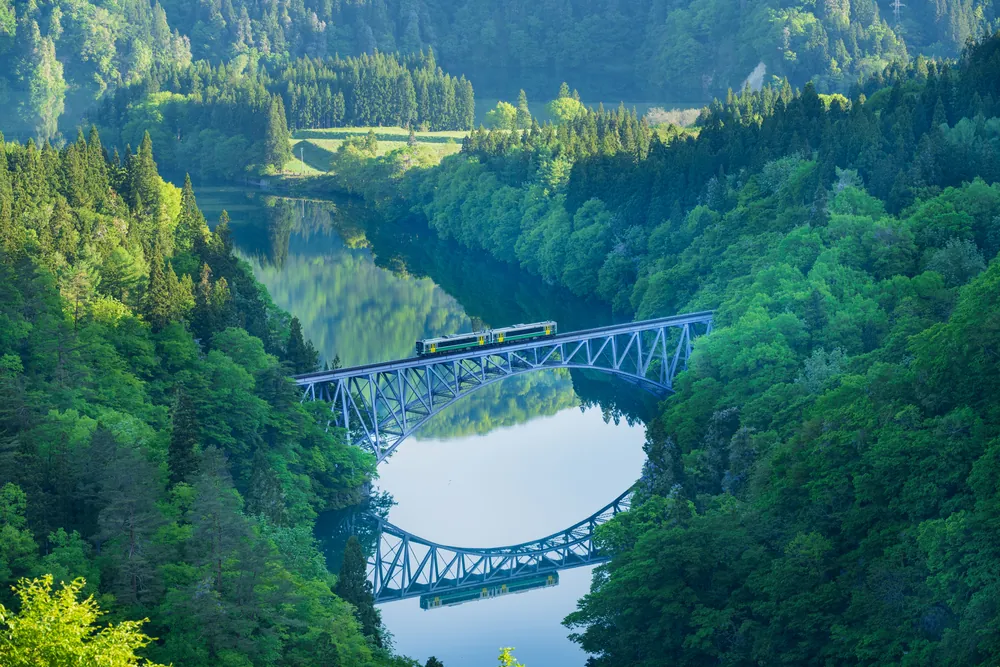
Tohoku's local train lines run through the mountains and along the coast, sometimes passing through snowy rural villages. From the window you can see deep gorges and the jagged rias coastline, and in winter, villages blanketed in snow. Stopping at small stations and catching glimpses of local life along the way is part of the joy of rail travel. Rather than rushing to your destination, savor the journey itself.
-
 AomoriTsugaru Tetsudo “Stove Train”
The train with a stove announces the arrival of winter in the Tsugaru Region.
-
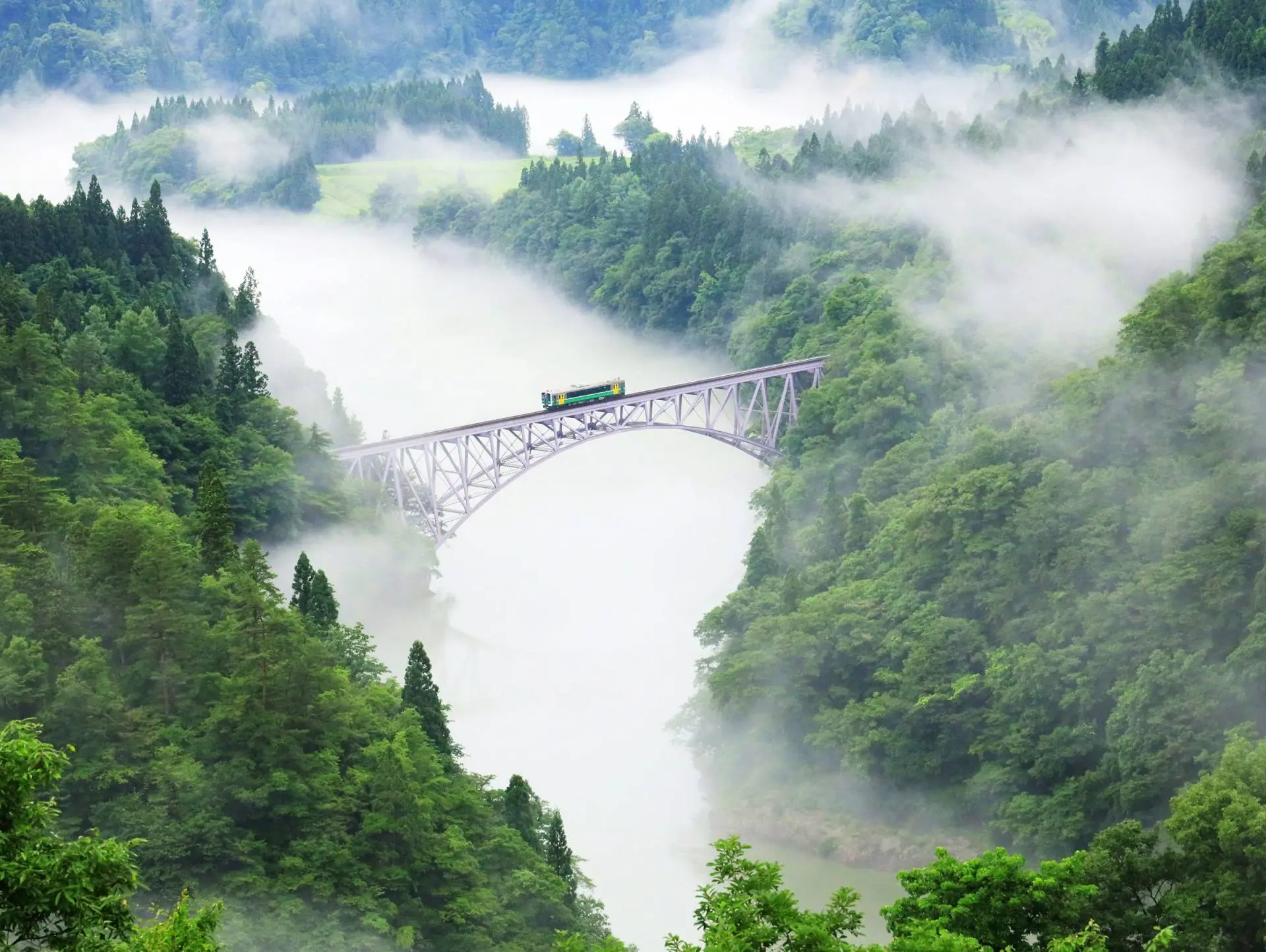 FukushimaJR Tadami Line
A hidden railway with spectacular views.
-
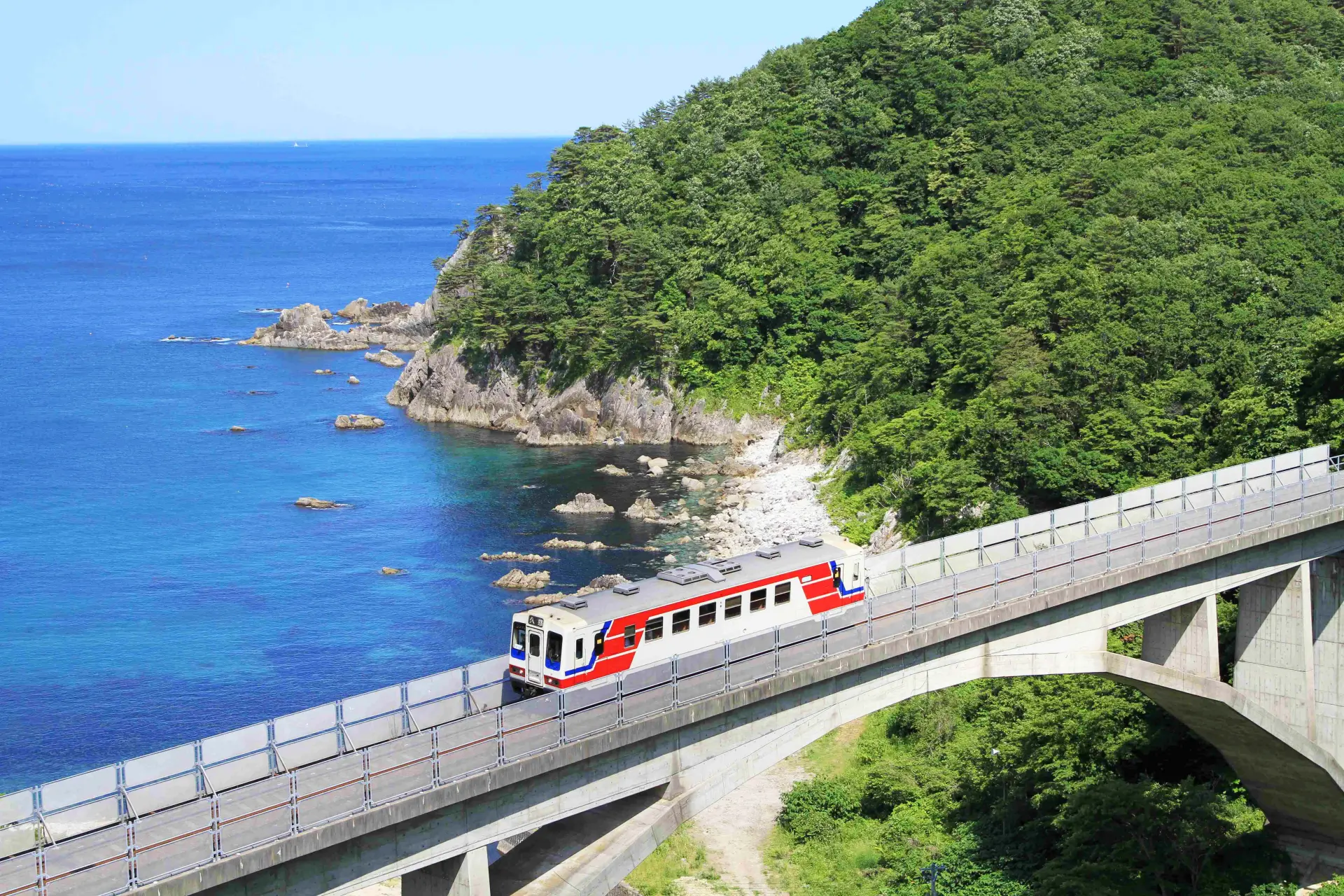 IwateSanriku Railway
A local railway deep-embedded in the daily life of its community, known affectionately known as "Santetsu”.
-
-
2. Admire Lake and Gorge Scenery from a Boat
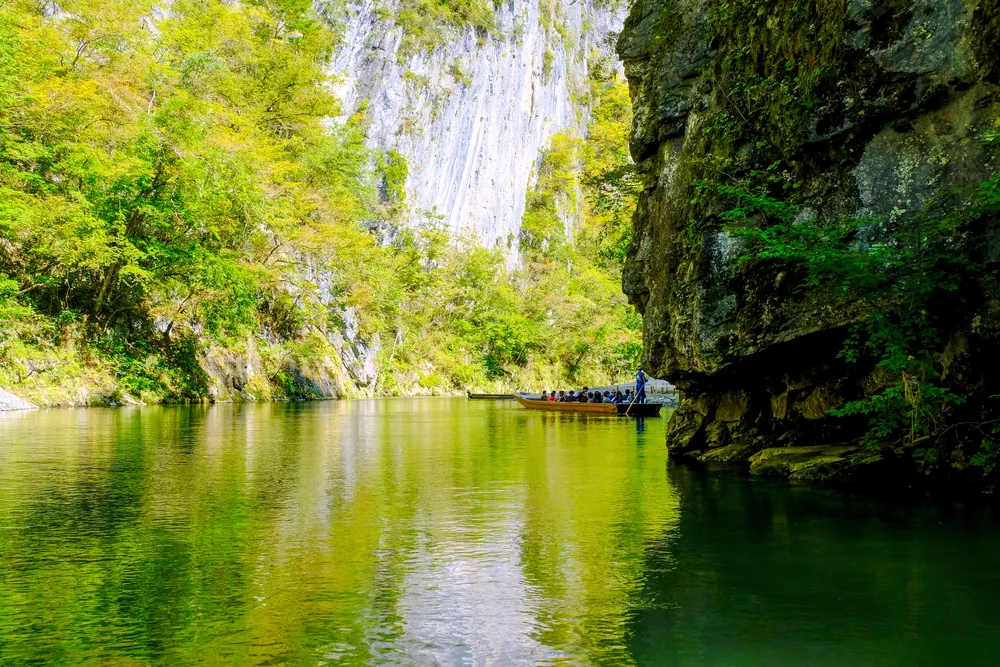
Gorges hemmed in by sheer cliffs and vast lakes surrounded by mountains—viewing Tohoku's varied landscapes from a boat is one of the special pleasures of traveling here. In the gorges, ride a boat steered by a boatman and look up at the towering rock walls overhead. On the lakes, relax and take in views of the majestic mountains.
-
 IwateGeibikei Gorge
As a boatman steers a vessel, you adore the majestic cliffs in lovely seasons.
-
 AomoriLake Towada
Take in panoramic scenery shaped by the forces of nature over vast stretches of time.
-
 FukushimaLake Inawashiro Sightseeing Boat
A sightseeing boat that guides you around the nature-rich waters of Lake Inawashiro.
-
-
3. Taste Freshly Picked Seasonal Fruit in One of Japan's Top Fruit-Growing Regions
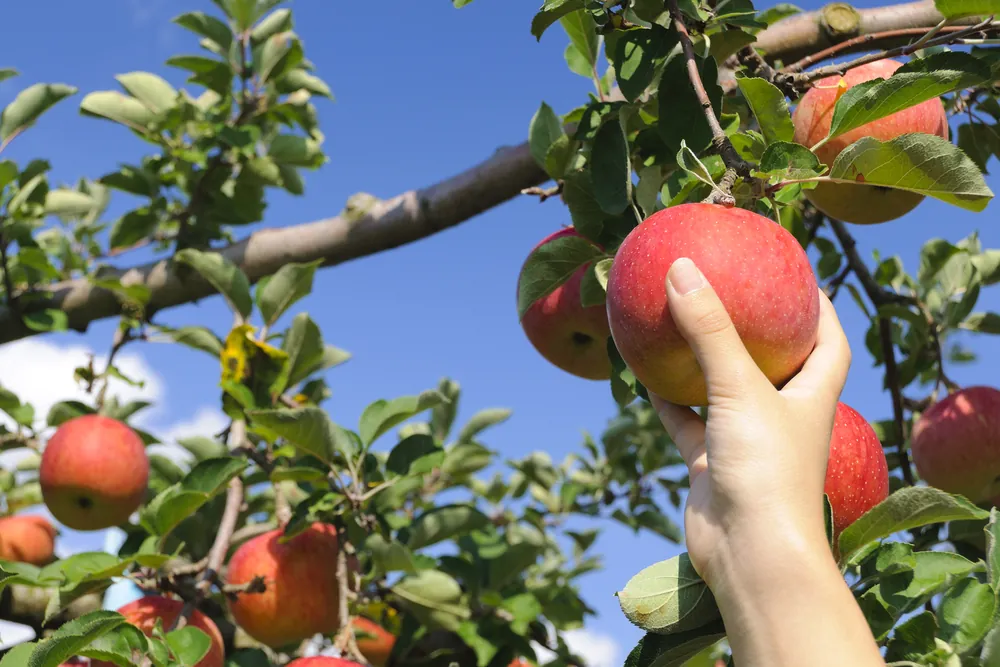
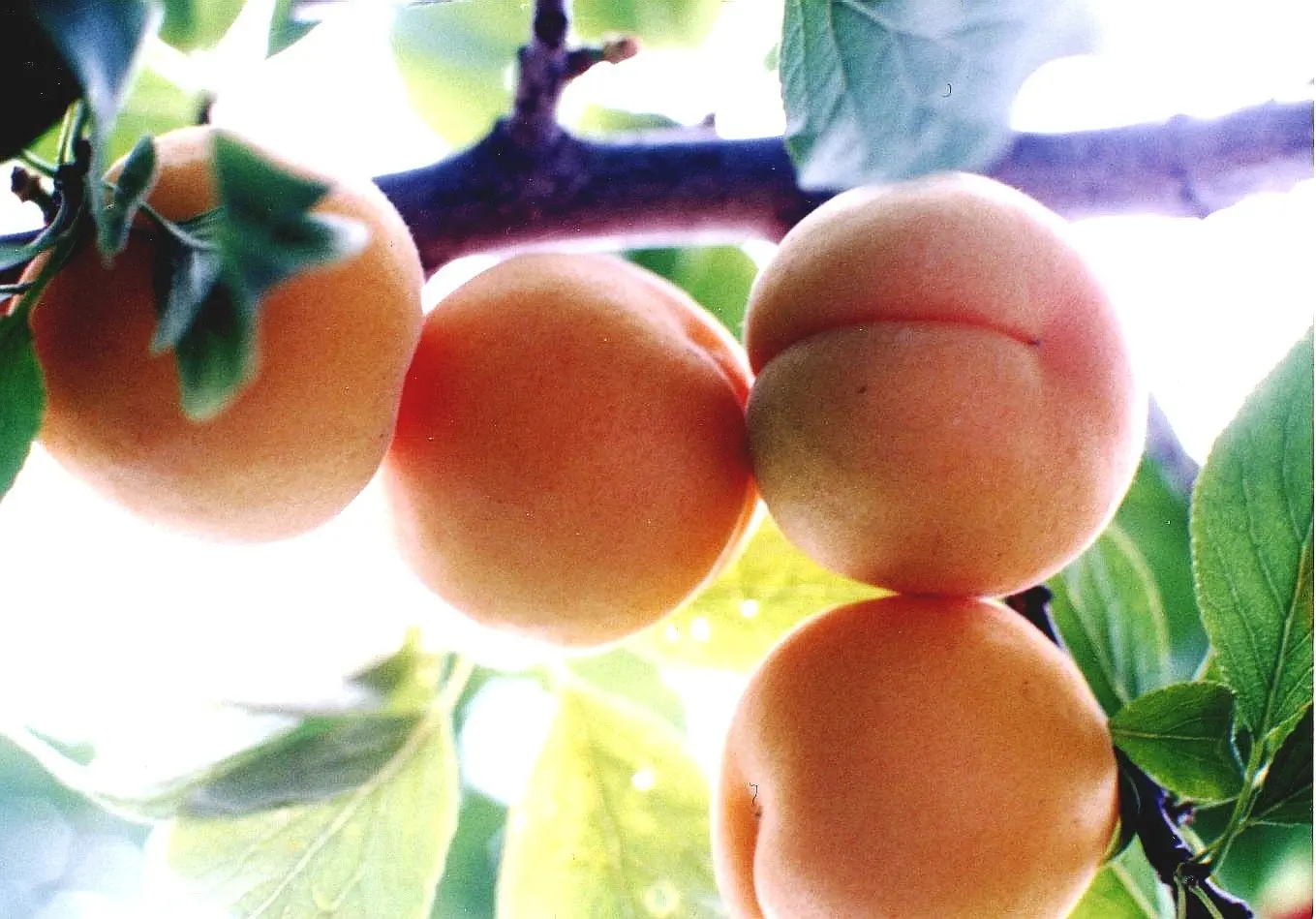
Tohoku is home to many of Japan's best-known fruit-growing areas, including Aomori for apples, Yamagata for cherries, and Fukushima for peaches. Orchards across the region offer a variety of fruit-picking experiences depending on the season. Picking ripe seasonal fruit straight from the tree with your own hands and eating it on the spot is a pleasure only possible where it is grown. Enjoy the taste of freshly picked fruit to the fullest.
-
4. Enjoy Winter-Only Experiences in a World of Snow and Ice
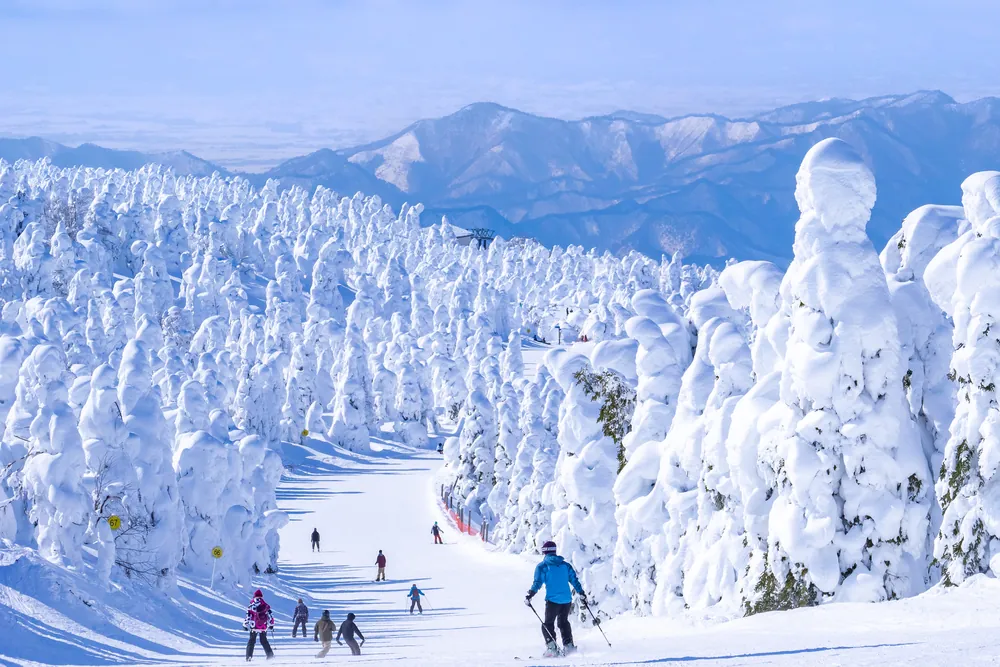
The Tohoku region includes some of the snowiest areas in Japan. In winter, the mountains and rural villages are covered in snow, creating silvery landscapes across the region. Winter activities are varied, from snowshoeing across snowfields and ice fishing for wakasagi (Japanese smelt) through holes in frozen lakes to ropeway rides for a close-up view of the frost-covered trees. Enjoy a uniquely Tohoku winter amid scenery shaped by snow and ice.
-
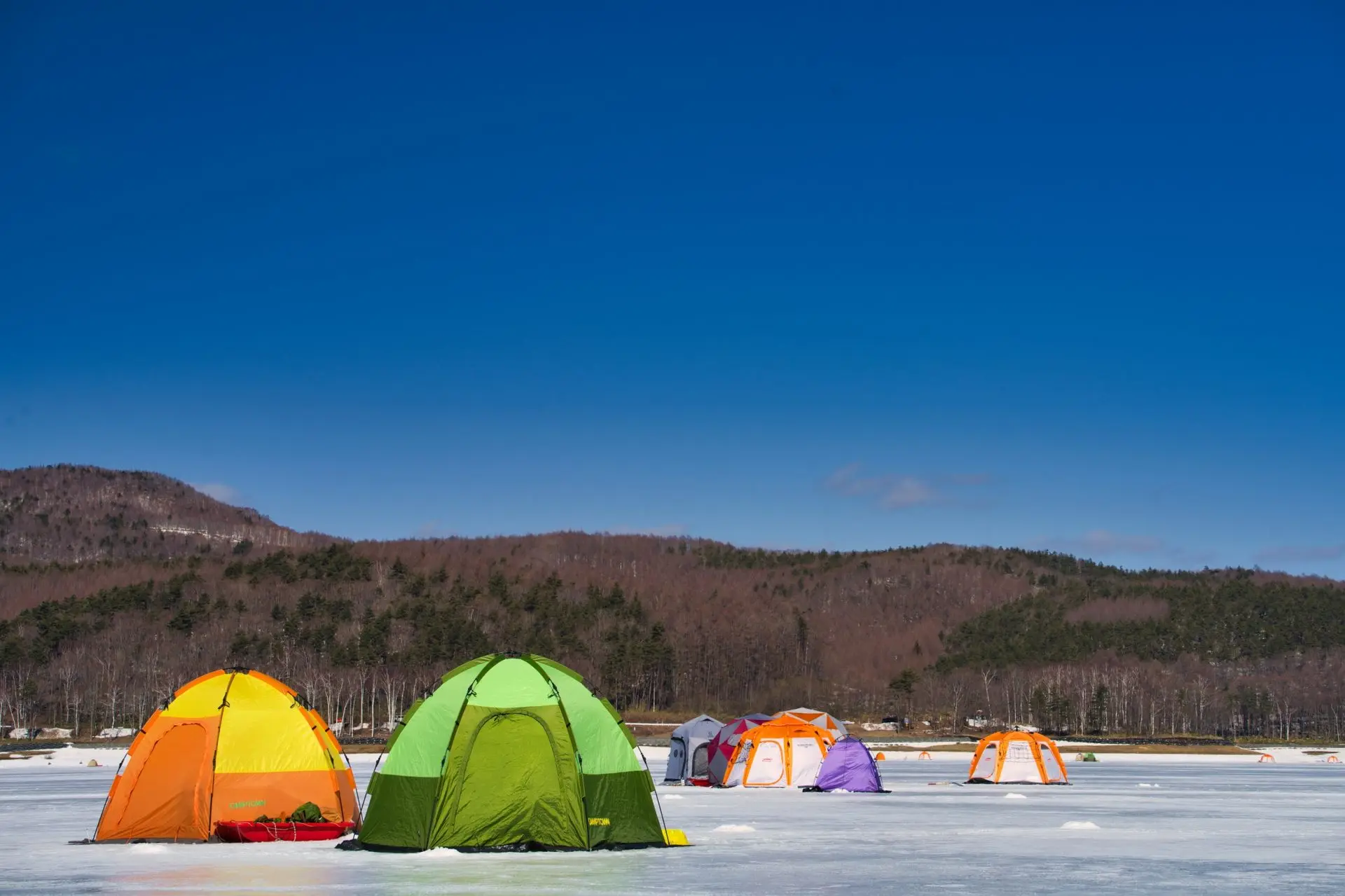 IwateLake Gando
Japan's most beautiful artificial lake where you can enjoy smelt fishing on ice.
-
 AkitaYokote Kamakura Festival
A snow festival with a tradition of about 450 years enshrining the water god in Kamakura.
-
 YamagataYamagata Zao Onsen Ski Resort
A vast ski resort with stunning ice trees and a hot spring.
-
-
5. Experience Tohoku's Hot Spring Culture, from Secluded Mountain Springs to Popular Onsen Towns
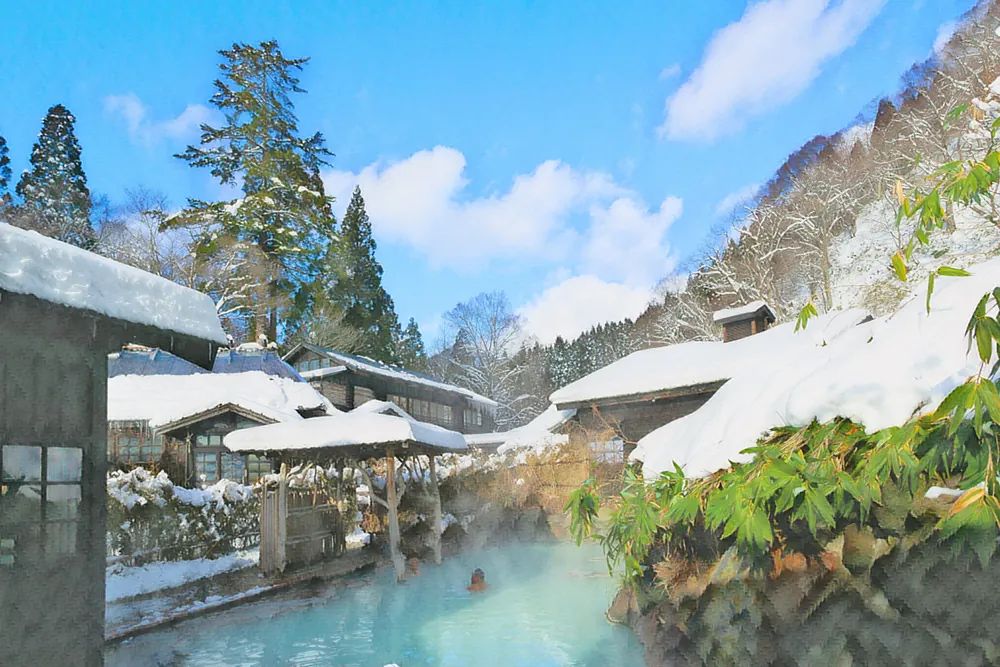
The Tohoku region has one of the largest numbers of hot spring areas in Japan. From secluded springs hidden deep in mountain forests to onsen towns lined with inns and public bathhouses, hot springs with distinctive character are found throughout the region. Soak in an open-air bath while gazing at nature, or soak up the atmosphere of a traditional toji (therapeutic bathing) resort—there are many ways to enjoy them. Strolling through an onsen town and comparing the charms of each area's waters is also recommended.

World Heritage Sites in the Tohoku Region
-
1. Shirakami Sanchi
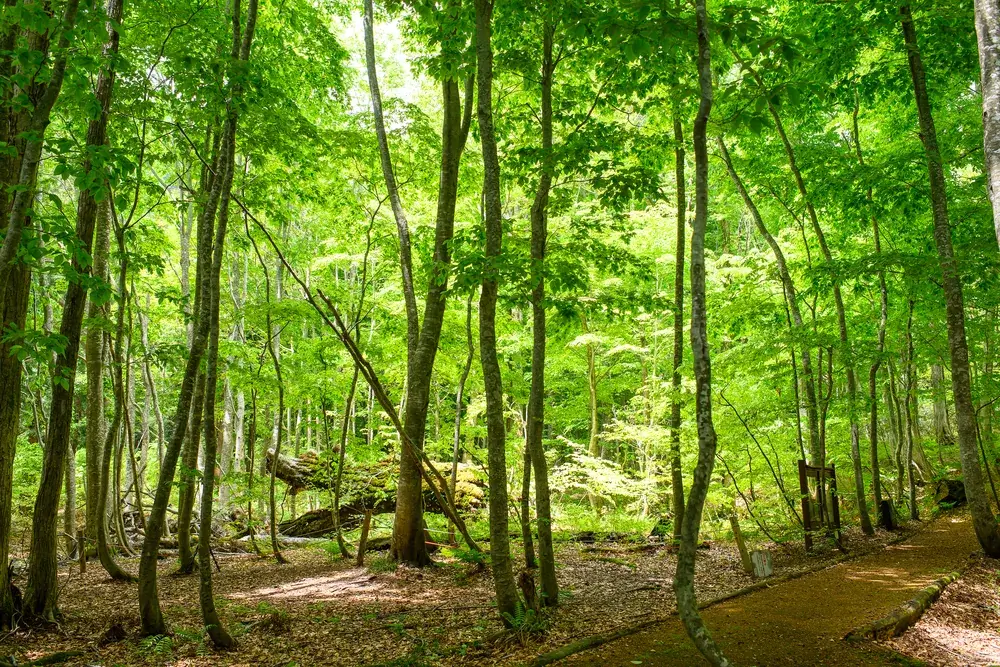
Straddling Aomori and Akita prefectures, this mountainous area is home to one of the largest virgin beech forests in East Asia. Registered as a World Natural Heritage Site in 1993, it preserves nature that remains almost untouched by human hands. There are places nearby where you can enjoy walks through the beech forest and take in the scenery of each season. The fresh green of spring and the autumn foliage are especially beautiful.
-
2. Hiraizumi – Temples, Gardens and Archaeological Sites Representing the Buddhist Pure Land
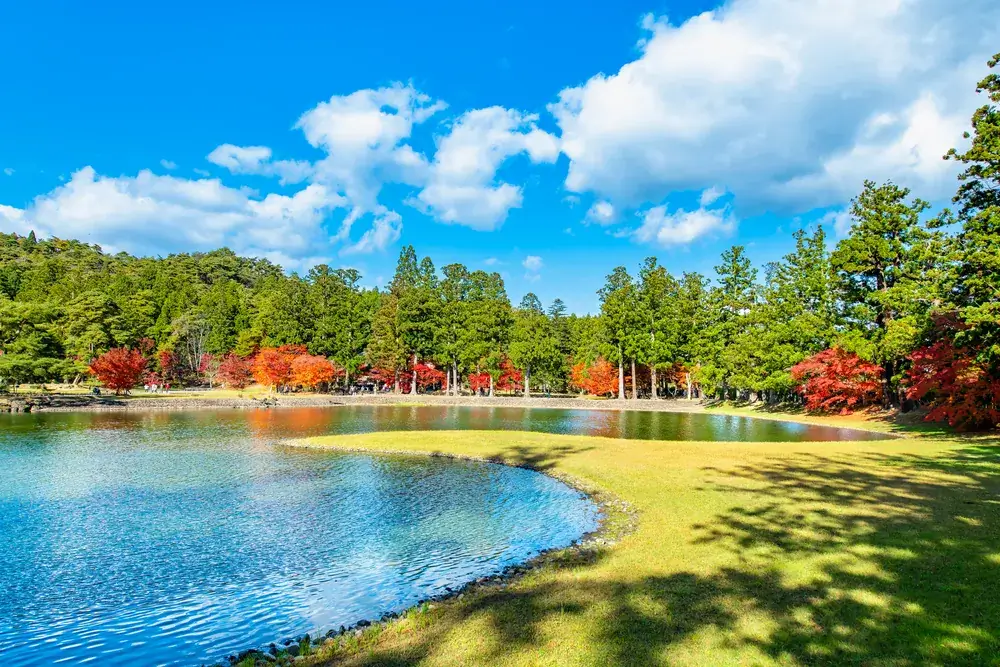
This World Cultural Heritage Site consists of temples, gardens, and other sites built in the late Heian period by the Oshu Fujiwara clan, who sought to recreate the Buddhist ideal world of the "Pure Land" on earth. Registered in 2011, it is made up of five properties, including Chuson-ji Temple and Motsuji Temple. The golden Konjikido hall of Chuson-ji and the garden of Motsuji, designed to represent the Pure Land, keep the Buddhist culture of that era alive.
-
3. Jomon Prehistoric Sites in Northern Japan
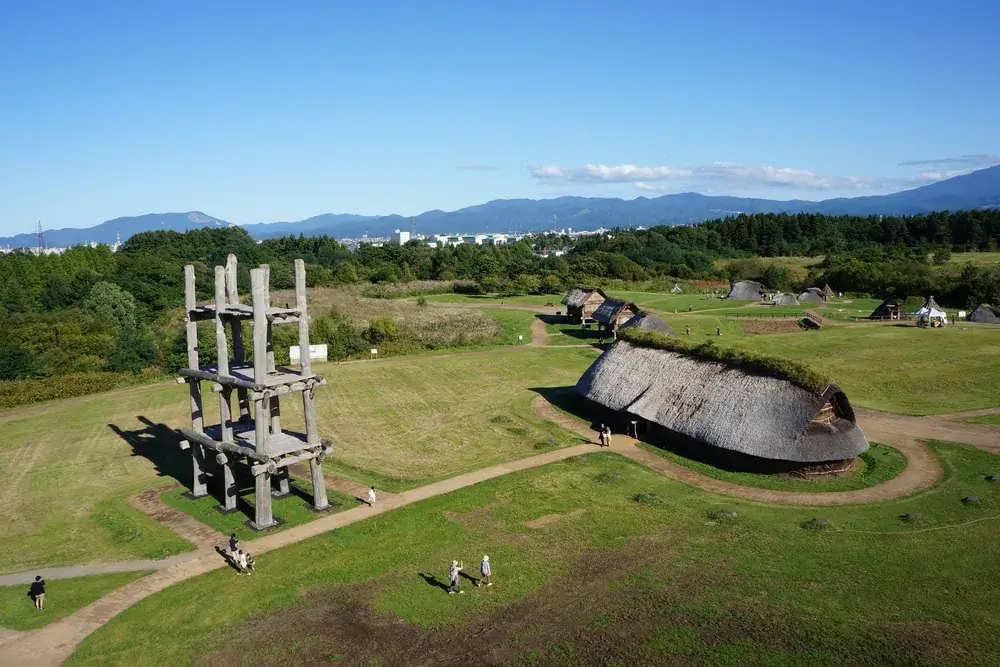
This World Cultural Heritage Site consists of 17 archaeological sites in Hokkaido, Aomori, Iwate, and Akita. It conveys the culture of the Jomon people, who lived settled lives centered on hunting, gathering, and fishing for more than 10,000 years. It was registered in 2021. At the Sannai Maruyama Iseki in Aomori, you can see reconstructed large buildings, and at the Oyu Stone Circles in Akita, stones arranged in circles.
-
4. Sites of Japan's Meiji Industrial Revolution: Iron and Steel, Shipbuilding and Coal Mining
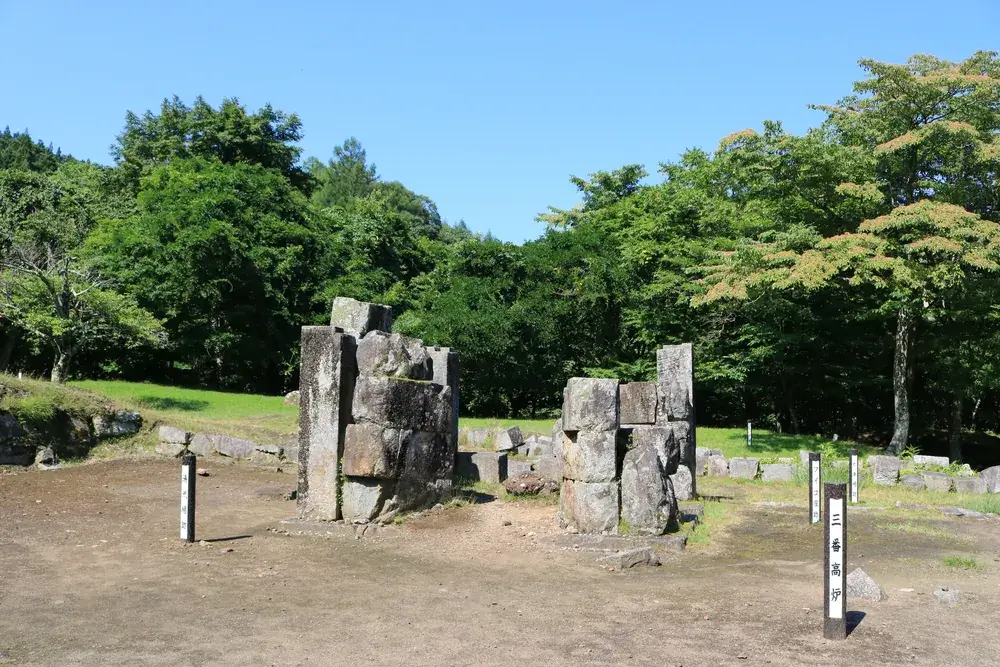
This World Cultural Heritage Site tells the story of Japan's industrialization from the end of the Edo period through the Meiji era. Registered in 2015, it consists of 23 properties across eight prefectures. In Tohoku, the Hashino Iron Mining Site in Kamaishi, Iwate Prefecture, is part of the listing and preserves the remains of the oldest surviving Western-style blast furnaces in Japan. It is a valuable heritage site that conveys the history of modern ironmaking in Japan.


Iconic Festivals & Traditional Events of the Tohoku Region
-
1. Aomori Nebuta Festival (Aomori)
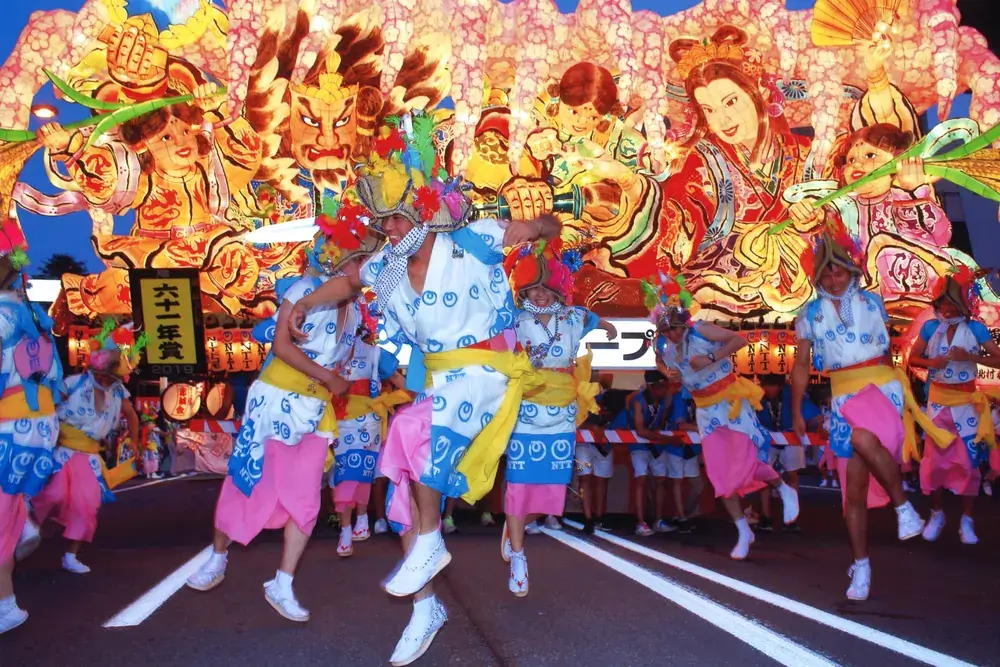
Photo courtesy of: Aomori Convention & Visitors Bureau Held every year from August 2 to 7 in central Aomori City, this is one of the Three Great Festivals of Tohoku and is designated an Important Intangible Folk Cultural Property of Japan. The highlight is the huge, brightly colored nebuta floats that parade through the city at night. Anyone can join the haneto dancers, who leap and dance to calls of "Rassera!", as long as they wear the costume. On the final day, the nebuta are carried out to sea, and a fireworks display is held.
-
2. Akita Kanto Festival (Akita)
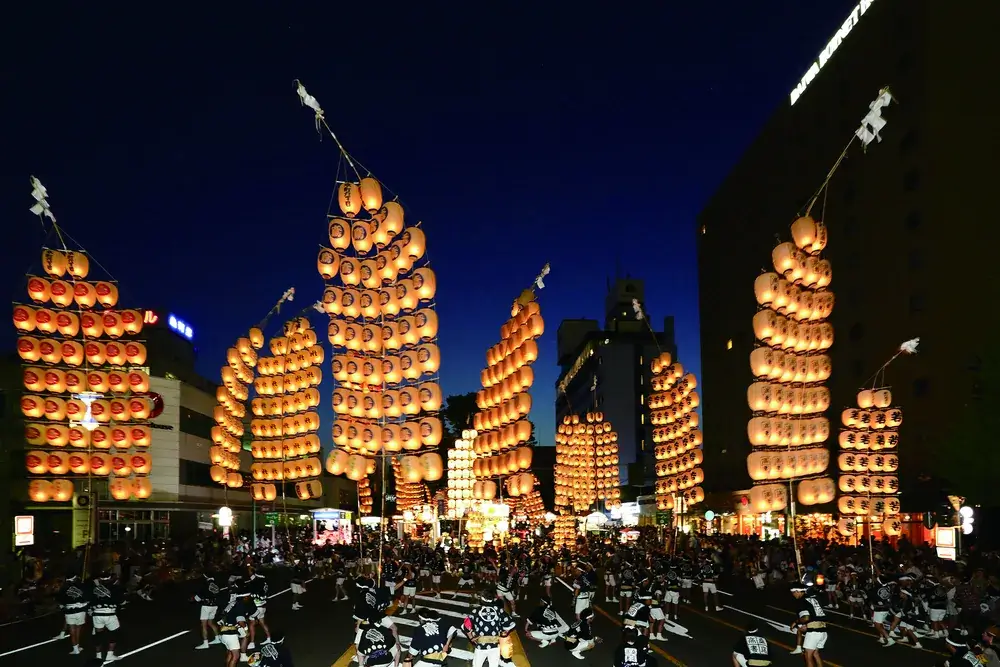
At this summer festival in Akita, kanto—bamboo poles shaped like ears of rice and hung with lanterns representing bales of rice—light up the night sky. One of the Three Great Festivals of Tohoku and an Important Intangible Folk Cultural Property of Japan, it is held every year from August 3 to 6. Performers balance kanto weighing about 50 kg on their palms, foreheads, shoulders, and hips in an astonishing display of skill. During the day there are skill competitions, and at night about 280 kanto are raised all at once.
-
3. Sendai Tanabata Festival (Miyagi)
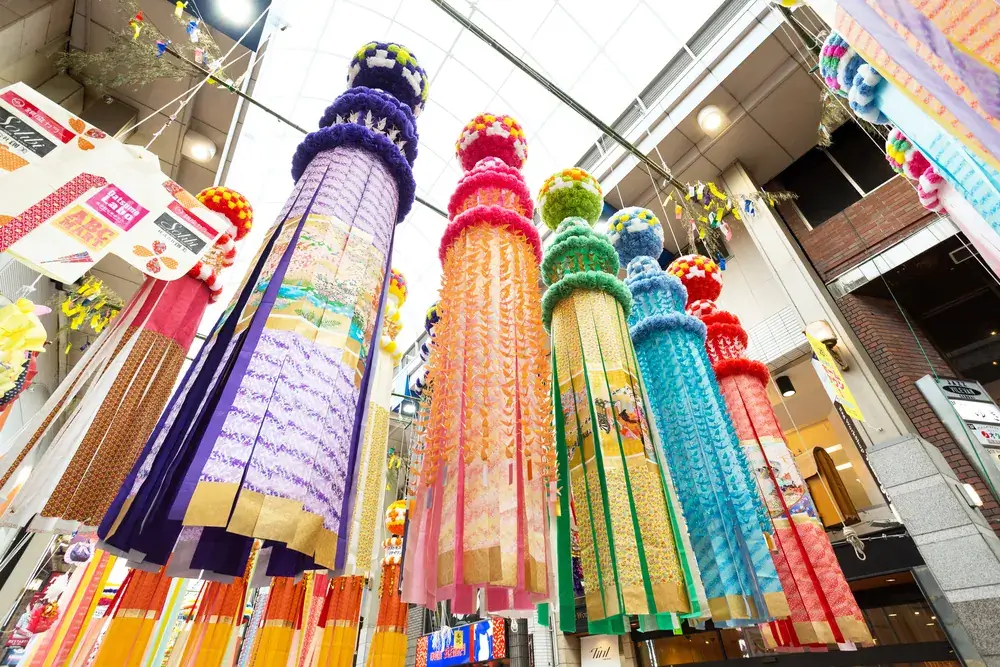
© Sendai Tanabata Festival Association One of the Three Great Festivals of Tohoku, with a history of more than 400 years, this festival is held every year from August 6 to 8 in Sendai. Shopping streets in the city center and surrounding areas are decorated with Tanabata ornaments, with washi paper streamers hanging from huge bamboo poles. The "seven decorations," including paper strips, paper cranes, and drawstring purses, each carry a different wish. While the city center features lavish decorations, the surrounding shopping streets display simpler, traditional ones.
-
4. Soma Nomaoi (Fukushima)
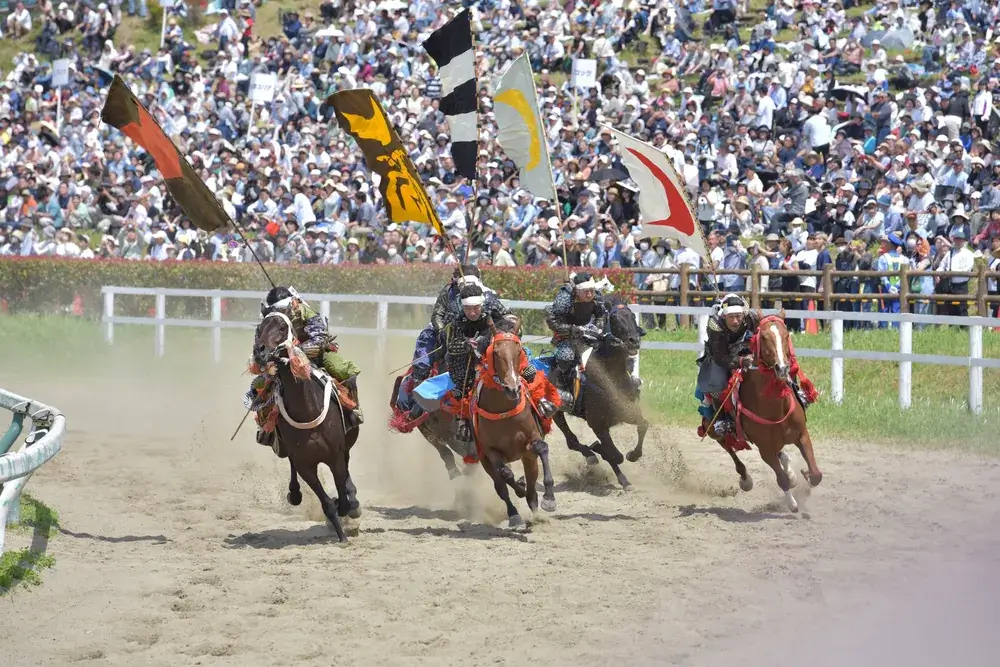
With a history of more than 1,000 years, this traditional event in the Soma area of Fukushima Prefecture is designated an Important Intangible Folk Cultural Property of Japan. It is held for three days starting on the last Saturday of May each year. About 400 mounted warriors in armor recreate a stirring scene from the samurai era. The armored horse races, in which horse and rider gallop as one, and the sacred flag competition, in which riders vie for flags, are thrilling to watch. On the final day, the traditional Shinto ritual Nomakake is held.
-
5. Morioka Sansa Odori (Iwate)
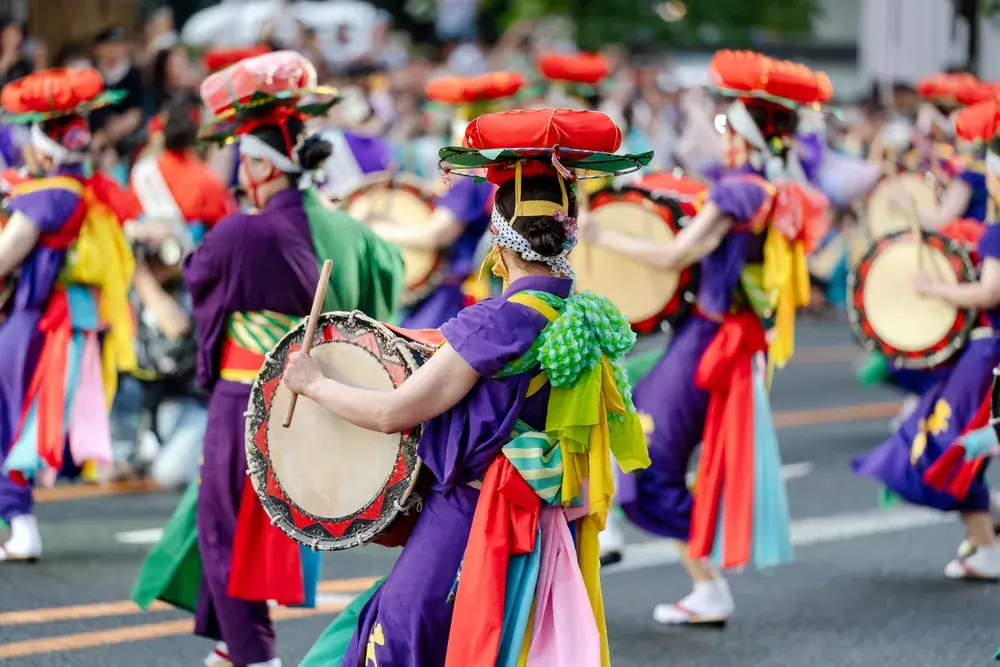
Held every year from August 1 to 4 in central Morioka, this summer festival is all about taiko drums and dance. To calls of "Sakkora choiwayasse!", dancers in colorful costumes parade along Chuo-dori with taiko drummers and flute players. On the final day, the "World's Largest Taiko Drum Parade" is held, and after the parade, spectators are free to join in the circle dance.
-
6. Yamagata Hanagasa Festival (Yamagata)
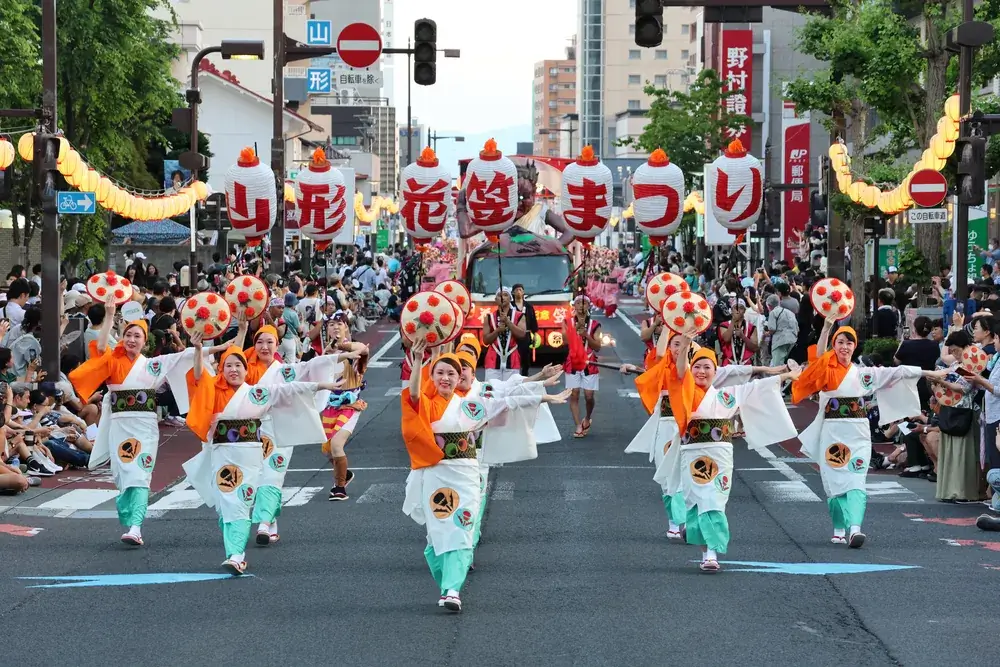
At this summer festival, about 10,000 dancers holding flower-decorated hats parade through central Yamagata City to calls of "Yassho, makasho!" Held every year from August 5 to 7, it turns a street about 1.2 km long into the stage for a colorful parade. The dances are varied, from the graceful women's dance and the bold men's dance to dynamic hat-twirling. There are also times when visitors can join in on the spot.
-
7. Namahage Sedo Festival (Akita)
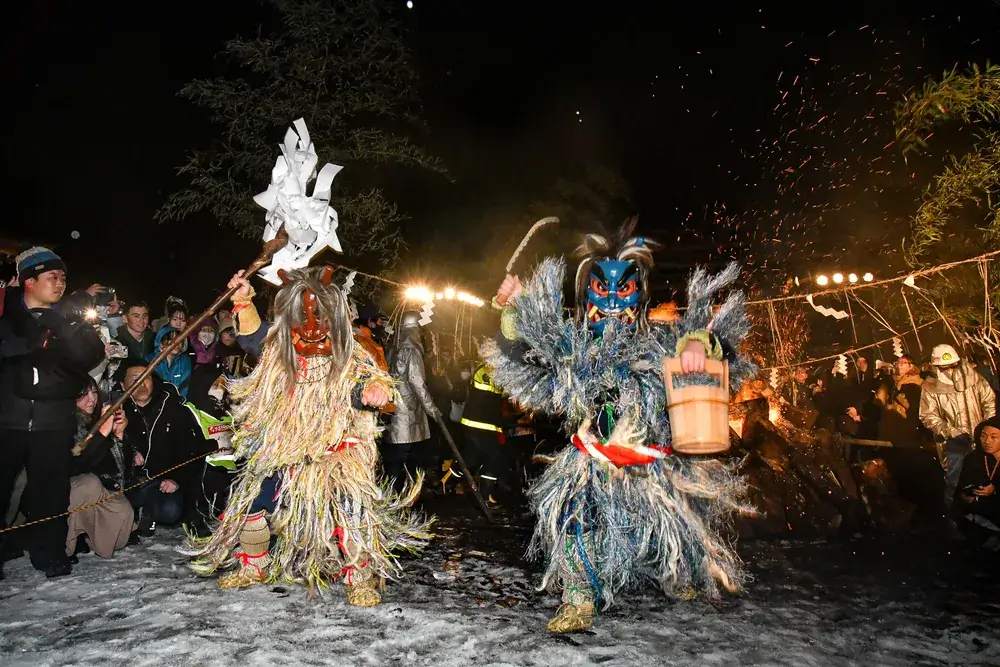
Photo courtesy of: Oga City Held every February at Shinzan Shrine in Oga, Akita Prefecture, this winter festival combines the shrine's Sedo ritual with "Namahage of Oga," a traditional event in which namahage visit homes on New Year's Eve, and recreates that scene. Namahage dances and powerful taiko performances are also staged, and at the climax, namahage carrying torches descend from the snowy mountain and parade through the shrine grounds.
-
8. Hachinohe Enburi (Aomori)
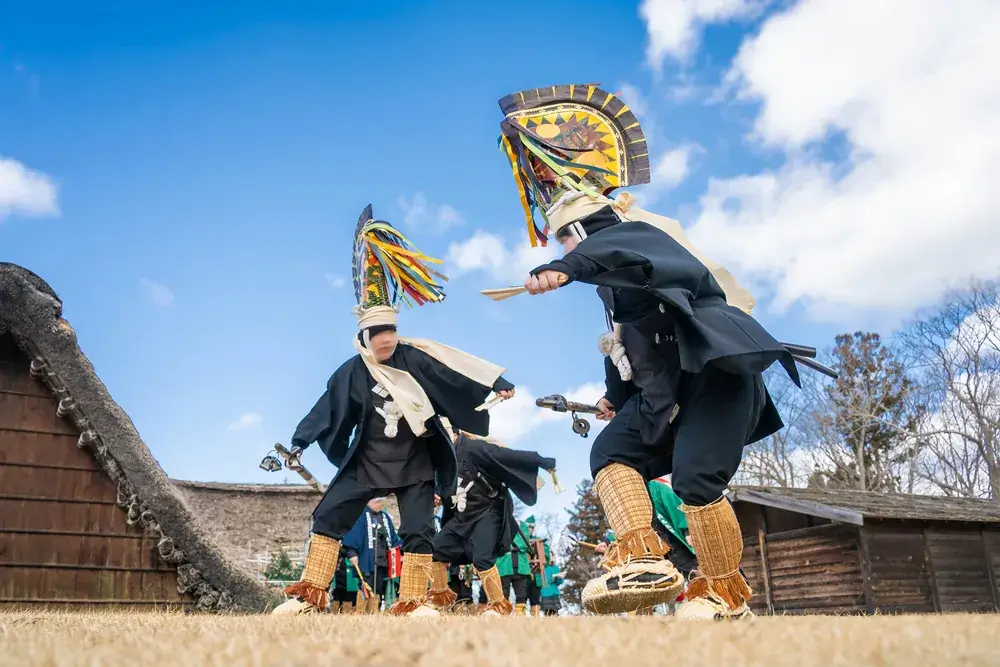
Held every year from February 17 to 20 in Hachinohe, this traditional folk performing art prays for a good harvest. Designated an Important Intangible Folk Cultural Property of Japan, it is cherished as a festival that welcomes spring. The highlight is the suri dance performed by tayu dancers wearing eboshi headdresses shaped like horse heads, which depicts rice farming through distinctive movements and festival music. In between, children perform celebratory dances such as the Ebisu dance.
Iconic Local Dishes of the Tohoku Region
-
1. Aomori | Senbei-jiru
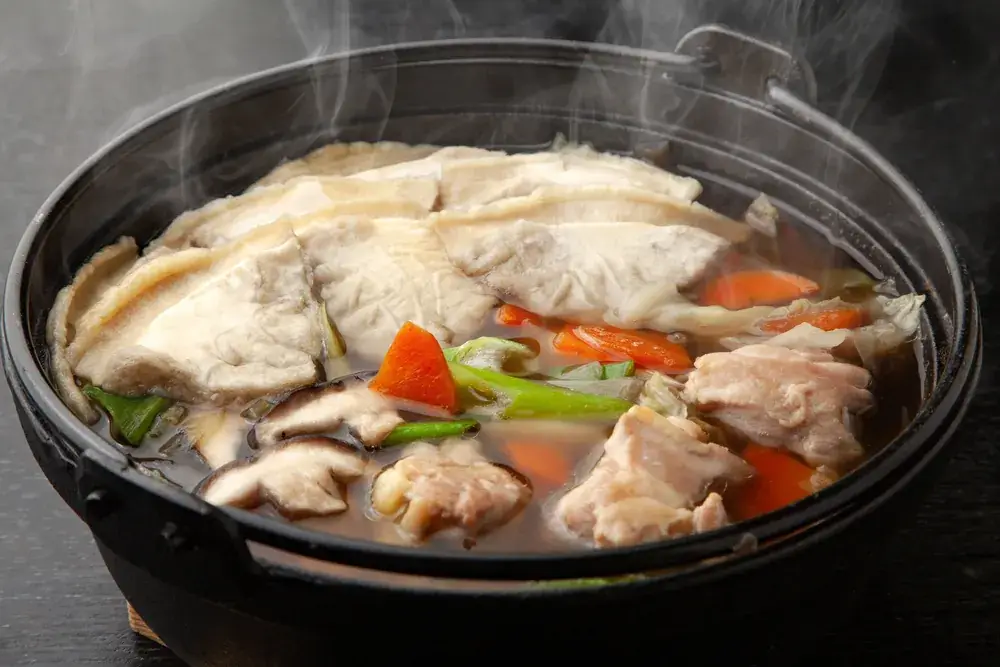
A local dish from the Hachinohe area of Aomori Prefecture. Nanbu senbei crackers are broken into a soy sauce-based soup simmered with chicken and vegetables. These crackers, made especially for soup, hold their shape even when simmered and have a chewy texture after soaking up the broth.
-
2. Akita | Kiritanpo Nabe
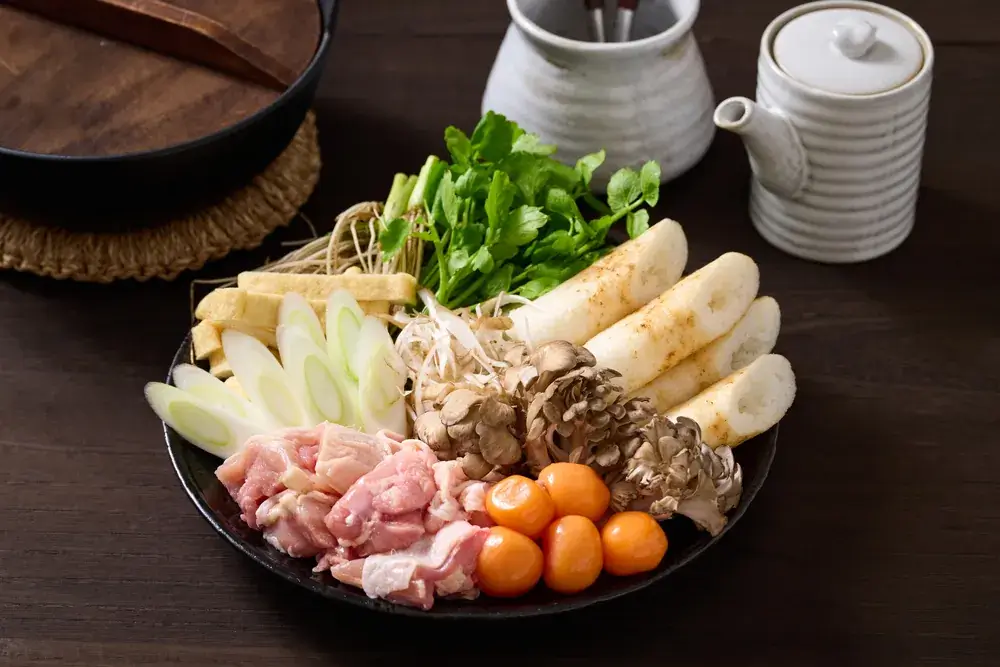
A local Akita dish made with kiritanpo—cooked rice that is mashed, wrapped around a stick, grilled, and cut into pieces. It is simmered in a soy sauce-based broth with Hinai-jidori chicken, burdock root, leeks, Japanese parsley, and more. The kiritanpo soaked in rich chicken flavor is the star of the dish.
-
3. Iwate | Wanko Soba
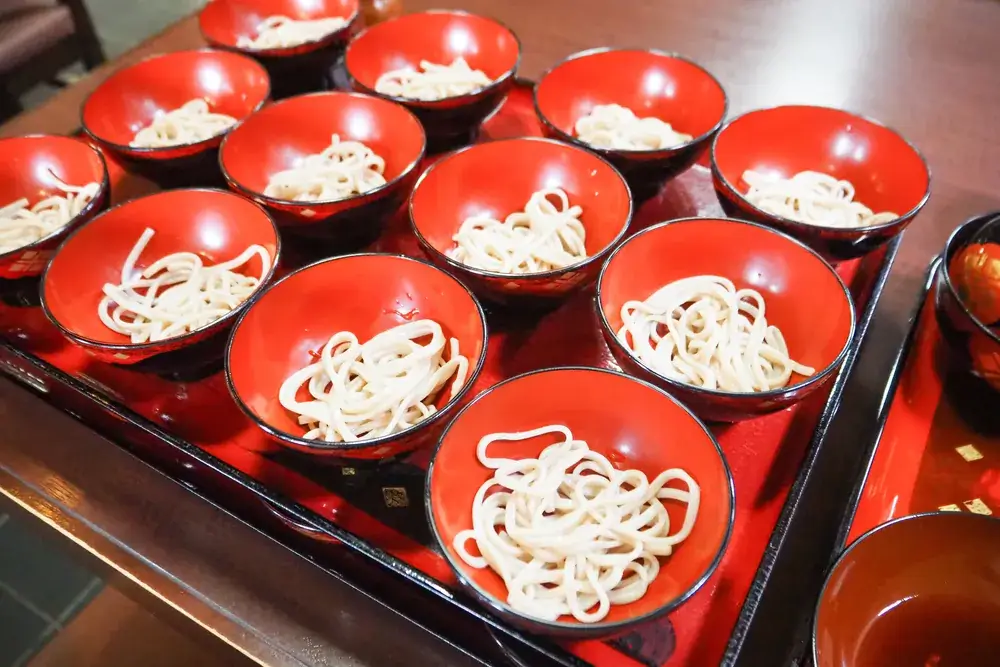
A local Iwate dish in which bite-sized portions of soba noodles are served in small bowls, with servers bringing refill after refill. Said to have originated from a culture of hospitality toward guests, it is also popular as a challenge to see how many bowls you can eat. Putting the lid on your bowl signals that you are finished.
-
4. Yamagata | Imoni
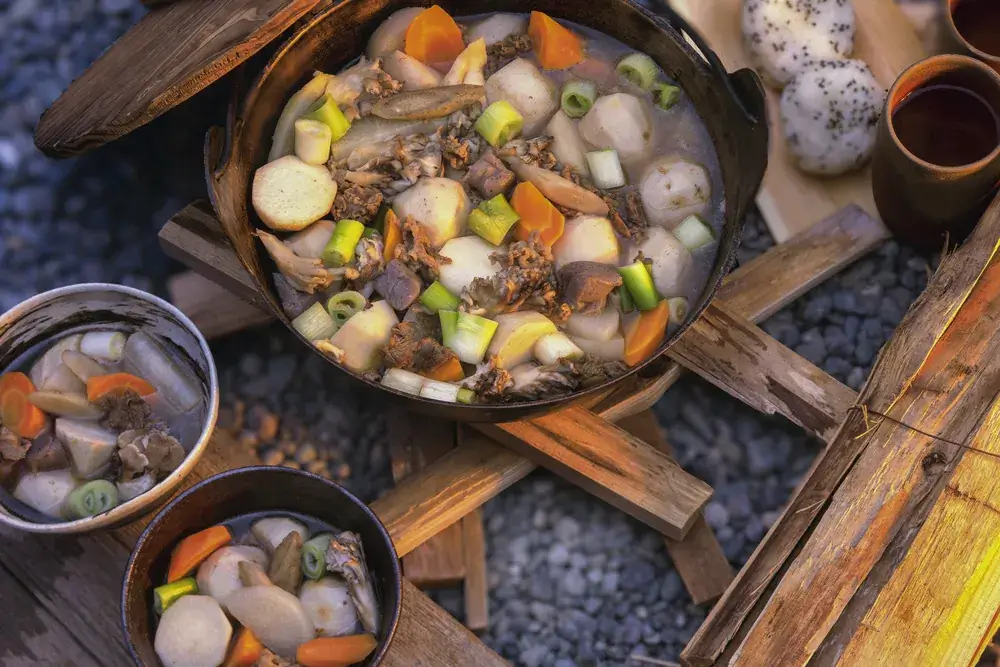
A local Yamagata dish of taro, beef, konjac, leeks, and other ingredients simmered in a soy sauce-based broth. In autumn, people hold imoni-kai gatherings on riverbanks and elsewhere, sharing pots of imoni together. In the Shonai area, a miso-based version made with pork is also popular.
-
5. Miyagi | Harako-meshi
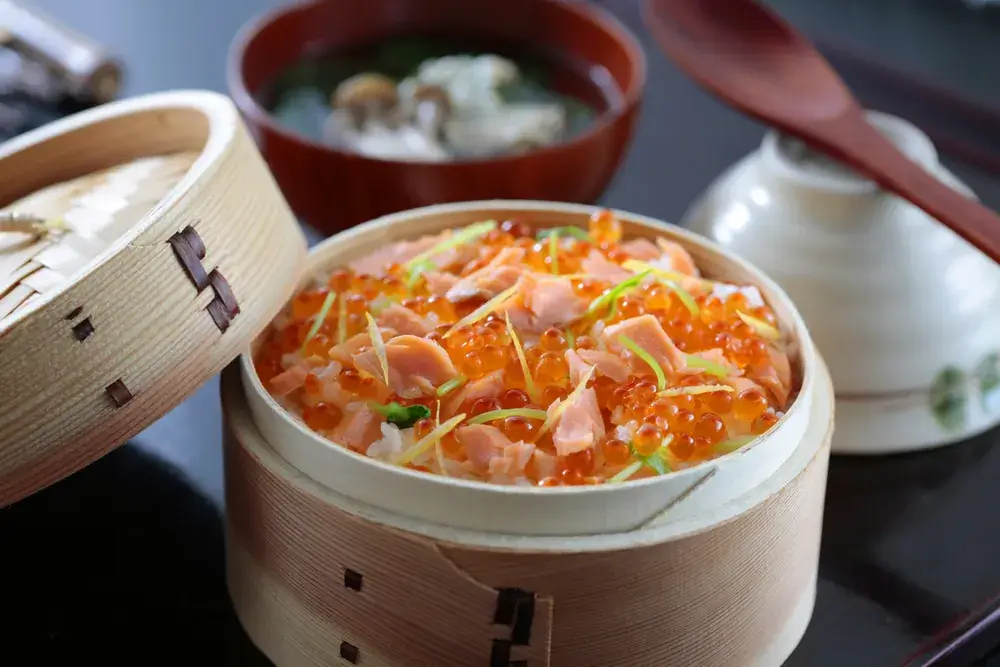
A local dish from the Watari area of Miyagi Prefecture, made by topping rice cooked in salmon simmering broth with salmon and salmon roe. A seasonal treat enjoyed in autumn when salmon swim upstream, it features rice infused with the rich flavor of salmon and the satisfying pop of the roe.
-
6. Fukushima | Kozuyu
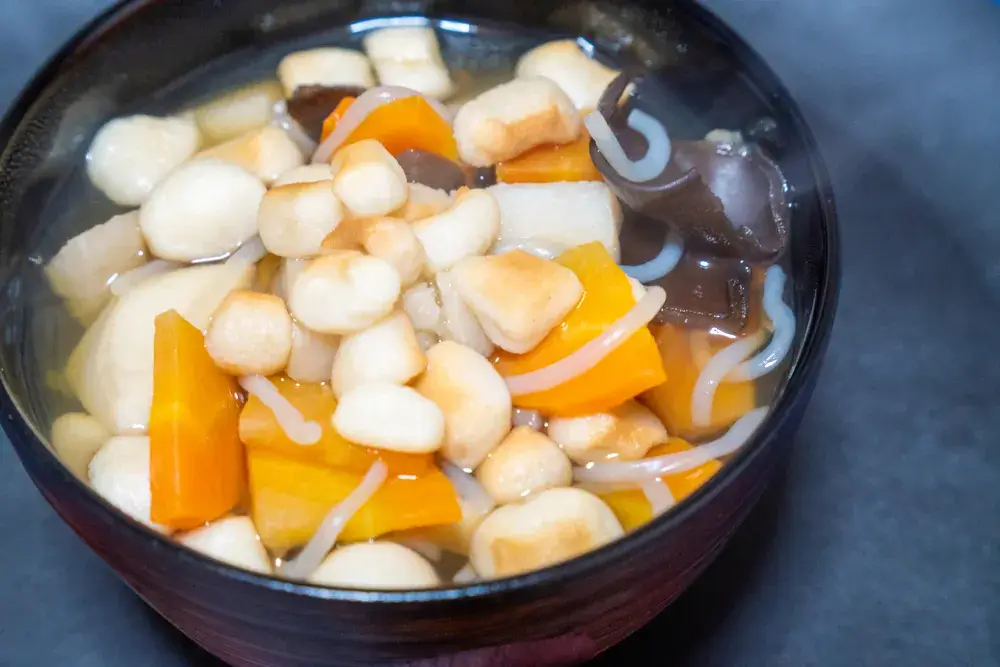
A local dish from the Aizu area of Fukushima Prefecture, made by simmering taro, carrots, wood ear mushrooms, mamefu (small wheat gluten pieces), and more in a broth made from dried scallops. Served at weddings, funerals, New Year, and other special occasions, it is traditionally presented in shallow Aizu lacquerware dishes called teshiozara.
Iconic Traditional Crafts of the Tohoku Region
-
1. Aomori | Tsugaru-nuri
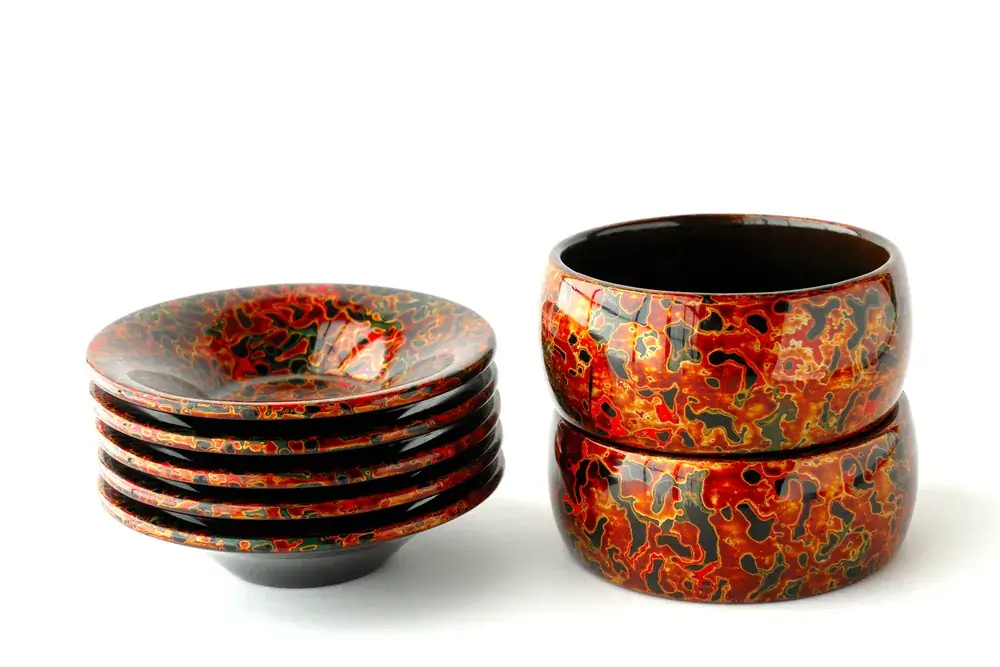
A traditional craft passed down mainly in Hirosaki, Aomori Prefecture. Its appeal lies in the distinctive patterns created by applying layer upon layer of lacquer and then polishing it down. In addition to the representative kara-nuri technique, there are others such as nanako-nuri, and it is used for everyday items such as chopsticks, bowls, and trays.
-
2. Akita | Odate Magewappa
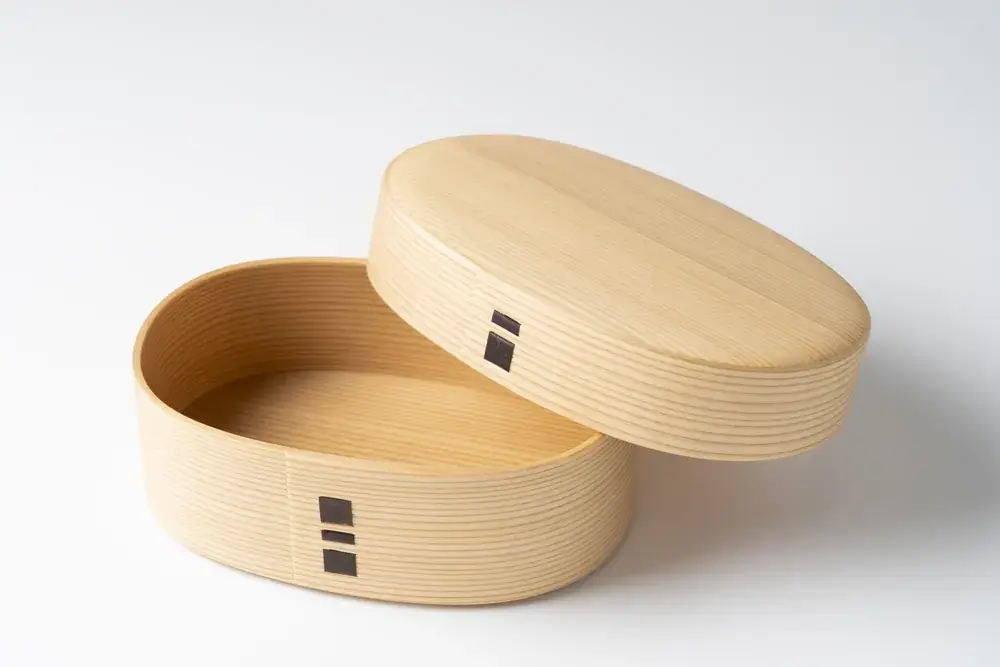
A traditional craft made from Akita cedar that has been passed down in Odate, Akita Prefecture, since the Edo period. Thin cedar boards are softened in hot water, bent into shape, and the seams are fastened with cherry bark. Loved for their beautiful wood grain and the scent of cedar, they are used for lunch boxes, rice containers, and more.
-
3. Iwate | Nanbu Tekki (Nanbu Ironware)
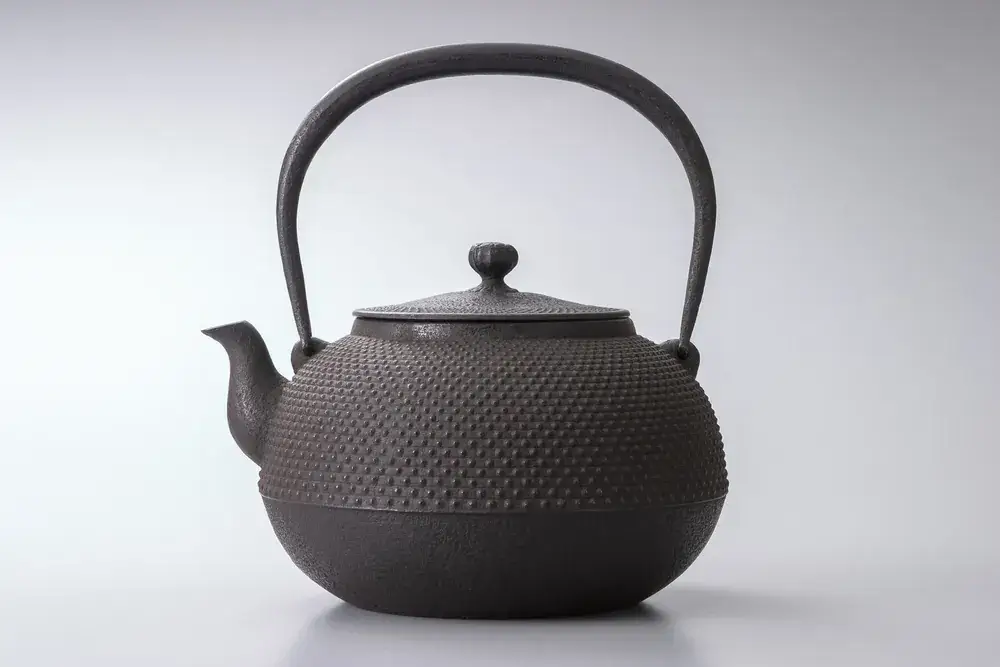
A traditional craft produced mainly in Morioka and in Mizusawa, Oshu City, Iwate Prefecture. Made by pouring iron into molds, it is characterized by its heavy, solid feel and durability. It is used for iron kettles, teapots, pots, and more, and the fine arare (hailstone) pattern on its surface is well known.
-
4. Yamagata | Yamagata Imono (Yamagata Cast Metalwork)
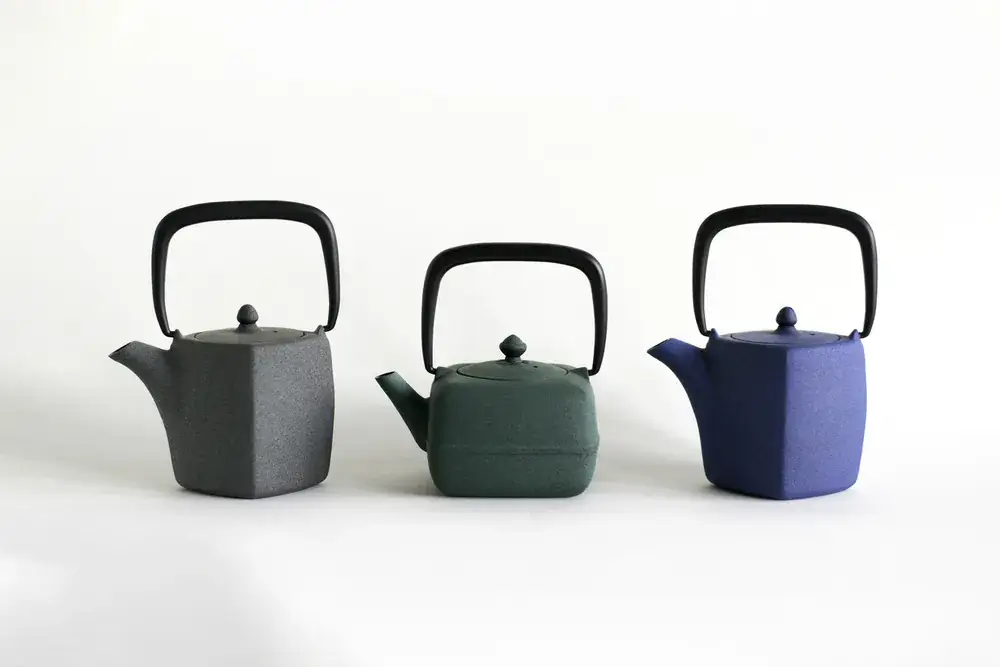
A traditional craft passed down since ancient times mainly in Yamagata City. Made by pouring molten metal into molds, it is known for its thin, delicate finish. A wide variety of products are made, including kettles for the tea ceremony, iron kettles, flower vases, and ornaments.
-
5. Miyagi | Miyagi Traditional Kokeshi Dolls
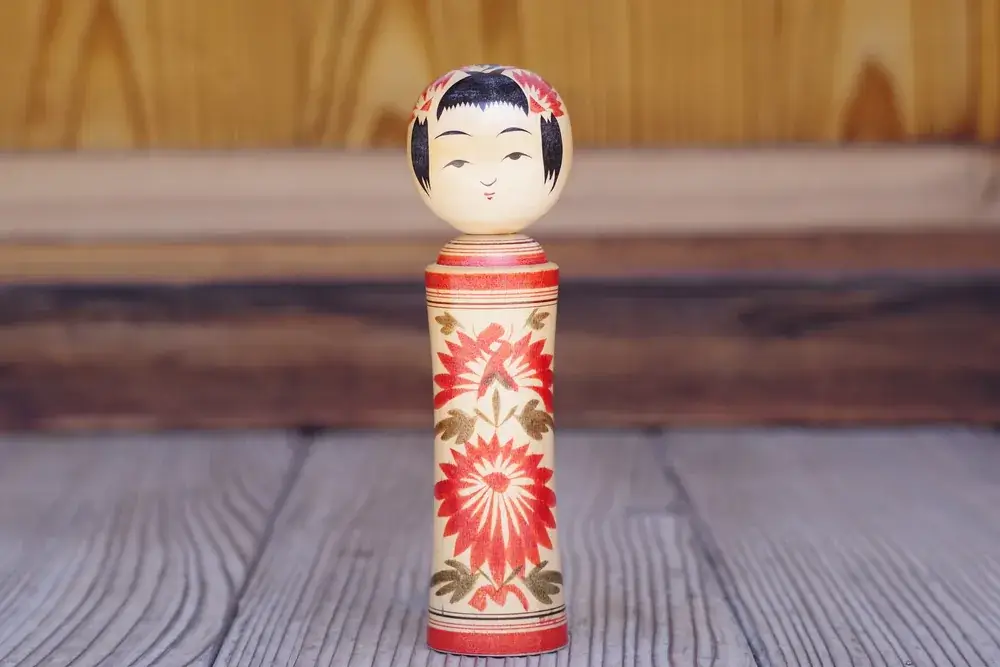
A traditional craft passed down mainly in the hot spring areas of Miyagi Prefecture. The dolls are made by turning wood on a lathe and then painting the face and body. There are several lineages, such as Naruko, Togatta, and Yajiro, each with its own distinctive expressions, patterns, and shapes.
-
6. Fukushima | Aizu-nuri
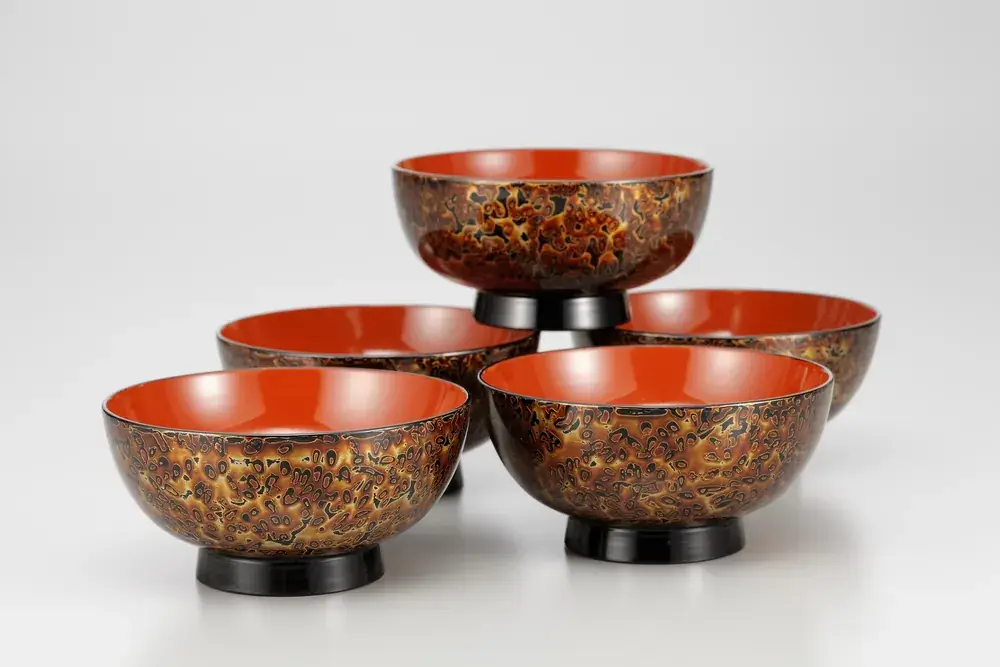
A traditional craft passed down since ancient times in the Aizu area of Fukushima Prefecture. Wooden vessels and other items are coated with layer upon layer of lacquer and decorated using techniques such as maki-e and chinkin. Known for its vivid designs and wide range of lacquering techniques, it is used to make a variety of lacquerware, including bowls, trays, and tiered boxes.
Tohoku Region Travel Guide by Theme
In Tohoku, located in the northern part of Honshu, cherry blossoms reach their peak in various places from April to May. From blossoms adorning castle ruins and rows of cherry trees along rivers to historic townscapes framed by flowers, you can enjoy spring scenery that differs from place to place. Among them, the "Three Great Cherry Blossom Spots of Michinoku" are known as Tohoku's signature places for hanami (cherry blossom viewing).
-
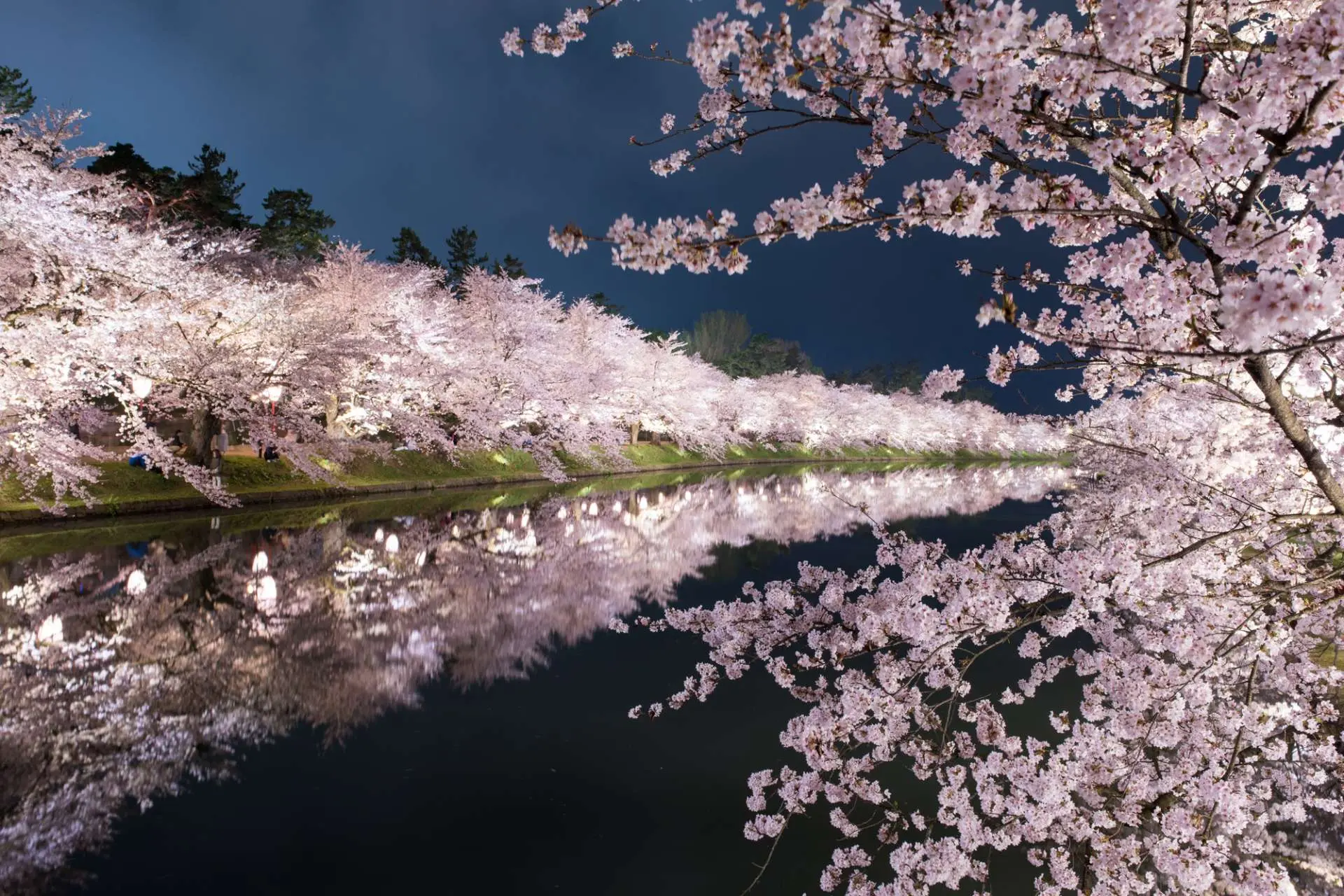 AomoriHirosaki Castle
The only surviving original castle keep in the Tohoku region.
-
 AkitaHinokinai River Embankment
A famous cherry blossom spot with a 2-kilometer tunnel of Somei Yoshino cherry trees.
-
 IwateKitakami City Park Tenshochi
A park known for glorious cherry blossoms, an oasis to Kitakami residents.
-
 MiyagiShiroishi Riverbank Hitome Senbon zakura
Enjoy the vivid blue of the clear river, the white of the remaining snow on the mountain range, and the blossoming cherry blossoms in a dynamic and romantic display!
-
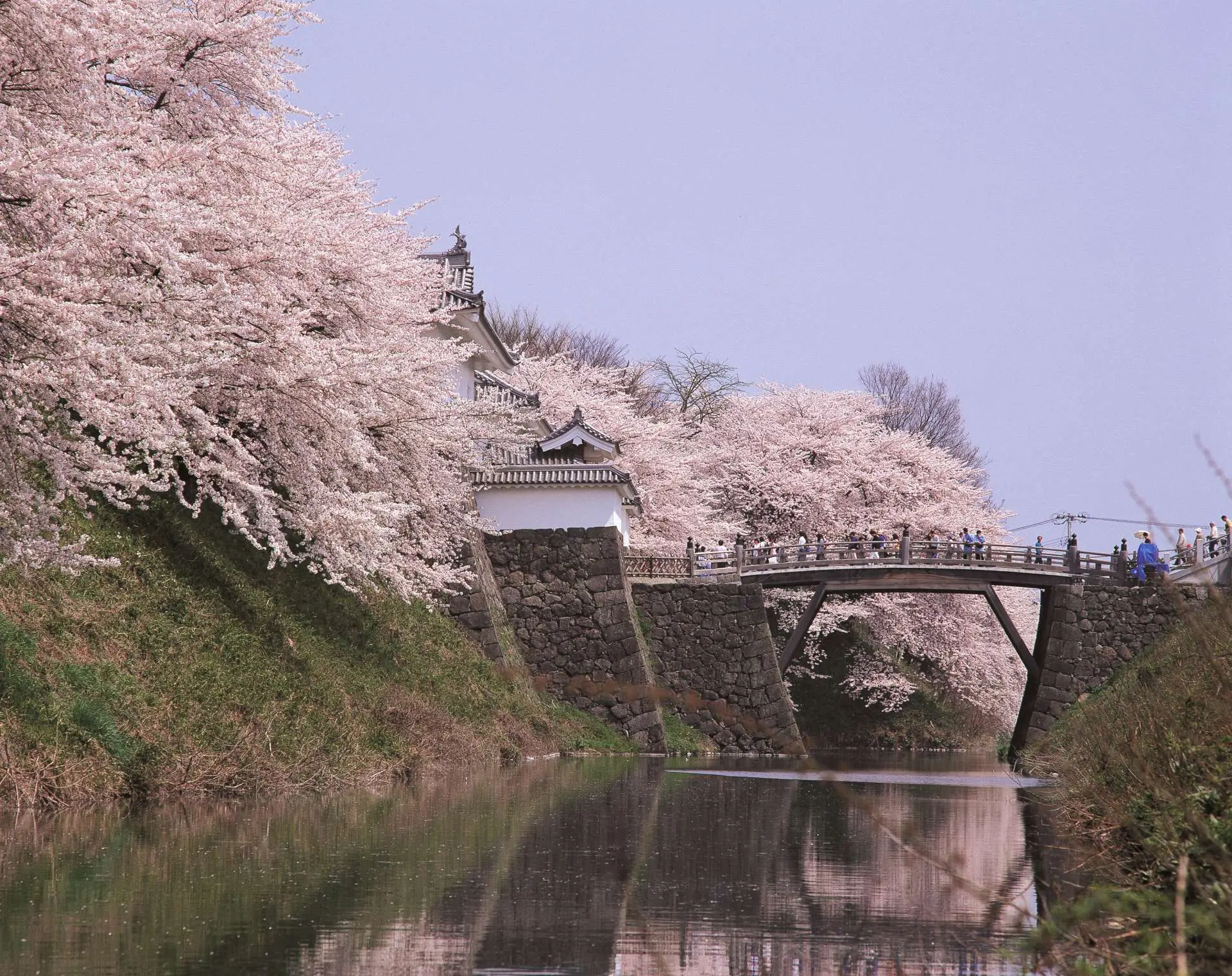 YamagataKajo Park
The magnificent ruins of the castle and the pretty cherry blossoms are a magnificent sight.
-
 FukushimaMiharu Takizakura
The Benishidarezakura is one of the "Three Great Cherry Blossoms of Japan" and is estimated to be over 1,000 years old.
Majestic mountains, mysterious limestone caves, and strange rock formations along the coast—Tohoku is dotted with remarkably varied natural landscapes. From rugged scenery shaped by volcanic activity to natural formations sculpted over long periods of time, each place offers its own spectacular views.
-
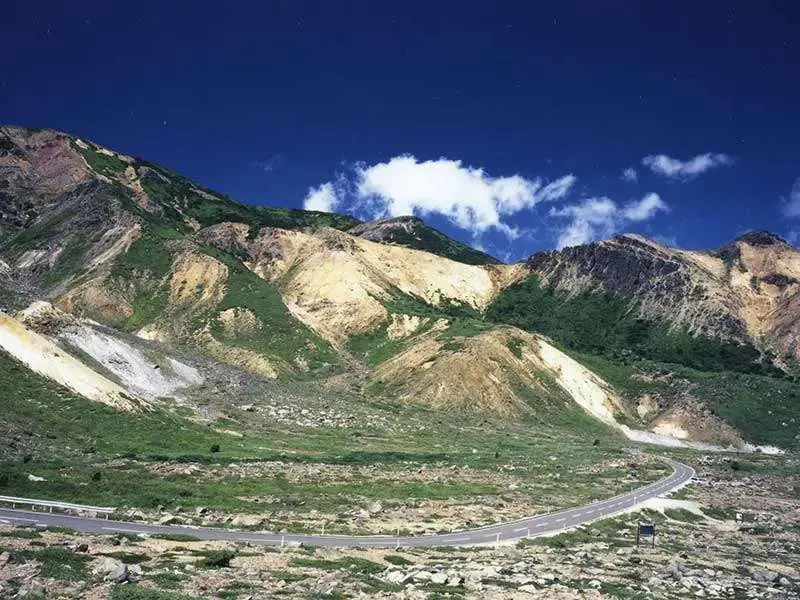 FukushimaBandai-Azuma Skyline
A “road across the sky” reaching 1,622 m (5,322 ft), with rugged mountain scenery and spectacular views that change with the seasons.
-
 IwateRyusendo Cave
A designated national natural monument and one of the three largest limestone caves in Japan.
-
 AomoriHotokegaura Sea Sightseeing
Enjoy a cruise boat ride past mystical rock formations said to resemble the Buddhist Pure Land.
-
 AkitaUnosaki Beach
Known as "Akita's Uyuni Salt Flats," this coastal gem offers stunning mirrored landscapes.
-
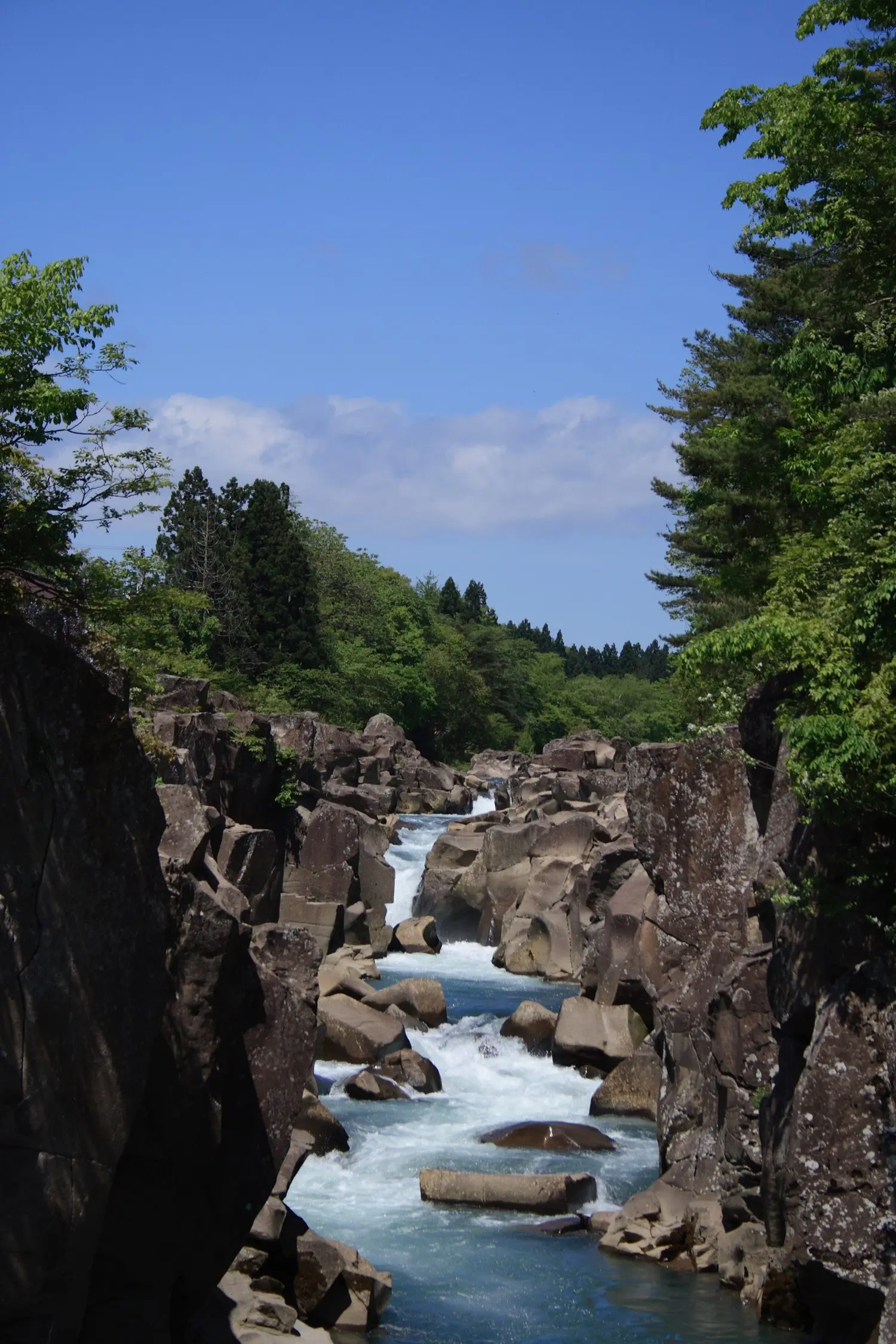 IwateGenbikei Gorge
The beauty of the valley is overwhelming, with its oddly shaped rocks and clear streams.
-
 MiyagiOkama Crater Lake (Goshiki Lake)
Surrounded by mountains, this mystical lake's waters shift in shades from deep green to blue and emerald green.
Tohoku is home to vast mountain ranges, including the Ou Mountains. In autumn, deep gorges and mountainsides turn brilliant colors, creating magnificent foliage landscapes. At historic temples and gardens, the harmony between buildings and autumn leaves is also a highlight. Enjoy both the power of nature and the quiet charm of autumn.
-
 MiyagiNaruko Gorge
A spectacular natural beauty with a 100m deep cliff stretching for about 2.5km.
-
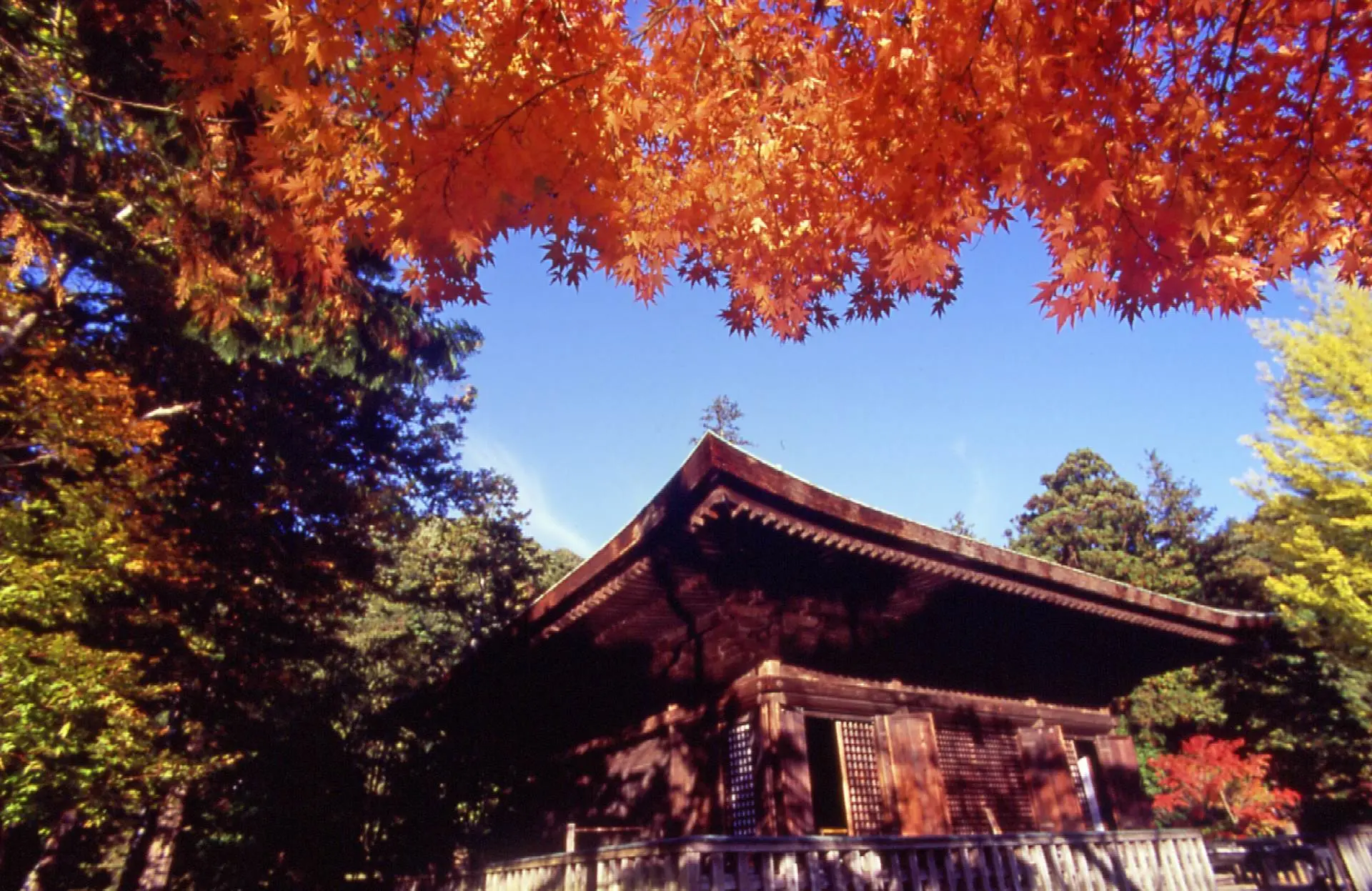 FukushimaNational Treasure: Shiramizu Amida Hall
A national treasure that still carries the spirit of the Heian period today.
-
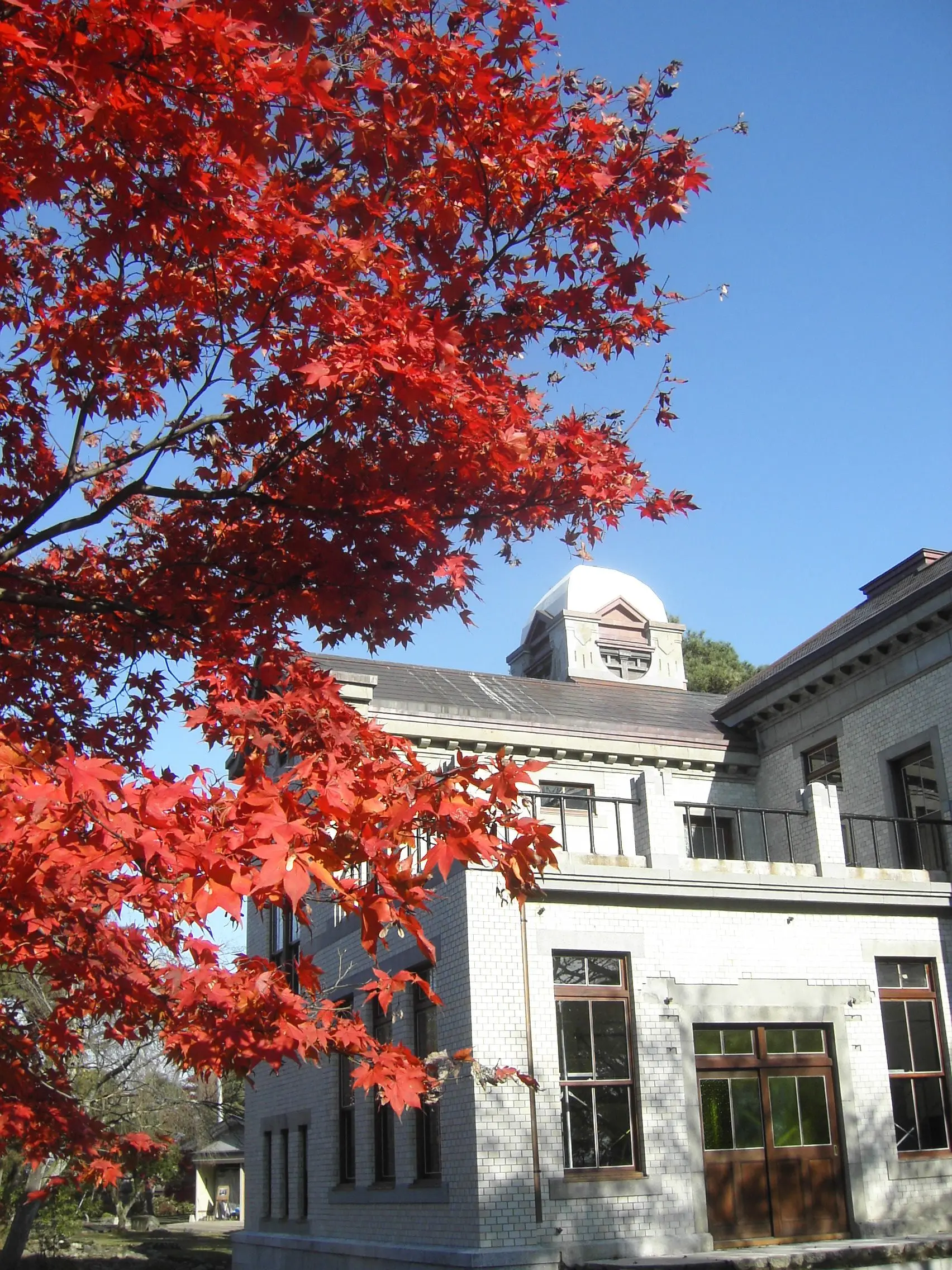 AkitaNationally-Designated Place of Scenic Beauty, the Former Ikeda Family Gardens
Beautiful Japanese gardens with seasonal various colors.
-
 MiyagiMt. Kurikoma
A famous mountain for autumn foliage and one of Japan's 200 celebrated peaks.
-
 AomoriNakano Momijiyama
One of Aomori’s finest spots for autumn leaves, loved since the Edo period.
-
 YamagataMogami Kyo Gorge
Go down the river on a boat through the majestic gorge.
Tohoku's winter landscapes are shaped by bitter cold and heavy snow. Giant frost-covered trees line the mountains, and waterfalls sometimes freeze into ice falls in the freezing cold. Historic townscapes blanketed in snow are another highlight, offering a wide range of scenery from the power of nature to the charm of snow country.
-
 AomoriHakkoda Snow Monsters
Experience the immense power and grandeur of a snow-covered landscape created by nature.
-
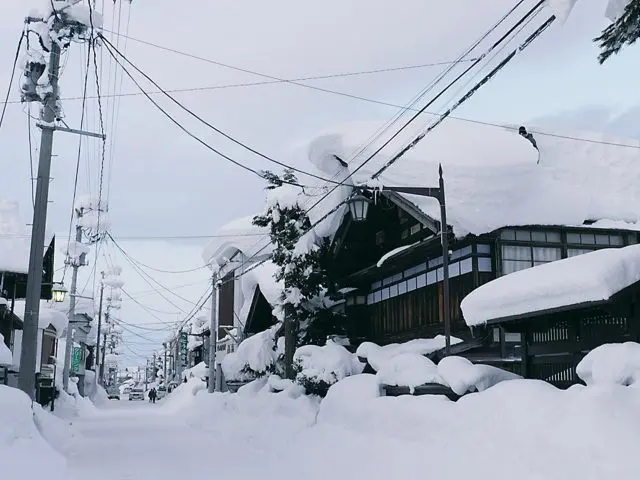 AkitaMasuda Nakananokamachi-dori
Historic town with storehouses prospered in the snowy region.
-
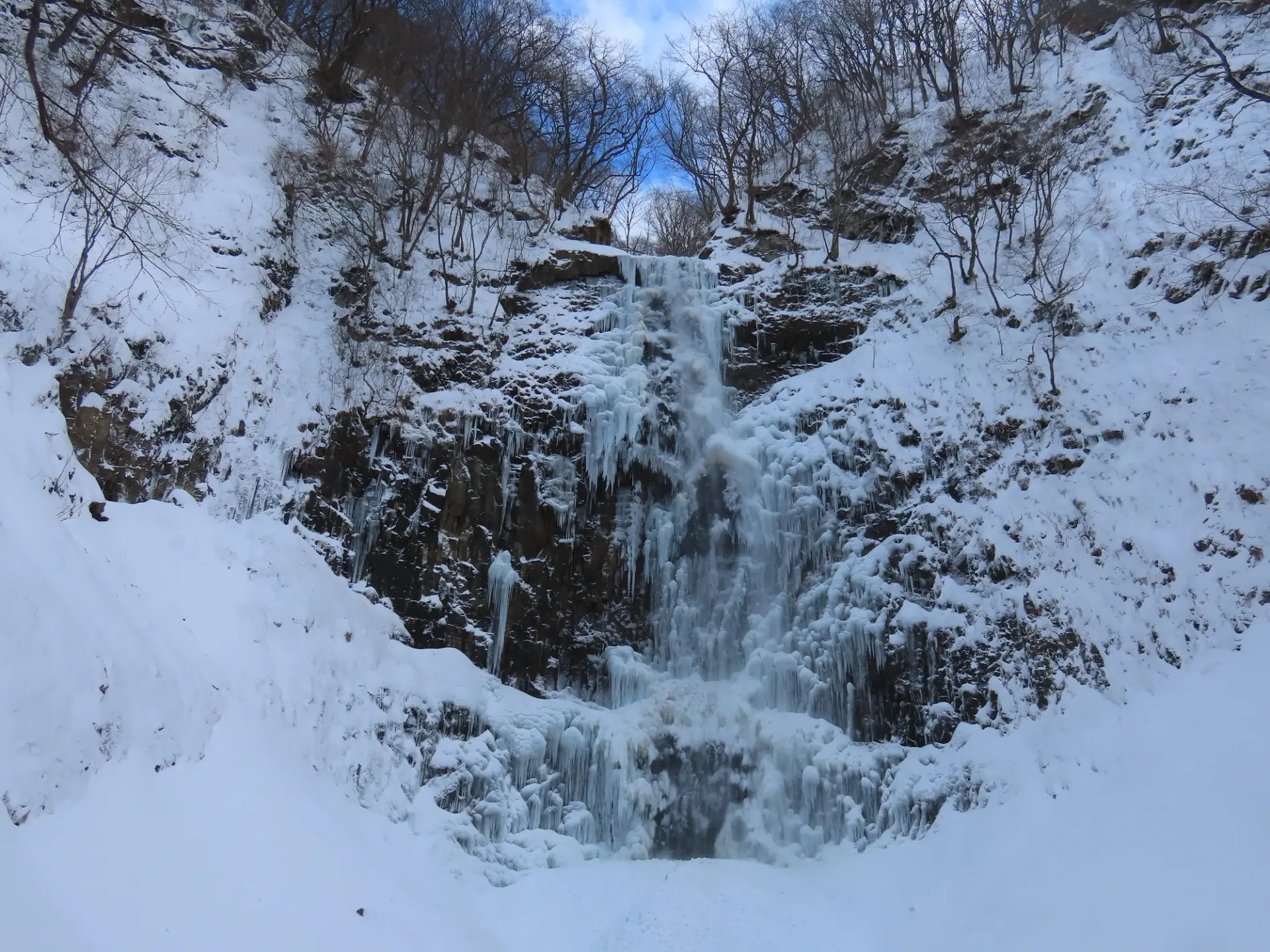 YamagataTamasudare Falls
One of Tohoku’s most impressive straight waterfalls, with nighttime illuminations during the holiday season.
-
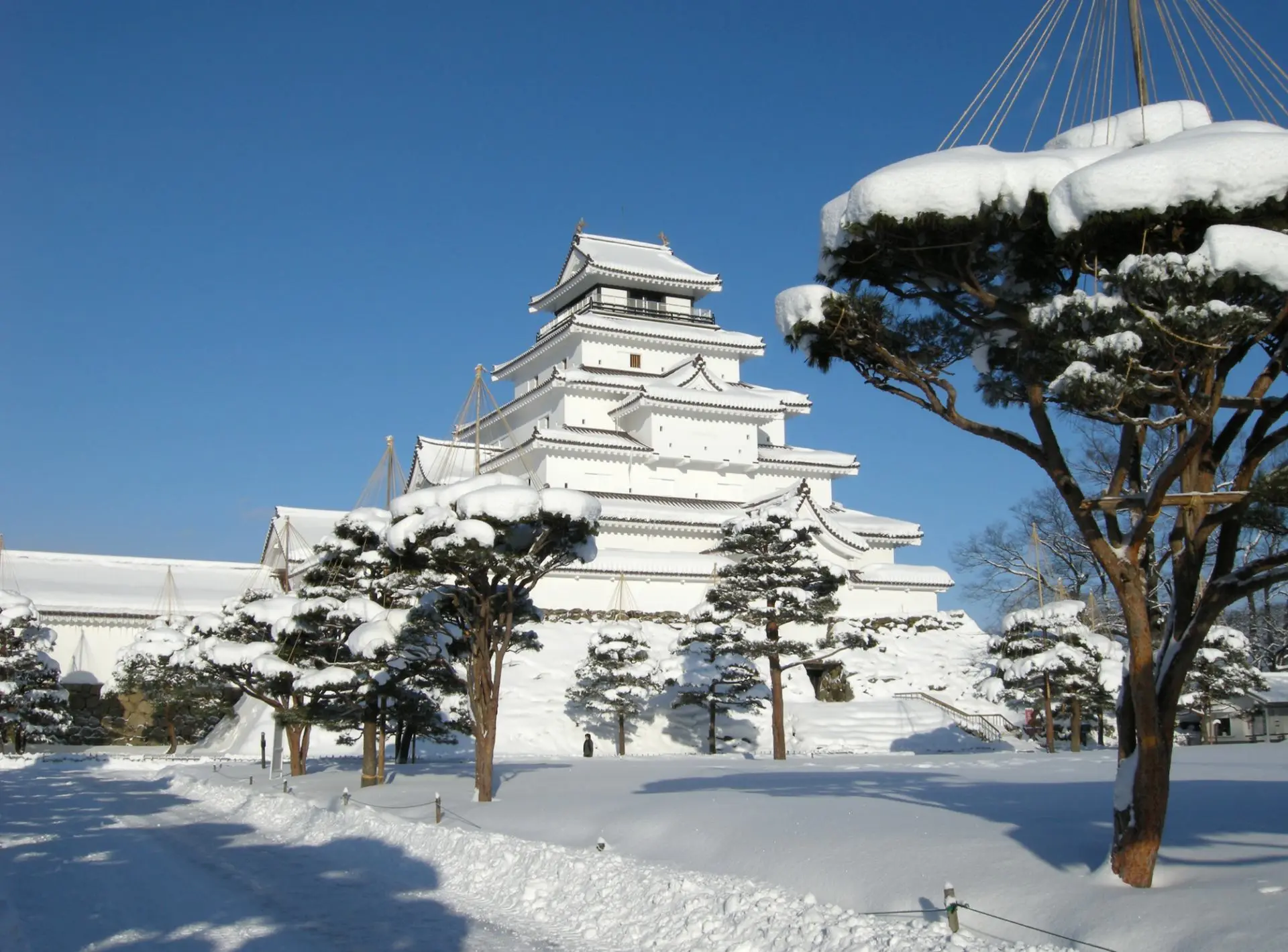 FukushimaTsurugajo Castle
One of the Top 100 Japanese Castles and one of the three most famous castles in Fukushima, this castle is called the "impregnable great castle."
-
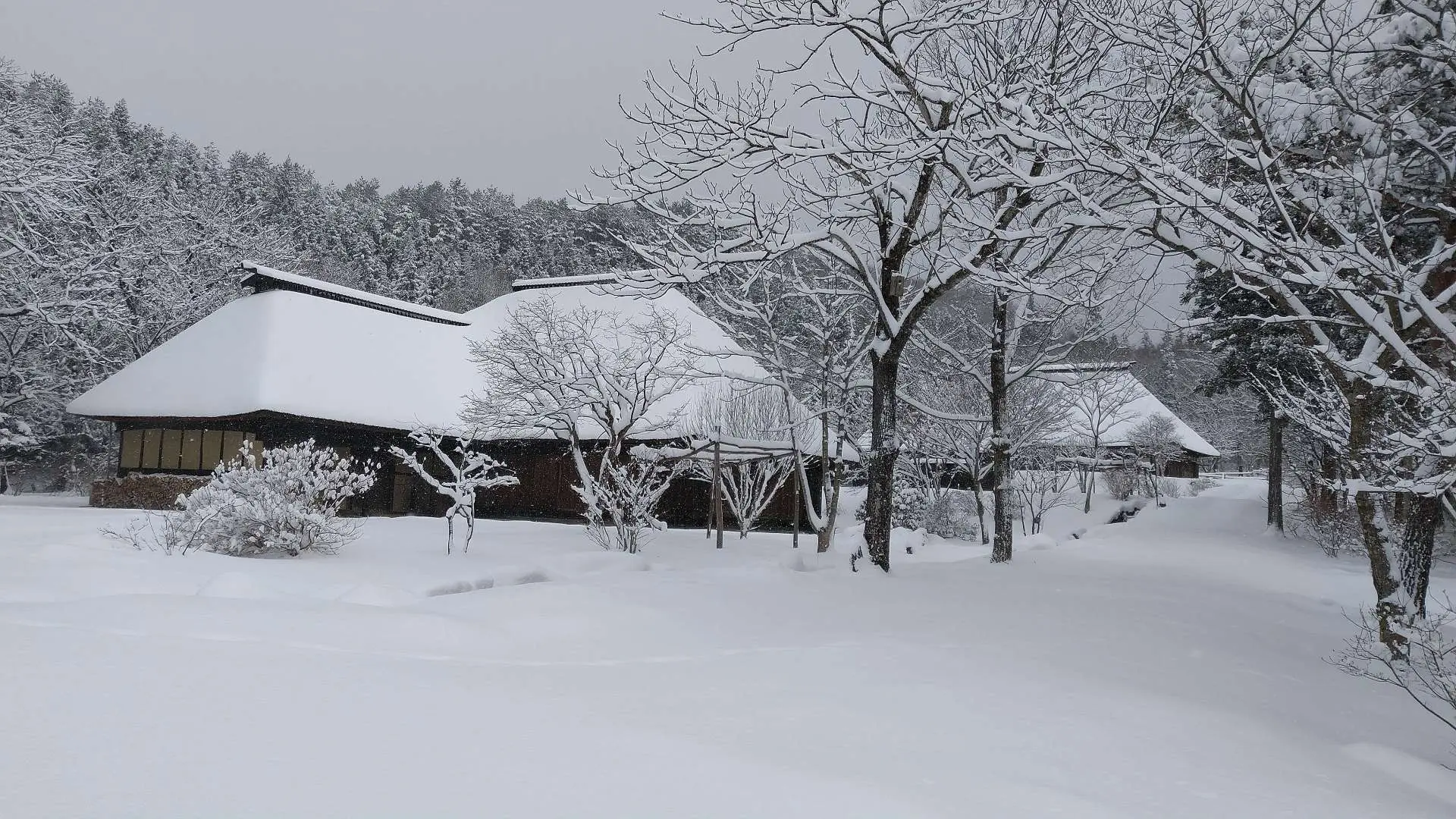 IwateTono Furusato Village
A tourist facility featuring relocated traditional Tono homes and a recreation of the natural setting of an old rural settlement.
-
 SendaiRinnoji Temple (Miyagi Prefecture)
One of the best Japanese Garden in Tohoku region.
Iconic Hot Spring Areas of the Tohoku Region
With many volcanoes and abundant hot spring resources, the Tohoku region has distinctive hot spring areas throughout. From secluded springs deep in the mountains and historic onsen towns to open-air baths overlooking the sea, the spring water, scenery, and ways to spend your time vary widely. This is also a land where the culture of toji (therapeutic bathing) has deep roots, and relaxing at an inn surrounded by nature is one of the great pleasures of a trip to Tohoku.
-
 Yamagata1. Ginzan Onsen
The hot spring resort in Taisho Romanticism.
-
 Akita2. Nyuto Onsenkyo
Hot spring resort raved by onsen fans.
-
 Yamagata3. Zao Onsen
The ancient hot springs with a history of over 1,900 years.
-
 Aomori4. Sukayu Onsen
A historic hot spring inn located in Japan’s first designated National Hot Spring Health Resort.
-
 Miyagi5. Naruko Onsenkyo
A hot spring resort rich in spring water quality.
-
 Sendai6. Akiu Onsen (Akiu Hot Spring)
A historic hot spring that Lord Date Masamune also loved.
-
 Iwate7. Hanamaki 12 Hot Springs
Unique 12 onsens dotting Hanamaki Hot Spring Resort, the largest onsen area in the Tohoku Region.
-
 Aomori8. Koganezaki Furofushi Onsen
Known for its open-air bath at the water’s edge.
Tohoku Region Travel Basics & Access Guide

Getting Between Major Cities in Tohoku
|
Aomori – Iwate (Tohoku Shinkansen) |
Shin-Aomori Station – Morioka Station | Approx. 50 min |
|---|---|---|
|
Aomori – Akita (Limited Express Tsugaru) |
Aomori Station – Akita Station | Approx. 2 hr 40 min |
|
Iwate – Miyagi (Tohoku Shinkansen) |
Morioka Station – Sendai Station | Approx. 40 min |
|
Miyagi – Fukushima (Tohoku Shinkansen) |
Sendai Station – Fukushima Station | Approx. 25 min |
|
Iwate – Akita (Akita Shinkansen) |
Morioka Station – Akita Station | Approx. 1 hr 30 min |
|
Fukushima – Yamagata (Yamagata Shinkansen) |
Fukushima Station – Yamagata Station | Approx. 1 hr 10 min |
|
Miyagi – Yamagata (Highway Bus) |
Sendai Station (bus stop) – Yamagata Station (bus stop) | Approx. 1 hr 10 min |

- Prefectures
- Aomori, Akita, Iwate, Yamagata, Miyagi, and Fukushima
- Location
- Located in northeastern Honshu, the region faces the Pacific Ocean to the east and the Sea of Japan to the west. The Ou Mountains run north to south through its center, and the climate and natural environment differ between the Sea of Japan side and the Pacific side.
- Major Airports
- Aomori Airport (Aomori), Akita Airport (Akita), Iwate Hanamaki Airport (Iwate), Yamagata Airport (Yamagata), Sendai Airport (Miyagi), Fukushima Airport (Fukushima)
- Major Railway Stations
- Shin-Aomori Station (Aomori), Akita Station (Akita), Morioka Station (Iwate), Yamagata Station (Yamagata), Sendai Station (Miyagi), Fukushima Station (Fukushima)
- Transportation
- You can travel between major cities by the Tohoku Shinkansen, as well as the Akita and Yamagata Shinkansen, conventional train lines, and highway buses. For hot spring areas in the mountains and nature spots, a rental car is often convenient.
- Spring Weather & What to Wear (Mar–May)
- March is still chilly, and snow can remain in some mountain areas. April and May gradually warm up, but mornings and evenings are cold, so bring a coat or jacket to layer.
- Summer Weather & What to Wear (Jun–Aug)
- In the lowlands, temperatures can exceed 30°C (86°F), and it can be hot and humid. Light clothing such as short sleeves is the basic choice, but bring a light jacket if you are heading to the mountains or highlands.
- Autumn Weather & What to Wear (Sep–Nov)
- Lingering summer heat can continue into September, but temperatures drop from October, and the leaves begin to change early in the mountains. Long sleeves and a jacket are the basics, and in late autumn you will need warm clothing such as a heavy coat.
- Winter Weather & What to Wear (Dec–Feb)
- The Sea of Japan side and mountain areas get heavy snow and stay bitterly cold. The Pacific side is also cold, so a heavy coat or down jacket, gloves, and a scarf are essential. In snowy areas, bring shoes with good grip.
- Travel Tips
- Climate and snowfall vary greatly across the Tohoku region. In winter, be aware of transportation disruptions caused by snow and icy roads, as well as winter road closures in the mountains. Public transportation runs infrequently to some tourist spots, so check your route and service status in advance.
Tohoku Travel FAQs
Q
How many days do I need to explore Tohoku?
A
If you focus on one prefecture, 2 to 3 days is a good guideline. If you want to visit several prefectures, allowing 4 days or more gives you time to spare for travel between them. The Tohoku region is large, so check where the places you want to visit are in relation to each other before planning your itinerary.
Q
Can I enjoy Tohoku without a car?
A
Major cities such as Sendai and Morioka can be explored by shinkansen, train, and local bus. Public transportation to hot spring areas in the mountains and nature spots may be infrequent, so consider renting a car or joining a sightseeing bus tour.
Q
When is the best time to visit Tohoku?
A
It depends on the purpose of your trip. Cherry blossoms in spring, traditional festivals such as the Aomori Nebuta Festival in summer, autumn leaves in autumn, and snow scenery and hot springs in winter are all popular. Each season has its own appeal, so choose when to travel based on the places and experiences you are interested in.
Q
Does Tohoku get a lot of snow in winter?
A
The Sea of Japan side and mountain areas get heavy snow, and winter brings deep snowy landscapes. Some coastal and lowland areas on the Pacific side get relatively little snow. When traveling in winter, prepare for the cold and be aware of transportation disruptions caused by snow and icy roads.
Q
Is Tohoku cool in summer?
A
Summer temperatures rise in the Tohoku region too, and places such as Sendai and Yamagata can exceed 30°C (86°F). Some high-altitude mountain areas and highlands stay relatively cool. When sightseeing in summer, prepare for the heat and dress for the area and altitude you are visiting.