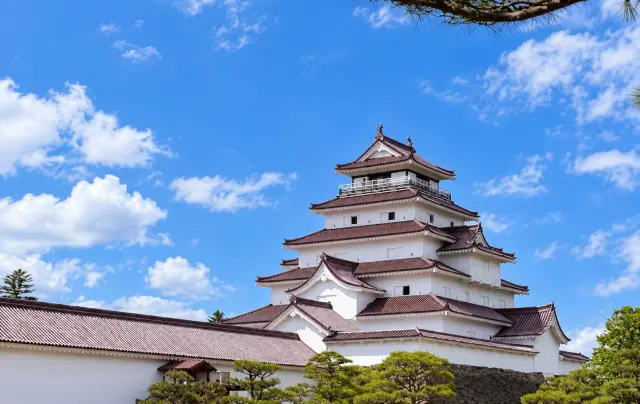
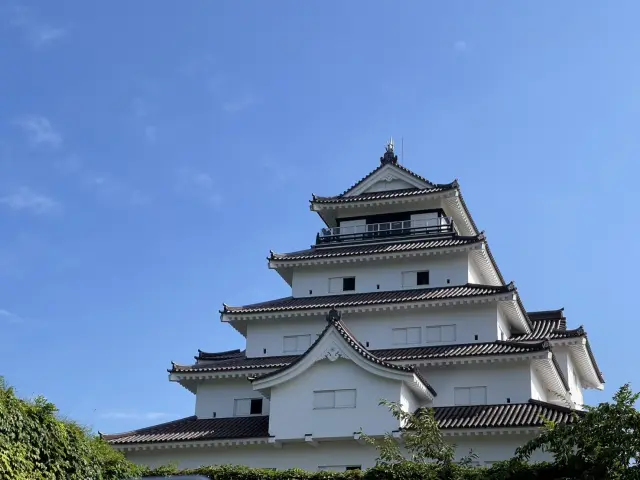
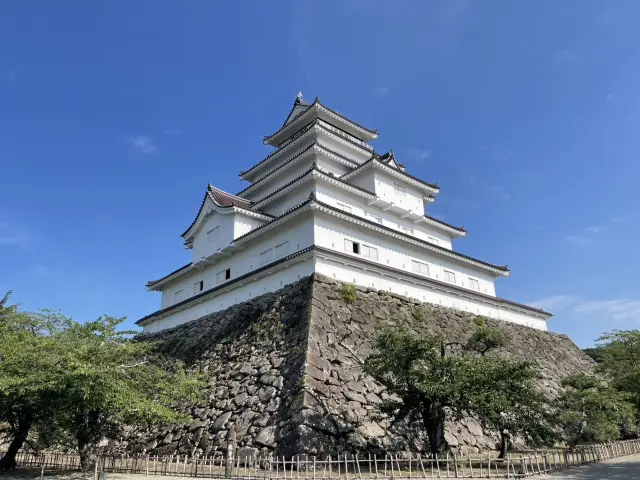
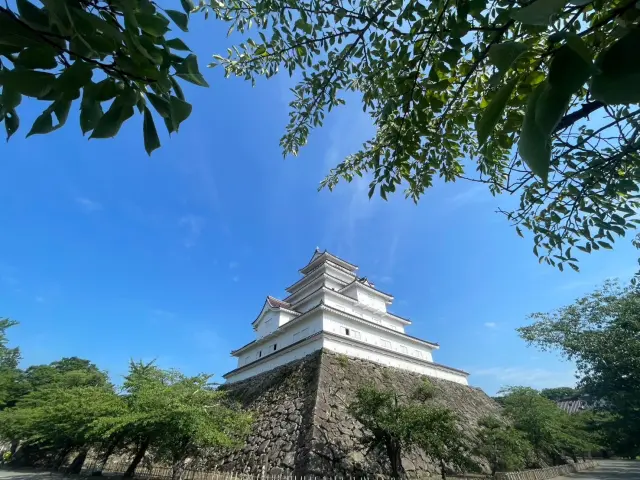
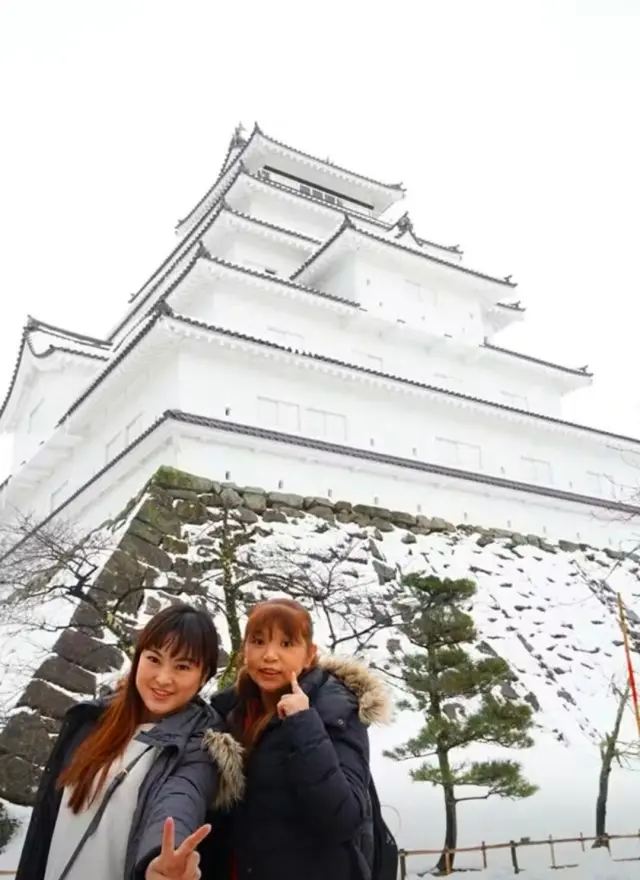
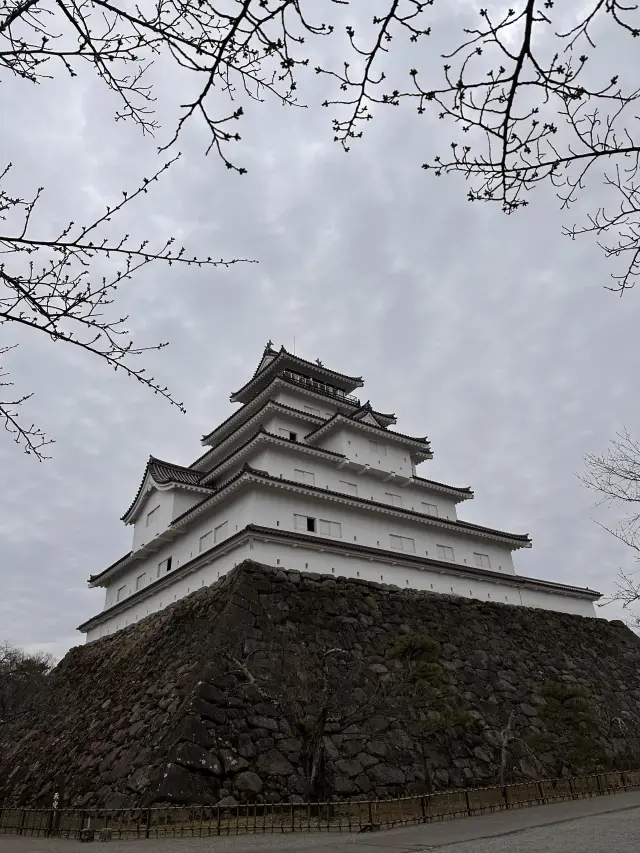
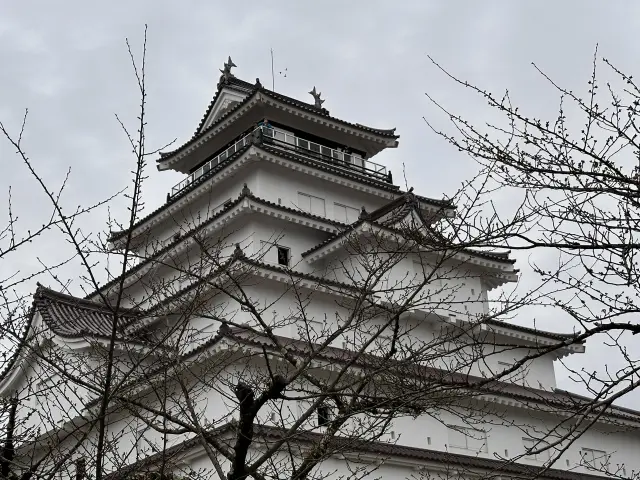
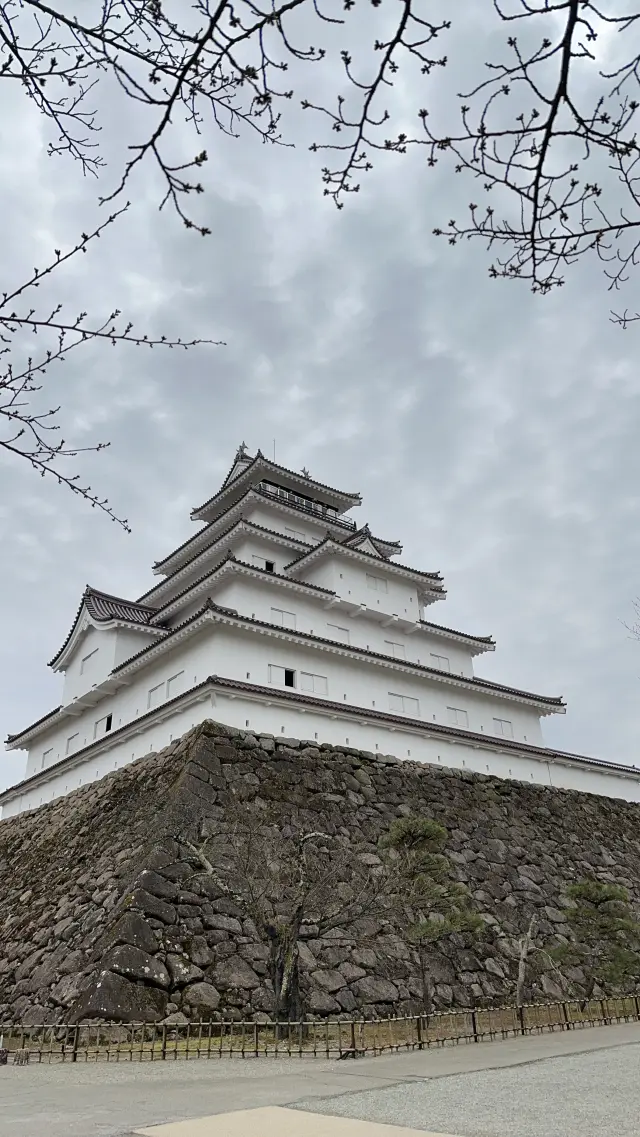
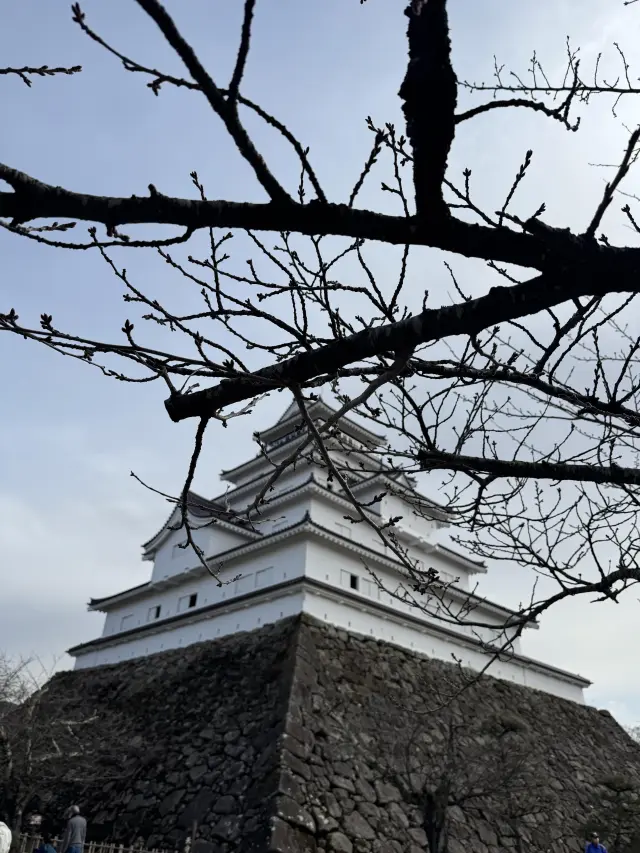
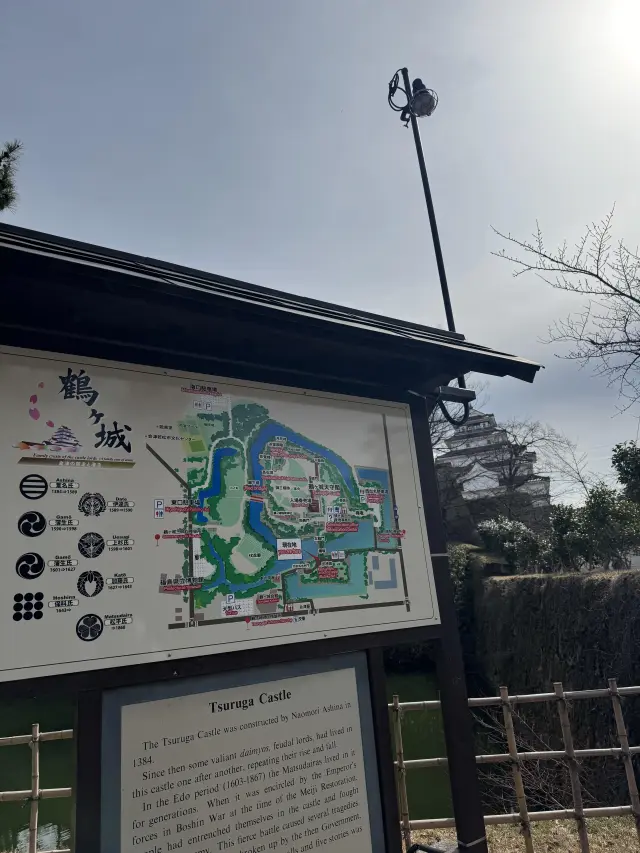
The castle is a cherry blossom viewing spot and the symbol of Aizu Wakamatsu City. Its official name is Wakamatsu Castle, and it is also sometimes called Aizu Castle or Aizu Wakamatsu Castle. The castle tower, the only one in Japan covered with red tiles, preserves the beautiful appearance of the castle in the feudal era.
At the end of the 16th century, Ujisato Gamo, who Hideyoshi transferred, built a full-scale modern castle with stone walls and a castle tower and renamed the town from Kurokawa to Wakamatsu. It is said that the name "Tsurugajo" was named after Ujisato's childhood name, "Tsuruchiyo. " (Various theories exist).
In 1643, the castle became the residence of the Aizu Matsudaira family. During the Boshin War that began in January 1868 at the end of the Edo period, the battlefield was shifted to Aizu in August, and the castle was besieged from August 22. Still, it withstood bombardment by the new government forces for over a month and was called "a great impregnable castle. However, the battle severely damaged the castle, and it was torn down in 1874, leaving only its stone walls.
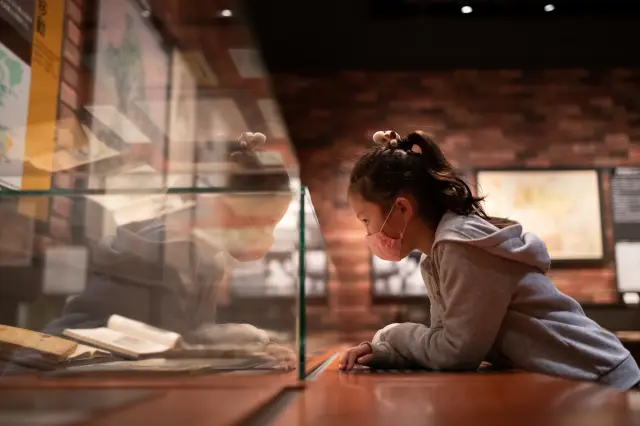
Full-scale restoration of the castle did not begin until after World War II, and the keep that can be seen today was rebuilt in reinforced concrete in 1965. Inside the castle keep is the “Wakamatsu Castle Keep Local History Museum”, where materials related to the region's history are on display. From the castle tower, visitors can see the town of Aizu and Mt. Iimori, where the Byakkotai (A boy's army organized by the sons of Aizu clan soldiers during the Boshin War) committed suicide.
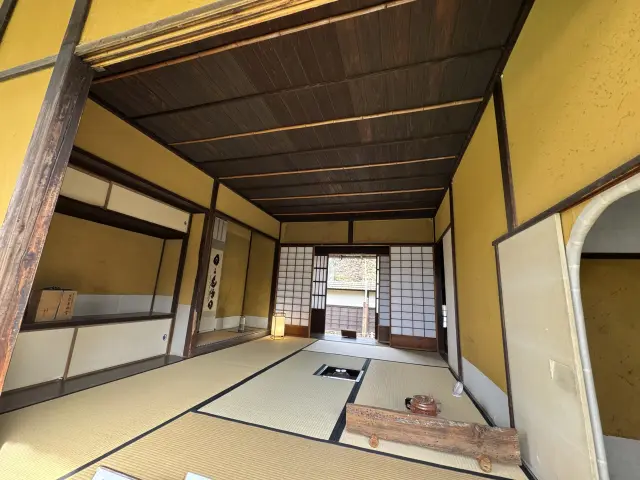
The castle ruins are designated as a national historic site as "Wakamatsu Castle Ruins." In spring, visitors can enjoy the sight of the castle floating in a sea of approximately 1,000 cherry trees. In addition, the "Chashitsu-Rinkaku," a tea house associated with Shoan, a son of Sen no Rikyu, is located within the castle's main citadel.
Highlights
-
The "Hishiki-yagura" (food storage) and the "Minami-hashirinagaya" (weapons storage), both of which were restored using Edo period construction methods, are also must-see sights.
-
The cherry blossoms are beautifully illuminated when the 1,000 cherry trees bloom (illumination is available throughout the year).
-
You can also savor powdered green tea (for a fee) in the tasteful tea room of the tea ceremony house Rinkaku.
-
The Aizu Utsushikagami (Aizu Utsushikagami) is lit up from sunset to around 10:00 p.m.