
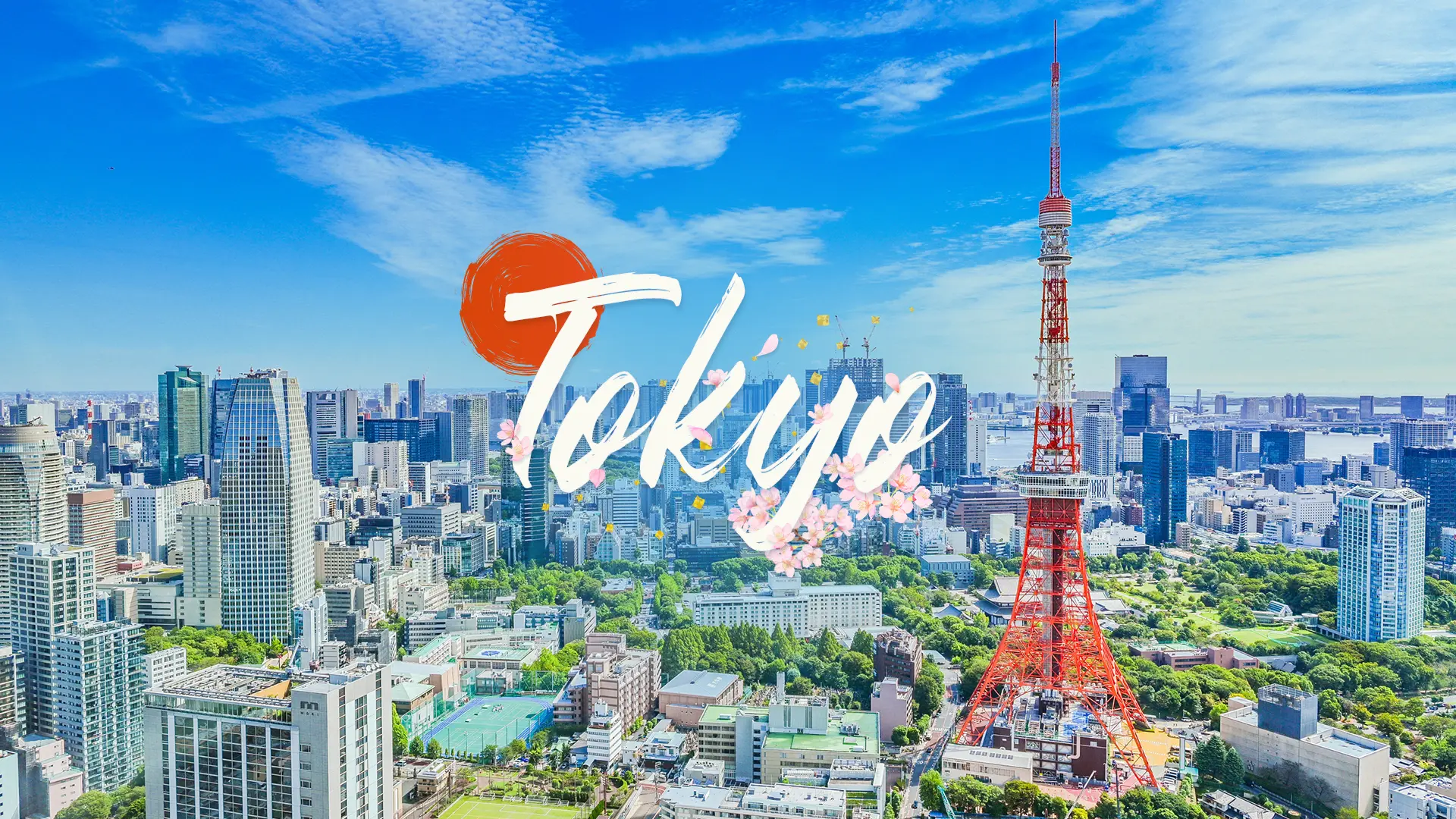
69 Essential Tokyo Attractions for 2026: Classic Sights, New Landmarks, and Hidden Spots
Tokyo is Japan's capital and largest city.
As cultures and people gather here from across Japan and around the world, it serves as the country's economic and cultural center.
Alongside the latest trends and technologies, Tokyo has buildings that embody Japanese traditions and culture, giving it arguably the most diverse range of attractions in Japan.
It is home to countless tourist attractions, restaurants, shopping districts, accommodations, and events. With so much to see, deciding where to begin can be difficult.
This guide presents a carefully selected list of essential attractions for anyone planning a trip to Tokyo.
Tokyo Travel Basics: Best Season, Access, and Transportation
Tokyo, the capital of Japan, has flourished as the country's political, cultural, and economic center since Tokugawa Ieyasu established the Edo shogunate in Edo, present-day Tokyo, in 1603. Many government agencies, financial institutions, and corporations remain concentrated in Tokyo today.
Along with these organizations, Tokyo has a large population of approximately 13 million. Its relatively small area gives it an extremely high population density.
Where people gather, cultures gather as well. Tokyo brings together cultures from every region of Japan. Beyond trendy food and shopping, visitors can immerse themselves in Japanese otaku culture in Akihabara, a mecca for anime and video games.
The city also has many attractions where visitors can experience Japanese traditions and history, making it a compelling destination where innovation and tradition coexist.

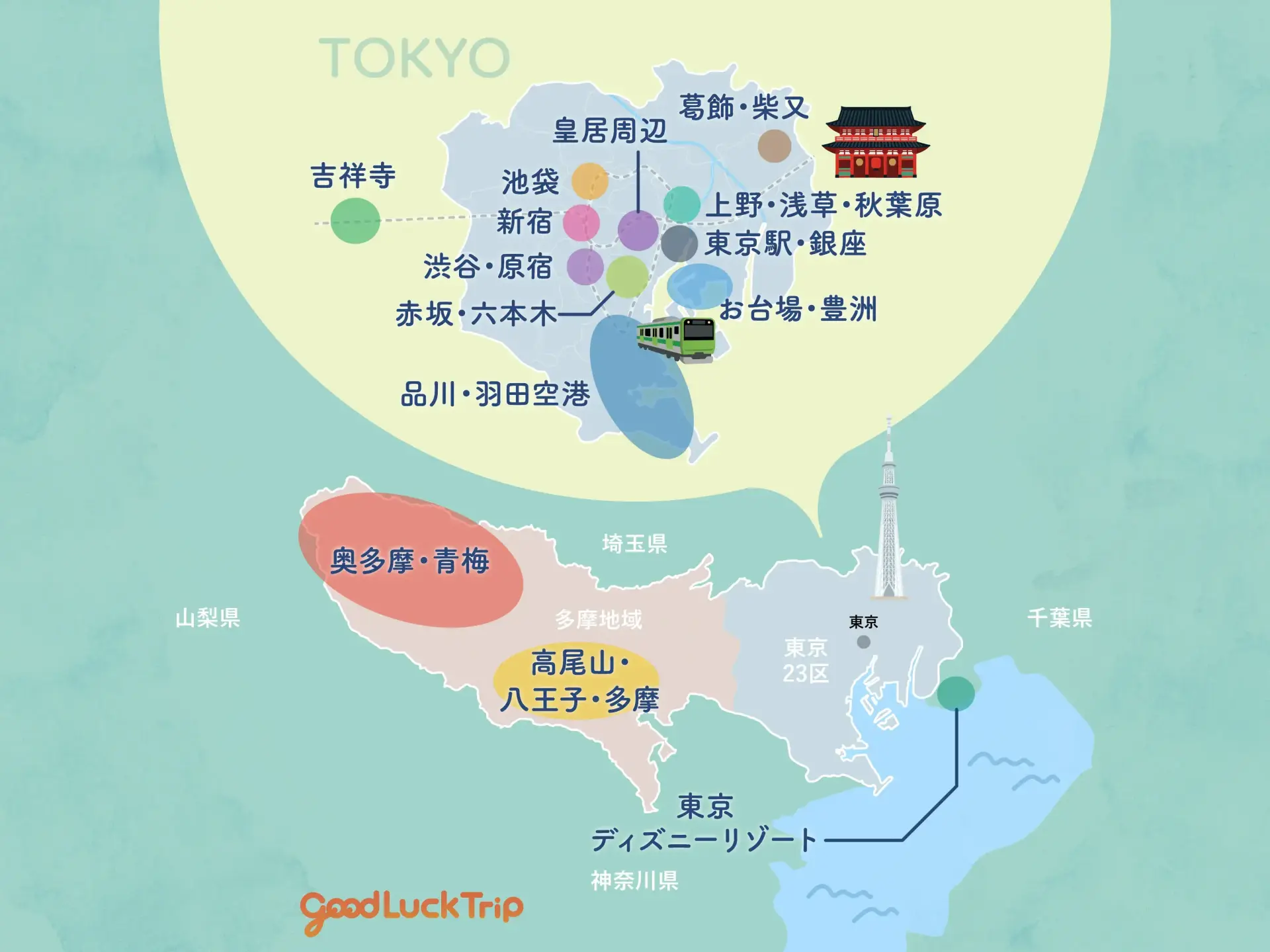
Understanding Tokyo by Region
Tokyo Metropolis consists of 23 special wards and 39 municipalities. Visitors should know that the ward area and the cities, towns, and villages outside it have distinct characteristics.
The 23 wards combine dense districts of skyscrapers and major commercial facilities with traditional downtown neighborhoods where old-fashioned culture remains.
Most famous attractions and the imagery commonly associated with “Tokyo” are concentrated within these wards.
Compared with the wards, Tokyo's cities, towns, and villages have fewer people and buildings, with many areas rich in nature.
Popular Mount Takao, for example, lies outside the 23 wards.
When Is the Best Time to Visit Tokyo?
Tokyo has countless attractions, including many indoor options, so it is enjoyable year-round.
However, the urban heat island effect makes summers extremely hot and humid, requiring precautions against heatstroke.
To visit as many attractions as possible in comfortable conditions, spring or fall is recommended.
What to Wear in Tokyo by Season
- Spring (March–May): A light jacket and lightweight sweater
- Summer (June–August): Lightweight, short-sleeved clothing
- Fall (September–November): A light jacket or coat
- Winter (December–February): A coat and a heavy sweater or jacket
How Do You Get to Tokyo?
As Japan's capital, Tokyo offers excellent access from cities throughout the country.
Tokyo is approximately 1–2 hours from Nagoya or Osaka by Shinkansen.
Haneda Airport is also located in Tokyo and serves both domestic and international flights, providing excellent access from overseas.
Main Ways to Get Around Tokyo
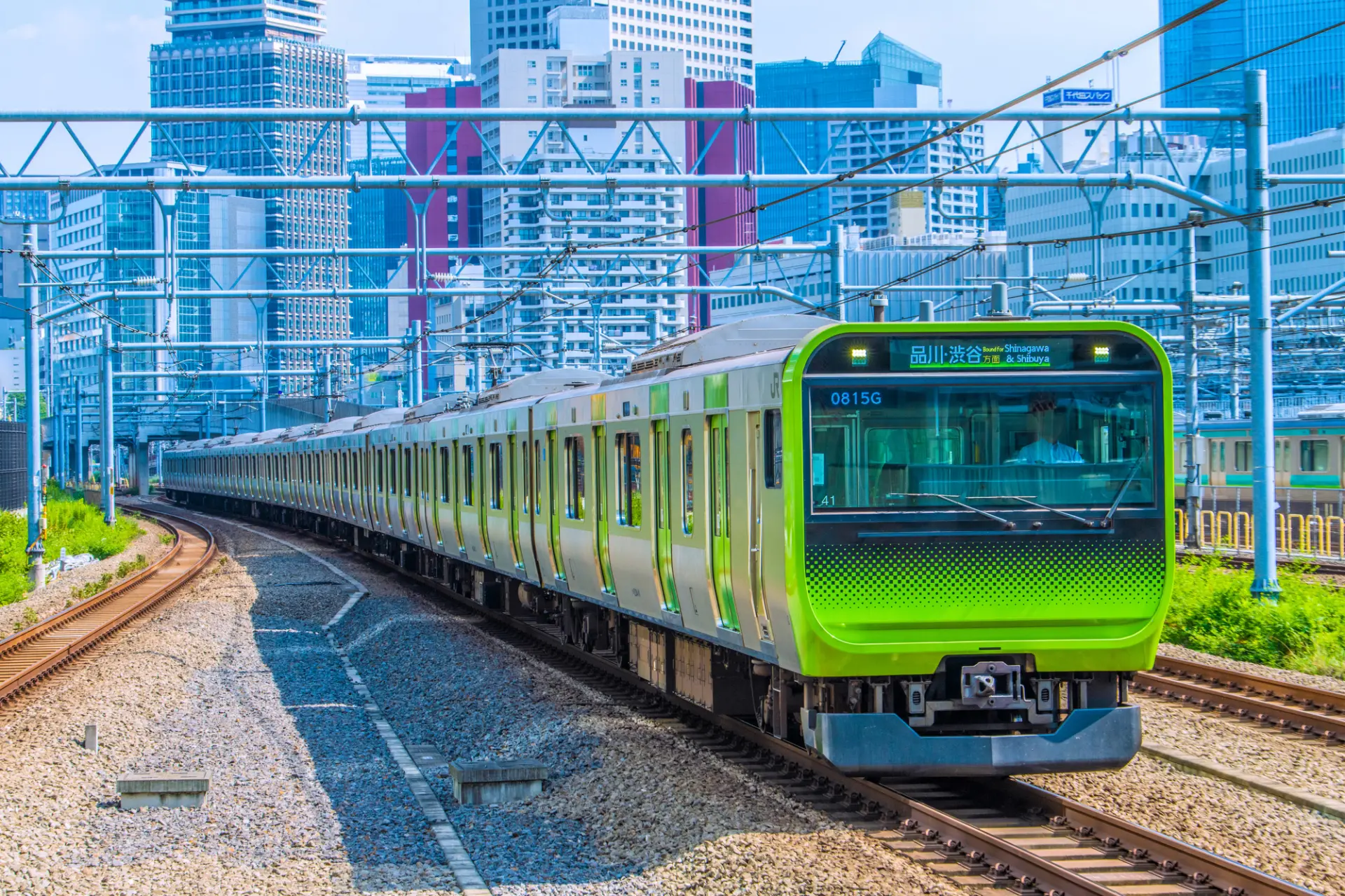
Tokyo has an extensive transportation network of trains, buses, monorails, and taxis.
Rail service is particularly well developed, allowing visitors to travel easily between attractions by train.

How to Plan a Tokyo Itinerary You Won't Regret: 3 Tips
Tokyo has so much to see that an unplanned itinerary can leave you spending an entire day simply getting around.
Here are some planning tips to help you make the most of your limited time.
Before choosing specific attractions, keep these three points in mind.
1. Limit the Number of Areas to Avoid Travel Fatigue
A common mistake when sightseeing in Tokyo is traveling back and forth between distant areas—for example, visiting Asakusa, then Shibuya, and then Odaiba. A single trip across the city can easily take 30–40 minutes, and multiple transfers can be more exhausting than expected.The key is to limit yourself to two or three areas per day and combine neighboring districts.
For example, a downtown route from Asakusa to Tokyo Skytree and Ueno, or a central Tokyo route from Meiji Jingu to Harajuku and Shibuya, requires only about 15 minutes between stops, leaving more time for relaxed sightseeing.
The classic attractions below are organized by area, so use them to combine nearby places when planning your itinerary.
2. Reserve Timed Tickets for Popular Attractions in Advance
At Tokyo's popular attractions, same-day tickets are increasingly unavailable or sold out.
The Ghibli Museum, Mitaka, for example, requires advance reservations for a specific date and time and does not sell same-day tickets. Preferred weekend time slots for teamLab and Warner Bros. Studio Tour Tokyo also fill quickly. For observation decks such as SHIBUYA SKY, advance reservations are nearly essential around sunset and after dark.
Once your itinerary is set, reserve tickets through each attraction's official website. Advance reservations often let you skip admission lines, and some facilities offer discounted prices.
As a general rule, only shrines, temples, parks, and shopping streets are reliable options for spontaneous same-day visits.
3. Make the Contrast Between Innovation and Old Tokyo Your Theme
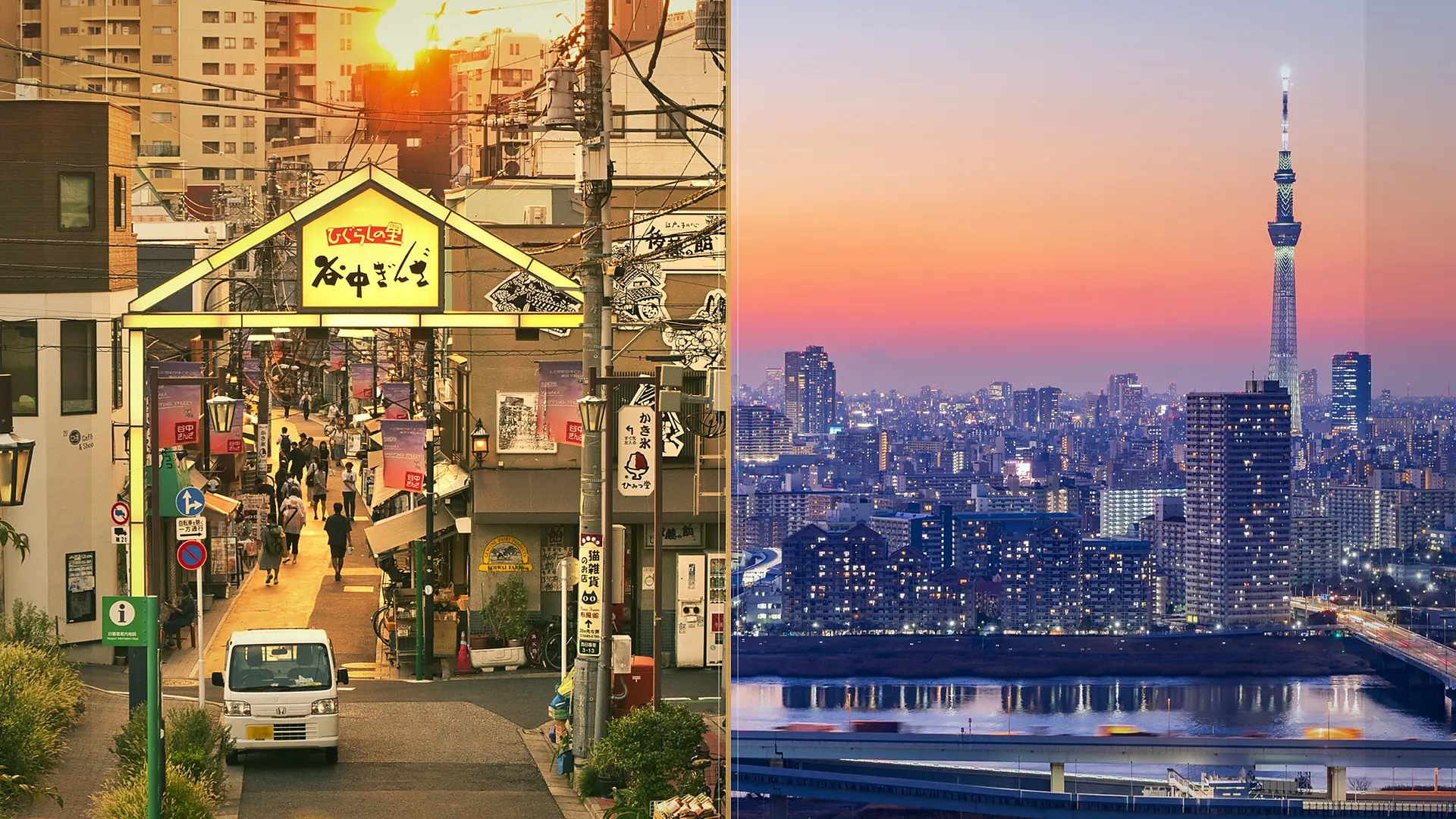
Tokyo's greatest appeal is that traditional downtown culture dating back to the Edo period and cutting-edge urban landscapes coexist just a few train stops apart. Consider making this contrast between old and new the theme of your itinerary.
Simply incorporating contrasts like the following can make the same attractions leave a much stronger impression:
- Visit Senso-ji Temple and sample street food in the morning, then view the city from Tokyo Skytree one station away in the afternoon.
- Have dinner in the retro Showa-era atmosphere of Omoide Yokocho, then end the day with views of Shinjuku's skyscrapers at night.
Quick Guide: Tokyo Attractions by Travel Style
With so much to see in Tokyo, visiting every attraction in one trip is difficult.
This quick guide will help you find attractions suited to your travel style. Highlights, access information, and estimated visit times are covered in detail later in the article, so check those sections when you find somewhere that interests you.
- For a first trip to Tokyo
- Senso-ji Temple / Tokyo Skytree / Tokyo Station / Meiji Jingu / Tokyo Tower / Shibuya Scramble Crossing
- If you only have one day
- Senso-ji Temple / Tokyo Skytree / Tokyo Station / Harajuku / Shibuya Scramble Crossing
- For families with children
- Ueno Zoo / Tokyo Skytree Town / Sunshine City / Tokyo Disney Resort
- For a rainy day
- National Museum of Nature and Science / Tokyo Station / Maxell Aqua Park Shinagawa / teamLab Planets / Sunshine City
- For a second trip to Tokyo
- Yanaka, Nezu, and Sendagi / Shibamata / Kagurazaka / Kiyosumi-Shirakawa / Okutama
29 Classic Tokyo Attractions by Area
For your first trip to Tokyo, begin with the classic attractions.
From historic Asakusa to cutting-edge Shibuya, the following recommendations are organized by area to help you combine destinations and plan your route.
Asakusa and Oshiage
1. Senso-ji Temple and Nakamise Shopping Street
This landmark represents Asakusa and receives more than 30 million worshippers annually.
Kaminarimon Gate, a symbol of Asakusa, features a huge red lantern with statues of the wind god and thunder god on either side.
Nakamise Shopping Street stretches approximately 820 feet from Kaminarimon Gate to the temple's main hall and is lined with souvenir and food shops.

- Nearest station
- Asakusa Station on all lines
- Estimated visit
- 1–2 hours, including street food
2. Tokyo Skytree (Tokyo Solamachi)
At the center of Tokyo Skytree Town stands Tokyo Skytree, a 2,080-foot broadcasting tower and tourist attraction. Inside are two observation areas: the Tembo Deck at 1,150 feet and the Tembo Galleria at 1,480 feet.
At the tower's base are Tokyo Solamachi®, with shopping and dining, as well as various entertainment facilities offering many ways to spend your visit.

- Nearest station
- Oshiage (Skytree) Station on all lines
- Estimated visit
- 2–3 hours for the observation deck and Solamachi
3. Kappabashi Kitchen Tools Street
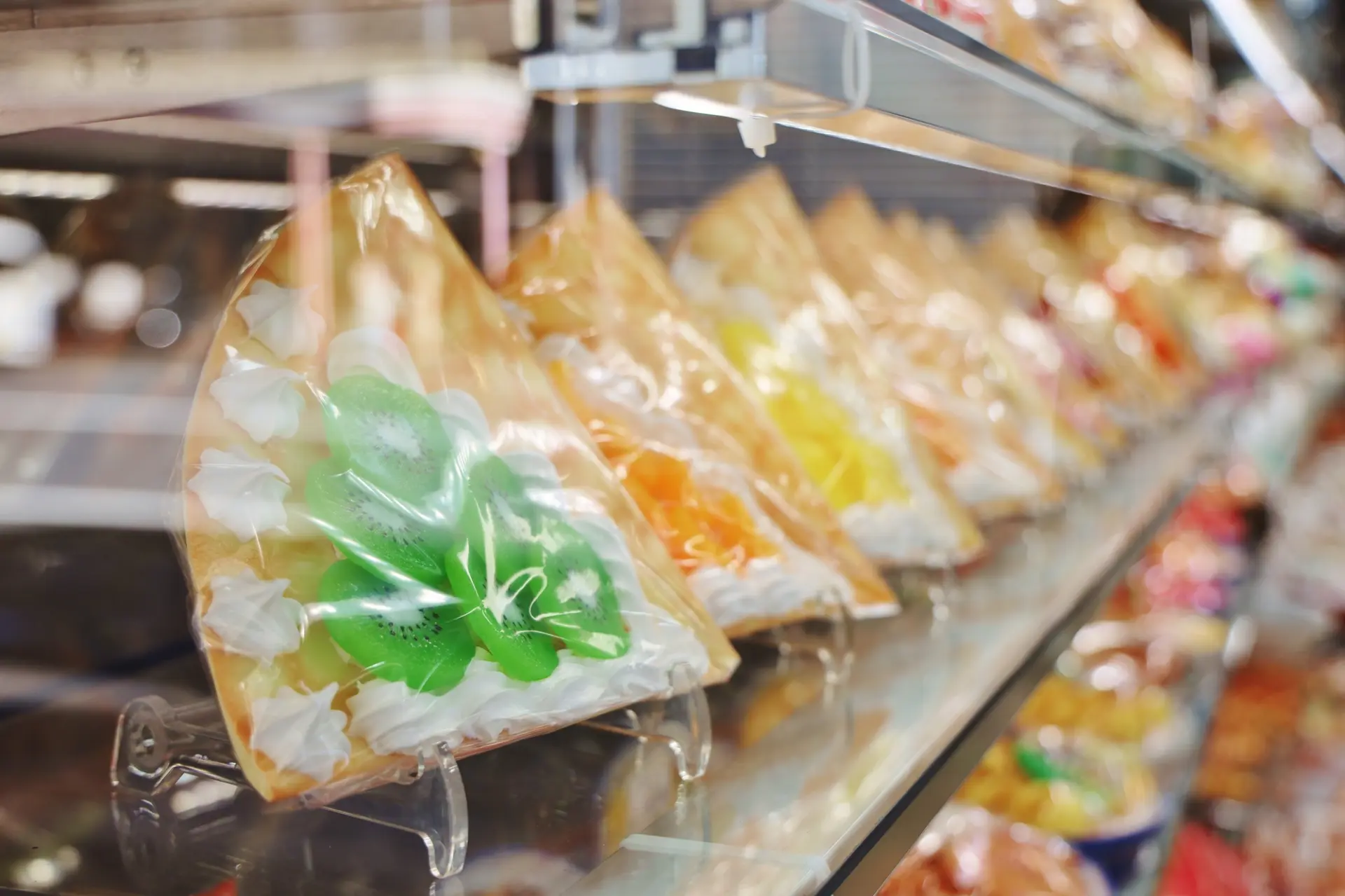
This shopping street between Asakusa and Ueno runs approximately 2,625 feet from north to south. Around 160 specialty stores sell food-related goods, including cookware, tableware, and restaurant signs.
Every October, the large Kappabashi Tool Festival features special sales, prize drawings, and other events.
- Nearest station
- Tawaramachi Station on the Tokyo Metro Ginza Line or Iriya Station on the Hibiya Line
- Estimated visit
- 1–1.5 hours for exploring and souvenir shopping
For more recommended attractions in Asakusa and Oshiage, see the article below.

Ueno and Yanesen
1. Ueno Park (Ueno Zoo, National Museum of Nature and Science, and Tokyo National Museum)
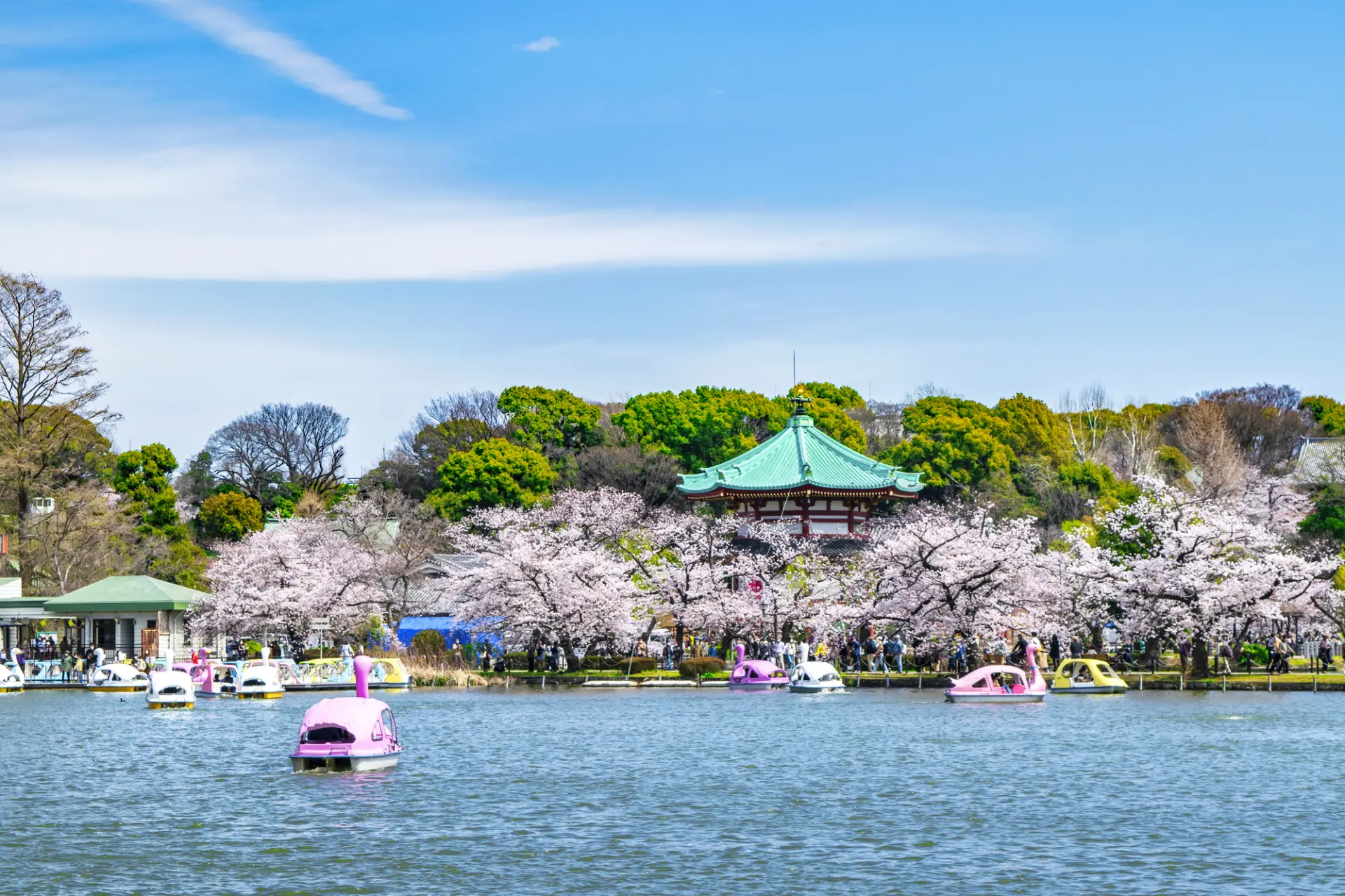
Ueno Park, officially Ueno Onshi Park, is a green urban oasis in central Tokyo.
Numerous cultural institutions, including museums, art museums, and a zoo, are spread across its expansive grounds. Highlights include the bronze statue of Saigo Takamori, a popular meeting place, the scenic Shinobazu Pond, Kiyomizu Kannon-do Temple, and the Ueno Daibutsu.
- Nearest station
- Ueno Station on all lines or Keisei Ueno Station on the Keisei Line
- Estimated visit
- 2–4 hours, including the zoo or one museum; half a day or more for multiple facilities
2. Ameyoko Shopping Street (Ameya Yokocho)
Located between JR Ueno and JR Okachimachi stations, this lively shopping street packs approximately 400 stores into a roughly 1,640-foot stretch. Affectionately known as Ameyoko, it features shops selling food, sweets, clothing, sundries, jewelry, and more.
With bargain sales throughout the year, its lively atmosphere offers a concentrated taste of Tokyo's traditional downtown culture.

- Nearest station
- Ueno Station on all lines, Shinobazu Exit, or JR Okachimachi Station
- Estimated visit
- 1–2 hours, including street food
3. Yanaka Ginza Shopping Street
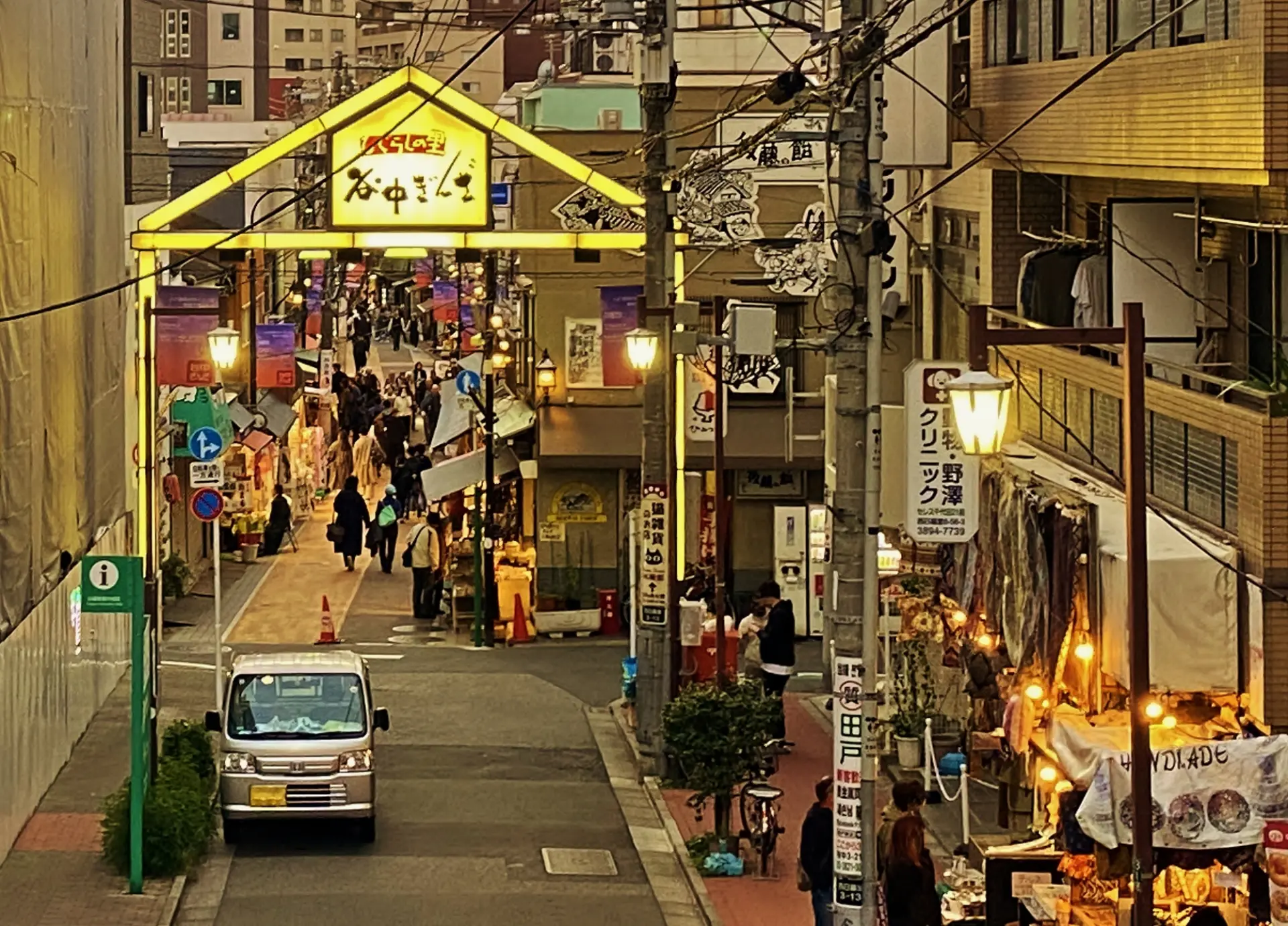
This retro shopping street retains the atmosphere of the Showa era. Around 60 independent shops crowd its approximately 560-foot length, preserving the warmth of everyday Tokyo life.
At sunset, the Yuyake Dandan steps at the street's entrance offer attractive sunset views and are also well known as a photo spot.
- Nearest station
- Nippori Station on all lines or Tokyo Metro Sendagi Station
- Estimated visit
- 1 hour, or 2–3 hours when combined with a walk through Yanesen
For more recommended attractions in Ueno and Yanesen, see the article below.

Tokyo Station, Imperial Palace, and Ginza
1. Tokyo Station Marunouchi Building
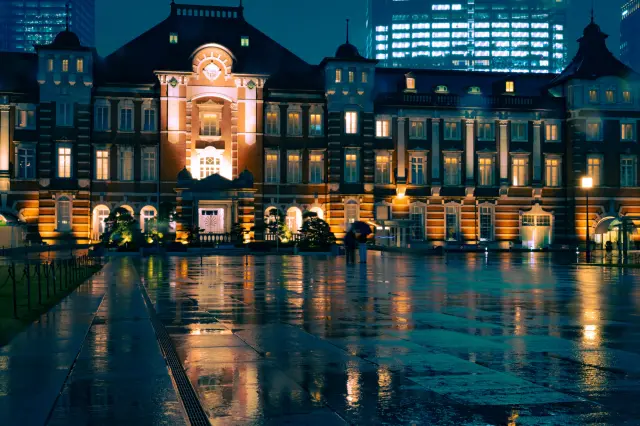
Tokyo Station is a gateway to Japan. It was designed by Tatsuno Kingo, a pioneer of modern Japanese architecture, and is designated an Important Cultural Property of Japan. On the first and second floors of its two domes, each over 98 feet high, historic grandeur blends with newer functional design.

- Nearest station
- JR Tokyo Station
- Estimated visit
- 30 minutes–1 hour
2. Tokyo Station First Avenue
Tokyo Station First Avenue is a commercial complex directly connected to Tokyo Station. It brings together a wide variety of stores featuring ramen, regional specialties from across Japan, Japanese and Western sweets from renowned and long-established shops, and popular character merchandise.
Limited-time events and pop-up stores are also held, offering something new with every visit.

- Nearest station
- JR Tokyo Station
- Estimated visit
- 1–2 hours, depending on your shopping plans
3. Imperial Palace (East Gardens, Outer Gardens, and Nijubashi Bridge)
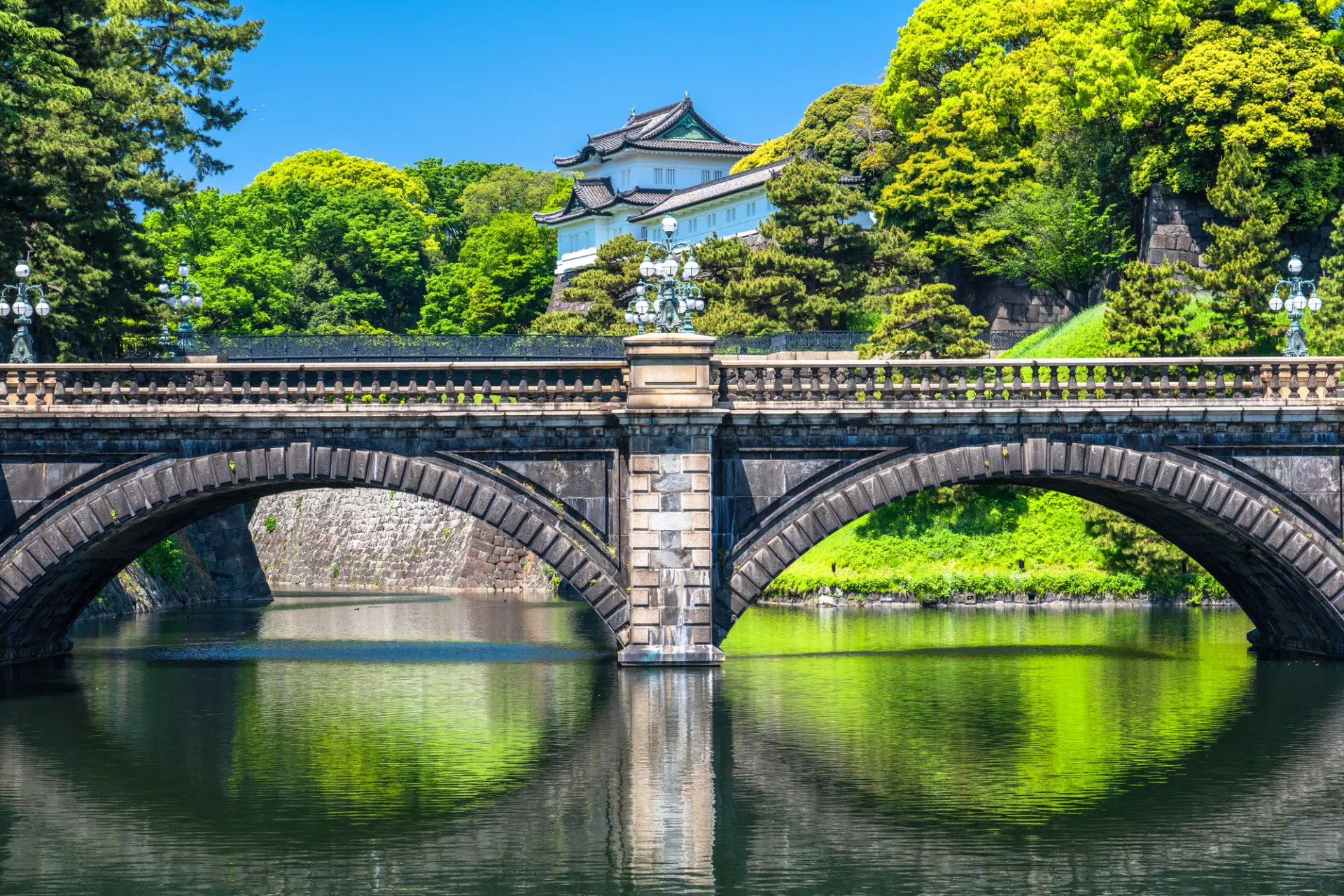
Located in central Tokyo, the Imperial Palace was built on the former site of Edo Castle. Its more than 400 years of history and tradition offer a close look at Japan's imperial culture.
Numerous historic structures and gardens with seasonal scenery remain, filling this solemn setting with many points of interest.
- Nearest station
- Tokyo Metro Nijubashimae Station or Tokyo Station
- Estimated visit
- 1–1.5 hours
4. Kabukiza Theatre
Kabuki, a traditional Japanese performing art, is staged at theaters throughout Japan, but Kabukiza is known as its most prestigious venue. Although kabuki may seem intimidating, Kabukiza offers affordable seats and same-day tickets for individual acts, making it approachable for first-time viewers.

- Nearest station
- Higashi-ginza Station on all lines
- Estimated visit
- 1–2 hours for a single-act seat; 4 hours or more for a full performance
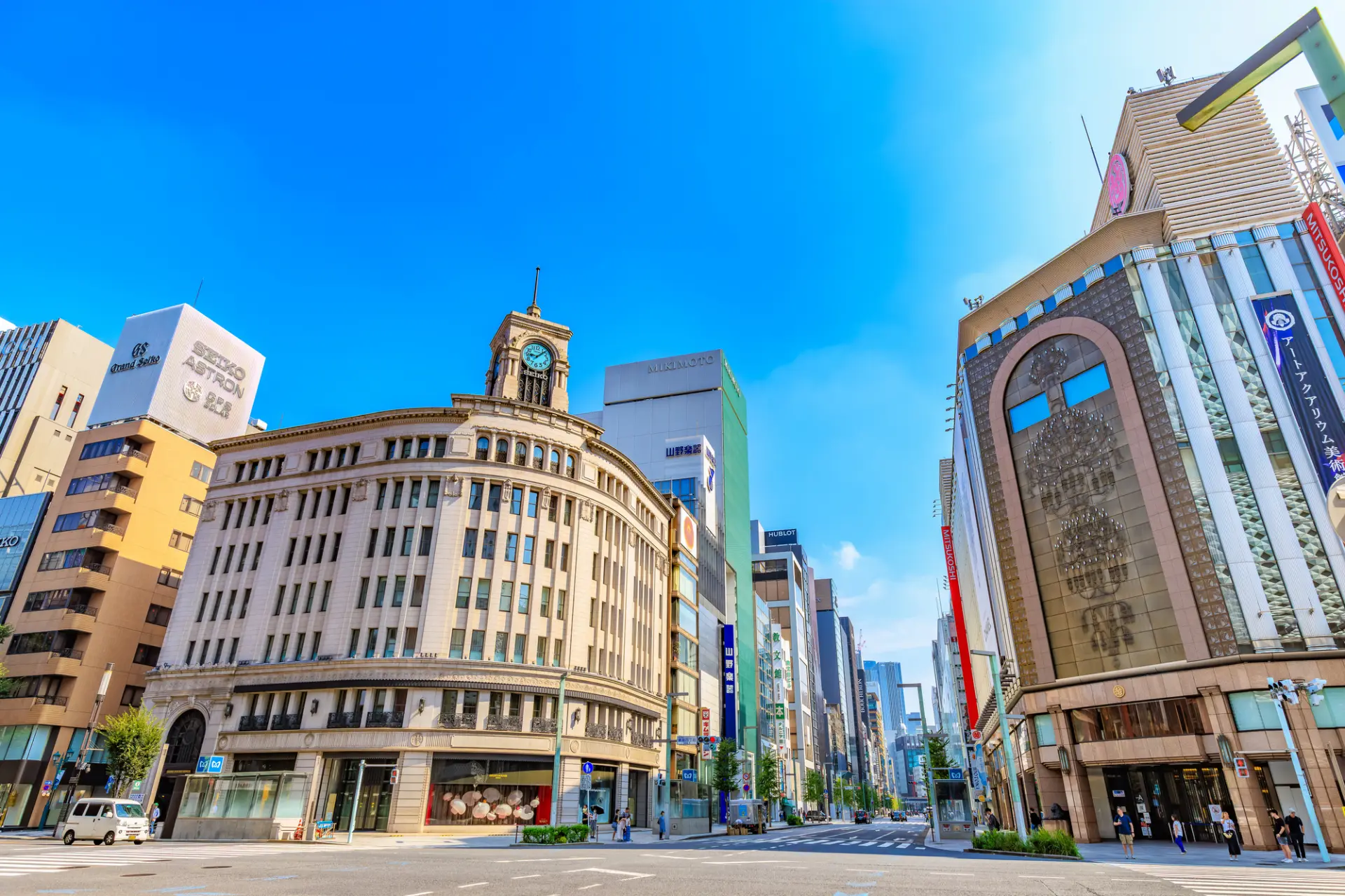
5. Ginza (Chuo-dori Avenue)
Flagship stores of international luxury brands and long-established department stores line Chuo-dori Avenue, creating a glamorous atmosphere even for window-shopping. Ginza's depth also comes from historic businesses still operating today, including stationery stores founded in the Meiji era and traditional cafés.
On weekend and holiday afternoons, Chuo-dori becomes a pedestrian zone, offering the distinctly Ginza experience of strolling leisurely down the center of the broad avenue.
- Nearest station
- Ginza Station or Yurakucho Station on all lines
- Estimated visit
- 1.5–3 hours, depending on your shopping plans
For more recommended attractions around Tokyo Station, the Imperial Palace, and Ginza, see the article below.

Tsukiji, Toyosu, and Odaiba
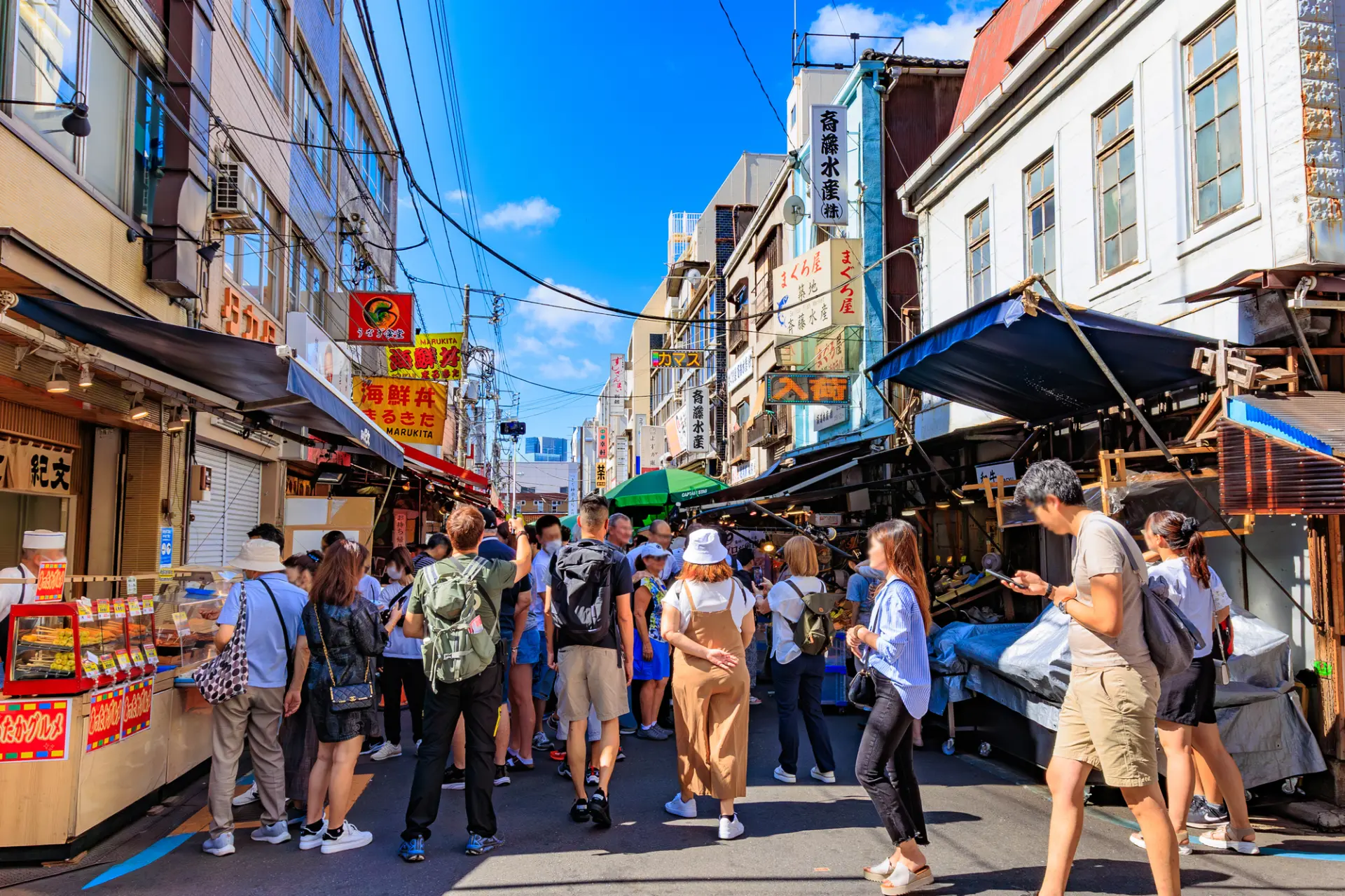
1. Tsukiji Outer Market
This specialty shopping district contains more than 400 food shops and restaurants. Stores serve seafood and ingredients sourced from across Japan, making it easy to sample small portions of sushi, seafood rice bowls, rolled omelets, grilled foods, and more. Rather than sitting down for a full meal at one restaurant, visitors can try a little of several dishes and experience a wide variety of food in a short time.
Many shops open around 9:00 a.m., making the market ideal for an indulgent morning food tour. On rainy days, consider stopping at neighboring Tsukiji Hongwanji Temple for its signature 18-dish breakfast.
- Nearest station
- Toei Subway Tsukijishijo Station or Tokyo Metro Tsukiji Station
- Estimated visit
- 1–1.5 hours

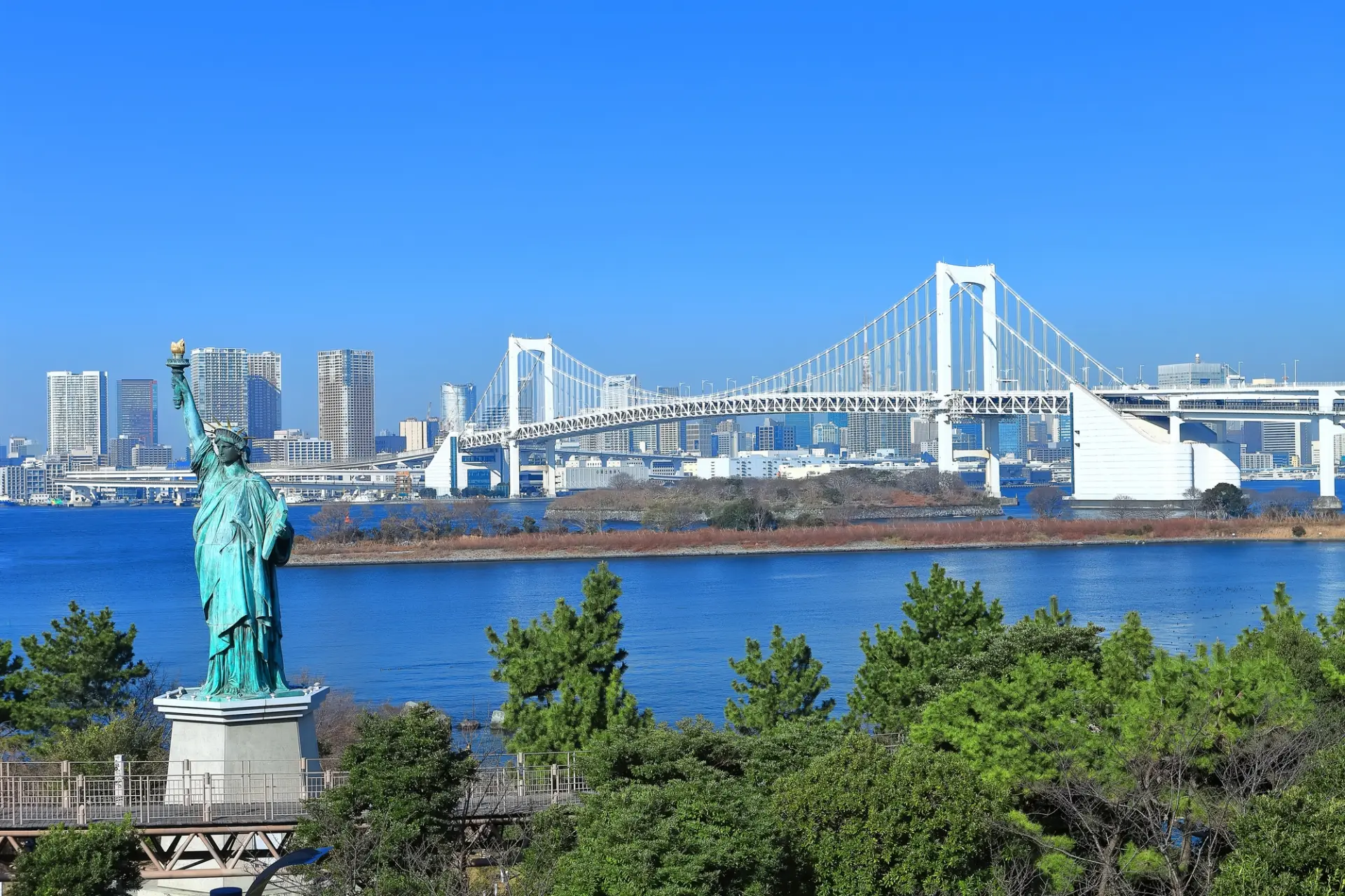
2. Odaiba (Odaiba Marine Park, Rainbow Bridge, and DiverCity Tokyo)
Odaiba is a major leisure district that brings shopping, entertainment, and impressive views together in a compact area.
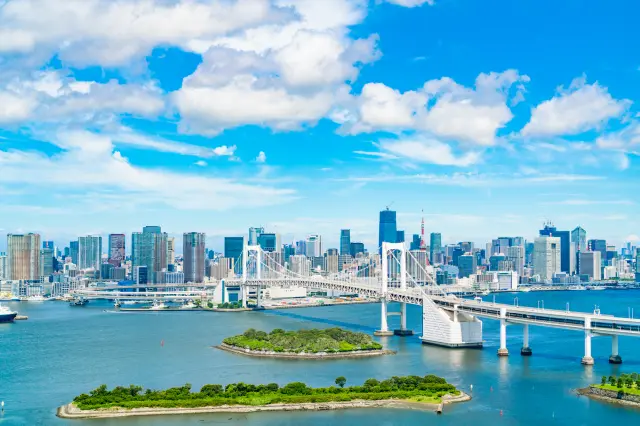
From the beach at Odaiba Marine Park, visitors can see Rainbow Bridge and central Tokyo's skyline. The transition from sunset to night creates one of Tokyo's most romantic views. Major commercial complexes, including DiverCity Tokyo Plaza, are concentrated nearby. The area is popular with both families and couples.
- Nearest station
- Odaiba-kaihinkoen or Daiba Station on the Yurikamome Line, or Tokyo Teleport Station on the Rinkai Line
- Estimated visit
- 3–4 hours, making this a half-day area
3. teamLab Planets TOKYO DMM
The art collective teamLab uses cutting-edge digital technology to create immersive works. This museum, where visitors become part of the art, expanded to approximately 1.5 times its previous size in January 2025 and underwent a major renovation that included outdoor spaces.

- Nearest station
- Shin-toyosu Station on the Yurikamome Line or Tokyo Metro Toyosu Station
- Estimated visit
- 1.5–2 hours
For more recommended attractions in Tsukiji, Toyosu, and Odaiba, see the article below.

Shibuya, Harajuku, and Omotesando
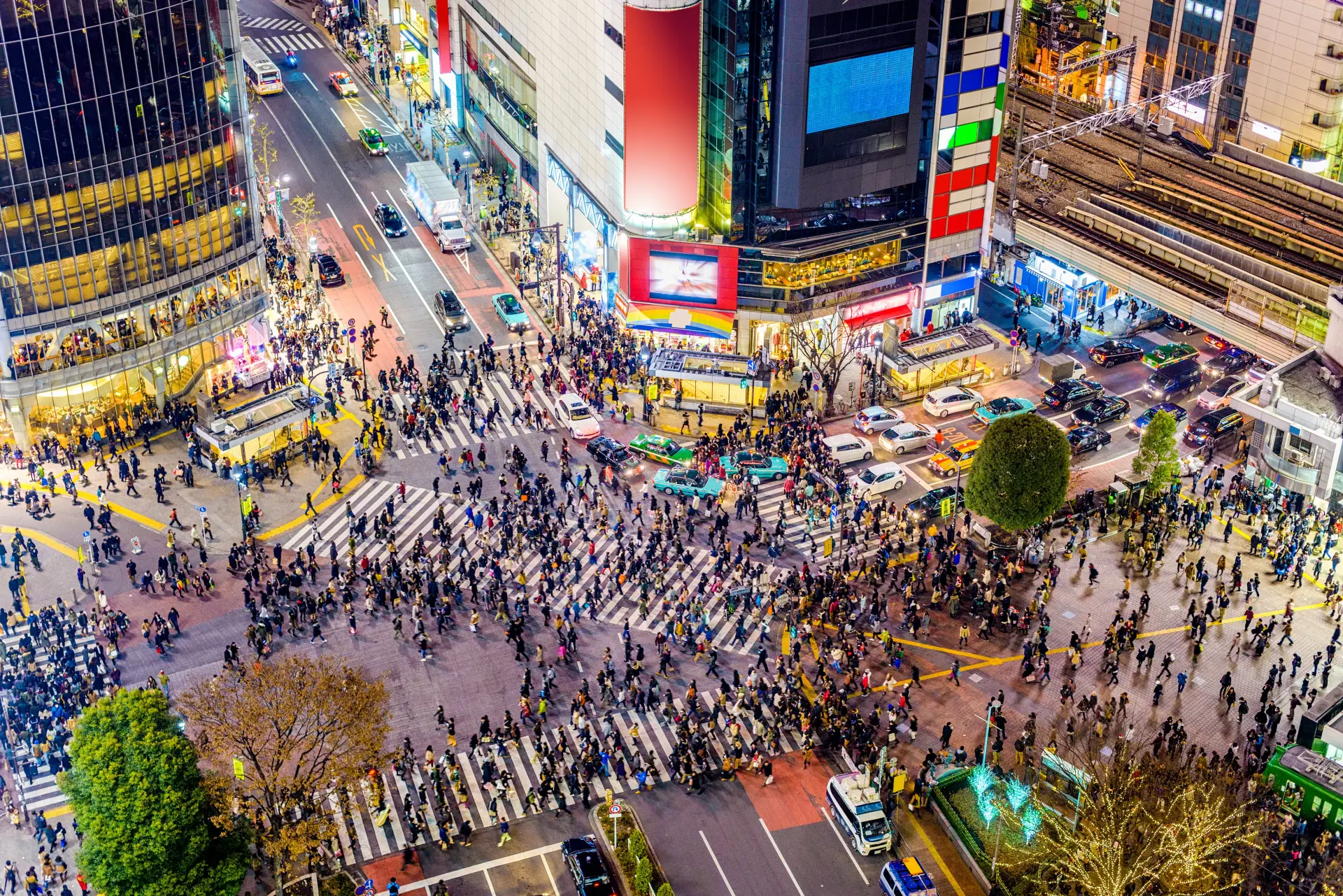
1. Shibuya Scramble Crossing
Shibuya Scramble Crossing is located in front of Shibuya Station. Often called the world's busiest intersection, its distinctive scene has become an icon of Tokyo.
From the connecting passage between the JR Yamanote and Keio Inokashira lines, visitors can watch crowds crossing from an elevated angle.
When the pedestrian lights turn green, the intersection fills immediately, with as many as 3,000 people crossing during a single signal cycle.
- Nearest station
- Shibuya Station on all lines, Hachiko Exit
- Estimated visit
- 30 minutes
2. Meiji Jingu
Meiji Jingu was founded in 1920 as a shrine dedicated to Emperor Meiji and Empress Shoken.
Its man-made forest was created by planting approximately 100,000 trees donated from across Japan. It has grown into a rich woodland with a mystical atmosphere that feels far removed from central Tokyo. The shrine is also famous as a spiritual site.

- Nearest station
- Harajuku or Yoyogi Station on all lines, Tokyo Metro Meiji-jingumae ‘Harajuku’ Station, or Odakyu Sangubashi Station
- Estimated visit
- 1–1.5 hours
3. Takeshita Street
This approximately 1,150-foot shopping street runs from Harajuku Station toward Meiji-dori Avenue. Many stores sell distinctive fashion items unavailable elsewhere, attracting worldwide attention as a trendsetting destination.
It is crowded daily, particularly with young people. During the busiest period, from 11:00 a.m. to 6:00 p.m., vehicles are prohibited and the street becomes a pedestrian zone.

- Nearest station
- Harajuku Station on all lines
- Estimated visit
- 1.5–2 hours
4. Omotesando (Omotesando Hills and Cat Street)
Extending roughly 0.6 miles around Omotesando Station, this sophisticated district brings together emerging labels and stylish brands. Its attractive avenues lined with zelkova trees are another defining feature.
Omotesando Hills is the area's landmark and draws crowds every day. A walk along Cat Street between Omotesando and Shibuya also offers a taste of Ura-Harajuku culture.
-
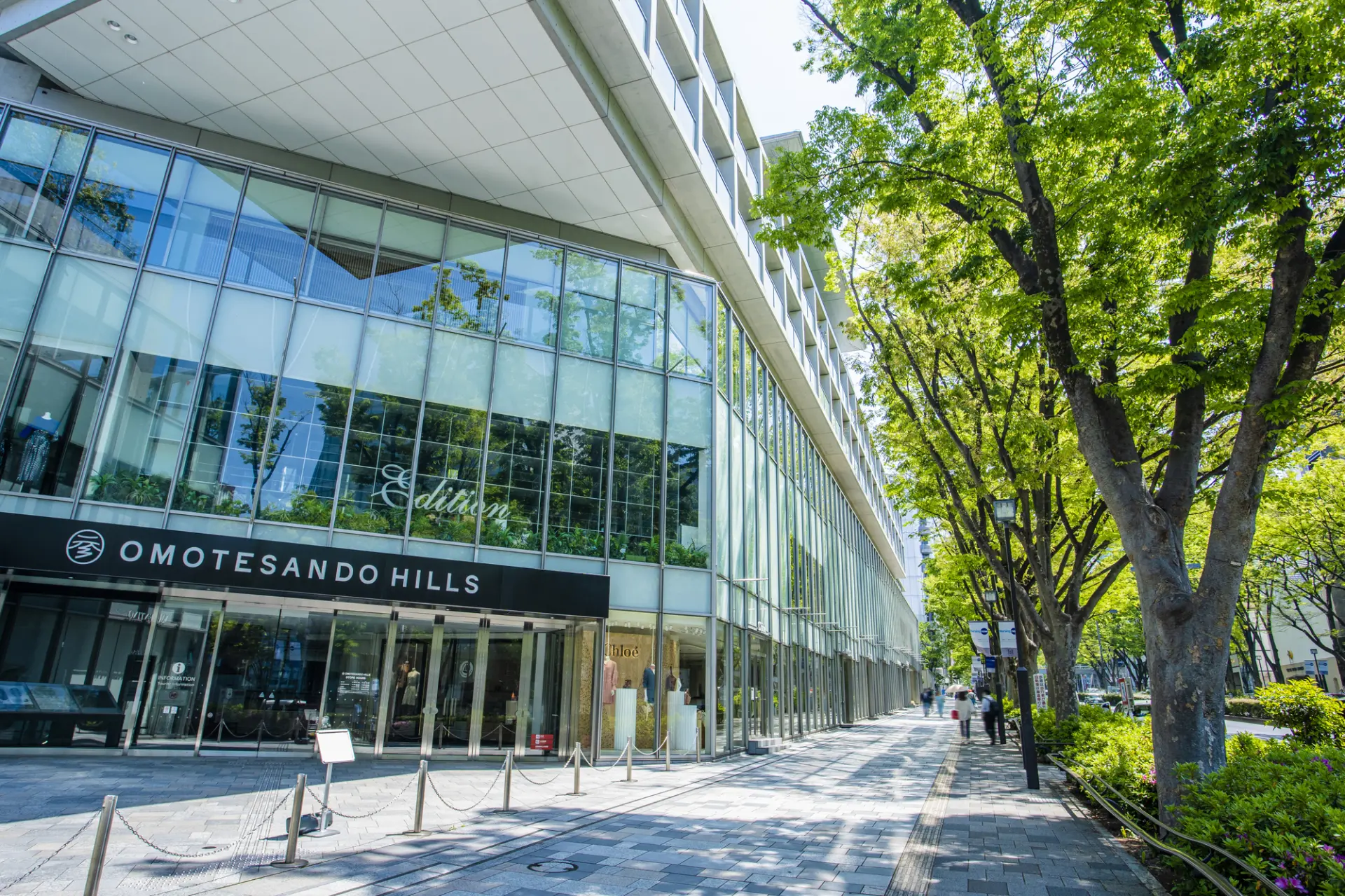
Omotesando Hills brings together numerous luxury brands
-
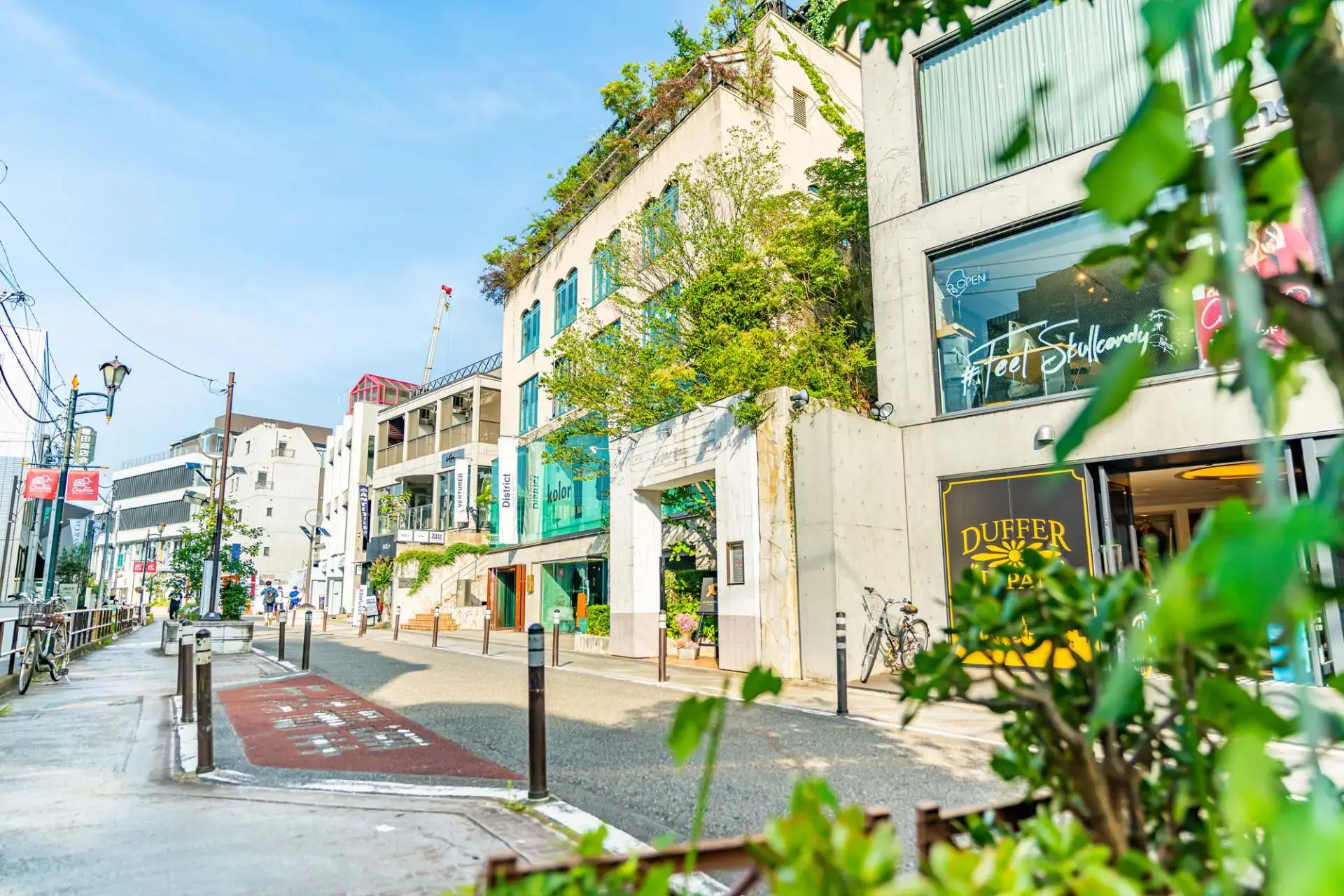
Fashionable, trend-conscious visitors gather on Cat Street
- Nearest station
- Harajuku Station on all lines, Tokyo Metro Omotesando Station, or Tokyo Metro Meiji-jingumae ‘Harajuku’ Station
- Estimated visit
- 1–1.5 hours
5. SHIBUYA SKY
This observation facility offers 360-degree views of Tokyo from approximately 755 feet above ground.
SKY STAGE provides roughly 26,900 square feet of open-air observation space with panoramic views in every direction.
Visitors can see landmarks including Tokyo Tower and Tokyo Skytree, and even Mount Fuji in clear weather.

- Nearest station
- Shibuya Station on all lines
- Estimated visit
- 1–1.5 hours
For more recommended attractions in Shibuya, Harajuku, and Omotesando, see the article below.

Shinjuku
1. Shinjuku Gyoen National Garden
Shinjuku Gyoen traces its origins to a samurai residence from the Edo period. It became an imperial garden in 1906 and is now open to the public.
The expansive 144-acre grounds contain three distinctive styles: a Japanese garden, a formal garden, and a landscape garden. Together, they are considered a masterpiece of modern Western-style garden design.

- Nearest station
- Tokyo Metro Shinjuku-gyoemmae Station or Shinjuku Station on all lines, South Exit
- Estimated visit
- 1.5–2 hours
2. Tokyo Metropolitan Government Building Observatories
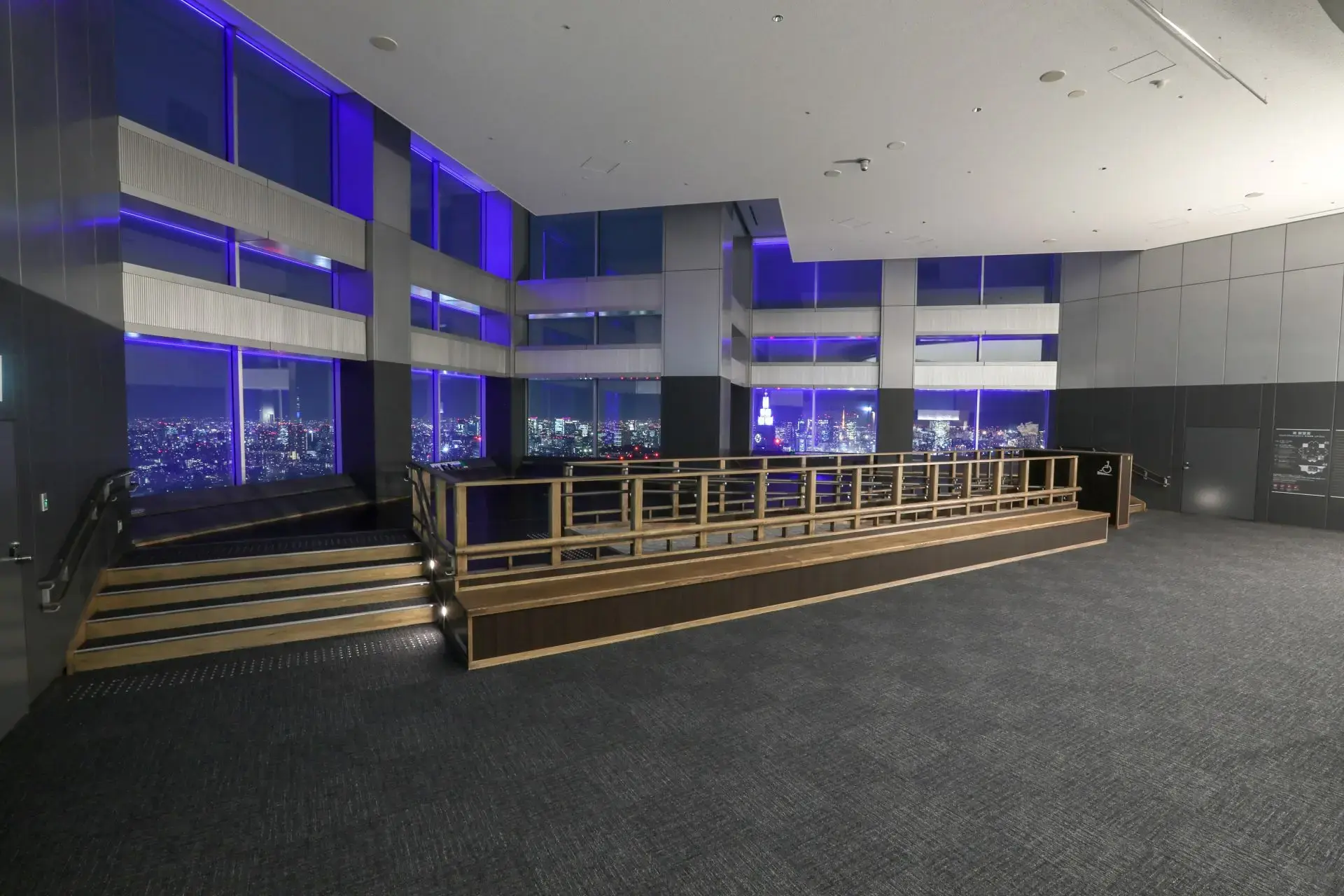
The observatories at the Tokyo Metropolitan Government Building in Shinjuku are located on the 45th floor of Main Building No. 1 and are reached by dedicated elevators from the first floor. The elevator takes approximately 55 seconds to reach a height of 663 feet, where expansive views of Tokyo spread out below.
The South Observatory also has the Tokyo Memories Piano, decorated in a yellow-and-black design supervised by Yayoi Kusama. Anyone may play it.
- Nearest station
- Toei Subway Tochomae Station or Shinjuku Station on all lines
- Estimated visit
- 30 minutes–1 hour
3. Kabukicho, Omoide Yokocho, and Shinjuku Golden Gai
Kabukicho, which symbolizes Shinjuku nightlife, is one of Tokyo's leading entertainment districts, packed with restaurants and entertainment venues. It offers a somewhat deeper side of the city than the skyscraper district around Shinjuku Station. Nearby Omoide Yokocho preserves a Showa-era atmosphere, while Shinjuku Golden Gai is densely packed with tiny bars. Together they reveal Tokyo's many nighttime faces.
-
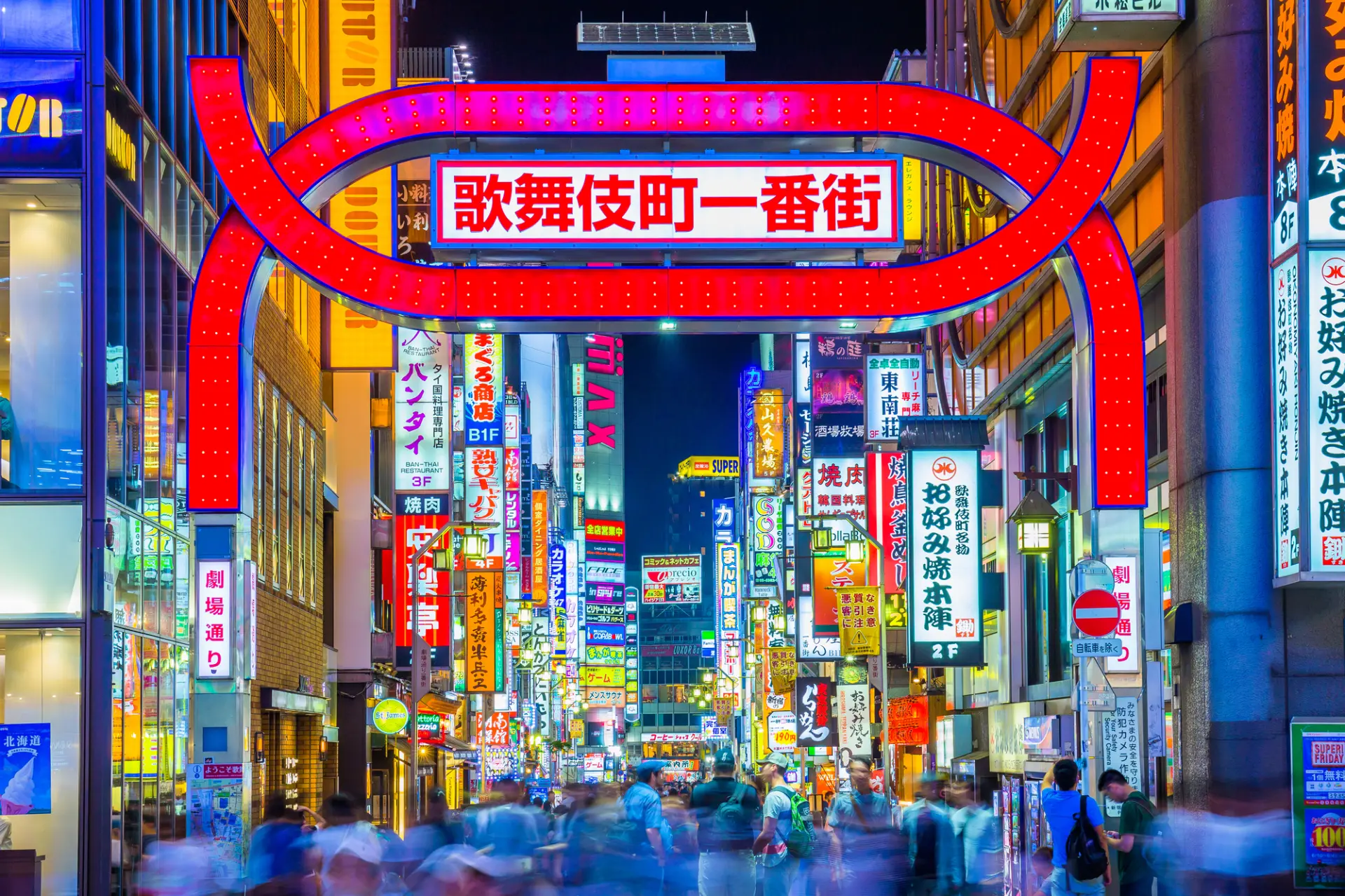
Kabukicho: One of Tokyo's leading entertainment districts, also called “the city that never sleeps”
-
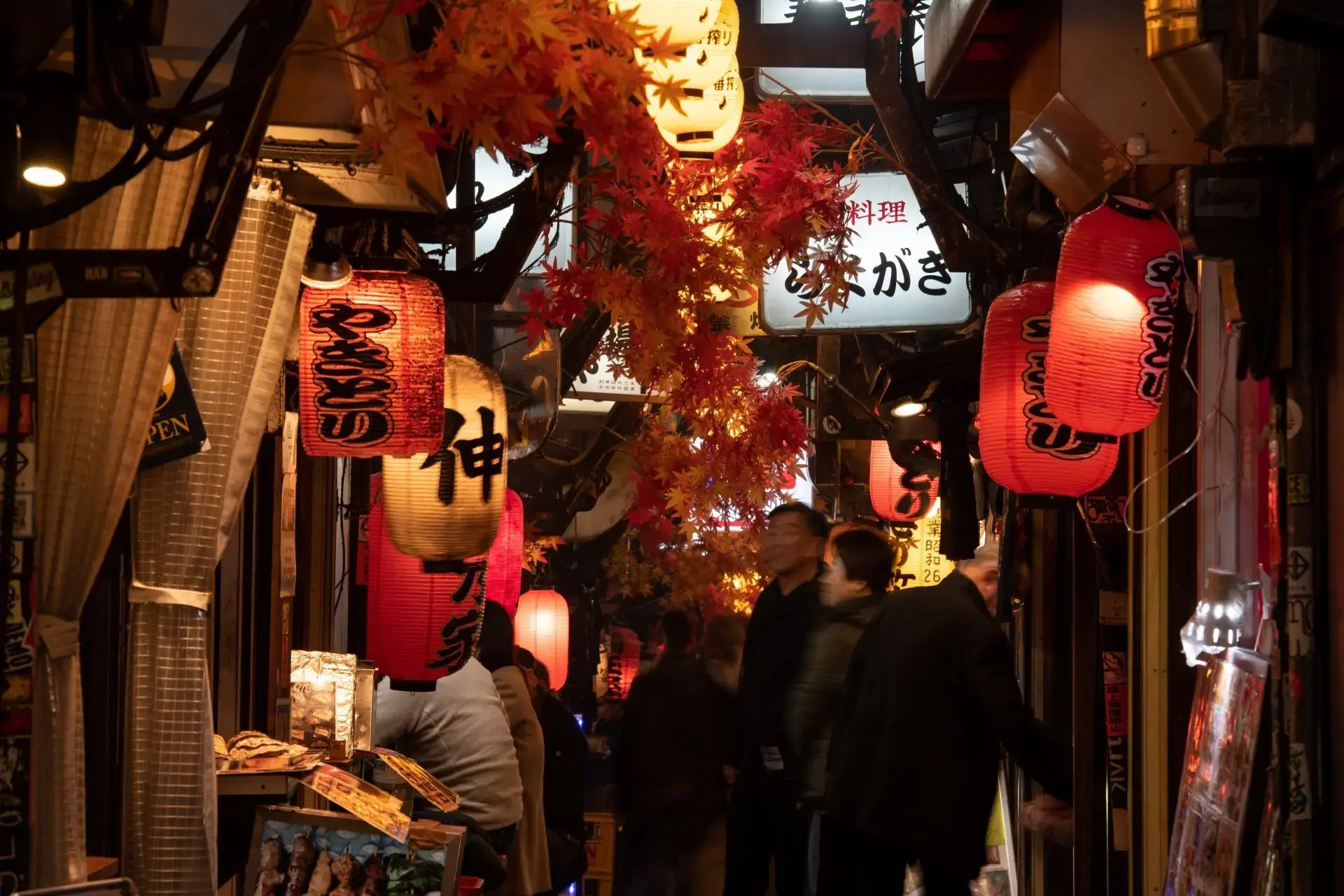
Omoide Yokocho: A drinking district with a nostalgic retro atmosphere
-
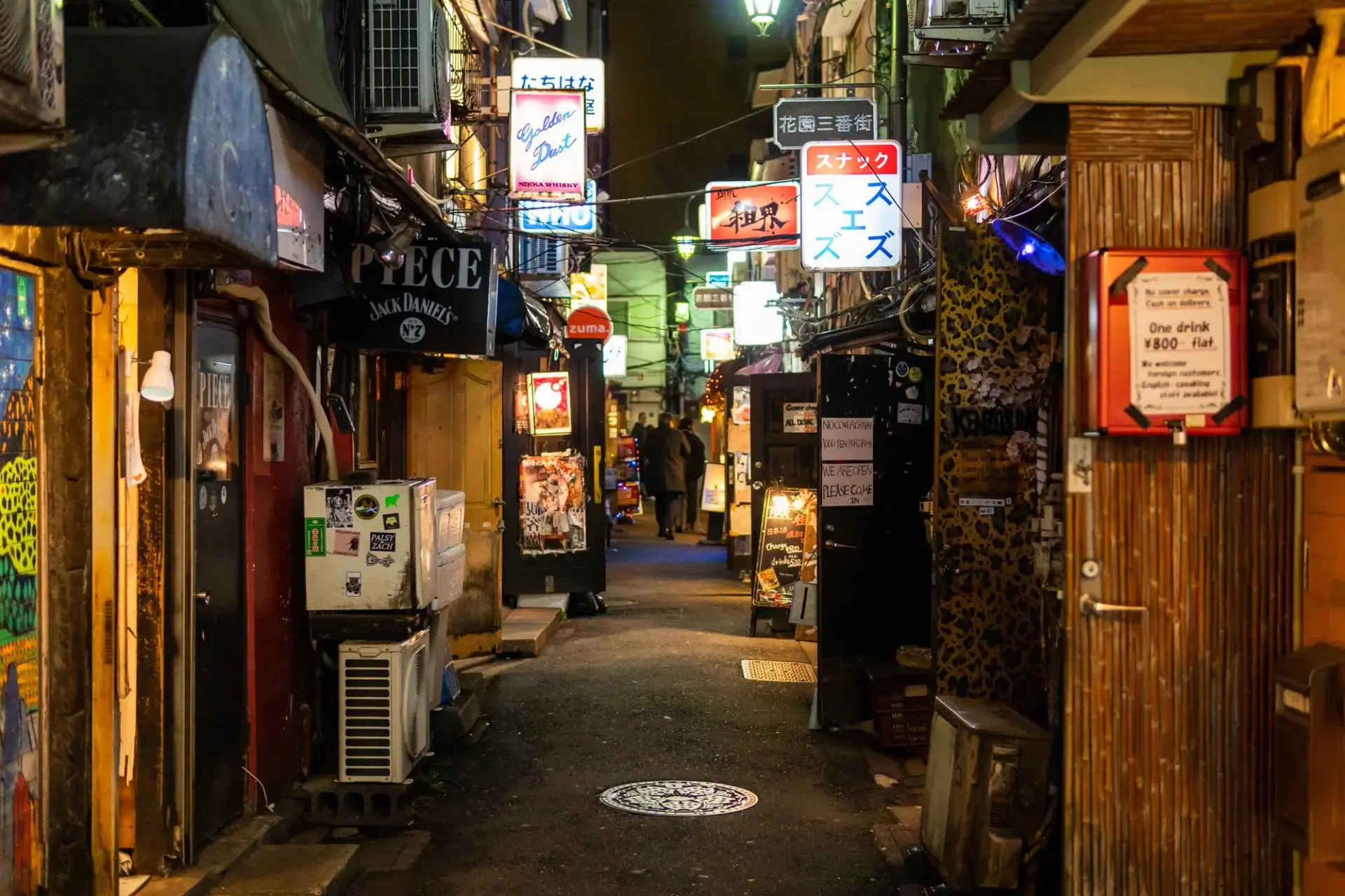
Shinjuku Golden Gai: A historic drinking district packed with approximately 300 establishments
- Nearest station
- Shinjuku Station on all lines or Seibu-Shinjuku Station
- Estimated visit
- 1.5–2.5 hours, including evening dining and drinks

4. Okubo Koreatown
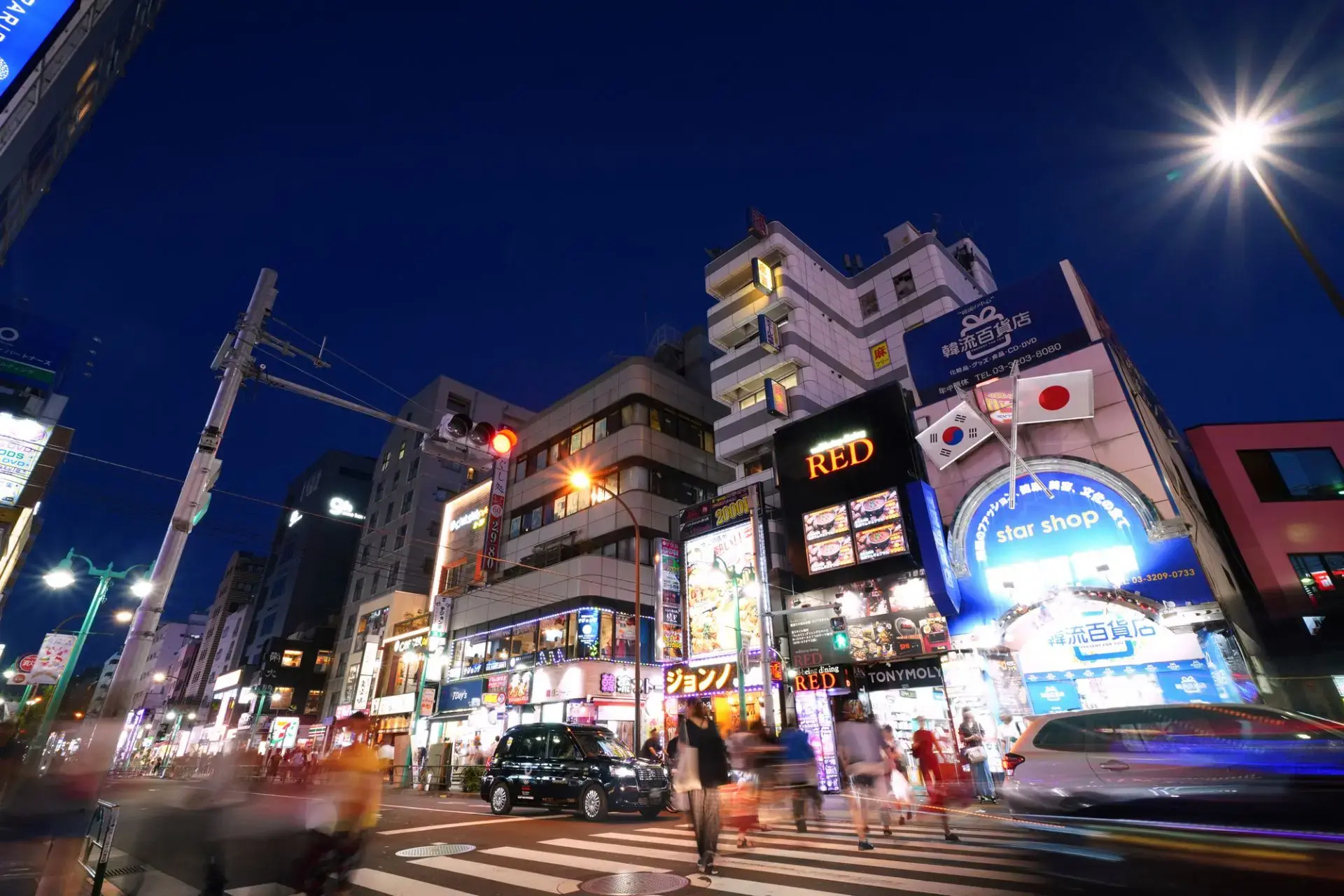
Tokyo's largest Koreatown is a center of Korean culture and draws many trend-conscious visitors.
Visitors can experience the latest Korean culture through popular foods such as barbecue, cheese dak-galbi, and photogenic sweets, as well as Korean cosmetics and K-pop idol shops.
- Nearest station
- JR Shin-Okubo Station
- Estimated visit
- 1.5–2.5 hours, including evening dining
For more recommended attractions in Shinjuku, see the article below.

Roppongi and Tokyo Tower
1. Tokyo Tower
Tokyo Tower has remained a beloved symbol of the city since opening in 1958. Beyond the sweeping views from its observation decks, its striking red-and-white colors, photogenic exterior, and distinctive presence continue to captivate visitors. Its atmospheric nighttime illumination is another highlight.
-
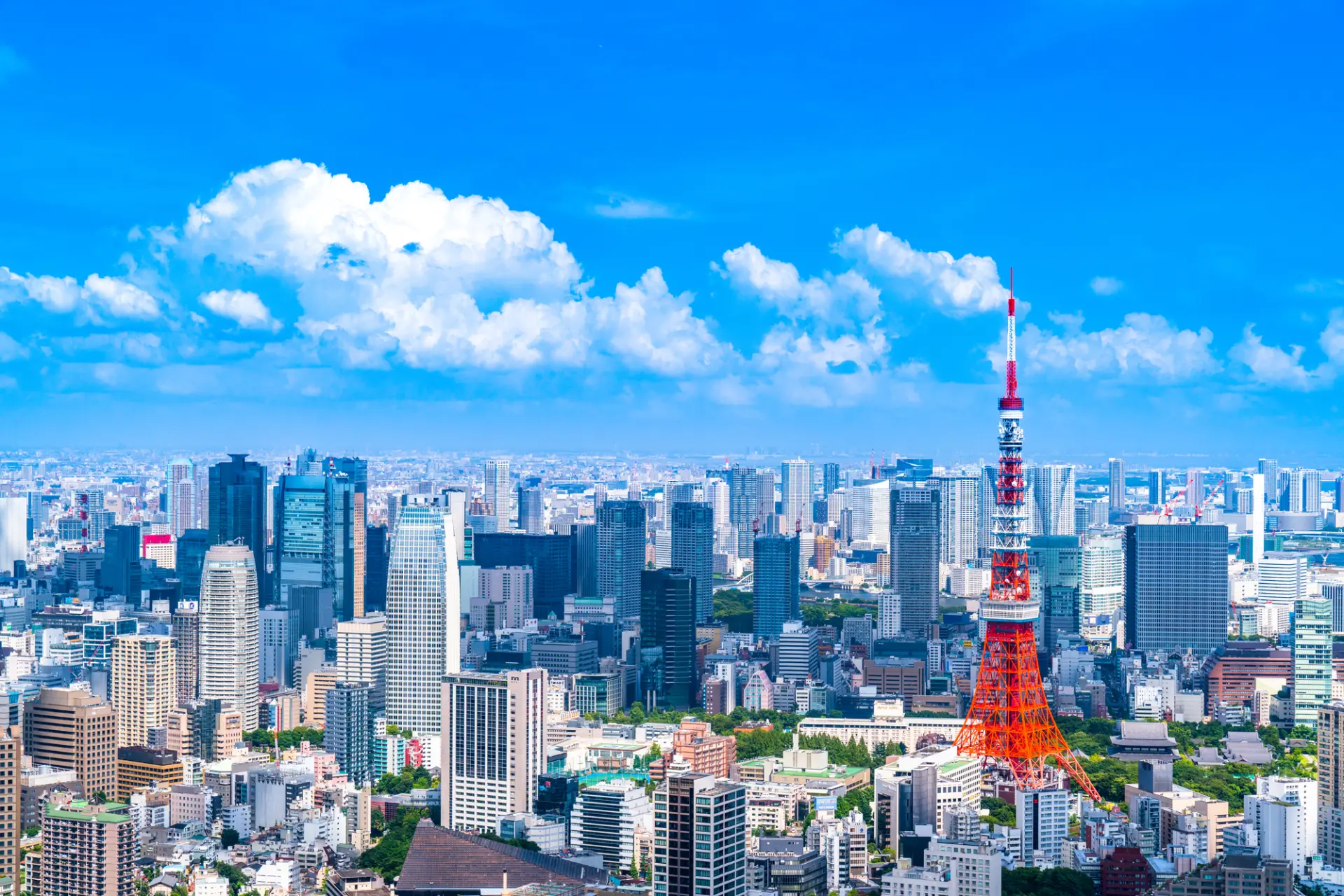
Tokyo Tower is beloved as a symbol of the city
-
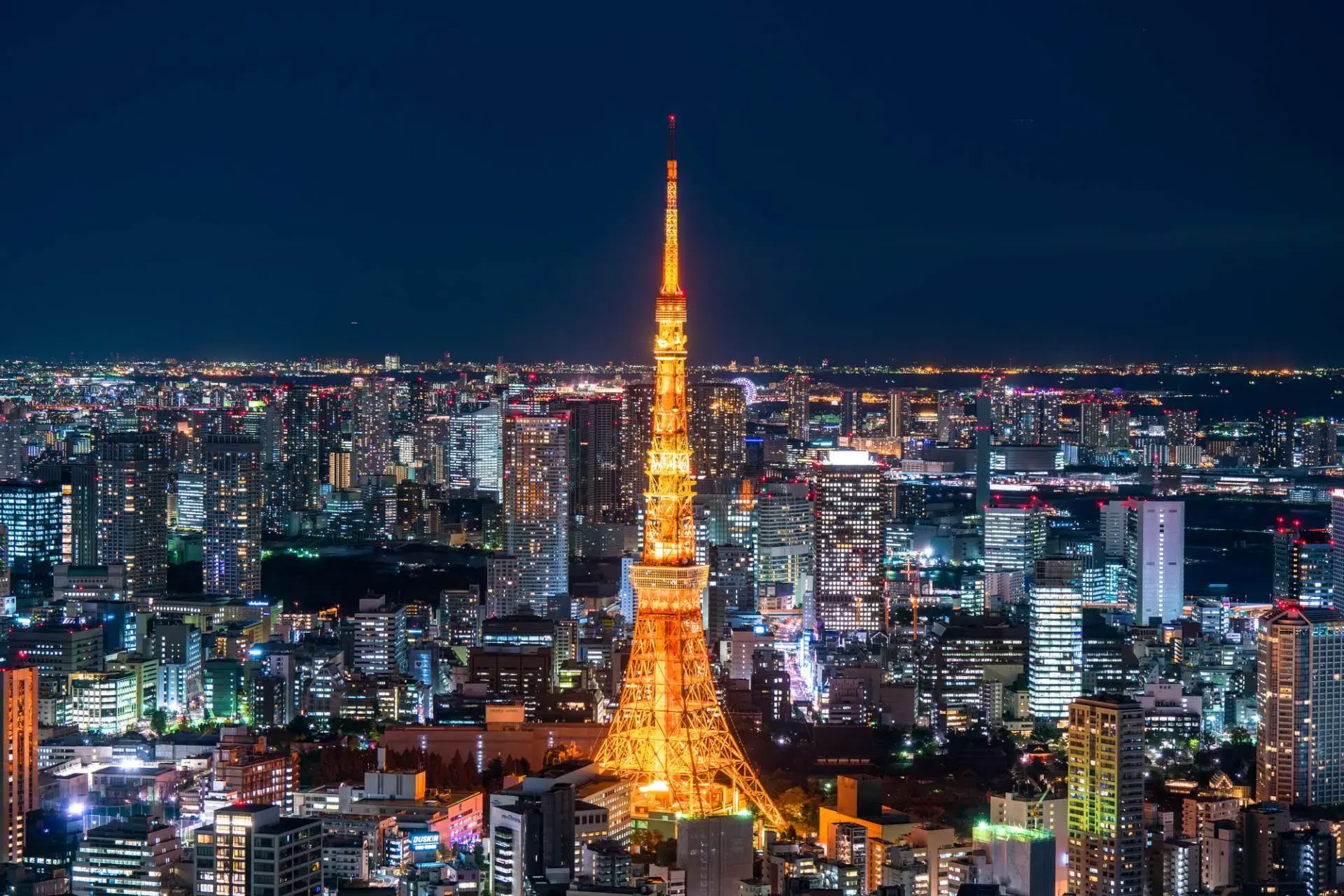
Tokyo Tower's nighttime illumination creates an atmospheric sight
- Nearest station
- Toei Subway Akabanebashi Station or Tokyo Metro Kamiyacho Station
- Estimated visit
- 1–1.5 hours
2. Roppongi Hills and Tokyo City View
Roppongi Hills Mori Tower, the centerpiece of Roppongi Hills, is a 54-story skyscraper standing 781 feet tall.
The complex contains numerous luxury-brand shops and many upscale restaurants. Other attractions include the Japanese-style Mohri Garden, Mori Art Museum, Tokyo City View observation deck, a movie theater, and a hotel, drawing large numbers of visitors.
-
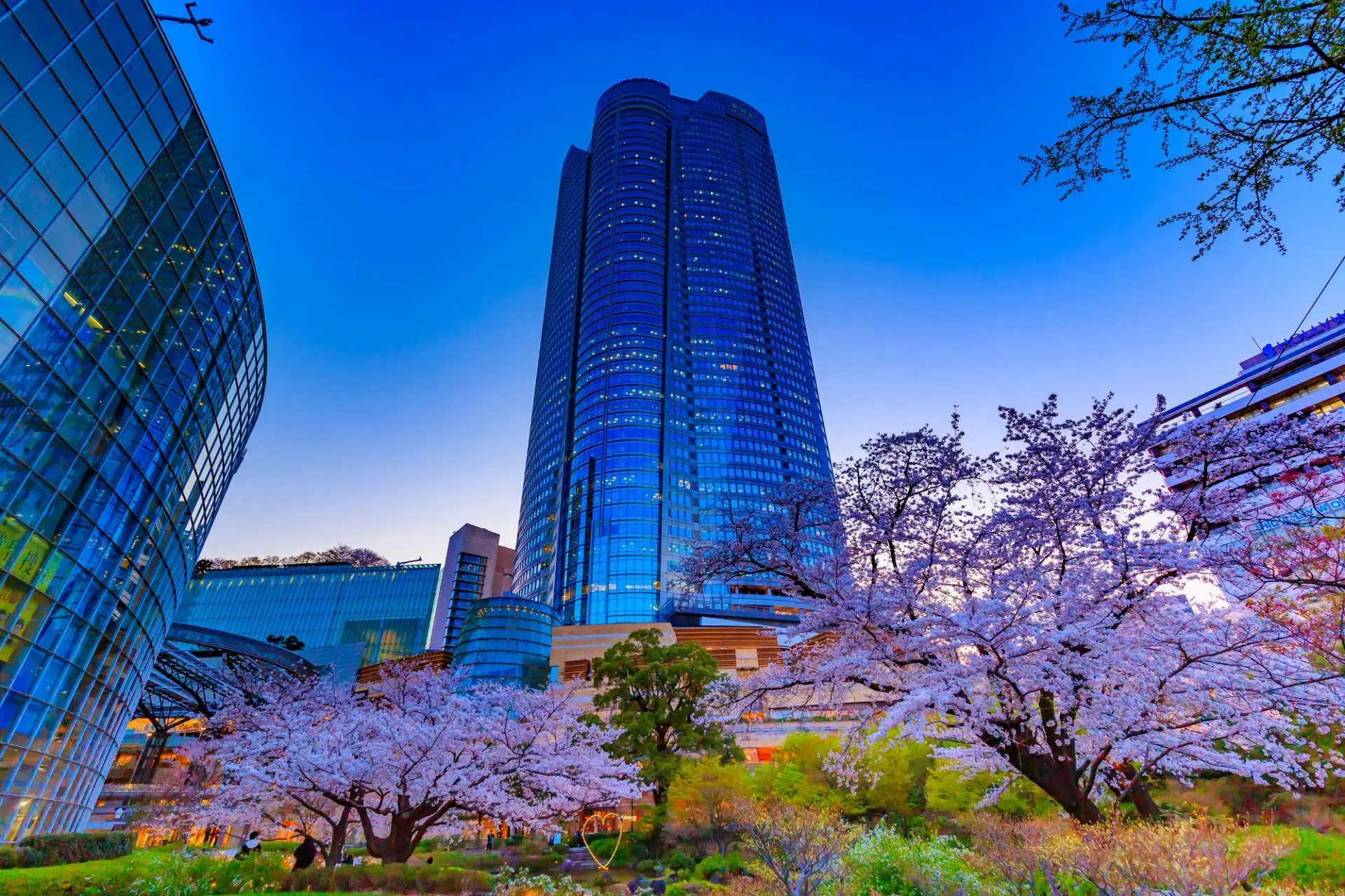
A mixed-use complex and Roppongi landmark
-
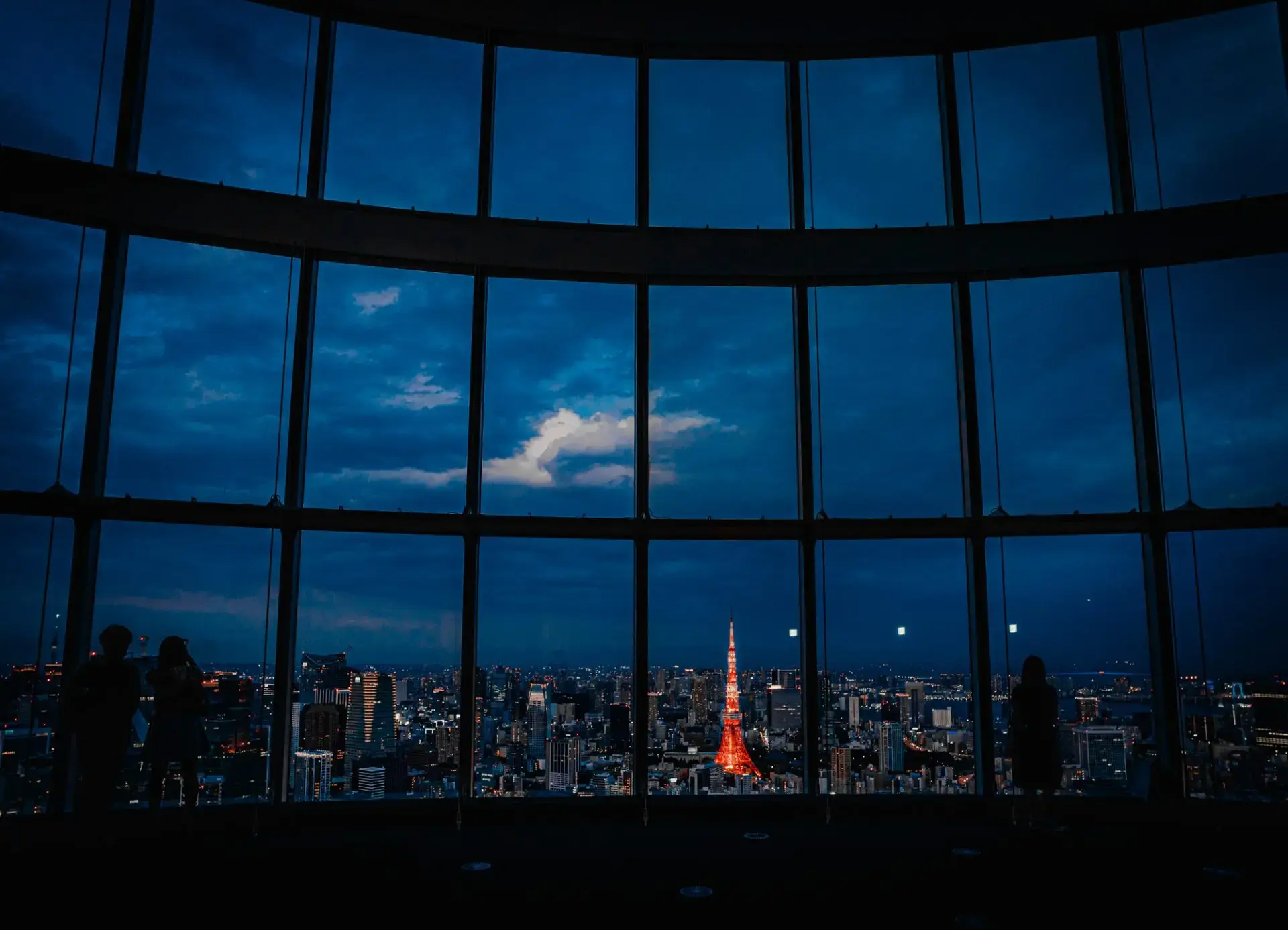
Tokyo Tower as seen from Tokyo City View's Sky Deck
- Nearest station
- Roppongi Station on all lines
- Estimated visit
- 2–2.5 hours for the observation deck, garden, and an art exhibition
3. The National Art Center, Tokyo
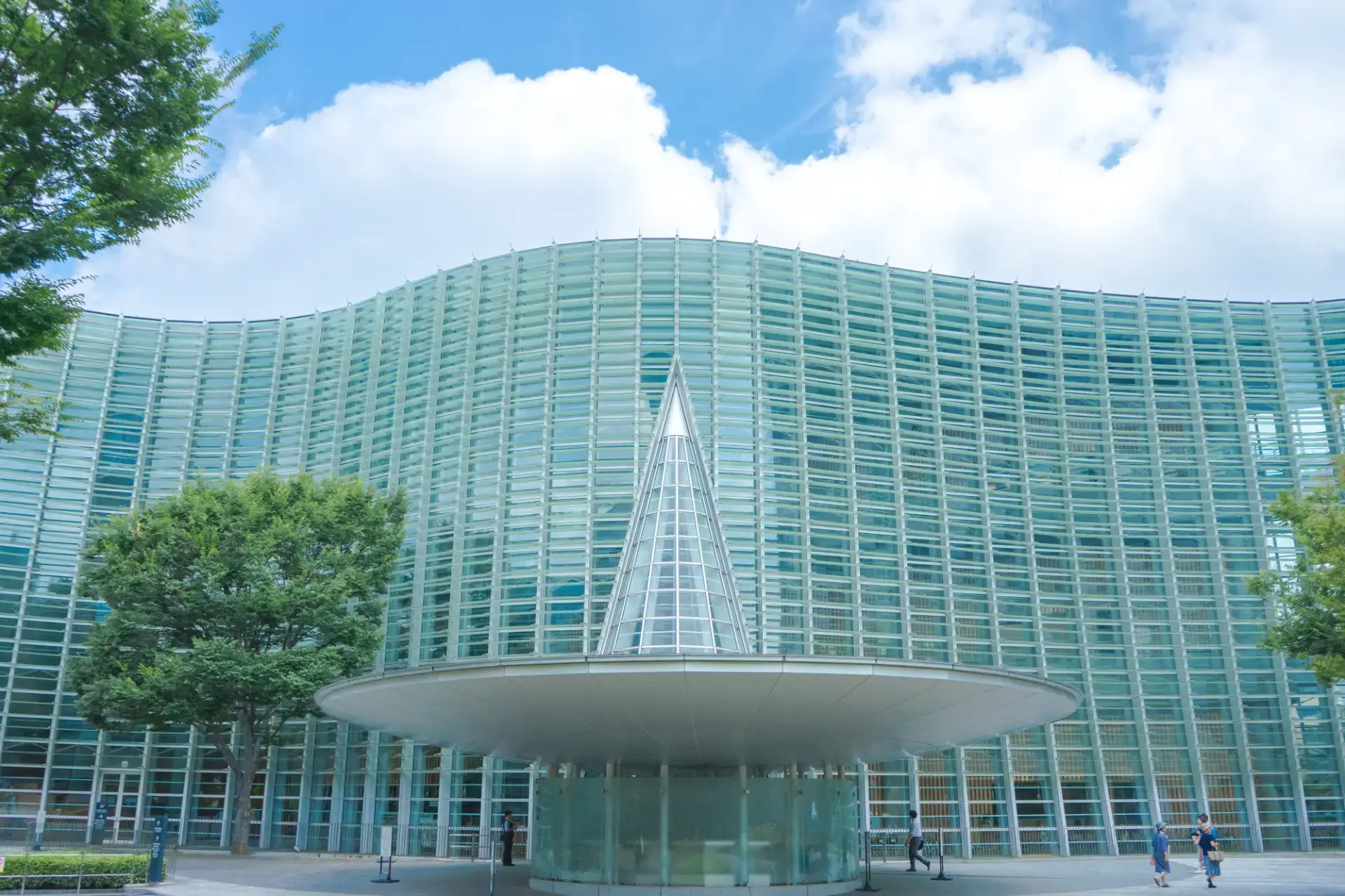
Rather than maintaining a permanent collection, the museum hosts diverse exhibitions highlighting art from Japan and overseas.
Its expansive 150,700-square-foot space includes 12 galleries, an art library, restaurants, cafés, and a museum shop. The building itself is also worth seeing, particularly its undulating glass curtain wall.
- Nearest station
- Tokyo Metro Nogizaka Station or Roppongi Station on all lines
- Estimated visit
- 1 hour
For more recommended attractions around Roppongi and Tokyo Tower, see the article below.

Akihabara and Ikebukuro
1. Akihabara Electric Town
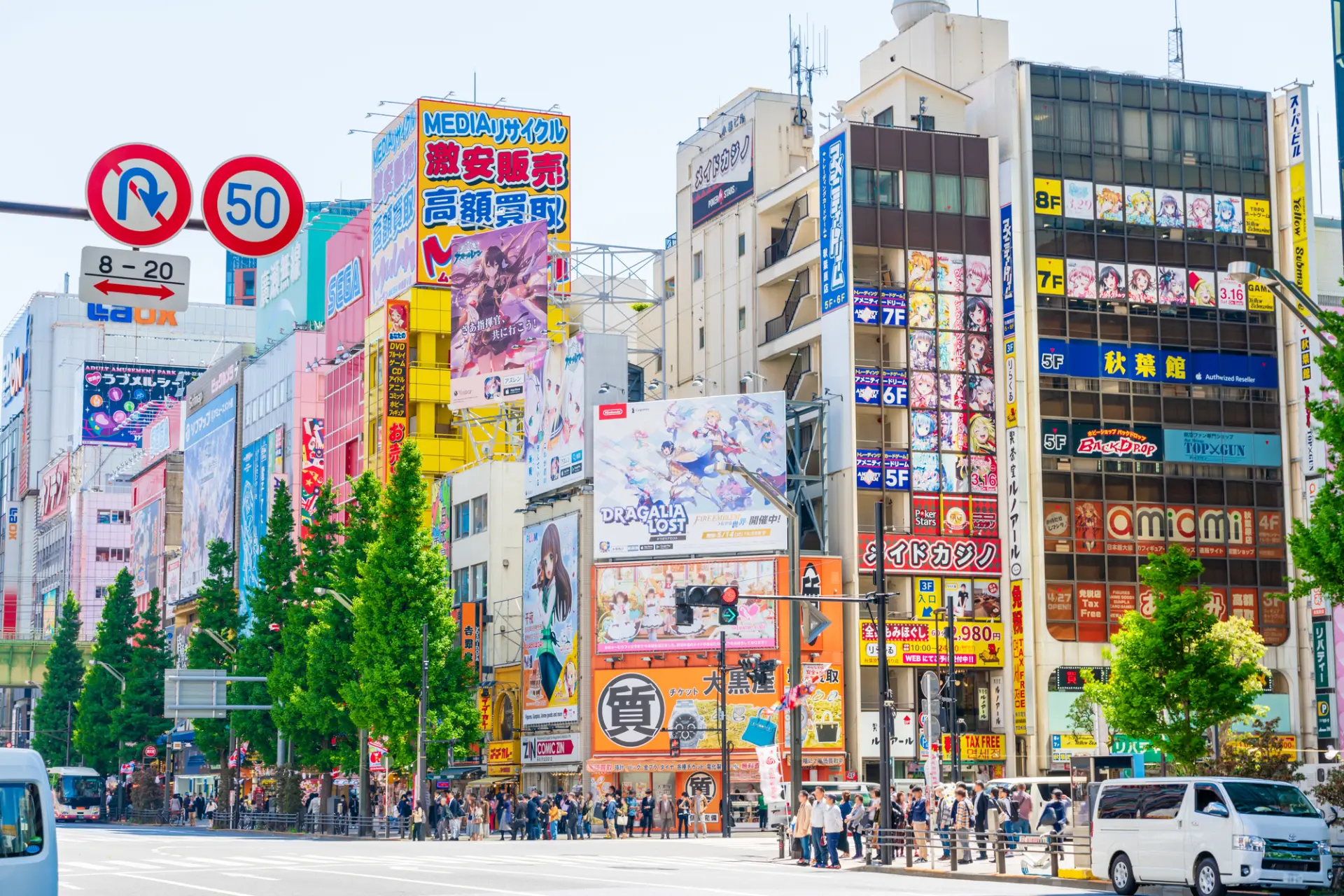
One of Japan's leading electronics districts, Akihabara brings together everything from large retailers to small independent electronics shops. Affectionately known as Akiba, it attracts attention from across Japan and around the world.
Alongside appliances and products featuring cutting-edge technology, it is also famous as a center of pop culture, including anime, games, figures, and model trains.
- Nearest station
- Akihabara Station on all lines, Tokyo Metro Suehirocho Station, or Toei Subway Iwamotocho Station
- Estimated visit
- 1.5–3 hours
2. Akihabara Maid Café (MAID MADE Akihabara Ekimae)
Maid cafés are emblematic of otaku culture and subculture, offering an escape from everyday life in a carefully staged setting. Akihabara, commonly known as Akiba and the center of otaku culture, is considered the home of the maid café.
A good choice for first-time visitors is MAID MADE Akihabara Ekimae, approximately a 30-second walk from JR Akihabara Station's Electric Town South Exit. Its meticulously designed world captures the atmosphere of contemporary subculture. Alongside classic entertainment such as “magic” to make food taste better and live performances by the maids, its carefully prepared meals are also highly regarded.

- Nearest station
- Akihabara Station on all lines, Tokyo Metro Suehirocho Station, or Toei Subway Iwamotocho Station
- Estimated visit
- 1.5–3 hours
3. Sunshine City
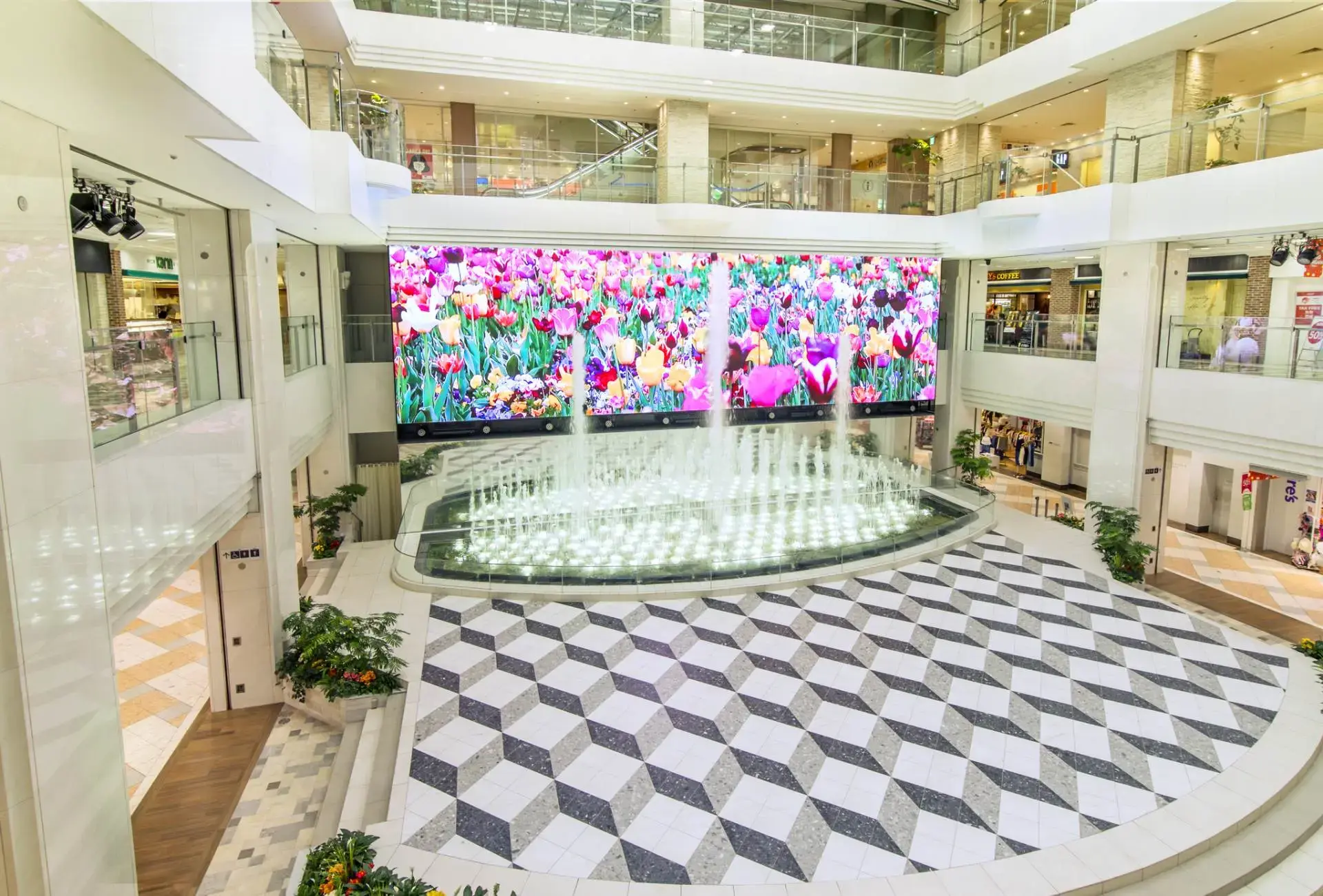
This large mixed-use complex brings an aquarium, observation deck, planetarium, and shopping mall together across a group of buildings. Its greatest advantage is the ability to spend an entire day there regardless of the weather. With a large specialty shopping area and character stores such as the Pokémon Center, it fits easily into family trips and anime-themed sightseeing.
- Nearest station
- Akihabara Station on all lines or Tokyo Metro Higashi-ikebukuro Station
- Estimated visit
- 2–3 hours for the observation deck and aquarium
For more recommended attractions in Akihabara and Ikebukuro, see the article below.


10 Trending Tokyo Attractions for 2026
One characteristic of a metropolis like Tokyo is how dramatically its cityscape can change in just a few years.
Here is a carefully selected list of trending attractions that opened or reopened in 2024 or later.
Visitors who have been to Tokyo before may be especially surprised by the city's new look.
Trending Attractions Opened in 2023–2024
1. Azabudai Hills and teamLab Borderless
This mixed-use complex opened in Azabu in November 2023. Its commercial floors contain approximately 150 stores spanning fashion, culture, food, and other categories. Abundant greenery and spacious grounds, including a central plaza, create an open atmosphere for shopping and dining.
In February 2024, the digital art museum MORI Building DIGITAL ART MUSEUM: EPSON teamLab Borderless relocated here from Odaiba.
-
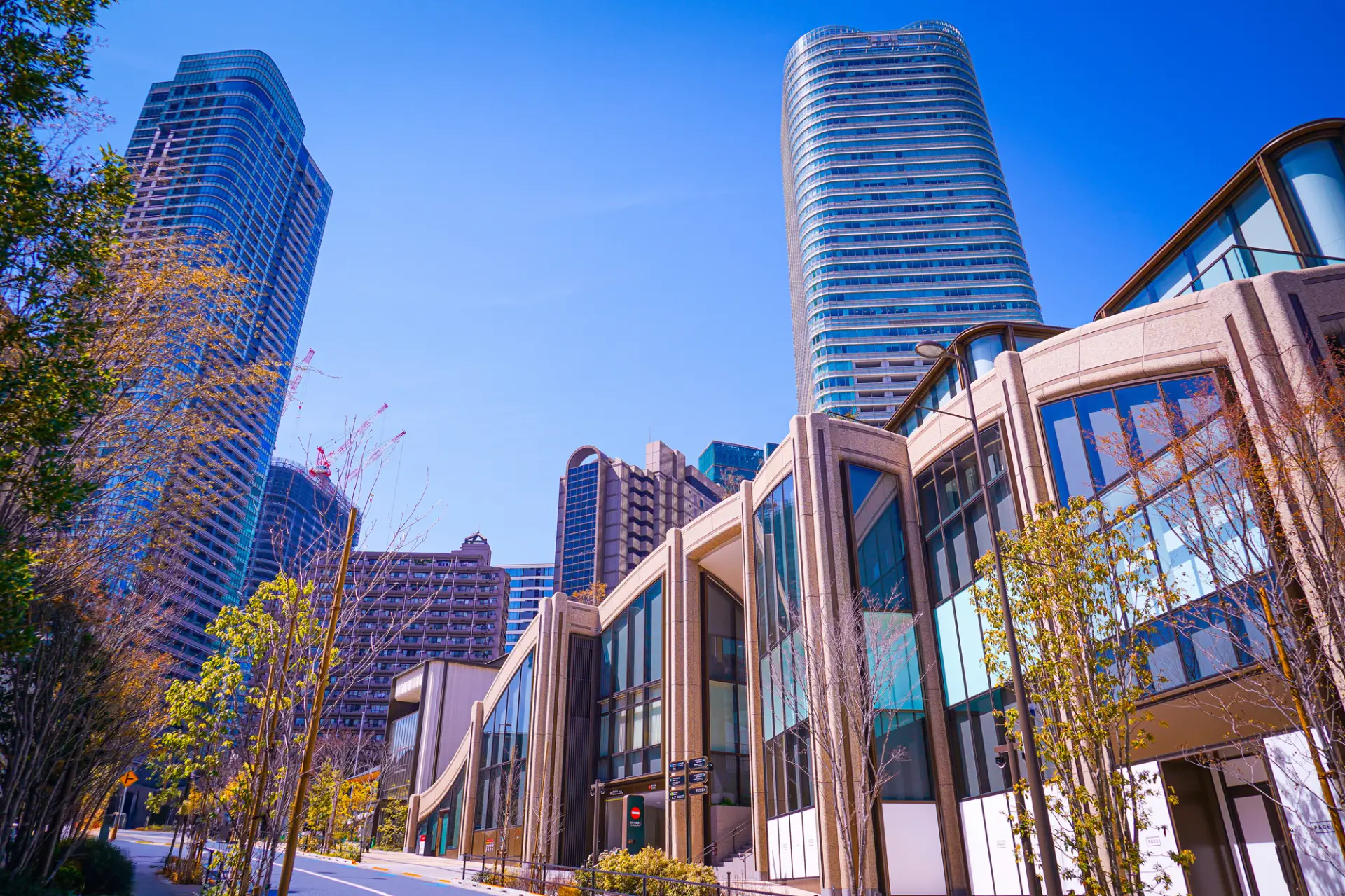
A new Azabu landmark surrounded by greenery and art
-
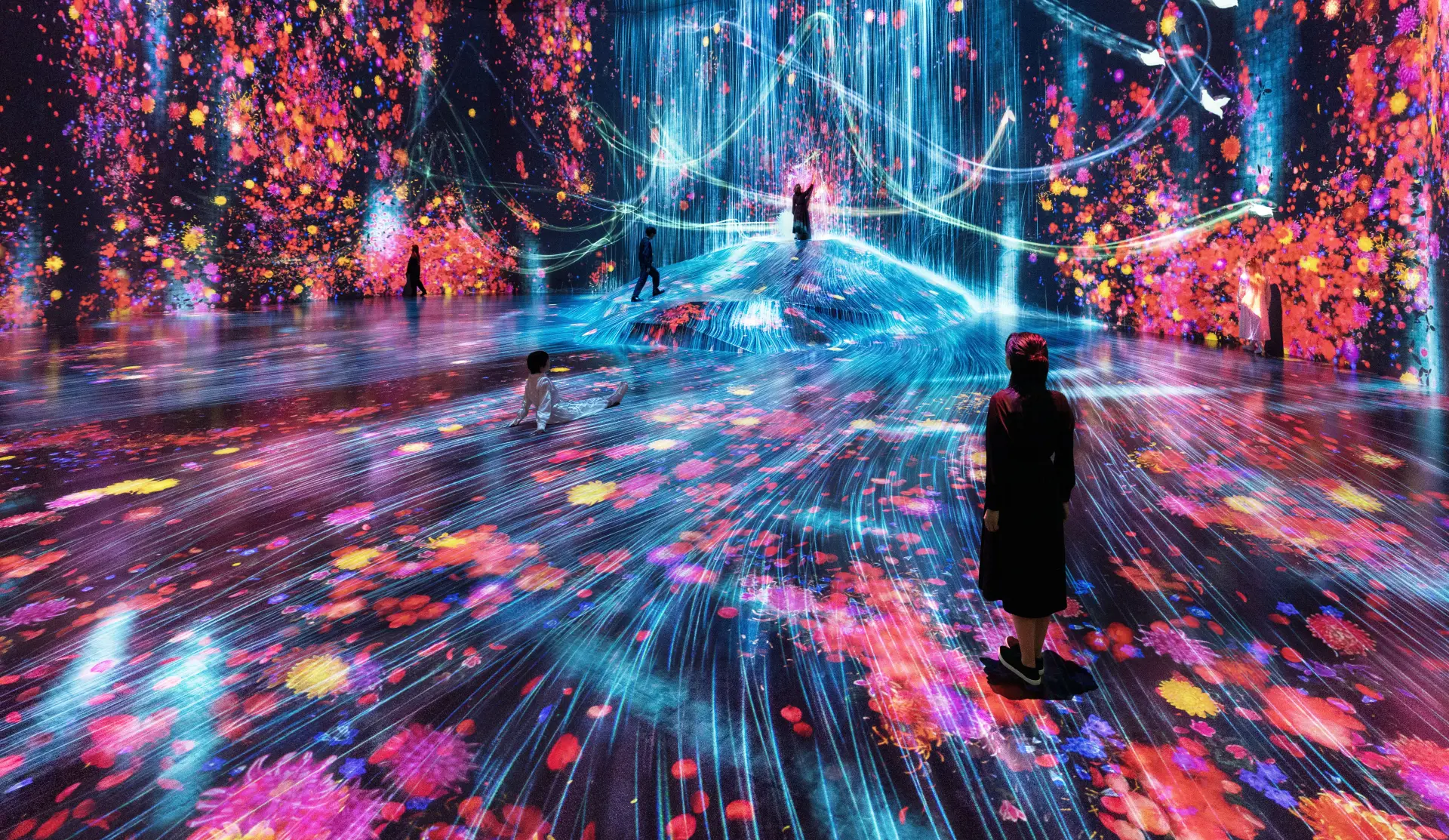
Striking works created with the latest digital technology (© teamLab)
- Nearest station
- Tokyo Metro Kamiyacho or Roppongi-itchome Station, or Toei Subway Azabu-juban Station
- Estimated visit
- 1.5–2.5 hours for exploring and teamLab
2. Tokyu Plaza Harajuku Harakado
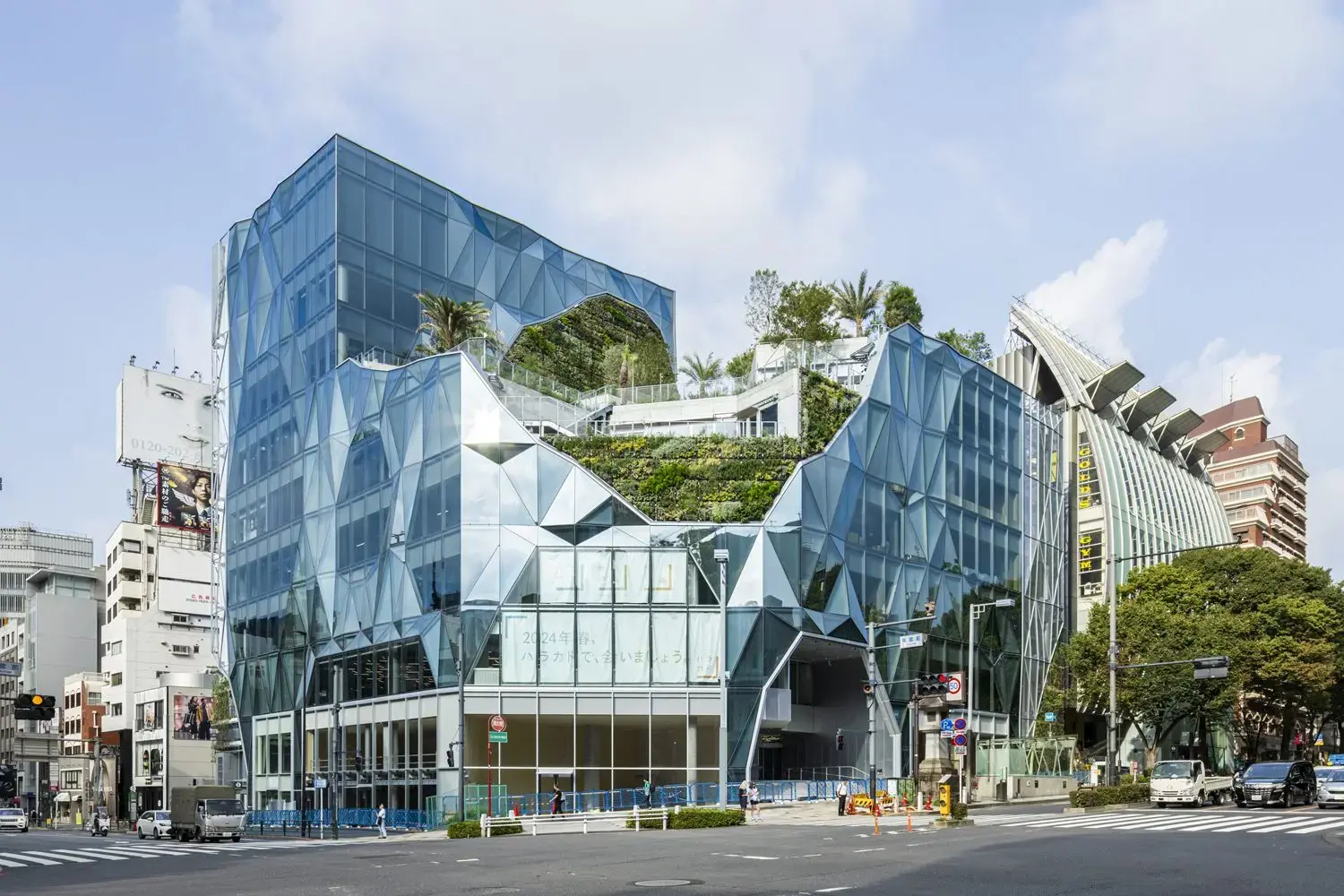
This commercial complex opened in April 2024 at the Jingumae intersection between Harajuku and Omotesando. Its nine floors, from the first basement level to the seventh-floor rooftop terrace, contain various shops and restaurants as well as distinctive facilities including a public bath, gallery, and library.
- Nearest station
- Harajuku Station on all lines, Tokyo Metro Omotesando Station, or Tokyo Metro Meiji-jingumae ‘Harajuku’ Station
- Estimated visit
- 1–1.5 hours
3. Warner Bros. Studio Tour Tokyo – The Making of Harry Potter
Opened in 2023, this walk-through entertainment facility lets visitors experience behind the scenes of the Harry Potter and Fantastic Beasts film series. It was the first facility of its kind in Asia and is the world's largest indoor Harry Potter attraction.

- Nearest station
- Toshimaen Station on all lines
- Estimated visit
- 1.5-2.5 hours
4. Toyosu Senkyaku Banrai
This much-discussed destination opened outside Toyosu Market in February 2024. Divided into dining and bathing areas, it offers Tokyo cuisine, hot springs, and shopping.
Toyosu Edo-mae Market, designed to recreate an Edo-period streetscape, gathers foods from Tokyo and across Japan. Tokyo Toyosu Manyo Club uses hot spring water transported from the celebrated resort areas of Hakone and Yugawara.
-
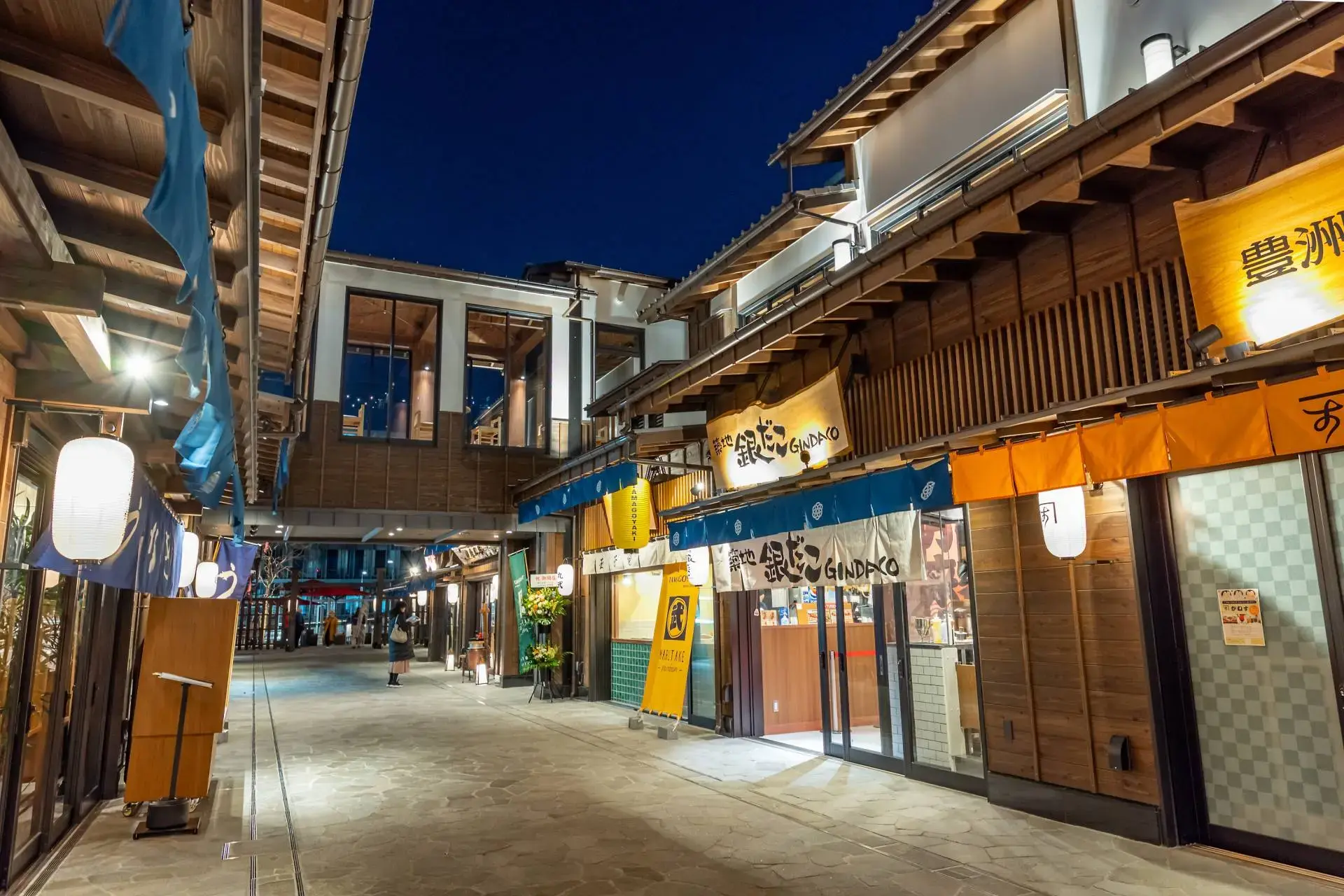
Toyosu Main Street showcases the appeal of Tokyo cuisine
-
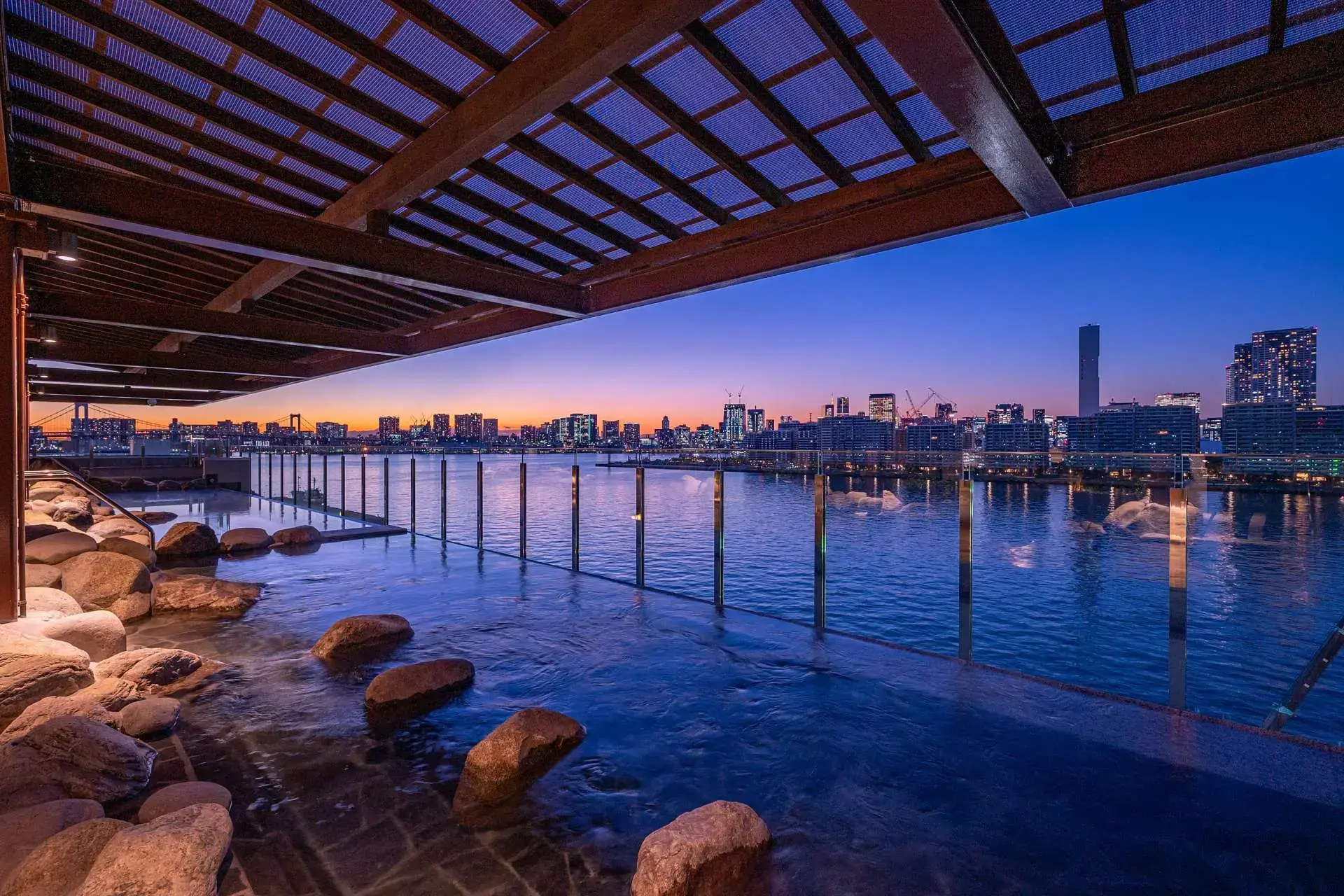
Enjoy the renowned waters of Hakone and Yugawara at Tokyo Toyosu Manyo Club
- Nearest station
- Shijo-mae Station on the Yurikamome Line
- Estimated visit
- 1–1.5 hours, or 2.5 hours or more when using the bathing facility
5. Tokyu Kabukicho Tower
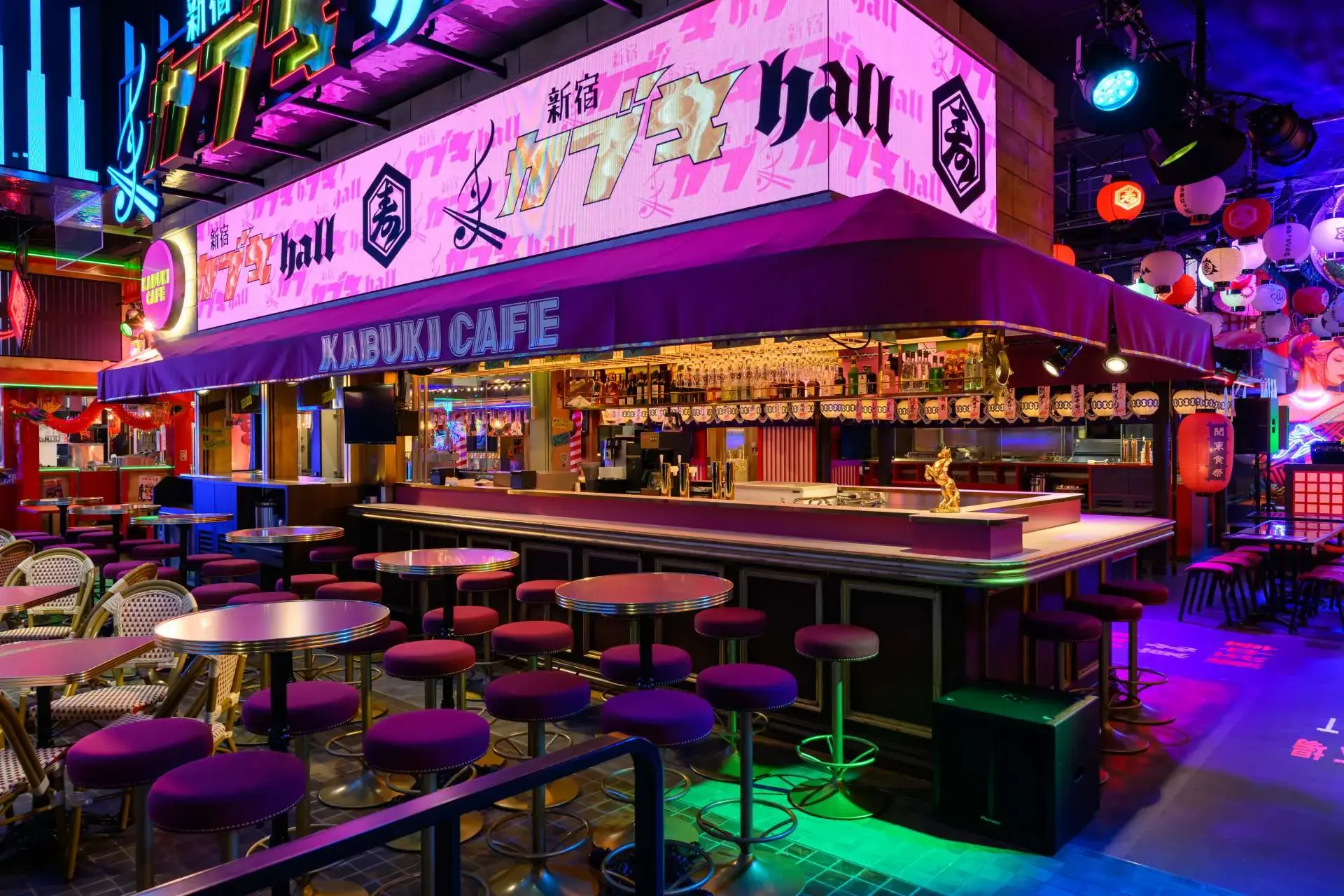
This skyscraper complex welcomed more than 1 million visitors within approximately one month of opening in April 2023 and has drawn attention as a new Kabukicho landmark. It stands 225 meters tall, with 48 floors above ground and five below. Its fountain-inspired exterior houses a vast entertainment space built around the concept of “mastering what you love.”
- Nearest station
- Shinjuku Station on all lines or Seibu-Shinjuku Station
- Estimated visit
- 1–1.5 hours
Trending Attractions Opened in 2024-2026
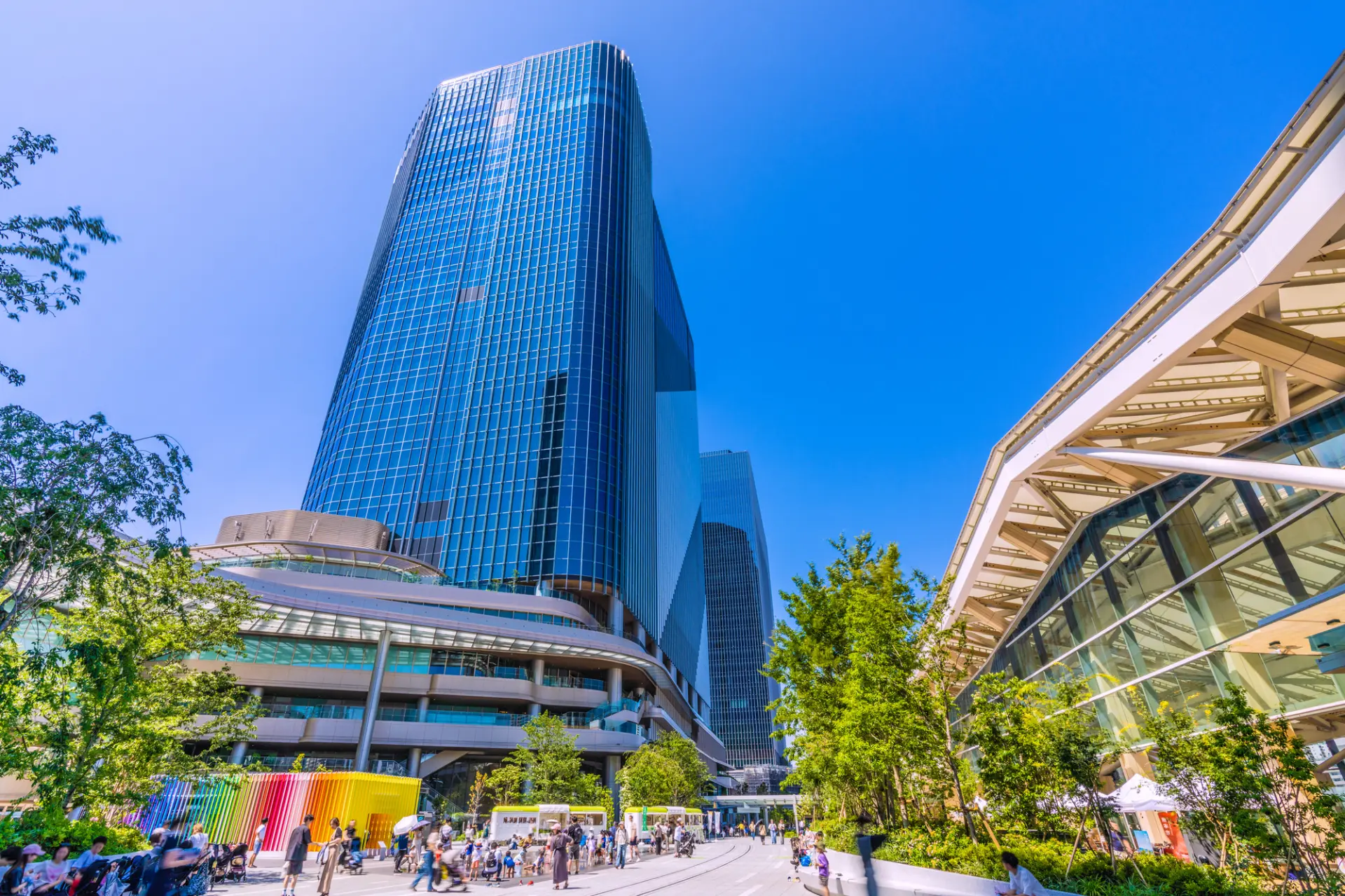
1. TAKANAWA GATEWAY CITY
This JR East development project uses a former rail yard site. Four high-rise buildings and one low-rise cultural facility stand across its expansive 23.5-acre grounds. Centered on Takanawa Gateway Station, the development brings together commercial facilities, hotels, offices, residences, a multipurpose cultural facility, and an international convention center.
Part of the development opened early on March 27, 2025. With the addition of the MoN Takanawa cultural building and the final commercial area, the complex held its grand opening on March 28, 2026.
- Nearest station
- JR Takanawa Gateway Station
- Estimated visit
- 1.5–2 hours
2. Ginza Sony Park
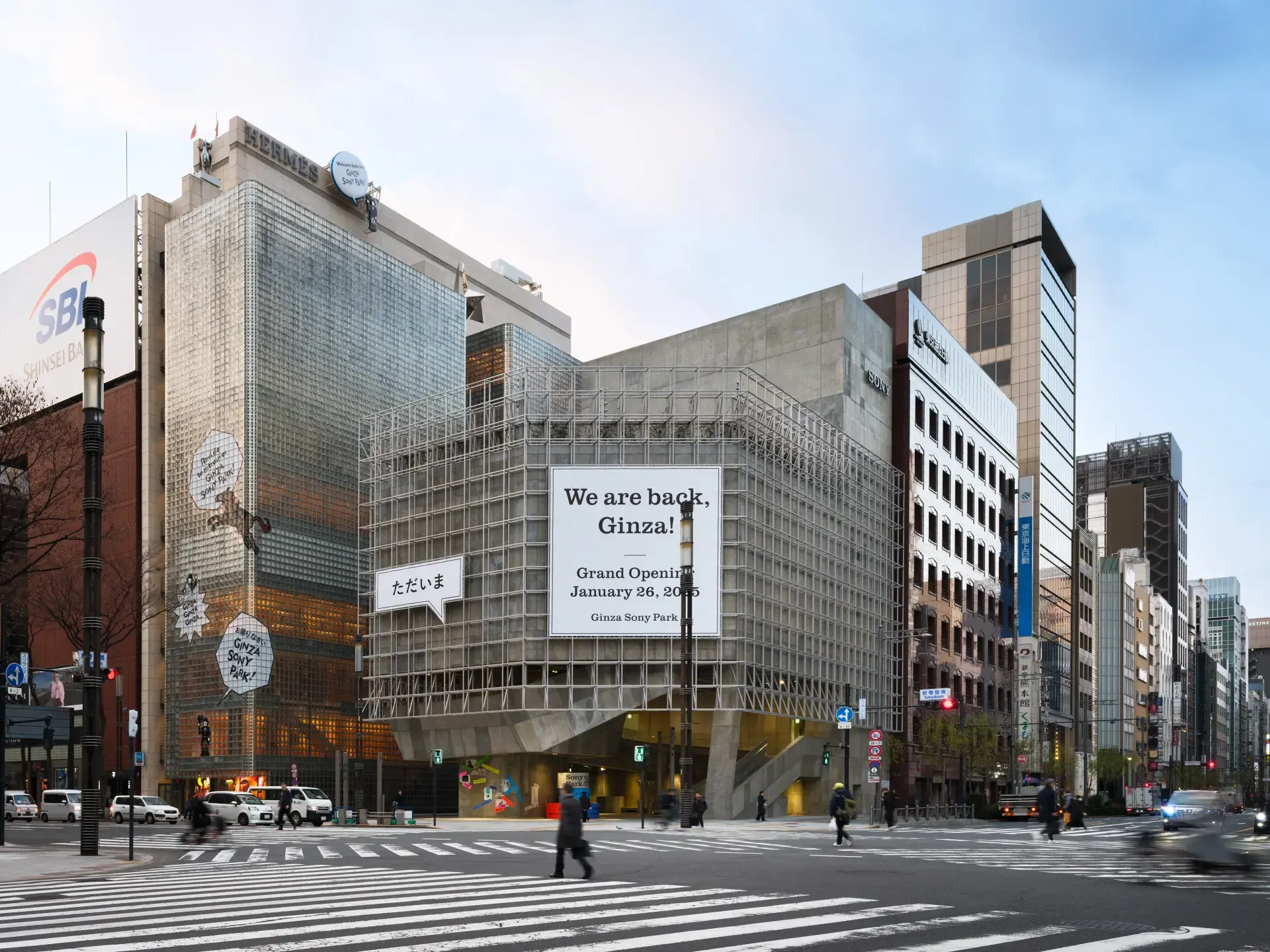
This new landmark opened at Ginza's Sukiyabashi intersection in January 2025 with the concept of “a park in the city.”
Built on the site of the former Sony Building, once a Ginza landmark, its concrete structure was intentionally kept to approximately half the height of the surrounding skyscrapers. The building itself has become part of Ginza's new scenery.
Inside is an open space anyone can enter for free. Interactive programs on distinctly Sony themes such as music, games, and movies change every few months, giving the facility a different character with each visit.
- Nearest station
- Tokyo Metro Ginza Station or JR Yurakucho Station
- Estimated visit
- 30 minutes–1.5 hours, depending on the program
3. Edo-Tokyo Museum
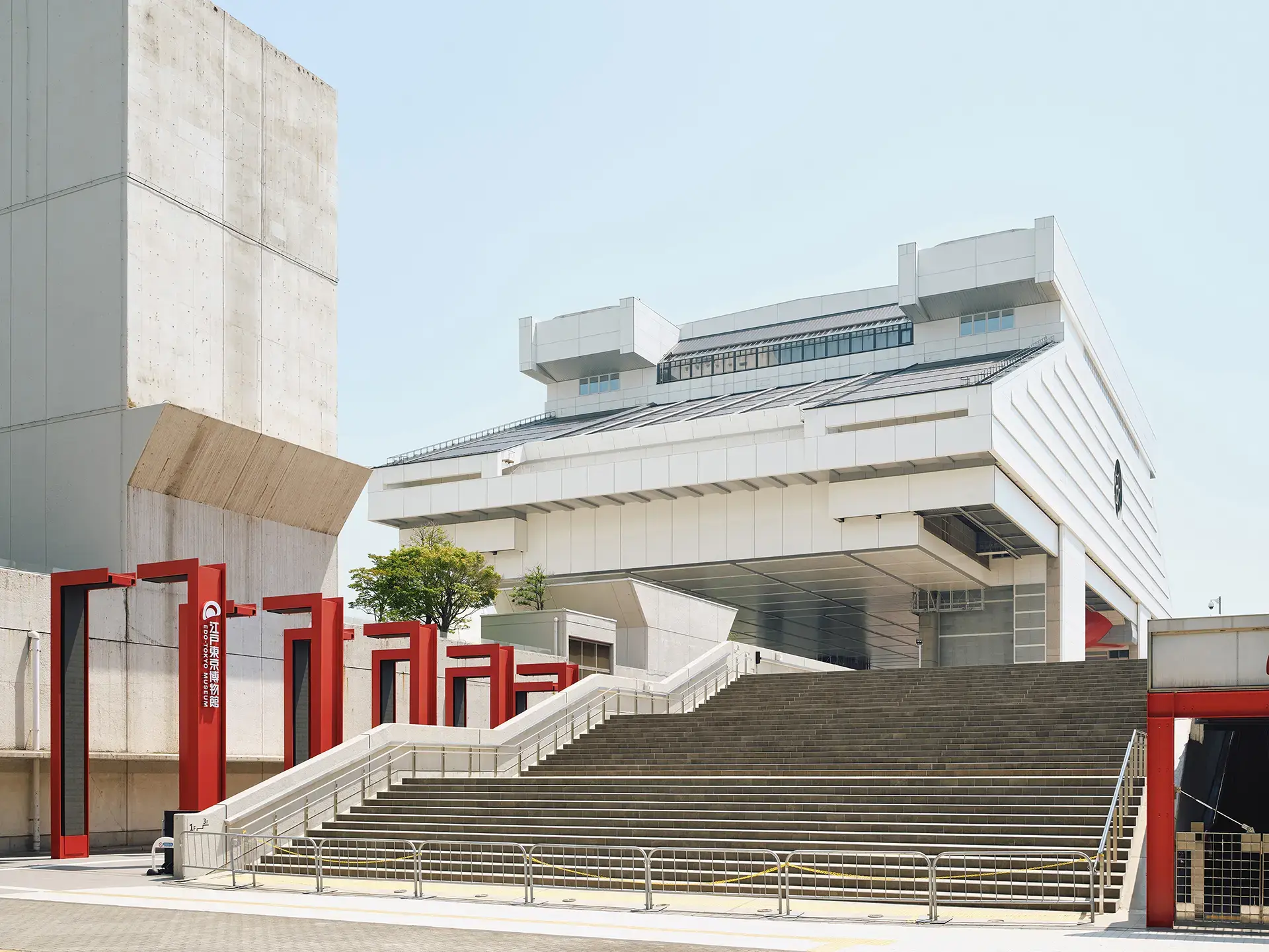
This museum provides a comprehensive introduction to Tokyo's history and culture from the Edo period to the present. Since opening in 1993, it has been a familiar place to learn about the city's development. Following extensive renovations, it reopened in March 2026.
The permanent exhibition occupies approximately 96,900 square feet in an atrium spanning the fifth and sixth floors and is organized primarily into Edo and Tokyo zones. Particularly impressive exhibits include a full-scale reconstruction of Nihonbashi Bridge and scale models of historical streetscapes, bringing the lives and culture of past residents closer to visitors.
- Nearest station
- Ryogoku Station on all lines
- Estimated visit
- 1–2 hours
4. Kochikame Memorial Museum
This new facility opened in March 2025 and is themed around Kochira Katsushika-ku Kameari Koen-mae Hashutsujo, a popular comedy manga serialized in Weekly Shonen Jump for 40 years without interruption.
Interactive displays, digital content, and other creative exhibits communicate the work's appeal. It has quickly gained popularity as a place where visitors can walk through the manga's real-life setting and experience its world with all five senses.

- Nearest station
- JR Kameari Station
- Estimated visit
- 1–1.5 hours
5. PokéPark KANTO
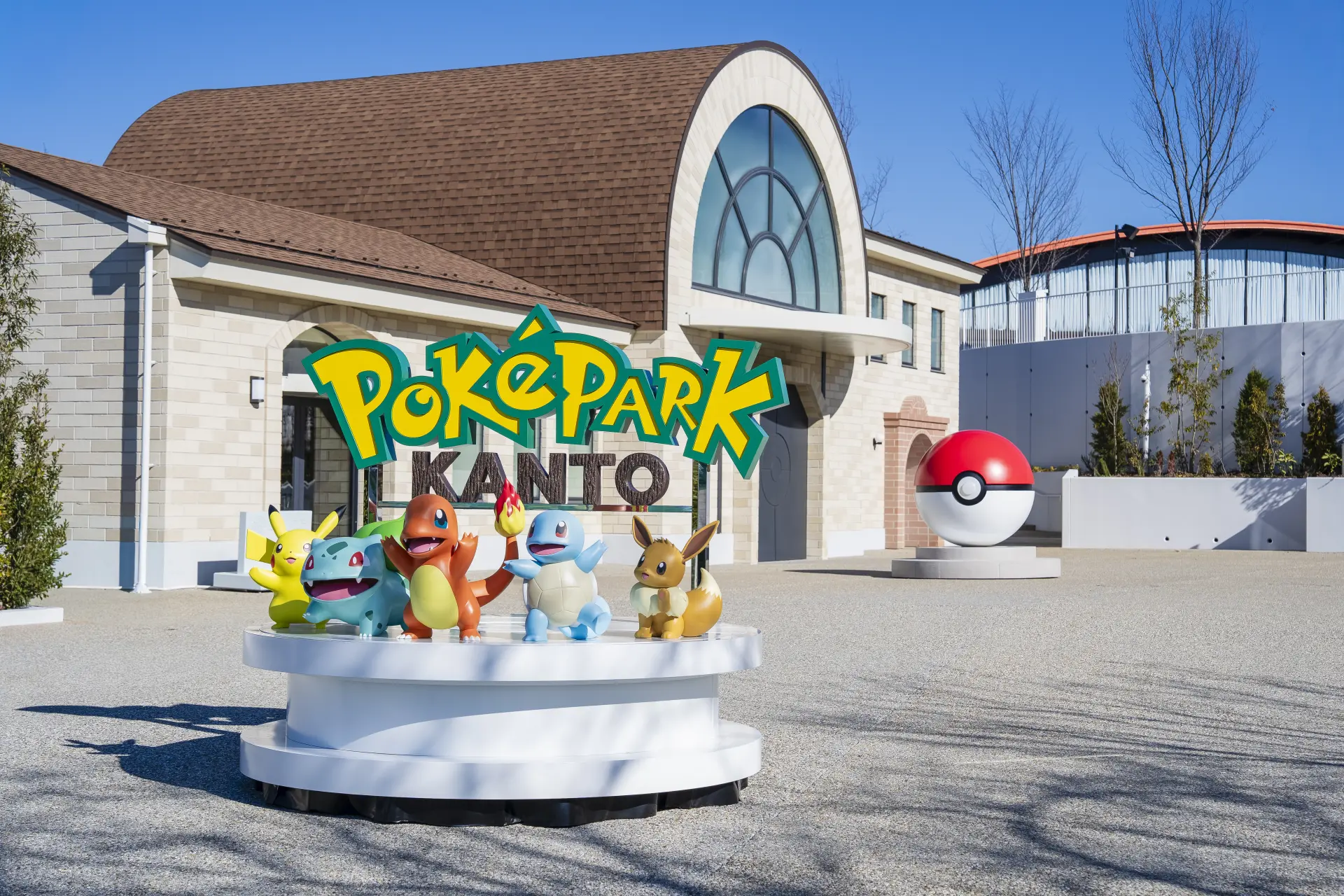
PokéPark KANTO is the first permanent outdoor facility recreating the world of the popular Pokémon franchise.
It opened inside Yomiuriland in Inagi, Tokyo, on February 5, 2026. Set in a world inhabited by more than 600 Pokémon, its main appeal is the opportunity to explore the grounds like an adventurer.
- Nearest station
- Keio-yomiuri-land Station
- Estimated visit
- 2–3 hours
15 Tokyo Attractions to Match Your Travel Style
The right attractions depend on who you are traveling with and what you want to do.
Here are suitable options for five scenarios: a first trip to Tokyo, traveling with children, a couple's trip, solo travel, and a rainy day. Start with the category that matches your travel style.
For Your First Trip to Tokyo
Begin with classic attractions that represent the face of Tokyo.
Combining two or three of these on your first day should provide a strong sense of having arrived in the city.
Each attraction is covered in detail under “29 Classic Tokyo Attractions by Area,” so the following list focuses on why each suits a first trip.
- Senso-ji Temple and Nakamise Shopping Street: The quintessential Tokyo attraction. Standing before Kaminarimon Gate immediately makes you feel that you have arrived.
- Tokyo Skytree : Japan's tallest observation tower provides an overview of Tokyo. Visiting early in your trip makes later explorations more engaging.
- Shibuya Scramble Crossing and SHIBUYA SKY: See the internationally recognized image of Tokyo from both street level and above.
- Meiji Jingu: A leading Tokyo spiritual site surrounded by deep woodland that feels far removed from the city center. It is easy to combine with Harajuku and Shibuya.
- Tokyo Tower: A timeless symbol of Tokyo. Its nighttime illumination is especially notable.
Recommended for Families with Children
Tokyo has many family-friendly attractions, and one of its strengths is the ability to choose destinations suited to your children's ages.
The following selections emphasize convenient station access and ease of movement with a stroller.
1. Ueno Zoo
Ueno Zoo is located inside Ueno Onshi Park. It receives more visitors than any other zoo in Japan and is home to approximately 3,000 animals from around 300 species gathered from across the world.
Its expansive green grounds are divided into eastern and western sections, where both familiar and rare animals live in environments designed to resemble their natural habitats.

- Nearest station
- Ueno Station on all lines or Keisei Ueno Station on the Keisei Line
- Estimated visit
- 2–4 hours, or half a day or more for multiple facilities
2. Maxell Aqua Park Shinagawa
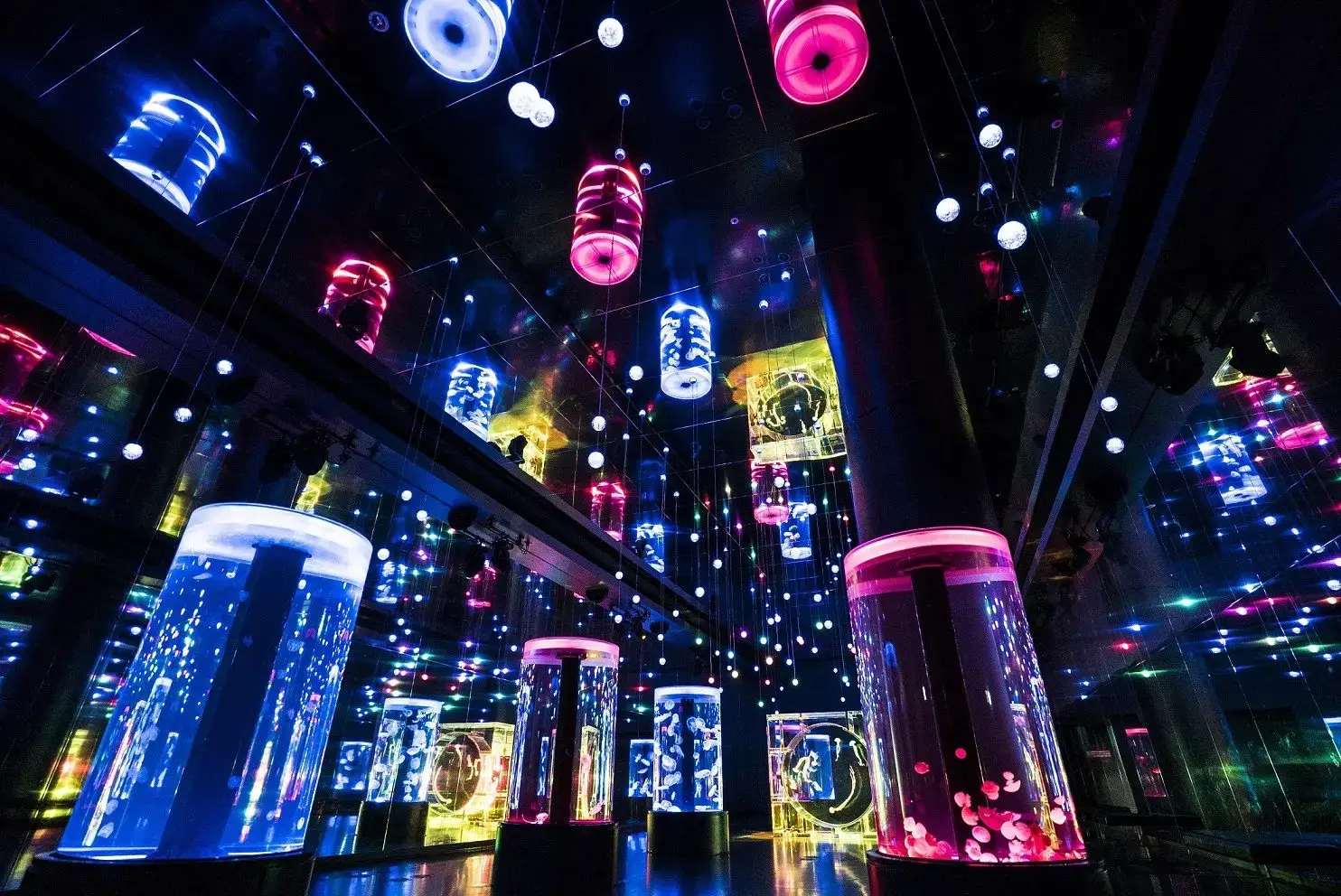
This cutting-edge aquarium combines marine life with sound, light, and video.
At Jellyfish Ramble, an expansive space measuring 30 feet wide and 115 feet deep, atmospheric sound and lighting accompany gently drifting jellyfish.
- Nearest station
- Shinagawa Station on all lines
- Estimated visit
- 1–1.5 hours
3. KidZania Tokyo
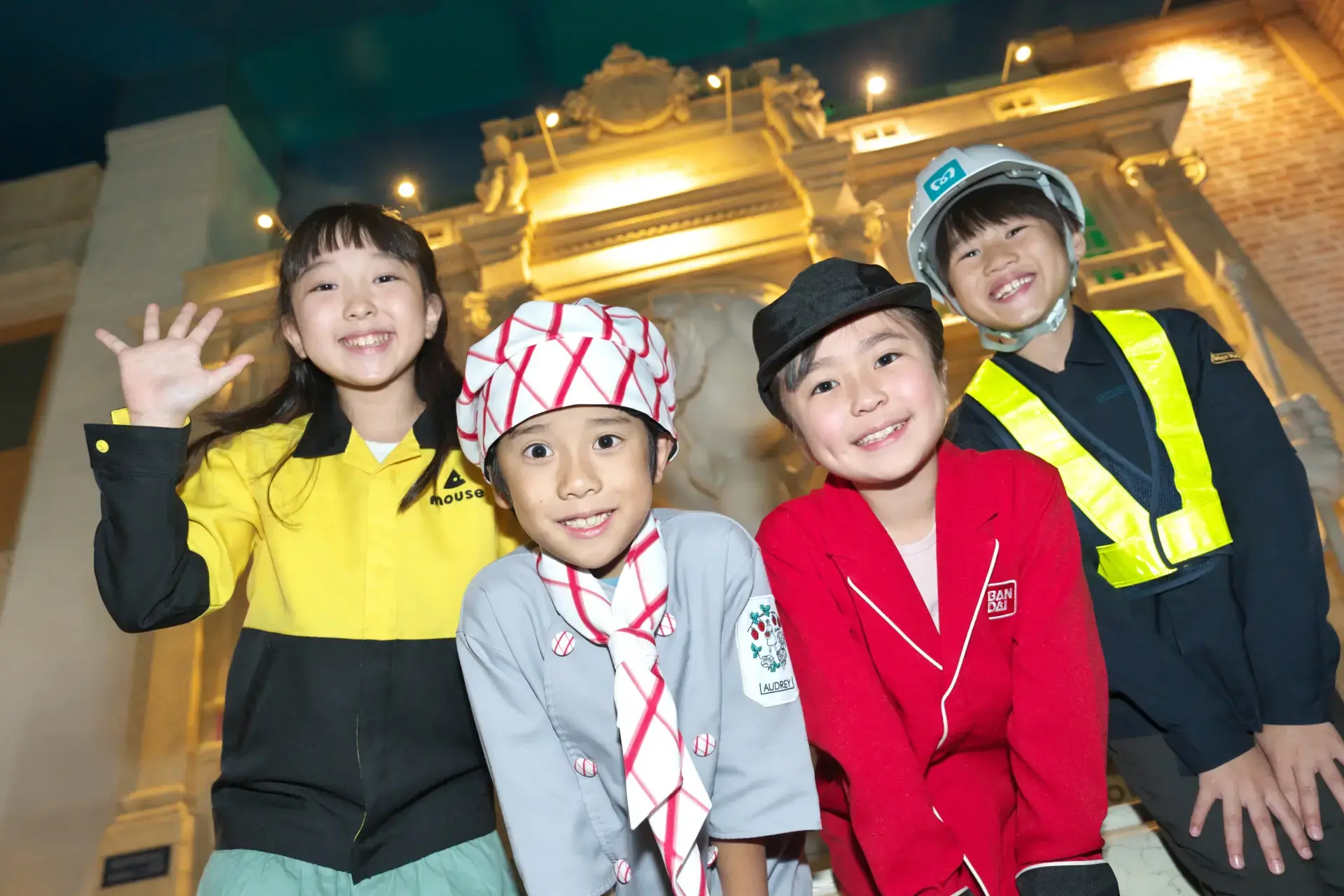
This career and social-experience facility lets children ages 3–15 try various jobs and services in a city built at approximately two-thirds real-world scale, learning how society works while having fun. Pavilions operated by real companies line the facility, offering approximately 100 types of work and service experiences. A parents' lounge provides adults with a place to relax.
- Nearest station
- Toyosu Station on all lines
- Estimated visit
- 4–6 hours; Session 1 is 9:00 a.m.–3:00 p.m. and Session 2 is 4:00 p.m.–9:00 p.m.
For more recommended attractions for families with children in Tokyo, see the article below.

Recommended for Couples and Dates
Here are several places found only in Tokyo that can make your time together feel more special.
Consider one of these destinations for your next date.
1. Tokyo Daijingu
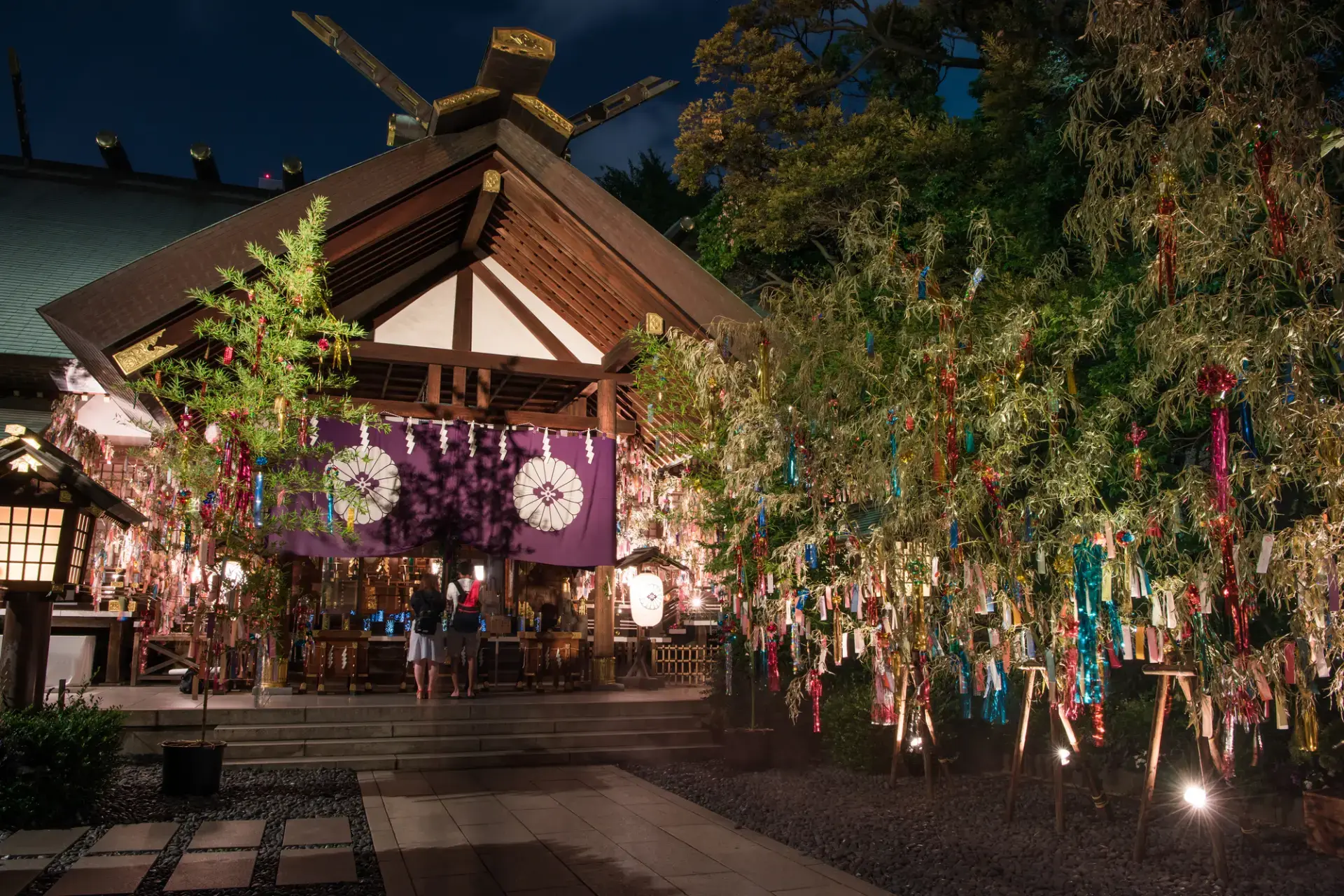
Tokyo Daijingu was founded as a place to worship Ise Jingu from Tokyo and is affectionately known as “Tokyo's Ise Jingu.” It was the first shrine to hold a Shinto wedding ceremony.
Various places on the grounds feature the inome, a protective pattern shaped like a charming heart. This has made the shrine famous for blessings in matchmaking and romantic success.
- Nearest station
- Iidabashi Station on all lines
- Estimated visit
- 30 minutes–1 hour

2. Yomiuriland (Jewellumination)
Yomiuriland is one of Tokyo's leading amusement parks. Alongside diverse attractions, it offers seasonal events and hands-on workshops available only here. Its annual Jewellumination, held from winter through spring, is one of the Kanto region's largest illumination events and transforms the entire park into a dreamlike world of light.
-
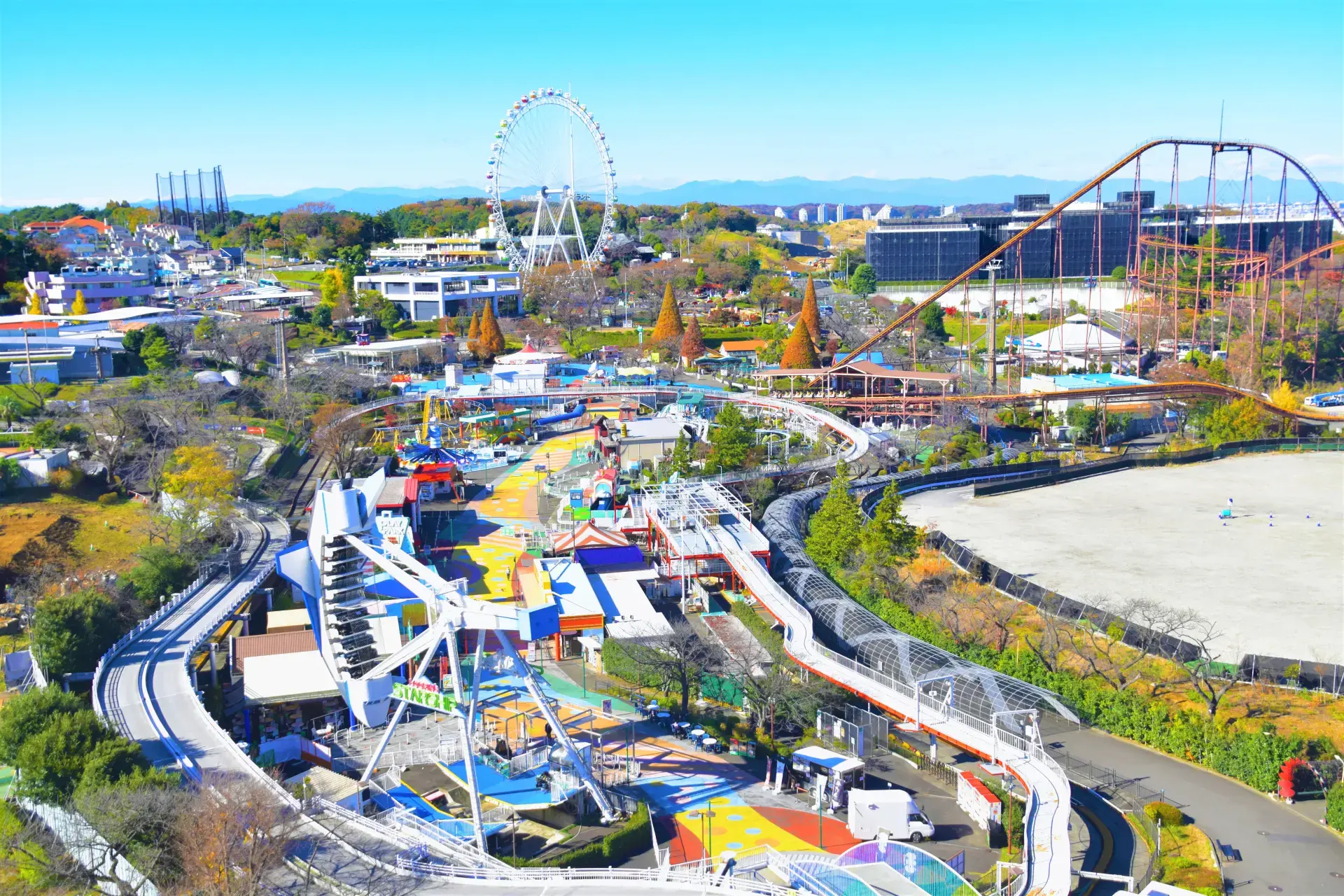
A historic amusement park representing Tokyo, approximately 30 minutes from Shinjuku Station
-
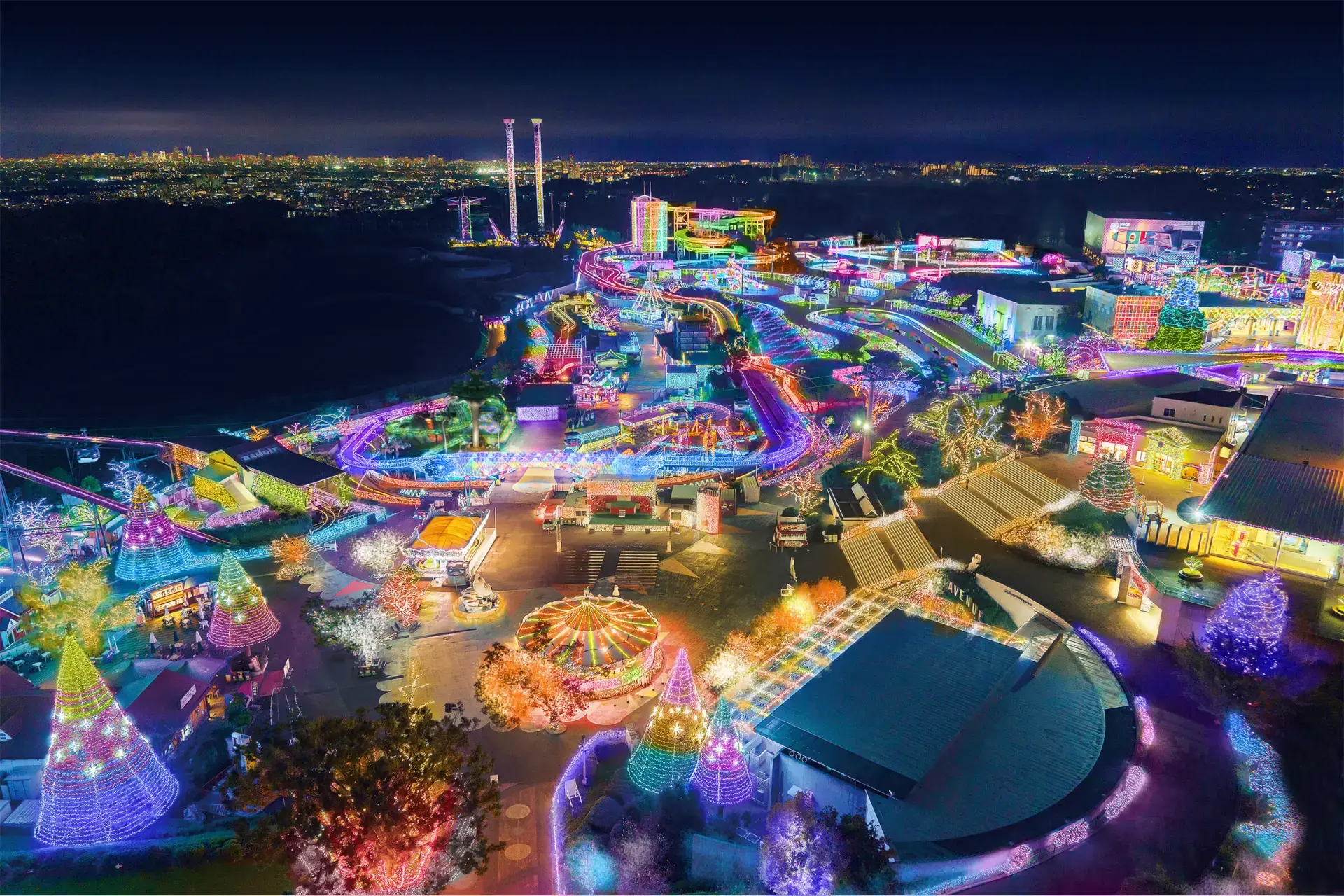
Jewellumination is held annually from winter through spring
- Nearest station
- Keio-yomiuri-land Station on the Keio Line
- Estimated visit
- 1.5–4 hours
3. Symphony Cruise
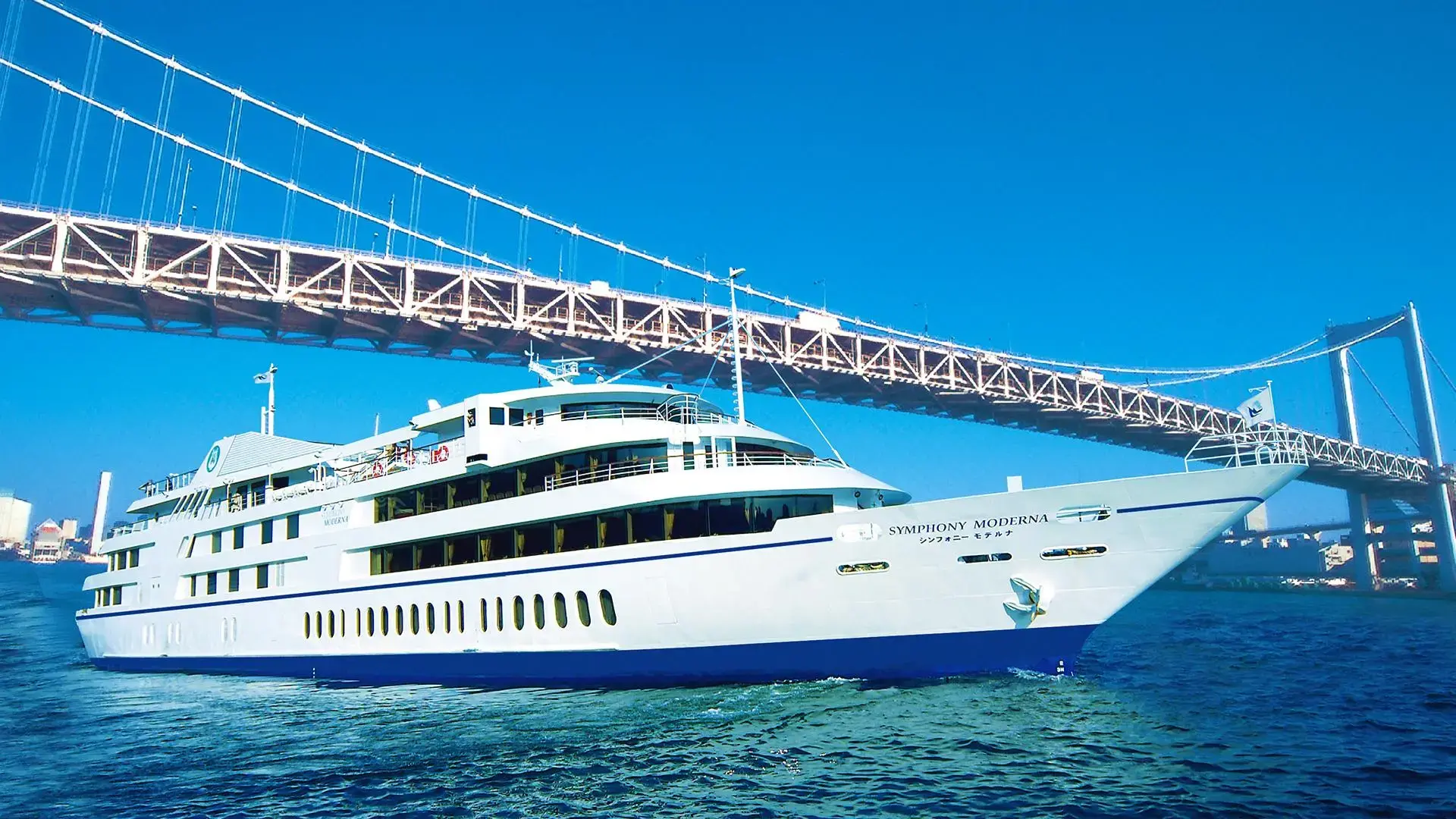
Symphony Cruise follows original routes around Tokyo Bay. Two restaurant ships operate: Symphony Classica, with a capacity of approximately 450 passengers, and Symphony Moderna, with a capacity of approximately 600. Both serve authentic dishes prepared entirely onboard.
The original heart-shaped Heart Line route is particularly popular with couples as a romantic spiritual spot.
- Nearest station
- Hinode Station on the Yurikamome Line or JR Hamamatsucho Station
- Estimated visit
- 50 minutes–2 hours, depending on the course
Do not miss Tokyo's night views, which can make a couple's time together feel even closer. The moment the sun sets and countless lights begin to glow remains moving no matter how many times you see it.
Each destination is covered in detail under “29 Classic Tokyo Attractions by Area,” so the following list focuses on why each is recommended for a date.
- SHIBUYA SKY: Unobstructed 360-degree views. Entering 30 minutes before sunset is ideal.
- Tokyo Tower: Both viewing the illuminated tower itself and looking out from its observation deck are worthwhile.
- Rainbow Bridge: The illuminated bridge seen from the beach at Odaiba Marine Park creates one of Tokyo's most romantic views.
For more recommended attractions for couples and dates in Tokyo, see the article below.

Recommended for Solo Travelers and Relaxed Adult Strolls
The pleasure of solo travel lies in walking at your own pace without worrying about anyone else. These selected places let you step slightly away from the bustle and experience Tokyo quietly.
1. Jimbocho Book Town
Located in Kanda Jimbocho, Chiyoda Ward, this is one of the world's largest book districts. It is said to contain more than 170 stores specializing in used and antiquarian books, covering a broad range of subjects.
Cafés are also scattered throughout the neighborhood, providing places to enjoy unhurried reading.
-
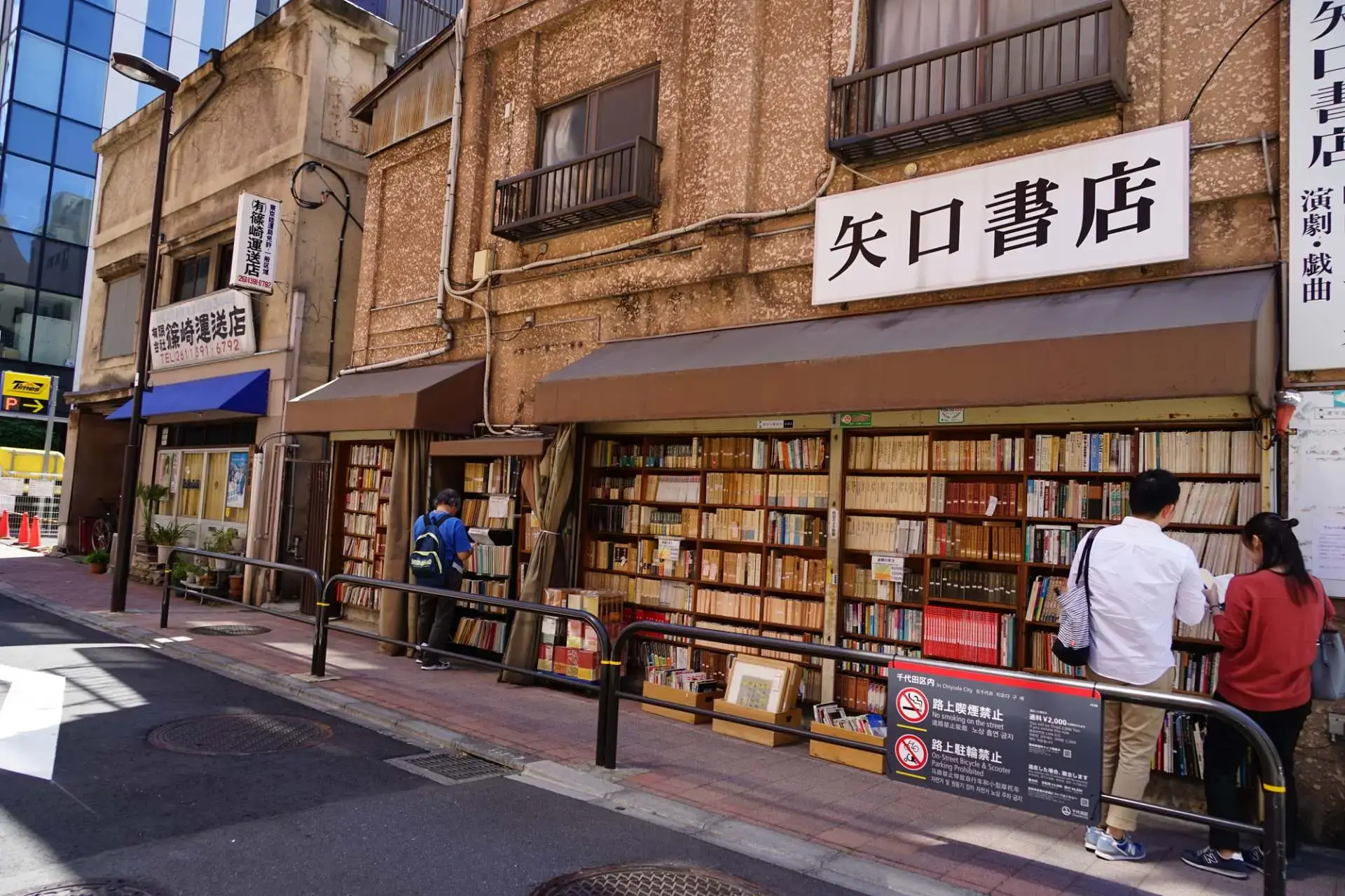
One of the world's largest book districts, with more than 170 antiquarian and used bookstores
-
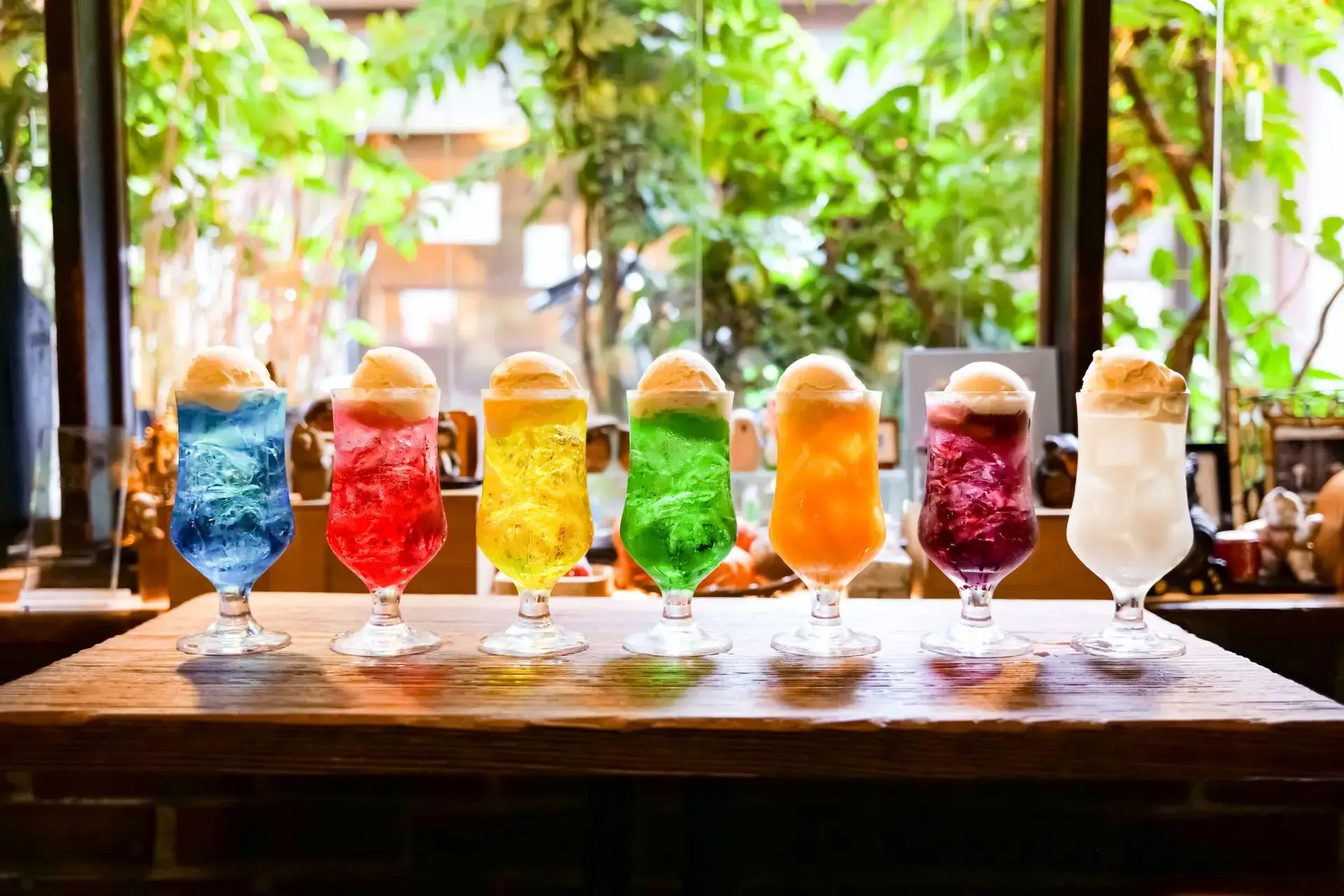
Sabouru, a long-established café and recognizable face of Jimbocho
- Nearest station
- Jimbocho Station on all lines
- Estimated visit
- 1–2 hours, including a café visit
2. Kiyosumi-Shirakawa and Kiyosumi Gardens: A Neighborhood of Gardens and Coffee
Kiyosumi-Shirakawa is just right for a solo walk through Tokyo. At its centerpiece, Kiyosumi Gardens, stroll beside a pond surrounded by notable stones gathered from across Japan and pause to look across the water. The quiet feels far removed from central Tokyo.
Outside the garden is a neighborhood known for coffee. Blue Bottle Coffee opened its first Japanese location here, and distinctive roastery cafés are scattered throughout the area.
-
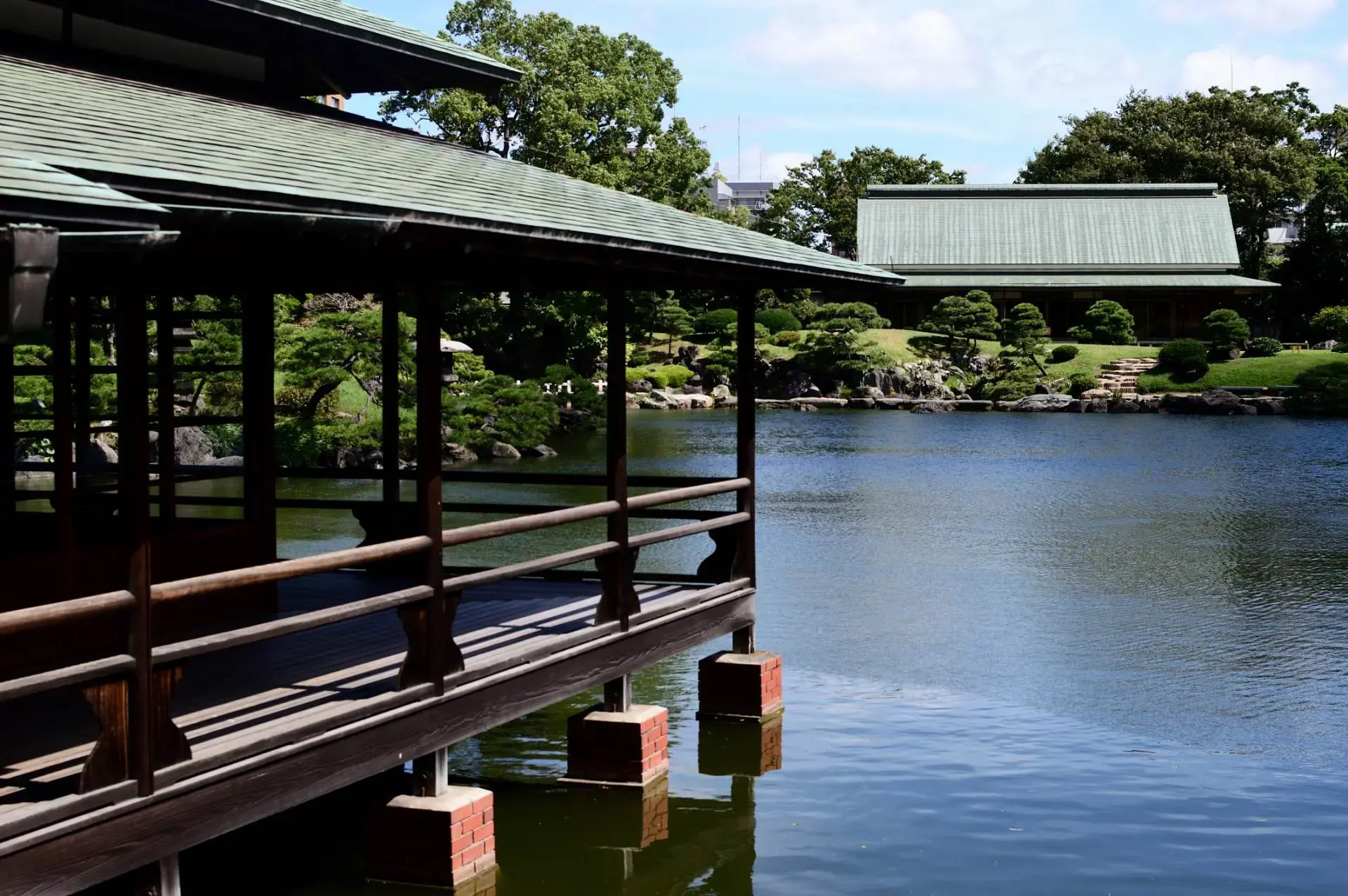
A strolling landscape garden showcasing Japanese aesthetics
-
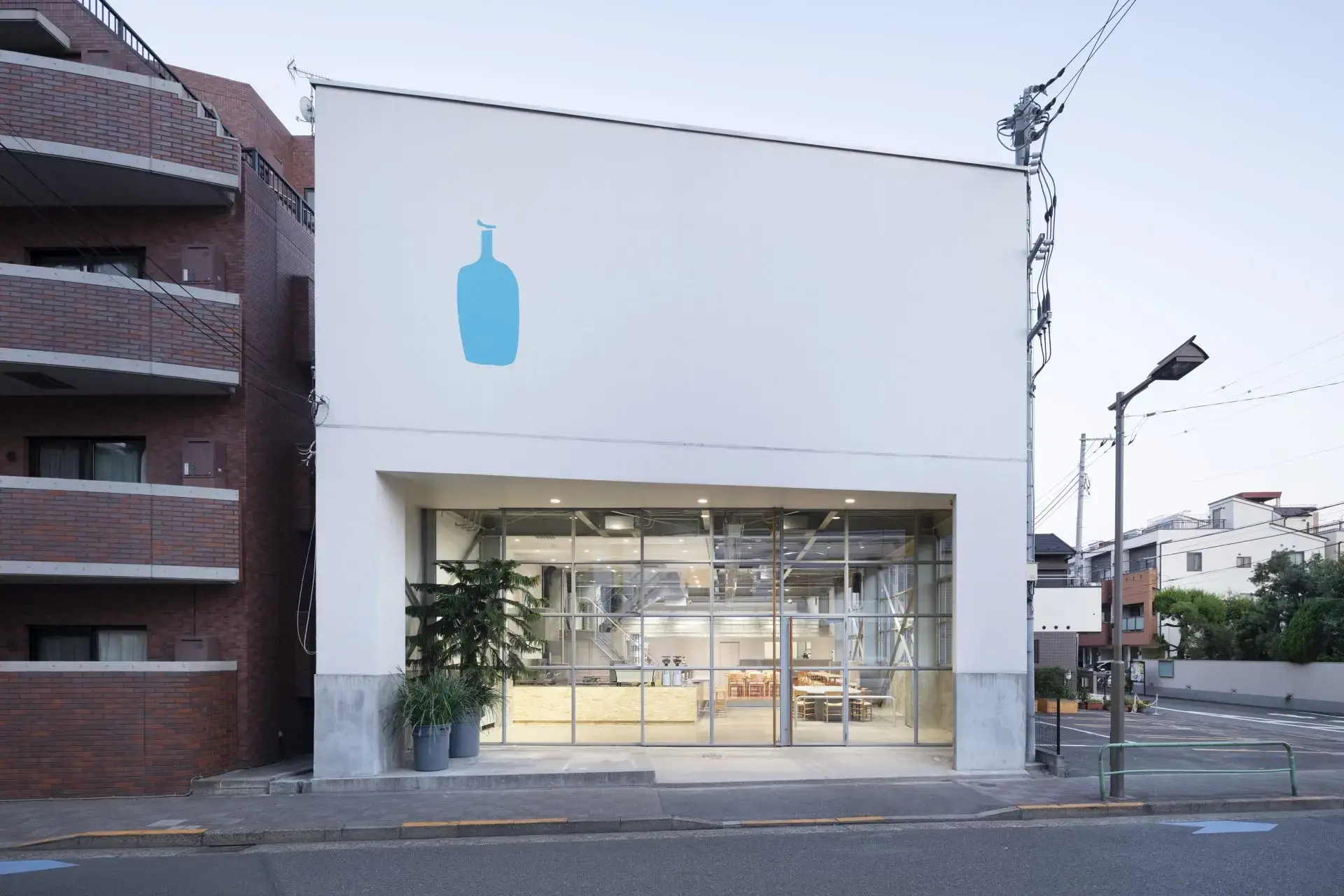
Blue Bottle Coffee's first location in Japan
-
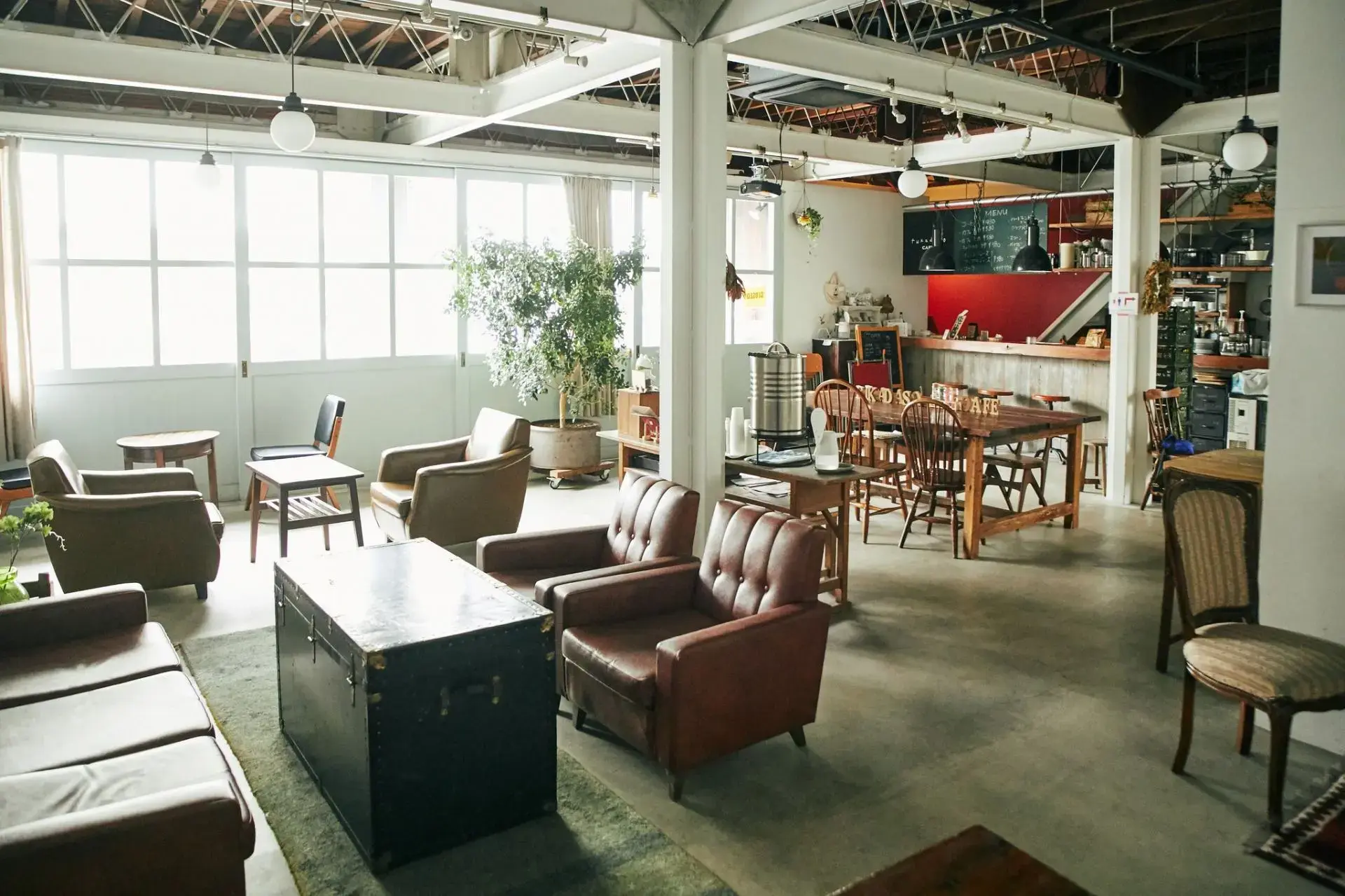
Distinctive cafés; pictured is “fukadaso CAFÉ”
- Nearest station
- Kiyosumi-shirakawa Station on all lines
- Estimated visit
- 1 hour for the garden alone, or 2 hours including cafés
3. Nezu Museum
It is surprising to find such a peaceful museum just a few minutes' walk from the bustle of Aoyama and Omotesando. Its collection of premodern Japanese and East Asian art includes the National Treasure Irises folding screens by Ogata Korin. Architect Kengo Kuma designed the building, whose refined bamboo-lined approach begins calming the mind before visitors even reach the entrance.
After viewing the art, take a break at the café overlooking the garden.
-
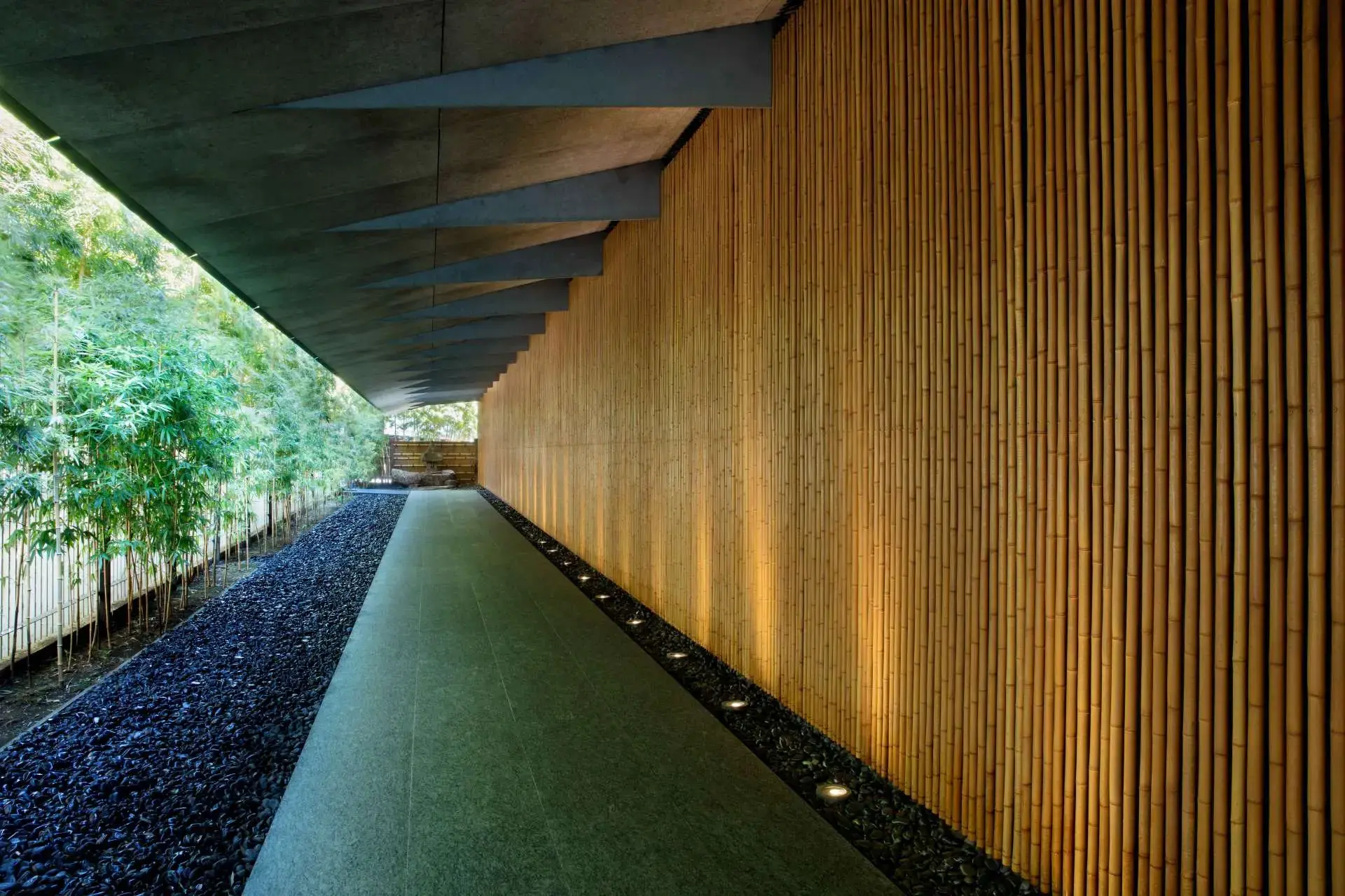
An impressive bamboo-lined approach
-
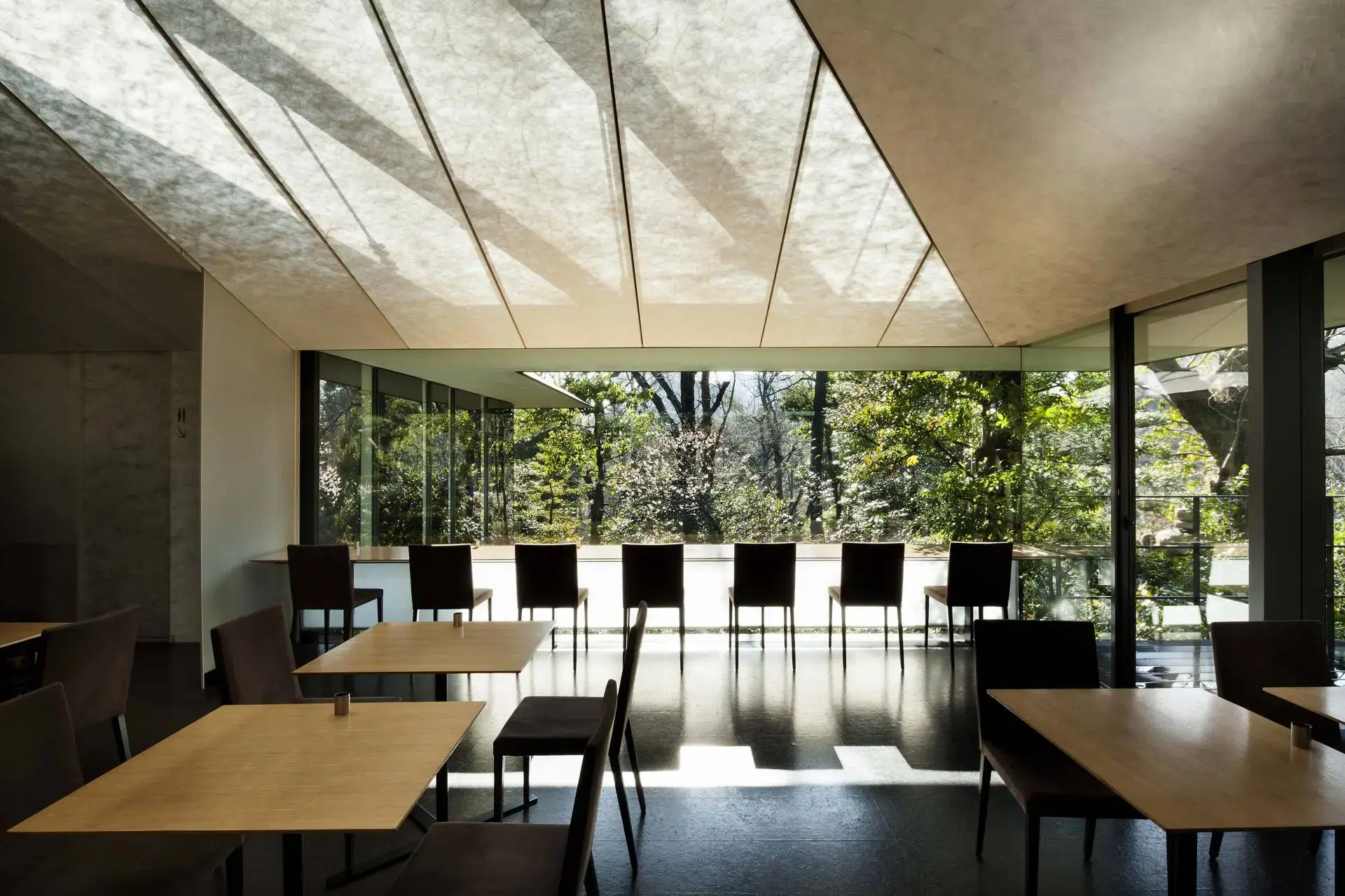
Spend a relaxing moment at the café overlooking the garden
- Nearest station
- Omotesando Station on all lines
- Estimated visit
- 1–2 hours, including the garden and café
For more recommended attractions for solo travel and relaxed adult walks in Tokyo, see the article below.

Recommended for Trips with Female Friends
From café-hopping and photo spots to neighborhood walks, a Tokyo trip with close friends gives you endless things to talk about. Here are recommended attractions for women traveling together.
1. Mitsubishi Ichigokan Museum, Tokyo
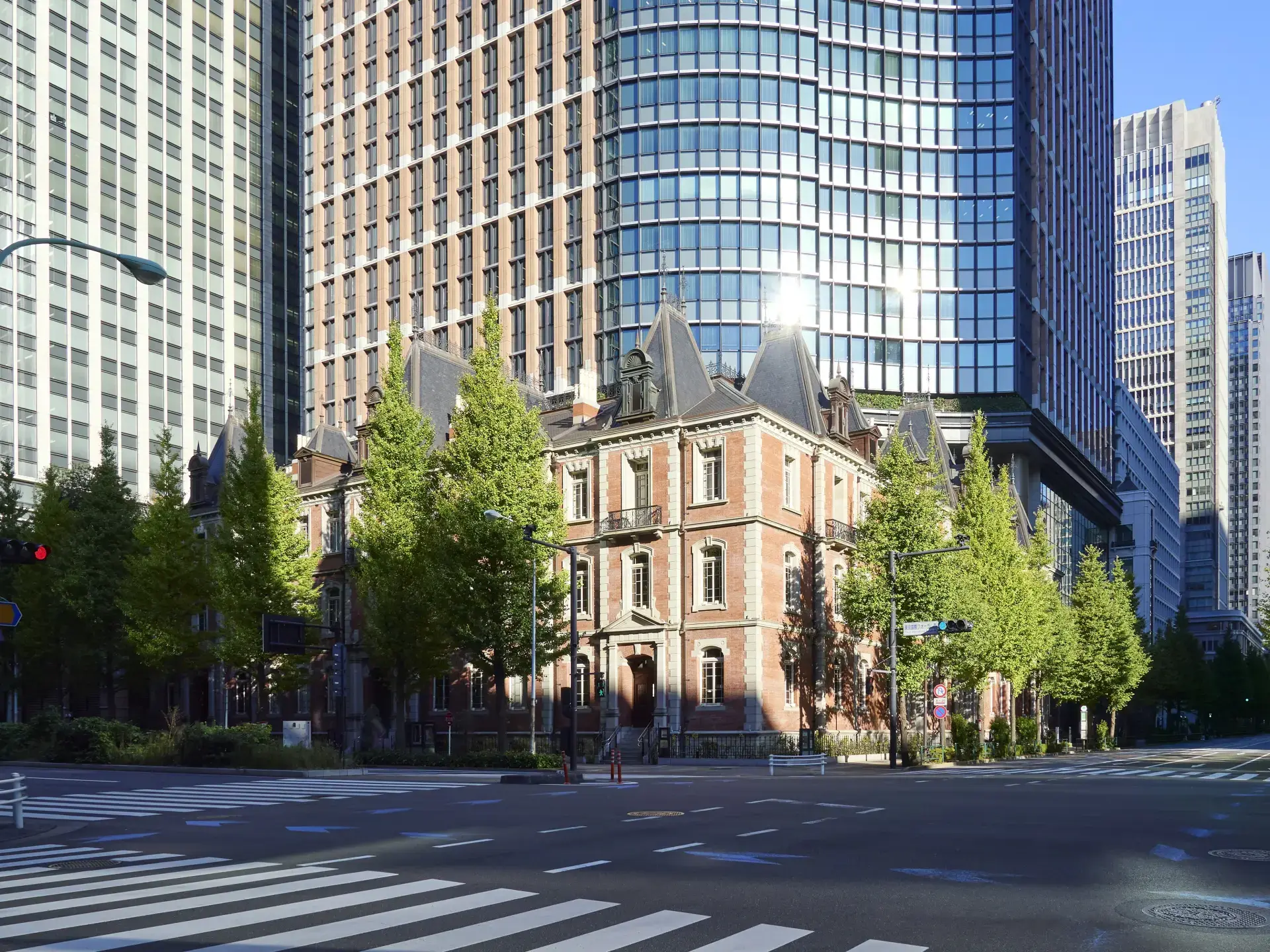
The striking red-brick building is a reconstruction of Mitsubishi Ichigokan, built in 1894 and designed by British architect Josiah Conder, who also worked on the Ueno Museum and Rokumeikan. Alongside the artwork, the atmospheric building itself is a highlight.
The museum also contains the Café 1894 café and bar and the Store 1894 museum shop, both worth visiting.
- Nearest station
- Tokyo Station on all lines
- Estimated visit
- 1–1.5 hours
2. State Guest House, Akasaka Palace
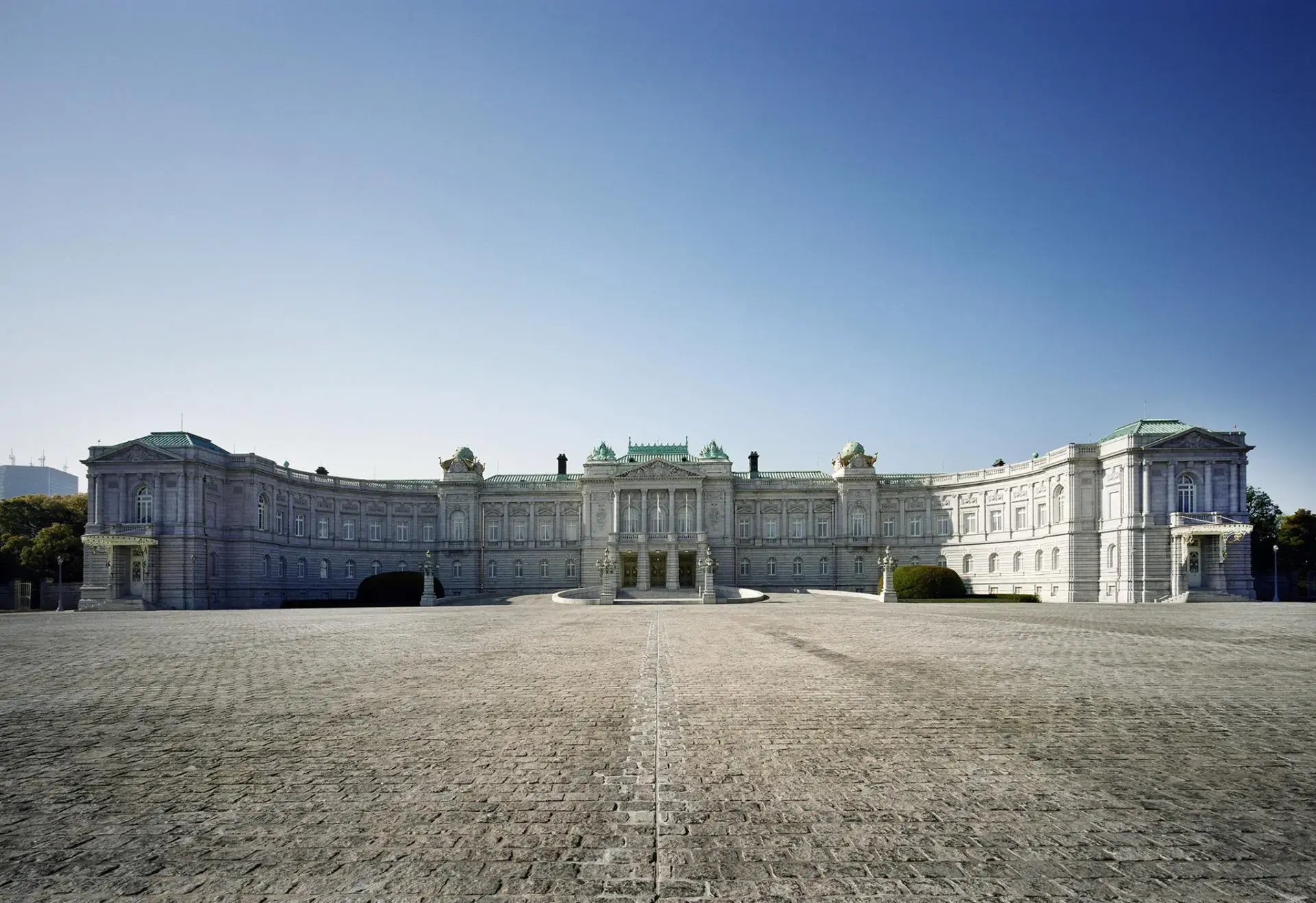
Built in 1909 as the Crown Prince's residence for Yoshihito, who later became Emperor Taisho, this is Japan's only palace constructed in the Neo-Baroque style. Its expansive grounds contain many highlights, including a glittering entrance hall, gold-leaf arched ceilings, chandeliers, and ceiling paintings in rooms such as Asahi-no-Ma. Immerse yourself in this lavish setting, filled with the finest Japanese craftsmanship and used to welcome distinguished guests from around the world.
- Nearest station
- Yotsuya Station on all lines
- Estimated visit
- 1 hour
3. Tokyo Dome City
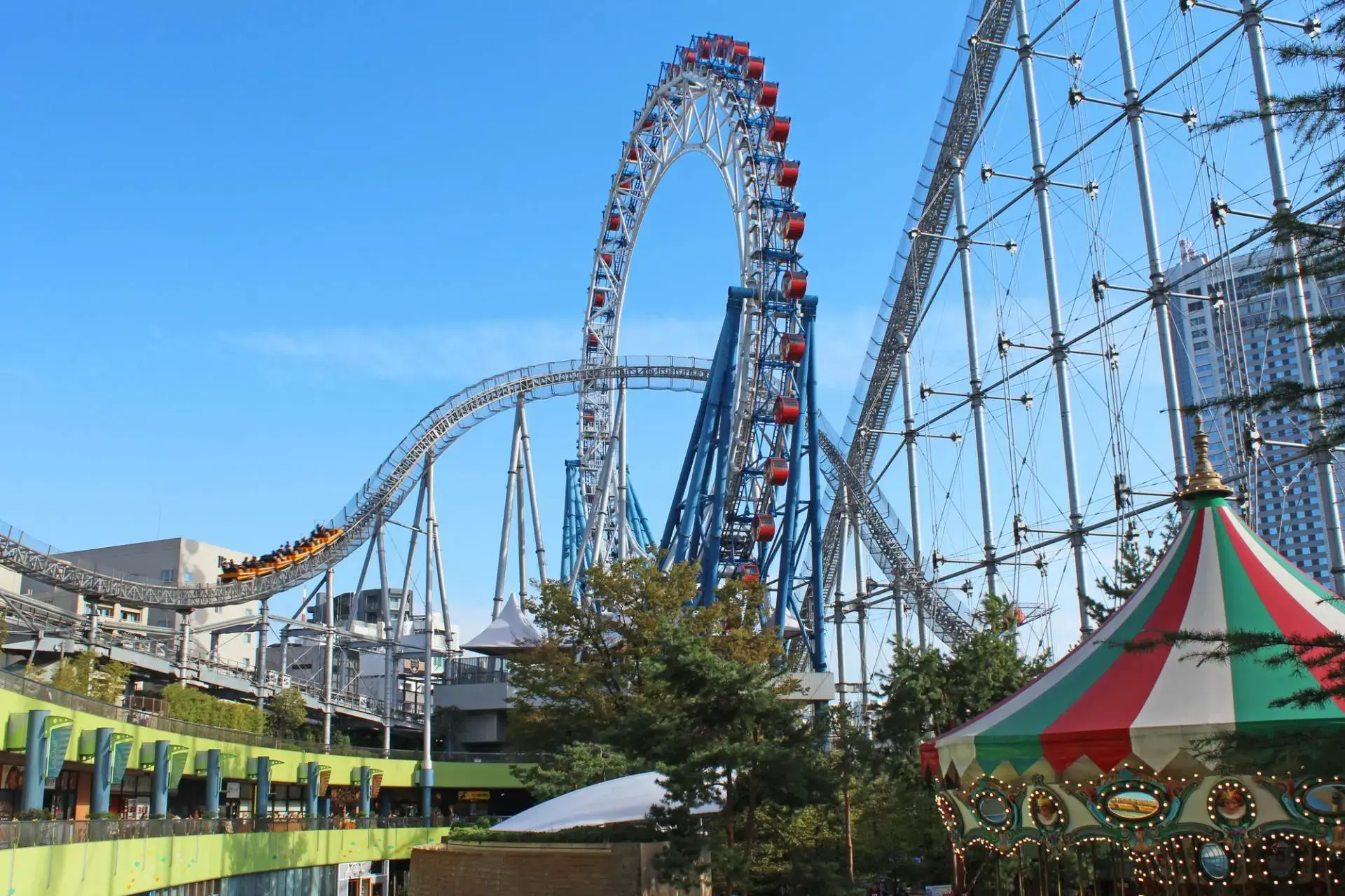
This expansive leisure complex includes Tokyo Dome, famous as a baseball stadium, along with an amusement park, restaurants, shops, a hotel, and various other facilities.
The amusement park has no admission fee, so visitors can simply pay for individual rides. LaQua contains shops, restaurants, and a natural hot spring spa.
- Nearest station
- JR or Toei Subway Suidobashi Station, or Tokyo Metro Korakuen Station
- Estimated visit
- 1.5–3 hours
Places to Enjoy on a Rainy Day
Rain does not have to spoil sightseeing in Tokyo. The city has many indoor attractions where you can spend an entire day, so choose from these options when the forecast looks uncertain.
1. Miraikan – The National Museum of Emerging Science and Innovation
This museum challenges conventional ideas of what a science museum can be.
Its signature exhibit is Geo-Cosmos, a globe-shaped display measuring 20 feet in diameter that floats in the entrance atrium.
Exhibitions cover science and technology connected to our future, including robots, AI, life sciences, the global environment, and space.
It is a dependable option when rain interrupts an Odaiba visit.

- Nearest station
- Telecom Center Station on the Yurikamome Line
- Estimated visit
- 1.5–3 hours
2. Toyo Bunko Museum
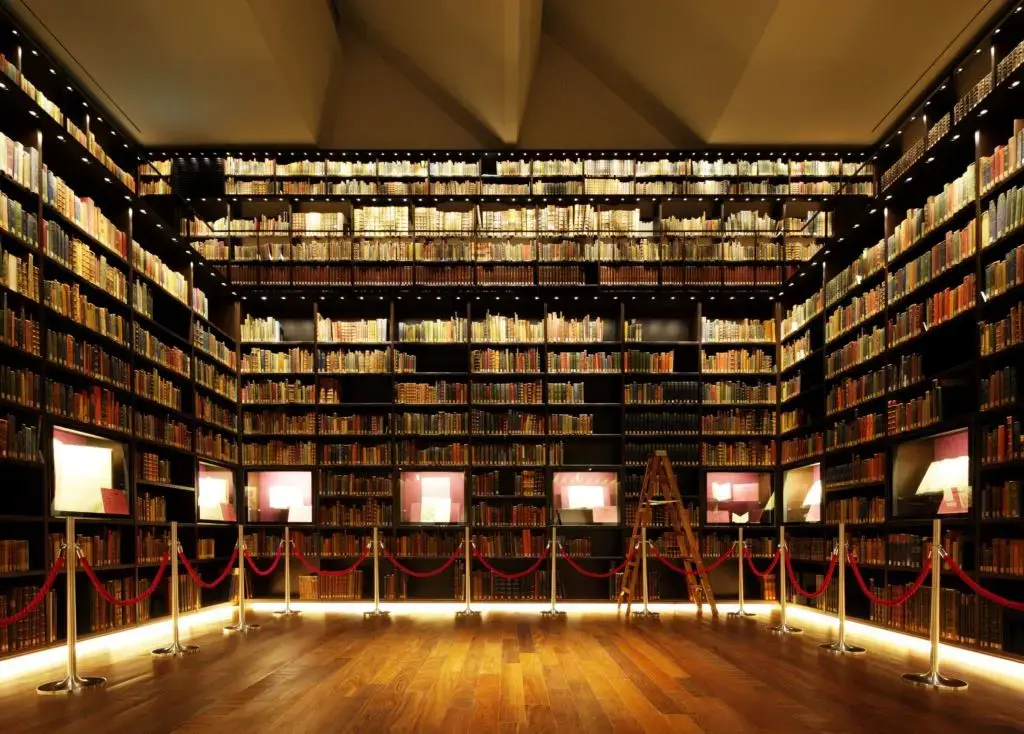
Even visitors who are not book lovers may be awed by the impressive wall of books here. The main highlight is the Morrison Stacks, shelves containing approximately 24,000 Western-language books. Filled with books to the ceiling, the solemn space has quietly become one of Tokyo's leading photo spots.
- Nearest station
- Komagome Station on all lines
- Estimated visit
- 1–1.5 hours, including the café
3. Art Aquarium Museum GINZA
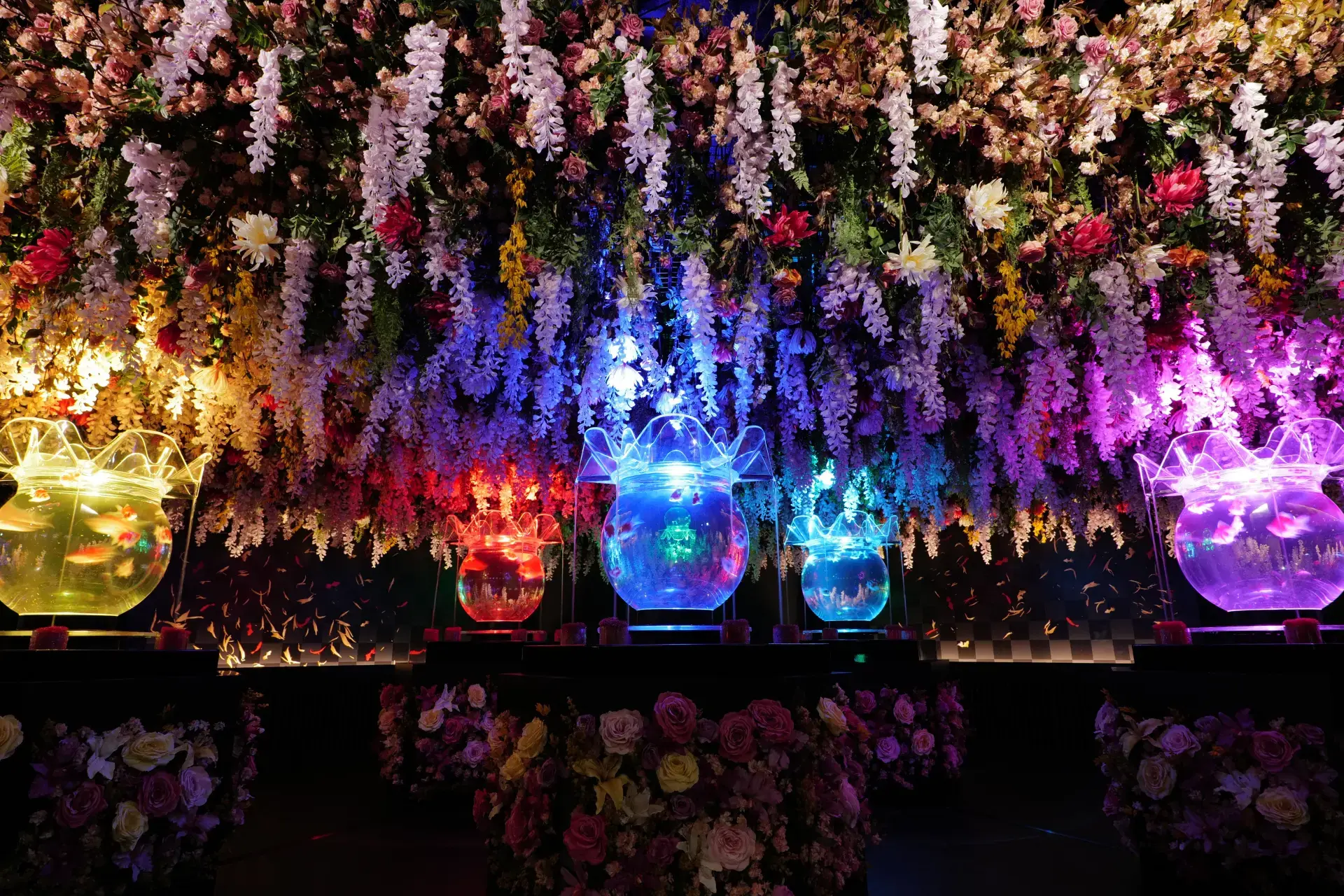
If rain leaves an opening in your Ginza schedule, step into an illuminated art space filled with swimming goldfish. This museum combines Edo-period goldfish culture with contemporary art. Colorful goldfish move through tanks shaped like spheres and folding screens, creating a scene far more atmospheric in person than in photographs.
The facility is inside Ginza Mitsukoshi, so visitors can continue directly to shopping afterward.
- Nearest station
- Tokyo Metro Ginza Station
- Estimated visit
- 1 hour
For more recommended attractions to enjoy on rainy days, see the article below.
8 Signature Tokyo Attractions and Events for Every Season
Tokyo is strongly associated with its metropolis, but it is also rich in seasonal color. Here are the best places and seasonal traditions for each time of year, from spring cherry blossoms and summer fireworks to fall foliage and winter illuminations.
Once your travel dates are set, use this section to add seasonal experiences to your itinerary.
Spring (March–May): Cherry Blossom Destinations
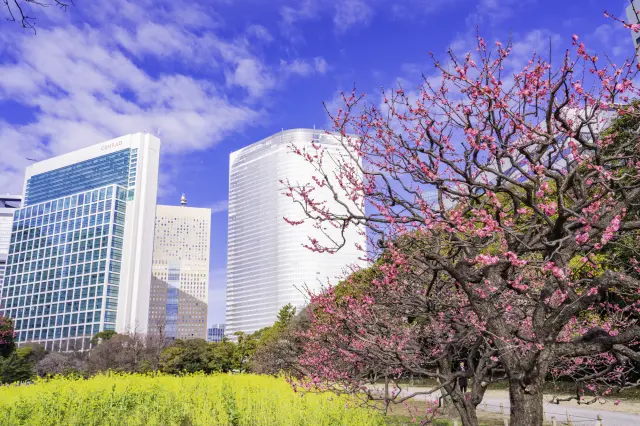
In spring, Tokyo turns pink with cherry blossoms. Famous viewing spots are found throughout central Tokyo, making it easy to add hanami to an itinerary. The blossoms generally peak from late March to early April. Here are two particularly notable destinations, followed by other classic places that combine well with sightseeing.
1. Meguro River Cherry Trees
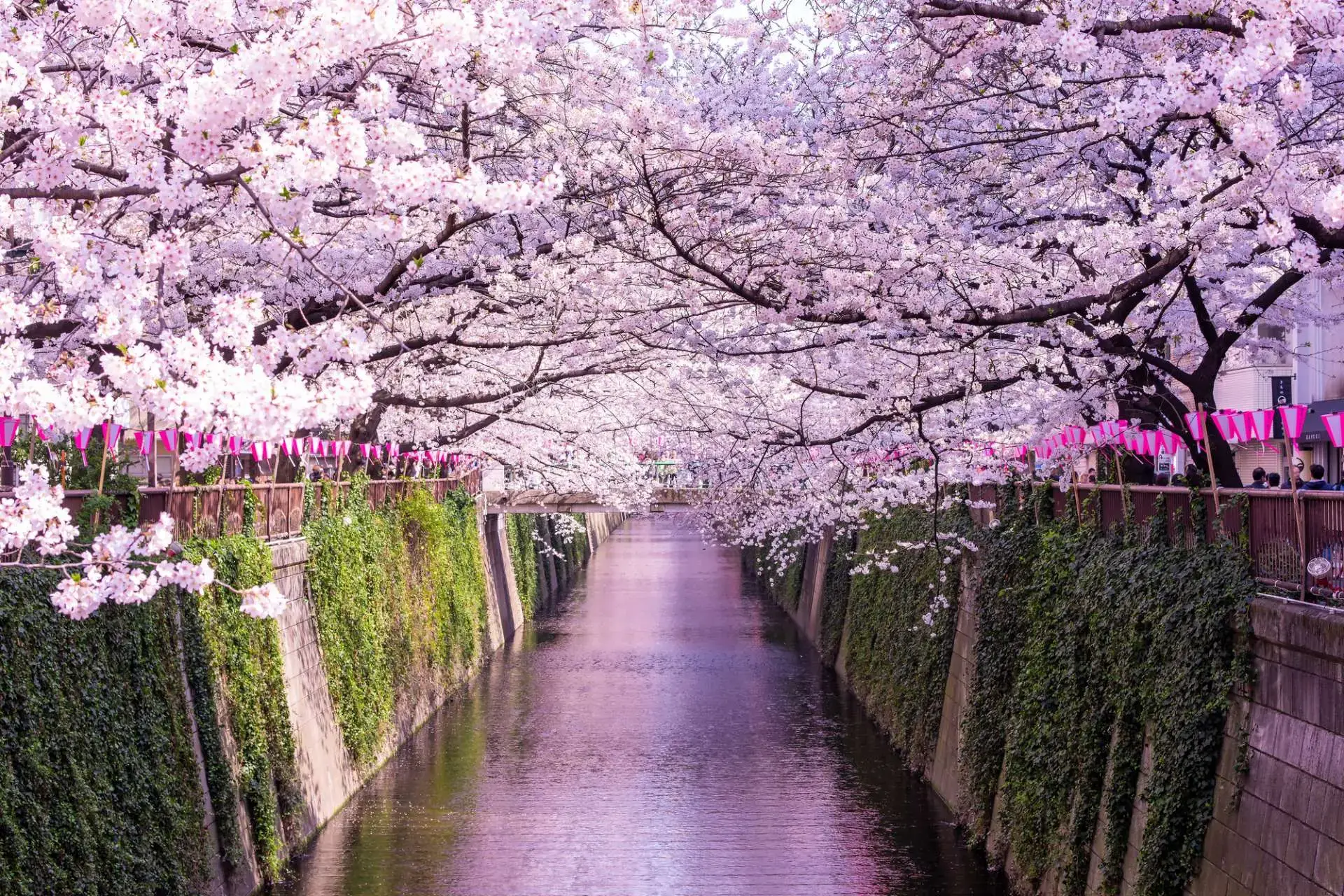
The Meguro River flowing through Nakameguro is one of Tokyo's signature cherry blossom destinations. Approximately 800 Somei Yoshino trees line both banks for roughly 2.5 miles. Their branches stretch over the water, creating a pale pink tunnel above the river. During the blooming season, stalls along the route sell sparkling wine and pink drinks, making it pleasant to stroll with a glass while viewing the blossoms.
- Nearest station
- Nakameguro Station on the Tokyu Toyoko and Tokyo Metro lines
- Estimated visit
- 1–1.5 hours, or half a day including the surrounding neighborhood
2. Chidorigafuchi Green Way
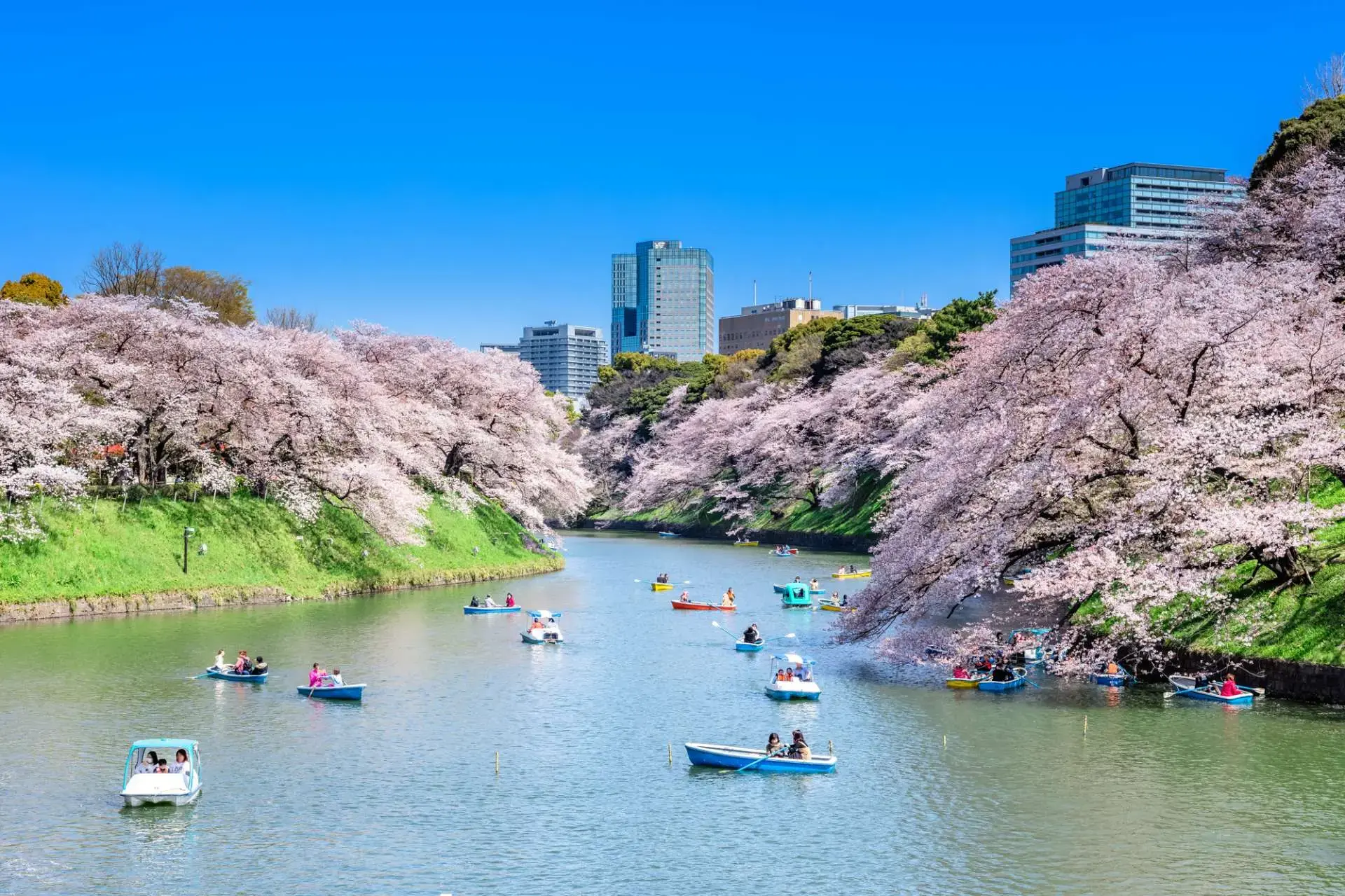
Another representative Tokyo hanami destination is Chidorigafuchi, where cherry trees frame the Imperial Palace moat. Along the approximately 2,300-foot Chidorigafuchi Green Way, blossoms extending toward the water combine with stone walls to create a spring scene unique to central Tokyo.
Viewing the blossoms from a boat is especially popular. Looking up at the trees in full bloom from the water offers a different atmosphere from the path, though long lines for boats are common during the flowering season.
- Nearest station
- Kudanshita Station on the Tokyo Metro or Toei Shinjuku Line
- Estimated visit
- 1 hour, or 2 hours with a boat ride
Other recommended cherry blossom destinations include:
- Ueno Onshi Park: A hanami destination since the Edo period, with approximately 800 cherry trees plus museums and a zoo for a full day of activities.
- Shinjuku Gyoen: Beyond cherry blossoms, it offers attractive Western-style gardens, historic buildings, and many other highlights.
- Asukayama Park: A hill where Tokugawa Yoshimune planted cherry trees for ordinary people. It is the only place to see this combination of streetcars and blossoms.

Tokyo Spring Event Calendar
- Late March–early April
- Cherry blossom festivals across Tokyo are worth seeing, including the Ueno Cherry Blossom Festival at Ueno Park.
- Late April–early May
- The Kurayami Festival at Okunitama Shrine, an unusual festival of the former Musashi Province featuring portable shrines carried late at night.
- Late May
- The Sanja Matsuri at Asakusa Shrine, known as one of Japan's leading festivals and rich in Edo atmosphere.
For more detailed information about visiting Tokyo in spring, see this article.
Summer (June–August): Edo Fireworks and Cool Retreats
Tokyo summers bring intense heat. Even so, Edo-era fireworks lighting the night sky and the cool air of a ravine that feels far removed from central Tokyo can provide a welcome break. Here are two particularly notable choices.
1. Sumida River Fireworks Festival
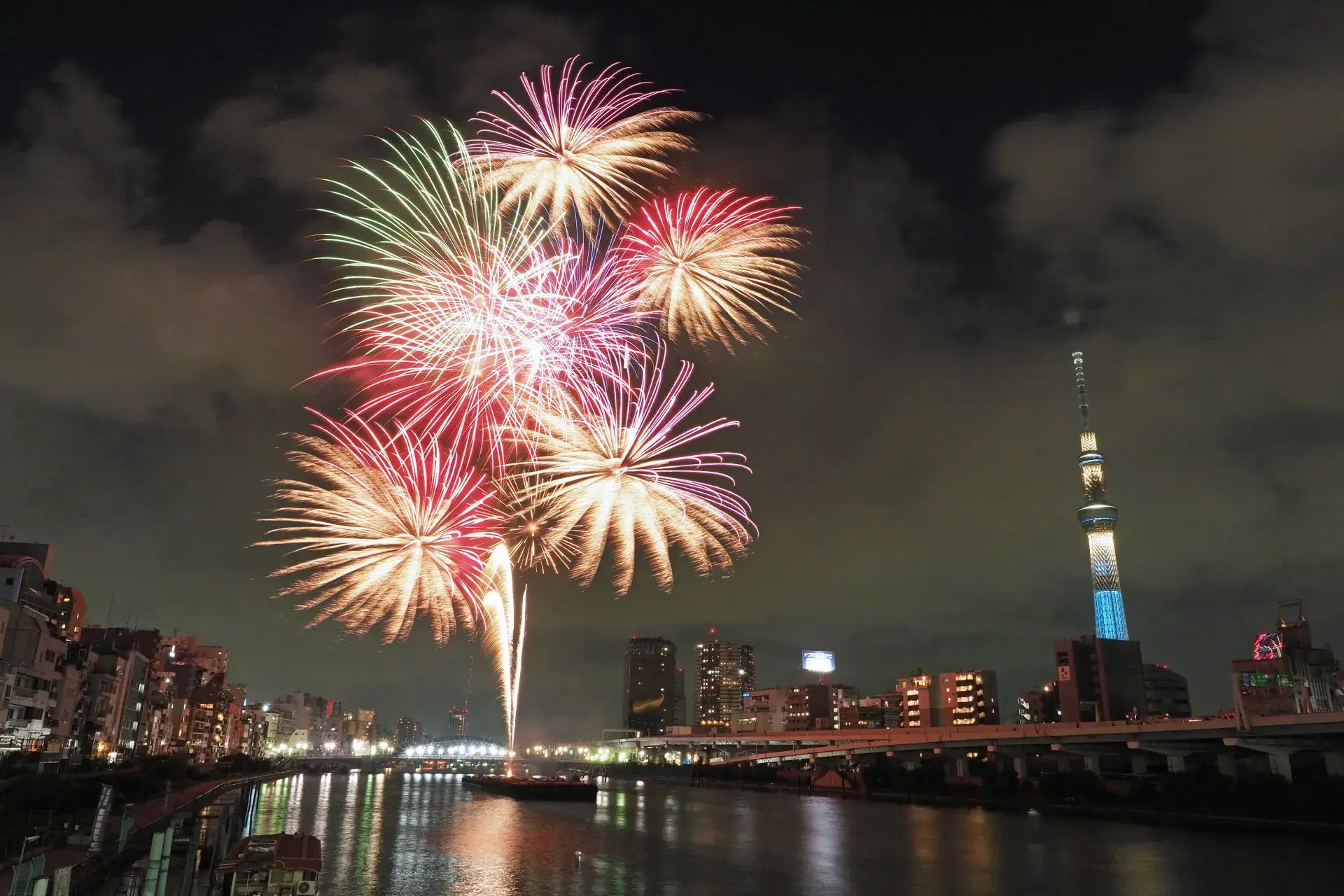
This is one of Japan's largest fireworks festivals and is generally held on the final Saturday of July. At the first venue, an opening display centered on rapid-fire star mines launches fireworks in succession. Another highlight is a competition featuring some of Japan's leading pyrotechnicians. The second venue launches even more fireworks than the first, providing a powerful spectacle.
- Nearest station
- Asakusa Station on all lines
- Estimated visit
- 1 hour, or 2 hours with a boat ride
2. Todoroki Valley Park
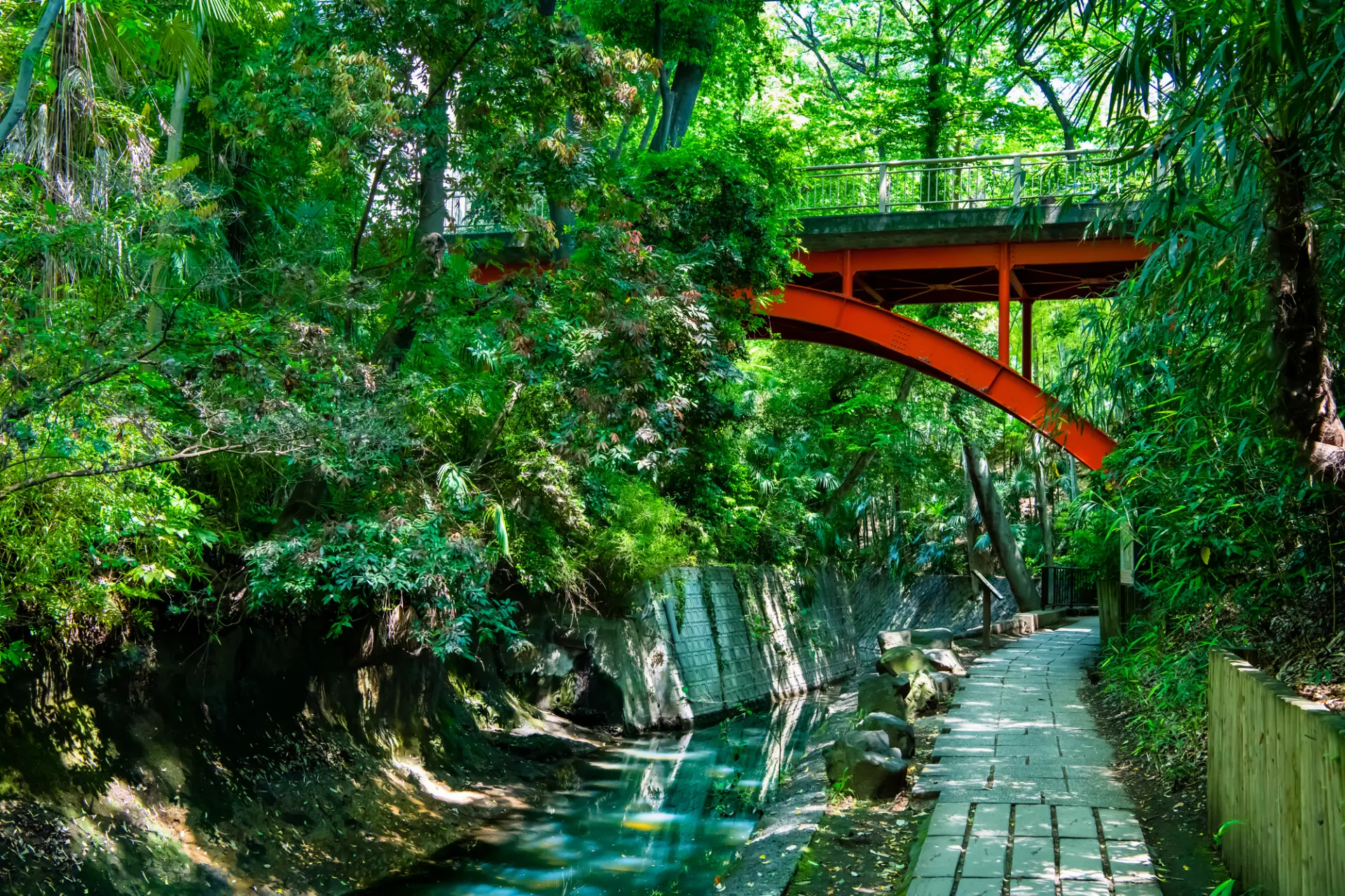
Todoroki Valley is known as the only ravine in Tokyo's 23 wards. Despite being just a short walk from Todoroki Station on the Tokyu Oimachi Line, it is densely wooded along the Yazawa River and offers quiet walks accompanied by flowing water and birdsong. The shaded path feels cooler than surrounding streets, making it suitable for hot weather. Follow the river to Todoroki Fudoson Temple and Fudo Waterfall.
- Nearest station
- Tokyu Todoroki Station
- Estimated visit
- 1.5–2 hours
Tokyo Summer Event Calendar
- Late June
- Hydrangea festivals at Hakusan Park and Takahata Fudoson Temple, where the flowers bloom in abundance.
- Early July
- Enjoy water attractions including huge indoor pools and waterslides at Tokyo Summerland and Yomiuriland's Pool WAI.
- Early August
- The Asagaya Tanabata Festival, a summer tradition whose arcade is decorated with distinctive Tanabata ornaments.
For more detailed information about visiting Tokyo in summer, see this article.
Fall (September–November): Spectacular Autumn Foliage
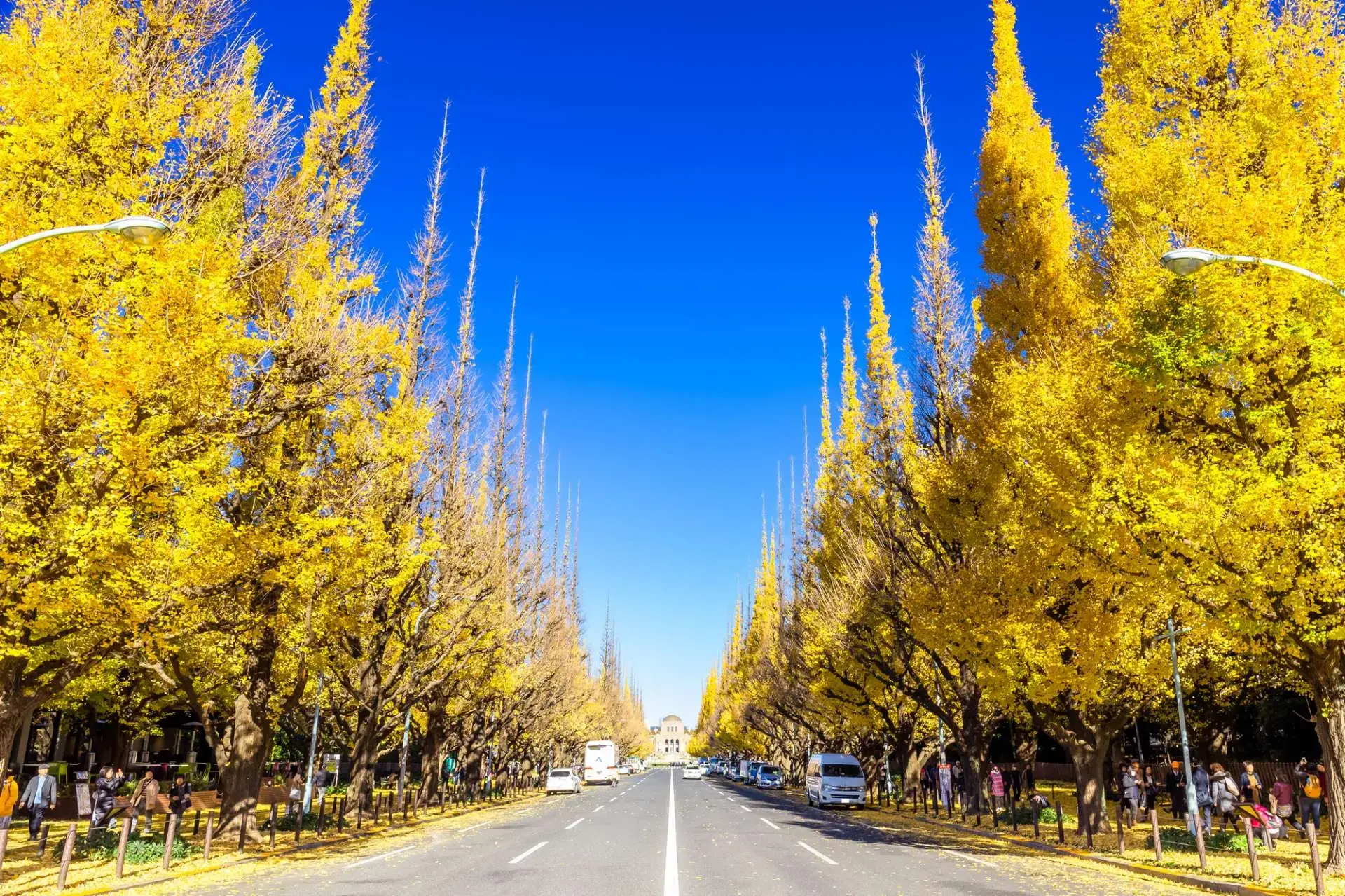
As the summer heat fades, Tokyo enters its most comfortable season for walking. From mid-November to early December, the city turns gold and crimson for a second hanami season. Unlike cherry blossoms, fall colors remain at their peak longer and are easier to incorporate into an itinerary.
1. Meiji Jingu Gaien Ginkgo Avenue
Few scenes represent Tokyo in fall better than this one. The approximately 985-foot golden tunnel of ginkgo trees extending from Aoyama-dori Avenue toward the Meiji Memorial Picture Gallery is one of Tokyo's finest landscapes and has appeared in numerous films and television dramas. The composition framing the gallery like a painting is particularly striking.
- Nearest station
- Tokyo Metro Gaiemmae or Aoyama-itchome Station
- Estimated visit
- 30 minutes–1 hour
2. Fall Foliage on Mount Takao
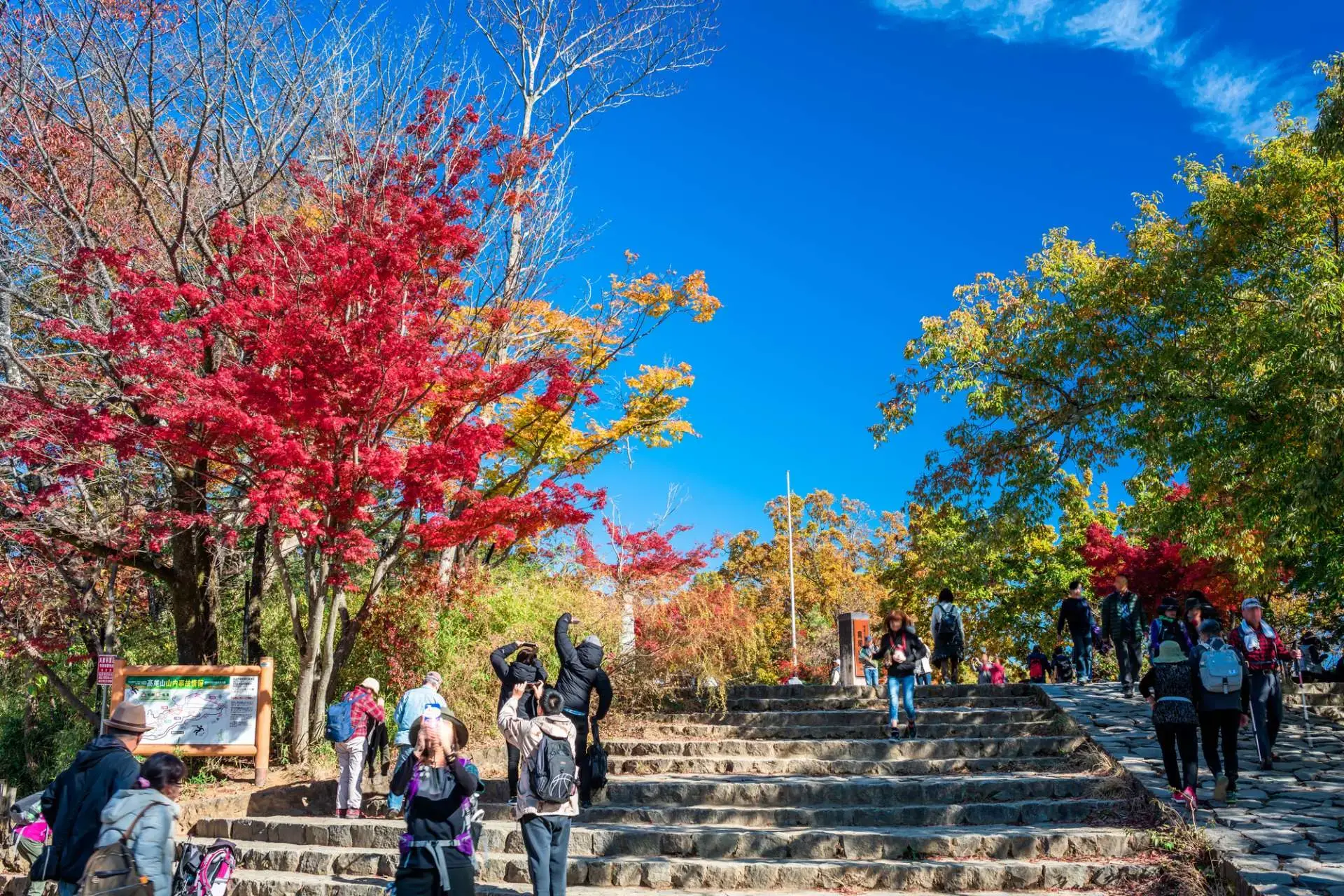
Easily accessible from central Tokyo, Mount Takao becomes covered in vivid fall colors. The foliage generally peaks from mid-November to early December. Different views can be seen from the cable car and chairlift, along the approach to Yakuoin Temple, and from the summit.
- Nearest station
- Takaosanguchi Station on the Keio Line
- Estimated visit
- 2.5 hours–half a day
Other recommended fall foliage destinations include:
- Rikugien Gardens: During the annual foliage illumination, glowing leaves reflected on the water create a memorable sight.
- Showa Kinen Park: A combination of golden ginkgo avenues and fields of cosmos.
- Hama-rikyu Gardens: View a garden filled with autumn-colored trees in the heart of the city, including from its teahouse.

Tokyo Fall Event Calendar
- October
- The Kanda Used Book Festival in Jimbocho, a celebration for book lovers that turns the neighborhood into a corridor of books.
- Early November
- Tokyo Ramen Festa, a large event at Komazawa Park celebrating the flavors of fall.
- November, on Days of the Rooster
- The Tori-no-Ichi Fair at Asakusa Otori Shrine, considered the birthplace of this festival for prosperity in business and financial fortune in the coming year.
Winter (December–February): Illuminations and New Year Traditions
Tokyo's clear winter air makes night views and stars especially vivid. Illuminations envelop the city, while year-end and New Year traditions dating back to Edo appear across the capital. Here are two essential places for a winter visit.
1. Marunouchi Illumination
Held for more than 20 years, this illumination has become a Marunouchi winter tradition. Its centerpiece is Marunouchi Naka-dori, the district's main street, lined with popular brands for approximately 0.75 miles.
During the event, not only the street but the entire neighborhood glitters in champagne gold, creating an atmospheric scene.

- Nearest station
- Tokyo Station on all lines
- Estimated visit
- 1 hour
2. Keyakizaka Illumination
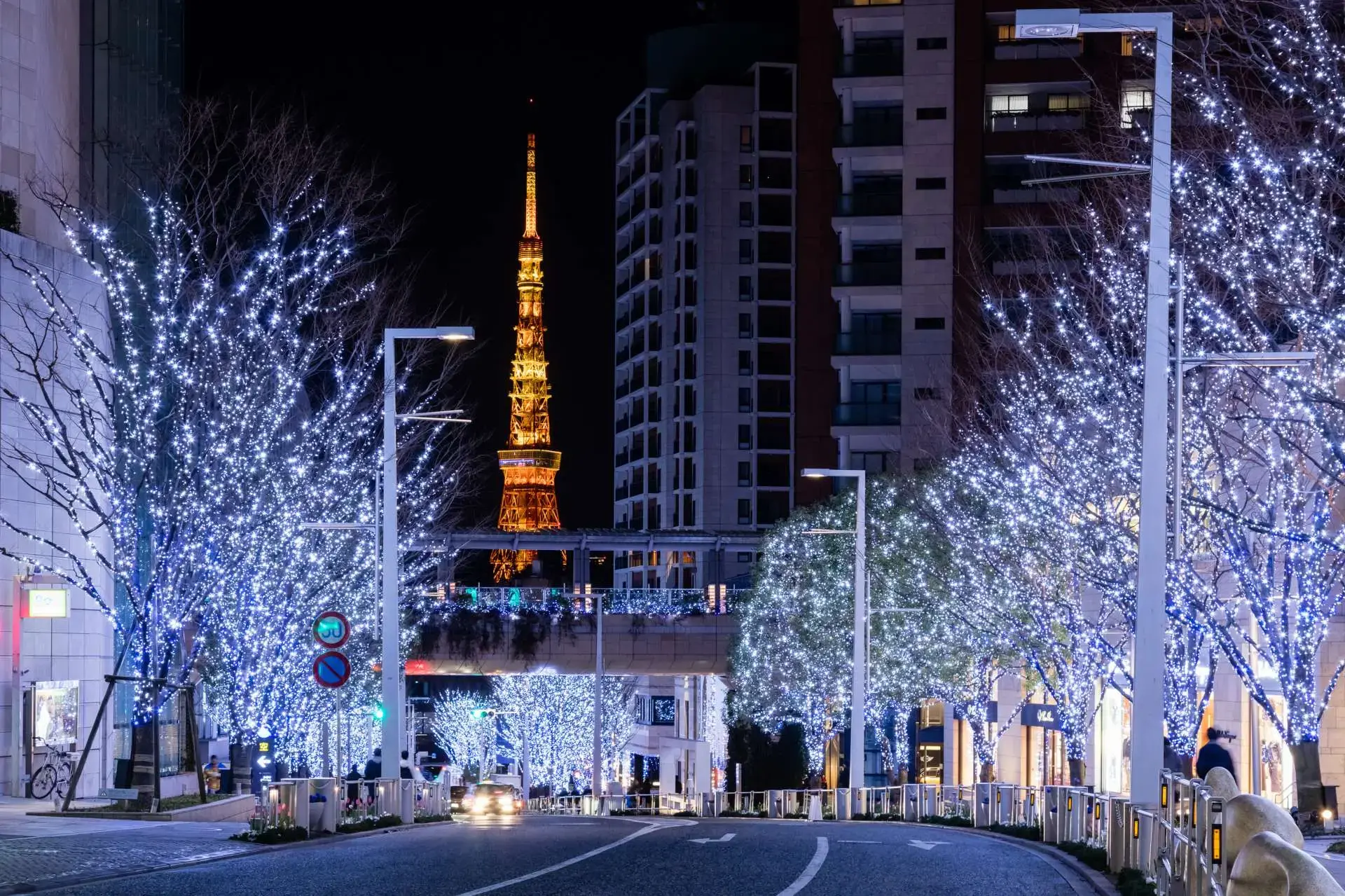
Announcing the arrival of winter in Roppongi, Keyakizaka Illumination decorates an approximately 1,310-foot avenue of zelkova trees with around 800,000 LEDs. The space enveloped in SNOW & BLUE light feels like entering a world of snow.
Keyakizaka-dori also offers numerous recommended photo spots.
- Nearest station
- Tokyo Metro Roppongi Station
- Estimated visit
- 30 minutes–1 hour
Other recommended illumination destinations include:
- Jewellumination: An illumination event at Yomiuriland using the world's first LEDs inspired by gemstone colors.
- Tokyo Mega Illumi: A winter-only illumination held at Oi Racecourse in Shinagawa on non-racing days.
- Blue Cave SHIBUYA: A romantic tunnel of blue illumination extending approximately 0.56 miles from Shibuya's Koen-dori to the zelkova avenue in Yoyogi Park.

Tokyo Winter Event Calendar
- Mid- to late December
- Christmas events held throughout Tokyo.
- Early January
- Hatsumode, the first shrine visit of the New Year, at Meiji Jingu, which generally receives the most worshippers in Japan.
- Around February 3
- Do not miss Setsubun ceremonies at major temples, where celebrities scatter beans, including Senso-ji Temple and Zojoji Temple.
7 Hidden Attractions Where You Can Encounter the Real Tokyo
For anyone who wants more than the standard landmarks, here are seven lesser-known neighborhoods that may not appear on guidebook covers but retain the atmosphere and everyday life of Tokyo.
Walking through this unguarded side of the city, where old and new mingle, may deepen your appreciation for Tokyo.
1. Kagurazaka
Located in Shinjuku Ward, Kagurazaka spreads around Waseda-dori, also called Kagurazaka-dori. Once a flourishing geisha district, it is a representative destination for sophisticated Tokyo, retaining stone-paved lanes and black wooden walls.
Its alleys and side streets are especially memorable, with stylish restaurants, cafés, and shops scattered throughout. This harmony between old and new is one of Kagurazaka's defining qualities.
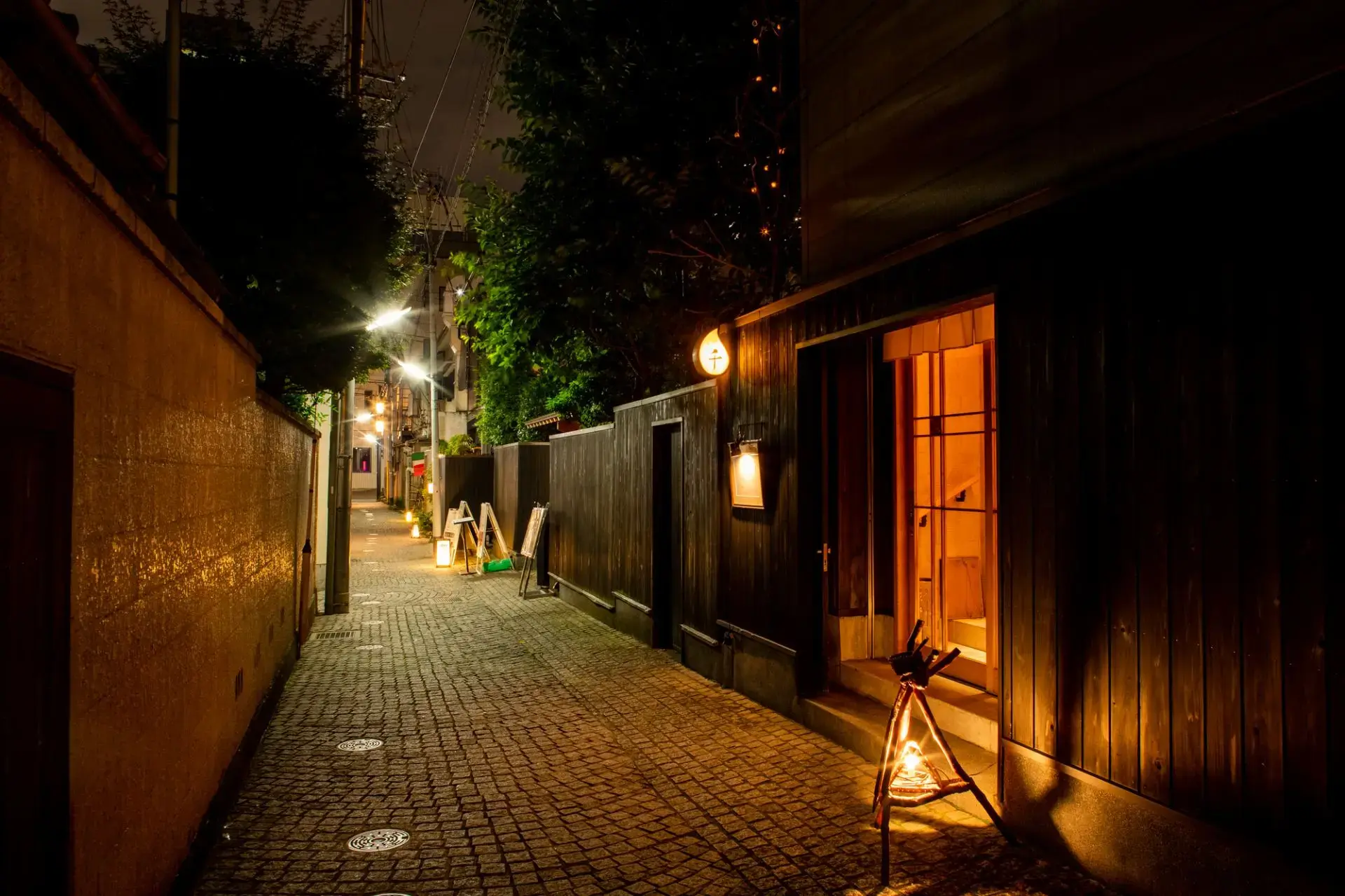
- Nearest station
- Tokyo Metro Kagurazaka Station, JR Iidabashi Station, or Toei Subway Ushigome-kagurazaka Station
- Estimated visit
- 1–2 hours, or 3 hours including a meal
2. Shibamata Taishakuten Temple and Approach
The neighborhood associated with Tora-san from the film series Otoko wa Tsurai yo still preserves the appearance of a Showa-era temple town. A bronze statue of Tora-san greets visitors outside Shibamata Station, while the approximately 660-foot approach to Taishakuten Temple is lined with long-established shops selling kusa dango and rice crackers. At Taishakuten Daikyoji Temple, do not miss the intricate gallery of carvings covering the hall.
If time permits, also take the Yagiri no Watashi hand-rowed ferry across the Edo River.
-
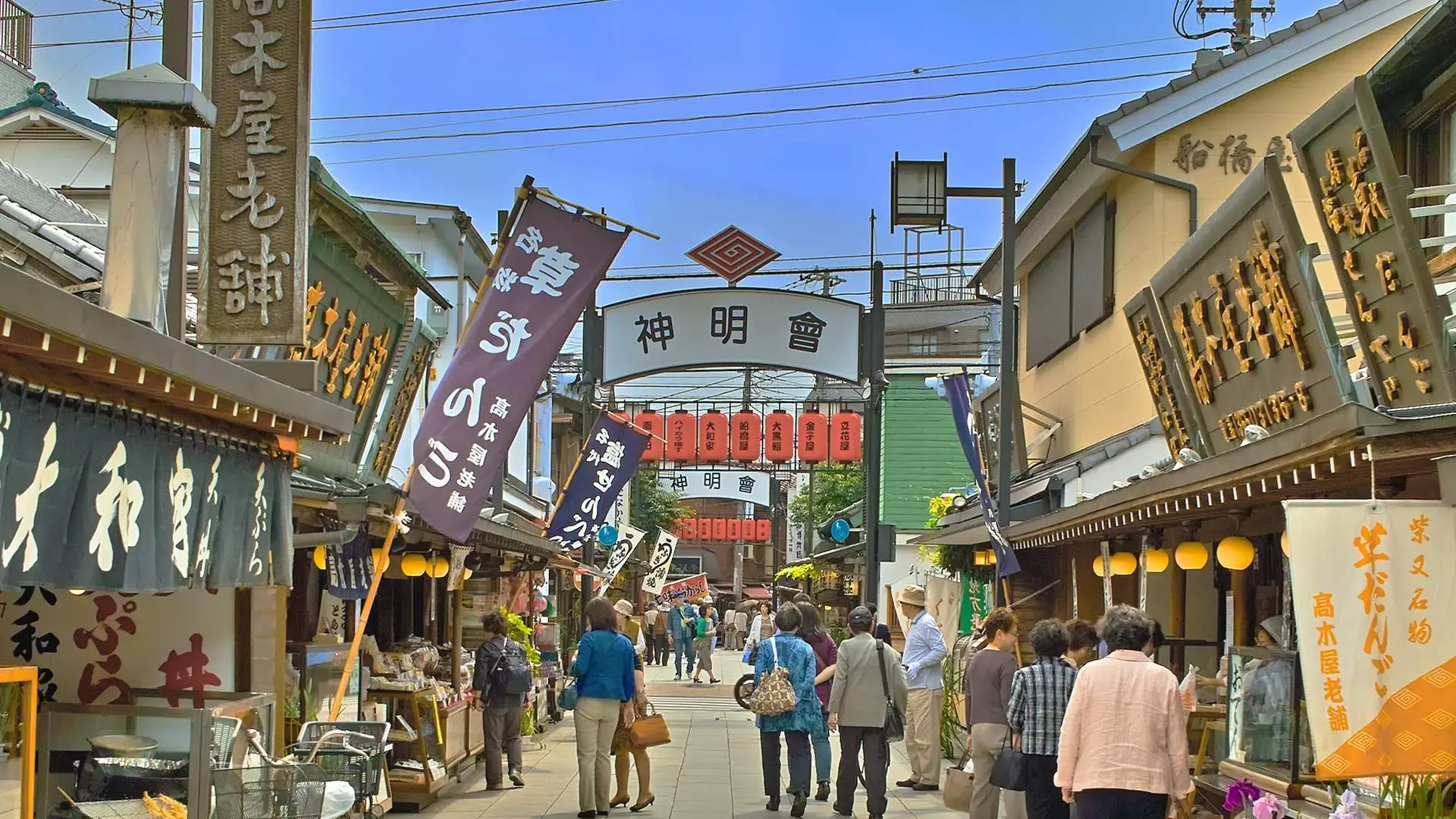
Shibamata concentrates the atmosphere and human warmth of Tokyo's traditional downtown
-
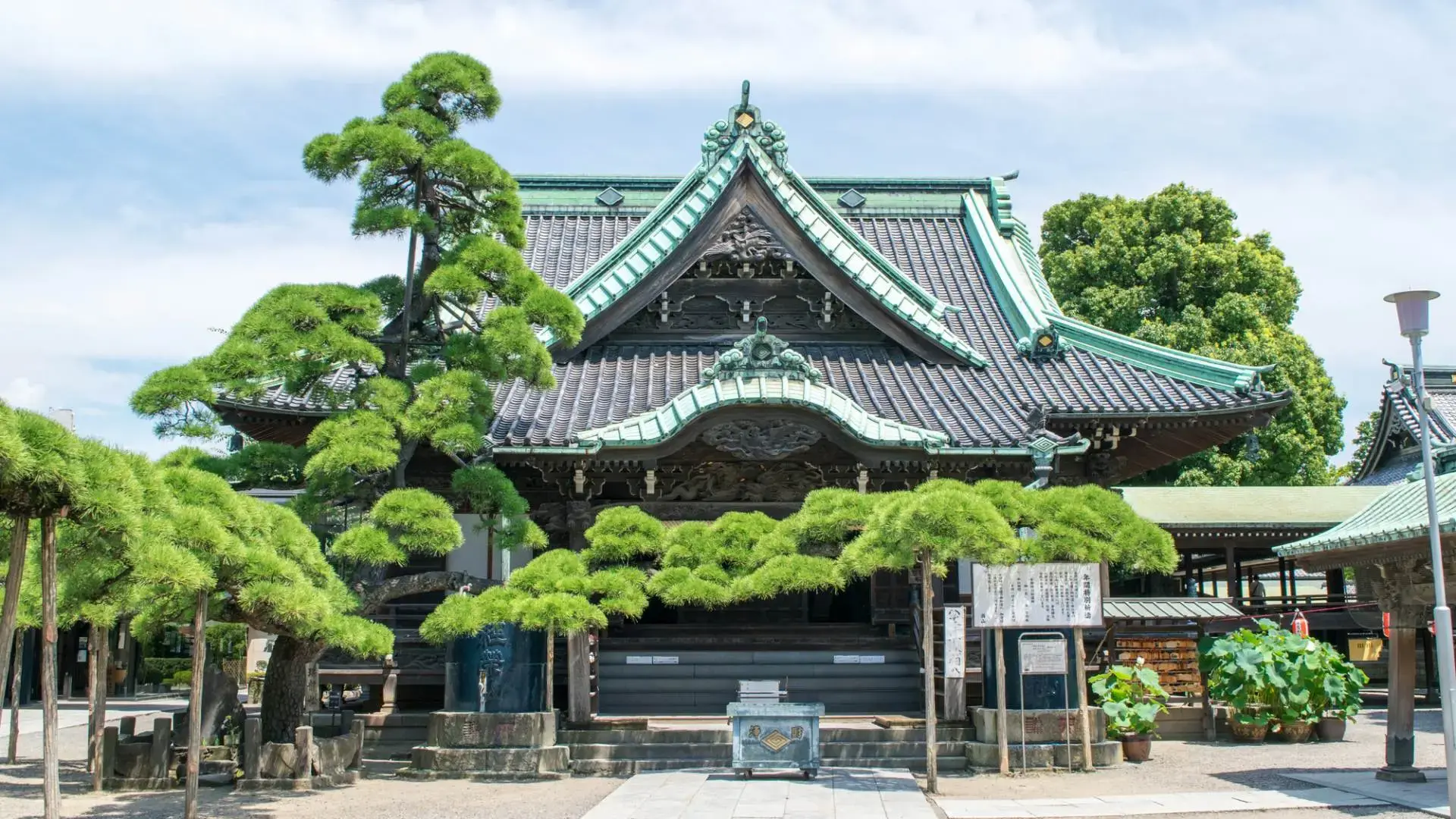
A temple with numerous highlights, including impressive carvings and gardens
- Nearest station
- Keisei Shibamata Station
- Estimated visit
- 1–2 hours, or half a day including the Yagiri no Watashi ferry
3. Shimokitazawa
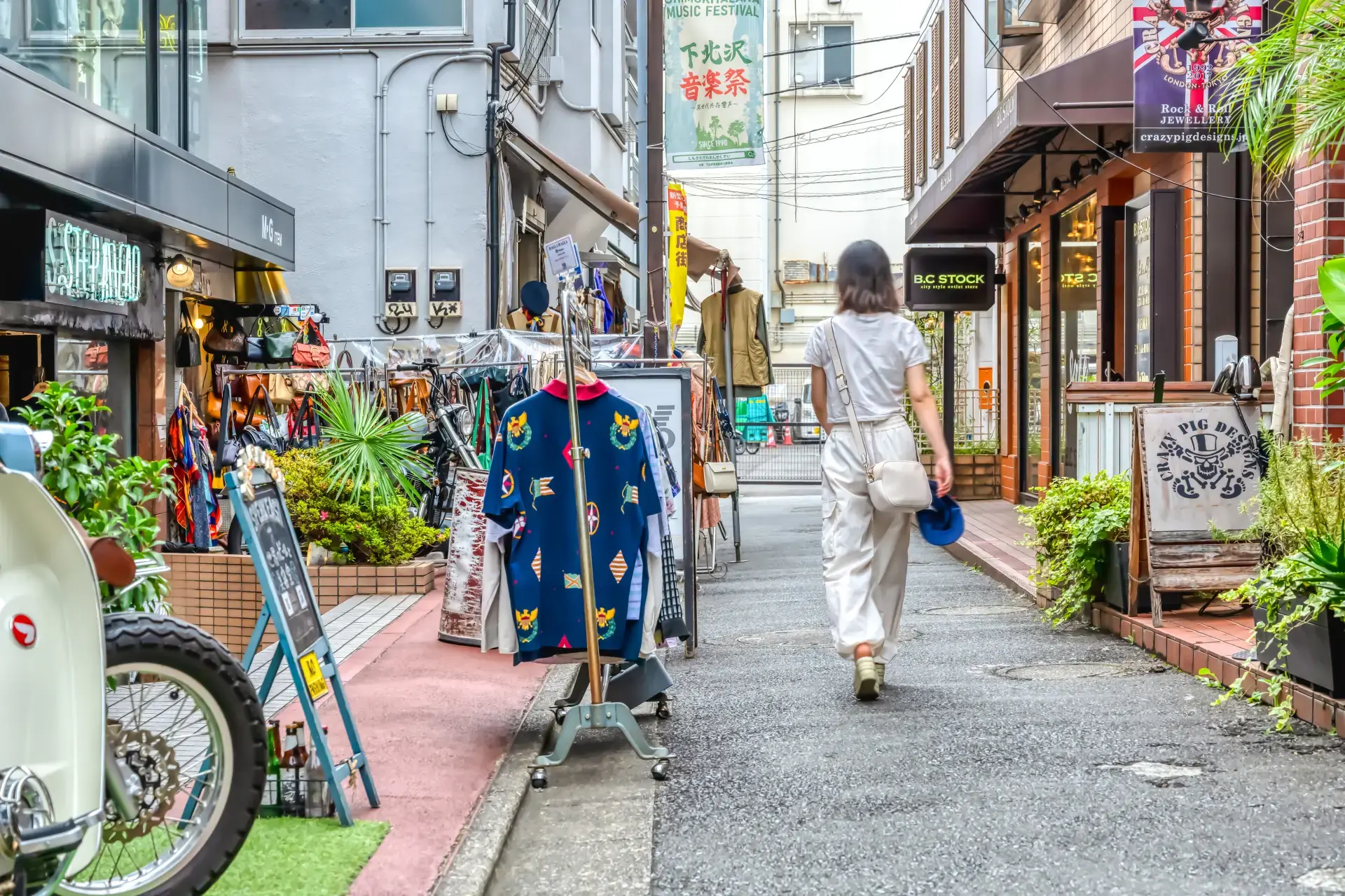
Vintage clothing, small theaters, live music venues, curry—Shimokita, or Shimokitazawa, has been loved as a center of youth culture for half a century and is currently undergoing an especially interesting evolution. Browse multiple vintage stores for one-of-a-kind pieces, fill up on the neighborhood's signature curry, and spend the evening at a small theater or live music venue. The best way to explore is without a plan, simply following your interests.
- Nearest station
- Shimokitazawa Station on all lines
- Estimated visit
- 2–3 hours
4. Jiyugaoka
Conveniently accessible from Shibuya, Jiyugaoka is a fashionable neighborhood filled with stylish cafés, bakeries, and interior design stores. Above all, it is a highly competitive dessert district. From famous roll cakes to shops specializing in Mont Blanc, sweet lovers could not visit everything in a single day.
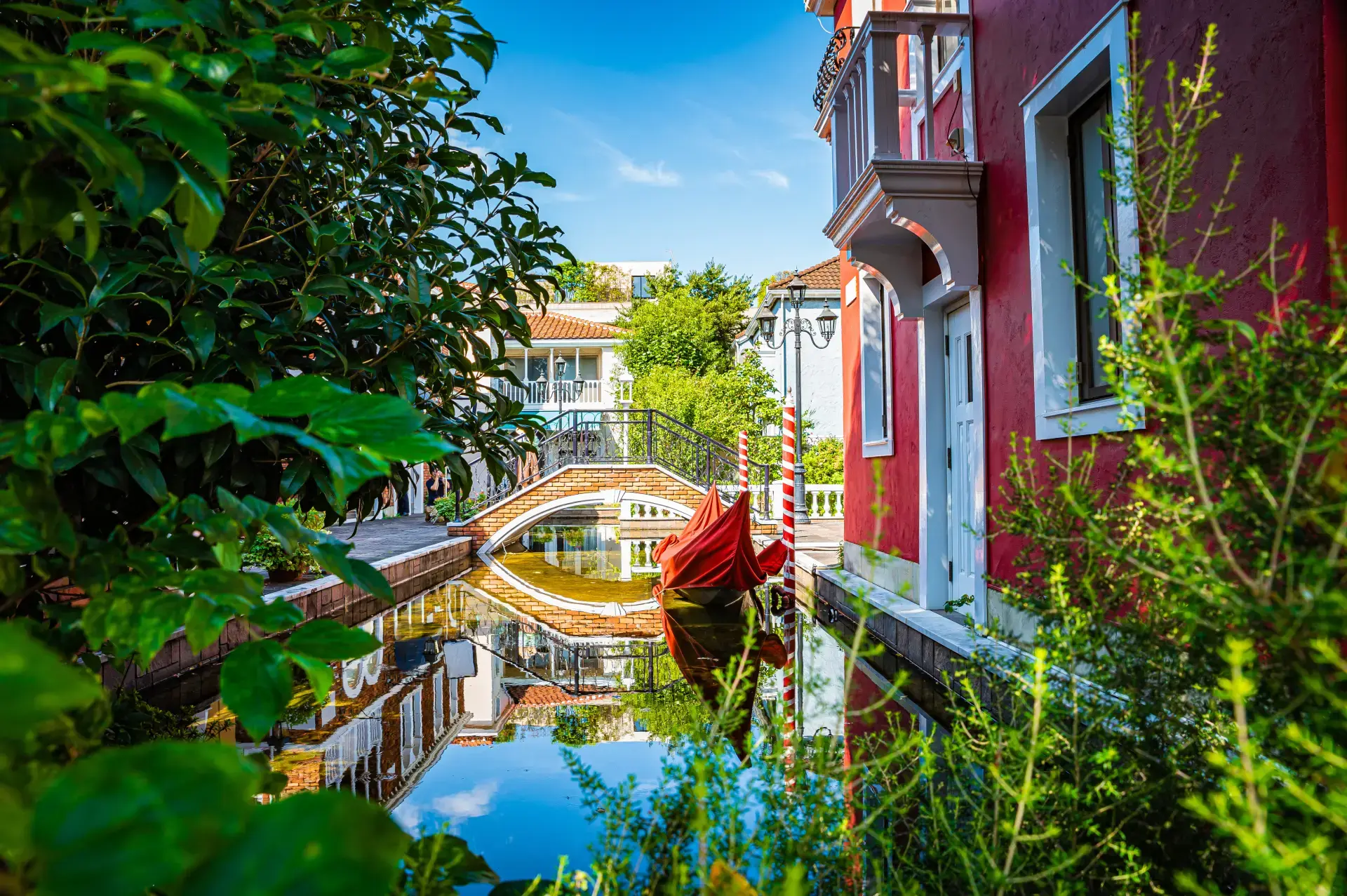
- Nearest station
- Jiyugaoka Station on all lines
- Estimated visit
- 2–3 hours
5. Togoshi Ginza Shopping Street
This shopping street stretches approximately 0.8 miles east and west from Togoshi-ginza Station on the Tokyu Ikegami Line. Around 400 businesses line the street, including fresh food stores, cafés, bakeries, and a public bath. It is Tokyo's longest shopping street and is said to be the original model for the many “Ginza” shopping streets found across Japan. Its specialty is the Togoshi Ginza croquette.
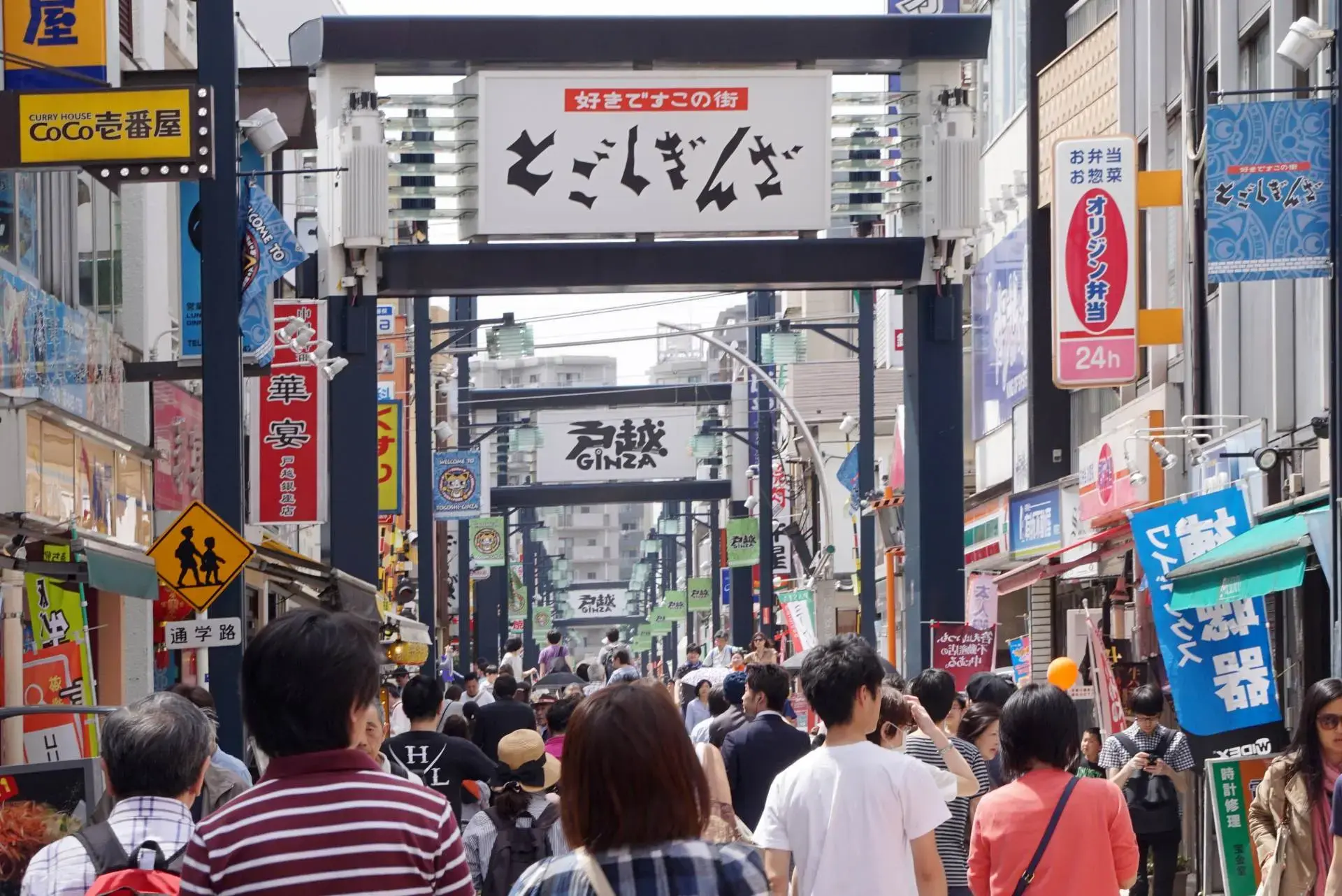
- Nearest station
- Tokyu Togoshi-ginza Station or Toei Subway Togoshi Station
- Estimated visit
- 1–2 hours
6. Tsukishima Monja Street
For monjayaki, a soul food of Tokyo's traditional downtown, head to its home in Tsukishima. Dozens of monjayaki restaurants crowd Nishinaka-dori Shopping Street and its side alleys. Gathering around the griddle and eating with small spatulas provides an experience of old Tokyo that goes beyond the flavor itself. First-time visitors need not worry, as restaurant staff can cook it for you.
-
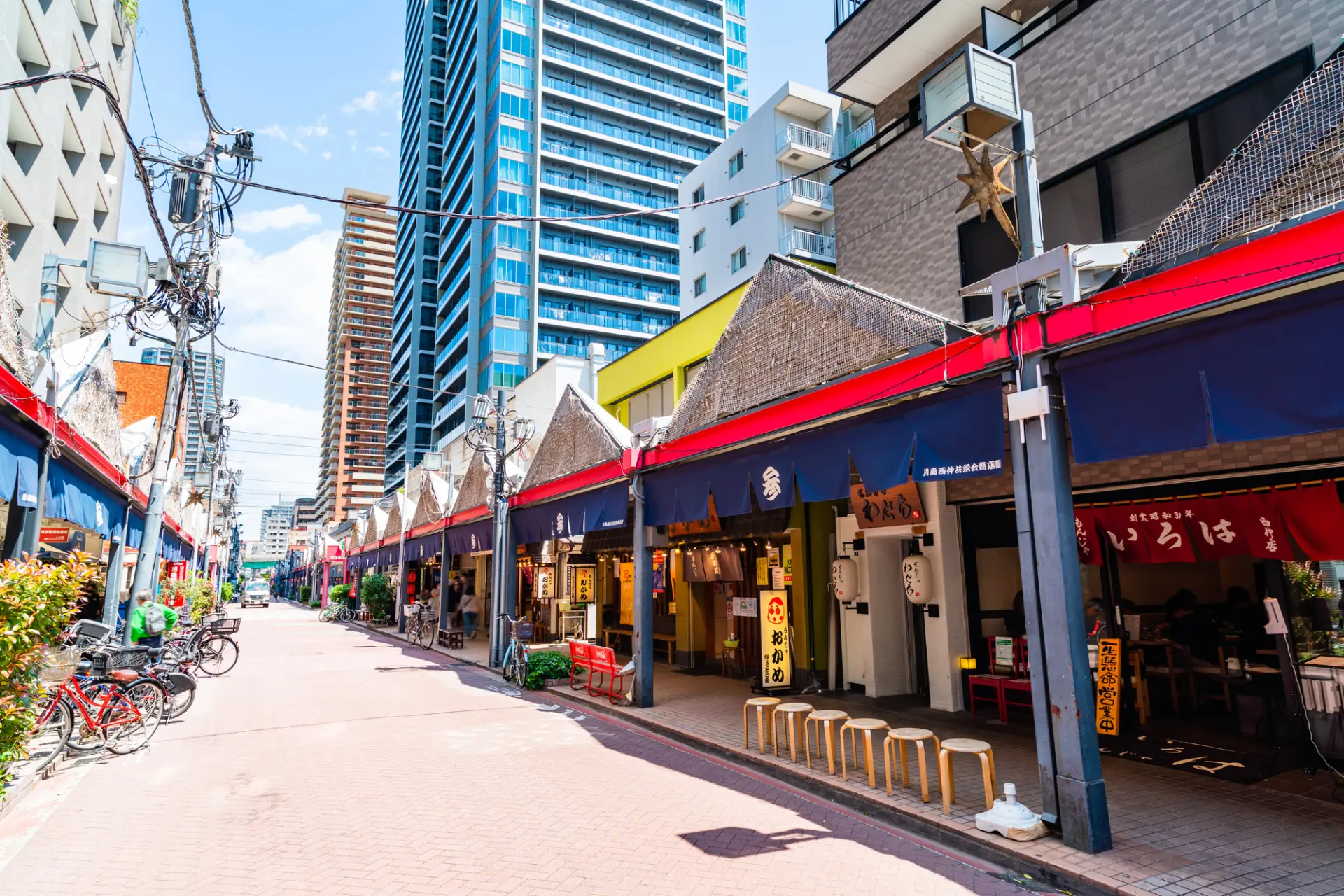
Nishinaka-dori Shopping Street, affectionately known as Monja Street
-

Monjayaki, a soul food of Tokyo's traditional downtown
- Nearest station
- Tsukishima Station on the Tokyo Metro or Toei Subway
- Estimated visit
- 1.5–2 hours, including a meal
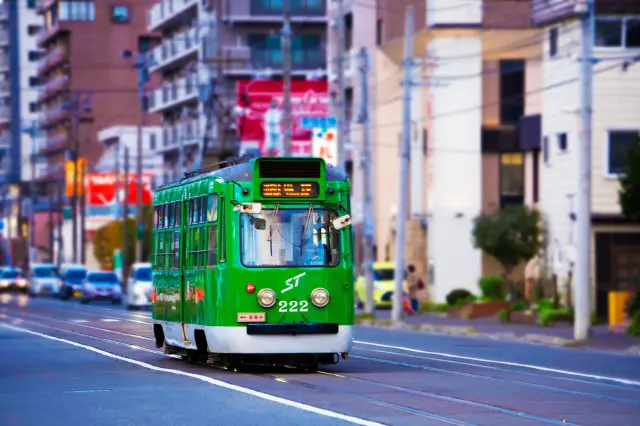
7. Toden Arakawa Line (Tokyo Sakura Tram)
The final selection is not a neighborhood but a ride that becomes a journey in itself.
The Tokyo Sakura Tram, or Toden Arakawa Line, is beloved as Tokyo's only remaining streetcar line. It connects Minowabashi stop in Arakawa Ward with Waseda stop in Shinjuku Ward, covering 7.6 miles and 30 stops, and remains an important part of local transportation. Its retro single-car trains clatter through everyday Tokyo scenery, from gaps between buildings to tracks running close beside homes. It combines easily with neighborhood walks and is also recommended for sightseeing.
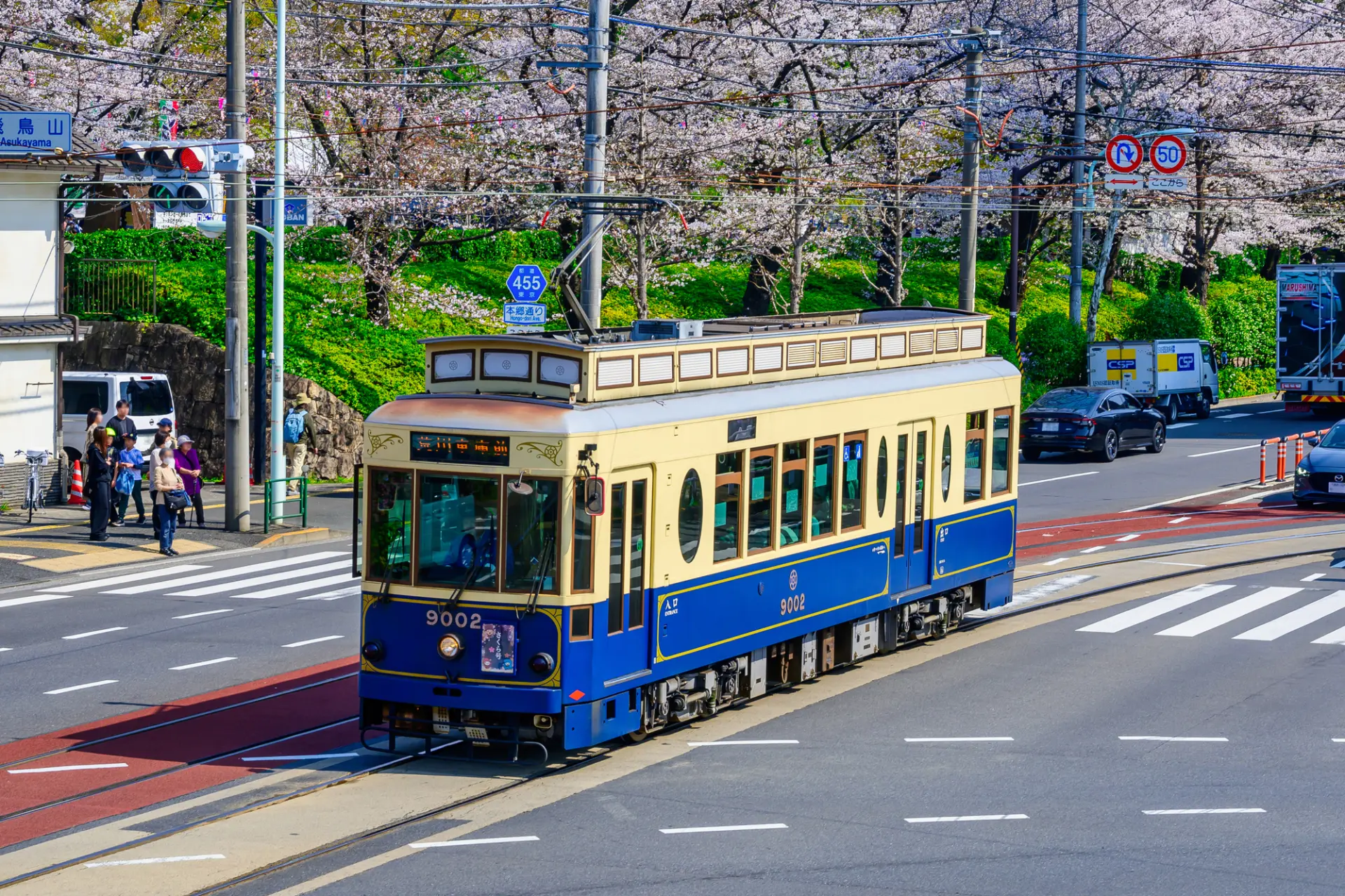
- Nearest station
- Tokyo Metro Minowa Station, as well as other stops along the line
- Estimated visit
- Approximately 1 hour for the entire line, or half a day when stopping along the way
For Your Second Tokyo Trip: 6 Places in the Tama Area, One Hour from Central Tokyo
After visiting Tokyo's standard attractions such as Asakusa and Shibuya, consider the Tama area in western Tokyo for a second or later trip. It lies 30 minutes to 1 hour from central Tokyo by train and offers a Michelin three-star mountain, an ancient shrine with approximately 1,900 years of history, and destinations devoted to beloved characters. Another side of Tokyo awaits here.
The following section divides the region into six areas suitable for half-day outings and introduces the leading sights in each.
1. Kichijoji and Mitaka
—Inokashira Park, Ghibli Museum, Mitaka, and Harmonica Yokocho
Frequently ranked among the most desirable places to live, Kichijoji also has enough variety to entertain travelers for an entire day.
At its center is the green Inokashira Park. The Ghibli Museum, Mitaka, adjoins the park's southern end, making the two a classic combination. Back near the station, drinking in the Showa-era alleys of Harmonica Yokocho and browsing distinctive variety stores provide endless temptations for exploring the neighborhood.
-
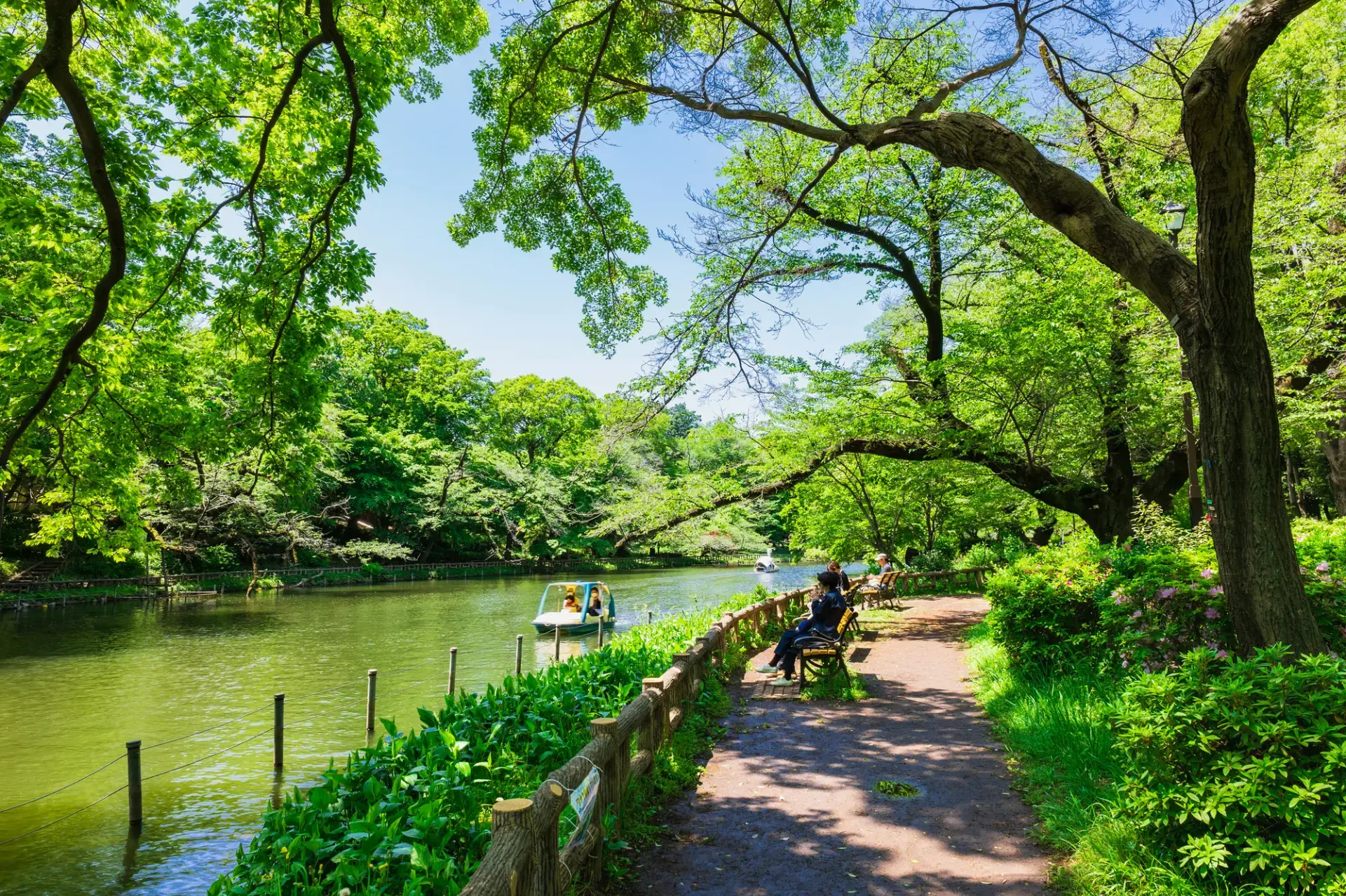
Inokashira Park, a green oasis away from the urban bustle
-
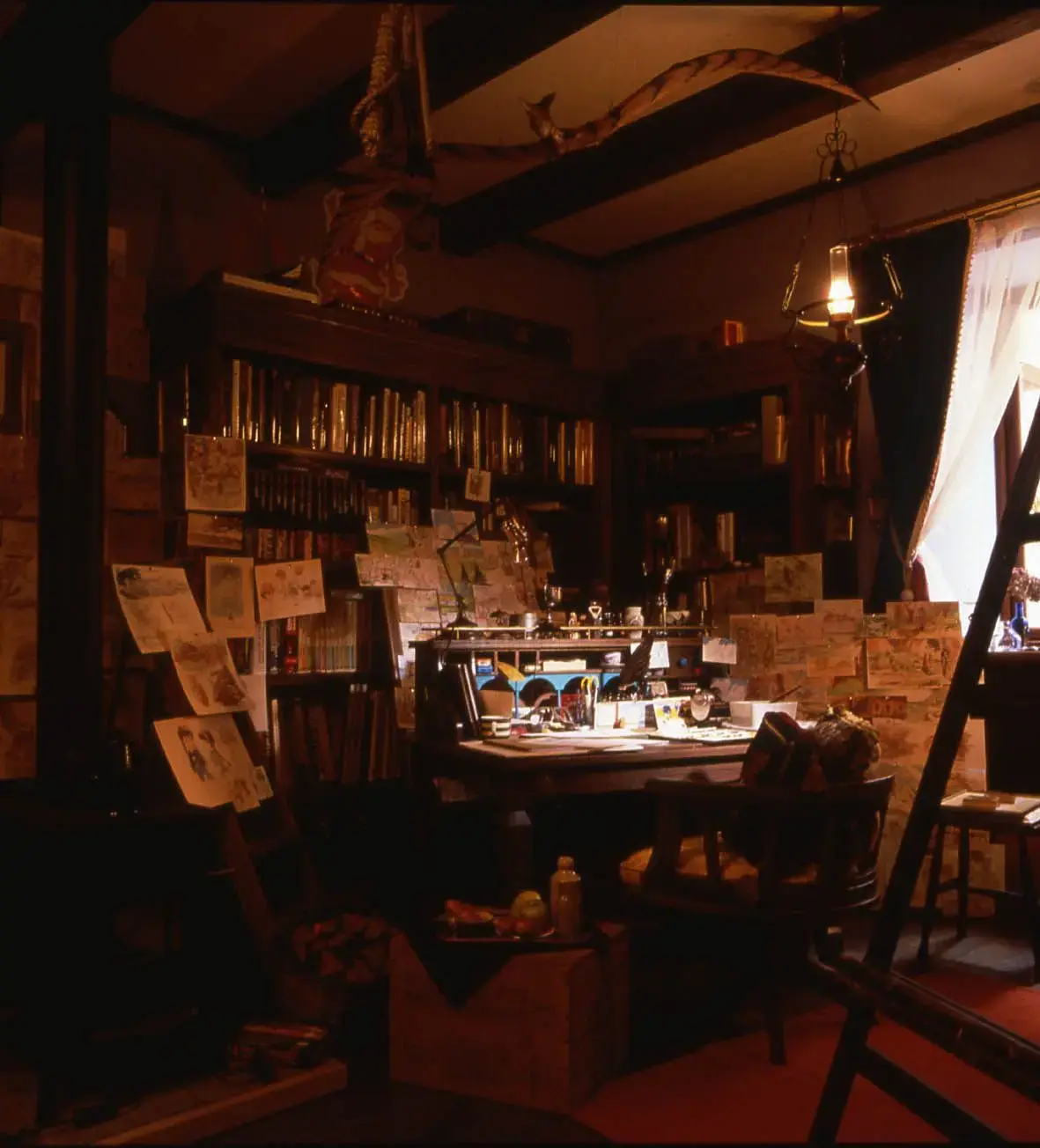
Step into the world of film at the Ghibli Museum, Mitaka! (© Museo d'Arte Ghibli)
-
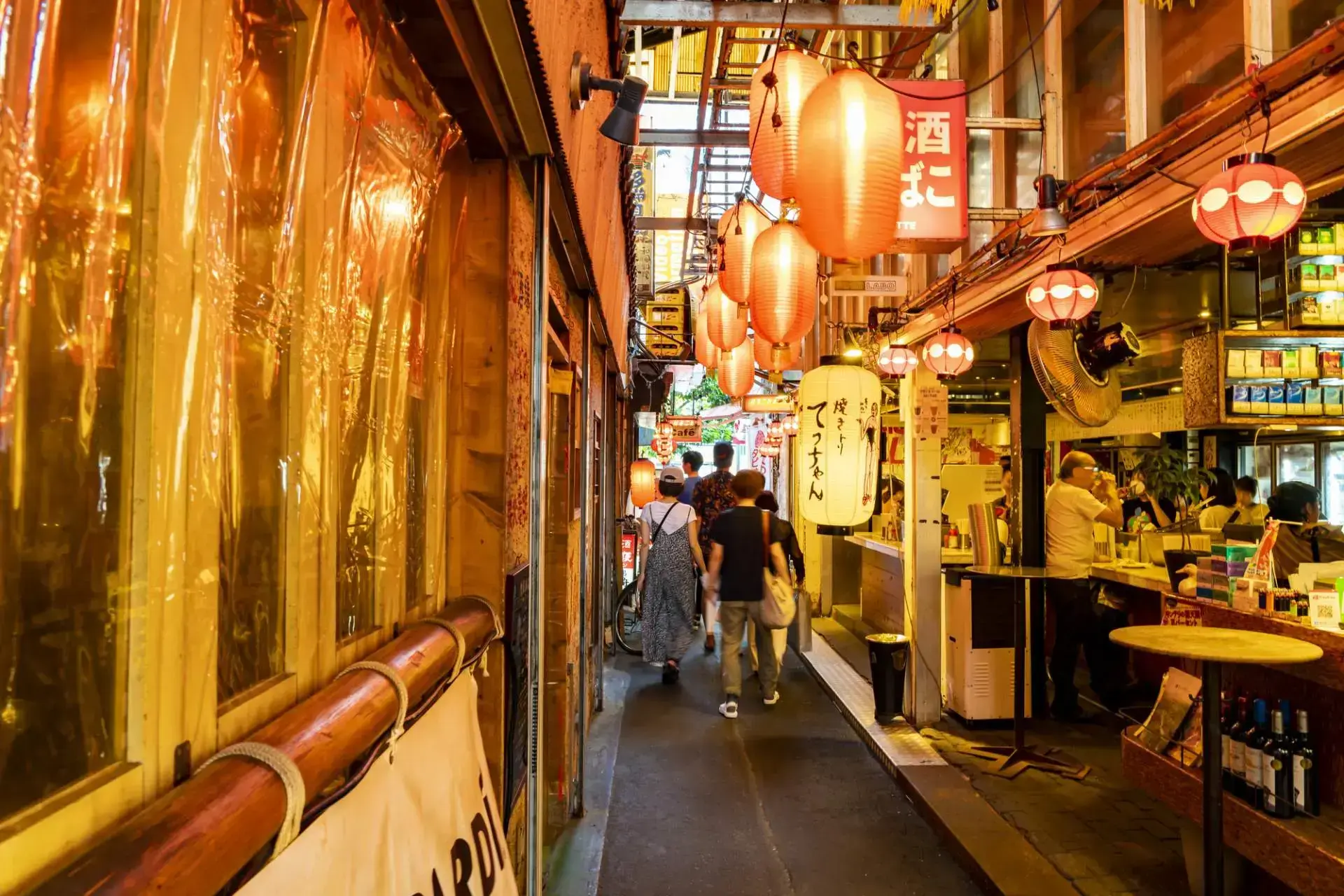
An alley district with approximately 100 establishments packed into narrow lanes

2. Chofu
—Jindaiji Temple, Kitaro Chaya, and Jindai Botanical Gardens
Jindaiji Temple is Tokyo's second-oldest temple after Senso-ji and preserves the old Musashino landscape, surrounded by greenery and spring water. The area is also associated with Shigeru Mizuki, creator of GeGeGe no Kitaro, making Kitaro Chaya and its yokai merchandise worth a stop. The neighboring Jindai Botanical Gardens is one of Tokyo's largest botanical parks, with impressive rose gardens in spring and fall.
-
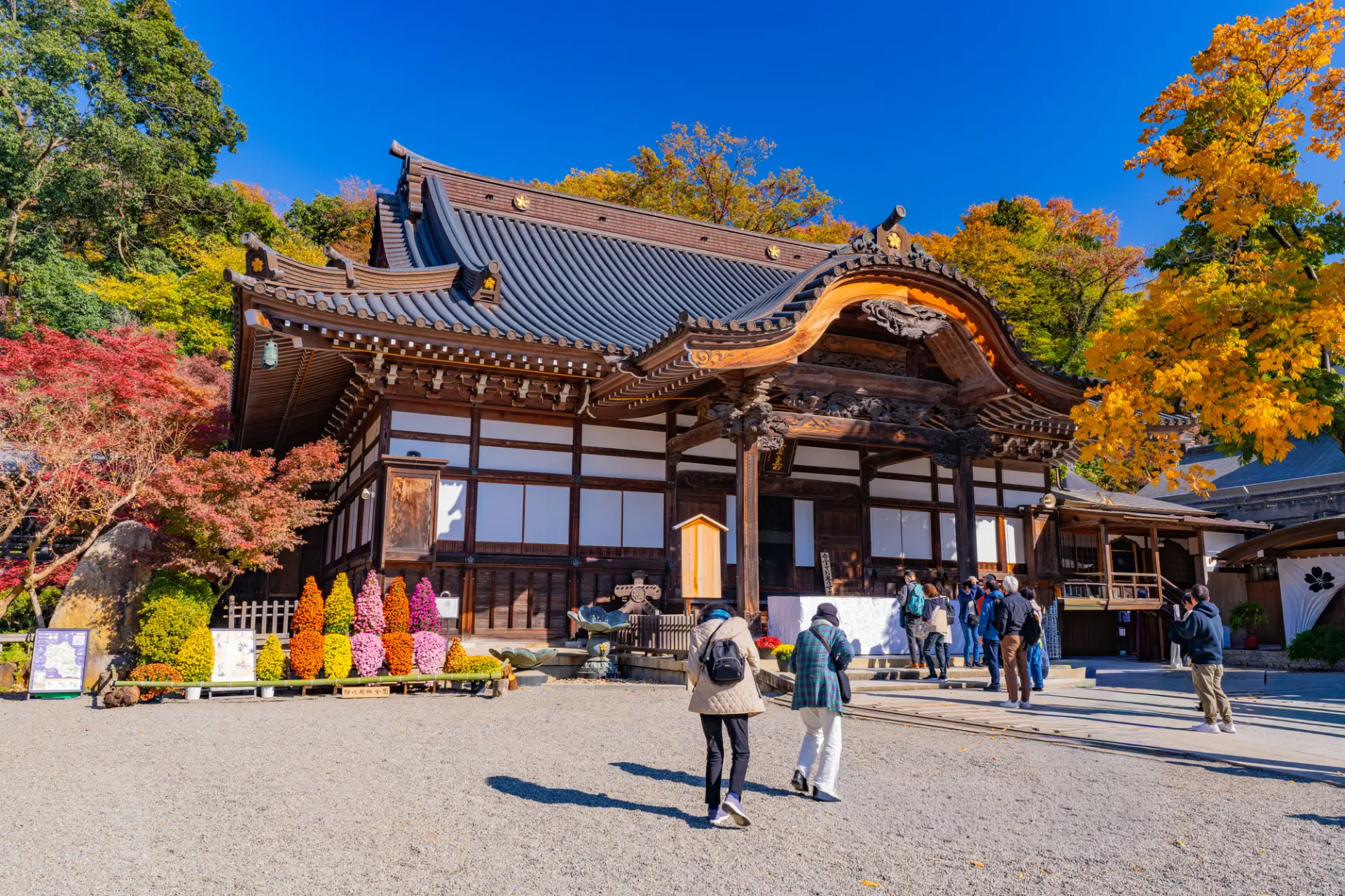
Jindaiji Temple, Tokyo's second-oldest temple after Senso-ji
-
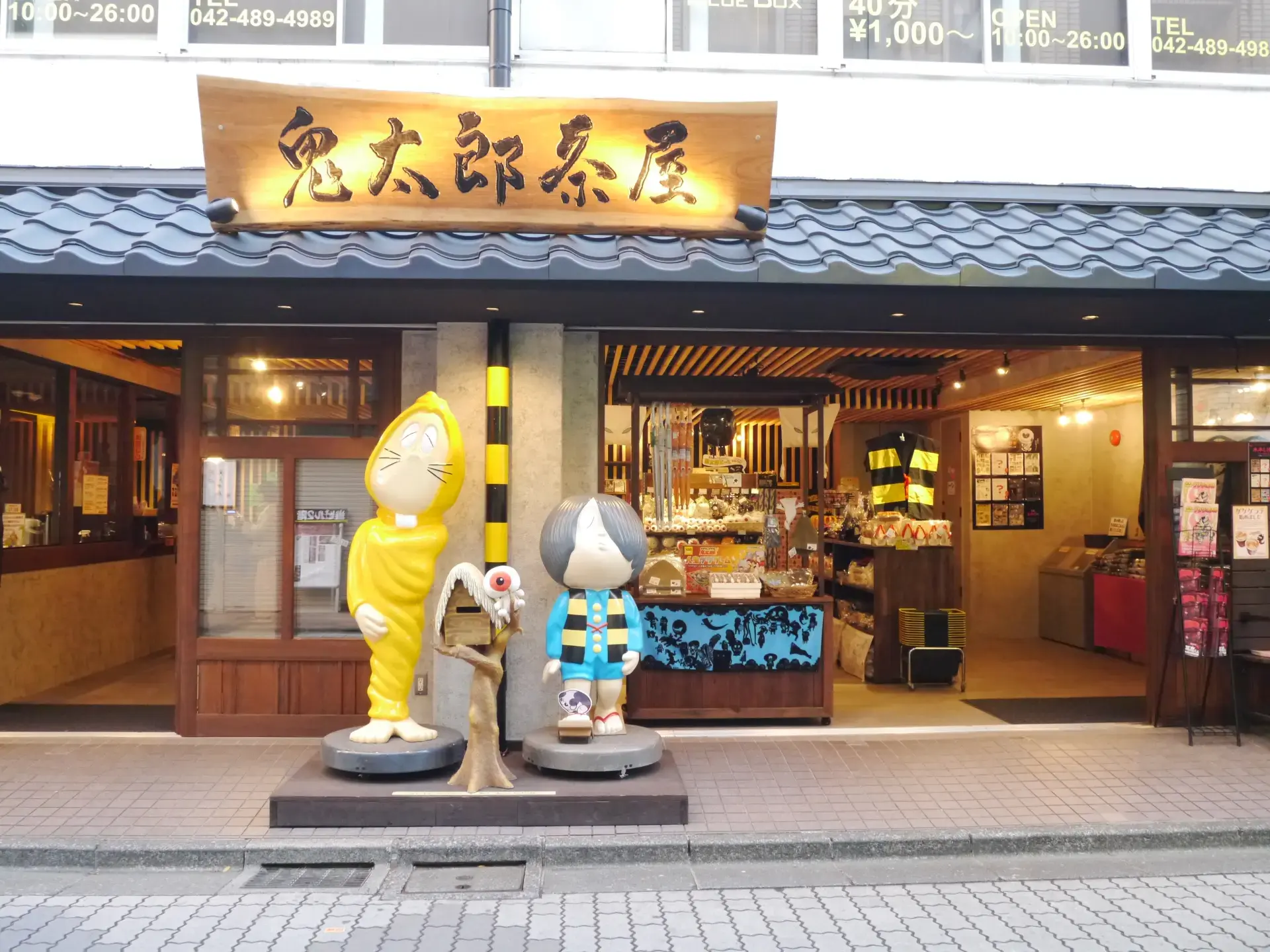
Experience the world of GeGeGe no Kitaro! (©Mizuki Productions)
-
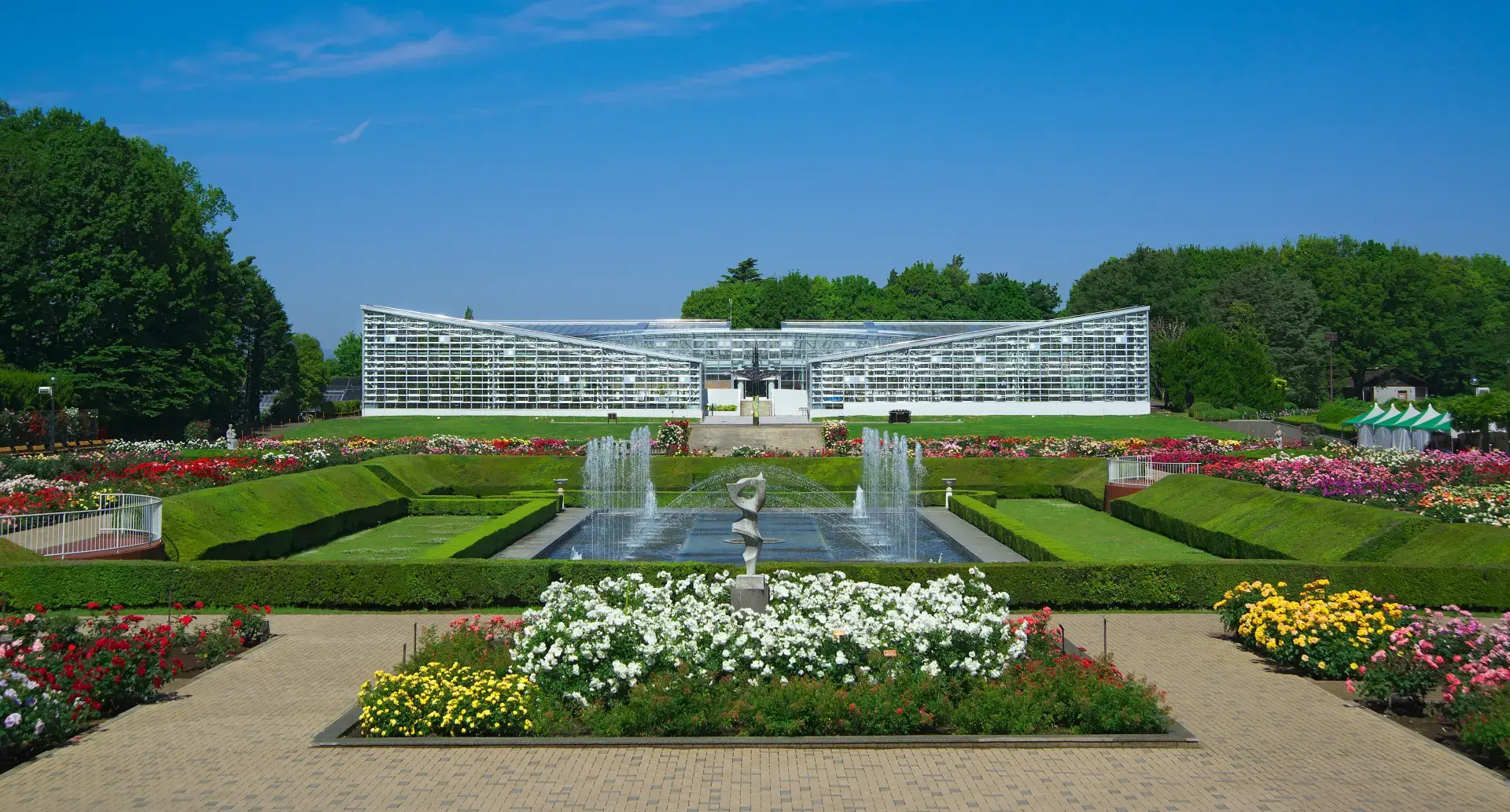
Tokyo's only botanical garden, with seasonal plants and attractive flowers
3. Fuchu, Tama, and Machida
—Okunitama Shrine, Sanrio Puroland, and Snoopy Museum Tokyo
Southern Tama brings together 1,900 years of history and globally known characters. In Fuchu, Okunitama Shrine has a stately atmosphere evoking Tokyo's origins, with a deeply wooded precinct and an approach along the Babadaimon zelkova avenue, designated a National Natural Monument. Meanwhile, Sanrio Puroland in Tama Center is an all-weather indoor theme park whose musical performances easily exceed adult expectations. Snoopy fans should visit Snoopy Museum Tokyo in Machida, the world's only satellite museum of the Charles M. Schulz Museum.
-
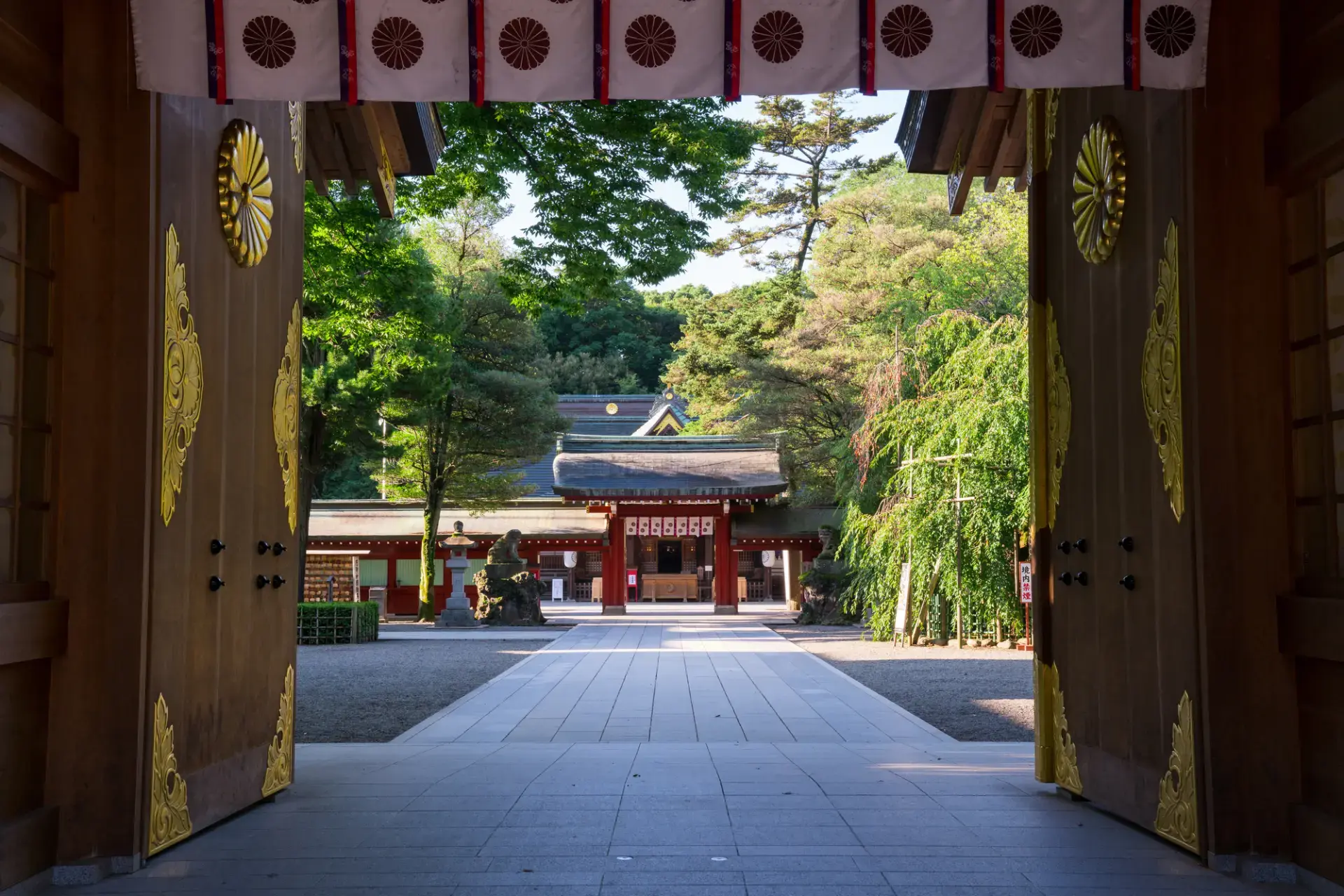
Okunitama Shrine, with more than 1,900 years of history, enshrines the guardian deities of Musashi Province
-
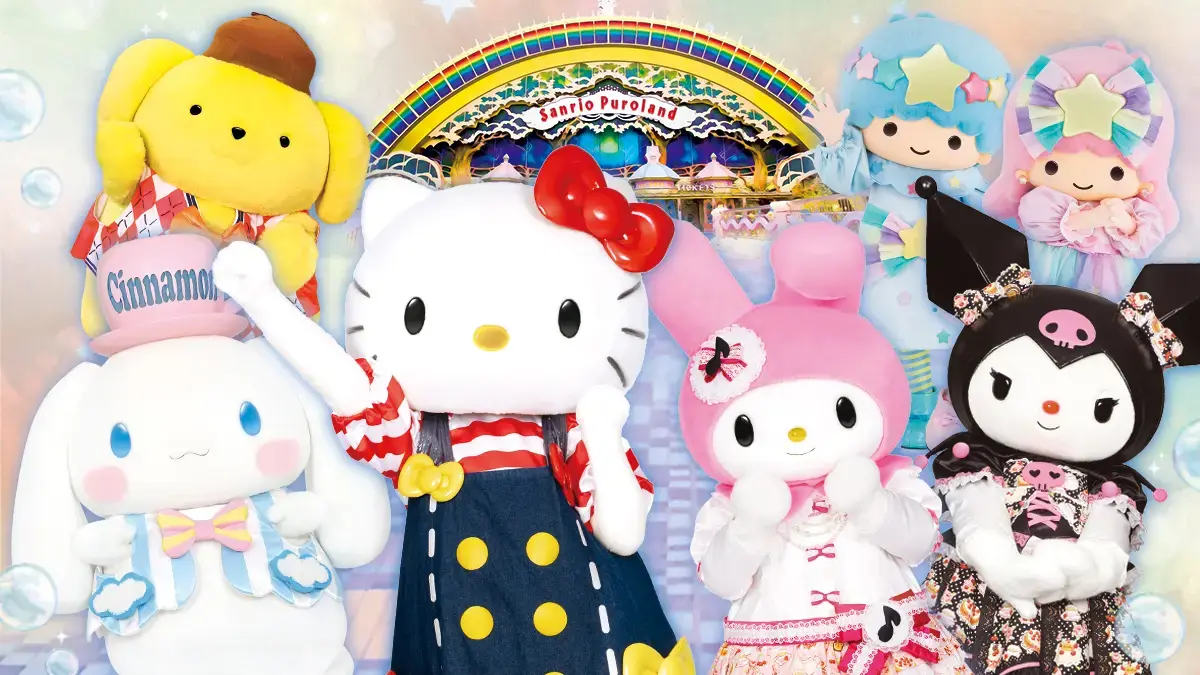
A theme park where visitors enter the world of Sanrio characters including Hello Kitty
-
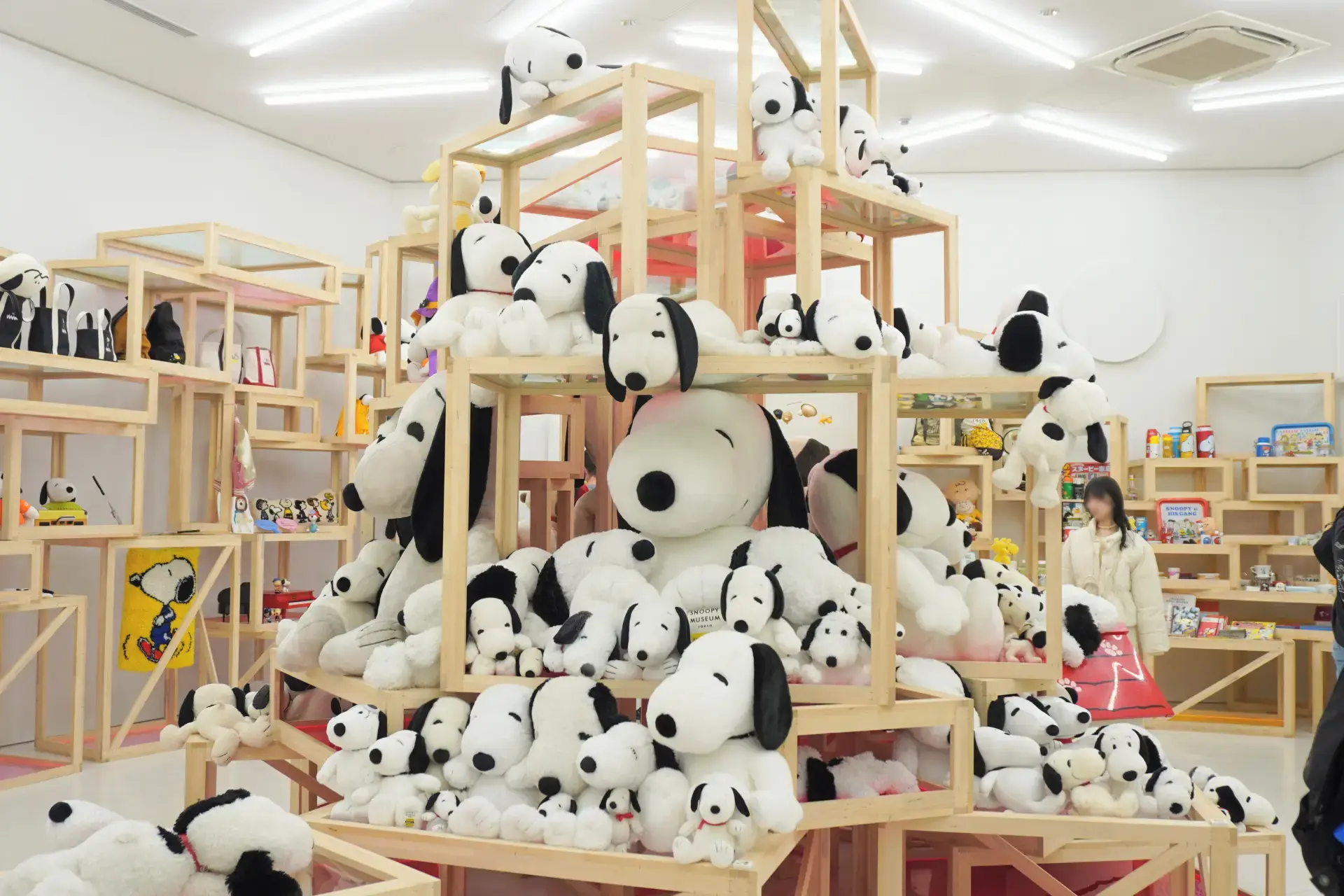
Snoopy Museum Tokyo lets visitors experience the world of Snoopy and his friends
4. Tachikawa and Hino
—Showa Kinen Park, Takahata Fudoson Temple, and Tama Zoological Park
Connected by the Tama Monorail, Tachikawa and Hino let visitors experience flowers, history, and relaxation along a single route.
Showa Kinen Park in Tachikawa covers an extraordinary 124 acres, approximately 39 times the area of Tokyo Dome. Seasonal floral scenery changes throughout the year, from spring tulips to golden ginkgo avenues and cosmos fields in fall.
Farther south by monorail, Takahata Fudoson Temple in Hino is one of the Kanto region's three major Fudo temples and the family temple of Shinsengumi vice commander Hijikata Toshizo. One station away is Tama Zoological Park, famous for introducing the world's first Lion Bus.
-
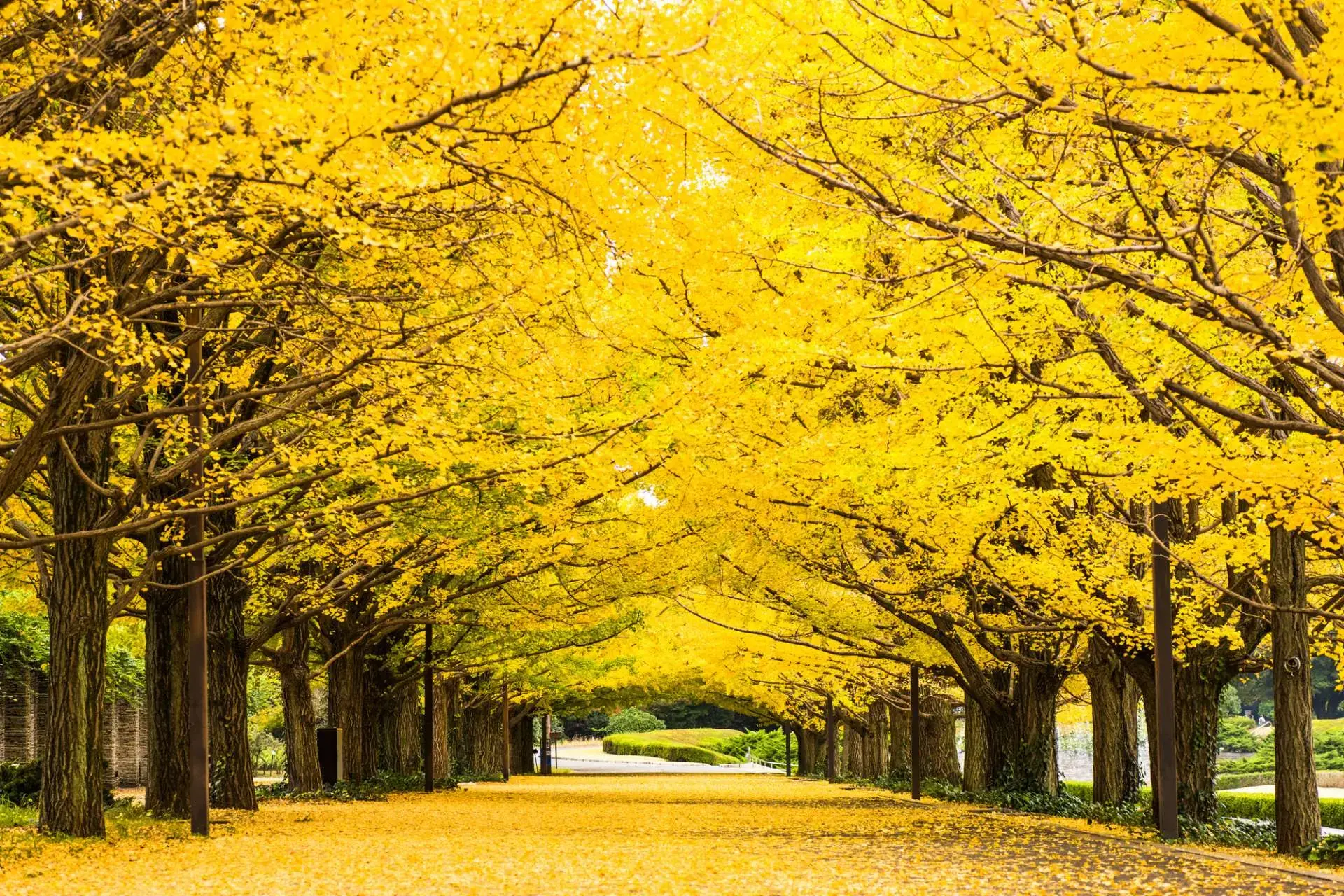
Greenery and seasonal flowers color the expansive Showa Kinen Park
-
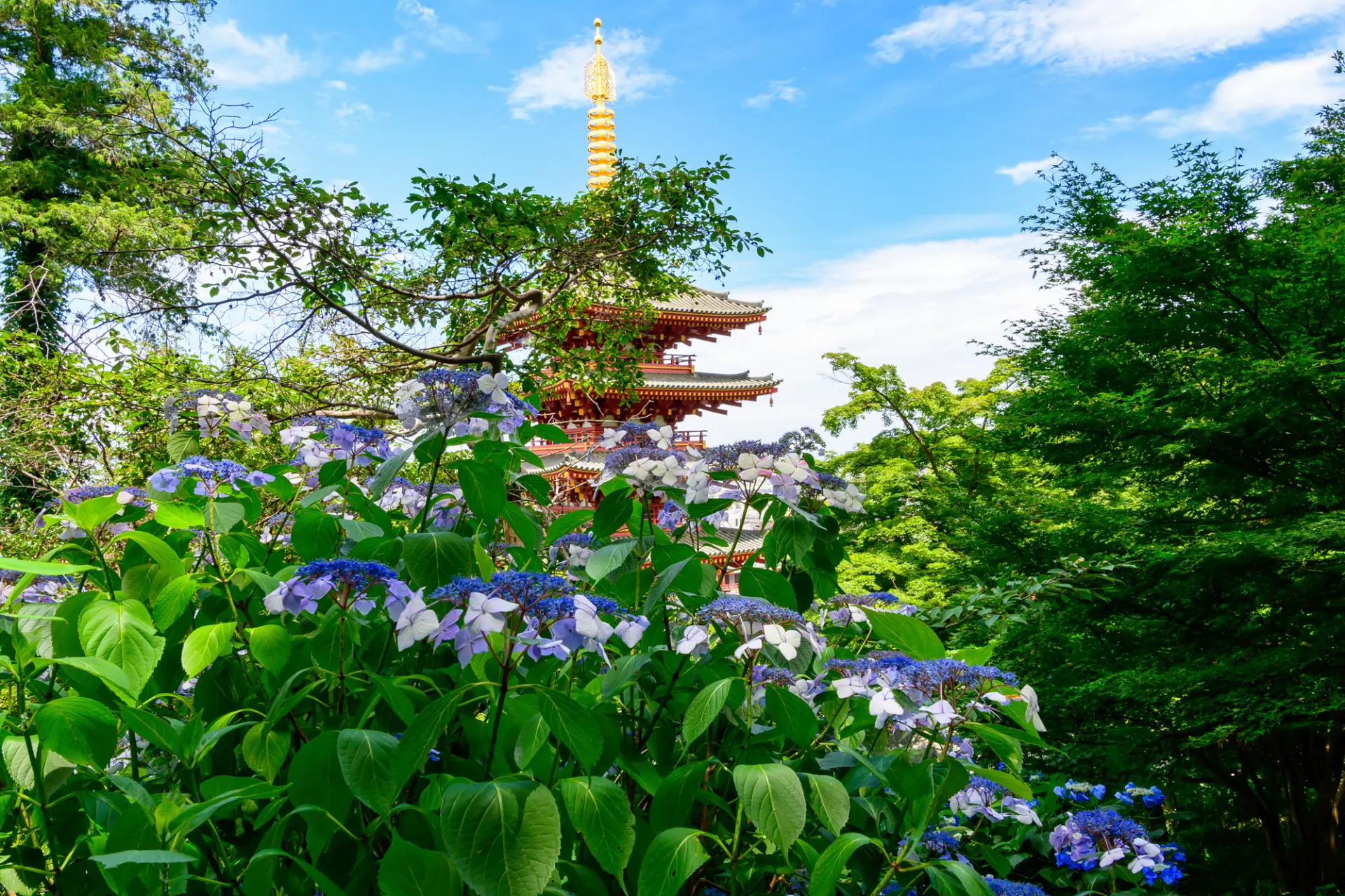
Takahata Fudoson Temple is a major center for traffic-safety prayers and the family temple of Shinsengumi member Hijikata Toshizo
-
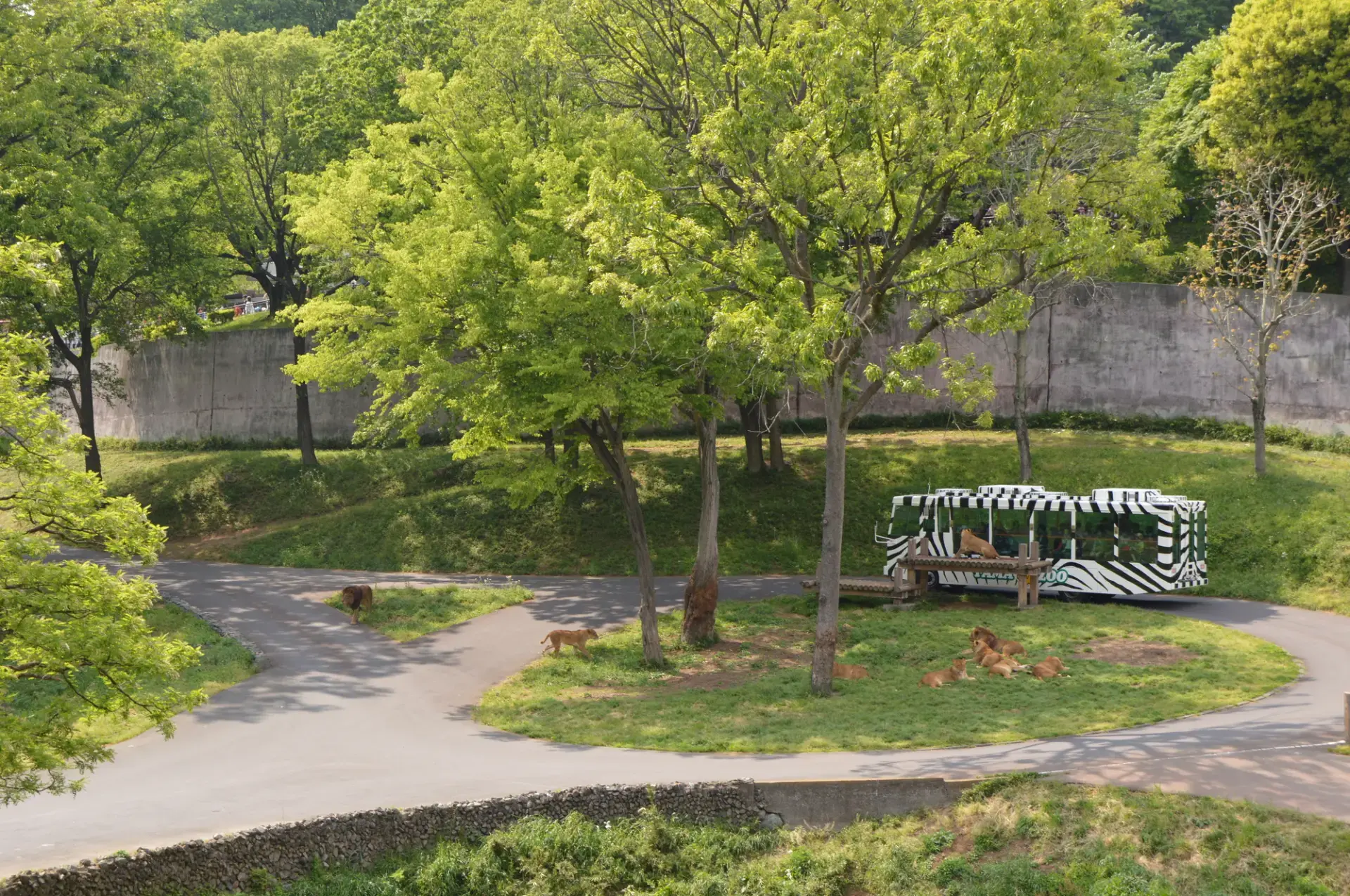
The Lion Bus offers close-up views of lions
5. Mount Takao (Hachioji)
—Mount Takao, a Michelin three-star mountain with the world's highest number of climbers
This celebrated 1,965-foot mountain is approximately 50 minutes from Shinjuku by train. It has routes manageable for beginners, and using the cable car or chairlift makes it possible to reach the summit in about an hour. Beyond the cedar-lined approach stands the stately Yakuoin Temple, known for tengu worship. With fresh greenery, fall colors, and snow, this representative example of Tokyo's natural beauty changes with every season.
-
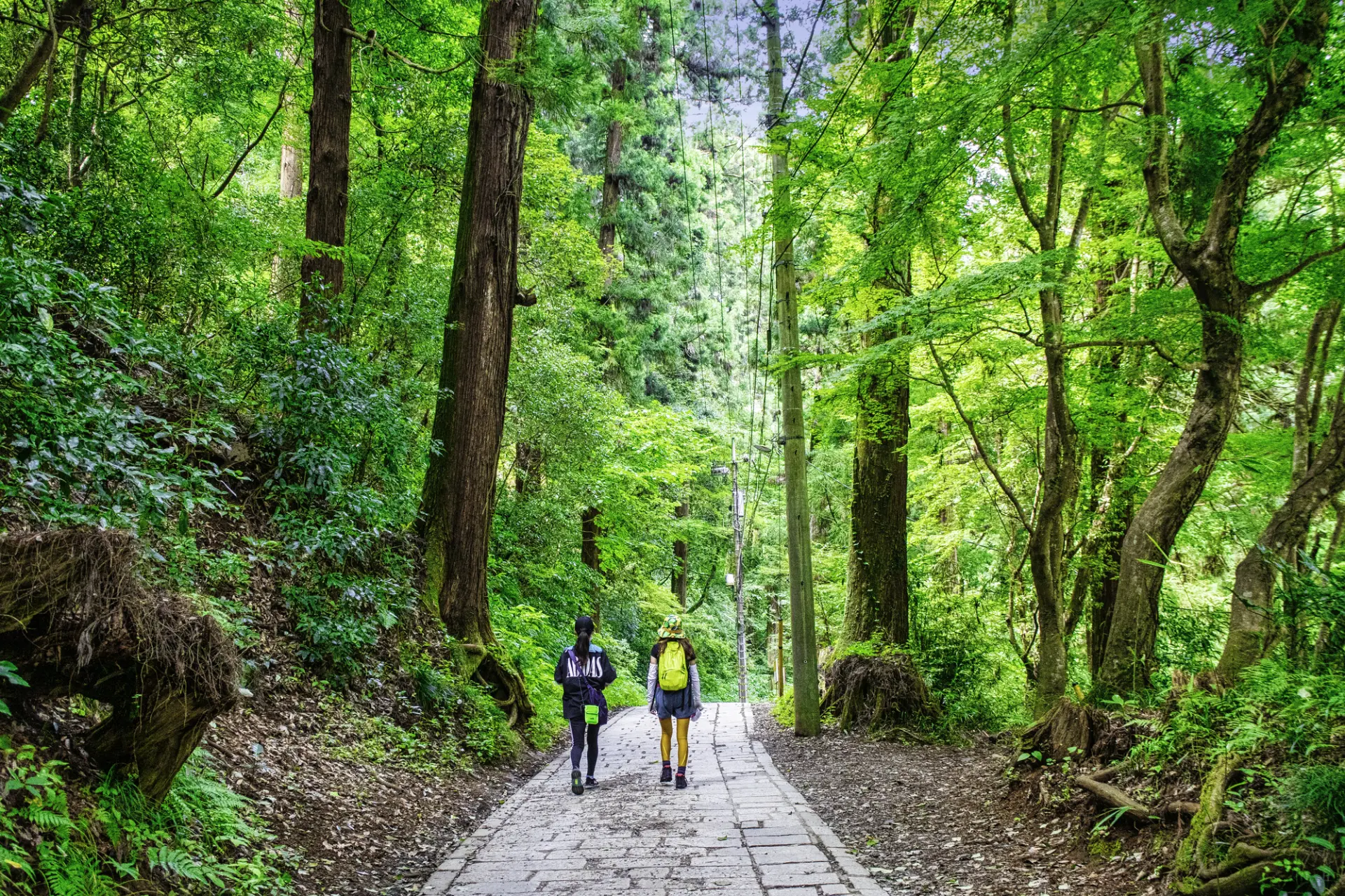
Beginners can hike safely in comfortable clothing and sneakers
-
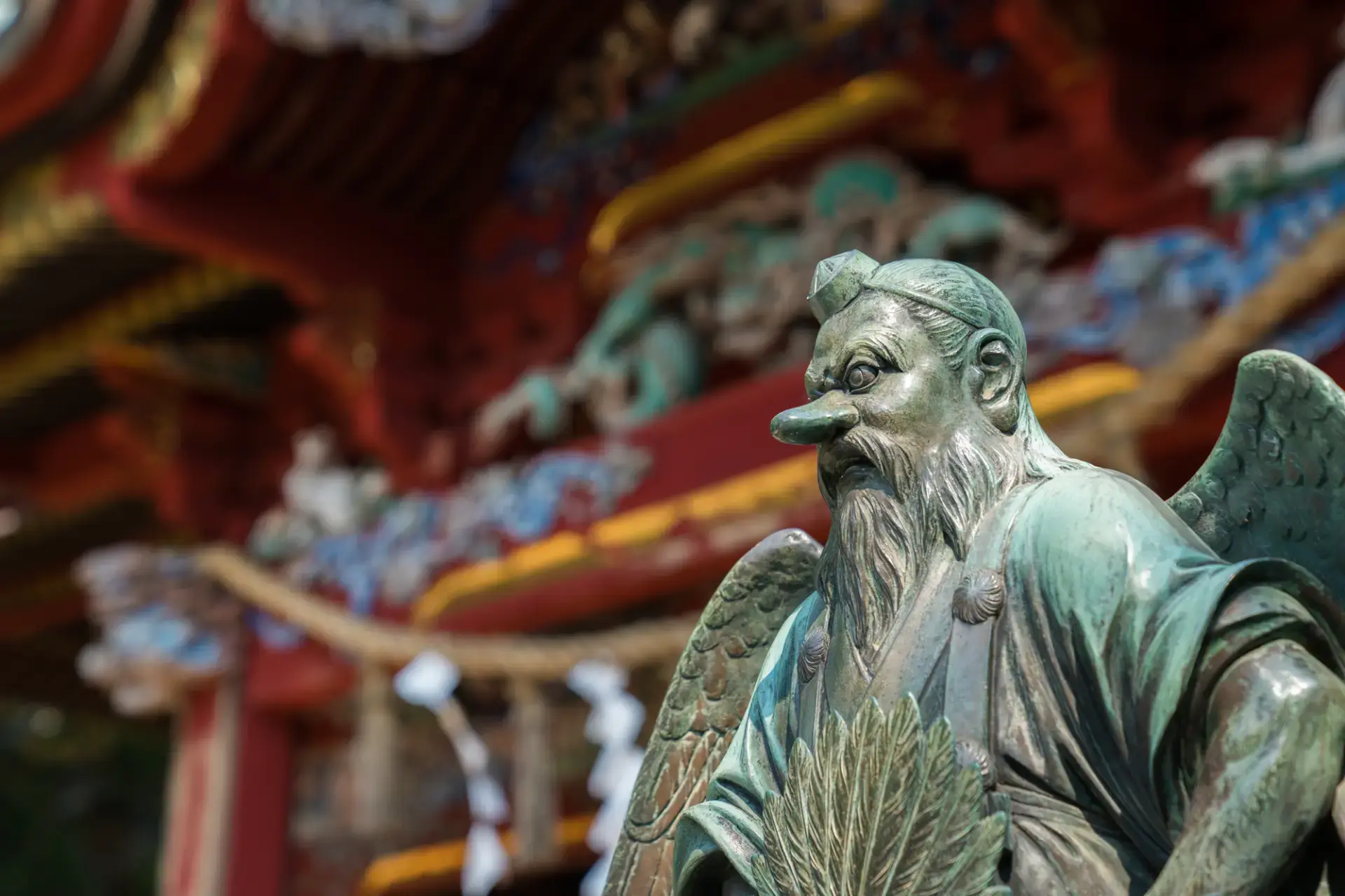
The tengu plays a role in Mount Takao worship; pictured is Takao-san Yakuoin Temple
-
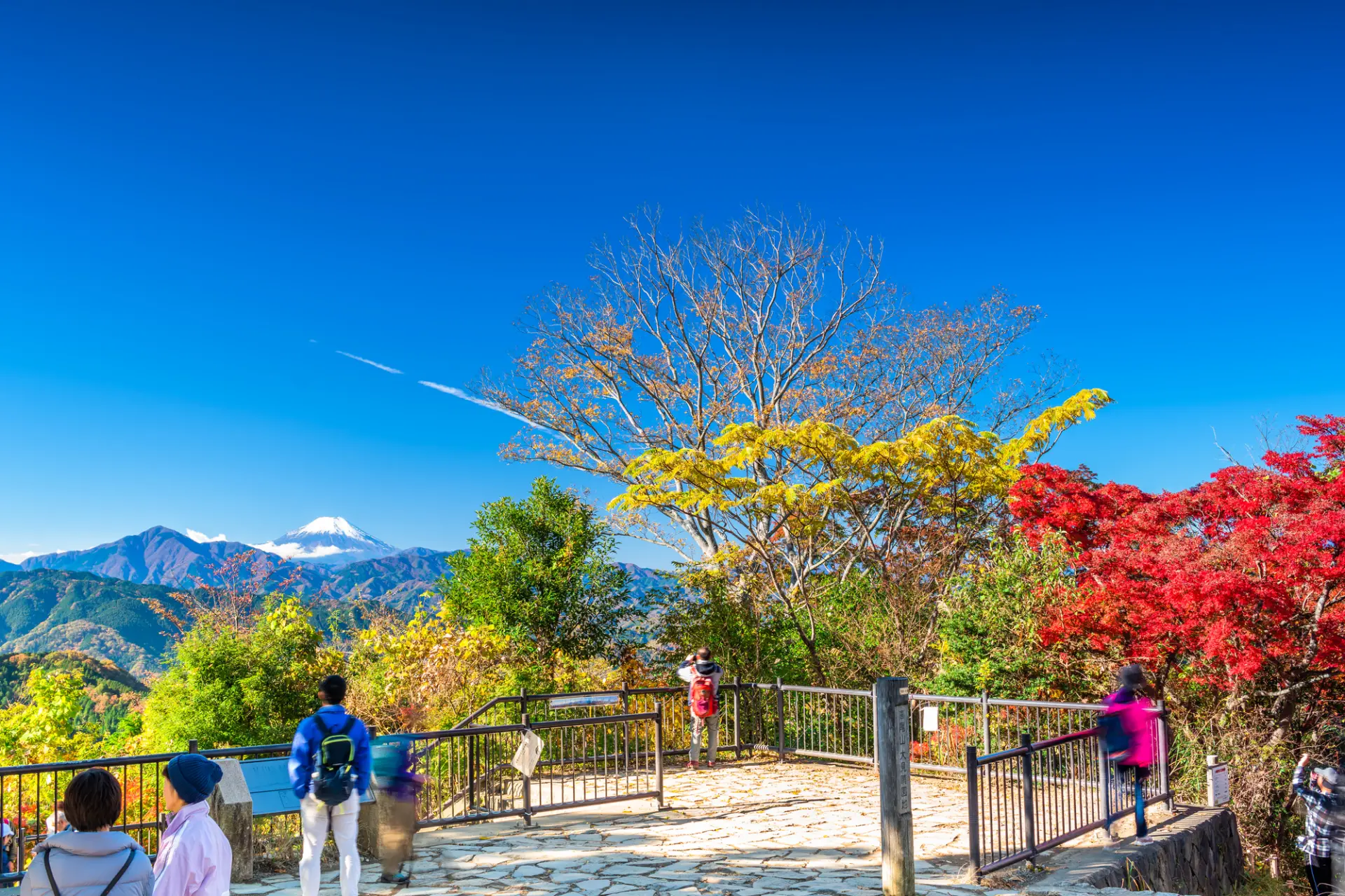
In fall, varied scenery combines red, yellow, and green
6. Okutama
—Mount Mitake, Lake Okutama, and Nippara Limestone Caves
As the farthest destination on a Tama journey, Okutama lies approximately two hours from central Tokyo and offers rich nature and diverse activities. The 3,048-foot Mount Mitake has varied hiking routes accessible to beginners. Lake Okutama is notable for its emerald-green surface reflecting the surrounding mountains. The final highlight is the Nippara Limestone Caves, among the largest in the Kanto region. Illuminated underground spaces formed by nature over hundreds of thousands of years make this a fitting candidate for Tokyo's last unexplored frontier.
-
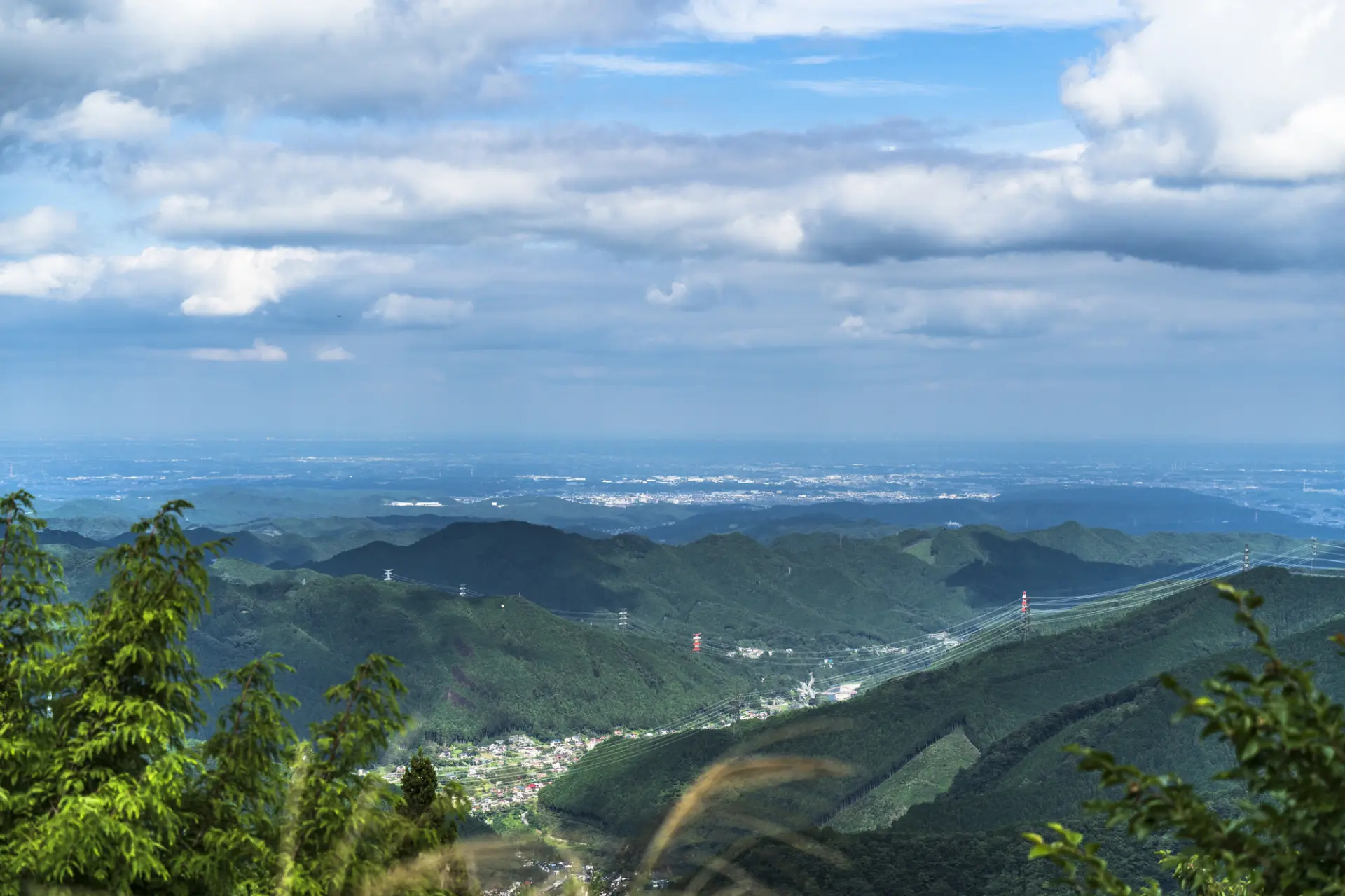
Mount Mitake, a mystical mountain of worship with 2,000 years of history
-
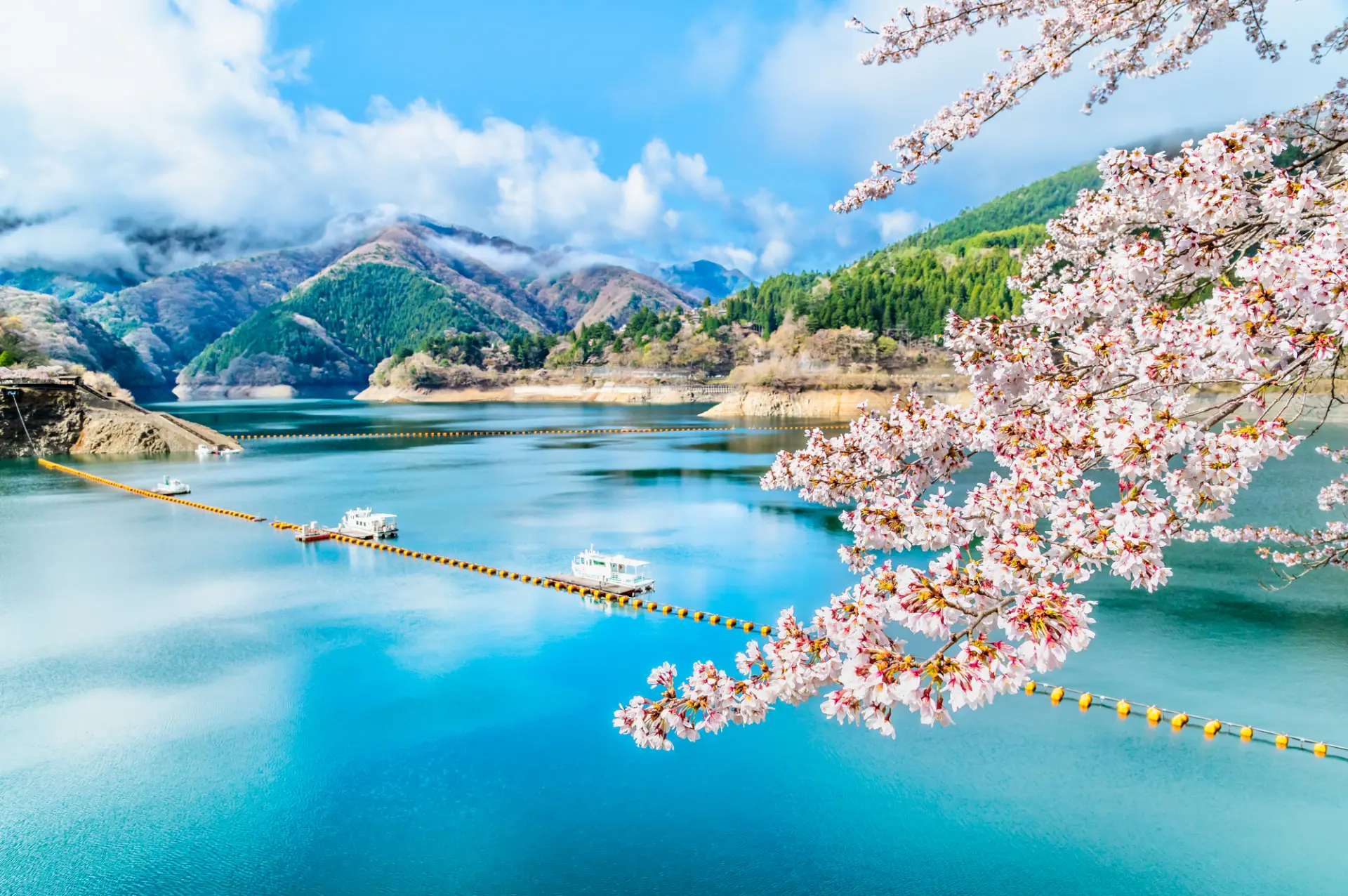
Lake Okutama offers attractive natural scenery in every season
-
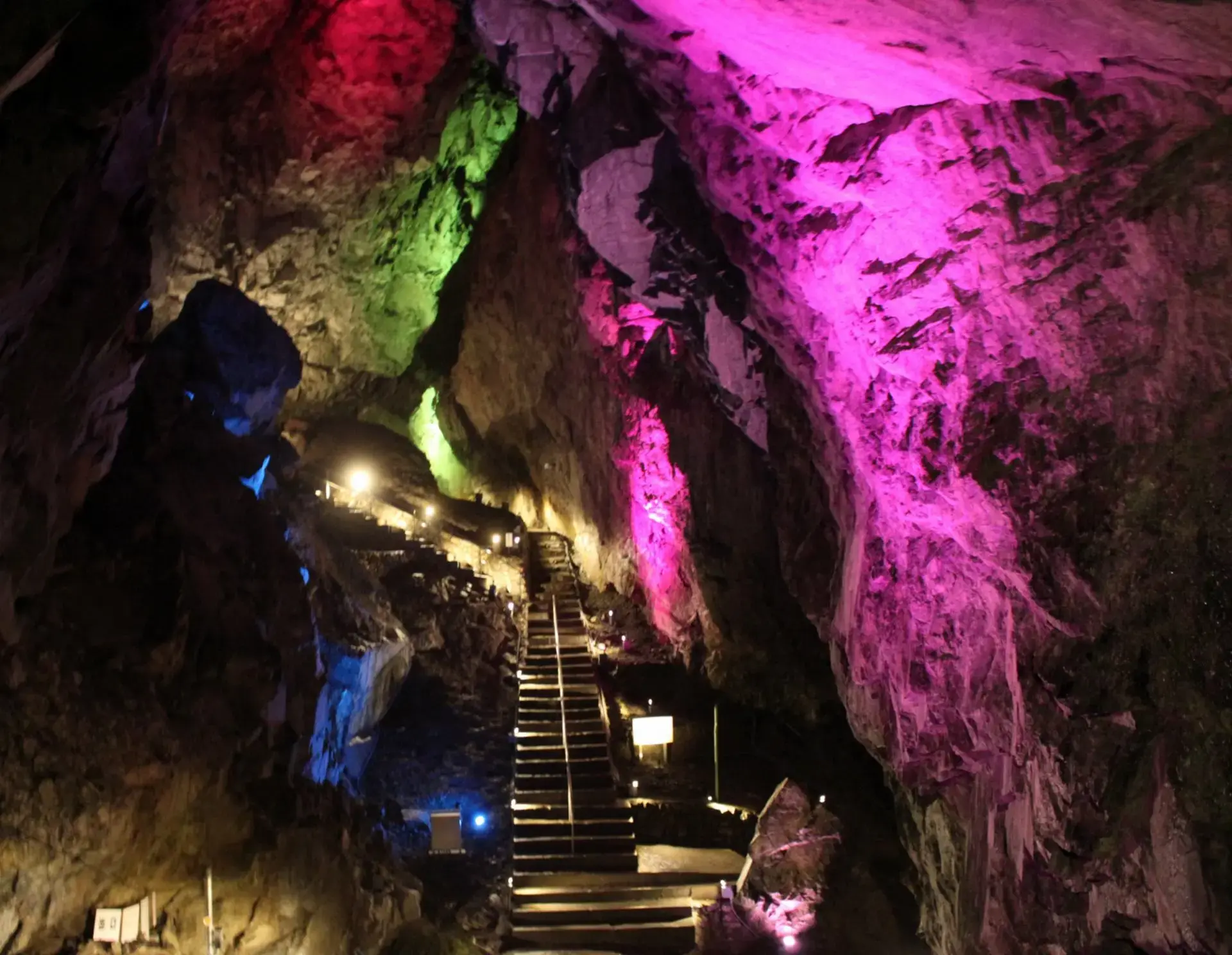
Nippara Limestone Caves, among the largest limestone caves in the Kanto region
3 One-Day Tokyo Itineraries: Classic Sights, Old Tokyo, and Rainy Days
For anyone wondering how to organize a day, here are three ready-to-use itineraries. Choose the classic route for a first visit, the old Tokyo route for a second or later trip, or the rainy-day route when the weather turns. If staying for two days or more, combine them to create your own plan.
First Time in Tokyo: The Classic Itinerary
- 9:00 AM Visit Senso-ji Temple and Nakamise Street
- 11:30 AM Explore Tokyo Station and Marunouchi
- 12:30 PM Have lunch at Tokyo Station or a nearby shopping complex
- 2:00 PM Take the JR Yamanote Line to Harajuku
- Visit Meiji Jingu Shrine
- Explore Takeshita Street and Omotesando
- 5:00 PM Visit Shibuya Scramble Crossing
- 6:00 PM Enjoy the nighttime views from SHIBUYA SKY
- 7:00 PM Have dinner in Shinjuku and wrap up your night in Tokyo
Retro Shitamachi Course
- 9:30 Breakfast at Tsukiji Outer Market
- 11:00 Ride two stops from Tsukiji to Monja Street in Tsukishima for an early monjayaki lunch and a stroll around Tsukudajima
- 1:30 Explore Ueno and Ameyoko
- 3:30 Head to Yanaka Ginza Shopping Street and photograph the Yuyake Dandan steps after 4:00
- 5:00 Ride the Toden Arakawa Line to Minowabashi Station and take a break at a café
- 7:00 Head to Kagurazaka for a final dish along its stone-paved backstreets
Tokyo Sightseeing Itinerary for a Rainy Day
- 10:00 Visit the Toyo Bunko Museum
- 12:30 Head to Tokyo Station for lunch at Tokyo Ramen Street in Tokyo Station First Avenue, directly connected to the station
- 1:30 PM Visit Ginza Mitsukoshi, directly connected to Ginza Station, and immerse yourself in a fantastical world of goldfish and light at the Art Aquarium Museum GINZA
- 2:45 PM Explore Ginza’s underground shopping areas and Ginza Sony Park, and shop for souvenirs
- 4:30 PM Experience digital art at teamLab Planets
- 7:00 PM Enjoy dinner and a hot spring bath at Toyosu Senkyaku Banrai
Guide to Day Trips and Overnight Getaways Near Tokyo
3 Destinations for Day Trips from Tokyo
For travelers who want to explore attractions beyond Tokyo, here are selected destinations and places reachable within two hours.
Each can be enjoyed as a day trip, so there is no need to change accommodations.
1. Tokyo Disneyland, the Kingdom of Dreams and Magic (Chiba Prefecture)
Approximately 15 minutes by train from Tokyo Station, this large theme park is beloved as the “Kingdom of Dreams and Magic.” Seven themed lands spread around Cinderella Castle, offering parades, seasonal events, character greetings, and more than can be experienced in a single day. It is one of Japan's leading theme parks, entertaining visitors of all ages.

2. Yokohama's International Atmosphere (Kanagawa Prefecture)
Just 30 minutes from central Tokyo, Yokohama offers a distinctive atmosphere where international influences blend into a modern skyline of high-rises. At night, the sea and historic Western-style modern architecture create a particularly atmospheric setting popular with couples.
The city's many commercial facilities also make it a rewarding shopping destination.

3. Kamakura's Distinctly Japanese Atmosphere
The historic city of Kamakura is approximately one hour from Tokyo Station on the JR Yokosuka Line. Like Kyoto and Nara, it was once the seat of a government, leaving it with numerous temples and shrines. Surrounded by both sea and mountains, Kamakura offers scenery where seasonal nature harmonizes with sacred architecture.

3 Destinations for an Overnight Trip from Tokyo
The following destinations are also reachable from Tokyo within two hours, but their size and abundance of attractions make them difficult to cover on a day trip.
Consider traveling a little farther alongside your Tokyo visit to make the overall trip even richer.
1. Lake Kawaguchi and Its Views of Mount Fuji
Reachable from Tokyo Station in two hours by express bus, Lake Kawaguchi offers impressive views of Mount Fuji.
Seasonal scenery around the lakeshore includes abundant cherry blossoms in spring, purple lavender in early summer, and colorful foliage in fall. Anyone hoping for clear views of Mount Fuji should consider exploring the Lake Kawaguchi area.


2. Hot Springs and Nature in Hakone
Hakone is 75 minutes from Shinjuku Station aboard the Odakyu Romancecar. Located in southwestern Kanagawa Prefecture, it flourished historically as a post town and remains a thriving resort and tourist destination. It is famous for hot springs and natural scenery such as Owakudani and Lake Ashi.

3. Karuizawa, One of Japan's Leading Highland Resorts
Karuizawa is only one hour from Tokyo Station on the Hokuriku Shinkansen. Located at an elevation of approximately 2,950–3,280 feet in Nagano Prefecture, it is one of Japan's leading highland resorts, offering numerous attractions, shopping destinations, and culinary experiences.

For more detailed information about destinations near Tokyo, see this article.
What Should You Eat in Tokyo, One of Japan's Great Food Cities?
Delicious foods from across Japan gather in Tokyo, making it possible to find almost any type of cuisine.
In this leading culinary city, try the four great foods of Edo: eel, sushi, tempura, and soba.
Each took its established form during the Edo period and offers a taste of Tokyo's distinctive food culture.
Tokyo also has many notable restaurants serving sukiyaki, which originated in the Edo period, and ramen, now one of Japan's representative foods.
Monjayaki, a soul food of Tokyo's traditional downtown, is another recommended choice.
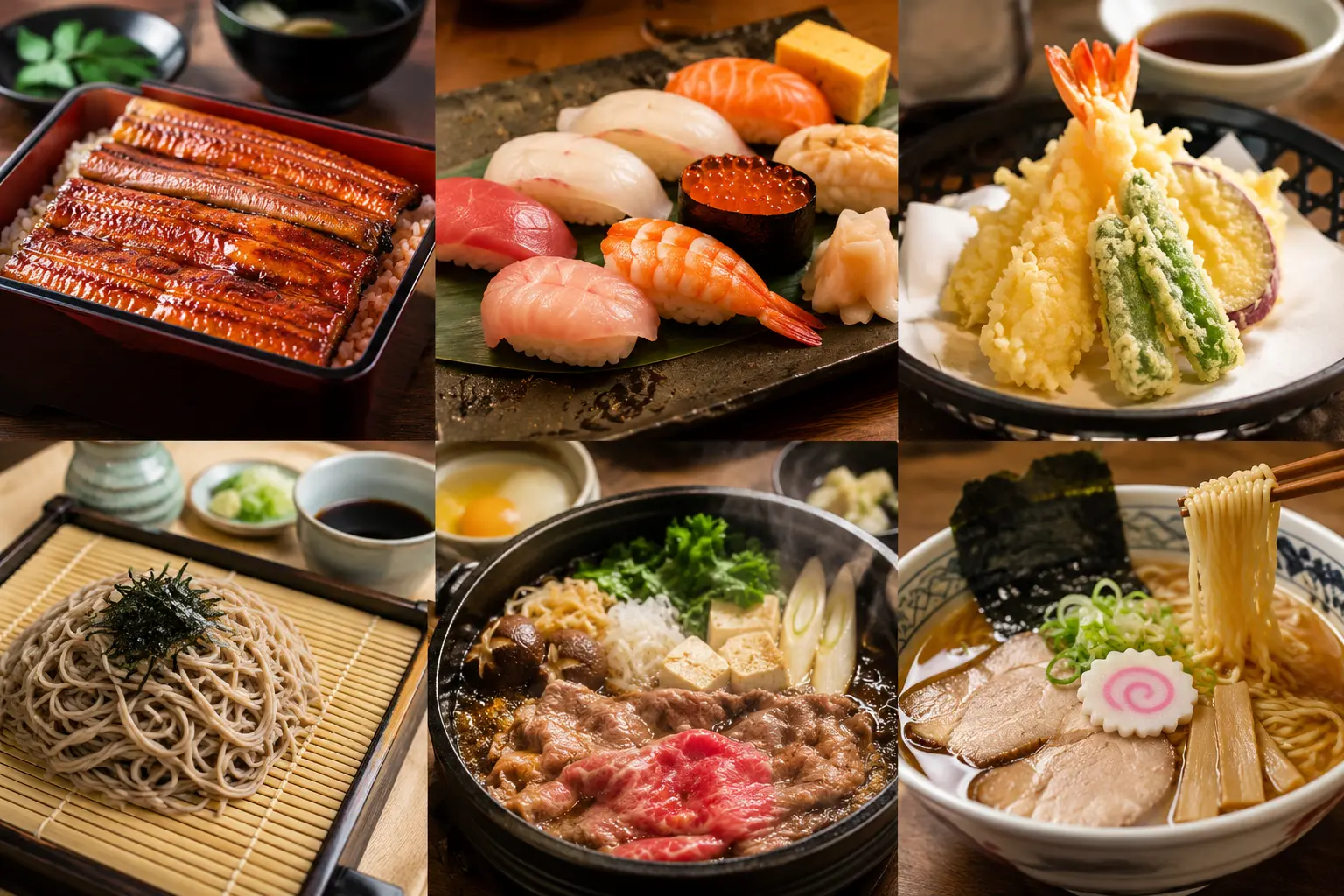
For more details about Tokyo dining destinations and foods to try, see the articles below.

Start Shopping Here: 3 Major Tokyo Shopping Destinations
Tokyo brings together the latest brands, and shopping is available virtually everywhere.
From its many commercial facilities, these selected destinations offer a particularly satisfying Tokyo shopping experience.
1. Isetan Shinjuku
This long-established department store consists of several buildings: the Main Building, designated a historic structure by the Tokyo Metropolitan Government; the Men's Building, specializing in menswear; and Isetan Kaikan, which primarily houses restaurants and other tenants.
Amid Shinjuku's modern architecture, the Main Building's retro stone exterior has a strong presence and immediately catches the eye.

- Nearest station
- Tokyo Metro Shinjuku-sanchome Station or Shinjuku Station on all lines
2. Ginza Mitsukoshi
Ginza is renowned as an upscale shopping district. Located at its center, Ginza Mitsukoshi is one of Japan's foremost long-established department stores and one of Ginza's defining retailers. Mitsukoshi began as a kimono shop named Echigoya in 1673. Its Ginza branch opened in 1930 and has represented the district for approximately 90 years.

- Nearest station
- Tokyo Metro Ginza Station
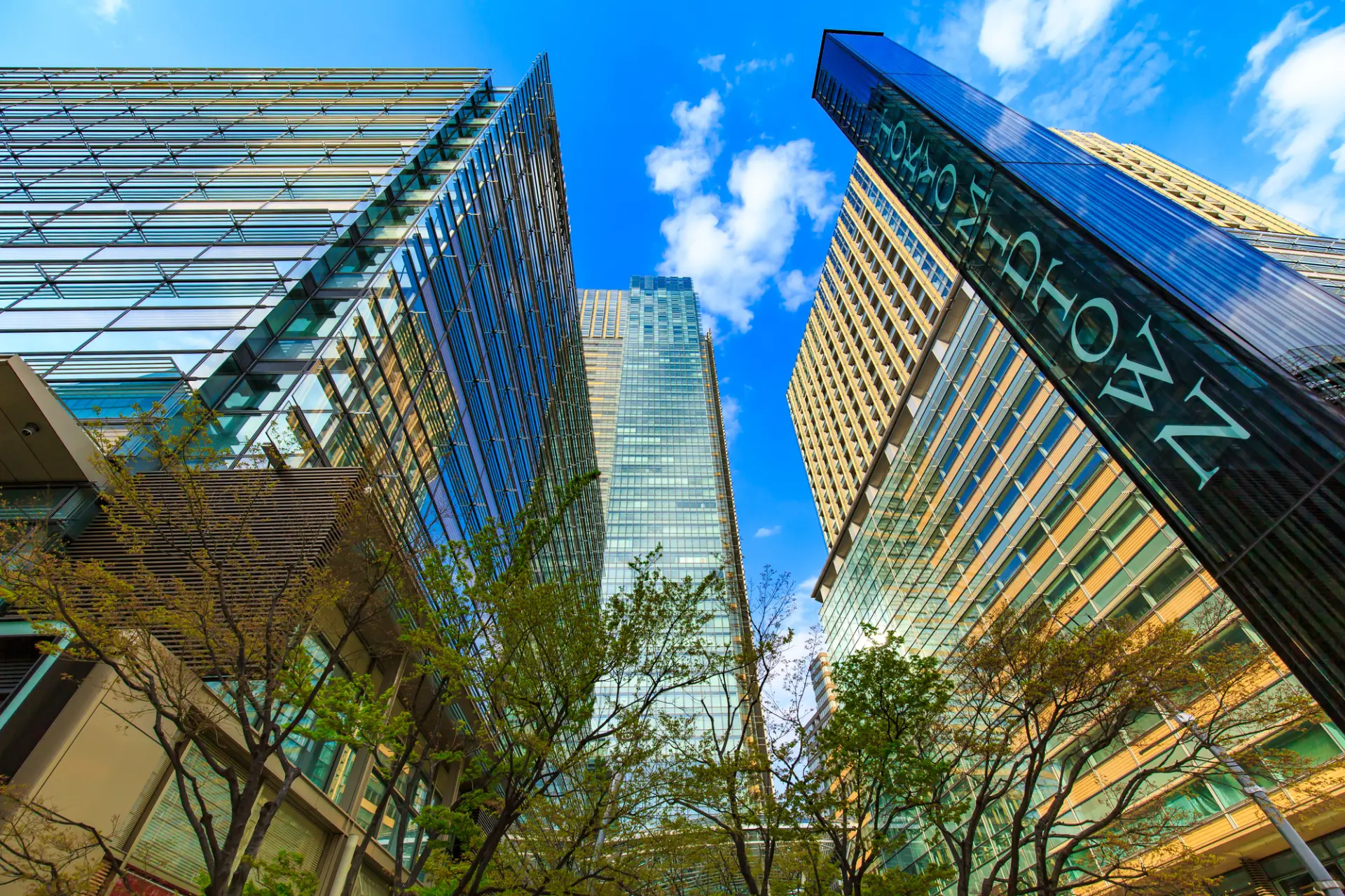
3. Tokyo Midtown Roppongi
This mixed-use urban complex consists of expansive green space and six buildings. Approximately 130 carefully selected, high-quality shops and domestic and international restaurants committed to authentic flavors line the complex.
In Galleria, the main shopping area, numerous stores fill a four-story atrium approximately 490 feet long and 82 feet high. Its attractive design evokes Japanese aesthetics.
- Nearest station
- Roppongi Station on all lines or Tokyo Metro Nogizaka Station
For more detailed information about Tokyo's shopping destinations, districts, and shopping tips, see this article.

3 Iconic Tokyo Accommodations Offering Big-City Experiences
Tokyo offers accommodations ranging from luxury hotels and traditional inns to affordable guesthouses and business hotels. The following selections provide experiences distinctive to a major metropolis like Tokyo.
1. Imperial Hotel, Tokyo
The hotel opened in 1890 at the request of the Meiji government, which was pursuing Westernization, to accommodate distinguished visitors from overseas.
For its first 19 years, Shibusawa Eiichi, one of the leading founders, directed its management and served as its first chairman. Today, approximately 2,000 staff members, including experienced bell staff, concierges, and laundry specialists, welcome guests from Japan and abroad. Its refined service and hospitality have earned the loyalty of guests worldwide.

- Nearest station
- Tokyo Metro Hibiya Station or JR Yurakucho Station
2. Hotel New Otani
This luxury hotel opened in 1964 for the Tokyo Olympics. Its extensive facilities and distinctly Japanese hospitality have made it popular with guests from Japan and overseas.
Surrounded by the former outer moat of Edo Castle, the approximately 8.2-acre Hotel New Otani Japanese Garden has 400 years of history and is open for walks.

- Nearest station
- Tokyo Metro Akasaka-mitsuke or Nagatacho Station
3. Palace Hotel Tokyo
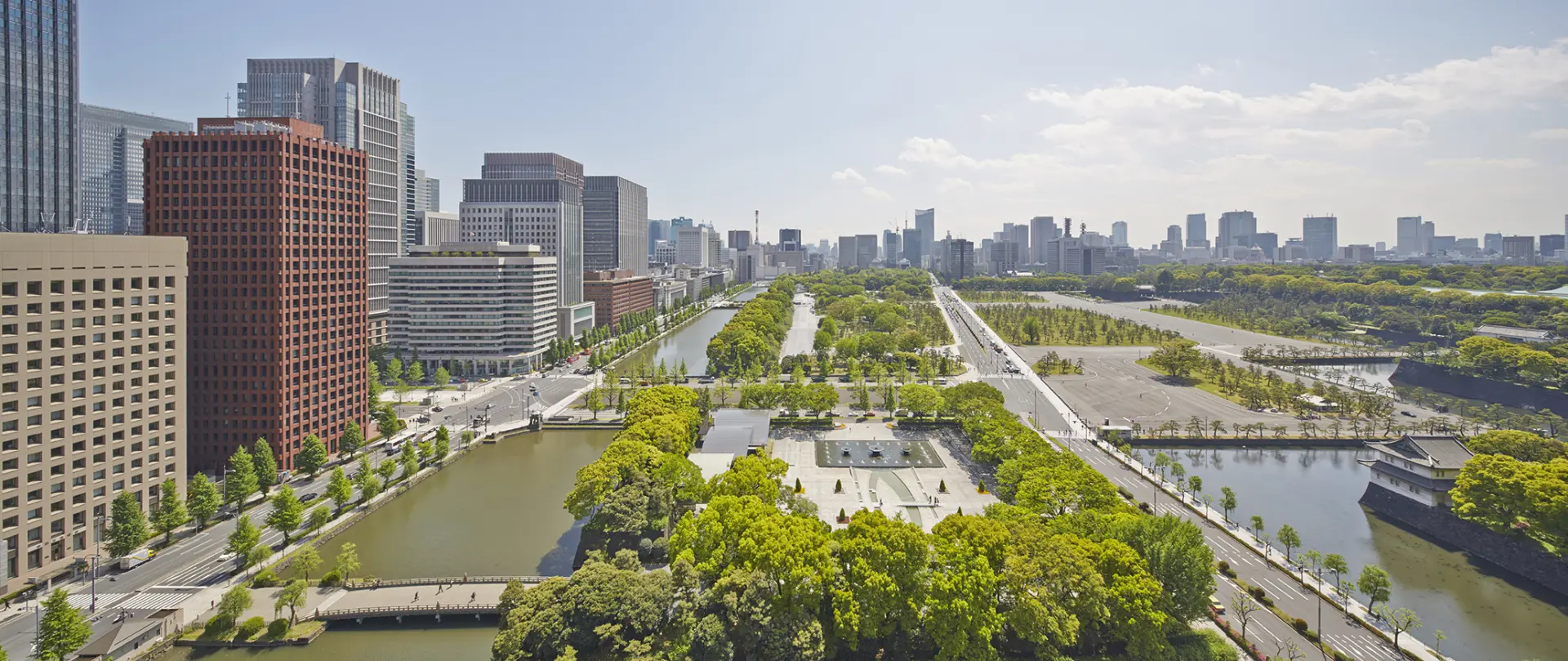
This luxury hotel occupies the distinctive address 1-1-1 Marunouchi, Tokyo. Its exceptional location overlooks the greenery of the Imperial Palace Outer Gardens and the palace moat. All 284 rooms measure at least 484 square feet. Approximately 60% include balconies, an unusual feature in central Tokyo. The windows reveal greenery by day and Tokyo's city lights at night.
- Nearest station
- Otemachi or Tokyo Station on all lines
For more detailed information about Tokyo hotels and accommodations, see this article.

3 Classic Tokyo Souvenirs That Are Sure to Please
Delicious foods from many cities gather in Tokyo.
From among them, here are three souvenirs available only in Tokyo.
If you are unsure what to buy, these classic choices are dependable.
1. Grape Stone's Tokyo Banana “Miitsuketa”
Created in 1991, Tokyo Banana “Miitsuketa” has become a quintessential Tokyo souvenir. This Western-style confection consists of soft, fluffy sponge cake filled with banana custard made from carefully puréed bananas.

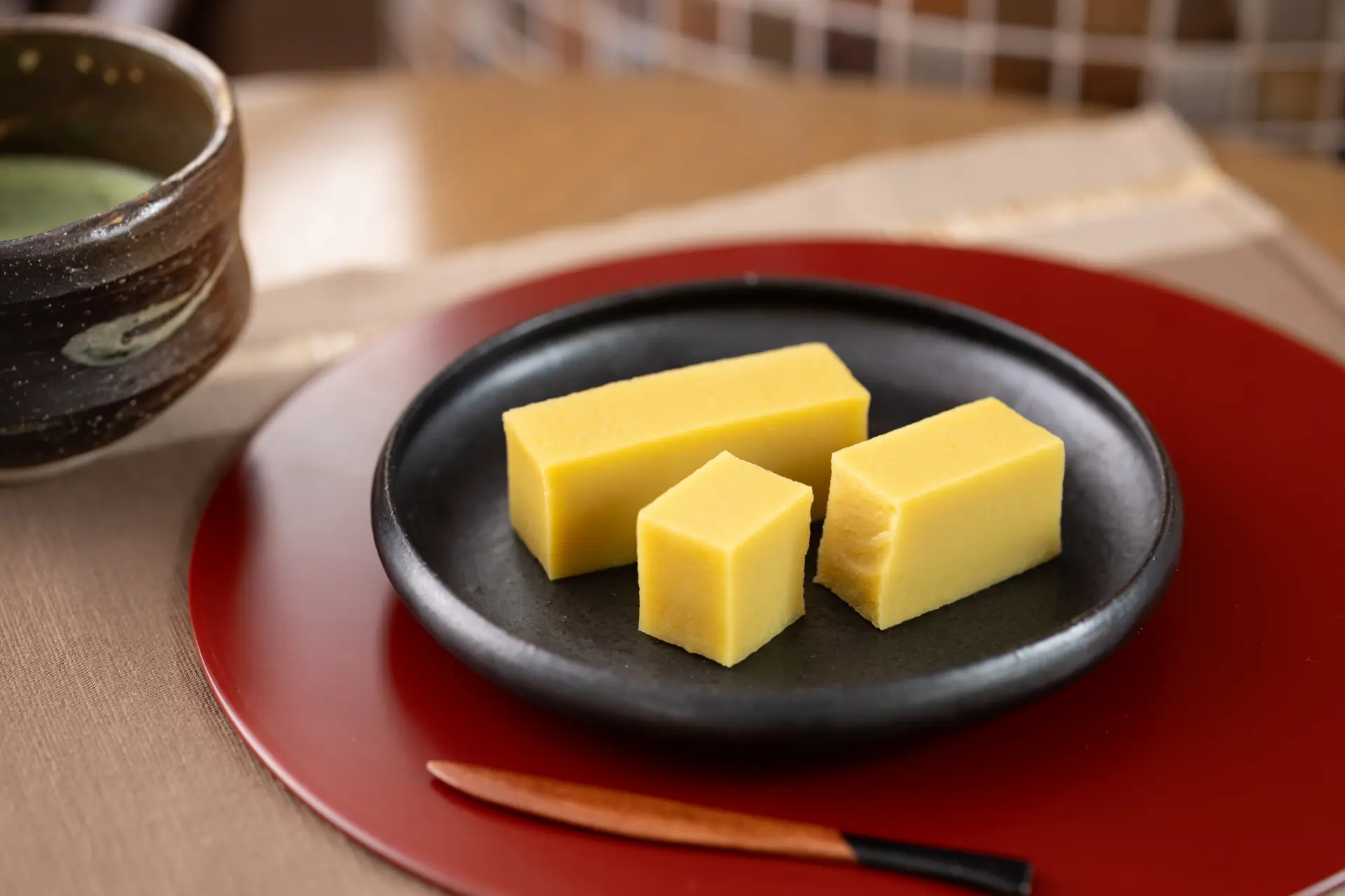
2. Funawa Imo Yokan
Funawa's signature imo yokan, made by the long-established confectioner founded in 1902, is a nationally known Tokyo specialty. Its restrained sweetness brings out the natural flavor of the ingredients. With no artificial colors, preservatives, or flavorings, it can be enjoyed by everyone from young children to older adults. Its simple taste and pleasant texture have earned it many fans.
3. Tokiwayado Kaminari Okoshi
Tokiwayado Kaminari Okoshi Honpo's Kaminarimon Main Store stands beside Asakusa's Kaminarimon Gate and has more than 200 years of history as a specialist in okoshi rice snacks.
Kaminari okoshi is made from rice mixed with peanuts and other ingredients.
At the main store, craftspeople demonstrate the production process, and visitors can sample freshly made, aromatic kaminari okoshi on the spot.
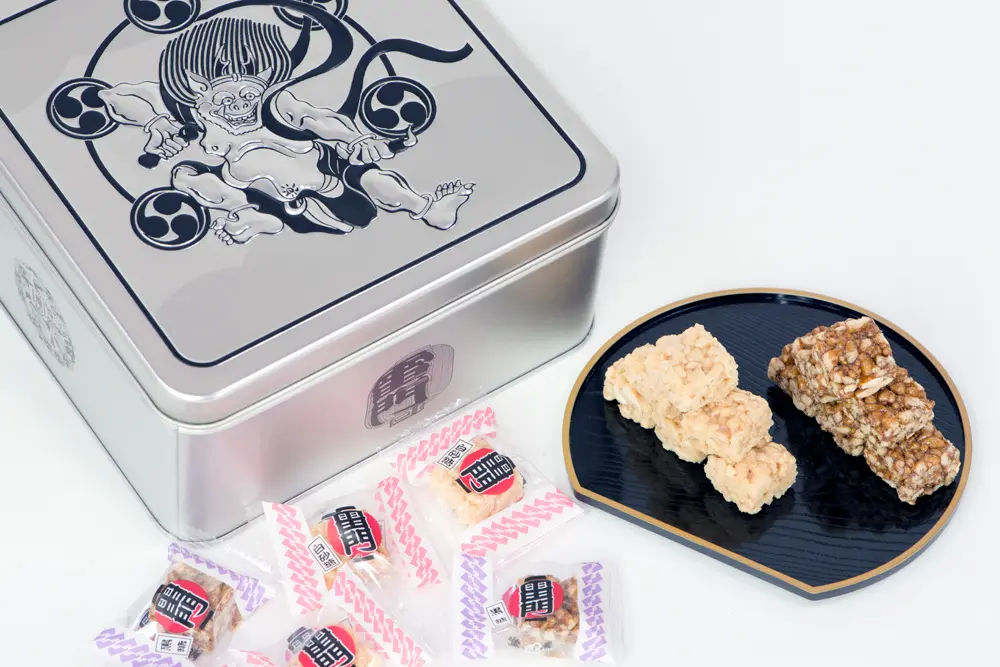
For more detailed information about Tokyo souvenirs, see this article.

5 Things to Keep in Mind When Sightseeing in Tokyo
Here are five points worth knowing in advance to make the most of Tokyo.
Because the city has so much to see and a complex transportation network, understanding these points should make sightseeing more efficient and comfortable.
1. Train Transfers Can Be Complicated and Confusing
Tokyo's rail network is extremely well developed, and trains are the primary way to travel while sightseeing.
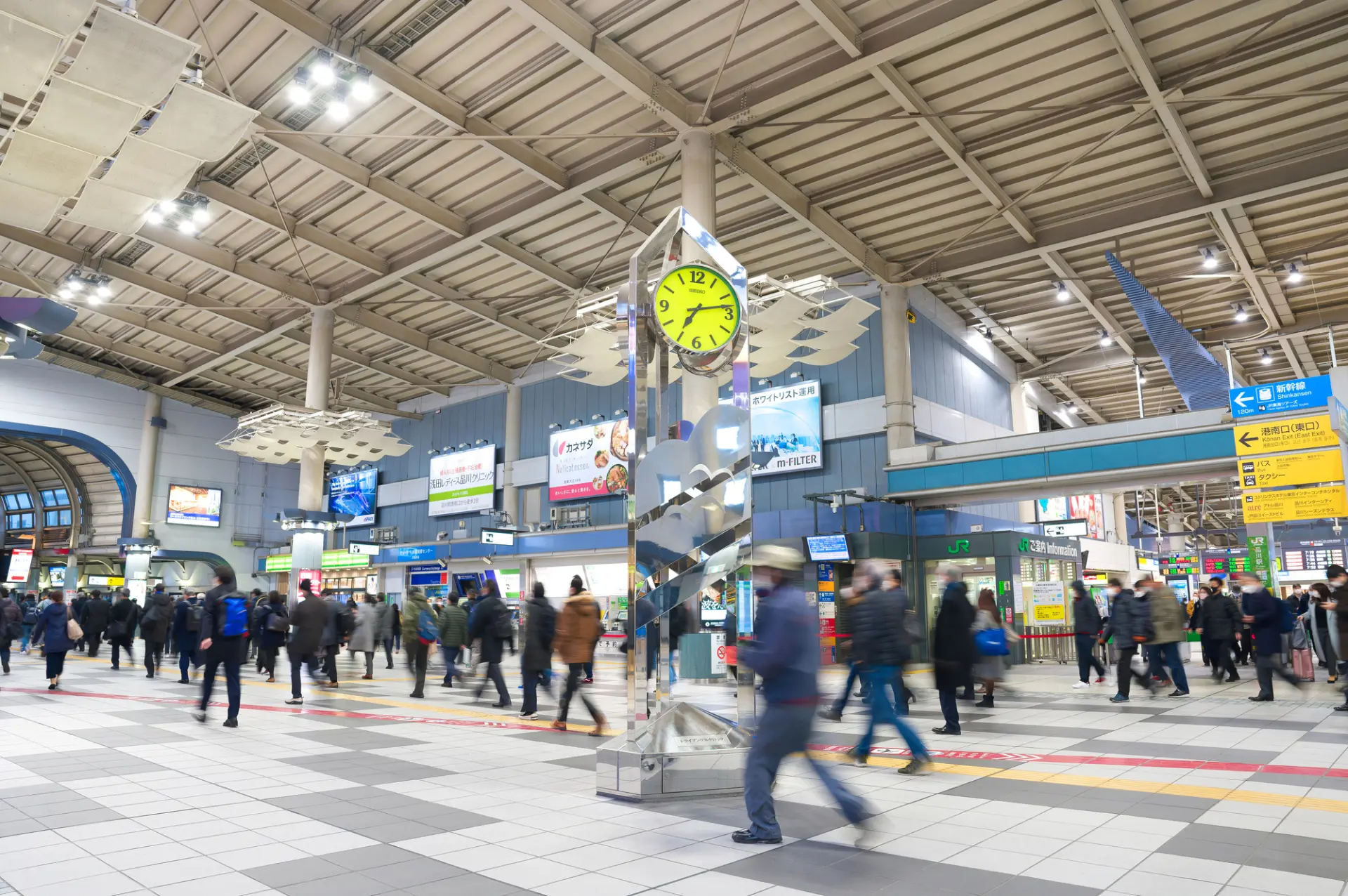
However, stations often serve multiple JR, private railway, and subway lines, making transfers complicated. At large terminals such as Shinjuku and Tokyo stations, the extensive interiors and numerous transfer routes can take more time than expected. Even within the same station, transfers may involve long passageways and repeated trips up and down stairs or escalators.
When sightseeing in Tokyo, check not only station names but also the lines and number of transfers in advance, and allow extra travel time. Use a transit-planning app, and do not hesitate to ask station staff if you become lost.
2. Check Both the Train Line and Station Exit
In Tokyo, platforms serving different lines may be located in different places even when they share the same station name.
JR, private railway, and subway platforms are often physically separated, so traveling within what is treated as a single station can involve more walking than expected.
Choosing the correct exit is equally important. Large terminal stations have many exits, and the one you use can substantially change both the distance and direction to your destination. The wrong exit may put you on the opposite side of the station. At a huge terminal such as Shinjuku, assuming that knowing the station name is enough or that every exit is equivalent makes it easy to become lost.
When sightseeing in Tokyo, confirm the station name, train line, and exit together. Checking the nearest exit in advance with a map or transit app reduces unnecessary walking and makes your trip smoother.
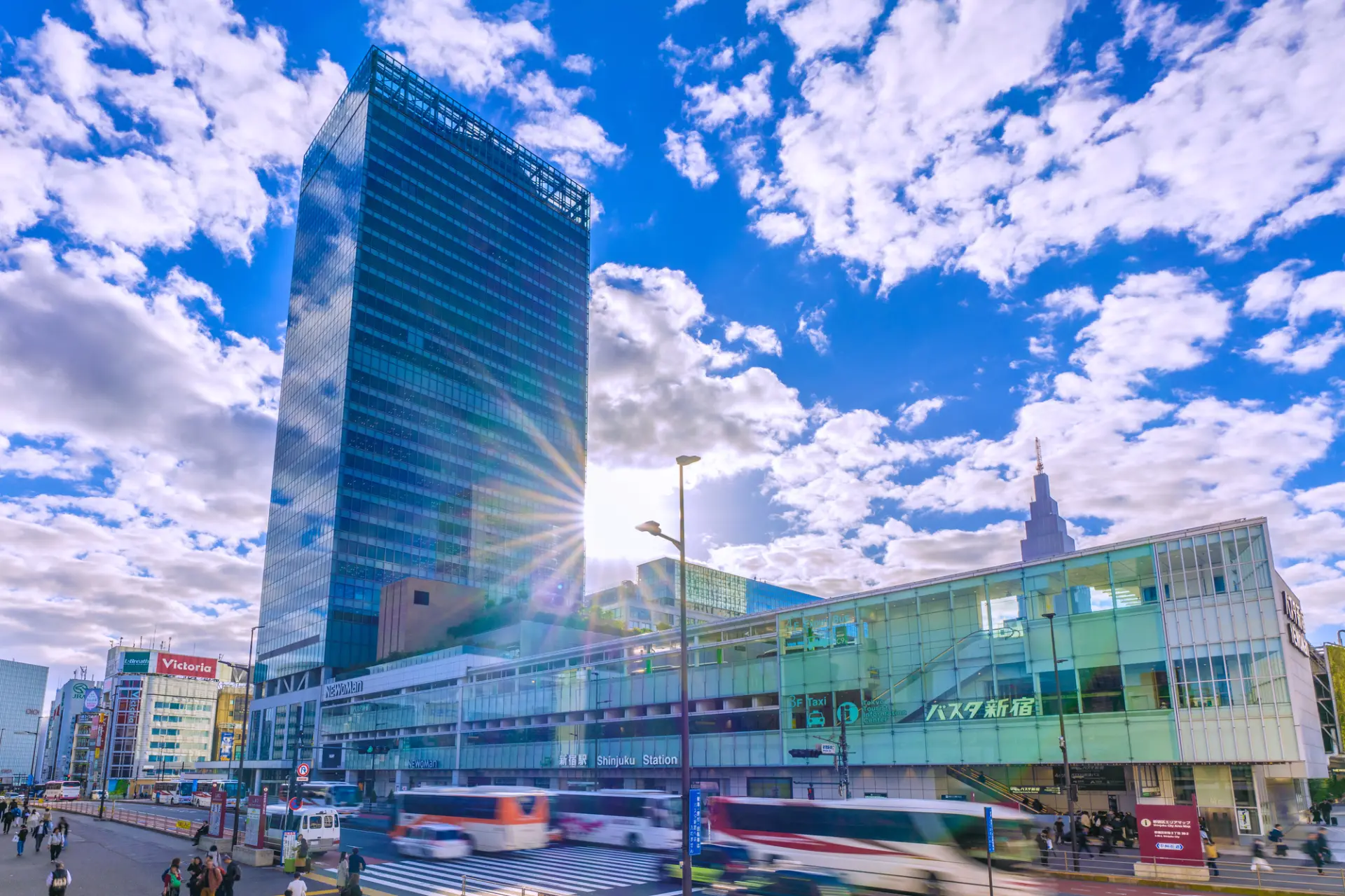
3. Avoid Traveling During Crowded Train Times
Commuter rush hours occur on weekday mornings and evenings, making trains extremely crowded.
Cars can become so packed during the morning commute and after late afternoon that moving is difficult. Traveling with a large suitcase or backpack may inconvenience others and place a considerable physical burden on you as well.
Coinciding with rush hour while sightseeing can leave you exhausted simply from traveling. Avoid commuting hours whenever possible. If travel is unavoidable, consider combining taxis and walking or choosing another route to avoid crowds. Even shifting your schedule slightly can make a substantial difference in comfort.
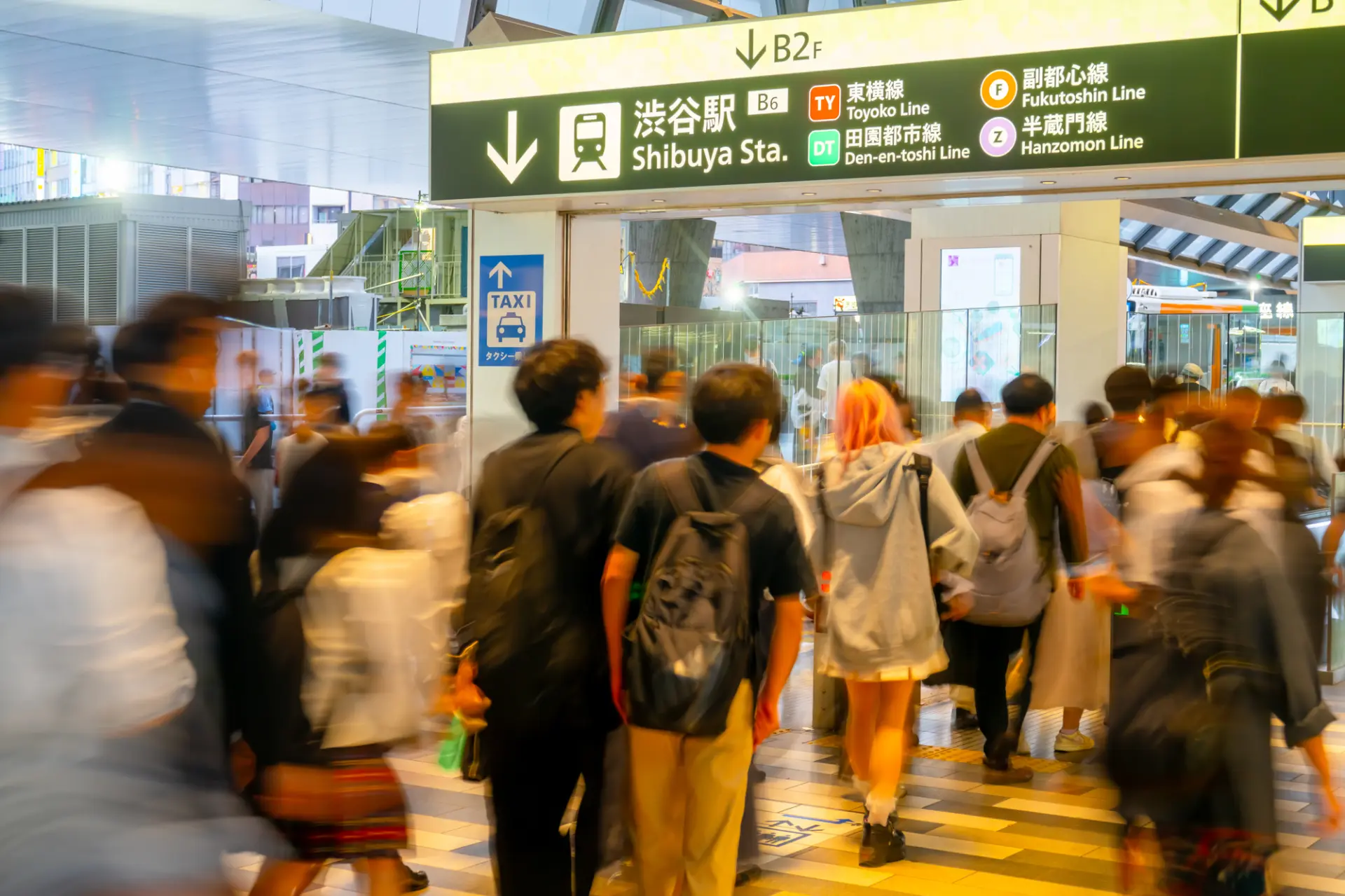
4. Choose a Specific Place, Not Just an Area, as Your Destination
In Tokyo, area names such as Shinjuku and Shibuya cover a much broader range than many visitors expect.
If you set a destination based only on the area name, you may arrive somewhere different from the place you intended to visit.
For example, Kagurazaka is within Shinjuku Ward but has a very different streetscape and atmosphere from the area around Shinjuku Station. Reaching it from Shinjuku Station requires a train journey, so getting off there because Kagurazaka sounds nearby can add unexpected travel time. Rather than making broad plans to “visit Shinjuku” or “explore Shibuya,” choose specific attractions and confirm their nearest stations and train lines.

5. Expect to Wait at Famous Restaurants and Trending Attractions
Assume that popular restaurants and much-discussed attractions will have lines.
Waits of at least 30 minutes are common even on weekdays, while weekends and peak travel seasons can bring waits of more than an hour. The assumption that you can simply enter if it looks quiet or work something out after arriving often does not hold. Waiting in line during limited sightseeing time can disrupt your schedule more than expected. On tightly scheduled days, choose restaurants and attractions that accept reservations or prepare several alternatives.
Flexibility also makes Tokyo sightseeing more comfortable. Rather than focusing too heavily on popularity, be willing to switch to another nearby restaurant or attraction.
Frequently Asked Questions About Visiting Tokyo
Finally, here are answers to common questions about planning a Tokyo trip, including where to stay, budgeting, and what to do on rainy days.
Q
How many nights are enough for Tokyo?
For a first trip, two nights and three days is a useful guideline. Spend the first day around traditional downtown areas such as Asakusa and Tokyo Skytree, the second in central districts such as Shibuya, Shinjuku, and Harajuku, and the third around Odaiba or newer attractions to experience the main highlights. For a day trip or one-night stay, limit yourself to one or two areas. Allow at least three nights if you also want to include Tokyo Disney Resort or an excursion outside the city.
Q
Which area is best as a base for sightseeing?
For convenient transportation, Shinjuku, the area around Tokyo Station, and Ueno are recommended because major lines converge there. Anywhere along the Yamanote Line provides relatively easy access throughout the city. Choose Asakusa for traditional downtown atmosphere or Shibuya and Ginza for nightlife and shopping. Travelers on a budget can find many good-value hotels slightly outside the center in areas such as Ueno and Kamata.
See detailed hotel recommendations by area in this article.
Q
How much should I budget for sightseeing in Tokyo?
Excluding accommodations, plan on approximately ¥10,000 per person per day. This generally includes ¥3,000–¥5,000 for food, around ¥1,000 for transportation within Tokyo, and approximately ¥2,000–¥4,000 for admission to attractions. Add more on days when visiting several paid observation decks or museums. Combining free attractions such as the Tokyo Metropolitan Government Building Observatories, Meiji Jingu, and the Imperial Palace East Gardens can reduce the cost considerably.
Q
Where should I go to experience Tokyo in a short time?
Asakusa is recommended for Japanese traditional culture and history, while Shibuya and Harajuku are good for shopping.
Tokyo's areas are well connected, so focusing on Asakusa, Shibuya, and Harajuku provides a rewarding experience even in limited time.
Q
Where should I go on a rainy day?
Tokyo has many indoor attractions that can fill an entire day. Reliable choices include immersive museums such as teamLab Planets and teamLab Borderless, Warner Bros. Studio Tour Tokyo, the National Museum of Nature and Science, and Sunshine Aquarium. At Sunshine City and Tokyo Solamachi, both directly connected to stations, visitors can also shop and dine without needing an umbrella.
See detailed recommendations for rainy-day Tokyo attractions in this article.
Q
Which attractions are recommended for families with children?
Ueno Zoo and the National Museum of Nature and Science are classic choices. The complete dinosaur skeletons and interactive exhibits are especially engaging for children. Maxell Aqua Park Shinagawa and LEGOLAND Discovery Center Tokyo are weather-independent indoor options, while Yomiuriland offers everything from thrill rides to attractions for young children. If traveling with a stroller, check elevator locations in a transit app beforehand.
See detailed recommendations for visiting Tokyo with children in this article.
Q
Which attractions are recommended for couples and dates?
During the day, visit Tokyo Daijingu, a renowned matchmaking shrine known as “Tokyo's Ise Jingu.” In the evening, Yomiuriland's gemstone-colored illuminations or dinner on a Symphony Cruise around Tokyo Bay provide a special experience. For night views, the three leading choices are panoramic SHIBUYA SKY, classic Tokyo Tower, and Rainbow Bridge as seen from Odaiba Marine Park. At each, arriving 30 minutes before sunset lets you experience the transition from dusk to night.
See detailed recommendations for couples in Tokyo in this article.
Q
When are the best seasons for cherry blossoms and fall foliage?
Cherry blossoms generally peak from late March to early April, with the Meguro River and Chidorigafuchi especially popular. Fall foliage generally peaks from mid-November to early December, with Meiji Jingu Gaien Ginkgo Avenue and the illumination at Rikugien Gardens among the leading choices. Both periods can shift by one or two weeks depending on the year, so check blooming and color forecasts shortly before your trip before deciding when to visit.
See classic Tokyo cherry blossom destinations in this article.
See classic Tokyo fall foliage destinations in this article.
Q
Which classic souvenirs should I buy in Tokyo?
Classic choices include Tokyo Banana and Sugar Butter Sand Tree, available at Tokyo Station, and cookies from Tokyo Milk Cheese Factory, also popular at airports. For Japanese-style souvenirs, consider Asakusa's kaminari okoshi or ningyo-yaki cakes. Individually wrapped baked sweets are a safe option when shelf life and easy distribution matter.
See classic recommended Tokyo souvenirs in this article.
Q
I am worried about train transfers. Which apps and tickets are useful?
Transit-planning apps and Google Maps make it much easier to navigate Tokyo's complex train network.
Transit IC cards such as Suica and PASMO are nearly essential for payment. With Mobile Suica on a smartphone, both recharging and passing through ticket gates can be handled on one device. If you will use the subway repeatedly in one day, consider an unlimited-ride pass such as the Tokyo Subway Ticket, valid on Tokyo Metro and Toei Subway lines.
Q
How do I get from Tokyo to Disneyland?
Despite the name Tokyo Disneyland, the park is in Chiba and lies slightly outside Tokyo. However, it is only 15 minutes from Tokyo Station on the JR Keiyo Line, making it easy to include alongside sightseeing in Tokyo.
Summary
Make the most of Tokyo with an itinerary that suits you
This guide has introduced essential Tokyo attractions ranging from classic landmarks and the newest destinations for 2026 to locally loved hidden spots and seasonal scenery. The key is to combine places according to your interests and travel style. Use this article to create your own Tokyo itinerary.