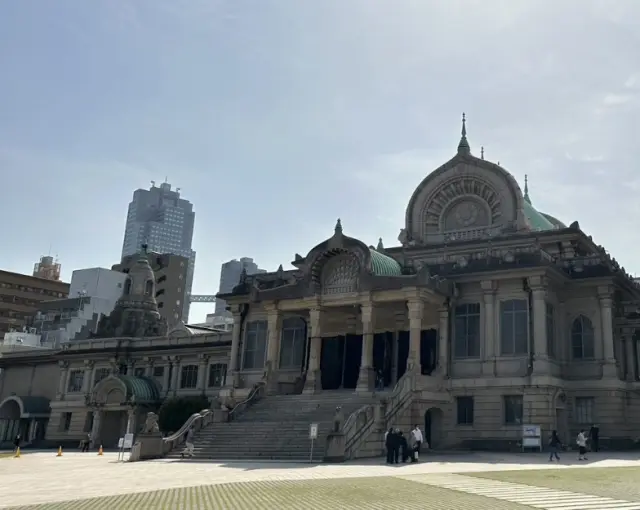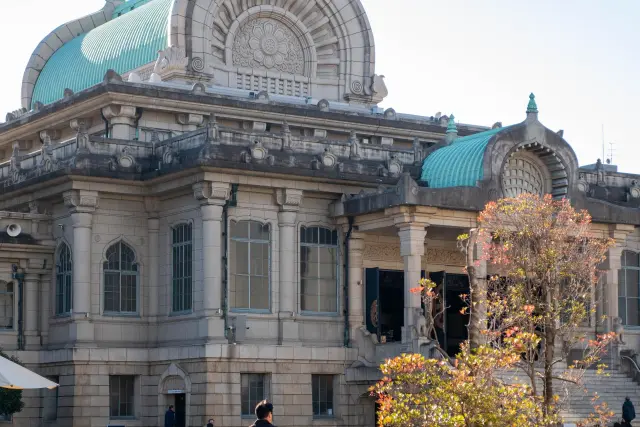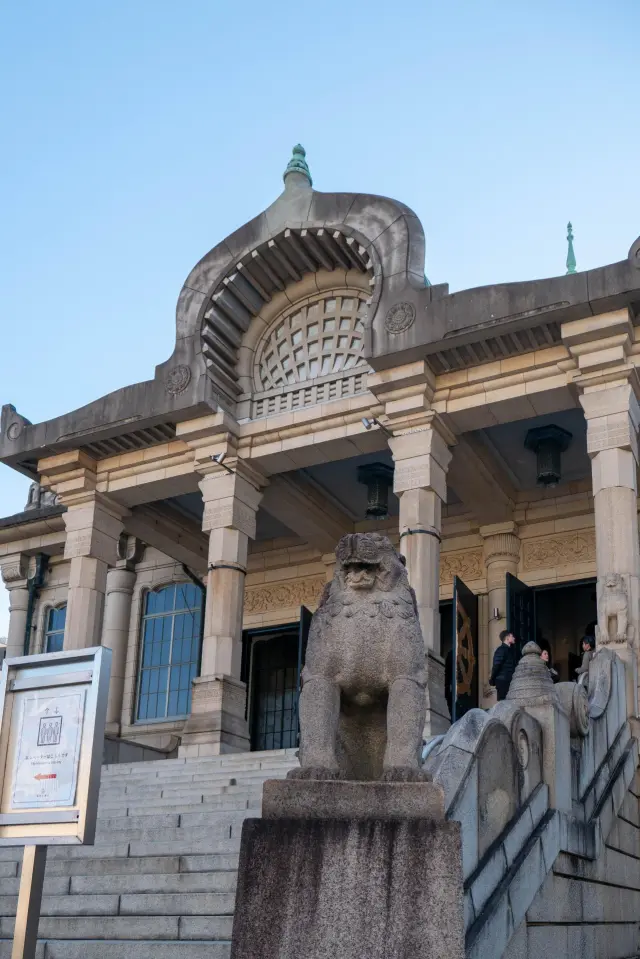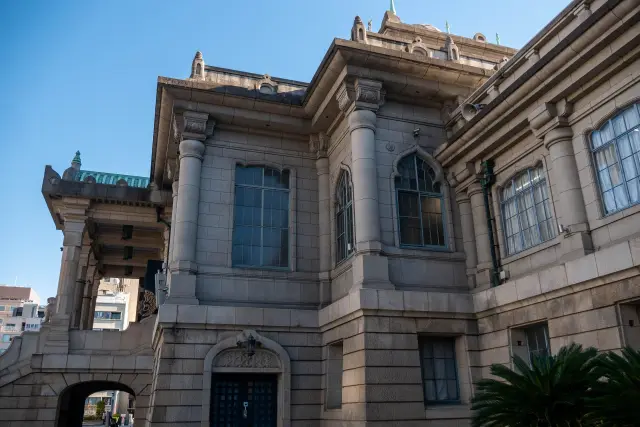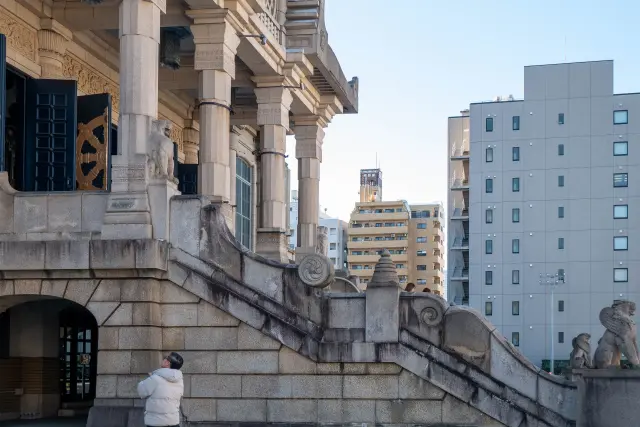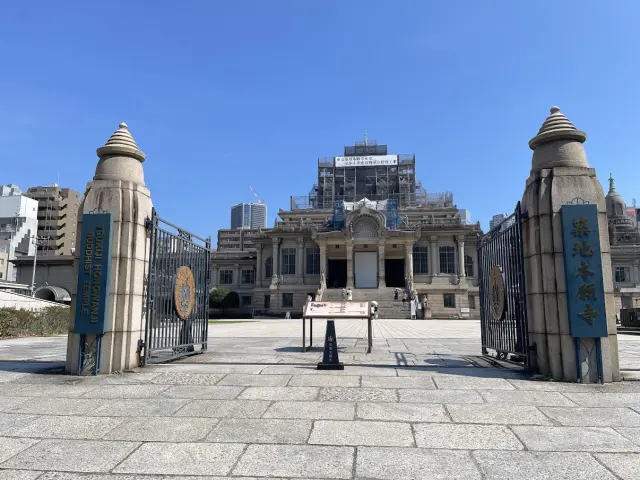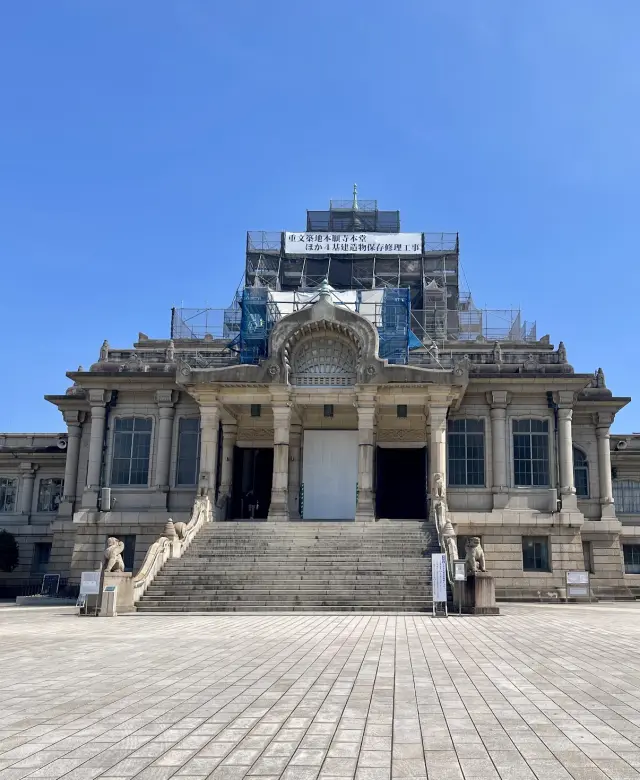
Tsukiji Hongwanji Temple has such a unique exterior. At first glance I thought I’d stumbled onto an Indian temple.
It’s totally different from typical Japanese temples, and the architecture really sticks with you.

Verified [Verified] denotes information that has been published with confirmation of its owing parties.
A temple of the Jodo Shinshu Hongwanji Sect, characterized by its oriental-inspired exterior.
Located near the Tokyo Tsukiji Market, Tsukiji Hongwanji is a temple of the Jodo Shinshu Hongwanji Sect, whose head temple is Nishi Hongwanji in Kyoto.
The temple was originally founded near Asakusa in 1617, but was destroyed by a fire in 1657. The land given to the temple by the shogunate for reconstruction was in the sea, so they reclaimed the land to build the temple, which is the origin of the name "Tsukiji" (literally "constructed land"). After another fire caused by the Great Kanto Earthquake of 1923, the current main worship hall was rebuilt in 1934.
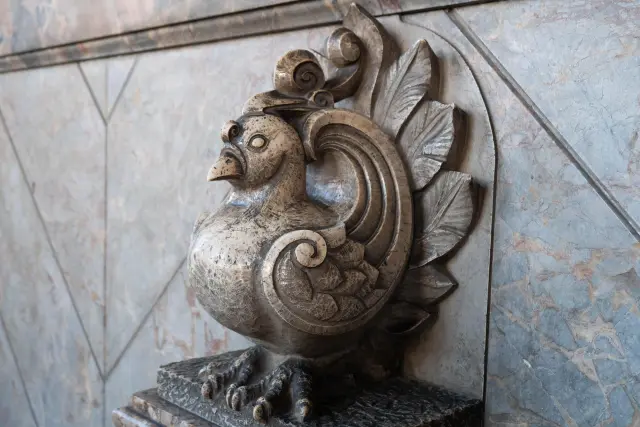
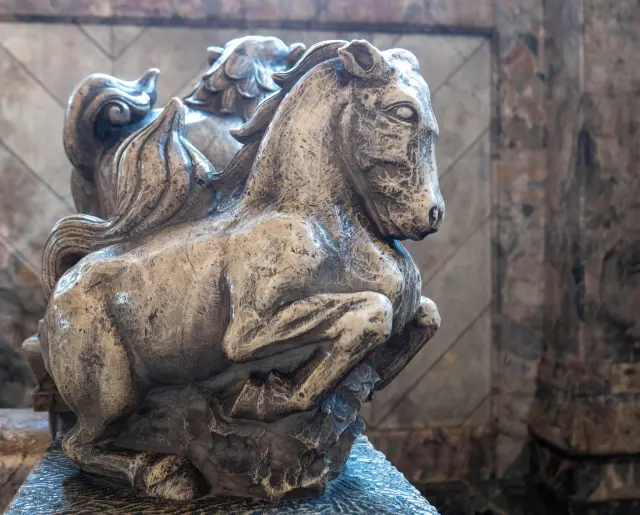
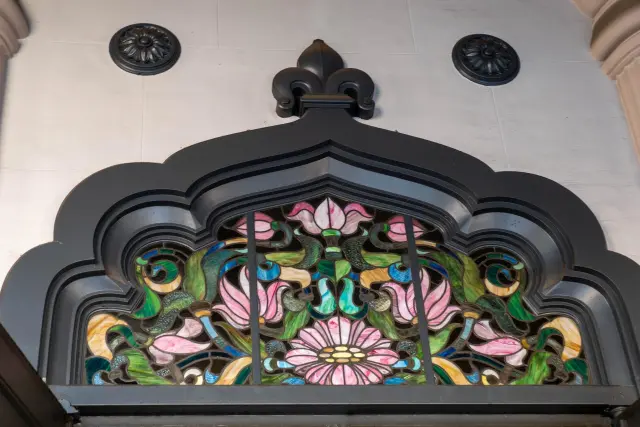
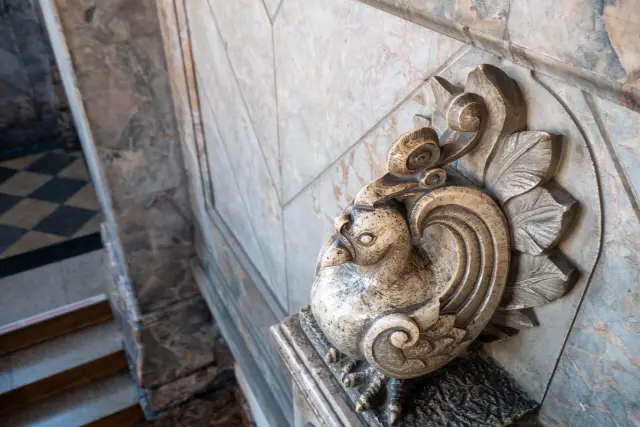
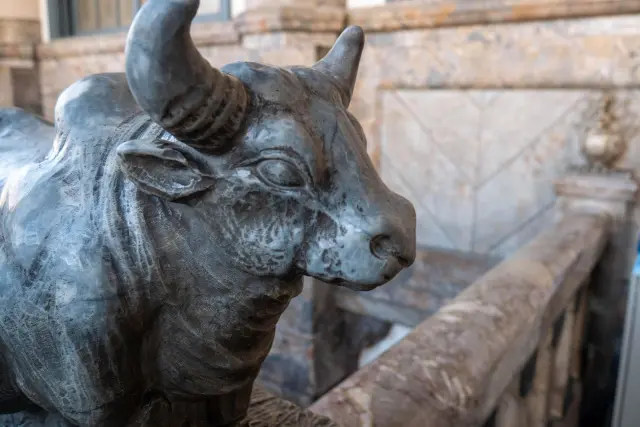
The main worship hall, designed by Dr. Ito Chuta, a honorary professor at Imperial University and an architect, is characterized by an oriental exterior that resembles ancient Buddhist architecture, with stained glass and animal sculptures. Inside, however, it follows the traditional structure of Jodo Shinshu temples. It is also unusual for a temple to have a pipe organ installed, which was donated by the Buddhist Missionary Society in 1970 to promote Buddhist music. There is a pipe organ concert once a month.
In addition, there are several restaurants, including the café "Tsumugi", which is popular for its "18-item breakfast", and "Shisui", where you can enjoy the Tsukiji Hongwanji's specialty, soba noodles.

An exterior modeled after ancient Buddhist architecture of Asia

Stained glass at the entrance of the main worship hall

The main worship hall where the principal deity, Amitabha Tathagata, is enshrined

A pipe organ composed of approximately 2,000 pipes
Frequently Asked Questions have been vetted and answered directly by each listing.
Q
Are there any brochures in foreign languages? (If possible, please inform us of the languages available.)
Yes, available in English, Chinese, Korean, German, Spanish, Italian, French, Portuguese, and Russian.
Q
Do you have temple’s red ink stamps?
No, we don’t have.
Q
Is there a parking lot?
Available for visitors.
Q
Are coin lockers available?
Not available.
Q
Is there an English-speaking community?
At Tsukiji Hongwanji, we hold a dharma gathering in English every last Saturday of the month starting at 5:30pm. Why not listen to Buddha's teachings in English? Another joy is the social interaction at the tea gathering held after the dharma gathering.
Time: 5:30pm - 6:45pm
Location: Kodo Hall (Next to the main worship hall on the 2nd floor)
Thank you for your cooperation with the survey.


Browse our special features by season, theme, and area.