
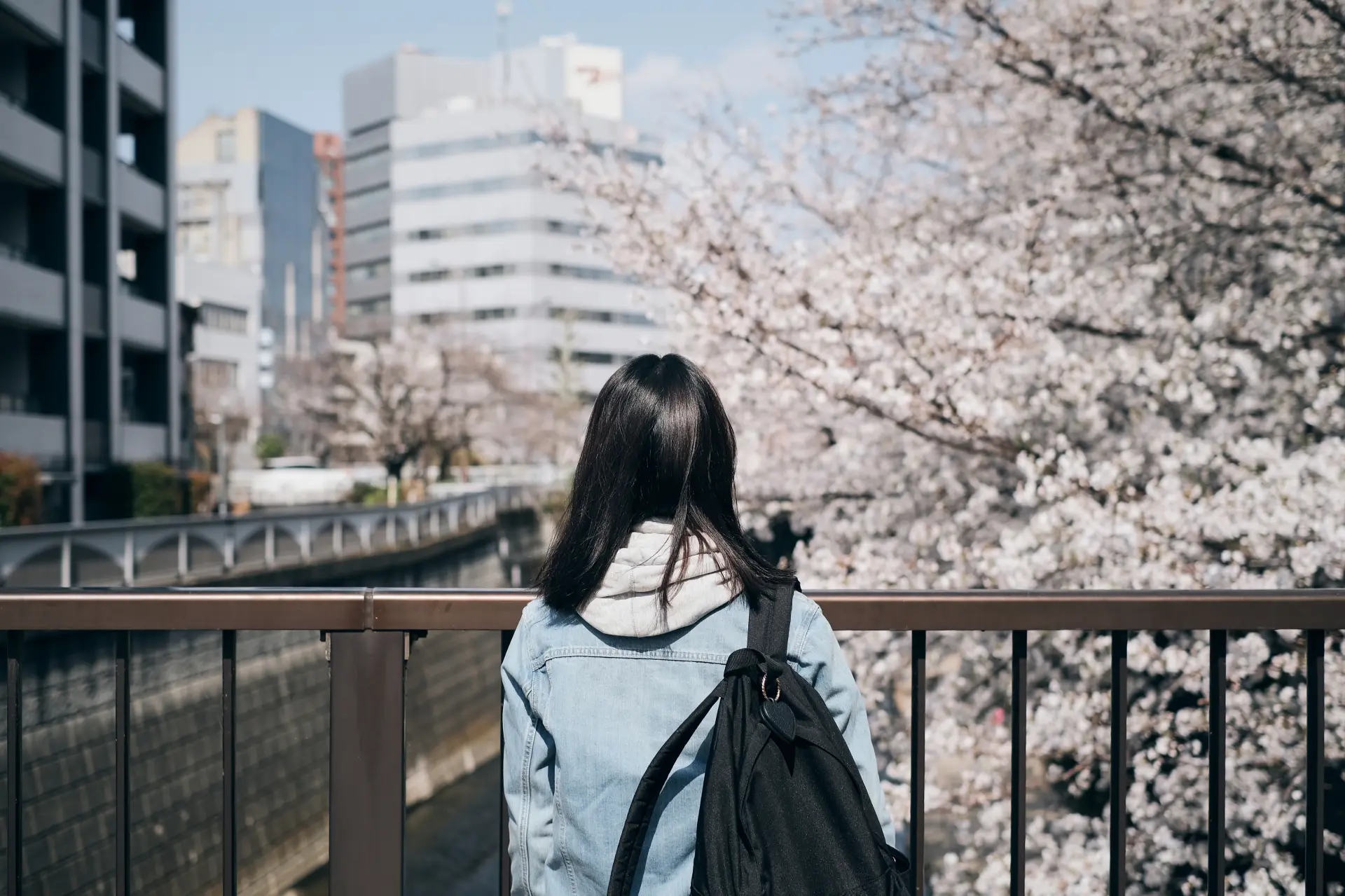
17 Recommended Attractions for a Solo Trip to Tokyo: Explore What You Love at Your Own Pace
Tokyo offers plenty of places that are easy to enjoy alone, from classic attractions and historic streets to art, gardens, and distinctive shops.
Discovering the different character of neighborhoods such as Kagurazaka, Kiyosumi-shirakawa and Fukagawa, and Shimokitazawa is another pleasure of solo travel in Tokyo.
This guide provides everything you need to explore Tokyo at your own pace, including 17 recommended attractions, dining spots, hotels, and a two-day, one-night itinerary.
Recommended Tokyo Neighborhoods for Solo Travelers
Tokyo is home to distinct cultures in each neighborhood, from historic streets and contemporary art to vintage clothing and specialty goods.
Traveling alone lets you explore side streets that catch your eye and linger in favorite shops, tailoring each walk to your interests. Start with these three neighborhoods, where every step reveals more of their distinctive character.
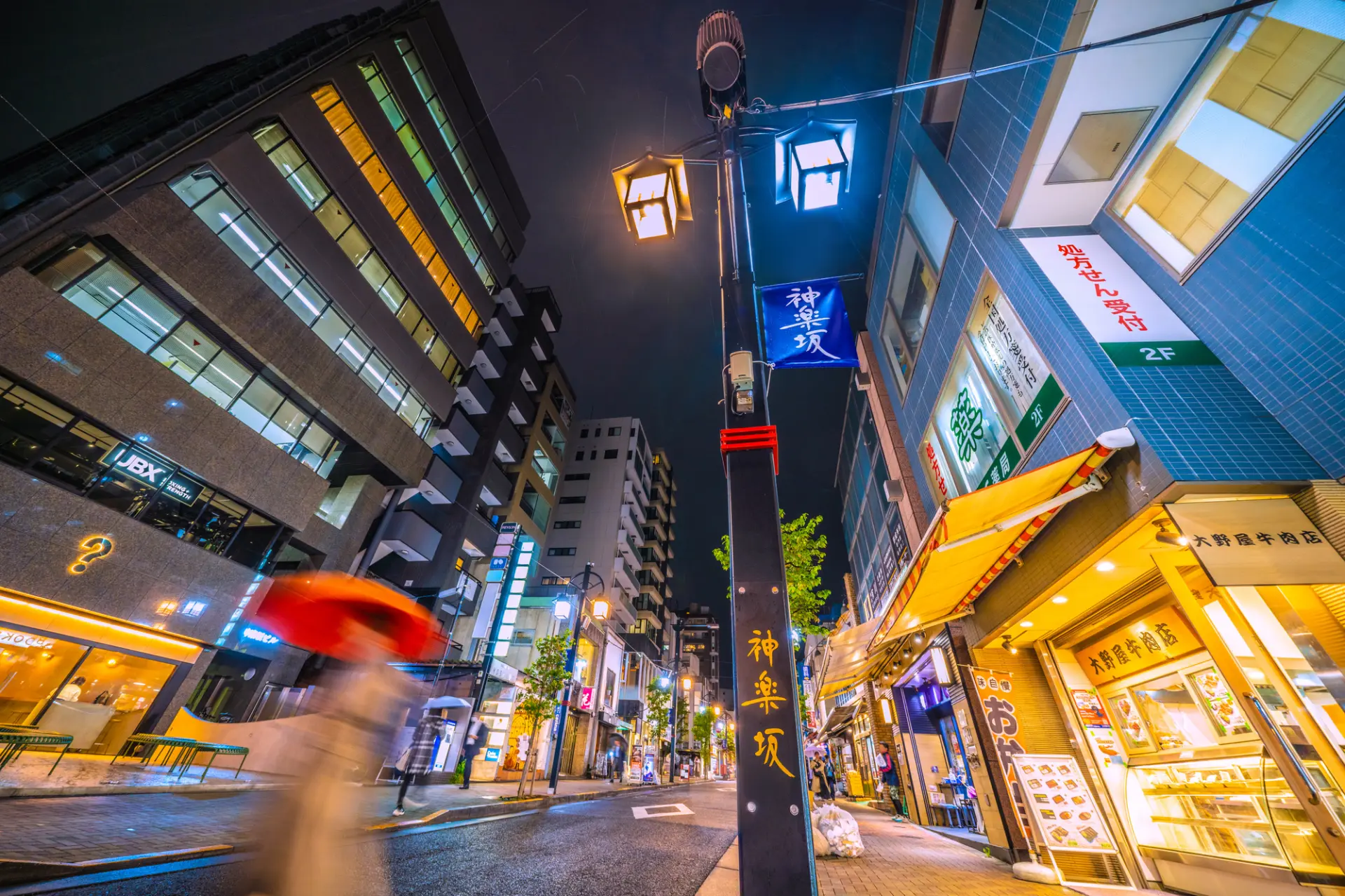
1. Kagurazaka
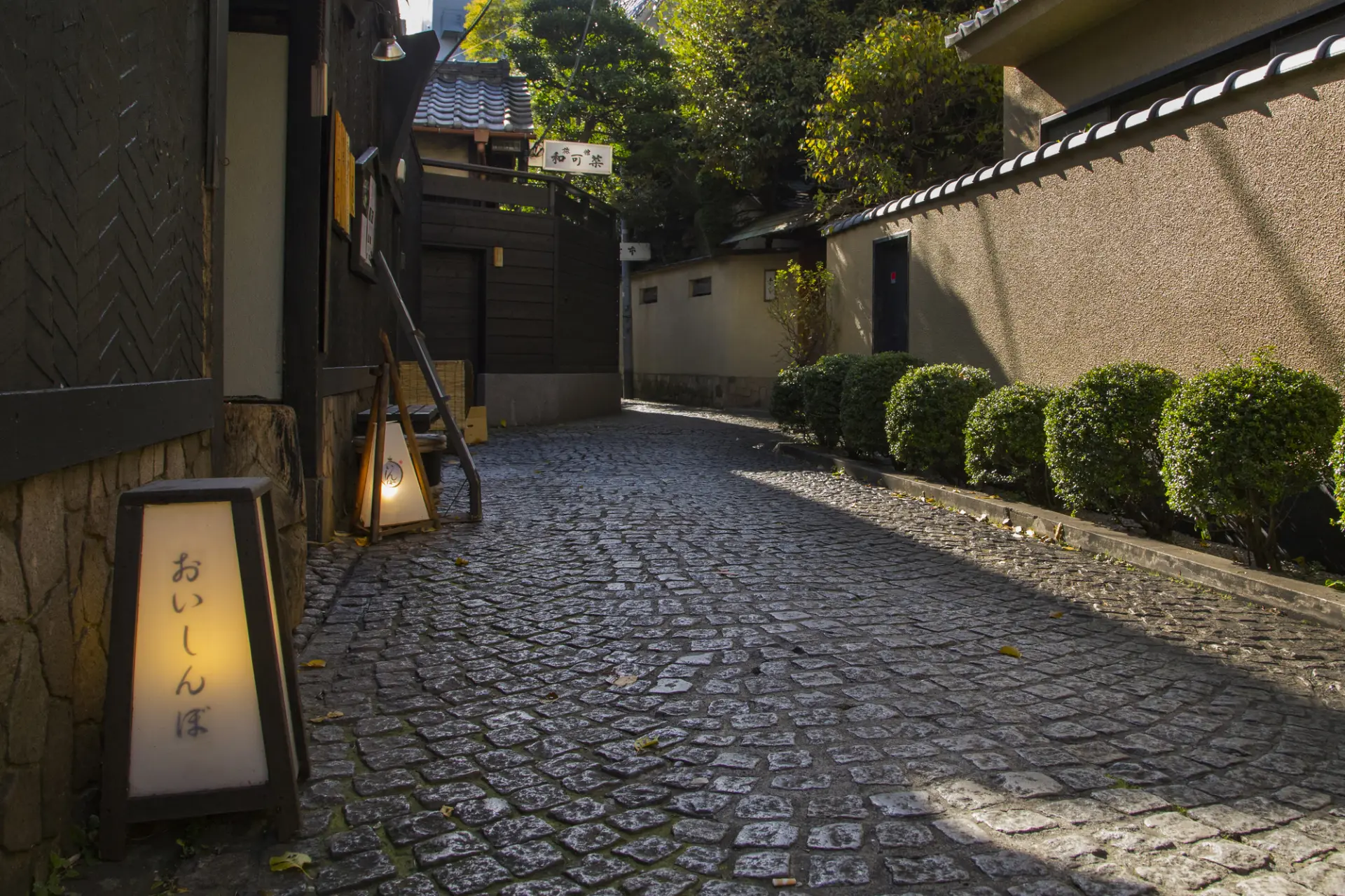
Kagurazaka retains an old-fashioned atmosphere in its stone-paved alleys and narrow lanes, where shrines, temples, and distinctive shops blend into the streetscape.
Step off the main road into an alley, and the neighborhood takes on a different character. It is an enjoyable place to wander without planning every destination.
Stop by Akagi Shrine and browse any shops that catch your eye, taking detours as the mood strikes. Roam freely through alleys where history meets everyday life in modern Tokyo.
2. Kiyosumi-shirakawa and Fukagawa
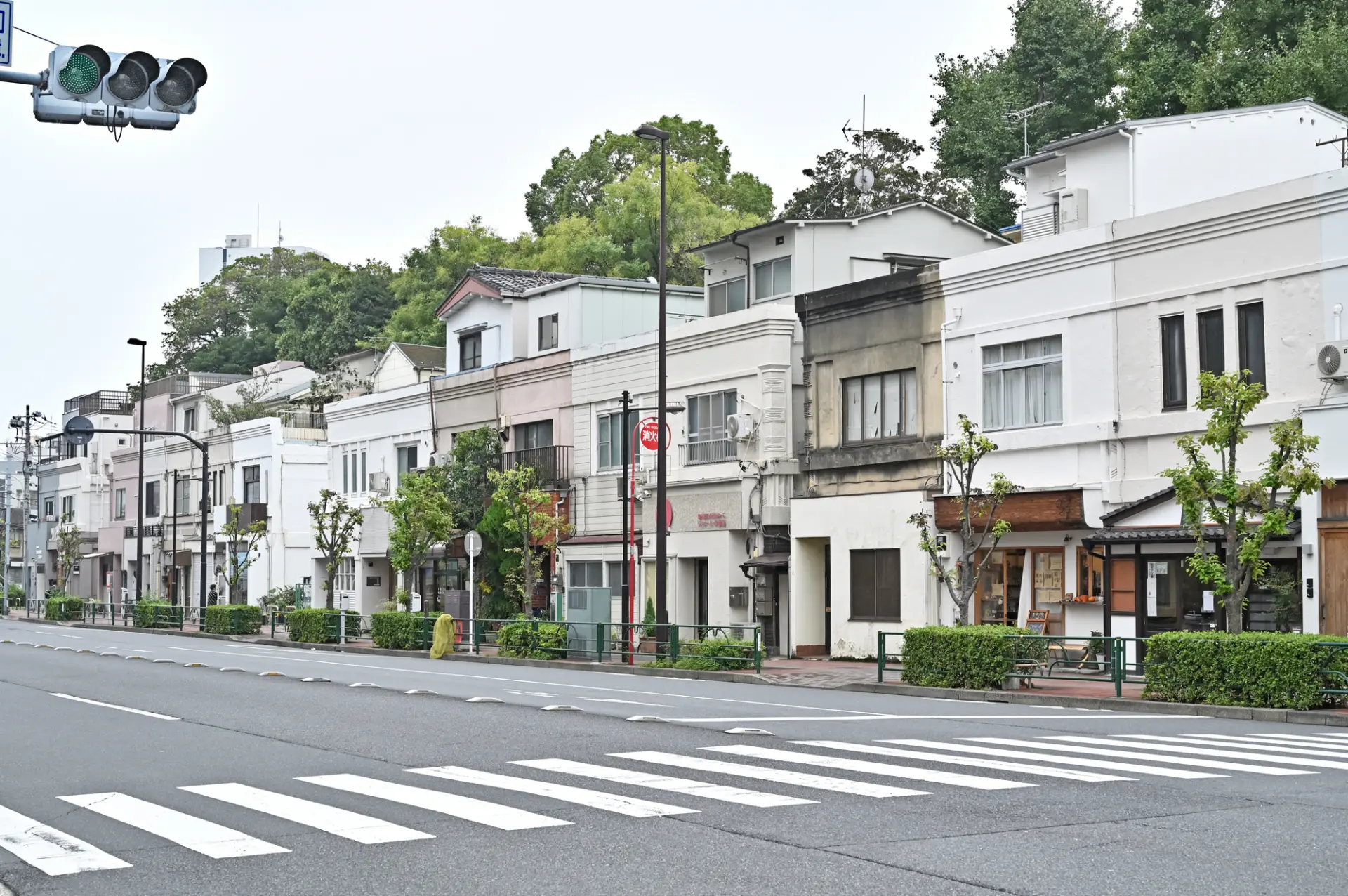
The Kiyosumi-shirakawa and Fukagawa area brings together traces of Edo and contemporary culture.
Walk through Kiyosumi Gardens to admire the seasonal scenery, then discover daily life during the Edo period at the Koto City Fukagawa Edo Museum.
Continue to the Museum of Contemporary Art Tokyo to experience contemporary art as well. Wander between different eras and cultures, taking time to explore whichever places capture your interest.
3. Shimokitazawa
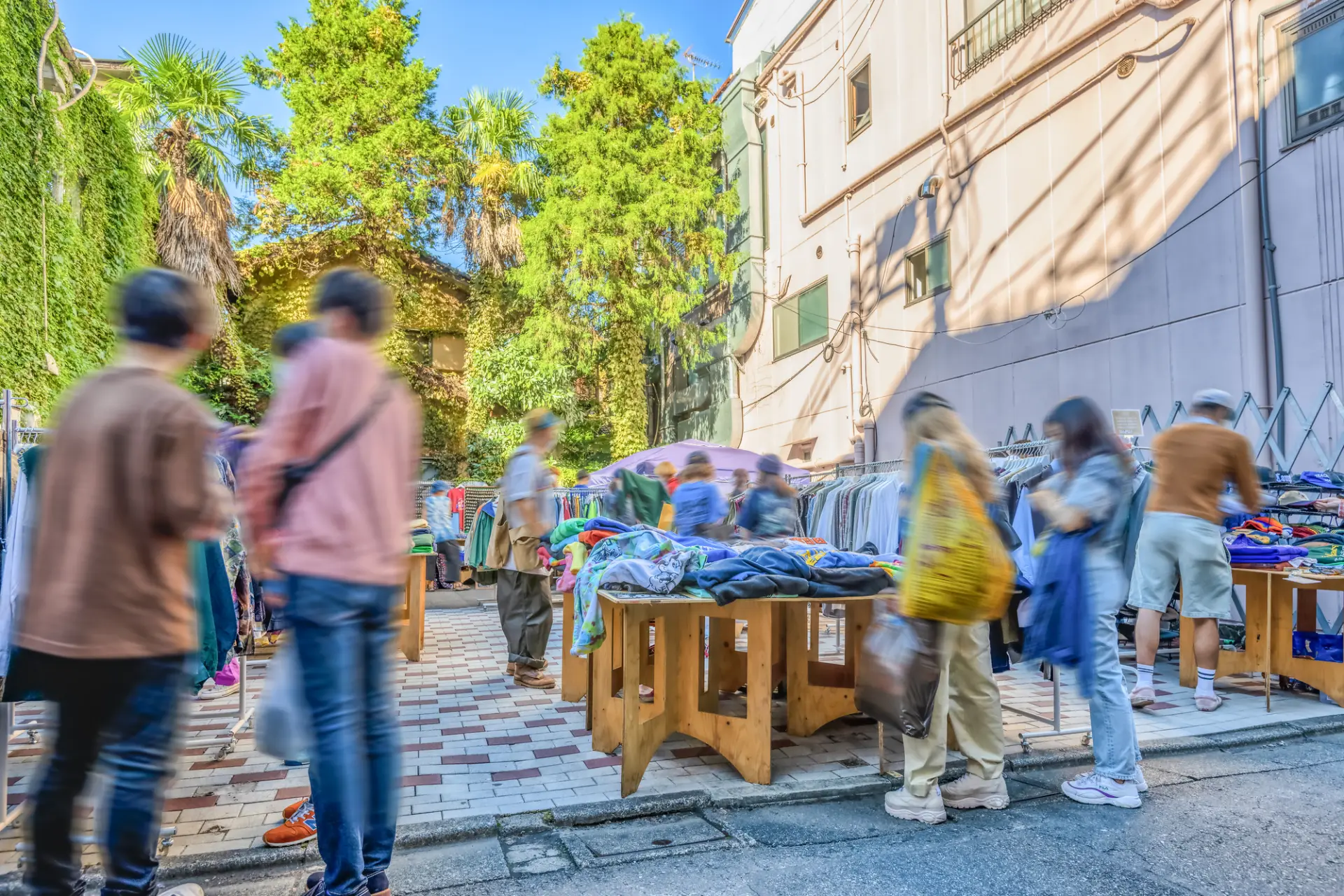
Shimokitazawa is a hub for diverse cultures, including vintage clothing, specialty goods, music, books, and dining.
Follow your interests as you search for favorites at Toyo Department Store and visit the distinctive shops at reload and BONUS TRACK.
Rather than following a fixed sightseeing route, stop whenever a shop catches your eye and enjoy shopping or a meal. These spontaneous detours are part of the Shimokitazawa experience.
17 Recommended Attractions for a Solo Trip to Tokyo
Tokyo's attractions are remarkably diverse, ranging from observation decks with sweeping city views to gardens, traditional vaudeville theaters, and contemporary art. The pleasure of solo travel in Tokyo lies in choosing the places that interest you and spending time on what you love.
Blending classic sights with more distinctive destinations, here are the attractions to visit in Tokyo.
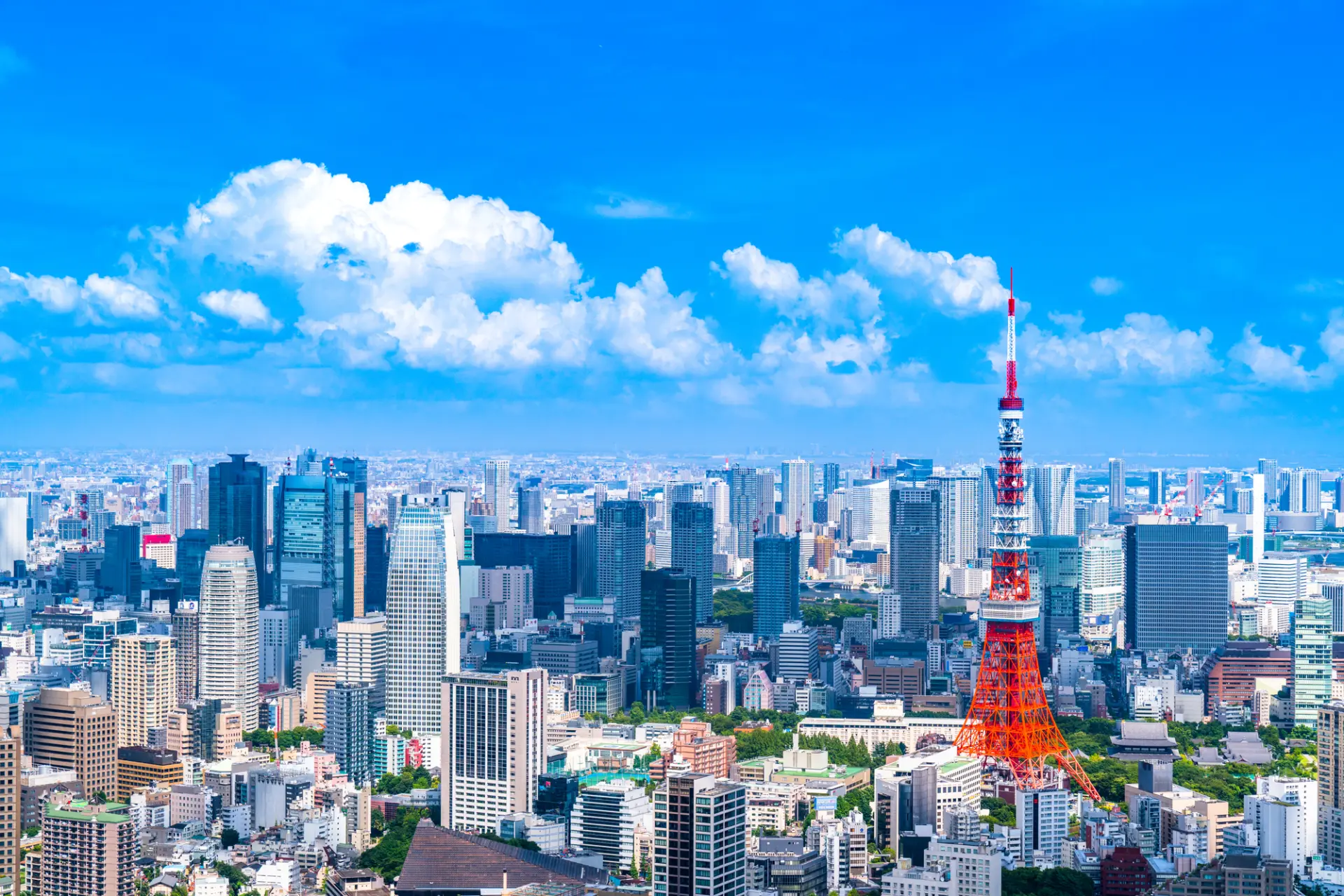
1. Tokyo Tower (Minato City)
Built in 1958, this 333-meter-tall landmark is an enduring symbol of Tokyo. Head up to the Main Deck at 150 meters or the Top Deck at 250 meters to take in the cityscape below.
Located in central Tokyo's Minato City, the tower offers panoramic views across the capital. At its base, FootTown has restaurants and stores selling souvenirs where you can stop after admiring the view. Seeing the city stretch out below will build anticipation for the neighborhoods ahead.
2. Kagurazaka (Shinjuku City)
Once a thriving geisha district, Kagurazaka retains its traditional charm in stone-paved alleys and black wooden fences. Even the alleys have their own distinct character, including Kakurenbo Yokocho and Michikusa Yokocho, lined with izakaya along a roughly 30-meter lane.
The area also has many historic sites, including Zenkokuji Temple and Akagi Shrine, while its old streets coexist gracefully with newer culture. Enjoy the simple pleasure of choosing intriguing alleys as you explore.
3. Akagi Shrine (Shinjuku City)
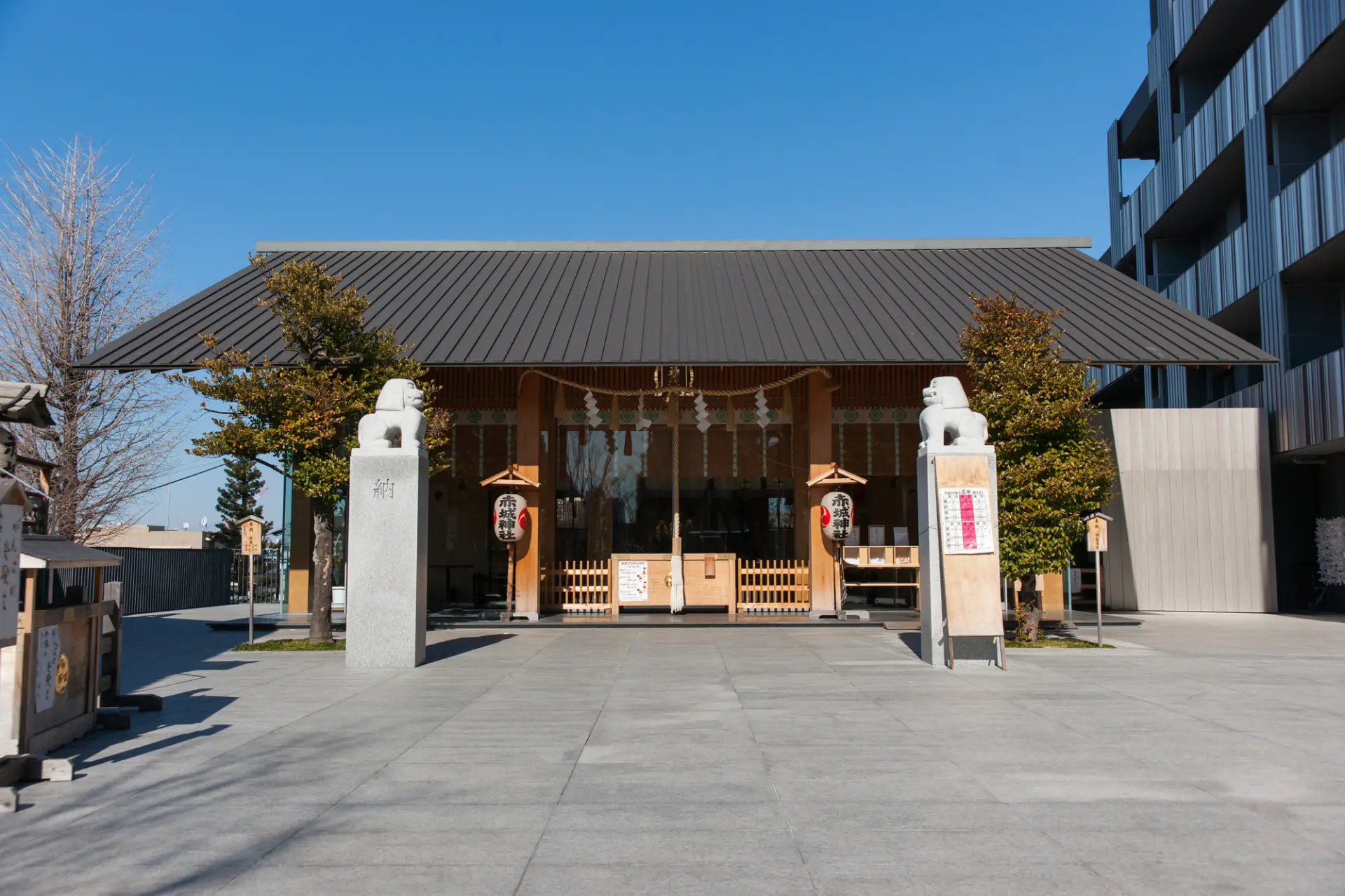
Said to have been founded in 1300, this historic shrine is worth visiting while exploring Kagurazaka. Its modern glass-walled sanctuary was rebuilt in 2010 by renowned architect Kengo Kuma, earning attention for its stylish design.
The grounds also contain subordinate shrines, including Keisetsu Shrine, while Akagi Cafe beside the shrine office offers a place to rest after worship. Pause to appreciate the meeting of history and contemporary architecture within the Kagurazaka streetscape.
4. Tokyo Metropolitan Teien Art Museum (Minato City)
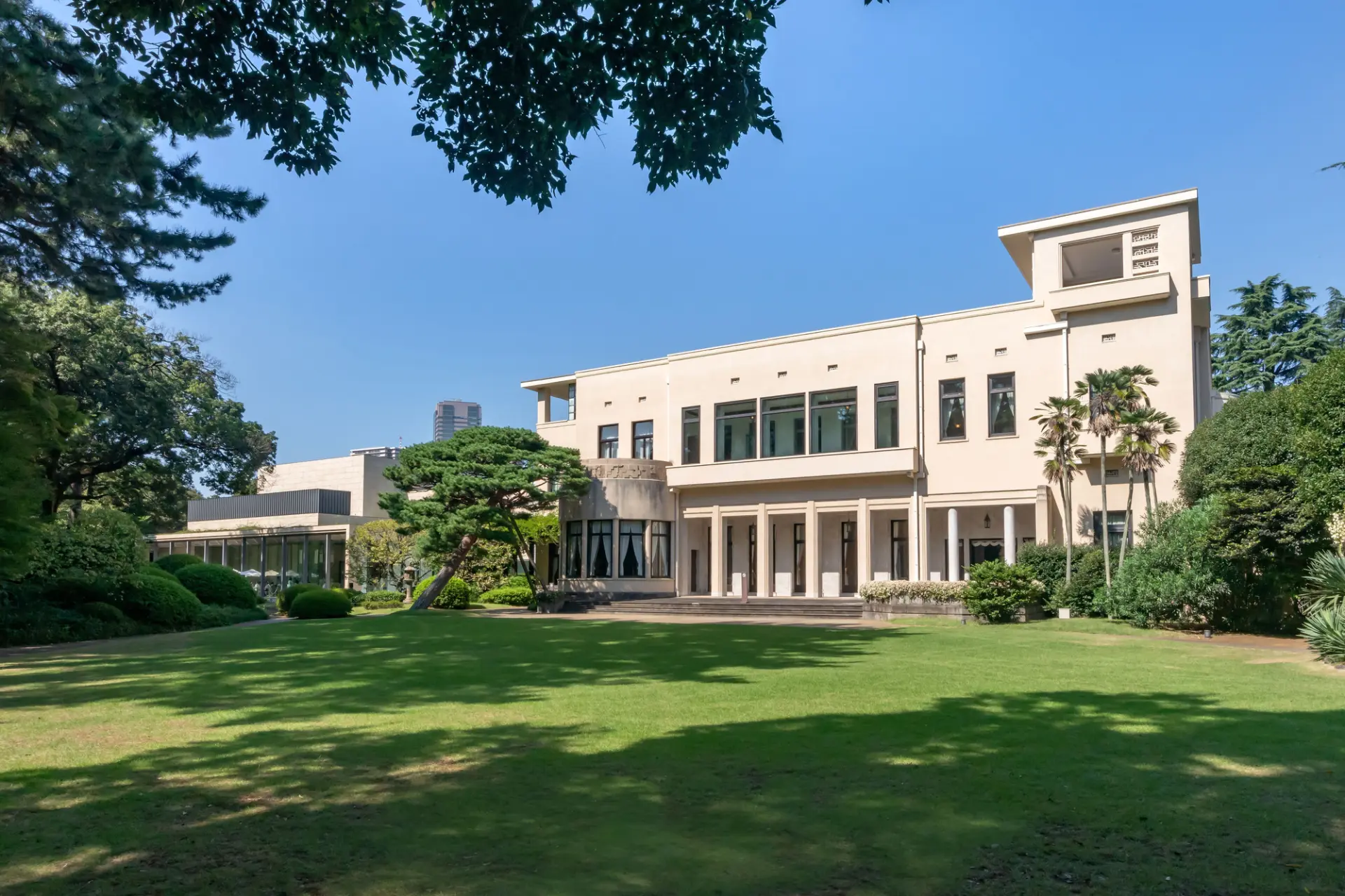
This museum occupies the former residence of Prince Asaka, an Art Deco building completed in 1933. The architecture itself offers numerous highlights, including glass-relief doors by René Lalique. The grounds contain gardens with distinct styles: a lawn inherited from the residence's original era, a Japanese garden and teahouse, and a Western-style garden renovated in 2018. They are well worth exploring.
After viewing the art and architecture, stroll through the gardens or take a break at the cafe. It is ideal for solo travelers looking to spend a leisurely visit at their own pace.
5. Shinjuku Suehirotei (Shinjuku City)
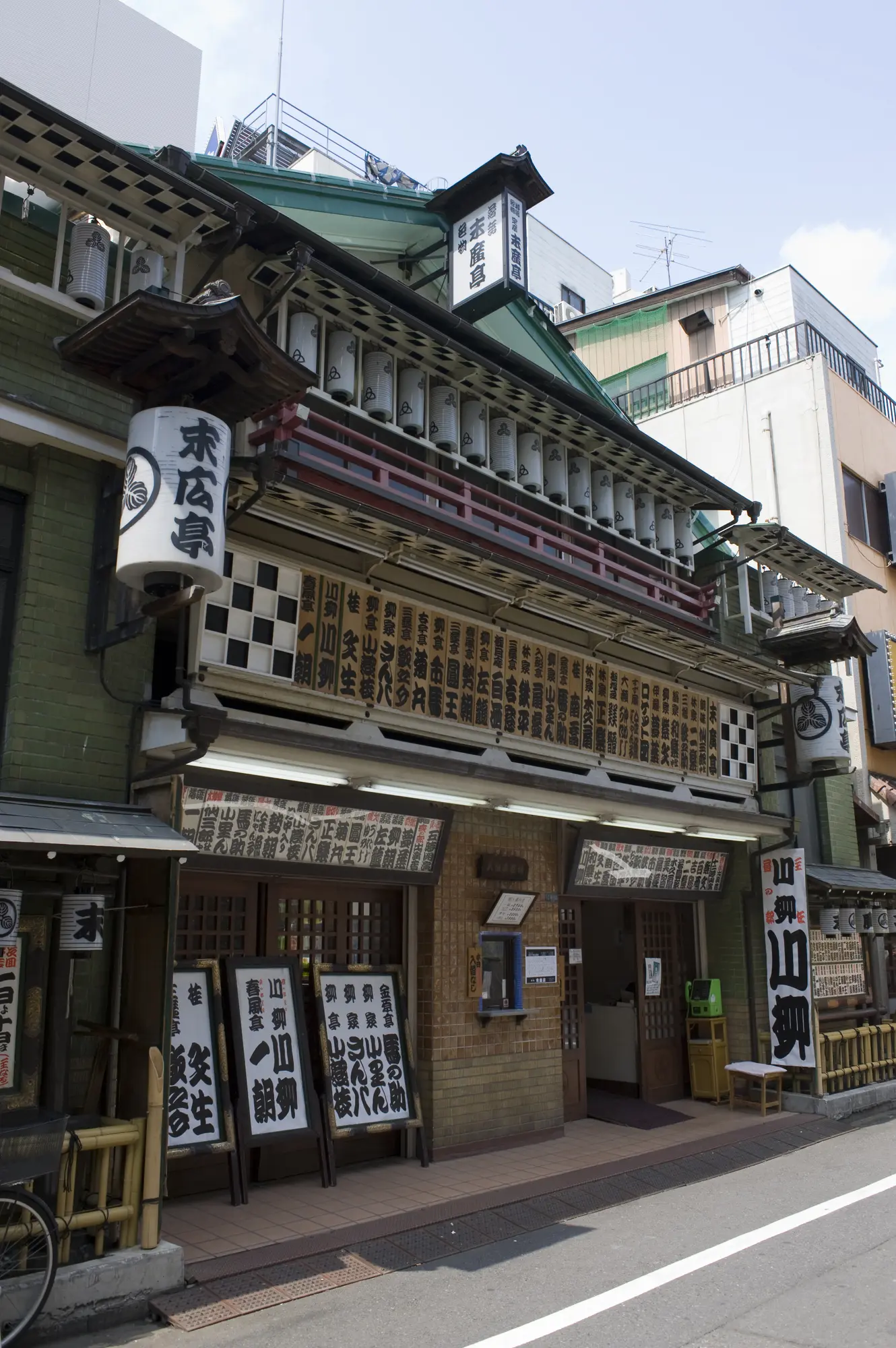
This vaudeville theater in Shinjuku offers an up-close look at traditional Japanese performing arts, including rakugo comic storytelling, manzai comedy, and kodan storytelling. Its historic Japanese wooden building is decorated with numerous lanterns and the names of rakugo performers.
In addition to rakugo and manzai, the program includes visually engaging acts such as magic, acrobatics, and traditional popular songs. The in-house shop also sells folding fans and tenugui towels. Sitting in a wooden vaudeville theater and focusing on one act after another is a distinctly Shinjuku experience.
6. Museum of Contemporary Art Tokyo (Koto City)
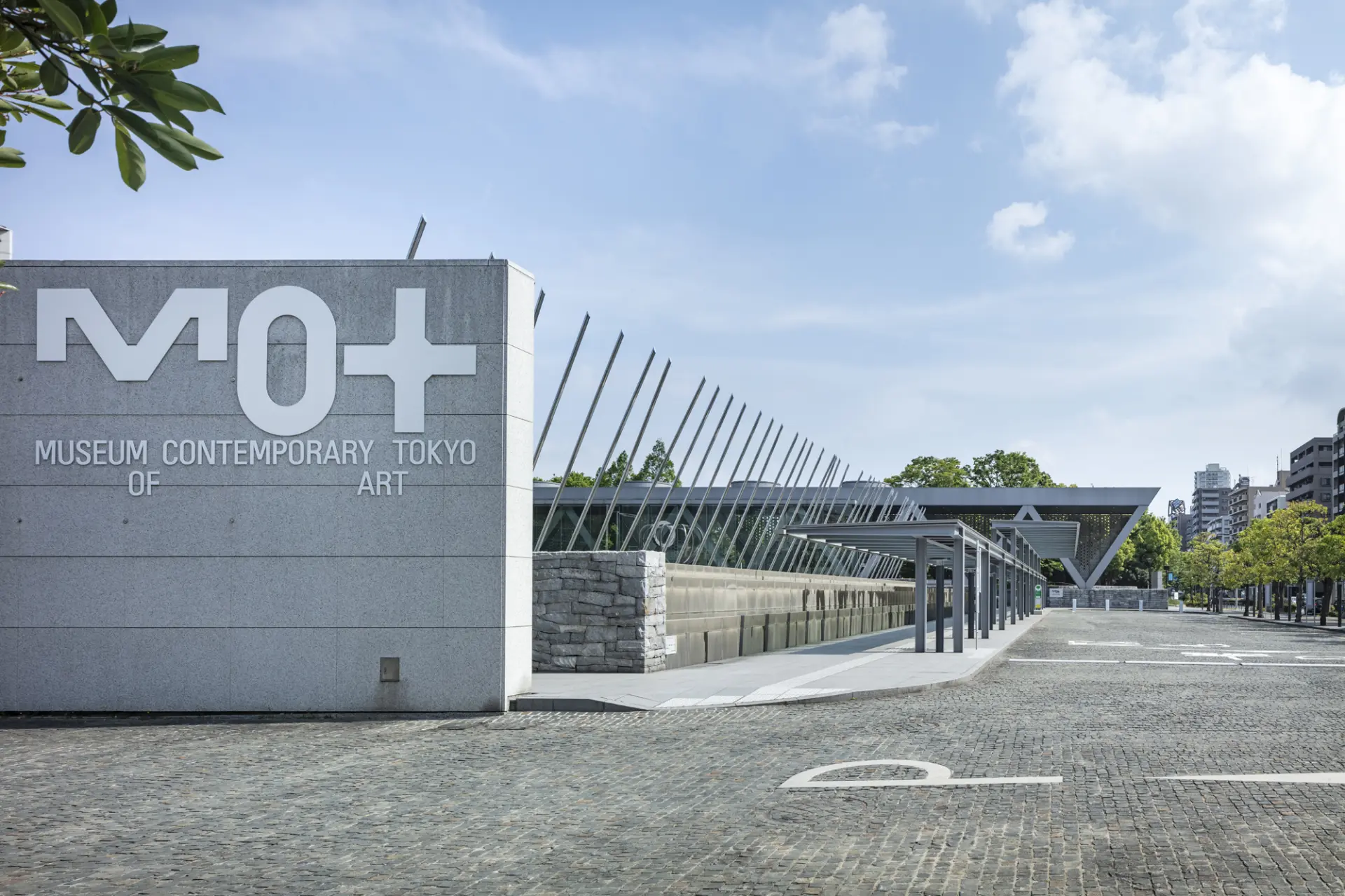
This museum presents a broad range of contemporary art, including painting, sculpture, fashion, architecture, and design. Find works that interest you among its six to eight special exhibitions each year and MOT Collection exhibitions drawn from more than 6,000 works in its collection.
The building is another highlight. Its 140-meter-deep entrance has a glass wall covering its entire south side, bringing the greenery of neighboring Kiba Park into view. As you explore inside and out, look beyond the artworks to the architecture and park greenery as well.
7. Kiyosumi Gardens (Koto City)
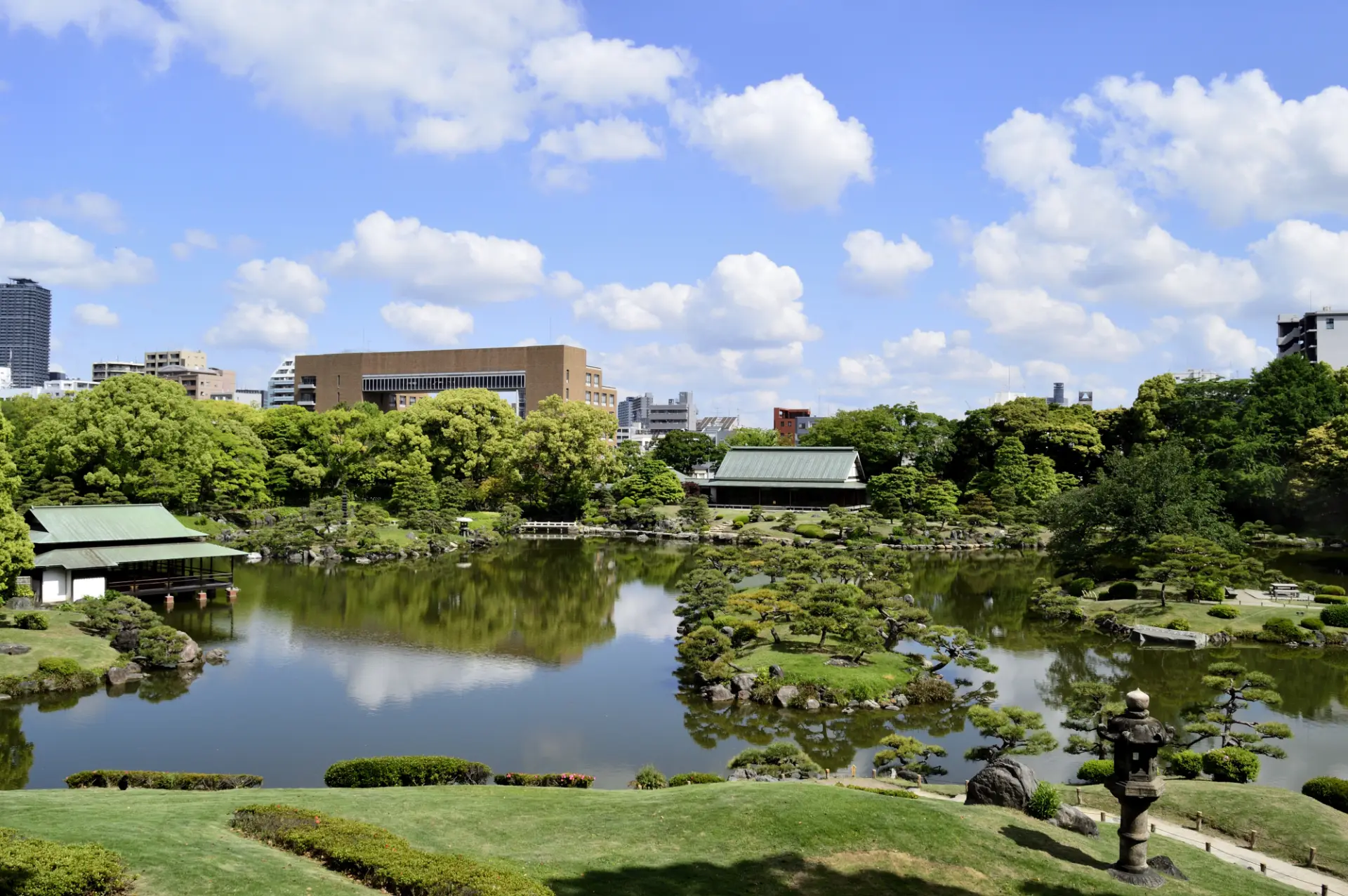
Kiyosumi Gardens is a circuit-style landscape garden with a pond, artificial hills, and dry landscape features, offering traditional garden scenery in central Tokyo. Three distinct sets of stepping stones cross the water, revealing changing views with every step.
On rainy days and after the rain, the wet stones throughout the garden glisten attractively. Circle the large pond while observing a side of the garden different from its appearance in clear weather.
8. Koto City Fukagawa Edo Museum (Koto City)
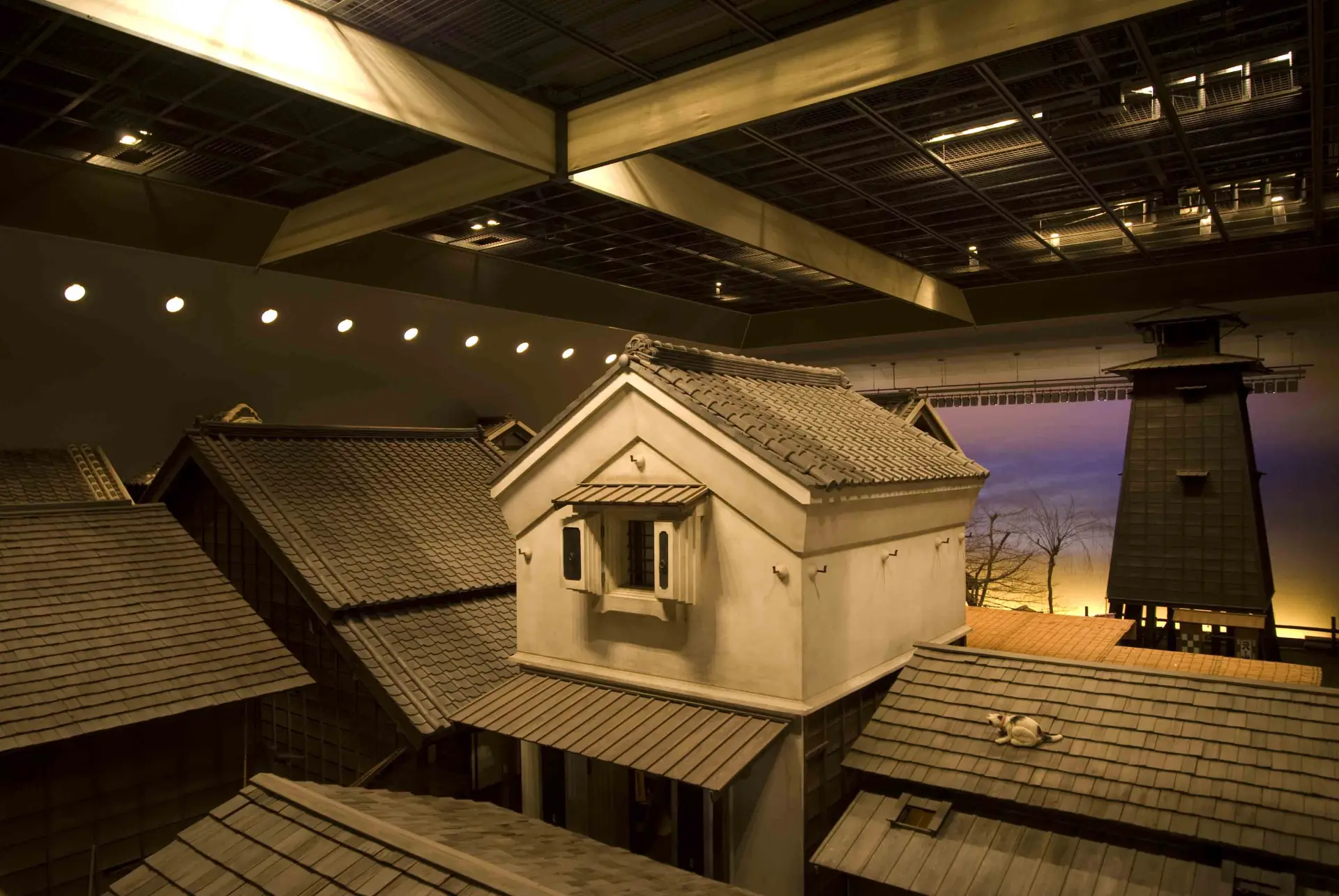
This museum features a full-scale streetscape exhibit that feels like stepping into Fukagawa in the late Edo period. Inside an exhibition hall extending from the first basement floor through a two-story atrium, the streets of Fukagawa Sagacho in Edo around 1840 have been recreated at full scale.
Visitors can enter shops and tenement houses and handle everyday objects. Walk through an Edo town where sound and lighting even recreate the changing hours of the day.
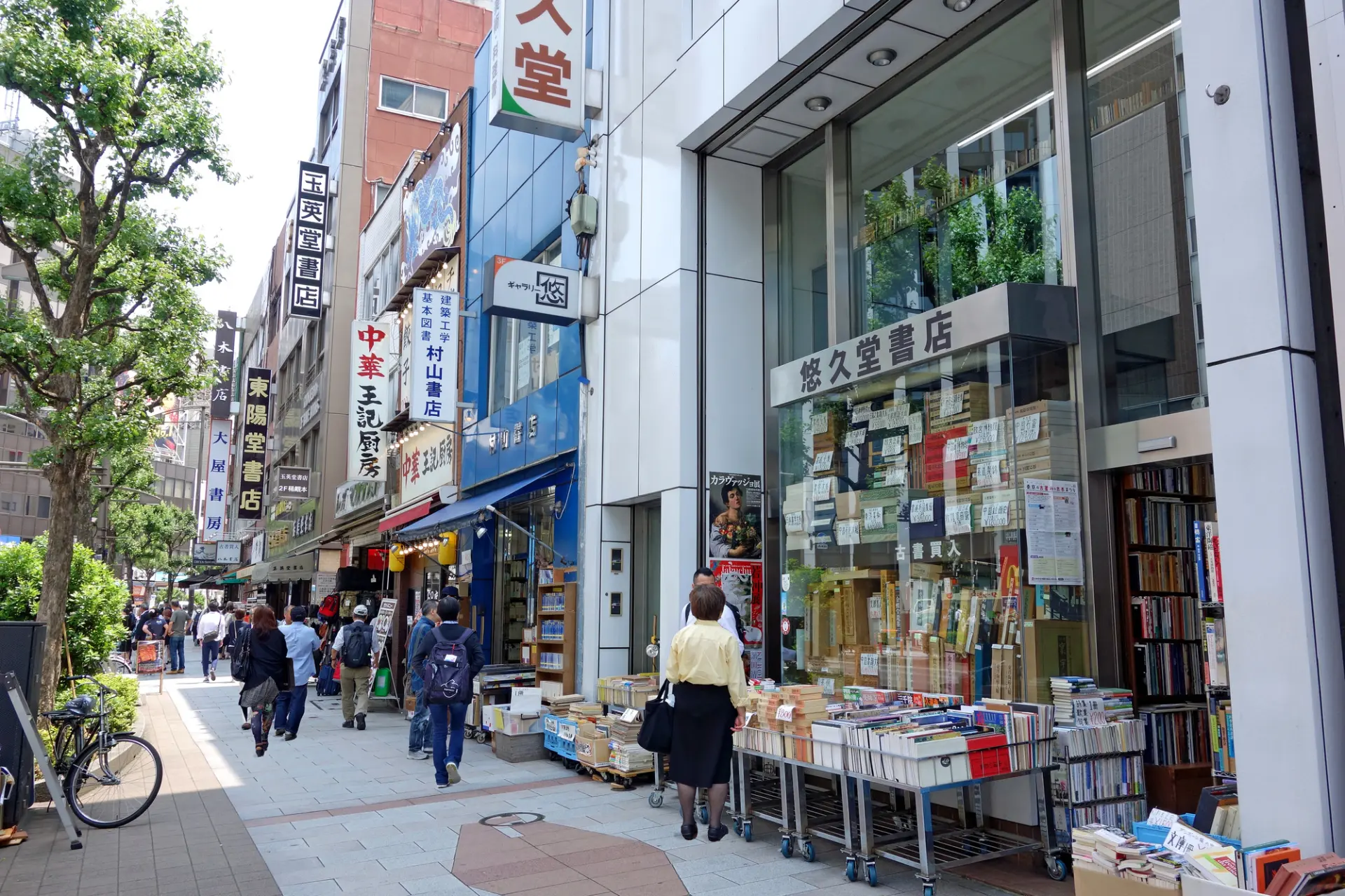
9. Kanda Jimbocho Book Town (Chiyoda City)
One of the world's largest book districts, this neighborhood brings together used and new bookstores, specialty shops, and coffeehouses. It is said to have more than 170 stores specializing in used books alone, covering a wide range of genres.
Some shops carry not only Japanese books but also used books from around the world and historically valuable volumes. After browsing, step into one of the neighborhood's coffeehouses and open your new find—a leisurely pleasure especially suited to solo travel.
10. BONUS TRACK (Setagaya City)
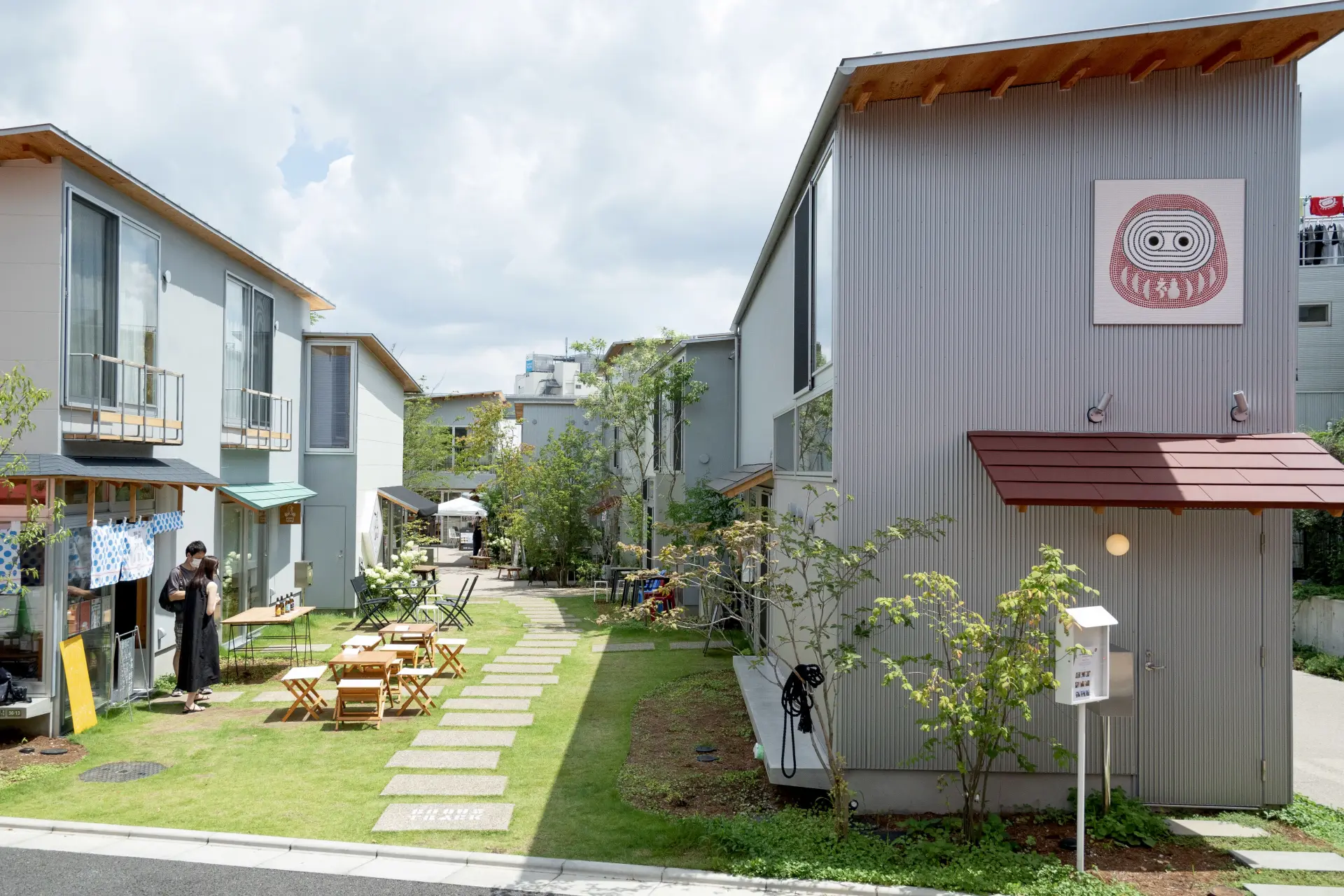
This new Shimokitazawa shopping district brings together restaurants, retailers, and a plaza in an atmosphere reminiscent of traditional row houses.
Its distinctive retailers include a bookstore where visitors can drink beer and attend talks held almost daily, as well as a shop specializing in diaries.
Two galleries also host artistic and cultural expression, exhibitions, and sales. Enjoy the day's discoveries as you walk from shop to shop.
11. Toyo Department Store Annex (Setagaya City)
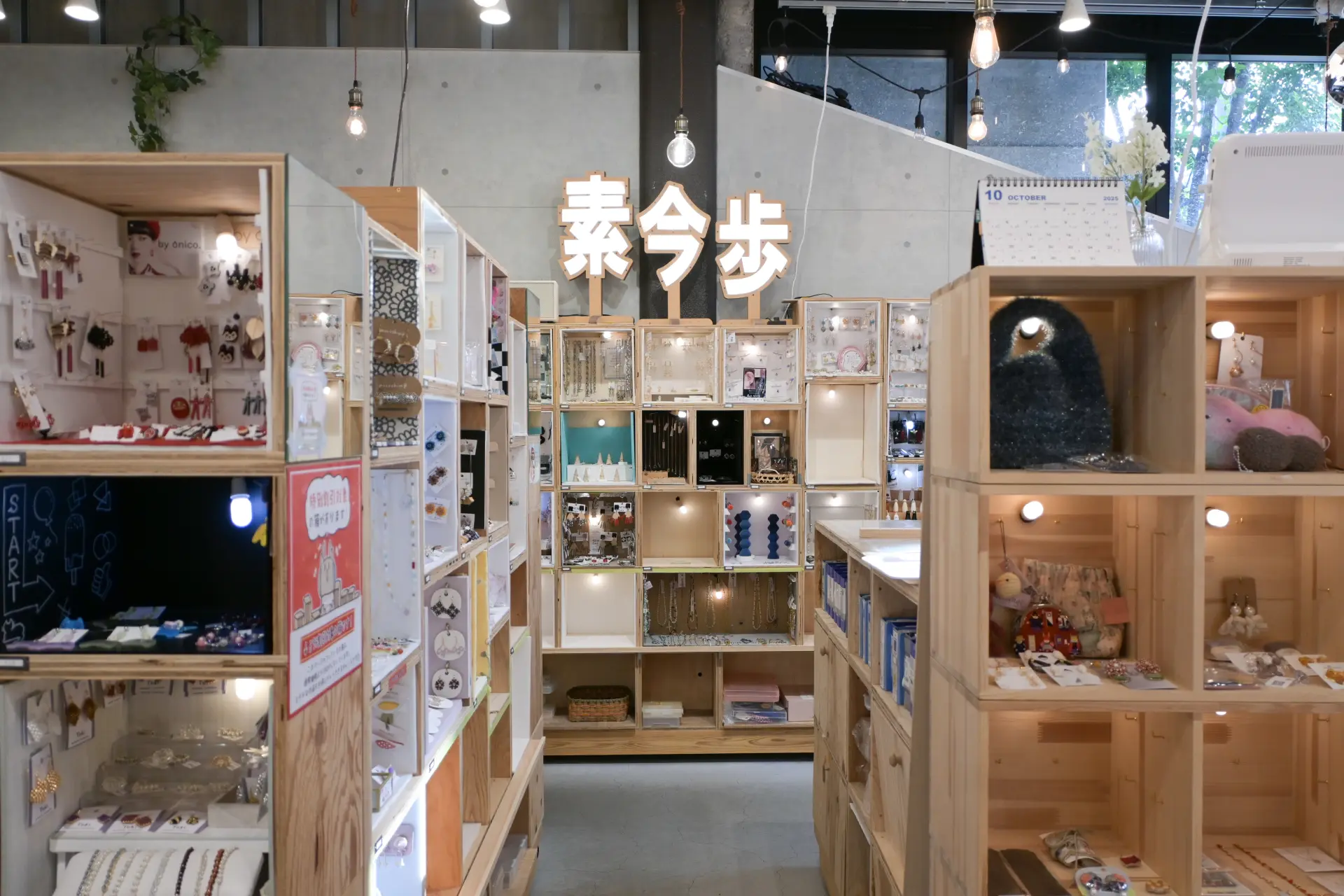
Located in Mikan Shimokita, this shopping spot houses six stores with distinct personalities, selling vintage clothing, specialty goods, accessories, and more. It shares the appeal of Shimokitazawa, a neighborhood known for its subcultures.
Browse women's vintage clothing, soccer jerseys from the 1980s through the 2000s, apparel featuring Japanese patterns and anime motifs, handmade goods from across Japan, silver accessories, and eyewear. Compare each store's selection as you search for a favorite.
12. reload (Setagaya City)
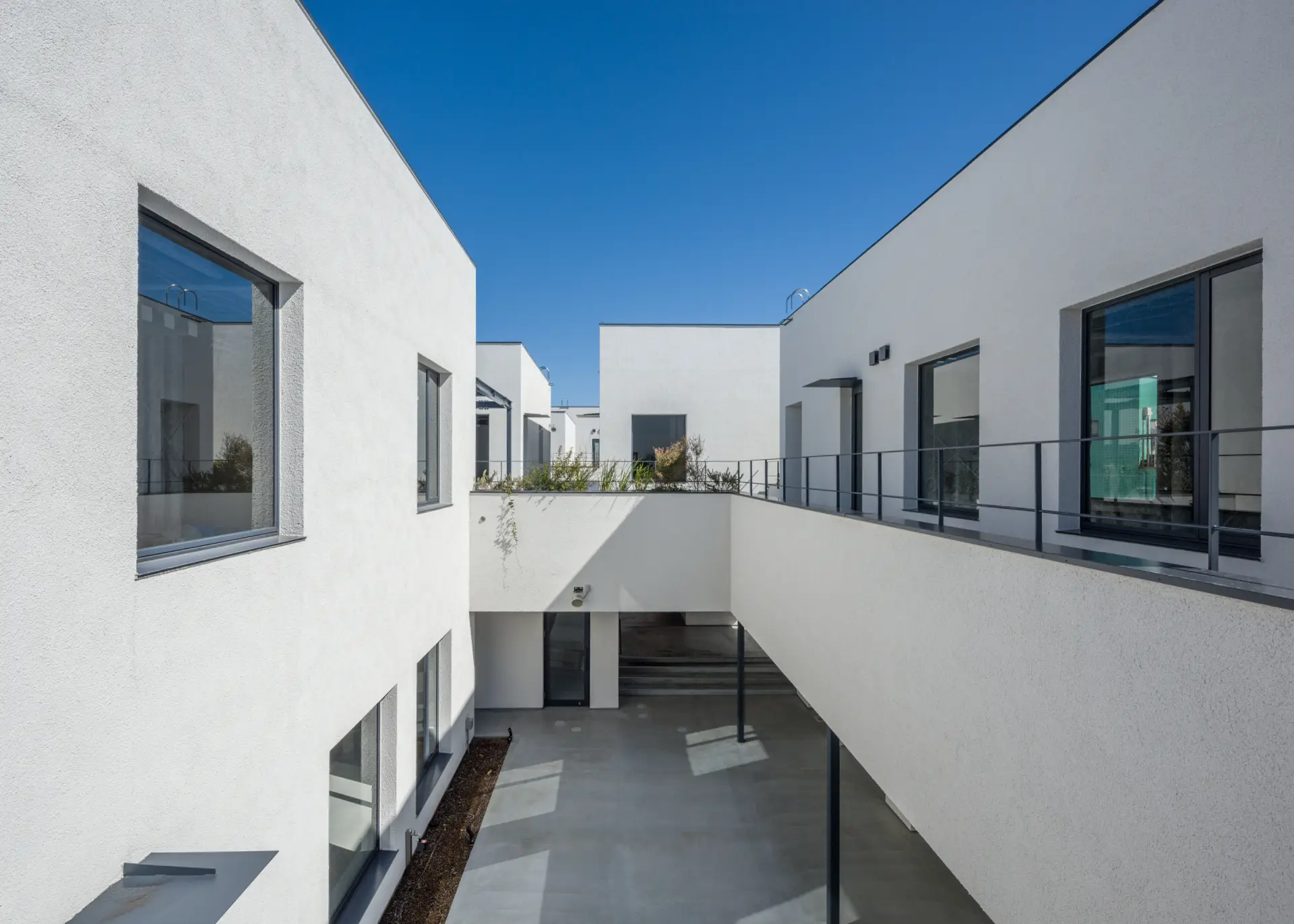
Located on the former Odakyu Line tracks in Shimokita Senrogai, this collection of independent stores resembles a back alley and follows a concept of circulation and lingering. Pop-up events are also held at the glass-walled entrance, creating a different atmosphere with each visit.
More than 20 distinctive tenants line the complex, including an interactive coffee bean salon, a Japanese tea specialty store, and a stationery store carrying domestic and international products. Benches and terraces on both floors make it ideal for a break while exploring.
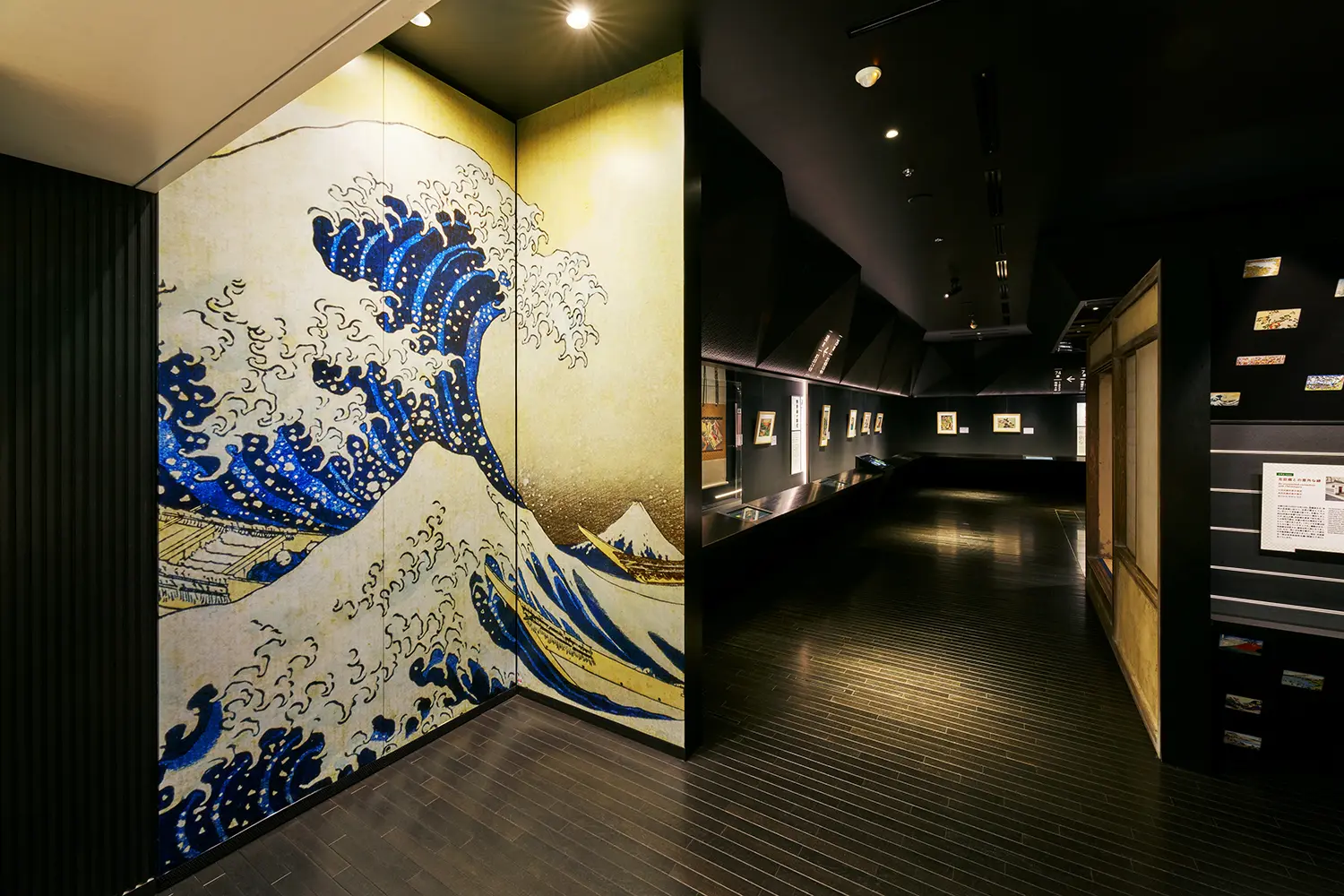
13. The Sumida Hokusai Museum (Sumida City)
This museum in Sumida City explores the career and works of internationally renowned ukiyo-e artist Katsushika Hokusai from multiple perspectives. Its collection focuses on works by Hokusai and his students, while masterpieces and valuable materials illuminate his creative development and the culture of his era.
The museum also has special exhibitions on diverse themes, a library, and a museum shop. Take your time exploring Hokusai's world through his works and related materials.
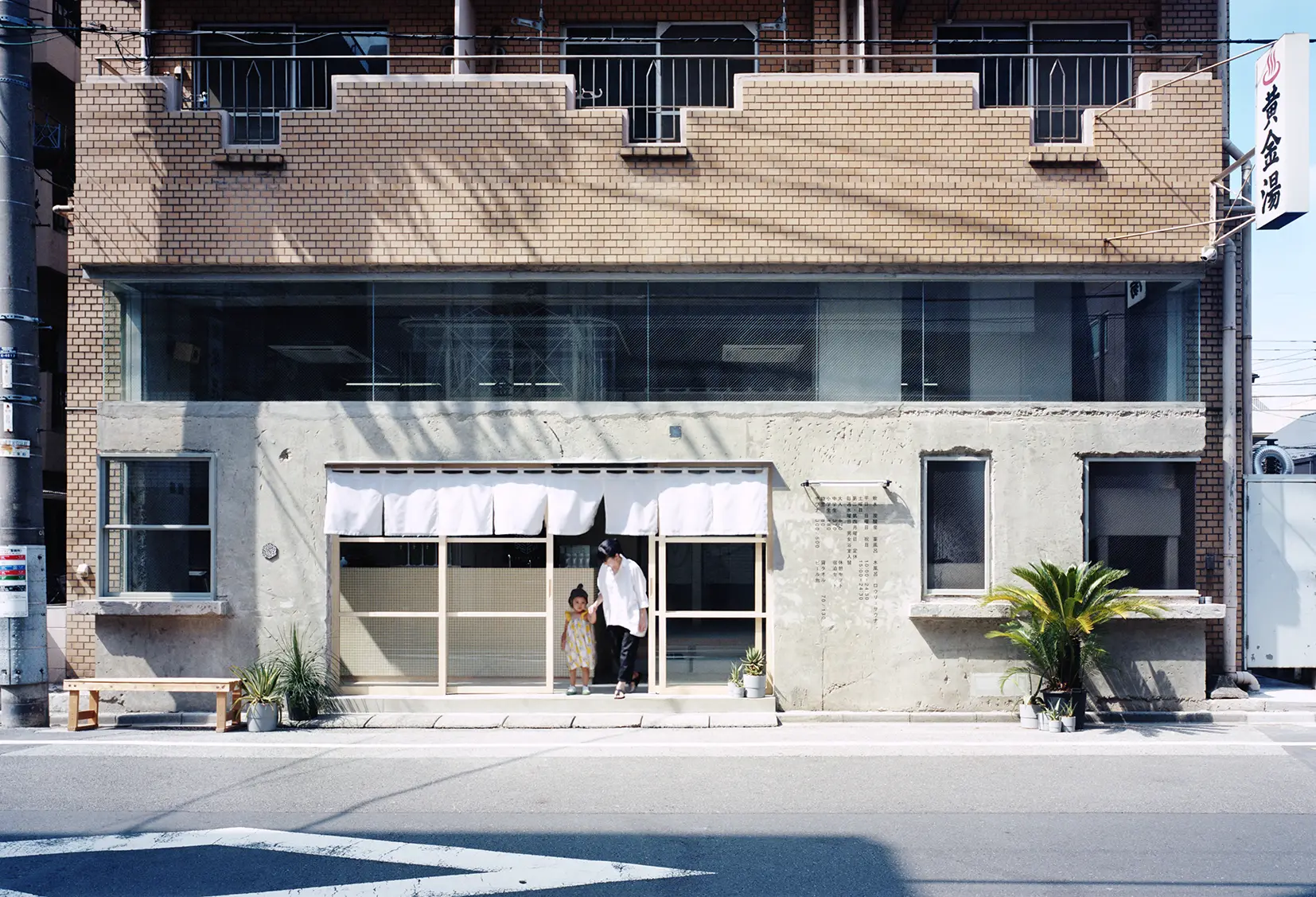
14. Koganeyu (Sumida City)
Completely renovated in 2020, this public bath established in 1932 offers a new way to experience sento culture in a traditional downtown neighborhood. Warm yourself in exceptionally soft water pumped from underground and treated with a water softener while admiring an image of Mount Fuji by manga artist Yoriko Hoshi.
Unusually for a public bath, the front desk area includes a DJ booth and beer bar, and visitors can bathe while listening to music played on vinyl. Afterward, relax with craft beer brewed in-house or a nonalcoholic drink.
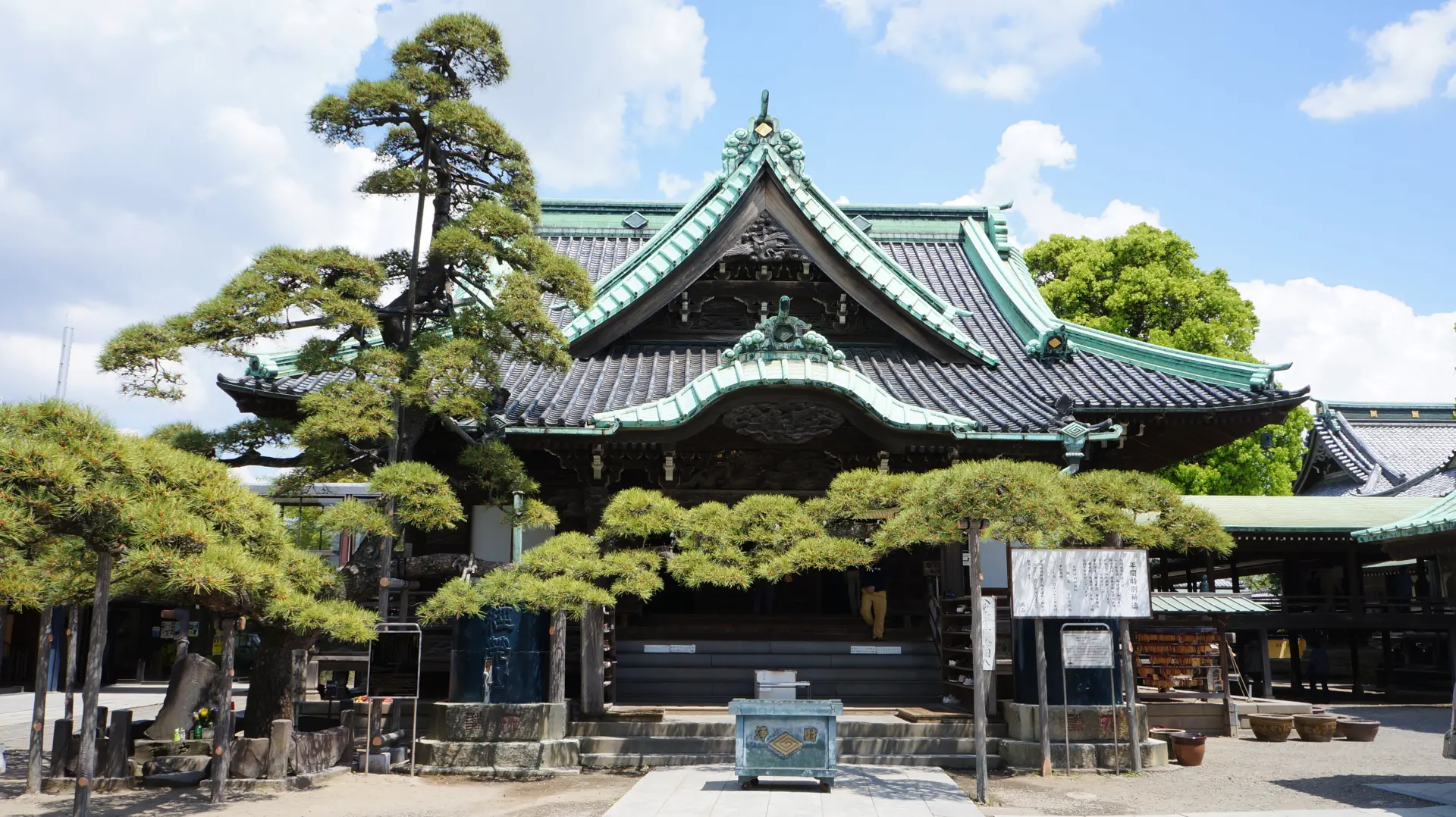
15. Shibamata Taishakuten Daikyoji Temple (Katsushika City)
Said to have been founded in 1629, this Nichiren Buddhist temple has a long history. Its grounds include the Sculpture Gallery, featuring carvings related to sermons from the Lotus Sutra, and Suikeien, a refined Japanese garden.
Shibamata is also known as the setting of the film series “Tora-san, Our Lovable Tramp.” Go beyond worship and explore everything from the bustling approach to the temple's carvings and Japanese garden.
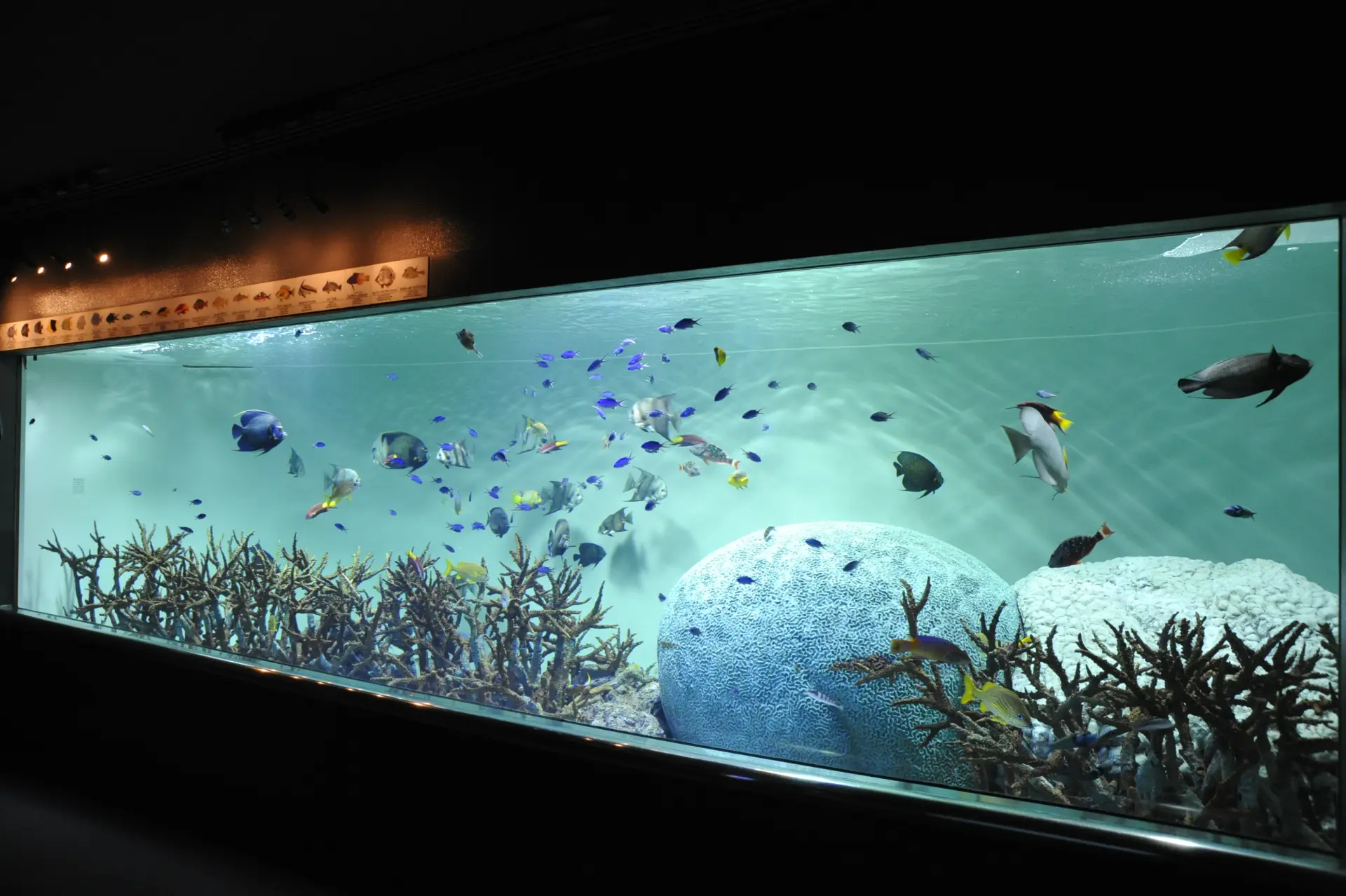
16. Tokyo Sea Life Park (Edogawa City)
Located in Kasai Rinkai Park, this aquarium is distinguished by its enormous 30.7-meter-tall glass dome. See schools of Pacific bluefin tuna, swimming penguins, and rare creatures gathered from seas around the world.
There are also exhibits on giant kelp, the world's largest seaweed, and seabirds that depend heavily on the ocean for survival. Pause at any tank that catches your interest and spend time observing the many kinds of marine life.
17. Inokashira Park (Musashino City)
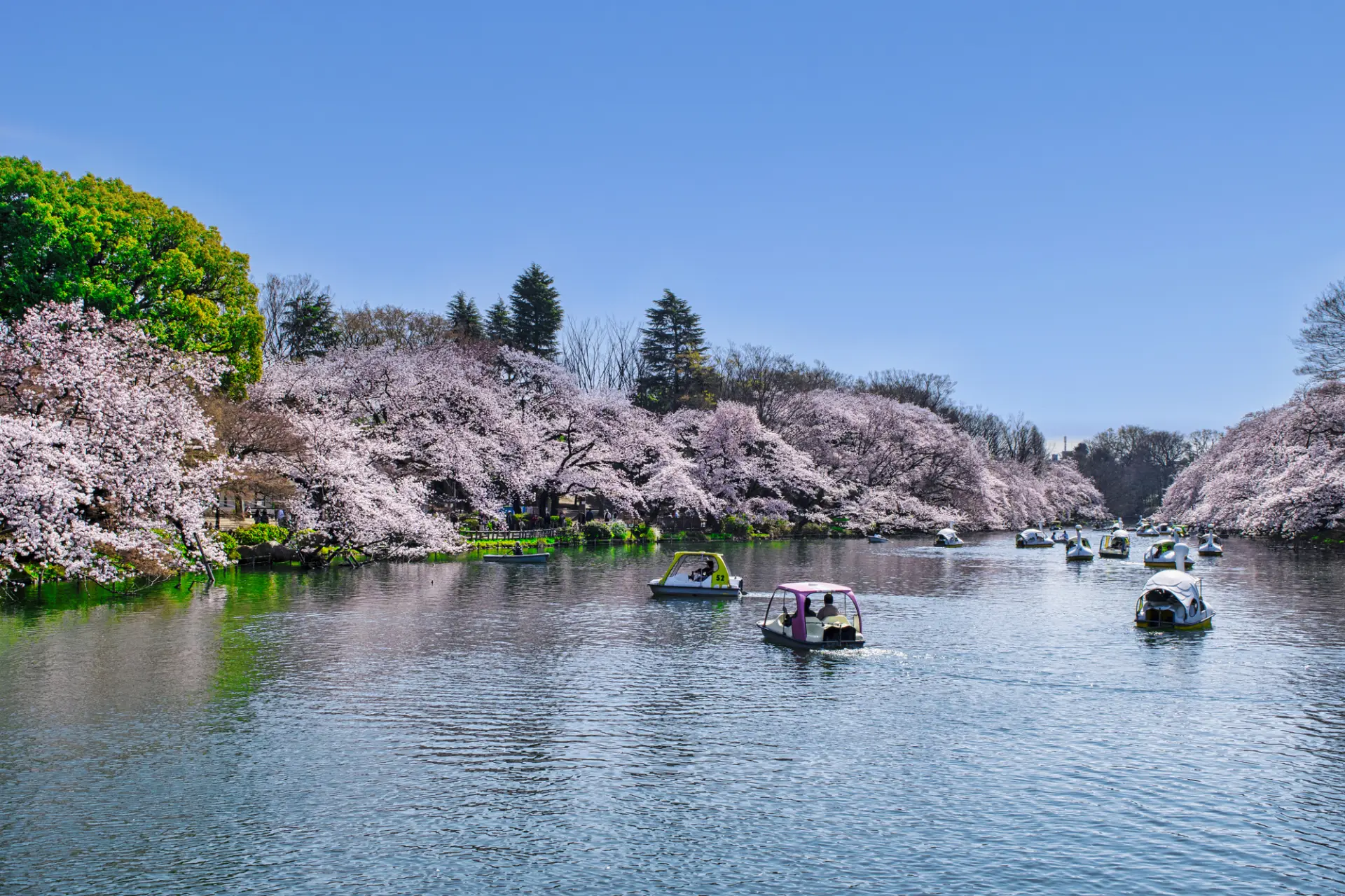
Opened in 1917 as Japan's first park granted by the Imperial Family, this historic park spans Musashino and Mitaka cities. Covering approximately 380,000 square meters—roughly nine times the area of Tokyo Dome—the expansive grounds are divided into four zones: Inokashira Pond, Gotenyama, West Garden, and Second Park.
There are around 200 cherry trees surrounding the pond and approximately 400 across the entire park, along with waterfowl and migratory birds. Walk along the banks of Inokashira Pond and explore the broad grounds however you please.
5 Recommended Dining Spots for Solo Travelers in Tokyo
One pleasure of traveling alone in Tokyo is choosing what to eat according to your mood that day.
Options range from Fukagawa-meshi, rooted in an Edo-period fishing community, to tonkatsu, chuka soba, a long-established coffeehouse, and Vietnamese cuisine. Stop for a meal between sightseeing and neighborhood walks to discover flavors associated with Tokyo and distinctive restaurants.
1. Fukagawajuku Tomioka Hachiman Branch (Koto City)
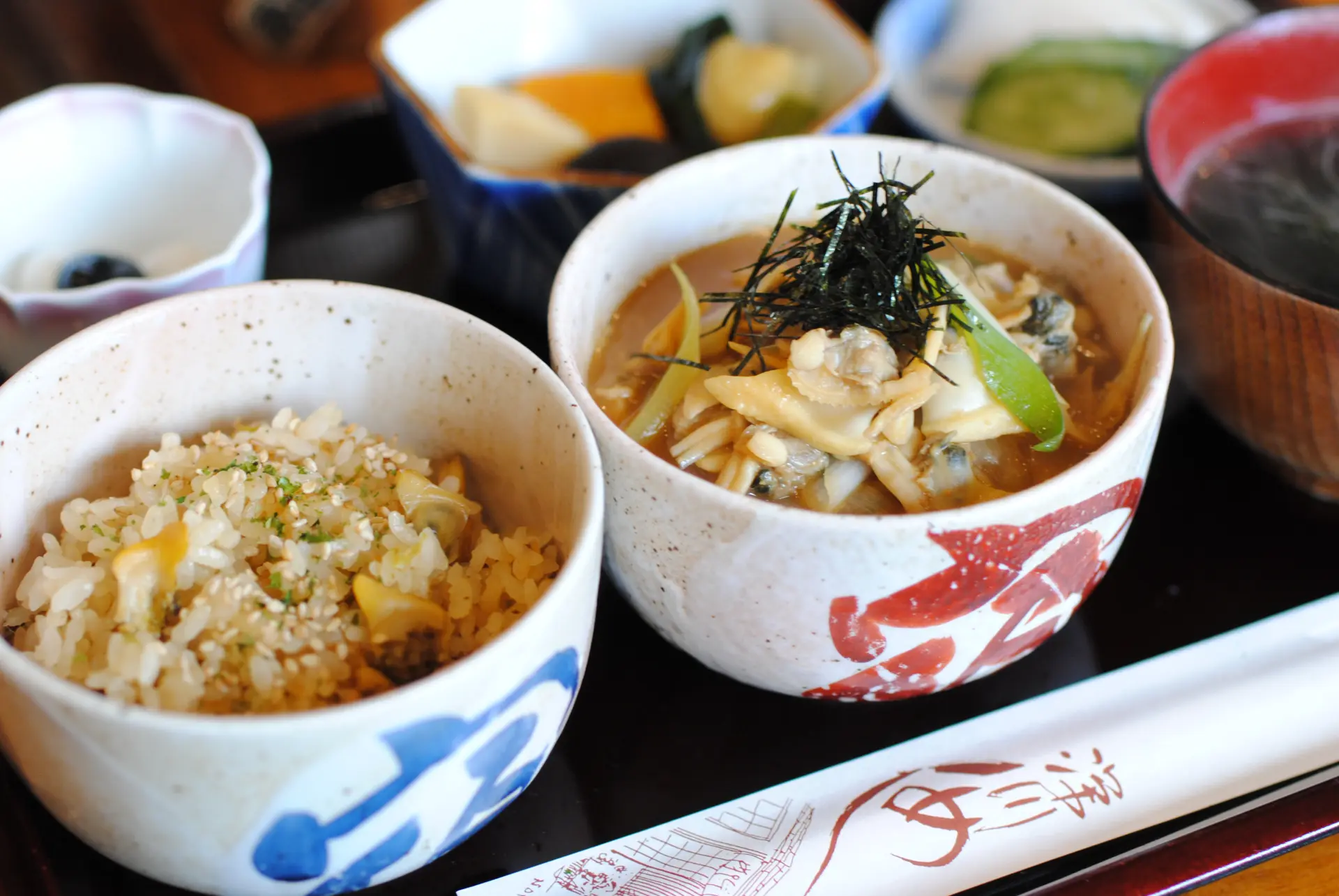
This specialty restaurant serves Fukagawa-meshi, a representative Tokyo dish, in two styles: broth poured over rice and seasoned mixed rice. Fukagawajuku carefully selects domestically sourced clams, primarily from Tokyo Bay.
The broth-style Fukagawa-meshi uses a secret blend of Kanto and Shinshu miso, while the seasoned rice known as Hamamatsu-style has a mild soy sauce flavor. Try both at once with the Tatsumi Gonomi set and savor a taste connected to Fukagawa's history as a thriving fishing community.
2. Tonkatsu Agezuki (Shinjuku City)
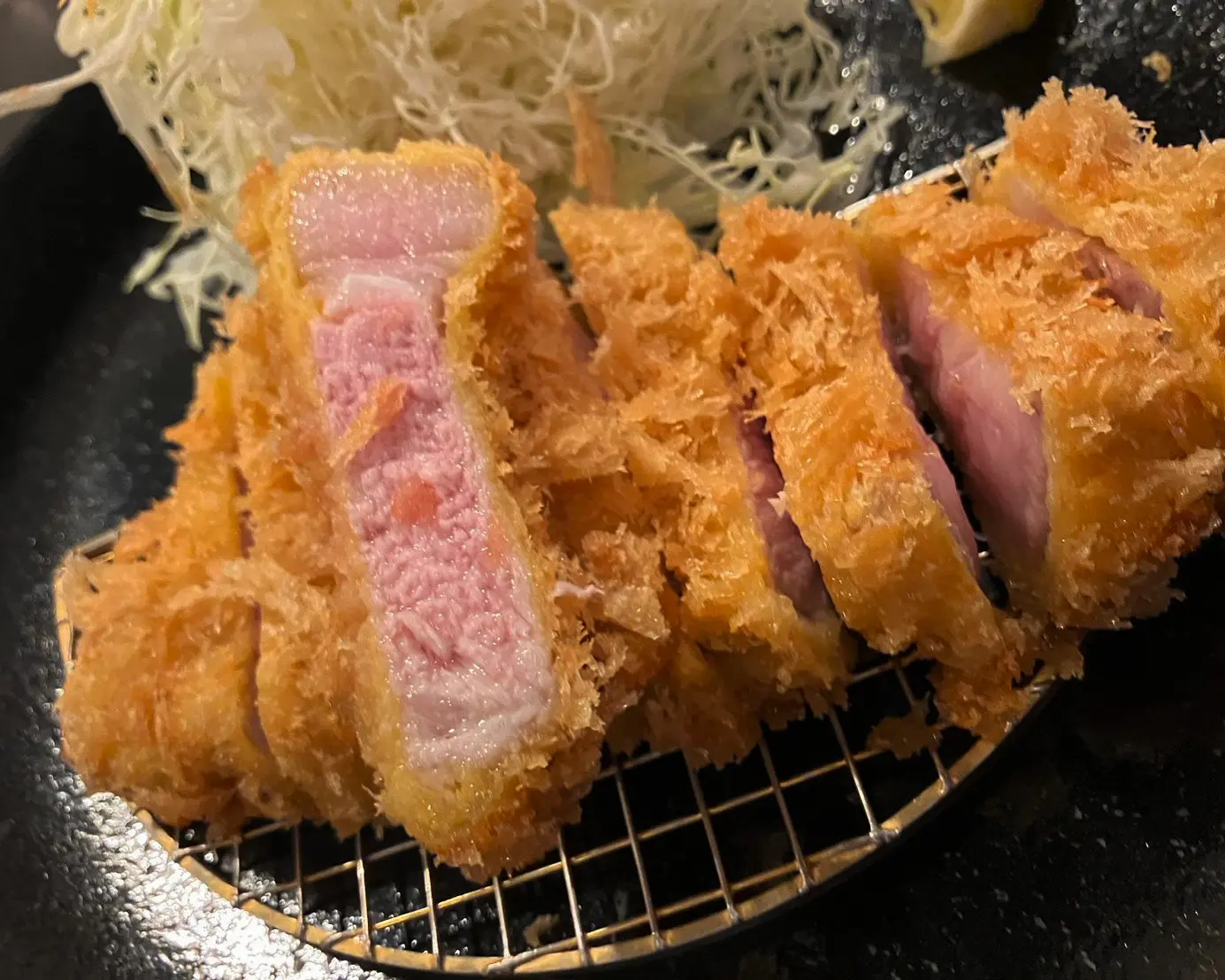
This Iidabashi specialty restaurant serves tonkatsu made with rare Minami no Shima pork from Miyazaki.
Its signature premium loin and filet cutlets are prepared with meticulous techniques, including scoring the tendons and carefully controlling the temperature of the blended frying oil. The restaurant's name expresses a wish to “raise one's luck,” attracting many diners from afar who hope the auspicious name will bring them good fortune.
3. Sabouru (Chiyoda City)
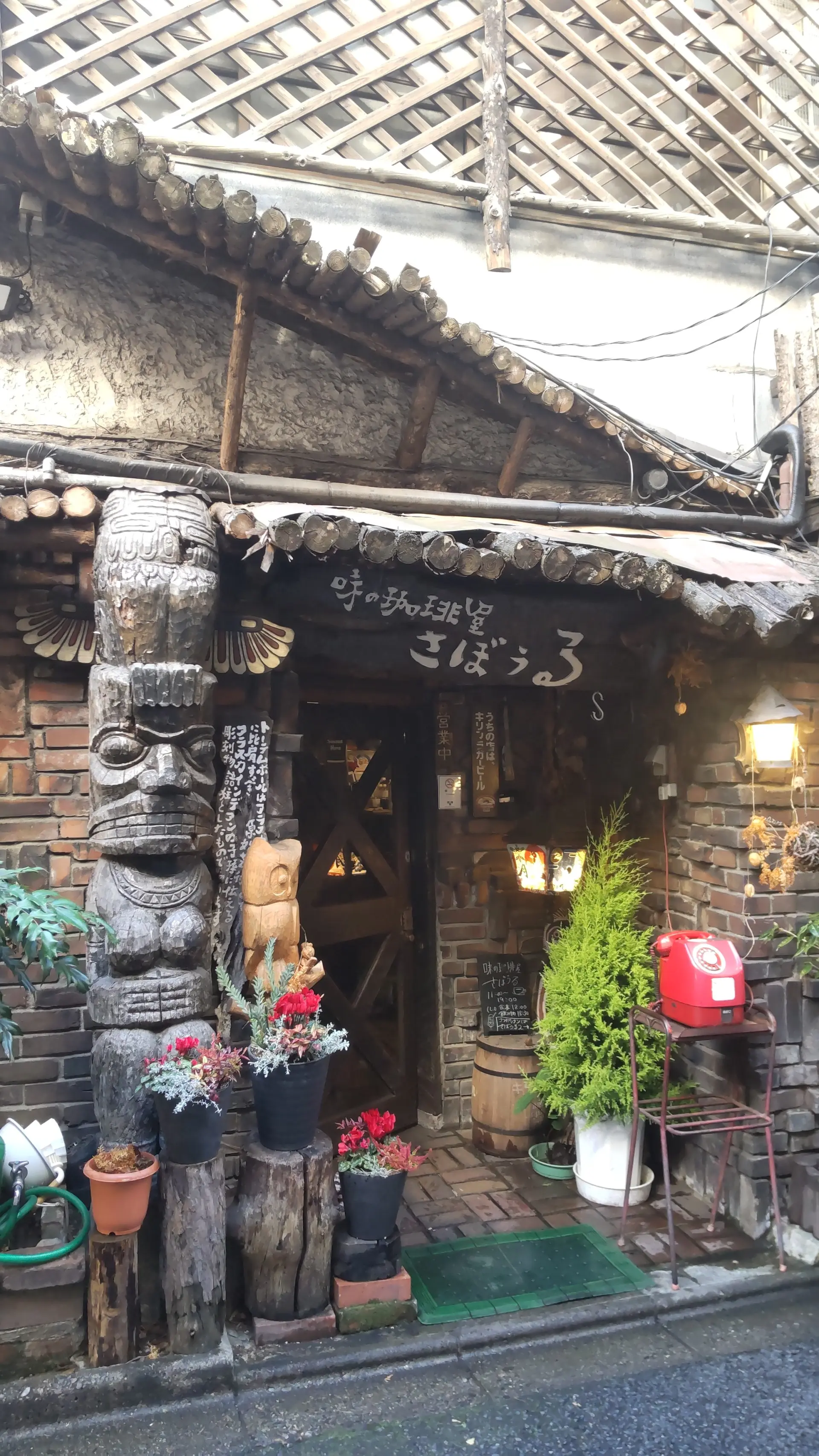
Established in 1955, this long-running coffeehouse has a retro atmosphere in Jimbocho, a neighborhood famous for used books. After browsing the bookstores, stop in for coffee, cream sodas in seven colors, or the popular pizza toast.
Its brick-accented, thoroughly retro interior offers an escape from the everyday and is frequently featured in television dramas, movies, and variety shows. Open a book in the calm surroundings and settle into the unhurried rhythm of a classic coffeehouse.
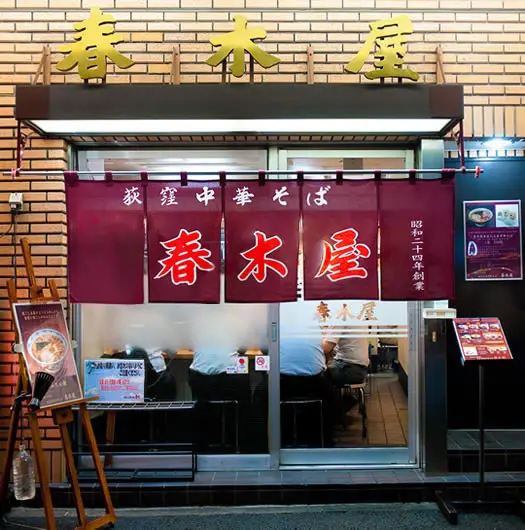
4. Harukiya Ogikubo Main Store (Suginami City)
This long-established Ogikubo restaurant has preserved its traditional flavor for more than 70 years, with some regulars returning across three generations.
Its house-made noodles blend several kinds of flour and are adjusted for each day's weather and humidity. They are finished by hand to create a moderate wave that holds the broth well.
The light, Japanese-style broth combines simmered vegetables and chicken bones with stock made from dried sardines and shaved fish. Savor the noodles and broth of a bowl passed down without being swayed by trends.
5. Chopsticks Shimokitazawa (Setagaya City)
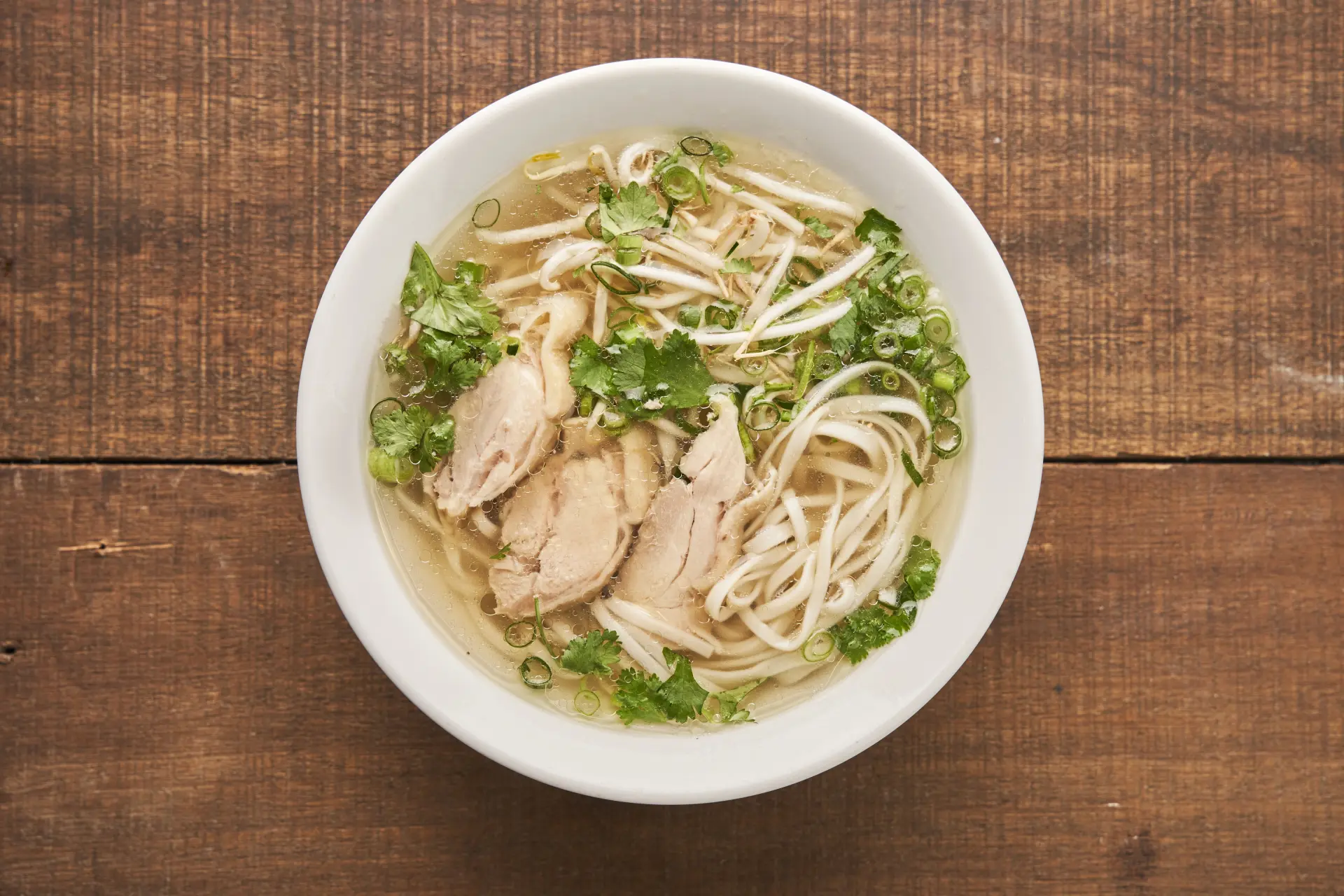
Located in Mikan Shimokita beneath the elevated tracks at Shimokitazawa Station, this street-food-style restaurant serves regional and home-style dishes from across Vietnam. Lunch sets combine a choice of pho with Vietnamese chicken rice, fresh spring rolls, and other dishes.
Its specialty is fresh pho noodles made with Japanese rice, and it is also known as Japan's first restaurant specializing in fresh rice-noodle pho. Dine at the counter, or get a banh mi to go and take it along while exploring Shimokitazawa.
3 Recommended Hotels for Solo Travelers in Tokyo
When exploring Tokyo alone, consider not only convenient access but also how you want to spend your time at the hotel.
Gaze across the city from a high floor, relax over Japanese tea, or end the day beside the Sumida River. Here are three hotels that make convenient sightseeing bases while offering a distinctly Tokyo experience during your stay.
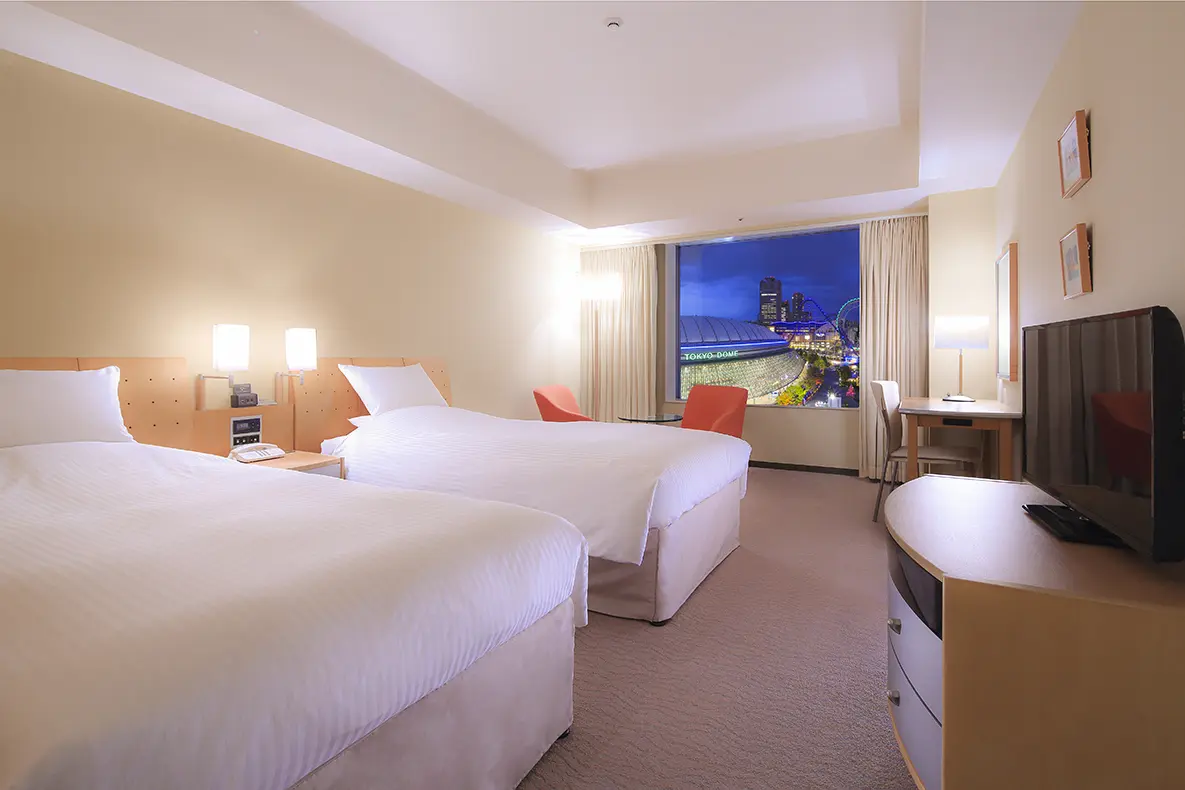
1. Tokyo Dome Hotel (Bunkyo City)
This 43-story hotel towers over Tokyo Dome City and makes a convenient base for sightseeing around the capital. One of Tokyo's leading skyscraper hotels, it offers truly impressive views from its upper floors.
Guest rooms overlook different Tokyo scenes depending on whether they face the park or the palace. On the 43rd floor, Artist's Cafe pairs Italian cuisine with views from 150 meters above the ground. Here, you can continue admiring Tokyo's cityscape through the end of a day spent exploring.
2. HOTEL 1899 TOKYO (Minato City)
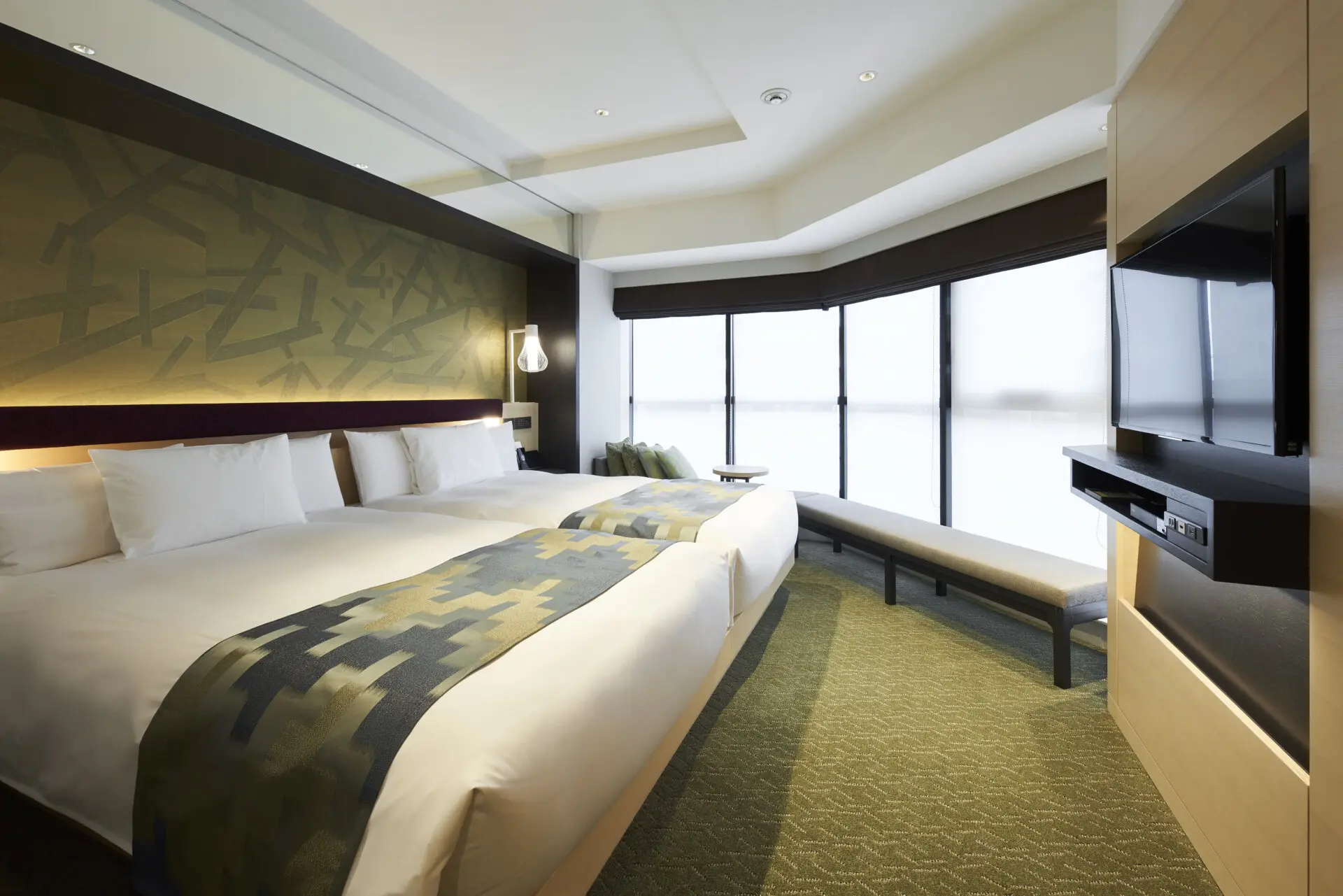
This Shimbashi hotel offers an immersion in tea culture through facilities and services themed around Japanese tea.
Its four room types include bright, open corner rooms and rooms where the bed area is designed to resemble an engawa veranda. Each provides a relaxing space reminiscent of a teahouse or tea room. At the second-floor tea counter, guests can enjoy matcha, sencha, and seasonal teas prepared by a “tea barista” as often as they like during their stay.
3. THE GATE HOTEL RYOGOKU by HULIC (Sumida City)
Situated between the Sumida River and Ryogoku Kokugikan, this riverside hotel is approximately a three-minute walk from the west exit of JR Ryogoku Station. Guests can choose from a variety of room types to suit their stay, from standard rooms to rooms with terraces.
Some rooms overlook the Sumida River, Ryogoku Kokugikan, or TOKYO SKYTREE, providing options for different travel purposes and party sizes. After returning from sightseeing, end the day with views of the Ryogoku streets or the Sumida River.
Recommended Two-Day, One-Night Tokyo Itinerary for Solo Travelers
For a two-day, one-night trip through Tokyo, group attractions by neighborhood to minimize travel. On the first day, explore gardens, Edo culture, and contemporary art in Kiyosumi-shirakawa and Fukagawa before strolling through Kagurazaka's alleys.
On the second day, see historic architecture and gardens at the Tokyo Metropolitan Teien Art Museum, then browse distinctive shops in Shimokitazawa. Experience Tokyo's many sides by changing how you spend your time in each neighborhood.
- Day 1
- Kiyosumi-shirakawa Station → Stroll through Kiyosumi Gardens → Visit the Koto City Fukagawa Edo Museum → Visit the Museum of Contemporary Art Tokyo → Have Fukagawa-meshi for lunch at Fukagawajuku Tomioka Hachiman Branch → Take the train to Kagurazaka → Visit Akagi Shrine → Explore Kagurazaka → Have dinner at Tonkatsu Agezuki → Stay at Tokyo Dome Hotel
- Day 2
- Hotel → See the architecture, art, and gardens at the Tokyo Metropolitan Teien Art Museum → Take the train to Shimokitazawa → Shop at Toyo Department Store → Have lunch at Chopsticks Shimokitazawa → Shop at reload → Explore BONUS TRACK → Return to Shimokitazawa Station
Frequently Asked Questions About Solo Travel in Tokyo
Q
How many nights do I need to enjoy a solo trip to Tokyo?
A two-day, one-night trip can be plenty if you focus on a limited number of neighborhoods. Tokyo's attractions are spread across a broad area, so two or more nights are recommended if you want to explore several neighborhoods thoroughly. If your schedule is limited, choose the areas you most want to visit and combine nearby attractions for an efficient trip.
Q
Which area is best for staying alone in Tokyo?
Choose based on access to the places you want to visit. Well-connected areas such as Shinjuku and the vicinity of Tokyo Station make convenient bases for exploring multiple neighborhoods. Consider your first destination the following day when choosing a hotel to reduce travel time and make the most of your sightseeing.
Q
Can I sightsee in Tokyo using only trains?
Thanks to Tokyo's extensive rail network, most major sightseeing areas can be reached by train or subway combined with walking. To reduce travel time, group nearby neighborhoods within the same day. Many places are best explored on foot, including alleys and shopping streets, so comfortable walking shoes are recommended.
Q
How can I avoid crowds during a solo trip to Tokyo?
Visit popular attractions on weekdays or in the morning, when they tend to be less crowded. One option is to begin with gardens or parks that open early, then visit busier facilities right when they open. When traveling by train, avoid the morning and evening rush hours whenever possible.
Q
How can I sightsee in Tokyo without carrying my luggage?
Before check-in or after check-out, use your hotel's luggage storage service or coin lockers at major stations. Storing large bags makes it easier to explore alleys and browse shops. On days when you travel between stations, consider whether using a particular locker will require you to return to the same location later.
Summary
Walk through historic neighborhoods, discover art and books, search for vintage clothing and specialty goods, or spend time at a public bath or aquarium. Tokyo offers a wide range of experiences to match your interests each day.
Another attraction is the freedom to spend your time differently in neighborhoods such as Kagurazaka, Kiyosumi-shirakawa and Fukagawa, and Shimokitazawa. Rather than packing in too many destinations, take time for what you love and explore Tokyo at your own pace.