
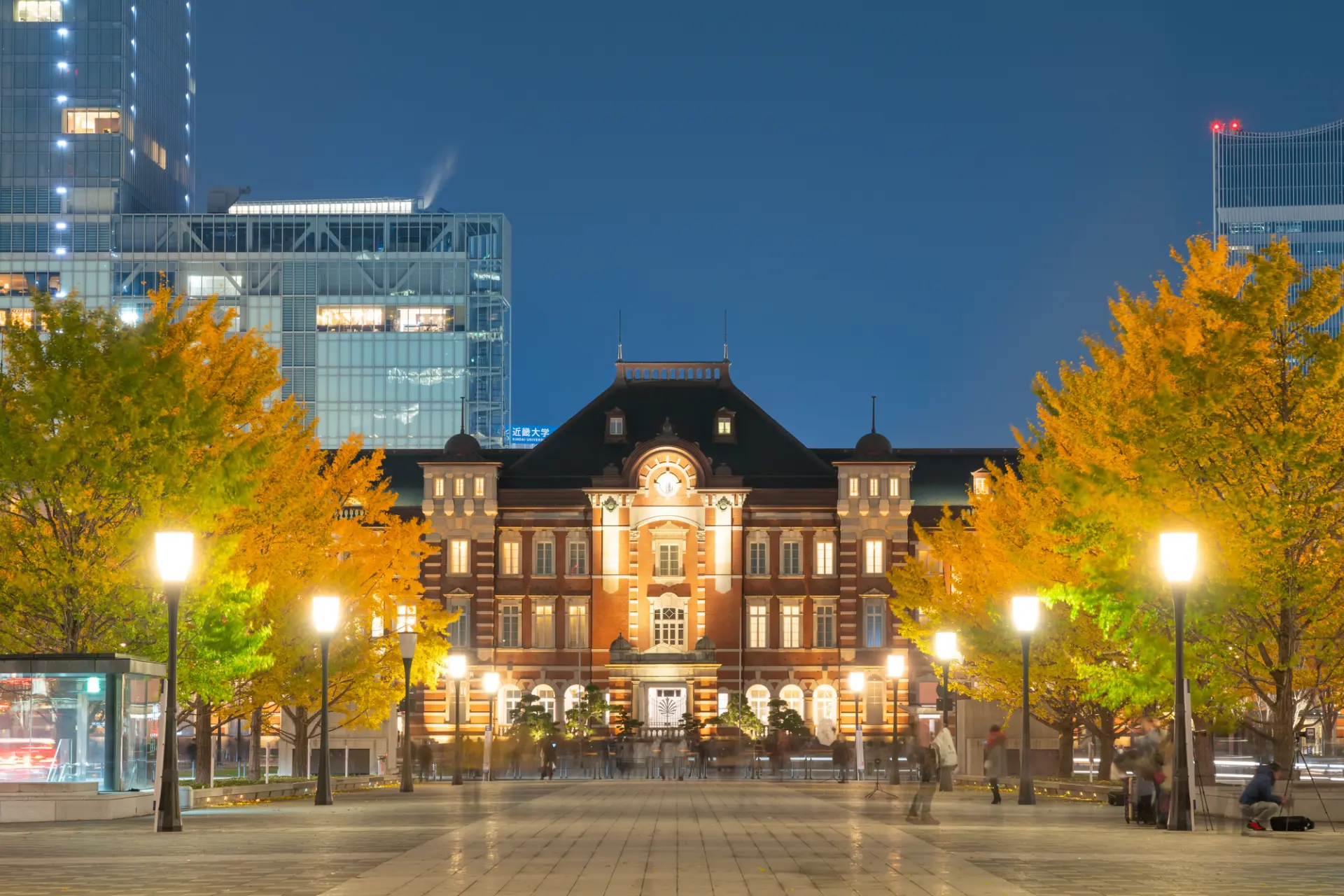
Tokyo Fall Travel Guide: Gardens, Art, and Neighborhood Walks
A fall trip to Tokyo offers everything from historic gardens and museums to neighborhood walks and colorful foliage in both central Tokyo and the suburbs.
Discover art at Tokyo Station Gallery and the Nezu Museum, or stroll through Rikugien Gardens, a historic garden dating back to the Edo period.
There are also many places worth visiting for their fall scenery, including Mt. Takao and Meiji Jingu Gaien. Explore Tokyo’s many sides in fall by combining culture, nature, and local cuisine.
How to Experience Tokyo in Fall, Month by Month
One of the attractions of fall in Tokyo is that each part of the season offers a different focus for your trip. Visit museums and cultural facilities while the weather is still warm, then move on to gardens and neighborhood walks as the season progresses, followed by colorful fall foliage.
Travel between central Tokyo and the suburbs to experience the city at its seasonal best.
September: Explore Art and Culture While the Weather Is Still Warm
With the summer heat still lingering in September, center your itinerary around places where you can experience art and culture, such as Tokyo Station Gallery and the Nezu Museum.
View architecture that tells the history of Tokyo Station and admire historic Japanese and East Asian art while taking your time to explore Tokyo’s culture in cool indoor spaces.
This is an ideal time to combine indoor sightseeing with garden walks and immerse yourself in the city’s culture.
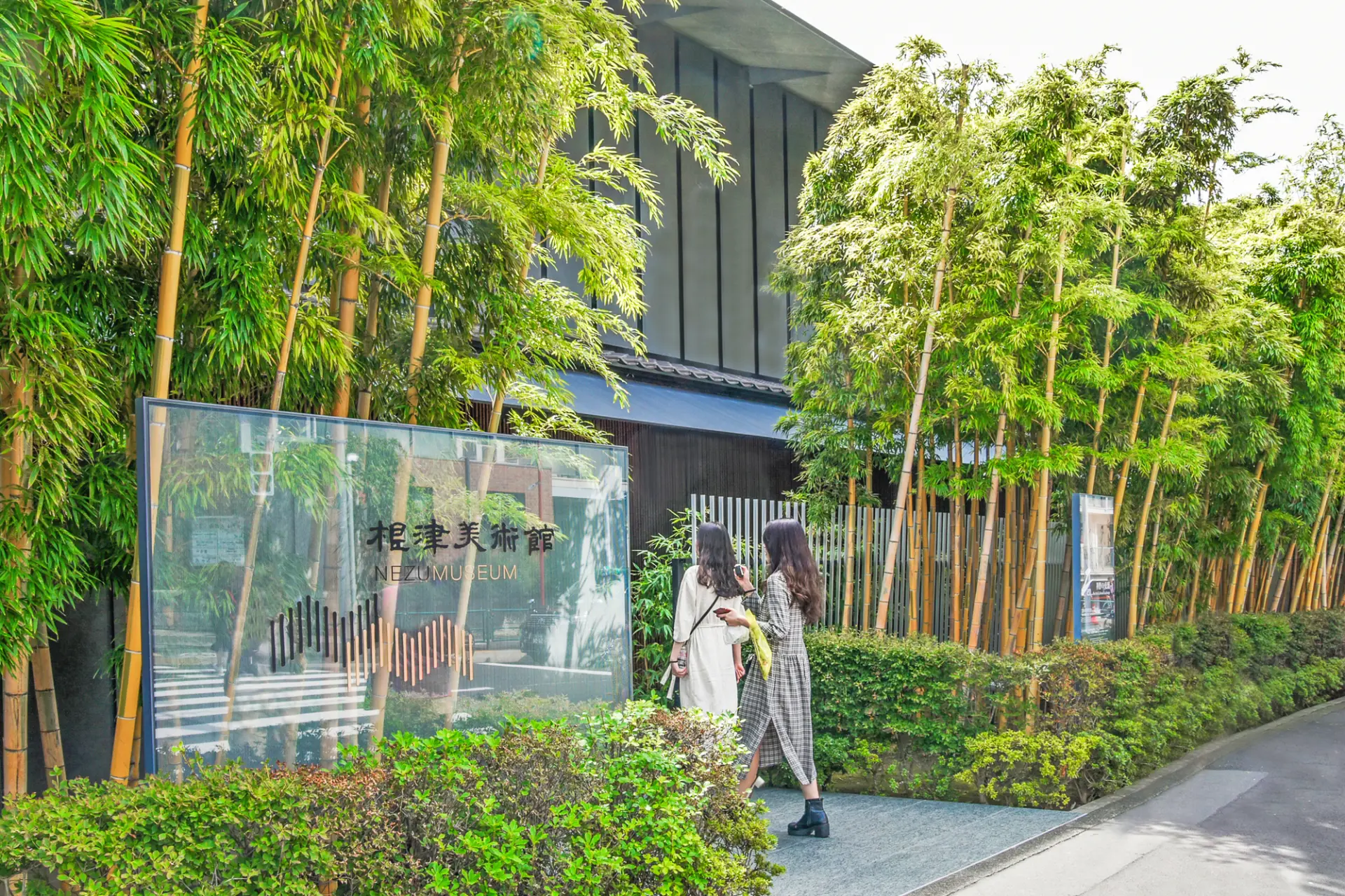
October: Stroll Through Gardens and Neighborhoods in Pleasant Weather
With more comfortable days, October is ideal for exploring gardens and neighborhoods on foot.
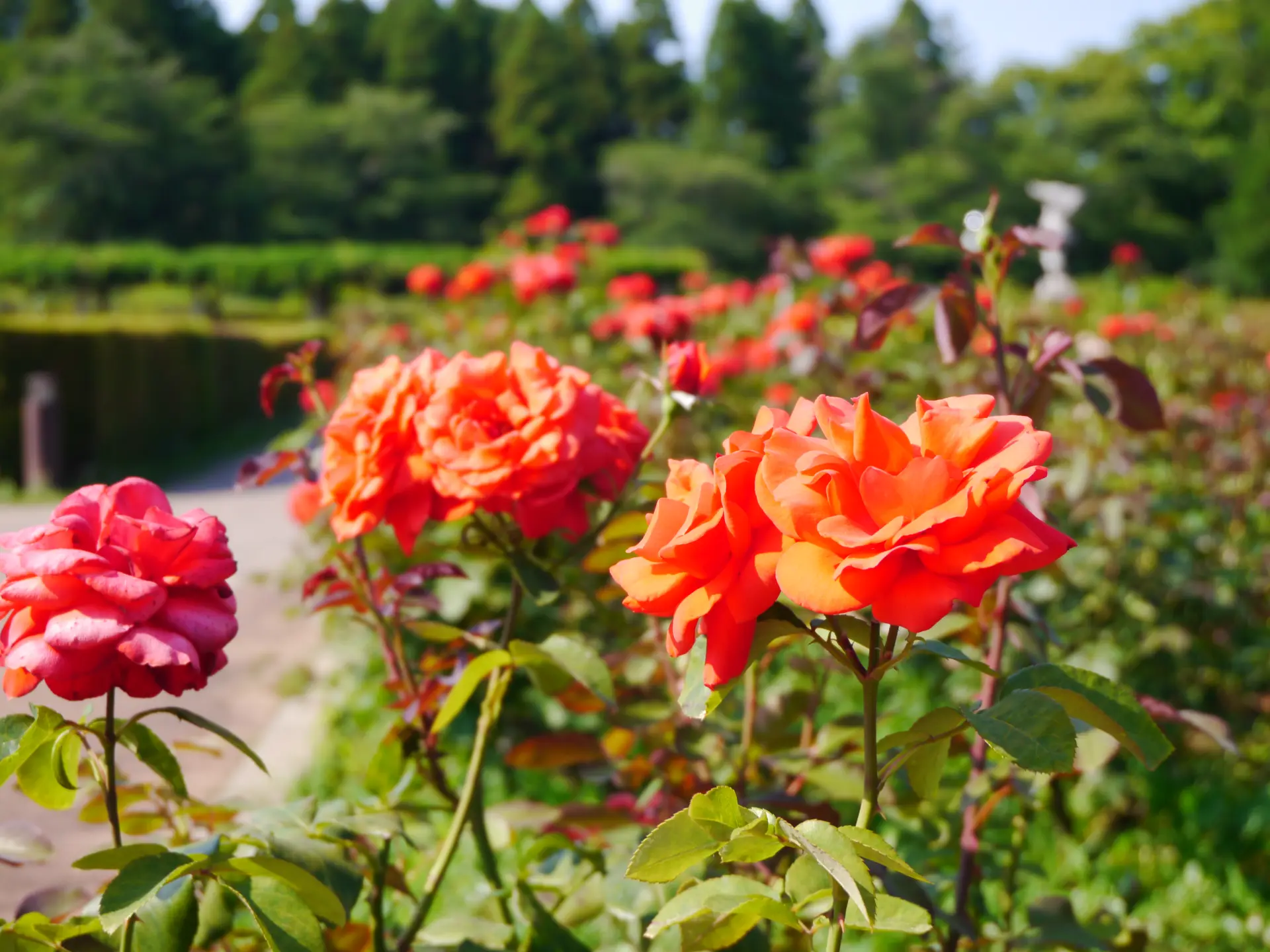
After admiring the colorful fall roses at Jindai Botanical Gardens, stroll through Kagurazaka, where stone-paved alleys and black wooden walls remain, and explore streets where Tokyo’s history meets contemporary culture.
Consider adding cultural attractions such as the Tokyo Metropolitan Teien Art Museum and spend a fall day moving between outdoor and indoor sights.
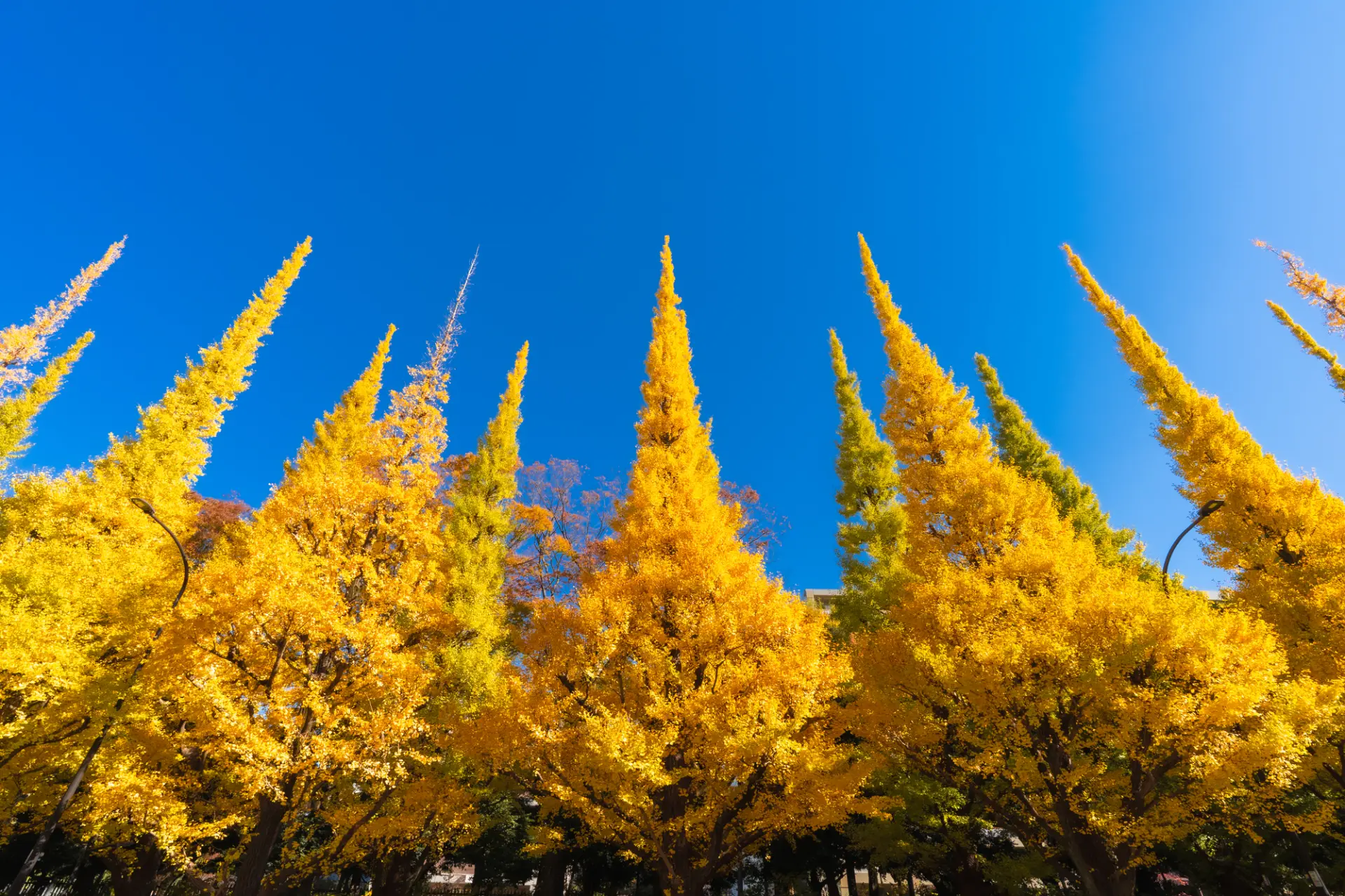
November: Seek Out Colorful Fall Scenery
In November, colorful fall foliage becomes a highlight of any trip.
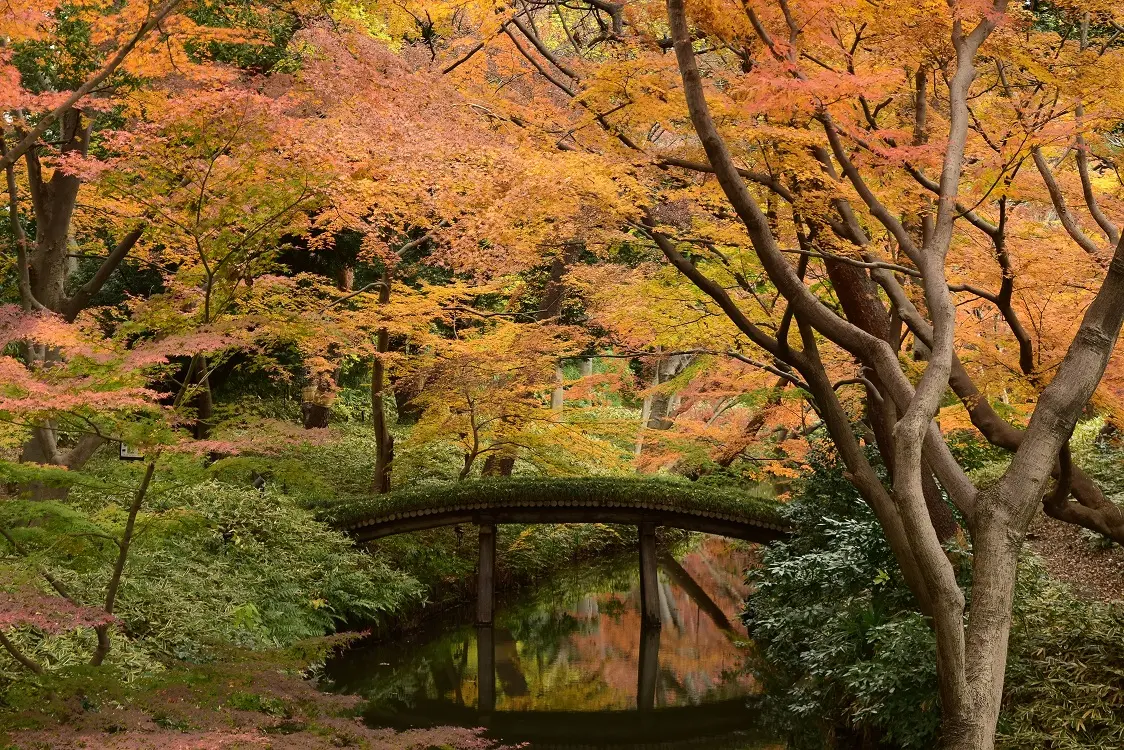
From late November through early December, Rikugien Gardens usually holds its Special Evening Viewing of Fall Foliage, offering a different atmosphere from the daytime garden.
Travel from central Tokyo to the suburbs in search of fall scenery at places such as the ginkgo avenue at Meiji Jingu Gaien, Mt. Takao, and Showa Kinen Park.
11 Popular Tokyo Attractions to Visit in Fall
Tokyo offers a wide variety of attractions, from museums and historic neighborhoods to gardens that retain traces of Edo and the rich natural landscapes of the suburbs.
Fall makes it especially easy to combine art with garden walks or stroll through neighborhoods while admiring seasonal flowers and plants. Here are 11 places where you can experience Tokyo’s culture and nature.
1. Tokyo Station Gallery (Chiyoda City)
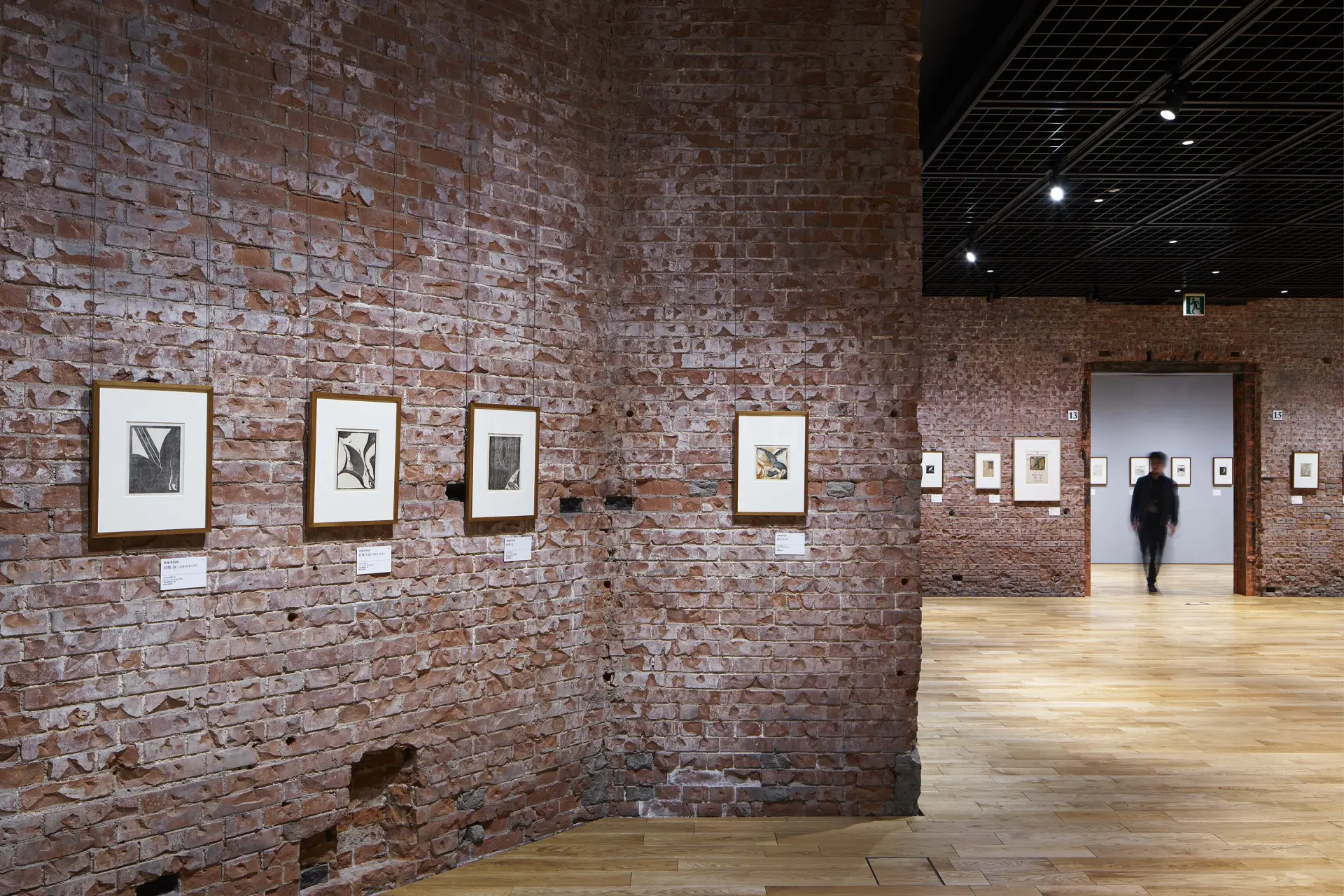
Located inside the Marunouchi Station Building of Tokyo Station, a National Important Cultural Property, this museum offers insight into both art and the station building’s history. Its diverse special exhibitions focus mainly on modern art, while also covering contemporary art, architecture, design, railroads, and more.
In the second-floor corridor, visitors can see a model and diorama of the station building, historical photographs, original construction materials, and full-scale prototypes of the ceiling reliefs. Walk through the galleries with their brick walls and take time to appreciate Tokyo Station itself.
- Name in Japanese
- 東京ステーションギャラリー
- Postal Code
- 100-0005
- Address
-
Marunouchi North Exit, JR Tokyo Station, 1-9-1 Marunouchi, Chiyoda-ku, Tokyo
Google Maps - Telephone
- 03-3212-2485
- Closed
- Mondays(If it is a national holiday, the next day is closed), Exhibition changeover period, New Year’s holiday period.
- Business Hours
-
10:00am - 6:00pm(Fridays 10:00am - 8:00pm)
※Last admission is 30 minutes prior to closing time. - Admission
- Varies with each exhibition
- Access
- Located in front of the JR Tokyo Station Marunouchi North gate.
- Credit Cards
- Accepted
- Official Website
- Official Website (English)
2. Kagurazaka (Shinjuku City)
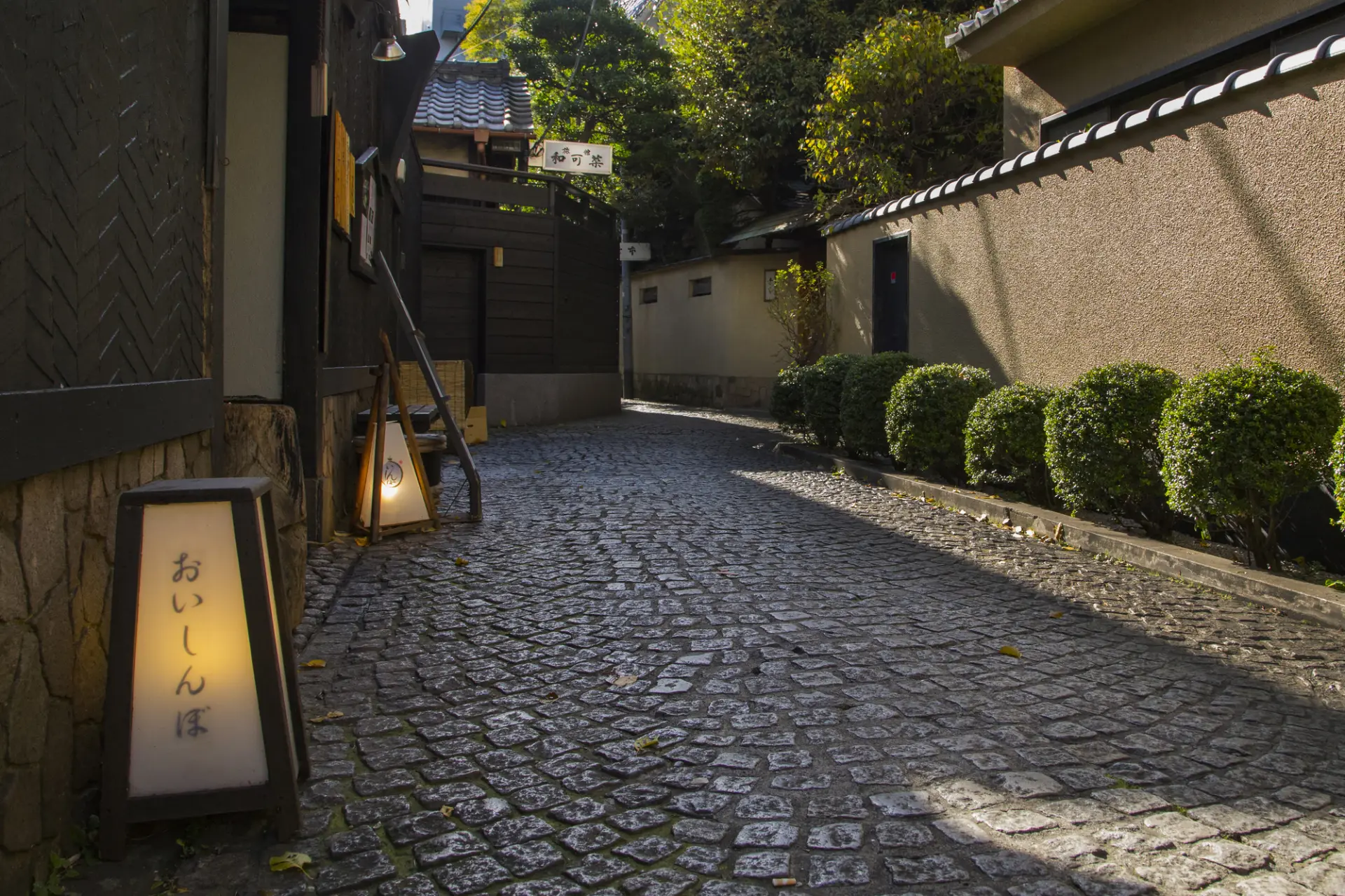
Kagurazaka developed historically as a geisha district and now blends stone-paved alleys and traditional black wooden walls with modern shops and restaurants. Its many lanes include Kakurenbo Yokocho and Michikusa Yokocho, a roughly 98-foot street lined with izakaya pubs. The neighborhood is also home to many French restaurants, giving it a side often described as “Little Paris.”
Historic sites such as Zenkokuji Temple and Akagi Shrine are also found here, with the old townscape and contemporary culture coexisting comfortably. Wander into whichever alleys catch your interest and discover Kagurazaka’s many different sides.
- Name in Japanese
- 神楽坂
- Postal Code
- 162-0825
- Address
-
Kagurazaka, Shinjuku-ku, Tokyo
Google Maps - Access
-
1. Just outside Kagurazaka Station on the Tokyo Metro Tozai Line
2. Just steps from Iidabashi Station on the JR Chuo/Sobu Line.
3. Just outside Ushigome-Kagurazaka Station on the Toei Oedo Line.
3. Ueno Toshogu Shrine (Taito City)
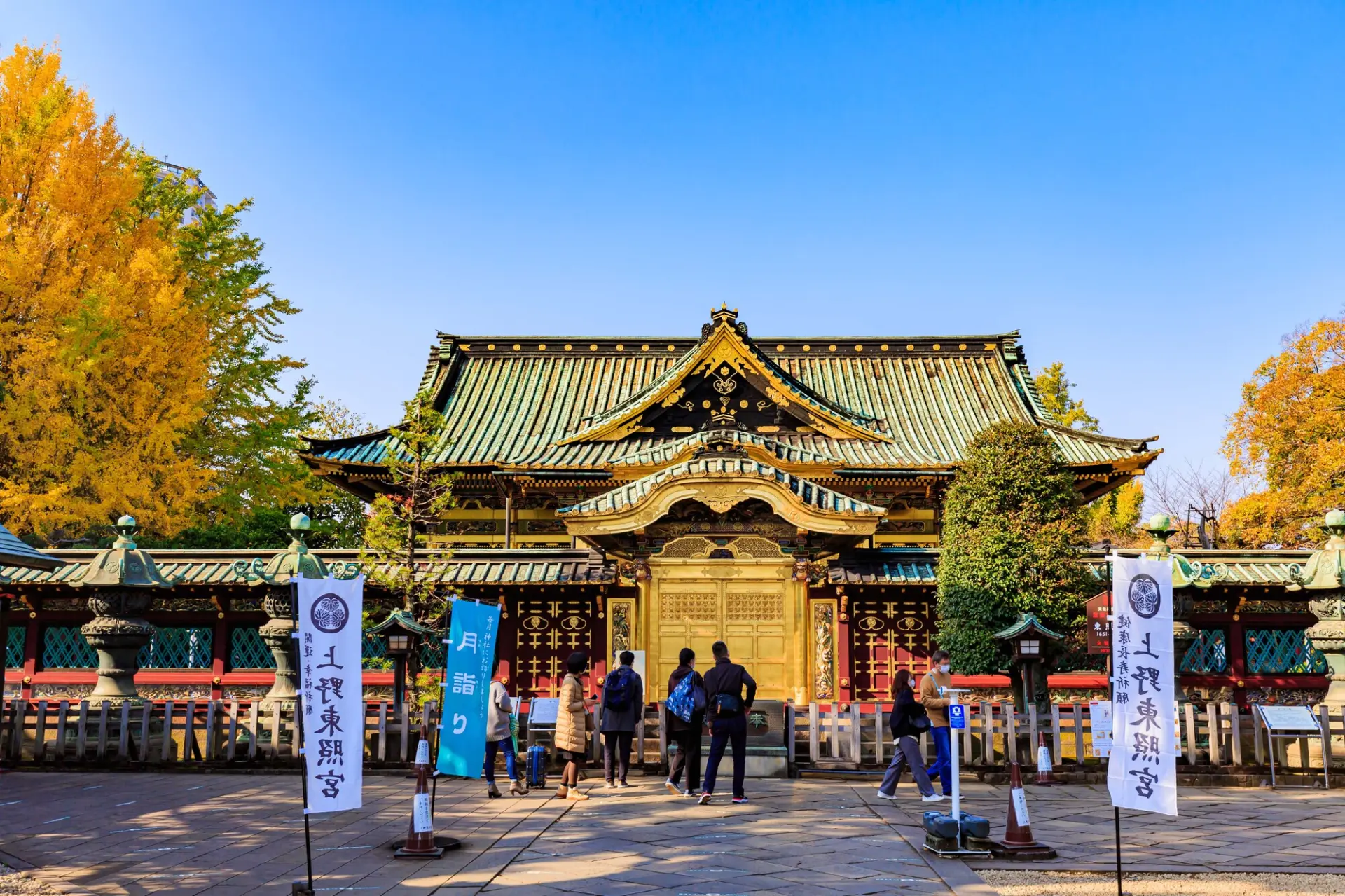
This shrine is dedicated to Tokugawa Ieyasu and contains several National Important Cultural Properties. The brilliant golden shrine building is particularly striking as you proceed through the grounds. Also known as the Golden Hall, its exterior walls feature lavish carvings.
The Karamon Gate and 48 bronze lanterns are also designated National Important Cultural Properties. Eiyo Gongen Shrine is worshiped as a deity of academic success, employment, and victory. When visiting Ueno, walk through the grounds and take a closer look at the Golden Hall, Karamon Gate, and bronze lanterns.
- Name in Japanese
- 上野東照宮
- Postal Code
- 110-0007
- Address
-
9-88 Uenokoen, Taito-ku, Tokyo
Google Maps - Telephone
- 03-3822-3455
- Closed
- No holidays
- Hours
- 9:00 am to 5:30 pm (Mar.-Sept.); 9:00 am to 4:30 pm (Oct.-Feb.)
- Admission
-
Free
※Adults (Junior High School Students and Older): ¥700, Elementary School Students: ¥300 fee to enter Karamon
※1,000 yen fee to enter Peony Garden - Access
-
(1) About a 5-minute walk from the park exit of the JR Yamanote Line and JR Keihin Tohoku Line’s Ueno Station
(2) About a 10-minute walk from the Shinobazu exit of the Tokyo Metro Ginza Line and Hibiya Line’s Ueno Station
(3) About a 5-minute walk from the Ikenobata exit of the Keisei Electric Railway’s Keisei Ueno Station - Official Website
- Official Website (English)
4. Mukojima-Hyakkaen Gardens (Sumida City)
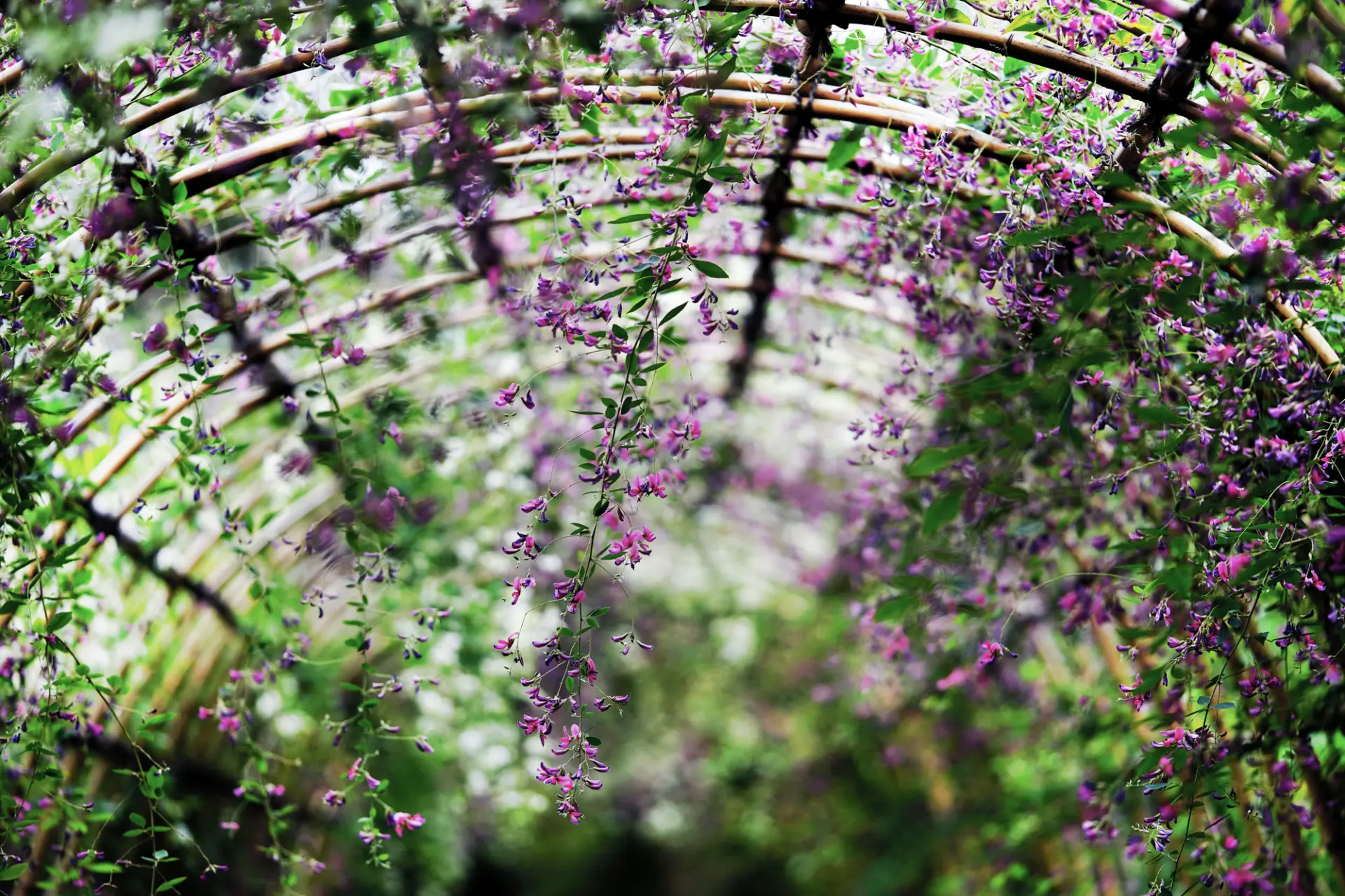
Created from the merchant culture of Edo, this garden offers seasonal flowers and plants together with a distinctly Japanese atmosphere. Unlike a feudal lord’s garden, it has an approachable landscape rich in literary taste.
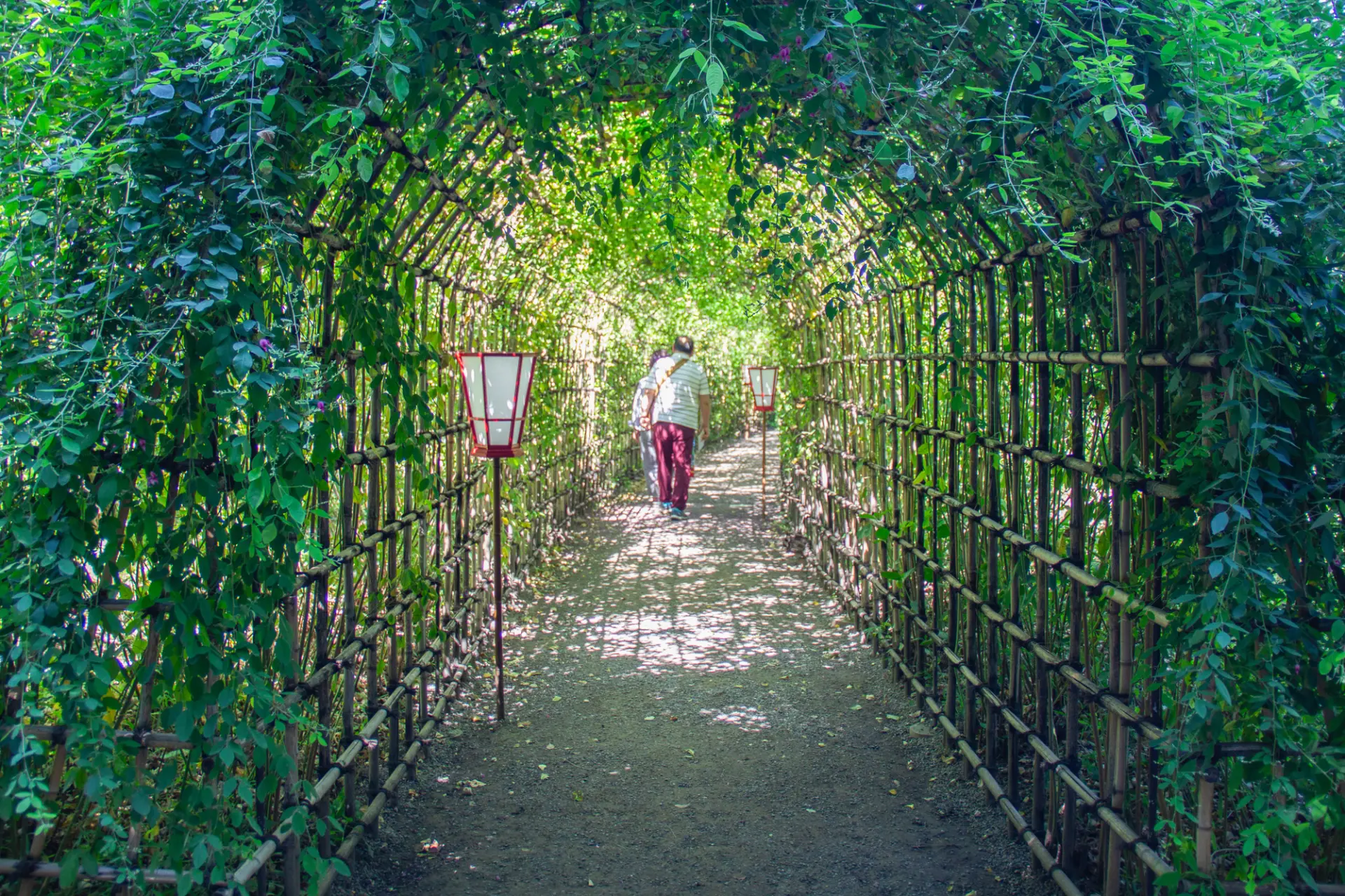
A fall highlight is the Hagi Tunnel featured during the Hagi Festival. Bush clover extends for about 98 feet along a bamboo framework, creating a tunnel of vivid purple flowers that visitors can walk through. Since TOKYO SKYTREE and Senso-ji Temple are also nearby, consider combining the garden’s fall flowers with a walk along the Sumida River.
- Name in Japanese
- 向島百花園
- Postal Code
- 131-0032
- Address
-
3-18-3 Higashimukojima, Sumida-ku, Tokyo
Google Maps - Telephone number
- 03-3611-8705
- Closed
- New Year Holidays (Dec. 29th – Jan. 3rd)
- Hours
- 9:00am - 5:00pm (Admission allowed until 4:30pm)
- Admission
- Regular: 150yen, Adults 65 and up: 70yen (admission is free to grade school students and middle school students currently living or enrolled in the city)
- Access
- approx. 8 min. walk from Higashi-Mukojima Station on the Tobu Skytree Line
- Credit Cards
- Accepted
- Official Website
- Official Website (English)
5. Rikugien Gardens (Bunkyo City)
Created over seven years beginning in 1695, this strolling landscape garden features artificial hills, ponds, and varied terrain. Designated a Special Place of Scenic Beauty, it is regarded alongside Koishikawa Korakuen Gardens as one of the two great gardens of Edo.
From late November through early December, the Special Evening Viewing of Fall Foliage is also held, illuminating the garden after dark. During your walk, stop by Fukiage Chaya for matcha and Japanese sweets while looking out over the garden.
- Name in Japanese
- 六義園
- Postal Code
- 113-0021
- Address
-
6-16-3 Hon-komagome, Bunkyo-ku, Tokyo
Google Maps - Telephone
- 03-3941-2222
- Admission
-
General admission 300 yen, 65 years or older 150 yen (elementary school students and younger free)
※Free Admission Days: May 4th, October 1st - Closed
- End and beginning of the year (December 29th-January 1st)
- Hours
-
9:00am - 5:00pm (Admission allowed until 4:30pm)
※For special nighttime viewing hour please check the official website. - Access
-
1) About 7 minutes on foot from Komagome Station on the JR Yamanote or Tokyo Metro Namboku Lines
2) About 10 minutes on foot from Sengoku Station on the Toei Subway Mita Line - Official Website
- Official Website (English)
6. Nezu Museum (Minato City)
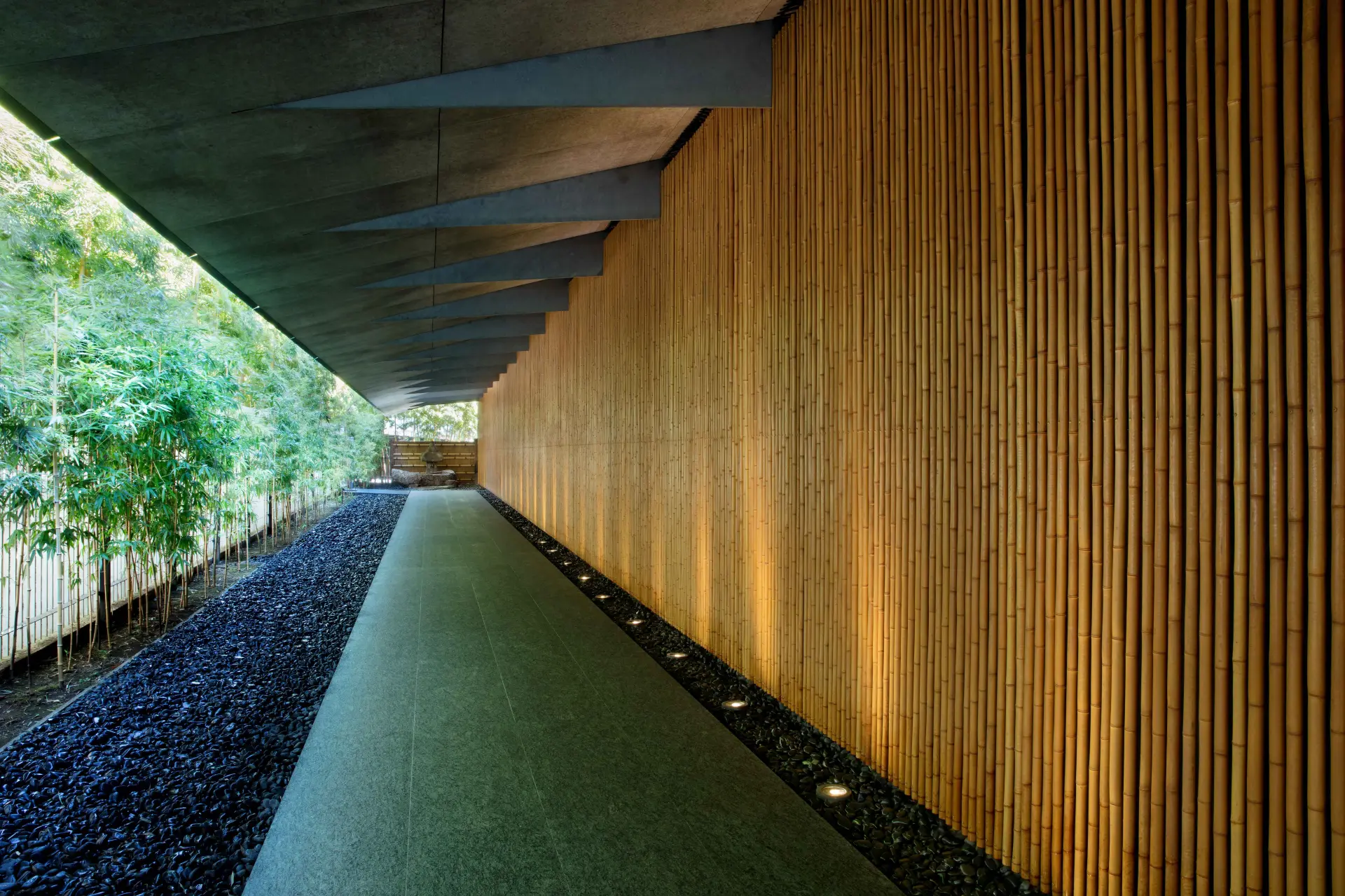
This private museum in Aoyama houses approximately 7,600 works of premodern Japanese and East Asian art. In addition to exhibition galleries, it includes a museum shop and auditorium, providing a spacious setting for a leisurely visit.
The collection includes National Treasures and Important Cultural Properties, and seven exhibitions with different themes are held each year. The Japanese garden also contains a café and four tea houses. After viewing the historic artwork, walk through the garden and spend some time in scenery quite different from the museum interior.
- Name in Japanese
- 根津美術館
- Postal Code
- 107-0062
- Address
-
6-5-1 Minamiaoyama, Minato-ku, Tokyo
Google Maps - Telephone
- 03-3400-2536
- Admission Inclusive of Tax
-
For a Museum Collection Exhibition
Timed-entry ticket (online) Adult: 1,400 yen, Student: 600 yen
For a Special Exhibition (Prices may vary by exhibition.)
Timed-entry ticket (online) Adult : From1,600 yen, Student : From 700 yen
*200 yen discount for those with a disability certificate and accompanying persons.
*University students and above with valid student ID
*Highschool and younger students with valid student ID will be admitted free of charge
*Window sales are available at the museum reception desk only if there is room in the reserved capacity. - Closed
-
Every Monday (if Monday falls on a national holiday, the following Tuesday)
*Closed during exhibition change periods. - Business Hours
- 10:00am - 5:00pm (Admission allowed until 4:30pm)
- Directions
-
(1) 8-minute walk from Omotesando Station on the Ginza, Hanzomon and Chiyoda subway lines from Exit A5 (stairs), 10-minute walk from Exit B4 (stairs and elevator), 10-minute walk from Exit B3 (elevator or escalator)
(2) Take Shibu88 bus (bound for Shibuya - Shimbashi Ekimae) and get off at "Minami Aoyama 6-chome" bus stop. 5 minutes walk. - Credit Cards
- Accepted
- Official Website
- Official Website (English)
7. Tokyo Metropolitan Teien Art Museum (Minato City)
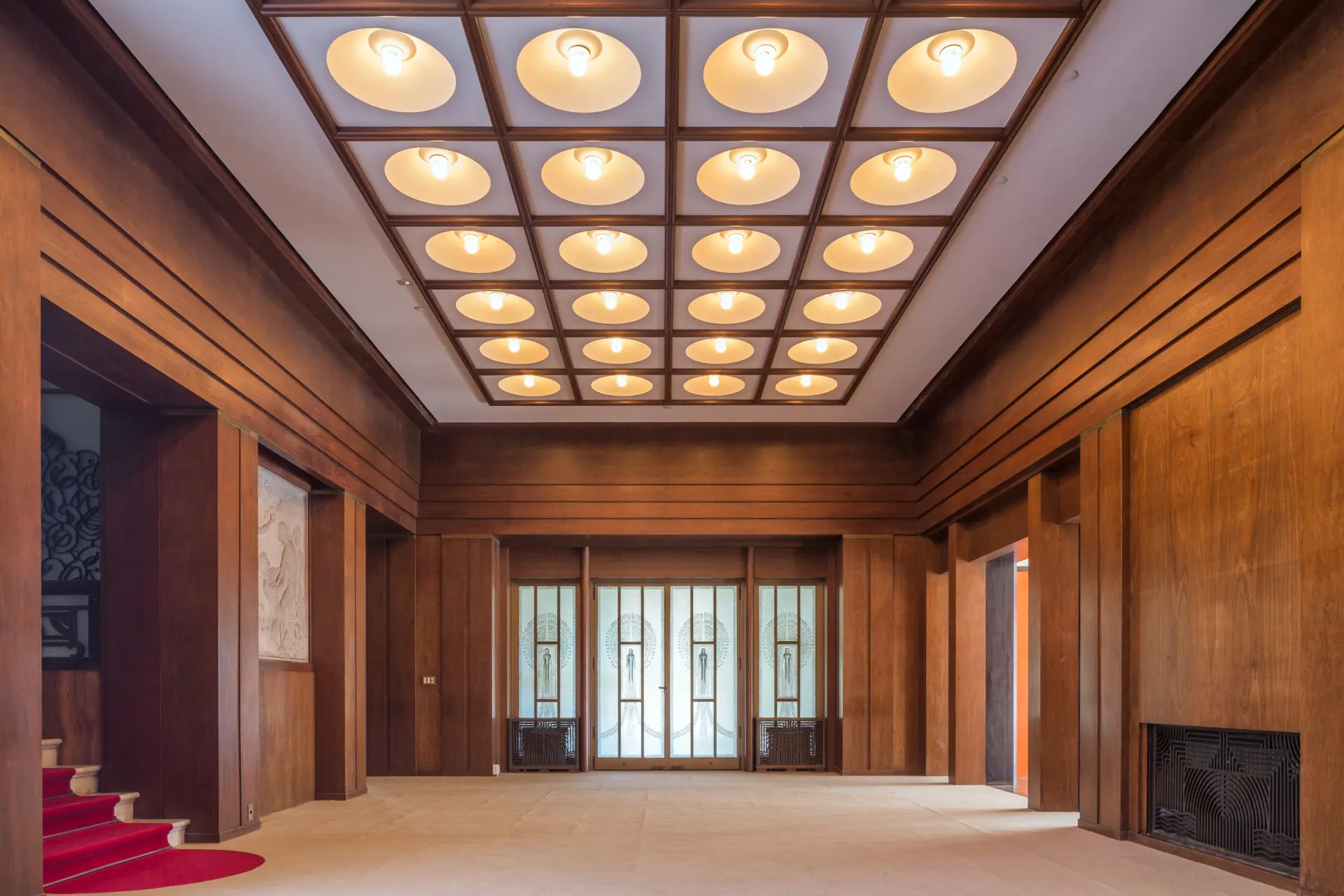
This museum occupies the former residence of Prince Asaka, an Art Deco building completed in 1933. Its grounds include a lawn, a Japanese garden with a tea house, and a European-style garden, each with its own atmosphere.
Café TEIEN is located on the first floor of the annex, where floor-to-ceiling windows create a bright, open space. After viewing the Art Deco architecture, consider strolling through the gardens and relaxing at the café.
- Name in Japanese
- 東京都庭園美術館
- Postal Code
- 108-0071
- Address
-
5-21-9 Shirokanedai, Minato-ku, Tokyo
Google Maps - Telephone
- 050-5541-8600 (Hello Dial Service)
- Closed
- Mondays(Open on national holidays but closed the next day), New Year’s holiday period.
- Business Hours
- 10:00am - 6:00pm(Admission allowed until 5:30pm)
- Admission
- Museum entry fees vary by exhibition. Garden entry is 200 yen for adults, 160 yen for university, vocational, and technical school students, and 100 yen for junior high, high school students, and those aged 65 and over.
- Access
-
(1) A 7-minute walk from JR Yamanote Line and Tokyu Meguro Line Meguro Station.
(2) A 6-minute walk from Shirokanedai Station on the Toei Mita Line and Tokyo Metro Namboku Line. - Official Website
- Official Website (English)
8. Jindai Botanical Gardens (Chofu City)
This botanical garden covers approximately 124 acres and contains around 100,000 trees and plants representing about 4,800 varieties. The grounds are divided by plant type into areas such as the rose, azalea, and plum gardens, each offering flowers at their seasonal peak.
Beside the rose garden, where fall roses bloom, is a large greenhouse filled with rare tropical plants and colorful flowers. During your walk, stop by the Jindai Green Salon or one of the shops for a break surrounded by nature.
- Name in Japanese
- 神代植物公園
- Address
-
2-chome・5-chome Jindaijimotomachi , 1-chome・2-chome Jindaijikitamachi, 4-chome・5-chome Jindaijiminamimachi, Chofu City, Tokyo
Google Maps - Telephone
- 042-483-2300
- Closed
-
Mondays (closed the following day if Monday is a national holiday, substitute holiday, or Tokyo Citizen’s Day)
New Year’s holiday period (From December 29th to January 1st) - Business Hours
- 9:30am - 5:00pm(Admission allowed until 4:00pm)
- Admission
- Adults 500yen, Ages 65 and older 250yen, Junior high school students 200yen, Free for elementary school students and younger
- Access
- Take a bus from Keio Line Chofu Station and get off at “Jindai Botanical Gardens” (Keio Bus) or “Jindai Botanical Gardens Mae” (Odakyu Bus), then walk a short distance.
- Official Website
- Official Website (Japanese)
9. Jindaiji Temple (Chofu City)
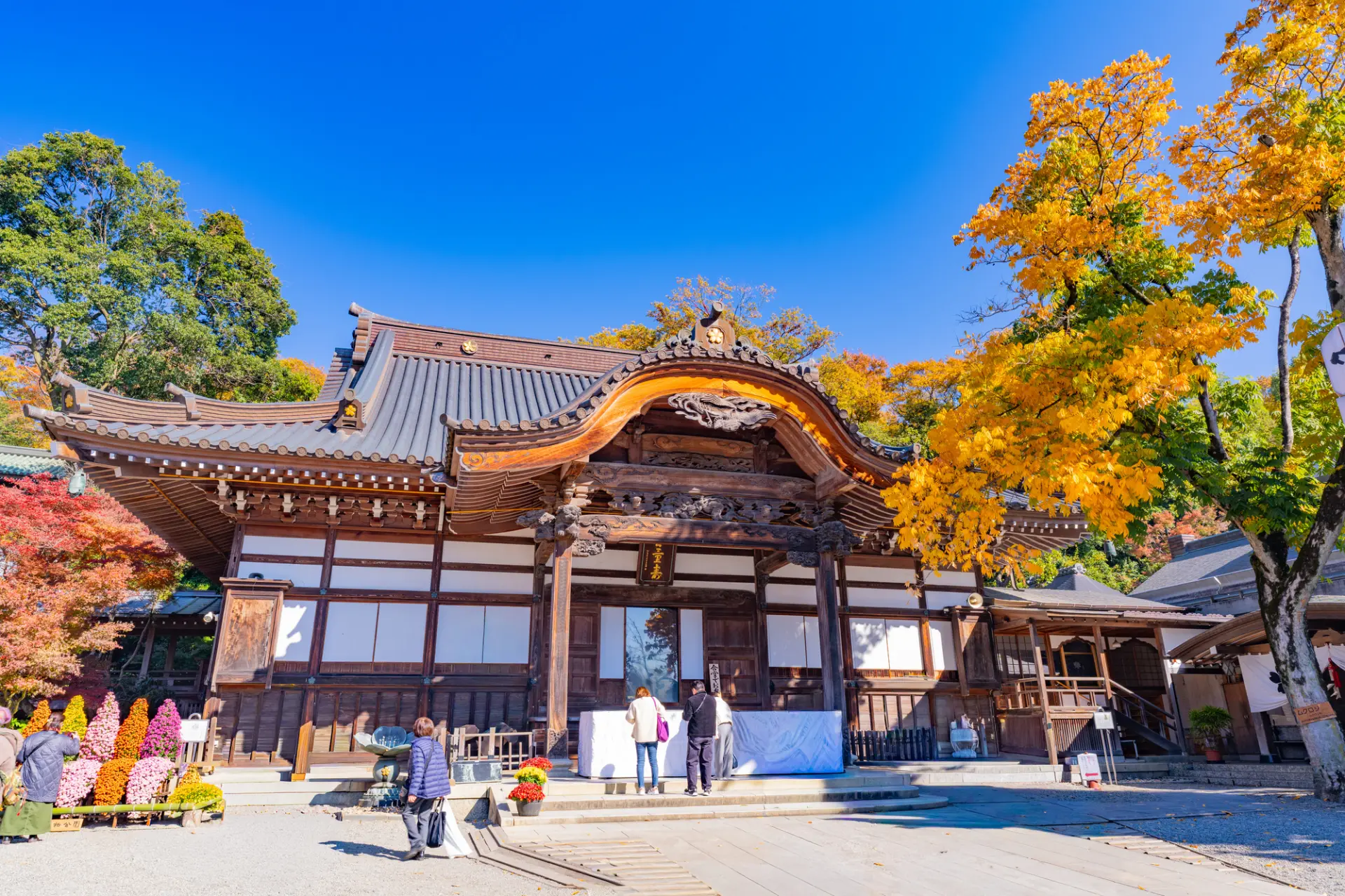
Founded in 733, this historic temple is known for protection from misfortune and blessings for relationships. Walk through the lush grounds to worship before the National Treasure statue of Shaka Nyorai enshrined in the Shakado Hall.
Soba-making flourished here thanks to the temple grounds’ springs and abundant water supply. More than 20 soba restaurants in the surrounding area serve what has become a local specialty. Fall is the season for freshly harvested buckwheat, so after visiting the temple, explore the neighborhood and try Jindaiji soba.
- Official Name
- Fugakusan-Shorakuin Jindaiji Temple
- Founded
- 733
- Postal Code
- 182-0017
- Address
-
5-15-1 Jindaiji Motomachi, Chofu, Tokyo
Google Maps - Telephone
- 042-486-5511
- Admission
- Free
- Closed
- No holidays
- Hours
-
6:00am-5:00pm
*Subject to change. - Access
-
(1) About 1 minute on foot from the terminal Jindaiji bus stop on the No. 34 bus bound for Jindaiji, a 15-minute ride from the No. 14 bus stop at the Central Exit of Chofu Station on the Keio Line.
(2) About 1 minute on foot from the terminal Jindaiji bus stop on the No. 21 bus bound for Jindaiji, a 15-minute ride from the North Exit of Tsutsujiga Oka Station on the Keio Line.
(3) About 3 minutes on foot from the terminal Jindaiji bus stop on the No. 65 bus, a 25-minute ride from the No. 3 bus stop at the South Exit of Mitaka Station on the JR Chuo Line. - Official Website
- Official Website(Japanese)
10. Edo-Tokyo Open Air Architectural Museum (Koganei City)
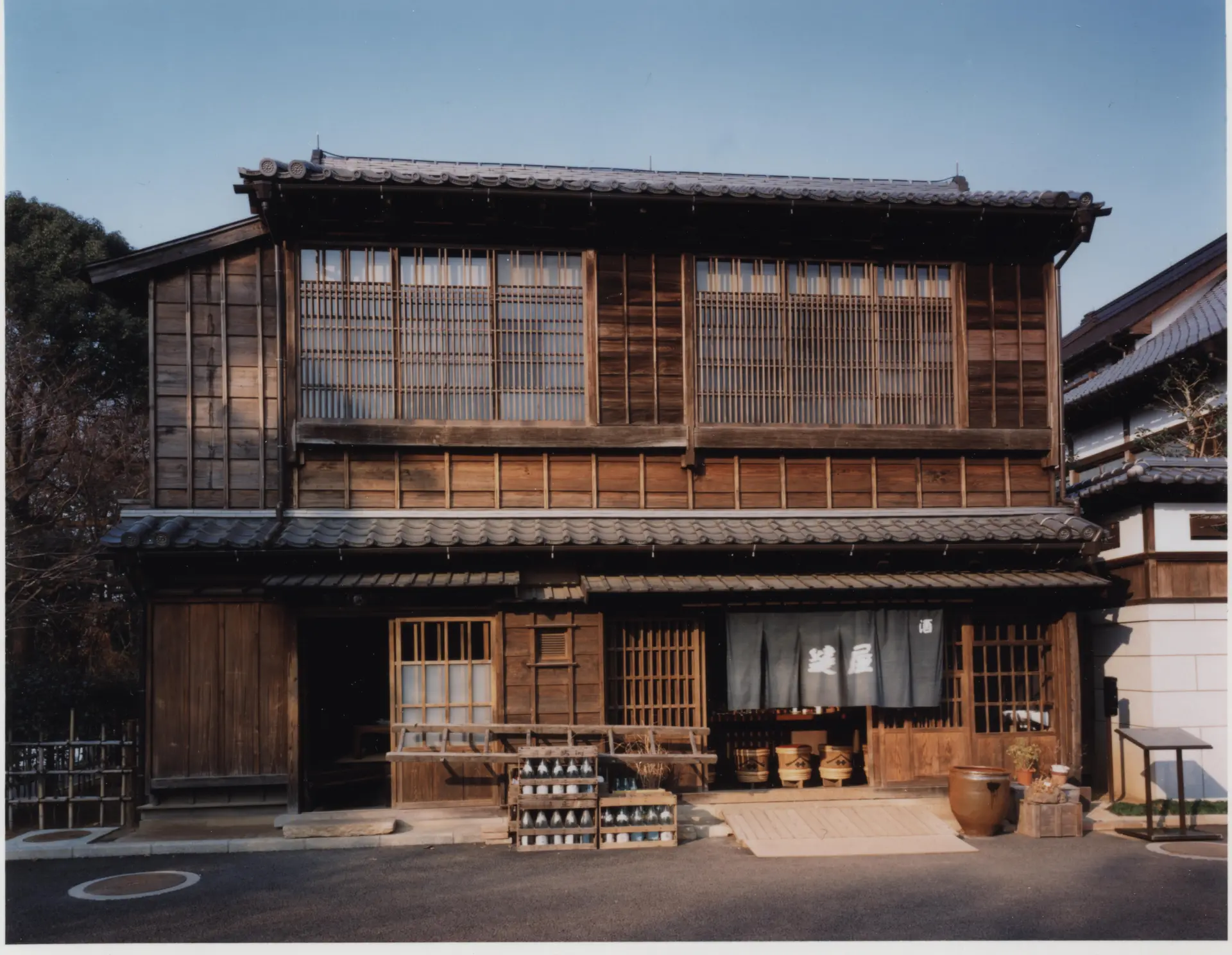
This open-air museum has relocated and restored 30 buildings that once stood in Tokyo, dating from the early Edo period through the postwar years. The interiors recreate everyday life and commerce from their respective eras.
The East Zone features old merchant buildings, a public bathhouse, and an izakaya pub, while the West Zone includes retro-modern homes from the Taisho and Showa periods and thatched-roof farmhouses from the Edo period. Step inside the buildings and compare lifestyles across different eras as you explore their varied architectural styles.
- Name in Japanese
- 江戸東京たてもの園
- Postal Code
- 184-0005
- Address
-
3-7-1 Sakuracho, Koganei-shi, Tokyo (inside Koganei Park)
Google Maps - Telephone
- 042-388-3300 (Main number)
- Admission
-
400 yen; college students 320 yen; junior high school and high school students (from outside Tokyo) and those 65 and older 200 yen
* Free for junior high school students (resident of Tokyo or attending school in Tokyo) and younger - Closed
- Mondays (or following weekday if Monday falls on a national holiday or compensatory holiday), year-end and New Year’s holidays
- Hours
-
April-September 9:30am - 5:30pm
October-March 9:30am - 4:30pm
* Admission allowed until 30 minutes before closing - Access
-
(1) Take the Seibu bus (boarding areas 2 and 3) from the north exit of the JR Chuo Line’s Musashi-Koganei Station, getting off at the “Koganei-Koen Nishiguchi” stop. The museum is then about a 5-minute walk away. Alternatively, take the Kanto bus (boarding area 4), getting off at the “Edo-Tokyo Tatemono-En Mae” stop. The museum is then about a 3-minute walk away.
(2) Take the CoCo bus northeast loop from the north exit of Higashi-Koganei Station, getting off at the “Tatemono-En Iriguchi” stop. The museum is then about a 10-minute walk away.
(3) Take the Seibu bus bound for “Musashi-Koganei Station” from the “Minami Hana-Koganei” boarding area outside of the south exit of the Seibu Shinjuku Line’s Hana-Koganei Station, getting off at the “Koganei-Koen Nishiguchi” stop. The museum is then about a 5-minute walk away. - Parking Lot
-
Koganei Park’s paid parking lot available for use
* There is often heavy traffic on weekends and holidays, so we recommend using public transportation. - Official Website
- Official Website (English)
11. Akigawa Valley (Akiruno City)
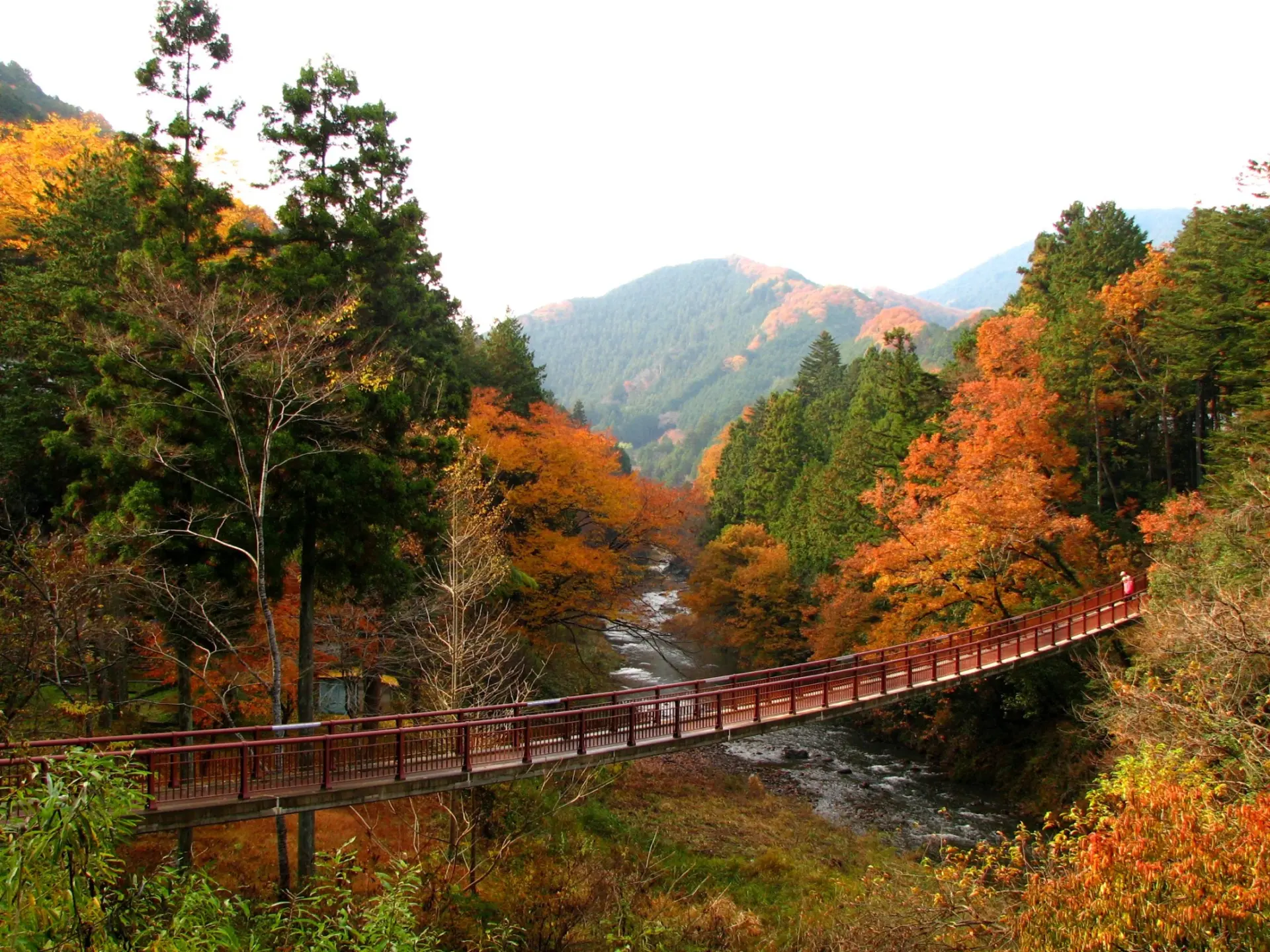
This valley stretches approximately 12.4 miles from Akiruno City to Hinohara Village and is surrounded by the rich natural landscapes of rural hills. Ishibunebashi Bridge, where a suspension bridge meets the surrounding countryside, is an especially popular viewpoint. In fall, the scenery is wrapped in colorful foliage.
Some areas offer barbecuing, camping, and sweetfish fishing, and there are also facilities where all barbecue equipment and ingredients are provided. Follow one of the walking trails through the fall scenery and continue as far as Ishibunebashi Bridge.
- Name in Japanese
- 秋川渓谷
- Address
-
Akiruno City, Tokyo
Google Maps - Closed
- Open every day
- Admission
- Free
- Access
-
(1) To Ishibune Bridge, Seoto no Yu, and Otsu Flower Park along Akigawa Valley: Transfer to the bus bound for "Kazuma - Harazawa Falls Entrance - Fujikura" from platform 1 of JR Musashi Itsukaichi Station.
(2) To Tokun-in & Yozawa Area: Transfer to the "Upper Yozawa" bus from platform 1 of JR Musashi Itsukaichi Station.
(3) To Metropolitan Komine Park Area: Transfer to the bus bound for "Imakumayama Climbing Entrance & Keio Hachioji" from platform 3 of JR Musashi Itsukaichi Station. - For inquiries
-
Akiruno City Tourism Promotion Division: 042-558-1111.
Address: 411 Itsukaichi, Akiruno City, Tokyo - Official Website
- Official Website (Japanese)
3 Places for Colorful Fall Scenery in Tokyo
Tokyo offers many different ways to experience fall foliage, from ginkgo avenues in the heart of the city to colorful mountain walks on Mt. Takao and the expansive natural landscapes of Showa Kinen Park.
Would you rather stroll through the city or travel out to the suburbs? Choose the Tokyo fall scenery that best suits your itinerary.
1. Meiji Jingu Gaien (Shinjuku City)
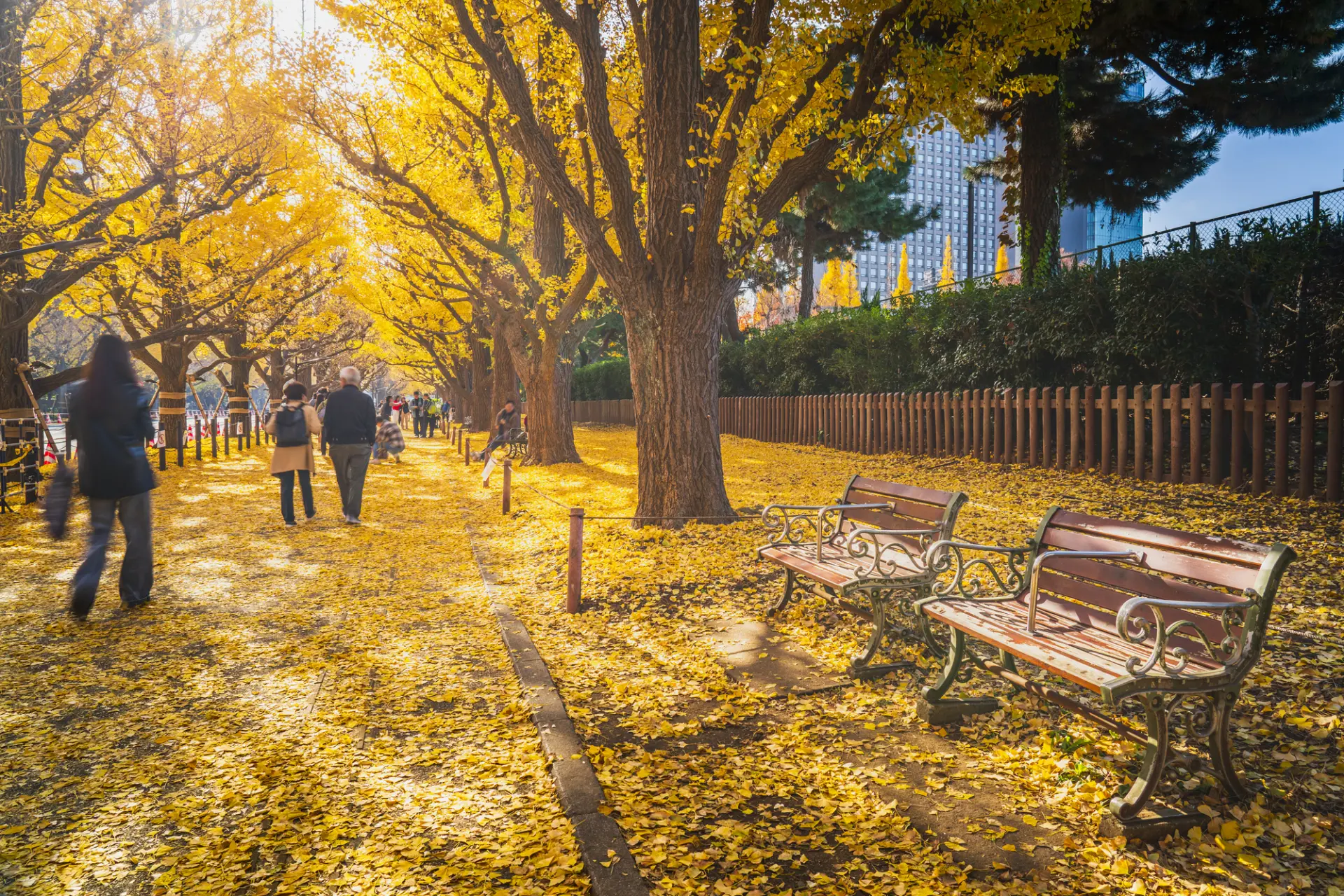
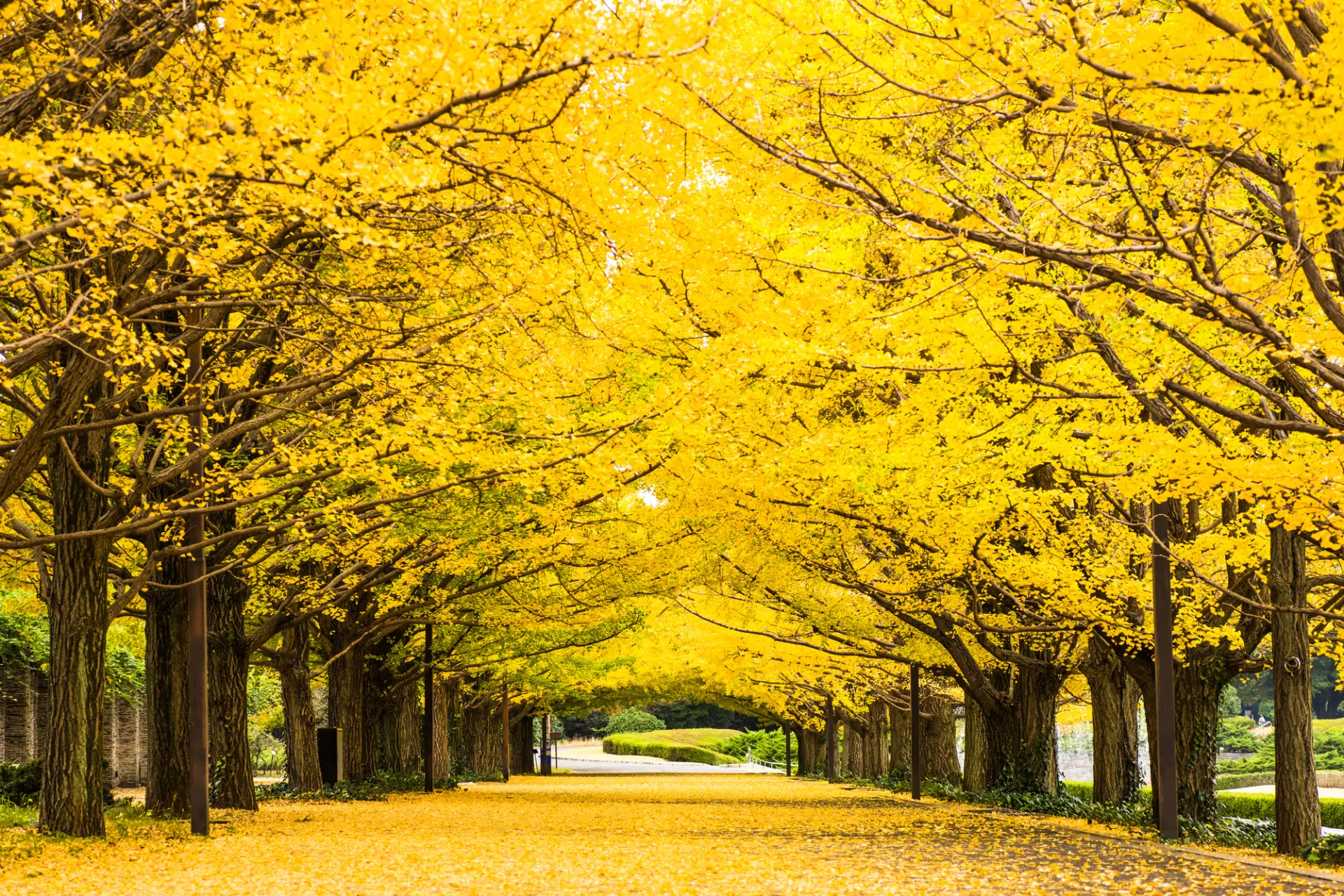
Established in 1926, Meiji Jingu Gaien is a central Tokyo destination with sports facilities and seasonal natural scenery. In fall, walk along the avenue leading from Aoyama-dori Avenue to the Meiji Memorial Picture Gallery.
The ginkgo avenue extends roughly 984 feet from Aoyama-dori Avenue to the gallery. It becomes a particularly impressive tunnel of gold in fall. The foliage is usually at its best from mid-November through early December. Stroll through the outer gardens, where facilities such as Meiji Jingu Stadium are located, and take in the scenery found only at this time of year.
- Name in Japanese
- 明治神宮外苑
- Postal Code
- 160-0013
- Address
-
1-1 Kasumigaoka-machi, Shinjuku-ku, Tokyo
Google Maps - Telephone
- 03-3401-0312
- Closed
- Depend on facilities
- Hours
- Depend on facilities
- Admission
- Free (charges apply for using facilities)
- Access
-
(1) JR Chuo/Sobu Line at Shinanomachi Station or Sendagaya Station
(2) Tokyo Metro Ginza Line at Gaiemmae Station or Aoyama-itchome Station
(3) Tokyo Metro Hanzomon Line at Aoyama-itchome Station
(4) Toei Oedo Line at Kokuritsu-Kyogijo Station or Aoyama-itchome Station
*For the nearest station to each facility, please check the information of the facility you plan to visit. - Official Website
- Official Website (English)
2. Mt. Takao (Hachioji City)
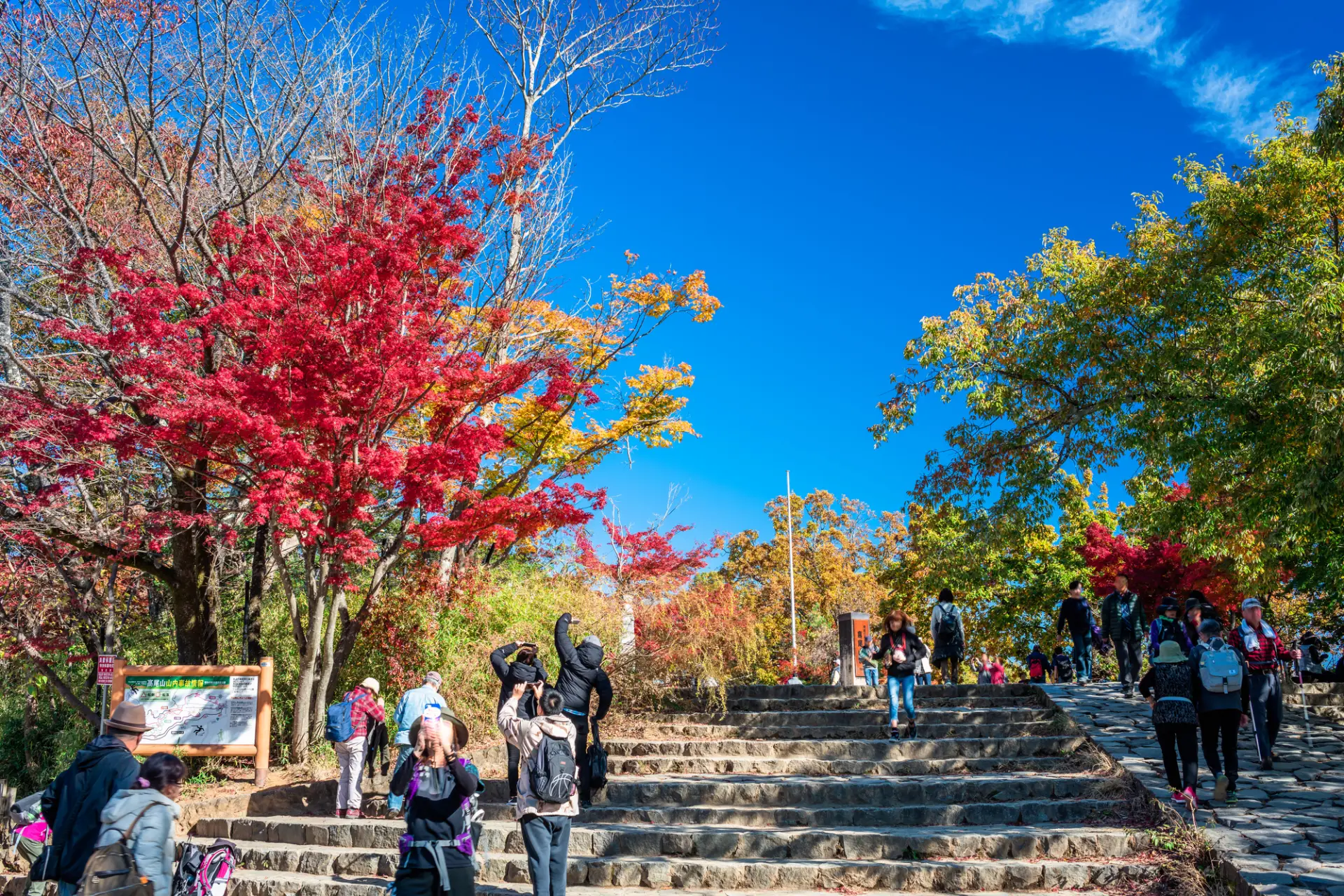
Standing 1,965 feet high and offering seven hiking routes, Mt. Takao is a popular destination for fall hiking. The varied trails range from paved paths to true mountain tracks.
Using the cable car or chairlift makes it possible to reach the summit in about an hour. Several tea houses stand along the route from the chairlift station to the summit, serving dishes such as tororo soba topped with grated yam and manju buns. Walk among the fall foliage, usually at its best from mid-November through early December, and add some of Mt. Takao’s local flavors to your itinerary.
- Name in Japanese
- 高尾山
- Postal Code
- 193-0844
- Address
-
Takao-machi, Hachioji City, Tokyo
Google Maps - Telephone
- 042-664-7872
- Closed
- No holidays
- Hours
- Open 24 hours
- Access
- The trail entrance is about 5 minutes on foot from Takaosanguchi Station on the Keio Line
- Official Website
- Official Website (Japanese)
3. Showa Kinen Park (Tachikawa City)
This national government park covers an expansive area equivalent to approximately 40 Tokyo Domes, with lawns, fountains, gardens, ponds, and more. Visitors can experience a wide variety of nature without leaving Tokyo, including seasonal flowers and waterside plants. The park is also home to the Emperor Showa Memorial Museum, which exhibits materials connected with Emperor Showa.
The grounds include a barbecue garden, a spacious restaurant, and shops, making it possible to dine amid nature. Consider spending a leisurely day strolling through the fall scenery and enjoying a meal in the park.
- Name in Japanese
- 国営昭和記念公園
- Postal Code
- 190-0014
- Address
-
3173 Midori-cho, Tachikawa City, Tokyo
Google Maps - Telephone
- 042-528-1751
- Admission
-
Adults (15 and over) 450 yen; Children (under 15) free; Silver (65 and over) 210 yen
*Facilities are separately charged.
*There are free park entrance days (posted on the Official Website). - Parking
- Available at 900 yen
- Closed
- New Year’s Eve and Day; From The 3rd Monday To Friday Of January
- Opening Hours
-
March-October: 9:30 am to 5:00 pm
November-February: 9:30 am to 4:30 pm
April-September: 9:30 am to 6:00 pm (Saturdays, Sundays & Holidays)
*The Green Cultural Zone (free area) opens at 8:30 am.
From Spring Equinox Day to March 31, the Zone closes at 5:30 pm.
*Due to events or performances, the schedule is subject to change.
*Opening and closing hours may vary, depending on the facility. - Access
-
*All on foot:
(1) About 10 minutes (to the Akebono Entrance) or 15 minutes (to the Tachikawa Gate) from Tachikawa Station on the JR Chuo Line
(2) About 8 minutes (to the Akebono Entrance) or 13 minutes (to the Tachikawa Gate) from Tachikawa-Kita Station on the Tama Monorail
(3) About 2 minutes (to the Nishi Tachikawa Gate) from Nishi-Tachikawa Station on the JR Ome Line
(4) About 10 minutes (to the Akishima Gate) from Higashi-Nakagami Station on the JR Ome Line
(5) About 25 minutes (to the Tamagawa Josui Gate) or 20 minutes (to the Sunagawa Gate) from Musashi-Sunagawa Station on the Seibu Haijima Line - Official Website
- Official Website (English)
5 Tokyo Restaurants and Cafés to Visit on a Fall Outing
On a fall trip through Tokyo’s gardens, museums, and neighborhoods, dining is another way to experience each area and the season.
Here are five places that are easy to combine with a sightseeing route, from Western-style food in Ueno and ingredients produced in Tokyo to kaiseki cuisine in Kagurazaka and distinctive restaurants and cafés in Omotesando and Aoyama.
1. Ueno Yoshoku Toyama (Taito City)
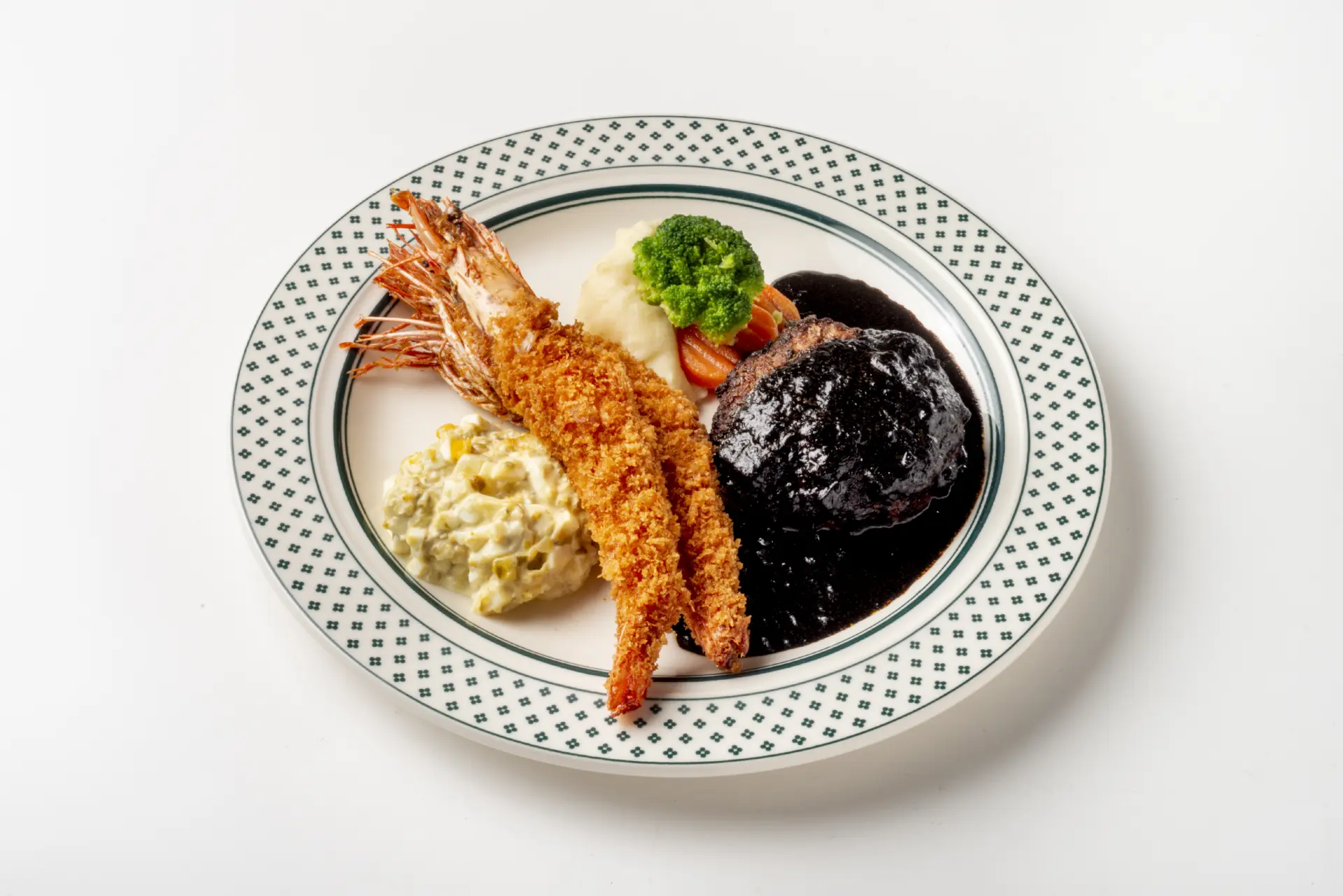
At this yoshoku restaurant, Chef Toyama, who trained in French cuisine, serves dishes that highlight fresh ingredients. Stop by while exploring Ueno to sample classic Japanese-style Western cuisine prepared with careful attention to detail.
A particular specialty is the rich yet mellow sauce, made with a secret broth and prepared over approximately one week. The restaurant is known for its hamburger steak generously covered in this demi-glace sauce. It also pairs well with wine, making the restaurant a good lunch stop during a day in Ueno.
- Name in Japanese
- 上野洋食 遠山
- Postal Code
- 110-0007
- Address
-
2F Ueno no Mori Sakura Terrace, 1-54 Uenokoen, Taito-ku, Tokyo
Google Maps - Telephone
- 03-5826-4755
- Closed
- Mondays,January 1
- Business Hours
-
LUNCH 11:00am - 3:00pm
DINNER 5:00pm - 11:00pm - Budget
- Lunch 1,000-2,000 yen, Dinner 4,000-6,000 yen
- Access
-
(1) About 1 minute on foot from Ueno Station on the JR Yamanote Line / JR Keihin Tohoku Line
(2) About 2 minute on foot from Ueno Station on the Tokyo Metro Ginza Line and Hibiya Line - Credit Cards
- Accepted
- Official Website
- Official Website (Japanese)
2. EVERYONEs CAFÉ (Taito City)
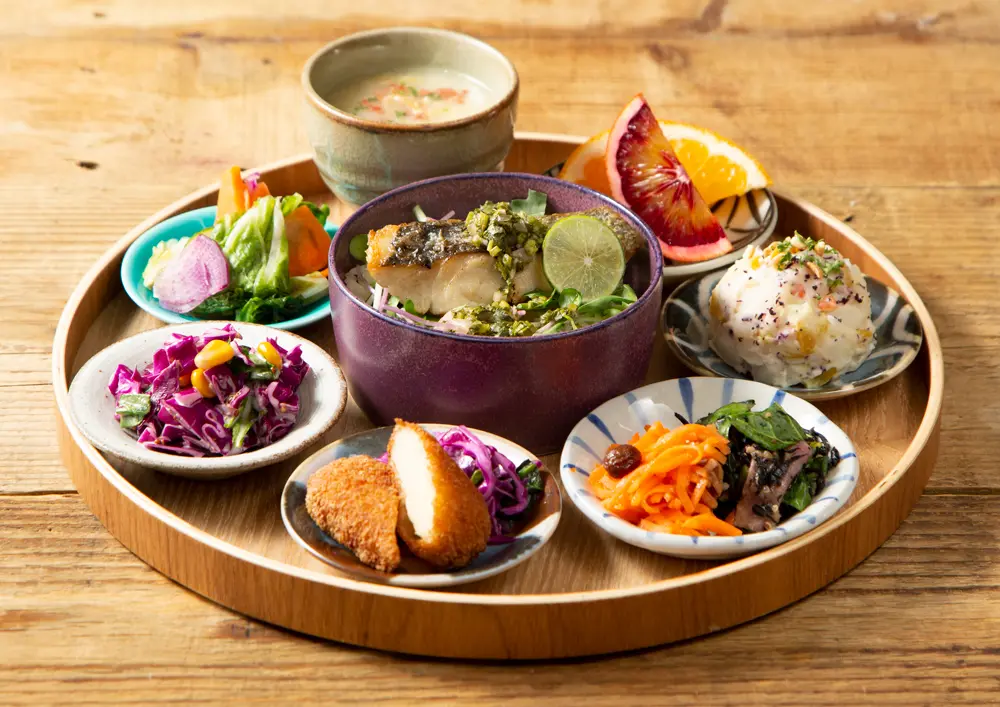
Located inside Ueno Park, this café offers meals and tea time surrounded by the nature of Ueno’s forest. The food menu centers on dishes made with abundant seasonal ingredients, along with seafood from Tokyo Bay and vegetables grown in Tokyo, including traditional Edo vegetables.
The varied selection includes a Garden Plate with a choice of meat or fish, as well as pasta, curry, and sandwiches. Seasonal fruit desserts and herbal teas are also available. On a fine fall day, consider relaxing on the open terrace.
- Name in Japanese
- EVERYONEs CAFE
- Postal Code
- 110-0007
- Address
-
8-4 Ueno Park, Taito-ku, Tokyo
Google Maps - Telephone
- 03-5815-8251
- Closed
- set by the facility
- Business Hours
- 10:00am - 9:00pm(Saturdays, Sundays 9:00am-)
- Access
- From JR line’s Ueno Station’s Park Exit, walk 3 min.
- Credit Cards
- Accepted
- Official Website
- Official Website (Japanese)
3. Kagurazaka Yumeji (Shinjuku City)
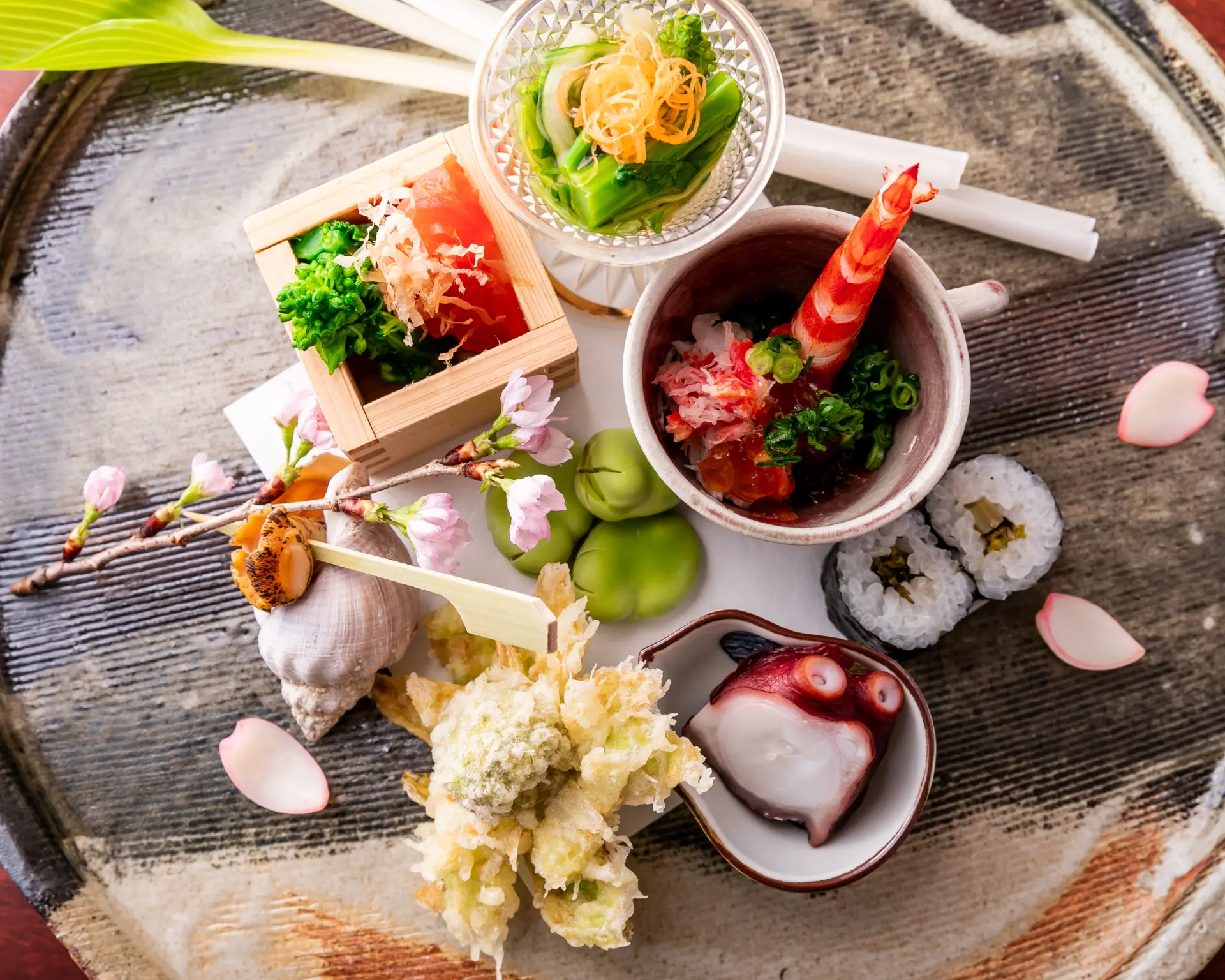
This kappo restaurant occupies a renovated stand-alone house that was once used as a geisha residence when Kagurazaka was a geisha district. Guests can dine on kaiseki cuisine surrounded by Takehisa Yumeji’s portraits of women and Taisho-period furnishings. The dishes use seasonal Japanese ingredients selected by the owner at the market, with the tableware and presentation also reflecting the season.
A certified sake sommelier is always available to suggest sake, wine, shochu, and other drinks to complement the food. Finish a walk through Kagurazaka by pairing seasonal kaiseki cuisine with a drink.
- Name in Japanese
- 神楽坂 夢二
- Postal Code
- 162-0825
- Address
-
5-37 Kagurazaka, Shinjuku-ku, Tokyo
Google Maps - Telephone
- 03-5261-2002
- Closed
- Irregular holidays
- Business Hours
- 5:00pm - 10:00pm(reservations required)
- Budget
- 10,000~15,000yen
- Access
-
(1)About 3 minutes walk from Tokyo Metro Tozai Line’s Kagurazaka Station.
(2)About 4 minutes walk from Any Line’s Iidabashi Station.
(3)About 4 minutes walk from Toei Oedo Line’s Ushigome-Kagurazaka Station. - Credit Cards
- Accepted
- Official Website
- Official Website (Japanese)
4. GENTLE Dining & Sushi Bar (Shibuya City)
This Omotesando restaurant offers two distinct dining styles: Mediterranean cuisine on the first floor and sushi on the first basement level. The Mediterranean restaurant serves carefully selected meat and seafood dishes, along with a wide variety of vegan options.
The first basement level is a tranquil sushi counter serving a single omakase course made with fresh seasonal ingredients. Depending on your mood during a day in Omotesando, choose between Mediterranean cuisine and sushi.

- Postal Code
- 150-0001
- Address
-
5-47-6 Jingumae, Shibuya-ku, Tokyo
Google Maps - Business Hours
-
Mon-Fri
Lunch: 11:30 am - 3:00 pm (Last Order 2:00 pm)
Dinner: 5:30 pm - 11:00 pm (Last Order 9:30 pm)
Sat
Lunch: 11:30 am - 3:30 pm (Last Order 2:30 pm)
Dinner: 5:00 pm - 10:30 pm (Last Order 9:30 pm)
Sundays and holidays
Lunch: 11:30 am - 3:30 pm (Last Order 2:30 pm)
Dinner: 5:00 pm - 10:00 pm (Last Order 9:00 pm) - Closed
- None
- Access
- A 7-minute walk from exit B2 of the Tokyo Metro Ginza Line, Hanzomon Line, and Chiyoda Line’s Omotesando Station
- Budget
- Lunch 2,000-5,000 yen, Dinner 5,000-12,000 yen
- Credit Cards
- Accepted
- Smoking
- Prohibited
- Official Website
- Official Website (Japanese)
5. Aoyama Flower Market TEA HOUSE (Minato City)
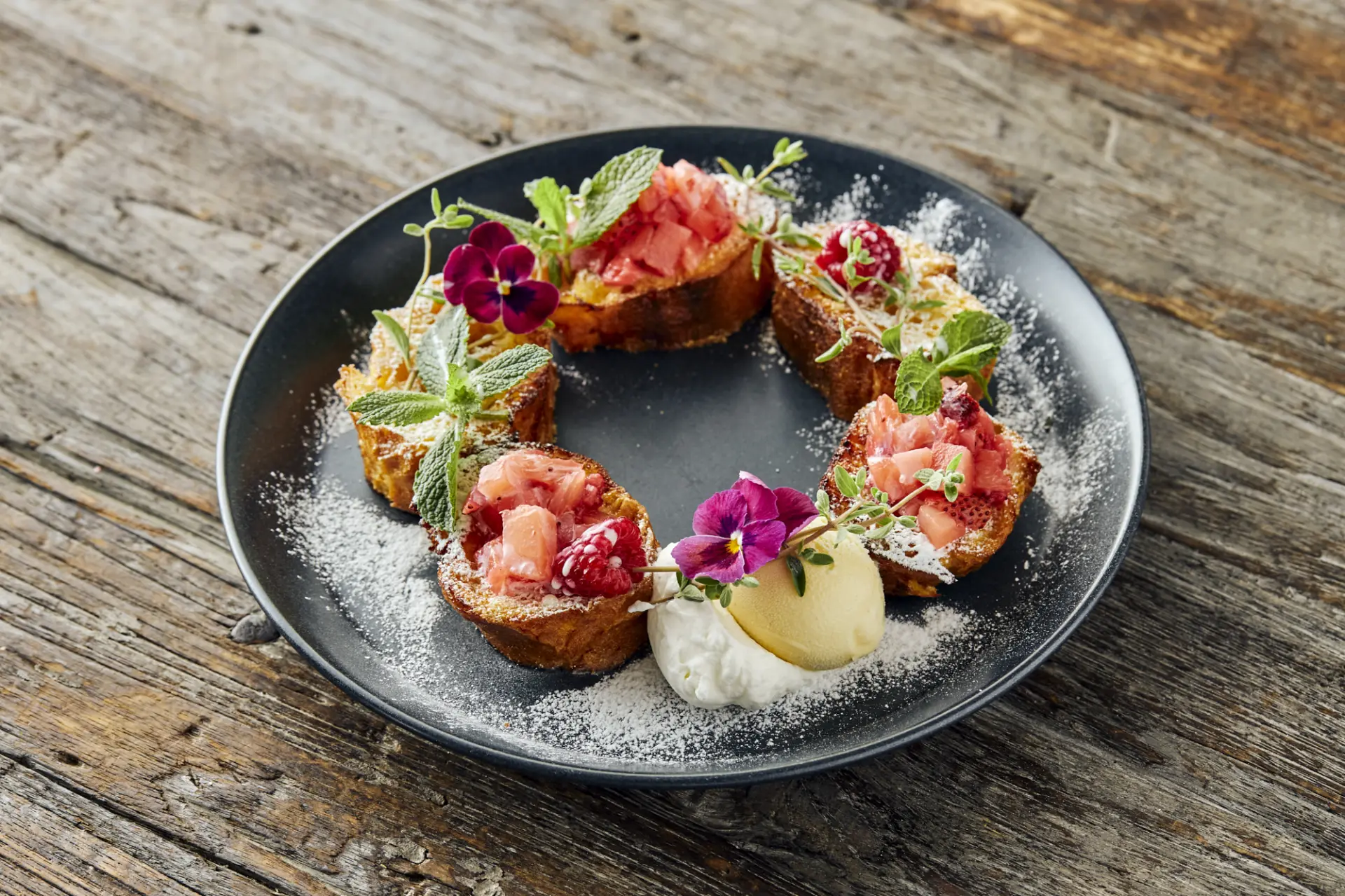
This greenhouse-themed café adjoins the Aoyama Flower Market Minami-Aoyama Main Store. Flowers and greenery fill the glass-walled interior, where guests can enjoy tea time surrounded by the fragrance of seasonal blooms.
The menu includes herbal tea and French toast, along with limited-time offerings featuring seasonal flowers, fruit, and herbs. After visiting the café, stop by the neighboring flower shop to see the flowers of the season.
- Name in Japanese
- 青山フラワーマーケット グリーンハウス
- Postal Code
- 107-0062
- Address
-
1F Gracceria Aoyama, 5-4-41 Minami-Aoyama, Minato-ku, Tokyo
Google Maps - Phone
- 03-3400-0887
- Closed on
- Irregular holidays
- Hours
- 10:00am–9:00pm (Last food order at 8:00pm, Last drink order at 8:30pm)
- Access
- 4–7 minutes on foot from Omotesando Station on the Tokyo Metro
- Credit Cards
- Accepted
- Official website
- Official website (Japanese)
3 Convenient Hotels for a Fall Trip to Tokyo
This 43-story urban hotel rises above Tokyo Dome City and is accessible from JR lines and five subway lines. As one of Tokyo’s leading high-rise hotels, it offers impressive views from its upper floors.
The 1,006 rooms on the 9th through 41st floors offer different views of Tokyo from the Park Side and Palace Side. A sky lounge and dining venue on the 43rd floor provides panoramic views from 492 feet above ground, making it a good place to end the day while admiring the Tokyo nightscape.
1. Tokyo Dome Hotel (Bunkyo City)
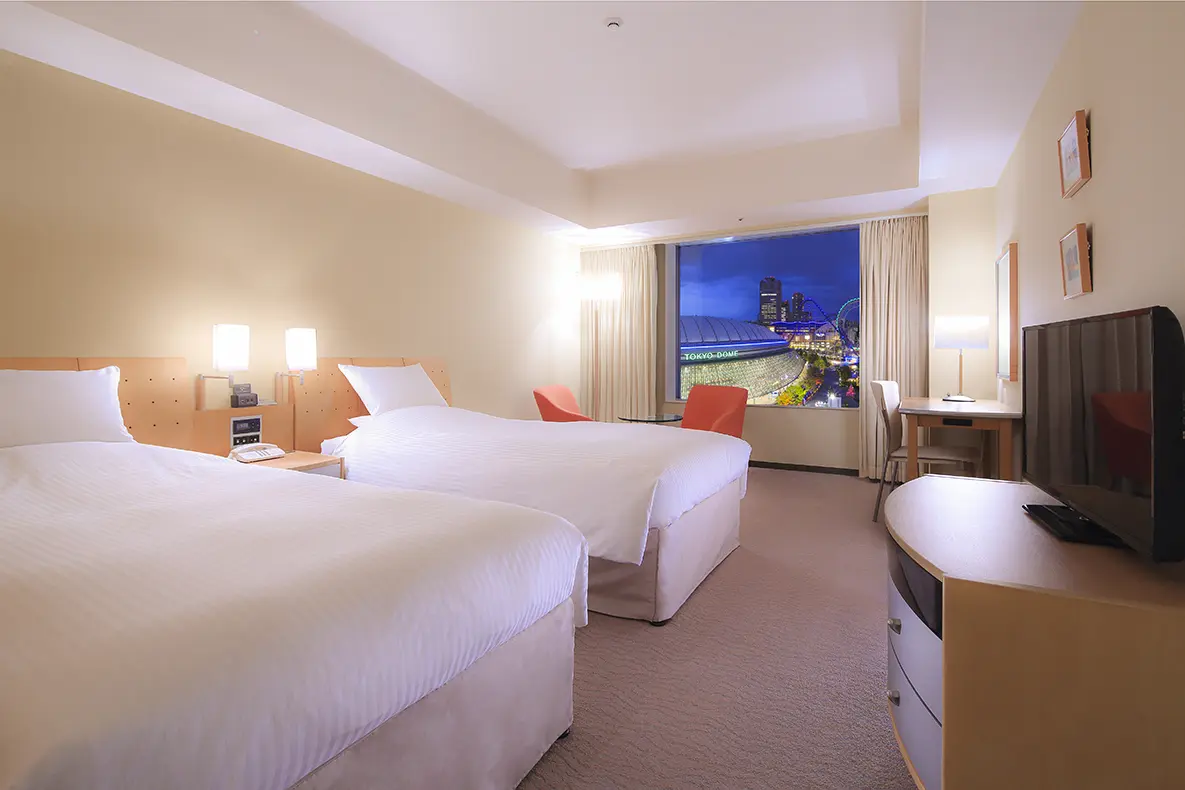
This 43-story urban hotel rises above Tokyo Dome City and is accessible from JR lines and five subway lines. As one of Tokyo’s leading high-rise hotels, it offers impressive views from its upper floors.
The 1,006 rooms on the 9th through 41st floors offer different views of Tokyo from the Park Side and Palace Side. A sky lounge and dining venue on the 43rd floor provides panoramic views from 492 feet above ground, making it a good place to end the day while admiring the Tokyo nightscape.
- Name in Japanese
- 東京ドームホテル
- Postal Code
- 112-8562
- Address
-
1-3-61 Koraku, Bunkyo-ku, Tokyo
Google Maps - Telephone
- 03-5805-2111(Main number)
- Check-in
- 2:00pm
- Check-out
- 11:00am
- Accommodation Fee
- From 16,000yen per person (based on double occupancy, meals not included)
- Access
-
(1)About 2 minutes walk from JR Sobu Line’s Suidobashi Station.
(2)About 1 minute walk from Toei Subway Mita Line’s Suidobashi Station.
(3)About 5 minutes walk from Tokyo Metro Marunouchi Line and Namboku Line’s Korakuen Station. - Credit Cards
- Accepted
- Official Website
- Official Website (English)
2. NOHGA HOTEL UENO TOKYO (Taito City)
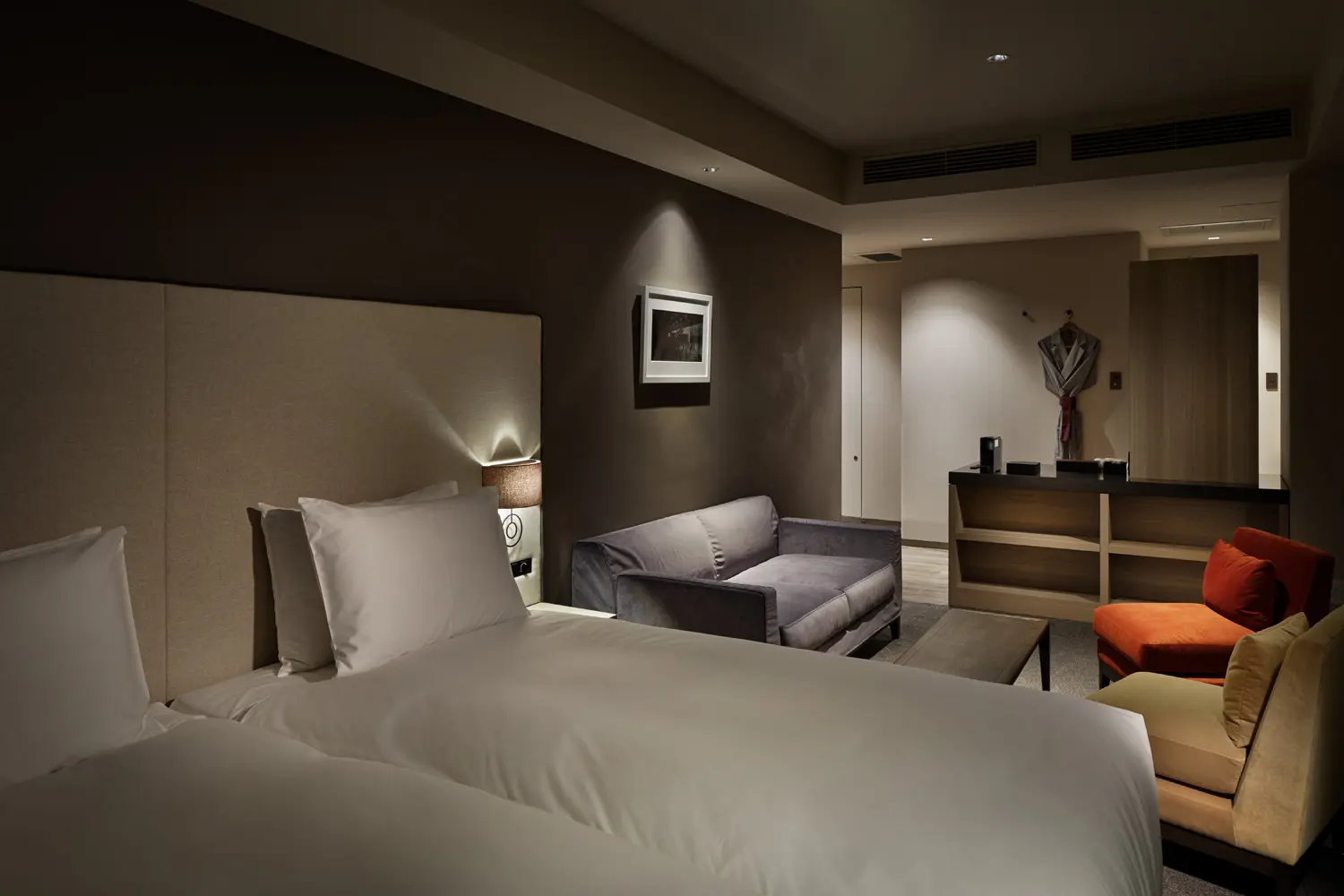
This lifestyle hotel values connections with Ueno’s culture and people, extending a day of sightseeing into a stay that offers further insight into the area.
Guest rooms display photographs capturing scenes from Ueno, works by Japanese artists, and ukiyo-e prints. The hotel also features Bistro NOHGA, a restaurant highlighting local ingredients, as well as a library. Learn about its collaborations with local workshops and shops, and continue experiencing Ueno’s culture at the hotel.
- Name in Japanese
- ノーガホテル上野東京
- Postal Code
- 110-0015
- Address
-
2-21-10 Higashiueno, Taito-ku, Tokyo
Google Maps - Telephone
- 03-5816-0211 (Main number)
- Check-in
- 3:00pm
- Check-out
- 11:00am
- Accommodation Fee
- From 35,880 yen per night for a room for two (tax and service charge included)
- Access
- About a 3-minute walk from JR and Tokyo Metro Ueno Station
- Credit Cards
- Accepted
- Official Website
- Official Website (English)
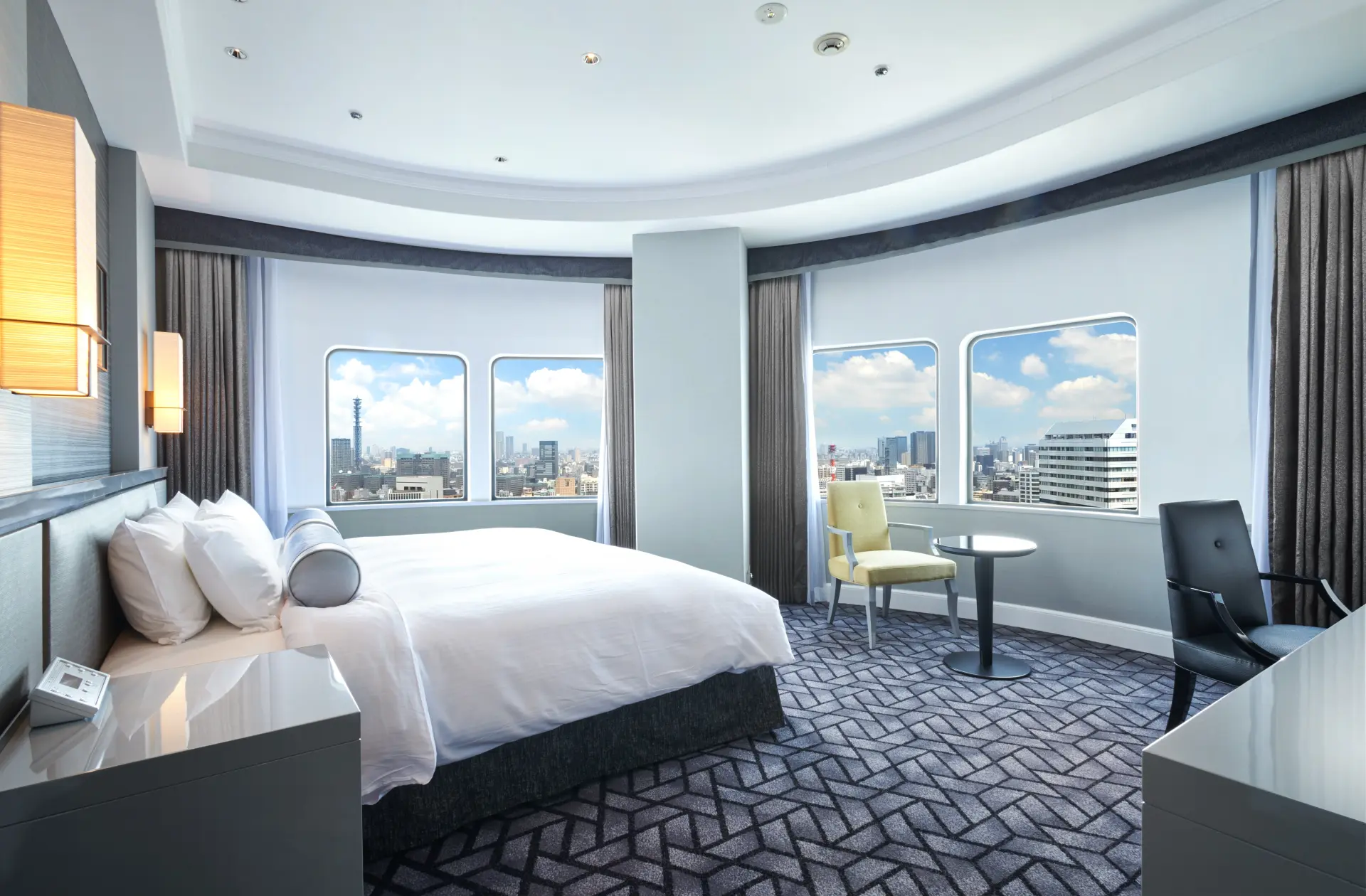
3. Hotel New Otani Tokyo (Chiyoda City)
This luxury hotel opened for the 1964 Tokyo Olympics. In addition to its guest rooms, it includes 36 restaurants, a wide range of shops, a spa, salons, and more, giving it the scale of a small city.
Surrounded by the outer moat of Edo Castle, its approximately 8.2-acre Japanese garden has a history spanning 400 years and is open for strolls. The garden features a pond crossed by a taiko bridge and a dry landscape garden, and it is illuminated at night. During your stay, walk through the grounds and compare the different views by day and night.
- Name in Japanese
- ホテルニューオータニ(東京)
- Postal Code
- 102-8578
- Address
-
4-1 Kioi-cho, Chiyoda-ku, Tokyo
Google Maps - Telephone
- 03-3265-1111
- Check-in
- 3:00pm
- Check-out
- 12:00pm
- Accommodation Fee
-
・Garden Tower Standard Twin: From 47,000yen per night with breakfast (based on double occupancy, including tax and service charge)
・The Main Deluxe Twin: From 71,000yen per night with breakfast (based on double occupancy, including tax and service charge) - Access
- About 3 minutes walk from Tokyo Metro Ginza Line and Marunouchi Line’s Akasaka-mitsuke Station, Tokyo Metro Hanzomon Line and Namboku Line’s Nagatacho Station.
- Credit Cards
- Accepted
- Official Website
- Official Website (English)
A Sample Fall Tokyo Itinerary Featuring Gardens, Art, and Neighborhood Walks
This two-day, one-night sample itinerary explores Tokyo in fall through gardens, museums, and historic neighborhoods.
On the first day, travel from Tokyo Station to Ueno, Rikugien Gardens, and Kagurazaka. On the second day, continue from Meiji Jingu Gaien to Aoyama and Shirokanedai, combining fall scenery, art, and architecture.
- Day 1
- Start at Tokyo Station → See a special exhibition and the red-brick station building at Tokyo Station Gallery → Visit Ueno Toshogu Shrine → Have lunch at Ueno Yoshoku Toyama → View fall flowers and plants at Mukojima-Hyakkaen Gardens → Stroll through the colorful grounds of Rikugien Gardens → Explore Kagurazaka’s stone-paved streets and alleys, then have dinner → Stay at Tokyo Dome Hotel
- Day 2
- Depart from Tokyo Dome Hotel → Walk along the ginkgo avenue at Meiji Jingu Gaien → View Japanese art and the garden at the Nezu Museum → Have lunch at GENTLE Dining & Sushi Bar → Experience Art Deco architecture and gardens at the Tokyo Metropolitan Teien Art Museum → Tokyo Station
Average Fall Temperatures in Tokyo
Fall in Tokyo brings relief from the heat, making it a comfortable season for neighborhood walks, garden strolls, and museum visits. Some September days still feel like summer, but the weather becomes more pleasant in October. By November, the leaves reach their peak and distinctly fall scenery spreads across the city.
| Month | September | October | November |
|---|---|---|---|
| Temperature | 73.9°F (23.3°C) | 64.4°F (18.0°C) | 54.5°F (12.5°C) |
Frequently Asked Questions About Visiting Tokyo in Fall
Q
When is the best time to see fall foliage in Tokyo?
Fall foliage in Tokyo is usually at its best from mid-November through early December. Peak times vary by location, including the ginkgo avenue at Meiji Jingu Gaien, Rikugien Gardens, and Mt. Takao, so check the latest foliage updates before visiting.
Q
How many days are recommended for a fall trip to Tokyo?
Two days and one night are recommended for visiting popular attractions in central Tokyo. This allows time to explore gardens, museums, and historic neighborhoods at a relaxed pace. You can also add a trip to a suburban fall foliage destination such as Mt. Takao if you are willing to travel a little farther.
Q
Are there places in Tokyo where I can combine fall foliage with other attractions?
Yes. Consider combining the foliage with cultural attractions characteristic of Tokyo, such as gardens, historic architecture, and museums. Admire fall scenery at Rikugien Gardens or Mukojima-Hyakkaen Gardens, or experience art at the Nezu Museum and Tokyo Metropolitan Teien Art Museum for a full taste of Tokyo’s fall arts and culture.
Summary
Fall in Tokyo offers a wide variety of experiences, from museums and historic neighborhoods to gardens retaining traces of Edo and mountains and valleys in the suburbs.
Create a trip that moves between the city and nature: experience culture at Tokyo Station Gallery, stroll through Rikugien Gardens, and admire colorful scenery on Mt. Takao or at Meiji Jingu Gaien.
Choose your destinations based on when you visit and explore the distinctive fall scenery each has to offer.