The Nezu Museum in Omotesando, Tokyo, houses many National Treasures and important works of classical art. It’s a museum filled with industrialist Nezu Kaichiro’s passion for collecting.
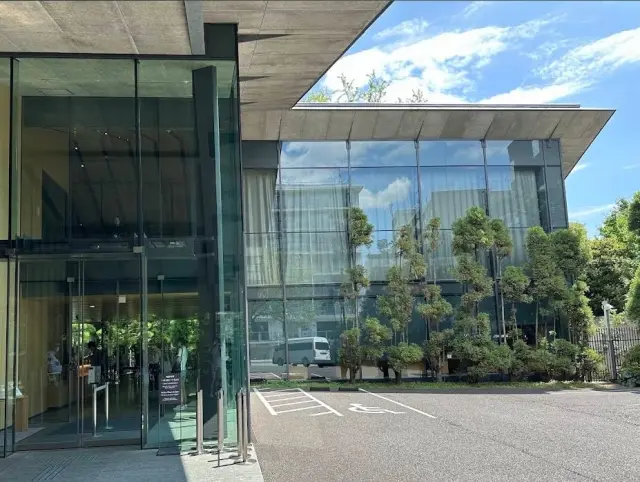
The building was designed by renowned Japanese architect Kengo Kuma, and the entire space is very distinctive. The entrance corridor, in particular, has a bamboo-inspired exterior that is simple yet full of Zen atmosphere, making it well worth a visit for anyone interested in architecture.
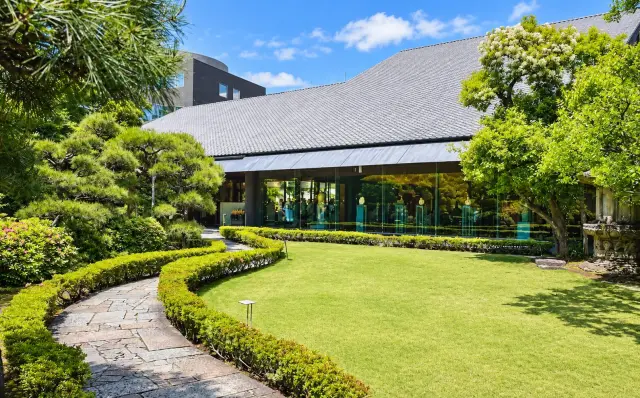
However, I think the outdoor garden is even more unmissable than the exhibition halls! The garden is expansive and lush with greenery. As you stroll slowly along the paths, you’ll find different scenery everywhere, and it may even make you feel that the garden deserves more time and attention than the museum itself.
The museum also houses many ancient Chinese artifacts, with the bronze pieces being especially impressive. You can also see valuable works such as the famous “Double-Ram Zun.”
If you’re shopping in Omotesando, Tokyo, consider making time for a visit to the Nezu Museum and enjoy a quiet, elegant experience surrounded by art, architecture, and gardens.