
Verified [Verified] denotes information that has been published with confirmation of its owing parties.
Hatonomori Hachiman Shrine
The guardian shrine of Sendagaya, with many highlights including the oldest surviving Fujizuka mound in Tokyo and a sacred ginkgo tree.
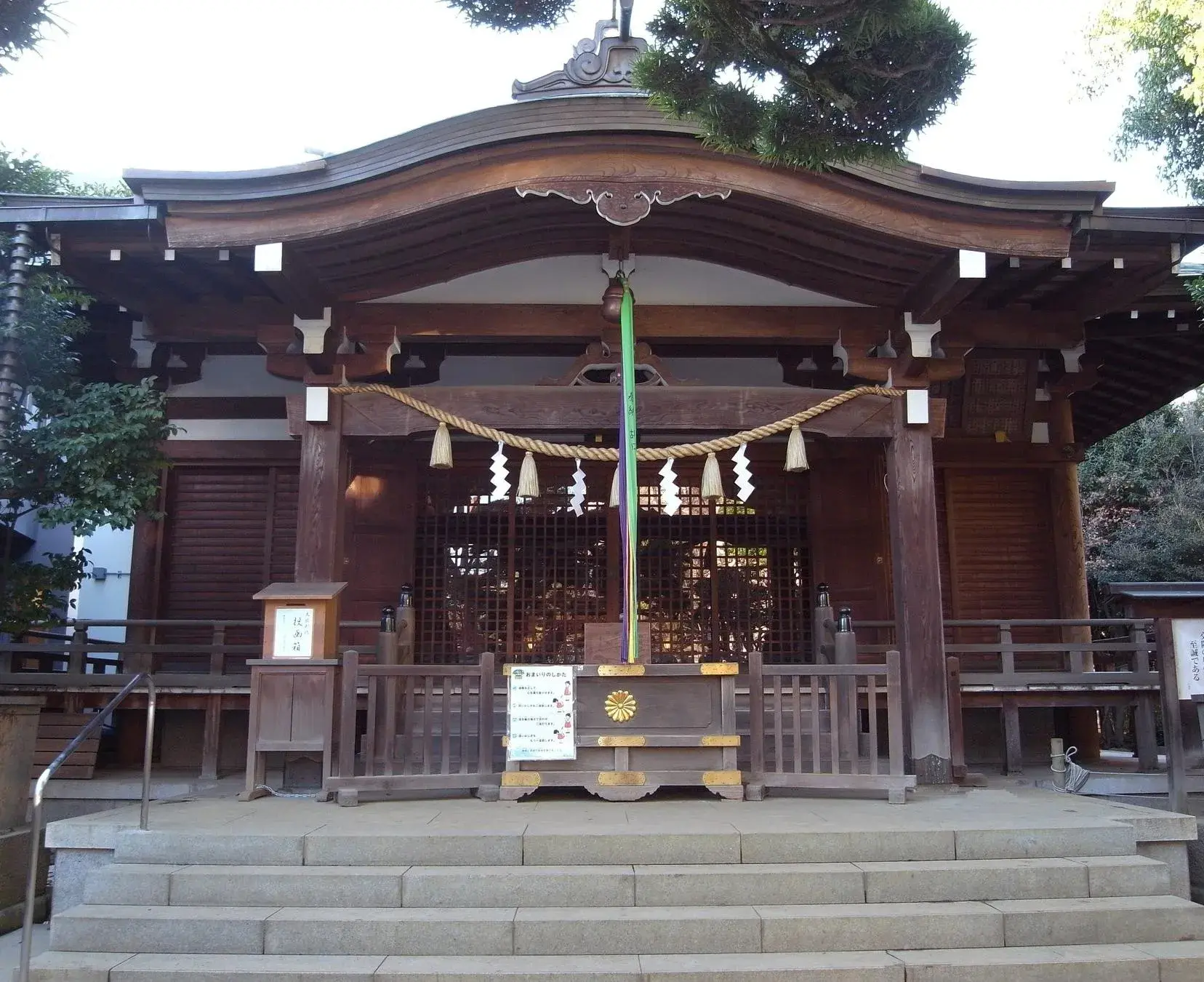
A shrine in Sendagaya said to have been founded by Jikaku Daishi in 860. Its name is said to come from the sight of countless white doves flying out of a forest where auspicious clouds were rising, and it is revered locally as the guardian shrine of Sendagaya.
Fujizuka mounds were built in various places during the mid-Edo period, when worship of Mt. Fuji was widespread, for people who found it difficult to make a pilgrimage to Mt. Fuji. This Fujizuka is the oldest surviving one in Tokyo, and visitors can make a ritual climb from the trailhead to the summit, where lava from Mt. Fuji is placed, much like climbing the real mountain. The sacred ginkgo tree, which withstood the fires of the Great Tokyo Air Raid and escaped destruction, is also worth seeing.
Shrine items such as dove-themed omikuji fortunes and amulets, inspired by the origin of the shrine’s name, are popular. Because the Japan Shogi Association’s Shogi Hall is located in Sendagaya, the shrine also has deep ties to shogi. Within the grounds is a Shogi-do hall that enshrines a large shogi piece about 1.2 meters tall. Amulets and ema plaques are also available for prayers to improve shogi skills and luck in competition, and many shogi players, both professional and amateur, visit to pray here.
Highlights
-
A shrine known as the guardian shrine of Sendagaya.
-
Famous for having the oldest surviving Fujizuka mound in Tokyo.
-
The sacred ginkgo tree is a valuable tree that survived the fires of the Great Tokyo Air Raid.
-
Because it is close to Shogi Hall, there is a Shogi-do hall on the shrine grounds.
-
Shrine items such as dove-themed omikuji fortunes and amulets are popular.
Photos
-
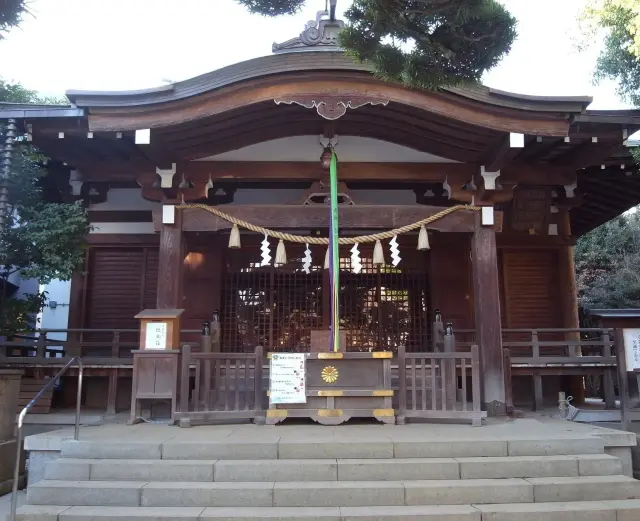
The shrine building restored to its prewar appearance
-
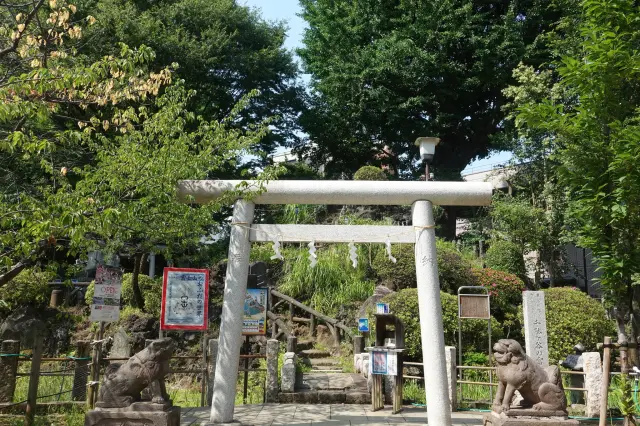
A Fujizuka mound that preserves the Mt. Fuji worship of the Edo period
-
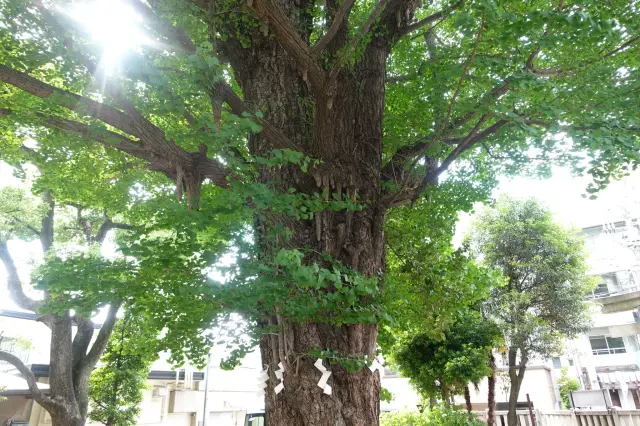
The enormous sacred ginkgo tree
-
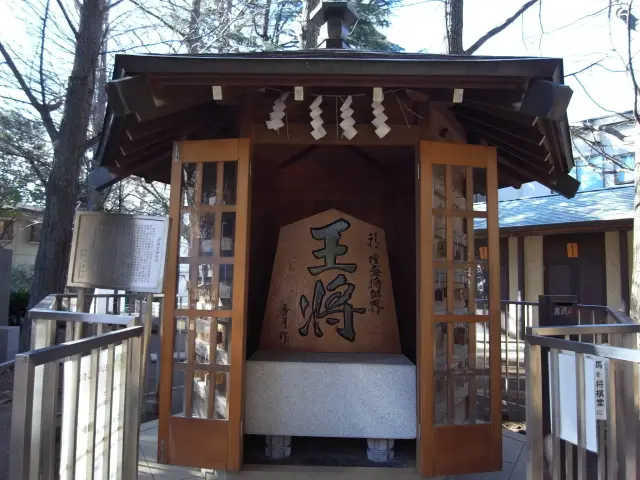
Shogi-do hall, where a large shogi piece is enshrined
-
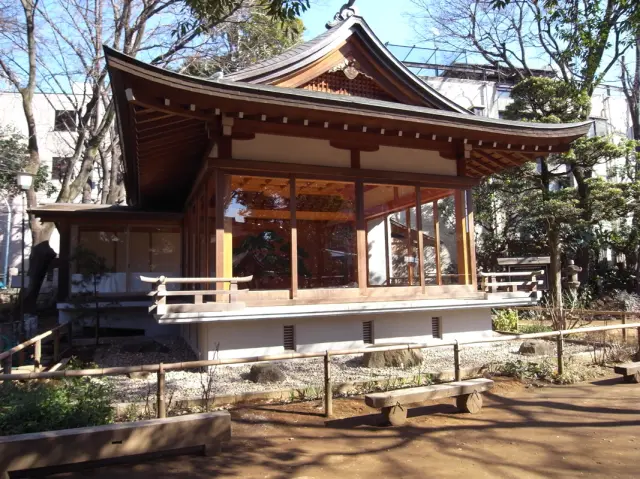
The Noh theater, where takigi-noh and chanting are offered
-
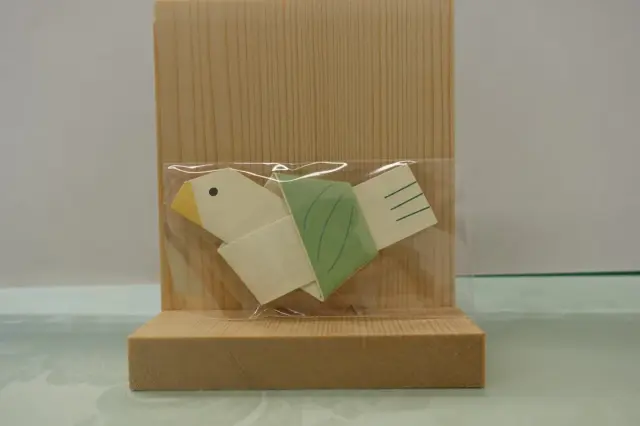
The popular dove omikuji
Official FAQs
Frequently Asked Questions have been vetted and answered directly by each listing.
Q
Are goshuin shrine seals available?
There are two types: one for Hatonomori Hachiman Shrine and one for Fuji Sengen Shrine.
Q
Is parking available?
Yes. (Due to construction, it is scheduled to be available from October 2026 onward.)
Q
Are there coin lockers?
No.
Q
Are there sightseeing spots nearby?
Nearby spots include the Japan National Stadium and Tokyo Metropolitan Gymnasium.
Reviews
Details
- Name in Japanese
- 鳩森八幡神社
- Postal Code
- 151-0051
- Address
- 1-1-24 Sendagaya, Shibuya-ku, Tokyo
- Phone
- 03-3401-1284
- Closed on
- Open daily
- Hours
- Open for worship at all times *Reception: 9:00 AM–5:00 PM
- Admission
- Free to worship
- Access
- 5-minute walk from Sendagaya Station on the JR Sobu Line, Kokuritsu-Kyogijo Station on the Toei Oedo Line, or Kitasando Station on the Tokyo Metro Fukutoshin Line
- Official website
- Official website (Japanese)