Ise Jingu

Verified [Verified] denotes information that has been published with confirmation of its owing parties.

Ise Jingu

A two-thousand-year-old Shinto shrine, filled with the origins of Japanese history, nature, and architecture.

5.00 12

Last update :
Supervised by :  Ise Jingu

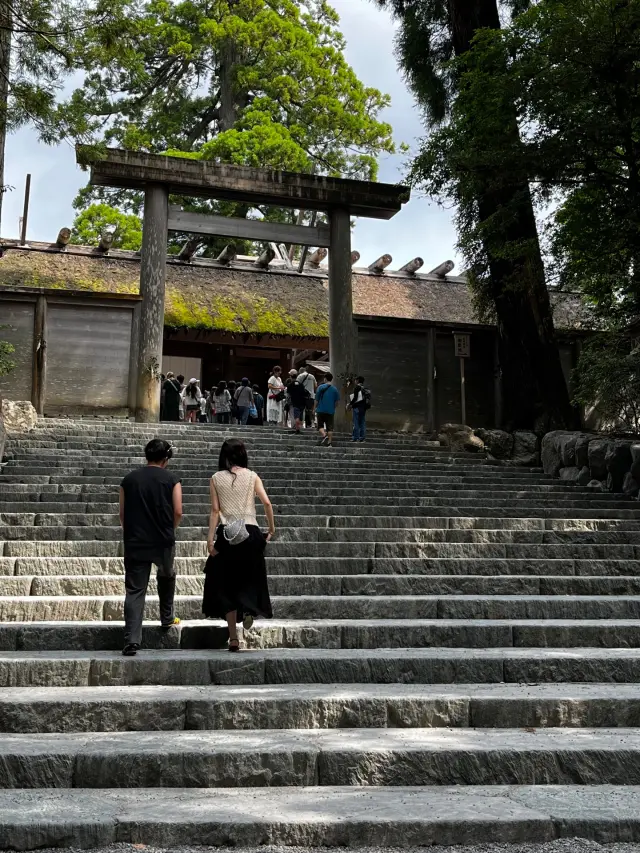
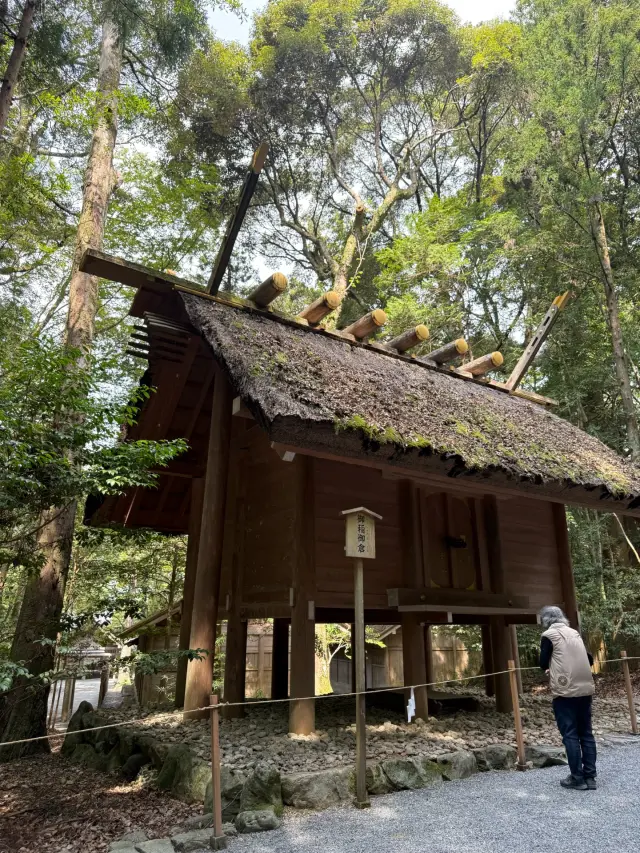
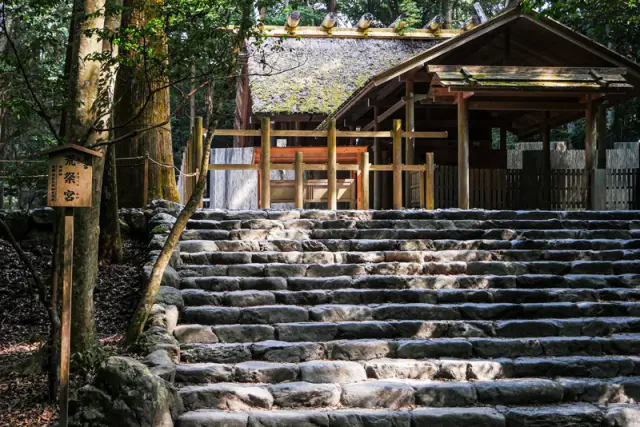
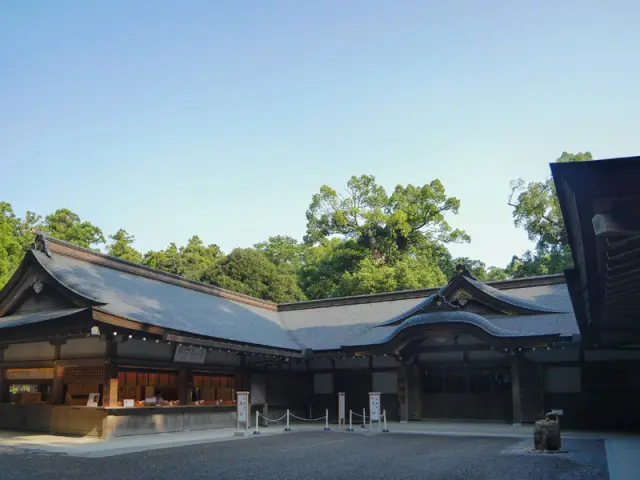
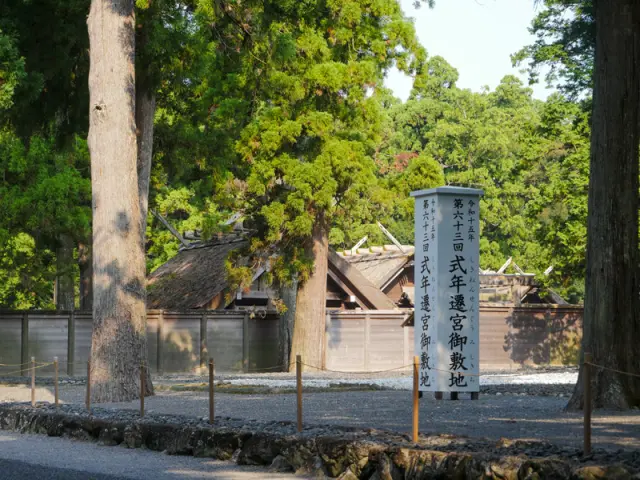
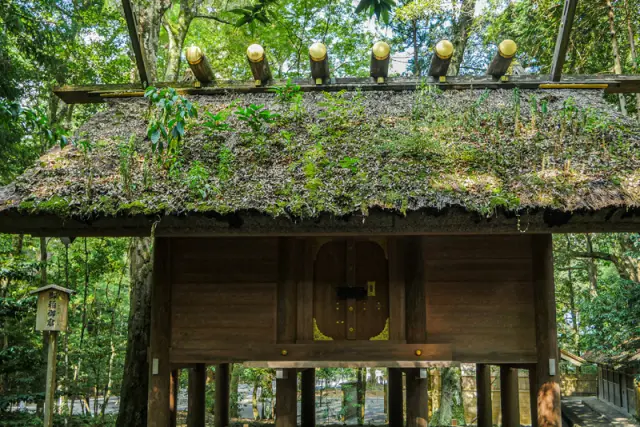
Known affectionately as "Oise-san," the shrine is usually called "Ise Jingu-Shrine," but officially, it is called "Jingu-Shrine". There are 125 shrines, including the Naiku-Sharine (Kotai-Jingu /Imperial Grand Shrine), which enshrines Amaterasu Omikami, the ancestral deity of the Imperial Family, and the Geku-Shrine (Toyo'ukedaijingu-Shrine), which enshrines the guardian deity of food, clothing, shelter, and industry, as well as other shrines, including annexes, branch shrines, and other shrines under the jurisdiction of the shrine. The shrine pavilions are made of cypress in the ancient Japanese architectural style called "Shinmei-zukuri." Every 20 years, the two main shrines and 14 annexes are rebuilt, and the go-shintai is moved to a new location.

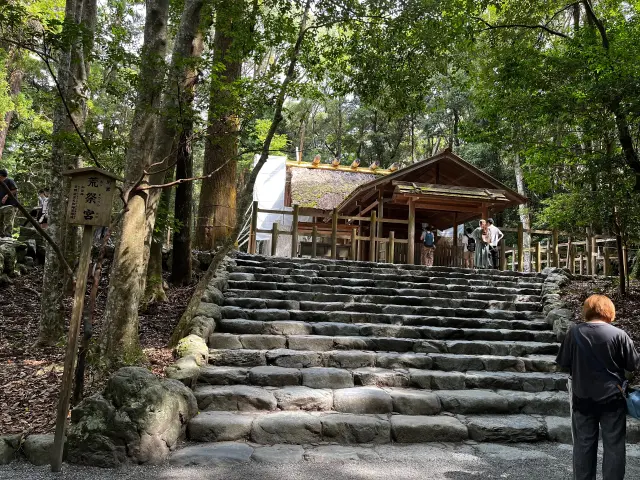
The Naiku Shrine, built some 2,000 years ago during the reign of Emperor Suinin Tennou, has as its sacred object "The Yata no Kagami," the Holy Mirror, one of the Sanshu no Jingi (three sacred treasures of Japan). Near the Naiku is a shrine lined with four Betsu ku(separate shrines): Tsukiyomi no Miya, which enshrines Tsukiyomi no Mikoto, Tsukiyomi Aramitama no Miya, Isanagi no Miya, which enshrines Amaterasu-Omikami and Tsukiyomi no Mikoto's parent deity, and Izanami no Miya.

Five hundred years after the construction of the Naiku Shrine, Toyouke-no-Omikami, the deity responsible for Amaterasu-Omikami's meals, was brought in from Tamba Province to build the Geku Shrine. Since then, the ritual of offering meals twice a day, once in the morning and once in the evening, to Amaterasu- Omikami, Aidono no Kami, and the deities of the Betsuku, has continued at the Outer Shrine.

Highlights

  • The order of visiting Ise is not set, but the custom is to visit the Outer Shrine and then the Inner Shrine in that order.
  • The shrine is regarded as the guardian deity of the nation and is still revered as the main shrine throughout the country.
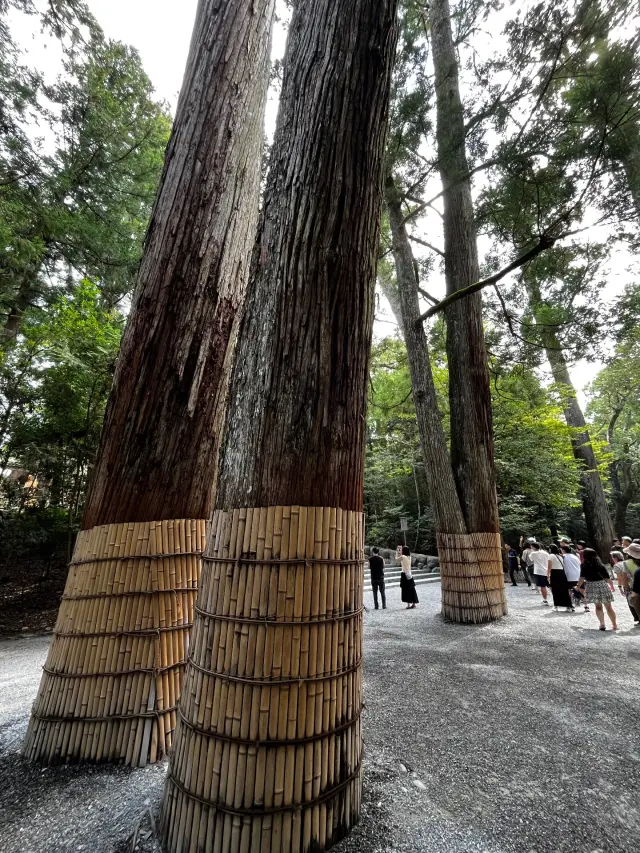
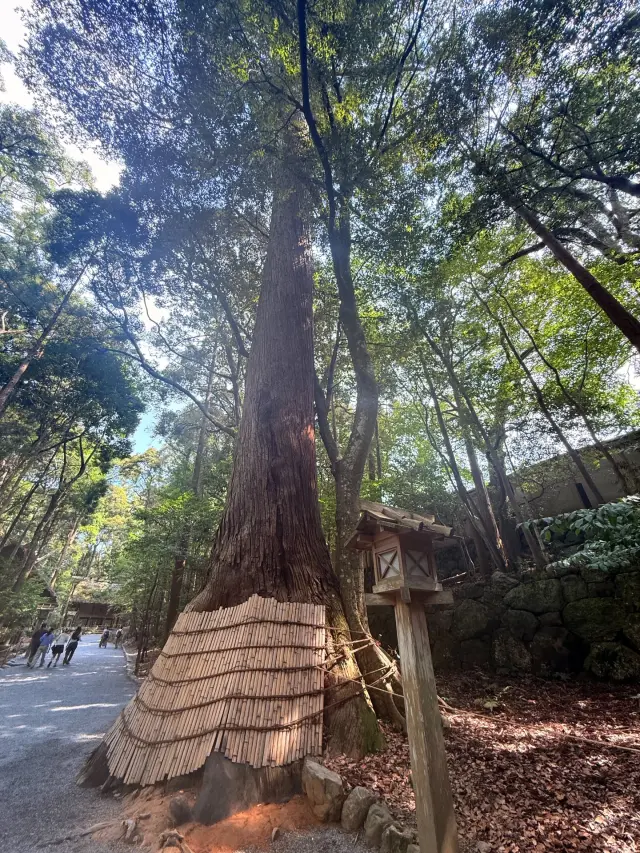
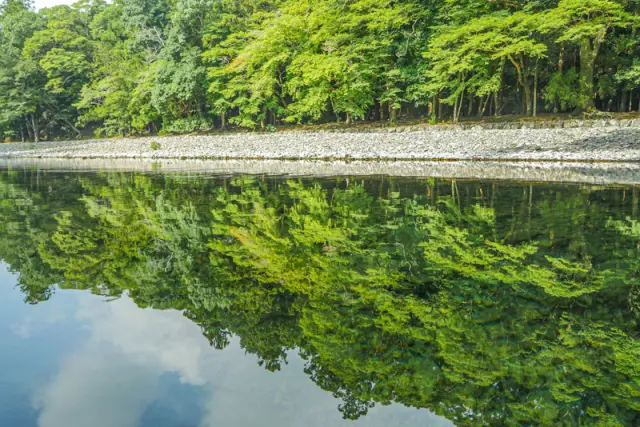
  • The shrine is also home to many large trees, and the Isuzu River and the vast natural surroundings are relaxing places to visit.

Photos

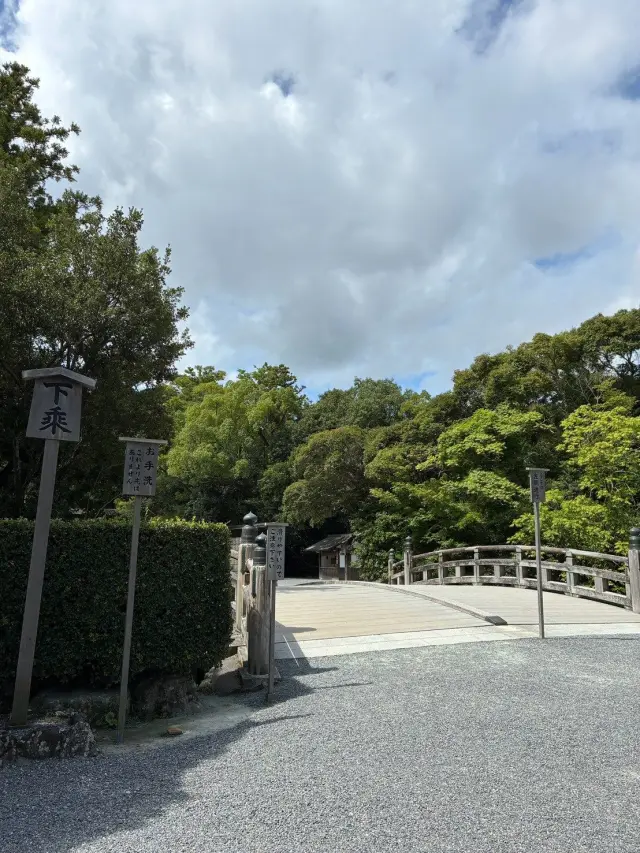
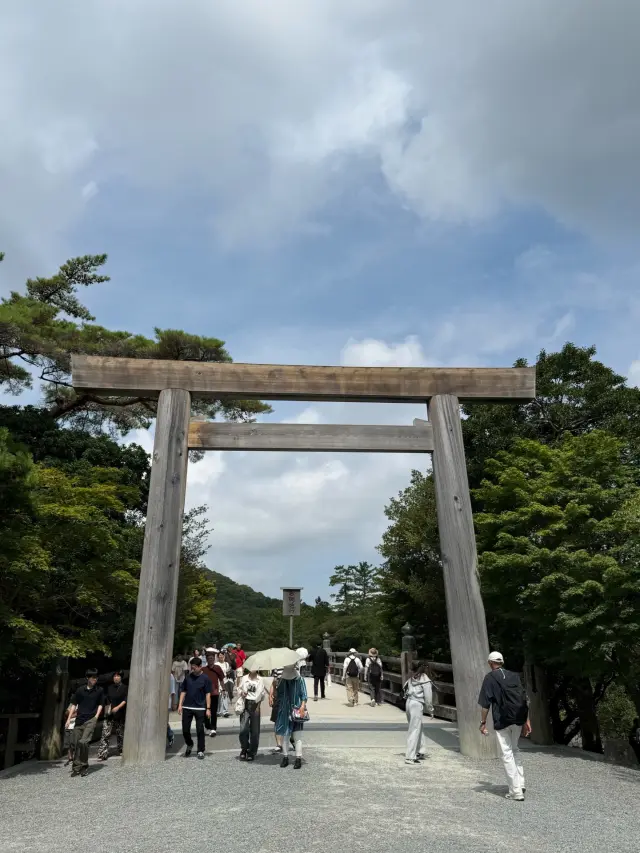
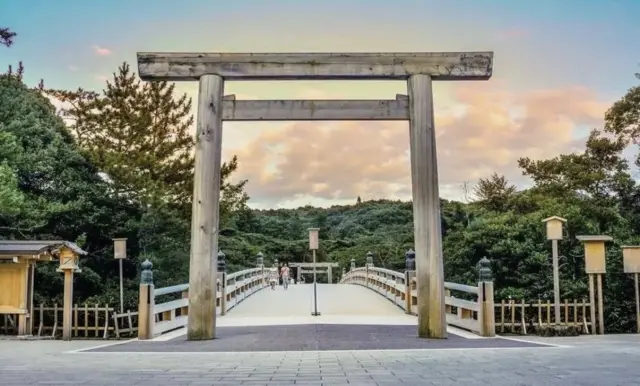
  • Crossing the Uji Bridge to the Naiku Shrine

    Crossing the Uji Bridge to the Naiku Shrine

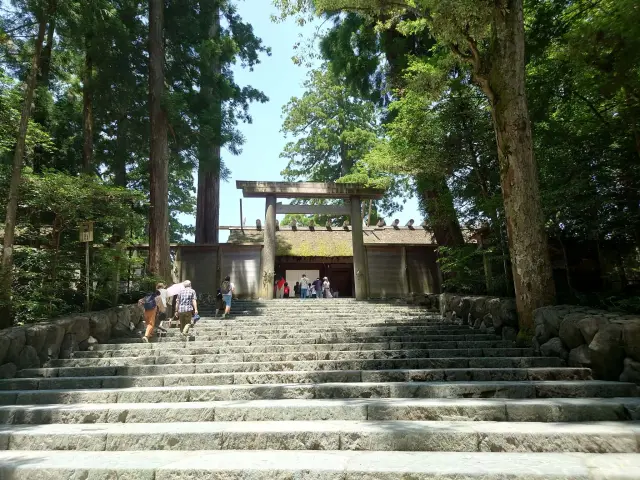
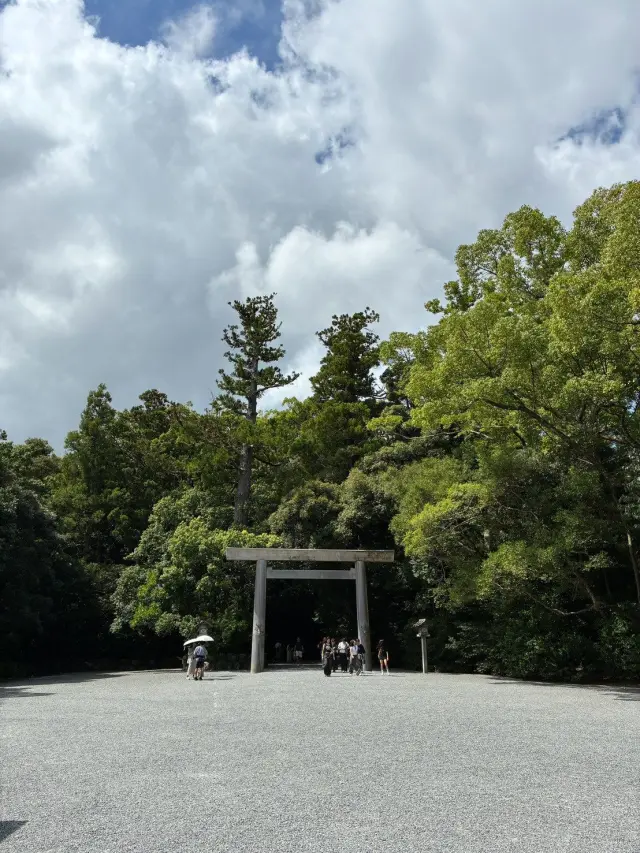
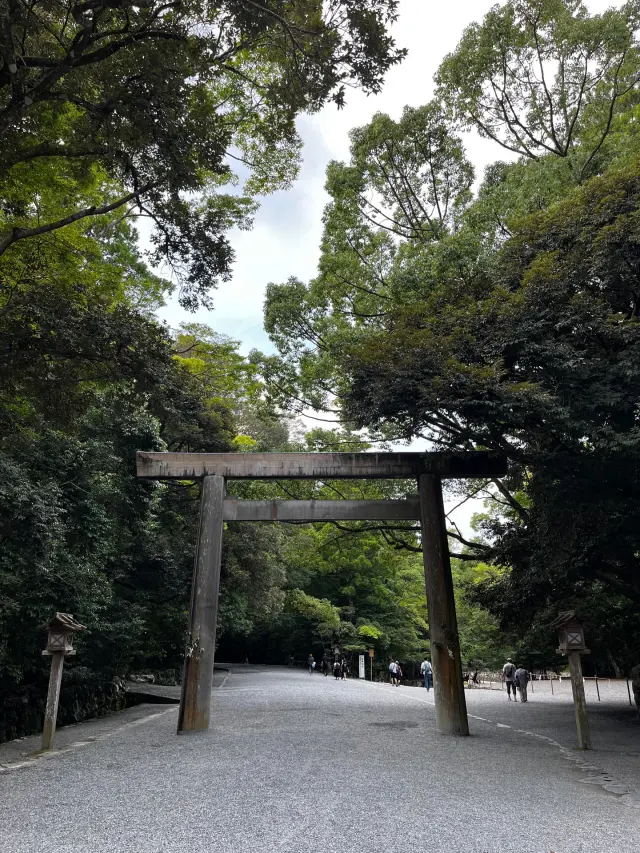
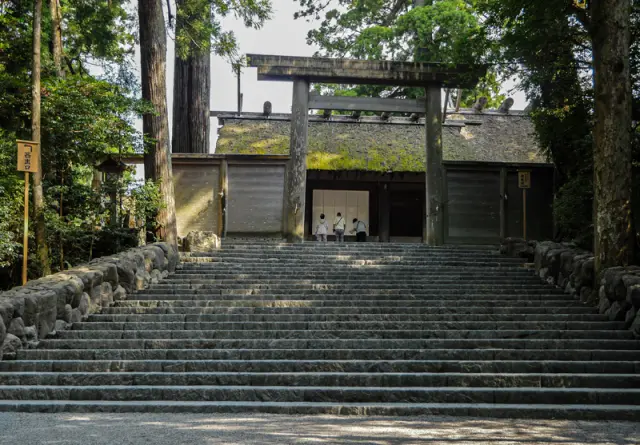
  • Naiku-Shougu

    Naiku-Shougu

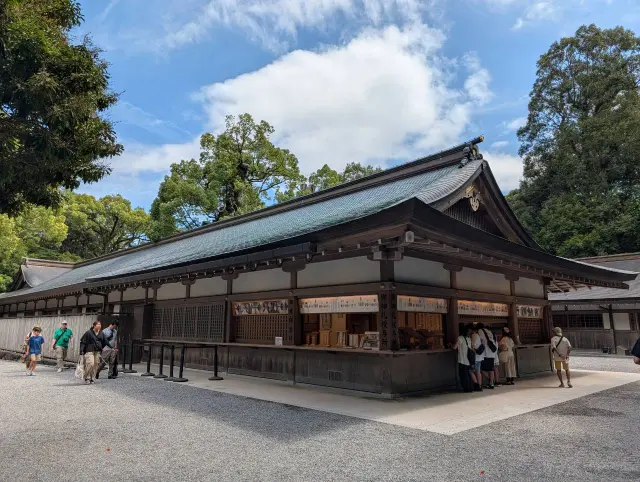
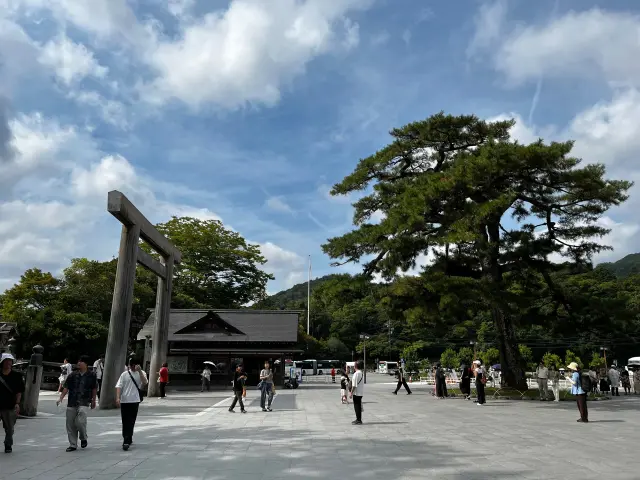
  • Geku-Shougu

    Geku-Shougu

  • Thanksgiving for a massive harvest of the 5 grains to the "Niiname sai."

    Thanksgiving for a massive harvest of the 5 grains to the "Niiname sai."

  • Four Betsuku shrines, including Tsukiyomi no Miya Shrine, are lined up in a row.

    Four Betsuku shrines, including Tsukiyomi no Miya Shrine, are lined up in a row.

Reviews

12

Some reviews are AI-translated.

  • See More

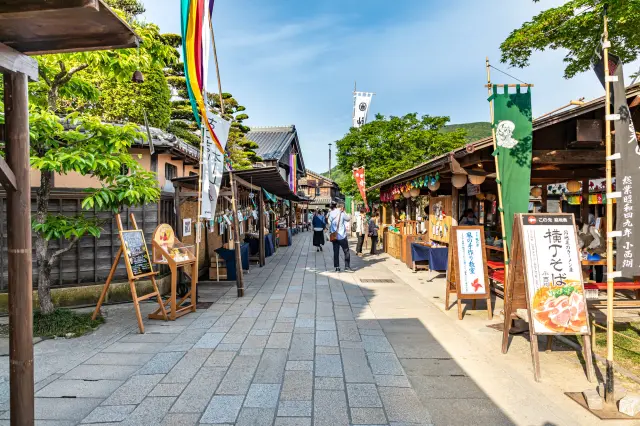
    Ise Jingu is mainly divided into the Outer Shrine and Inner Shrine. The traditional order of worship is “Outer Shrine first, then Inner Shrine,” but if you only have time for a day trip, most travelers usually prioritize the livelier Inner Shrine, since afterward they can go straight to Okage Yokocho. However, the Outer Shrine is closer to Iseshi Station and can be reached on foot. Since there are fewer visitors, walking among the tall trees in the sacred grounds is very relaxing. Compared with the liveliness of the Inner Shrine, the Outer Shrine feels quieter and more serene, allowing you to better sense the gentleness of the deities.
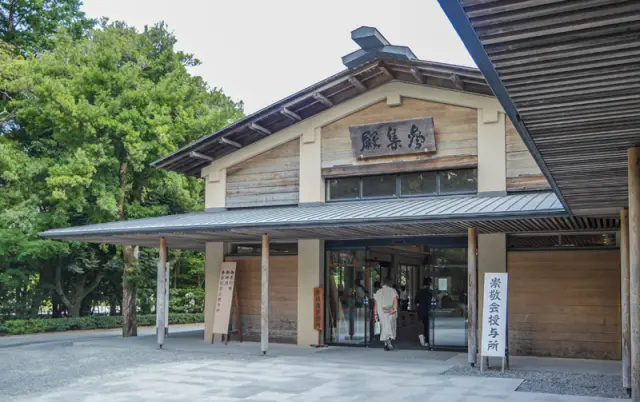
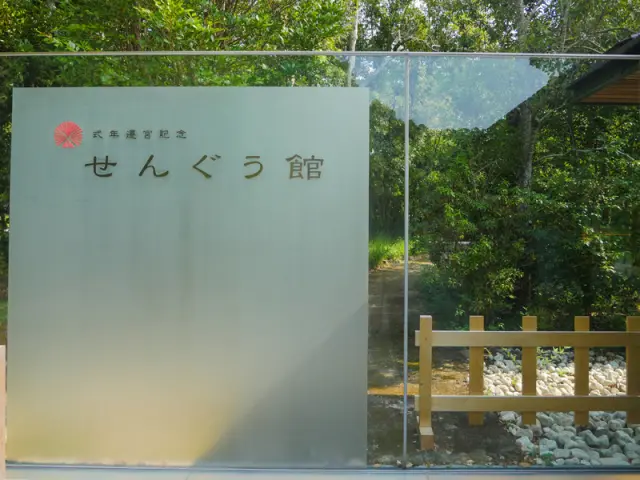
    I also highly recommend the Sengukan Museum next to the Outer Shrine. It explains the Shikinen Sengu ceremony, which takes place every 20 years. What makes it especially interesting is the full-scale model of the Outer Shrine’s main sanctuary. Since visitors cannot approach the innermost area of the main sanctuary during an actual visit, seeing the model in the museum helped me better understand the true scale and architectural details of the deities’ dwelling. There are also many exhibits on the tools and craftsmanship used during the rebuilding ceremony. If you are not in a hurry, there are videos to watch as well. I really recommend it.
    The Inner Shrine is larger and draws more worshippers than the Outer Shrine. After crossing Uji Bridge, you walk along the Isuzu River toward the main sanctuary, and the entire experience feels more ceremonial. The routes going in and coming back are separated, mainly because the worship route at the Inner Shrine is quite long. Getting there is not a problem, but on the way back I was truly grateful for the Sanshuden rest area. When you get tired, you can sit down and rest, and free drinking water is available inside. There are vending machines if you want another drink, and you can also purchase amulets and other shrine items here.
    If your schedule allows, I still highly recommend visiting both the Outer Shrine and Inner Shrine in the traditional order. The Inner Shrine is more impressive and lively, with Okage Yokocho nearby to explore, while the Outer Shrine is much quieter. I actually preferred its forest atmosphere and feeling of worship. The two have completely different atmospheres and character, and only after visiting both can you get a fuller sense of Ise Jingu.
    One reminder: the Inner Shrine has coin-operated luggage lockers, but the Outer Shrine does not, so keep that in mind if you have luggage. When I visited, I saw a traveler who had no way to store their luggage and had to drag it along. Since the sacred grounds are covered with gravel, it looked quite difficult.

  • See More

    You can really feel close to the divine here. Every time I visit, I feel spiritually refreshed and so at peace!!

  • See More

    Ise Jingu is said to be a place every Japanese person should visit at least once in their lifetime, and I’ve been there twice!
    The first time, I underestimated the travel time and could only rush through the Inner Shrine. This time, I gave it another try and successfully visited both the Inner Shrine and the Outer Shrine.

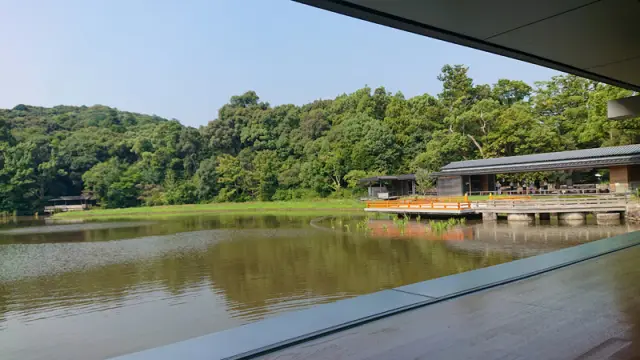
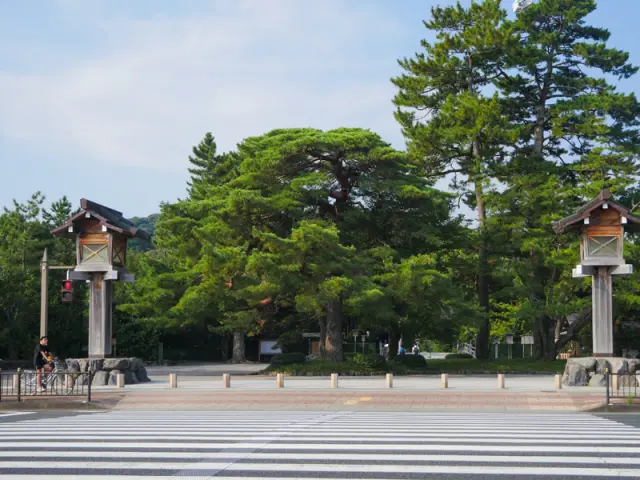
    Travel guides say the proper order is to visit the Outer Shrine first and then the Inner Shrine, so we took the Kintetsu train from Toba to Iseshi Station. As soon as you exit the station, you can see a huge torii gate, and straight ahead is the approach to the Outer Shrine. There are quite a few tasteful shops lining both sides of the path. On the shrine grounds, the irises by Magatama Pond had already started to bloom. Walking along the gravel path surrounded by greenery on both sides, we finally arrived at the main shrine to pray.

    After that, we took a bus to the Inner Shrine. The Isuzu River was as clear as ever and left an unforgettable impression. Finishing my visit to the Inner Shrine truly made up for the regret I had carried for years.

  • See More

    You can really feel close to the divine here. Every time I visit, it feels like my soul is cleansed. It's so healing.

  • See More

    The grounds are huge and really beautiful. It's said that every Japanese person should visit this shrine at least once in their lifetime.

Learn More

Details

Name in Japanese
伊勢神宮
Address
Ise Jingu Naiku: 1 Ujitachi-cho, Ise City, Mie
Ise Jingu Geku: 279 Toyokawa-cho, Ise City, Mie
Telephone
0596-24-1111 (Shrine Office)
Holiday
Open every day
Hours
January-April, September 5:00am - 6:00pm,
May-August 5:00am - 7:00pm,
October-December 5:00am - 5:00pm
Admission
Free
Directions
Geku: 5-minute walk from Ise-shi Station on the Kintetsu Line to the Sotogu.
Naiku: A short walk from Ise-shi Station (JR/Kintetsu Line) or Isuzugawa Station (Kintetsu Line) to "Uchikumiya-mae" bus stop by city bus. From Sotogu, take a city bus and get off at "Uchikumiya-mae" bus stop.
Credit Cards
Not accepted
Website
Official Website (English)