



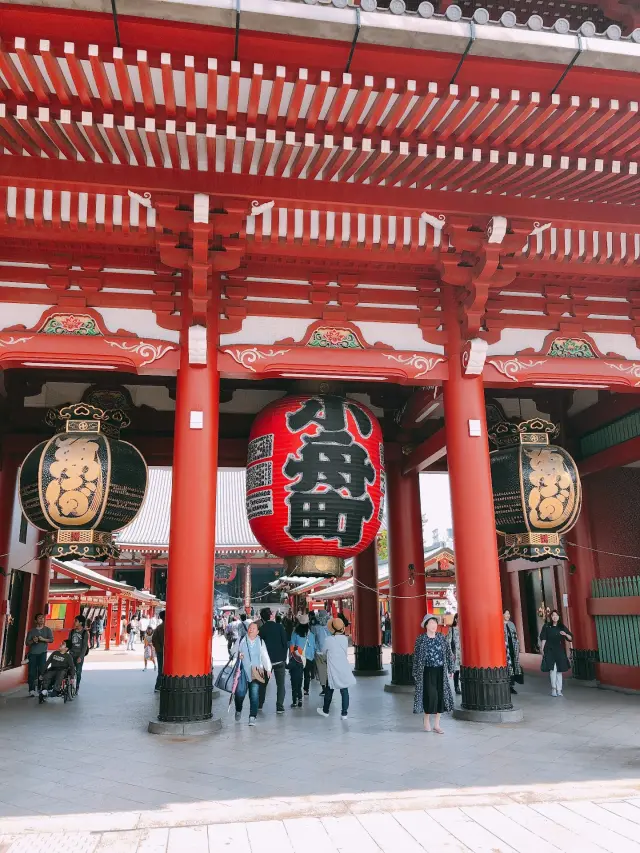
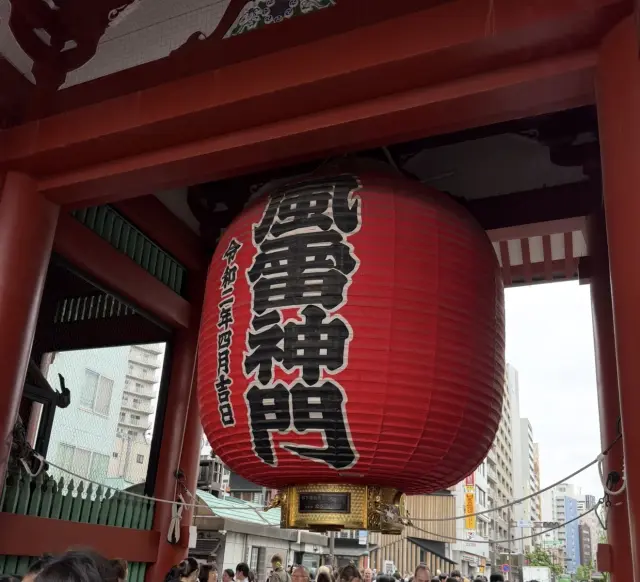
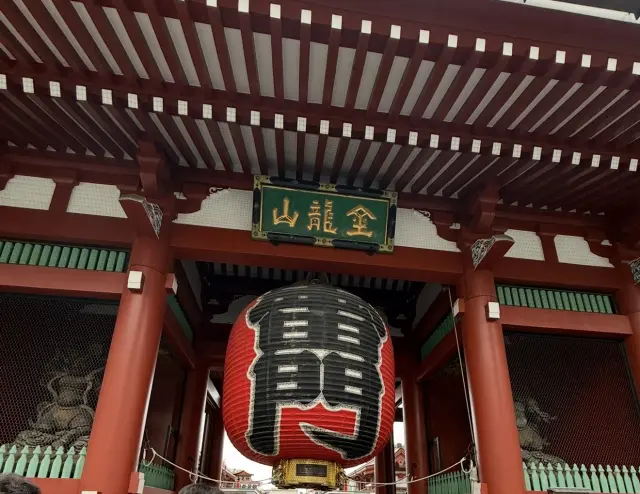
Kaminari-mon, the "Thunder Gate" and central landmark of Asakusa.
In Asakusa, you can really sense the good old age of traditional Tokyo. Asakusa is highly popular as a place where one can experience authentic Tokyo.


Ⓒ浅草寺
Verified [Verified] denotes information that has been published with confirmation of its owing parties.
One of Japan’s most frequented destinations! Over 1300 years of history here at the oldest temple in Tokyo.
This iconic destination in Asakusa sees as many as 30 million visitors each year. It stands as a well-loved mainstay in Tokyo, all while hosting a number of annual traditions like the first temple visit at New Years, Setsubun and more across the year.
From the main Kaminari-mon or “Thunder Gate” known as an icon of Asakusa, you’ll find a larger-than-life, red lantern suspended above, while the guardian statues of Fujin (wind god) and Raijin (thunder god) flank the gate at both sides. From the gate up to the main hall is a 250m stretch known as Nakamise-Dori, lined with a number of souvenir and food shops.
Just steps in front of the main hall you’ll find a hub for burning incense. Many believe that the incense smoke itself can aid in healing any ailments, making it a common stop for visitors looking to waft the smoke over any offending areas.

Sensoji Temple, Kaminarimon Gate © Sensoji Temple

Sensoji Temple, Nakamise Shopping Street © Sensoji Temple

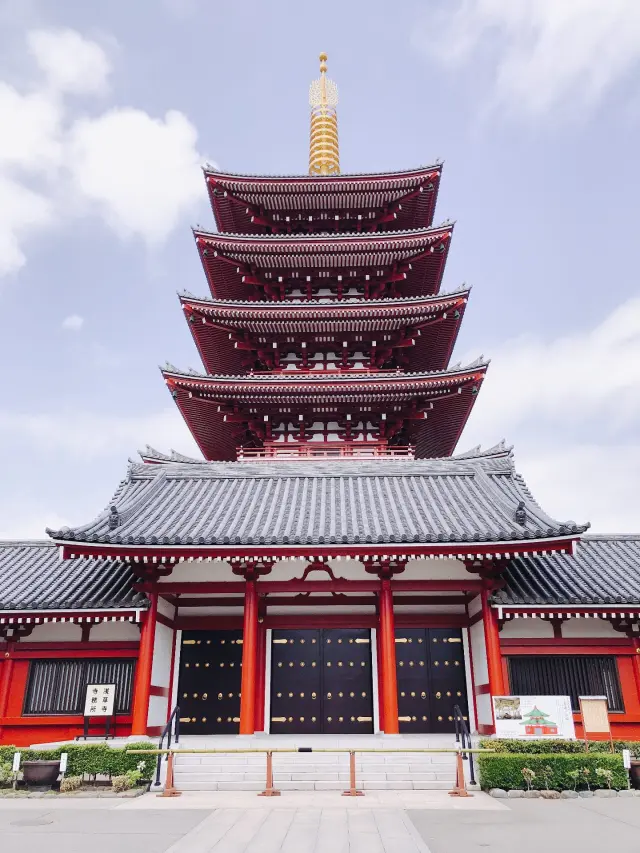
Sensoji Temple, Main Hall © Sensoji Temple
Frequently Asked Questions have been vetted and answered directly by each listing.
Q
Could you inform me about the accessibility here?
To your left facing the main hall, there is an elevator available for those who have difficulty with stairs. Also, there are accessible toilets located to the right of the Treasure House Gate and at the back of the main hall. They are equipped with handrails for wheelchairs, changing tables, and baby chairs.
Q
Are we not able to see the principal image of Buddha?
The principal image of Buddha and the standing image of Buddha in front are hidden Buddhas, therefore they cannot be viewed for worship. However, you can catch a glimpse of the standing image of Buddha once a year, specifically at 2 p.m. on December 13th.
Q
Is it true that there are many 'bad luck' fortunes in the omikuji?
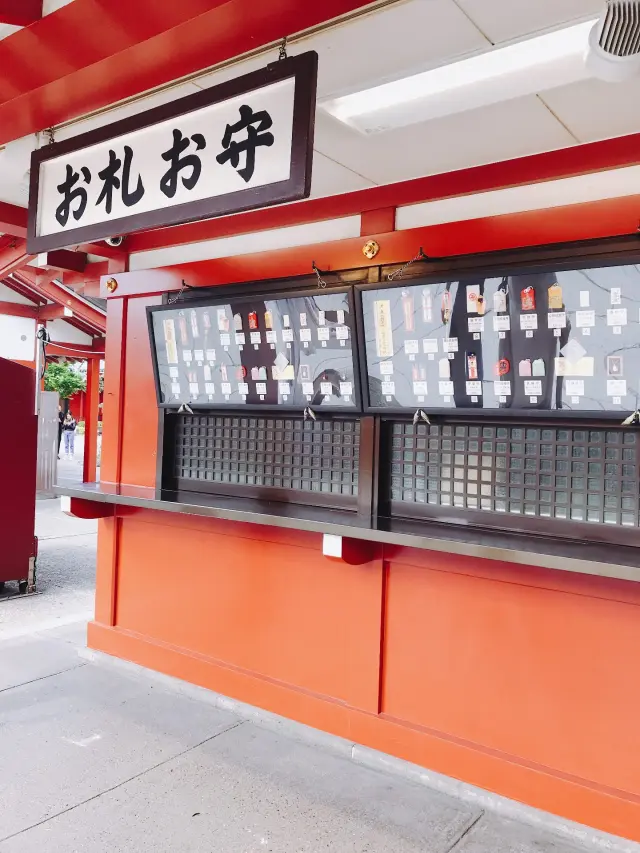
It's often said that "Sensoji Temple has many bad luck omikuji", but that’s to be expected with the culture of omikuji. If you do pull a bad luck fortune, fret not, because it’s believed that living sincerely is enough to turn your luck for the better.
Some reviews are AI-translated.
When it comes to Tokyo's most iconic and famous attractions, Sensoji Temple, with its thousand-year history, is definitely one of the top ones. To avoid the frighteningly huge daytime crowds, we got up especially early and went during the peaceful golden hours of the morning.
As soon as we reached the entrance, the magnificent gate with the huge red Kaminarimon lantern hanging above was truly breathtaking up close and inspired a sense of solemn respect. Looking more carefully, we even saw the enormous straw sandals hanging under the gate, with plenty of fascinating details to take in. After passing through Kaminarimon and slowly walking into the temple grounds, the vivid vermilion eaves looked especially solemn and beautiful against the clear blue sky and white clouds.
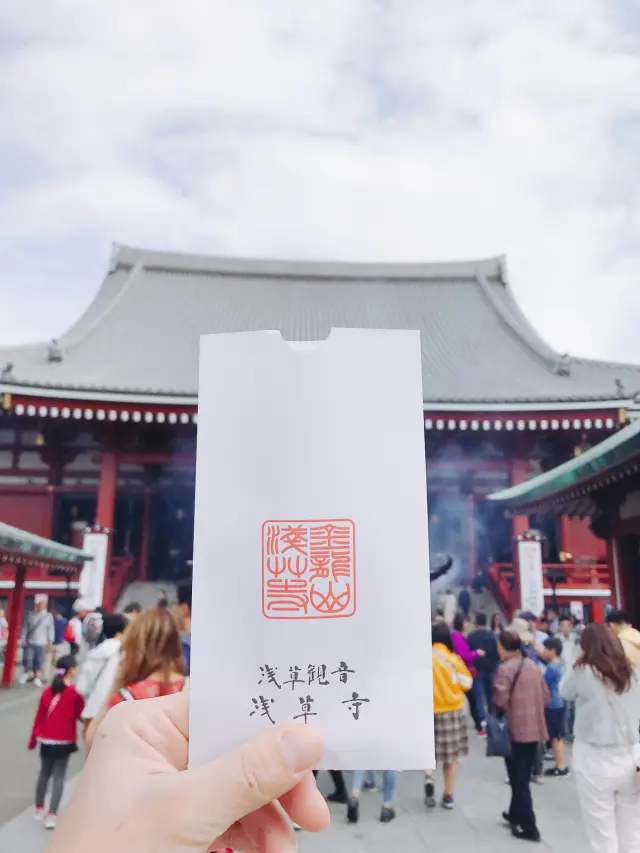
We quietly waited in line to worship and pray for safety. Afterward, we followed the local custom by drawing a fortune and choosing a delicate omamori as a keepsake. With only a few visitors around in the morning, being able to stroll quietly and fully appreciate the calm depth of this thousand-year-old temple felt like an incredibly luxurious experience. After worshiping, we headed to the lively Nakamise Shopping Street in front of the temple, sampling snacks and choosing souvenirs along the way. The whole outing offered plenty to see and do and was a classic Tokyo experience that should not be missed.
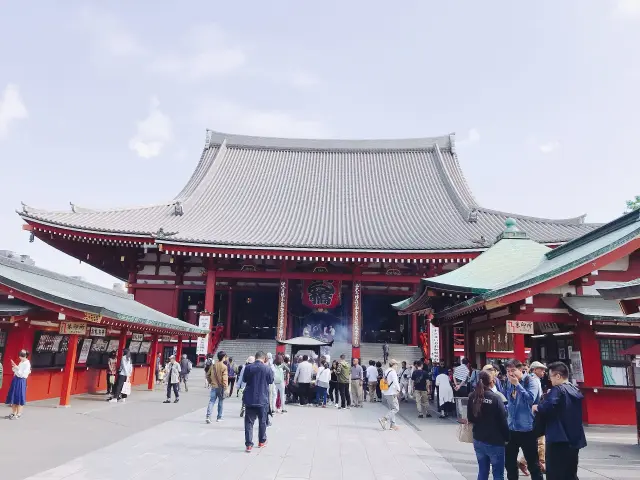
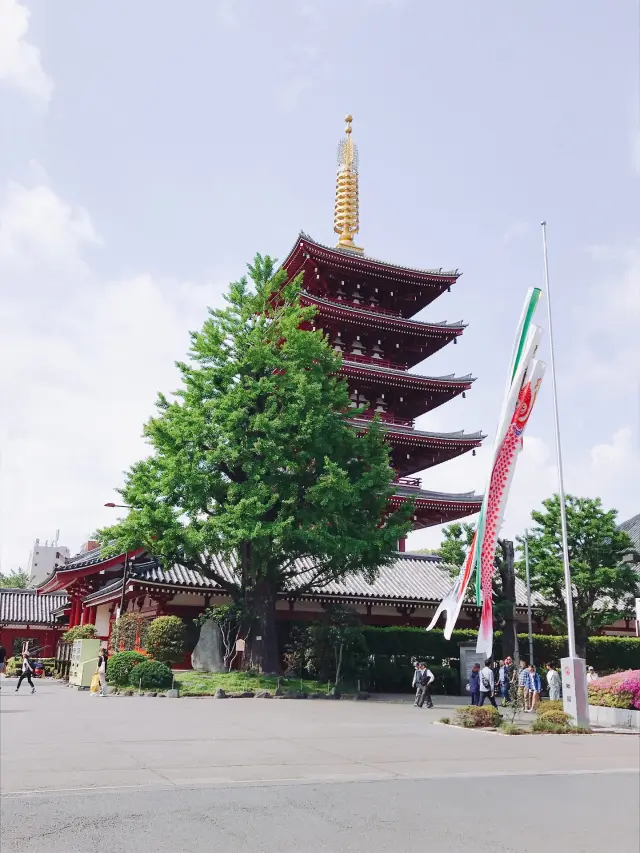
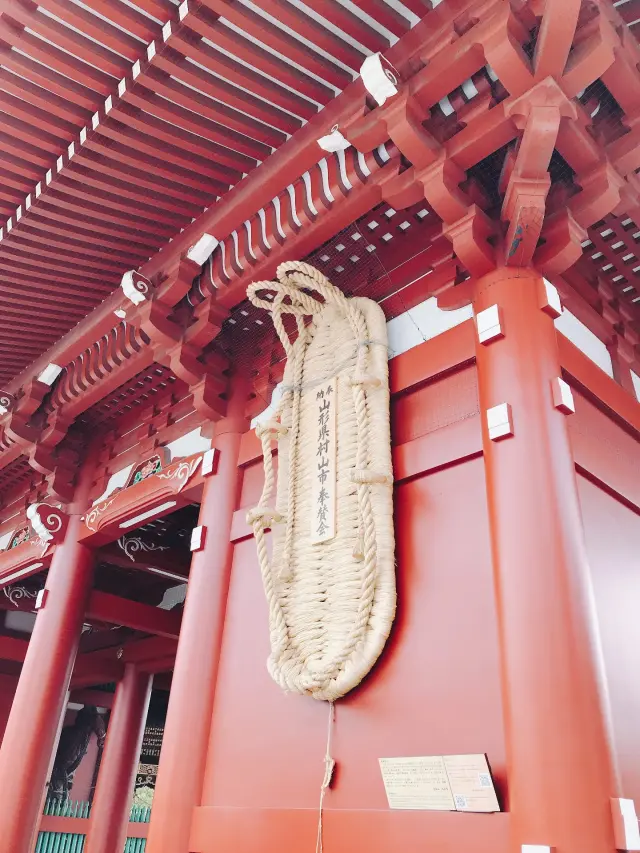
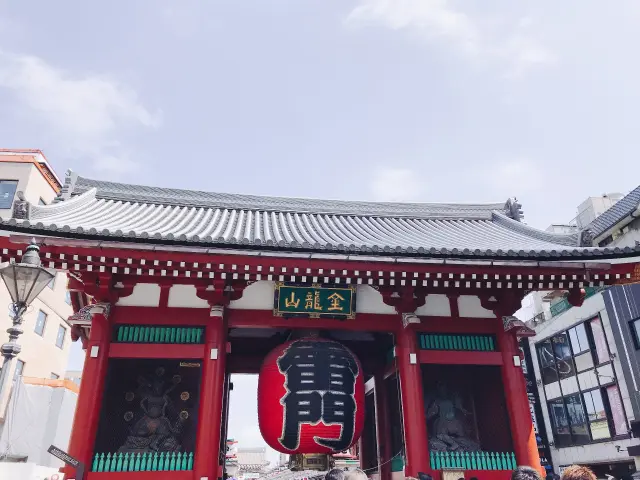
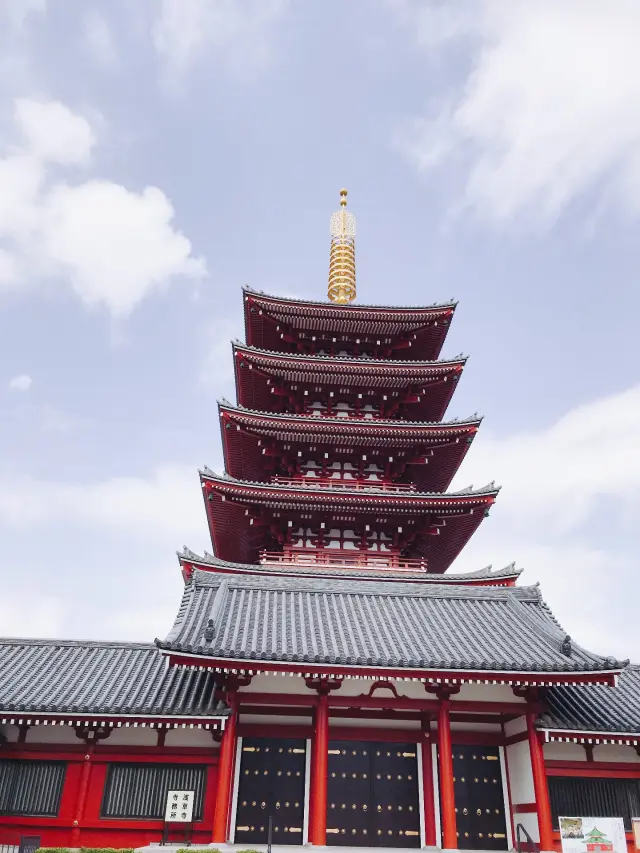
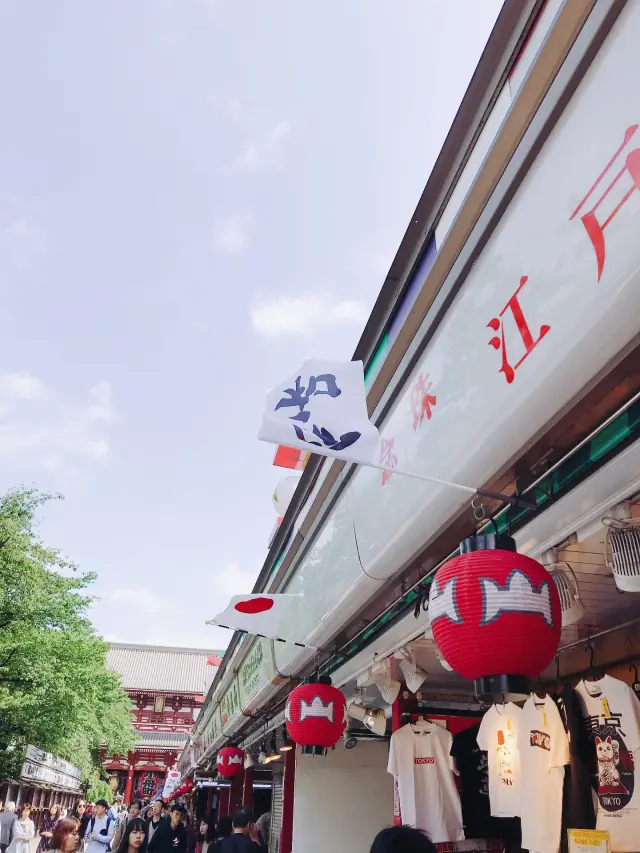
After passing through Kaminarimon Gate, you’ll come to the lively Nakamise shopping street, lined with all kinds of souvenir shops, traditional snacks, and uniquely Japanese products. It’s fun to browse and eat along the way. However, this visit really made me realize just how incredible the crowds at Sensoji Temple can be. It was packed with people from the entrance all the way to the area around the temple. You have to wait for an opening to take a good photo, and sometimes you can only move slowly along with the crowd.
Even with all the crowds, once you reach the main hall of Sensoji Temple, you can still feel its solemn, historic atmosphere. Watching everyone pray sincerely, draw fortunes, and ask for blessings naturally makes you slow down and experience Japan’s traditional temple culture.
Although the number of visitors this time was honestly a little overwhelming, Sensoji Temple is still well worth visiting when you’re in Tokyo! If you want to avoid the crowds, I recommend coming earlier. You may have a better chance of getting the photos you want.
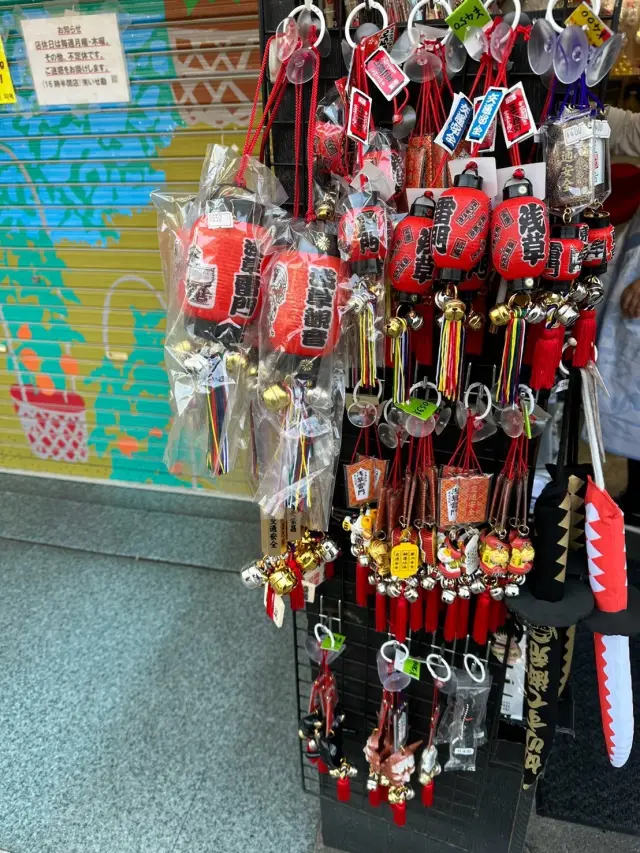
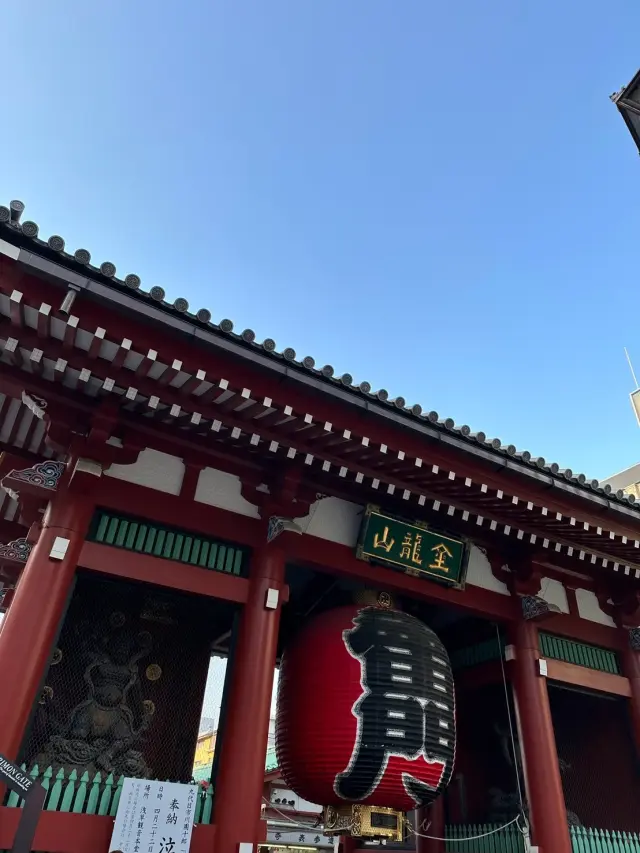
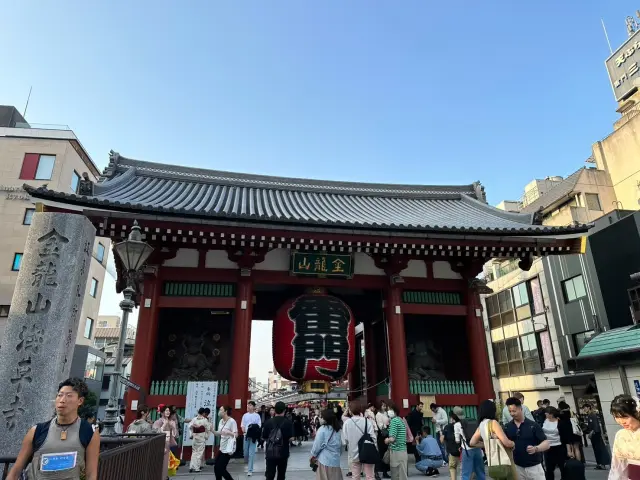
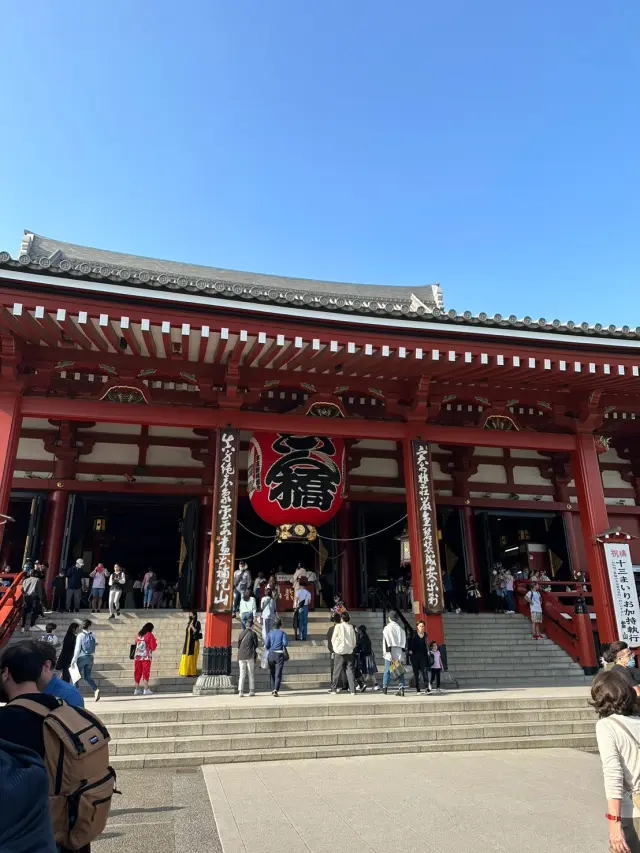
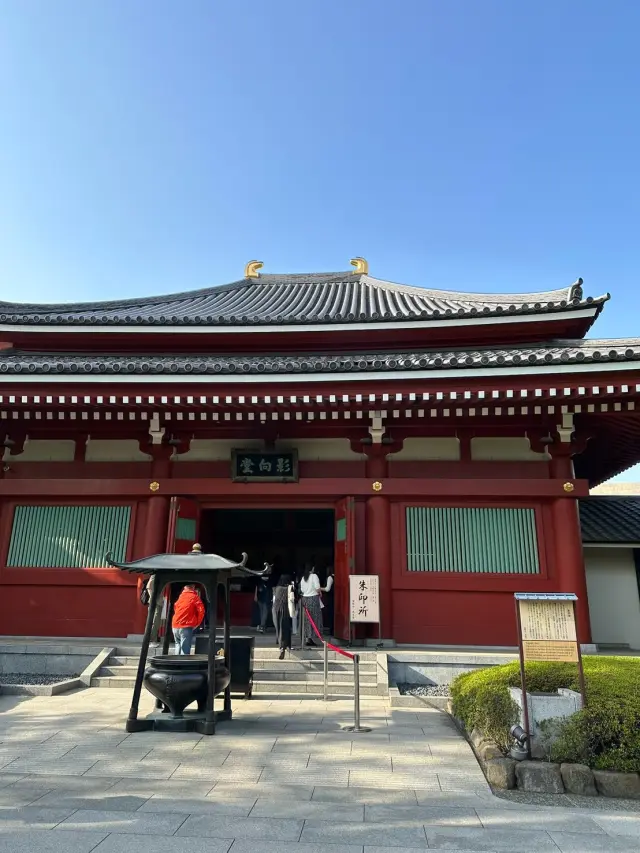
Sensoji Temple is a place with a strong cultural feel. Starting with the large red lantern at the Kaminarimon Gate, you can immediately sense the rich atmosphere of traditional Japan. Walking along Nakamise Street to the temple, the little shops along the way are also full of character. There were many visitors, making it very lively!
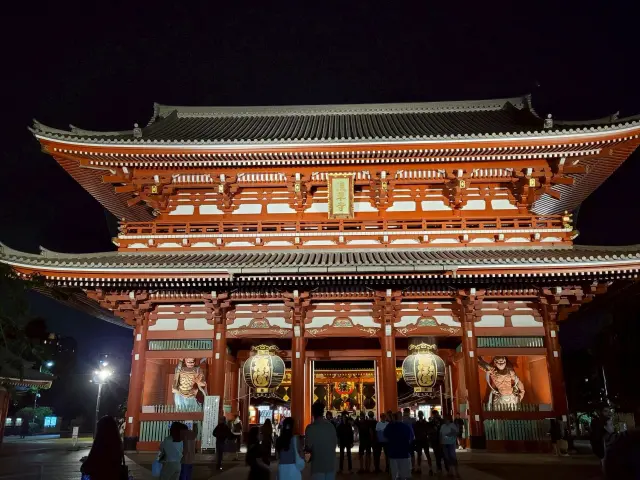
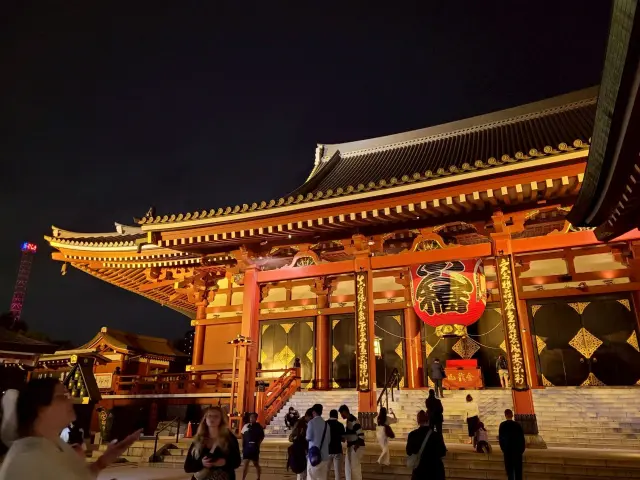
I had excitedly planned to take a photo with the huge lantern at Sensoji Temple's Kaminarimon Gate, but the crowd was absolutely overflowing. After waiting forever without finding an opening, I finally decided to give up!
I was a little disappointed that I couldn't get the photo, but then I realized that casually taking pictures of the scenery around the temple was wonderful too. The vermilion buildings stood out against the blue sky, and every quick shot of the details in the eaves and lanterns was so beautiful and calming. Looking at the serene, elegant atmosphere in the photos made me feel completely relaxed and at ease. That's travel—going with the flow can be a wonderful reward in itself!
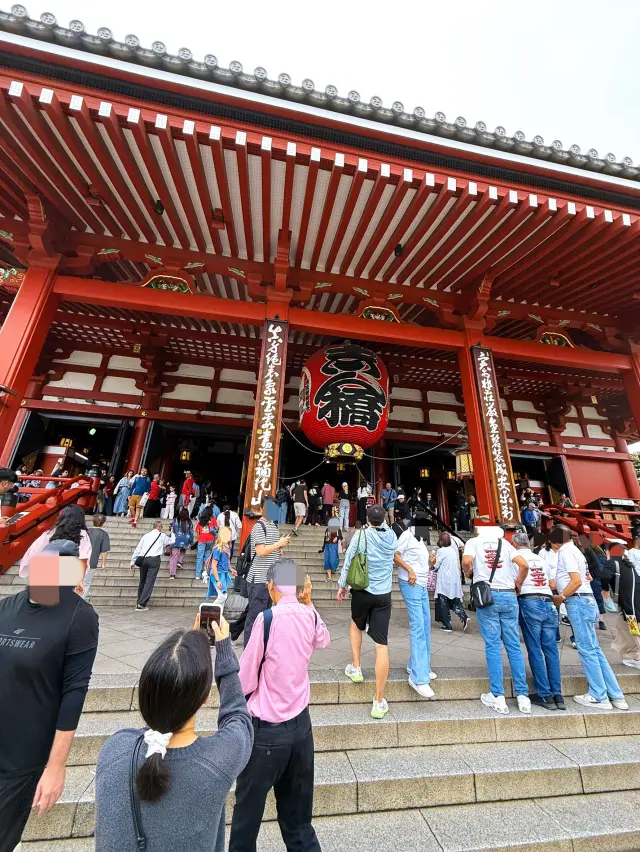
📸 Asakusa in May, Kaminarimon in the sunlight
On this trip to Tokyo, I was looking forward to the scenery in Asakusa the most. The May sunlight was just right—warm but not harsh, illuminating this historic corner of the city.
Standing beneath the famous giant Kaminarimon lantern and looking at its red body and gold lettering, I felt as though I could sense the long history and sacredness of this place. Although it was crowded, everyone had a smile on their face. This place truly is full of energy and joy.
In Asakusa, you can not only pray and worship, but also try all kinds of traditional Japanese snacks. Walking along Nakamise Shopping Street, the aromas from the shops and the wide variety of souvenirs were almost overwhelming.
It’s a great place for the whole family to visit. If you’re planning a trip to Tokyo, remember to add Asakusa’s Kaminarimon to your itinerary! ✨

![[Tokyo Skytree Travel Guide] Enjoy One-of-a-Kind Views and Experiences You Can Only Have Here](https://static.gltjp.com/glt/data/article/21000/20461/20231015_003144_b8986e85_w640.webp)