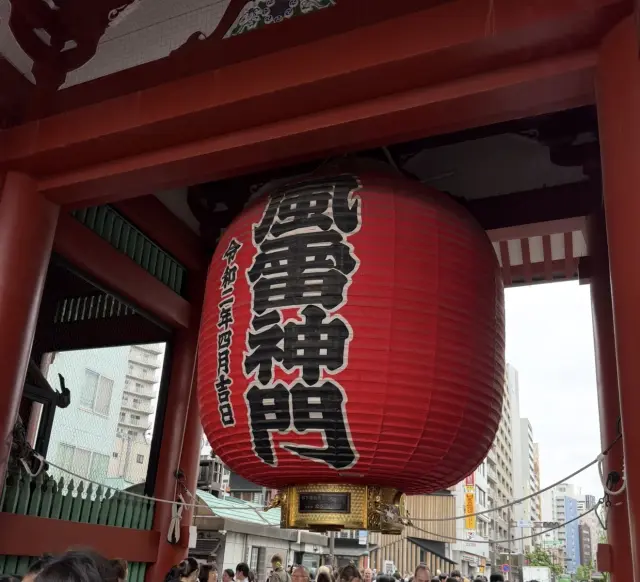
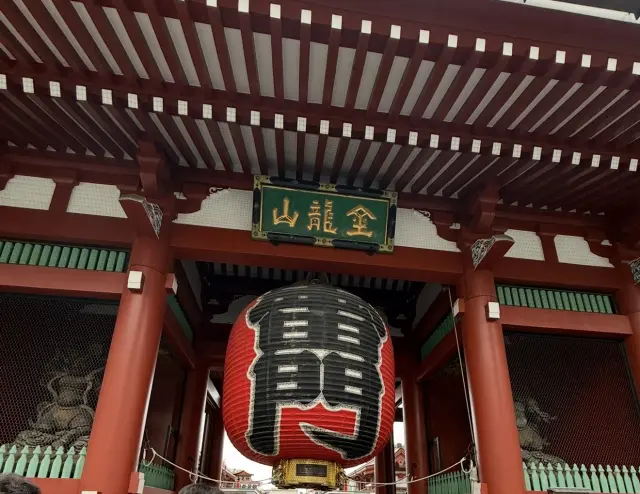
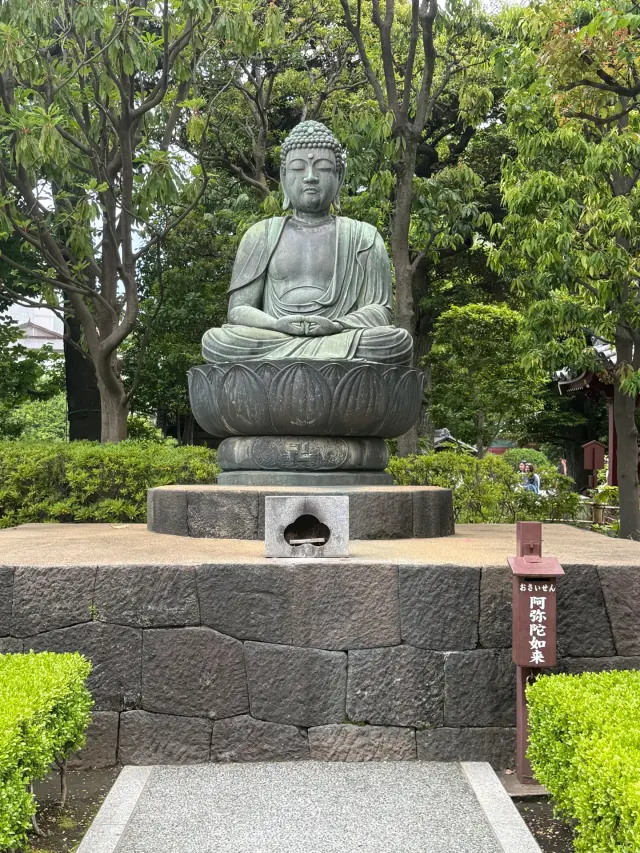
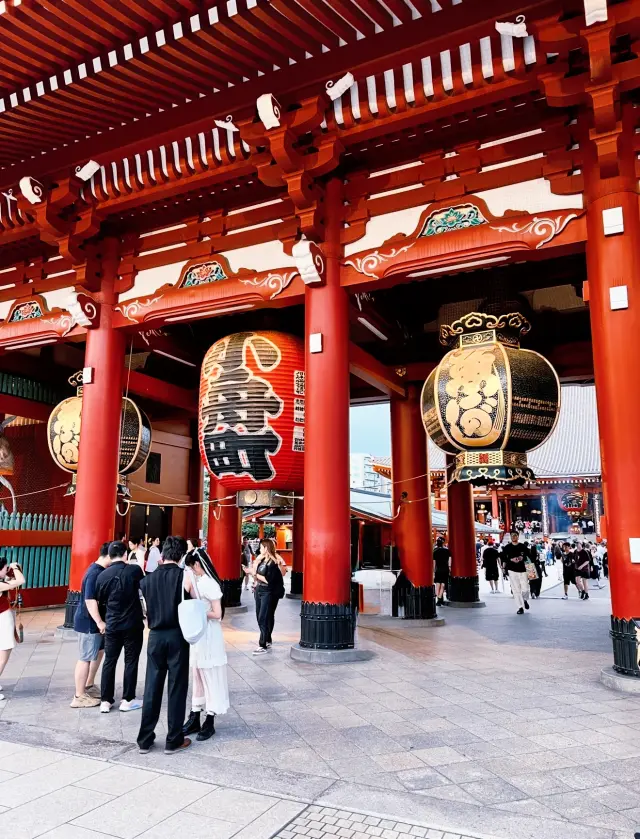
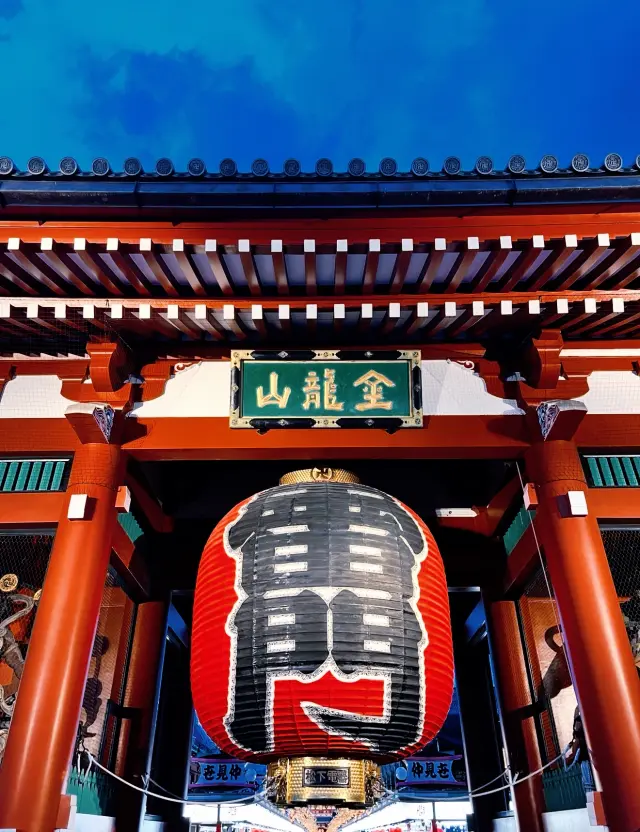
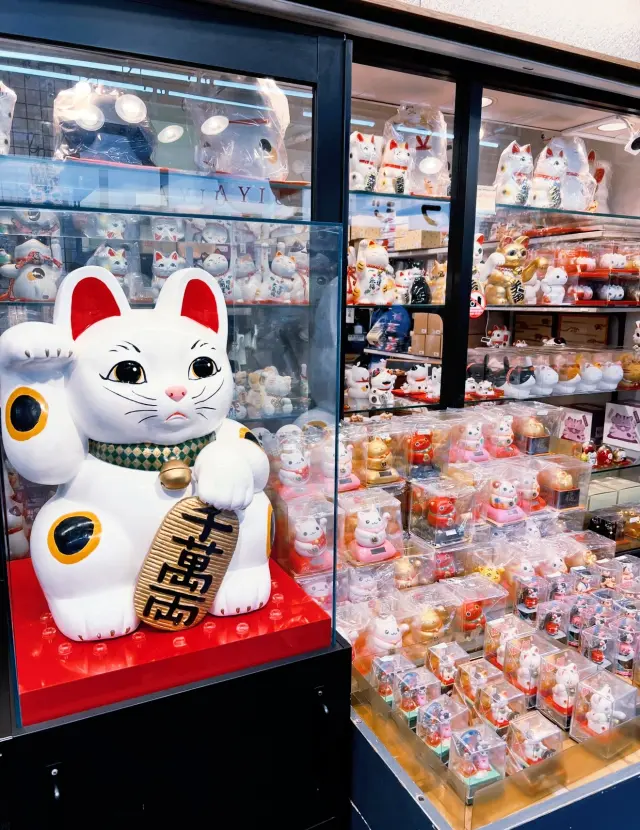
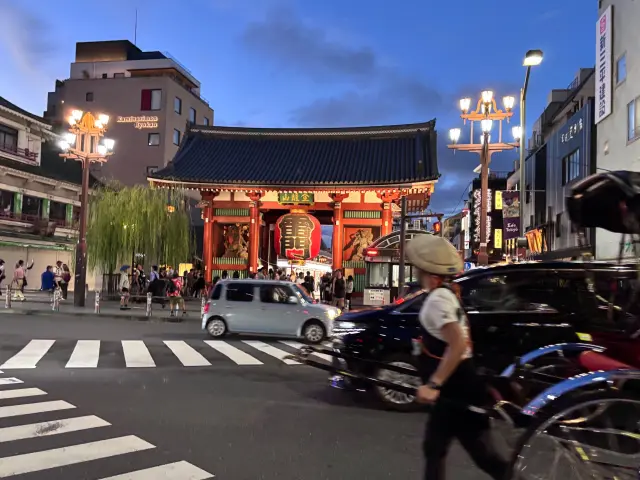
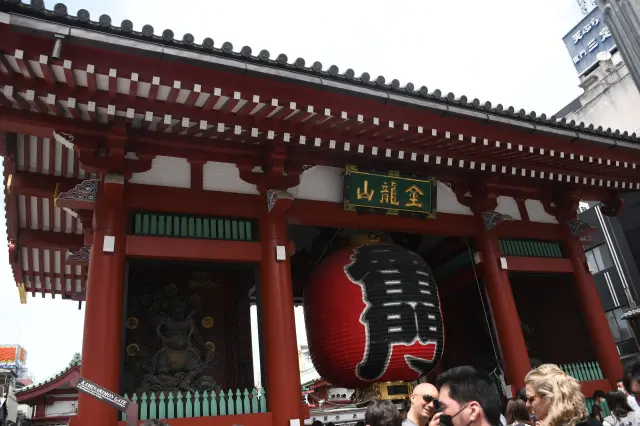
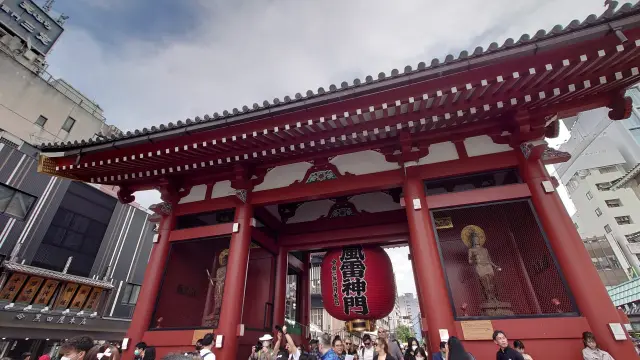
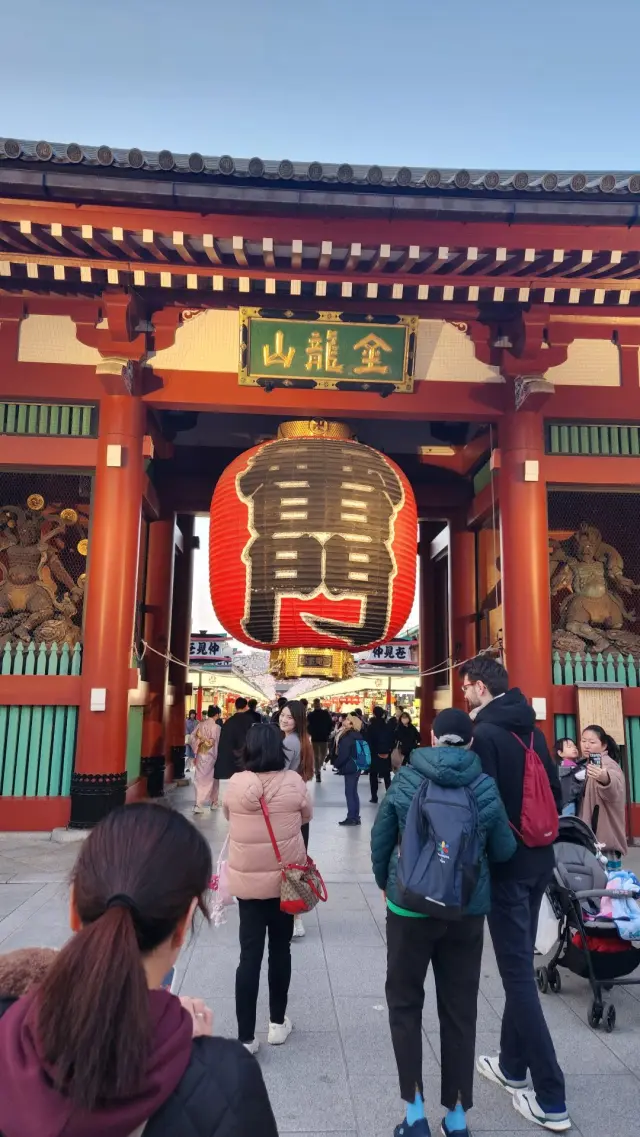
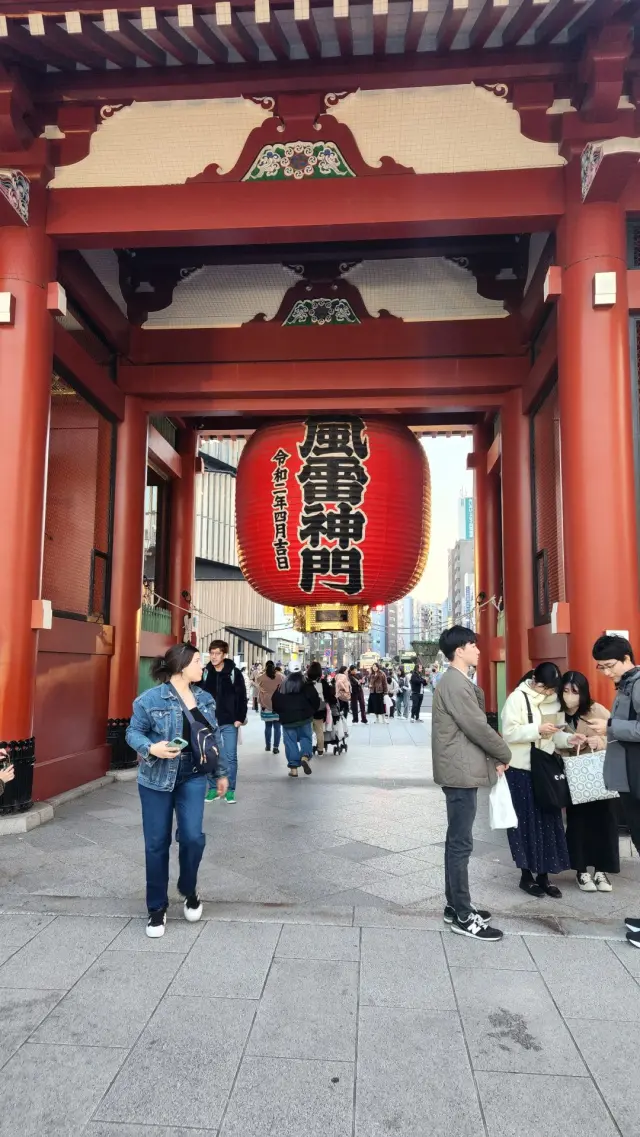
Sensoji Temple is a place with a strong cultural feel. Starting with the large red lantern at the Kaminarimon Gate, you can immediately sense the rich atmosphere of traditional Japan. Walking along Nakamise Street to the temple, the little shops along the way are also full of character. There were many visitors, making it very lively!
All Reviews of Sensoji Temple
4.74
76
- Overview
- Photos
- Reviews
- Basic Information
- Newest
- With Photos
- Most Liked
Showing 1–10 of 76
-
-
I had excitedly planned to take a photo with the huge lantern at Sensoji Temple's Kaminarimon Gate, but the crowd was absolutely overflowing. After waiting forever without finding an opening, I finally decided to give up!
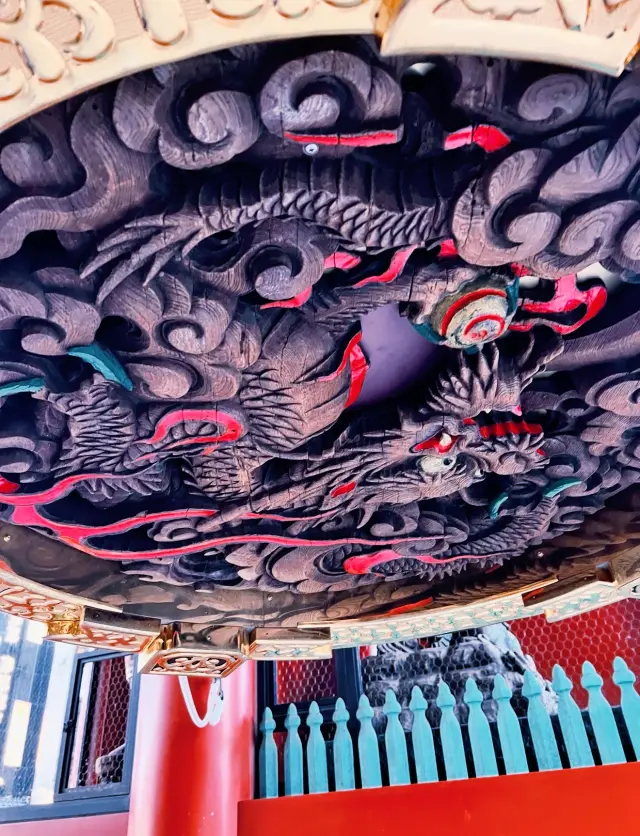
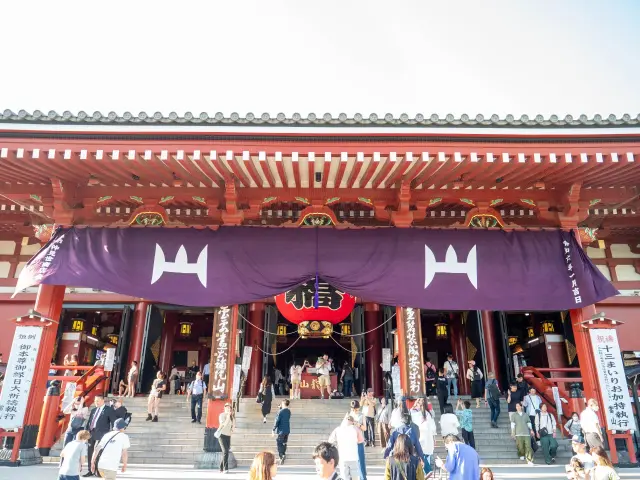
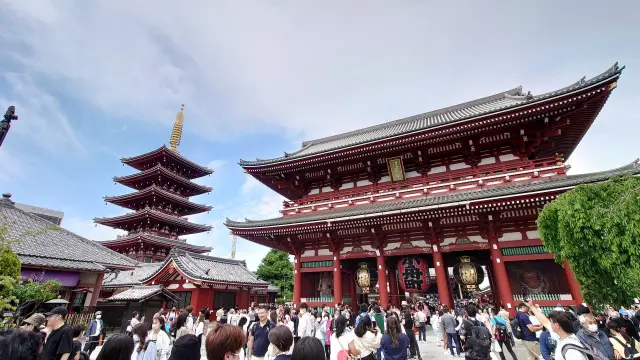
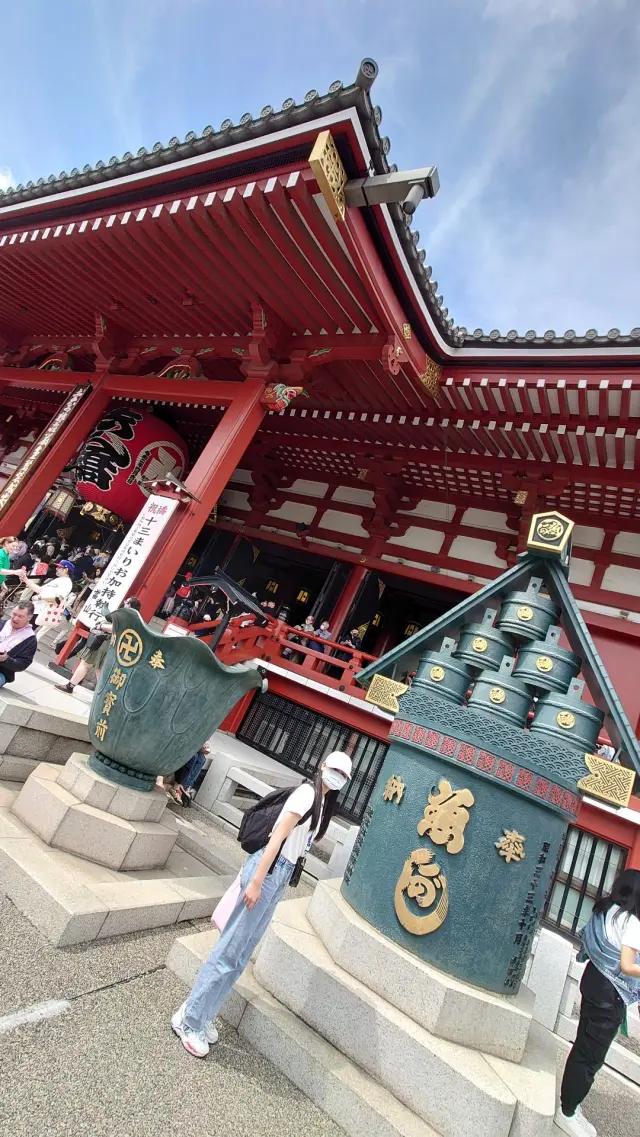
I was a little disappointed that I couldn't get the photo, but then I realized that casually taking pictures of the scenery around the temple was wonderful too. The vermilion buildings stood out against the blue sky, and every quick shot of the details in the eaves and lanterns was so beautiful and calming. Looking at the serene, elegant atmosphere in the photos made me feel completely relaxed and at ease. That's travel—going with the flow can be a wonderful reward in itself! -
-
📸 Asakusa in May, Kaminarimon in the sunlight
On this trip to Tokyo, I was looking forward to the scenery in Asakusa the most. The May sunlight was just right—warm but not harsh, illuminating this historic corner of the city.
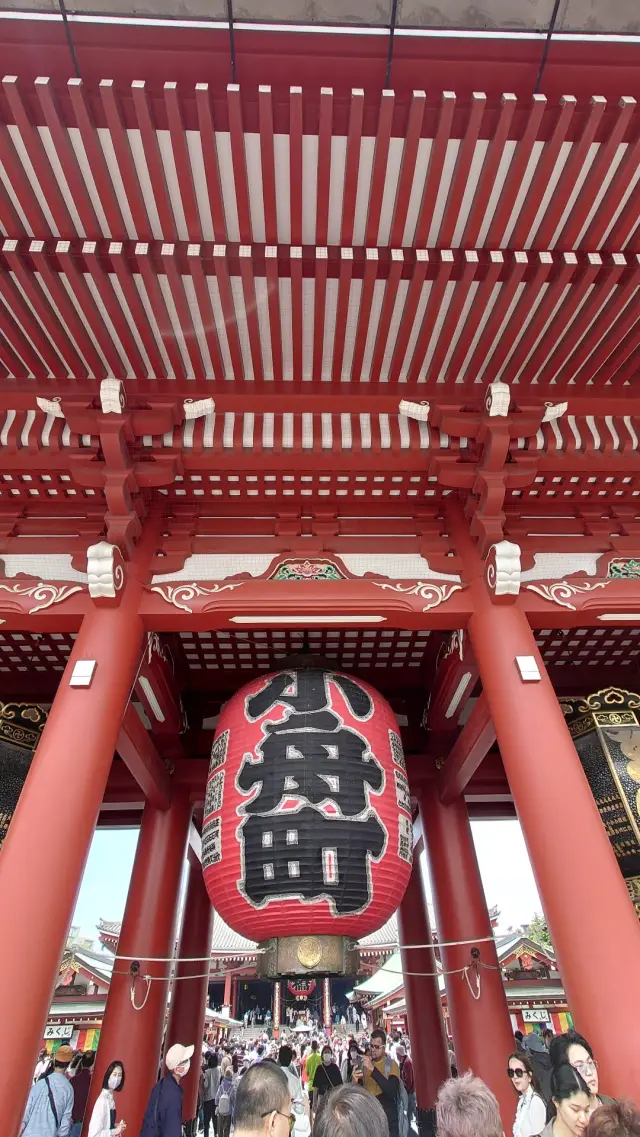
Standing beneath the famous giant Kaminarimon lantern and looking at its red body and gold lettering, I felt as though I could sense the long history and sacredness of this place. Although it was crowded, everyone had a smile on their face. This place truly is full of energy and joy.
In Asakusa, you can not only pray and worship, but also try all kinds of traditional Japanese snacks. Walking along Nakamise Shopping Street, the aromas from the shops and the wide variety of souvenirs were almost overwhelming.
It’s a great place for the whole family to visit. If you’re planning a trip to Tokyo, remember to add Asakusa’s Kaminarimon to your itinerary! ✨ -
-
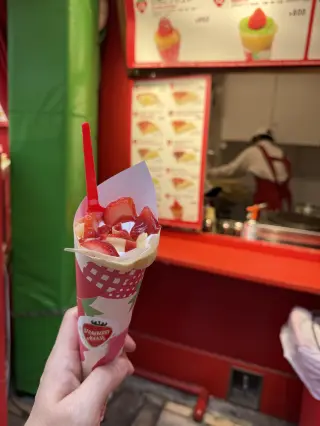
Sensoji Temple was packed with people, but exploring among the traditional buildings was truly worthwhile. Kikus Suido's “Love Fortune Bear Skewer” on Nakamise Shopping Street was super eye-catching, featuring adorable bear-shaped monaka, heart-shaped castella cakes, and sweet, fresh strawberry daifuku. It had a delightful variety of flavors and was so comforting. You can even read your fortune after finishing it, adding another romantic memory to this Tokyo trip!
-
-
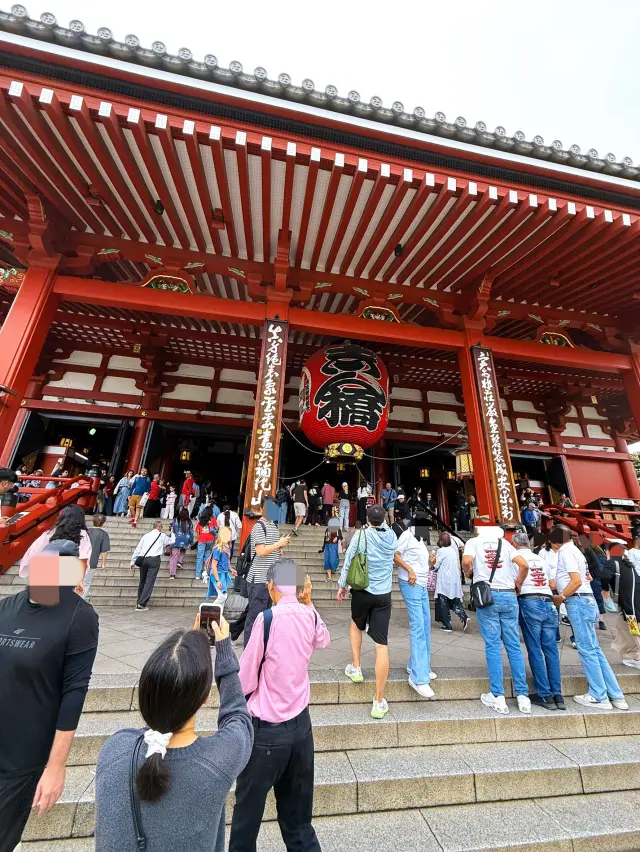
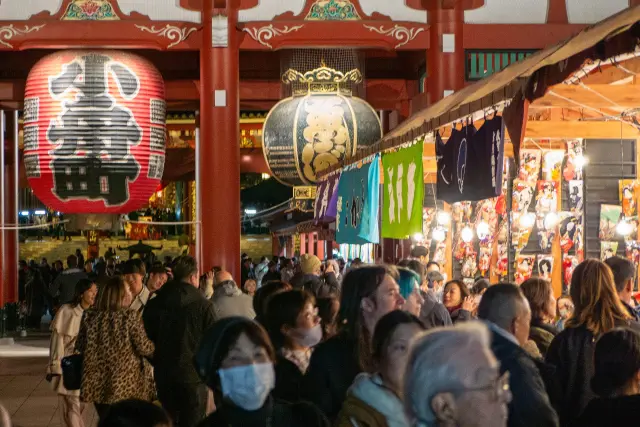
In front of Kaminarimon Gate, the huge red “Kaminarimon” lantern hanging high above and the bustling crowds immediately come into view, creating an impressive sight.
After passing through the gate, you enter the lively Nakamise Shopping Street, lined with all kinds of traditional snacks, ningyo-yaki, and beautiful souvenirs, making it hard to stop browsing as you walk.
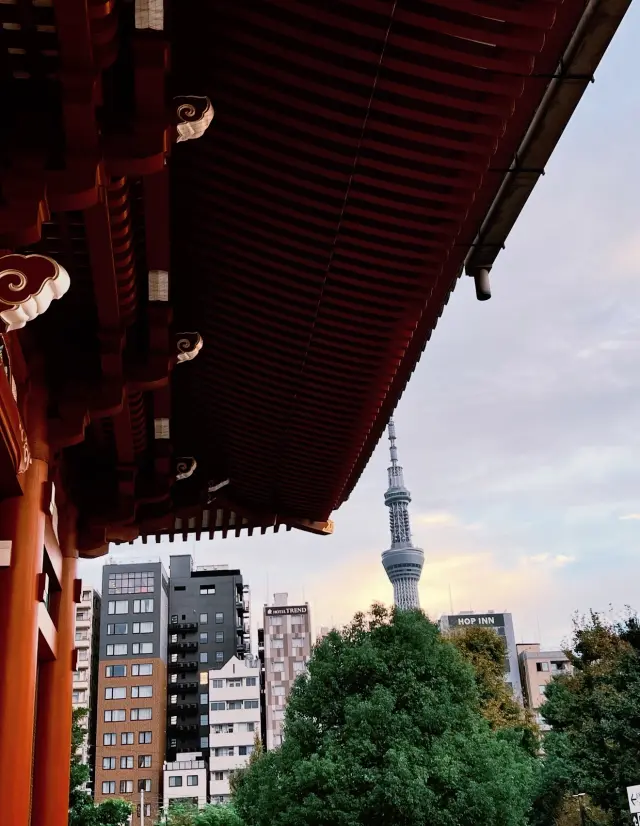
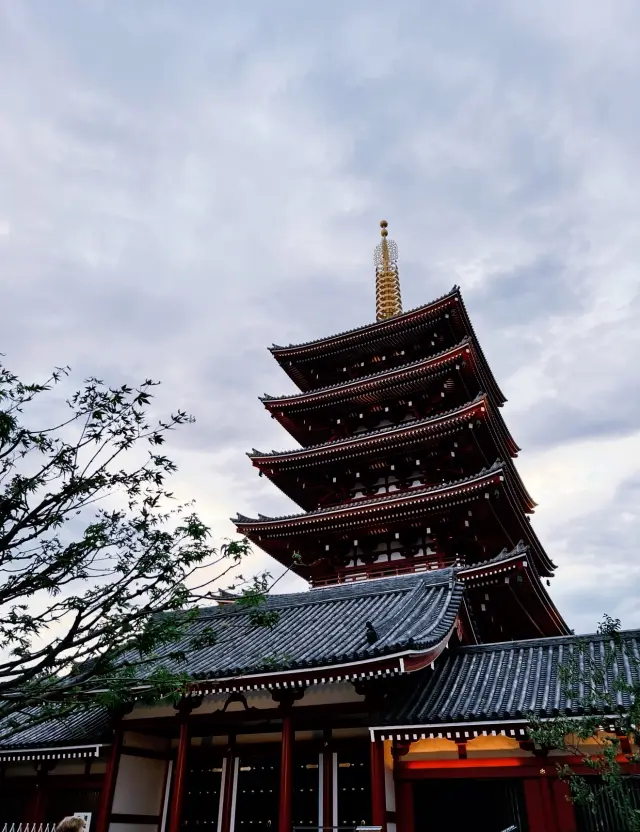
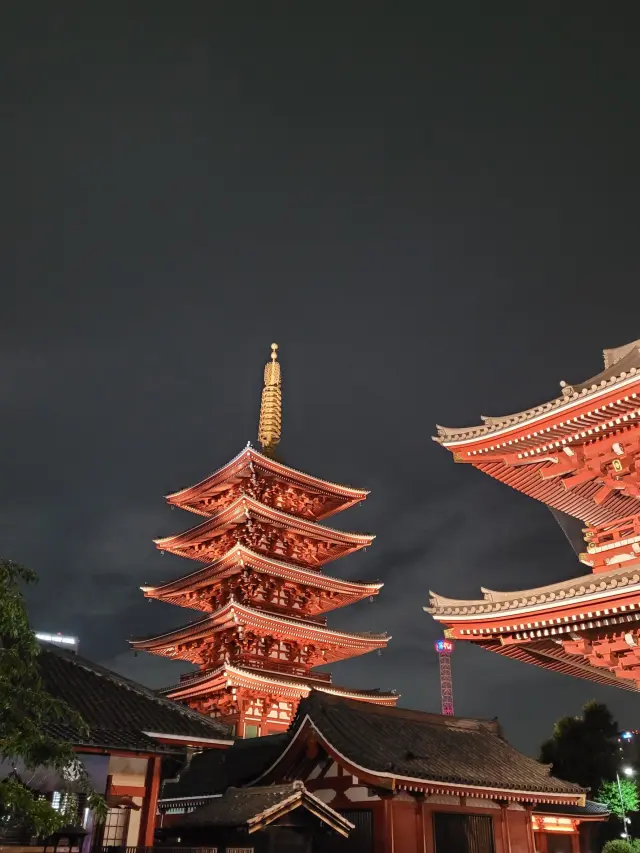
Near the main hall and the majestic five-story pagoda, you can not only feel the serene history of this ancient temple, but also capture the unique view of the traditional vermilion buildings and the modern Tokyo Skytree in the same frame.
I highly recommend including Sensoji Temple in an in-depth walking tour of Tokyo. Whether you come to worship, experience the traditional warmth of the old downtown area, or capture striking classic scenes, it will definitely leave you with wonderful memories that last a lifetime! -
-
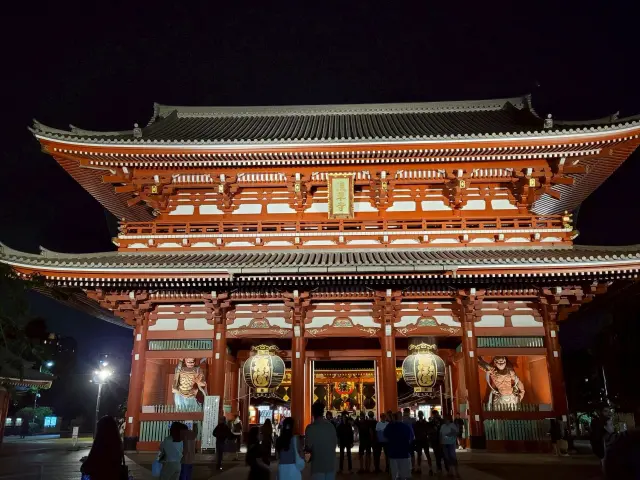
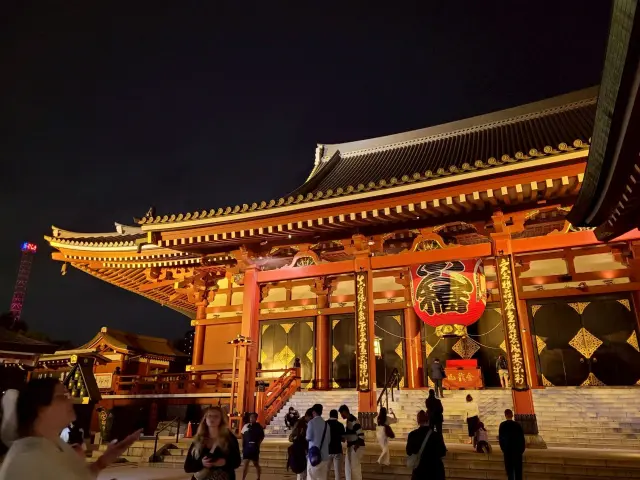
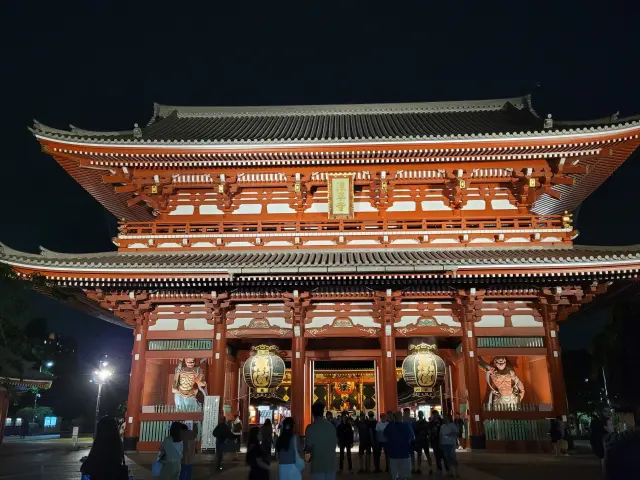
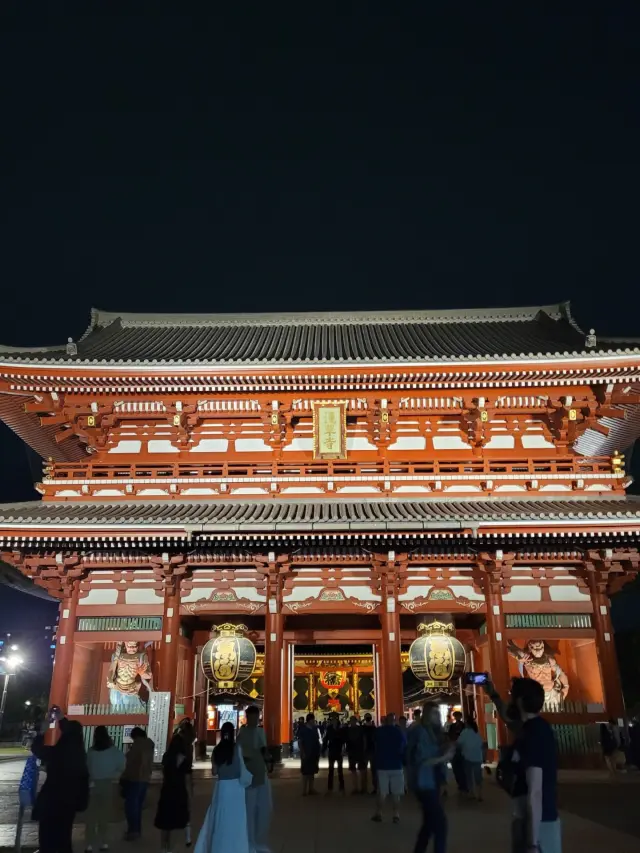
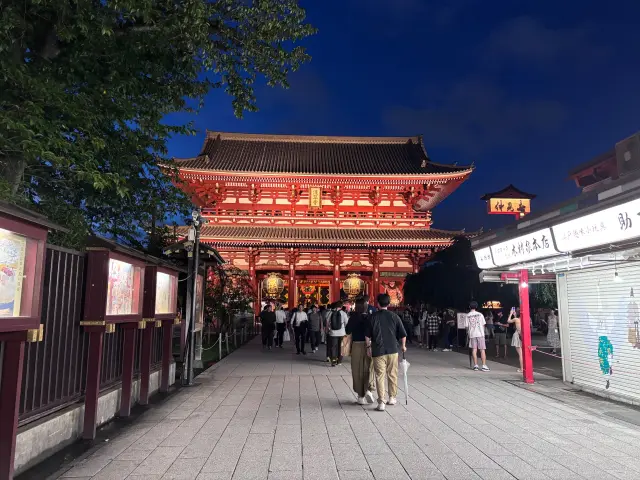
Sensoji Temple, Tokyo's oldest temple, bustles with crowds during the day, but after it is illuminated at night, it reveals another side that is serene and magnificent!
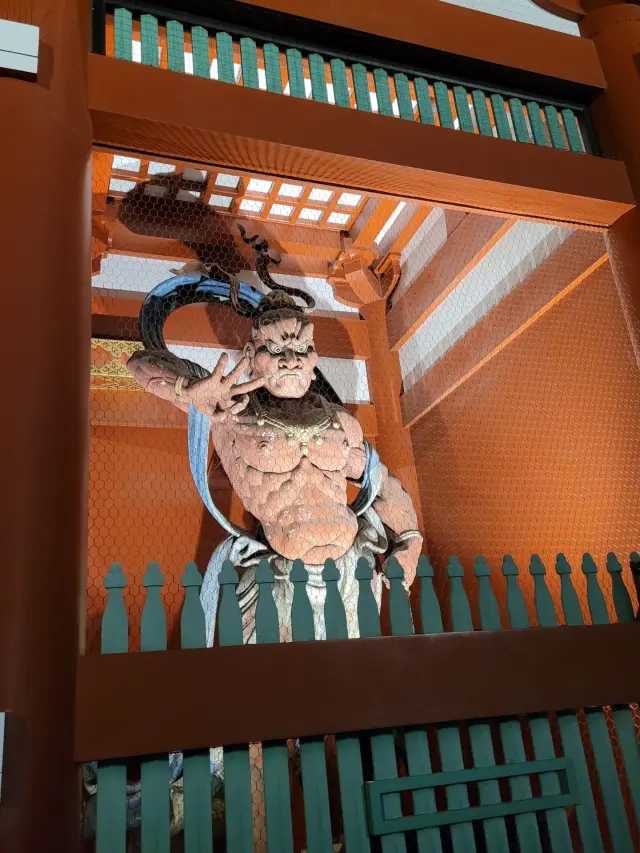
Walking through the temple grounds at night, the imposing Hozomon Gate and powerful Nio guardian statues look especially dramatic under the lights. The towering five-story pagoda lights up the night sky, creating unparalleled classical beauty and a sacred atmosphere. Away from the daytime noise and crowds, Sensoji Temple at night is perfect for a leisurely stroll, taking commemorative photos, and quietly experiencing the refined beauty and awe inspired by this ancient temple with a thousand-year history! -
-
For me, Sensoji Temple is not only one of Tokyo's most famous tourist temples, but also the starting point of my later pilgrimage to the “Three Great Kannon Temples.”
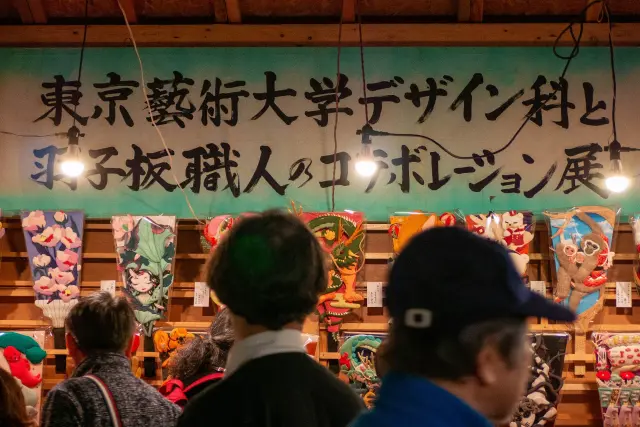
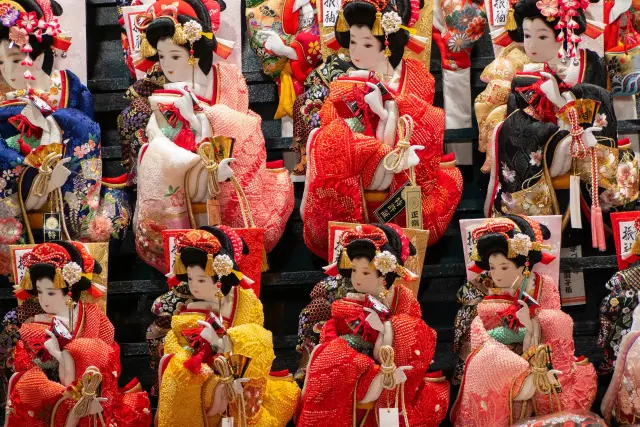
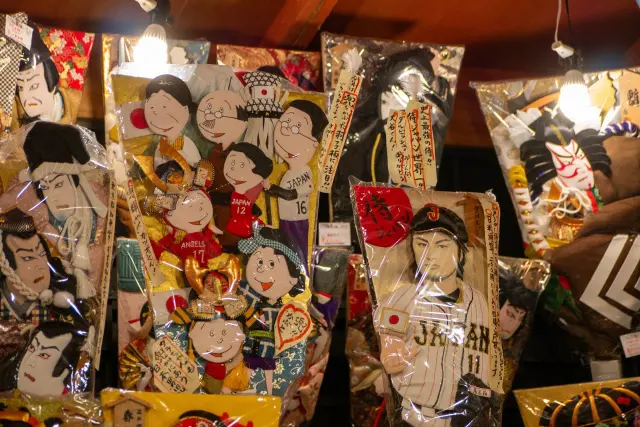
The first time Sensoji made a special impression on me was when I visited during the year-end Toshi no Ichi fair. Sensoji's Toshi no Ichi is held every year around December 17 to 19, and its most iconic event is the Hagoita Market. Stalls selling all kinds of decorative battledores gather throughout the temple grounds, making it a traditional Tokyo event filled with a year-end atmosphere.
Compared with an ordinary sightseeing visit, Toshi no Ichi had a strong, down-to-earth New Year's feeling. Under the warm, dim lighting, the lines of each battledore looked softer, as if they had their own filter. I usually tend to keep my distance from dolls with human faces, but surrounded by the lights and darkness that night, the battledores somehow had a lively and gorgeous beauty.
A photo I took at that Toshi no Ichi later unexpectedly won a participation prize in a photography event. It had been more than ten years since I had last won anything, which made me feel an even more mysterious connection with Asakusa Kannon.
Later, I returned to thank Kannon for the blessing and nervously drew a fortune, only to get “small blessing.” At the same time, I prayed for my upcoming trip to Saihoji Temple to go smoothly. Although it rained all the way through Tokyo until I left on the overnight bus, the weather cleared after I arrived in Kyoto. That also made the visit especially memorable for me.
On several later visits, I never drew a “bad luck” fortune from Kannon. People often say Sensoji has a fairly high proportion of bad fortunes, so I always feel a little nervous before drawing one. But I made it through safely each time, which felt like a small blessing to me. I know drawing fortunes is ultimately a matter of probability, but while traveling, sometimes you really treasure coincidences that work out just right.
Perhaps because of what happened afterward, along with the fact that I didn't get a bad fortune in any of my three draws, now whenever I go to Tokyo and have enough time, I try to visit Sensoji again to pray. For me, it is no longer just a place that's a “must-visit on your first trip to Tokyo,” but more like a place where I check in with Kannon at the start of or during each trip and pray for safe travels. I am very grateful for Kannon's protection along the way, and I hope I can continue coming back to worship on every future trip to Tokyo. -
-
Kaminarimon and Sensoji Temple are among Tokyo's must-visit attractions! The huge red lantern at Kaminarimon is especially eye-catching. No matter how many times I've visited, I still can't resist taking out my phone for a photo whenever I pass by.
Along the road from Kaminarimon to Sensoji Temple, shops line both sides. There are many unique little stores selling local specialties and souvenirs, as well as all kinds of street food, such as grilled rice crackers and Kaminarimon-yaki. Everything makes you want to buy some and give it a try. The fried manju at the end of the shopping street is my personal favorite! They come in both sweet and savory flavors, and it's such a treat to buy one and eat it while browsing the shops.
Asakusa isn't just a good place to visit during the day; I also highly recommend taking an evening stroll. Once night falls, the streetlights come on and there are fewer people than during the day. It's less bustling and has a different atmosphere.
-
-
Memories of Asakusa Beneath Kaminarimon
A trip to Tokyo wouldn't be complete without visiting Sensoji Temple. This ancient temple, one of Tokyo's most iconic, attracts tens of millions of worshippers each year and has long been an important landmark where travelers can experience Tokyo's traditional culture. Before entering Sensoji Temple, the first thing that catches your eye is the imposing Kaminarimon Gate. A huge red lantern hangs in the center of the gate dedicated to the gods of wind and thunder, and the gold characters for “Kaminarimon” on a black background are especially striking. It has also become one of the most classic photo spots of the trip.Passing through Kaminarimon and walking along Nakamise toward the inner temple grounds, the Hozomon Gate and five-story pagoda gradually come into view. The vermilion beams and pillars, intricate bracket work, and layered gray-tiled eaves look solemn and magnificent against the blue sky. Looking back from in front of the temple, amid the bustling crowds and curling incense smoke, the modern vibrancy of Tokyo and the history of the ancient temple come together in this moment.
-
-
Whenever I'm in Tokyo, if time allows, I always visit Sensoji Temple to pray. The fortunes here are very accurate, and they feel like reminders of things you should pay attention to. You can really feel how gentle the bodhisattva is.
-