WANG

WANG 's page

New traveler👋

Number of reviews 134/ Number of likes 341

Reviews

  • The Great Buddha of Kamakura at Kotoku-in Temple

    As the principal object of worship at Kotoku-in temple (officially known as Daii-san Kotoku-in Shojosen-ji), the Buddhist statue of Amida Nyorai enjoys tremendous popularity among the famous spots of Kamakura. The Great Buddha of Kamakura is familiar for the intensity of its presence.

    • Kamakura
    • Shrines & Temples
    See More

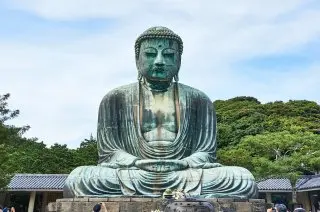
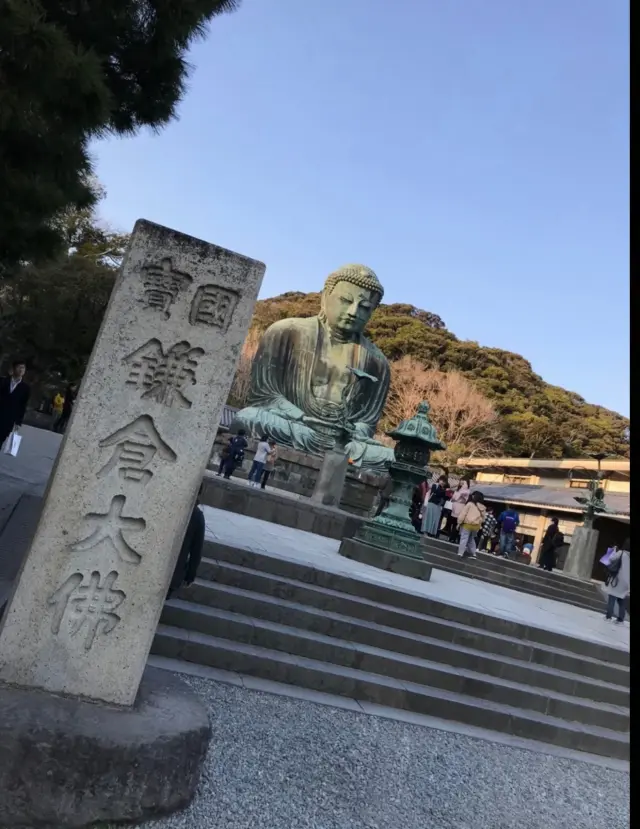
    As soon as I entered Kotoku-in and saw the huge stone monument inscribed with “National Treasure: Great Buddha of Kamakura,” my anticipation went through the roof! After walking a few more steps and looking up, I saw the entire bronze statue of Amida Buddha sitting majestically between heaven and earth. The sight could only be described as “stunning and imposing”! With rolling green mountains behind it and a clear blue sky overhead, the Buddha’s kind, gentle features and slightly lowered eyes, as if deep in contemplation, looked especially solemn and serene in the open natural light.
    The grounds were packed with pilgrims and tourists from around the world. Everyone crowded below the steps and around the incense burner to take pictures and gaze up at the statue. Even the incredibly lively atmosphere couldn’t overpower the calming presence radiating from the Buddha. The most distinctive and coolest thing about this statue is that it’s an “open-air” Great Buddha! Apparently, it was originally sheltered by a magnificent hall long ago, but after centuries of storms and tsunamis, the wooden structure was mercilessly destroyed by nature. Only this solid bronze Buddha remained seated securely on its stone pedestal. It has been sitting there for more than 700 years, witnessing all the changes in the world. Simply standing before it and feeling the profound weight of all that accumulated history fills you with awe!
    Besides standing in the plaza and looking up at it for photos, the most satisfying hidden experience that you absolutely shouldn’t miss is paying just a few dozen JPY to explore the “inside of the Great Buddha”! You enter through an inconspicuous little door behind the statue, and it feels like being enclosed in a gigantic bronze time capsule. The space inside isn’t very large, but you can clearly see the traces of how Japanese craftsmen skillfully joined and welded the bronze plates together hundreds of years ago. Faint sunlight also filters in through openings in the back. The amazing feeling of touching the warmth of history with your own hands is several times cooler than just taking pictures outside!
    Walking around the stone steps with a gentle breeze blowing through the tips of the pine branches, whether you’re admiring the simple, subdued color of the bronze, examining the bronze lanterns on the stone platform, or stopping to take a deep breath and experience the peaceful yet vibrant atmosphere, all your accumulated travel fatigue instantly melts away. This relaxed pace, where you can experience the impact of ancient history and culture while casually strolling among nature and historic sites, is definitely one of the most classic, memorable, top-tier stops in Kamakura!
  • Enoshima Electric Railway (Enoden)

    Enoshima Electric Railway, affectionately known as the “Enoden,” is a private railway operating an approximately 10-kilometer line connecting Fujisawa City and Kamakura City in Kanagawa Prefecture. The line opened in 1902 between Fujisawa and Katase (now Enoshima), and for more than 120 years it has served both as a vital means of daily transportation for local residents and as a key railway supporting tourism in the area.

    • Kamakura
    • Trains & Subway
    See More

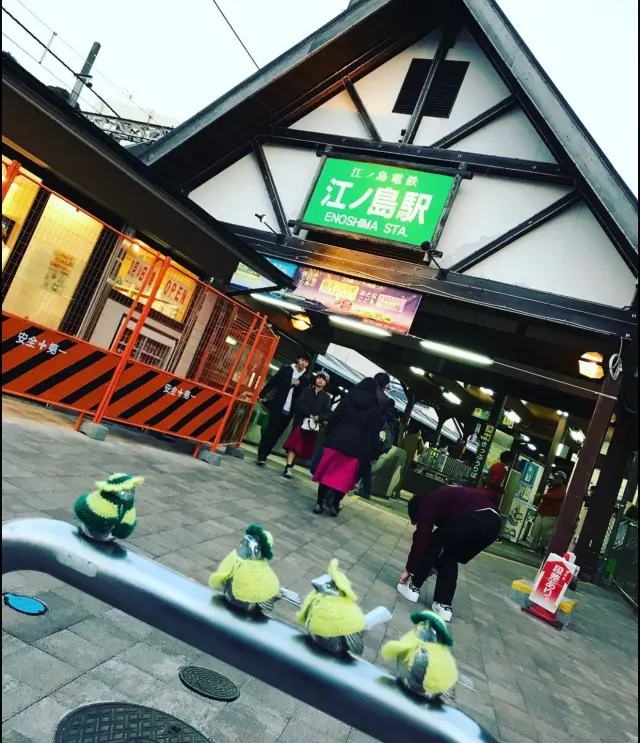
    At Enoden’s Enoshima Station, the island vacation atmosphere and nostalgic retro charm hit you the moment you arrive! The station itself retains the classic character of an old wooden station. The most eye-catching feature is the group of adorable little bronze sparrows on the railing by the entrance. Every so often, a kind local grandmother hand-knits little sweaters and hats in different colors for them. Their seasonal outfit changes are so cute that you can’t help snapping photo after photo.

    Follow the crowds and slowly wander along the lively shopping street, where the air is filled with the aroma of freshly baked rice crackers and tempting grilled seafood. The street is lined with Showa-era-style shops, Japanese sweet shops, and unique souvenir stores, making the walk both relaxing and full of local character. Enoden’s retro green-and-yellow trains slowly pass behind you from time to time with a ding-ding sound. The laid-back, easygoing pace immediately makes you slow down.

    Stroll across the bridge over the sea with the cool ocean breeze on your face, and the lush green hills of Enoshima and the steadfast lighthouse observation deck unfold in the distance. Before you is the deep blue Pacific Ocean stretching all the way to the horizon, and the wide-open view instantly lifts your spirits. This atmosphere combining a retro railway, a leisurely street stroll, and unbeatable ocean views is exactly what makes Enoshima Station so charming.

  • Hasedera temple (Kamakura)

    Hasedera Temple, often referred to as "Hase Kannon," is known as one of the most scenic spots in Kamakura. The principal deity is the statue of Kannon, the Goddess of Mercy, with 11 faces. Standing at 9.18 meters high, it is one of the largest wooden Buddha statues in Japan.

    • Kamakura
    • Shrines & Temples
    See More

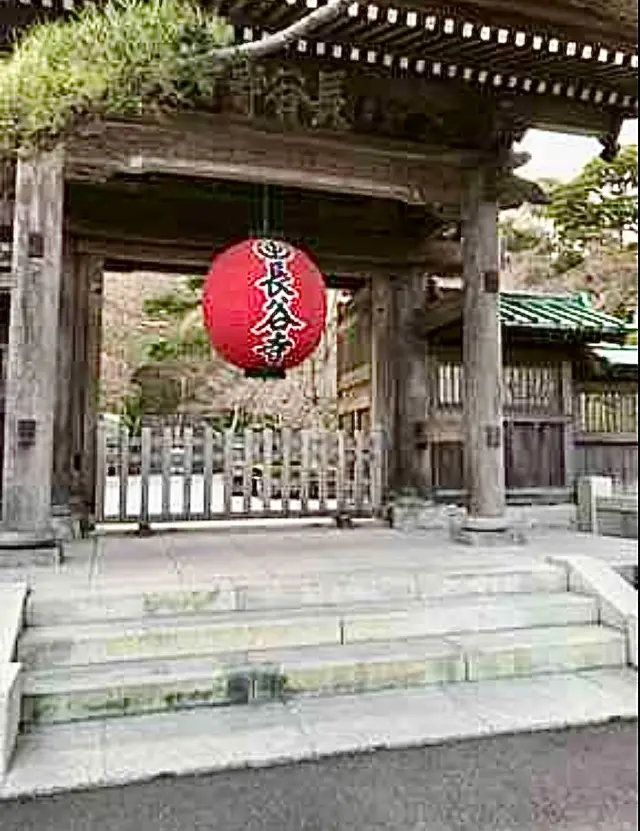
    At the entrance to Hasedera Temple in Kamakura, the first thing that catches your eye is the rustic wooden temple gate, with a striking large red lantern hanging high in the center bearing the three characters for “Hasedera.” The entire gate has a strong sense of history, and the combination of stone steps and wooden pillars creates a calm and peaceful atmosphere as soon as you arrive.
    As you stroll through the temple grounds, you can enjoy the carefully maintained Japanese gardens along the way. Hasedera is known not only for its evergreen scenery throughout the seasons, but also for its excellent views overlooking Kamakura’s beautiful coastline. From the elevated observation deck on the grounds, you can take in the blue coastline of Sagami Bay and the surrounding houses, with a wide and refreshing view.
    The temple is also known for its solemn standing statue of Kannon and its many small Jizo statues. Each stone Jizo statue has a unique expression and pose, adding a touch of warmth to the quiet temple. Slowing down for a walk here while listening to the breeze and the temple bells makes this a wonderful place for a peaceful stroll and to experience the culture and atmosphere of the historic city.

  • Mount Takao

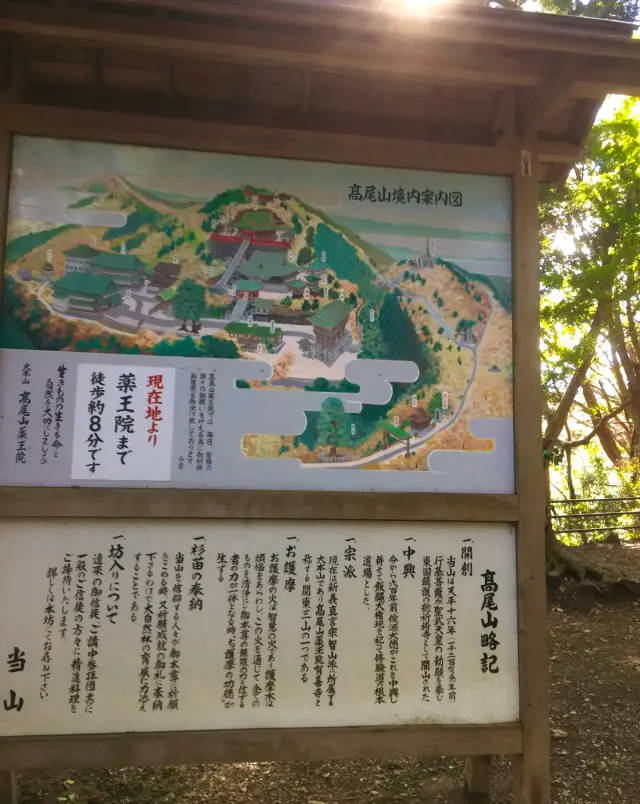
    Mount Takao is a peak with an levation of 599 meters, located in Tokyo’s Hachioji City. With good transportation access, it’s a popular placee to go mountain climbing. While still in the city, it’s like taking a trip to the countryside! From families with small children to the elderly, about 3,000,000 people visit every year. It’s world famous as the mountain boasting the most climbers in the world.

    • Tachikawa, Hachioji, Machida
    • Nature Spots
    See More

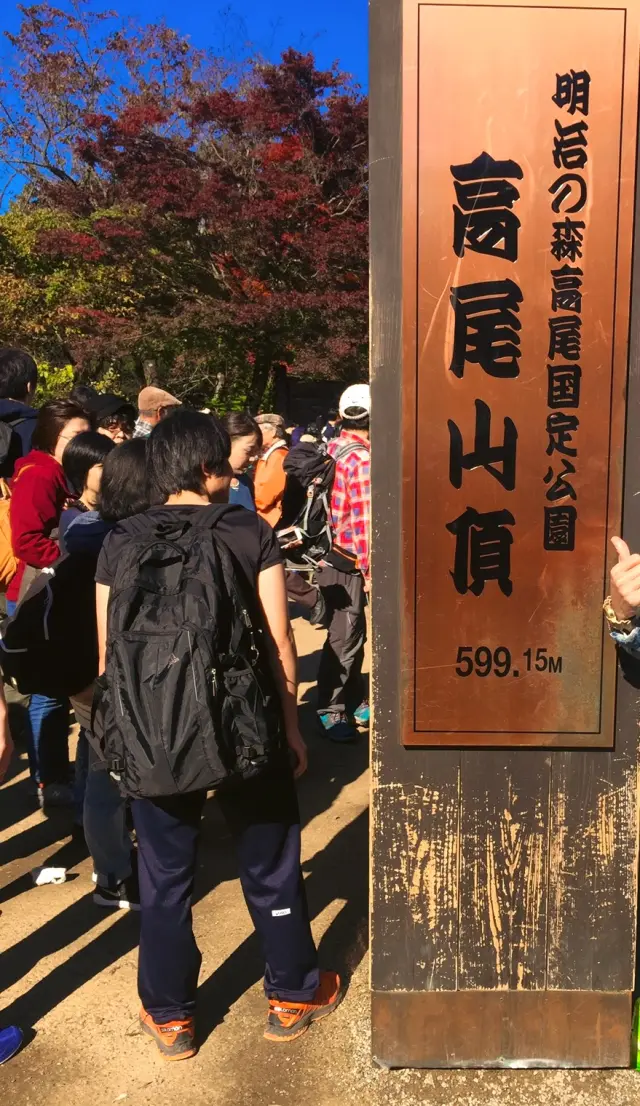
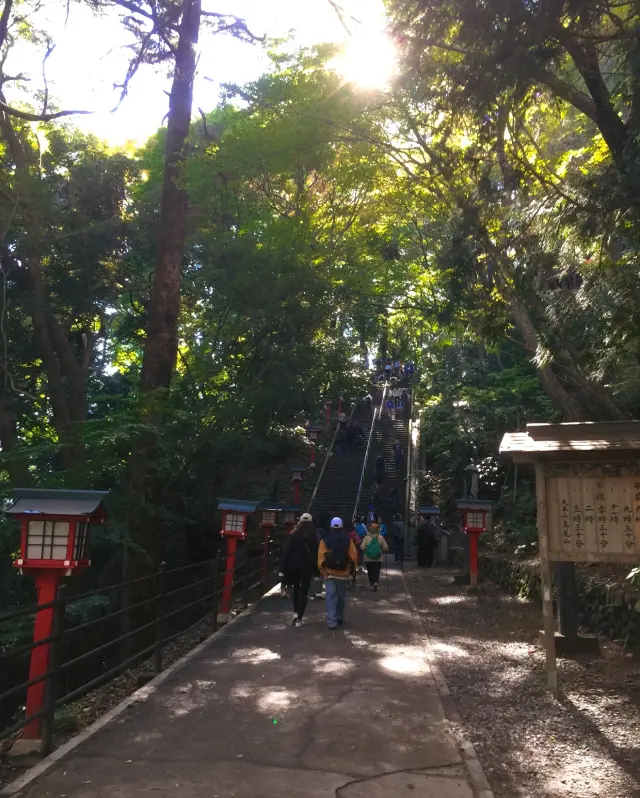
    When I reached the wooden marker at the summit that reads “Meiji no Mori Takao Quasi-National Park, Summit of Mount Takao, 599.15 m,” I saw many hikers lining up to take photos and commemorate their hike. Walking along the forest trail was quite pleasant, with dense trees, old-fashioned red lanterns, and stone steps on both sides.
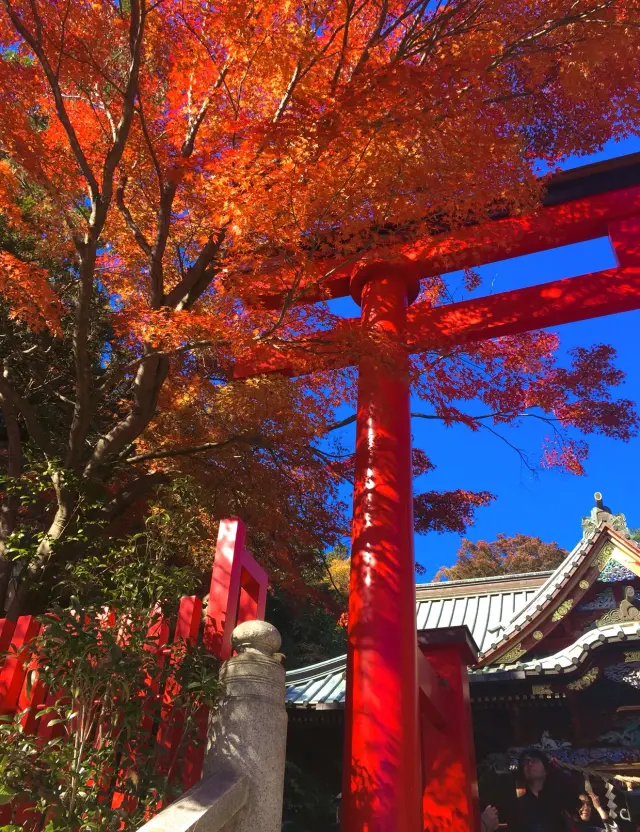
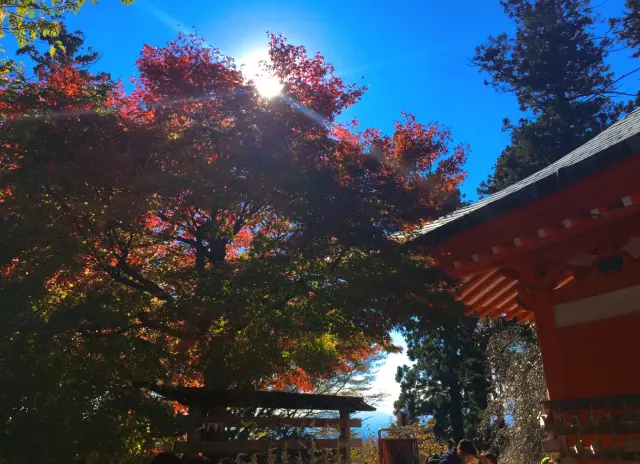
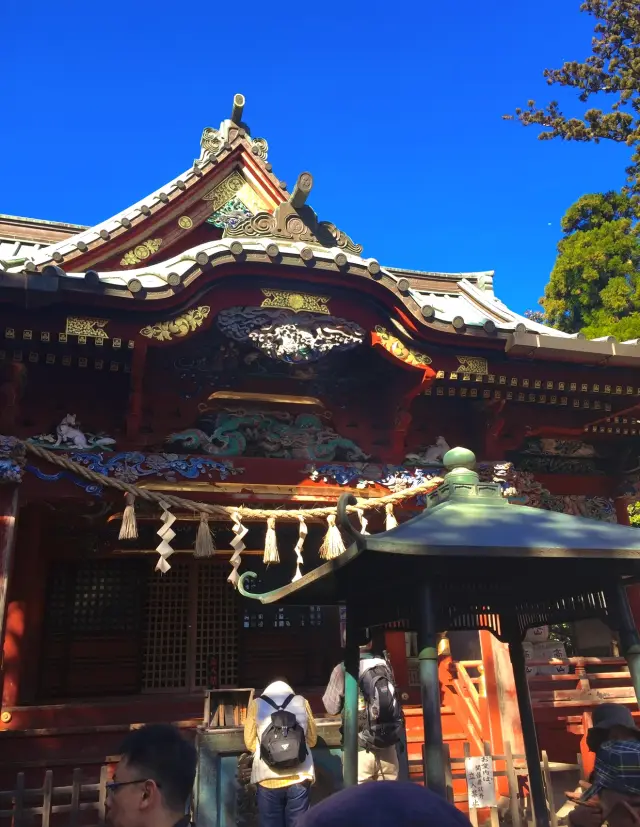
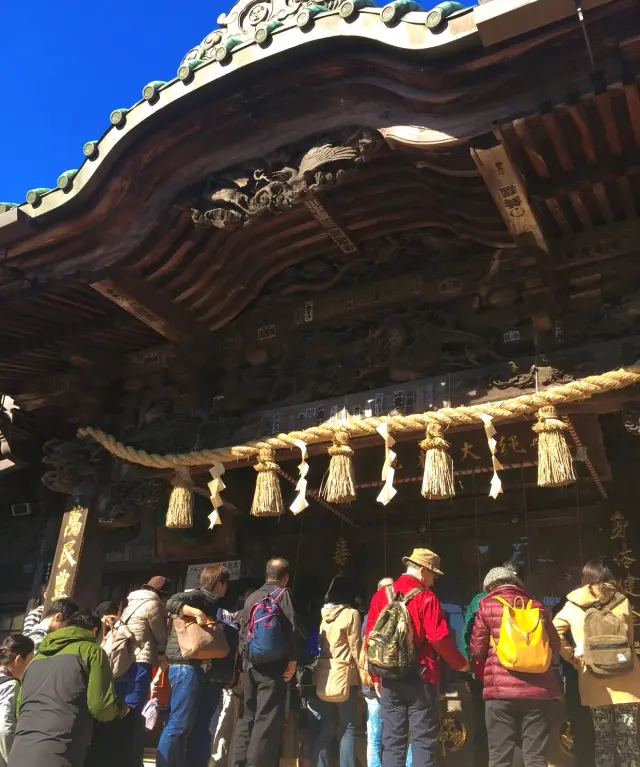
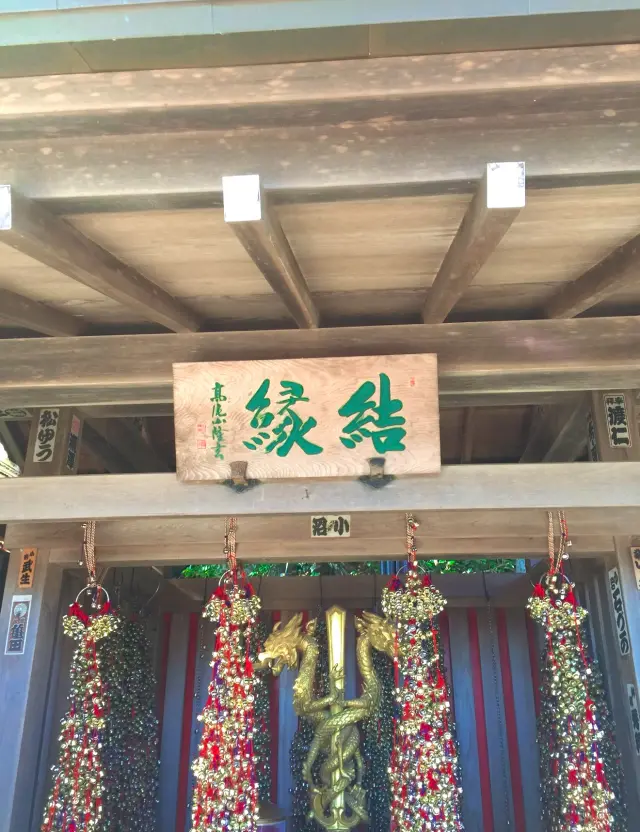
    Visiting Mount Takao in the fall, the most anticipated sight is the mountain covered in red maple leaves. Looking up, the red leaves stood out against the blue sky, while sunlight fell on the red torii gates and temple eaves, creating a beautiful scene. Inside the temple’s main hall, you can see a thick shimenawa rope and intricate wood carvings. Many people were also worshipping there, creating an atmosphere that was both lively and solemn.
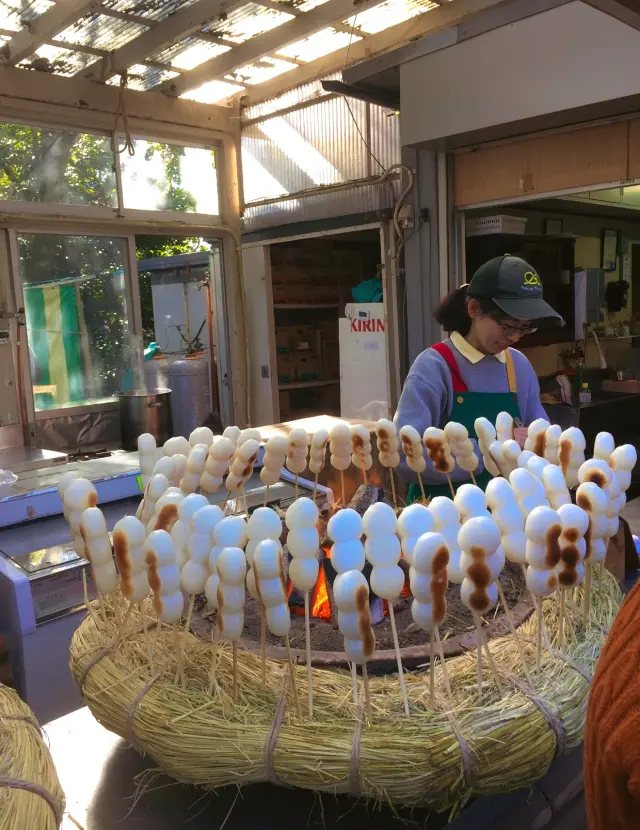
    Besides hiking, you can also take the cable car or open-air chairlift. Sitting on the chair as it slowly climbs, you can look down over the entire forest and trails, with a very expansive view. When heading back down or after getting tired from exploring, you can enjoy a freshly grilled charcoal-roasted dango skewer. Watching the staff turn the dango over the charcoal fire, the piping-hot dango with sauce is a distinctive local snack.
    Mount Takao combines hiking, fall foliage viewing, visits to an old temple, and local snacks, making it a classic destination that is perfect for slowing down and exploring at a leisurely pace.

  • Juhyo (Rime) in Zao (Yamagata Prefecture)

    Zao in Yamagata Prefecture is one of the largest mountain resorts in the Tohoku region. In winter, Zao is a mecca for winter sports, and many tourists come to enjoy the "juhyo," or tree ice formed by snow and ice on the trees.

    • Yamagata
    • Nature Spots
    See More

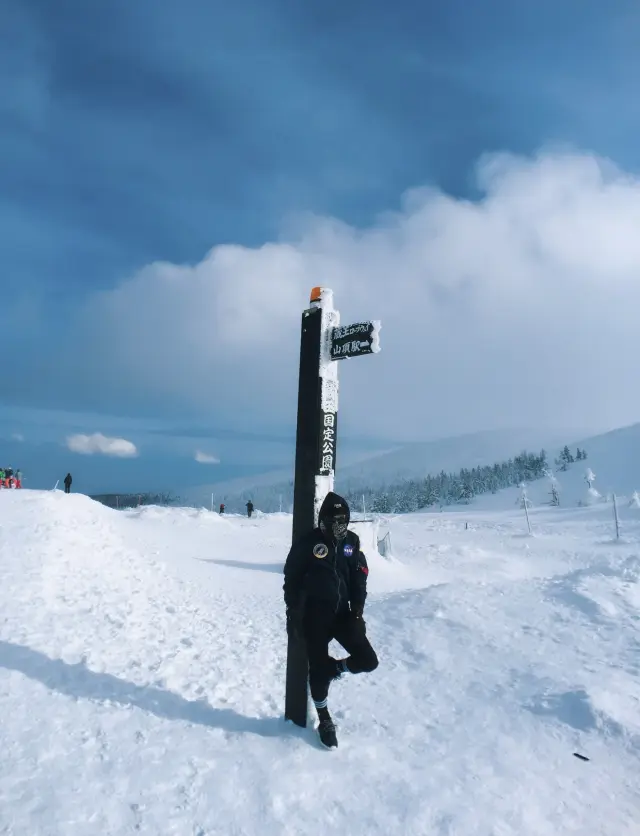
    The moment I reached the summit of Mount Zao, it felt as if I had fallen straight into a gigantic white kingdom of snow and ice several degrees below freezing. Everywhere I looked was a fantastical world completely covered in thick snow and frost. The cold air felt icy as I breathed it into my lungs, but the incredibly spectacular sight before me was exciting enough to make me completely forget the cold.
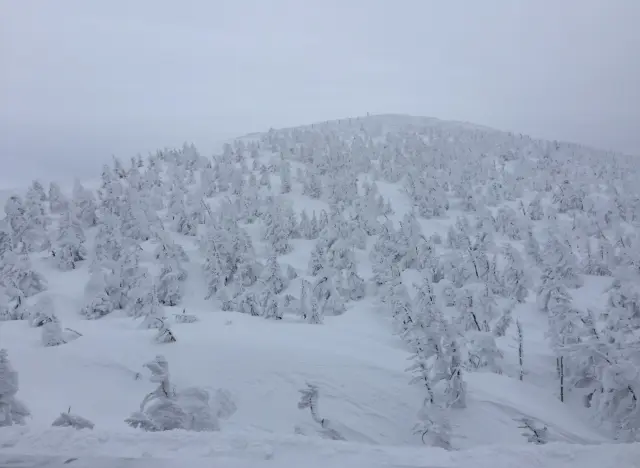
    I struck a cool pose for a photo beside the sign, with a brilliant blue sky and wildly drifting white clouds behind me. In the distance, the rolling mountain ranges were all dressed in thick white coats of snow, making the whole scene look unbelievably cool. The most famous sights here are Zao's juhyo, the strangely shaped snow monsters. The entire mountainside is densely covered with fir trees that have been completely transformed by snow and ice. From a distance, they look like countless gigantic white monsters standing silently in the snow. This extraordinary sight carved by the incredible power of nature is something you have to see with your own eyes to understand just how breathtaking it is.
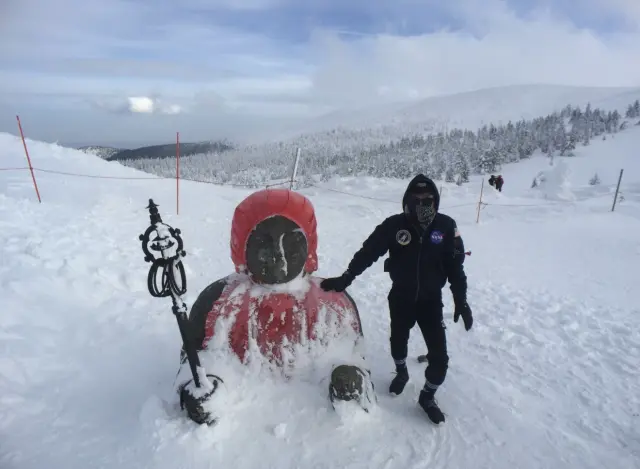
    As I trudged through the deep snow, I also happened upon the Zao Jizo statue, dressed in red, wearing a traditional straw hat, and holding a staff, though it was almost buried in the heavy snow. Seeing only half of its body exposed as it stood in the swirling snow was both sacred and a little amusing. Taking a photo beside it gave me a wonderfully exhilarating feeling of being on an adventure through nature's snowy landscape.
    As the sunlight streamed down from high above, the snow and ice-covered trees reflected a dazzling silvery-white glow, making the entire mountaintop sparkle like a dream. Exploring this snowy alpine wilderness and witnessing the spectacular giant juhyo with my own eyes was definitely the most thrilling and unforgettable grand finale to a winter trip!

Hokkaido Tohoku Kanto Chubu Hokuriku Kansai Chugoku Shikoku Kyushu Okinawa