


First Time in Nagoya? Where Should You Go?
Nagoya Travel Guide
Nagoya flourished as the castle town of the Owari Tokugawa clan and continues to grow today as the leading city of the Chubu region. Historic landmarks such as Nagoya Castle and Atsuta Jingu remain, while Meieki and Sakae are packed with large shopping complexes and restaurants. In Osu, you can wander a shopping street lined with one-of-a-kind shops, and the city shows a different face from area to area.
As a city where industries such as automobiles, railways, and ceramics have flourished, Nagoya is home to many facilities where you can learn about the history and technology of manufacturing. Its unique food culture is also deeply rooted, from local dishes like miso katsu and hitsumabushi to café morning sets and ogura toast, letting you experience both city sightseeing and Nagoya's distinctive culture in one trip.
Where Castle-Town History Meets a Living Culture of Craftsmanship and Food
Explore Nagoya by Area

-
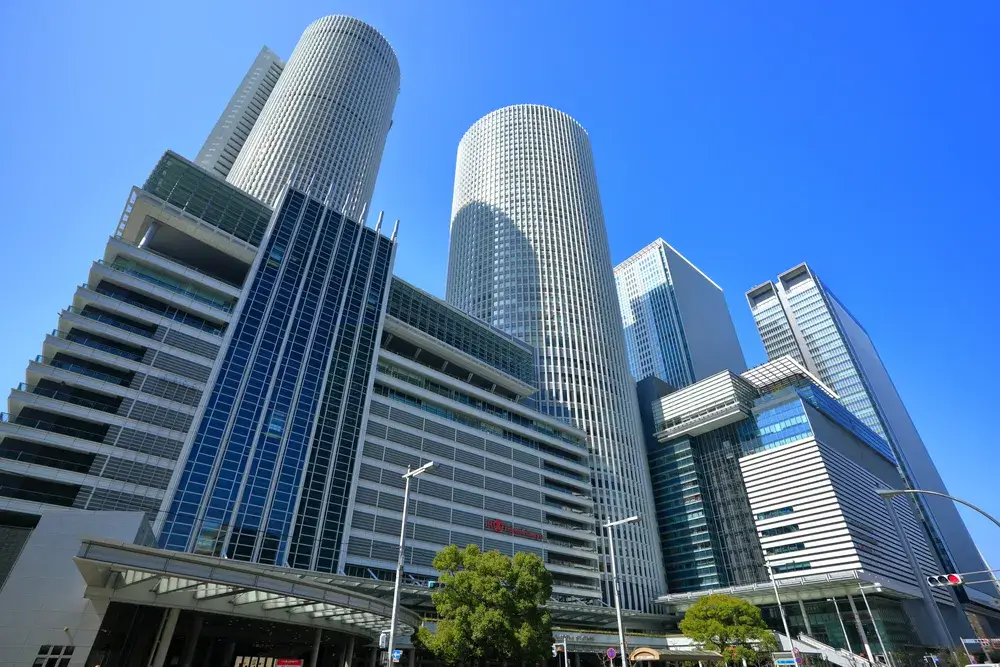
Meieki / Sasashima / Nakagawa Canal Nakamura Ward & Nakagawa Ward
Centered on the Meieki area around Nagoya Station, this gateway to Nagoya sightseeing is lined with skyscrapers and large shopping complexes. Department stores, underground malls, and restaurants around the station make it convenient for shopping and trying Nagoya's local cuisine. Sasashima Live is home to the Global Gate complex, and along the Nakagawa Canal you can stroll while enjoying waterside views.
-
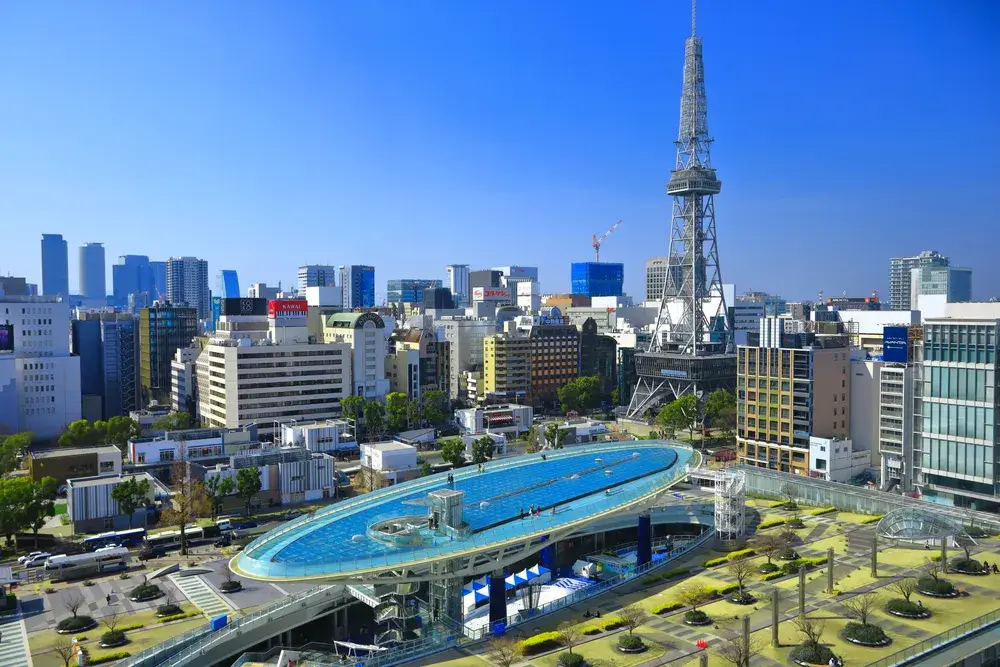
Sakae / Fushimi / Osu Naka Ward
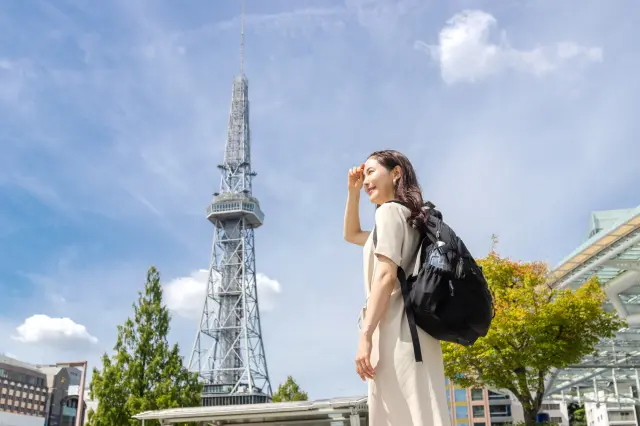
Centered on Sakae, Nagoya's signature downtown district, this area is perfect for shopping, dining, and exploring on foot. Sakae is home to landmarks such as Chubu Electric Power MIRAI TOWER and Oasis 21, while Fushimi is dotted with cultural facilities including the Nagoya City Science Museum and art museums. Osu Shopping Street is lined with everything from long-established shops to quirky boutiques, creating a lively streetscape.
-
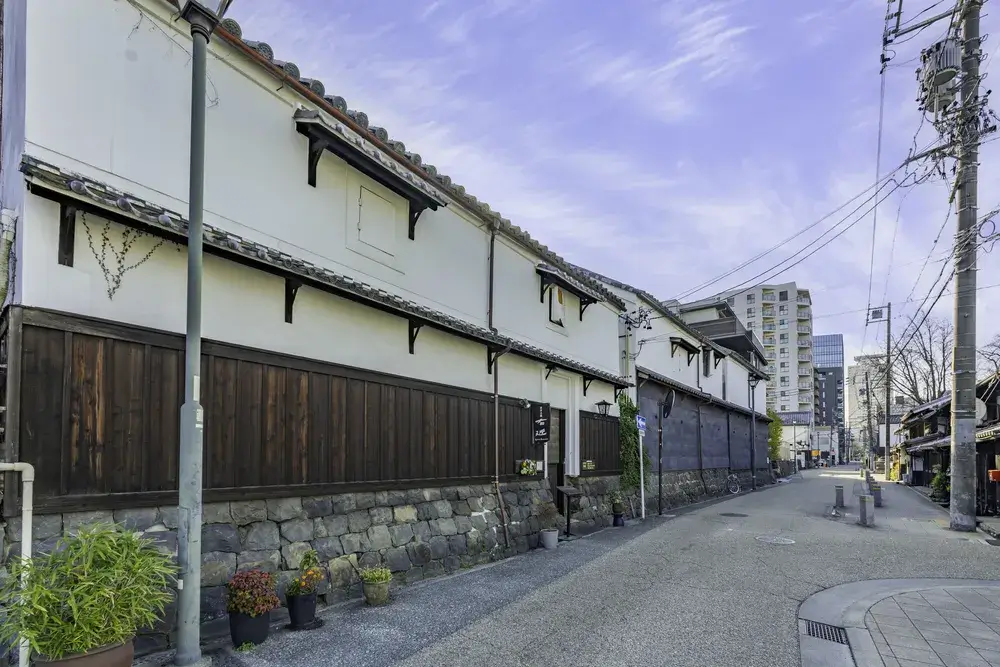
Shikemichi / Meijo Park / Northern Nagoya Nishi Ward & Kita Ward
Stretching from around Nagoya Castle to the north of the city, this area is dotted with historic streetscapes and green parks. In Shikemichi and the Endoji Shopping Street, you can stroll while visiting cafés and unique shops set in traditional buildings. Enjoy nature through the seasons at Meijo Park, and learn about Nagoya's manufacturing history at the Toyota Commemorative Museum of Industry and Technology.
-
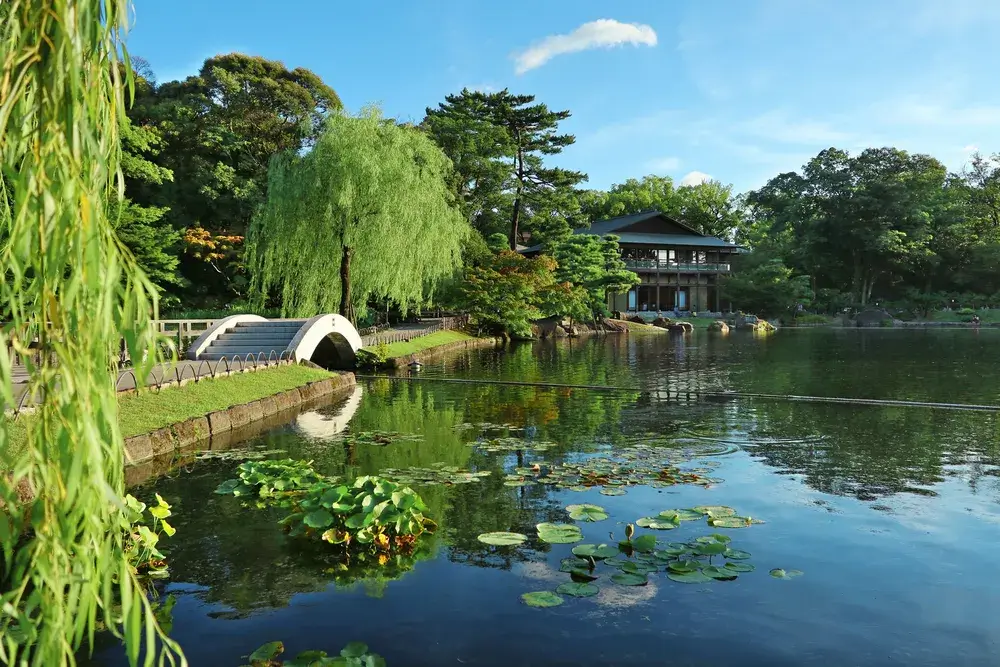
Tokugawa Garden / Ozone / Moriyama Higashi Ward & Moriyama Ward
This area stretches from Higashi Ward, where the history and culture of the Owari Tokugawa clan live on, to nature-rich Moriyama Ward. Higashi Ward is home to Tokugawaen, a Japanese garden with beautiful seasonal scenery, and the Tokugawa Art Museum, which conveys samurai culture. In Moriyama Ward, places like Togokusan Fruits Park and Obata Ryokuchi Park offer scenery quite different from the city center.
-
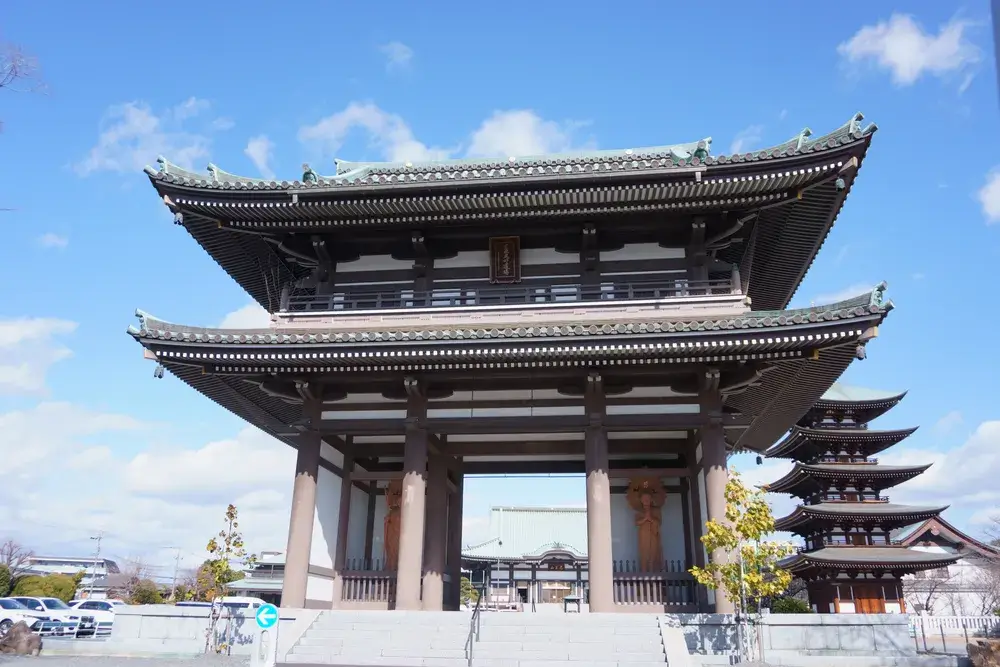
Higashiyama / Kakuozan / Meito Chikusa Ward & Meito Ward
Located in eastern Nagoya, this area is known for its rich nature and calm streetscapes. At the Higashiyama Zoo and Botanical Gardens you can see a wide variety of animals and plants, while Kakuozan has cafés and variety shops along the approach to Nittaiji Temple. Meito Ward has nature-rich parks such as Igaka Ryokuchi and Makinogaike Ryokuchi, perfect for walks and forest bathing.
-
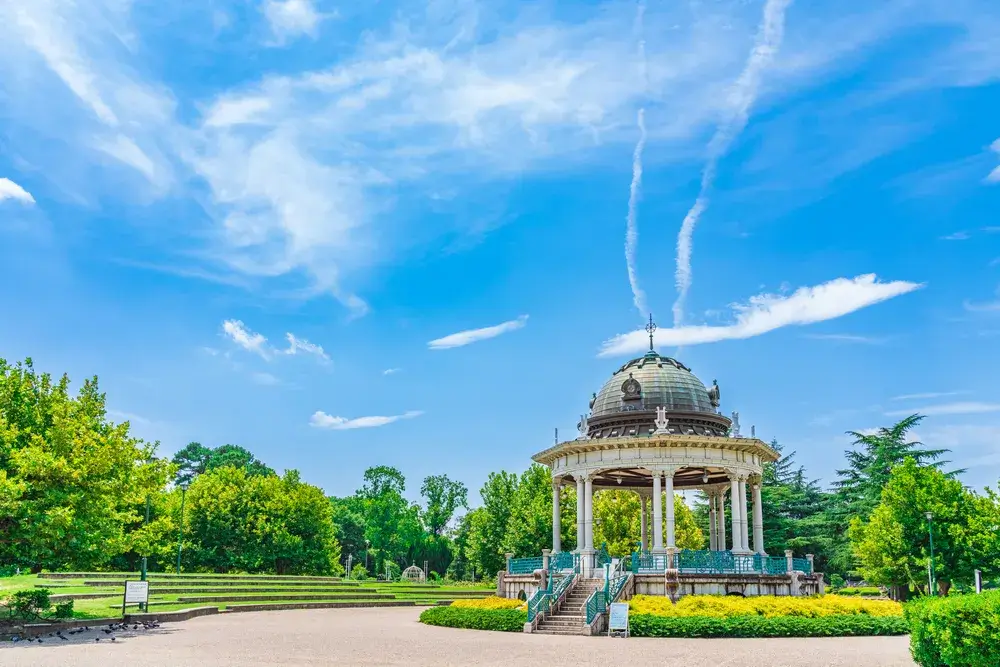
Tsuruma / Yagoto / Southeastern Nagoya Showa Ward, Mizuho Ward & Tempaku Ward
Located in southeastern Nagoya, this area features parks, temples and shrines, and quiet residential neighborhoods. Spots where you can feel nature and history are scattered throughout, including Tsuruma Park, famous for its cherry blossoms, and Yagoto-san Kōshō-ji Temple with its towering five-story pagoda. Mizuho Ward has the cherry tree-lined Yamazaki River Four Seasons Road, and Tempaku Ward has Tempaku Park, each offering different scenery with every season.
-
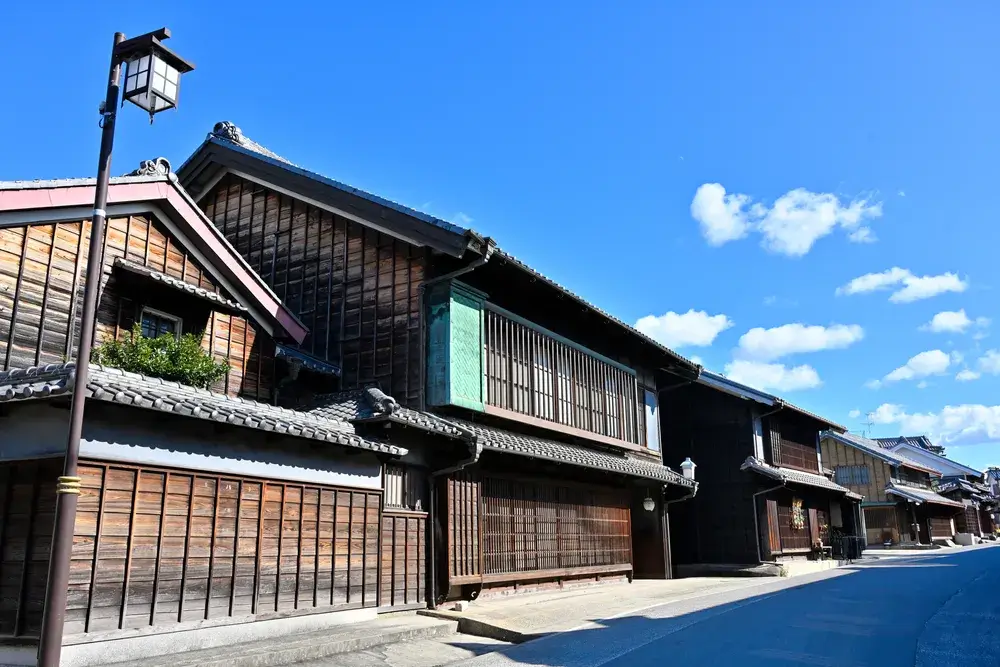
Atsuta / Kasadera / Arimatsu Atsuta Ward, Minami Ward & Midori Ward
Located in southern Nagoya, this area preserves venerable temples and shrines as well as streetscapes from the old Tokaido road. Atsuta Ward is home to Atsuta Jingu, which enshrines the Kusanagi sword, one of the Three Sacred Treasures, while Minami Ward has Kasadera Kannon, one of the Four Kannon Temples of Owari. In Arimatsu in Midori Ward, Edo-period streetscapes remain, and you can stroll while discovering the culture of the traditional craft of Arimatsu-Narumi shibori tie-dyeing.
-
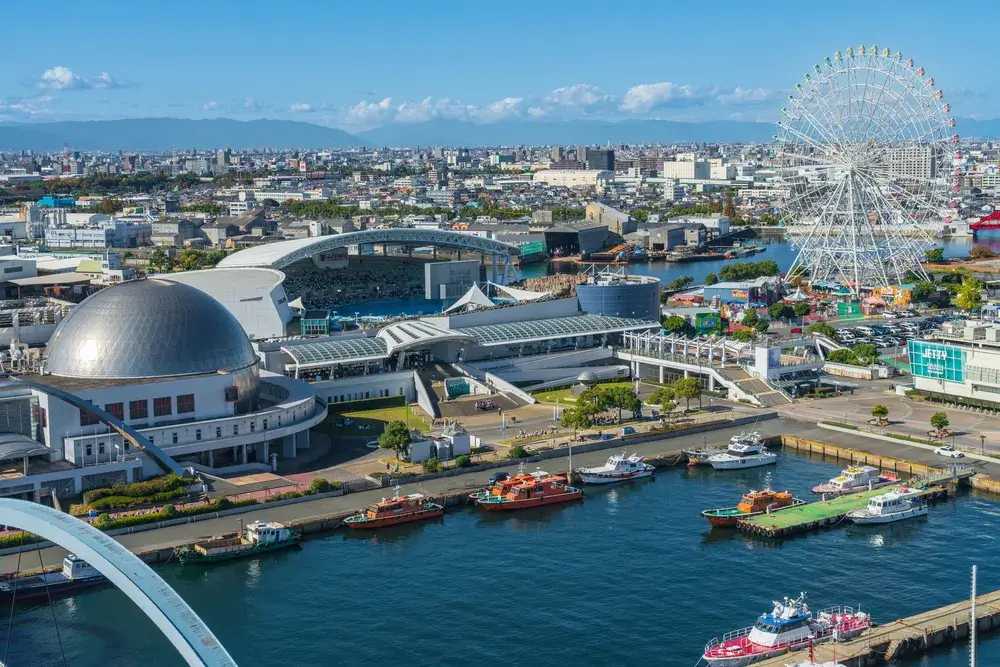
Nagoya Port / Kinjo Pier Minato Ward
Spreading along the waterfront in southwestern Nagoya, this area is home to large leisure facilities. Around the Port of Nagoya, you will find the Port of Nagoya Public Aquarium and Nagoya Port Sea Train Land, where you can enjoy sightseeing along with seaside views. Kinjo Pier offers LEGOLAND® Japan, the SCMaglev and Railway Park, and more, so both children and adults can spend a full day here.
GOOD LUCK TRIP Recommends
Must-Visit Attractions for Your First Trip to Nagoya
-
 Sakae, Fushimi, Osu1. Nagoya Castle
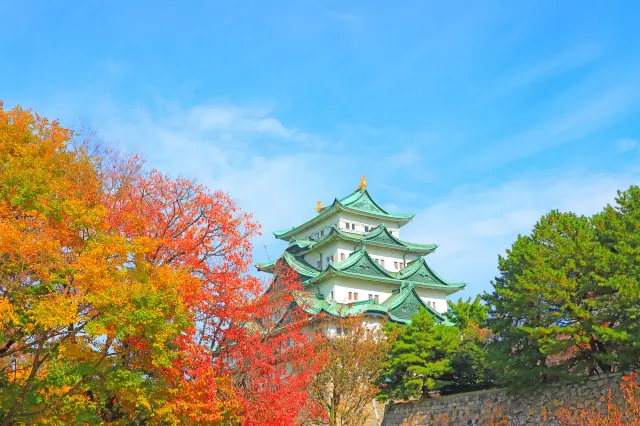
The castle tower (tenshukaku)has two shining Kinshachi, Golden Tiger-fish roof ornaments shining, and the majestic Hommaru palace is decorated with wall and screen paintings.
-
 Atsuta, Kasadera, Arimatsu2. Atsuta Jingu (Atsuta Shrine)
The shrine that houses the sacred sword mentioned in “Kojiki” and “Nihon Shoki” (Chronicles of Japan including myths, legends, songs, genealogies and oral traditions).
-
 Higashiyama, Kakuozan, Meito3. Higashiyama Zoo and Botanical Gardens
A zoo with elaborate exhibitions, and a botanical garden where you can enjoy each season’s breathtaking scenery.
-
 Sakae, Fushimi, Osu4. Nagoya City Science Museum (FUJI NAGOYA SCIENCE MUSEUM)
The world's biggest planetarium and a full impact hands-on display.
-
 Nagoya Port, Kinjo Pier5. SCMaglev and Railway Park
You can learn about Japanese railway technology and history through the displays of Shinkansen and Superconducting Maglev.
Nagoya Attractions


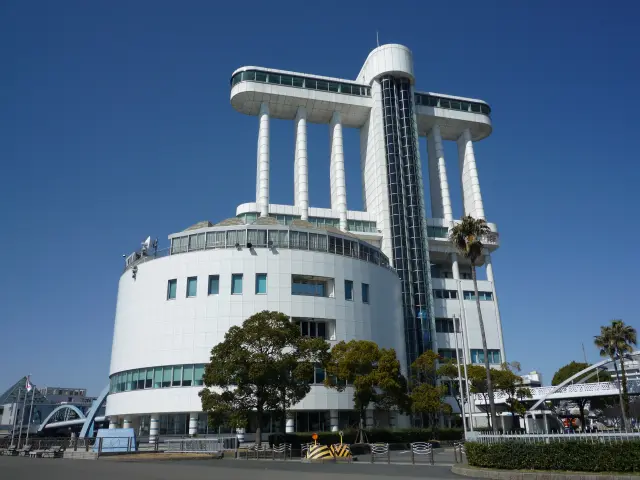


GOOD LUCK TRIP Recommends
5 Best Things to Do in Nagoya
-
1. Savor Nagoya's Local Cuisine and Café Culture
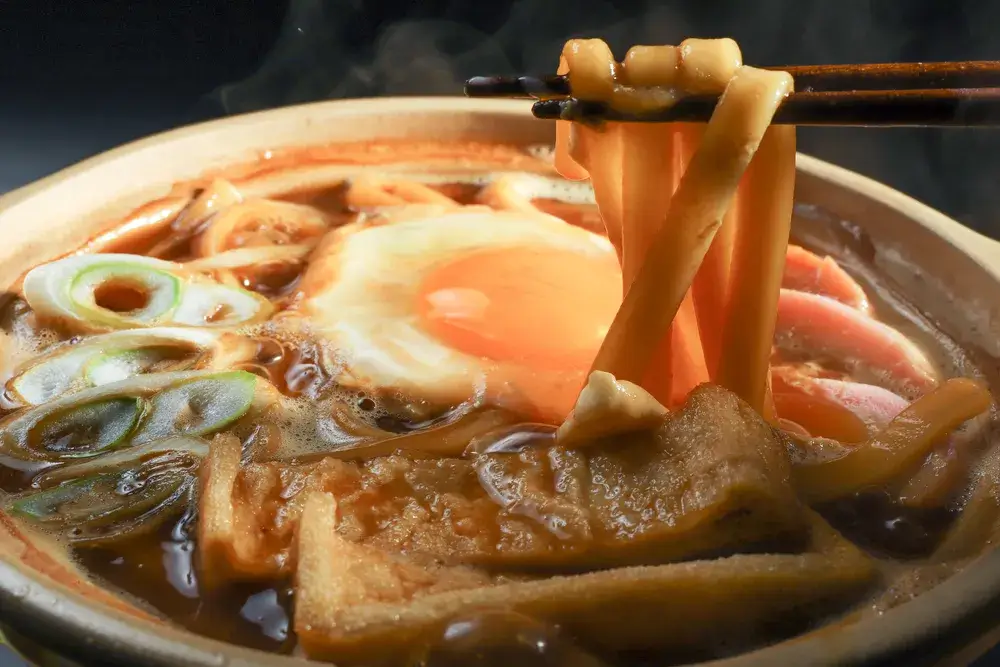
One of the joys of visiting Nagoya is "Nagoya meshi," the local dishes born from the city's unique food culture. With so many specialties such as miso katsu and hitsumabushi, coming just for the food is a great idea. In Nagoya, where cafés are part of everyday life, a unique café culture has developed, starting with morning sets that come with toast and more. Along with Nagoya meshi, be sure to experience the café culture too.
-
2. Get Inspired at Osu Shopping Street, Packed with One-of-a-Kind Shops
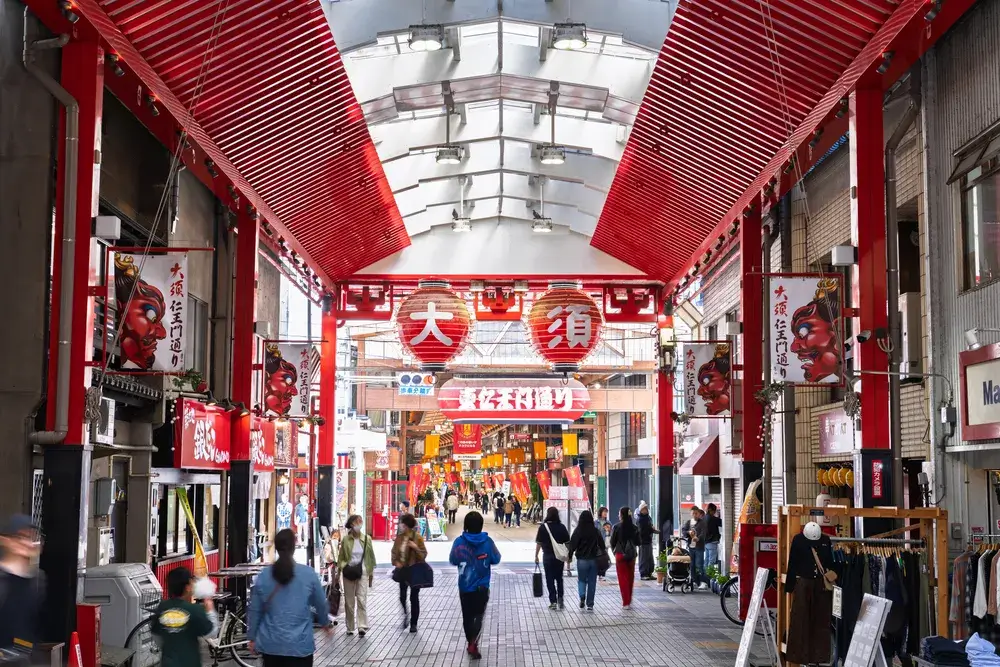
Spreading out from the temple town of Osu Kannon, Osu Shopping Street is lined with shops of every genre, from vintage clothing, variety goods, and electronics stores to anime shops and maid cafés. Sometimes called a "melting pot" town, it has a unique atmosphere that has embraced all things old and new. Follow your curiosity, browse the shops, and enjoy the excitement that only Osu can offer.
-
3. Discover Nagoya's Proud Manufacturing Culture
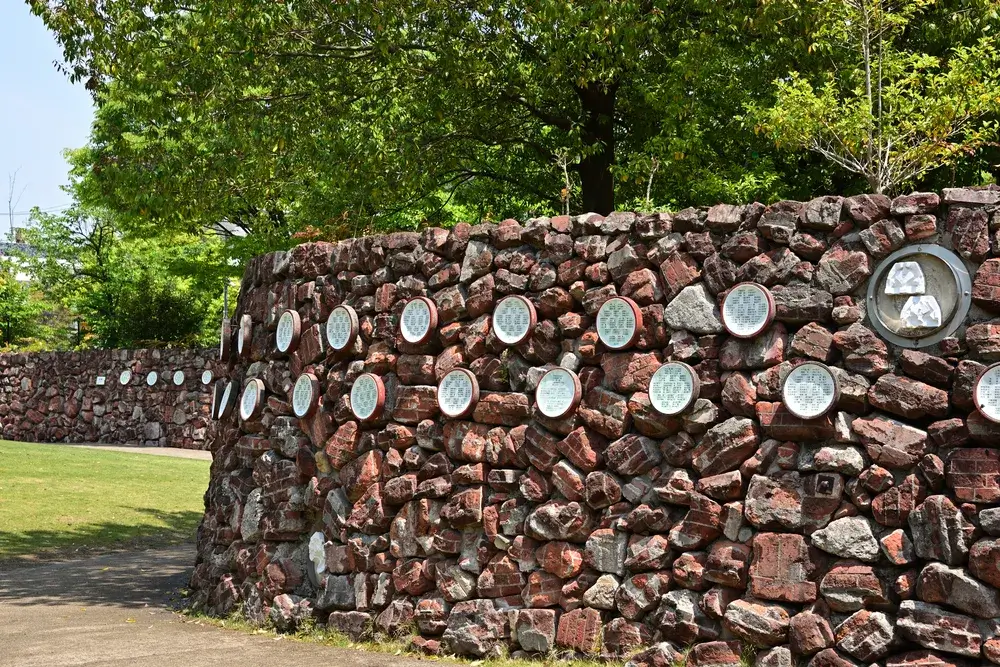
Nagoya has developed as one of Japan's leading manufacturing cities. A wide range of industries, including automobiles, textiles, and ceramics, grew here, and many places still let you learn about their history and technology. Going beyond the exhibits to discover the evolution of technology and the dedication to craftsmanship through demonstrations and hands-on experiences is a way to spend time that is unique to Nagoya.
-
 Shikemichi, Meijo Park, Northern NagoyaToyota Commemorative Museum of Industry and Technology
Learn about the history of industry and the evolution of technology at the birthplace of Toyota Group.
-
 Shikemichi, Meijo Park, Northern NagoyaNoritake Garden
The birthplace of Noritake, the world-famous Western tableware brand.
-
-
4. Visit Old Streetscapes and Historic Architecture
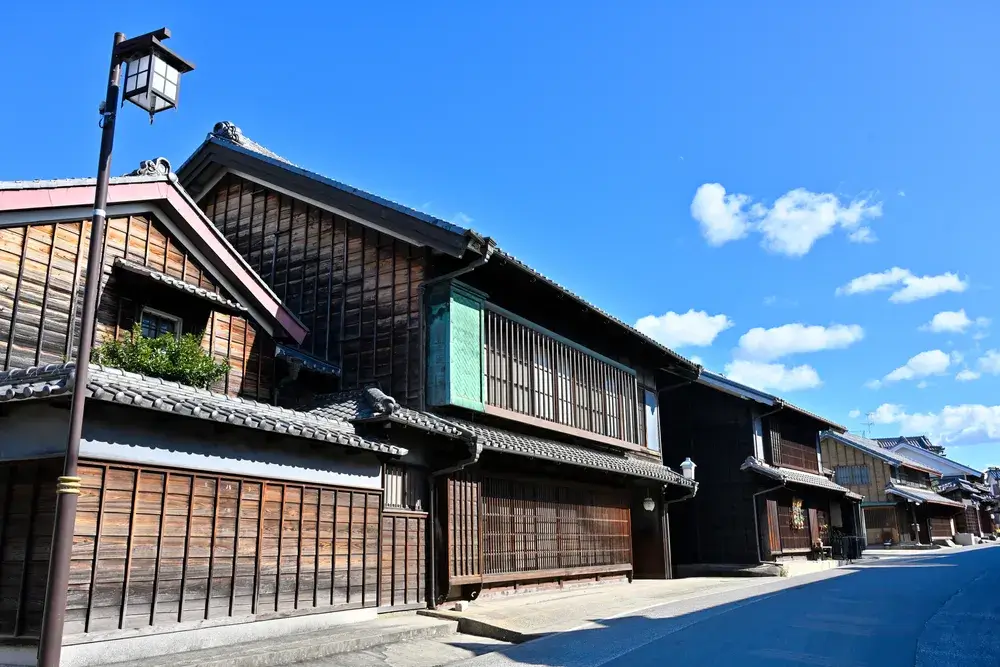
Traces of different eras, from the Edo period to modern times, remain throughout Nagoya. Walk through Arimatsu, where old streetscapes line the Tokaido road, or Shikemichi, where merchant houses and storehouses remain, and you will discover a side of the city quite different from today's urban landscape. Then head to Western-style buildings from the Meiji and Taisho periods to trace the history that Nagoya has walked.
-
 Atsuta, Kasadera, ArimatsuHistoric Town of Arimatsu
Townscape in Edo Period ambiance along the old Tokaido Road.
-
 Shikemichi, Meijo Park, Northern NagoyaShikemichi Townscape Preservation District
A charming streetscape where traditional earthen storehouses and townhouses still remain today.
-
 Tokugawa Garden, Ozone, MoriyamaNagoya City Archives and Museum
A Nagoya museum making use of a nostalgic historic building.
-
-
5. Feel the Seasons in the City's Gardens
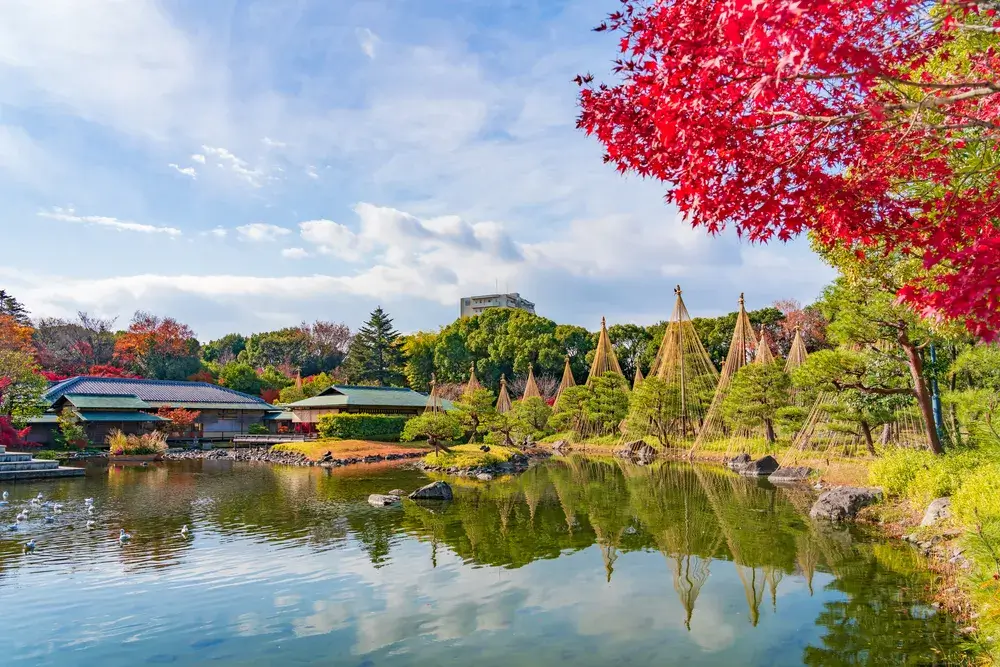
Even in the middle of a city of buildings and houses, gardens surrounded by lush greenery and beautiful scenery are scattered throughout. Walking through grounds where ponds, trees, and architecture are in harmony, you can enjoy a different look each season, from cherry blossoms and fresh greenery to autumn leaves. Stop by between sightseeing and city walks to spend a quiet moment surrounded by green.
-
 Tokugawa Garden, Ozone, MoriyamaTokugawaen
A Japanese traditional garden made in the early Edo period (1603-1868) of A circuit -style strolling pond garden with numerous highlights around a pond.
-
 Atsuta, Kasadera, ArimatsuShirotori Garden
A splendid Japanese garden to depict nature in the Chubu Region.
-
 Higashiyama, Kakuozan, MeitoYokiso
Wander around the garden as you admire the villa architecture that exudes history.
-
Nagoya's Featured Articles

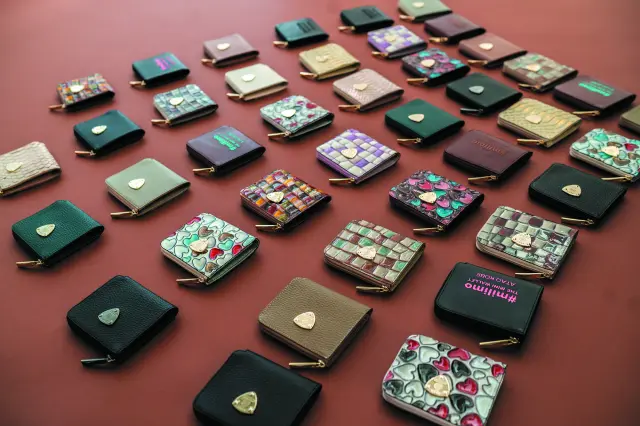


Must-Try Local Food in Nagoya!
Nagoya Food Guide
-
1. Hitsumabushi (Grilled Eel over Rice)
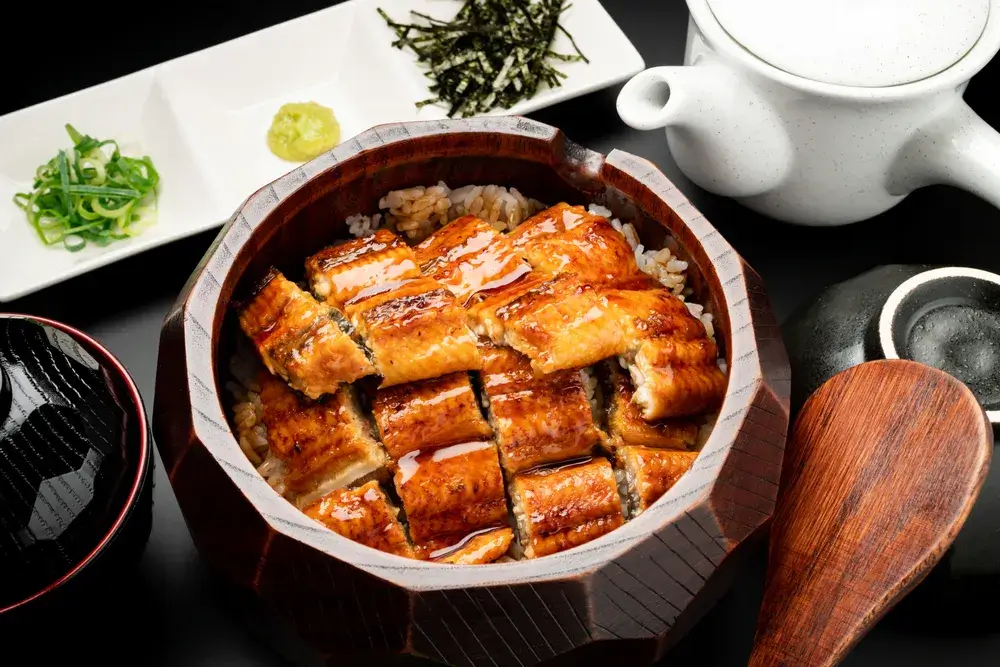
One of Nagoya's signature specialties, this dish features finely chopped grilled eel served over rice. It is known for being enjoyed three ways: first on its own, then with condiments, and finally as ochazuke with dashi broth poured over it.
-
2. Miso Katsu
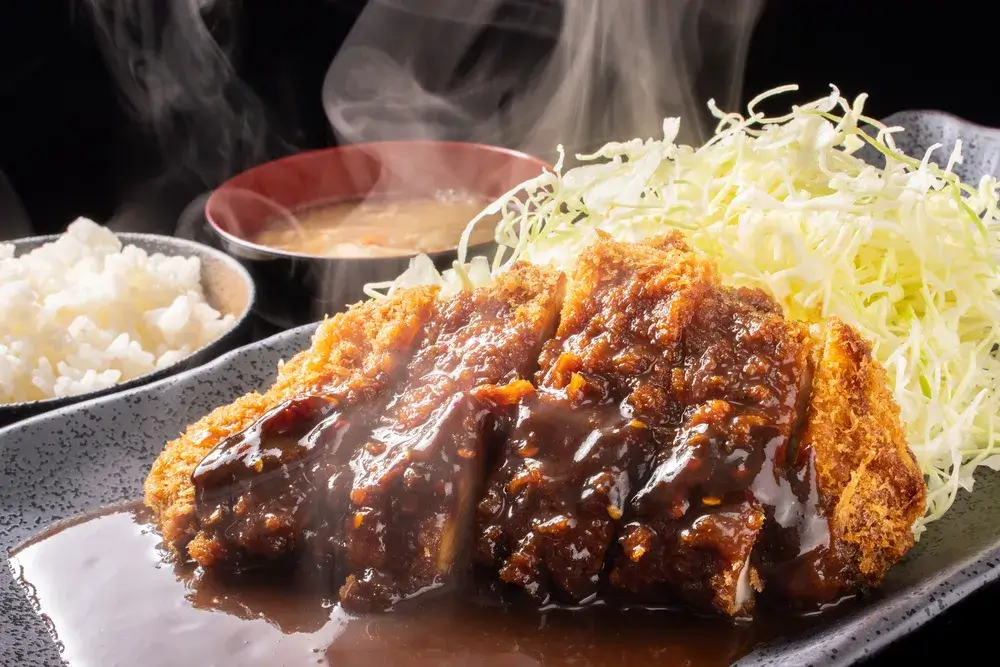
A Nagoya meshi classic, this tonkatsu pork cutlet is topped with a rich sauce based on Hatcho miso. The sweet and savory miso sauce brings out the flavor of the pork. Each restaurant has its own sauce and way of serving it, so it is fun to compare.
-
3. Kishimen (Flat Noodles)
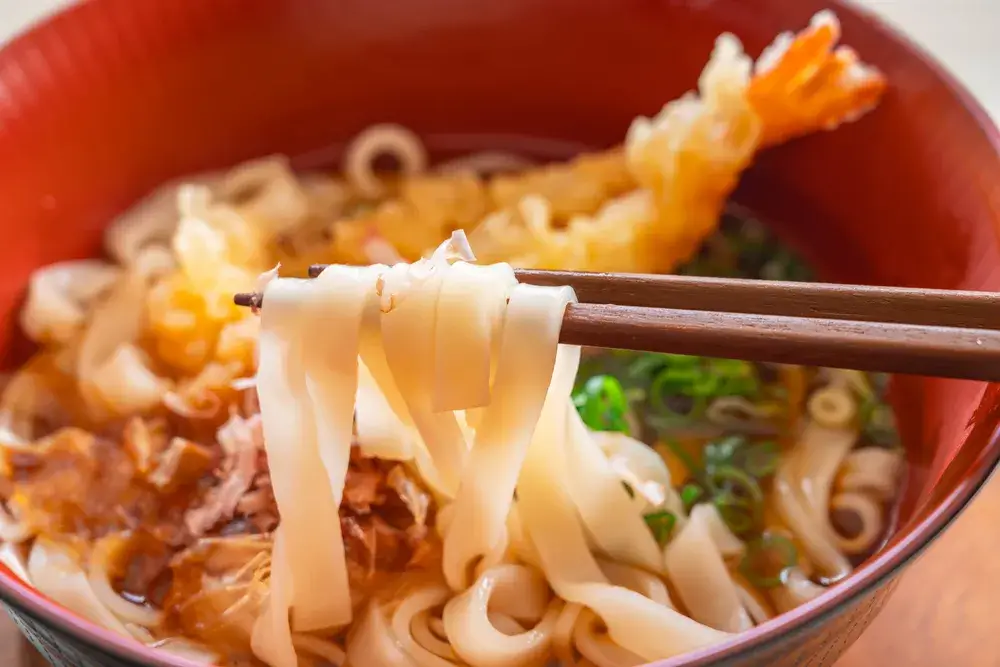
A local dish long loved in Aichi Prefecture, kishimen is known for its wide, flat noodles. It is also characterized by its smooth texture and chewy bite. Besides being served in a hot broth, it can be enjoyed chilled or simmered in miso, among many other ways.
-
4. Ankake Spaghetti

Born in Nagoya, this local specialty is known for its thick, spicy sauce. Thick spaghetti is the norm, and it comes with a wide variety of toppings such as sausages, vegetables, and eggs. The generous portions make for a very filling meal.
-
5. Ogura Toast

Born from Nagoya's café culture, this specialty is toast topped with sweet red bean paste. The saltiness of butter or margarine pairs perfectly with the sweetness of the bean paste, and it is now a beloved staple of café morning sets and light meals.
Where to Eat in Nagoya


Travel Ideas
Nagoya Itineraries
Enjoy Nagoya Meshi and Historic Streets! A Lively 2-Day Nagoya Itinerary
A 2-day itinerary to experience the city's diverse appeal, from Nagoya's unique cuisine to historic streetscapes and bustling downtown districts.
Savor time-honored flavors and local specialties while snacking and shopping your way along a traditional shopping street. In the evening, head out to Sakae and spend the night in Nagoya against a sparkling night view. You will also discover manufacturing culture and the history of the Owari Tokugawa clan, and take a break in a Japanese garden. Spend two days fully enjoying Nagoya's appeal through food, city walks, and sightseeing.
Day 1
- 10:00 Start from JR Nagoya Station
- 10:30 Experience the past and present of Nagoya's manufacturing at Noritake Garden
- 12:00 Taste Nagoya's famous hitsumabushi at Maruya Honten Meieki 3-chome
- 13:30 Visit Osu Kannon Temple, an ancient temple in the heart of the shopping street
- 14:00 Stroll along Osu Shopping Street, lined with unique shops, and take a break with Japanese sweets at Osu Tokugawa-an
- 16:30 Soak up the lively atmosphere of the Sakae area at SUNSHINE SAKAE
- 17:40 Take a walk through the urban park Hisaya-odori Park
- 18:20 Enjoy Nagoya's famous chicken wings at Sekai no Yamachan Main Store
- 20:00 Admire Nagoya's night view from the landmark Chubu Electric Power MIRAI TOWER
- 21:00 Check in at Natural Hot Spring: Kinshachi-no-Yu, Dormy Inn PREMIUM Nagoya Sakae
Day 2
- 9:00 Depart from your hotel
- 9:30 Explore Nagoya's history at Nagoya Castle, centered on the Hommaru Palace
- 11:15 Have an early lunch at Kinshachi Yokocho, inspired by a castle town
- 13:30 Spend a quiet moment enjoying the seasonal scenery at Tokugawaen
- 15:30 Shop for souvenirs at JR Central Towers, directly connected to the station
A 3-Day Itinerary Exploring Science and Technology in the City of Craftsmanship
Nagoya is a city where a culture of craftsmanship lives on, from the automotive industry and railway technology to traditional crafts. This 3-day itinerary lets you experience its appeal from many different angles.
Visit museums that tell the story of industrial technology and facilities where you can experience the wonders of science, and take a closer look at the technology behind manufacturing. In Arimatsu, focus on the traditional craft of Arimatsu-Narumi shibori and discover artisans' skills and colorful works.
Enjoy Nagoya's unique cuisine and historic streetscapes as you spend three days discovering the city's many attractions.
Day 1
- 10:00 Start from JR Nagoya Station
- 10:25 Learn about the history and technology of the automotive and textile industries at the Toyota Commemorative Museum of Industry and Technology
- 13:00 Enjoy Nagoya's famous ankake spaghetti at Spaghetti House Yokoi Sumiyoshi Main Shop
- 14:10 Enjoy hands-on exhibits and the planetarium at the Nagoya City Science Museum
- 18:00 Savor Nagoya's prized local chicken dishes at Nagoya Cochin Ichio
- 19:30 Check in at ANA Crowne Plaza Hotel Grand Court Nagoya
Day 2
- 10:00 Depart from your hotel
- 10:30 Stroll through the Historic Town of Arimatsu, which retains the atmosphere of the Edo period
- 11:15 See colorful Arimatsu-Narumi shibori works at Marimomen
- 12:45 Have lunch and look for souvenirs at Atsuta nagAya
- 14:30 Visit Atsuta Jingu and stroll through its lush grounds
- 17:00 Check in at Nagoya Prince Hotel Sky Tower
- 18:00 Enjoy Nagoya's famous shrimp dishes at EBIDOTE Esca Shop
Day 3
- 9:30 Depart from your hotel
- 10:15 See generations of railway vehicles and advances in railway technology at the SCMaglev and Railway Park
- 13:30 Taste Nagoya's famous hitsumabushi at Hitsumabushi Togawa Nagono Main Branch
- 14:30 Stroll through the Shikemichi Townscape Preservation District, where earthen storehouses and townhouses remain
- 16:00 Finish at JR Nagoya Station
Discover Nagoya by Season
Best Places to Visit Throughout the Year
Nagoya has many places, such as historic parks and cherry tree-lined streets, where you can enjoy cherry blossoms while feeling the buzz of the city close by. After the cherry blossoms, colorful flowers continue to bloom, so a flower-viewing tour between shopping and sightseeing is also a great idea.
-
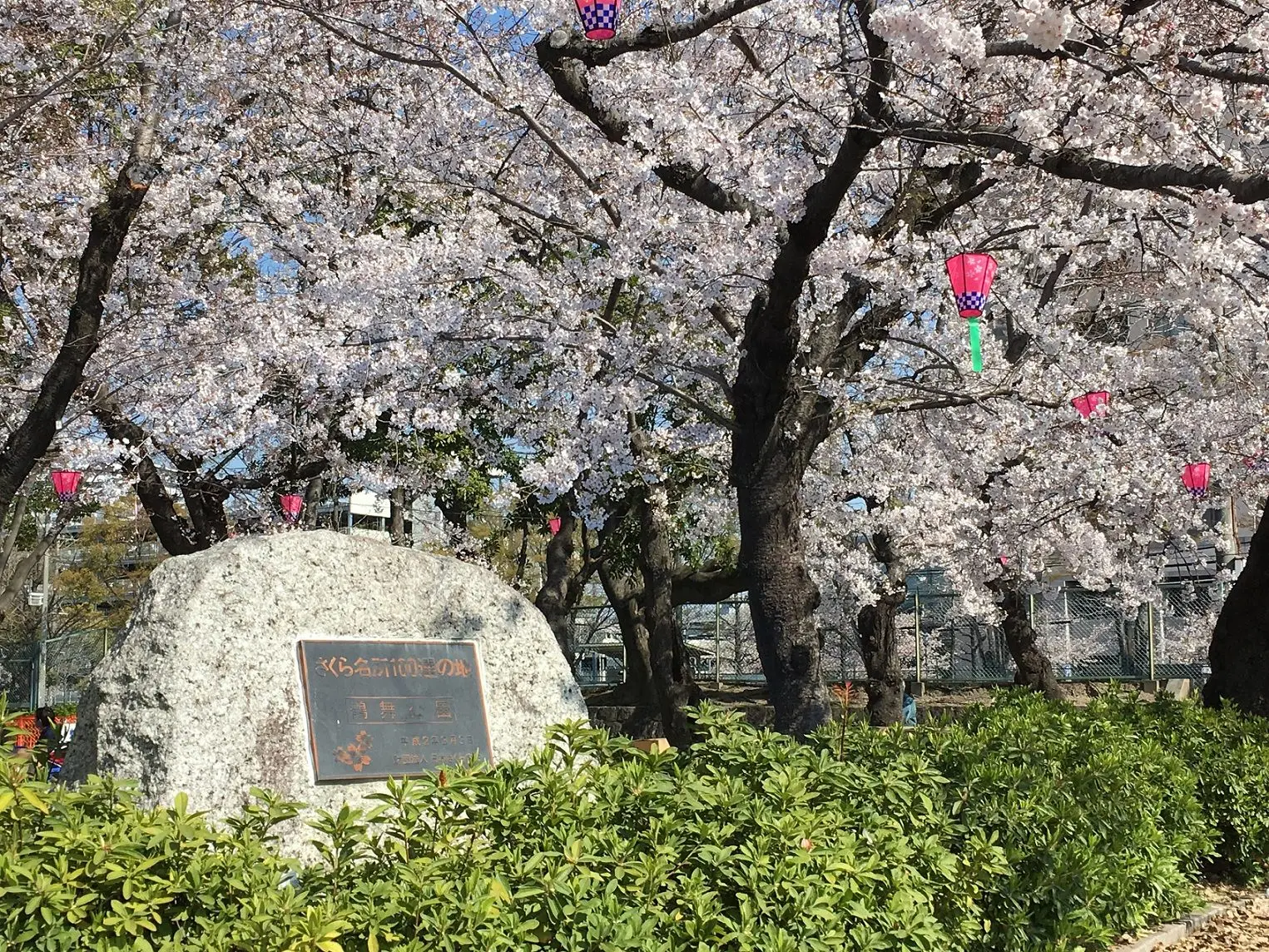 Tsuruma, Yagoto, Southeastern NagoyaTsuruma Park
A multi-purpose park with a long history and seasonal flowers.
-
 Tsuruma, Yagoto, Southeastern NagoyaYamazaki River Four Seasons Road
A scenic promenade where you can enjoy seasonal flowers throughout the year, including cherry blossoms in spring.
-
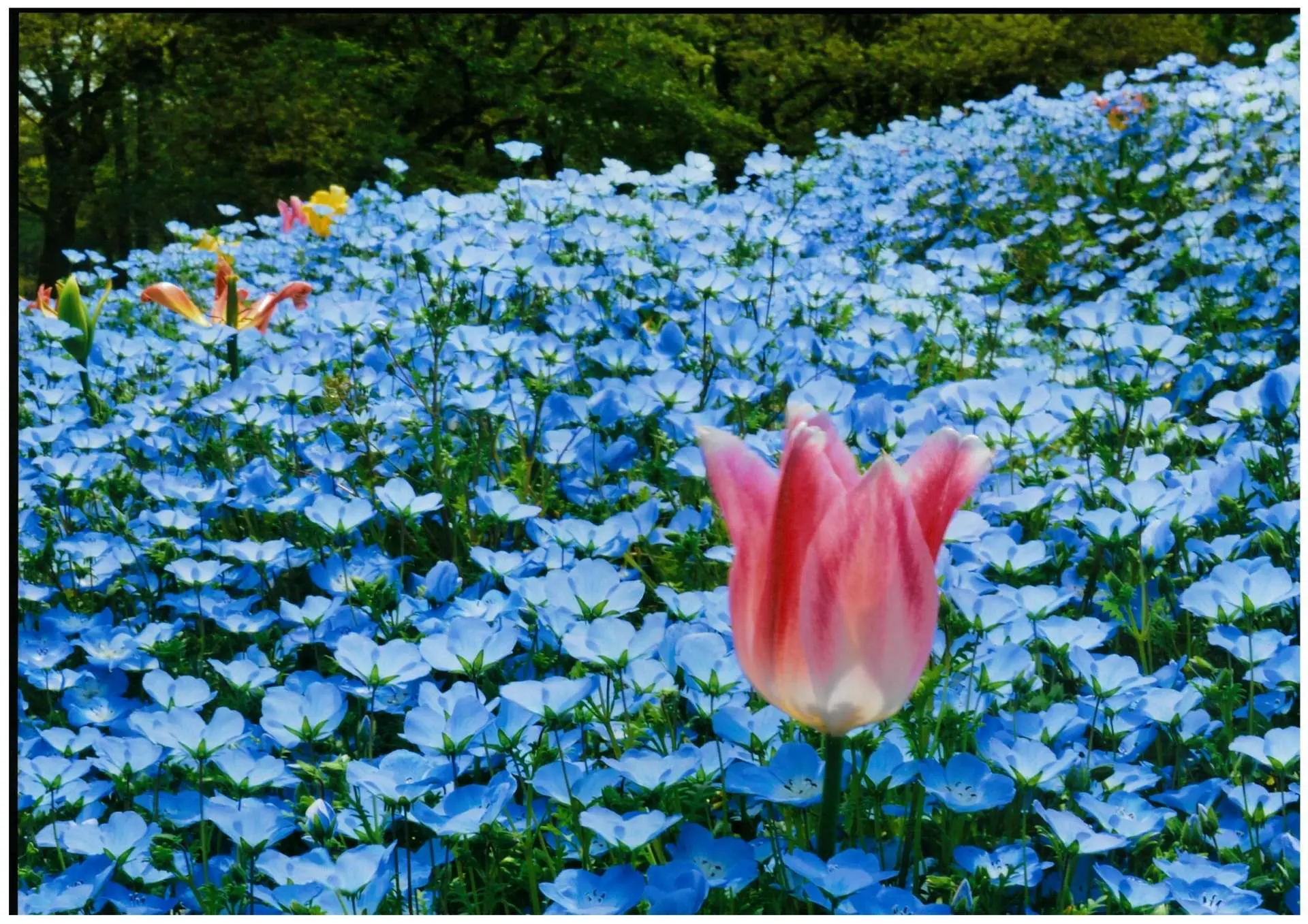 Shikemichi, Meijo Park, Northern NagoyaMeijo Park (Meijyo Park)
The park at the foot of the Nagoya Castle, the oasis for the residents.
Nagoya's Spring Weather and What to Wear
Spring brings large temperature swings. March is still chilly, but from April the weather gradually becomes more pleasant. In early spring, cold northwesterly winds blow, and mornings and evenings can be cold despite the warm daytime. You will need a coat or jacket in March, and in April and May, layering is a good way to adapt to changing temperatures.
| Month | March | April | May |
|---|---|---|---|
| Temperature | 9.2℃ | 14.6℃ | 19.4℃ |
Spending time at indoor facilities such as aquariums and museums is one way to enjoy summer. Relax with waterside leisure or in green parks, or head into town after sunset, and enjoy Nagoya to the fullest while beating the heat.
-
 Nagoya Port, Kinjo PierPort of Nagoya Public Aquarium
Dolphins and orcas perform lively in Japan’s largest pool!
-
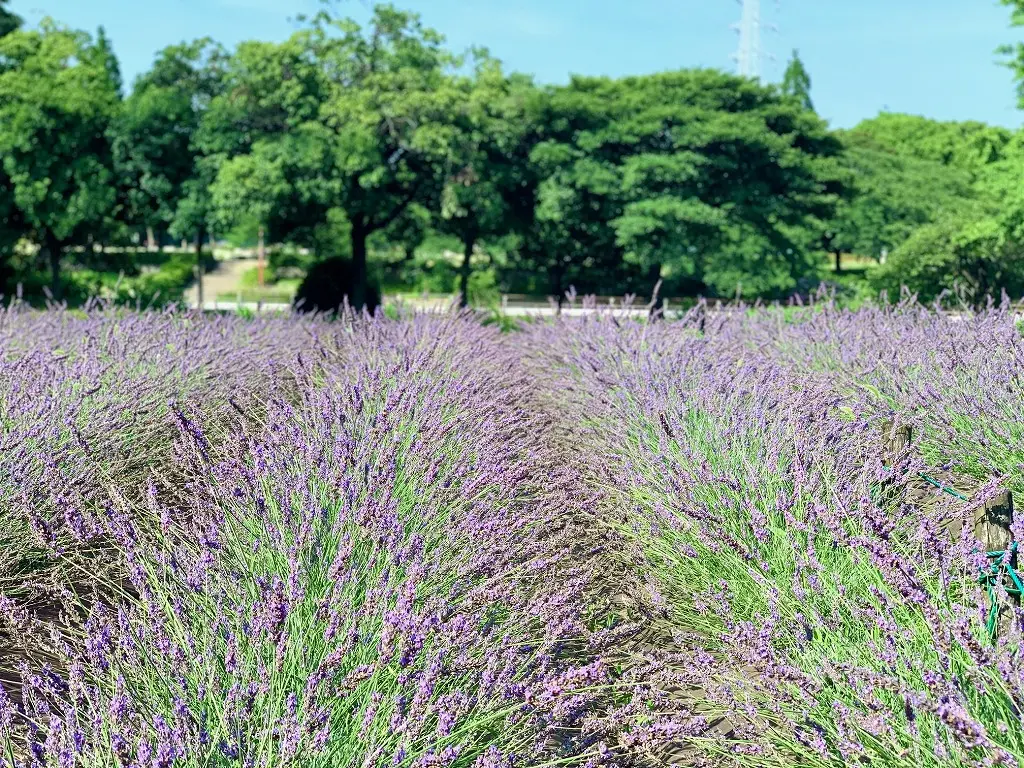 Nagoya Port, Kinjo PierArakogawa Park
The promenade is lined with cherry trees stretching for about one kilometer and is also home to one of the largest lavender fields in the prefecture.
-
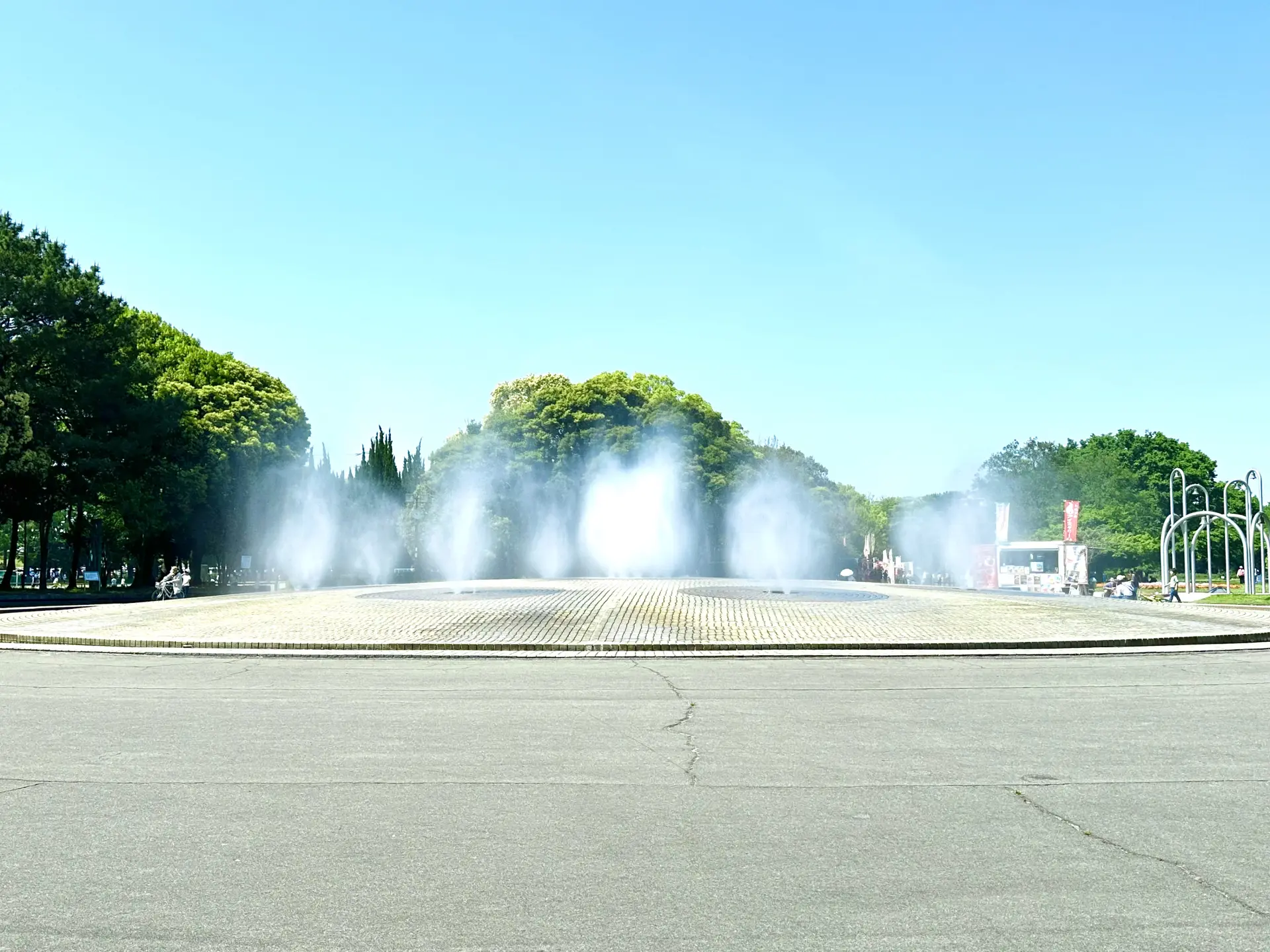 Shikemichi, Meijo Park, Northern NagoyaShonai Ryokuchi Park
One of the city's largest parks, packed with attractions.
Nagoya's Summer Weather and What to Wear
From the rainy season in June to the intense heat of July and August, Nagoya's summers are hot and humid. After the rainy season ends, days above 35°C (95°F) are not unusual, so be sure to take precautions against heatstroke when sightseeing outdoors. Wear breathable clothing and use a parasol or hat to block the sun. A light layer is handy in air-conditioned indoor facilities.
| Month | June | July | August |
|---|---|---|---|
| Temperature | 23.0℃ | 26.9℃ | 28.2℃ |
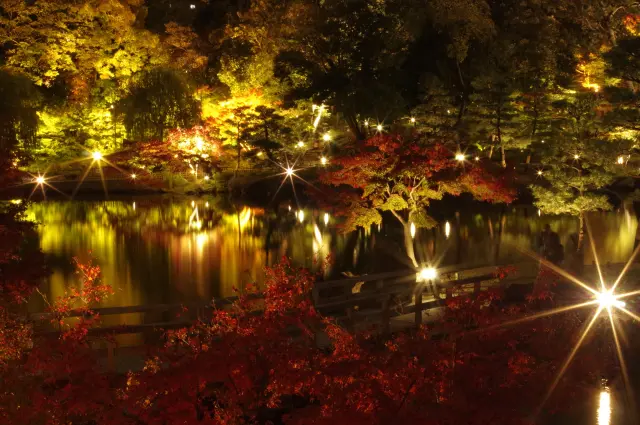
In autumn, when the leaves are at their best, take a stroll through parks, gardens, and historic temples and shrines while admiring the colorful trees. Savor the flavors of autumn by picking fruit or go see the illuminated autumn leaves, and feel the season both day and night.
-
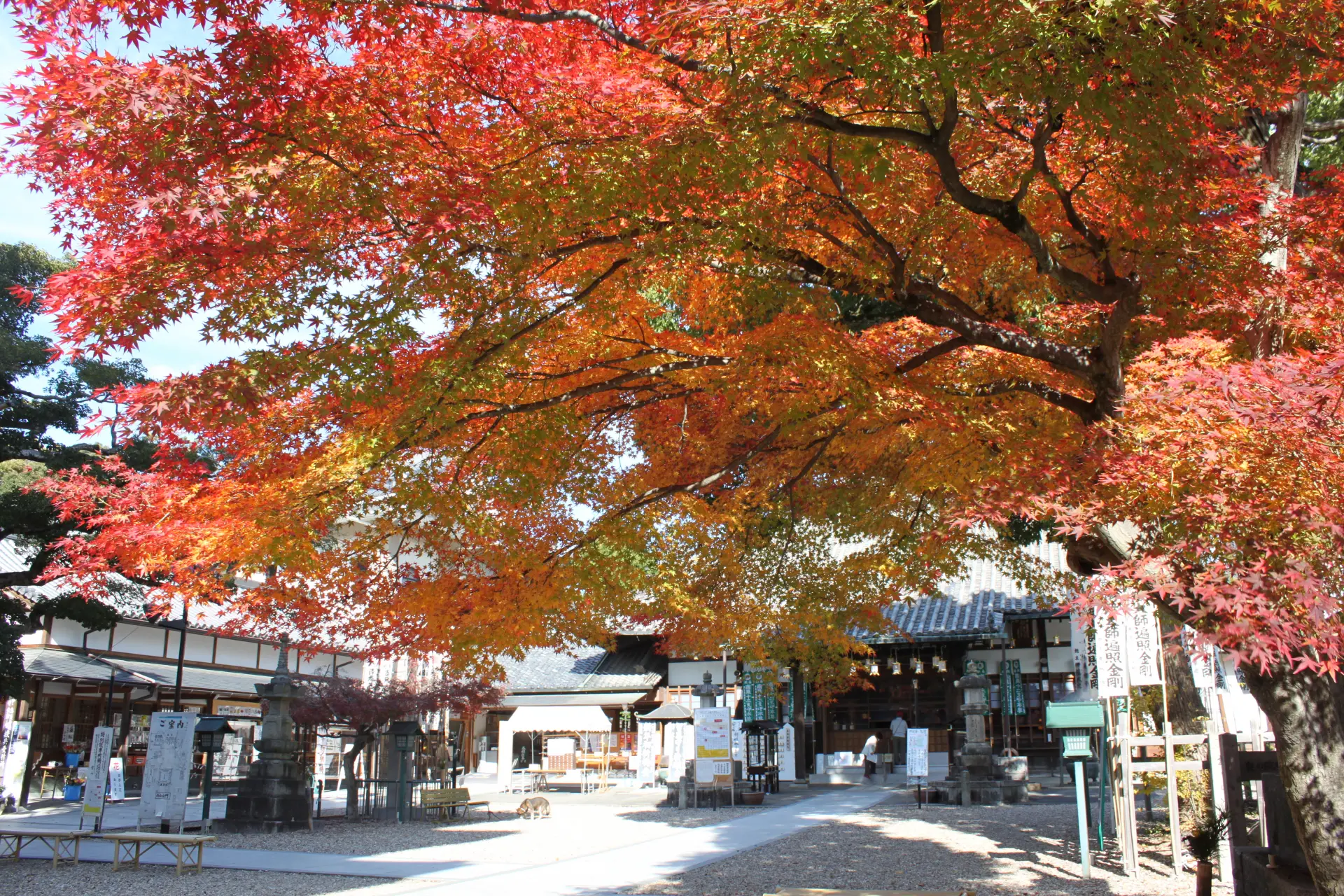 Tsuruma, Yagoto, Southeastern NagoyaYagoto-san Kōshō-ji Temple
A Shingon Buddhist temple nestled in the forested hills of eastern Nagoya.
-
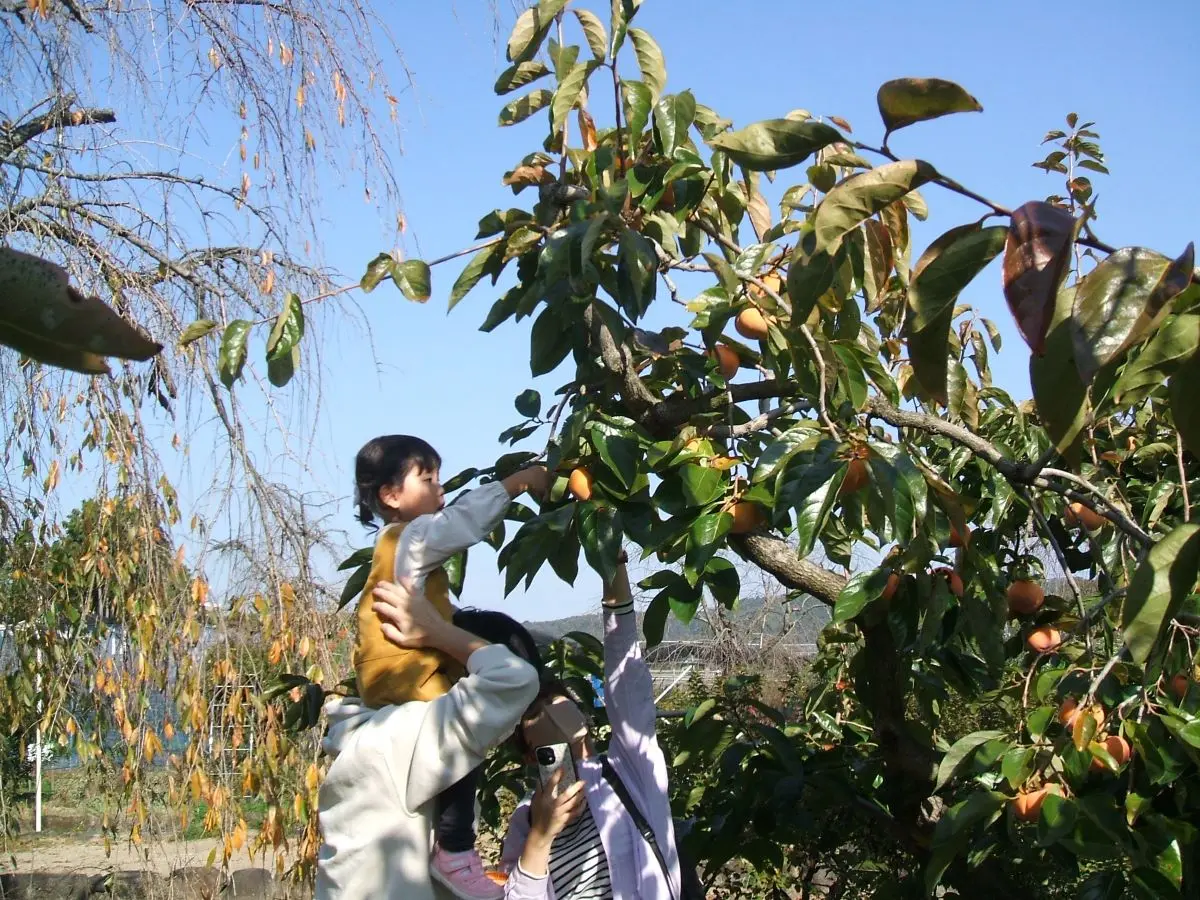 Tokugawa Garden, Ozone, MoriyamaTogokusan Fruits Park
17 orchards and 100+ varieties of tropical and subtropical trees at this park and paradise for fruit lovers!
-
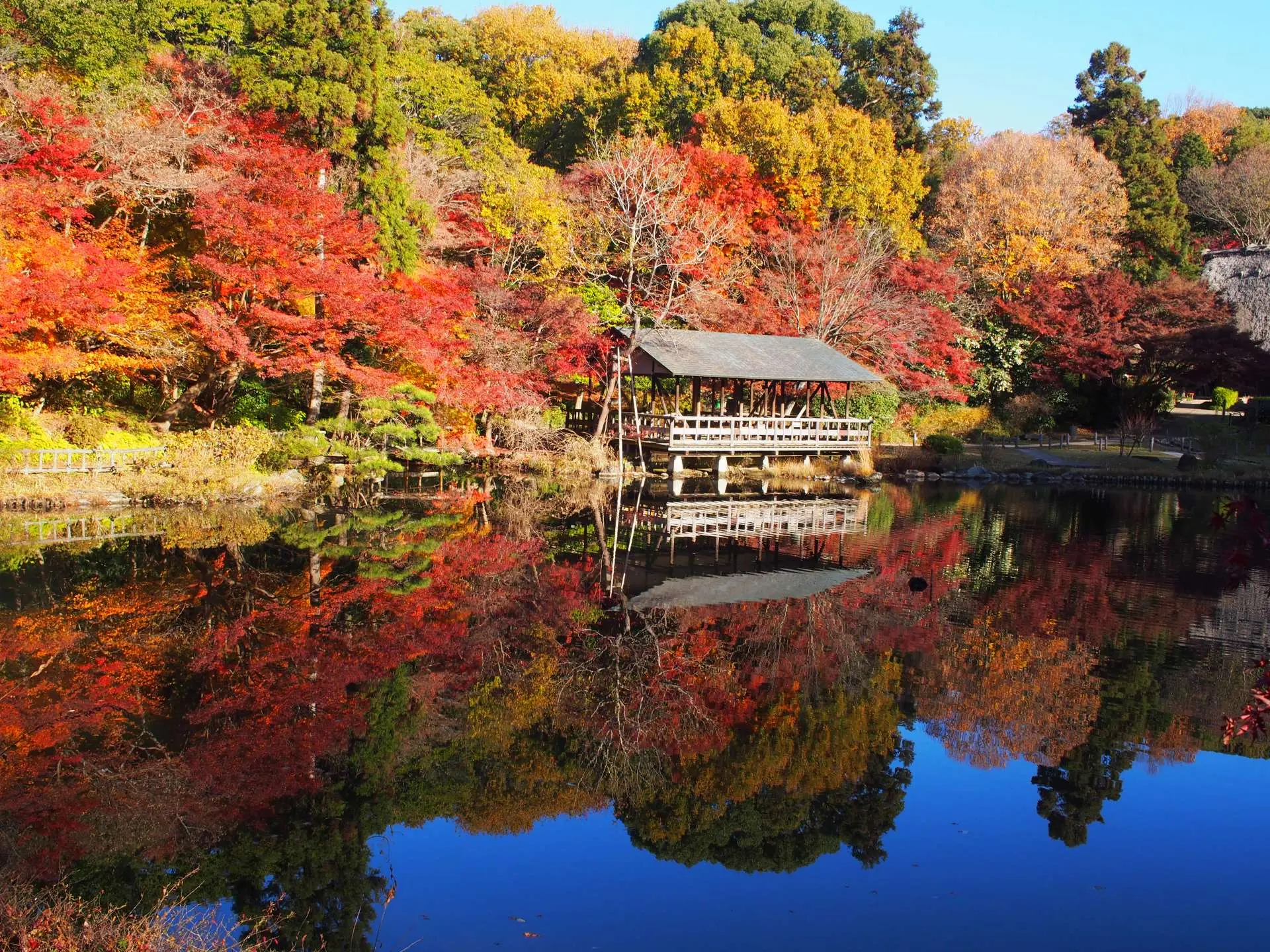 Higashiyama, Kakuozan, MeitoHigashiyama Zoo and Botanical Gardens
A zoo with elaborate exhibitions, and a botanical garden where you can enjoy each season’s breathtaking scenery.
Nagoya's Autumn Weather and What to Wear
September still has lingering summer heat, and days can sometimes be as hot as summer. From October it gradually cools down, and by November mornings and evenings become chilly. With many sunny days, it is a great season for city walks and outdoor sightseeing. Short sleeves are fine in September, but from October long sleeves are the norm, and a heavy jacket or coat is needed by late November.
| Month | September | October | November |
|---|---|---|---|
| Temperature | 24.5℃ | 18.6℃ | 12.6℃ |
Experiencing winter traditions such as hatsumode (the first shrine visit of the year) and Setsubun is one of the joys of travel. Visit historic temples and shrines to make your wishes for the new year, or head out to the illuminations that light up the city and amusement parks at night to enjoy the season in your own way.
-
Atsuta, Kasadera, ArimatsuAtsuta Jingu (Atsuta Shrine)
The shrine that houses the sacred sword mentioned in “Kojiki” and “Nihon Shoki” (Chronicles of Japan including myths, legends, songs, genealogies and oral traditions).
-
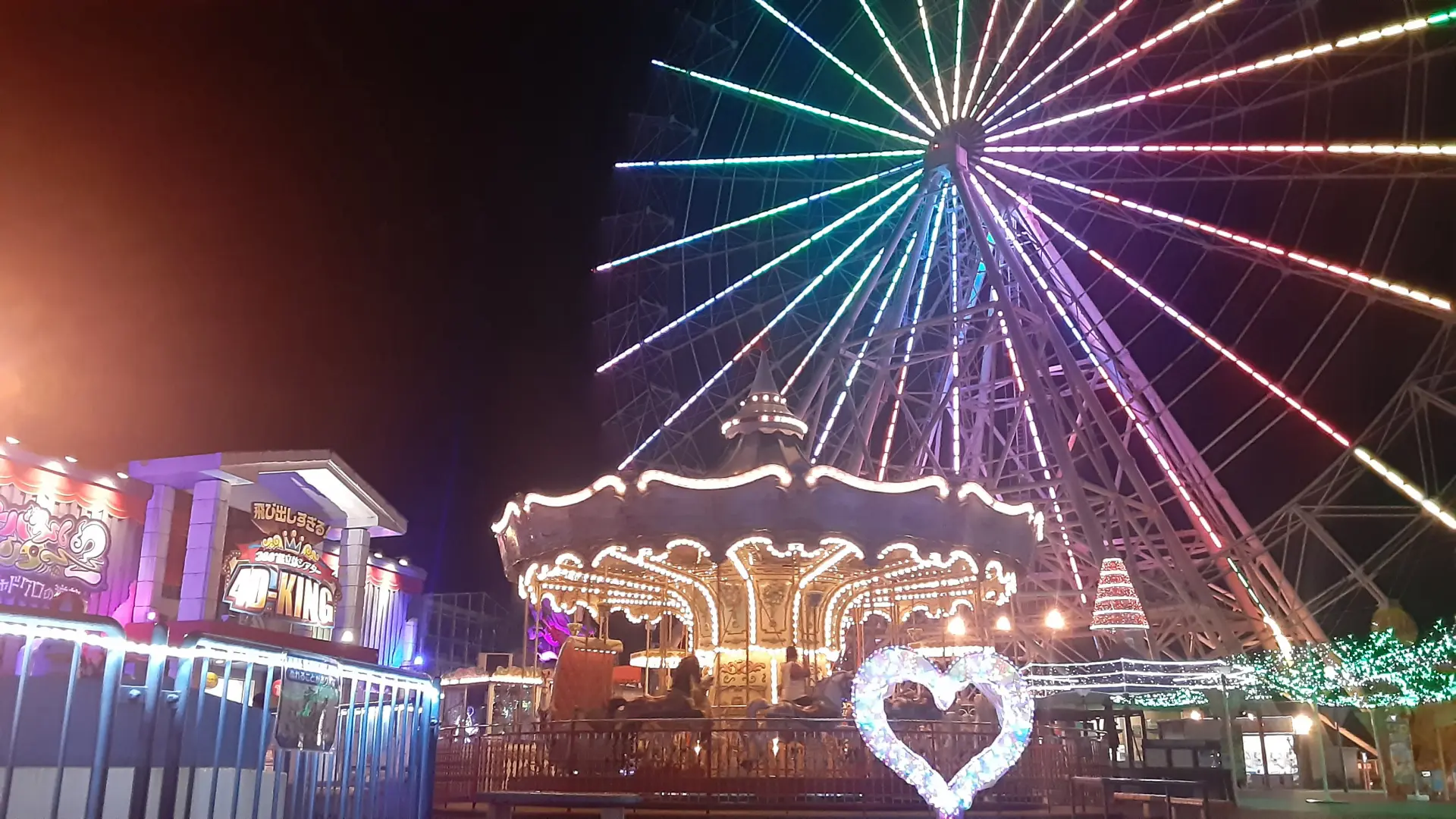 Nagoya Port, Kinjo PierNagoya Port Sea Train Land
From classic rides to the latest attractions-an amusement park the whole family can enjoy.
-
 Sakae, Fushimi, OsuOsu Kannon Temple
This is the most important sacred site of Kannon in Nagoya, which watches over the Osu Shopping District.
Nagoya's Winter Weather and What to Wear
Winter brings many sunny days, but cold, dry northwesterly winds make it a season of harsh cold. January and February are especially cold, and snow may fall when strong cold air moves in. Although snow rarely accumulates, a thick windproof coat or down jacket will serve you well outdoors. Scarves, gloves, and other cold-weather gear are also essential.
| Month | December | January | February |
|---|---|---|---|
| Temperature | 7.2℃ | 4.8℃ | 5.5℃ |
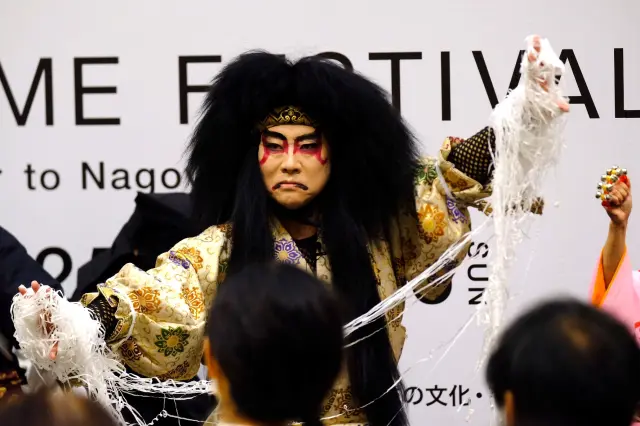
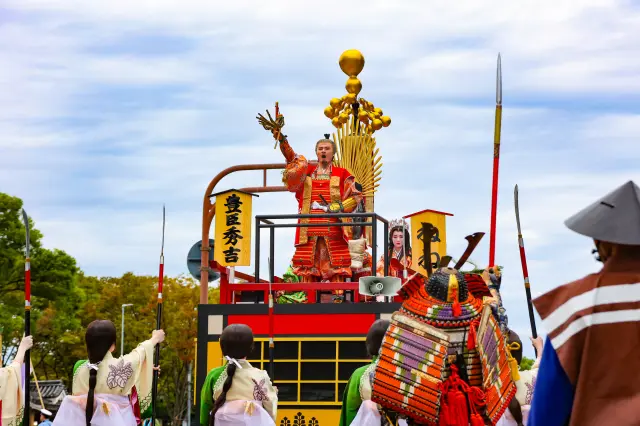
Nagoya Festivals & Events


Explore the Best of Nagoya by Area and Theme
Recommended Spots in Nagoya by Area and Theme
No matching spots found.
Must-Buy Souvenirs in Nagoya
Nagoya Shopping & Souvenir Guide
-
1. Uiro (Steamed Rice Cake)
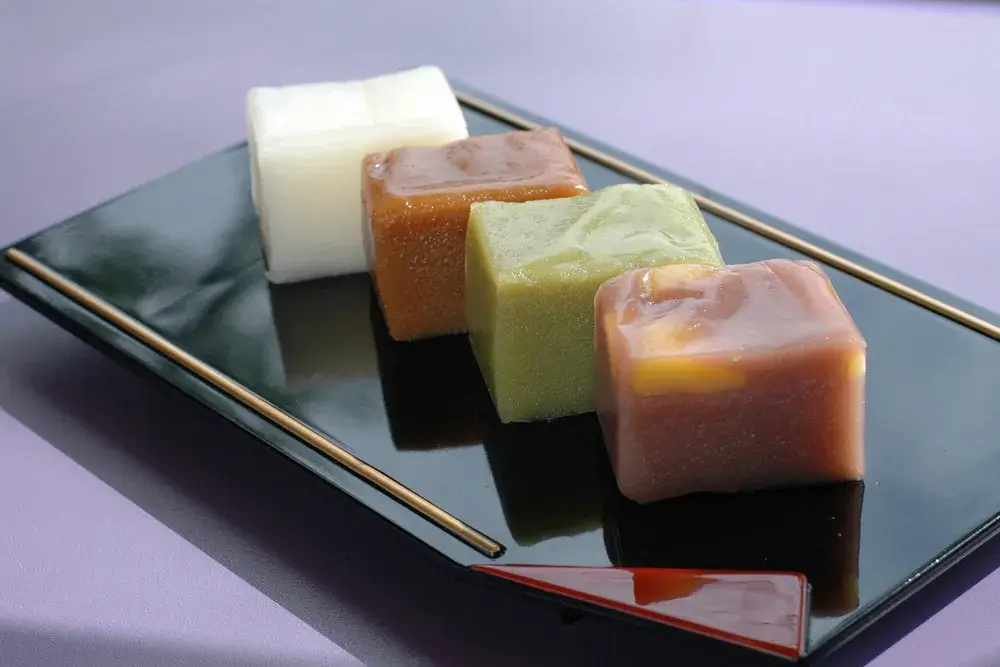
A traditional Japanese sweet representative of Nagoya, uiro is made by steaming rice flour and other ingredients with sugar. It is known for its chewy texture and simple sweetness, and comes in a variety of flavors, including the classic white, brown sugar, and matcha.
-
2. Bankaku Sohonpo "Yukari"

These shrimp crackers are made with natural shrimp and baked twice using a unique method for a fragrant finish. Known for their rich flavor and crisp crunch, they are light and keep well, making them a popular souvenir and gift.
-
3. Tokaikotobuki "Ogura Toast Langue de Chat"
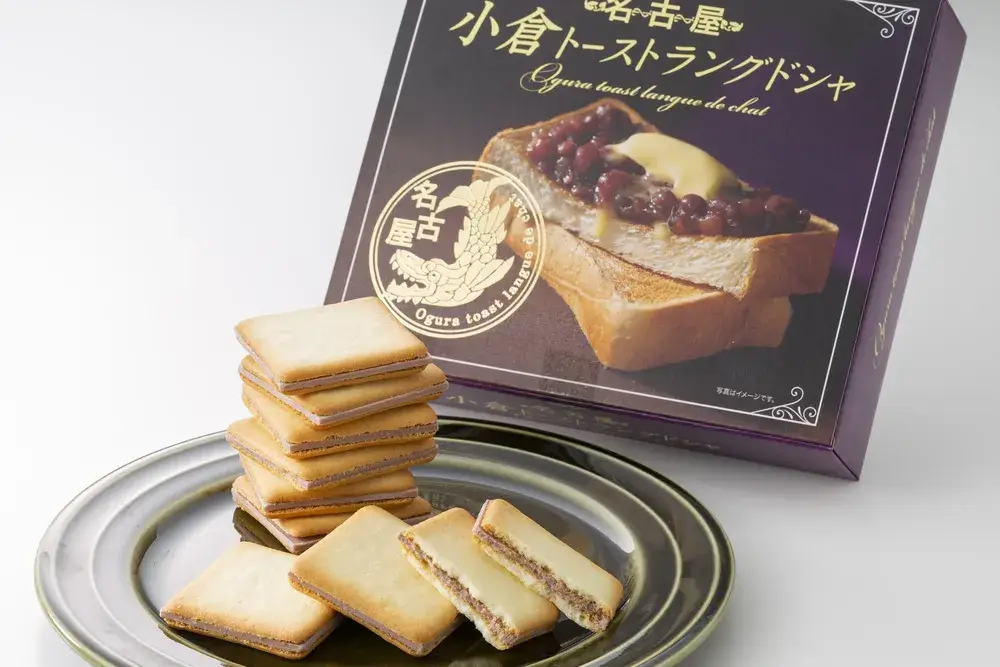
These langue de chat cookies were inspired by Nagoya's famous ogura toast. Chocolate flavored with sweet red bean paste and margarine is sandwiched between crisp langue de chat cookies. The toasted edges, designed to look like the crust of a slice of bread, are another distinctive feature.
-
4. Moriguchizuke (Pickled Radish)
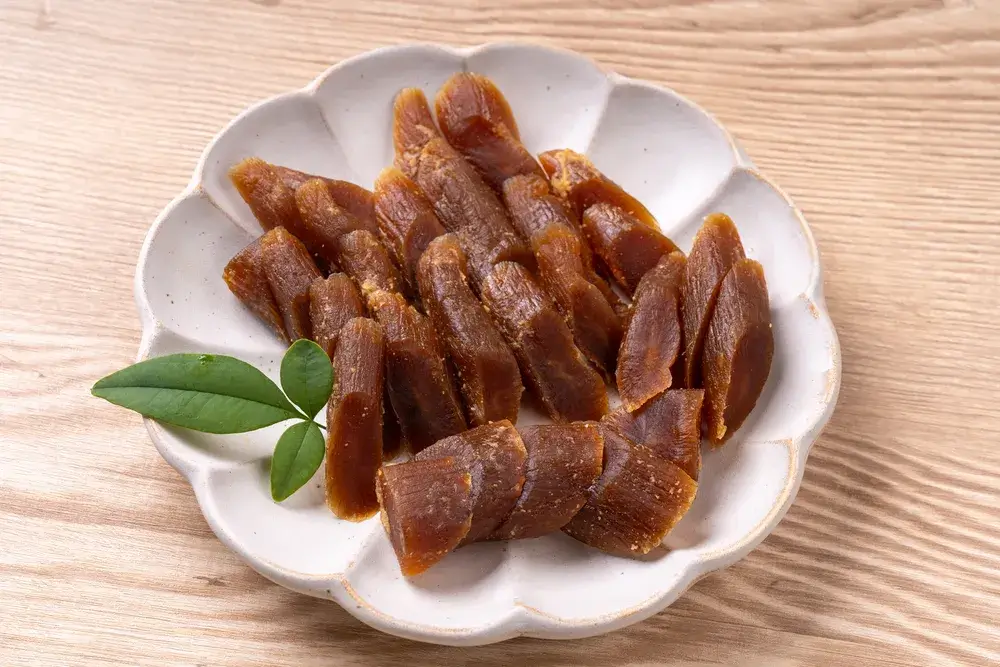
A traditional Nagoya pickle made by soaking long, thin Moriguchi radishes in sake lees or mirin lees. It is known for its crunchy texture and refined sweetness enriched with the flavor of sake lees. It goes well with rice and is also enjoyed as a snack with drinks.
-
5. Arimatsu-Narumi Shibori
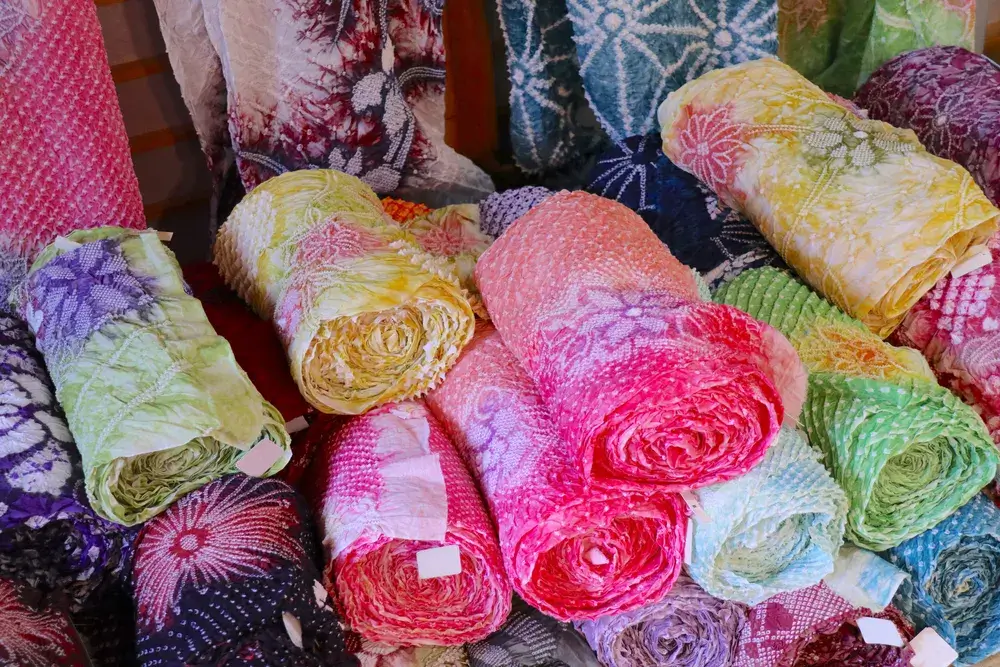
With a history of about 400 years dating back to the Edo period, this is Nagoya's traditional tie-dyeing technique. Fabric is bound with thread and dyed to create distinctive patterns and colors. Items for everyday use, such as tenugui towels, handkerchiefs, and scarves, are also available.
Nagoya Souvenirs


Shopping in Nagoya


Recommended Areas in Nagoya
Nagoya Accommodation Guide
-
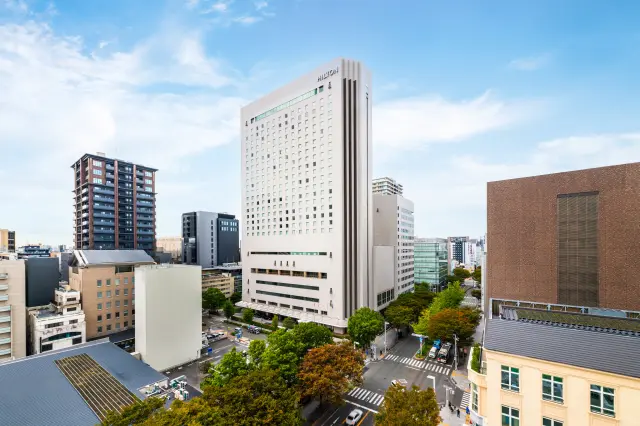
1. Nagoya Station Area
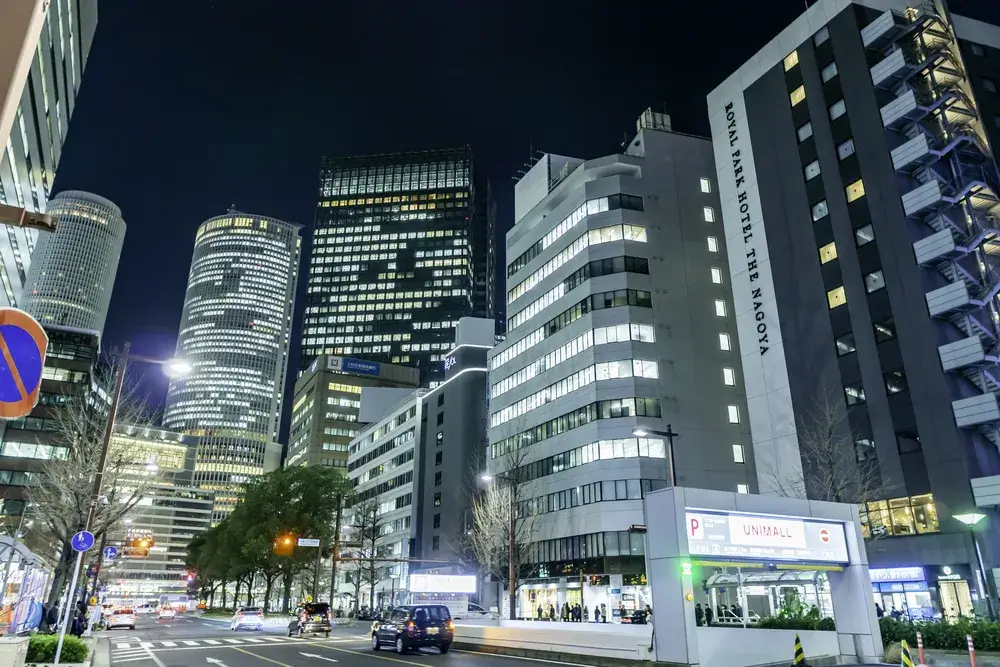
The area around Nagoya Station is the base for sightseeing in Nagoya. The Shinkansen, JR conventional lines, Meitetsu, Kintetsu, and the subway all stop here, providing easy access to the city and surrounding areas. Accommodations range from luxury hotels directly connected to the station to affordable business hotels, and there are plenty of department stores and restaurants. It meets a wide range of needs, from sightseeing to business.
-
2. Sakae / Hisaya-odori Area
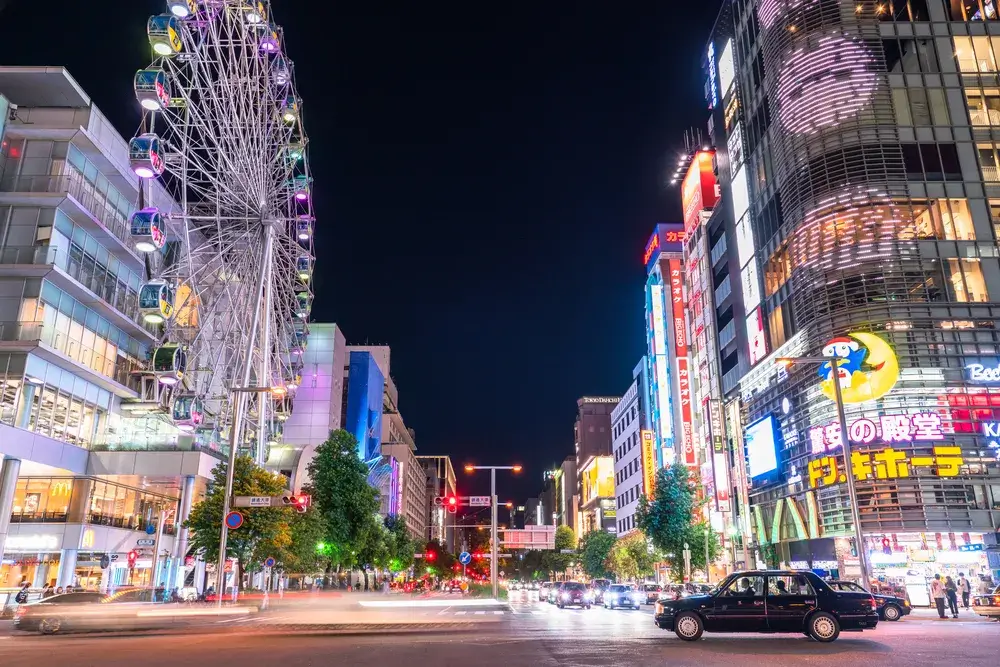
Located in Nagoya's signature downtown district, this is a convenient area to stay for travelers who want to enjoy shopping and dining. It takes about 5 minutes from Sakae Station to Nagoya Station on the Higashiyama subway line. The area has luxury and business hotels as well as plenty of department stores and restaurants. It is also perfect for those who want to explore the city late into the night.
-
3. Fushimi / Marunouchi Area
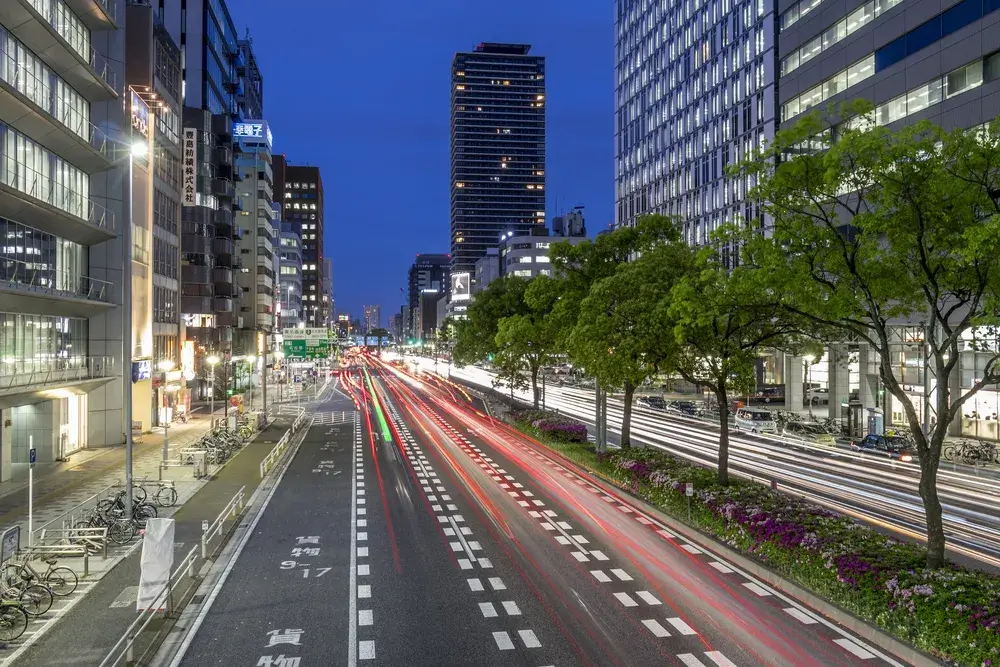
Located between Nagoya Station and Sakae, this area is a convenient base for sightseeing in the city. Fushimi Station on the subway is about 3 minutes from Nagoya Station and about 2 minutes from Sakae Station. Accommodations are mainly business hotels, and the Nagoya City Science Museum and Nagoya Castle are easy to reach. It also suits those who want a quieter stay a little away from the busy downtown.
-
4. Kanayama Station Area
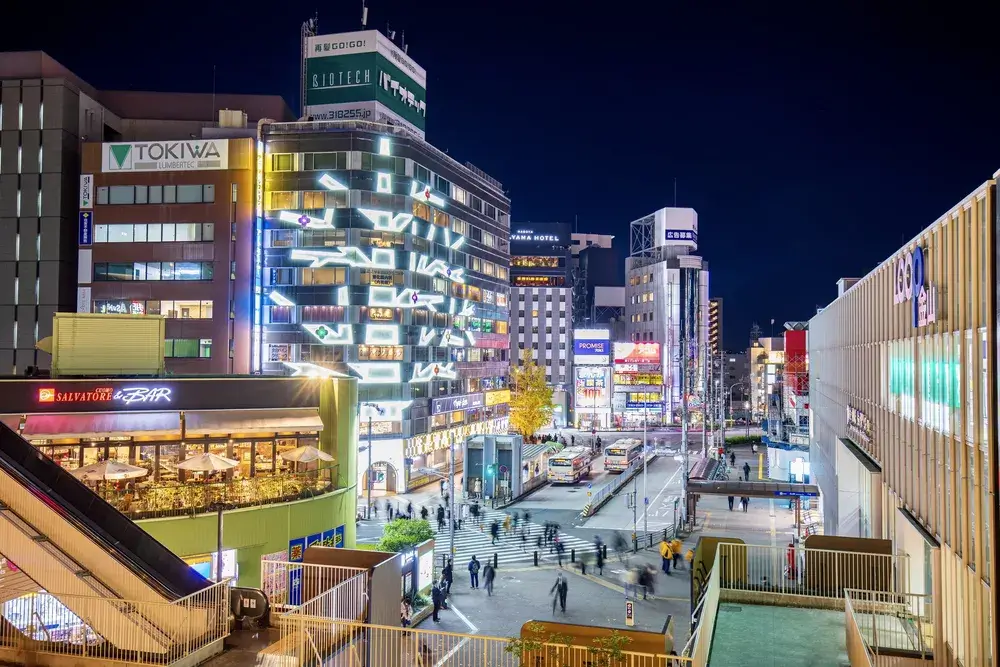
Centered on Kanayama Station, served by JR, Meitetsu, and the subway, this area offers excellent transportation convenience. It has easy access to Nagoya Station and Chubu Centrair International Airport, and is convenient for sightseeing in southern Nagoya, including Atsuta Jingu. Around the station, accommodations are mainly business hotels, with plenty of restaurants and shopping facilities. It is also an ideal base for sightseeing both inside and outside the city.
-
5. Osu / Kamimaezu Area
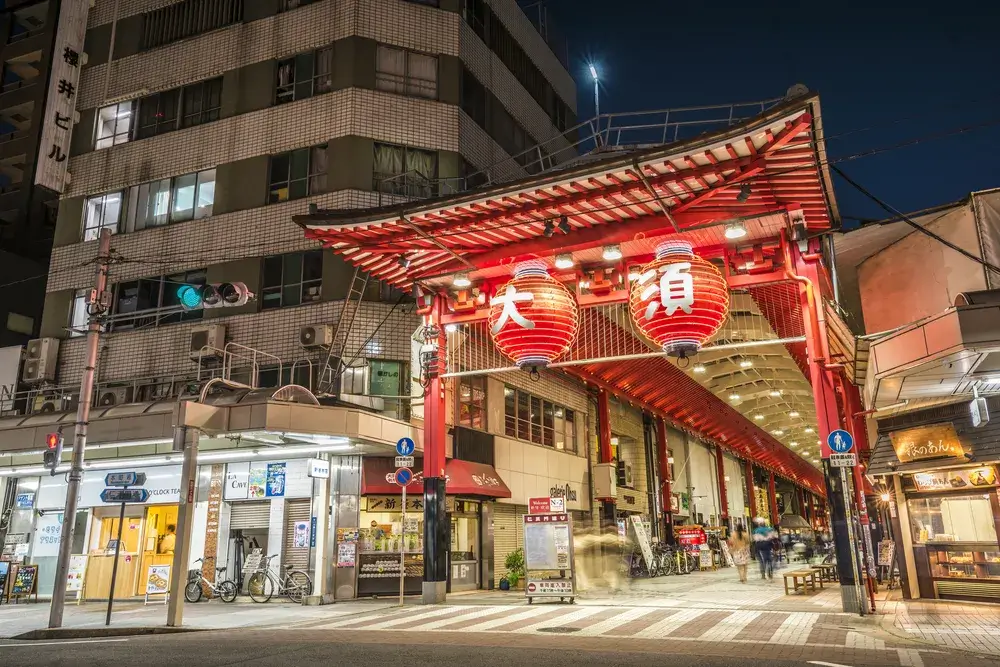
Centered on Osu Shopping Street, this area is ideal for travelers who want to enjoy city walks and street food. Kamimaezu Station on the subway offers good access to Sakae and Kanayama, making it a convenient base for sightseeing in the city. Affordable hotels and restaurants are scattered around the area, and you can leisurely explore the streets of Osu, lined with unique shops and long-established stores.
Where to Stay in Nagoya


Essential Information for Visiting Nagoya
Nagoya Travel Basics & Transportation Guide

How to Get to Nagoya
|
From Tokyo (Tokaido Shinkansen) |
Tokyo Station → Nagoya Station | Approx. 1 hr 40 min |
|---|---|---|
|
From Osaka (Tokaido Shinkansen) |
Shin-Osaka Station → Nagoya Station | Approx. 50 min |
|
From Osaka (Kintetsu Limited Express) |
Osaka-Namba Station → Kintetsu-Nagoya Station | Approx. 2 hr 10 min |
|
From Fukuoka (Sanyo/Tokaido Shinkansen) |
Hakata Station → Nagoya Station | Approx. 3 hr 20 min |
|
From Sendai (By Air) |
Sendai Airport → Chubu Centrair International Airport | Approx. 1 hr 10 min |
|
From Hokkaido (By Air) |
New Chitose Airport → Chubu Centrair International Airport | Approx. 1 hr 45 min |
|
From Okinawa (By Air) |
Naha Airport → Chubu Centrair International Airport | Approx. 2 hr |
- Chubu Centrair International Airport to Meitetsu Nagoya Station takes about 30 minutes on the Meitetsu μSKY.

- Name
- Nagoya City
- Prefecture
- Aichi Prefecture
- Main Airport(s)
- Chubu Centrair International Airport
- Major Railway Station(s)
- Nagoya Station, Kanayama Station
- Location
- Western Aichi Prefecture, southeastern Nobi Plain
- Climate
- Summers are hot, humid, and muggy, while winters are harsh due to cold, dry northwesterly winds. There are relatively many sunny days throughout the year, and although snow rarely accumulates in winter, it may fall when strong cold air moves in.
- Best Time to Visit
- Year-round. Each season has its highlights: cherry blossoms and flowers in spring, indoor attractions in summer, autumn leaves in fall, and illuminations in winter. In addition to classic spots such as Nagoya Castle, Atsuta Jingu, and museums, Nagoya's local cuisine and shopping can be enjoyed all year.
- Time Zone / Language / Currency
- Same as mainland Japan: no time difference, Japanese, and the Japanese yen (JPY).
- Transportation
- The subway, JR, Meitetsu, Kintetsu, and local buses provide access to the city's main sightseeing spots. The subway is most convenient in the city center, while for facilities in the suburbs, combining trains and buses is the standard way to get around.
- Access to Other Areas
- From Nagoya Station, you can take the Shinkansen toward Kyoto, Osaka, and Tokyo, and use JR, Meitetsu, and Kintetsu to reach places such as Inuyama, Tokoname, and Ise. It is also convenient for touring neighboring prefectures such as Gifu and Mie.
- Travel Tips
- Summers bring many extremely hot days, so take precautions against heatstroke when sightseeing outdoors. Watch out for heavy rain during the rainy season and typhoon season. In winter, cold northwesterly winds make it feel colder than the actual temperature, so be sure to dress warmly.
- Must-See Attractions
- Nagoya Castle, Atsuta Jingu, Higashiyama Zoo and Botanical Gardens
- Local Specialties
- Hitsumabushi (grilled eel over rice), miso katsu, kishimen (flat noodles)
Nagoya Travel FAQs
Q
How many days do I need to enjoy Nagoya?
A
For a first visit to Nagoya, two days and one night is a good guideline. If you focus on classic spots such as Nagoya Castle, Atsuta Jingu, and Osu Shopping Street, two days is plenty. If you also want to visit places where you will spend more time, such as the Higashiyama Zoo and Botanical Gardens or the SCMaglev and Railway Park, three days and two nights lets you sightsee at a relaxed pace.
Q
Can I enjoy Nagoya without a car?
A
Nagoya has an extensive public transportation network, including the subway, JR, Meitetsu, and local buses, so you can sightsee without a car. Major spots such as Nagoya Castle, Atsuta Jingu, and the Higashiyama Zoo and Botanical Gardens are accessible by train or bus. For sightseeing in the city center, the subway makes getting around easy.
Q
Where can I try Nagoya meshi?
A
The areas around Nagoya Station, Sakae, and Osu have many restaurants serving Nagoya meshi such as hitsumabushi, miso katsu, and kishimen. The underground malls and station buildings at Nagoya Station have plenty of restaurants, making them easy to stop by between sightseeing. To experience the café culture, cafés offering morning sets are also a good option.
Q
Which areas of Nagoya should I visit?
A
For a first visit, the area around Nagoya Castle and Sakae/Osu are the classic choices. Around Nagoya Castle you can experience history and culture, in Sakae you can enjoy shopping and dining, and in Osu you can stroll the shopping streets. For quiet streetscapes, head to Shikemichi or Arimatsu, and if you want to visit gardens and art museums, the area around Tokugawaen is also appealing.
Q
Are there any day trips from Nagoya?
A
From Nagoya, you can take day trips to Inuyama, home to the national treasure Inuyama Castle and its castle town, and to Tokoname and Seto, known as pottery towns. Gifu Castle in Gifu Prefecture and Ise Jingu in Mie Prefecture are also great options. Using Meitetsu, Kintetsu, and JR, you can combine sightseeing in Aichi Prefecture and neighboring prefectures with Nagoya as your base.