



Tokugawaen

Verified [Verified] denotes information that has been published with confirmation of its owing parties.

Tokugawaen

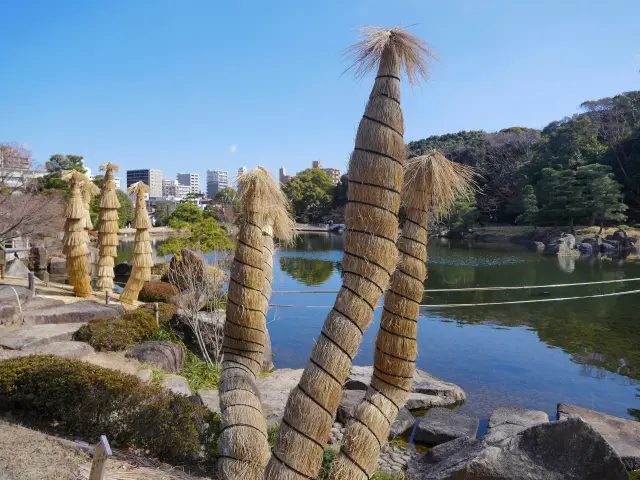
A Japanese traditional garden made in the early Edo period (1603-1868) of A circuit -style strolling pond garden with numerous highlights around a pond.

3.88 4

Last update :
Supervised by :  Tokugawaen

This Japanese garden was established in the ruins that used to be called “Ōzone Yashiki ” for Tokugawa Mitsutomo (1625-1700), the second lord of the Owari branch of the Tokugawa clan, to spend his retired life in 1695. The ground is said to have about 44 ha.

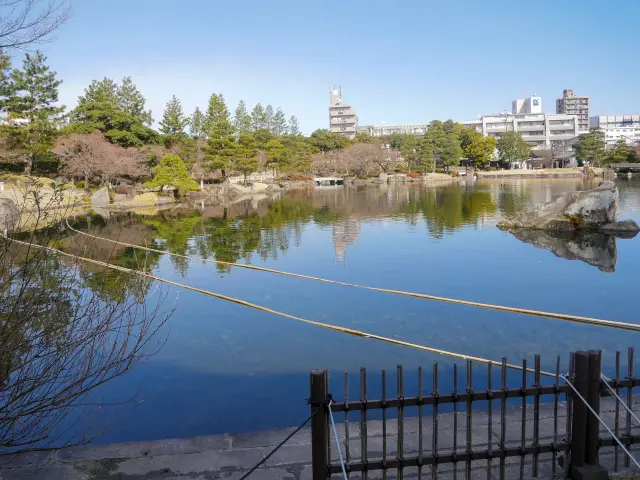
A circuit-style strolling pond style was used, which was the main style for Daimyou (a feudal)’s garden during the Edo period. This garden replicates the clear water falling from a mountain through the valley and reaching the sea. They symbolically express Japan’s nature scene.

The originally huge landform with a difference of elevation is used the way it was in
Tokugawaen, it is characteristic that appreciation is available of dynamic and various scenery. In the garden, many tricks amuse you, for example, “Ryumon no Taki (Ryumon waterfall) was replicated of the waterfall located in the residence of the Owari branch of the Tokugawa clan, and can control the volume of falling water to increase every 20 minutes. the stone bridge in Chinese style and the scenery of Ryusen Ko (Ryusen Ko Lake) where some golden carps elegantly swim is recommended as a shooting spot.

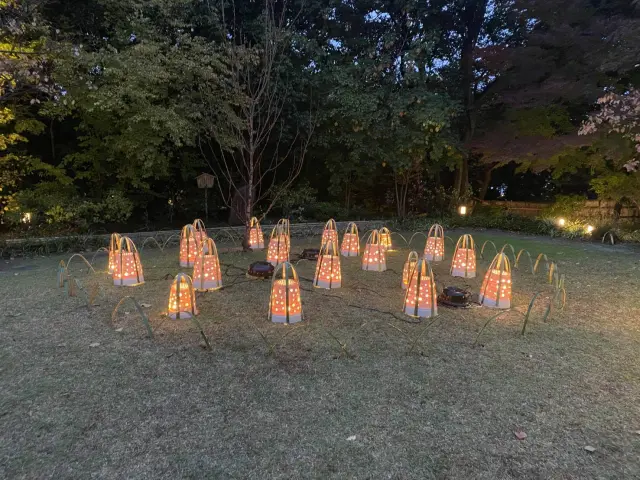
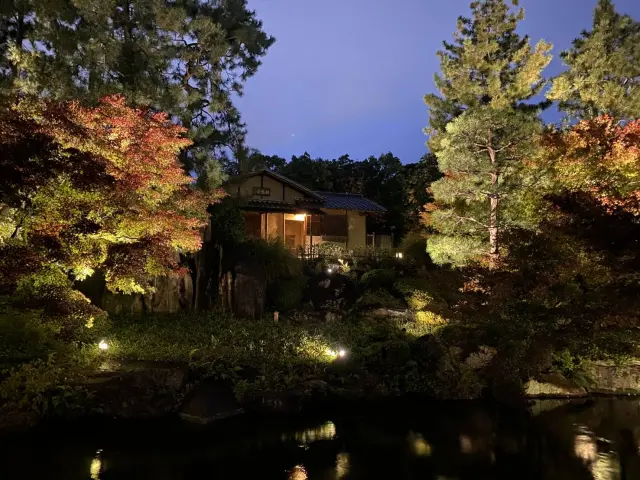
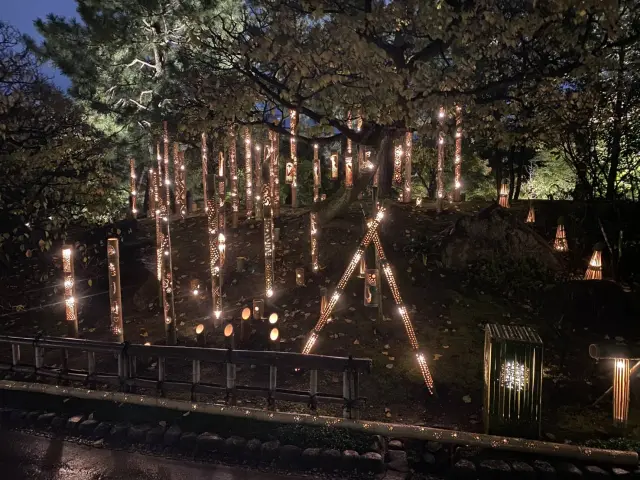
You can enjoy seasonal flowers such as peonies in spring and Japanese iris in early summer. Especially in Autumn, the garden dresses in red by the autumn leaves, and they lit up beautifully at night.

Highlights

  • Japanese-style garden established in the ruins for the retired lord of the Owari branch.
  • Various sceneries can be seen such as the waterfall, valley, and water stream.
  • The garden is especially beautiful with colored leaves in Autumn and they are lit up at night.

Photos

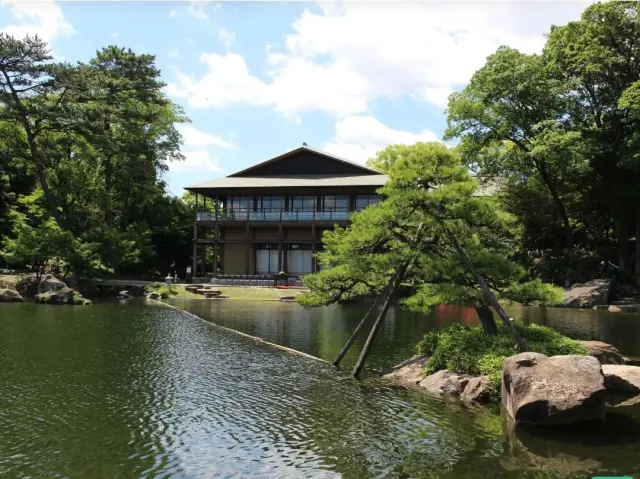
  • Kansen Ro is a restaurant located near Ryusen Ko.

    Kansen Ro is a restaurant located near Ryusen Ko.

  • Autumn leaves and the Ozone waterfall.

    Autumn leaves and the Ozone waterfall.

  • Japanese iris and traditional umbrellas.

    Japanese iris and traditional umbrellas.

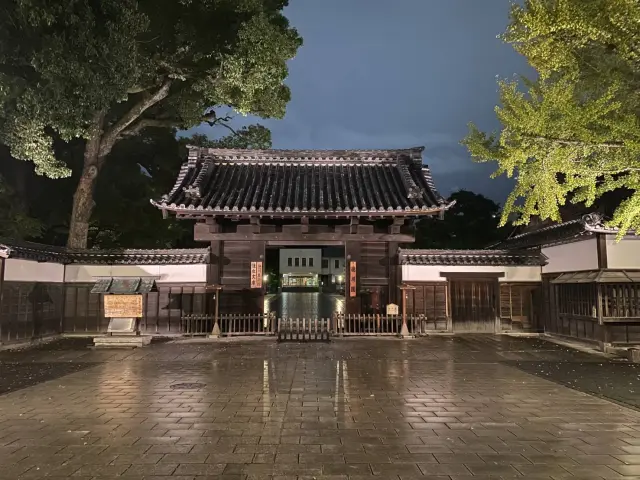
  • Kuromon was built in 1900 and remains the way it was.

    Kuromon was built in 1900 and remains the way it was.

  • Wisterias beautifully bloom in May.

    Wisterias beautifully bloom in May.

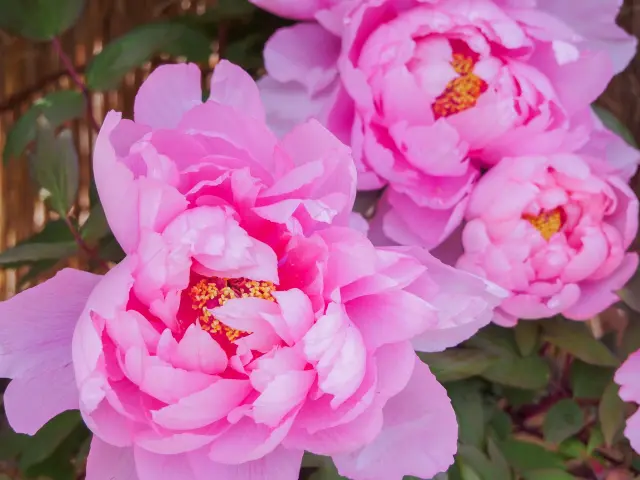
  • Peonies bloom in the garden in spring.

    Peonies bloom in the garden in spring.

Reviews

4

Some reviews are AI-translated.

  • See More

    I first stopped by a nearby kissaten for a classic Nagoya breakfast, so I decided to walk into Tokugawaen afterward. To my surprise, I happened to catch a winter peony exhibition. I honestly didn’t expect to see so many peonies in winter. Their delicate petals were layered beautifully, and the colors were so rich. After seeing them all, I understood why people in the past were so fascinated by peonies.

    I also happened to come across a nagashi-bina ceremony, which added movement and life to the otherwise quiet Hinamatsuri atmosphere. I didn’t expect to see this ceremony anywhere other than Shimogamo Shrine, and this one even allowed the general public to participate. Unfortunately, I didn’t have time to join because I wanted to see the hina dolls at the art museum.

    I had assumed a winter garden would feel plain, but the waterfall, water features, and peonies made the garden feel alive even in winter. It also helped me understand what books mean when they describe how daimyo gardens reflected control over technique, resources, and space.

  • See More

    I really want to travel there again. So happy, love it 😁

  • See More

    This Japanese garden has a totally different style from Chinese pavilions and towers. The museum next door also has a large collection of items from the Tokugawa family.

  • See More

    Tokugawaen is also a famous spot for viewing wisteria flowers.

Details

Name in Japanese
徳川園
Postal Code
461-0023
Address
1001 Tokugawacho, Higashi-ku, Nagoya City, Aichi
Telephone
052-935-8988
Holiday
Monday (if it is a national holiday, the next day)
Hours
9:30am - 5:30pm (Admission allowed until 5:00pm) *There may be changes in timings
Admission
Adults: 300yen, Middle school student and younger : free
Directions
1) About a 10-minute walk from the south gate of Ozone Station on the JR Line.
2) About 15-minute walk from Ozone Station on Nagoya Municipal Subway or Meitetsu Line.
3) About a 36-minute ride on Route Bus Meguru from Nagoya Station on each line.
4) About a 25-minute ride on Key Route Bus No.2 from Nagoya Station on each line, get off at Tokugawaen Shindeki Station and walk for about 3 minutes.
Credit Cards
Not accepted
Official Website
Official Website (English)