The Tokugawa Art Museum

Verified [Verified] denotes information that has been published with confirmation of its owing parties.

The Tokugawa Art Museum

A collection of masterpieces reflecting the status and prestige of the Owari Tokugawa family, the foremost of the three branches of the Tokugawa clan.

3.27 2

Last update :
Supervised by :  The Tokugawa Art Museum

This museum houses and displays treasures passed down through generations of the Owari Tokugawa family. It opened in 1935 under the family’s 19th head, Tokugawa Yoshichika, with the aim of preserving daimyo culture for future generations.

Its collection includes renowned swords, armor, tea utensils, Noh-related items, and other objects given to the Owari Tokugawa family by Tokugawa Ieyasu. Together with cherished possessions once owned by successive family heads and their wives, the museum holds more than 10,000 daimyo heirlooms and works of art.
Headlined by the National Treasure “The Tale of Genji Illustrated Scrolls,” the oldest surviving illustrated version of <i>The Tale of Genji</i>, the collection contains many precious objects, including nine National Treasures, 59 Important Cultural Properties, and 46 Important Art Objects.

Exhibition Room 1 displays armor and weapons, symbols of the samurai. Its collection of nearly 1,000 swords is among the largest in Japan.
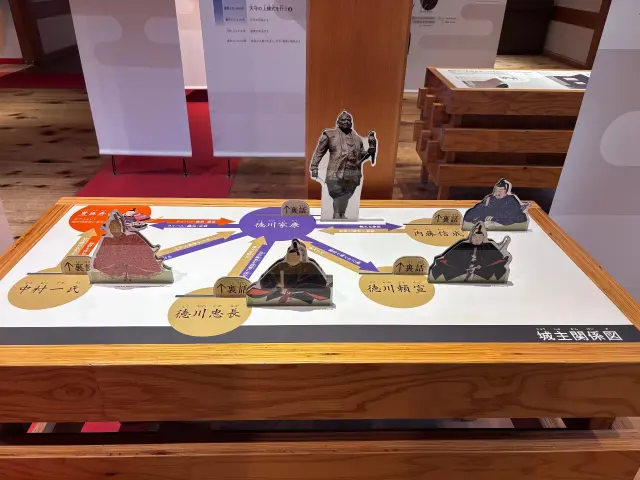
The impressive displays convey the prestige of the Owari Tokugawa family. Exhibition Room 3 features reconstructions of the Kusari-no-ma tea room and shoin study from the Ninomaru Palace at Nagoya Castle, along with tea utensils, hanging scrolls, and other objects once used there. Exhibition Room 4, where visitors can see a Noh stage, Noh masks, and lavish costumes, is also well worth seeing.

Highlights

  • Houses numerous valuable cultural properties passed down through generations of the Owari Tokugawa family.
  • The collection includes many National Treasures, such as “The Tale of Genji Illustrated Scrolls.”
  • Its collection of nearly 1,000 swords is among the largest in Japan.
  • The exhibition rooms featuring reconstructed Noh and tea spaces are particularly impressive.

Photos

  • The museum houses numerous cultural properties passed down through generations of the Owari Tokugawa family

    The museum houses numerous cultural properties passed down through generations of the Owari Tokugawa family

  • National Treasure “The Tale of Genji Illustrated Scrolls”

    National Treasure “The Tale of Genji Illustrated Scrolls”

  • The National Treasure Hatsune Furnishings, a wedding trousseau brought by Chiyohime, daughter of the third shogun Tokugawa Iemitsu

    The National Treasure Hatsune Furnishings, a wedding trousseau brought by Chiyohime, daughter of the third shogun Tokugawa Iemitsu

  • Exhibition Room 1, displaying armor and swords

    Exhibition Room 1, displaying armor and swords

  • Exhibition Room 4 features a reconstruction of the formal Noh stage from the Ninomaru Palace at Nagoya Castle

    Exhibition Room 4 features a reconstruction of the formal Noh stage from the Ninomaru Palace at Nagoya Castle

  • Folding screen depicting the Battle of Nagashino, featuring Oda Nobunaga, Toyotomi Hideyoshi, and Tokugawa Ieyasu

    Folding screen depicting the Battle of Nagashino, featuring Oda Nobunaga, Toyotomi Hideyoshi, and Tokugawa Ieyasu

Reviews

2

Some reviews are AI-translated.

  • See More

    I didn’t expect to find the Tokugawa Art Museum to visit while traveling in Nagoya! It houses a large collection of precious artifacts passed down through generations of the Owari Tokugawa family, which was founded by Tokugawa Yoshinao, the ninth son of Tokugawa Ieyasu. To preserve the family treasures and daimyo culture in their entirety, Tokugawa Yoshichika, the family’s 19th head, founded the museum in 1935. The exhibits include samurai armor, swords, tea utensils, and lavish wedding items, as well as the treasured National Treasure, The Tale of Genji Illustrated Scrolls. Walking through the galleries feels like traveling through time and catching a glimpse of the lives and tastes of daimyo families during the Edo period.

  • See More

    I originally came because I was drawn to the Owari Tokugawa family's hina doll exhibition. But once I stepped inside, what impressed me most was the Noh stage. It was so huge that even an ultra-wide-angle lens could barely capture it all.

    The tea rooms, study rooms, and artifacts are also reassembled in a way that helps fill in the missing atmosphere of the Honmaru Palace at Nagoya Castle. This museum doesn't just place cultural objects behind glass. It lets you see how they originally existed within samurai family life.

    Even after political power has faded, these artifacts still carry on the lingering glow of the Tokugawa family through the way they are displayed in the space.

Details

Name in Japanese
徳川美術館
Postal Code
461-0023
Address
1017 Tokugawa-cho, Higashi Ward, Nagoya, Aichi Prefecture
Phone
052-935-6262
Closed on
Mondays (the following weekday if Monday is a national holiday)
Other closure dates may apply. Please check the official website for details.
Hours
10:00 a.m.–5:00 p.m. (last admission at 4:30 p.m.)
Admission
Admission to the Tokugawa Art Museum and Hōsa Bunko Library: Adults ¥2,000; high school and university students ¥1,200; junior high school students and younger free
High school and university students must present a valid student ID.
Access
1. About a 10-minute walk from the South Exit of JR Ozone Station
2. A 15-minute walk from Ozone Station on the Nagoya Municipal Subway or Meitetsu lines
3. About 36 minutes from Nagoya Station on the Me~guru Nagoya Sightseeing Route Bus
Credit Cards
Not accepted
Official website
Official website (Japanese)
Hokkaido Tohoku Kanto Chubu Hokuriku Kansai Chugoku Shikoku Kyushu Okinawa