

7 Top Things to Do in Fussa: American Streets, Sake Breweries, and Nature
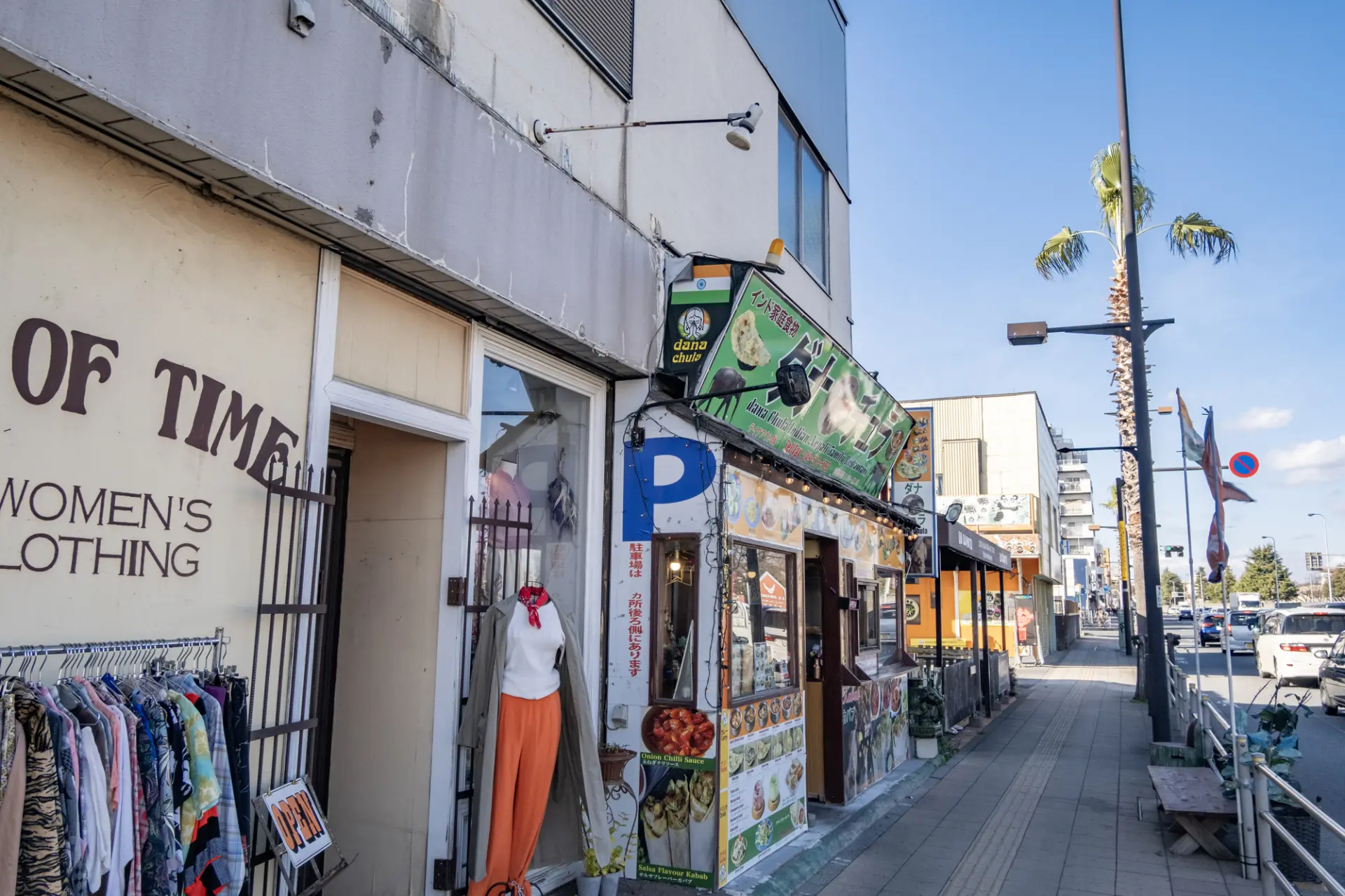
Fussa has developed a distinctive American culture around the presence of a U.S. military base.
Route 16 is lined with shops and restaurants offering an international atmosphere, while a short trip away reveals Japanese traditions passed down through the community and tranquil waterfront scenery.
This article provides an overview of Fussa and introduces its classic attractions and suggested itineraries.
The information is organized to be clear and useful even for first-time visitors, so be sure to read to the end.
What Is Fussa Like?
Fussa is located in the Tama area of western Tokyo.
After World War II, a former Japanese military airfield became the U.S. military's Yokota Air Base, bringing American culture into the city and creating an atmosphere that can feel like walking through another country without leaving Japan.
American-style restaurants, cafés, and vintage shops are scattered primarily along Route 16, and some single-story homes originally built for U.S. military personnel remain.
The city has a history of attracting people involved in music and art during the 1960s and 1970s, and traces of that culture can still be found in its distinctive shops and live music venues.
Venture a little farther, however, and you will also find long-established sake breweries, historic temples, waterfront scenery, and a city rich in both tradition and nature.
Fussa offers many ways to spend your time, from exploring streets shaped by different cultures to discovering local history and nature.
What to Know When Visiting the Area Around Yokota Air Base
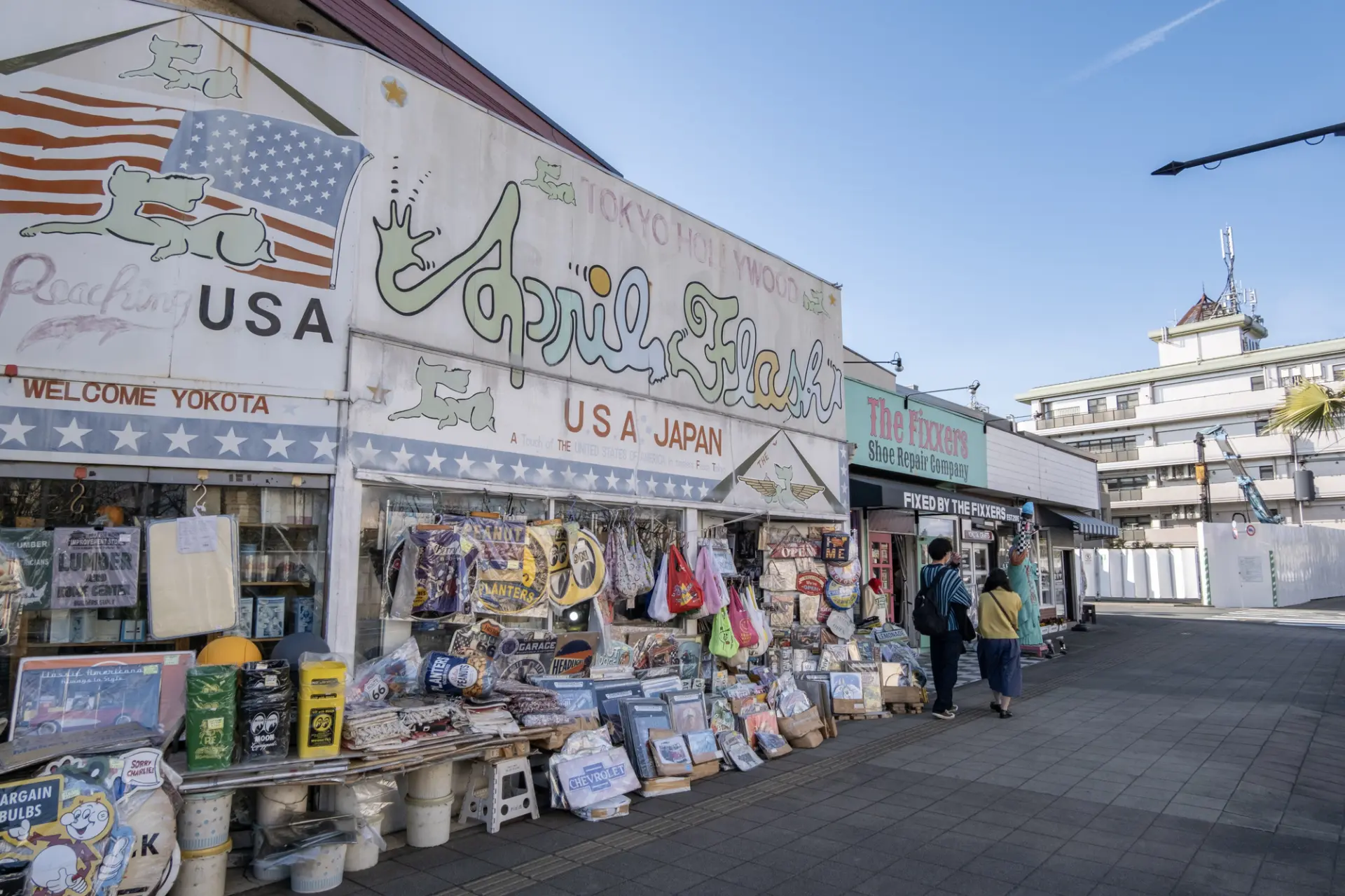
When visiting the area around Yokota Air Base, it is important to distinguish between the base itself and the surrounding neighborhoods.
Yokota Air Base is not ordinarily open for tourists to enter freely. Admission requires the appropriate procedures and authorization for the purpose of the visit.
When viewing the streets or aircraft, avoid parking without permission on private property or in facility parking lots, parking on the street, taking photographs in ways that obstruct pedestrians, and littering.
Events held on the base also have their own admission requirements and restrictions on what may be brought inside, so check the latest information before visiting.
How to Get to Fussa
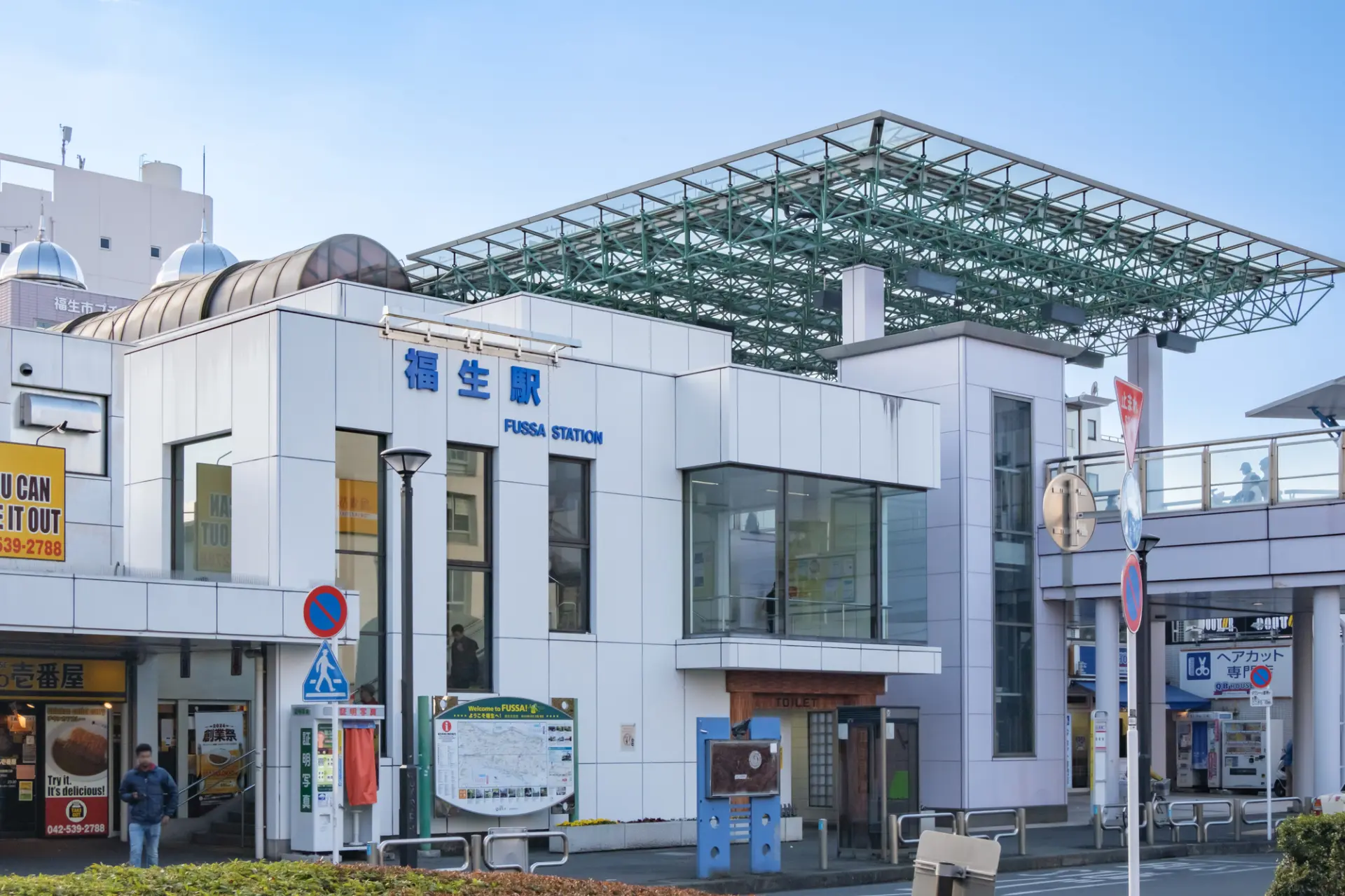
JR Fussa Station on the Ome Line is the main gateway for sightseeing in Fussa.
The city center extends around the station, making it a convenient starting point for exploring on foot.
About a 5-minute walk from the west exit is the Kurumiru Fussa tourist information center, where visitors can gather information and use services such as guided tours of local attractions.
Below are direct routes from Shinjuku, Tokyo, and Tachikawa stations, all of which provide convenient access from central Tokyo.
If the American-style streets are your main destination, Higashi-Fussa Station on the JR Hachiko Line is another option, along with the east exit of Fussa Station.
| Starting Point | Route | Travel Time |
|---|---|---|
| Shinjuku Station | Take a rapid train on the JR Chuo and Ome lines from JR Shinjuku Station and get off at Fussa Station | About 50 minutes |
| Tokyo Station | Take an Ome Special Rapid train on the JR Chuo and Ome lines from JR Tokyo Station and get off at Fussa Station | About 1 hour |
| Tachikawa Station | Take the JR Ome Line from JR Tachikawa Station and get off at Fussa Station | About 20 minutes |
When Is the Best Time to Visit Fussa?
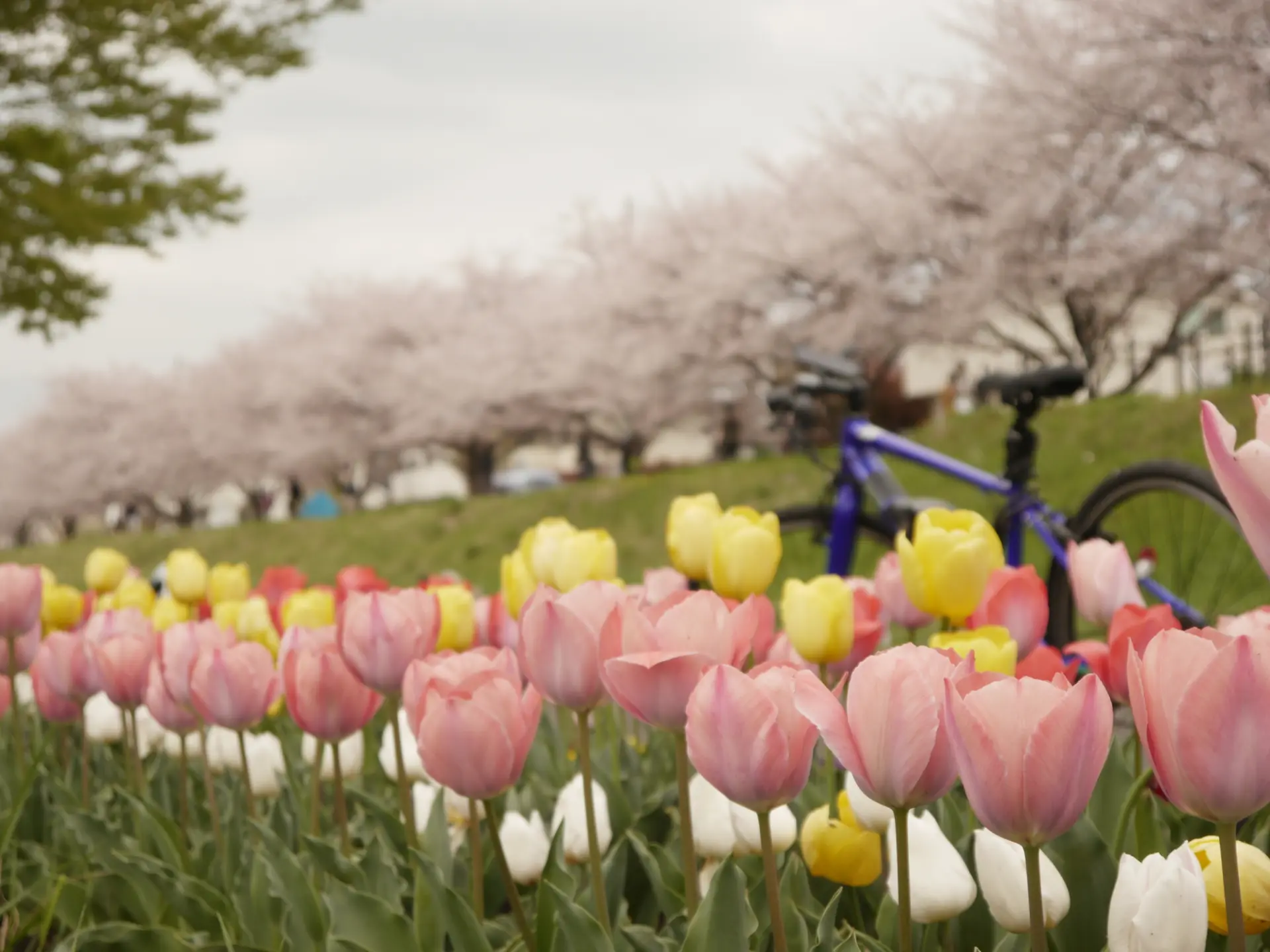
Spring, when the cherry blossoms are at their peak, and the mild days of fall are especially good times to visit Fussa.
In spring, cherry trees bloom along approximately 1.6 miles of the Tama River embankment, and the Fussa Cherry Blossom Festival is held.
The mild weather is also ideal for exploring vintage clothing stores, variety shops, and diners on foot.
Savoring sake while viewing the cherry blossoms is another experience associated with Fussa and its breweries.
In fall, the clear air and expansive skies provide an attractive backdrop for photographs of the American-style streets along Route 16 and the Fussa American House.
Because the sun sets earlier, visitors can also experience the city's changing atmosphere from evening into night.
7 Classic Attractions in Fussa
Here are seven classic attractions in Fussa.
One of the pleasures of visiting is seeing how elements with different cultural and historical backgrounds coexist within the city, revealing a different side of Fussa wherever you walk.
Find your preferred way to explore, whether strolling through town, discovering its history, or spending time in nature.
1. Fussa Base Side Street
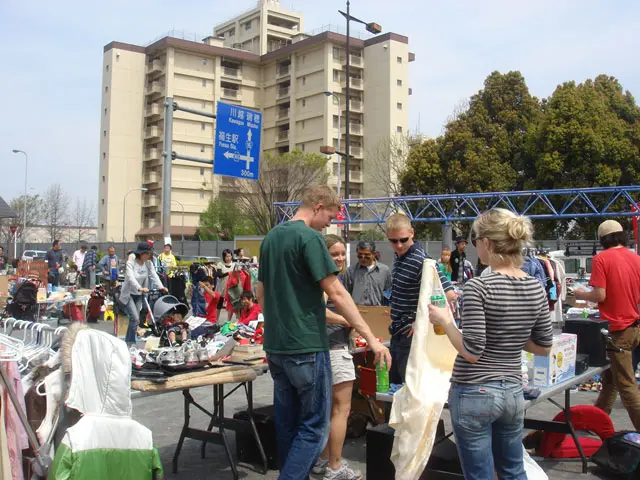
This shopping district stretches along Route 16 beside the U.S. military's Yokota Air Base in Fussa, Tokyo.
Its American-style businesses create streetscapes with an international atmosphere.
The wide variety of establishments includes antique stores, variety shops, vintage clothing stores, cafés, ice cream shops, Japanese souvenir stores, art galleries, and live music venues.
Even window-shopping here can be an uplifting experience.
One corner of the street is home to the Fussa American House, a free community space housed in a former U.S. military residence built in 1958.
- Name in Japanese
- 福生ベースサイドストリート
- Postal Code
- 197-0014
- Address
-
2476-1 Fussaninomiya, Fussa City, Tokyo
Google Maps - Telephone&FAX
- Fussa American House 042-513-0432 (available only on Fridays, Saturdays, Sundays, and holidays).
- fmstg@galaxy.ocn.ne.jp
- Access
- About a 10-minute walk from JR Ome Line's Ushihama Station.
- Official Website
- Official Website(Japanese)
2. Ishikawa Brewery
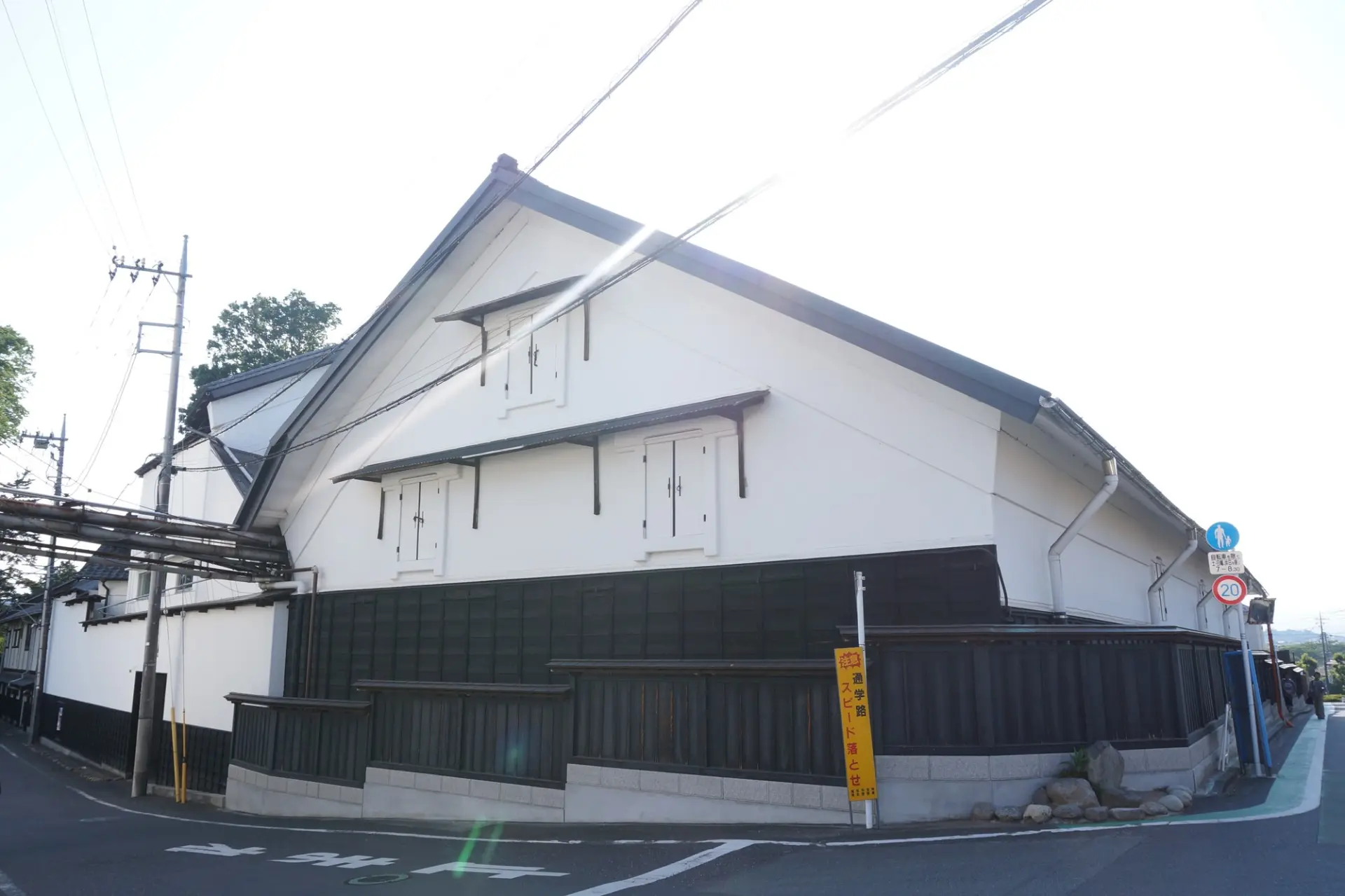
Ishikawa Brewery is a long-established brewery producing sake and craft beer in Fussa.
Its brewing history began in 1863, and the brewery moved to its present location in Kumagawa in 1880.
Its products include its signature sake, Tamajiman, as well as Tama no Megumi and TOKYO BLUES.
The grounds contain six buildings designated as Nationally Registered Tangible Cultural Properties, and there is much to see beyond the brewing facilities, including historic earthen-walled storehouses, a 700-year-old Japanese zelkova tree, and the Kumagawa Diversion Channel.
Brewery tours provide access to the interior of the main brewery, which is not ordinarily open to visitors, as well as opportunities to learn about the brewing water and the history of sake production.
Fresh craft beer, sake, and food pairings are also available at Fussa Beer Koya and Shokudo Ishikawa, while souvenirs can be purchased at the Sake Seira direct sales shop.
3. Tamura Shuzoujo
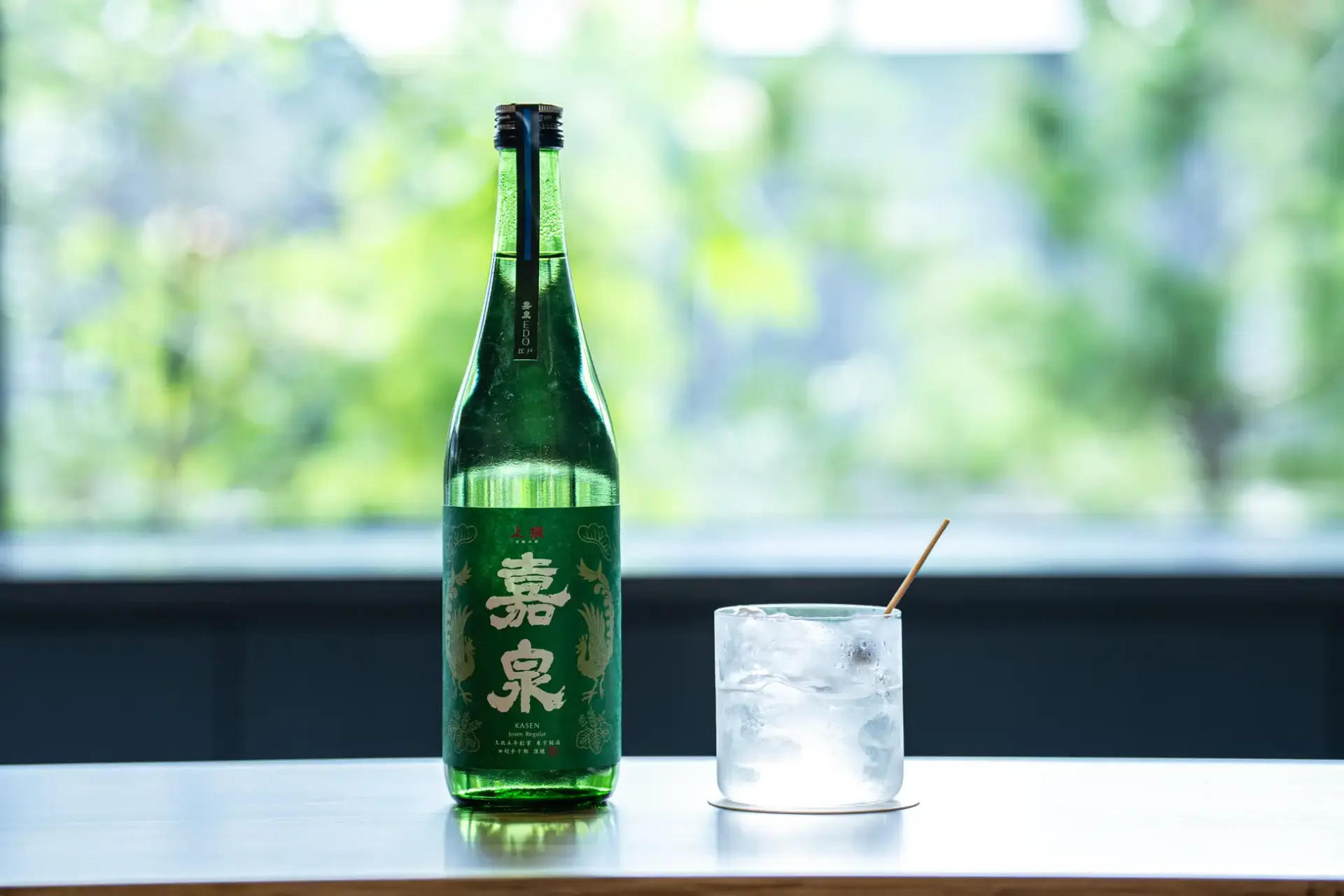
Tamura Shuzoujo is a long-established sake brewery founded in 1822 beside the Tamagawa Aqueduct.
Its signature sake is Kasen, whose name reflects the joy of discovering high-quality water suitable for brewing on the property.
One highlight is the brewery's historic scenery.
The grounds feature storehouses registered as Nationally Registered Tangible Cultural Properties, a brick chimney, a watermill, and gardens that change with the seasons, as well as a large Japanese zelkova tree over 800 years old.
On a brewery tour, visitors can learn about the history and process of sake production, followed by a sake tasting.
In July 2026, a new facility with dining and a bar, &KASEN, opens on the grounds.
Overlooking the garden, visitors can compare different sakes from Tamura Shuzoujo and sample dishes designed to accompany them.
4. Tamagawa Aqueduct
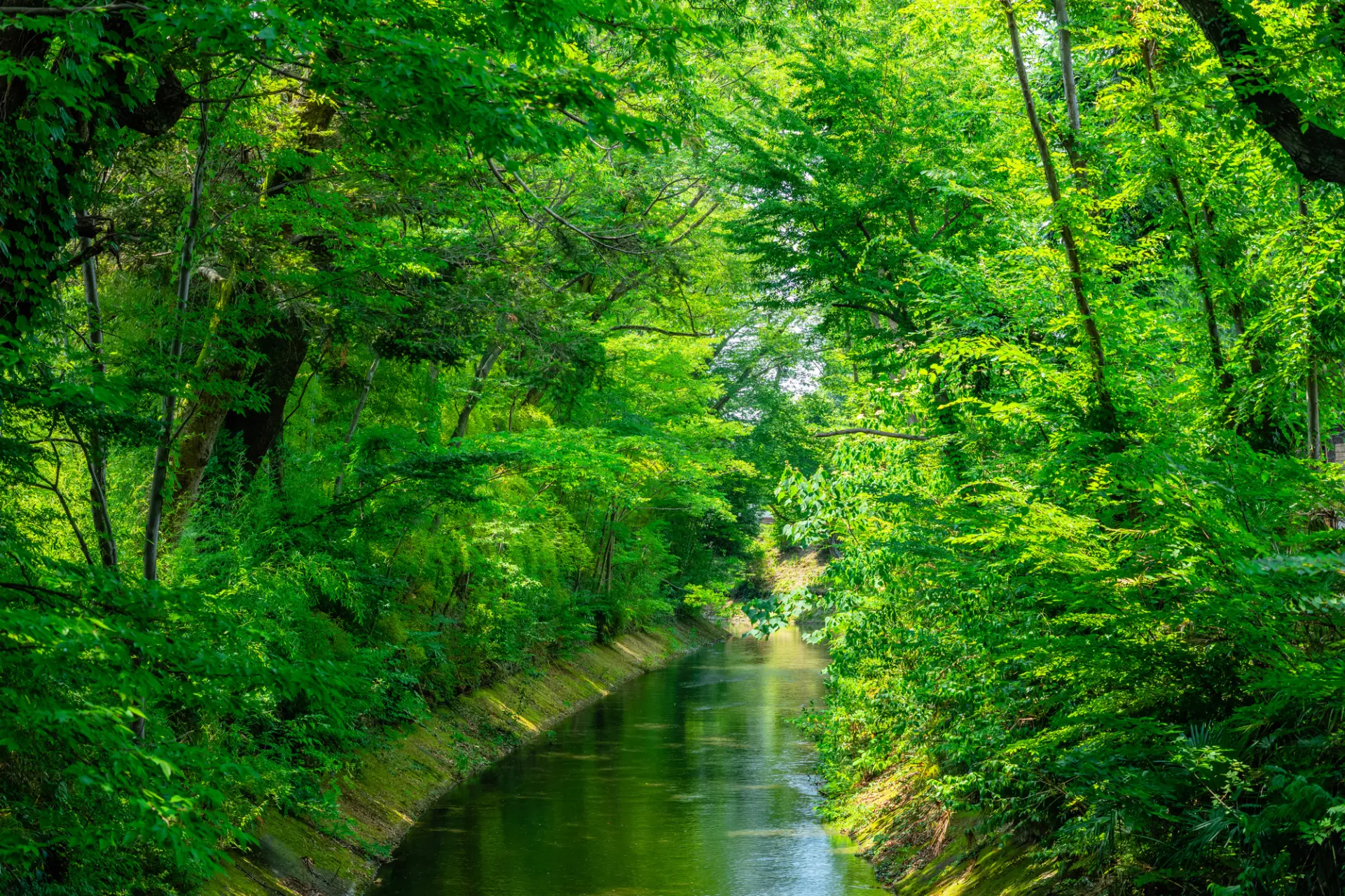
The Tamagawa Aqueduct is an approximately 27-mile waterway built to deliver drinking water to the city of Edo.
Construction began in 1653 and was completed the following year. It runs from the Hamura Intake Weir on the Tama River to Yotsuya Okido in present-day Shinjuku City.
Today, its tree-lined walking paths are popular places to stroll while appreciating the changing seasons and flowing water.
Cherry blossoms in spring, fresh greenery, and fall foliage give the area a different appearance in each season, offering an escape from the bustle of the city.
The area around Shinbori Bridge is especially notable. Selected as one of the Ten Scenic Views of Fussa, it retains waterfront scenery reminiscent of the historic Musashino landscape.
It can also be visited together with nearby historic sites such as Tamura Shuzoujo and Kumagawa Shrine.
5. Kumagawa Shrine
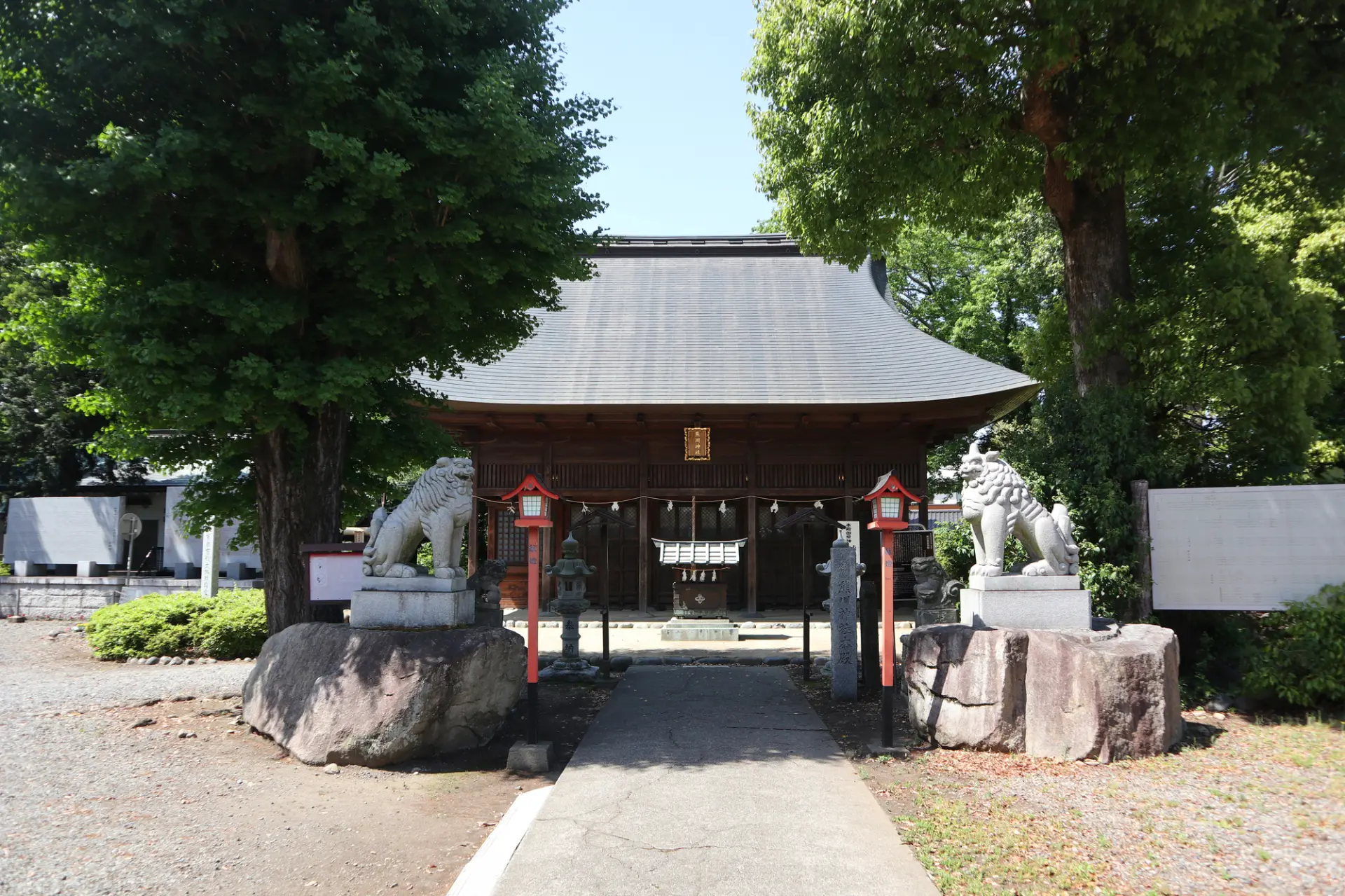
Kumagawa Shrine, located in the Kumagawa area of Fussa, is a historic shrine whose origins date to the Heian period (794–1185).
Its main sanctuary is believed to have been constructed in 1597. As the oldest wooden building in Fussa, it has been designated a Tangible Cultural Property by the Tokyo Metropolitan Government.
Selected as one of the Ten Scenic Views of Fussa, the shrine has a peaceful atmosphere created by the abundant trees covering its grounds, which also provide colorful foliage in fall.
One of the shrine's distinctive features is that all Seven Gods of Fortune are enshrined together in a single shrine.
Statues of all seven deities stand within the grounds, allowing worshippers to pray for various forms of good fortune in a single visit.
6. Seigan-in Temple
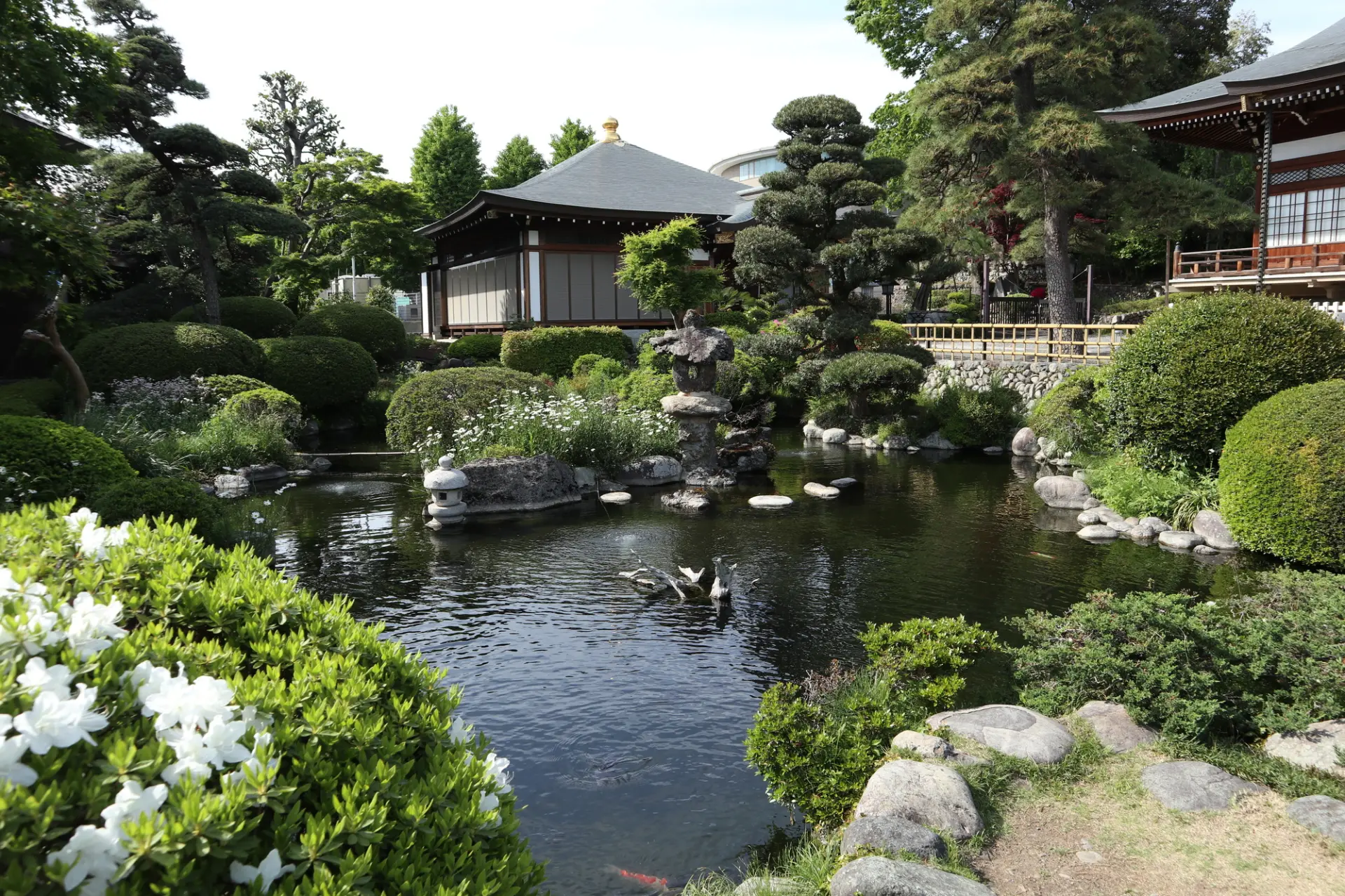
Seigan-in is a historic temple of the Kencho-ji branch of the Rinzai school of Zen Buddhism, founded approximately 600 years ago.
Spring water emerges at several points around the grounds, forming streams that flow into the pond in front of the main hall.
This water source has been selected as one of Tokyo's 57 Remarkable Springs, while the scenery surrounding the pond, main hall, and Bentendo Hall is counted among the Ten Scenic Views of Fussa.
A highlight is the Japanese garden, with its clear pond and carefully maintained trees.
It offers a peaceful Japanese atmosphere quite different from the American-style streets around Yokota Air Base.
The snowy winter scenery is also picturesque, providing a quiet place to pause between visits to the city's livelier areas.
In addition, the Koshin stone memorial tower in front of the gate, inscribed with the year 1699, is considered the oldest in the city.
7. Tama River Central Park
Tama River Central Park covers approximately 16.3 acres along the Tama River.
In addition to open spaces and playground equipment, the park has a stream where visitors can play in the water. It can be enjoyed in many ways, including walking and barbecuing, which requires advance reservations.
Seasonal flowers such as azaleas, daffodils, Japanese irises, and bush clover add color throughout the park and reflect the changing seasons.
It is an ideal place to spend a leisurely time in nature away from the bustle of sightseeing areas.
Consider taking a break here during your walk and relaxing in the breeze from the Tama River.
Try Fussa's Local Specialty, the Fussa Dog
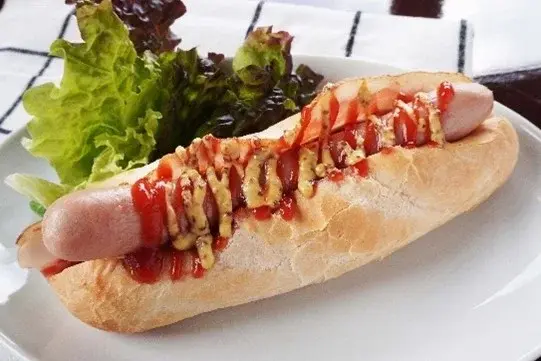
One local specialty to try while visiting is the Fussa Dog.
Reflecting Fussa's identity as the home of Yokota Air Base, this American-style hot dog was created in 2011 as a local specialty.
Its defining feature is the use of sausage from one of the city's two major ham producers, Ohtama Ham or Fussa Ham.
Ohtama Ham uses German production methods, while Fussa Ham makes sausage blended with locally brewed Fussa sake.
The sausage is also required to be 16 cm (6.3 inches) long in reference to Route 16 and 23 mm (0.9 inches) thick as a Japanese wordplay on “2/3” and “Fussa.”
The buns, sauces, and toppings are left to each establishment, resulting in distinctive versions ranging from simple and spicy to Japanese-inspired arrangements.
Stop by while exploring Base Side Street or elsewhere in the city and compare a few different versions.
Recommended Restaurants Serving the Fussa Dog
| Stüben Ohtama | The first floor is a direct sales shop for Ohtama Ham products, while the second floor is a bistro restaurant. Fussa Dogs can be purchased on the first floor and are also available for takeout. This substantial version combines a large sausage with bacon. |
| Jesse James Fussa | A popular steak restaurant established in 1986. Its original Fussa Dog JJ Version features a special Fussa Ham sausage generously topped with homemade spicy chili con carne. |
| Shirouta Café | A community-oriented café that opened in 2022. Compare several varieties, including a plain version made with Fussa Ham, a tomato-and-cheese version made with Ohtama Ham, and a twin dog featuring sausages from both producers. |
Check business hours and closing days in advance.
Annual Events in Fussa
Fussa hosts a variety of seasonal events, from cherry blossoms in spring to fireflies in early summer.
Some reflect the city's distinctive relationship with Yokota Air Base and offer experiences that are difficult to find elsewhere. If your schedule allows, consider attending one.
Major events include the following.
| Usual Time of Year | Event | Overview |
|---|---|---|
| Late March–April | Fussa Cherry Blossom Festival | An annual spring event celebrating the cherry blossoms along the Tama River embankment. Tama River Central Park serves as the main venue for stage performances, festival stalls, a traditional folk dance parade, and other activities. |
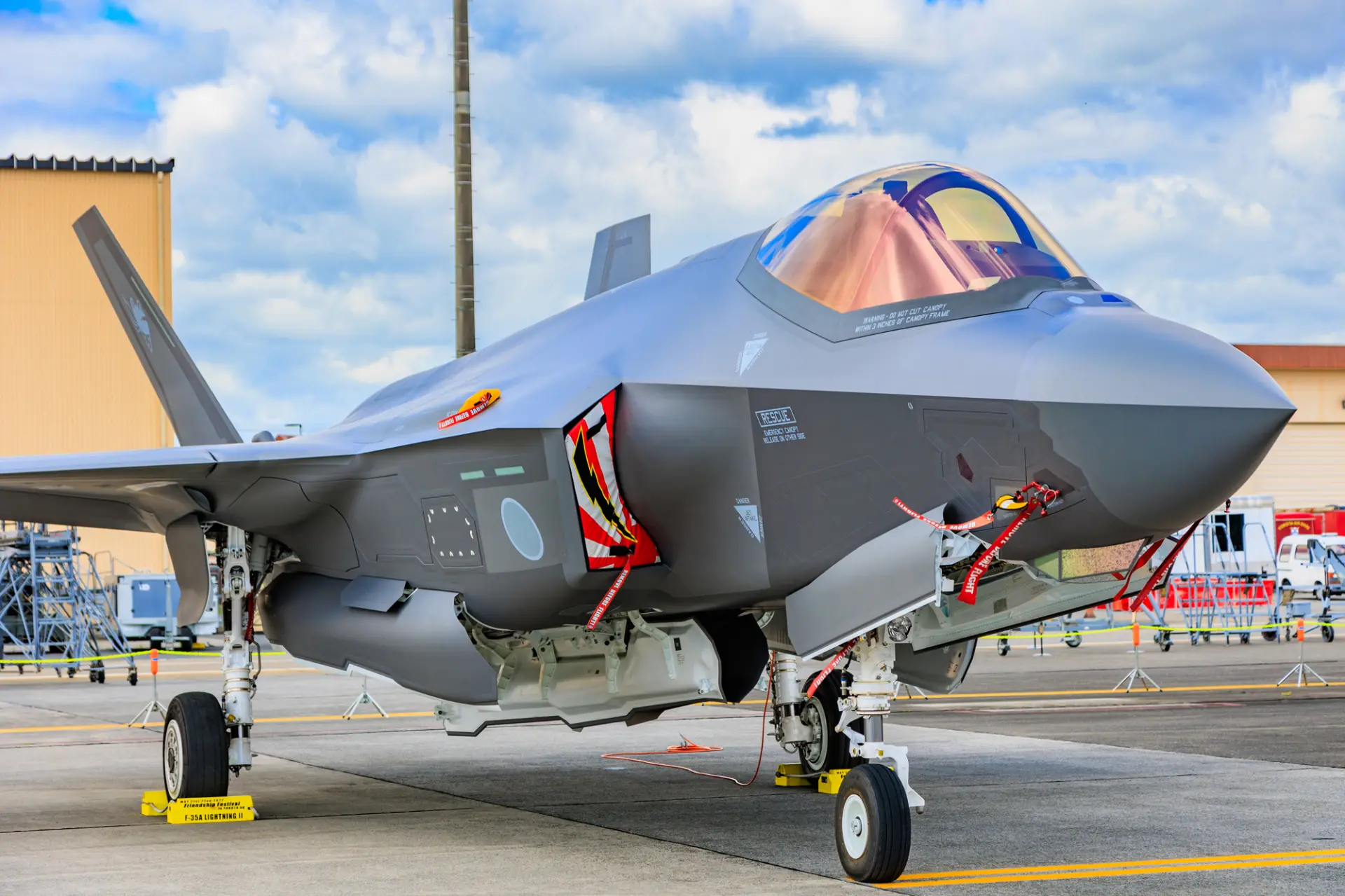
| Around May | Japanese-American Friendship Festival at Yokota Air Base | A large event during which part of Yokota Air Base is opened to the public for cultural exchange between Japan and the United States. Attractions include aircraft displays and other activities associated with the base. Check admission requirements in advance. |
| Around May–June | Fussa Firefly Festival | Visitors can watch Genji fireflies raised by local residents flying through Hotaru Park. Children's festival stalls and other events are also available around the venue, offering another way to experience Fussa. |
| June | Fussa Environmental Festival | An event at Tama River Central Park where visitors can learn about and experience environmental topics through entertaining activities. Food booths, stage events, a stamp rally, and other programs are also offered. |
| August | Fussa Tanabata Festival | One of Fussa's leading summer festivals, when shopping streets around Fussa Station are decorated with colorful Tanabata ornaments. Festival stalls, a traditional folk dance parade, portable shrines, and many other activities fill the city with energy. |
| August | Peace Gathering | An event organized by the City of Fussa to pray for peace and convey both the tragedy of war and the value of peace. It provides an opportunity to reflect on Fussa's history and the meaning of peace. |
Event dates and details may change each year. Check official information before attending.
Suggested Fussa Itineraries
Based on the attractions introduced above, here are two suggested itineraries: a brewery tour exploring Fussa's sake culture and a temple, shrine, and waterfront walk.
Both begin at Fussa Station and are designed as primarily walking-based itineraries lasting from half a day to most of a day.
If you would like to experience both, combine parts of each to create your own itinerary.
Brewery and City Walking Itinerary
- 10:00 AM Begin your walk at Fussa Station
- 10:15 AM Visit Tamura Shuzoujo for a reservation-only brewery tour, learn about its historic buildings and sake production, and sample sake
- 12:00 PM Walk along the Tamagawa Aqueduct and Tamura Diversion Channel, both closely connected with sake production
- 12:40 PM Have lunch at Fussa Beer Koya while taking in the brewery atmosphere
- 2:00 PM Visit Ishikawa Brewery to see buildings registered as Nationally Registered Tangible Cultural Properties and explore its museum while learning about the history of brewing
- 3:15 PM Walk along Fussa Base Side Street, browse vintage clothing and antique shops, experience its American atmosphere, and purchase souvenirs at shops that catch your interest
- 5:00 PM Return to Fussa Station and depart
1. Travel times are estimates and may vary depending on the time spent at each location and walking speed.
2. Available brewery tours and tastings vary depending on the date, time, and reservation requirements.
Temple, Shrine, and Waterfront Itinerary
- 10:00 AM Begin sightseeing at Fussa Station
- 10:30 AM Visit Kumagawa Shrine to see its main sanctuary, designated a Tangible Cultural Property by the Tokyo Metropolitan Government, and pray to Fussa's Seven Gods of Fortune
- 11:20 AM Visit Seigan-in Temple to see Bentendo Hall, the Kuruma Jizo statue, the main hall, and the Japanese garden
- 12:00 PM Walk along the tree-lined Tamagawa Aqueduct and appreciate the waterside greenery
- 12:40 PM Take a lunch break at a nearby restaurant; trying a Fussa Dog is also recommended
- 1:45 PM Relax on the lawn or walking paths at Tama River Central Park
- 3:15 PM Return to Fussa Station and depart
Travel times are estimates and may vary depending on the time spent at each location and walking speed.
Frequently Asked Questions About Fussa
Q
How much time do I need to explore Fussa?
Allow about half a day to visit the main attractions efficiently. A full day is recommended if you plan to include the breweries, Tamagawa Aqueduct, and Tama River area.
Q
Where can I experience Fussa's American atmosphere?
Visit Fussa Base Side Street, which extends around Route 16 beside Yokota Air Base. Its American-style shops and restaurants create an international streetscape.
Q
Can I explore Fussa using only trains?
Yes. Starting from JR Fussa Station or Higashi-Fussa Station makes it easy to reach the main attractions.
Summary
This article has introduced Fussa's character, highlights, and annual events.
Fussa brings American culture, sake breweries, temples and shrines, and waterfront nature together in a single city.
Although it is easy to visit on a day trip from central Tokyo, entering the city reveals a distinctive atmosphere.
If Fussa has caught your interest, explore it on foot and discover the appeal of a city that may seem familiar but still holds many surprises.
Also see the following article on Hachioji, another area that is easy to visit together with Fussa.