
A One-Day Tokyo Shitamachi Walking Tour Using the Toden Arakawa Line One-Day Pass
The Toden Arakawa Line is a streetcar line connecting Arakawa, Kita, Toshima, and Shinjuku wards. This community transit line runs frequently from early morning until late at night and is especially popular with families on weekends and holidays.
With attractions scattered near its stops, the Toden Arakawa Line is ideal for sightseeing while hopping on and off along the way. Here is a sample itinerary for exploring the line with an affordable one-day pass.
What Is the Toden Arakawa Line?
This streetcar line connects Minowabashi in Arakawa Ward with Waseda in Shinjuku Ward in 56 minutes. The flat fare is ¥170, whether you ride for one stop or travel the entire route.
Tokyo once had an extensive streetcar network, but routes were gradually discontinued as automobiles became more widespread. Only the current section remains as a Toden line today. The Setagaya Line, another streetcar line operating in Setagaya Ward, is privately owned.
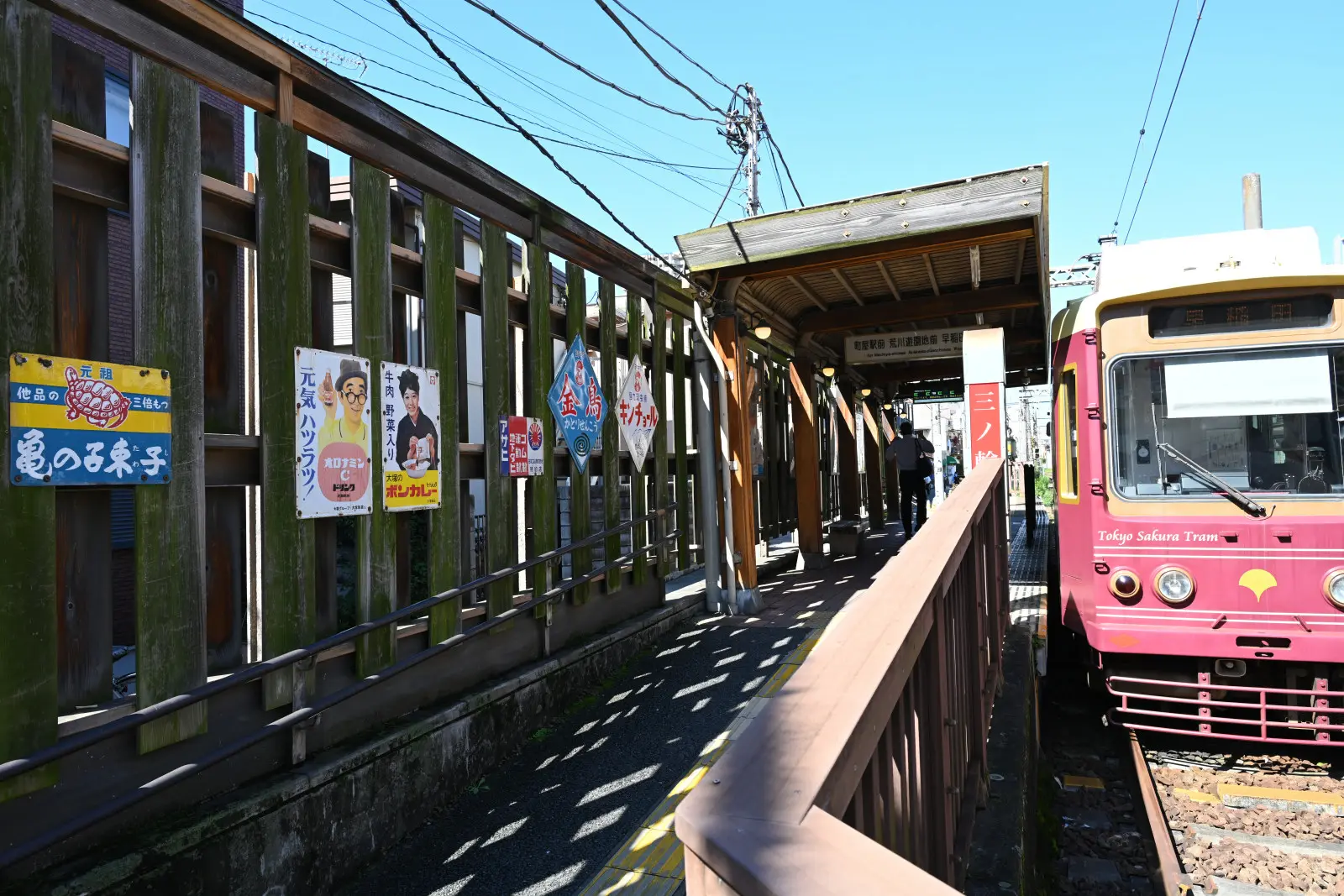
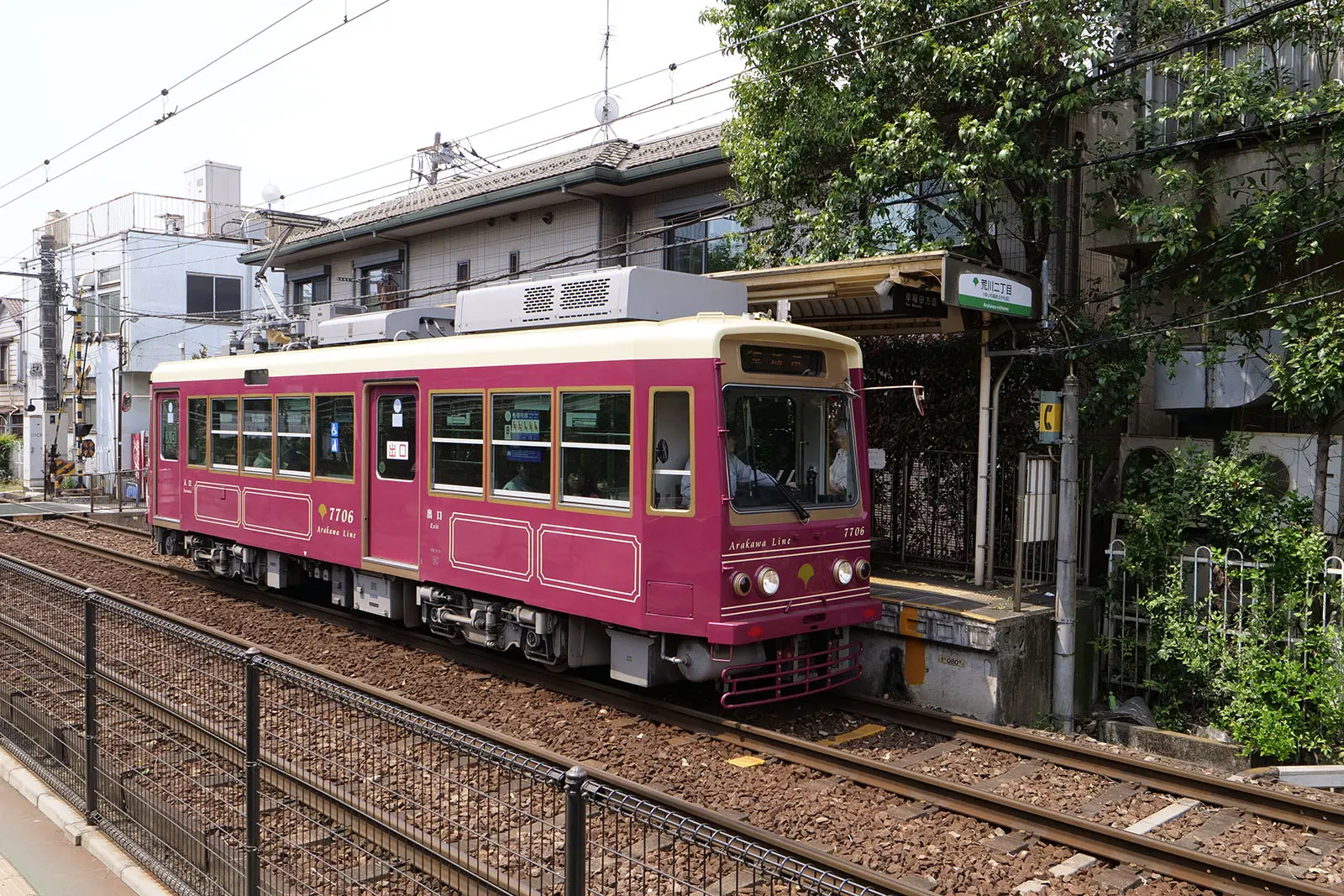
Each train consists of a single car with a capacity of 61 to 65 passengers, depending on the model. The 7.6-mile line has 30 stops and operates from shortly after 5:00 a.m. until after 11:00 p.m. Its average scheduled speed, calculated by dividing the operating distance by the total travel time, including stops, is 8.2 mph, about the same as a bus. From 7:00 a.m. through the 7:00 p.m. hour, trains run every few minutes.
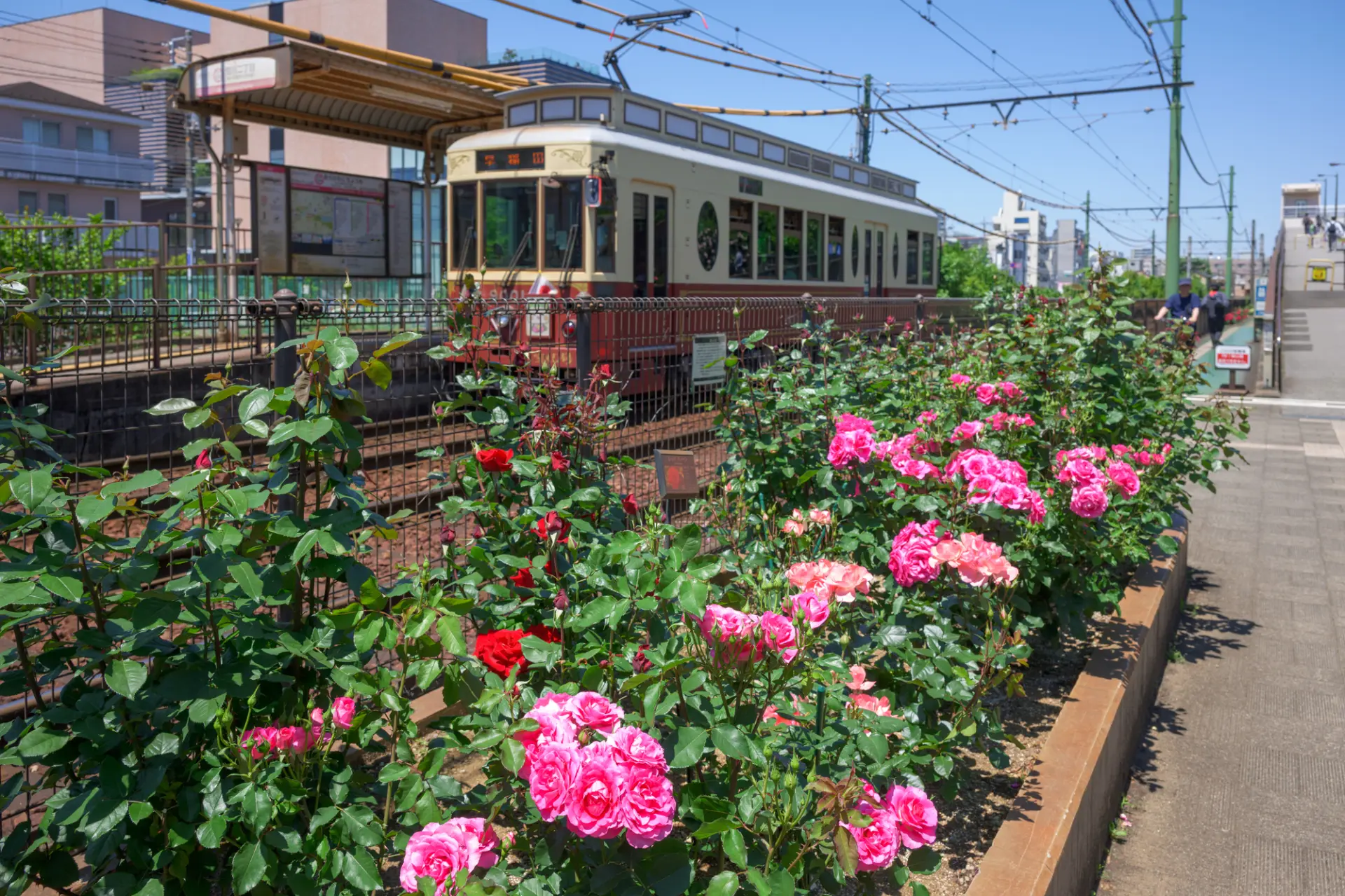
Flower beds carefully maintained by local residents can also be found along the line, with roses blooming in abundance in spring and fall. On the section from Kumanomae to Sakaecho in northwestern Arakawa Ward, the trip between neighboring stops takes only about one minute. This makes it a pleasant area to explore on foot while enjoying views of the streetcars.
History of the Toden Streetcars
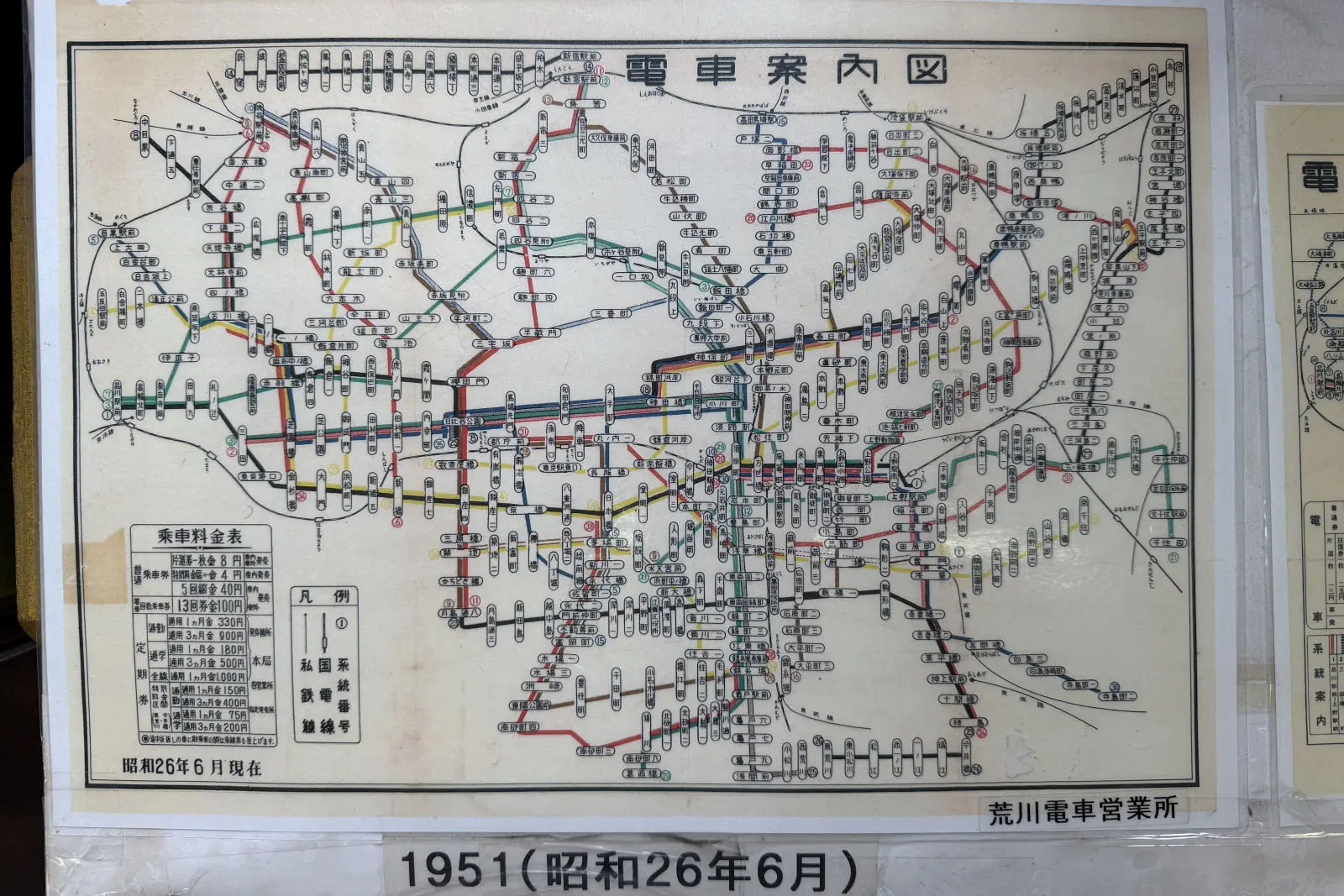
The Toden streetcar system has a long history. In 2011, the City of Tokyo acquired the streetcar operations of Tokyo Railway Co., Ltd., creating the municipal streetcar system. Ridership reached its peak during fiscal 1943, from April 1943 to March 1944, when an average of 1.93 million passengers used the system each day.
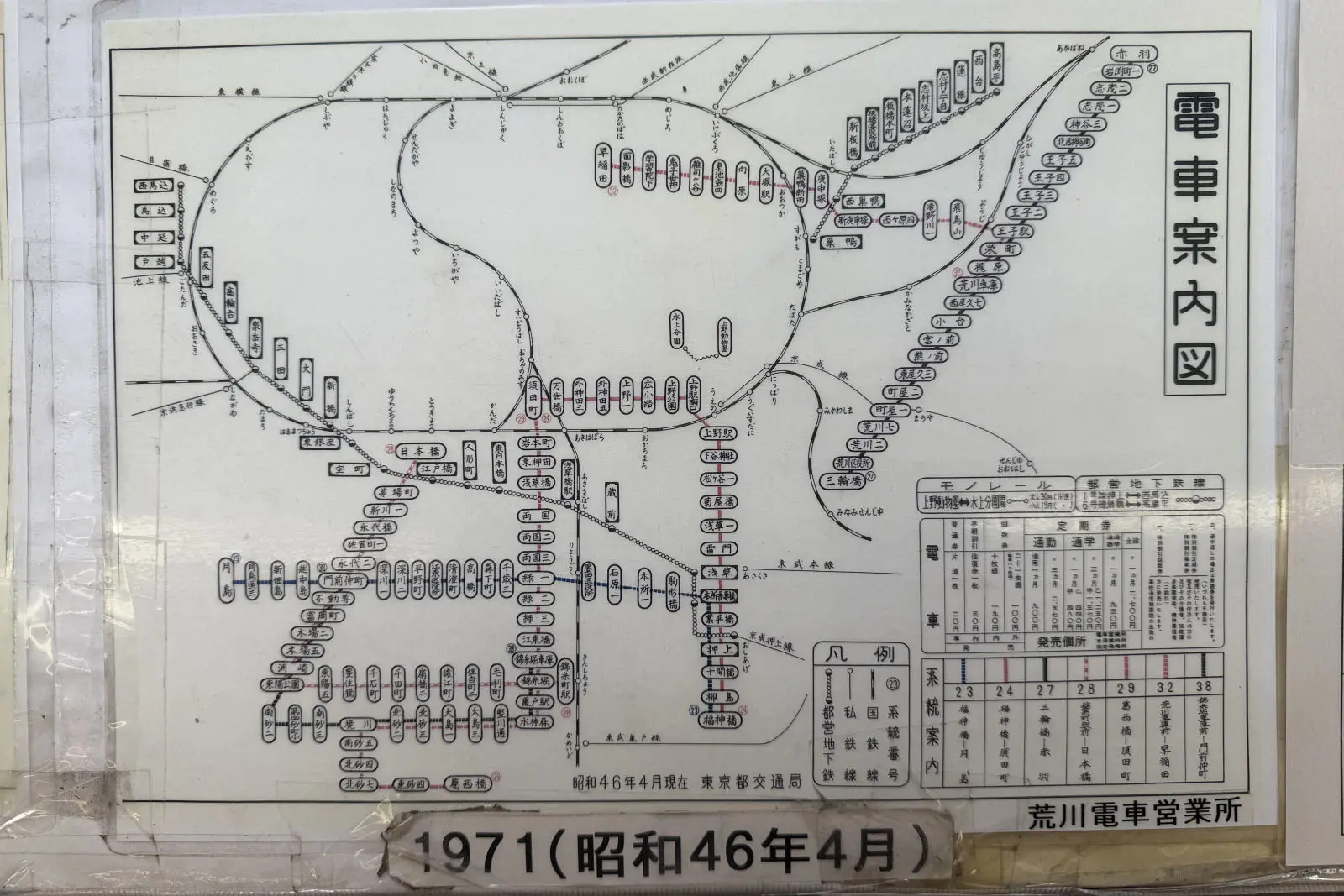
At its peak, the network operated 41 routes, covering the area inside the Yamanote Line as well as parts of Tokyo's 23 wards served by the Sobu, Chuo, and Joban lines. However, as automobile traffic increased, streetcars gradually became less efficient, and approximately 112 miles of track were discontinued between 1967 and 1972.
Routes 27 and 32, which ran mainly on dedicated tracks and were the subject of many preservation requests from local residents, survived as the Toden Arakawa Line. Today, the line carries an average of more than 50,000 passengers a day.
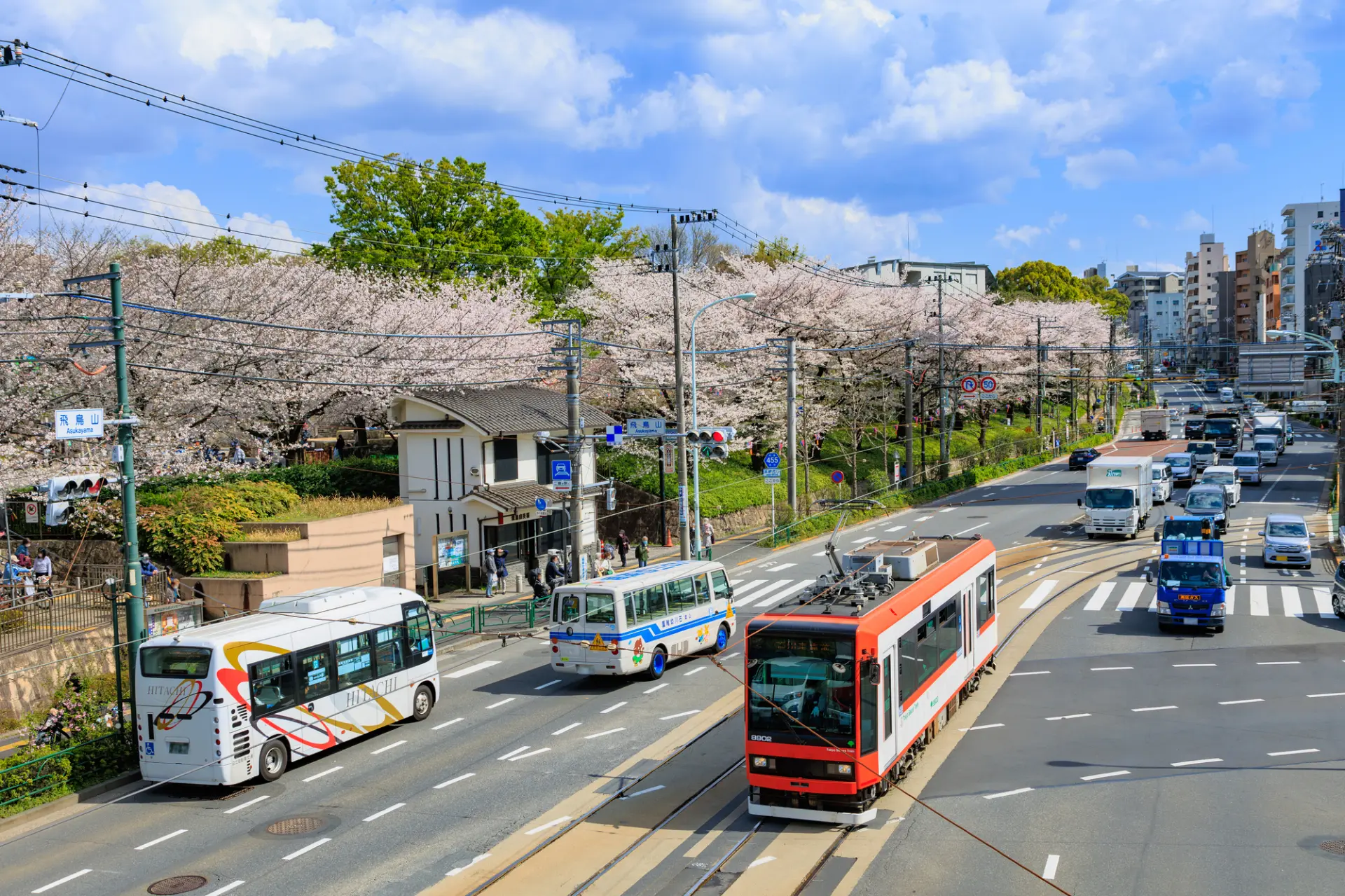
In April 2017, it was given the nickname “Tokyo Sakura Tram” to appeal to both domestic and international passengers, and various events are now held along the line.
5 Reasons to Explore with a Toden One-Day Pass
Because the stops are close together and streetcars run frequently, the Toden Arakawa Line makes it easy to get off wherever you like and board again at another stop. An unlimited one-day pass costs just ¥400 for adults and ¥200 for children, making it an affordable way to explore Tokyo.
Here are five reasons why the pass is particularly useful.
1. Enjoy Unlimited Rides for Just ¥400
The Toden One-Day Pass offers unlimited rides on the streetcar for one day within its period of validity. Since a single ride on the Toden Arakawa Line costs ¥170, the pass pays for itself after three rides.
2. Frequent Service Makes It Easy to Hop Off and Back On
The Toden Arakawa Line operates every six minutes from 9:00 a.m. to 5:30 p.m. During the daytime sightseeing hours, the next streetcar arrives after only a few minutes, so you can enjoy hopping on and off without constantly checking the schedule.
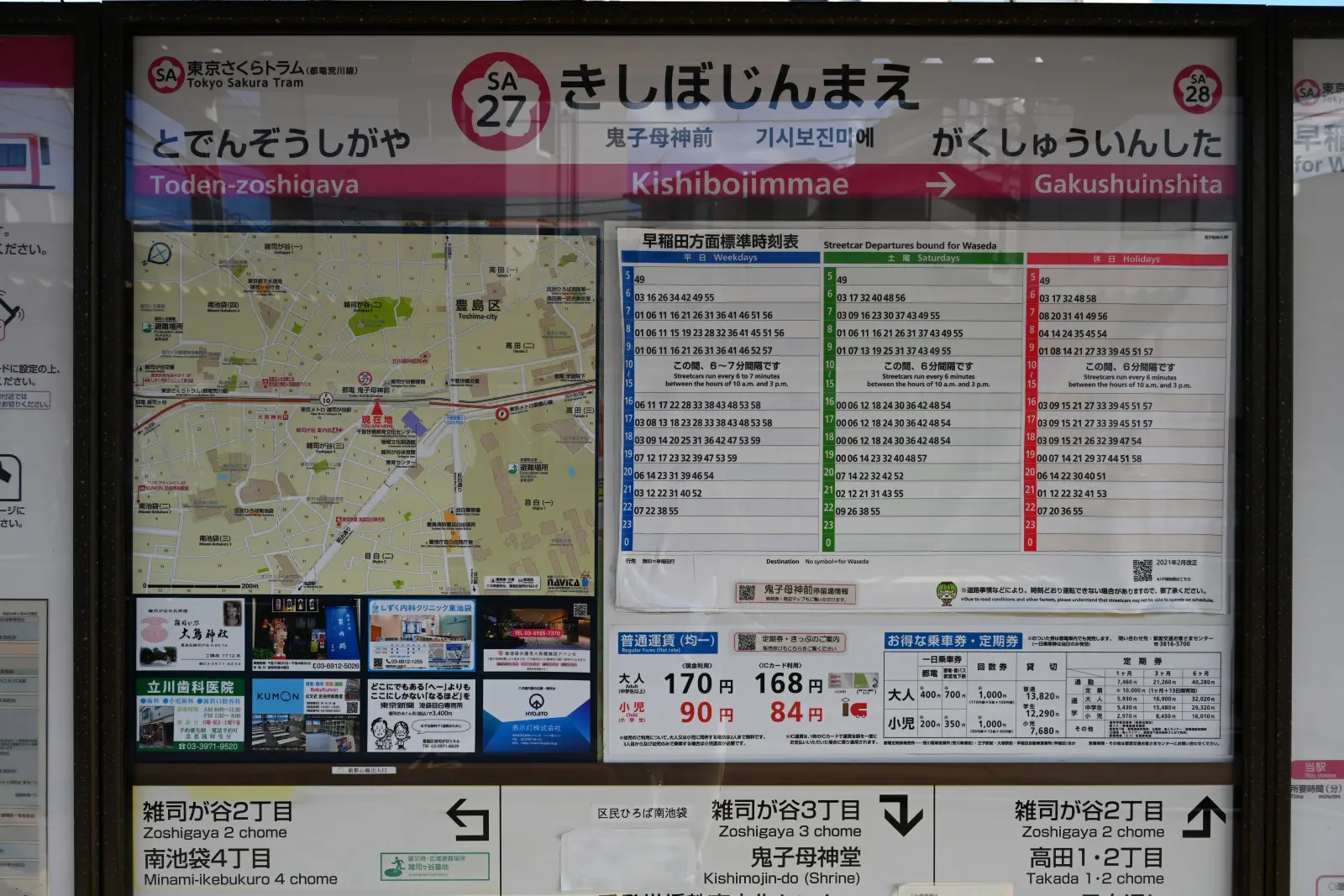
3. Attractions Are Located Close to the Stops
Of the Toden Arakawa Line's 30 stops, 10 have names ending in “-mae,” meaning “in front of,” indicating that they are located close to a destination. Some attractions are only a one-minute walk away, while even the more distant ones can usually be reached in a few minutes. This reduces both sightseeing time and physical exertion. The short distance between the stops and nearby attractions is a major advantage for a hop-on, hop-off trip.
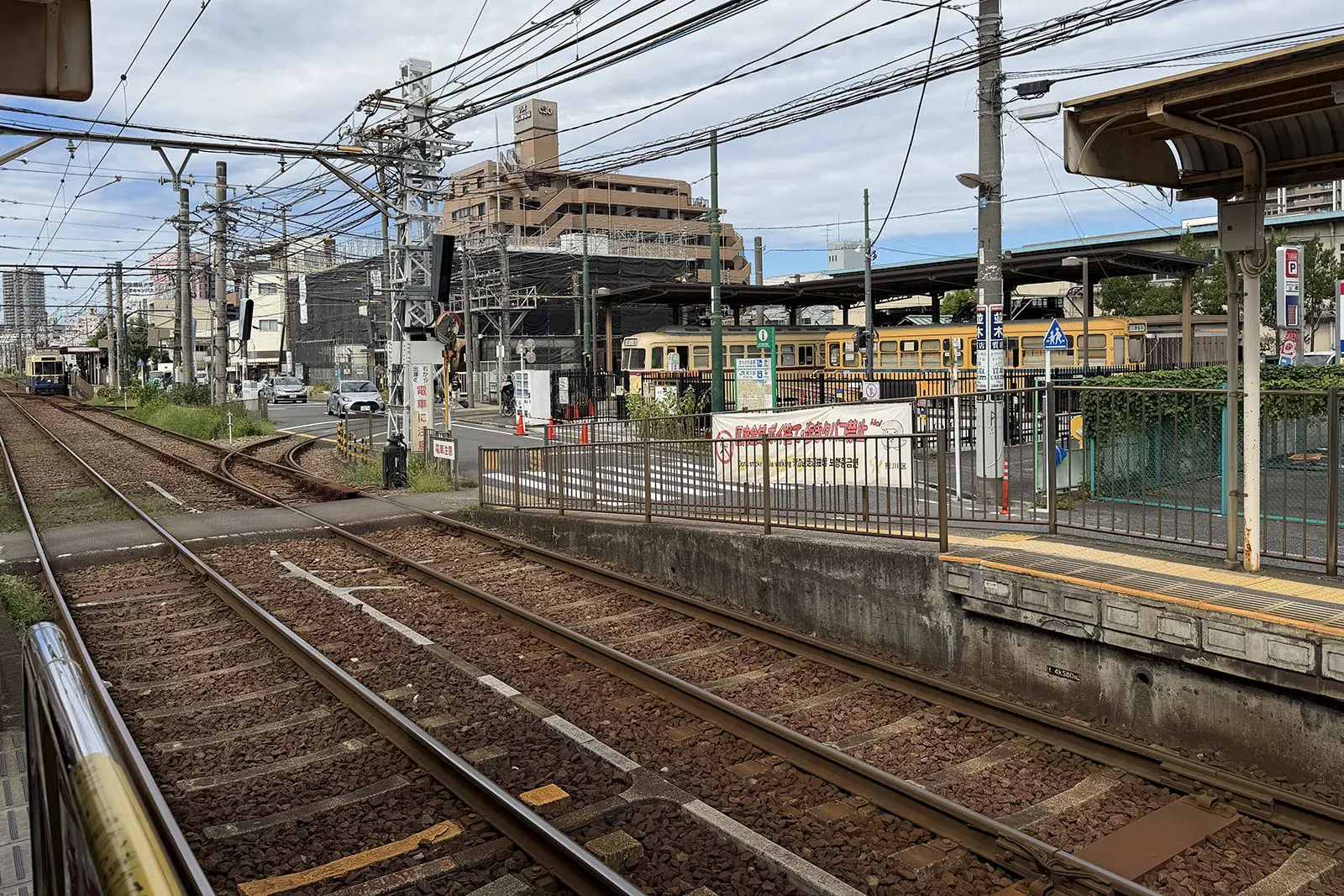
4. Many Sections Can Be Explored on Foot Along the Tracks
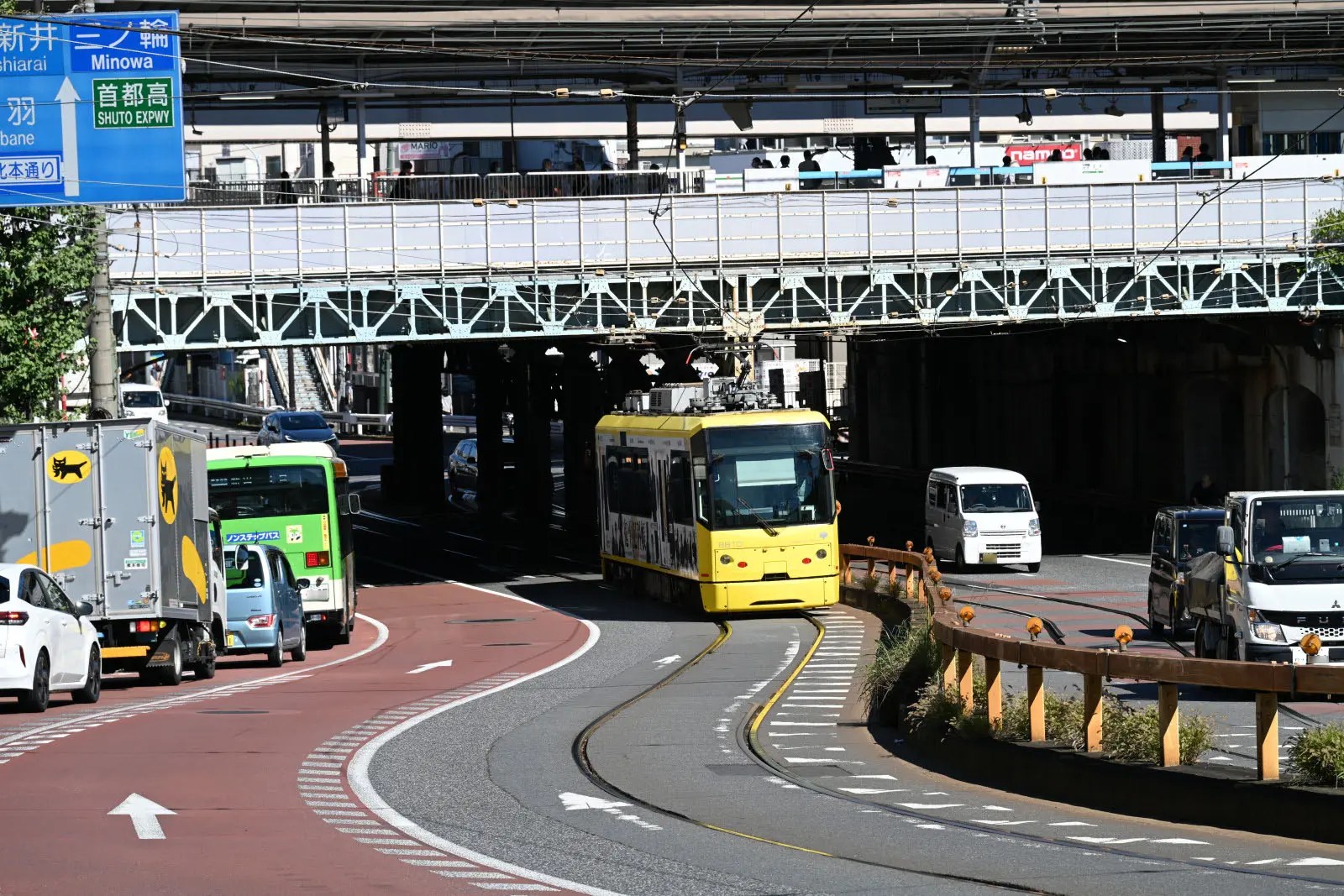
Most of the Toden Arakawa Line runs on dedicated tracks, but roads run alongside the tracks in many places, allowing you to walk while watching the streetcars pass.
When walking to the next stop, there is no need to take a long detour or search for a complicated route. You can simply get off wherever you like and board again at the next stop.
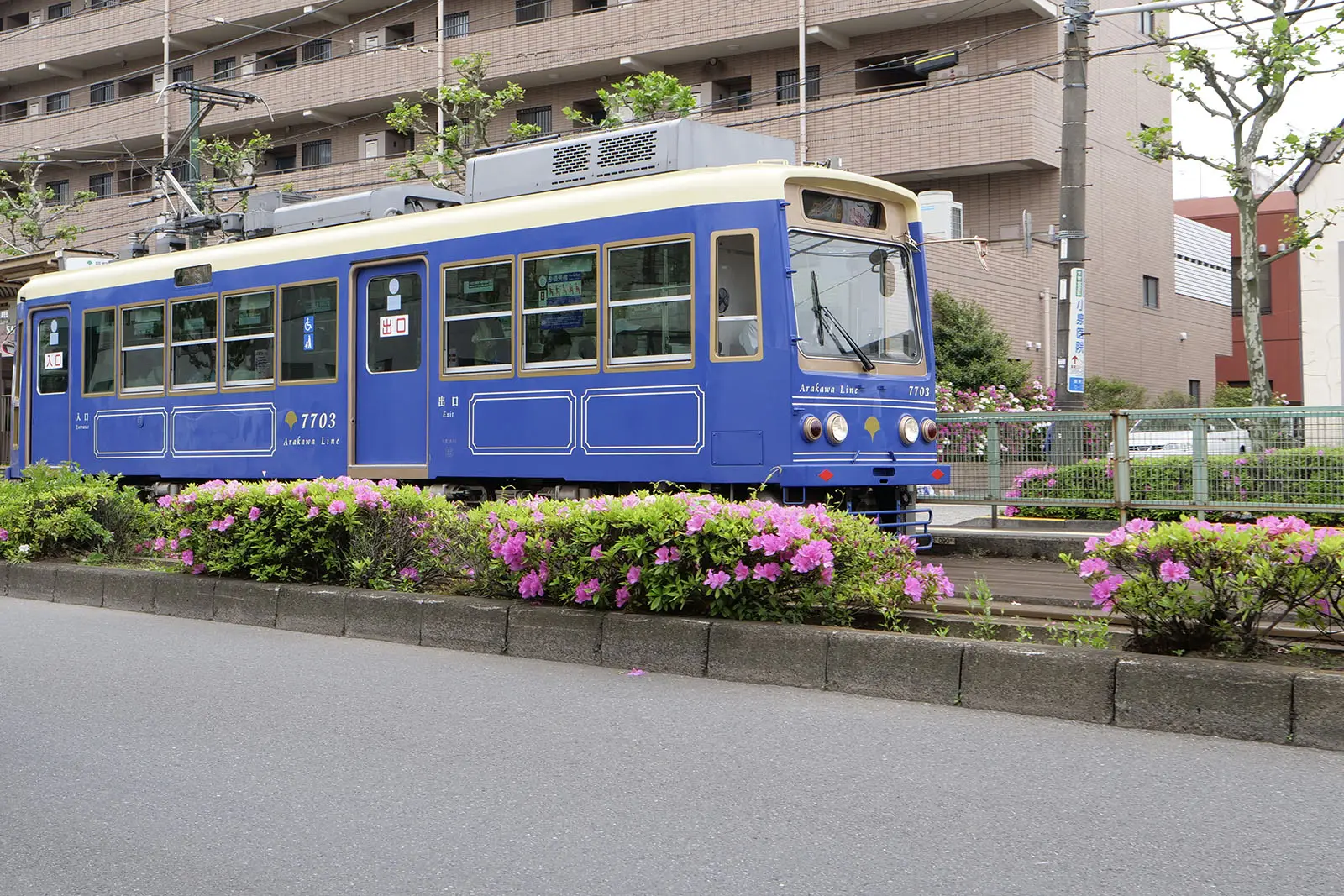
5. Enjoy Seasonal Flowers from Spring to Early Summer and in Fall
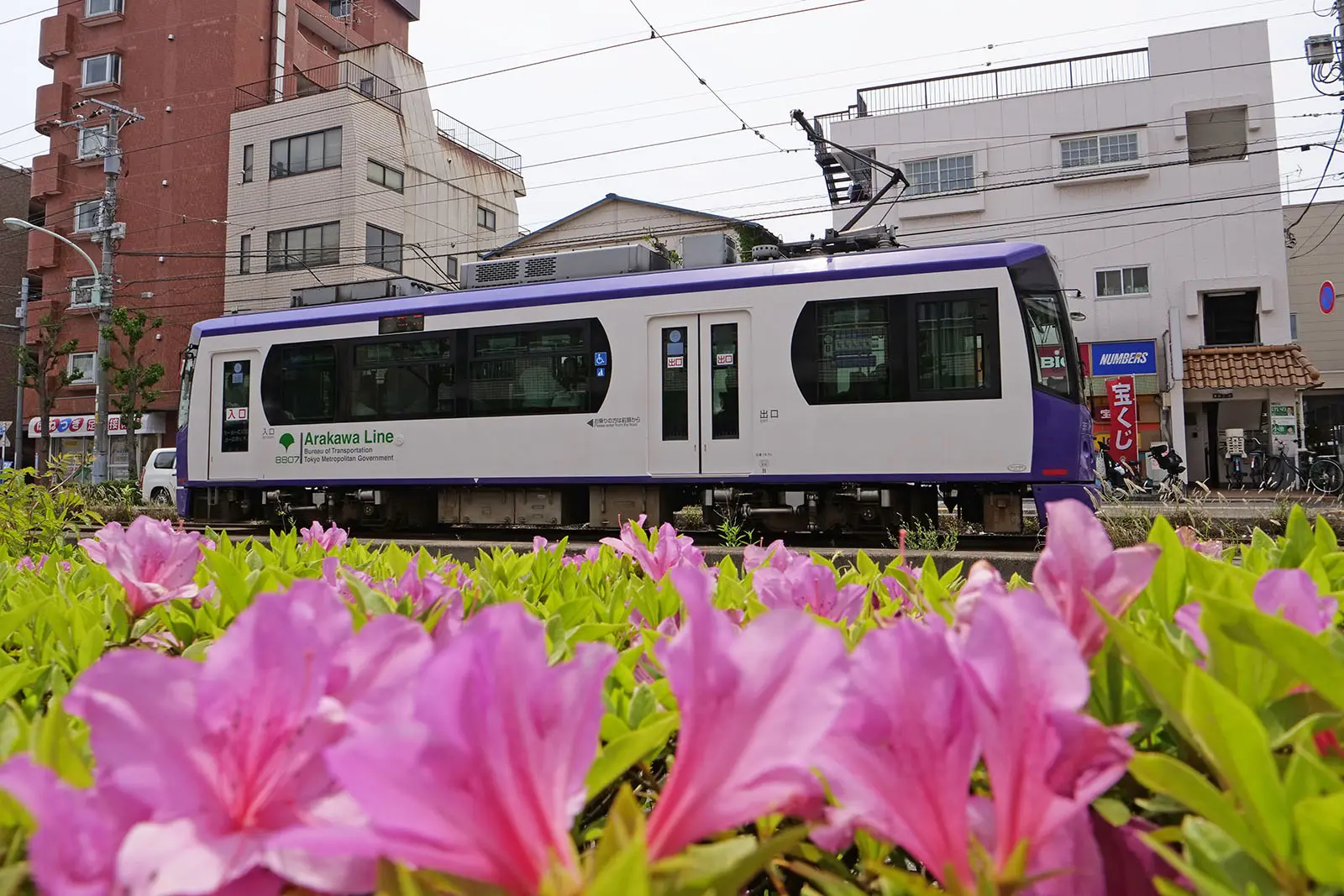
Flower beds can be found in many places along the Toden Arakawa Line, providing opportunities to see seasonal blooms. The area around Oji is also well known for its cherry blossoms. Along the route, you will find numerous locations where flowers and streetcars can be photographed together.
How to Purchase a Toden One-Day Pass
A Toden One-Day Pass is valid for one day. Advance passes may be used on any one day within their period of validity, while same-day passes are valid only on the day of purchase. Passes are available in several formats, including same-day and advance passes, IC card passes, and app-based passes, but purchasing a same-day pass when you board is the simplest option.
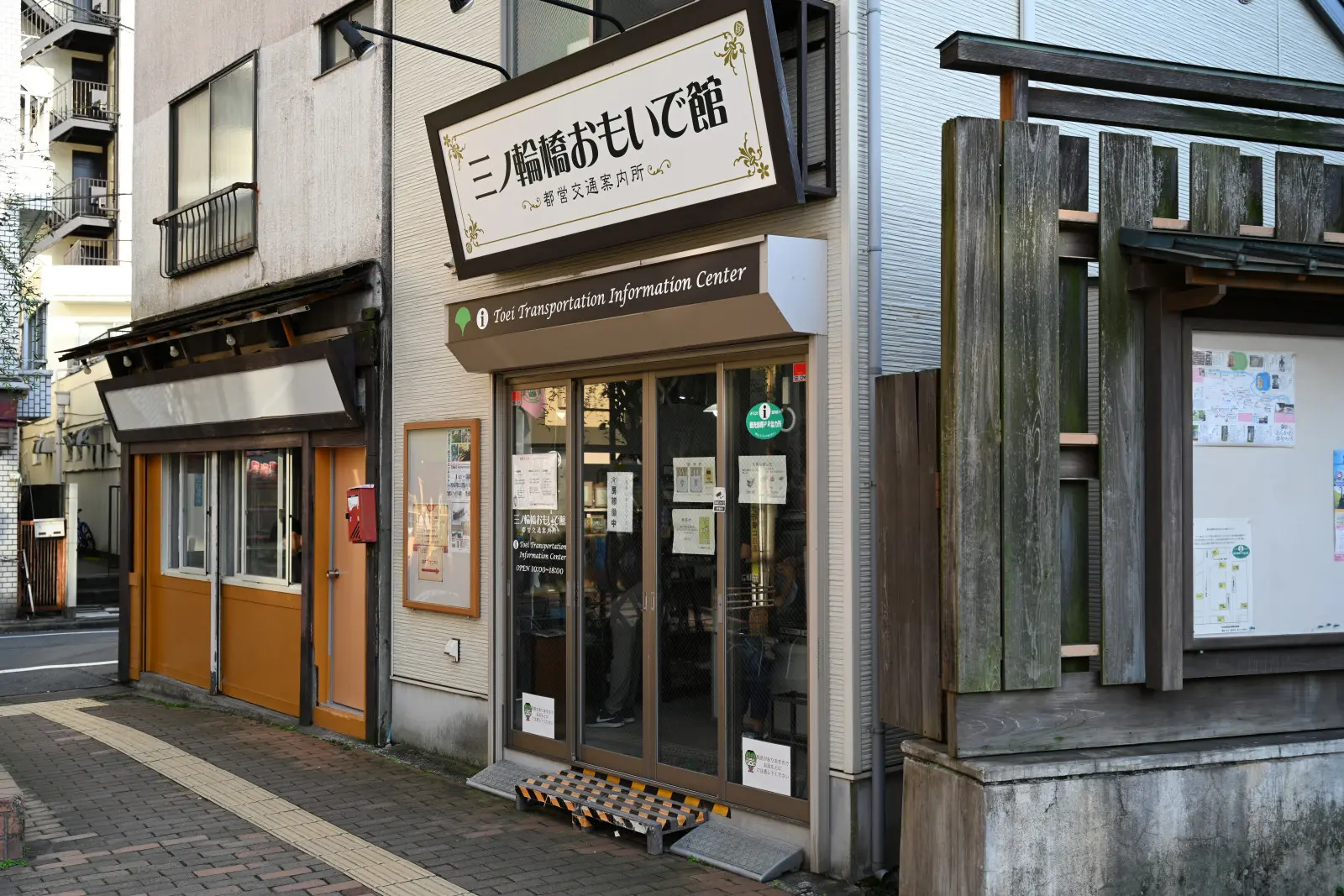
Same-day and advance passes are sold at the Arakawa Streetcar Office at Arakawa-shakomae, the Minowabashi Omoidekan at Minowabashi, and Toden commuter pass sales offices. Same-day passes can also be purchased on board with cash only.
The Toden IC One-Day Pass, which can be loaded onto an IC card such as PASMO or Suica, can only be purchased on board. Each IC card can hold a pass for only one person. If another one-day pass valid on the same date is already stored on the card, the previously purchased pass will be erased and cannot be restored or refunded.
The Toden Digital One-Day Pass, or RYDE PASS, can be purchased before boarding through the RYDE PASS smartphone app. Passes for up to eight people can be purchased at once. When boarding, show the crew member the relevant app screen displaying the date of use.
Boarding procedures differ depending on the type of pass. When using a Toden IC One-Day Pass, you must tap your smartphone or IC card on the reader beside the driver's seat every time you board. The Toden Digital One-Day Pass does not need to be tapped on the reader. If you tap it by mistake, the standard fare will be deducted, so take care when boarding.
Types of Toden One-Day Passes and Where to Purchase Them
| Pass Type | Where to Purchase | How to Use It |
|---|---|---|
| Same-Day Pass | On board, the Arakawa Streetcar Office at Arakawa-shakomae, the Minowabashi Omoidekan at Minowabashi, and Toden commuter pass sales offices | Show the crew member the side with the printed date |
| Advance Pass | The Arakawa Streetcar Office at Arakawa-shakomae, the Minowabashi Omoidekan at Minowabashi, and Toden commuter pass sales offices | Insert the card into the fare machine on your first ride to print the date. From the second ride onward, show the crew member the side with the printed date |
| Toden IC One-Day Pass | On board; ask the crew member when boarding | Tap it on the IC card reader every time you board |
| Toden Digital One-Day Pass | Install the app, create an account, and purchase the pass through the app before boarding | Set the date of use and show the crew member the screen displaying the date |
Toden commuter pass sales offices: Sano Inbo at Machiya-ekimae; inside the Toei Bus terminal at the north exit of JR Oji Station; the commuter pass sales office at Sugamo Station on the Toei Mita Line; Otsuka-ekimae Station; the Waseda Bus Office; and the commuter pass sales office at Nippori Station
Reference: Standard Fares
| Category | Adult | Child | Young Child |
|---|---|---|---|
| Applicable Age | Age 12 and older, including junior high school students | Ages 6–11, including 12-year-old elementary school students | Ages 1–5, including 6-year-old children who have not yet entered elementary school |
| Fare | ¥170, or ¥168 with an IC card | ¥90, or ¥84 with an IC card | Up to two young children accompanied by an adult or child travel free. The child fare applies from the third young child onward and when young children travel without an accompanying adult or child |
Children under age 1 travel free
How to Ride the Toden Arakawa Line
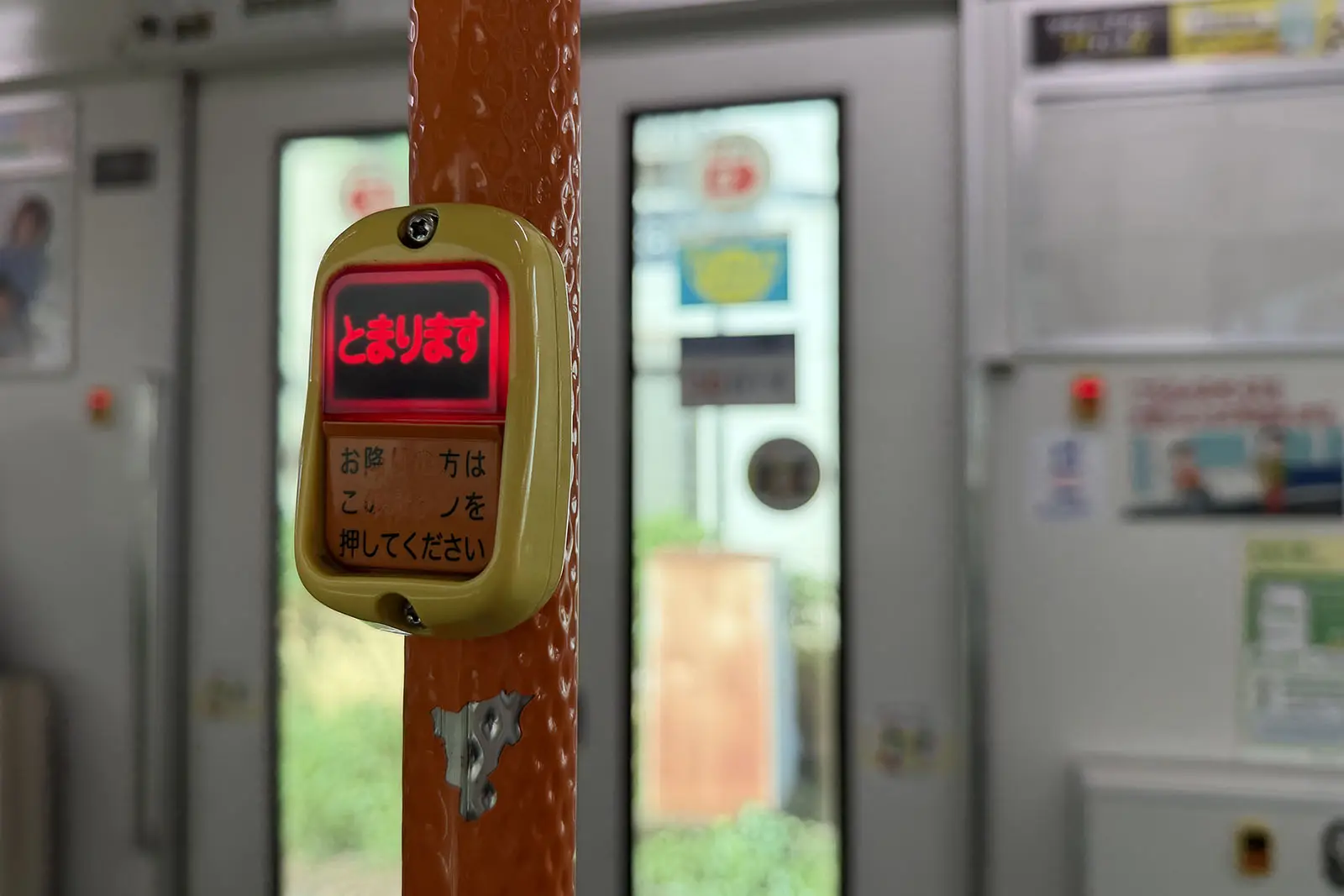
As a general rule, board through the front door and pay when boarding. Press the stop button before reaching your destination, then exit through the rear door. Passengers using wheelchairs or strollers board through the rear door, so be careful when exiting.
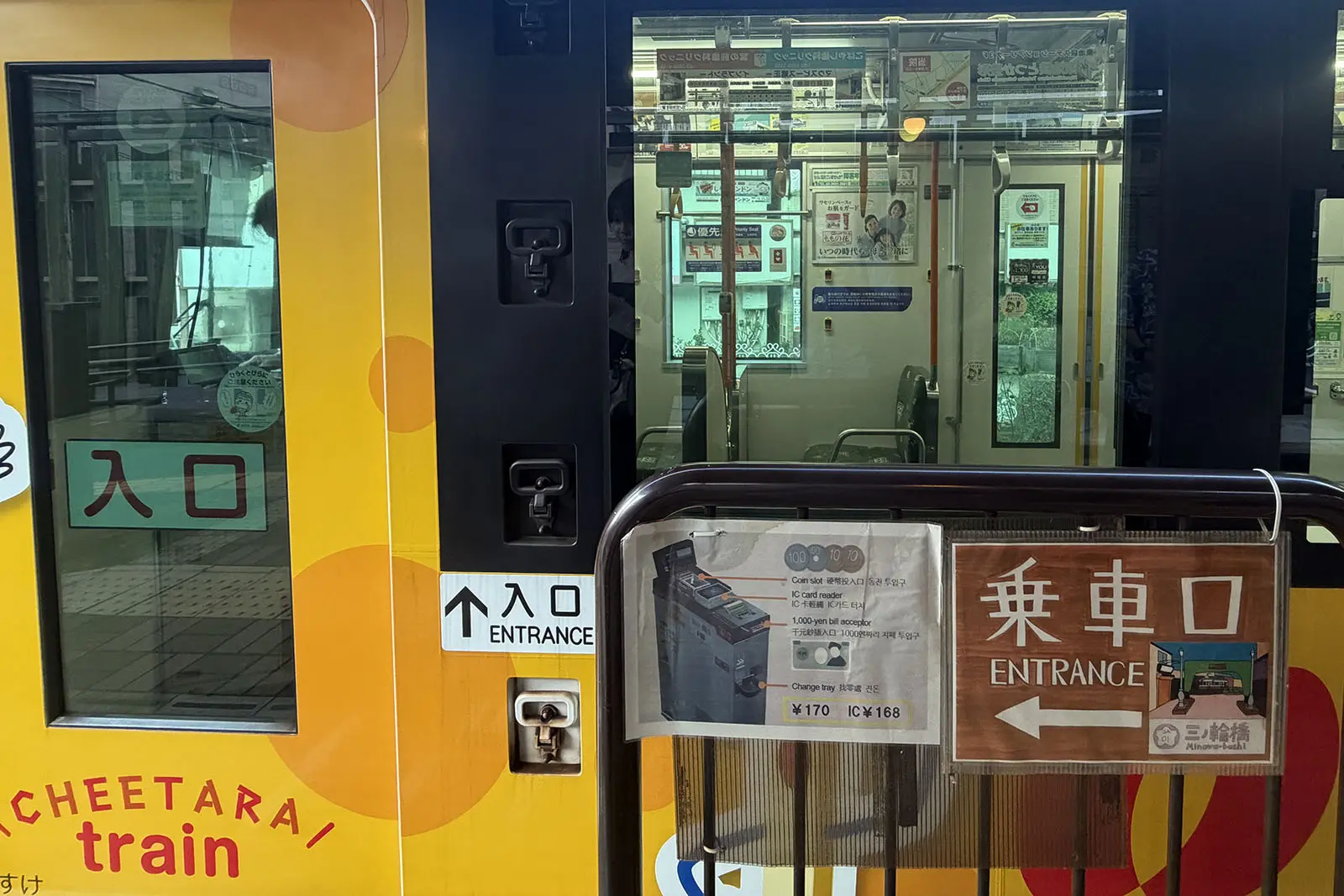
If you have a same-day pass, advance pass, or Toden Digital One-Day Pass, simply show the crew member the ticket or screen displaying the date. You do not need to tap it on the IC card reader each time you board. If you have a Toden IC One-Day Pass, tap it on the reader every time you board.
5 Attractions Worth Visiting Along the Way
The Toden Arakawa Line passes through four wards and has so many attractions along its route that you will soon realize one day is not enough to see them all. The following selection introduces places where you can experience the character of the line and make the most of a walk through Tokyo's traditional neighborhoods.
1. Arakawa Yuen
This municipally operated amusement park reopened after renovations in April 2022. Attractions include a Ferris wheel, merry-go-round, a Sky Cycle that lets riders pedal through the air, and a family roller coaster designed to look like a caterpillar. Ride tickets are required, and unlimited-ride passes are also available.
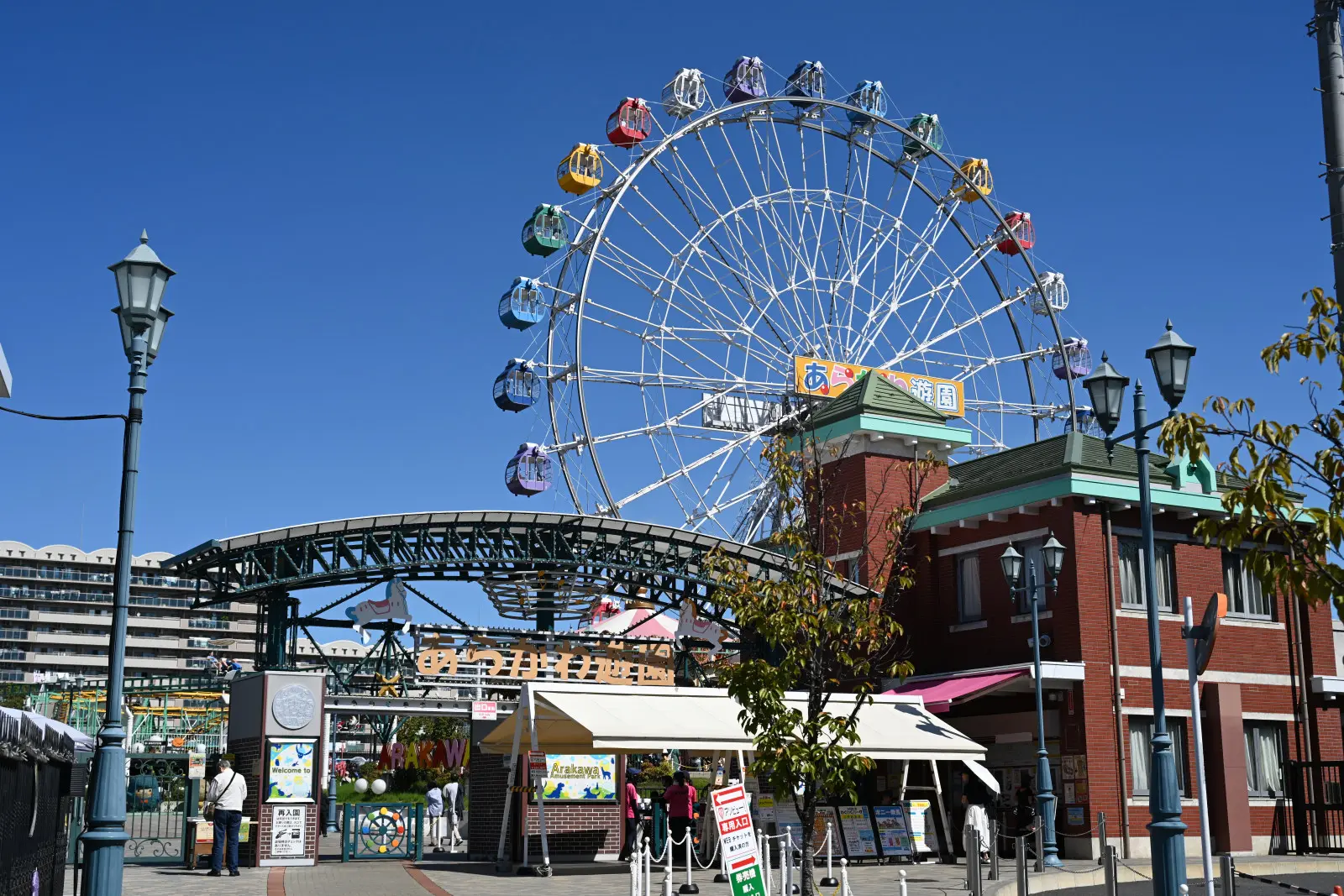
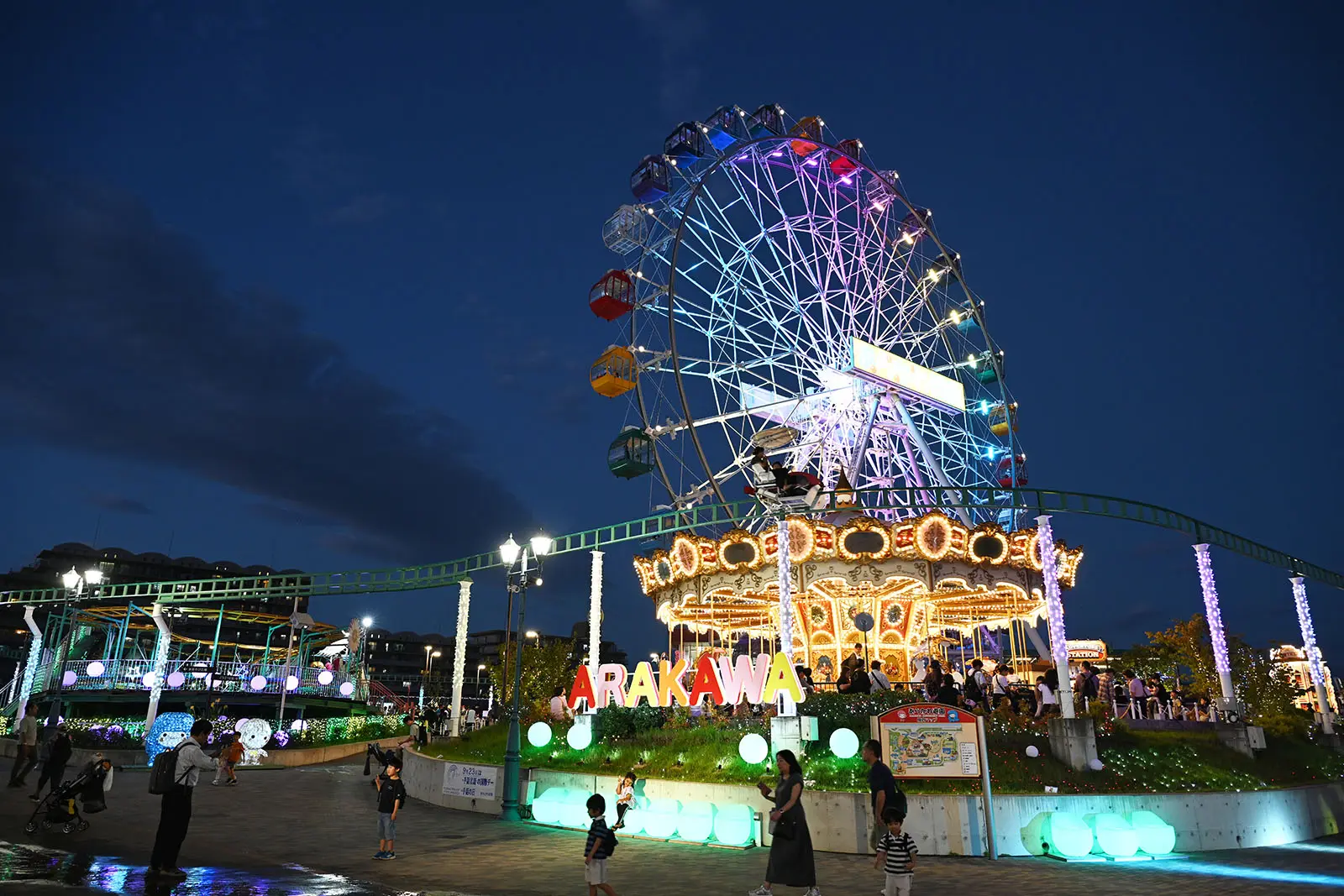
In addition to the rides, the park has areas suitable for families with babies and young children, including a water play area, animal plaza, and lawn. The park is also open at night during spring, summer, and winter school vacations, as well as on Fridays, Saturdays, Sundays, national holidays, and the days before national holidays, when visitors can see its illuminations. Reentry is permitted, so on evenings when the park is open late, you can return to experience the amusement park after dark.
- Name in Japanese
- あらかわ遊園
- Postal Code
- 116-0011
- Address
-
6-35-11 Nishiogu, Arakawa-ku, Tokyo
Google Maps - Telephone
- 03-3893-6003
- Closed
- Tuesdays(If it is a national holiday, the next day is closed), December 29 to January 1 * It is closed during students’ long holidays.
- Hours
- 9:00am - 5:00pm (Open until 8pm on nighttime open days)
- Admission
-
A entrance fee
Adults: 800 yen, 65 years and older and junior high schooler: 400 yen, Elementary schooler: 200 yen, Preschooler: free
Pass ticket
Adults: 1,800 yen, 65 years and older: 1,400 yen, Junior high schooler:1,000 yen, Elementary schooler: 700 yen, 3 years and older: 500 yen - Directions
- A 3-minute walk from Arakawa yuenchimae Station on the Toden Arakawa Line.
- Credit Cards
- Not accepted (Available for using in shops in the park).
- Official Website
- Official Website (Japanese)
Toden Memorial Square
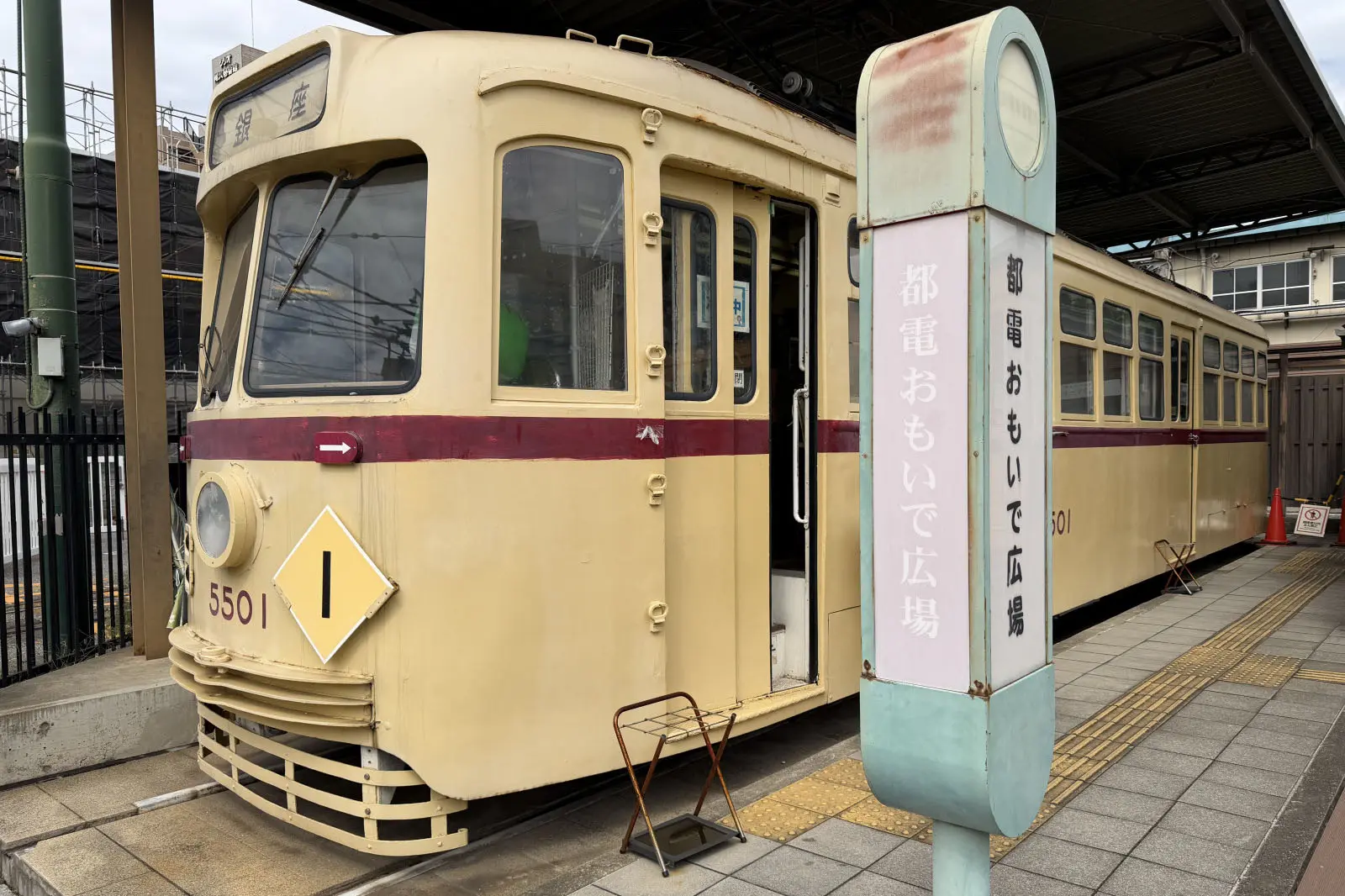
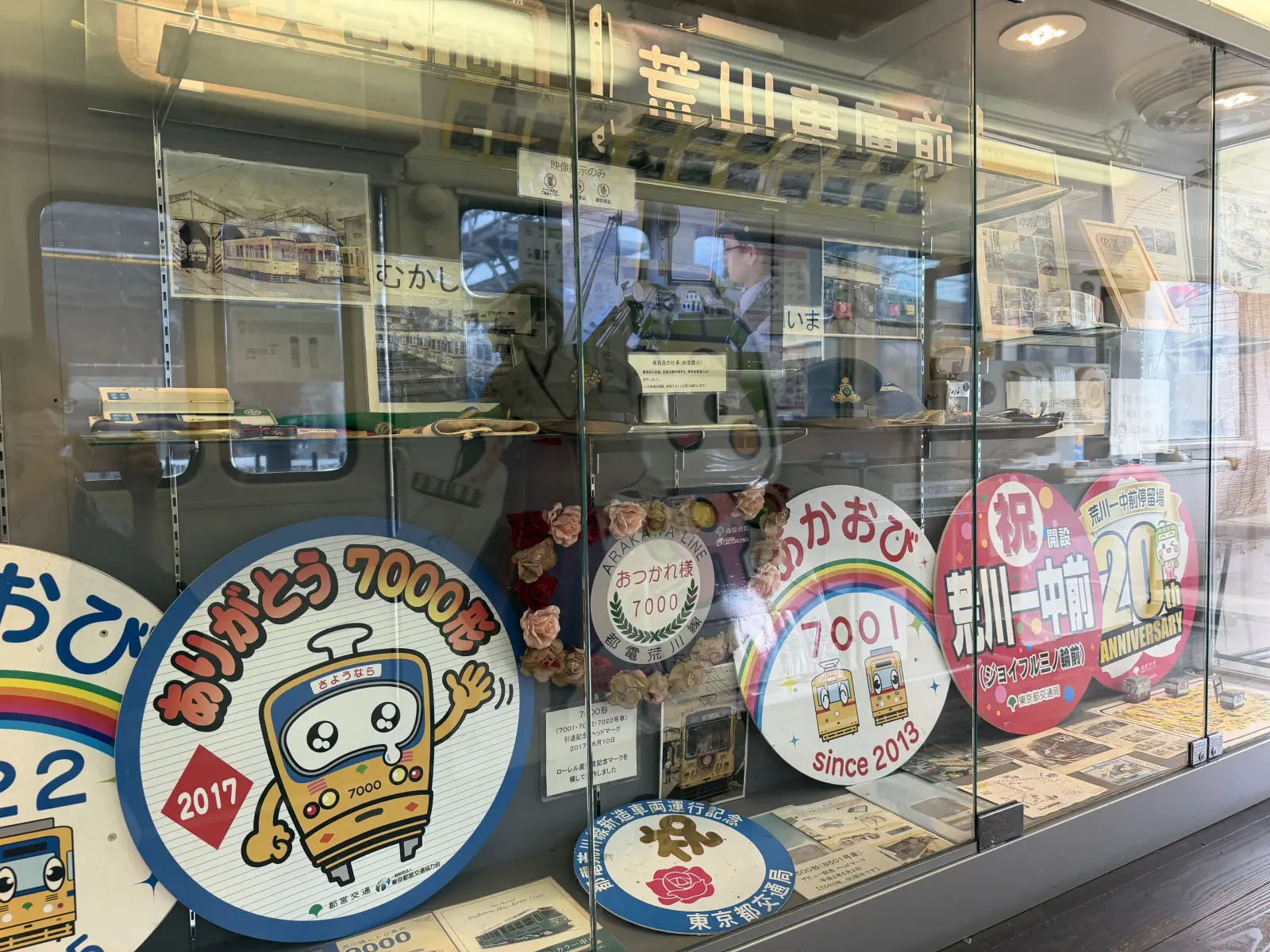
This free facility is open on Saturdays, Sundays, and national holidays. It displays two former Toden streetcars: a 5500 series car built in 1954 and a 7500 series car built in 1962. Car 7504, visible at the front, was nicknamed Gakuen-go, or “School Car,” because it was used to transport students during rush hour in the final years before its retirement. Exhibits inside explain the history of the Toden streetcars.
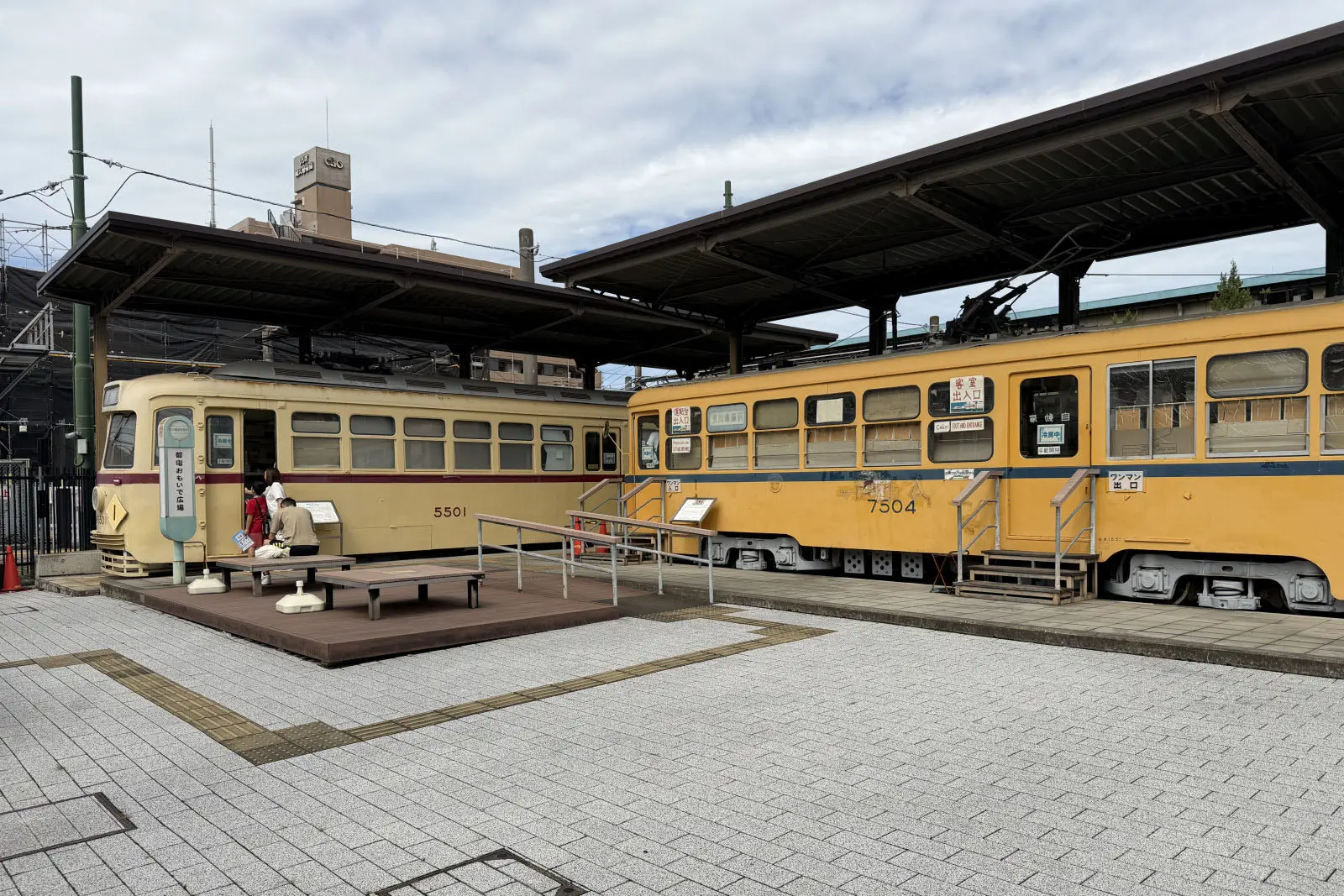
Car 5501 on the left side of the square contains a diorama, commemorative headboards, and hands-on exhibits such as a simulated driver's cab and control panel.
- Name in Japanese
- 都電おもいで広場
- Postal Code
- 116-0011
- Address
-
8-33-7 Nishiogu, Arakawa-ku, Tokyo
Google Maps - Telephone
- 03-3893-7451
- Closed
- Saturdays, Sundays & Public Holidays 10:00 am - 4:00 pm (Including substitute holidays)
- Business Hours
- 10:00am - 4:00pm
- Admission
- Free
- Access
- Immediately accessible on foot from the "Arakawa Shako-mae" stop on the Toden Arakawa Line
- Official Website
- Official Website (Japanese)
Asukayama Park
One of Japan's first public parks, Asukayama Park was opened to the public after Tokugawa Yoshimune, the eighth shogun of the Edo shogunate, who ruled from 1716 to 1745, planted cherry trees here. With 600 cherry trees, it remains one of Tokyo's best-known cherry blossom destinations.
The entire hill forms the park, which contains numerous attractions, including the former residence of businessman Shibusawa Eiichi and several museums.
Filled with greenery and offering views that seem far removed from central Tokyo, it is a relaxing place to spend time. In summer, when mosquitoes are active, bringing insect repellent and anti-itch medication is recommended.
- Name in Japanese
- 飛鳥山公園
- Postal Code
- 114-0002
- Address
-
1-1-3 Oji, Kita-ku, Tokyo
Google Maps - Tel
- 03-5980-9210 (Asukayama Park Management Office)
- Admission
- Free
- Closed
- Never
- Hours
-
Open all day
※Water play facilities are open from 10:00 to 16:00. Please check our website for periods when water play is available and for cleaning days.
Asuka Park Rail Hours of Operation: 10:00am-4:00pm
※Not in Operation: 1st Thursday of every month (morning of the 3rd Thursday in April, as well as all day on the 1st Thursday in July), December 29th-January 3rd, and in case of inclement weather. - Access
-
(1) A 1-minute walk from the JR Keihin Tohoku Line’s Oji Station
(2) A 1-minute walk from the Asukayama stop of the Tokyo Sakura Tram (Toden Arakawa Line)
(3) About a 3-minute walk from the Tokyo Metro Namboku Line’s Oji Station - Official Website
- Official Website (Japanese)
Sugamo Jizo-dori Shopping Street
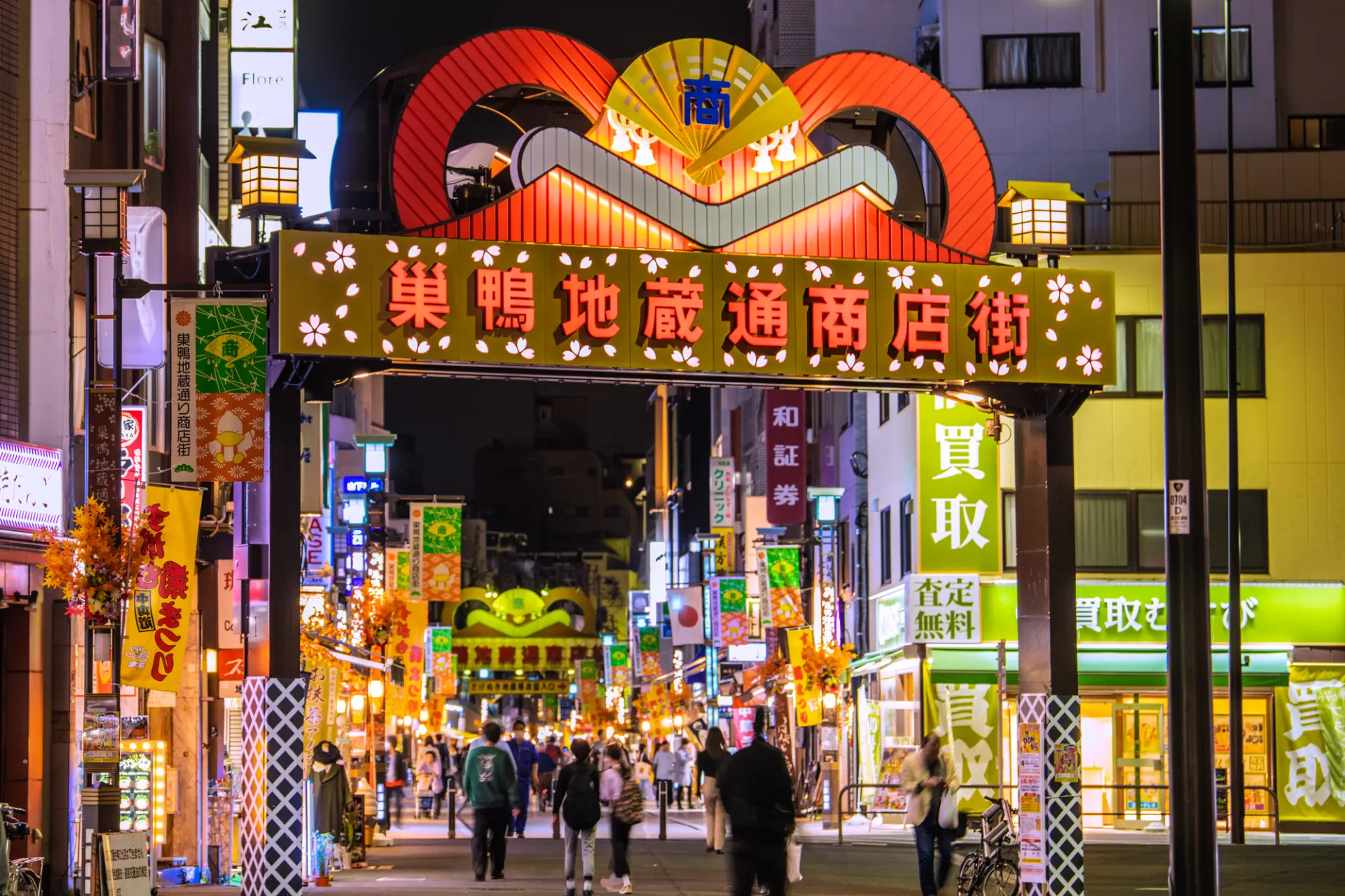
Known as “Grandma's Harajuku,” this community-oriented shopping street developed along the former Nakasendo road. Specialty stores, independently owned shops, and restaurants line the busy street.
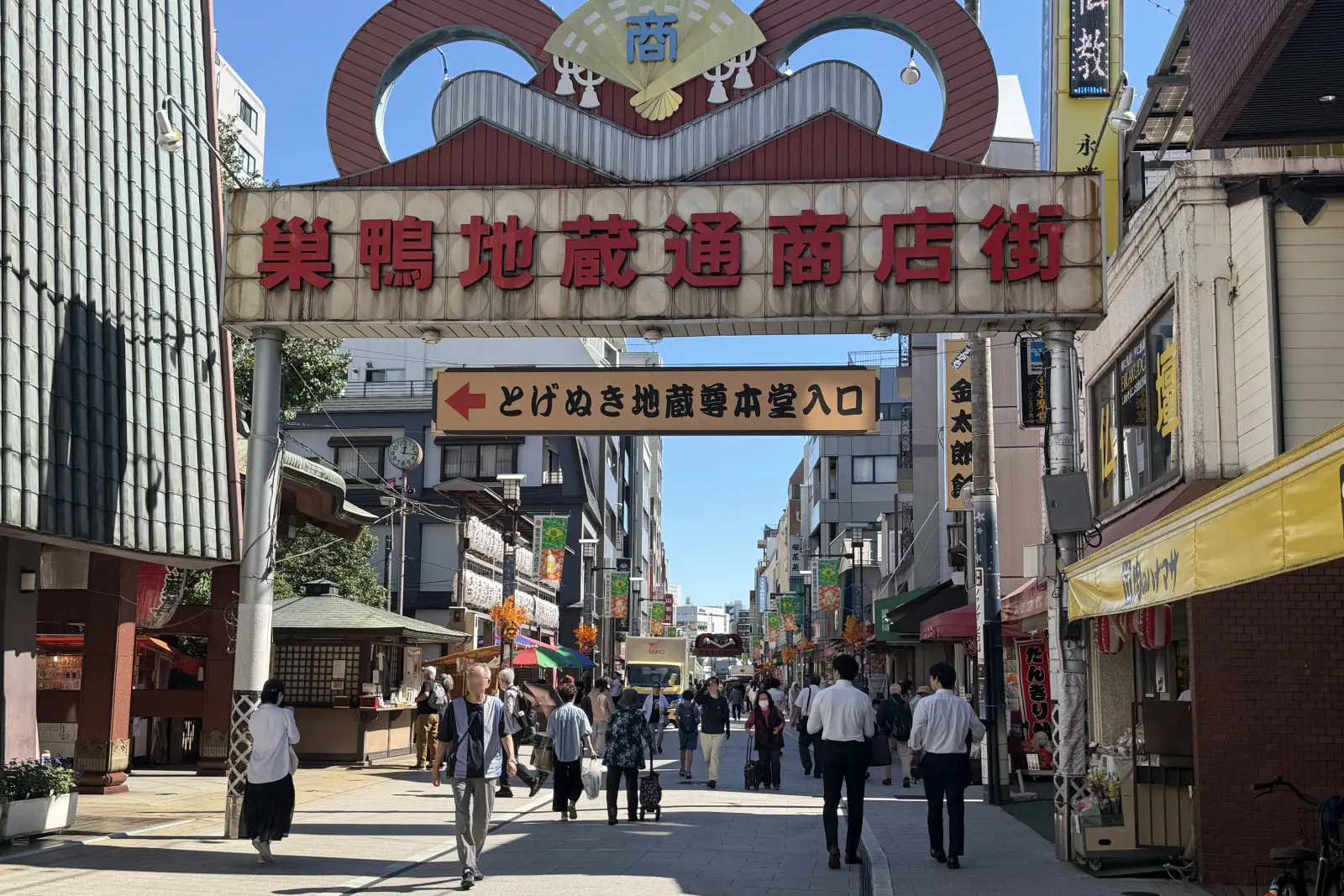
The area is also home to Koganji Temple, known for the Togenuki Jizo statue, and Shinshoji Temple, which houses one of the Six Jizo of Edo. Many people visit the area to worship at these temples.
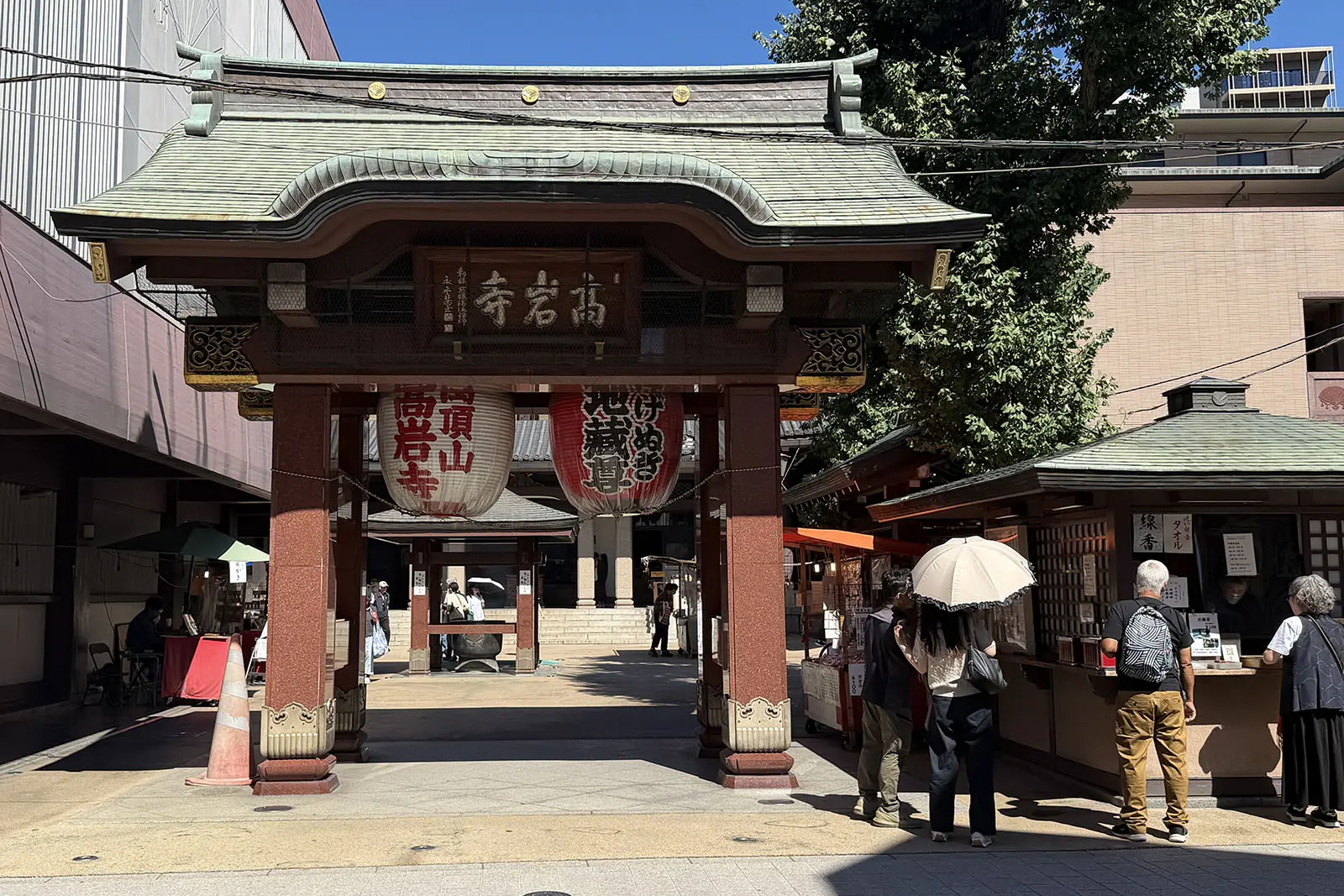
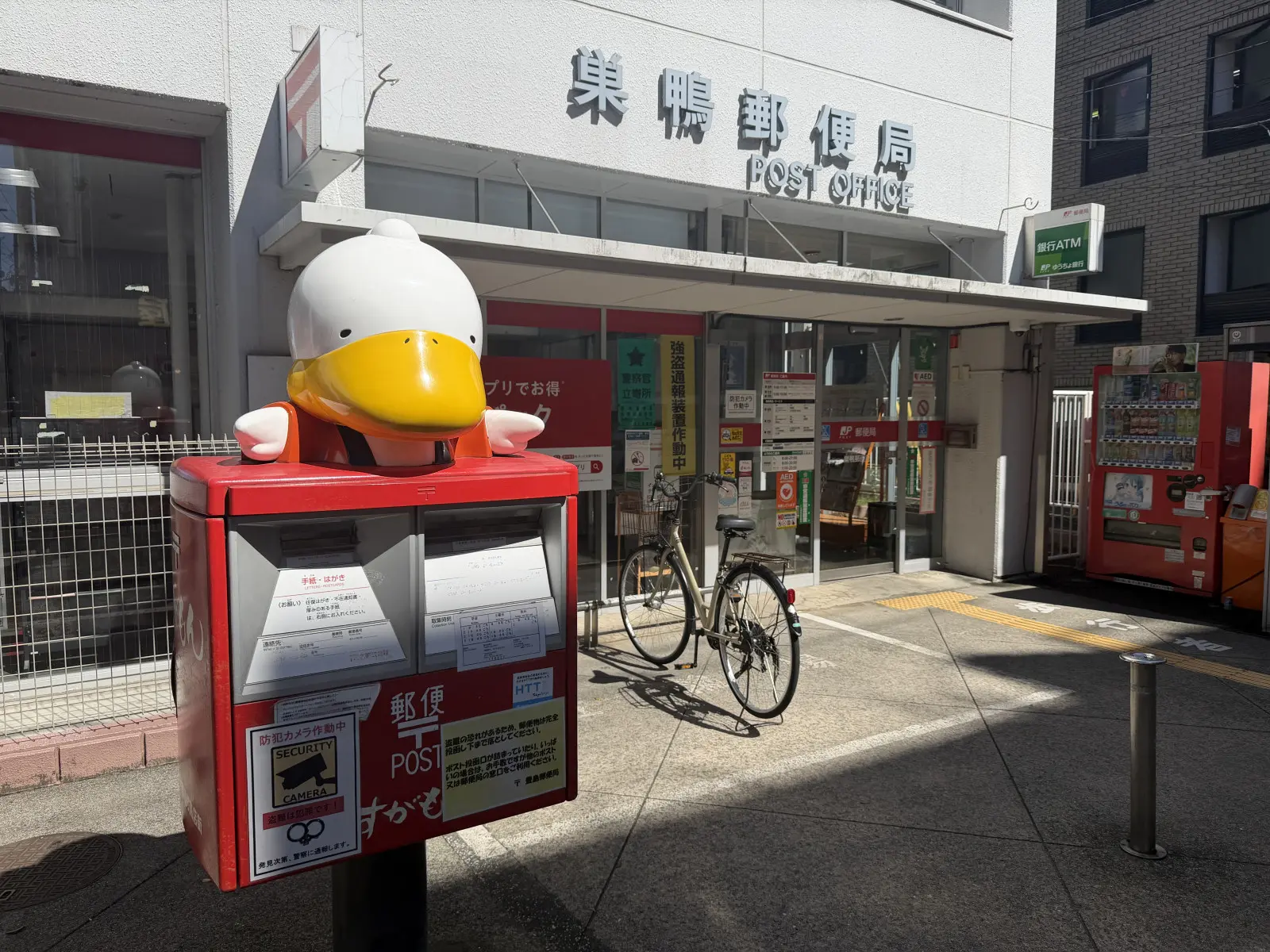
You may find surprisingly inexpensive products or one-of-a-kind handmade items. The street is so densely packed with interesting shops that hours can pass while simply browsing the displays, an experience characteristic of Jizo-dori Shopping Street.
- Name in Japanese
- 巣鴨地蔵通商店街
- Postal Code
- 170-0002
- Address
-
Sugamo, Toshima-ku, Tokyo
Google Maps - Telephone
- 03-3918-2101
- Closed
- Varies by store
- Hours
- Varies by store
- Access
-
(1) About a 2-minute walk from the Kanezuka stop of the Tokyo Sakura Tram (Toden Arakawa Line)
(2) About a 5-minute walk from the JR Yamanote Line and Toei Subway Mita Line’s Sugamo Station - Official Website
- Official Website (English)
Kishimojin-do Temple at Ikozan Homyoji Temple
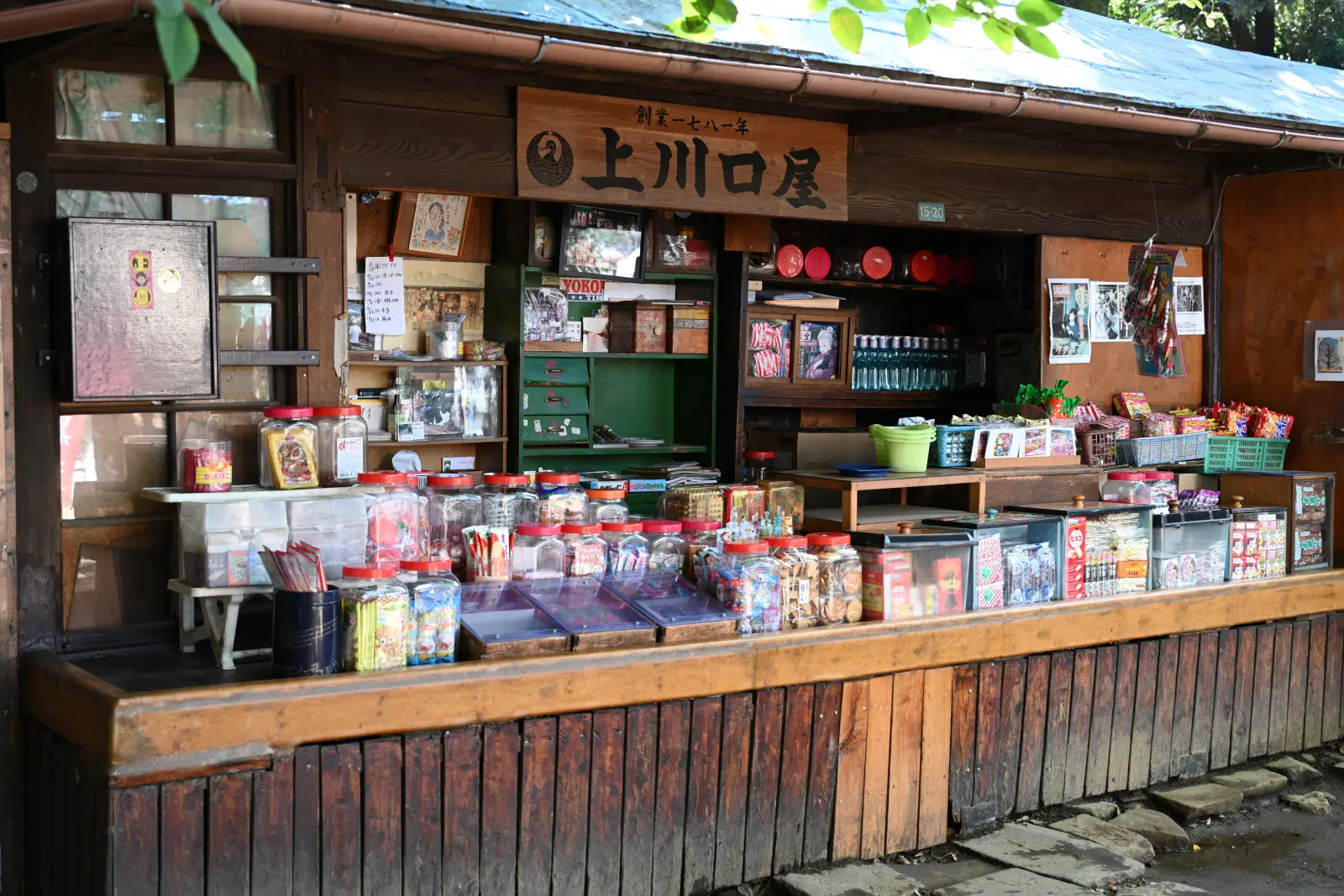
This temple enshrines Kishimojin, a guardian deity associated with children and safe childbirth. The nearest Toden Arakawa Line stop is pronounced Kishibojin, while the temple's name is pronounced Kishimojin. The kanji character for “oni,” or demon, in the deity's name is also written in a special form without horns.
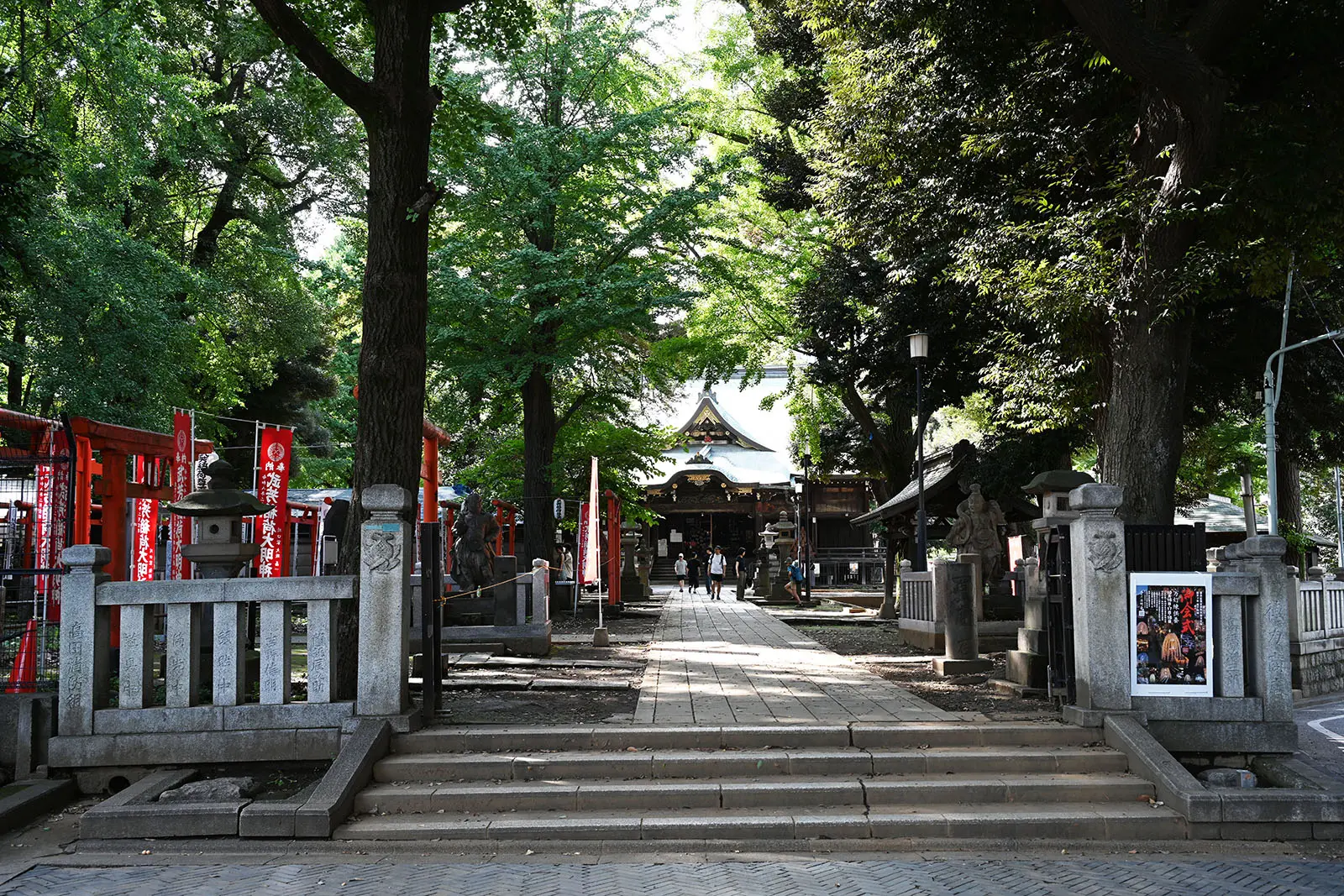
The main hall was built in 1664 and survived both the Great Kanto Earthquake of 1923 and the destruction of World War II. It was designated a Tangible Cultural Property of the Tokyo Metropolitan Government in 1960 and an Important Cultural Property of Japan in 2016.
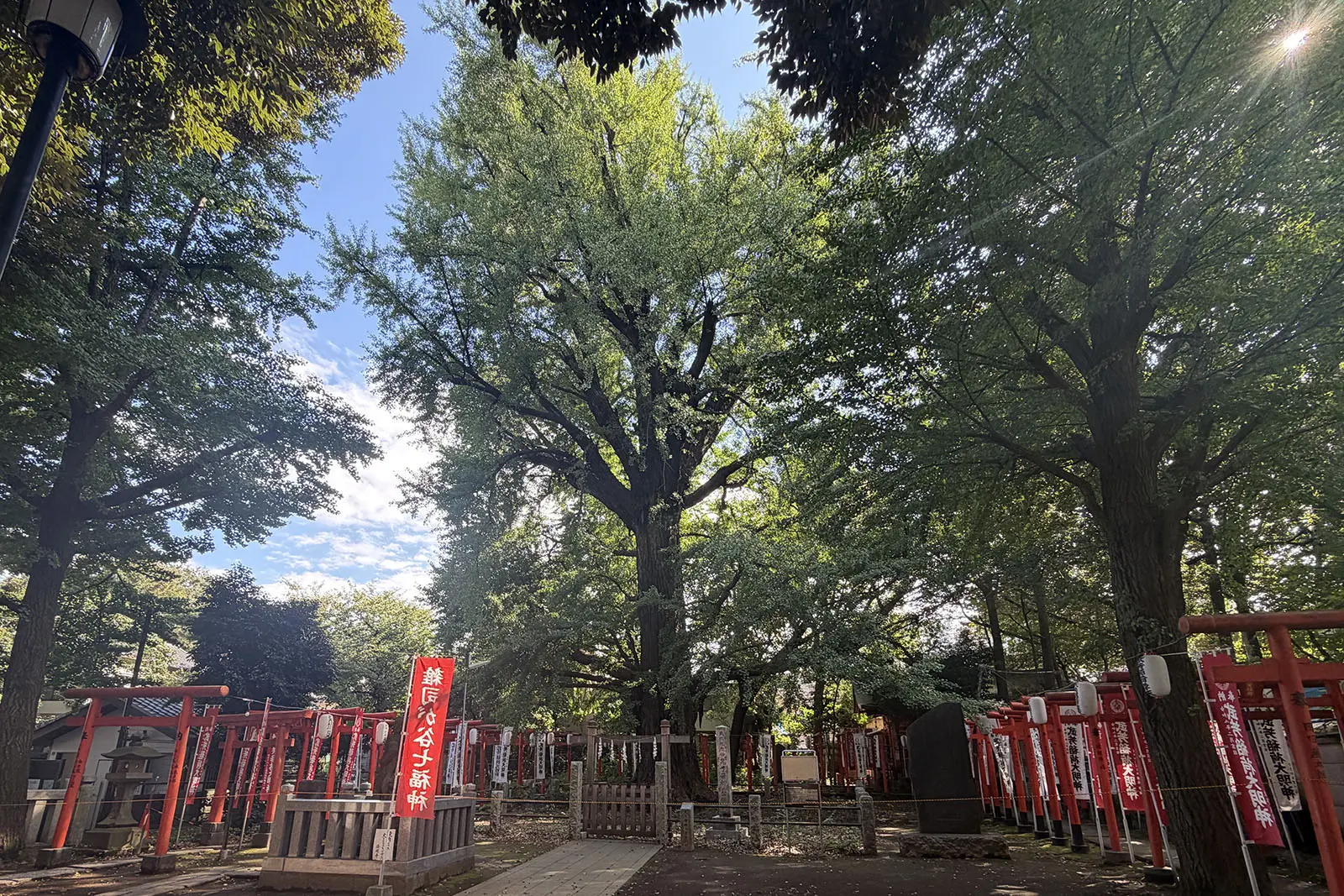
The temple grounds contain a large ginkgo tree believed to be 700 years old, standing 108 feet tall with a trunk circumference of approximately 36 feet. The surrounding woodland scenery is hard to believe considering that Ikebukuro is only about a 10-minute walk away. The impressive row of zelkova trees along the approach casts deep shade even in summer, offering a refreshing forest experience in the city.
- Name in Japanese
- 鬼子母神堂
- Postal Code
- 171-0032
- Address
-
3-15-20 Zoshigaya, Toshima-ku, Tokyo
Google Maps - Tel
- 03-3982-8347
- Closed
- No holidays
- Hours
- 9:00am - 5:00pm
- Access
-
(1) About a 3-minute walk from the Kishibojinmae stop of the Tokyo Sakura Tram (Toden Arakawa Line)
(2) About a 10-minute walk from the JR Yamanote Line and JR Saikyo Line’s Ikebukuro Station - Official Website
- Official Website (Japanese)
Sample Itinerary for a Toden Arakawa Line Hop-On, Hop-Off Trip
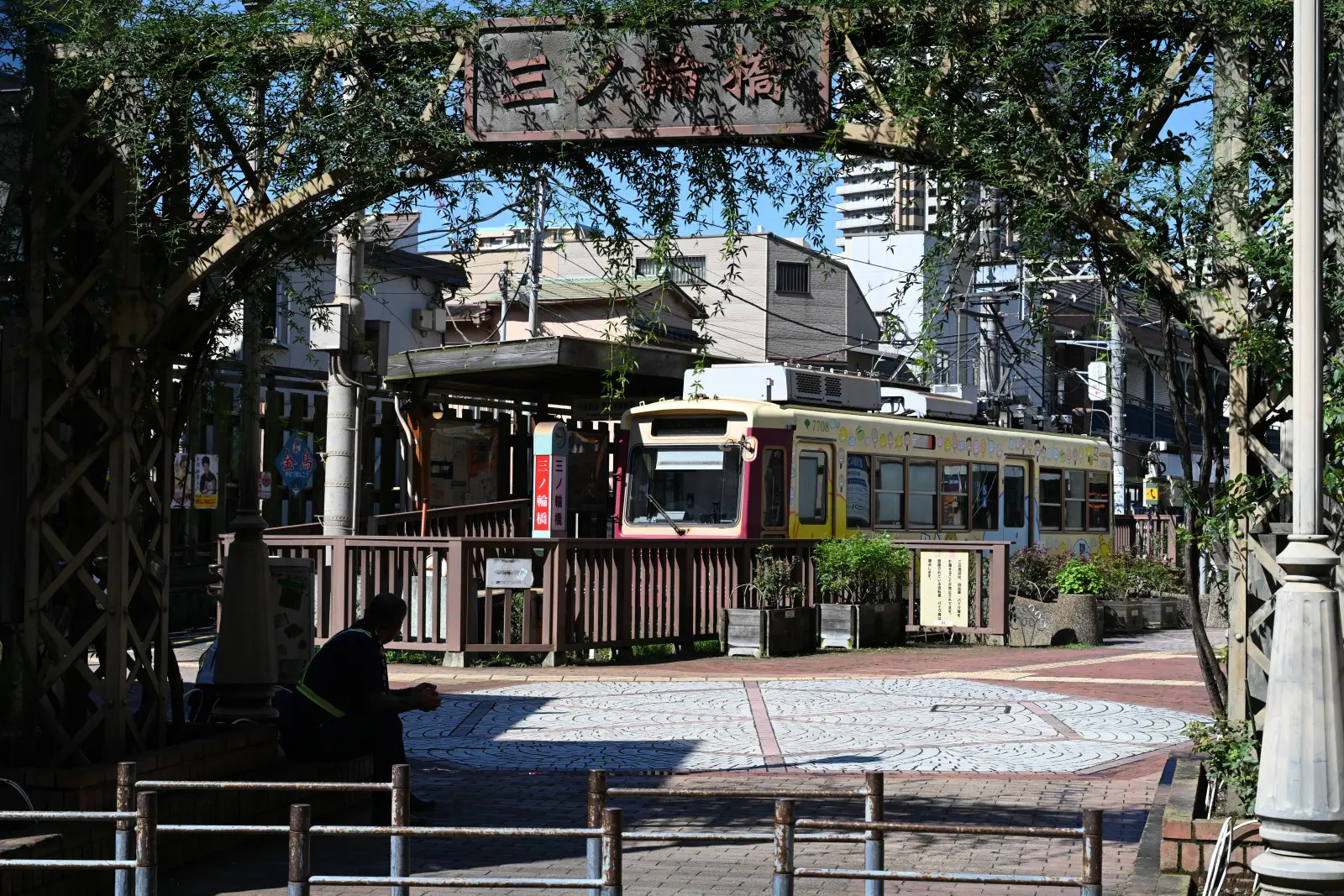
This one-day itinerary uses a Toden One-Day Pass and provides plenty of time to ride and explore on foot from morning until late afternoon. Starting your journey at Minowabashi is recommended. The surrounding neighborhood retains the atmosphere of the Showa era, from 1926 to 1989, when Toden streetcars formed an extensive network across Tokyo, allowing you to begin the trip in a nostalgic setting.
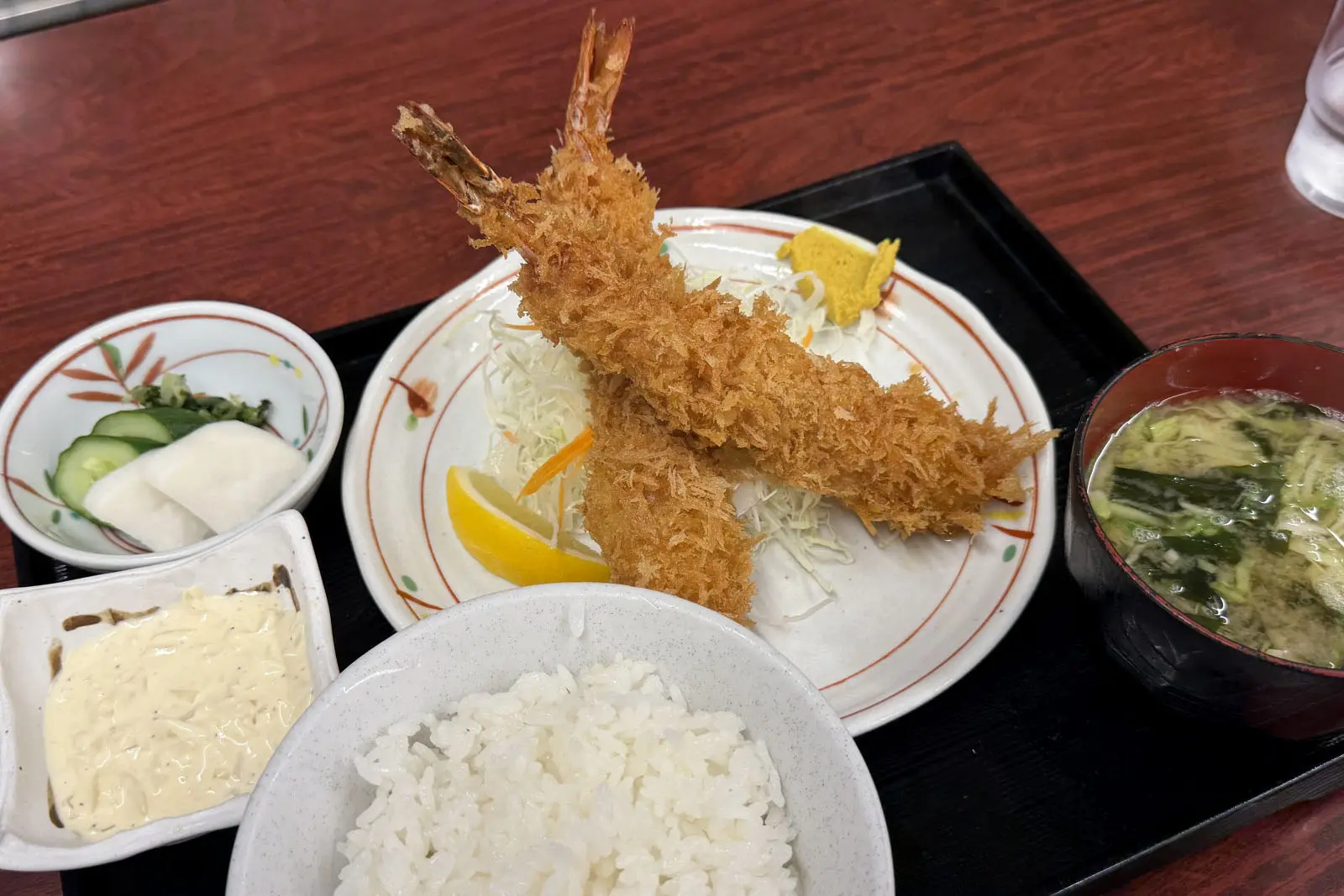
This itinerary passes Asukayama and continues to Sugamo for lunch. Asukayama is surprisingly spacious and comfortable, so if you visit it first, you may stay so long that restaurants at Sugamo Jizo-dori Shopping Street are closing by the time you arrive for lunch.
- 9:50 a.m. Arrive at Minowabashi
- 10:00 a.m. Purchase a same-day pass at the Minowabashi Omoidekan
- 10:12 a.m. Depart from Minowabashi
- 16-minute ride
- 10:28 a.m. Get off at Arakawa-yuenchimae
- Walk for a few minutes
- 10:40 a.m. Enter “Arakawa Yuen”
- 11:20 a.m. Leave “Arakawa Yuen”
- 11:32 a.m. Board at Arakawa-yuenchimae
- 5-minute ride
- 11:37 a.m. Get off at Arakawa-shakomae
- Visit “Toden Memorial Square” on Saturdays, Sundays, and national holidays only
- 11:56 a.m. Board at Arakawa-shakomae
- 13-minute ride
- 12:09 p.m. Get off at Koshinzuka
- Explore Koshinzuka and have lunch
- 2:05 p.m. Board at Koshinzuka
- 2:10 p.m. Get off at Asukayama
- Explore “Asukayama Park.” Visiting one of the museums in the park is also recommended
- 3:04 p.m. Board at Asukayama
- 3:23 p.m. Get off at Kishibojimmae
- Visit “Kishimojin-do Temple”
- 4:00 p.m. Board at Kishibojimmae
- 4:06 p.m. Get off at Waseda
- This concludes the streetcar portion of the trip. Return to an area of your choice and enjoy the nightlife
Nightlife Along the Toden Arakawa Line
After arriving at Waseda, you can visit nearby attractions, have an early dinner, or ride back along the line to a place that caught your attention earlier in the day.
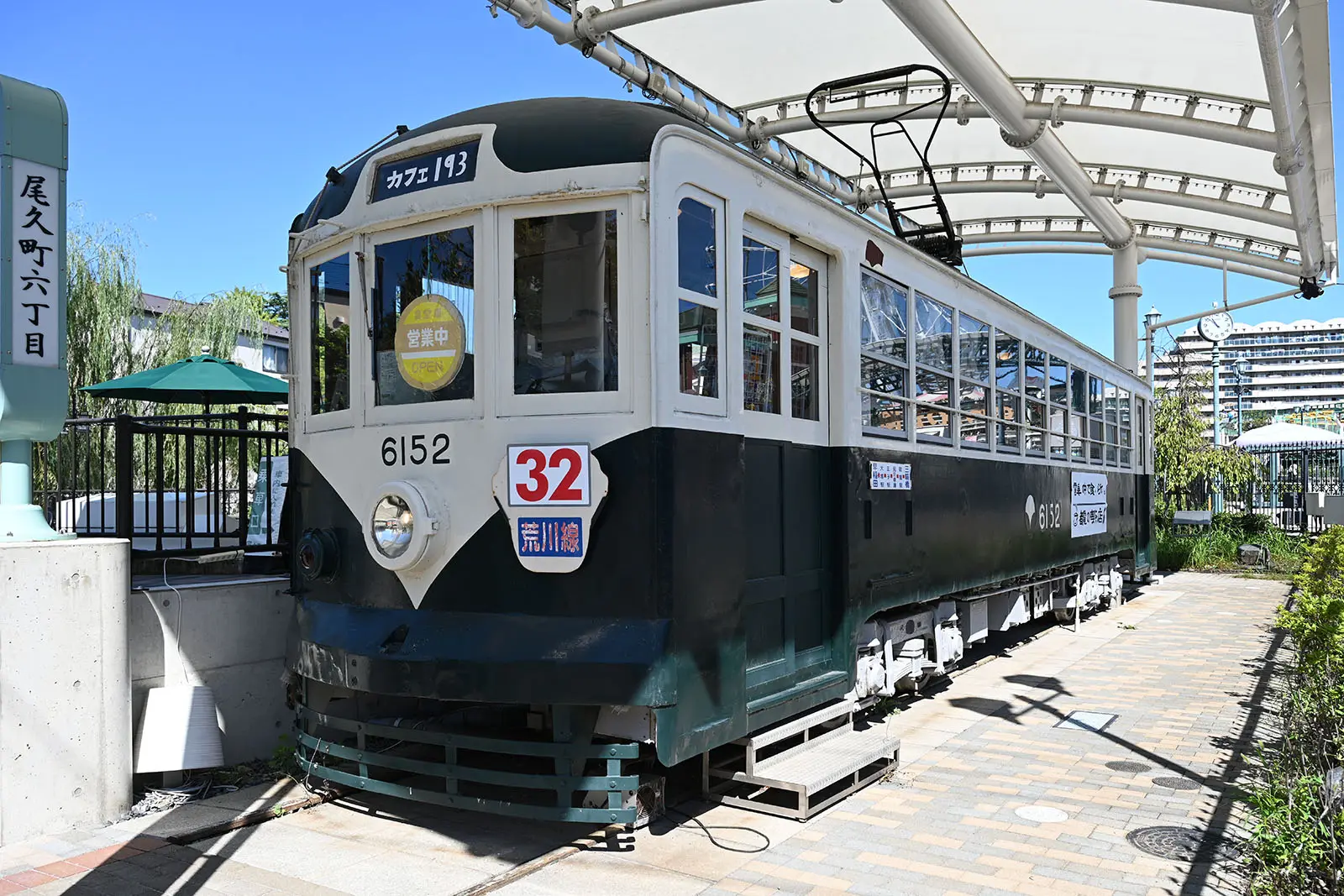
If you ride the Toden from Friday through Sunday or on a national holiday and have no evening plans, consider visiting Arakawa Yuen during its nighttime operating hours. During hot weather when daytime highs approach 86°F, you may prefer to skip the daytime visit and enjoy the illuminations in the cooler evening air. Craft beer is also available at Cafe 193.
If you would like to continue exploring on foot, consider returning to Sugamo Jizo-dori Shopping Street. You can experience the lively atmosphere of a traditional Tokyo neighborhood after dark and have dinner at a restaurant you could not visit during the day.

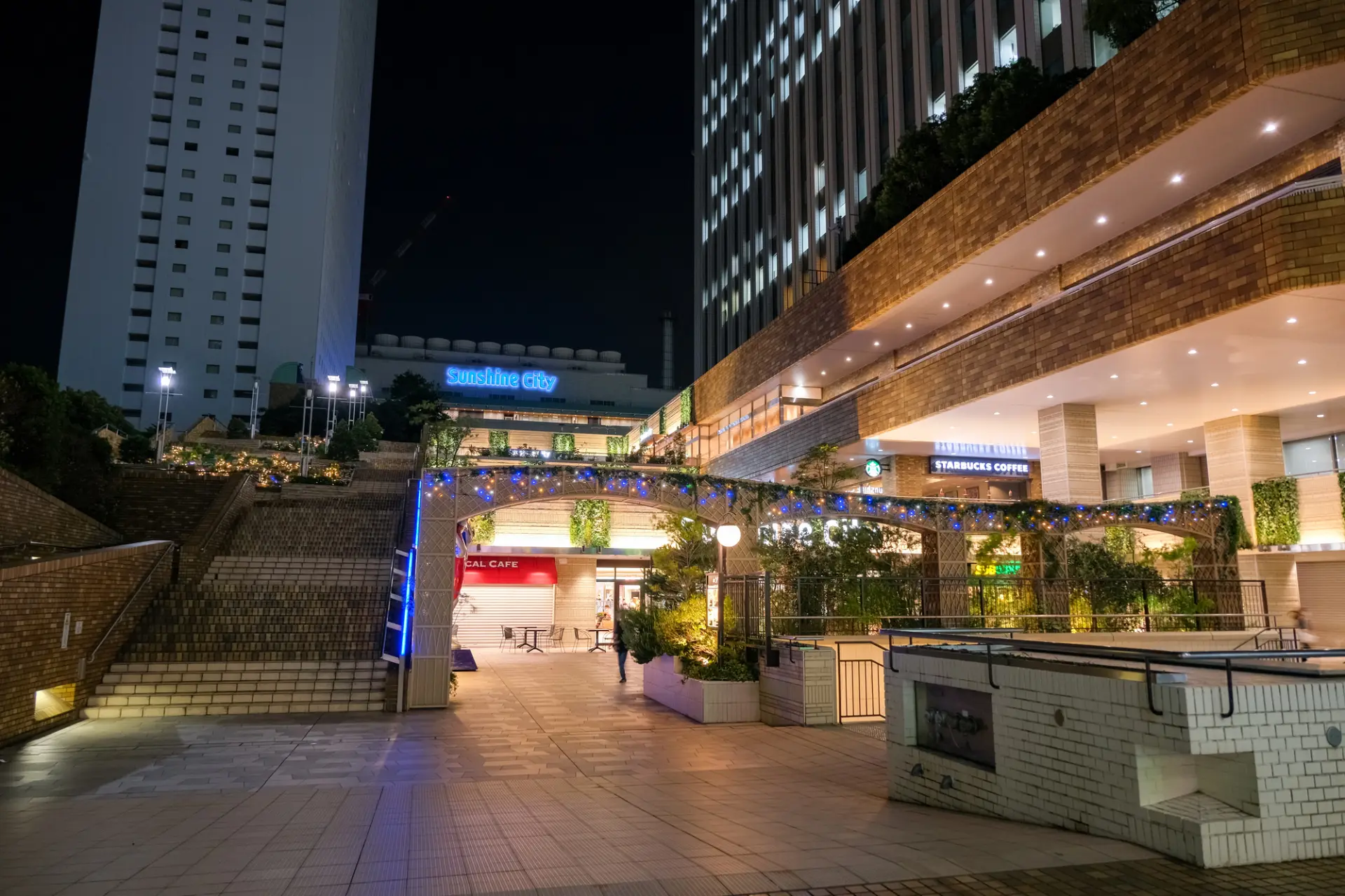
For a more urban evening, get off at Higashi-ikebukuro-yonchome and head to Sunshine City. It has numerous attractions, including an aquarium, planetarium, and observation deck, as well as more shops than you could visit in a single trip and several popular chain restaurants.
- Name in Japanese
- サンシャインシティ
- Postal Code
- 170-8630
- Address
-
3-1 Higashi-Ikebukuro, Toshima-ku, Tokyo
Google Maps - Telephone
- 03-3989-3331
- Closed
- No scheduled holidays
- Business Hours
-
Shops: 10:00 a.m. - 8:00 p.m.
Restaurants: 11:00 a.m. - 10:00 p.m.
*Some shops have different hours - Access
-
(1) About an 8-minute walk from exit 35 of the JR Yamanote Line, Tokyo Metro Marunouchi Line, Fukutoshin Line, and Tobu Tojo Line’s Ikebukuro Station
(2) About a 3-minute walk from exits 6 and 7 of the Tokyo Metro Yurakucho Line’s Higashi-Ikebukuro Station - Official Website
- Official Website (English)
3 Japanese Sweets to Try Along the Line
Many of the neighborhoods along the line are home to long-established confectionery shops where you can buy sweets for souvenirs or enjoy them while walking. Here are several recommended shops and signature products that can be visited without straying far from the sample itinerary.
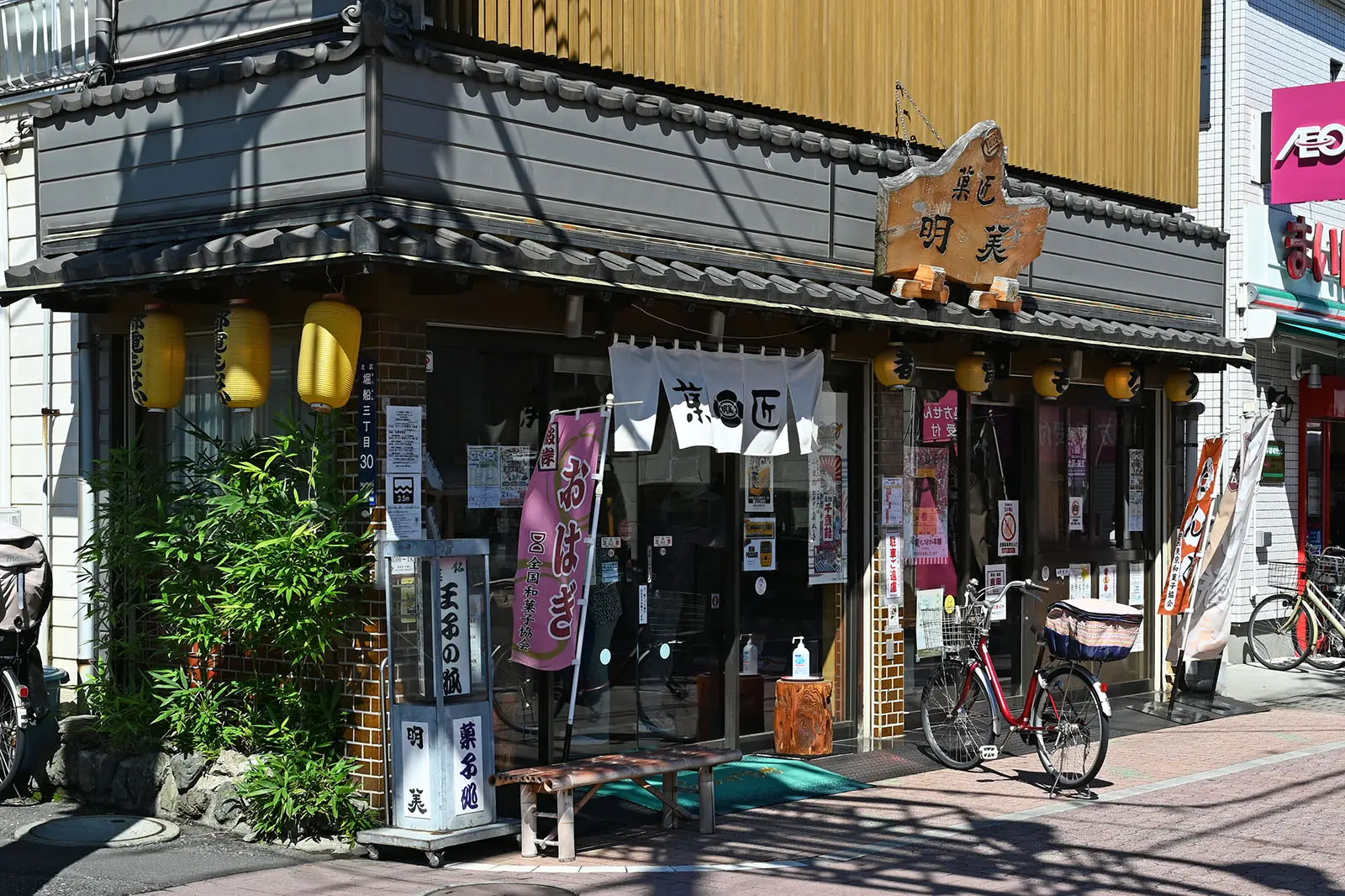
1. Toden Monaka, a 1-Minute Walk from Kajiwara at Toden Monaka Honpo Kasho Akemi
Toden Monaka is the signature product of Kasho Akemi, a confectionery shop founded in 1957. First sold in 1977, the sweets come in packaging modeled after Toden streetcars, making them visually appealing as well.
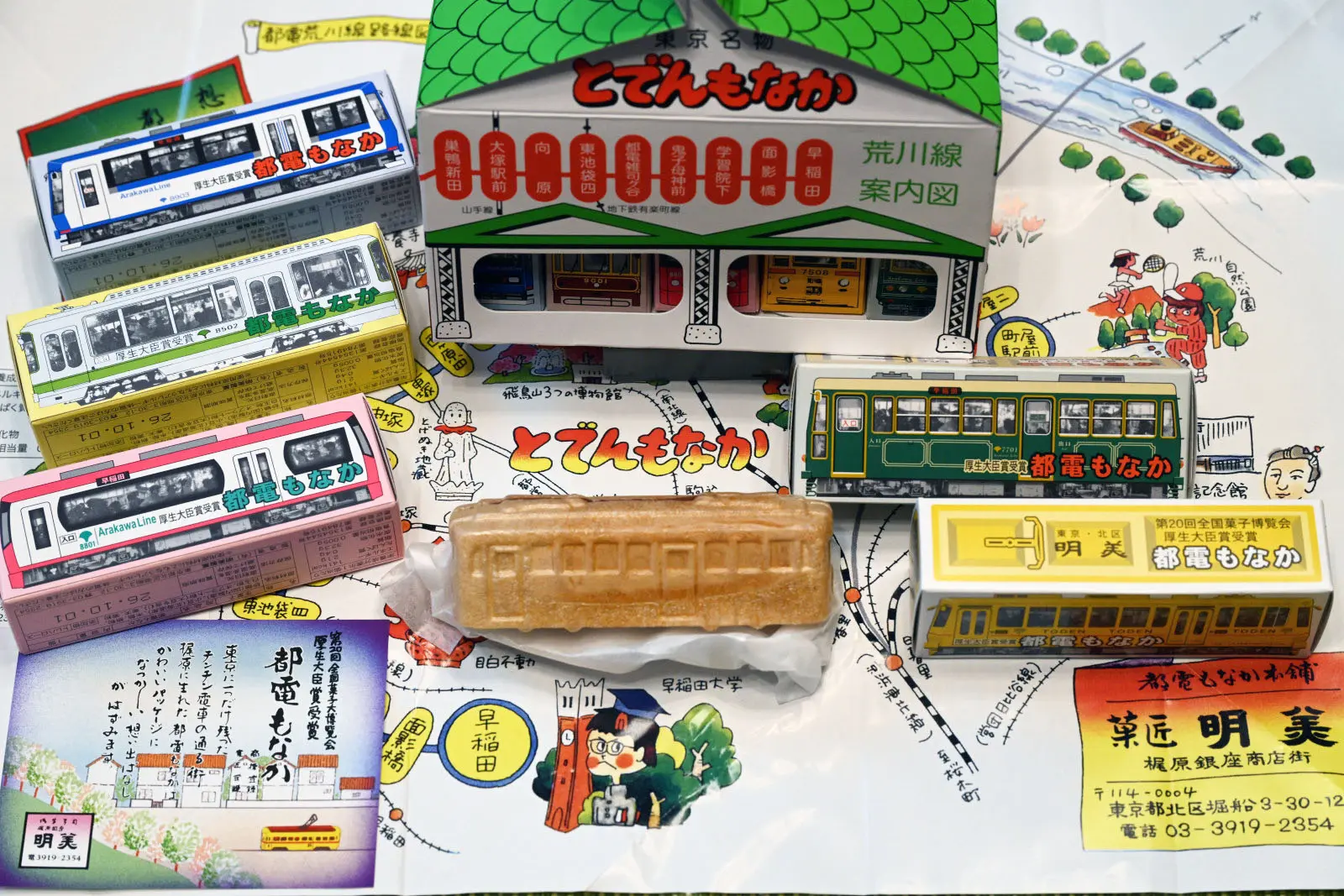
Monaka is a traditional confection made by filling crisp wafers with sweet bean paste. Toden Monaka also contains soft gyuhi mochi made from glutinous rice flour, adding a pleasantly chewy texture. The monaka itself is shaped like a Toden streetcar, making it a suitable souvenir for rail fans.
2. Shio Daifuku, a 10-Minute Walk from Koshinzuka at Mizuno
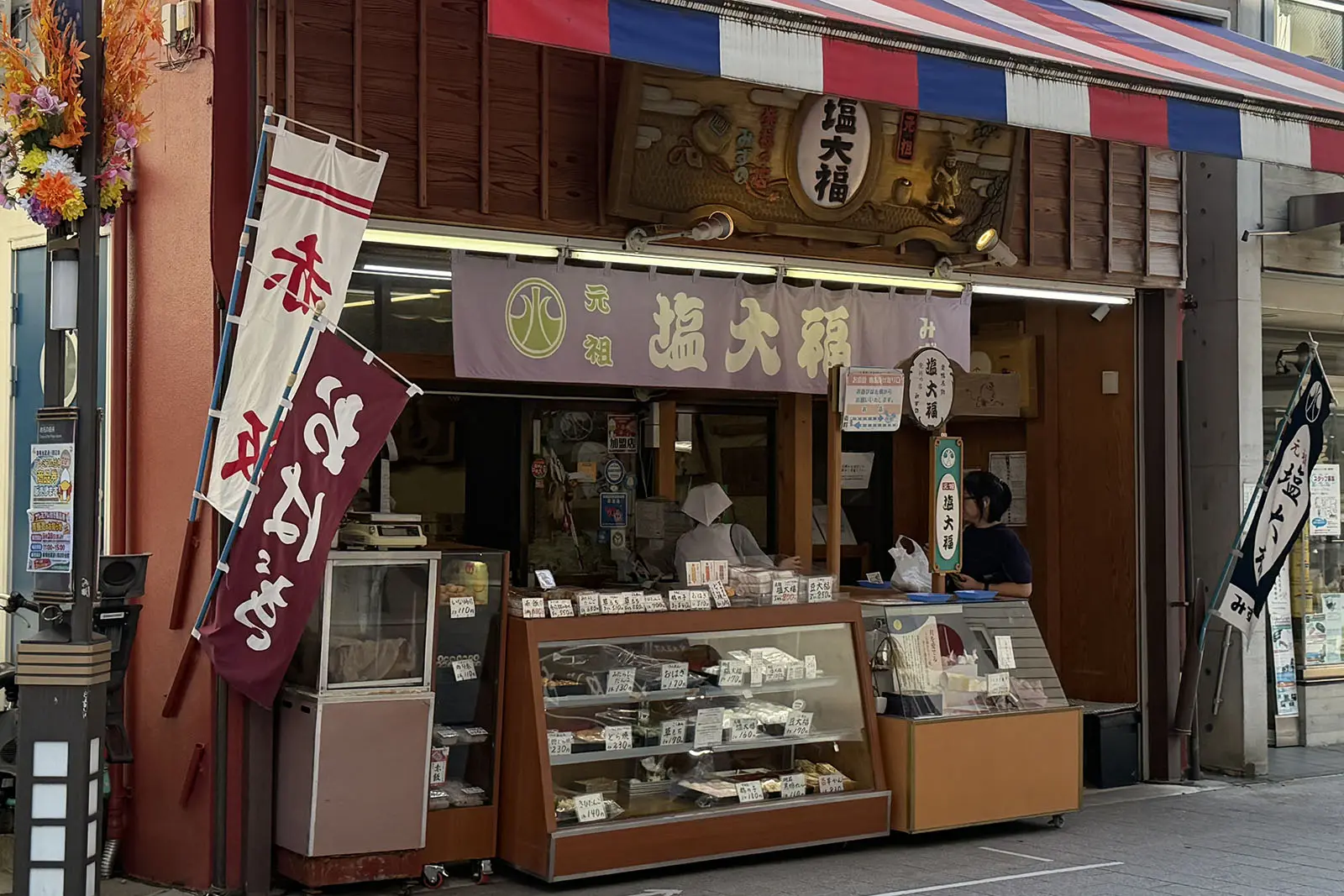
Shio daifuku is known as a specialty of Sugamo, and Mizuno is where it originated. The shop uses carefully selected Japanese ingredients, and its mochi is pounded in a stone mortar rather than made by machine. Carefully prepared by hand, the shio daifuku combines just the right amount of salt with an excellent mochi texture, making it easy to understand why the shop has so many repeat customers.
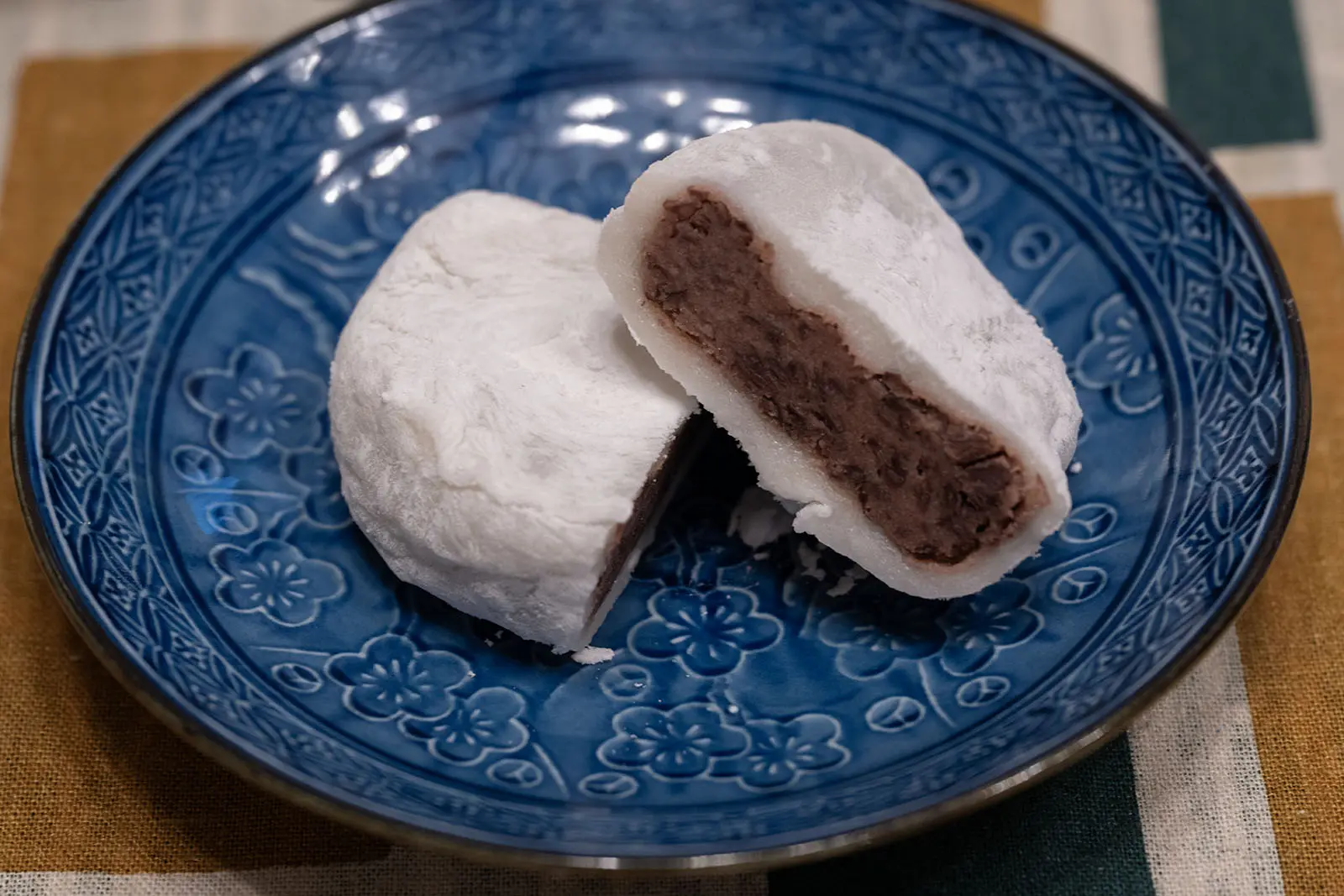
In addition to shio daifuku, the extensive selection includes mame daifuku, mitarashi dango, mizu yokan, and sekihan. It is the kind of shop that will make you want to return several times to try more of its products.
- Name in Japanese
- 元祖塩大福みずの
- Postal Code
- 170-0002
- Address
-
3-33-3 Sugamo, Toshima-ku, Tokyo
Google Maps - Telephone
- 03-3910-4652
- Closed
- No scheduled holidays
- Business Hours
- 9:15am - 6:30pm
- Budget
- 130-1000 yen
- Access
-
(1) About a 5-minute walk from the Toei Subway Mita Line’s Sugamo Station
(2) About a 5-minute walk from the JR Yamanote Line’s Sugamo Station - Credit Cards
- Not accepted
- Official Website
- Official Website (Japanese)
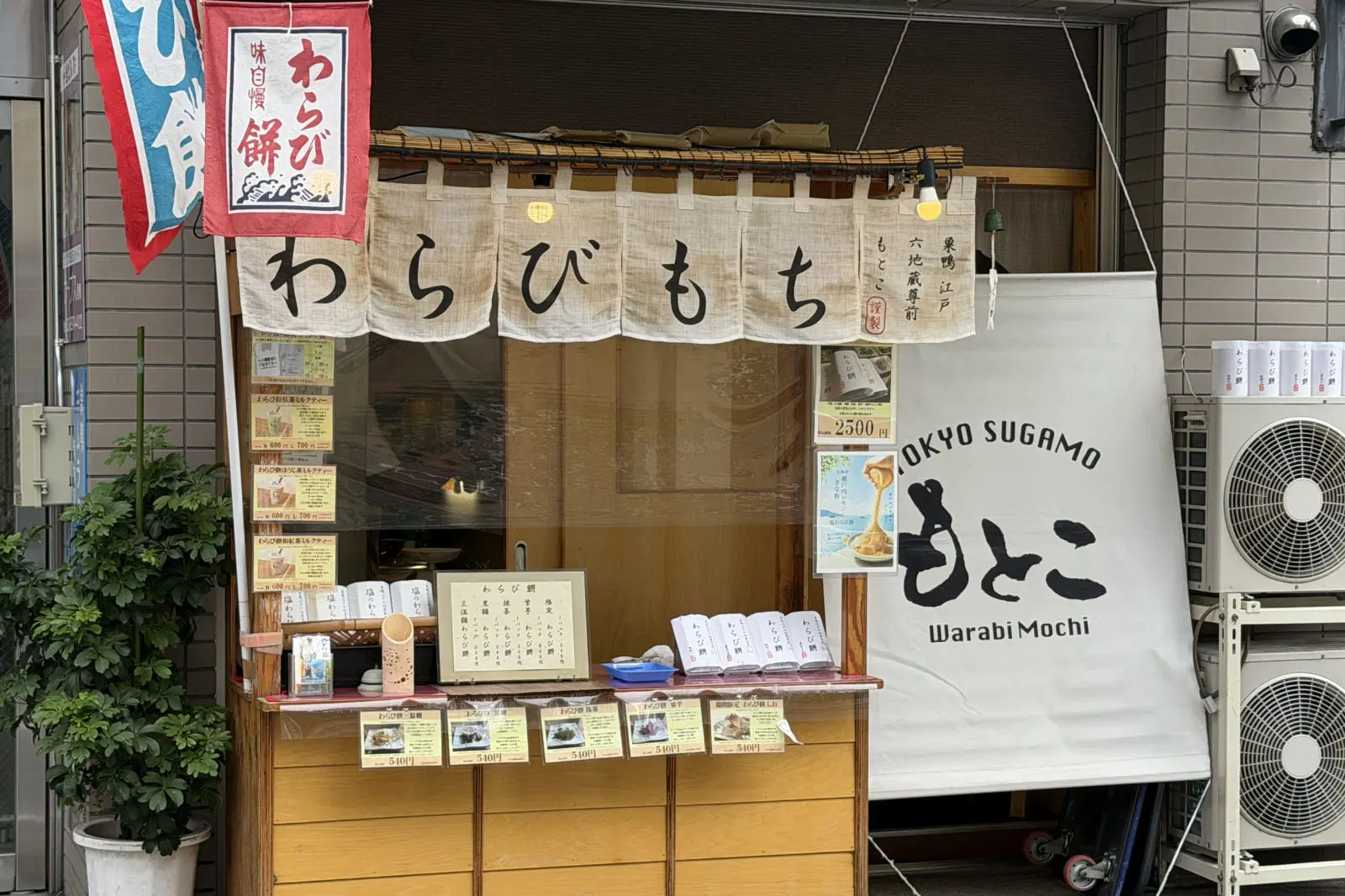
3. Warabi Mochi, a 12-Minute Walk from Koshinzuka at Warabi Mochi Motoko
Motoko is a specialty warabi mochi shop founded in Sugamo in 2005. Sugamo has many well-known Japanese confectionery shops, and Motoko has also gained popularity as one of the area's nationally recognized establishments.
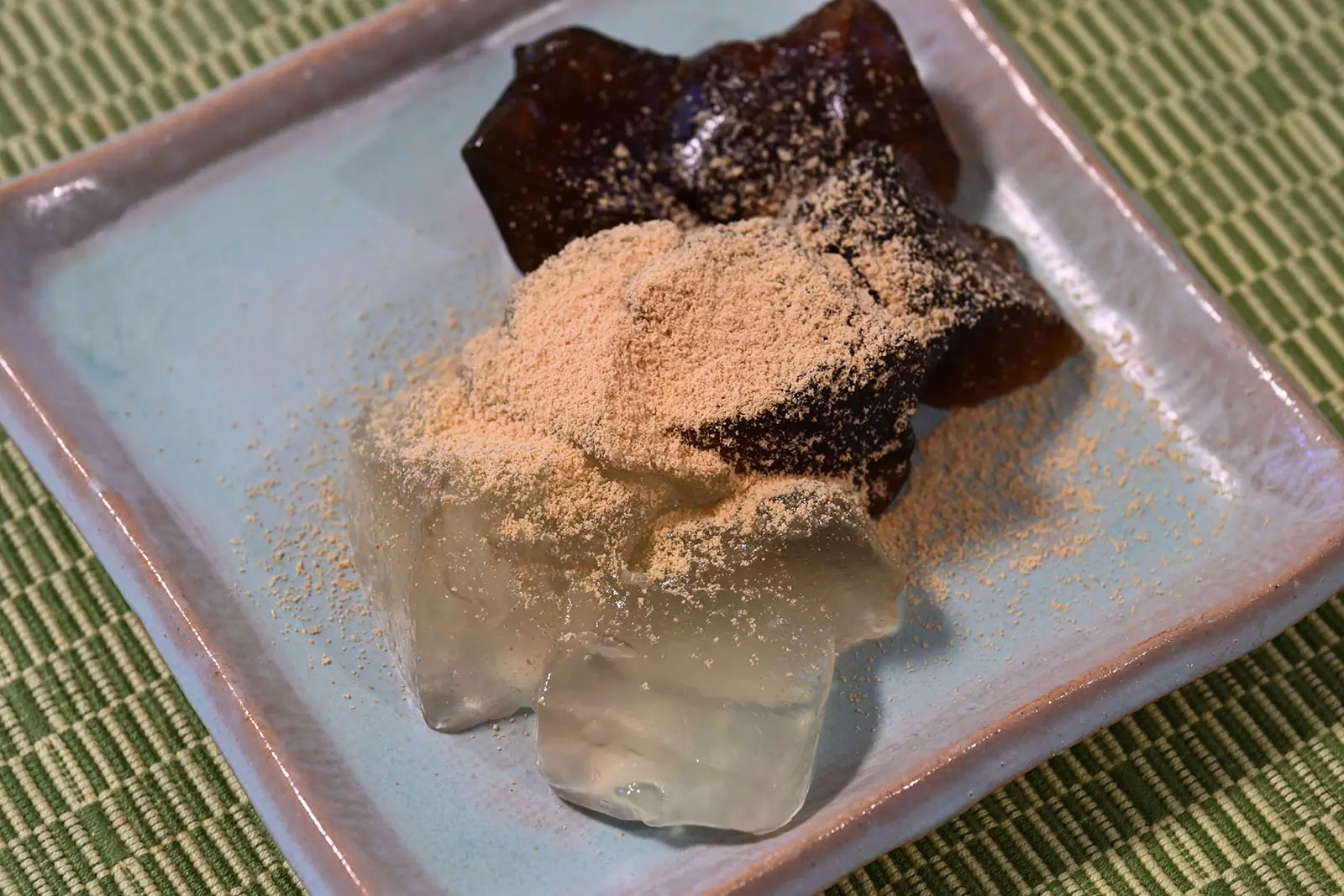
The shop sells only warabi mochi and warabi mochi milk tea. Its standard warabi mochi flavors are light brown sugar, dark brown sugar, and matcha, with salted and limited seasonal flavors also available. The shop originated warabi mochi milk tea.
5 Recommended Spots for Rail Fans
The Toden Arakawa Line currently has 33 streetcars in service, with several different models operating together. Even streetcars of the same model may have different designs, so simply taking a hop-on, hop-off trip along the line provides opportunities to ride a variety of cars.
Here are several recommended locations where you can further appreciate the Toden Arakawa Line and Tokyo's railway scenery.
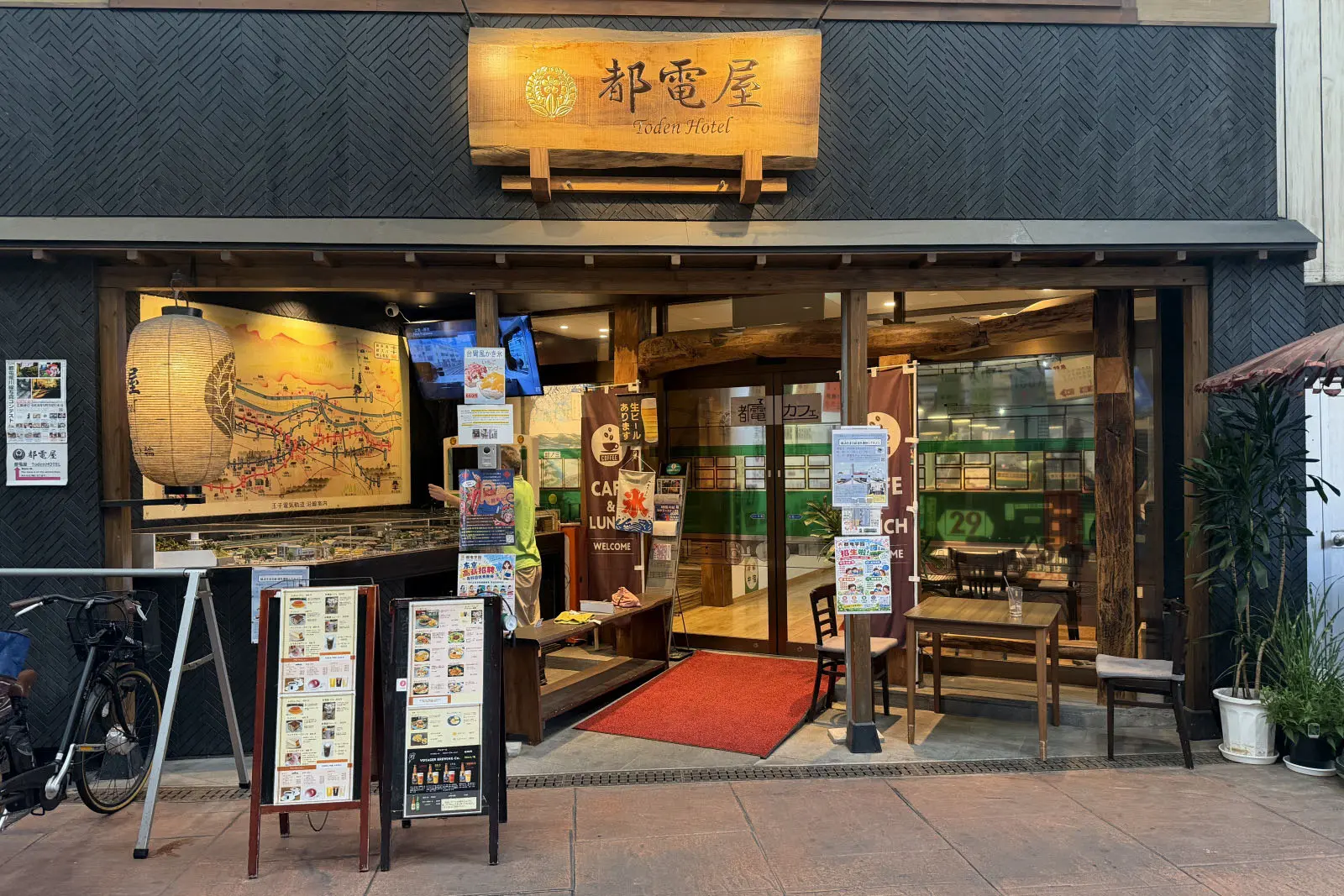
1. Toden Cafe, a 1-Minute Walk from Minowabashi
This cafe is located in the Joyful Minowa Shopping Street next to Minowabashi, with accommodations on the second floor. In addition to model trains, the interior is filled with railway memorabilia formerly used around Japan, offering plenty to see even for dedicated rail fans.
The cafe also takes pride in its drinks and meals, including a selection of international dishes.
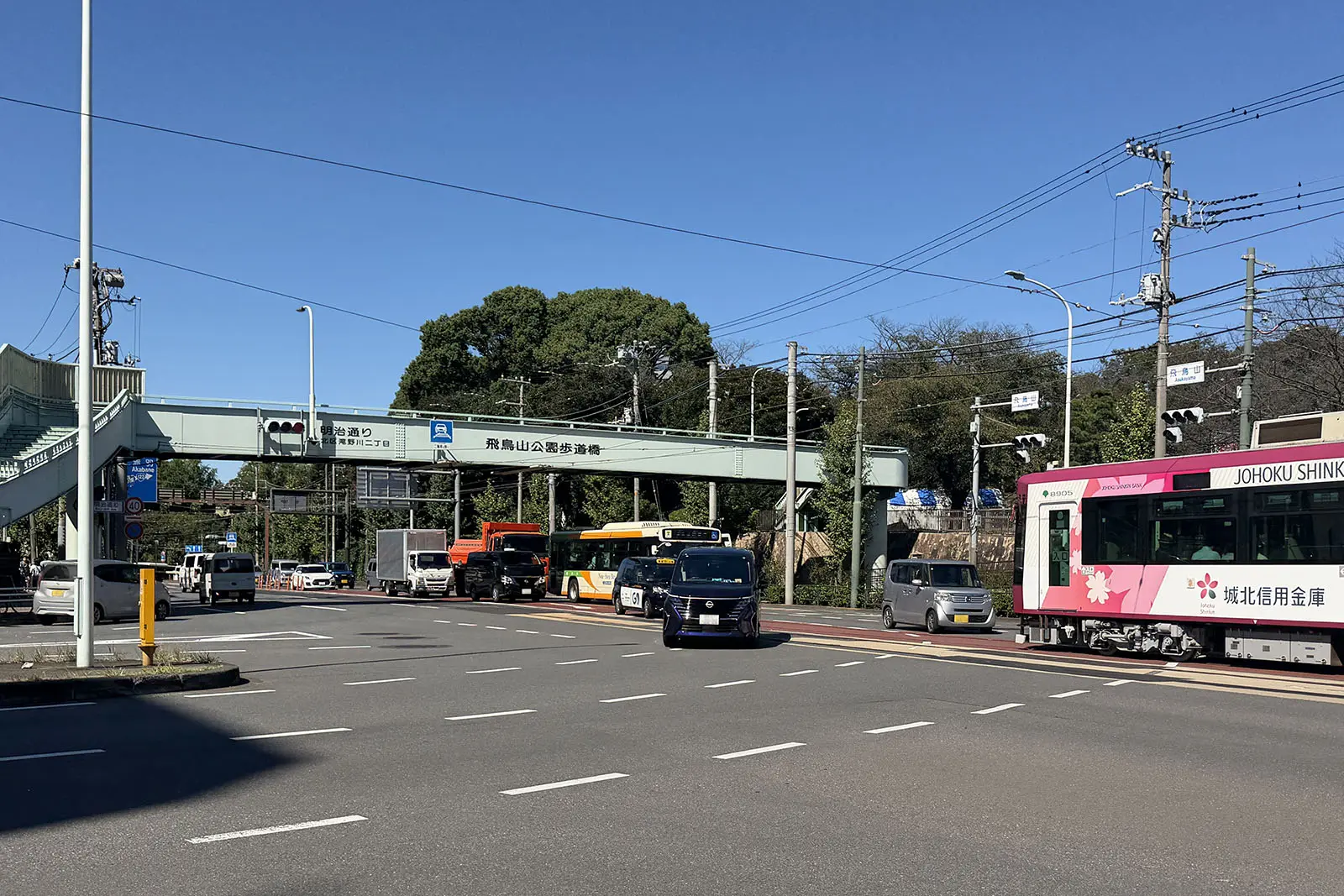
2. Asukayama Park Pedestrian Bridge, a 2-Minute Walk from Asukayama
This pedestrian bridge leads to Asukayama Park and provides an elevated view of the section where Toden streetcars run along the roadway on shared tracks. It is an ideal place to watch and photograph passing streetcars. On days off, people can often be seen waiting with cameras in hand.
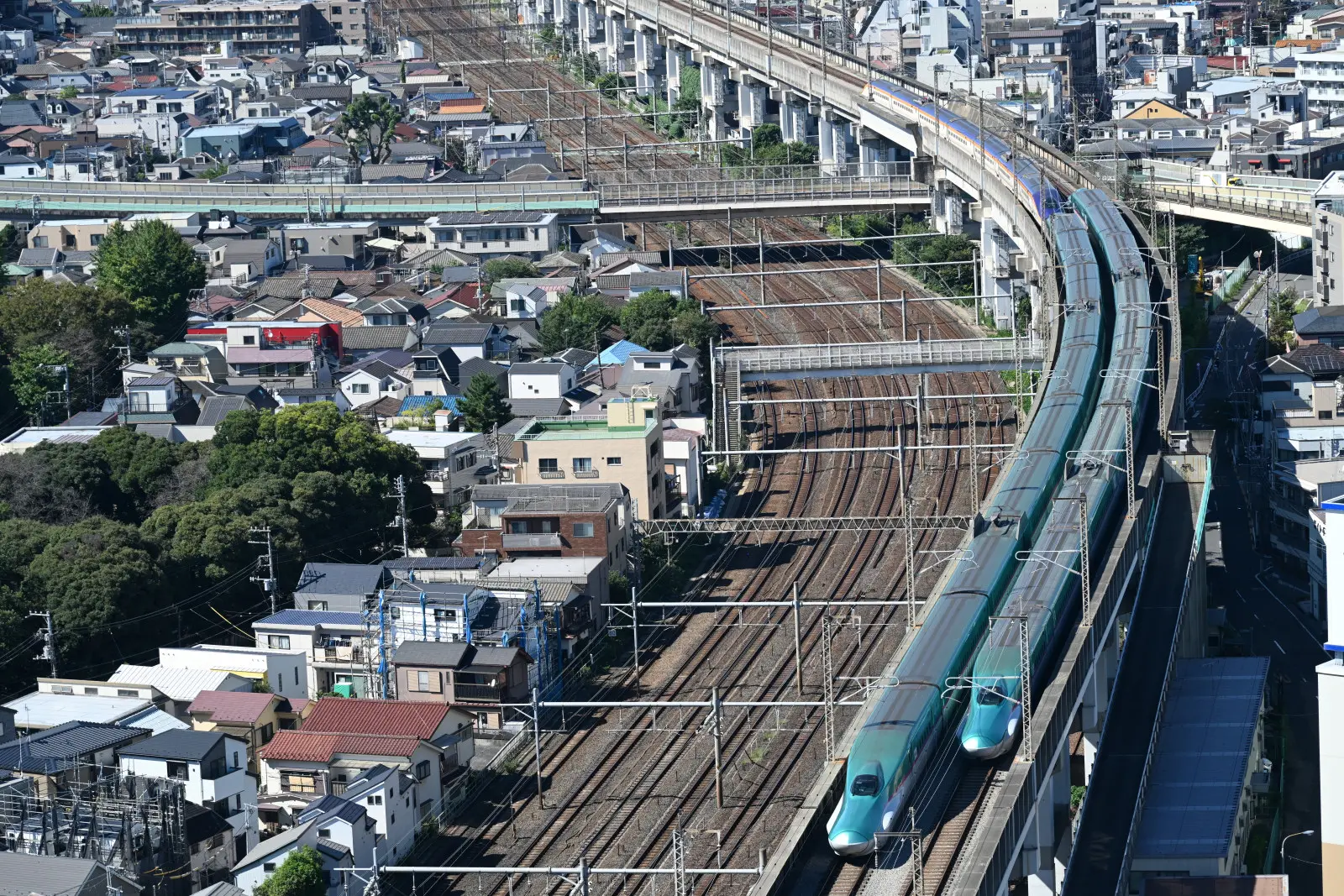
3. Hokutopia, a 3-Minute Walk from Oji
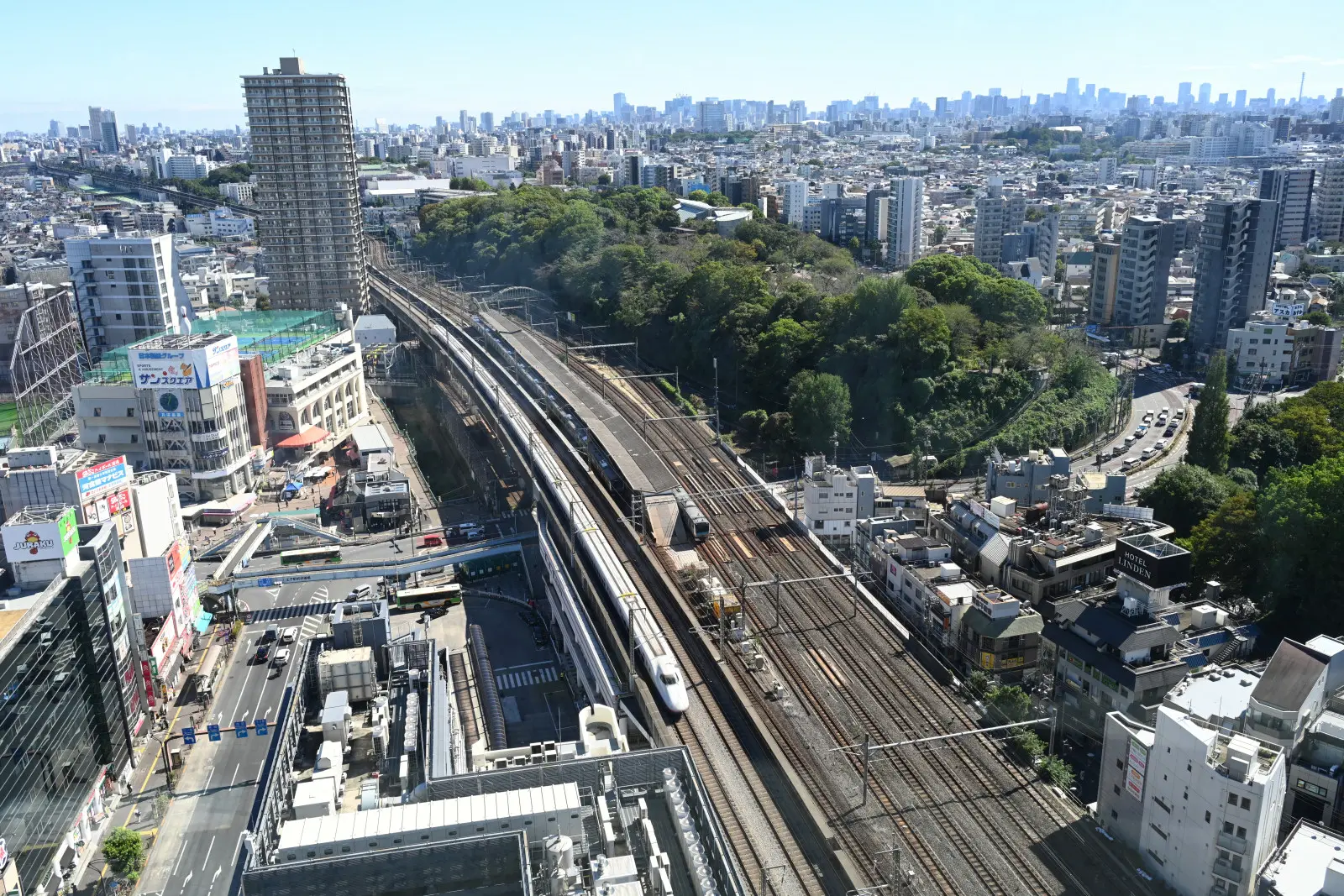
Hokutopia is a multipurpose complex containing a full-scale performance hall, several meeting rooms, and music studios. The observation lobby on the 17th and top floor is free to enter and offers panoramic views of the area around the station.
From above, visitors can see the JR lines running directly beside Hokutopia and the Toden streetcars traveling at the foot of Asukayama Park, making it an excellent railway photography location. Railway-themed events are also held here, so check the event schedule before visiting.
4. Cafe 193 at Arakawa Yuen
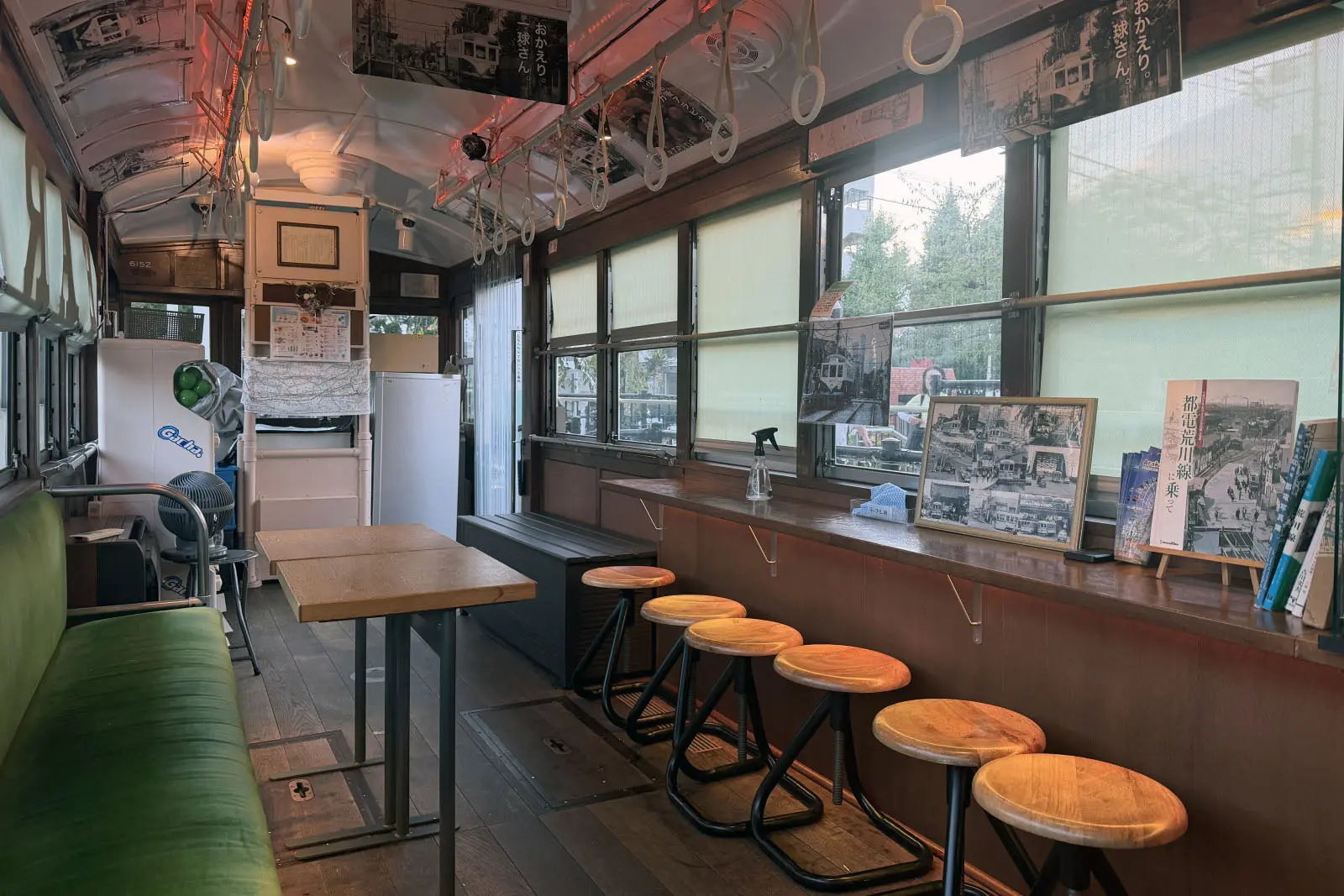
This cafe occupies a 6000 series streetcar that was in actual service for more than 50 years. Because it has a single headlight, it was nicknamed Ikkyu-san, a play on the numbers 1-9-3. In addition to soft drinks, it serves craft beer, shaved ice, popcorn, and other snacks, making it a convenient stop when you are feeling slightly hungry.
5. Arakawa Yuen Fureai House
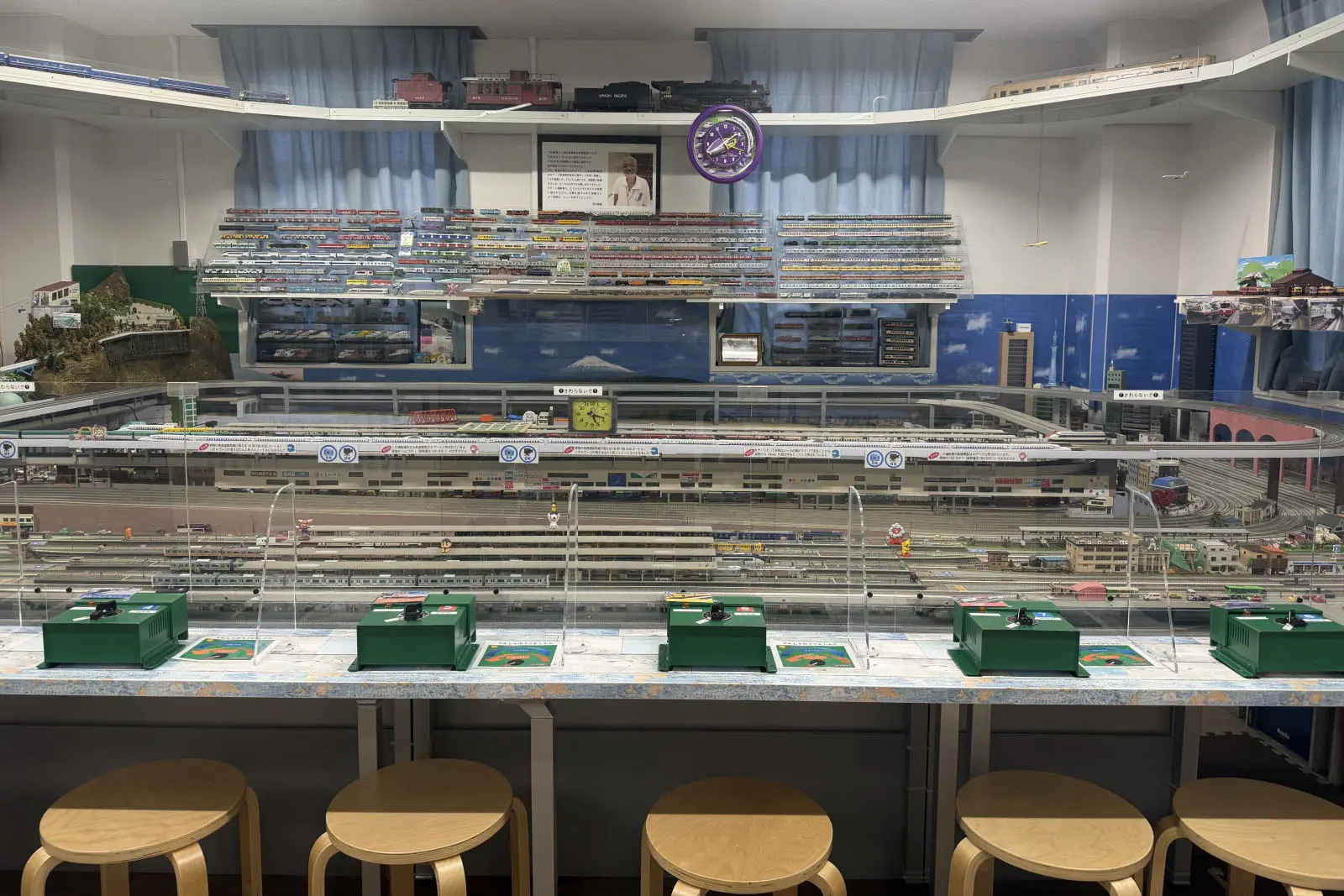
This exhibition area contains a diorama modeled after neighborhoods served by the Toden Arakawa Line, along with a variety of reference materials. It can be enjoyed by both adults and children.
- Name in Japanese
- あらかわ遊園
- Postal Code
- 116-0011
- Address
-
6-35-11 Nishiogu, Arakawa-ku, Tokyo
Google Maps - Telephone
- 03-3893-6003
- Closed
- Tuesdays(If it is a national holiday, the next day is closed), December 29 to January 1 * It is closed during students’ long holidays.
- Hours
- 9:00am - 5:00pm (Open until 8pm on nighttime open days)
- Admission
-
A entrance fee
Adults: 800 yen, 65 years and older and junior high schooler: 400 yen, Elementary schooler: 200 yen, Preschooler: free
Pass ticket
Adults: 1,800 yen, 65 years and older: 1,400 yen, Junior high schooler:1,000 yen, Elementary schooler: 700 yen, 3 years and older: 500 yen - Directions
- A 3-minute walk from Arakawa yuenchimae Station on the Toden Arakawa Line.
- Credit Cards
- Not accepted (Available for using in shops in the park).
- Official Website
- Official Website (Japanese)
Frequently Asked Questions About Sightseeing on the Toden Arakawa Line
Q
What are the best seasons to visit?
Spring through early summer and fall are recommended, when flowers bloom brightly along the line. Temperatures during these seasons are generally comfortable for walking, ranging from around 59°F to 77°F. Roses usually bloom in May and around mid-October.
Q
Which section should I ride if I only have half a day?
If you need to narrow it down, travel from Arakawa-yuenchimae to Sugamo. If possible, however, riding from Minowabashi, the eastern terminal, to Sugamo is recommended because the area around Minowabashi has an especially strong traditional Tokyo atmosphere.
Q
Are certain days better for sightseeing?
Fridays through Sundays and national holidays are recommended for visiting the attractions and shops introduced here. Toden Memorial Square is open only on Saturdays, Sundays, and national holidays. Weekends and holidays can be crowded, so Friday is recommended if you prefer a more relaxed experience.
Q
How can I ride without using a one-day pass?
You can pay with cash or an IC card such as PASMO or Suica. When paying in cash, place exactly ¥170 in the fare box, as change is not provided. Individual tickets are not sold.
Summary
The Toden Arakawa Line is a single-car streetcar operating within a limited area, but it is more than a simple means of transportation. It offers a memorable experience that reflects the warmth and character of the local communities. The best way to explore is to hop off whenever something catches your interest, but even if you are short on time, consider getting off somewhere and walking the distance of one stop.
You can also create your own themed journey along the line, focusing on temple and shrine visits, Tokyo's topography, seasonal flowers, or long-established confectionery shops. The Toden Arakawa Line is an affordable and enjoyable way to experience the warmth of Tokyo's traditional neighborhoods.

Author
Photographer & Writer
Hiroaki Oyamada
A photographer and writer who loves nature and is passionate about sharing the emotions and inspiration found through travel.