
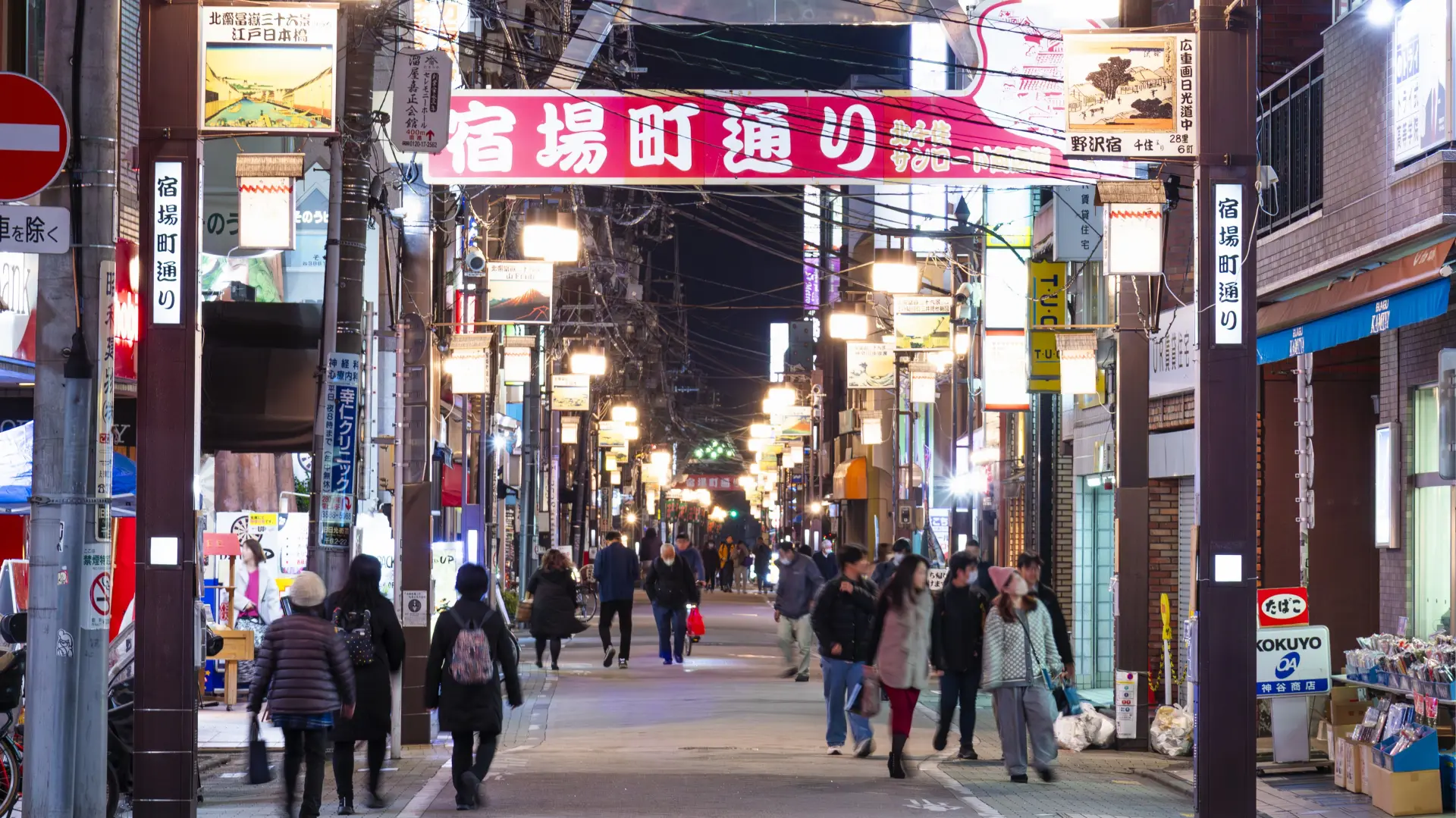
Approx. 10 Minutes from Ueno Station! 7 Popular Things to Do in Kitasenju, Full of Old Tokyo Charm
Kitasenju is a good old downtown area that flourished as a post town during the Edo period (1603–1868).
It charms visitors with its lively, distinctive atmosphere, where traces of old-town character remain alongside modern streetscapes.
There is plenty to see, including shopping streets, cafes, sento bathhouses, and shrines and temples.
This article introduces an overview of Kitasenju, its popular spots, and recommended places to eat.
It is put together so even first-time visitors can enjoy the area, so use it as a guide while exploring.
What is Kitasenju Like?
Senju, the area around Kitasenju Station in Adachi City, Tokyo, is a neighborhood where the atmosphere of traditional downtown Tokyo still remains strong.
It still preserves traces here and there of its history as Senju-juku, a post town on the old Nikko Kaido and Oshu Kaido routes during the Edo period.
The town has a calm atmosphere, with alleyways that evoke old-fashioned charm, making it enjoyable even just to walk around.
There are also many Showa-retro spots, and stopping by casual diners, long-established coffee shops, or sento bathhouses lets you relax away from the bustle of the city.
At the same time, renovations have been progressing in recent years, and the unique spaces created by the blend of old and new culture are also part of the appeal.
With rich nature and traditional events, as well as cafes and art galleries that appeal to adult sensibilities, it is a place where you can enjoy a wide variety of attractions all in one area.
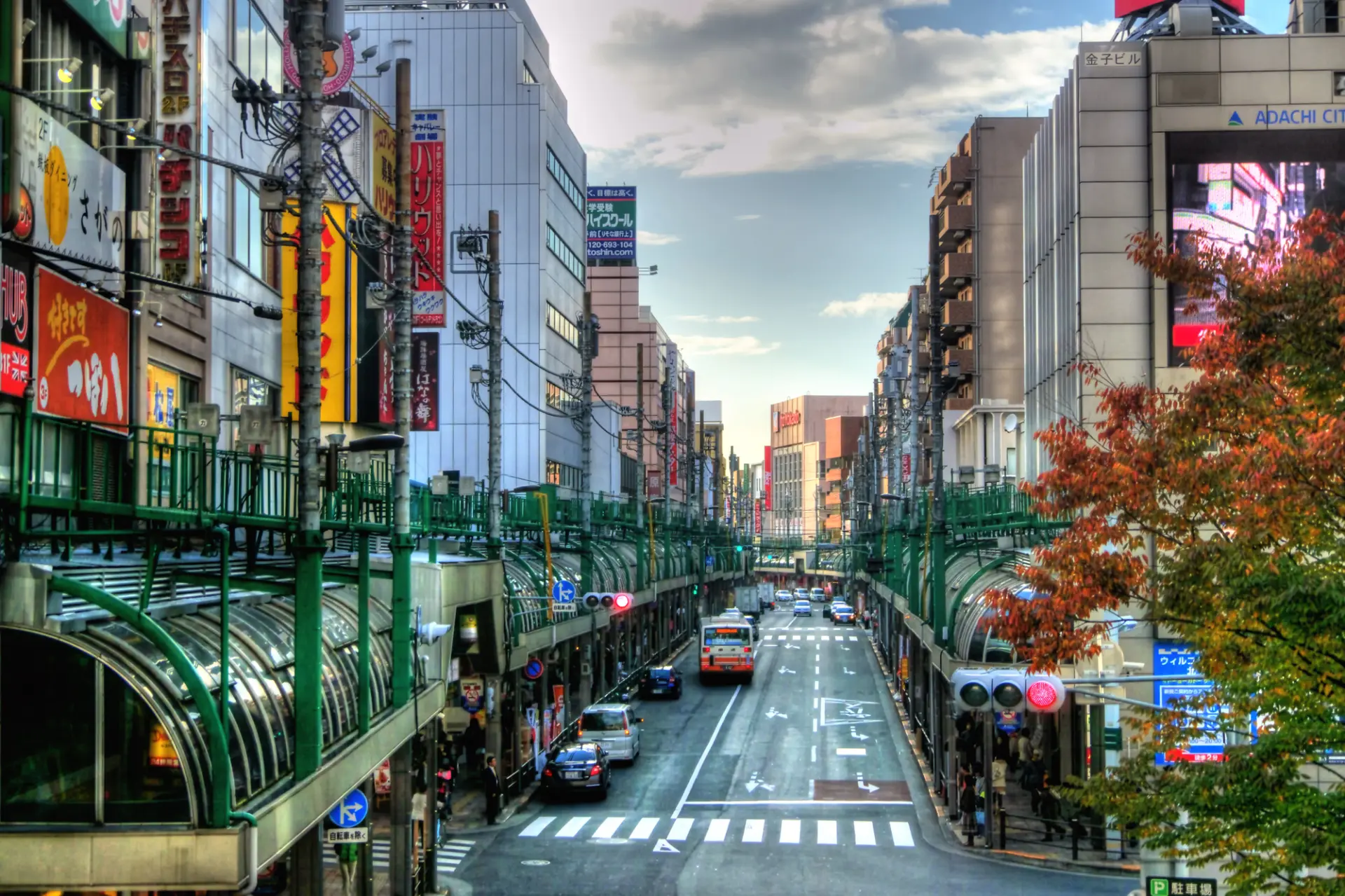
What is the best season to visit Kitasenju?
The best seasons to visit Kitasenju are spring and fall, when the weather is stable and comfortable.
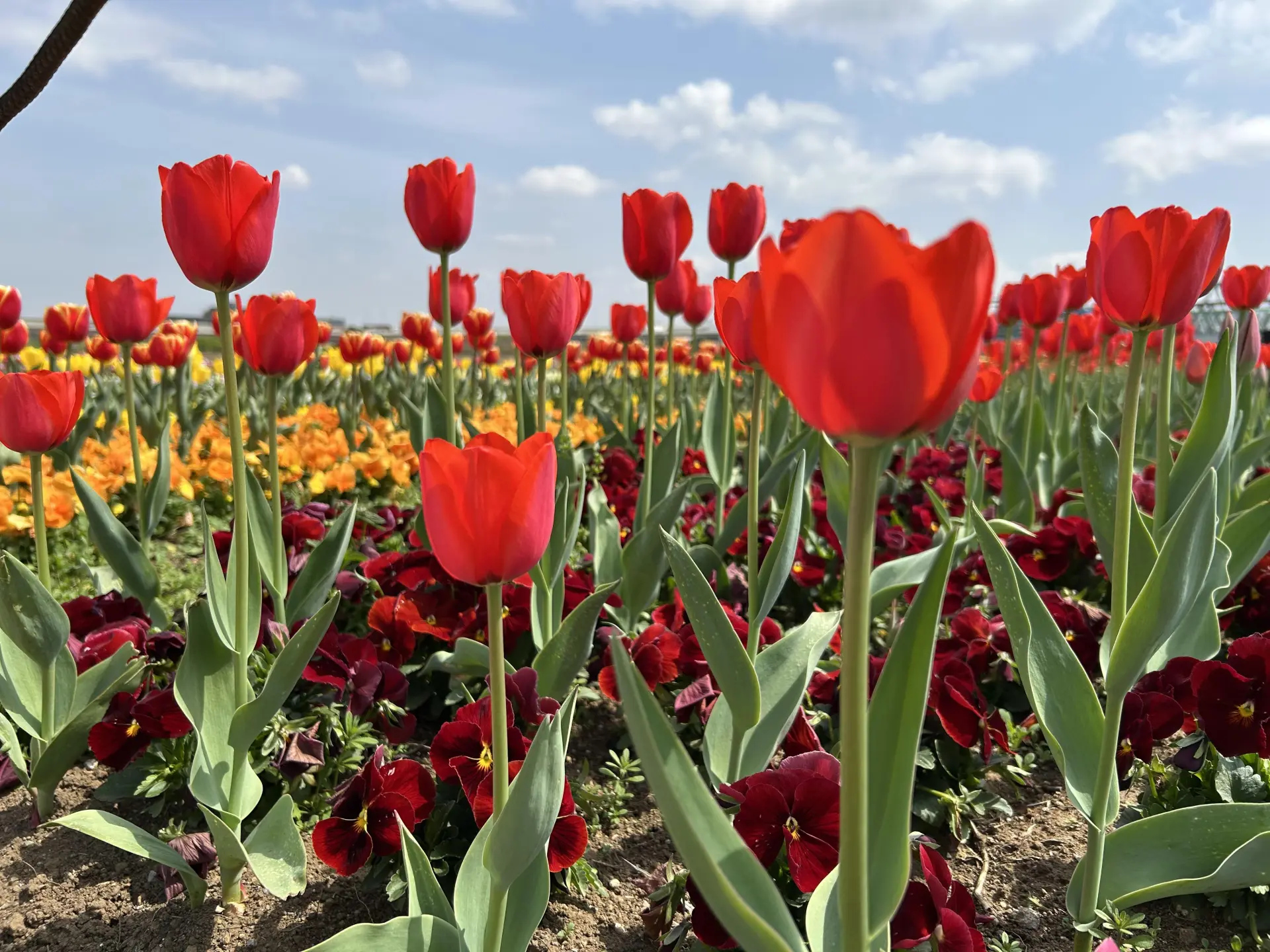
In spring, it feels wonderful to stroll through shopping streets and alleyway cafes while soaking up the old downtown atmosphere, and you can also enjoy flowers such as cherry blossoms and tulips along the river.
In fall, the autumn leaves and the soft light at sunset make the downtown scenery feel even more atmospheric.
Since many autumn foods are also in season, it is a great time for anyone who wants to enjoy eating their way around the area.
What to Wear in Kitasenju by Season
- Spring (March–May): Light jacket and thin sweater
- Summer (June–August): Light clothing, short sleeves
- Fall (September–November): Light jacket, coat
- Winter (December–February): Coat, thick sweater or jacket
How do you get to Kitasenju?
Kitasenju Station functions as a major transportation hub in northern central Tokyo.
Five lines serve the station: the JR Joban Line, Tokyo Metro Hibiya Line and Chiyoda Line, Tsukuba Express, and Tobu Skytree Line.
The station has a three-story above-ground structure, with ticket gates for each line arranged efficiently.
There are several exits, including the East Exit, West Exit, and Nakamachi Exit, so it is recommended to check in advance which line you will use and which exit is closest to your destination.
Please refer to the table below for transportation options and travel times to Kitasenju Station from major stations in Tokyo.
- From JR Tokyo Station
-
Take the JR Ueno-Tokyo Line (rapid service) and get off at Kitasenju Station.
Travel time: Approx. 18 minutes. - From JR Shinjuku Station
-
Take the JR Yamanote Line (outer loop) to Nippori Station, then transfer to the JR Joban Line and get off at Kitasenju Station.
Travel time: Approx. 35 minutes. - From JR Ueno Station
-
Take the JR Joban Line rapid service bound for Toride and get off at Kitasenju Station.
Travel time: Approx. 11 minutes. - From JR Shinagawa Station
-
Take the JR Ueno-Tokyo Line and get off at Kitasenju Station.
Travel time: Approx. 27 minutes. - From JR Shibuya Station
-
Walk to the Tokyo Metro Ginza Line (Approx. 2–3 minutes), take the Tokyo Metro Ginza Line bound for Asakusa, transfer at Omotesando Station to the Tokyo Metro Chiyoda Line, and get off at Kitasenju Station.
Travel time: Approx. 40 minutes.
Main ways to get around for sightseeing in Kitasenju
Walking is the main way to get around the sightseeing spots in Kitasenju.
The main attractions are scattered within a relatively short distance around Kitasenju Station and the Arakawa riverbank, and even the farthest ones are reachable in about 15 minutes on foot.
Exploring on foot also makes it easier to feel the old downtown atmosphere that is unique to Kitasenju.
If your destination is farther away, or in extreme heat or rainy weather, taking a Toei bus or taxi is a good option.
7 Popular Tourist Spots That Capture the Charm of Kitasenju
Here are some recommended must-visit spots for sightseeing in Kitasenju.
These popular places share the historical background of Senju-juku, which flourished as a post town, and still retain the atmosphere unique to Kitasenju.
With traditional architecture and many long-established shops, they offer charms closely tied to the local culture where the bustle of the past still lives on.
You should be able to feel the mood of those times, so be sure to visit as many places as you can.
1. Niji no Hiroba (Arakawa Riverbank)
Niji no Hiroba is a flower-filled relaxing space located on the Arakawa riverbank, about a 15-minute walk from Kitasenju Station.
It features eight flower beds arranged across a grassy area, offering a variety of seasonal scenery throughout the year.
Spring is especially beautiful, with around 14,000 tulips and pansies coloring the area, and the colorful view looking down from the embankment has become a seasonal tradition.
In summer, cannas come into bloom and the area becomes lively as a viewing spot for fireworks festivals, while in fall it serves as a venue for the city residents' festival, showing its strong connection to the local community.
There are also spots nearby where you can watch the flow of the Arakawa River and passing trains, making it a pleasant place to spend time slowly.
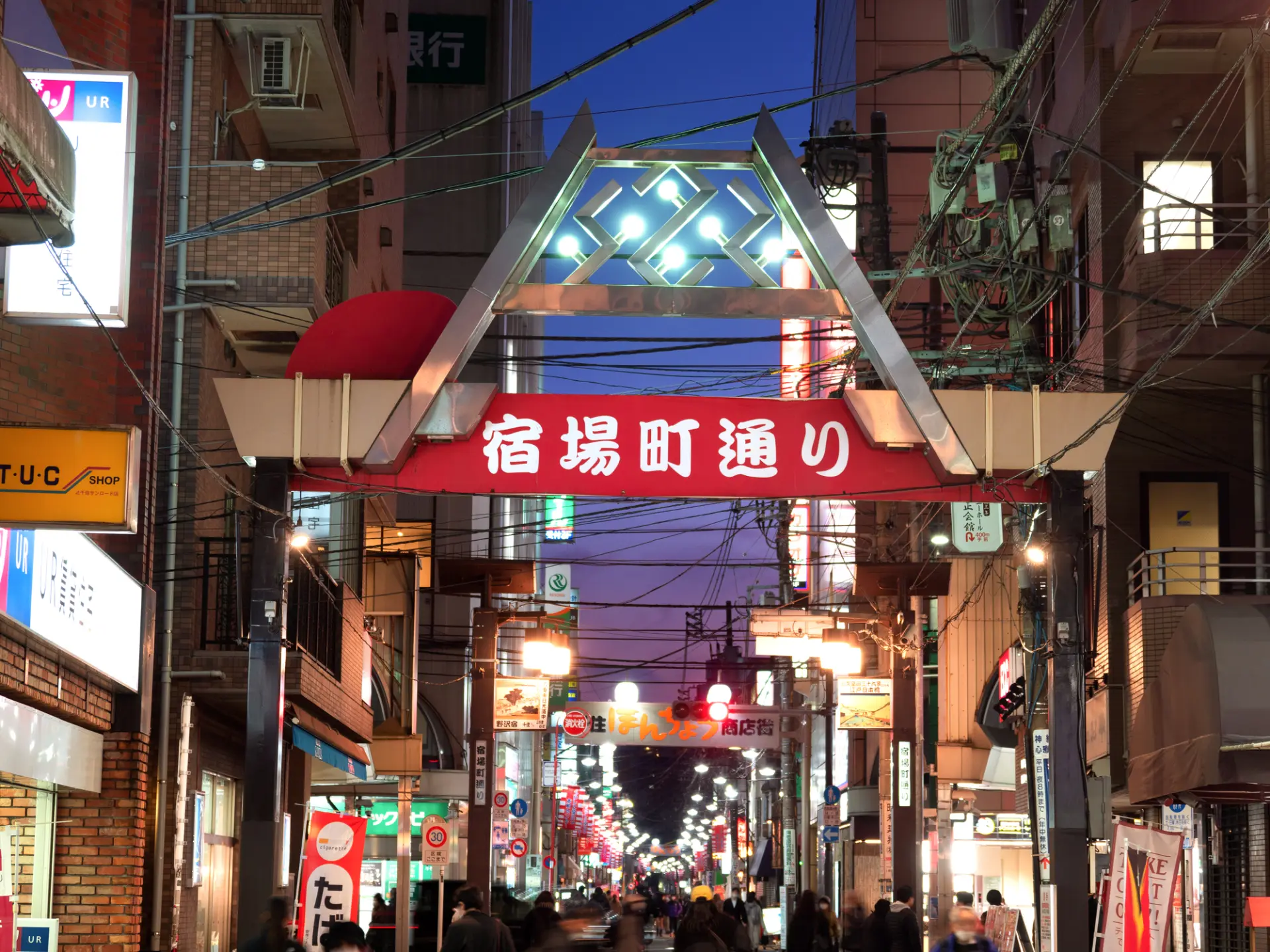
2. Shukubamachi-dori Shopping Street
Shukubamachi-dori Shopping Street, rich in old downtown charm, is one of Kitasenju’s most popular shopping streets and has supported local life for over 75 years.
Traditional Japanese sweets shops, greengrocers, and independent stores line the street, while stone-paved roads and Showa-retro signs appear one after another, so simply walking through it lets you feel the breath of history.
There are many unpretentious shops that both tourists and locals can easily stop by, and the restaurants that grow lively after evening are full of Kitasenju’s signature energy.
At the same time, the area is also working to revitalize the whole district through digital initiatives, making the mix of old charm and modern trends especially interesting.
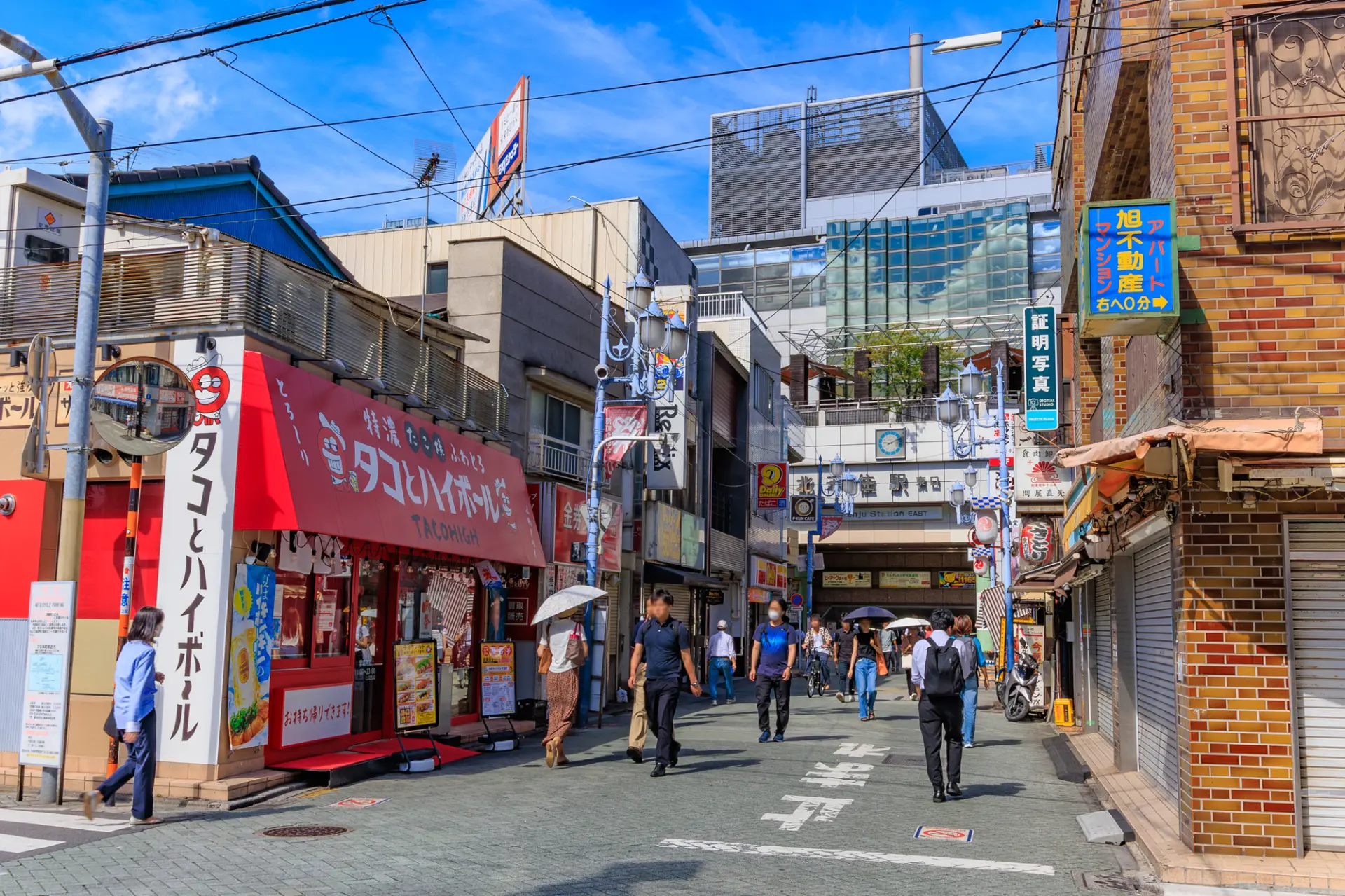
3. Senju Asahicho Shopping Street
Senju Asahicho Shopping Street is a neighborhood shopping street centered on Gakuen-dori, which extends from the East Exit of Kitasenju Station.
It has a history of growing as a shopping street rooted in the daily lives of students and local residents, and even today a wide variety of small independent shops line the street, including clothing stores, barber shops, flower shops, and greengrocers.
Another feature is its long-running sento bathhouse and hidden local favorites, where the warmth of downtown Tokyo comes through in the customer service and everyday interactions.
Regularly held events and festivities, including the Asahicho Bonbon Marche night market, are also among its highlights.
4. Yanagihara Chigusaen
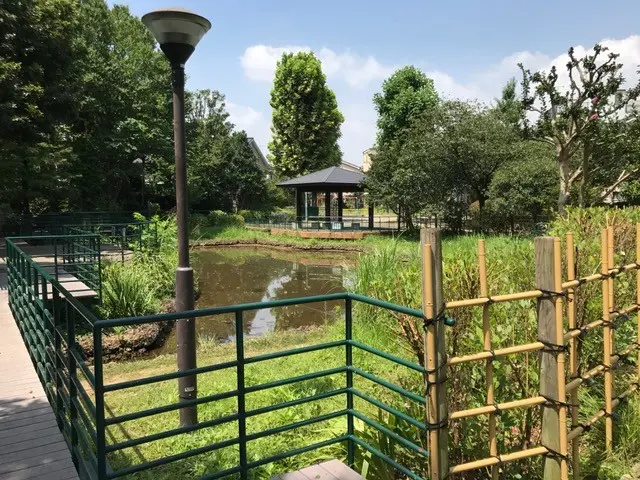
Yanagihara Chigusaen is a small municipal park in Yanagihara, Adachi City.
The park is divided into three areas, the Spring Plaza, Summer Garden, and Autumn/Winter Hill, and its appeal lies in the seasonal plantings you can enjoy throughout the year.
In early spring, wintersweet and cherry blossoms bloom, from spring to early summer there are tulips, rhododendrons, and hydrangeas, and in fall the maples turn brilliant shades of yellow and red.
The pond at the center and the winding paths add variety to the layout, making it a place you can keep enjoying as you stroll.
It also has a playground area for children, with a slide, swings, and a sandbox, making it popular with families as well.
5. Senju Shrine
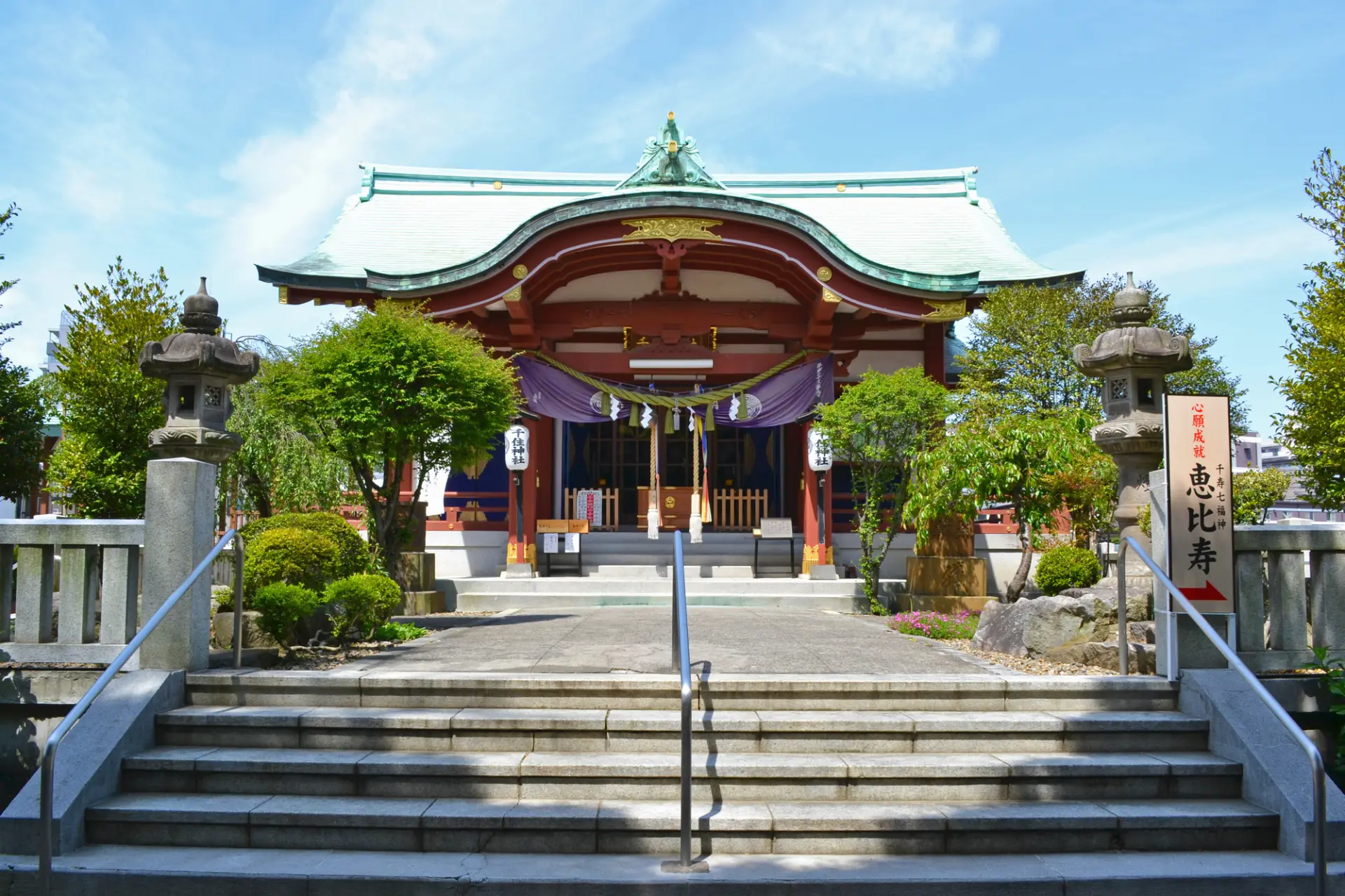
Senju Shrine is an old shrine located in Senju Miyamotocho, Kitasenju.
It was founded in 926 by enshrining a divided spirit from Fushimi Inari to pray for the protection of the land and abundant harvests, originally under the name Senzaki Inari Shrine, and it has a long history, having been known as Futatsumori until the Edo period.
The main deities are Susanoo-no-Mikoto and Uka-no-Mitama-no-Mikoto, and the shrine is said to bring blessings such as protection from illness, good matches, and academic success.
The shrine building has a calm appearance, with a torii gate and stone lanterns lining the approach, and the grounds are full of things to see, including guardian lion-dogs, sacred trees known as the Meoto Ginkgo, and a miniature Mount Fuji mound.
Among them, the extremely rare rotating statue of Ebisu is a must-see.
6. Senju Motohikawa Shrine
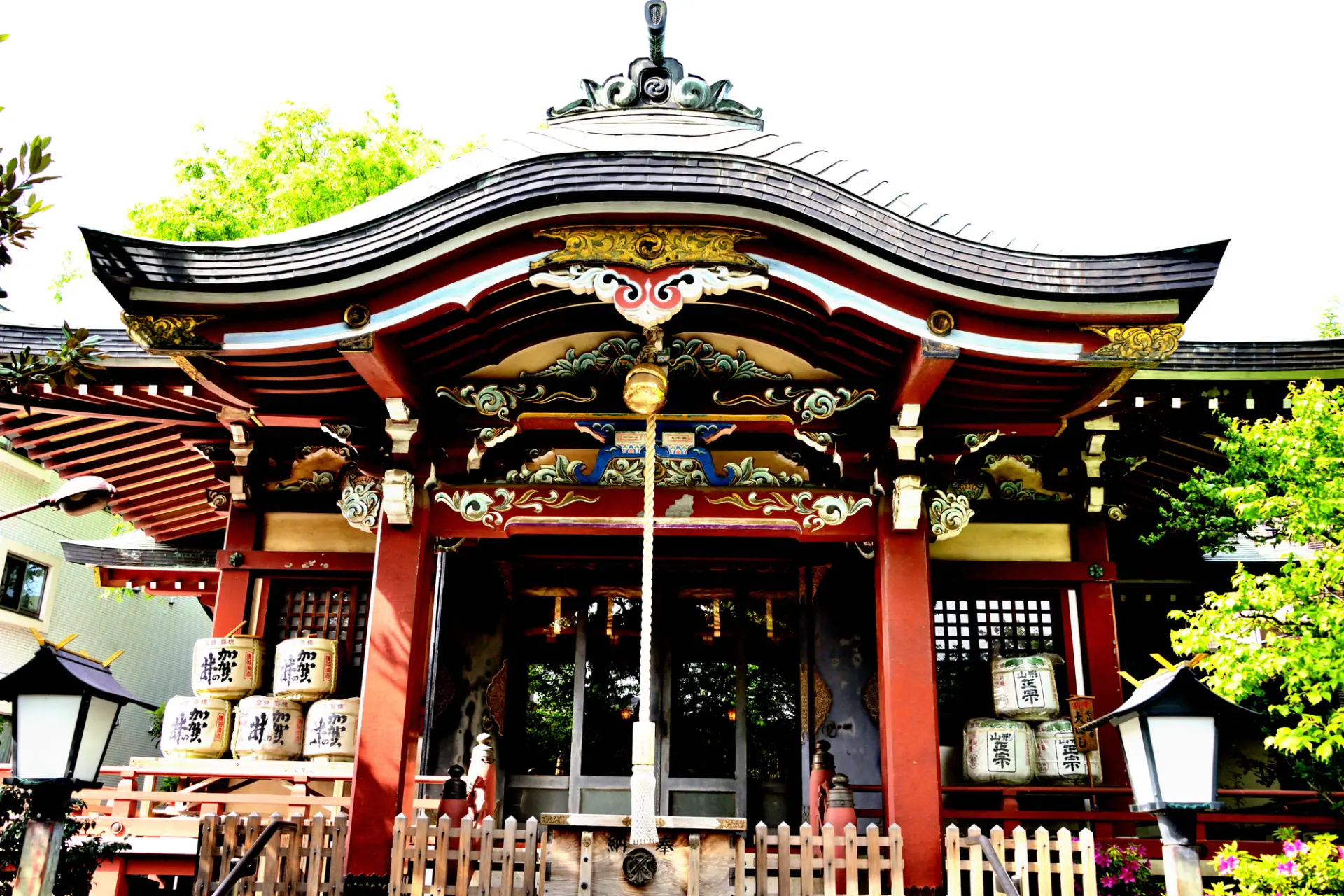
Senju Motohikawa Shrine is a historic shrine founded in 1307 in Ushida, now Senju Akebonocho.
Its main deity is Susanoo-no-Mikoto, and it is said to bring blessings such as protection from illness, warding off bad luck, good matches, and improved luck in competition.
The shrine building was rebuilt in 1970 as a reinforced concrete structure with a copper roof, and the grounds have many highlights, including Mitsumine Shrine and a stone monument connected to Matsuo Basho.
The former shrine building, said to have been built by a carpenter involved in the construction of Nikko Toshogu Shrine, features an eye-catching double-gabled structure with finely detailed carvings and is registered as a Tangible Cultural Property of Adachi City.
7. Takara-yu
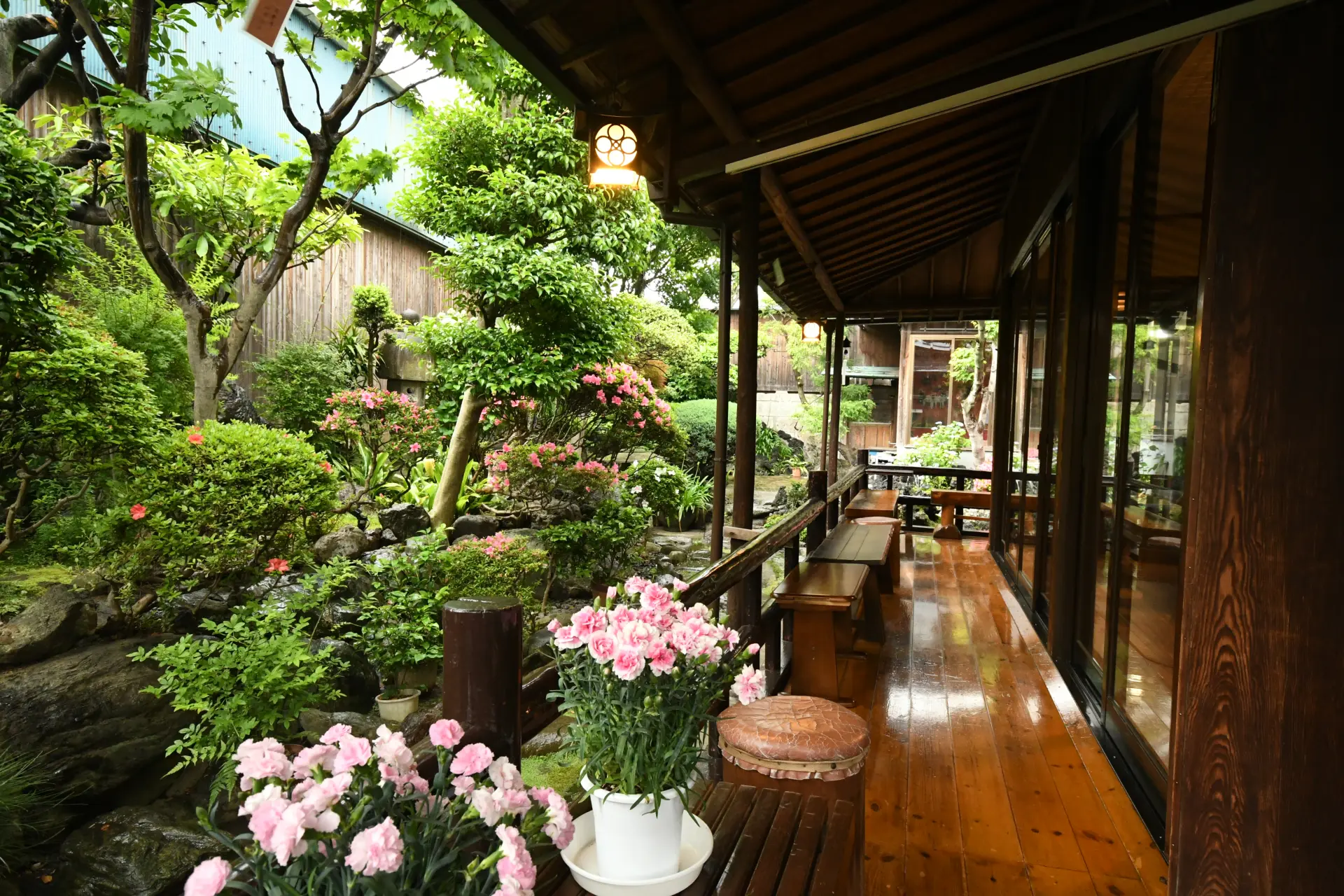
Takara-yu, a long-established sento bathhouse founded in 1927, is known for its impressive Japanese garden, often called the “King of Gardens.”
A pond with colorful koi and seasonal flowers fills the garden with beauty, creating a space that feels like an oasis in the city.
The baths use high-quality well water pumped from 180 meters underground, which is another reason visitors can enjoy its variety of tubs.
There is also a resting area where you can relax while looking out over the garden, making it a pleasant place to spend time after your bath.
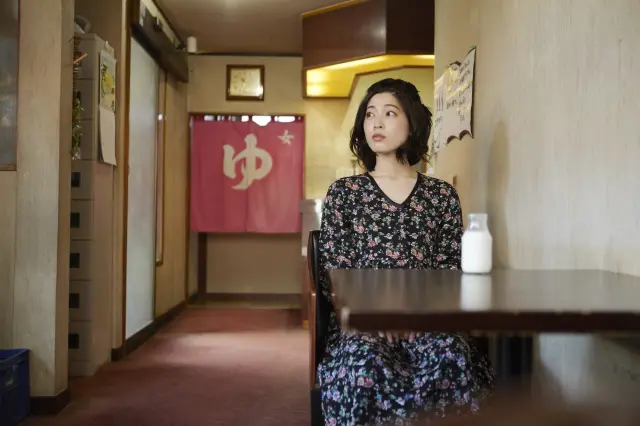
From its grand miyazukuri-style exterior, reminiscent of a shrine or temple, to the entrance objects, coffered ceilings inside, and the hell-themed mural in the bath area, you can feel Showa-era sento culture throughout.
5 Popular Restaurants in Kitasenju Loved by Locals Too
Here are five popular places to eat in Kitasenju.
Each one has its own distinct specialty while offering attentive service.
Although they differ in genre, they all pay close attention to the freshness of their ingredients and seasoning, and are loved by a wide range of people, from local residents to tourists.
Visit any place that catches your interest and enjoy not only sightseeing, but also the local food scene.
1. Senju no Nagami
Senju no Nagami is a casual izakaya with a history of Approx. 40 years.
It is conveniently located a 2-minute walk from the West Exit of Kitasenju Station, and the interior has 100 seats, including counter, table, and tatami seating.
All seats are non-smoking, and there is no service charge or table charge, making it easy to drop in casually.
The charm of this place is its handmade downtown flavor.
Preparation is done every morning, and more than 50 home-style dishes are served at reasonable prices.
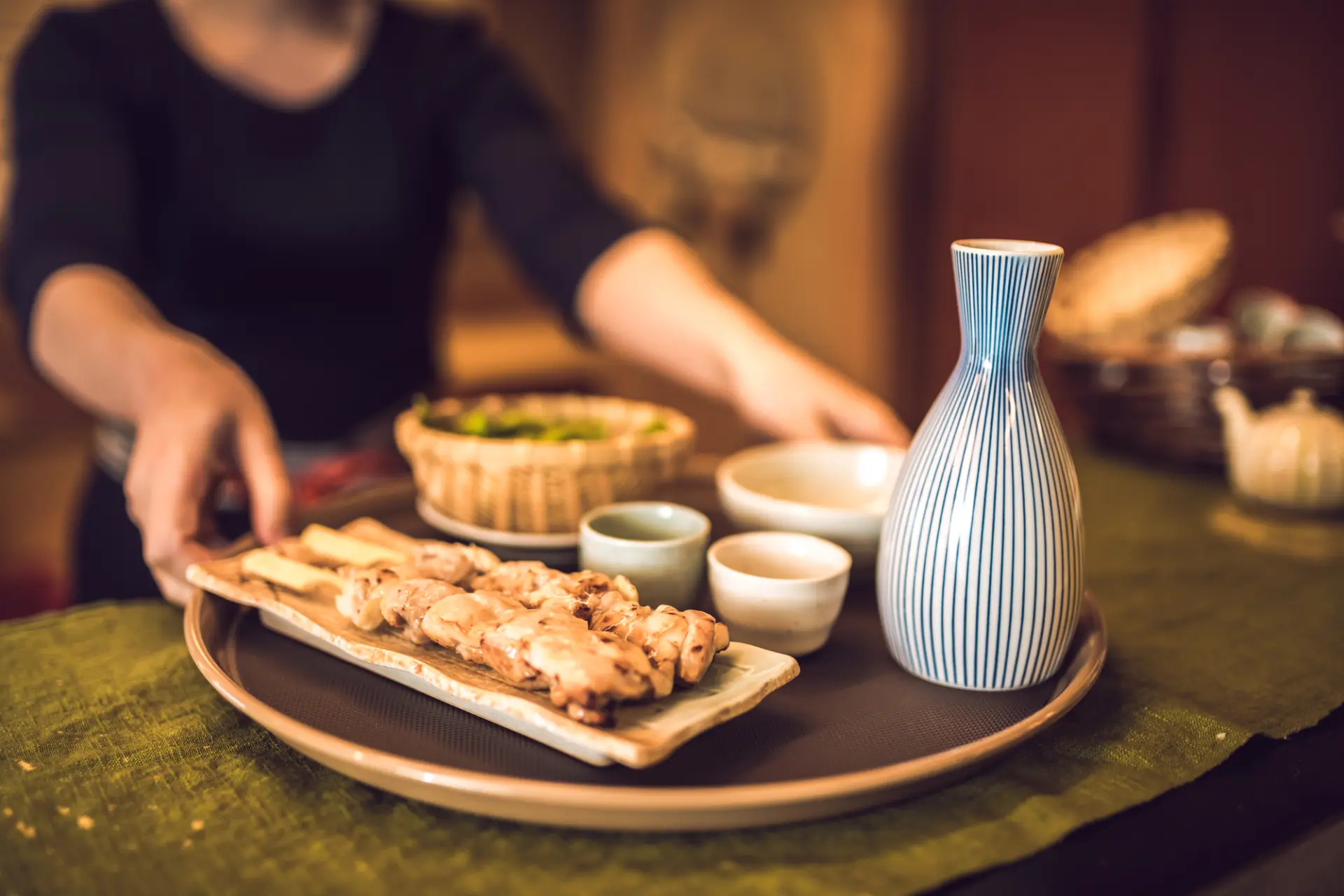
Its specialties, Senju-age fish cakes and the crunchy chicken cartilage tsukune, are especially popular, and the standard way to enjoy them is with the house’s proudly strong chuhai.
2. Wakabado
Tucked away in a back alley near Kitasenju Station, Wakabado is a hideaway cafe created by renovating an 80-year-old traditional house.
The interior is decorated with white walls, old timber, antique goods, and soft indirect lighting, creating a stylish and comfortable space.
During the day, it has a calm atmosphere filled with natural light, while at night it becomes a more mature setting lit by candles and wrapped in the sound of a vacuum-tube amplifier.
The menu changes by time of day, with separate offerings for lunch, cafe time, and dinner, so there are different ways to enjoy it depending on when you visit.
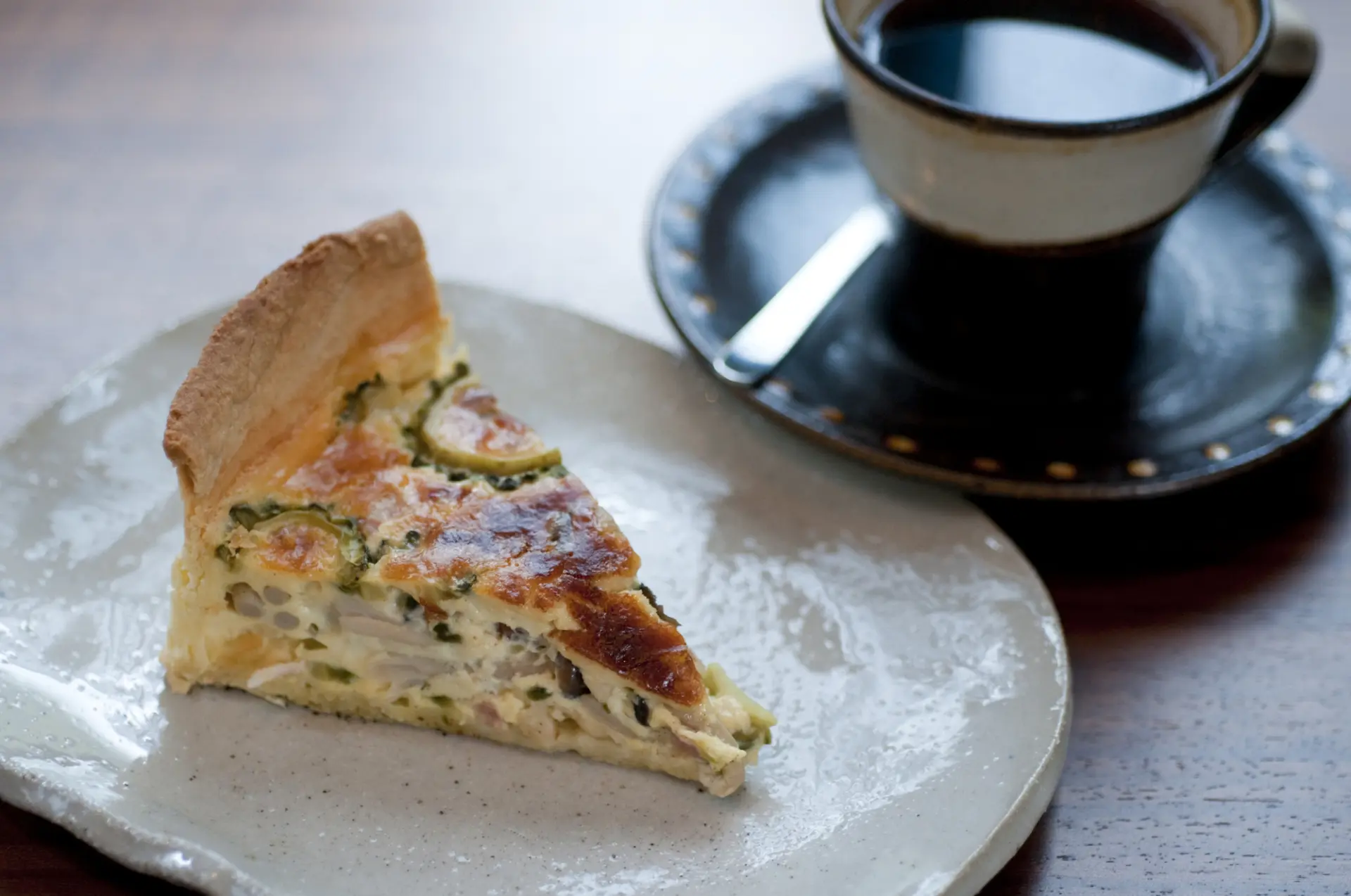
Among them, the hearty quiche plate and limited-time sweets are especially popular.
3. Chaka
Chaka is a pancake specialty shop known for carefully cooking fluffy pancakes one order at a time, using the owner’s original flour blend, Hokkaido milk, and buttermilk.
It takes Approx. 20 minutes from ordering to serving, but you can enjoy their fresh-made softness and melt-in-your-mouth texture.
The pancakes are thick yet airy, and when you cut into them, they gently collapse with a moist texture that shows just how carefully they are made.
The most popular menu item is the Akari Pancake, topped with Hokkaido whipped cream, banana, caramel sauce, and crushed pie pieces.

4. Kadoya
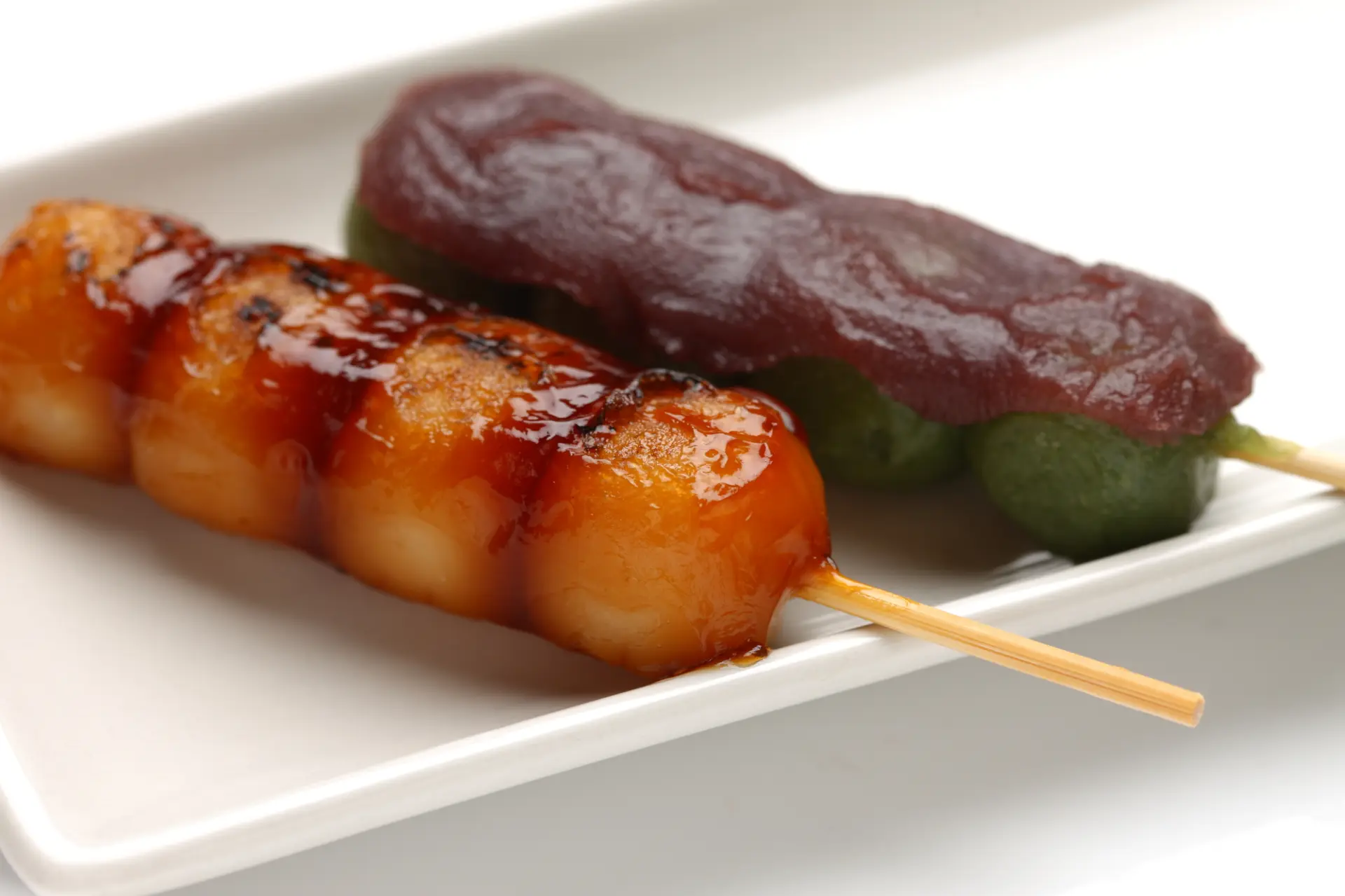
Kadoya, a long-established Japanese sweets shop founded in 1948, is a famous dumpling shop representing Kitasenju.
Its signature item is Yarikake Dango, carefully made using high-quality rice flour and red beans from Hokkaido based on a traditional recipe.
There are two kinds: smooth an-dango with sweet bean paste and grilled dango with a sweet and savory soy glaze, and another distinctive feature is their flat, slightly indented shape designed to let the flavor soak in.
The simple taste, unchanged for generations, is popular not only with locals but also with tourists, and many people come back again.
Business ends once sold out, so it is best to visit early.
- Address
- 5-5-10 Senju, Adachi-ku, Tokyo 120-0034
- Hours
- 9:00am–5:00pm
- Closed on
- Wednesday
5. Kokonotsu
Kokonotsu is a set-meal restaurant built around the concept of the “ultimate staff meal.”
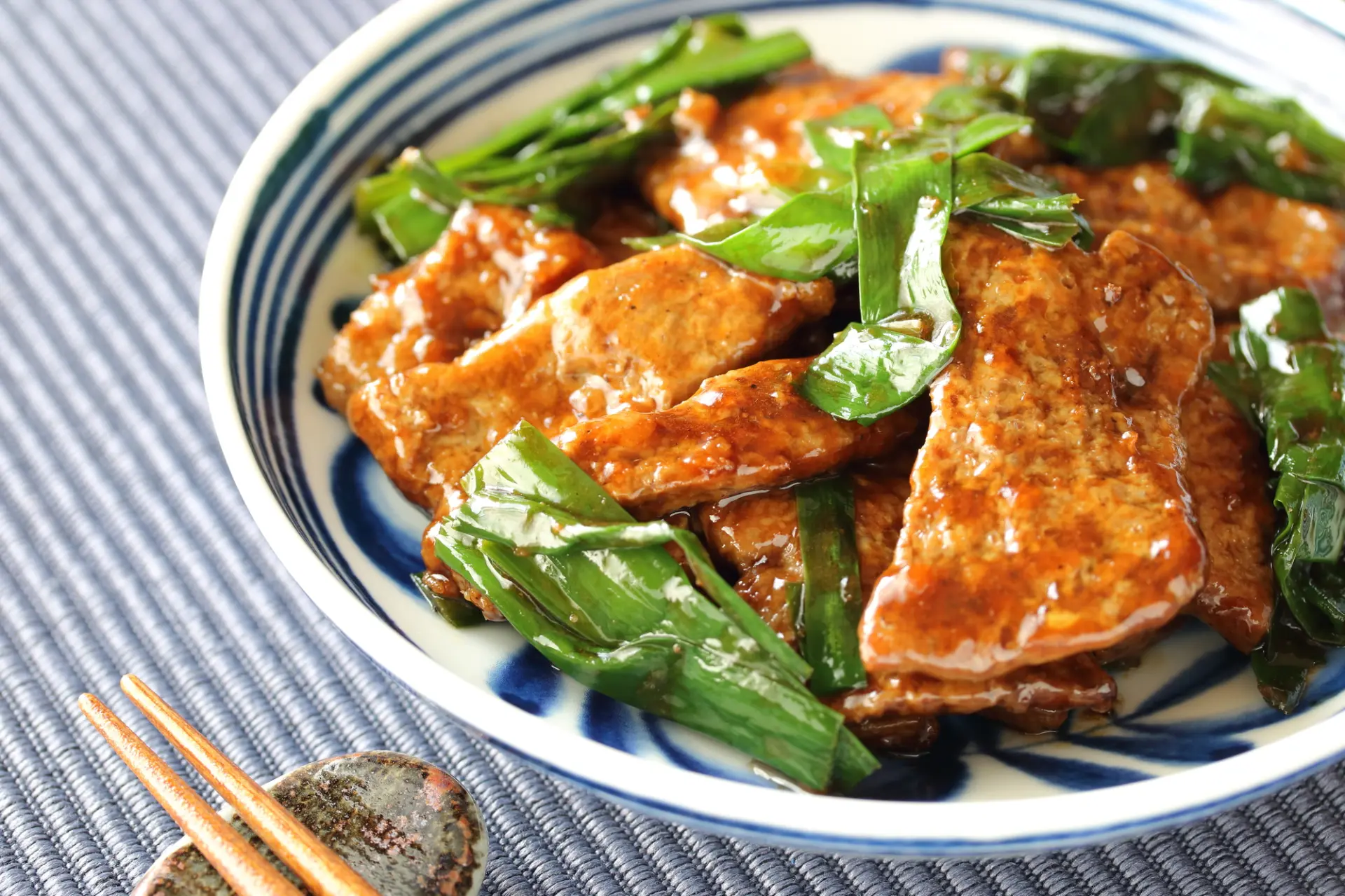
Its biggest signature dish and main appeal is the Ultimate Stir-Fried Liver and Garlic Chives, made with fresh chicken liver.
Its uniquely melt-in-your-mouth texture is different from beef or pork liver, and it is surprisingly free of any strong odor, making it easy to eat even for people who do not usually like liver.
The set meal also comes with small side dishes such as salad, pickles, and miso soup, making it a satisfying meal overall.
The Liver and Garlic Chives with Half Fried Chicken Set is also popular, and it is also recommended to enjoy it with a wide selection of alcoholic drinks, including beer and premium shochu.
Enjoy Shopping Between Sightseeing Stops! 3 Classic Shopping Spots in Kitasenju
From here, let’s take a look at some classic shopping spots in Kitasenju.
From shopping malls used daily by local residents to commercial facilities with a wide variety of items, every spot here is full of appeal.
All of them are within walking distance of the station, making them perfect for stopping by between sightseeing plans or before heading home.
1. Kitasenju Marui
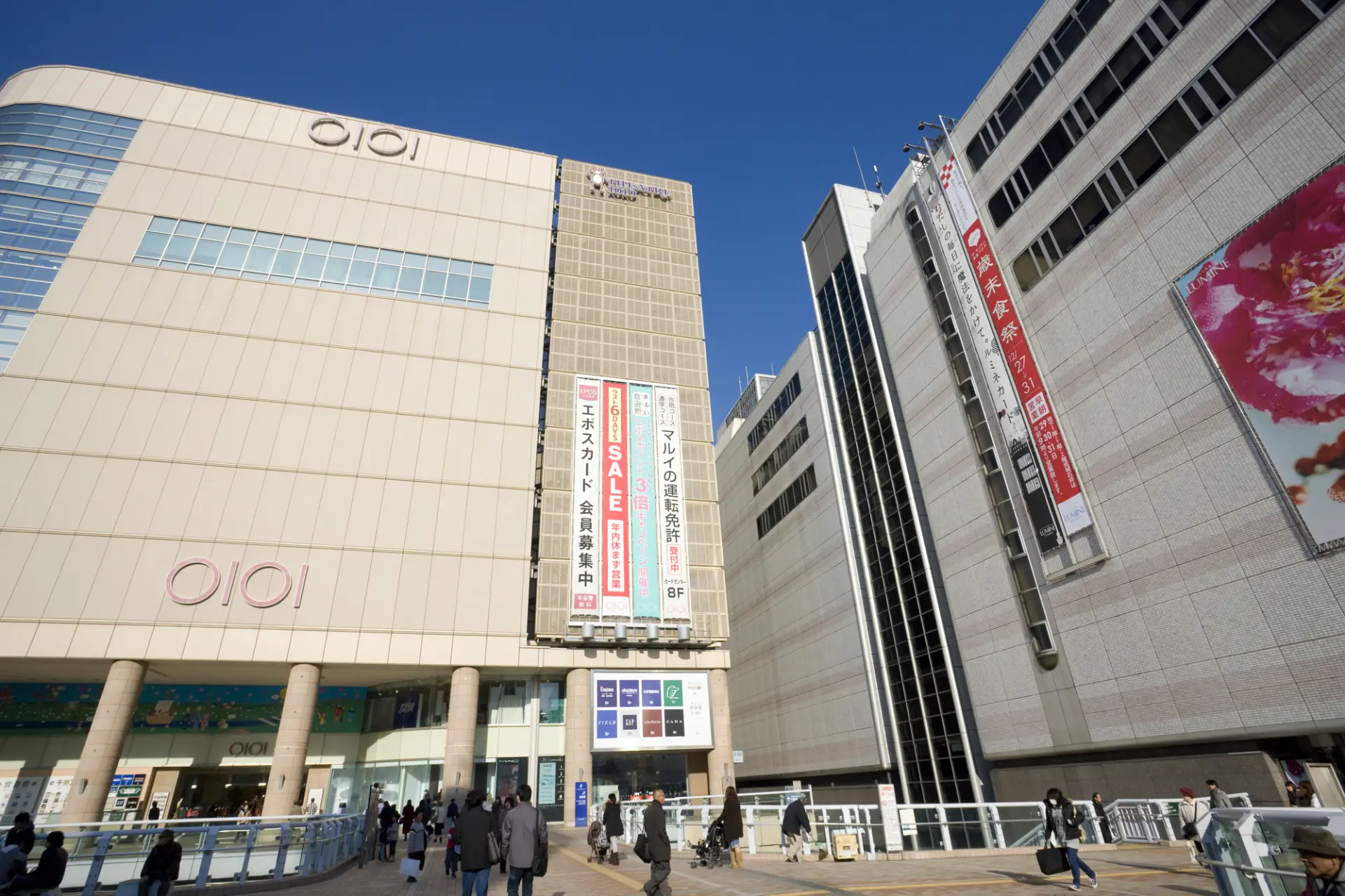
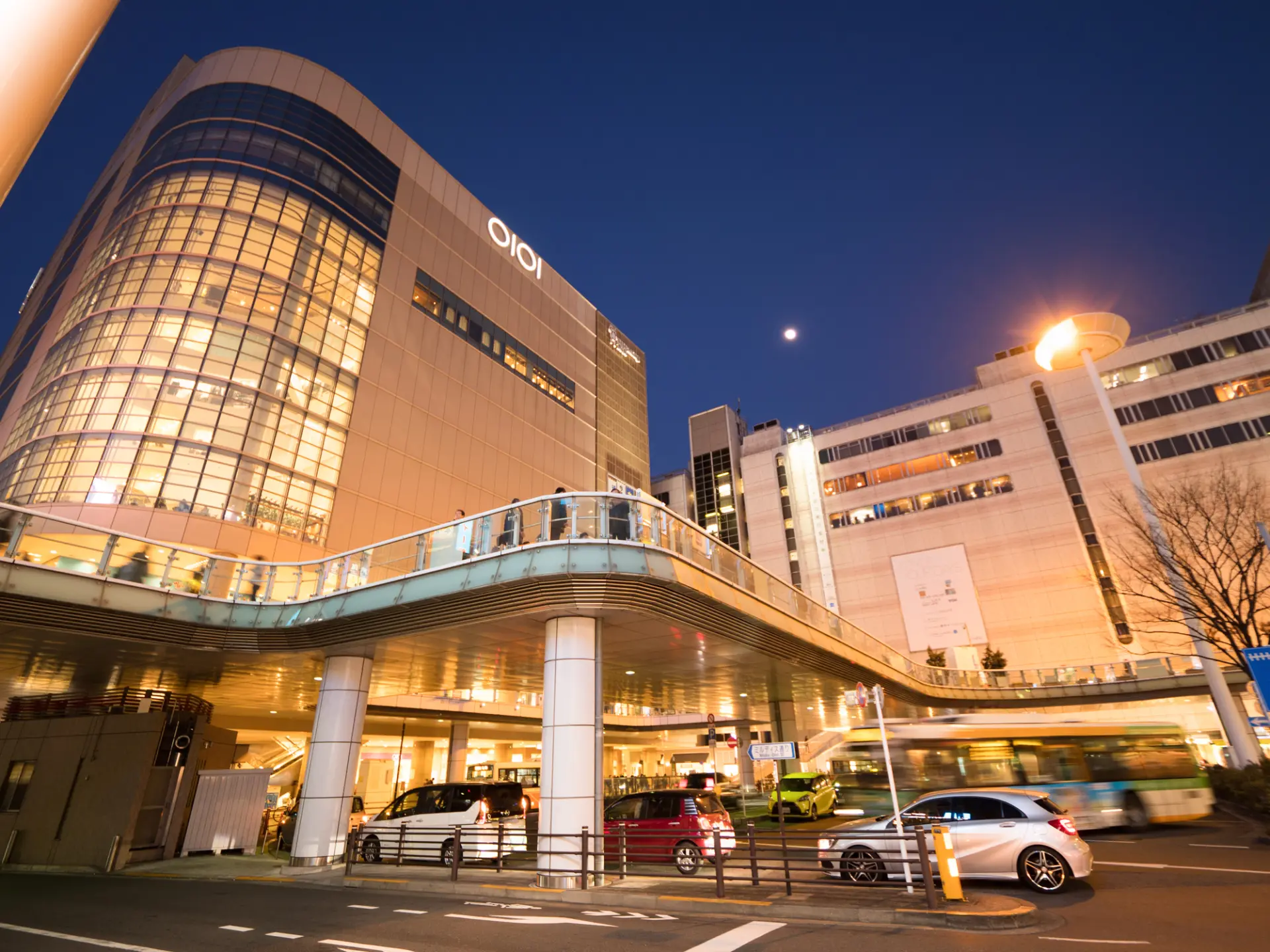
Kitasenju Marui is a large shopping complex located about a 3-minute walk from the West Exit of Kitasenju Station.
The shopping floors run from the basement first floor to the eighth floor above ground, with a wide range of stores for men’s, women’s, and kids’ fashion, household goods, and cosmetics.
The ninth-floor restaurant area has 15 restaurants where you can enjoy many types of food, including Japanese, Western, and Chinese cuisine.
In addition, the Marui Shokuyukan food area on the basement first floor and first floor offers groceries and prepared foods, as well as long-established and trendy sweets shops, making it convenient for finding souvenirs too.
2. Ponte Porta Senju
Ponte Porta Senju is a community-based shopping center located about a 15-minute walk from Kitasenju Station in a redeveloped area along the Sumida River.
The facility name combines the Italian words ponte, meaning bridge, and porta, meaning gate, with the local area name Senju.
Inside, you will find stores that meet a wide range of needs, including a supermarket, fast fashion, restaurants, and a large electronics retailer.
It also has community facilities such as a licensed nursery school and a large indoor park, and serves as a place for local residents to connect.

3. Don Quijote Kitasenju West Exit Store
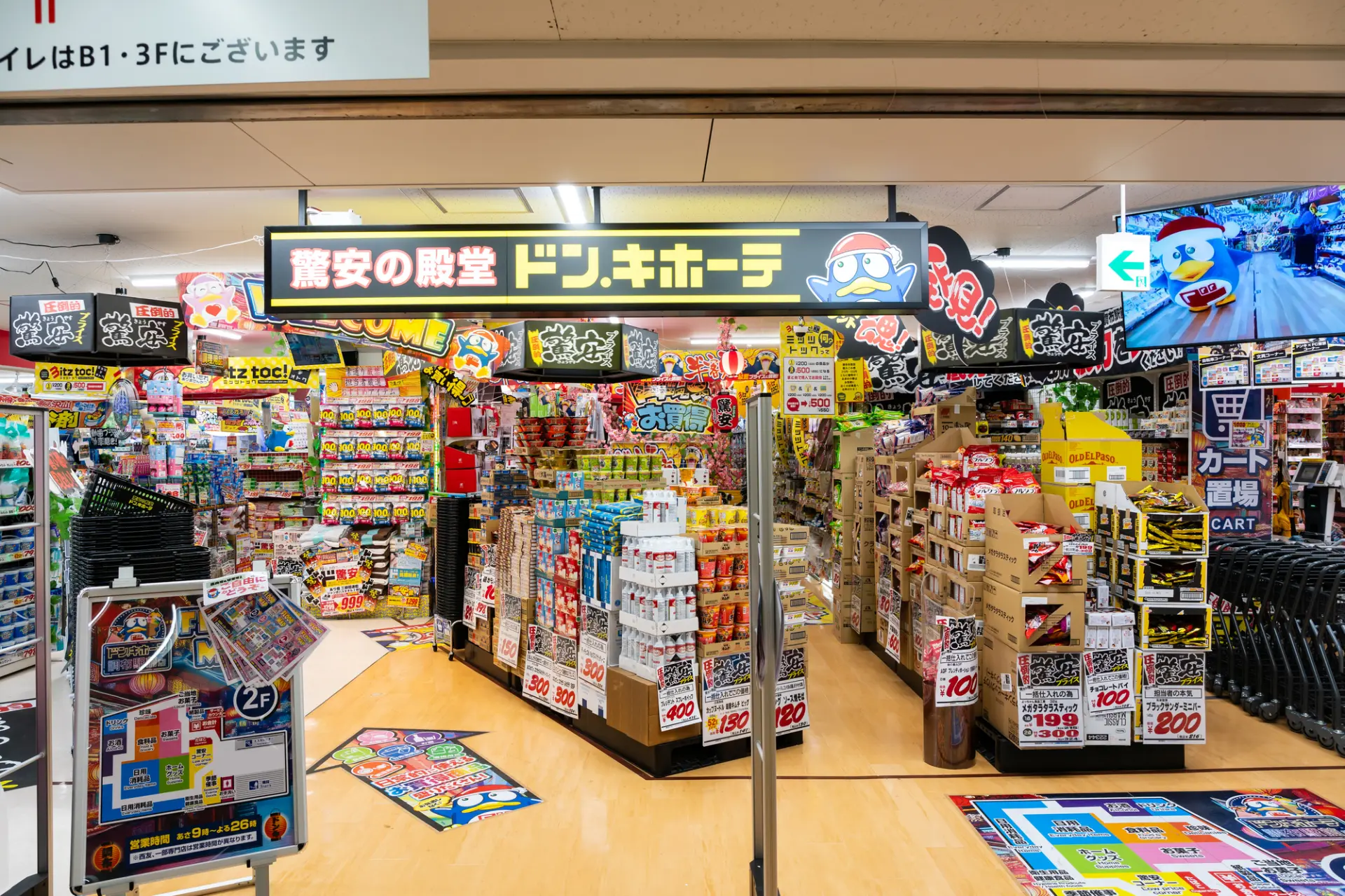
Don Quijote Kitasenju West Exit Store is a popular discount store known for its huge selection and distinctive POP displays.
It is located about a 5-minute walk from the various exits of Kitasenju Station, making it easy to access.
Its flashy red-and-yellow exterior is similar to other branches, but the lanterns and LED lights inspired by Kitasenju’s alleyways and fireworks festivals give it a local touch that evokes the history of the area as a former post town.
The floors from the first to third levels are packed with a wide range of products, including beverages, daily necessities, food, alcohol, cosmetics, color contact lenses, smartphone accessories, and miscellaneous goods.
The densely packed shelves reaching almost to the ceiling are impressive, and just wandering through the maze-like interior is fun in itself.
Places to Stay in Kitasenju, Also Convenient as a Base for Tokyo Sightseeing
Finally, here are some places to stay in Kitasenju.
All of them are just a few minutes on foot from Kitasenju Station and are convenient as a base for sightseeing around Tokyo.
We have picked accommodations with different features so you can choose based on your budget, travel companions, and preferences.
If you would rather not stay in one of Tokyo’s standard tourist areas, one of the hotels below may be worth considering.
Hotel Coco Grand Kitasenju
Hotel Coco Grand Kitasenju is a high-grade business hotel located about a 2–3 minute walk from the West Exit of Kitasenju Station.
All guest rooms are a spacious 16 square meters or more, and room types include Economy, Standard, Deluxe, and Suite, so you can choose according to your needs.
In addition to extensive facilities, equipment, and amenities, free rental services such as aroma diffusers and mobile phone chargers are also popular.
There is also a large public bath, with an open-air bath and dry sauna for men, and a bedrock bath room for women (reservation required/free), making it perfect for soothing away the fatigue of sightseeing.
Urbain Tokyo Ueno Kitasenju
Urbain Tokyo Ueno Kitasenju is a three-star hotel located about a 3-minute walk from Kitasenju Station on the various train lines.
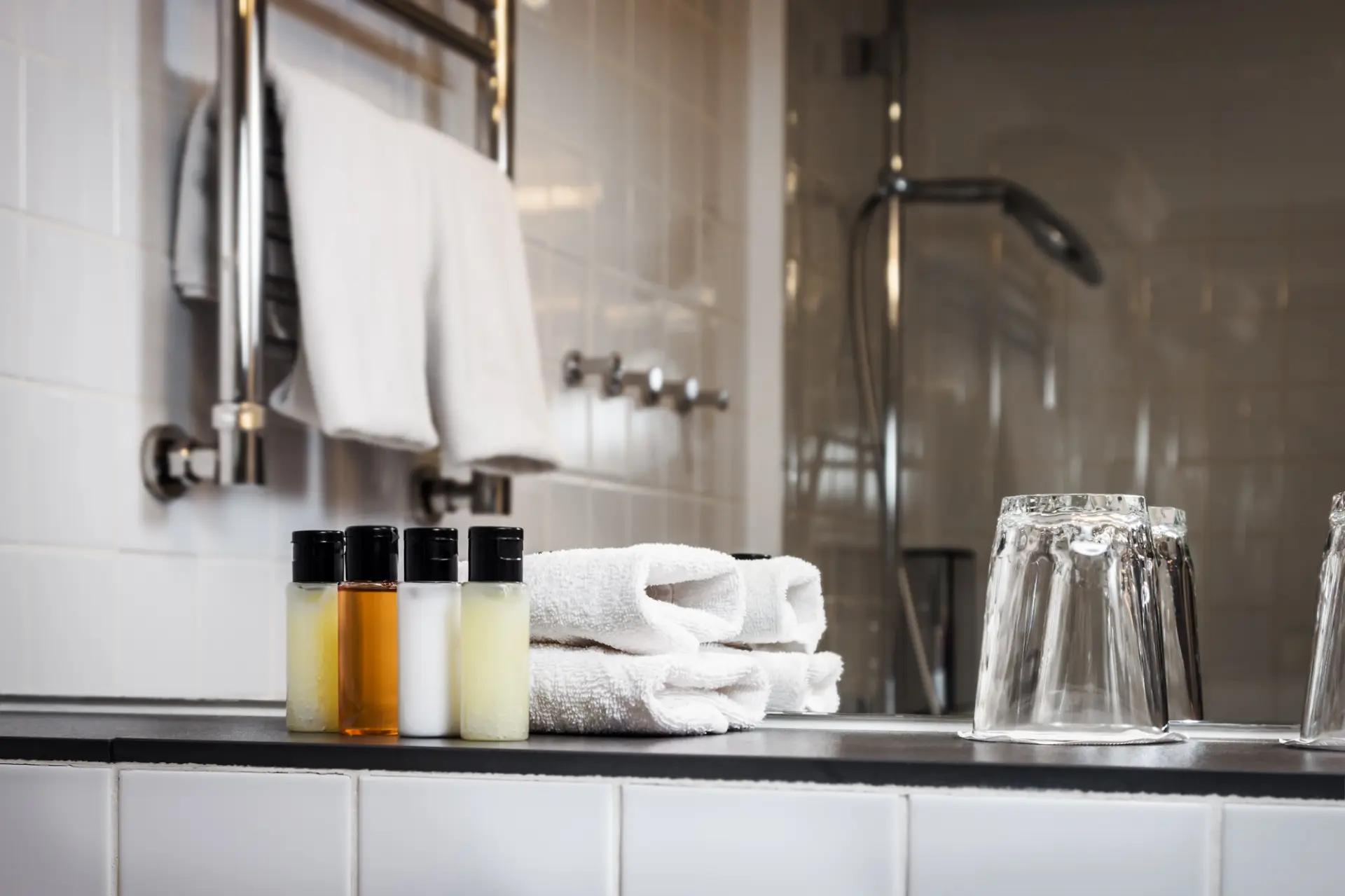
The guest rooms are functional and equipped with free high-speed Wi-Fi, LCD TVs, and amenities.
The hotel also offers free washing machines (detergent available for a fee) and free drinks until 10:00pm, helping support a comfortable stay.
There is also a Tokyo travel guide available, so tourists can stay here with peace of mind.
FAQ about Kitasenju Sightseeing
Q
Where should I go to enjoy Kitasenju in a short amount of time?
You can make the most of a short visit by strolling through Shukubamachi-dori Shopping Street and enjoying the historic bridge scenery and the Sumida River at Senju Ohashi Bridge.
Q
What is Kitasenju famous for?
Kitasenju is known for places such as Shukubamachi-dori Shopping Street, which preserves the atmosphere of the Edo period, Senjuji Temple (Akamon-dera), beloved by locals, and the Showa-retro sento bathhouse Takara-yu.
Summary
Not only are there many places where you can feel a culture rooted in everyday local life, but wandering the backstreets may also lead to small discoveries and new encounters.
Be sure to also check out this article, which gives a wide-ranging overview of Tokyo’s classic sightseeing spots, shopping facilities, and places to stay.