
Absolutely gorgeous, with that classic Hokkaido natural vibe! 🕊️ This is a popular spot for seeing red-crowned cranes, and it’s especially spectacular in winter. Watching them walk across the snow or spread their wings and fly is so impressive, and it makes for amazing photos. 📸
The sanctuary is well laid out, with an observation deck where you can see the cranes up close. There’s also a small museum with exhibits about the cranes’ ecology. The whole place is quiet and clean, and the atmosphere feels really soothing.
That said, it’s a bit remote, so I’d recommend driving yourself or joining a tour. It gets really cold, so dress super warmly! Overall, if you’re visiting eastern Hokkaido in winter, this is definitely a stop worth adding. You really get to feel the elegance of the cranes and the peacefulness of Hokkaido. ❄️
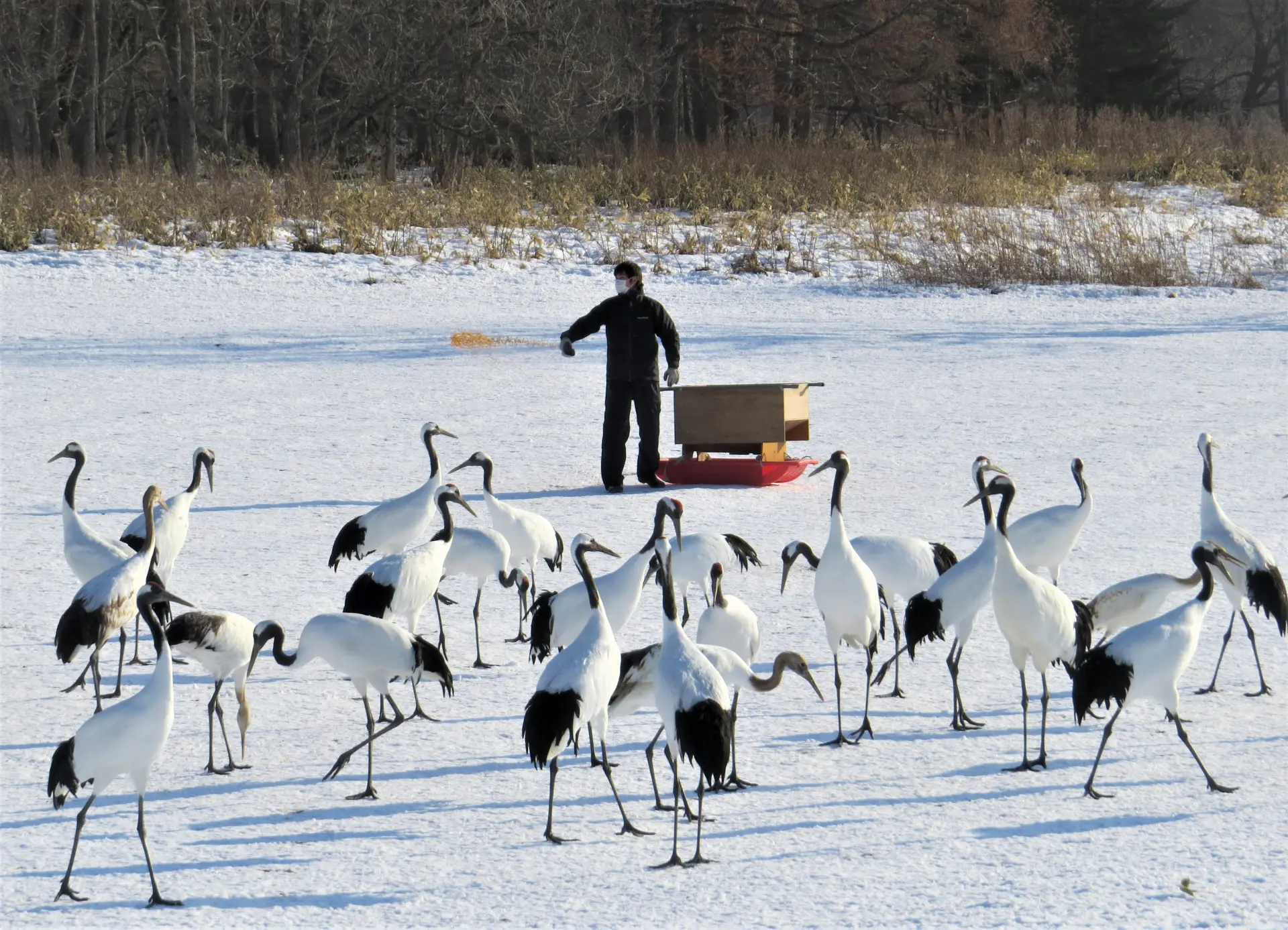
© Wild Bird Society of Japan
Verified [Verified] denotes information that has been published with confirmation of its owing parties.
Tsuru-Ito Red-crowned Crane Sanctuary
A birdwatching sanctuary where you can encounter the graceful beauty of red-crowned cranes in Hokkaido in winter.
4.07
2
A facility dedicated to the protection and observation of the endangered red-crowned crane. Operated by the Wild Bird Society of Japan, it was established in 1987. In winter, wild red-crowned cranes fly in to forage across the vast 10-hectare grassland, making this a rare spot where visitors can observe their graceful 모습 up close.
The largest number of cranes arrive from late December to January, with around 200 birds visiting. Depending on the season, you may also be able to see courtship dances, mating behavior, and parent-and-chick scenes. You can observe them outdoors, or from the adjacent Nature Center using a telescope.
The Nature Center also has an exhibition space and video corner where you can learn about the ecology of red-crowned cranes and conservation efforts. You can also hear explanations about the cranes directly from rangers and volunteers. Please note that the facility is open only from October 1 to March 30 and is closed during summer.
Highlights
-
A rare place where you can observe wild red-crowned cranes.
-
Especially from December to January, many red-crowned cranes fly in.
-
You may also get to see rare moments such as courtship dances.
-
The facility is open from October 1 to March 30.
Photos
-
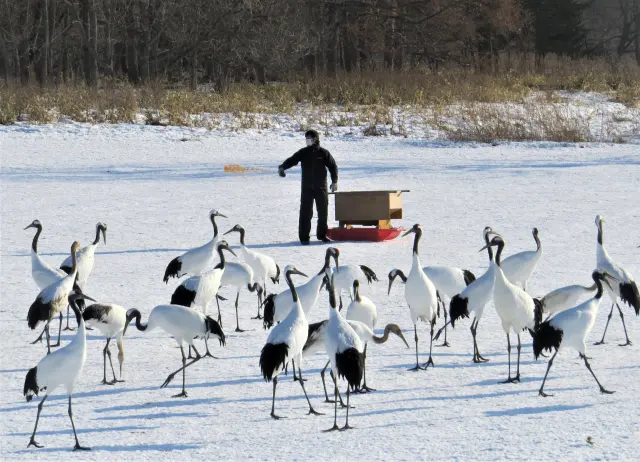
Feeding takes place at 9:00am and 2:00pm from November to March, when food becomes scarce. © Wild Bird Society of Japan
-
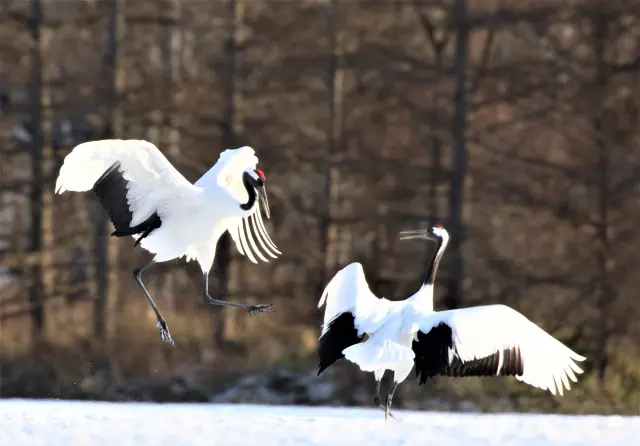
If you're lucky, you may get to see a courtship dance. © Wild Bird Society of Japan
-
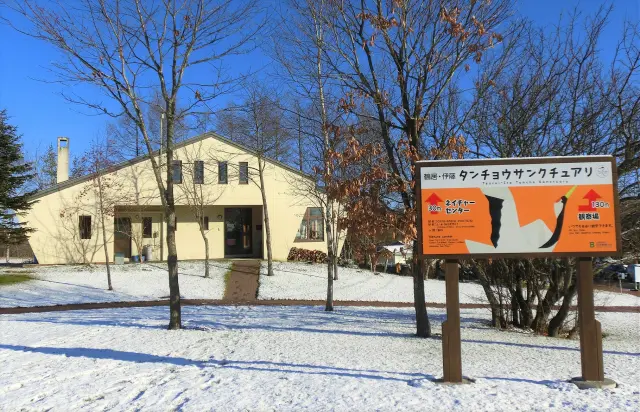
The Nature Center built near the observation area. © Wild Bird Society of Japan
Official FAQs
Frequently Asked Questions have been vetted and answered directly by each listing.
Q
Is there free Wi-Fi available in the area?
A
Free Wi-Fi is available only around the feeding ground observation space.
Q
Are there coin lockers?
A
No.
Q
Are there restrooms?
A
There is a restroom at the feeding ground observation space that can be used 24 hours a day. (During the open season from October 1 to March 30)
Q
Is there a smoking area?
A
No.
Reviews
2
Some reviews are AI-translated.
-
-
Tsurui Village is incredibly quiet—you can even hear the wind. The atmosphere is so peaceful and relaxing.
Details
- Name in Japanese
- 鶴居・伊藤タンチョウサンクチュアリ
- Postal Code
- 085-1205
- Address
- Nakashibetsu Minami, Tsurui Village, Akanko District, Hokkaido
- Phone
- 0154-64-2620
- Closed on
- Open season: October 1–March 30; Tuesdays, Wednesdays, and the first Thursday of each month during the season (open if it falls on a national holiday), December 26–January 1, March 31, and April 1–September 30
- Hours
- 9:00am–4:00pm
- Admission
- Free admission
- Access
- Approx. 15 minutes on foot from the “Tsurui Village Office” bus stop
- Official website
- Official website (Japanese)
Popular Articles