

Stunning Nature and Historic Views: 16 Must-Visit Spots in Fukui
Fukui Prefecture is famous for epic natural scenery, from the rugged sea cliffs of Tojinbo to Echizen Ono Castle, the “castle in the sky” that appears to float on a sea of clouds.
You’ll also find many sights that showcase Japan’s history and culture, including traditional streetscapes, historic ruins, and temples and shrines, so there’s plenty to see.
If you’re planning a trip to highlight-filled Fukui, here are attractions you won’t want to miss, plus recommended places to stay.
What is Fukui Like?
Fukui Prefecture is located in Hokuriku along the Sea of Japan.
Blessed with nature, Fukui offers a wide range of landscapes, from the Echizen Coast and the Okuetsu mountains to wide plains dotted with rice fields.
It’s also known for its crystal-clear, great-tasting water, a gift of its rich natural environment.
Local specialties made with high-quality water, including thick fried tofu (atsuage), are outstanding.
Another big draw is the chance to dive into Japanese history.
The Ichijodani Asakura Clan Ruins, where a Sengoku-era castle town once ruled by the Asakura clan was excavated in near-complete form, is well worth a visit.
At Kumagawa-juku on the Saba Kaido (Mackerel Road), a former trading hub between Wakasa and Kyoto, you can stroll streets that still echo the Edo period.
From nature and food to Sengoku and Edo-era townscapes, Fukui is packed with variety.

When is the Best Time to Visit Fukui?
Fukui is enjoyable year-round, but fall is the best season to experience it at its finest.
Take a stroll through charming castle towns colored by peak fall foliage from October to November.
What to Wear in Fukui by Season
- Spring (March - May): A light jacket and a thin sweater
- Summer (June - August): Lightweight clothes, short sleeves
- Fall (September - November): A light jacket, a coat
- Winter (December - February): A coat, a thick sweater or jacket
How Do You Get to Fukui?
Fukui is easy to reach from major cities like Tokyo and Nagoya.
From Tokyo, it’s Approx. 3 hours by Shinkansen; from Nagoya or Osaka, you can get there in Approx. 1–2 hours by limited express.
Main Ways to Get Around Fukui
Fukui Prefecture is served by three rail lines, the Hokuriku Main Line, the Obama Line, and the Etsumi-Hoku Line, and with buses as well,
you can get to your target attractions comfortably.
All the Best of Fukui: 16 Handpicked Attractions
If you’re talking about Fukui highlights, Tojinbo, designated both a National Natural Monument and a Place of Scenic Beauty, is a must.
Don’t miss history-rich spots like Maruoka Castle, an Important Cultural Property, and the Ichijodani Asakura Clan Ruins.
Fukui is also home to one of Japan’s top dinosaur museums, fun for kids and adults alike.
Here are the attractions you should make sure to visit.
1. Tojinbo
Tojinbo is a rugged line of sea cliffs carved by wave erosion, long celebrated as a scenic spot.
The jagged cliffs stretch for Approx. 1 km along the coastline of Mikuni.
The rare rock formation known as “columnar joints of pyroxene andesite” is said to exist in only three places worldwide, including Tojinbo, and it’s designated a National Natural Monument.

2. Fukui Prefectural Dinosaur Museum
One of Japan’s largest museums dedicated to dinosaurs.
Many fossils, including teeth, bones, and footprints of dinosaurs and other vertebrates, have been found in Katsuyama City.
Opened in 2000, it welcomes up to one million visitors a year.

3. Eiheiji Temple
The head temple of Soto Zen Buddhism in Japan.
Founded in 1244 by Zen master Dogen as a place for zazen meditation training.
Across a vast Approx. 330,000 ㎡ grounds, more than 70 halls and structures stand around the Seven Main Buildings, where over 100 monks train every day.

4. Maruoka Castle
A castle built in 1576 by order of Oda Nobunaga, constructed by Shibata Katsuie for his nephew and adopted son, Katsutoyo.
In the Edo period, Honda Shigenori became lord and the Maruoka Domain was established; later, the Arima clan ruled from here for eight generations.
Its keep is considered one of the oldest surviving architectural styles in Japan and is designated an Important Cultural Property.

5. Echizen Ono Castle
Echizen Ono Castle stands atop Mt. Kameyama (249 m) in Ono City, Fukui Prefecture.
In the early morning, chilled air gets trapped by the surrounding mountains and white clouds fill the basin, making the castle look as if it’s floating above the clouds, earning it the nickname “castle in the sky.”

6. Kehi Jingu Shrine
Believed to have been founded in 702, this shrine is the chief guardian shrine of the Hokuriku region and the ichinomiya (top shrine) of Echizen Province.
The vermilion torii gate towering over the approach is considered one of Japan’s three greatest torii gates, alongside those at Kasuga Taisha in Nara and Itsukushima Shrine in Hiroshima.
Spared from WWII air raids, the torii is designated an Important Cultural Property.

7. Hakusan Heisenji Temple (Heisenji Hakusan Shrine)
A sacred site founded in 717 by Taicho as a base for pilgrimages to Mt. Hakusan, a revered peak.
Within the former precincts, highlights are scattered throughout, including an old stone-paved approach stretching Approx. 1.2 km and a giant cedar said to have survived a fire that destroyed the entire mountain.

8. Ichijodani Asakura Clan Ruins
During the Sengoku period, the Asakura clan ruled Echizen for 103 years across five generations. Under the fifth leader, Yoshikage, Ichijodani culture flourished, and he was known not only as a warlord but also as a patron of culture.
Although the clan’s prosperity was well known, the reality remained unclear until full-scale excavations began in 1967, revealing that the castle town remains were buried in remarkably good condition.
Across a mountainous area spanning 278 hectares, mansion sites and gardens were uncovered one after another, bringing the town back to life.

9. Yoko-kan Garden (Place of Scenic Beauty)
A water garden representing the early-to-mid Edo period, located along the northern outer moat of Fukui Castle Town.
It was once a villa of the Matsudaira family, lords of the Fukui Domain, and in the Edo period it was known as “O-sensui Yashiki.”
From the tatami rooms, you can relax and take in the garden from the same viewpoint as the former lords.

10. Kumagawa-juku
A post town on the Saba Kaido (Mackerel Road), which carried seafood like mackerel from Wakasa Bay to Kyoto.
Within the 10.8-hectare area designated as an Important Preservation District for Groups of Traditional Buildings, you’ll find sites such as a magistrate’s office, guard stations, and former storehouse residences.
Along the road, waterways dating back to the town’s founding still run, preserving the historic streetscape.
At the Shubakan Museum, a renovated former village office, you can learn about the history of Kumagawa-juku and the Saba Kaido.

11. Shibamasa World
A popular theme park in an area dotted with leisure spots like Awara Onsen, Tojinbo, and beaches. A wide range of attractions fills its vast, Sea of Japan-facing grounds, drawing crowds from both inside and outside the prefecture.

12. Echizen Matsushima Aquarium
With the theme “See, touch, and learn,” this aquarium is packed with hands-on fun for both kids and adults.
Here you can touch sea creatures directly, from giant Pacific octopus and rays to starfish, gentle swell sharks, spotted catsharks, eels, crabs, and shrimp. In summer, you can also enjoy the “Jabu Jabu Seawater Pool,” where you can splash around with as many as 1,000 marine animals.

13. Mizushima
An uninhabited island floating off the tip of the Tsuruga Peninsula, often called the “Hawaii of Hokuriku.”
You can reach it by sightseeing boat, operating seasonally in July and August, and at the height of summer it’s packed with beachgoers.
Its biggest appeal is the getaway vibe. The striking contrast of crystal-clear water you can see through to the seafloor and a long stretch of white-sand beach feels like a true ocean paradise.

14. Fukui Children’s Science Museum, Angel Land Fukui
A large hands-on facility with local ties, led by astronaut Mamoru Mohri as honorary director.
Combining the roles of a children’s center and a science museum, it offers a wide range of experiences and play in both indoor and outdoor areas.
In the indoor exhibits, you can enjoy learning scientific principles through familiar themes like numbers, shapes, and forces.

15. Mikata Five Lakes
The Mikata Five Lakes straddle Mihama and Wakasa in Fukui Prefecture.
Located within Wakasa Bay Quasi-National Park, the name refers to five lakes, Lake Mikata, Lake Suigetsu, Lake Suga, Lake Kugushi, and Lake Hyuga, and the area is designated a Place of Scenic Beauty.
At the summit park, reached by lift or cable car from the first parking area along the popular drive “Mikata Five Lakes Rainbow Line,” you’ll get a 360° panoramic view of the lakes and Wakasa Bay.

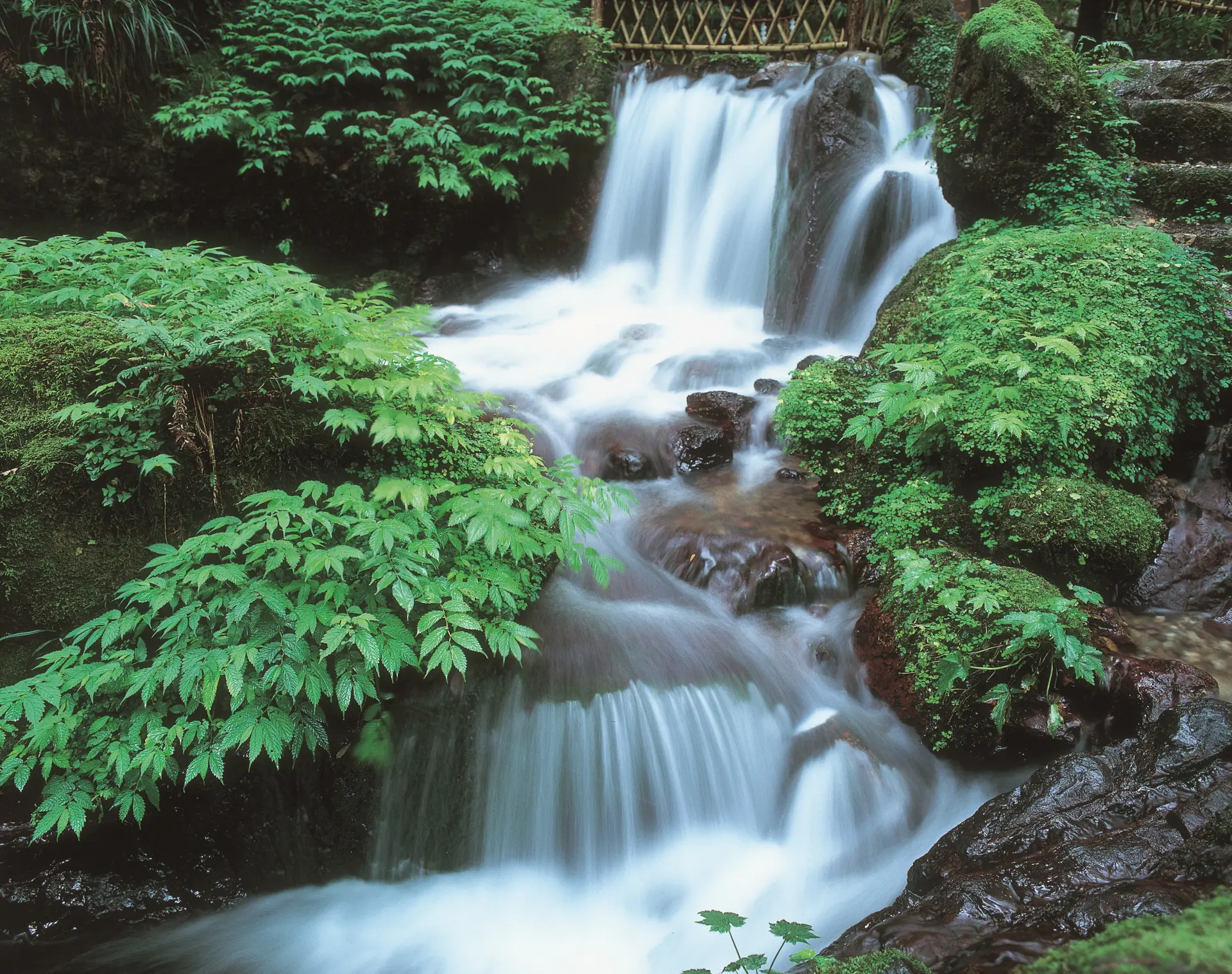
16. Uriwari Falls
Uriwari Falls is located deep within the grounds of Tentokuji Temple, a Koyasan Shingon Buddhist temple said to have been founded by Taicho Daishi.
In 1985, it was selected as one of Japan’s 100 Remarkable Waters by the Ministry of the Environment.
With a daily flow of 4,500 tons and a water temperature of 12°C, legend says it’s so cold that a melon split in two, giving the falls its name.
2 Popular Hot Spring Areas That Capture Fukui’s Charm
If you love hot springs, we recommend staying at least one night at one of the onsen areas in Fukui introduced below.
Along with soaking in waters with different mineral profiles and benefits, you can also enjoy the unique atmosphere of an onsen town.
From scenic views to meals that make the most of local ingredients, head out and experience a hot spring getaway full of Fukui charm.
1. Awara Onsen
Discovered by chance in 1883, Awara Onsen grew into an onsen town loved by many writers and artists and became known as the “inner parlor of Kansai.”
With 74 hot spring sources, many facilities have their own, so you can enjoy different water qualities and benefits from place to place.
Approx. 20 onsen inns are scattered across this onsen town surrounded by rural scenery.
There are plenty of options, from properties with garden open-air baths and rooms with private open-air baths to inns proud of seasonal dishes made with local ingredients.

2. Tojinbo Mikuni Onsen
A hot spring area spread around the famous sea cliffs of Tojinbo, overlooking the Sea of Japan.
The water is a sodium-calcium chloride spring, and the salt forms a layer on the skin to help retain heat and moisture.
It warms you to the core and helps prevent chills afterward, and is expected to help with sensitivity to cold and fatigue recovery.

3 Classic Shopping Spots in Fukui
From the many commercial facilities and shops in Fukui, we’ve handpicked local favorites worth visiting.
Go hunt for Fukui specialties and traditional crafts, and discover items you can only find here.
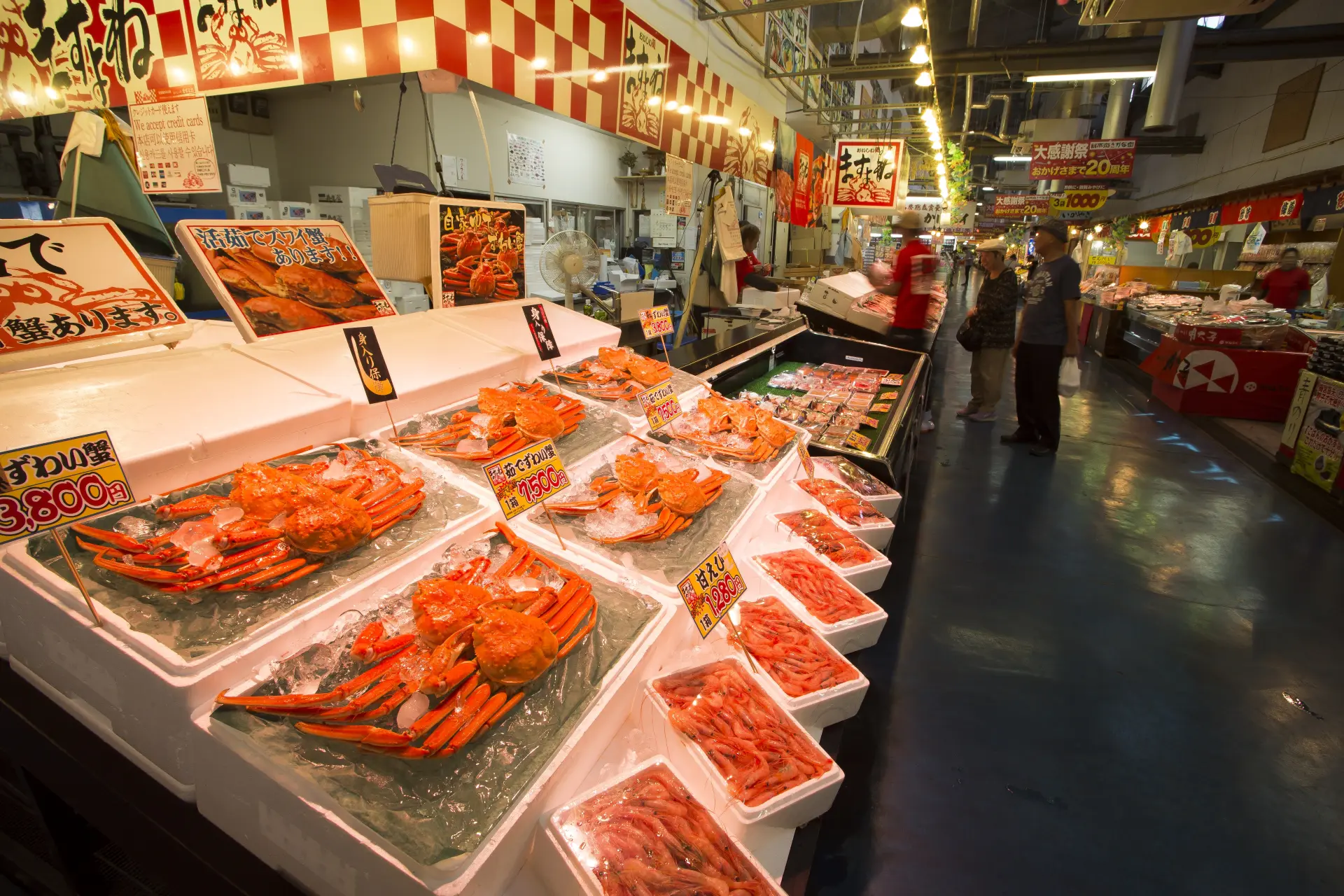
1. Nihonkai Sakana Machi
One of the largest seafood markets on the Sea of Japan side, with Approx. 60 shops, including fishmongers selling seafood delivered straight from Tsuruga Port, stores for processed seafood and delicacies, specialty sweets shops, and restaurants serving Tsuruga favorites like kaisendon, sushi, and grilled mackerel.
The calls of energetic vendors echo through the market, keeping the atmosphere lively at all times.
2. Washi Shop Umeda
Echizen washi is a traditional paper with a history of Approx. 1,500 years, said to be the oldest in Japan, and its time-honored methods are still passed down today.
In the Imadate area, known as its production center, Echizen Washi no Sato is a theme-style facility where you can learn about washi from many angles through exhibits, watching artisans at work, and hands-on papermaking experiences.

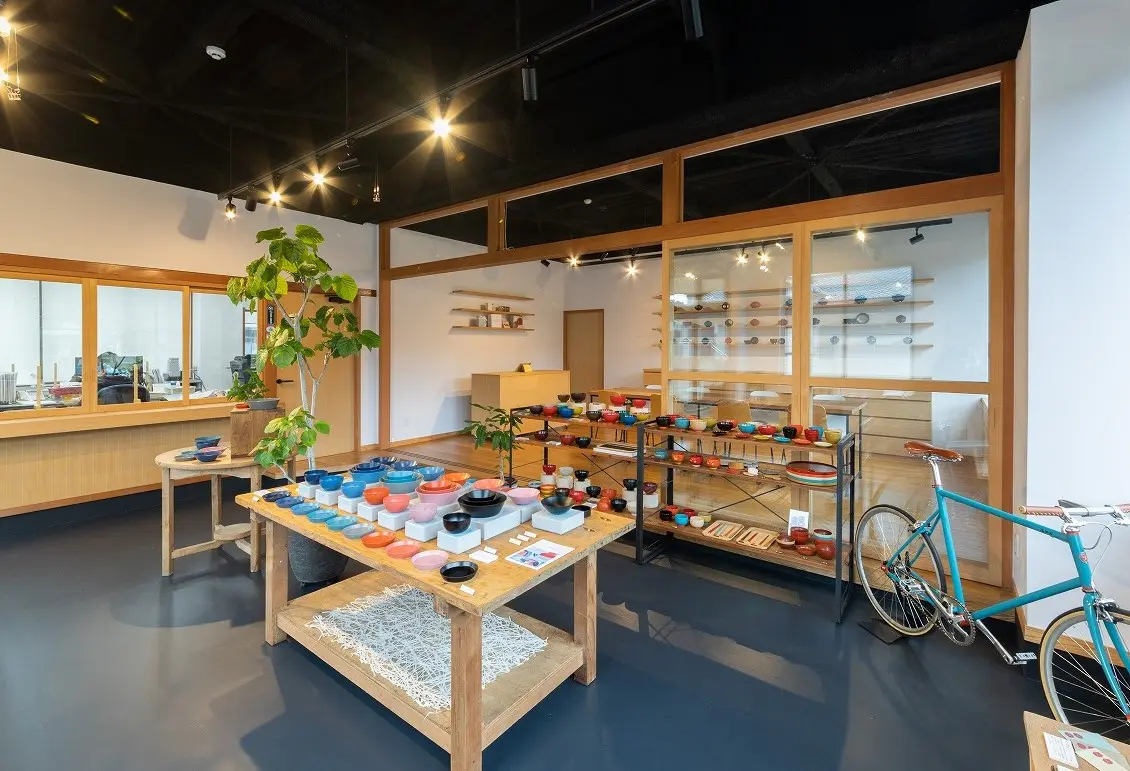
3. Shitsurindo Flagship Store
Echizen lacquerware, said to have begun around the 6th century, is Japan’s oldest lacquerware production area.
Shitsurindo has carried on that tradition since its founding in 1793, working with Echizen lacquerware for generations.
Inside the store, you can browse not only traditional pieces but also newer items that feel different from classic lacquerware.
3 Recommended Places to Stay in Fukui
From Fukui’s many accommodation options, we’ve selected stays that will leave you feeling cared for and fully refreshed.
From long-established ryokan to unique properties that blend the best of temple lodging and ryokan comfort, these stays will elevate your Fukui trip.
1. Haiya
A long-established ryokan founded in 1884.
Step through its jinya-style entrance that showcases elegant Japanese architecture, and you’ll find a Japanese-modern lobby accented with ceilings and round pillars, and beyond it, a Japanese garden that changes with the seasons.
The natural hot spring from its own source is a sodium chloride spring, expected to help with neuralgia, muscle pain, and skin health.

2. Hakujukan, the Zen Lodge at Eiheiji Temple
A perfect stay for those who want more than just sightseeing at Eiheiji. With comfortable, ryokan-style facilities and service, you can also experience the world of Zen through zazen meditation, morning service (choka), Buddhist ceremonies, and sutra copying, like at temple lodging.
At the restaurant, you can also enjoy Buddhist vegetarian cuisine and famed Echizen sake. It’s a soothing stay that lets you connect with Zen and recharge in both mind and body.

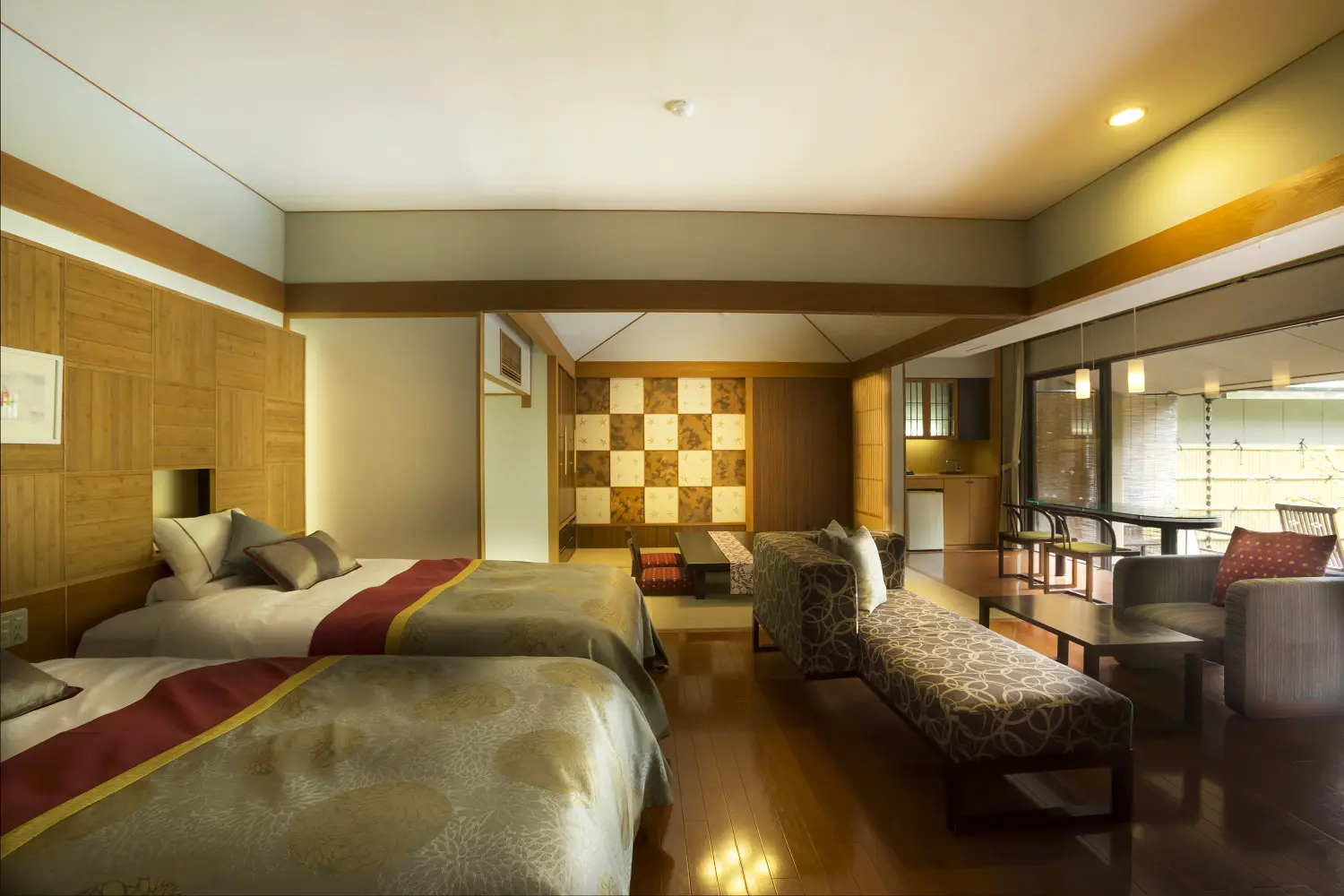
3. Grandia Housen
A relaxing inn set amid peaceful countryside scenery.
With Japanese-modern interiors, you can choose from a variety of room styles, including unique dinosaur rooms, Sakura-tei SUITE (all rooms with semi-open-air baths), the garden-view annex Yutoro-gi-tei with open-air baths, and the private villa Kotobuki-tei with elevated spaces and open-air baths.
3 Classic and Popular Fukui Souvenirs
Fukui has a great lineup of souvenirs, from time-honored sweets to treats with a modern twist.
Here are three carefully selected picks.
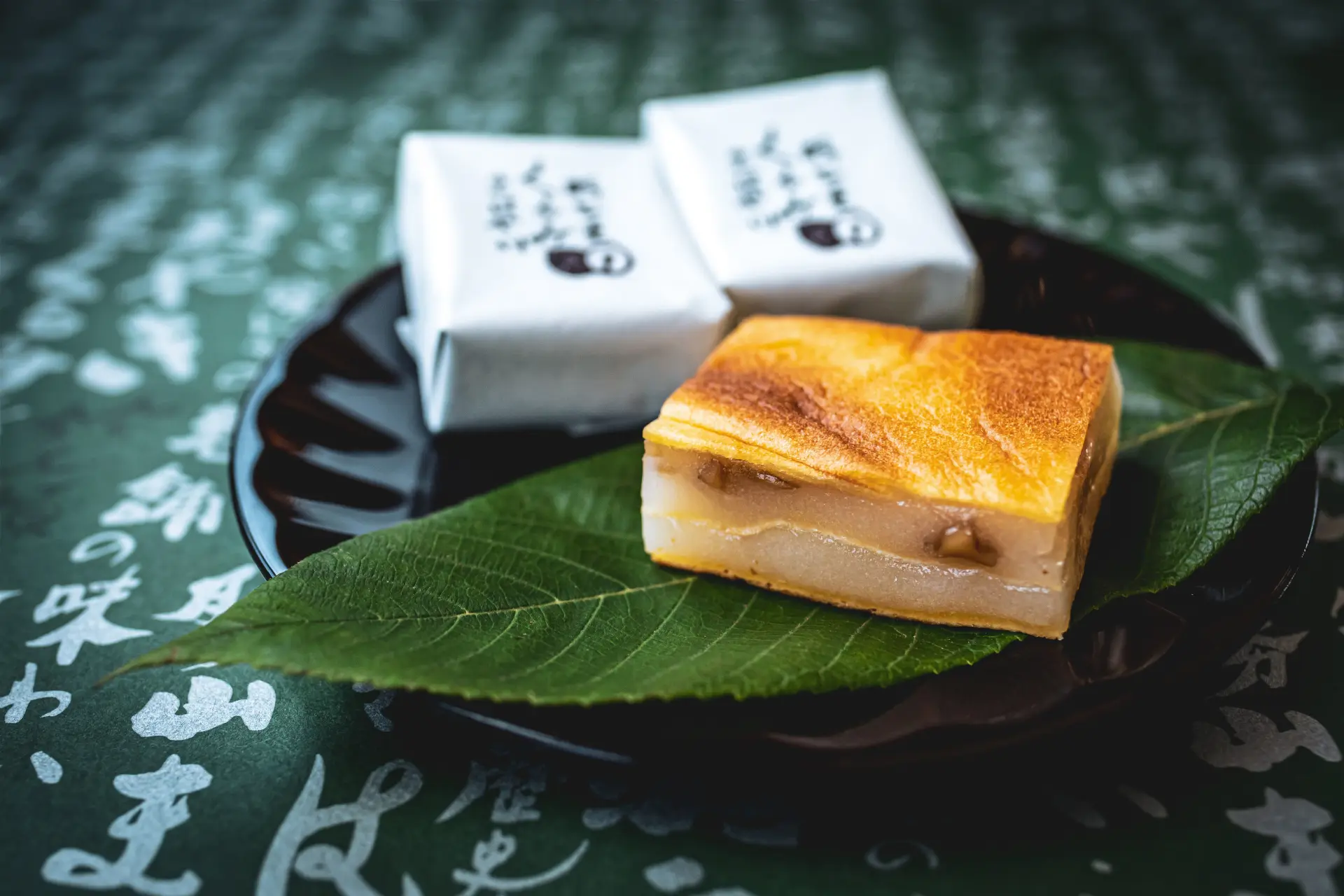
1. Katsuyama Hayakawa “Habutae Kurumi”
Habutae Kurumi is a signature Fukui sweet, created from a strong desire to make a walnut confection unlike any other.
Fukui’s famous habutae mochi is inspired by habutae silk, a traditional craft Fukui is proud of, and is known for its smooth, silky texture.
Habutae Kurumi is made by kneading sweet-simmered Japanese walnuts, along with their syrup, into habutae mochi, then sandwiching it into five layers with choux pastry.
2. Echizen Yumekobo “Megane Katapan”
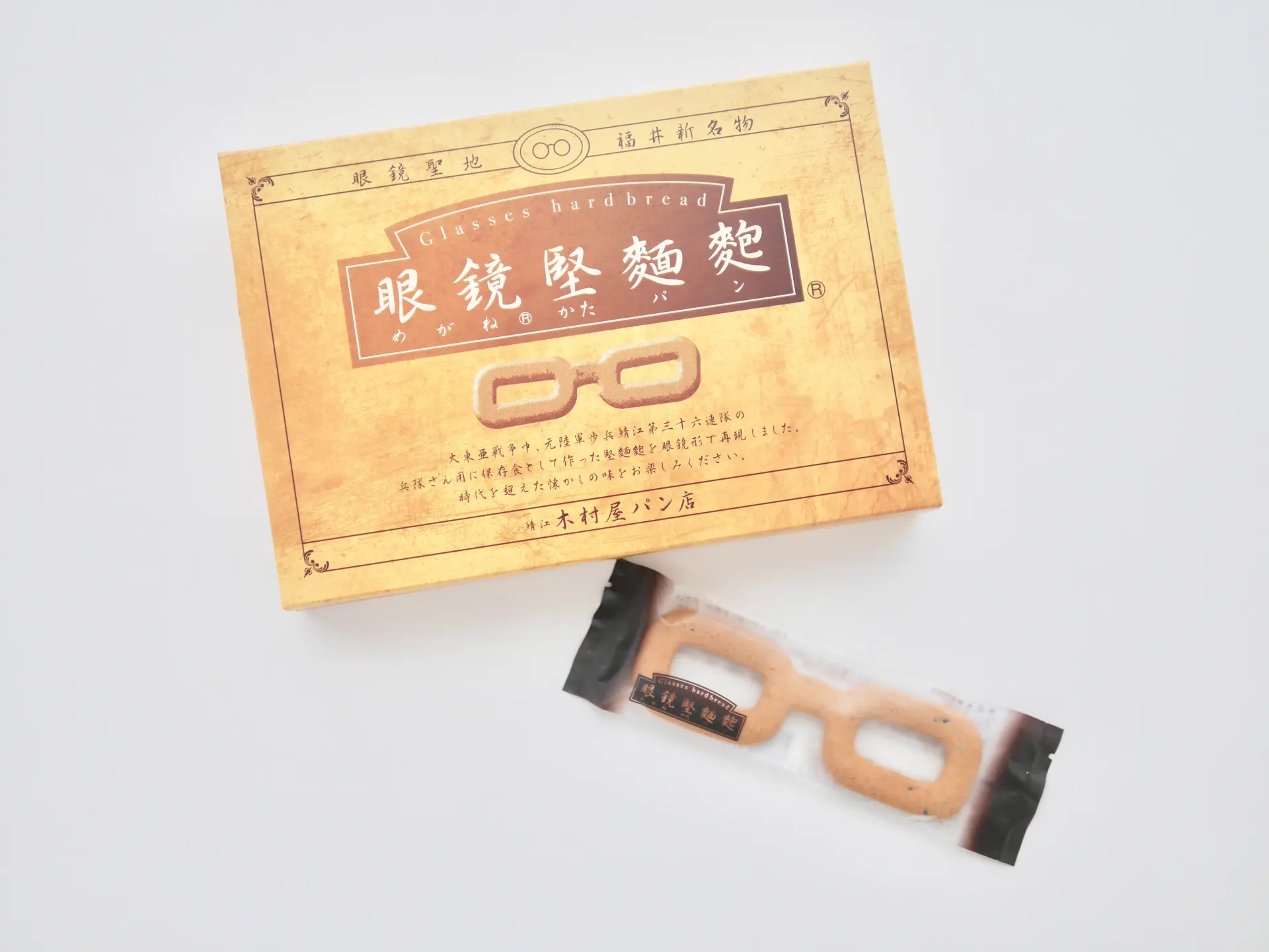
Megane Katapan, a new local souvenir from Sabae City, Fukui, known for eyeglass frame production, is a bread shaped like glasses, just as the name suggests.
Its unique look and texture have made it a buzzworthy item, and it’s quickly gaining fans.
3. Kokuryu Daiginjo
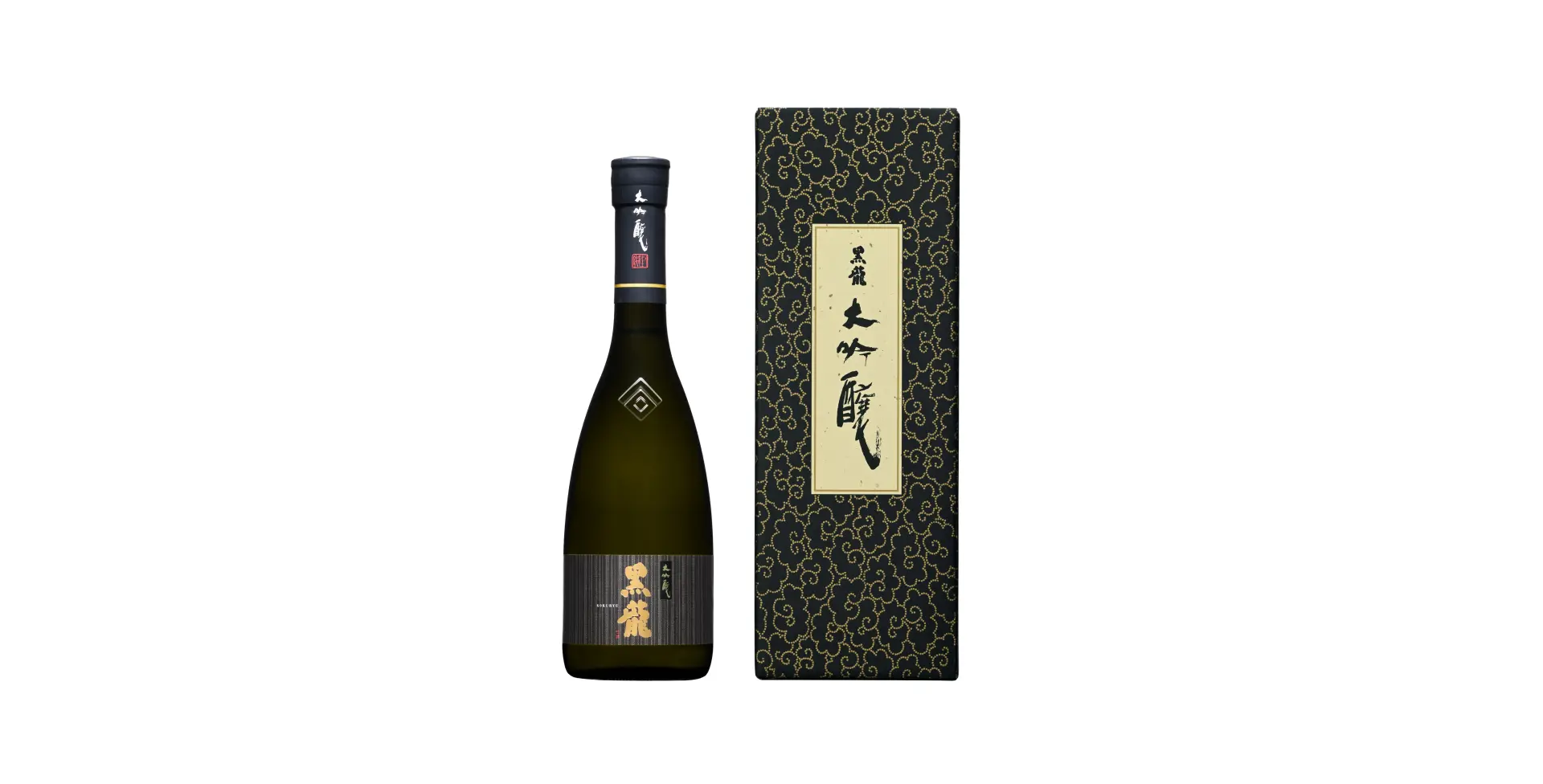
With a strong belief in “making great sake,” Kokuryu Sake Brewery has crafted high-quality sake since its founding in 1804.
Nearby flows the Kuzuryu River, one of Fukui’s largest, and its clear underground water has helped create many renowned labels.
While using traditional methods, Kokuryu continues to pursue new ideas and ever-better flavor.
3 Events You Should Attend in Fukui
Here are some of Fukui’s most famous large-scale events and festivals.
If your travel dates line up, be sure to join in.
1. Mikuni Festival
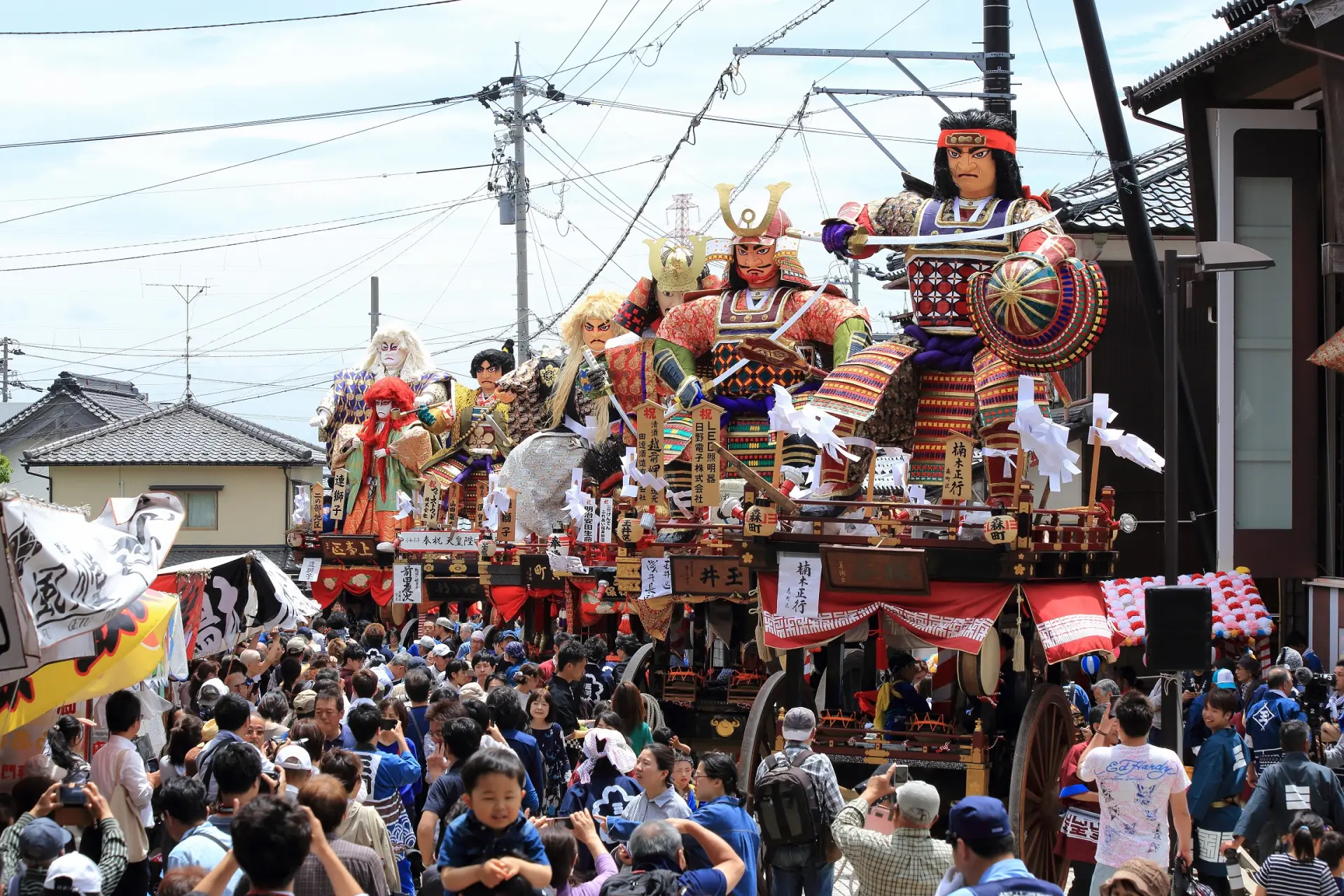
An annual grand festival held at Mikuni Shrine in Sakai City, Fukui, from May 15–21.
With roots going back to the mid-Edo period, it’s a historic festival and is counted as one of Hokuriku’s three great festivals, alongside Takaoka Mikurumayama Festival in Toyama and Seihaku Festival in Nanao, Ishikawa.
The highlight is the main-day procession on the 20th, when massive floats with warrior dolls parade through town to the sounds of flutes, drums, and shamisen.
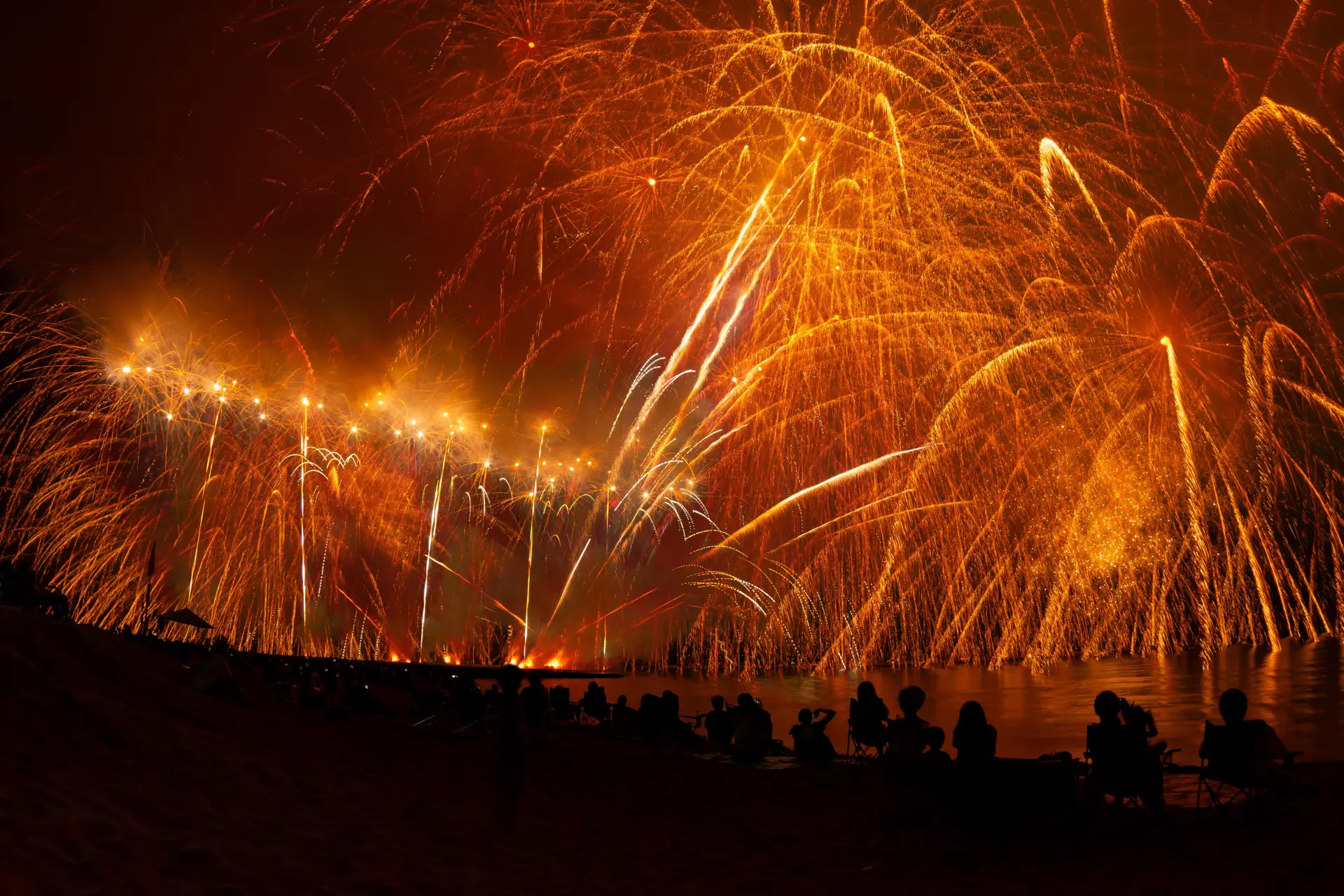
2. Wakasa Takahama Fireworks Festival
A beloved annual fireworks event that’s become a summer tradition in Wakasa Takahama.
Fireworks are launched along the coast from Wakasa Wada Beach to Shiroyama Beach, turning the entire Approx. 4 km stretch of beach into grandstand seating. Because you can watch from so many areas, it tends to feel less crowded, and you can spread out a picnic sheet wherever you like and enjoy the show at your own pace.
3. Mikuni Fireworks
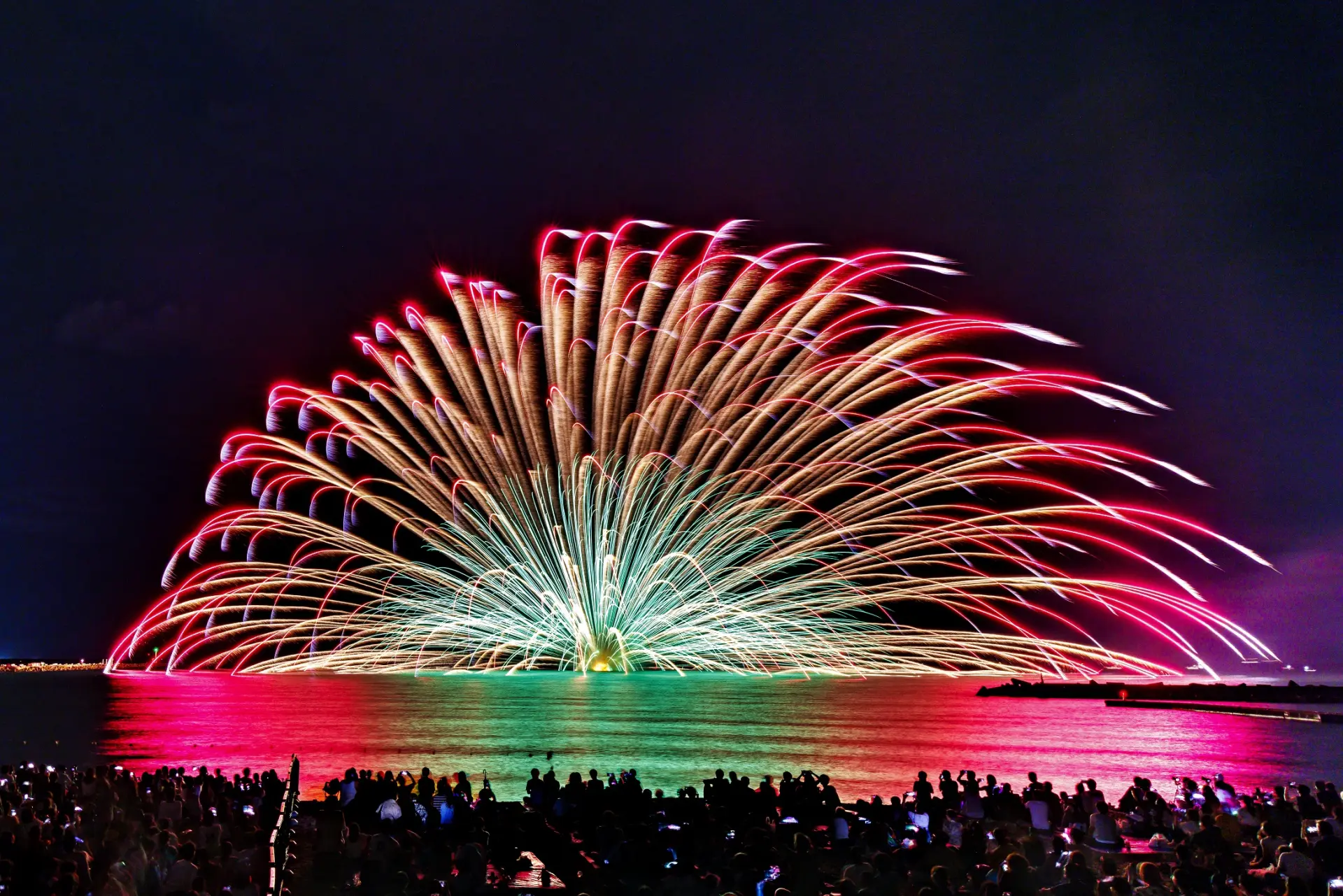
A summer fireworks event held at Mikuni Sunset Beach, close to Tojinbo and Oshima Island.
From massive 2-shaku shells to music-synced fireworks and star mines, Approx. 15,000 fireworks light up the midsummer night sky.
Above all, the “underwater fireworks” are a can’t-miss spectacle!
Summary
We’ve introduced sightseeing spots where you can enjoy stunning natural scenery and Japan’s history and culture, plus places to stay that showcase Japanese hospitality.
When planning your Fukui trip, use this list to build your itinerary.
If you have extra time, consider a side trip to Kyoto, the ancient capital, Approx. 1 hour 20 minutes away on the JR Hokuriku Main Line.
Be sure to enjoy Kyoto’s unique charms too, including sightseeing spots with historic architecture and Important Cultural Properties.