

A Travel Guide to Osaki Hachimangu Shrine, Sendai’s Guardian Shrine Built by Master Craftsmen
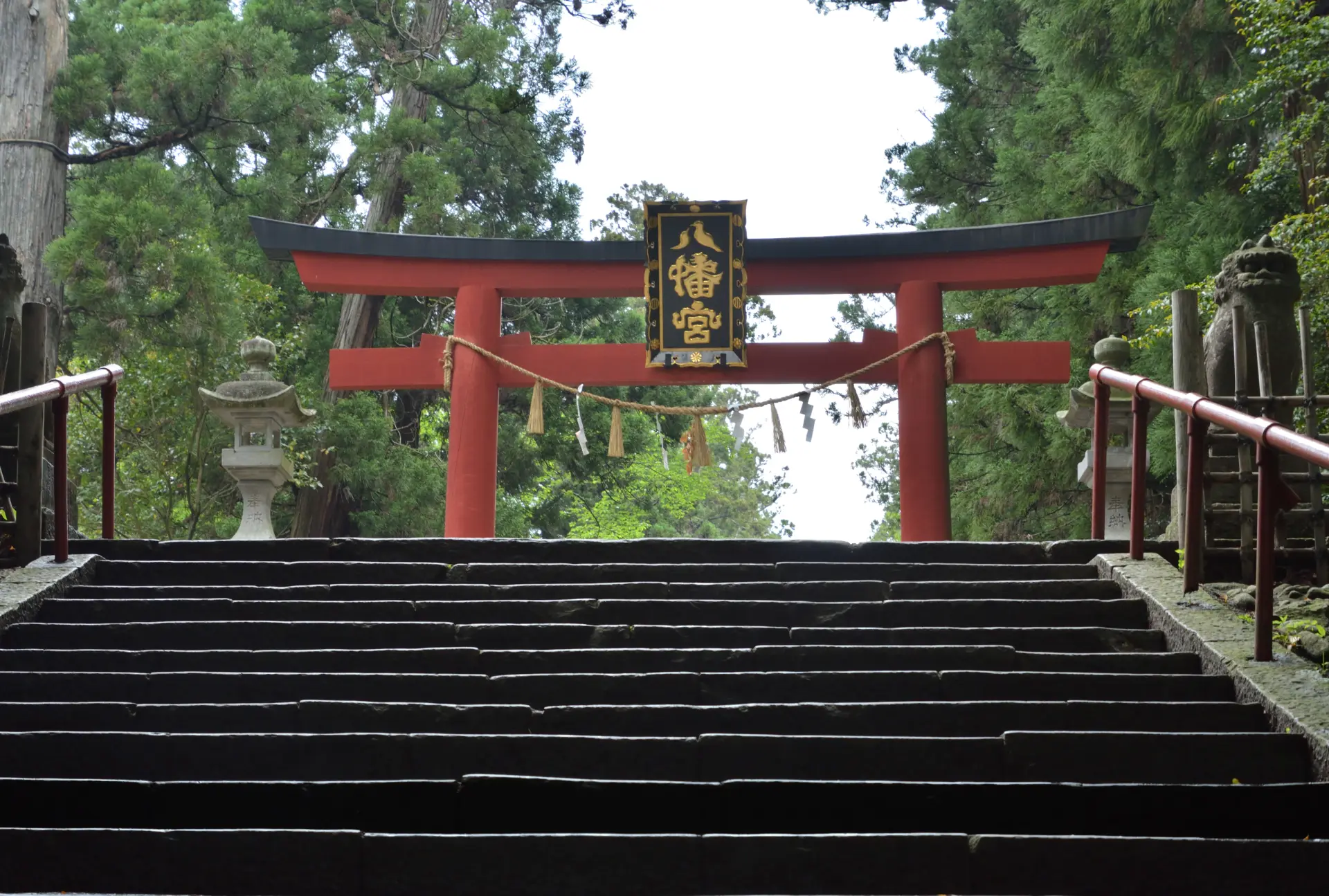
Osaki Hachimangu Shrine is one of the most representative shrines in Sendai, Miyagi Prefecture.
With historic buildings that retain the lavish style of Momoyama architecture and traditional festivals with a long history, there’s plenty to see.
It’s also known as a power spot, visited even by pro athletes seeking blessings.
For first-time visitors to Osaki Hachimangu Shrine, we’ll introduce the highlights, its history, and nearby spots you may want to visit together.
After reading this article, you’ll be able to enjoy Osaki Hachimangu Shrine on a deeper level.
What is Osaki Hachimangu Shrine Like?
Osaki Hachimangu Shrine is a Shinto shrine in Sendai, Miyagi Prefecture.
It was built in 1607 by the Sengoku warlord Date Masamune as Sendai’s guardian shrine, meant to protect the peace of local residents.
The brilliantly decorated shrine buildings were constructed in a style called gongen-zukuri, the same style seen at Nikko Toshogu Shrine, and were designated a National Treasure in 1952.
There are many other highlights as well, including the Naga-doko, a nationally designated Important Cultural Property.
The enshrined deities are Emperor Ojin, Empress Jingu, and Emperor Chuai, and the shrine is said to grant blessings for good fortune, warding off bad luck, protection from disasters and inviting happiness, certain victory, and safe childbirth.
“Protection from disasters and inviting happiness” means removing various misfortunes and welcoming good fortune.
The Matsutaki Festival, with a 300-year history, is held every year on January 14 and is one of Japan’s most notable New Year’s send-off rituals.
New Year’s decorations and old talismans are burned to light the sacred “goshinka” fire, which is used to send off the deities who protected each household during the New Year, and it’s said that warming yourself by the fire brings blessings of health and safety for the year and peace at home.
It’s also famous as a classic Sendai winter tradition, so if your travel dates line up, be sure to join.
History and Origins of Osaki Hachimangu Shrine
The origins of Osaki Hachimangu Shrine are said to date back to Chinju-fu Hachimangu Shrine, founded by Sakanoue no Tamuramaro, who led campaigns in the Tohoku region during the Heian period, to pray for military success.
In the Muromachi period, the Osaki clan, appointed as the Oshu Kanrei (a regional governor who ruled what is now the southern inland area of Iwate Prefecture), moved the sacred object to what is now Osaki City, Miyagi Prefecture, and it came to be called Osaki Hachimangu Shrine.
After the Sengoku warlord Date Masamune built Sendai Castle, he relocated Osaki Hachimangu Shrine to the northwest of the castle town, and it has since been enshrined as Sendai’s guardian shrine.
When it was relocated to the castle town, master craftsmen who had served the Toyotomi family built the shrine buildings in the lavish Momoyama architectural style.

Access to Osaki Hachimangu Shrine
Here’s how to get to Osaki Hachimangu Shrine from JR Sendai Station, a key base for sightseeing in Sendai.
You can get there by train or bus, but since it takes a 15-minute walk from the nearest station, taking the bus is recommended.
From the bus terminal at JR Sendai Station’s West Exit, take a city bus and you’ll arrive at the nearest stop, “Osaki Hachimangu-mae,” in Approx. 20 minutes.
From “Osaki Hachimangu-mae,” it’s an Approx. 5-minute walk to Osaki Hachimangu Shrine.
Including the bus ride, you can reach it from JR Sendai Station in around 25–30 minutes.
Admission and Hours for Osaki Hachimangu Shrine
For visiting hours and admission at Osaki Hachimangu Shrine, please refer to the table below.
If you want to join festivals or other events, check the dates and times on Osaki Hachimangu Shrine’s Official website (Japanese).
- Hours
- 9:00am–5:00pm
- Admission
- Free
What’s the Best Season to Visit Osaki Hachimangu Shrine?
Winter is recommended for sightseeing at Osaki Hachimangu Shrine.
Pure white snow blankets the area, and you can stroll through the quiet, serene shrine grounds.
Don’t miss the dreamy sight of the shrine buildings—beautiful in black lacquer with vivid colors and gold leaf—dressed in snow.
Cherry trees are planted on the grounds, so spring is recommended for those who don’t do well with the cold.


5 Highlights to Fully Enjoy Osaki Hachimangu Shrine
Osaki Hachimangu Shrine is home to structures designated as National Treasures and Important Cultural Properties, and it also hosts a traditional festival with Approx. 300 years of history every year.
Here are five highlights where you can fully experience Osaki Hachimangu Shrine’s appeal: its deep history and lavishly decorated architecture.
1. The National Treasure “Goshaden” Shrine Buildings, Crafted by Master Artisans of the Era
The “Goshaden” shrine buildings built by the Sengoku warlord Date Masamune have survived to this day without being destroyed by war or fire, and were designated a National Treasure in 1903.
As Date Masamune developed Sendai, he built many temples and shrines alongside the construction of Sendai Castle and the castle town.
It’s said that as one of them, he relocated and combined the sacred objects of “Narushima Hachimangu Shrine,” worshiped for generations in Yonezawa (the former territory of the Date clan), and the Osaki clan’s “Osaki Hachimangu Shrine,” and placed the “Goshaden” shrine buildings to the northwest of Sendai Castle.
Built by renowned craftsmen invited from Kyoto and Kishu (present-day Wakayama City, Wakayama Prefecture), the “Goshaden” shrine buildings are packed with the charm of lavish Momoyama architecture.
While the overall structure has a calm, all-black lacquered finish, the gold-leaf metal fittings and luxurious, vibrant, richly colored decorations are truly stunning.

2. The Traditional “Matsutaki Festival,” with Approx. 300 Years of History
The Matsutaki Festival is a traditional event where New Year’s decorations and other items are burned on the shrine grounds, and people pray for health and safety for the year and peace at home by warming themselves by the sacred fire. It was designated an Intangible Folk Cultural Property of Sendai City in 2005.
With Approx. 300 years of history, it’s one of Japan’s largest New Year’s send-off rituals.
Outside of Sendai, it’s often called the “Donto Festival.”
During the Matsutaki Festival, visiting the shrine while wearing light clothing such as a loincloth and going nearly naked to the sacred fire is called “Hadaka-mairi” (naked pilgrimage), and it has become a winter tradition.
The Matsutaki Festival is usually held on January 14, so if you’re sightseeing in Sendai around New Year’s, be sure to check it out.

3. The “Naga-doko,” a Striking Contrast to the Lavish Shrine Buildings
The “Naga-doko” is a building located in front of Osaki Hachimangu Shrine’s main shrine buildings.
It features a kara-hafu gable on the front and is built of unpainted wood, giving it a dignified feel, but its carvings and decorations are restrained, making it look simple in contrast to the main shrine buildings.
It is believed to have been built around 1660, and is the oldest building of its kind in the prefecture.
It was designated an Important Cultural Property in 1966.

4. The Distinctive Stone “Second Torii Gate”
There are three torii gates along the main approach to Osaki Hachimangu Shrine, and the “Second Torii Gate” is the second one you pass through.
It is a historic torii said to have been donated in 1668 by Date Tsunamura, the fourth lord of Sendai.
While the other two torii are large and painted vermilion, this Second Torii Gate is slightly smaller and stands out for being made of stone.
It is said to have been made using granite brought in from Ichinoseki, Iwate Prefecture, and it was designated a Tangible Cultural Property in 1970.

5. The Dignified “Shinmesha” Sacred Horse Stable
“Shinmesha” is a building built to keep horses donated to a shrine. Horses were considered sacred mounts for the gods, and since the Nara period (710–784), there has been a tradition of donating horses as part of prayers.
Since it was difficult for ordinary people to donate live horses, drawings of horses on wood or paper came to be used instead, and this is said to have evolved into today’s ema votive plaques.
At Osaki Hachimangu Shrine, there were sacred horses until around 1945, and the head priest at the time reportedly rode one to Sendai Castle every day.
The existing Shinmesha was built in the Taisho era (1912–1926). It’s a small building of Approx. 10 tsubo, but its irimoya-style roof conveys the dignity of caring for sacred horses.
It was registered as a Tangible Cultural Property in 2011.

3 Nearby Sightseeing Spots Around Osaki Hachimangu Shrine
Around Osaki Hachimangu Shrine, you’ll find plenty of appealing spots, including places with panoramic views of Sendai.
After enjoying Osaki Hachimangu Shrine, be sure to visit the sightseeing spots introduced next.
1. Sendai Castle Ruins
Sendai Castle was built by order of Lord Date Masamune.
Also known as “Aoba Castle,” it served as the center of domain governance for 270 years.
However, after the Meiji era it became an Army site and many buildings were dismantled, and most remaining structures, including the main gate, were destroyed in the Sendai air raids.
Today, the area has been developed as a park, where you can see the stone walls, the reconstructed side turret of the main gate, and the earthen wall north of the main gate.

2. Rinnoji Temple
Rinnoji Temple is a Soto Zen Buddhist temple founded in 1441 (the first year of Kakitsu) by Date Mochimune.
Its temple name is Kongohosan. Its Japanese garden, with a central pond and a three-story pagoda rising to the northwest, is considered among the most beautiful in the Tohoku region.
You can enjoy the beauty of the temple and nature throughout the seasons.
On the 1st and 15th of each month, the seated statue of Shaka Nyorai is also displayed at the three-story pagoda.

3. Sendai Mediatheque
Jozenji-dori is a symbolic avenue of “The City of Trees,” Sendai, lined with about 700 meters of zelkova trees.
What really stands out on Jozenji-dori is this eye-catching building, known for its all-glass exterior.
This multi-purpose cultural facility has two basement floors and seven floors above ground, and includes the Sendai City Library, event spaces, galleries, studios, and a cafe.
“Mediatheque” comes from French, meaning “a shelf that holds media” or “an audiovisual materials room,” and the facility hosts a wide range of events and workshops as a hub for collecting, storing, and sharing information through various media, as well as for activities in art and film culture.

3 Popular Places to Eat Near Osaki Hachimangu Shrine
After visiting Osaki Hachimangu Shrine, it’s nice to relax with a meal or cafe time around Sendai Station.
Around the station, you’ll find plenty of great options, including places to try Sendai specialties and cafes that are easy to stop by between sightseeing.
Here, we’ve handpicked popular spots that are easy to reach from Sendai Station and convenient during your trip.
Enjoy Sendai’s local flavors at these food spots—perfect for a break after your visit.
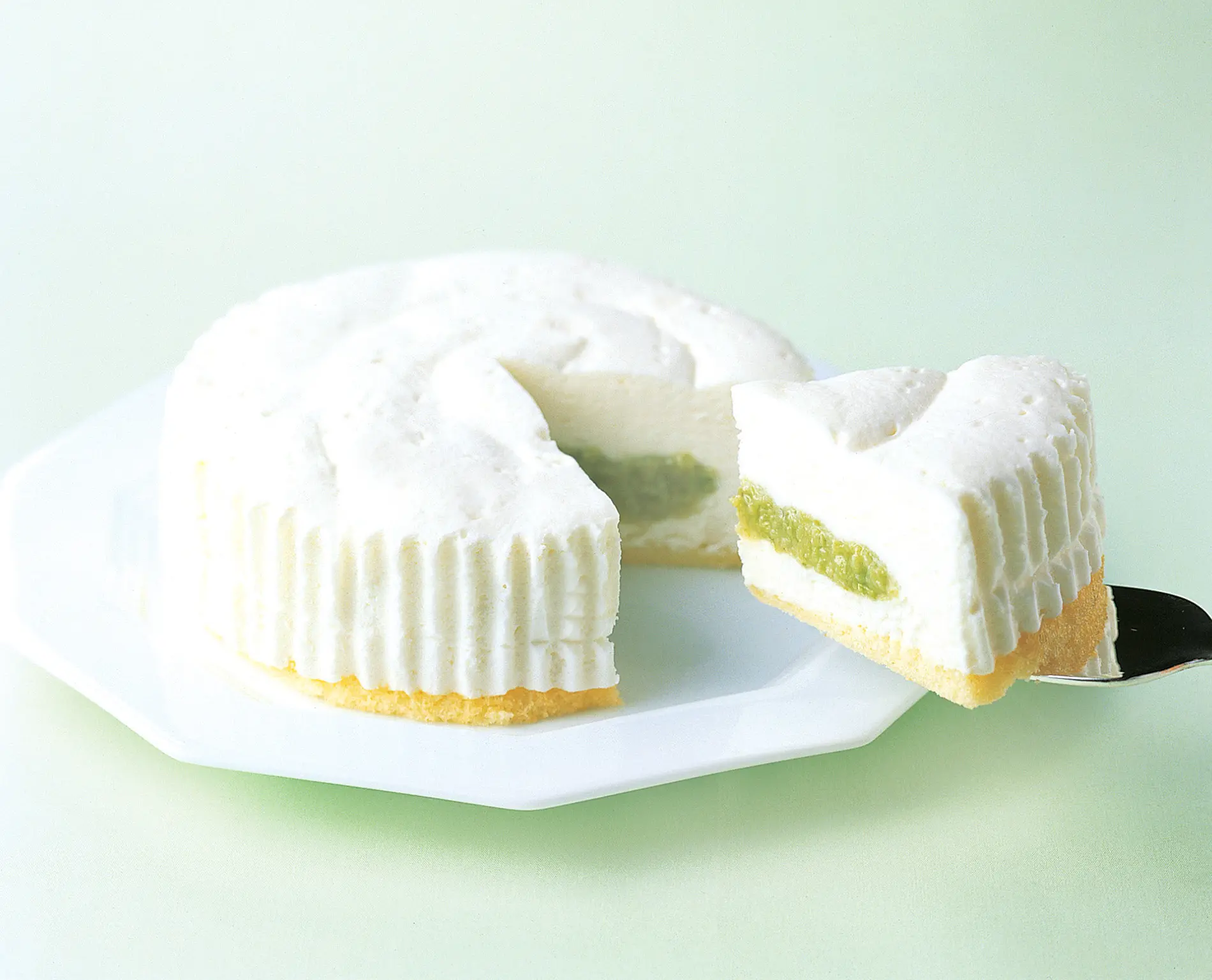
1. Zunda Saryo Sendai Station Zunda Komichi Shop
A sweets specialty shop using Miyagi’s famous “zunda,” with a cafe space as well.
“Zunda” is made by boiling and mashing young soybeans (edamame) into a paste.
“Zunda mochi,” a long-loved traditional way of eating it in Miyagi Prefecture, is made by mixing the paste with sugar and coating freshly pounded mochi with the sweetened zunda.
Located on the 3rd floor of JR Sendai Station, right in front of the Shinkansen Central Gate ticket gates, it’s easy to stop by while waiting for your train.
2. Seri Soan
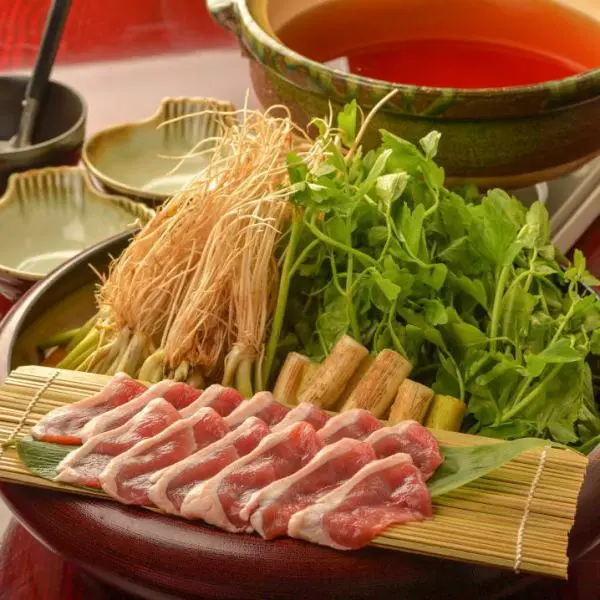
Right by Sendai Station, “Sendai Seri Nabe and Private-Room Japanese Dining Seri Soan” has a retro vibe.
With fully private rooms, you can enjoy Miyagi’s flavors at a relaxed pace without worrying about others around you.
The winter specialty “Aigamo Sendai Seri Nabe” (wild duck and Japanese parsley hot pot) is a must-try.
The juicy wild duck and the crisp texture of seri are a perfect match.
3. Gyutan Ryori Kaku Sendai Station East Exit Hatsukoi-dori Shop
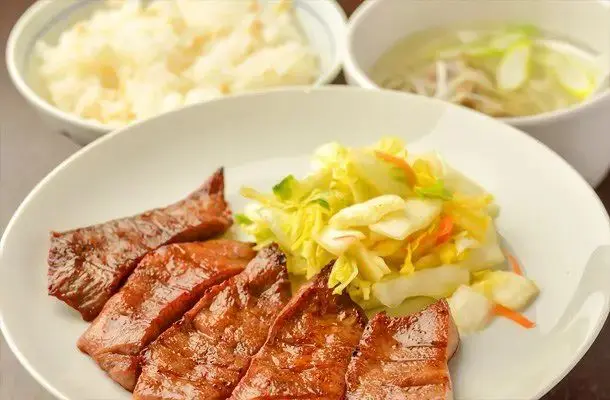
Founded in 1988, “Gyutan Ryori Kaku” is a long-established beef tongue restaurant that has helped lead Sendai’s gyutan culture.
Gyutan Ryori Kaku Sendai Station East Exit Hatsukoi-dori Shop carries on that flavor and tradition, and its convenient location right near Sendai Station makes it a favorite with travelers.
3 Recommended Places to Stay Near Osaki Hachimangu Shrine
If you’re visiting Osaki Hachimangu Shrine, connected to Date Masamune, the easiest area to choose as your base is around Sendai Station.
It makes it easy to get around after your visit, and you can efficiently enjoy sightseeing, dining, and shopping as well.
We’ve carefully selected hotels that are easy to use, so if you’re staying one night in Sendai, consider the hotels introduced below.
1. Hotel Metropolitan Sendai East
A highly convenient hotel directly connected to JR Sendai Station, the gateway to Tohoku—great for both sightseeing and business.
With the concept “Tohoku Rokkan: SENSE OF TOHOKU,” it welcomes guests with facilities and services designed to evoke “anticipation, local character, heartfelt hospitality, a sense of escape, peace of mind, and a sense of discovery.”

2. Sendai Washington Hotel
A hotel located a 3-minute walk from JR Sendai Station, with easy access to nearby shopping facilities and restaurants.
Recommended not only for sightseeing and business in Sendai, but also as a base for traveling around Tohoku.

3. Richmond Hotel Premier Sendai Ekimae
Richmond Hotel Premier Sendai Ekimae is a convenient 3-minute walk from JR Sendai Station.
With free Wi-Fi, humidifying air purifiers in every room, and mobile phone chargers compatible with various models, it offers amenities that are great not only for business travelers but also for tourists.

Reviews of Osaki Hachimangu Shrine
3.86
Some reviews are AI-translated.
-
There were so many people visiting the shrine during this period that I couldn't really take a good look around. What a pity!
-
There are lots of interesting buildings to see within the Hachimangu Shrine grounds. I definitely recommend visiting if you're traveling to Sendai.
-
The main hall is painted black with gold decorations, making the colors really pop. It's gorgeous and absolutely stunning!
FAQ about Osaki Hachimangu Shrine
Q
Who built Osaki Hachimangu Shrine?
A
It was built by Date Masamune, a Sengoku warlord from Sendai.
Q
What blessings is Osaki Hachimangu Shrine known for?
A
It is said to bring blessings such as warding off bad luck, protection from disasters and inviting happiness, certain victory, and safe childbirth.
Q
Which deities are enshrined at Osaki Hachimangu Shrine?
A
Emperor Ojin, Empress Jingu, and Emperor Chuai are enshrined there.
Summary
We’ve introduced the history, highlights, and nearby sightseeing spots to know for enjoying Osaki Hachimangu Shrine—how did you like it?
It has good access and plenty to see, making it a recommended first stop among Sendai’s many sightseeing spots.
If you want to learn more about sightseeing spots in Sendai, you may also find this article helpful, which brings together classic Sendai attractions.