

Kokura Castle Travel Guide: Experience Kokura’s History and Japan’s Traditional Culture
Beloved as a symbol of Kokura in Kitakyushu City, Fukuoka, “Kokura Castle.”
Not only its uniquely structured castle keep, but also the area around it is filled with spots where you can experience traditional Japanese atmosphere and culture.
When sightseeing at “Kokura Castle,” it would be a shame to only tour the keep.
In this article, we’ll introduce not only the history and highlights of “Kokura Castle,” but also the must-sees nearby.
If you want to enjoy “Kokura Castle” to the fullest, this is the article to read.
What is Kokura Castle Like?
“Kokura Castle” is located in Kokura, Kitakyushu City, Fukuoka, a gateway that connects Honshu and Kyushu.
You can see the rebuilt castle keep, gates such as the Otemon Gate, and turrets within the grounds of “Katsuyama Park.”
The keep of “Kokura Castle” is called a “Kara-zukuri keep,” and is characterized by having no eaves on the roof between the 4th and 5th floors, with the 5th floor larger than the 4th.
Since most castle keeps are generally built so that the upper floors become smaller, the keep of “Kokura Castle” has a unique design.
The stone walls built with Nozura-zumi give a simple yet bold impression.
Nozura-zumi is a method of stacking mostly unprocessed stones and filling the gaps with small stones.
Inside the keep is an interactive sightseeing spot that shares Kokura’s history, divided into floors from the 1st to the 5th.
Around the keep, you’ll find attractions such as the “Kokura Castle Garden,” which recreates a feudal lord’s garden, “Shiro Terrace,” where you can buy souvenirs, and Yasaka Shrine.
It’s also known as a famous cherry blossom spot, and when the cherry blossoms are at their best, the “Kokura Castle Sakura Festival” is held with a variety of events.

Origins and History of Kokura Castle
Because Kokura faces the Kanmon Strait and played an important role as a key transportation hub, the Mori clan, rulers of the Chugoku region, built a castle on the site where Kokura Castle stands today.
Later, Hosokawa Tadaoki, a daimyo (a warrior serving the shogun) who distinguished himself in the Battle of Sekigahara, entered Kokura.
In 1602, Hosokawa Tadaoki began construction, and it was completed seven years later in 1609.
In 1837, a fire broke out inside the castle and it was destroyed, but it was rebuilt in 1839 without a castle keep.
From the late Edo period, it served as a base and stronghold during wartime, but after the Pacific War it was requisitioned by the United States.
It was returned in 1957, and in 1959 the castle keep was rebuilt into its current form.

Access to Kokura Castle
Here’s how to get to Kokura Castle from “Kitakyushu Airport,” which also has international flights.
Since there is no train station near Kitakyushu Airport, you’ll need to take a bus.
The route and travel time are as follows.
- Route
-
1. Take the airport bus at “Kitakyushu Airport” and get off at “Kokura Station Bus Center”
2. From “Kokura Station Bus Center,” take a Nishitetsu bus and get off at the “Muromachi Riverwalk” bus stop
3. Arrive after an Approx. 8-minute walk from “Muromachi Riverwalk” - Travel time
- Approx. 1 hour 10 minutes
Kokura Castle Hours and Admission
Kokura Castle’s Hours and Admission are as shown in the table below.
It’s open year-round, but Hours vary by day, so if you want the latest information, check the official website.
- Hours
-
・April–October 9:00am–8:00pm
・November–March 9:00am–7:00pm - Admission
-
・Adults: 350 yen
・Middle and high school students: 200 yen
・Elementary school students: 100 yen
4 Highlights of Kokura Castle Where You Can Experience Traditional Culture and History
Along with “Kokura Castle,” where you can experience Kokura’s history, we’ll also introduce nearby highlights you should enjoy together.
Around “Kokura Castle,” there are spots where you can learn about and experience traditional Japanese culture, as well as places to buy Kokura-style souvenirs and enjoy great food.
If you want to enjoy “Kokura Castle” to the fullest, use these highlights as a guide.
1. The “Castle Keep,” Where You Can Learn While Enjoying Kokura’s History
Renovated in 2019, the “castle keep” is divided into floors from the 1st to the 5th, making it a sightseeing spot where you can experience Kokura’s history.
On the 1st floor, enjoy a powerful theater presentation covering Approx. 400 years of Kokura’s history; on the 2nd floor, learn about the history of the lords who ruled Kokura for many years and see a model of “Kokura Castle” as it was when first built.
The 3rd floor introduces the lives of the famed swordsmen Miyamoto Musashi and Sasaki Kojiro.
At the “Ganryujima photo spot,” there’s a figure of Miyamoto Musashi in a striking pose.
Try taking a photo as if you were Sasaki Kojiro.
The 4th floor is a gallery space where you can view special exhibitions and works by local residents.
The 5th floor is an observation space with views over the city of Kokura.
- 1st floor
- A powerful theater that shares Kokura’s history
- 2nd floor
- Exhibits on the lords who ruled Kokura and the history of Kokura Castle
- 3rd floor
- Exhibits related to the swordsmen Miyamoto Musashi and Sasaki Kojiro
- 4th floor
- Gallery space
- 5th floor
- Observation space
Another great plus is that elevators are available from the 1st to the 5th floors.
Not only the inside of the castle, but also the “Kara-zukuri” keep and the bold-looking stone walls are must-sees.

2. “Kokura Castle in Spring,” With a Scenic Traditional Japanese Feel
Known as a famous cherry blossom spot, the best season to visit “Kokura Castle” is spring.
When the cherry blossoms are at their best, you can enjoy around 300 Somei Yoshino and weeping cherry trees blooming around “Kokura Castle.”
The beautiful, distinctly Japanese view of the castle lined with cherry blossoms is a must-see.
Every year from late March to early April, the “Kokura Castle Sakura Festival” is held, with food stalls and a variety of events, so there’s more to enjoy than just cherry blossom viewing.
During the festival, after sunset, the keep and cherry blossoms are illuminated, creating a magical scene.
-

Enjoy the pairing of Kokura Castle and cherry blossoms
-

The illuminated castle and cherry blossoms are also a beautiful sight
3. “Kokura Castle Garden,” Where You Can Learn and Experience Traditional Japanese Culture
“Kokura Castle Garden” is a restoration of the former villa of the Ogasawara clan, feudal lords who once ruled Kokura.
A feudal lord’s garden and a typical Edo-period samurai residence shoin (a space for receiving guests) are recreated here.
It’s a rare facility designed to introduce two traditional Japanese cultural values: “consideration for others” and “hospitality.”
“Kokura Castle Garden” is divided into four zones: garden, shoin, experiences, and exhibits, and also introduces history and daily life culture.
Please refer to the table below for what you can experience in each zone.
- Garden zone
- Walk around the pond-centered garden and enjoy seasonal scenery throughout the year.
- Shoin zone
- Tour a wooden building in the traditional Japanese architectural style known as “Shoin-zukuri,” and enjoy views of the garden and Kokura Castle from the shoin.
- Experience zone
- Experience a tea gathering in a tearoom, with matcha and Japanese sweets.
- Exhibit zone
- Enjoy exhibits of materials that teach the history of Japanese etiquette, as well as displays themed around traditional lifestyle culture.
-

The shoin at Kokura Garden is beautiful in its own right
-

You can feel the charm even at the entrance to the tearoom
4. “Shiro Terrace,” Where You Can Experience What Makes Kokura Unique
“Shiro Terrace,” located near “Kokura Castle,” is divided into four areas: a lounge, souvenirs, tourist information, and food and drinks.
In the souvenir area, you can find Kokura-only items, and in the food and drinks area, you can enjoy matcha and matcha sweets from a long-established local teahouse in Kokura.
All areas are unified in a Japanese style, so you should be able to feel that traditional atmosphere here as well.
If you get tired from exploring Kokura Castle and the surrounding area, be sure to take a break at “Shiro Terrace.”

3 Kokura Attractions You Should Visit Along with Kokura Castle
Kokura has plenty of great spots besides “Kokura Castle.”
Here are some carefully selected attractions that are easy to reach from “Kokura Castle.”
1. Kitakyushu Manga Museum
Opened in 2012 in Kitakyushu City, which has produced many famous manga artists such as Leiji Matsumoto, Seizo Watase, and Tsukasa Hojo, the “Kitakyushu Manga Museum.”
It’s a facility that shares the appeal of manga through exhibits themed around “watch, read, and draw.”
Among its many areas, the most popular is the “Reading Zone,” which houses around 70,000 collected volumes.
You can read freely inside the museum, and there are also manga sommeliers who answer questions about manga.
Be sure to check out the regularly held events as well, including exhibitions and talk shows by popular manga artists, drawing lessons from instructors, and themed reading groups.

2. Tanga Market
“Tanga Market,” known as Kitakyushu locals’ kitchen, is located about a 10-minute walk from JR Kokura Station.
It has a nostalgic atmosphere that feels like stepping back into the Showa era.
Centered around a 180 m-long street, around 120 shops line the area, selling not only fresh fish and vegetables, but also prepared foods and processed products—and you’ll also find shops selling “nukadaki,” a Kokura specialty.
“Nukadaki” is a local Kokura dish where sardines or mackerel are simmered in a sweet-and-salty broth with rice bran pickling bed added to the simmering liquid. Some shops pride themselves on their “100-year rice bran bed” passed down through generations, so be sure to check them out.

3. Chacha Town Kokura
A large shopping mall packed with diverse attractions, including a large movie theater with 10 screens, game arcades, well-known shops from across Japan, and brands that started in Kyushu.
Shops are scattered across the spacious grounds, making it feel like you’re strolling past street-level stores in town.
From fashion to interior goods, 100-yen shops, and mobile-related stores, the lineup is varied. It also has a food court and restaurants.

3 Popular Restaurants Around Kokura Castle
After soaking up Kokura Castle’s rich history and the old castle-town charm, you’ll want to enjoy “castle-town gourmet” at the many restaurants nearby.
From casual spots that are easy to stop by between sightseeing to specialty shops that bring out the character of their ingredients, you’ll find places around Kokura Castle that make your trip feel even more special.
Here are a few places where you can discover flavors unique to Kitakyushu, while still enjoying the afterglow of your castle stroll.
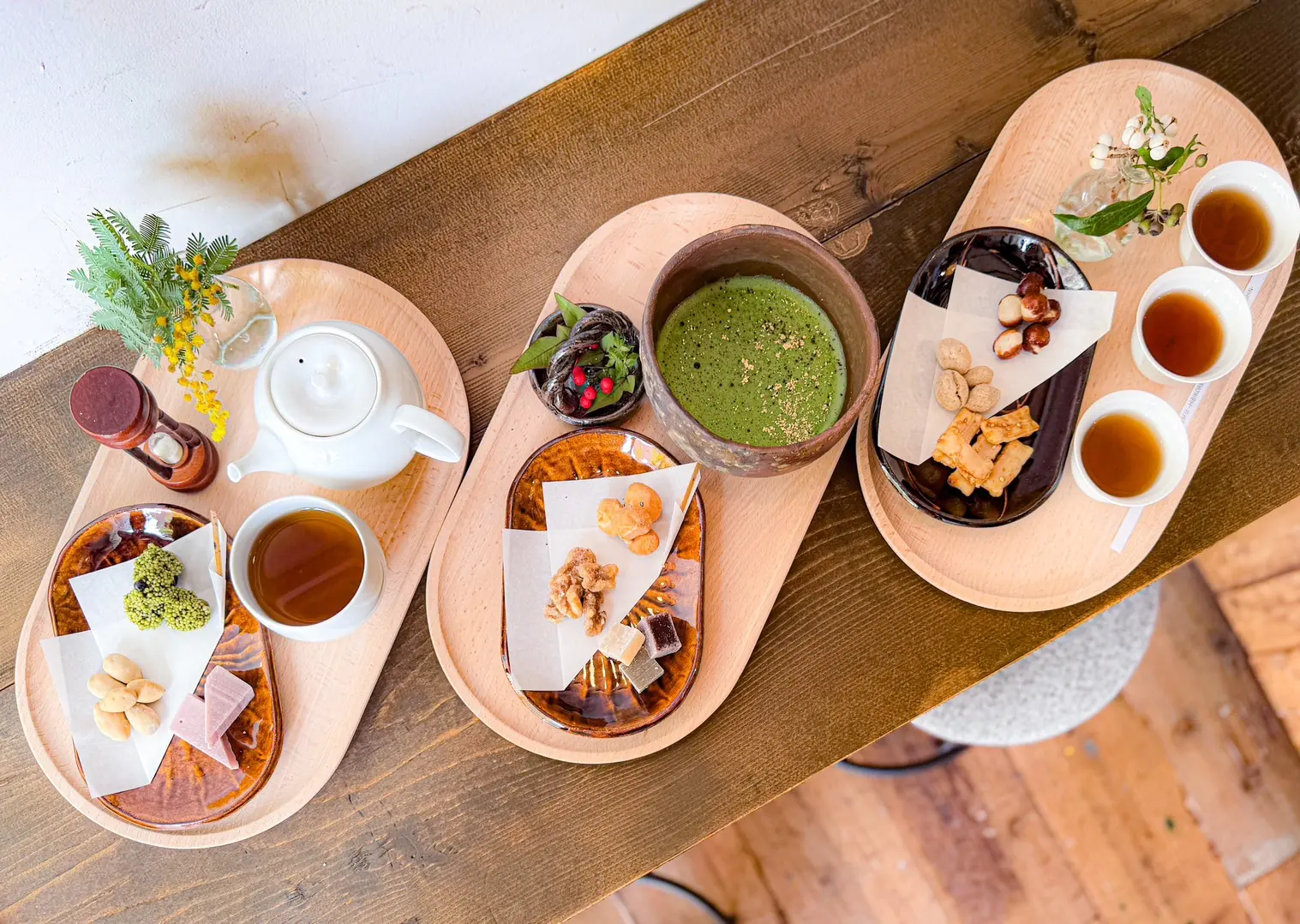
1. Cafe Mictea Labo
A Japanese tea cafe that opened in February 2024.
Located in the Muromachi area just off a side street from JR Nishi-Kokura Station, it’s gaining attention for its new style of tea experience that blends Japanese tea with spices and elements of Japanese, Chinese, and Western traditions—said to soothe everyday mental and physical fatigue.
2. Okonomiyaki Ishin
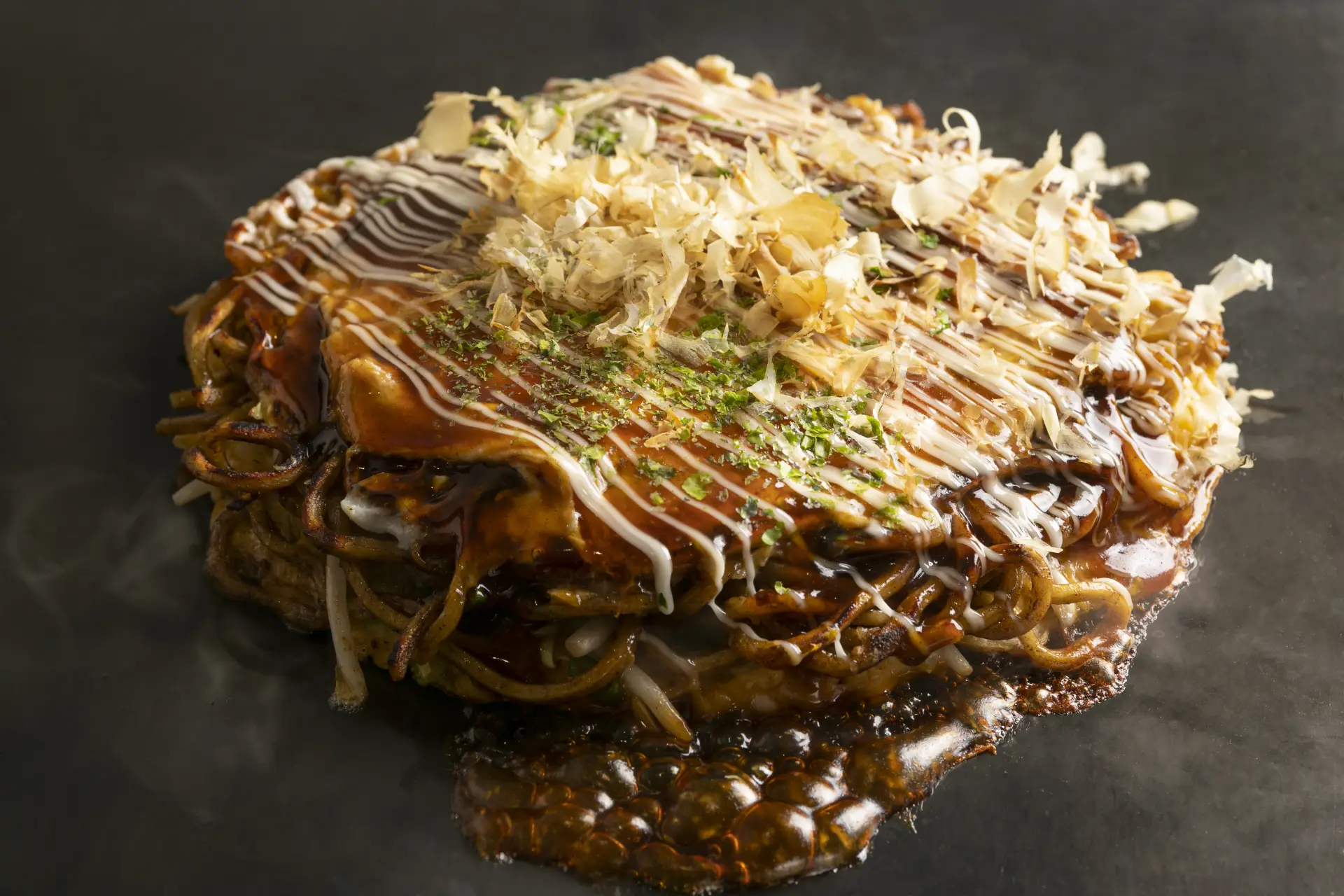
An okonomiyaki restaurant in Kokurakita Ward, Kitakyushu City, Fukuoka, in business since 1990.
Ishin’s okonomiyaki is thick, with a unique texture: crispy on the outside and moist on the inside.
The batter includes Kokura local sake, and letting it rest overnight creates an addictive soft, chewy texture.
3. Shiroya Kokura Store
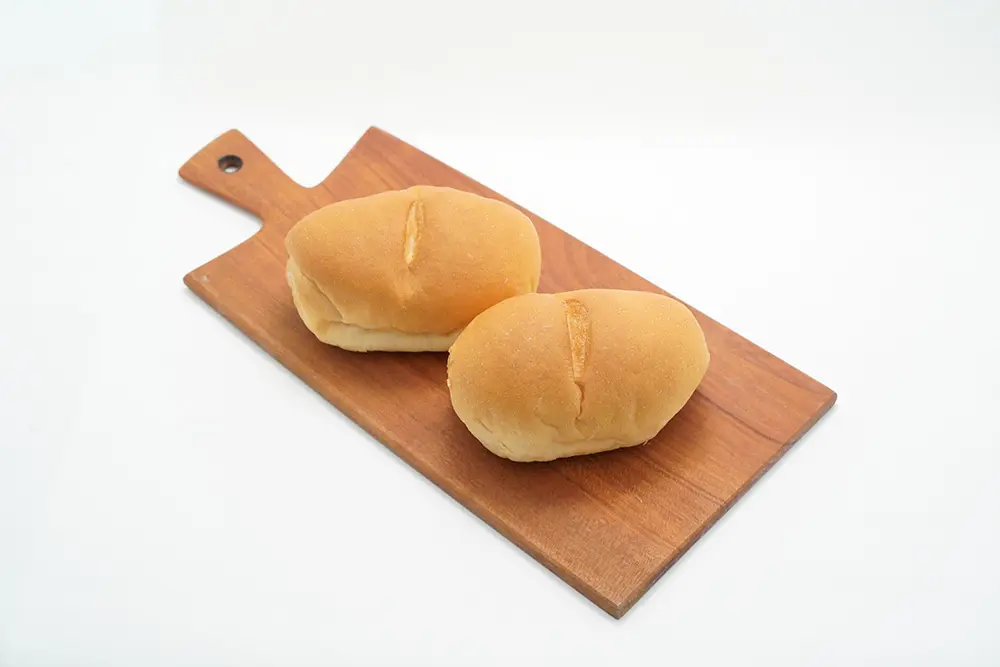
Shiroya Bakery’s Kokura store in Kokura, Kitakyushu City, is a long-established bakery that locals have loved since the 1950s.
It’s close to JR Kokura Station, conveniently located inside the Kokura Chuo Shopping Street arcade.
You choose the bread you want from the display case, and it’s so popular there’s almost always a line.
Reviews of Kokura Castle
4.03
Some reviews are AI-translated.
-
When the cherry blossoms are in full bloom, there are huge crowds. It's beautiful both during the day and at night.
-
The ticket also includes entry to the Kokura Castle Garden, which is great. It's worth stopping by for a stroll.
FAQ about Kokura Castle
Q
Who built Kokura Castle, and when?
A
Hosokawa Tadaoki, who distinguished himself in the Battle of Sekigahara, began building it in 1602.
Q
When is the best time to see cherry blossoms around Kokura Castle?
A
Late March to early April is the best time.
Summary
We’ve introduced “Kokura Castle,” where you can experience Kokura’s history, along with nearby highlights where you can experience traditional Japanese culture.
If you want to experience traditional Japanese culture and history in Kitakyushu City, it’s a spot you’ll definitely want to visit.
Not only Kitakyushu City, but Fukuoka as a whole has many attractive spots—far more than we can cover in this single article.
If you want to fully enjoy Fukuoka, please also use this article, which carefully selects great places to visit, as a reference.