
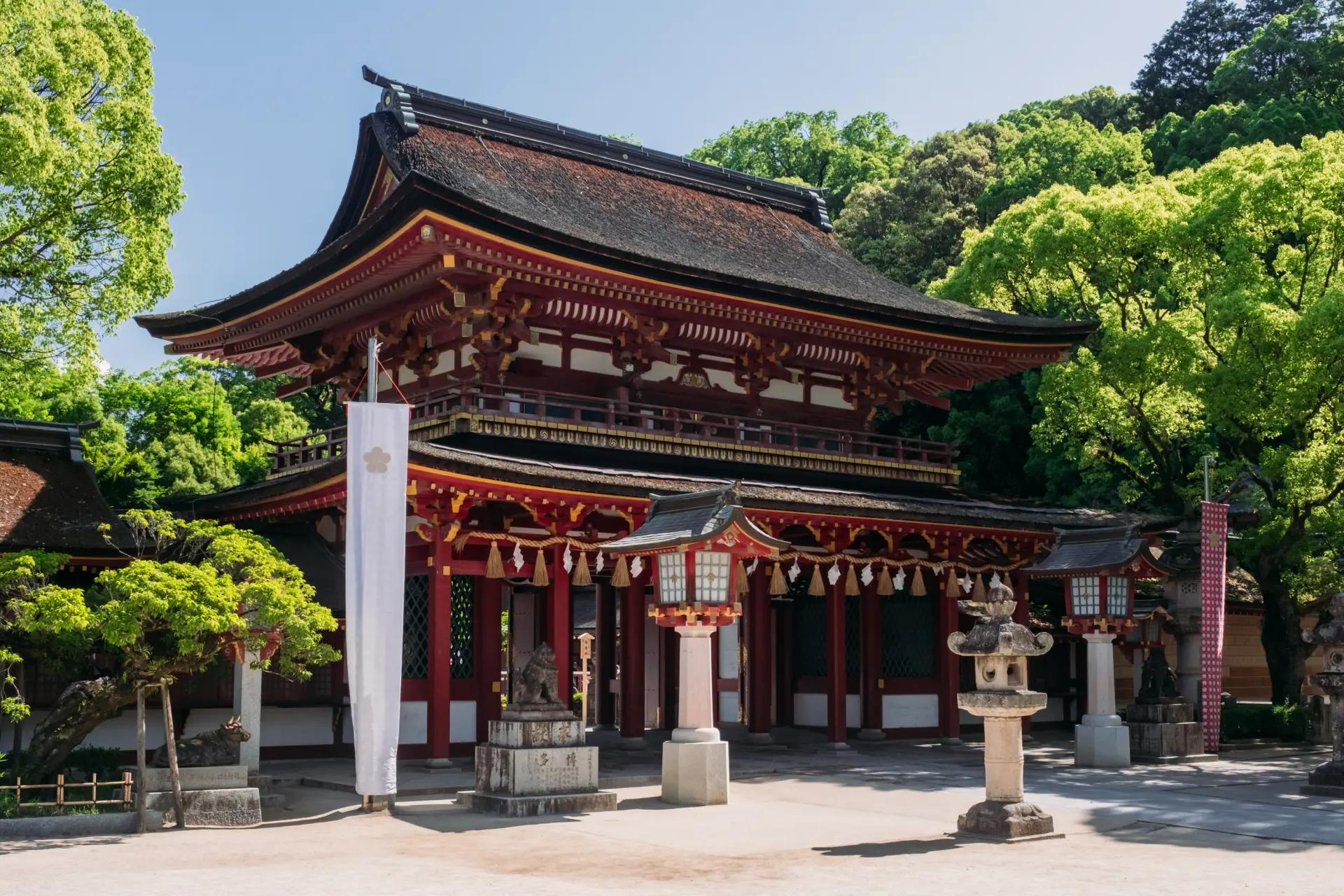


First Time in Fukuoka? Where Should You Go?
Fukuoka Prefecture Travel Guide
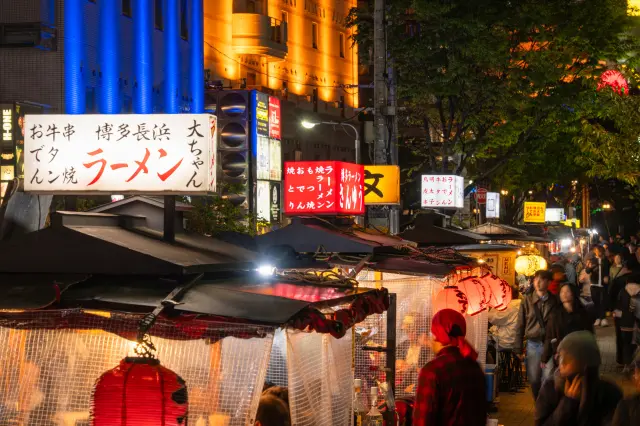
Fukuoka Prefecture, centered on Fukuoka City—one of Kyushu's leading cities—boasts abundant nature and a diverse food culture, along with many other attractions. Hakata and Tenjin are packed with shopping facilities and restaurants, and the nighttime streets lined with yatai food stalls are one of the highlights of visiting Fukuoka.
Beyond Fukuoka City, the prefecture is dotted with unique sightseeing spots, including Dazaifu Tenmangu Shrine, the scenic coastal town of Itoshima, the waterside town of Yanagawa, and Mojiko Retro with its nostalgic townscape. With abundant local specialties, from seafood caught in the Genkai Sea and Ariake Sea to regional dishes, every destination offers different scenery and flavors to discover.
The Gateway Where Kyushu's Liveliest Energy Meets the Natural Beauty of Sea and Mountains
Explore Fukuoka by Area

-
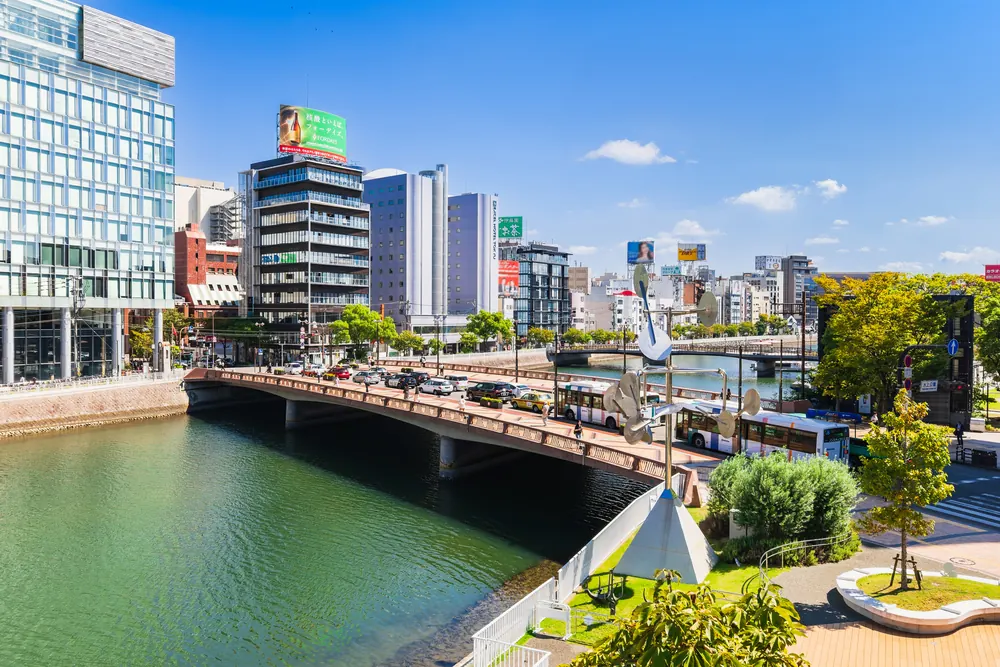
Hakata / Tenjin / Ohori Hakata Ward, Chuo Ward (Fukuoka City)
This area covers the heart of Fukuoka City, from around Hakata Station to Tenjin—one of Kyushu's largest downtown districts—and the lush greenery of Ohori Park. Visit historic spots such as Kushida Shrine and the ruins of Fukuoka Castle, or enjoy shopping and dining for a variety of experiences. With excellent transport access, it also makes a great base for exploring Fukuoka.
-
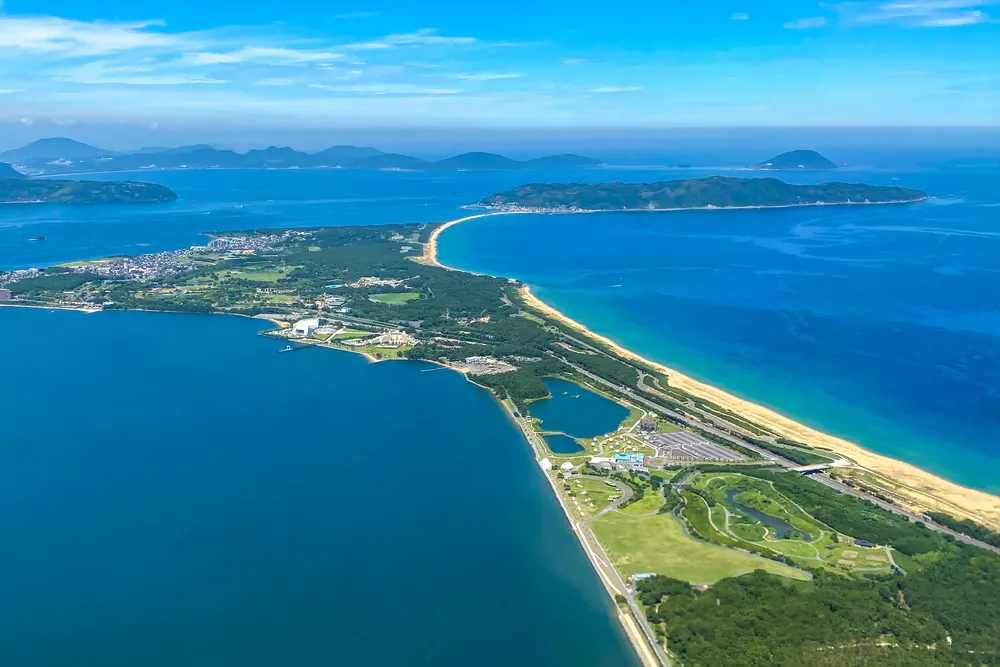
Uminonakamichi / Shikanoshima / Kashii Higashi Ward (Fukuoka City)
Surrounded by Hakata Bay and the Genkai Sea, this area is perfect for enjoying the seaside and outdoor activities. Popular spots include Uminonakamichi Seaside Park and Marine World Uminonakamichi, while Shikanoshima Island offers a scenic coastal drive. The historic Kashii-gu Shrine adds another kind of attraction beyond the coastal scenery.
-
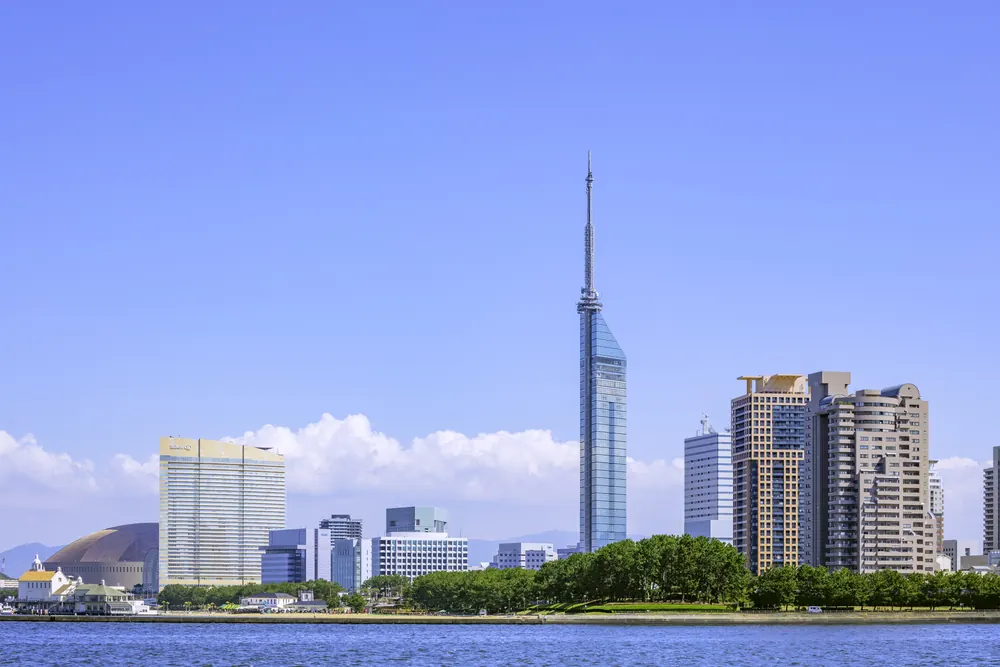
Nishijin / Momochi / Nokonoshima Sawara Ward, Nishi Ward (Fukuoka City)
This area has many different faces, from Momochi—home to Fukuoka Tower and Seaside Momochi Beach Park—to Nishijin, known for its lively shopping streets, and Nokonoshima Island with its abundant nature. Stroll along the coast, enjoy shopping and dining, or hop on a ferry to the island for everything from city sightseeing to a nature-filled island getaway.
-
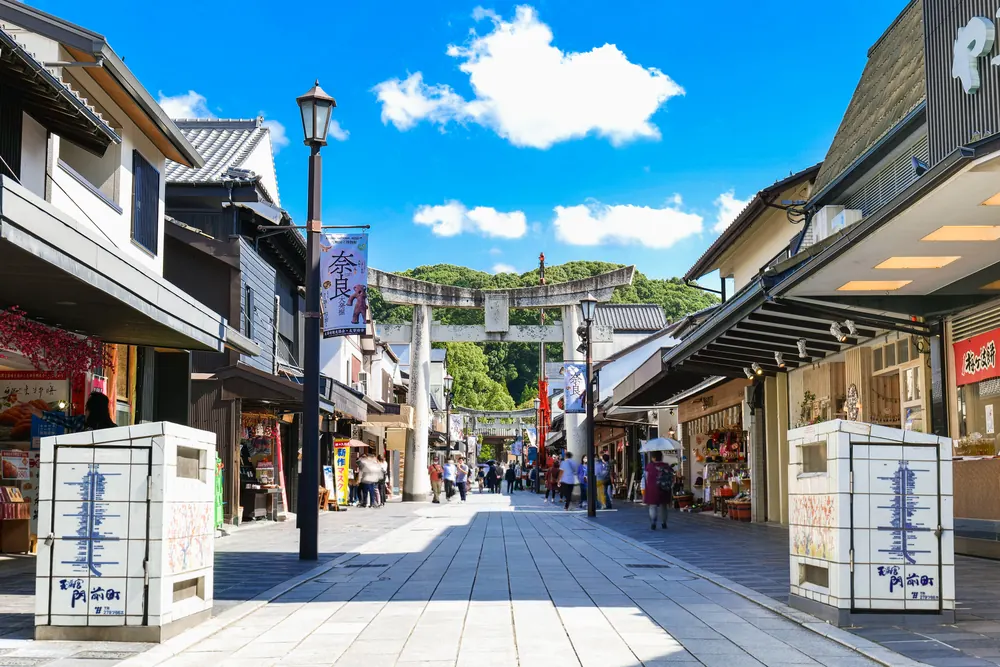
Aburayama / Dazaifu / Chikushino Minami Ward, Jonan Ward (Fukuoka City) / Chikushino City / Kasuga City / Onojo City / Dazaifu City / Nakagawa City
From historic sites such as Dazaifu Tenmangu Shrine to the natural surroundings of Mt. Aburayama and Chikushino, this suburban area offers a wide range of attractions. Stroll the approach to Dazaifu Shrine or enjoy outdoor activities in nature—the appeal lies in experiencing both history and culture alongside rich natural scenery, all close to the city.
-
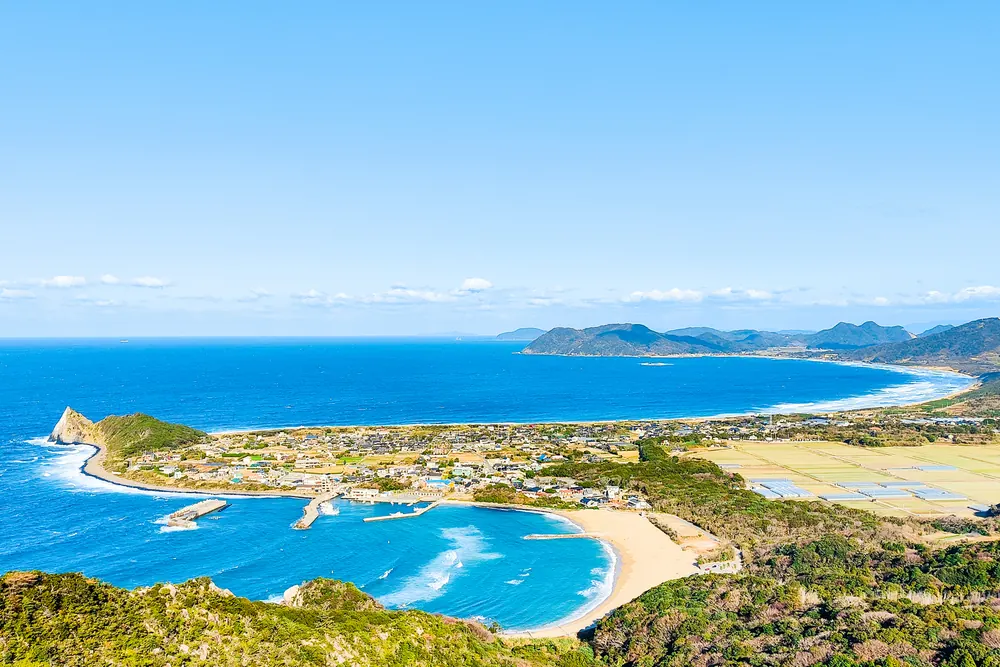
Itoshima Itoshima City
Facing the Genkai Sea, this area boasts a beautiful coastline and abundant nature. Coastal spots and cafes—including Sakurai Futamigaura—are scattered throughout, making it ideal for a scenic drive along the coast. With natural landmarks like Keya no Oto, it's easy to enjoy a relaxing resort atmosphere just a short trip from central Fukuoka City.
-
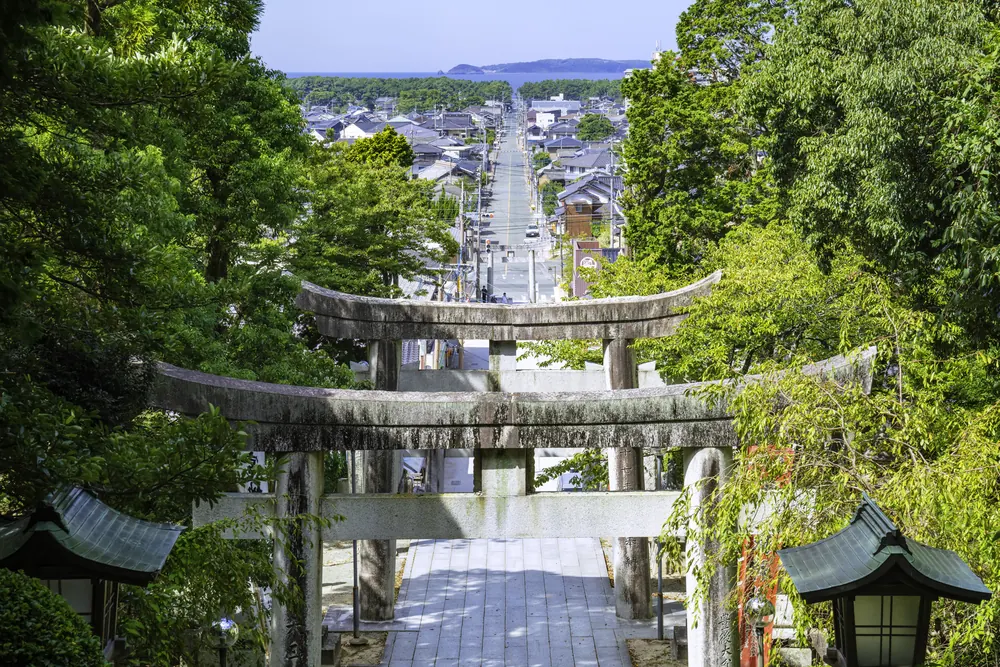
Munakata / Fukutsu / Kasuya Munakata City / Koga City / Fukutsu City / Umi Town / Sasaguri Town / Shime Town / Sue Town / Shingu Town / Hisayama Town / Kasuya Town
From Munakata and Fukutsu, home to component assets of a UNESCO World Heritage Site, to Kasuya with its mountain scenery, this area combines the charms of both sea and mountains. Visit Munakata Taisha Shrine, stroll along the coast in Fukutsu, or explore the temples of Sasaguri—each place offers something different, from history and culture to coastal and mountain landscapes.
-
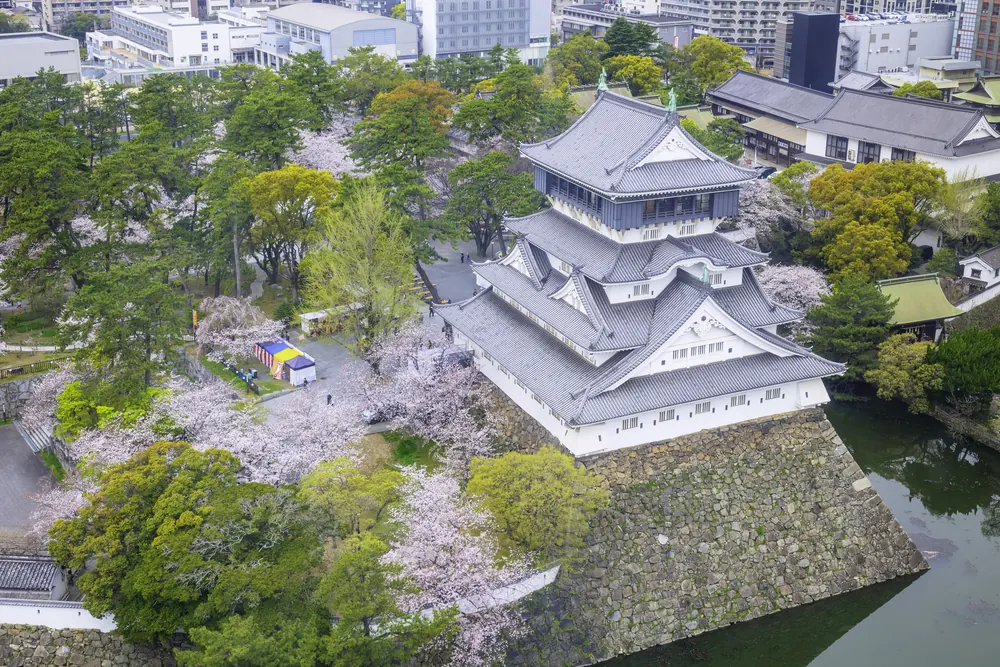
Mojiko / Kokura Moji Ward, Kokurakita Ward, Kokuraminami Ward (Kitakyushu City)
This area is full of diverse attractions, from Mojiko Retro with its nostalgic architecture, to the downtown of Kokura that grew up around Kokura Castle, to the natural landscapes of Hiraodai. Enjoy walking through the streets of Mojiko or exploring around Kokura Castle, and don't miss the dramatic karst plateau and limestone caves of Hiraodai.
-
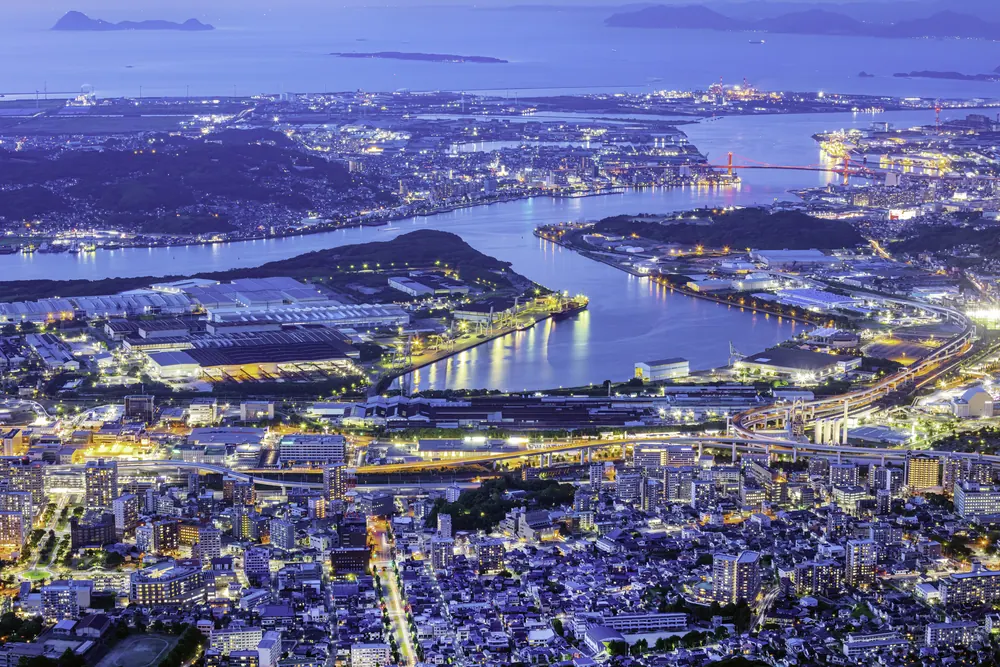
Yahata / Wakamatsu / Tobata Wakamatsu Ward, Yahatahigashi Ward, Yahatanishi Ward, Tobata Ward (Kitakyushu City)
This area offers views typical of Kitakyushu, including the night view from Mt. Sarakura and the coastal scenery of Wakamatsu. Wander through nostalgic streets or visit industrial heritage sites that tell the story of modernization, and trace the region's history while soaking in the atmosphere of a historic port town that helped shape Kitakyushu's development.
-
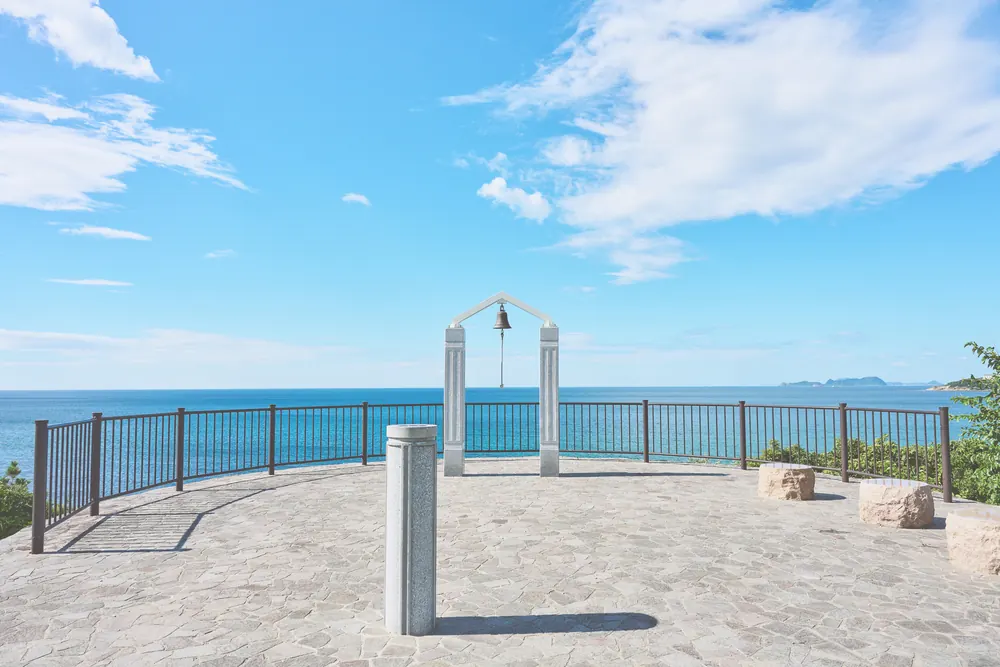
Onga / Nakama Nakama City / Ashiya Town / Mizumaki Town / Okagaki Town / Onga Town
With the Onga River flowing through it, this area stretches from the coast facing Hibiki-nada Sea to a lush inland landscape, offering peaceful scenery throughout. Stroll along the coast at Ashiya Beach Park or Hatsu Coast, and visit Nakama City, which still retains industrial heritage from the era of modernization. Taking in the views of the sea and river while spending a relaxed time is part of the charm of this area.
-
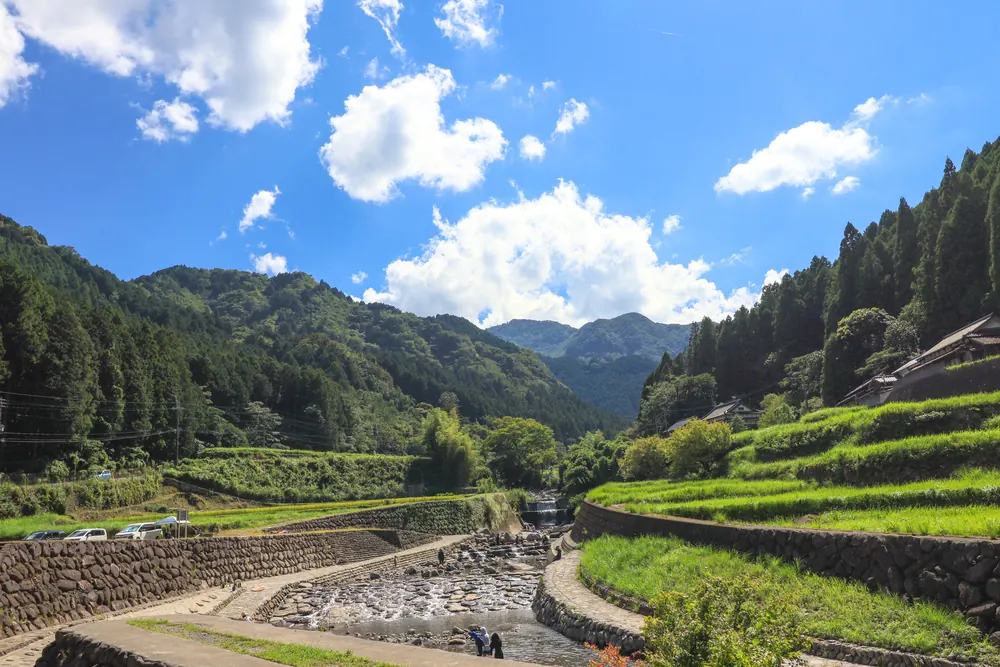
Yukuhashi / Buzen / Keichiku Yukuhashi City / Buzen City / Kanda Town / Miyako Town / Yoshitomi Town / Koge Town / Chikujo Town
Stretching from the coast facing Suo-nada Sea to the mountains, this area in eastern Fukuoka Prefecture is rich in nature. Buzen City is home to Mt. Kubote, which carries the history of Shugendo mountain asceticism, while Miyako Town and Chikujo Town retain historic shrines, temples, and historical sites. Enjoy a relaxed time amid peaceful scenery, taking in both coastal views and mountain village nature.
-
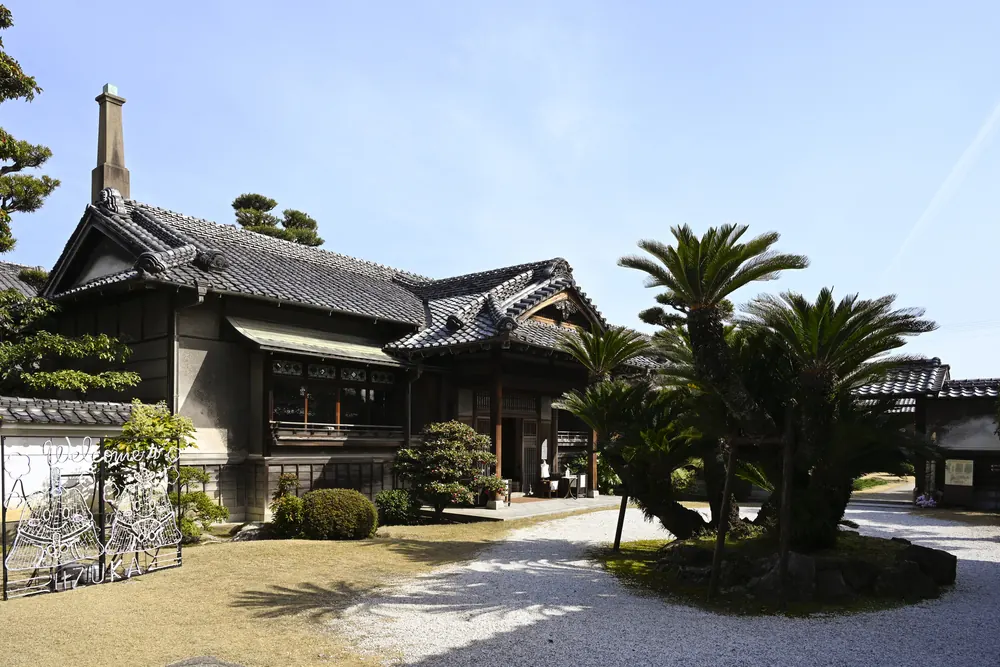
Iizuka / Nogata / Tagawa Nogata City / Iizuka City / Tagawa City / Miyawaka City / Kama City / Kotake Town / Kurate Town / Keisen Town / Kawara Town / Soeda Town / Itoda Town / Kawasaki Town / Oto Town / Aka Village / Fukuchi Town
Once prosperous as the Chikuho Coalfield, this area is surrounded by mountains and rich in nature. Learn about coal mining history at places like the Tagawa Coal and History Museum, while Iizuka offers historic buildings including the former Ito Denemon Residence. Nogata and Miyawaka also have spots where you can experience nature and culture, preserving the unique history and scenery of the Chikuho region.
-
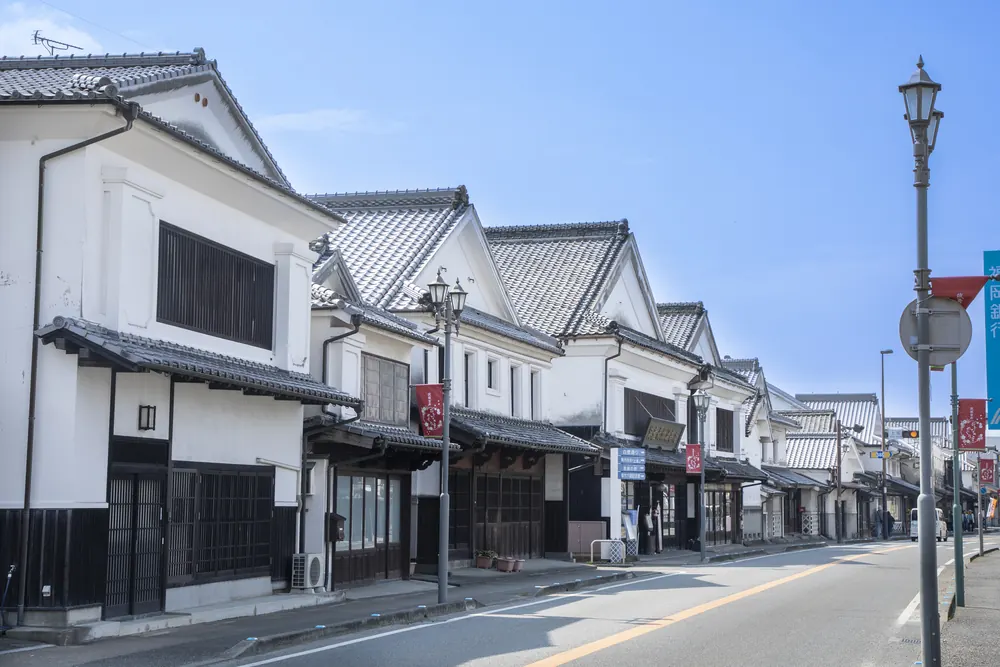
Kurume / Asakura / Ukiha Kurume City / Ogori City / Ukiha City / Asakura City / Tachiarai Town / Chikuzen Town / Toho Village
Spreading along the Chikugo River basin, this area offers a variety of charms, including historic townscapes, abundant nature, and fruit-growing regions. Visit shrines and cultural facilities in Kurume, or stroll through the former castle town of Akizuki in Asakura. Ukiha features white-walled streets and orchards, with each place offering different scenery and culture to discover.
-
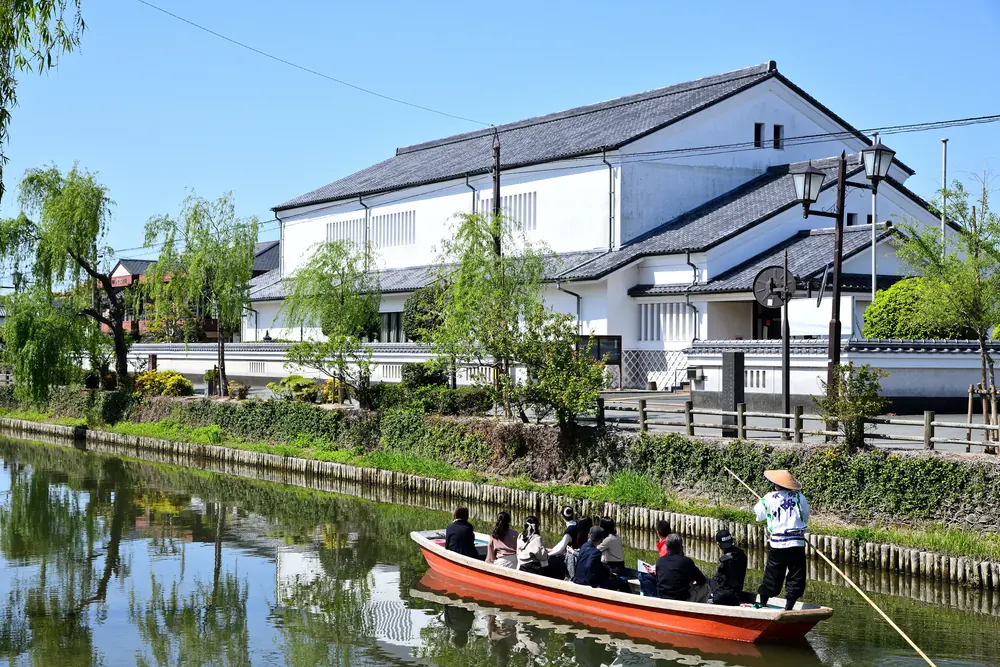
Yanagawa / Okawa / Omuta Omuta City / Yanagawa City / Okawa City / Miyama City / Oki Town
This area in the southern part of the prefecture offers a variety of charms, including waterside scenery, historic townscapes, and a culture of craftsmanship. In Yanagawa, enjoy a boat ride along the canals on a donkobune boat, or take a leisurely walk through the town's atmospheric streets. Okawa, known for furniture making, and Omuta, where you can learn about the coal mining history that supported modernization, each nurture a distinct local culture.
-
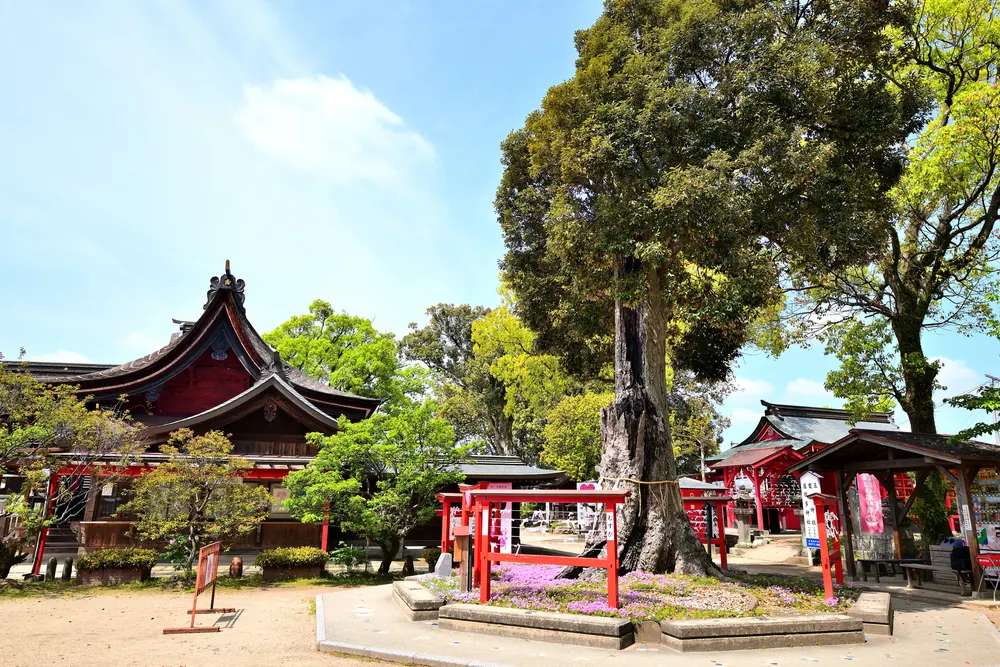
Yame / Chikugo Yame City / Chikugo City / Hirokawa Town
Known for producing Yame tea, this area retains abundant nature and historic townscapes. In Yame-Fukushima, stroll through streets lined with white-walled merchant houses, while tea fields spread across the mountainous areas. Chikugo offers highlights such as Suiden Tenmangu Shrine and Koinoki Shrine, and the area's traditional crafts, including Yame's own, let you experience the culture and craftsmanship rooted in the region.
GOOD LUCK TRIP Recommends
Must-Visit Attractions for Your First Trip to Fukuoka
-
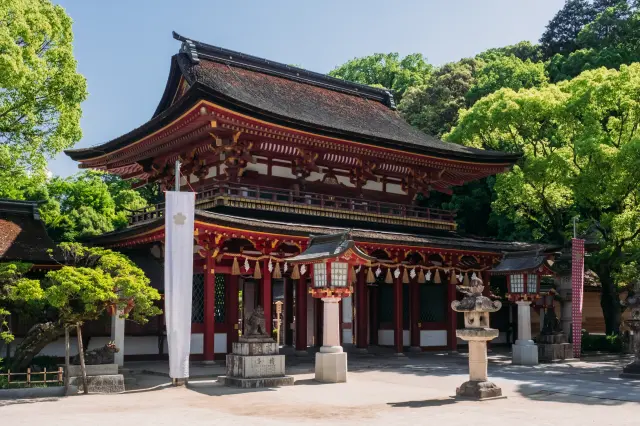 Aburayama, Dazaifu, Chikushino1. Dazaifu Tenmangu Shrine
The head shrine of 10,000 shrines across Japan, dedicated to the spirit of scholar Sugawara Michizane.
-
 Mojiko, Kokura2. Mojiko Retro
Visit a retro architecture and time-slip into the good old days.
-
 Hakata, Tenjin, Ohori3. Nakasu Yataigai (food stall street)
A food stall street packed with the gourmet city Hakata’s choice tastes.
-
 Uminonakamichi, Shikanoshima, Kashii4. Uminonakamichi Seaside Park
A large park with a resort-like atmosphere. Visitors can enjoy the seasonal flowers, meet the animals, and ride bicycles.
-
 Yahata, Wakamatsu, Tobata5. Sarakurayama Observatory
The cable car and the slope car will take you to the best night view spot in Kitakyushu city!
Fukuoka Attractions






GOOD LUCK TRIP Recommends
5 Best Things to Do in Fukuoka
-
1. Experience Hakata's Yatai Food Stall Culture
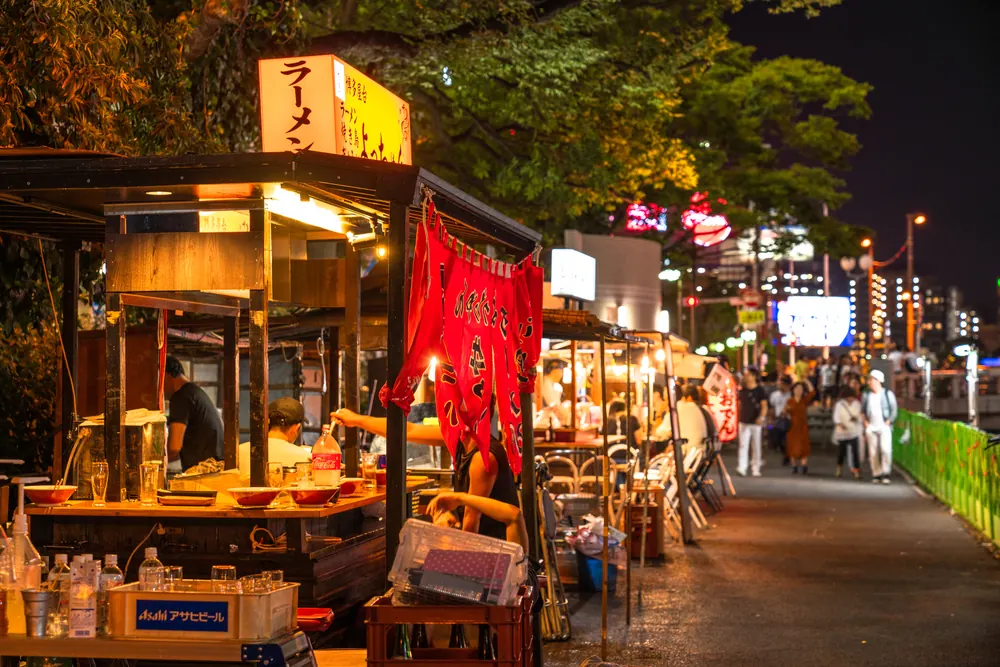
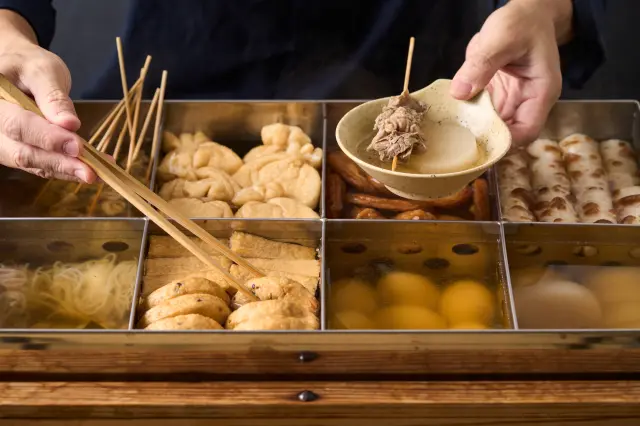
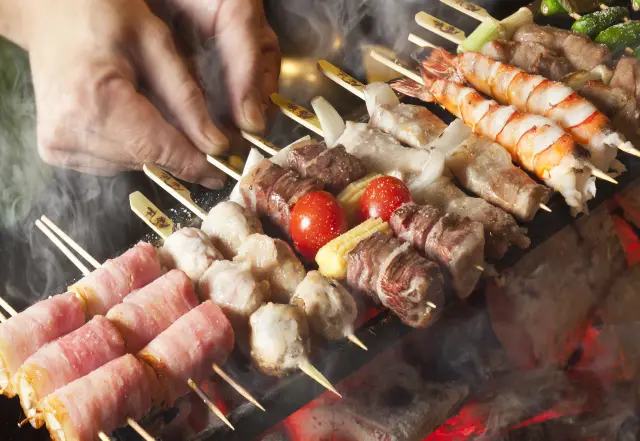
Yatai food stalls are beloved as a symbol of Fukuoka's nightlife. Mainly around Hakata and Tenjin, stalls open up on street corners as dusk falls, serving a variety of dishes such as ramen, yakitori, and oden. Part of the appeal is stall-hopping to try different ones and chatting with the owners or fellow customers, a closeness you only get at a yatai.
-
2. Drive Along the Itoshima Coast
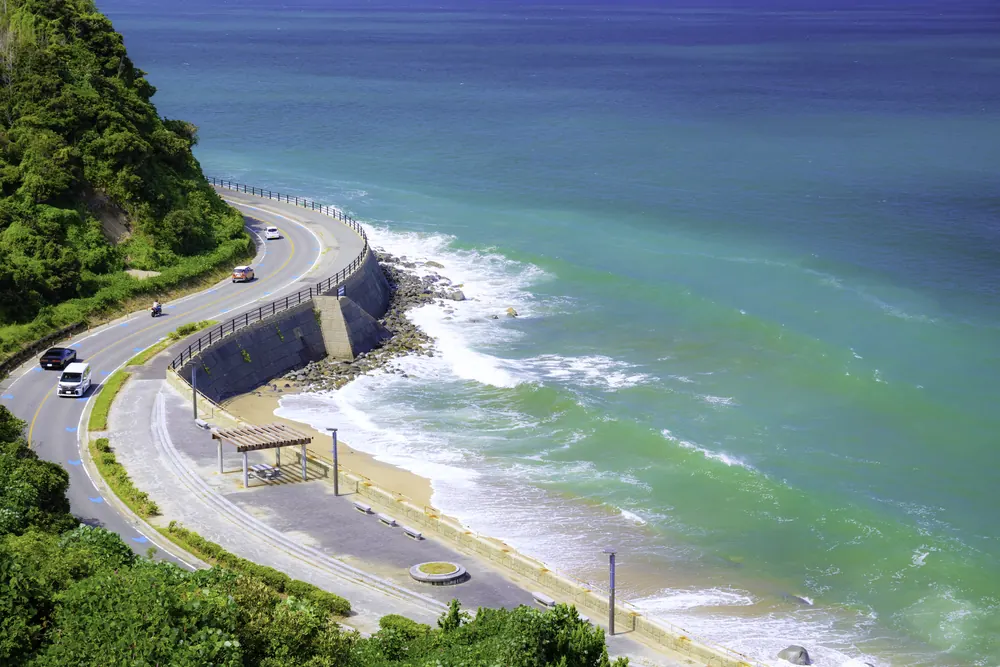
Facing the Genkai Sea, Itoshima is a popular area for driving along its beautiful coastline. Scenic spots and cafes are scattered along the coast, and venturing a little further inland leads to places rich in nature and history. Feel the sea breeze as you drive along the coastline, taking in Itoshima's distinctive seaside scenery to your heart's content.
-
 ItoshimaItoshima City Sakurai Futamigaura
A popular and spectacular spot where the sun sets between the giant husband and wife rocks.
-
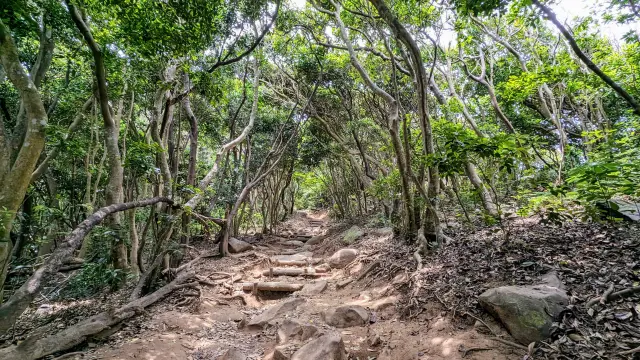 ItoshimaKeya no Oto Park
A popular spot known for its tree tunnel that looks like something out of an anime.
-
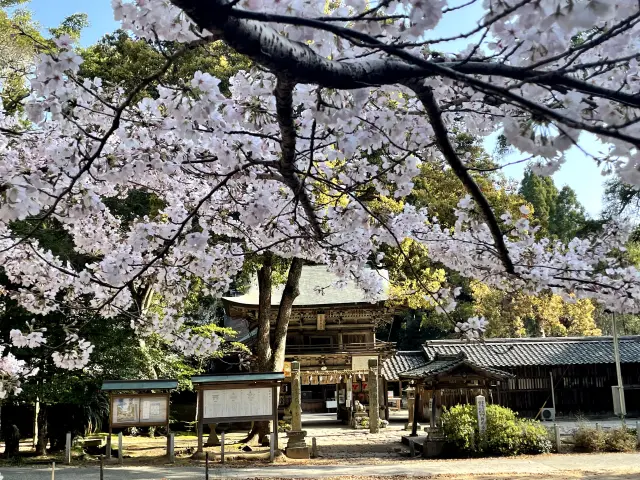 ItoshimaSakurai Shrine
A shrine at the tip of the Itoshima Peninsula with deep ties to Ise Jingu.
-
-
3. Visit the World Heritage Site Munakata Taisha Shrine
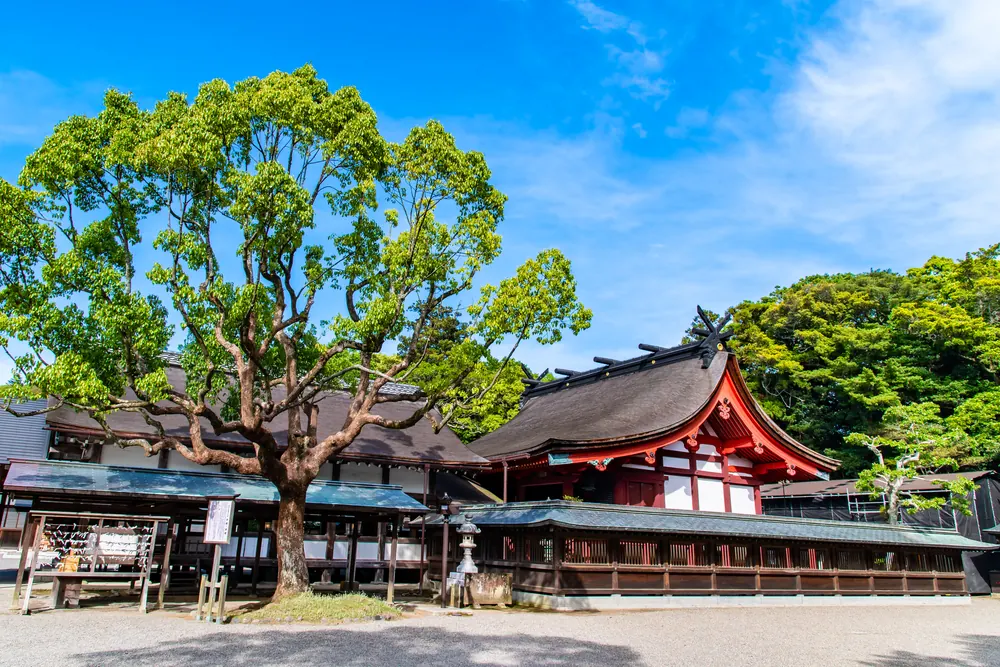
Munakata Taisha Shrine has long been worshipped as the guardian deity of maritime transport. It is registered as a UNESCO World Heritage Site as part of "Sacred Island of Okinoshima and Associated Sites in the Munakata Region." Along with your visit, learn about Munakata's history and culture and try local specialties to deepen your understanding of the area.
-
 Munakata, Fukutsu, KasuyaMunakata Taisha Shrine
A prestigious shrine designated as a UNESCO World Heritage.
-
 Munakata, Fukutsu, KasuyaUmi no Michi Munakata Hall
Experience the world heritage "Sacred Island Munakata Okinoshima and Related Heritage Sites" with realistic images!
-
 Munakata, Fukutsu, KasuyaMichi-no-Eki Munakata Roadside Station
Michi-no-Eki is surrounded by rich nature, including World Heritage sites and the Genkainada Sea.
-
-
4. Experience the Majestic Karst Landscape of Hiraodai
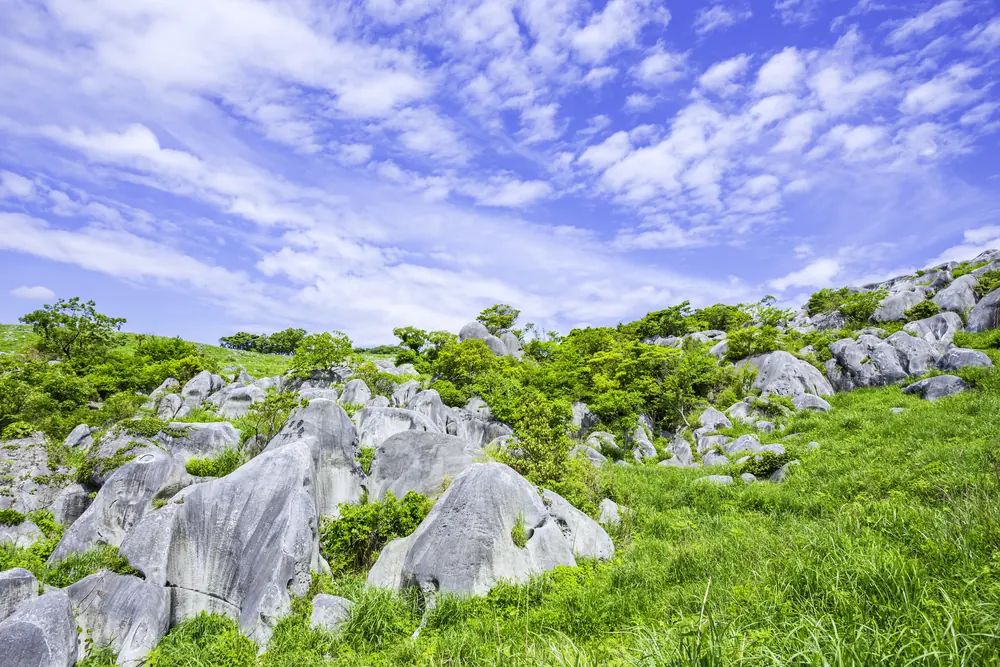
Hiraodai is one of Japan's leading karst plateaus, with a unique landscape dotted with limestone outcrops. Beyond strolling through the grasslands and taking in the sweeping views, you can also explore limestone caves underground, experiencing natural formations quite different from those above ground. From the surface to underground, discover the many faces of a karst landscape shaped over a long span of time.
-
 Mojiko, KokuraQuasi-National Park, Hiraodai
Chunks of limestone on the karst plateau look as if sheep are roaming on grassland.
-
 Mojiko, KokuraSenbutsu Limestone Cave
A large limestone cave in the Karst plateau "Hiraodai," designated as a national natural monument.
-
 Mojiko, KokuraSola Land Hiraodai (Hiraodai Countryside Park)
A wonderland of majestic, picture-perfect landscapes awaits in the karst plateau!
-
-
5. Trace the Legacy of Castle Towns and Discover Fukuoka's History
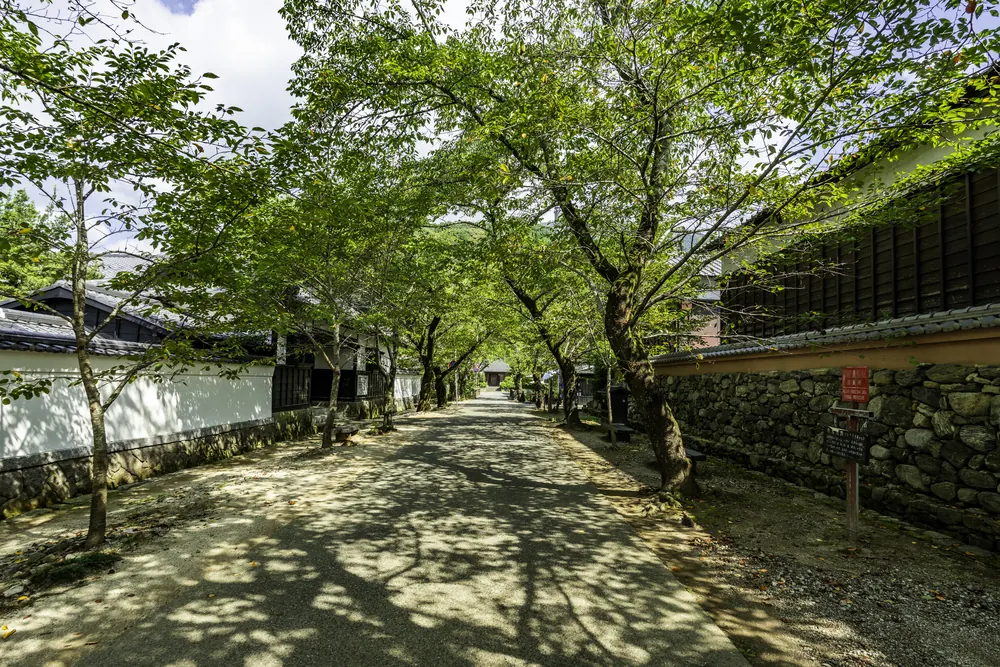
Areas that once flourished as castle towns remain scattered throughout Fukuoka Prefecture. In Yanagawa, you can enjoy the waterside scenery of canals winding through town; in Akizuki, streets lined with castle ruins and former samurai residences remain; and in Kokura, you can experience the history of a town that developed around its castle. Trace each town's distinct legacy and enjoy a walk through Fukuoka's history.
-
 Yanagawa, Okawa, OmutaYanagawa Tachibana-tei Ohana
A historic Yanagawa landmark that still stands today. Shotoen, a National Site of Scenic Beauty will take your breath away.
-
 Kurume, Asakura, UkihaAkizuki Castle Ruins
The graceful castle town, reflecting the glory of “Chikuzen’s Little Kyoto.”
-
 Mojiko, KokuraKokura Castle
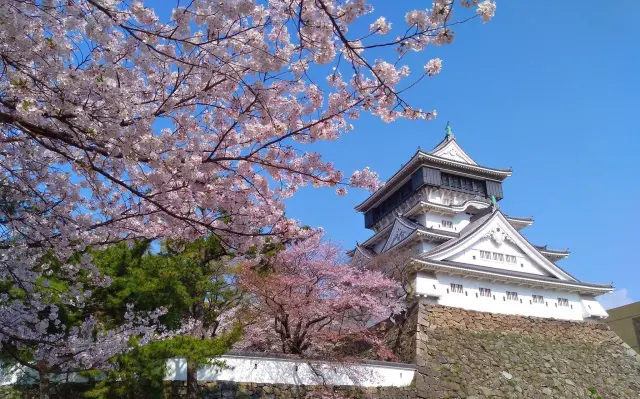
The castle is within walking distance of JR Kokura Station. The only castle with a tower in Fukuoka, known for fantastic cherry blossoms.
-
Fukuoka's Featured Articles
![[Fukuoka Summer Travel Guide] Summer Scenery Just Beyond the City](https://static.gltjp.com/glt/data/article/22000/21468/20260617_161706_165a0c3b_w640.webp)

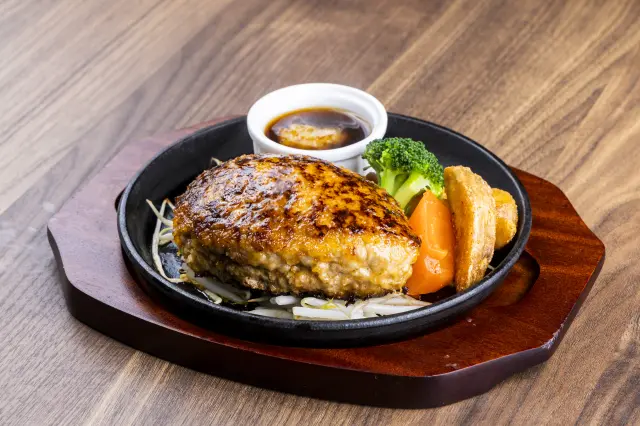
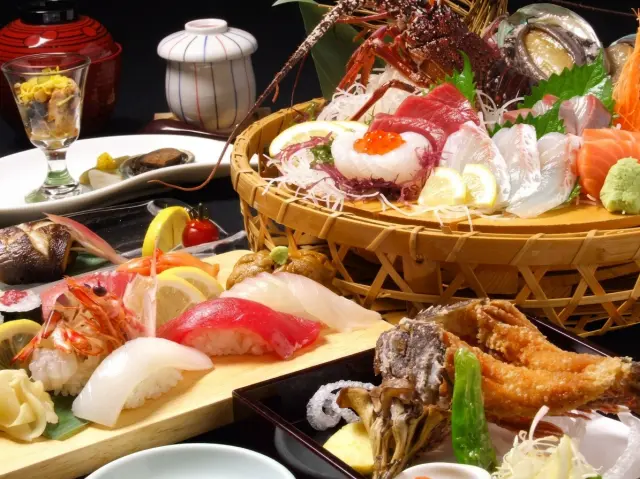
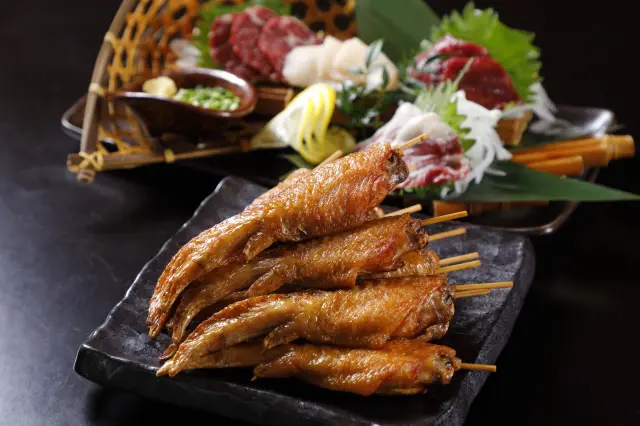
Must-Try Local Food in Fukuoka!
Fukuoka Food Guide
-
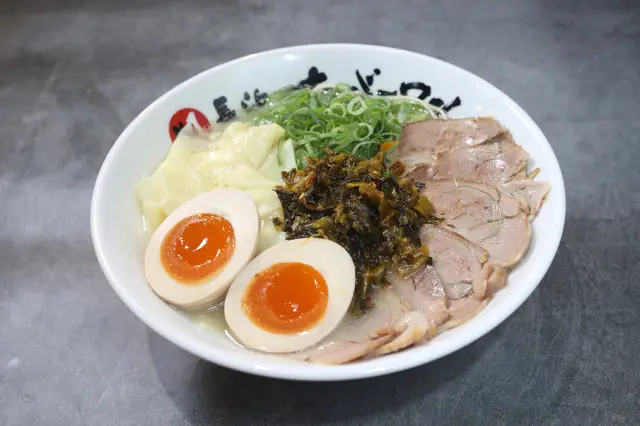
1. Hakata Ramen
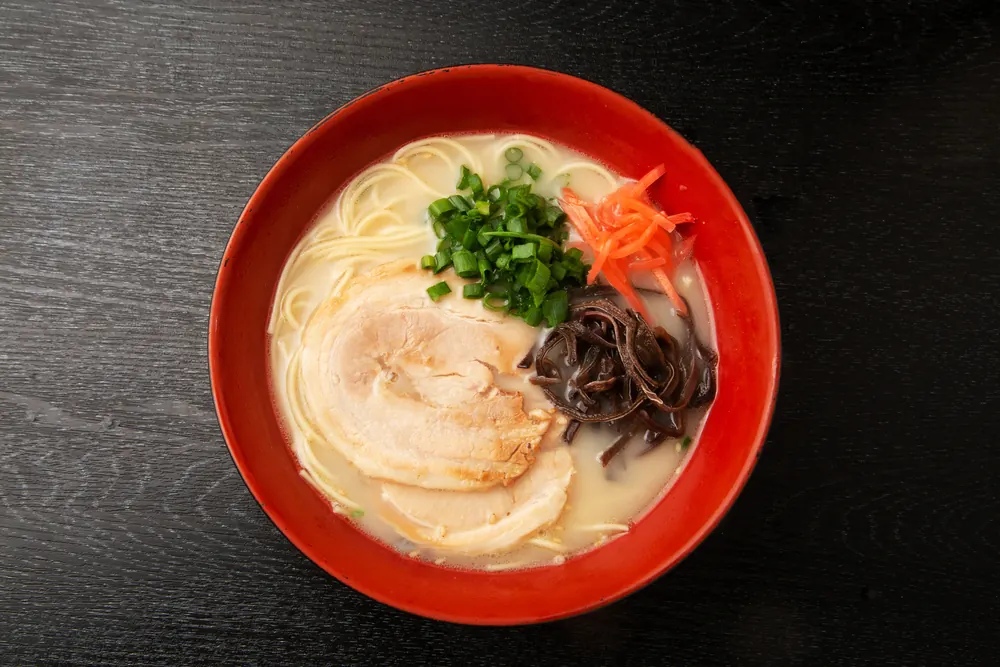
Known for its cloudy pork bone broth and thin, straight noodles, Hakata ramen is also famous for "kaedama," where you can order an extra serving of noodles alone. It's fun to compare the broth flavor and noodle firmness from shop to shop.
-
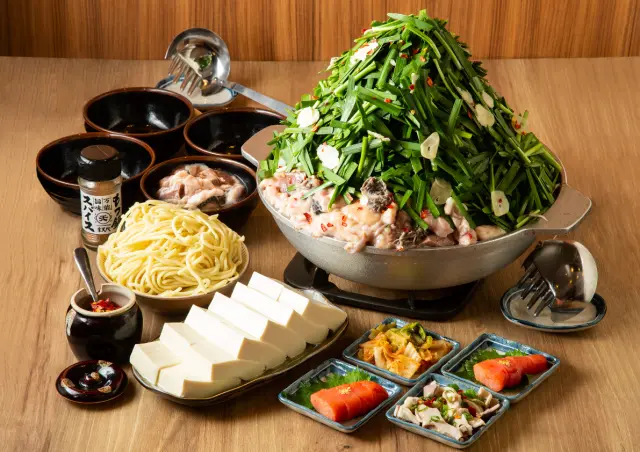
2. Motsunabe (Beef Offal Hot Pot)
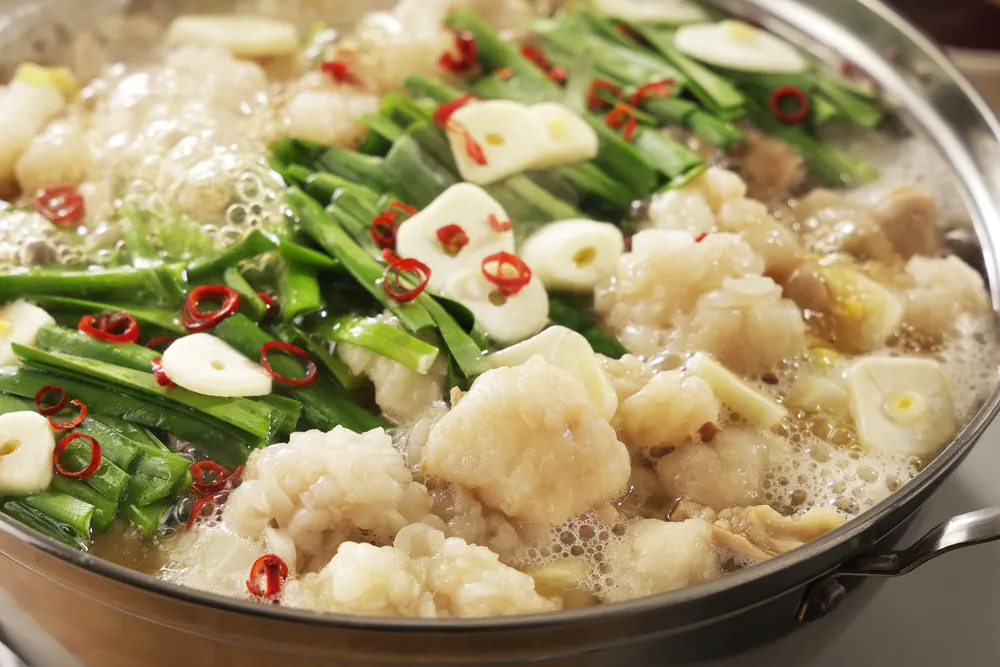
A Hakata specialty of beef offal simmered with cabbage and chives in a soy sauce or miso-based broth. The chewy texture of the offal, the sweetness of the vegetables, and the rich broth pair perfectly, and finishing the meal with champon noodles added to the broth is a classic way to enjoy it.
-
3. Goma-saba (Sesame Mackerel)
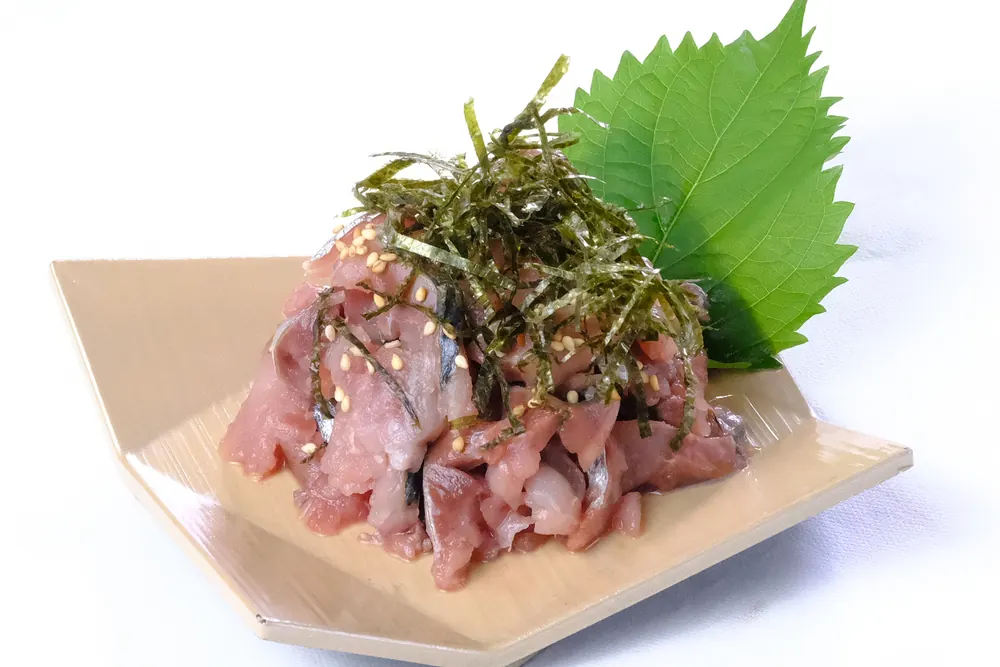
A local Fukuoka dish of fresh mackerel sashimi tossed with sesame seeds in a soy sauce-based dressing. The nutty aroma of sesame and the flavor of the sauce bring out the mackerel's umami, and it's enjoyed over rice or as ochazuke (rice in tea).
-
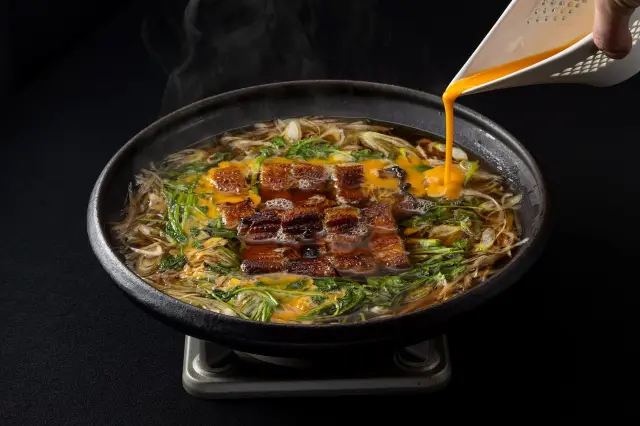
4. Yanagawa Unagi Seiro-mushi (Steamed Eel and Rice)
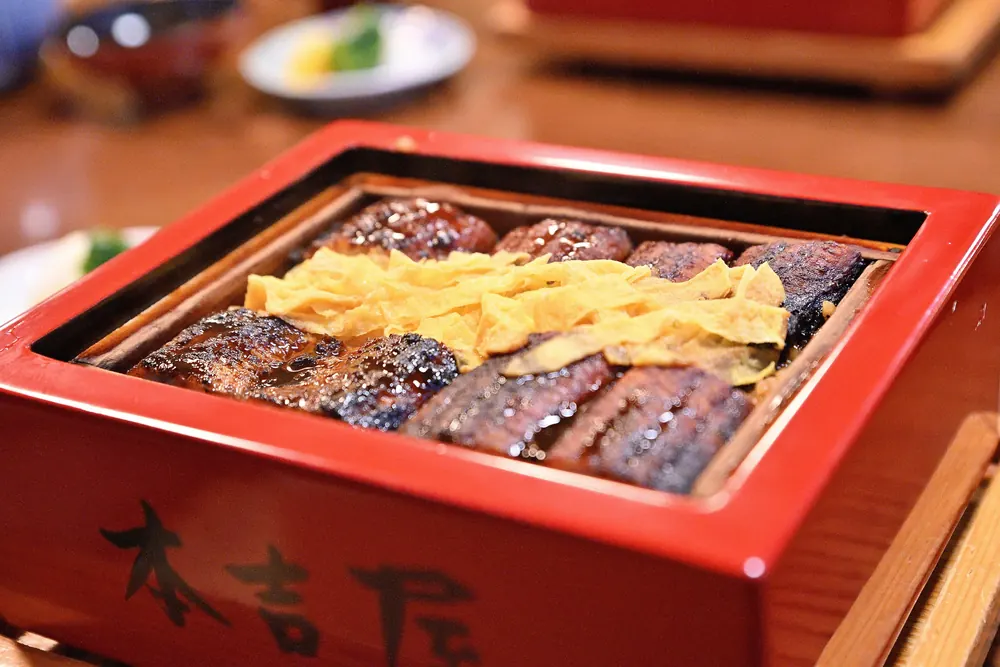
A local Yanagawa dish featuring grilled eel (unagi kabayaki) and shredded egg crepe placed on rice coated in sauce, then steamed in a wooden box. The appeal lies in the way the tender eel and sauce-soaked rice come together in one harmonious flavor.
-
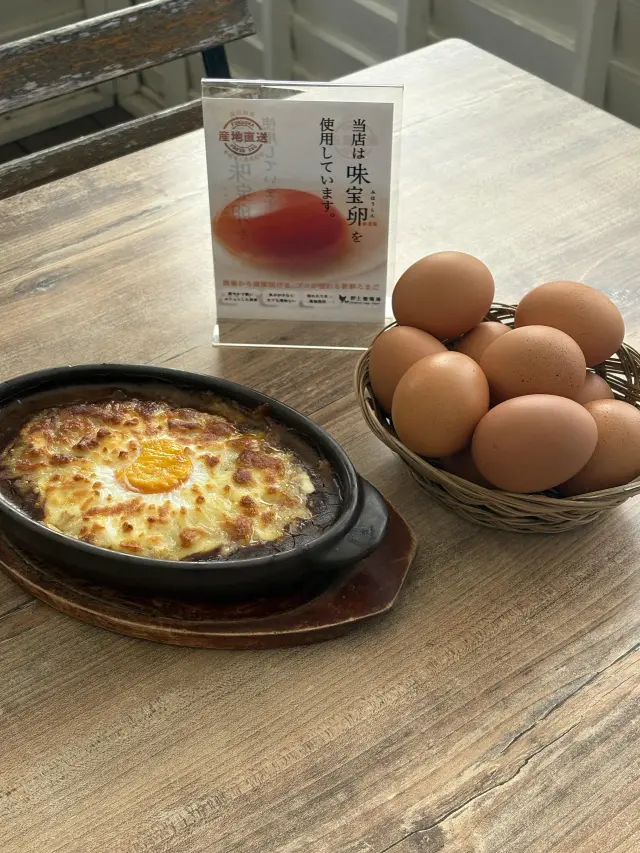
5. Mojiko Yaki Curry (Baked Curry Rice)
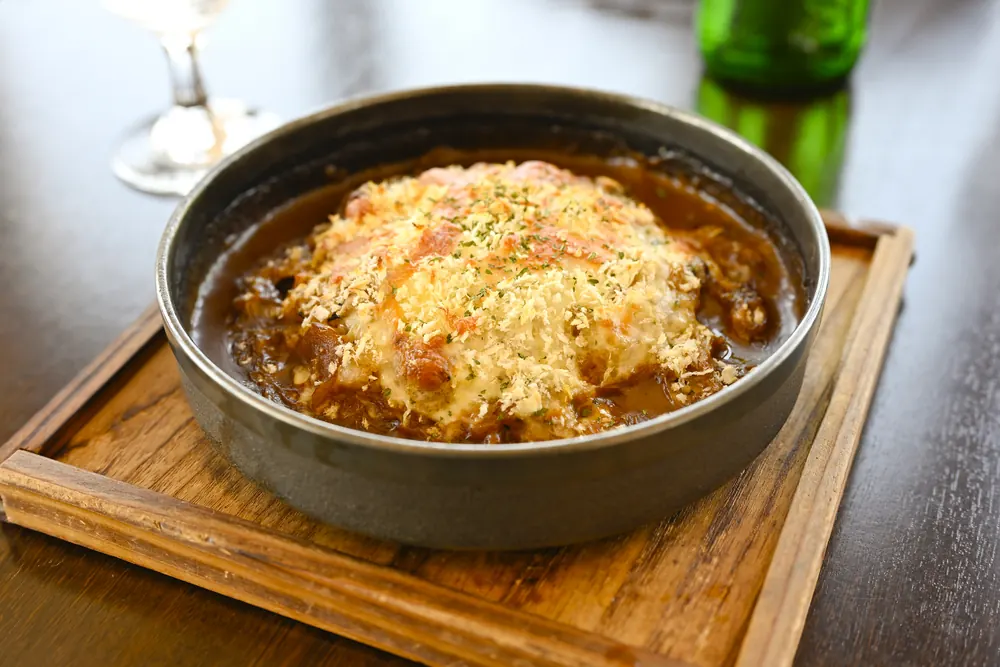
A local specialty originating in Mojiko, made by pouring curry over rice, topping it with cheese and egg, and baking it in the oven. The melted cheese and soft-boiled egg blend with the curry to create a rich, mellow flavor.
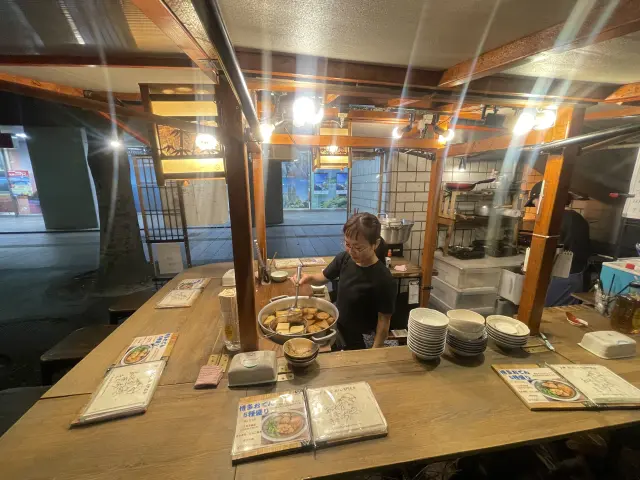
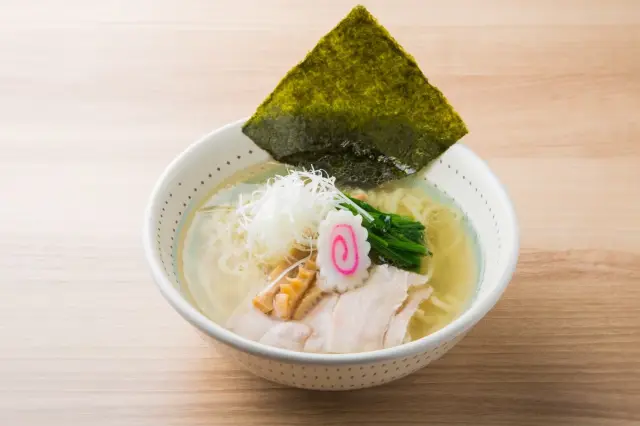
Where to Eat in Fukuoka
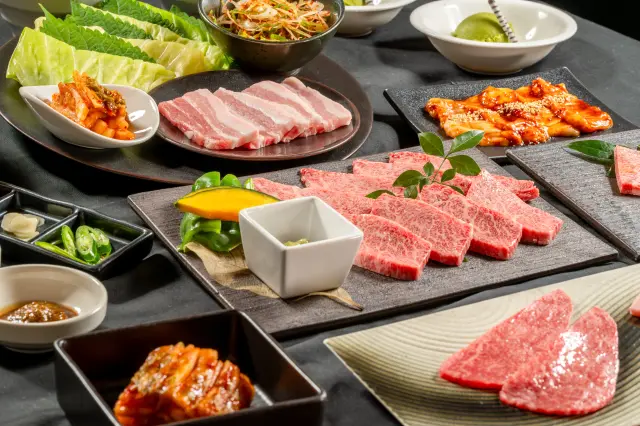

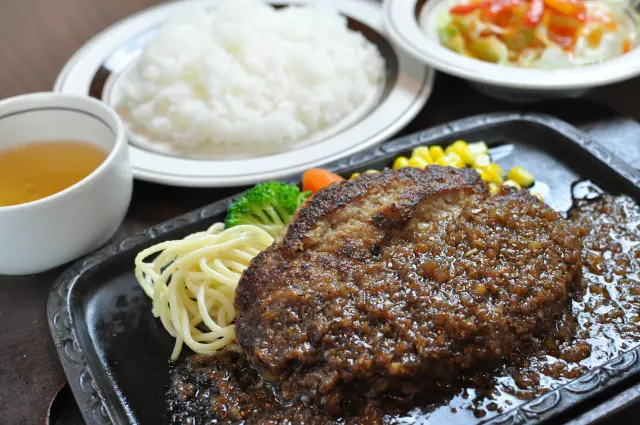

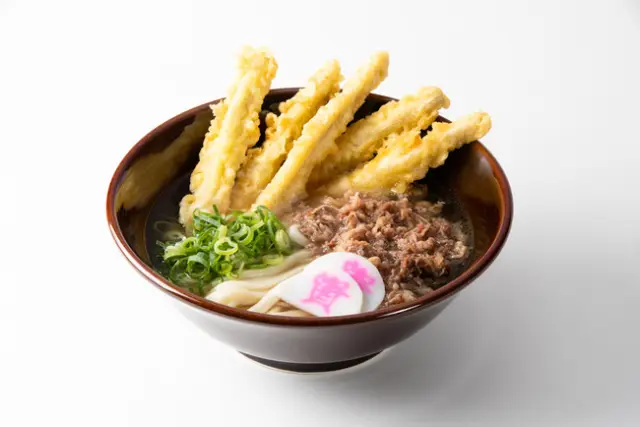
Travel Ideas
Fukuoka Itineraries
A 2-Day Itinerary Exploring Fukuoka's Popular Attractions
An itinerary that lets you enjoy the very best of Fukuoka in two days and one night, from Dazaifu Tenmangu Shrine to the Nakasu yatai food stalls, Munakata Taisha Shrine, and Mojiko Retro.
On Day 1, experience history and culture in Dazaifu, then visit a museum and Fukuoka Tower in Fukuoka City before enjoying yatai food stalls. On Day 2, visit the UNESCO World Heritage Site Munakata Taisha Shrine, then head to Mojiko Retro and Tanga Market.
Savor Fukuoka's history, townscapes, and cuisine while efficiently visiting the prefecture's most popular attractions.
Day 1
- 8:30 Depart from Nishitetsu Fukuoka (Tenjin) Station
- 9:10 Enjoy history and art at "Dazaifu Tenmangu Shrine"
- 10:10 Learn about the history of cultural exchange at the Kyushu National Museum
- 12:00 Enjoy famous local food along "Dazaifu Tenmangu Shrine's Approach"
- 14:35 Deepen your understanding of Fukuoka's history and culture at the Fukuoka City Museum
- 16:20 Enjoy the extraordinary space and spectacular views at Fukuoka Tower
- 18:10 Enjoy a deep dive into local food culture at "Nakasu Yataigai"
- 20:00 Relax and rest at the Nishitetsu Grand Hotel
Day 2
- 8:20 Depart from JR Hakata Station
- 9:20 Visit the UNESCO World Heritage Site "Munakata Taisha Shrine"
- 13:00 Have lunch around JR Mojiko Station
- 14:00 Stroll around the attraction-packed "Mojiko Retro"
- 16:00 Enjoy sake and seafood dishes at Tanga Market
From Scenic Coastlines to Waterside Towns, Hot Springs, and Historic Streets: A 3-Day Fukuoka Driving Trip
From Itoshima, overlooking the Genkai Sea, to Yanagawa with its sweeping waterside scenery, and on to Chikugo and Yame, where hot springs and historic streets await.
On Day 1, enjoy Itoshima's abundant nature at Shiraito Falls and Sakurai Futamigaura. On Day 2, savor a boat ride down the Yanagawa canals, the local specialty eel dish, and Funagoya Onsen hot spring. On the final day, experience the townscape and traditional crafts of Yame-Fukushima, and drive through Hyuga-mikyo Gorge, lined with striking rock formations.
Indulge in both sea and mountains, food and hot springs, and savor the full range of Fukuoka's diverse charms.
Day 1
- 10:00 Start by rental car from JR Hakata Station
- 11:00 View the roughly 24-meter waterfall up close at "Shiraito Falls"
- 12:20 Enjoy fresh seafood at Hamayaki Shirahamaya
- 13:40 Stroll through "Keya no Oto Park" to a scenic overlook of the sea
- 15:00 Visit the storied halls of "Sakurai Shrine"
- 16:00 Enjoy the spectacular view of the Meoto Iwa (Married Couple Rocks) and the Genkai Sea at "Sakurai Futamigaura"
- 17:00 Stay overnight at Glocal Hotel Itoshima
Day 2
- 8:30 Depart from Glocal Hotel Itoshima
- 10:00 Drift along the canals aboard a donkobune boat on the "Yanagawa River Boating" tour
- 11:20 Savor the local specialty unagi seiro-mushi at Ganso Motoyoshiya Okabata
- 12:30 Tour the Western-style hall and Shoto-en Garden at "Yanagawa Tachibana-tei Ohana"
- 14:30 Depart from Yanagawa
- 15:00 Check in at your accommodation in Funagoya Onsen and relax by stretching out in the hot spring
Day 3
- 9:00 Depart from your accommodation in Funagoya Onsen
- 9:20 Stroll through the white-walled merchant houses of the "Yame-Fukushima Townscape"
- 10:40 Discover Yame's diverse traditional crafts at the Yame Denshou Kogeikan (Traditional Crafts Museum)
- 11:45 Have lunch around Yame-Fukushima
- 13:30 Drive through the "Hyuga-mikyo Gorge," a valley lined with striking rock formations
- 14:30 Depart from Hyuga-mikyo Gorge
- 16:30 Arrive at JR Hakata Station
Discover Fukuoka by Season
Best Places to Visit Throughout the Year
A season when colorful flowers, including cherry blossoms and wisteria, brighten up the region. Stroll through famous cherry blossom spots in the city, admire wisteria blooming in the mountains, or visit vast flower fields, each offering a different flavor of spring scenery.
-
 Hakata, Tenjin, OhoriNishi Park (Fukuoka City)
A scenic spot where you can feel nature and enjoy panoramic views despite being in the city center.
-
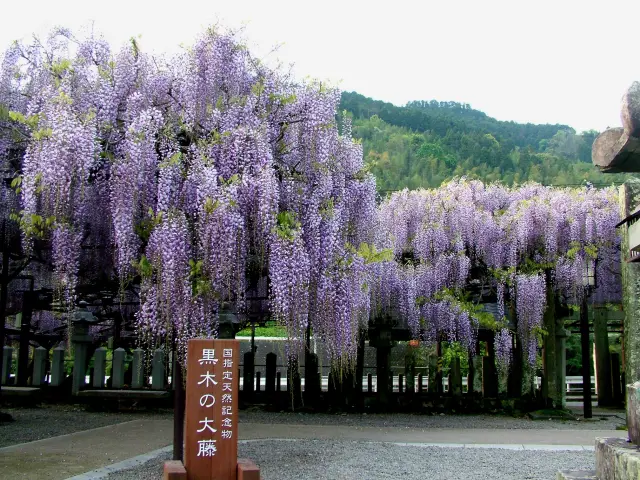 Yame, ChikugoKurogi no Ofuji (The Great Wisteria of Kurogi)
A majestic wisteria tree over 600 years old that has survived wars and great fires.
-
Uminonakamichi, Shikanoshima, KashiiUminonakamichi Seaside Park
A large park with a resort-like atmosphere. Visitors can enjoy the seasonal flowers, meet the animals, and ride bicycles.
Fukuoka's Spring Weather and What to Wear
March can still be a bit chilly, but temperatures gradually warm up from April onward, and by May there are more days with warm daytime highs. Since there's a temperature difference between coastal areas like Fukuoka and Kitakyushu and inland/mountainous areas like Chikuho, Asakura, and Yame, a jacket is still useful in early spring, and even once it warms up, easy-to-layer items like cardigans come in handy.
| Month | March | April | May |
|---|---|---|---|
| Temperature | 10.8℃ | 15.4℃ | 19.9℃ |
Fukuoka's summer is best enjoyed at waterside spots, cooling off by a waterfall or spending time at an open, breezy beach. At night, traditional festivals featuring lantern-decorated floats called yamagasa color the streets. Experience both the refreshing nature and the lively energy of the festivals.
-
 ItoshimaShiraito Waterfalls (Fukuoka Prefecture)
A waterfall with a drop of about 24 meters, where you can enjoy trout fishing and Somen-nagashi (flowing-noodles) in the surrounding area.
-
 Nishijin, Momochi, NokonoshimaSeaside Momochi Beach Park
A marine resort in the city center, graced by a sprawling man-made beach of white sands.
-
 Yahata, Wakamatsu, TobataTobata Gion Oyamagasa Festival
A pyramid of lanterns atop the Nobori Yamagasa in an unforgettable spectacular.
Fukuoka's Summer Weather and What to Wear
June sees frequent rain due to the rainy season, and muggy days continue from July onward. In August, average temperatures exceed 28°C (82°F), with many days of intense heat. In city areas like Fukuoka City and Kitakyushu City, breathable clothing is essential. If visiting mountainous areas like Asakura or Yame, it's a good idea to bring a light jacket as well.
| Month | June | July | August |
|---|---|---|---|
| Temperature | 23.3℃ | 27.4℃ | 28.4℃ |
Vivid autumn colors reach their peak across the region, from maples and enkianthus turning red and orange to ginkgo trees glowing golden. The trees coloring temple grounds and nature-rich spots create a different scene wherever you go.
-
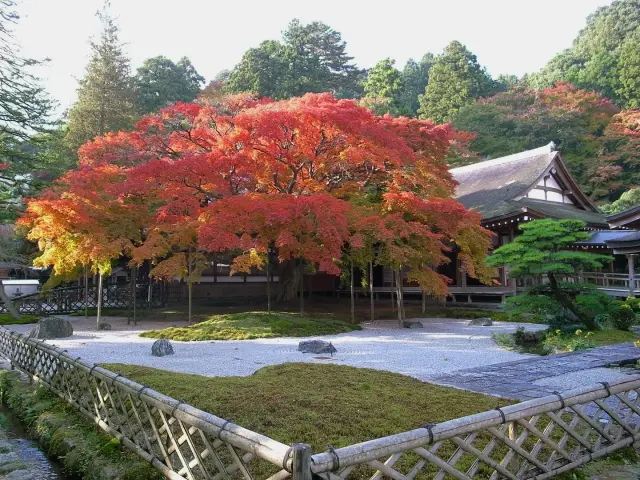 ItoshimaSennyoji Daihioin Temple
A historic mountain temple where a giant maple tree Approx. 400 years old and a Kamakura-period Senju Kannon welcome visitors
-
 Munakata, Fukutsu, KasuyaNomiyama kannonji Temple
Nestled within the mountains, Nomiyama kannonji Temple is a renowned sanctuary celebrated for its vivid autumn foliage and its spiritual potency.
-
 Yame, ChikugoAutumn Ginkgo Trees of Taibaru
A world overwhelmingly painted in vibrant yellow.
Fukuoka's Autumn Weather and What to Wear
September still brings lingering summer heat, but temperatures gradually cool from October onward, and mornings and evenings turn noticeably colder by November. As autumn deepens, the gap between daytime and nighttime temperatures widens, so a light jacket works well in city areas like Fukuoka City and Kitakyushu City, while heavier jackets become necessary as the season progresses in mountainous areas like Asakura and Yame.
| Month | September | October | November |
|---|---|---|---|
| Temperature | 24.7℃ | 19.6℃ | 14.2℃ |
There are many ways to enjoy Fukuoka in winter, from warming up in a hot spring to admiring the stunning view of a shrine approach bathed in the light of the setting sun. As plum blossoms begin to bloom, vibrant scenery unfolds, offering a gradual hint of approaching spring.
-
 Kurume, Asakura, UkihaHarazuru Onsen
Heal yourself by one of the prefecture's best "hot water for beautiful skin” in the hot spring resort along the Chikugo River.
-
 Munakata, Fukutsu, KasuyaMiyajidake Shrine
A historic shrine in Kyushu. Don't miss the big scale "the three best in Japan!"
-
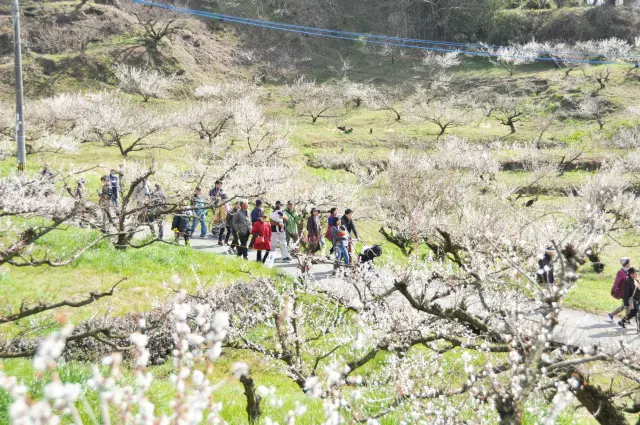 Yame, ChikugoTanigawa Plum Grove
One of Kyushu’s leading plum blossom spots, counted among the region’s three great plum gardens.
Fukuoka's Winter Weather and What to Wear
Temperatures drop starting in December, and average temperatures fall to around 6°C (43°F) in January. Even coastal areas like Fukuoka City and Kitakyushu City can experience severe cold, and snow does occasionally fall. Inland areas of Chikuho and Chikugo see a wide temperature range, and mountainous areas may see snow, so in addition to a coat or down jacket, a scarf and gloves come in handy.
| Month | December | January | February |
|---|---|---|---|
| Temperature | 9.1℃ | 6.9℃ | 7.8℃ |
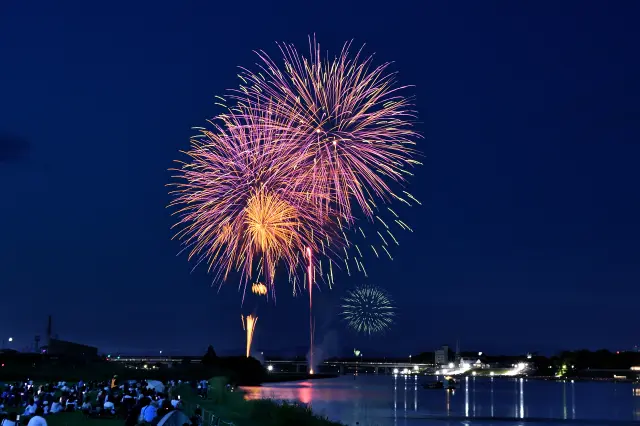
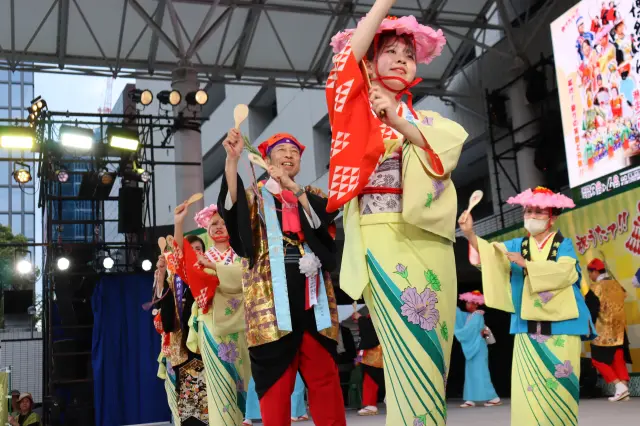
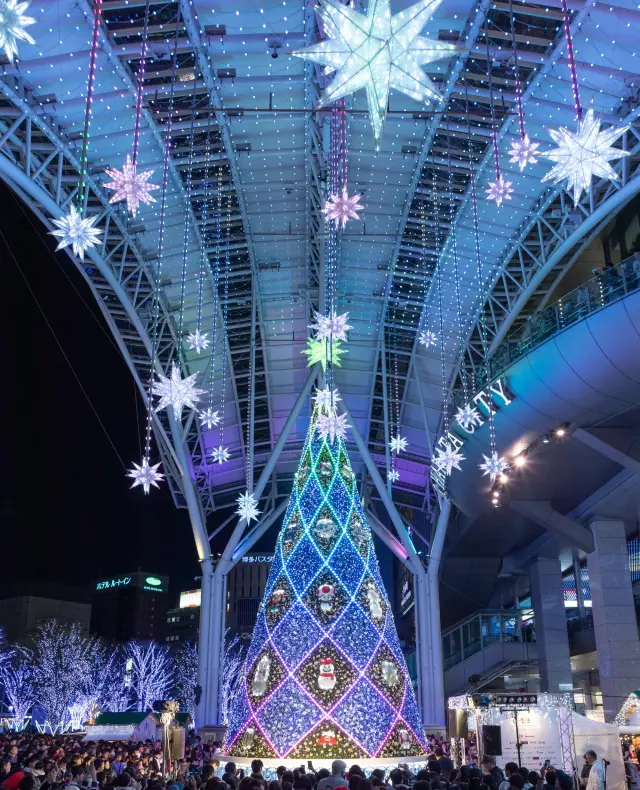
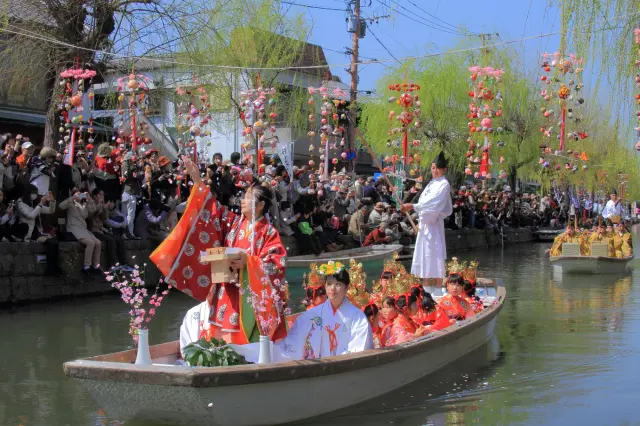
Fukuoka Festivals & Events
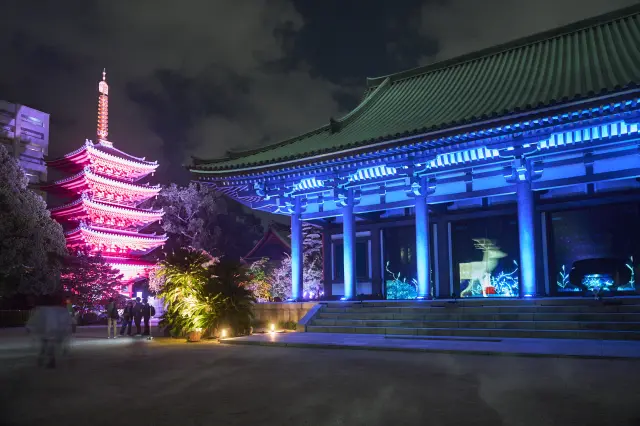
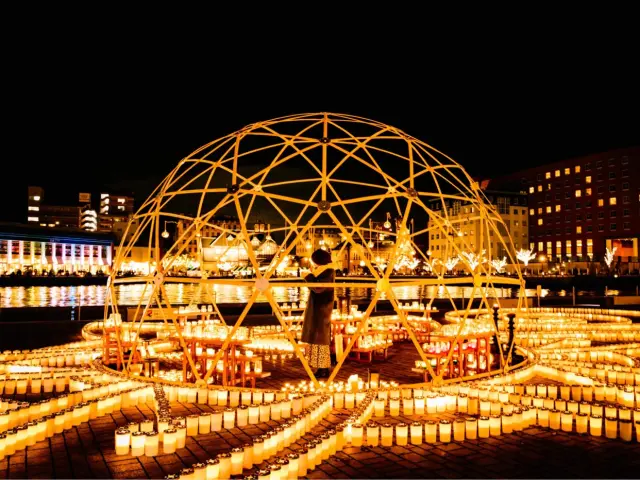
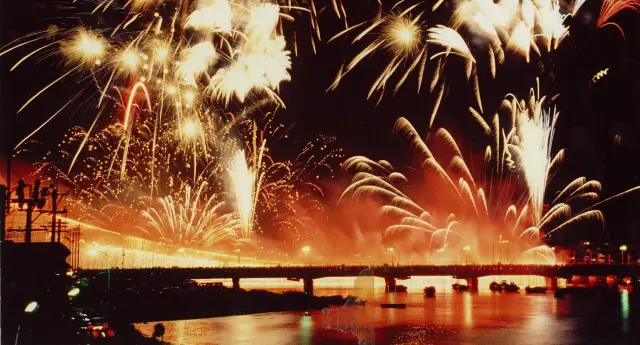
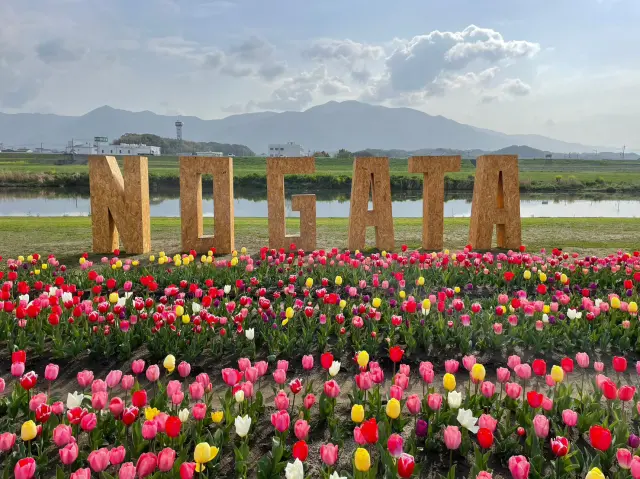
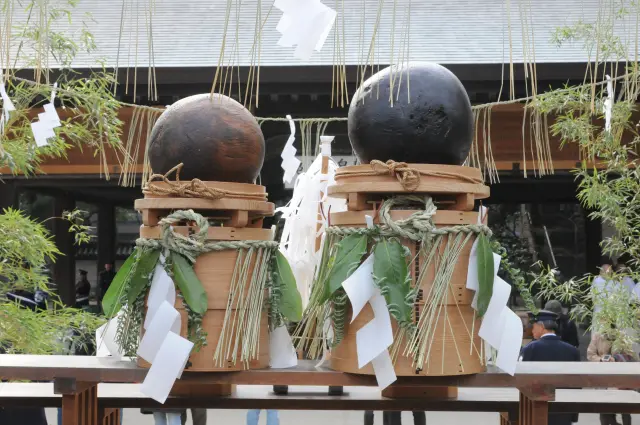
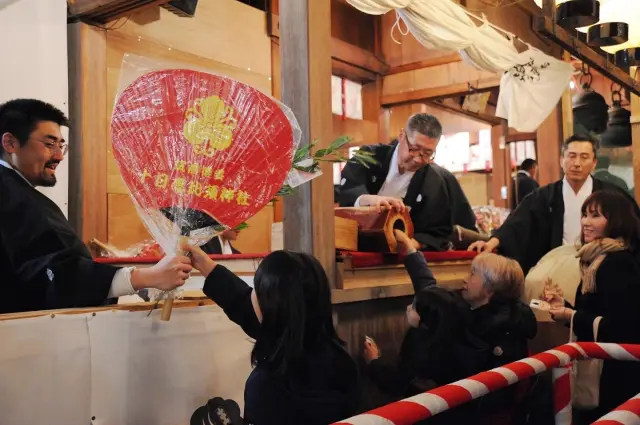
Explore the Best of Fukuoka by Area and Theme
Recommended Spots in Fukuoka by Area and Theme
No matching spots found.
Must-Buy Souvenirs in Fukuoka
Fukuoka Shopping & Souvenir Guide
-
1. Karashi Mentaiko (Spicy Cod Roe)
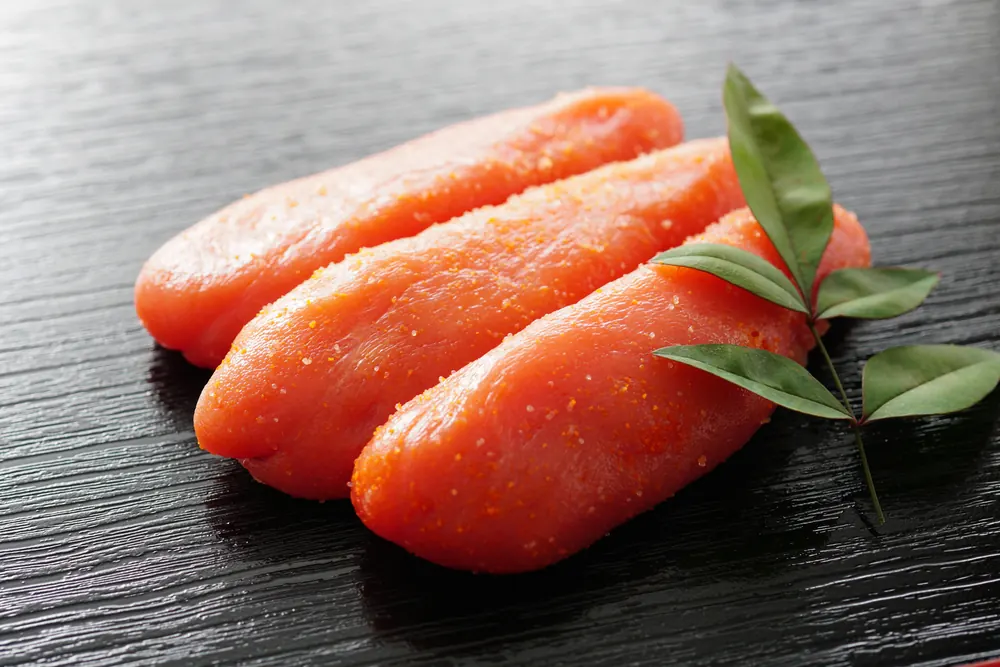
Karashi mentaiko varies in spiciness and seasoning from maker to maker, so you can choose according to your taste. Enjoy it as a side dish with rice or as an accompaniment to drinks, and there's also a wide range of easy-to-carry products made with mentaiko, such as sweets and processed foods.
-
2. Meigetsudo "Hakata Torimon"
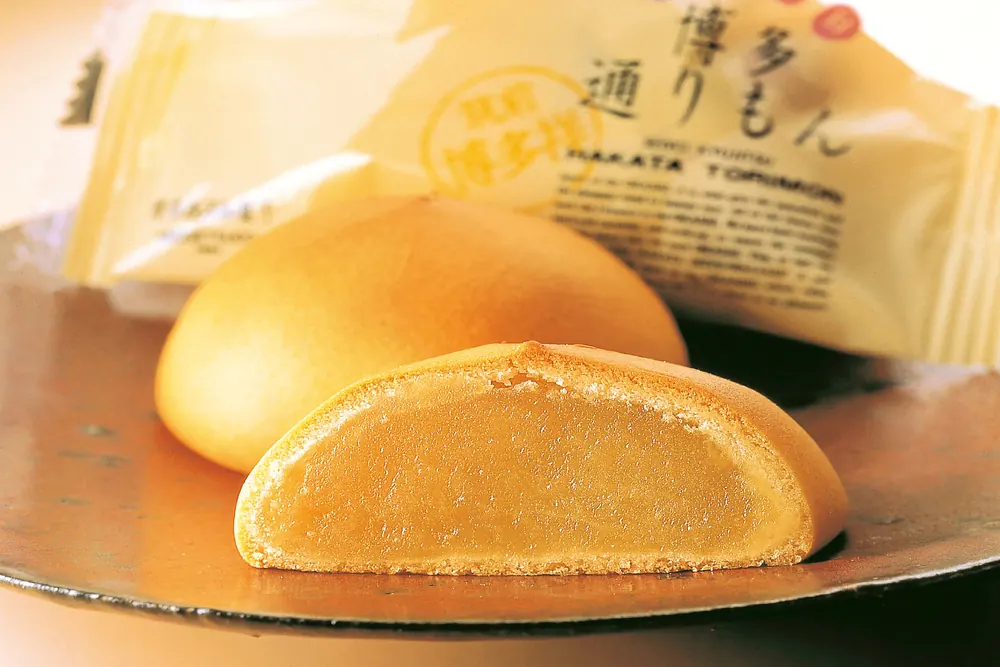
A representative confection of Hakata, named after the Hakata Dontaku festival. This Japanese-Western fusion sweet features soft white bean paste wrapped in a gently milk-scented skin, offering a melt-in-your-mouth texture.
-
3. Amaou Strawberry Sweets
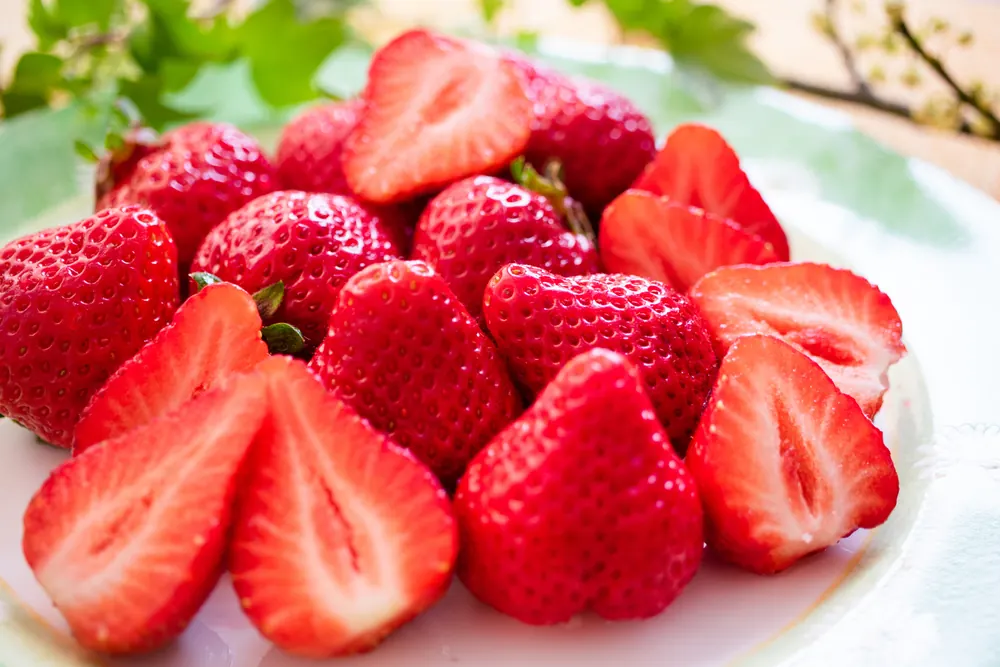
Sweets made with Amaou strawberries, a variety grown exclusively in Fukuoka Prefecture. A wide range of products showcase the sweetness and juiciness of Amaou strawberries. With their eye-catching appearance, they also make a perfect souvenir that captures the essence of Fukuoka.
-
4. Yame Tea
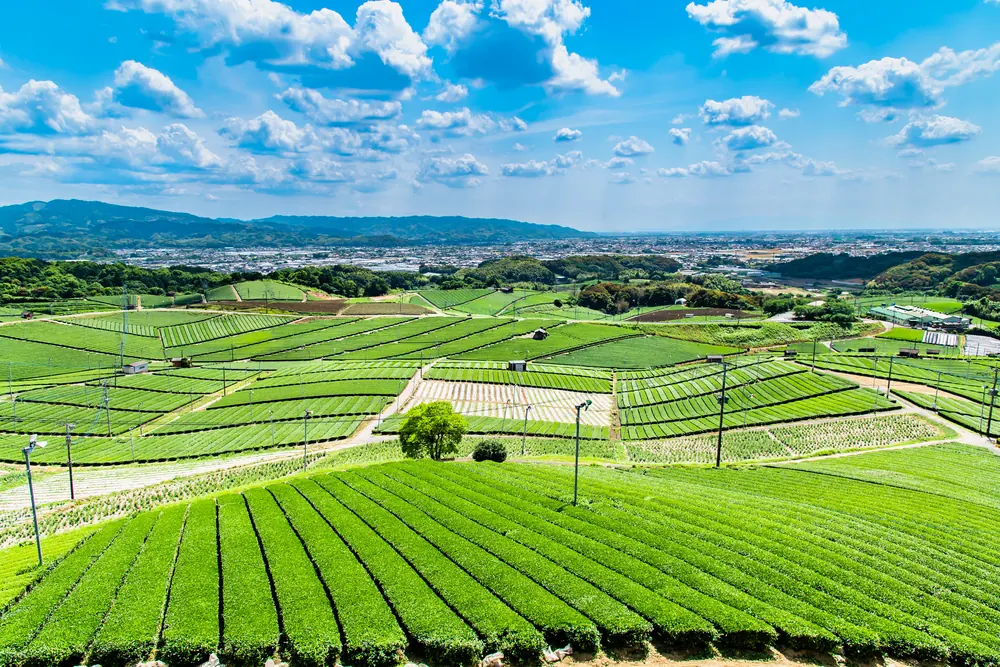
Yame tea is grown mainly in the Yame region of Fukuoka Prefecture. With a wide variety including sencha and gyokuro, its rich aroma and mellow flavor are its main appeal. Choose from loose leaves or tea bags according to your preference, making it a souvenir you can keep enjoying even after your trip.
-
5. Hakata-ori (Hakata Weaving)
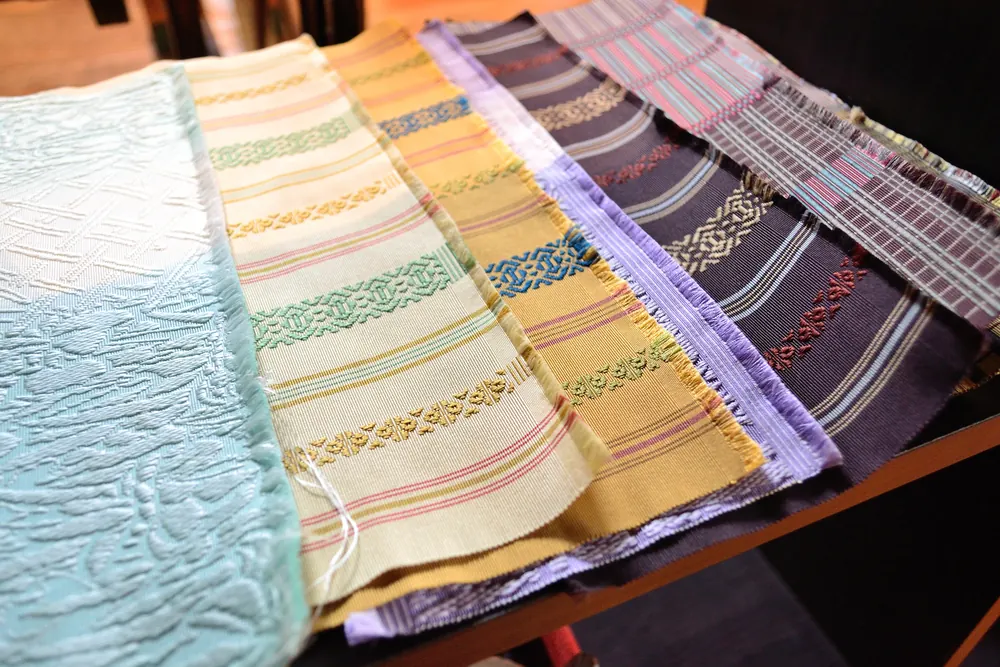
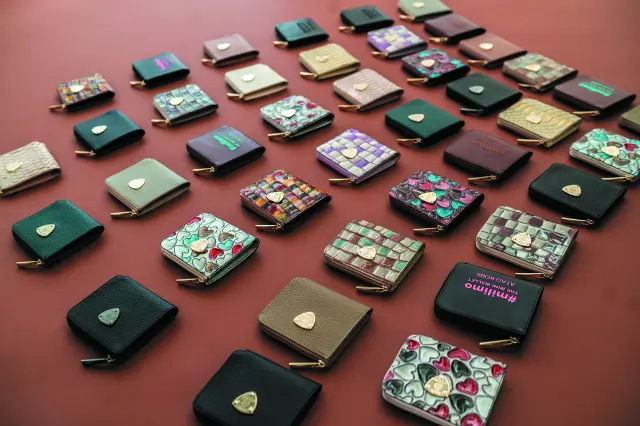
A traditional textile passed down in Hakata. Known for its durable yet supple fabric and beautiful colors and patterns, it comes in a wide range of products beyond obi sashes, including wallets, bags, and small accessories, many of which are easy to incorporate into everyday life.
Fukuoka Souvenirs



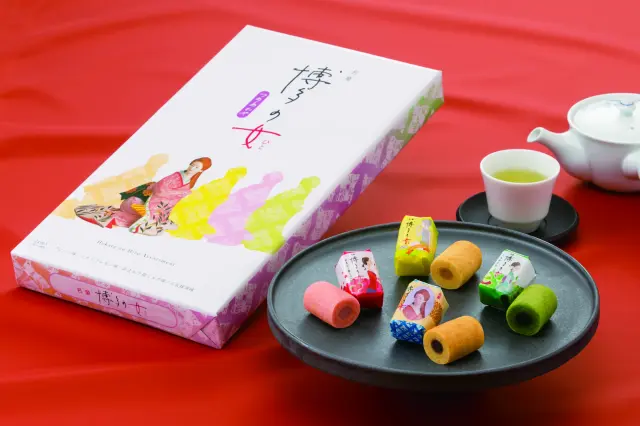


Shopping in Fukuoka
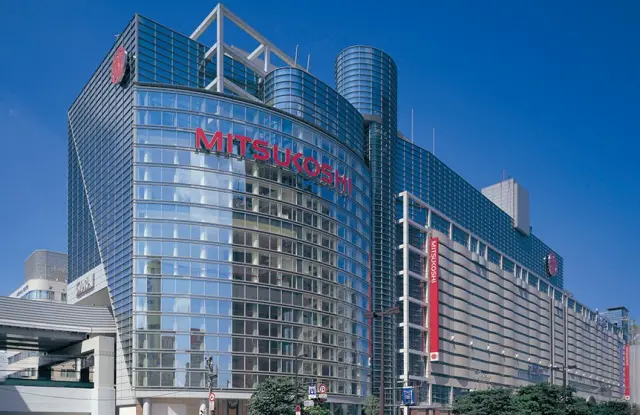
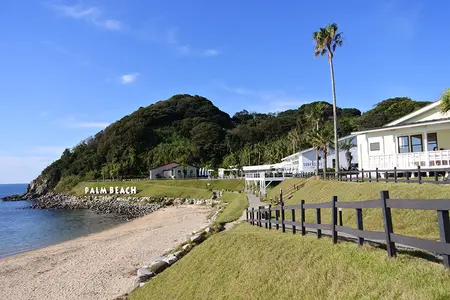

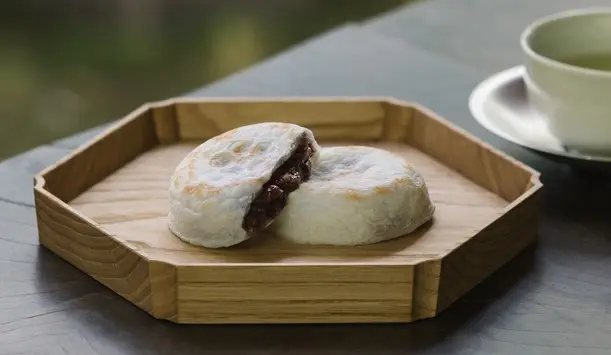



Recommended Areas in Fukuoka
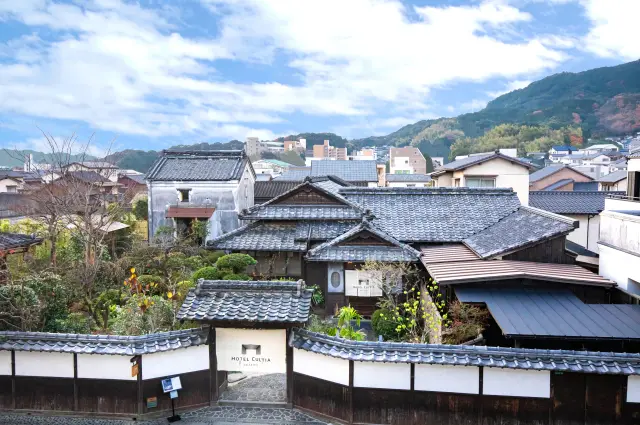
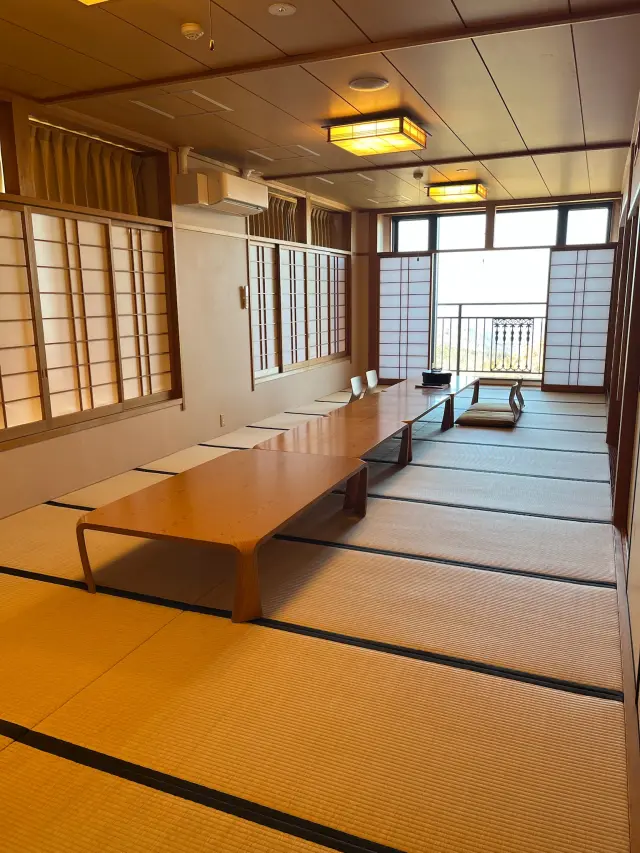
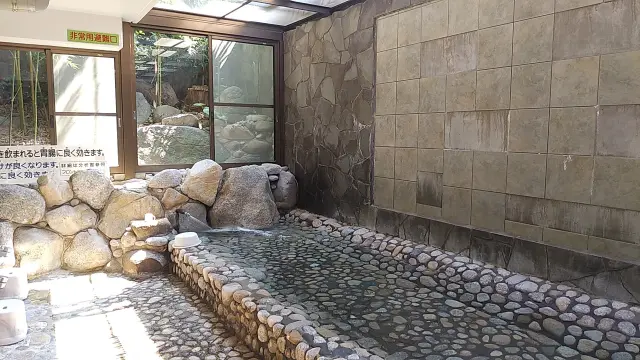
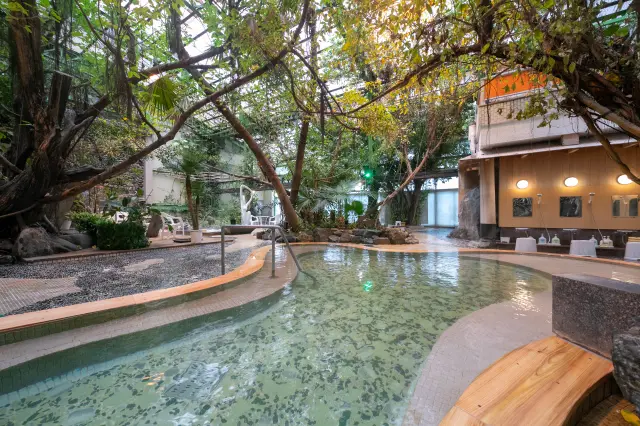
Fukuoka Accommodation Guide
-
1. Hakata Station Area
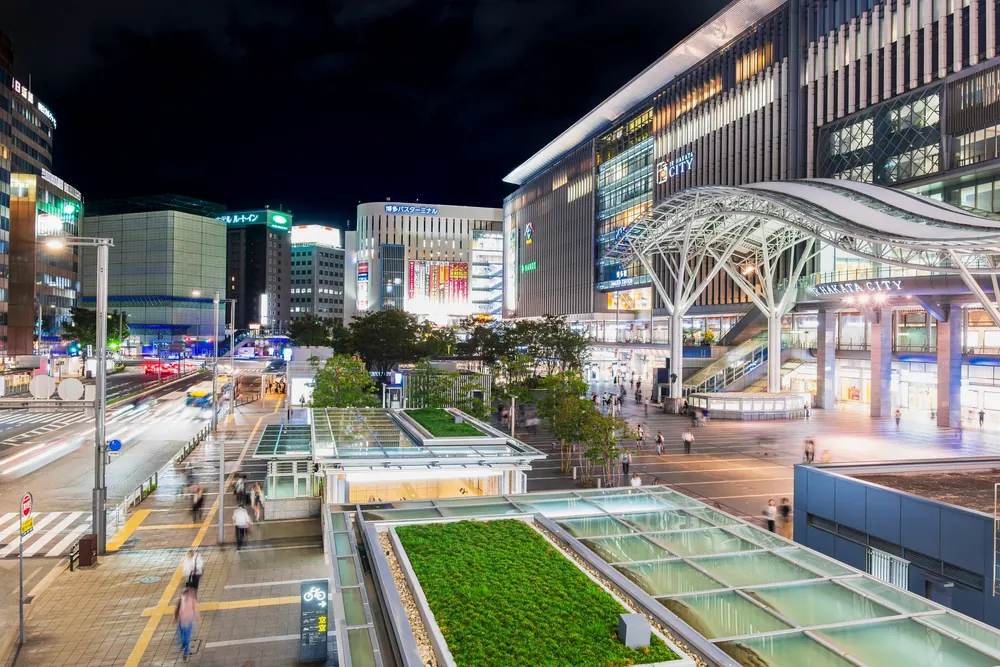
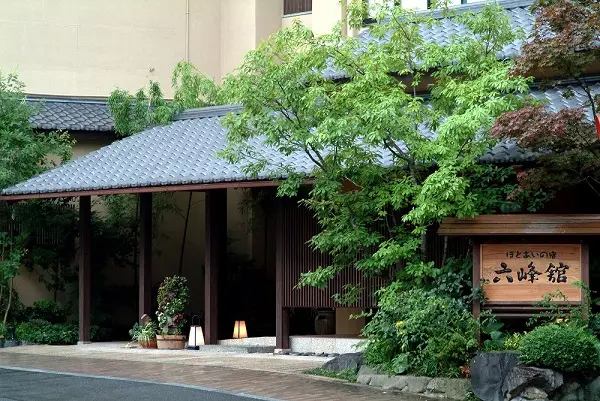
This area, centered on Hakata Station, served by the Shinkansen, JR lines, and the subway, is a convenient base for exploring Fukuoka. It's easily accessible from Fukuoka Airport, and getting around is easy, whether to Tenjin and other parts of Fukuoka City or further afield to Dazaifu and Kitakyushu. The area around the station is also well stocked with hotels, commercial facilities, and restaurants.
-
2. Tenjin / Nakasu Area
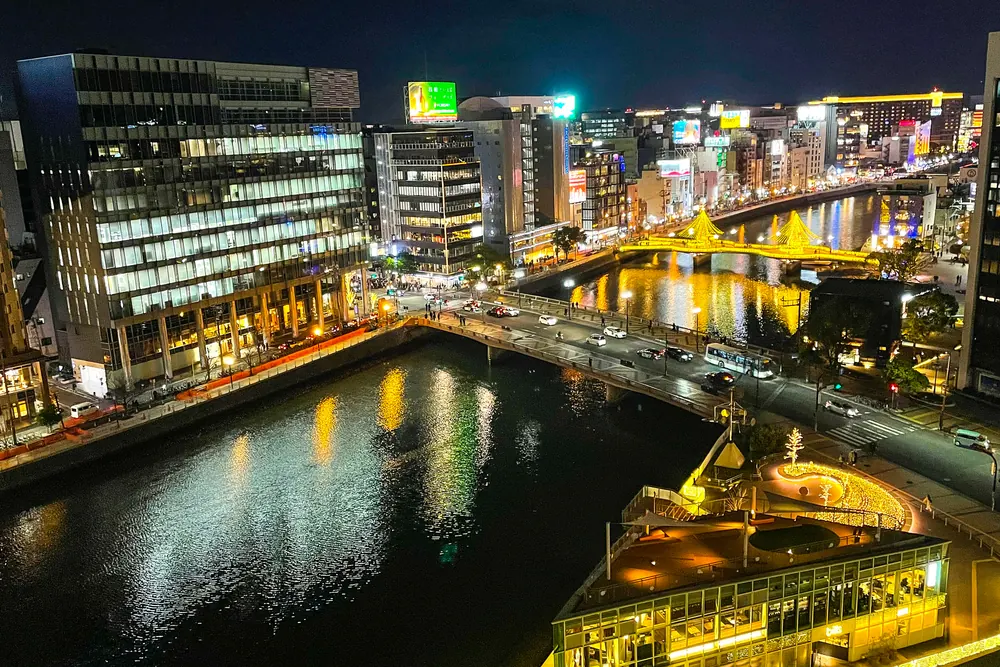
Tenjin, Fukuoka's leading downtown district, and Nakasu, where restaurants line the Naka River, offer plenty of department stores and commercial facilities, making this a great base for those who want to enjoy shopping and dining. With easy access to various destinations via the subway and Nishitetsu lines, another appeal of staying in this area is being able to enjoy Fukuoka's streets well into the night.
-
3. Kokura / Mojiko Area
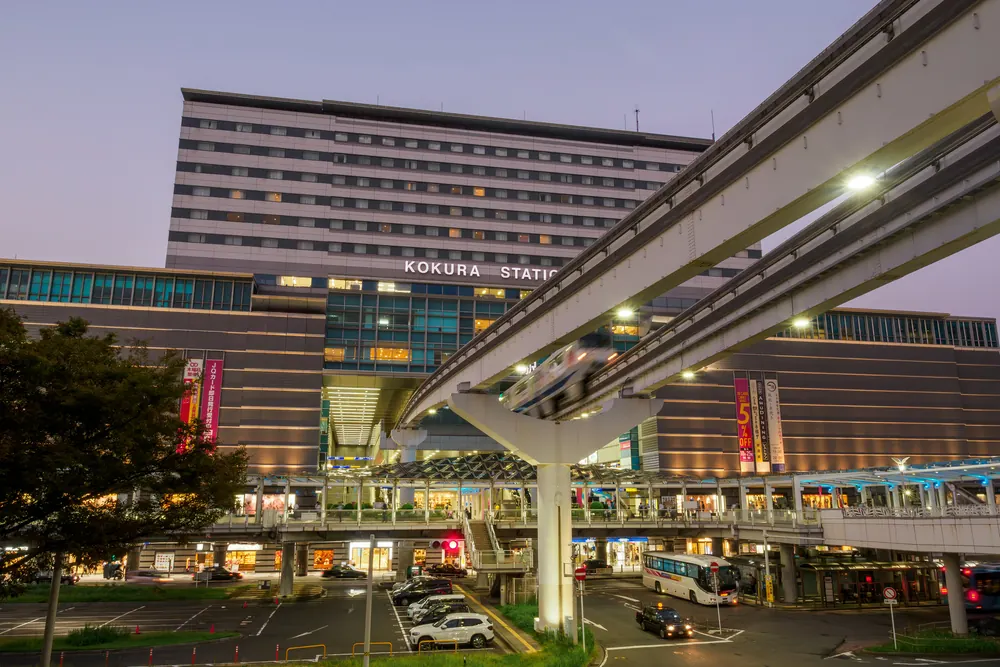
Centered on Kokura Station, served by the Shinkansen and JR lines, this area is an easy base for exploring Kitakyushu. It offers convenient access to Mojiko and other parts of Kitakyushu City, making it well suited for a stay that covers multiple sightseeing spots. The area around Kokura Station has plenty of hotels and restaurants, and accommodations are also scattered around Mojiko.
-
4. Kurume Area
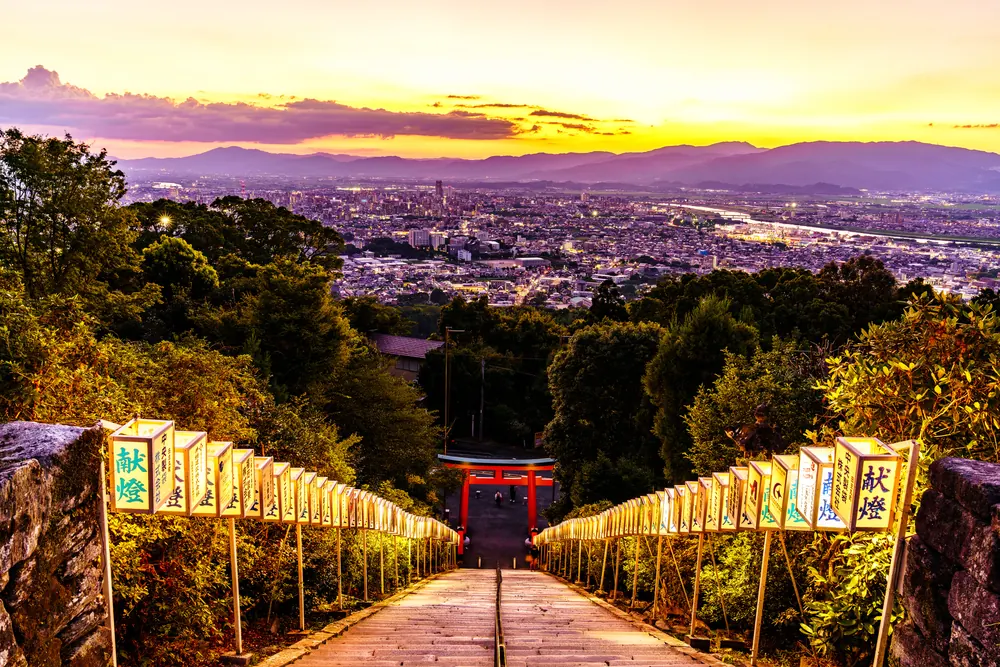
With JR Kurume Station, a Shinkansen stop, and Nishitetsu Kurume Station on the Nishitetsu Tenjin Omuta Line, this area is convenient as a sightseeing base for the Chikugo region. It's also well connected to central Fukuoka City, making it a good base not only for exploring Kurume City but also for venturing out to Ukiha and Asakura. Hotels and restaurants are concentrated mainly around the station.
-
5. Harazuru Onsen / Asakura Area
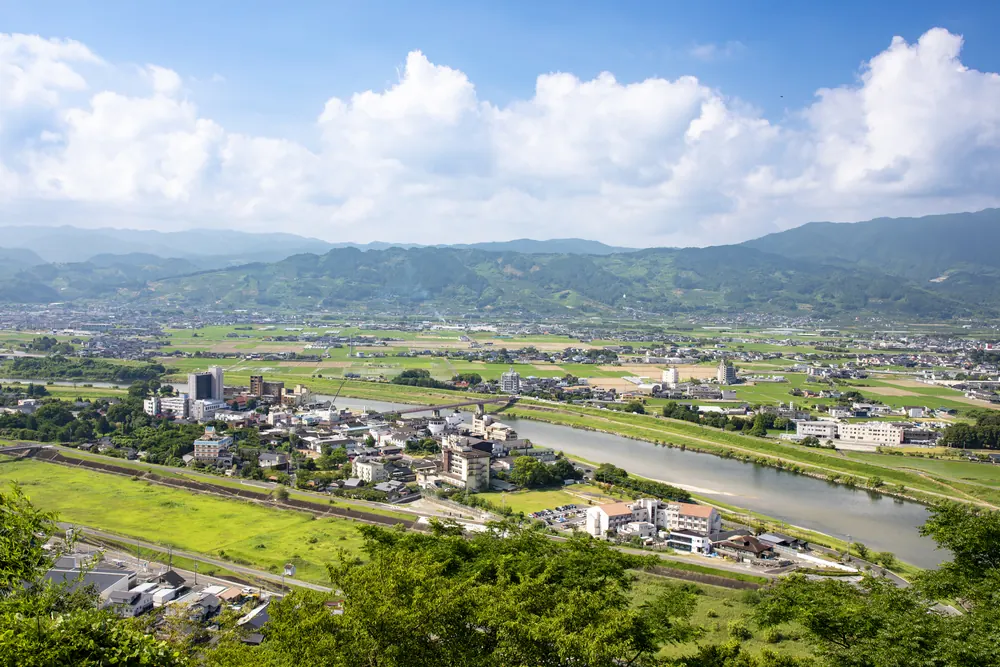
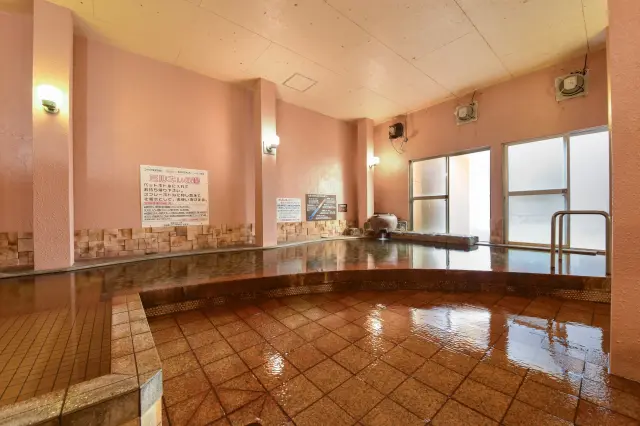
Centered on Harazuru Onsen, where hot spring inns line the Chikugo River, this area lets you stay surrounded by abundant nature. It's easy to combine a relaxing time at the hot springs with sightseeing around Asakura and Akizuki, offering a different pace from Fukuoka's city streets. It's a great place to stay when you want to unwind while enjoying both hot springs and sightseeing.
Where to Stay in Fukuoka
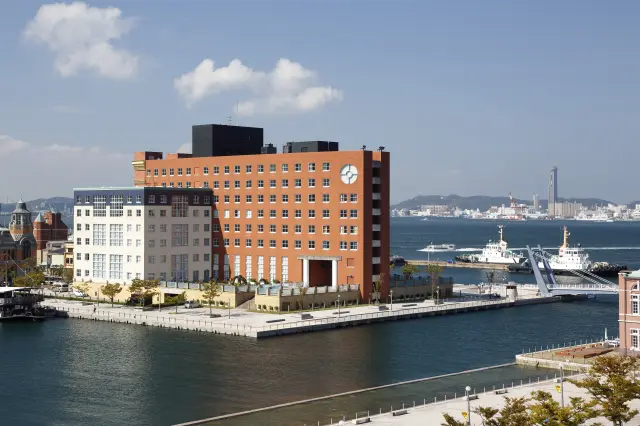
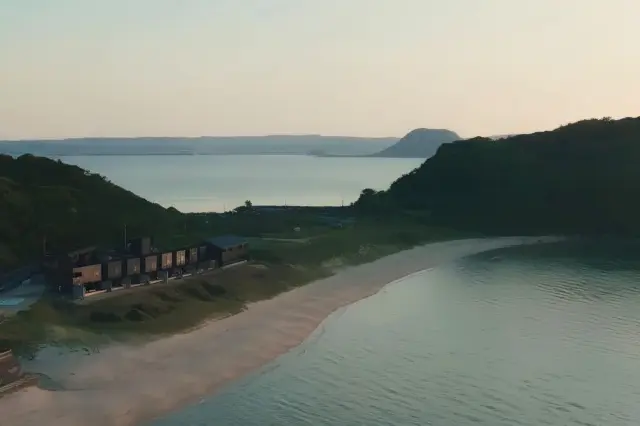
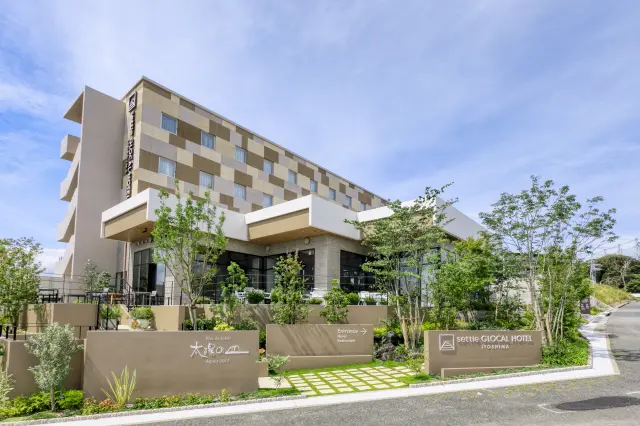
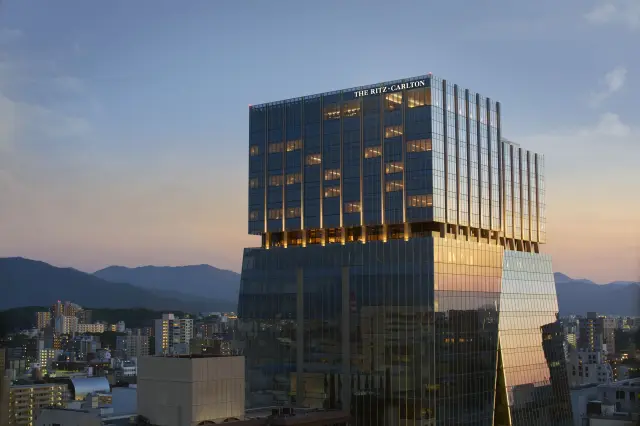
Essential Information for Visiting Fukuoka
Fukuoka Travel Basics & Transportation Guide

How to Get to Fukuoka
|
From Tokyo (By Air) |
Haneda Airport → Fukuoka Airport | Approx. 2 hr |
|---|---|---|
|
From Tokyo (Tokaido/Sanyo Shinkansen) |
Tokyo Station → Hakata Station | Approx. 5 hr |
|
From Nagoya (Tokaido/Sanyo Shinkansen) |
Nagoya Station → Hakata Station | Approx. 3 hr 20 min |
|
From Sendai (By Air) |
Sendai Airport → Fukuoka Airport | Approx. 2 hr |
|
From Hokkaido (By Air) |
New Chitose Airport → Fukuoka Airport | Approx. 2 hr 30 min |
|
From Osaka (Sanyo Shinkansen) |
Shin-Osaka Station → Hakata Station | Approx. 2 hr 30 min |
|
From Okinawa (By Air) |
Naha Airport → Fukuoka Airport | Approx. 1 hr 45 min |

- Name
- Fukuoka Prefecture
- Prefectural Capital
- Fukuoka City
- Main Airport(s)
- Fukuoka Airport, Kitakyushu Airport
- Major Railway Station(s)
- Hakata Station, Kokura Station
- Location
- Northern Kyushu region
- Climate
- Fukuoka and Kitakyushu can see cloudy, rainy, or snowy days in winter, while inland areas of Chikugo and Chikuho experience a wide temperature range between summer and winter. The Chikugo region also tends to see more rainfall in summer.
- Best Time to Visit
- Year-round. Spring brings cherry blossoms and fresh greenery, summer offers the sea and festivals, autumn brings colorful foliage, and winter has its own local cuisine to enjoy, each season has something different to offer. There's also plenty to enjoy regardless of the season, from strolling the streets to history, culture, and food.
- Time Zone / Language / Currency
- Same as mainland Japan: no time difference, Japanese, and the Japanese yen (JPY).
- Transportation
- JR, subway, private railways, and local buses are available, making it easy to access major sightseeing spots such as central Fukuoka, Kitakyushu, and Dazaifu. If exploring the suburbs, mountainous areas, or coastal regions, combining trains, buses, and a car is convenient.
- Access to Other Areas
- Access to other parts of Kyushu, such as Saga, Kumamoto, and Oita, is easy by train or highway bus, and it's also easy to travel toward the Yamaguchi area. This makes it convenient to combine a visit with touring both northern Kyushu and western Honshu.
- Travel Tips
- Summers are hot and humid with many days of intense heat, and heavy rain requires caution during the rainy season and typhoon season. In winter, mainly the Fukuoka and Kitakyushu areas are affected by cold air, and snow can occasionally fall.
- Must-See Attractions
- Dazaifu Tenmangu Shrine, Mojiko Retro, Itoshima City Sakurai Futamigaura
- Local Specialties
- Hakata Ramen, Motsunabe, Goma-saba
Fukuoka Travel FAQs
Q
How many days do I need to enjoy sightseeing in Fukuoka?
A
For a first visit, 2 days and 1 night to 3 days and 2 nights is a good guideline. If you're mainly visiting Fukuoka City (Hakata and Tenjin) and Dazaifu, 2 days and 1 night is enough, while venturing out to Kitakyushu (Mojiko and Kokura) or Itoshima calls for 3 days and 2 nights to enjoy it at a relaxed pace.
Q
Can I enjoy sightseeing in Fukuoka without a car?
A
Major sightseeing areas such as central Fukuoka City, Dazaifu, and Kitakyushu can be explored using JR, the subway, Nishitetsu lines, and local buses. It's also possible to tour Hakata, Dazaifu, and Mojiko by train and on foot. If you want to efficiently visit suburban spots like Itoshima or Asakura, renting a car is convenient.
Q
Which areas would you recommend for sightseeing in Fukuoka?
A
For a first visit, the classic choice is Fukuoka City, centered on Hakata and Tenjin, along with Dazaifu. If you want to enjoy coastal scenery and driving, choose Itoshima; for nostalgic streets and night views, choose Mojiko and Kokura; and for waterside scenery, choose Yanagawa. You can pick an area to match your interests.
Q
What is the best season to visit Fukuoka?
A
Fukuoka can be visited year-round. Spring offers cherry blossoms and fresh greenery, summer brings the sea and festivals, autumn features colorful foliage, and winter has hot springs and local cuisine, each season with something different to enjoy. If your focus is strolling through town, historic spots, or food, you can enjoy it regardless of the season.
Q
Are there sightseeing spots outside Fukuoka City?
A
Besides Fukuoka City, Fukuoka Prefecture offers a variety of destinations, including Dazaifu, home to Dazaifu Tenmangu Shrine; Kitakyushu, with Mojiko Retro and Kokura Castle; the waterside town of Yanagawa; and nature-rich Itoshima. If your schedule allows, it's a good idea to combine your visit to Fukuoka City with trips further afield around the prefecture.