


Dazaifu Tenmangu Shrine

Verified [Verified] denotes information that has been published with confirmation of its owing parties.

Dazaifu Tenmangu Shrine

The head shrine of 10,000 shrines across Japan, dedicated to the spirit of scholar Sugawara Michizane.

4.69 13

Last update :
Supervised by :  Dazaifu Tenmangu

Dazaifu Tenmangu is the head shrine of 10,000 different shrines across Japan dedicated to the spirit of Sugawara Michizane. Sugawara was an acclaimed scholar who was deemed innocent posthumously after being exiled to Dazaifu by Kyoto’s Imperial Court.
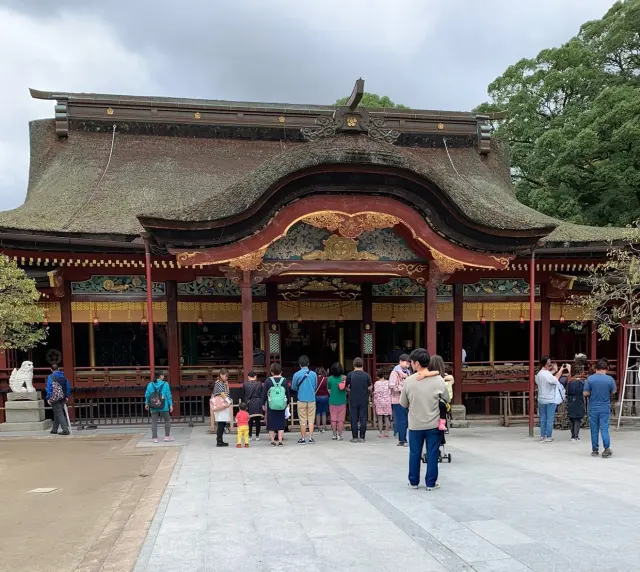
The main hall was built over his grave and has been preserved as a sacred site of Tenjin worship for over 1100 years.

Sugawara Michizane was an acclaimed scholar, politician and writer known for his many talents, now deified as a spirit of scholarship that’s worshipped by students from both within Japan and internationally praying for school exams.

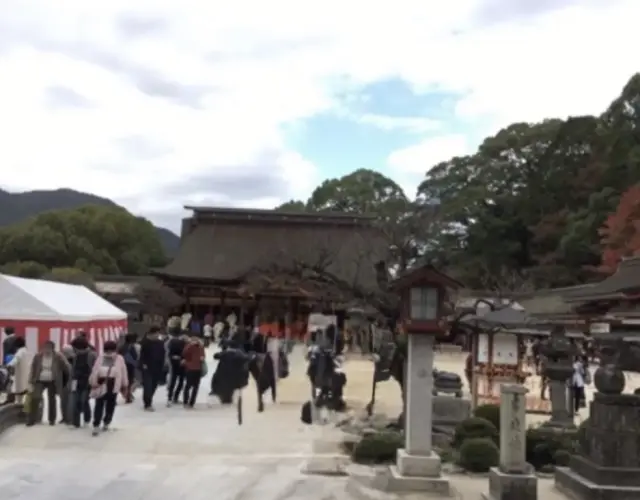
The vast grounds include a number of sites, including the large ox statue, arched Taiko-bashi bridges, treasure hall, Dazaifu Tenmangu Art Program and more.
You can also enjoy a backdrop of seasonal blooms when the plum blossoms come into season.

Highlights

  • Enshrines Sugawara Michizane, the deified spirit of scholarship.
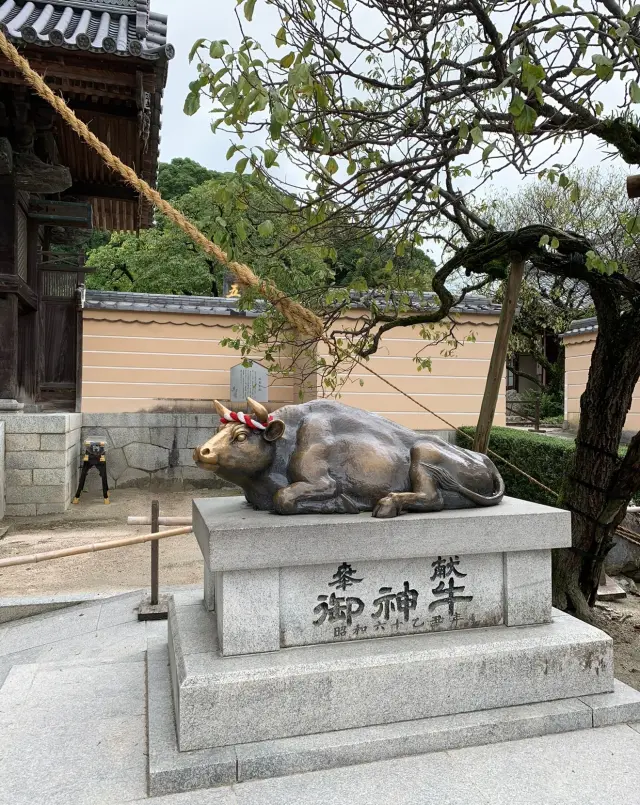
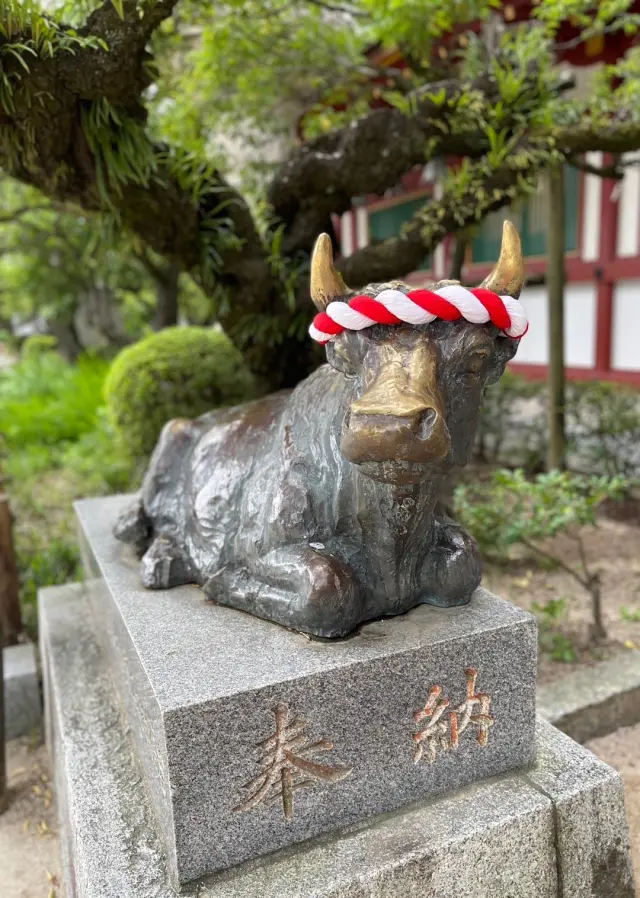
  • Throughout the shrine grounds, 11 sacred ox statues have been donated, and it is said that stroking their heads will grant wisdom. This has made them very popular among visitors.
  • It is also renowned as a famous spot for plum blossoms, with about 6,000 trees ranging from early to late bloomers. The best viewing period is from late January to early March.
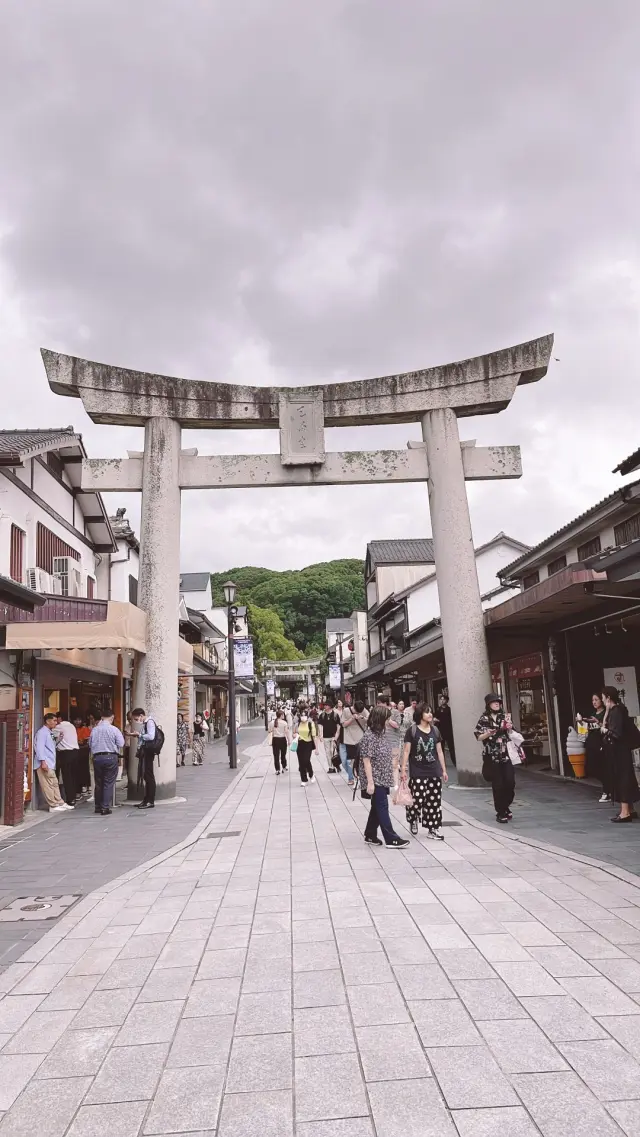
  • The approx. 400-meter long promenade includes souvenir shops and eateries. The umegae mochi treat is especially popular.

Photos

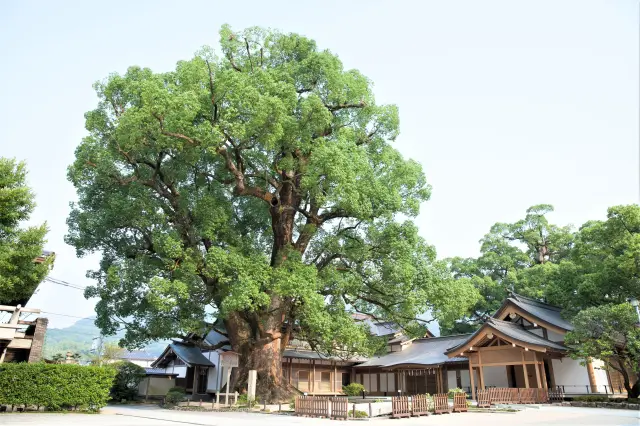
  • The giant camphor tree, over 1,500 years old

    The giant camphor tree, over 1,500 years old

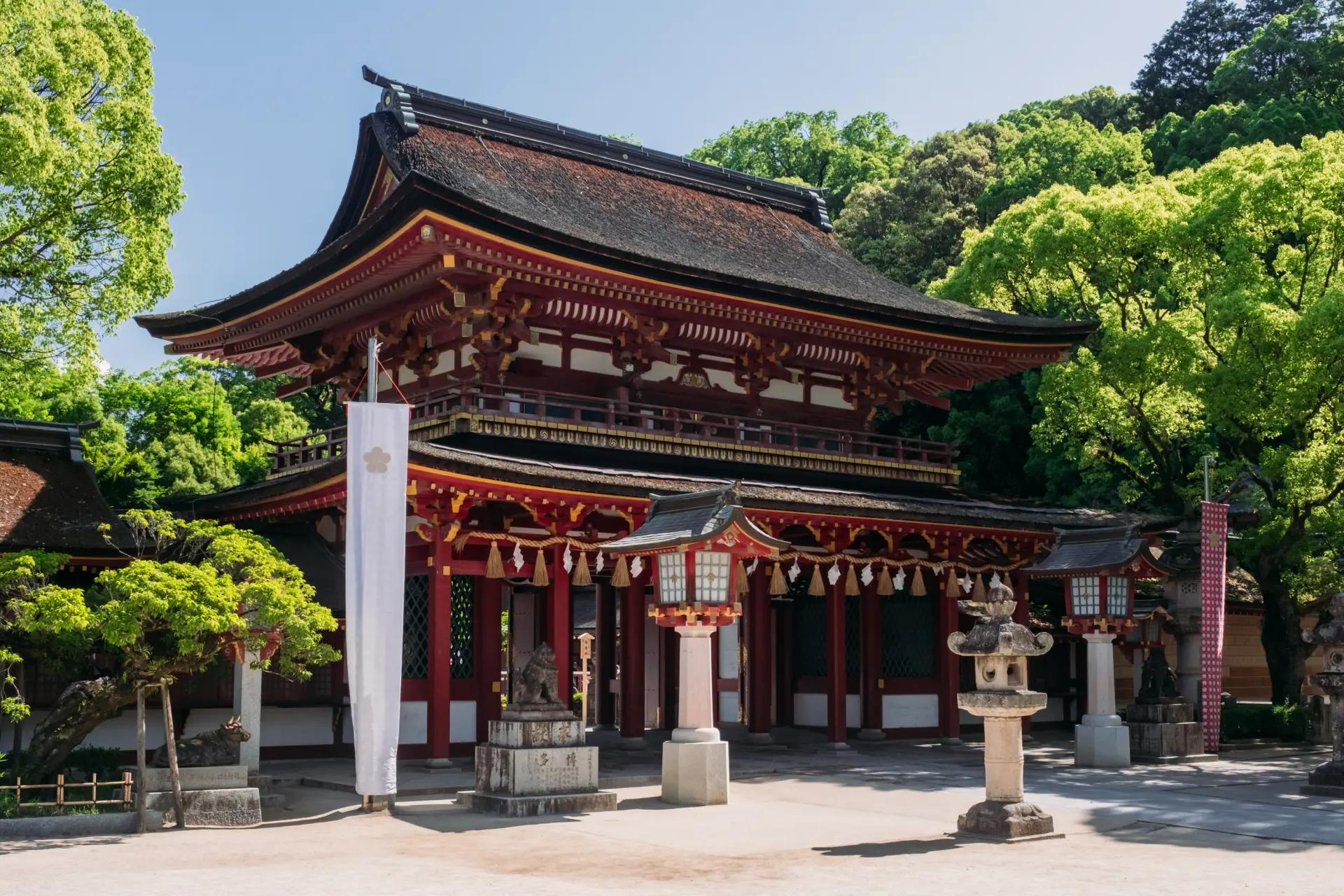
  • The unique "Romon" gate appears two-storied from the Taiko-bashi bridges side and one-storied from the main hall side.

    The unique "Romon" gate appears two-storied from the Taiko-bashi bridges side and one-storied from the main hall side.

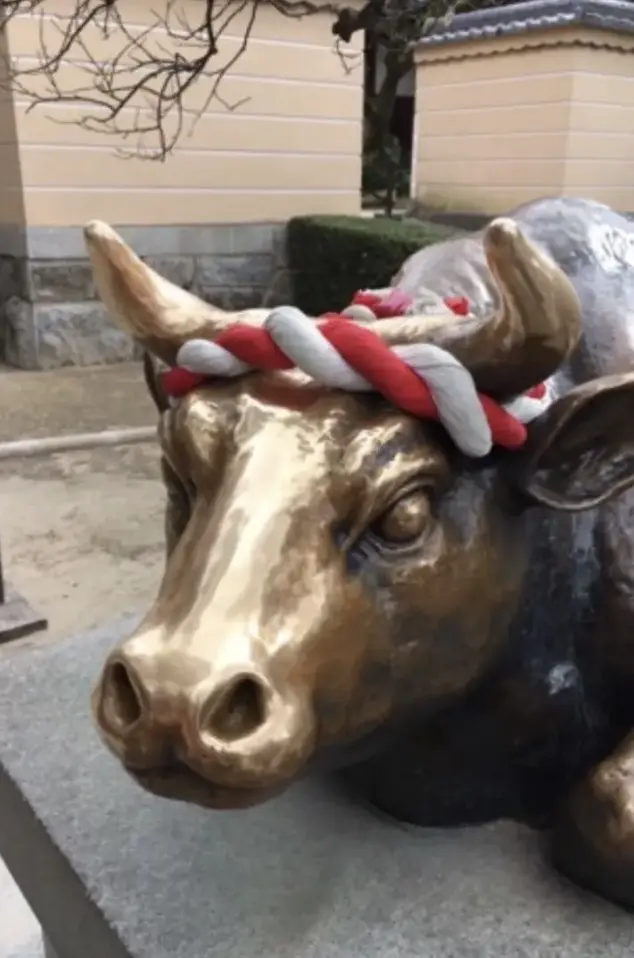
  • The ox statue, believed to grant wisdom to those who stroke its head.

    The ox statue, believed to grant wisdom to those who stroke its head.

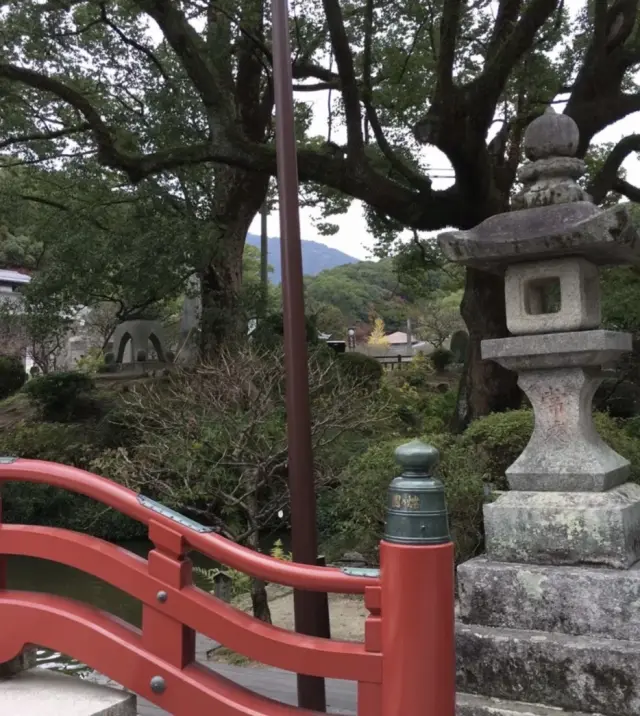
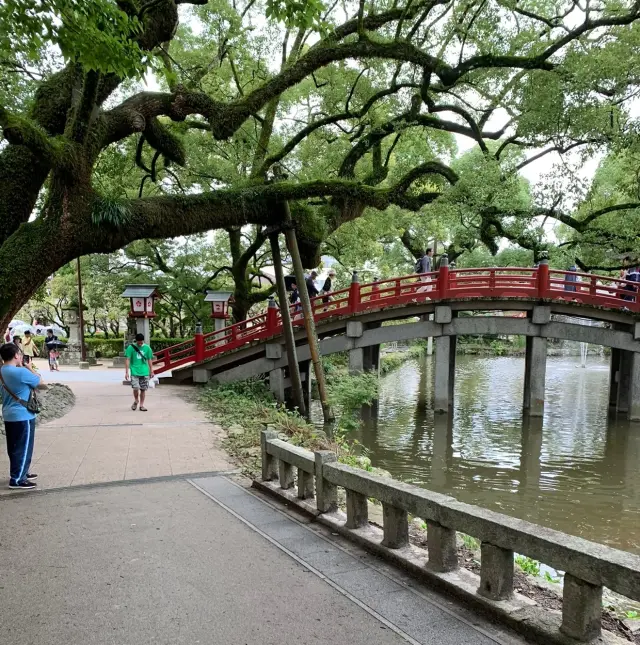
  • The picturesque Taiko-bashi bridges spans the Shinji-ike pond, with its three beautiful vermilion bridges.

    The picturesque Taiko-bashi bridges spans the Shinji-ike pond, with its three beautiful vermilion bridges.

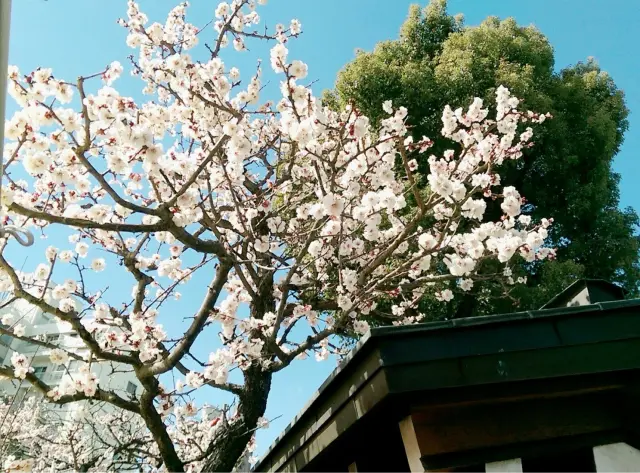
  • Known for its plum blossoms, which typically bloom from January to March, making it a famous spot for viewing plum blossoms.

    Known for its plum blossoms, which typically bloom from January to March, making it a famous spot for viewing plum blossoms.

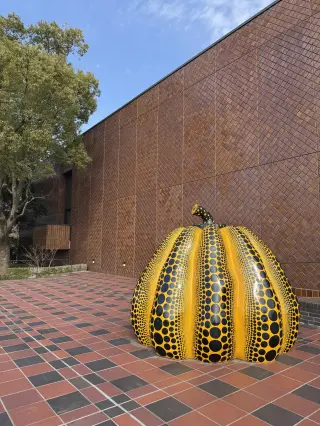
  • The "Treasure Hall" hosts exhibitions related to the revered Michizane Sugawara and contemporary art.

    The "Treasure Hall" hosts exhibitions related to the revered Michizane Sugawara and contemporary art.

Official FAQs

Frequently Asked Questions have been vetted and answered directly by each listing.

Q

Do you have pamphlets in other languages? (If so, please also inform us of the supported languages)

A

Yes, pamphlets are available in English, French, Thai, Korean, Simplified Chinese, and Traditional Chinese.

Q

Do you have shrine’s red ink stamps?

A

Yes, available (including pre-written ones).

Q

Is parking available?

A

Yes.

Q

Are coin lockers available?

A

None at the shrine (available at Dazaifu Station).

Reviews

13

Some reviews are AI-translated.

  • See More

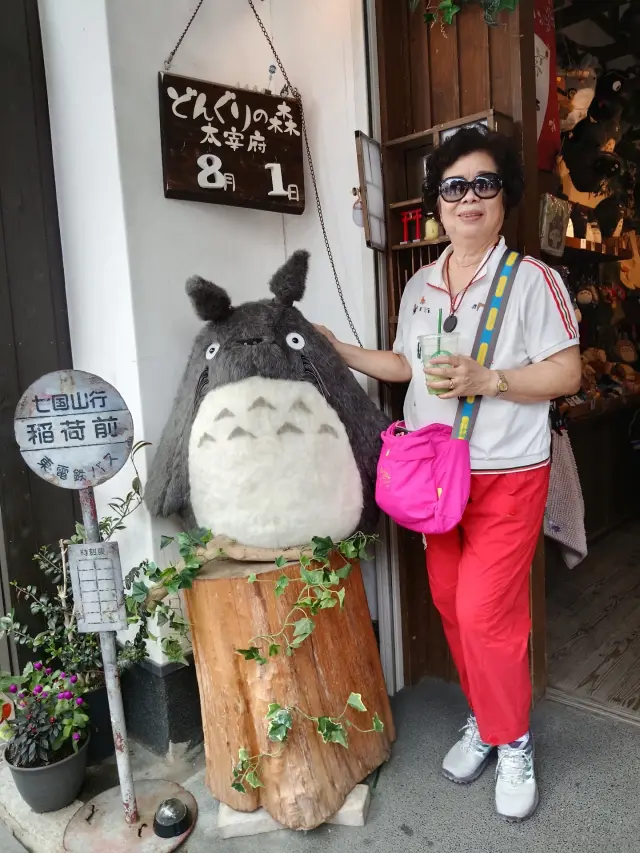
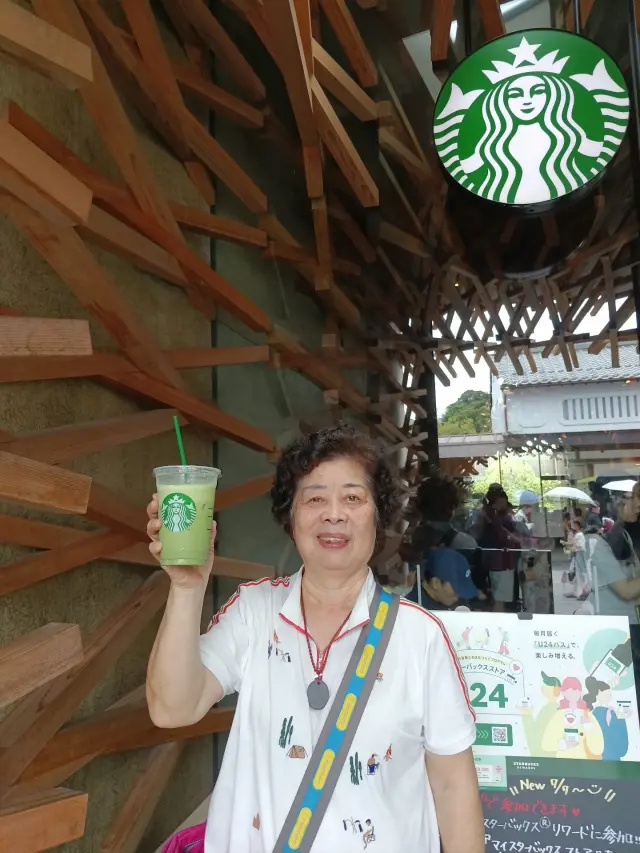
    Older visitors to Japan almost all become young and cute again. Walking along the streets of Dazaifu, besides the must-visit Kengo Kuma-designed Starbucks, we came across an adorably goofy Totoro. Even my 70-year-old mom couldn't resist taking a photo and waiting for the bus with him~

  • See More

    When visiting Fukuoka, Dazaifu Tenmangu Shrine is a stop you shouldn't miss. It enshrines Sugawara Michizane, the “god of learning, culture, and the arts,” and is an important sacred site of Tenmangu worship in Japan, attracting large numbers of visitors each year.
    Walking along the approach, you'll find one souvenir, dessert, and snack shop after another. Even before entering the shrine, the lively street scene draws you in, with tradition and modernity naturally coexisting here.
    The first thing you'll encounter is the iconic sacred ox statue. There's always a long line at the one near the entrance, as legend says rubbing the ox's head brings wisdom. Look closely and you'll see that its head and horns have been polished to a shine by countless hands—apparently, plenty of people want to become smarter.
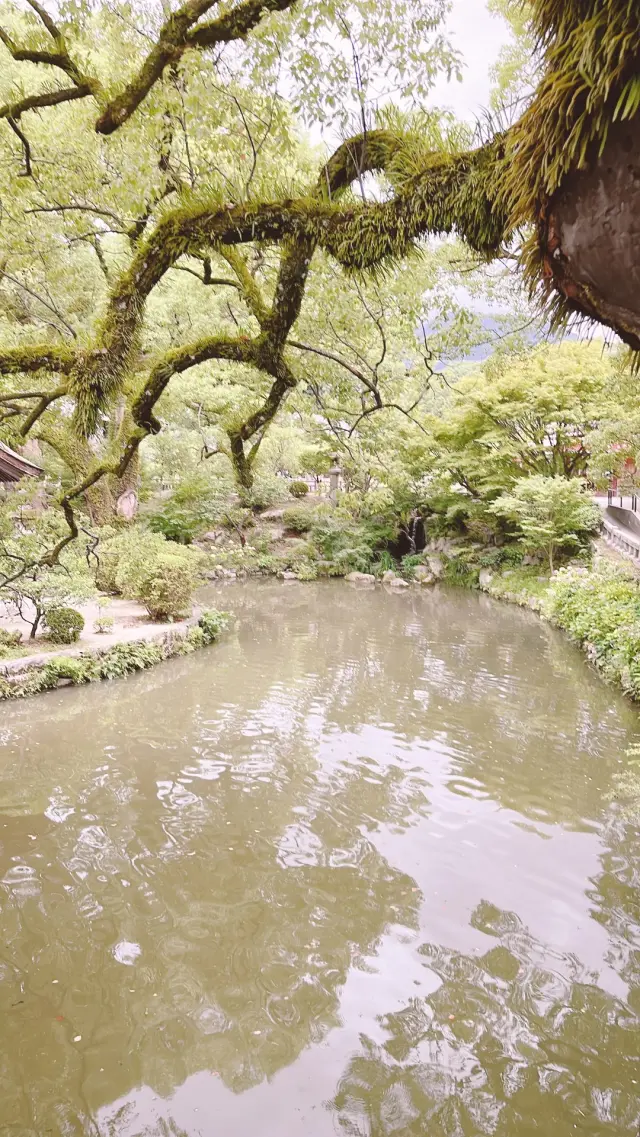
    Further ahead are Shinji Pond and the arched bridges. The three vermilion bridges symbolize the past, present, and future, and crossing them also represents gradually approaching the sacred presence of the deity.
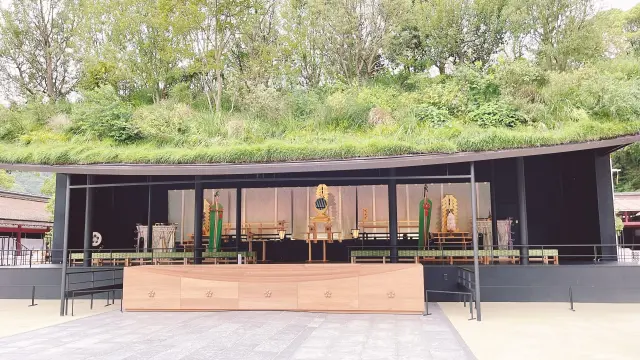
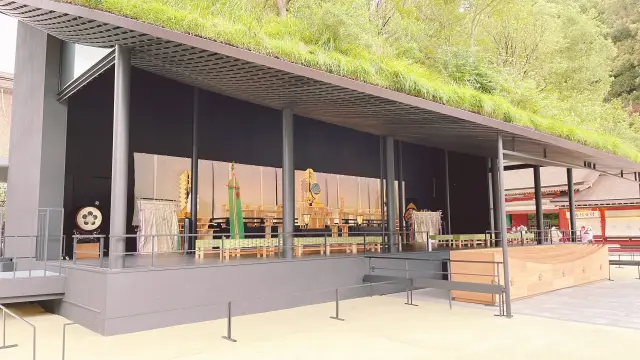
    The “Flying Plum Tree” to the right of the main sanctuary is also not to be missed. Legend says that when Sugawara Michizane left Kyoto, the plum tree, longing for its master, flew to Dazaifu overnight, giving rise to the legend of the “Flying Plum Tree.” Renovations to the main sanctuary are now in their final stages. During the work, a temporary hall designed by architect Sou Fujimoto has served as the place of worship, creating an interesting scene where a traditional shrine and modern architecture come together.
    After paying your respects, don't forget the amulets and goshuin shrine seal. Academic success amulets are the most popular, but there are also amulets for health and longevity, traffic safety, finding love, and more.
    Once you leave the shrine, the food tour is just beginning. Dazaifu's specialty, umegae mochi, is best eaten hot. Despite the word “ume,” or plum, in its name, it doesn't actually contain any plum. It's made with a glutinous rice cake exterior wrapped around sweet red bean paste and stamped with a plum blossom pattern. The outside is slightly crisp, while the filling is warm and sweet. Eating it as you walk is the most authentic Dazaifu experience.
    When your feet get tired, you can also take a break at the Starbucks designed by Kengo Kuma. The traditional wooden lattice structure extends from the entrance into the store, with interlocking wood creating a distinctive, warm space.
    A visit to Dazaifu Tenmangu Shrine connects sights and food all along the way, from the sacred ox, arched bridges, and Flying Plum Tree to amulets, umegae mochi, and Starbucks. It may seem like a sightseeing stroll, but every spot holds a story about Sugawara Michizane. Perhaps that's what makes Dazaifu a place people want to visit again and again.

  • See More

    Dazaifu Tenmangu Shrine is rich in history and culture. The lively approach is fun to explore, while the shrine itself is serene and majestic, creating a peaceful, relaxing atmosphere. Trying the umegae mochi made the trip even more memorable and special.

  • See More

    One of the must-visit spots in Fukuoka. Dazaifu is really spacious, and from the approach all the way into the shrine, the scenery is full of Japanese charm. Every corner is great for photos.

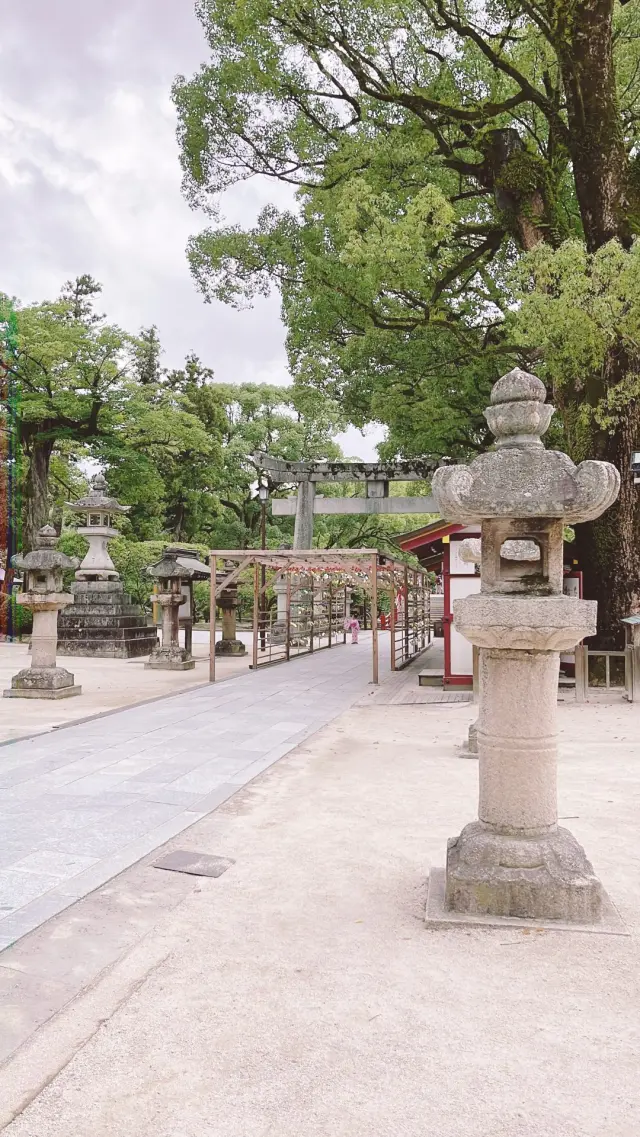
    The old torii gates, lush gardens, and distinctive architecture make the whole walk feel relaxed and pleasant. It’s not just a shrine visit, but more like a leisurely stroll while taking in the beautiful views.

    Each season has its own appeal here, and with the snacks and souvenirs in the nearby shopping street, spending half a day exploring at a relaxed pace is just right. Highly recommended for a trip to Kyushu.

  • See More

    Dazaifu is definitely worth a visit! Walking from the approach to the shrine, there are lots of unique little shops, tasty food, and souvenirs along the way, so it never gets boring to snack and browse as you go. The whole area feels very comfortable and full of traditional Japanese atmosphere, which makes it really relaxing to walk around.

    The shrine is solemn and beautiful, and there’s lots of greenery around it, which makes everything feel very peaceful. If you’re visiting Fukuoka, I highly recommend setting aside half a day for Dazaifu. Whether you want to pray, take photos, or enjoy the food, it’s absolutely worth it.

Details

Name in Japanese
太宰府天満宮
Postal Code
818-0117
Address
4-7-1 Saifu, Dazaifu City, Fukuoka
Tel
092-922-8225
Closed
The shrine grounds are open to the public every day.
Hours
Opening times vary by season. Please refer to the website for details.
Admission
Free
※Admission into the Treasure Hall/Kanko History Museum requires a separate fee.
Access
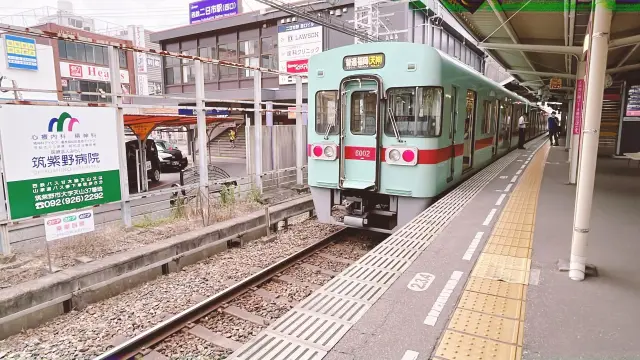
5 min. walk from Dazaifu Station on the Nishitetsu Lines.
Official Website
Official Website (English)
Hokkaido Tohoku Kanto Chubu Hokuriku Kansai Chugoku Shikoku Kyushu Okinawa