
The Rich World of Oden, Where Broth Meets Ingredients: An Enthusiast's Guide to 10 Standout Restaurants Across Japan
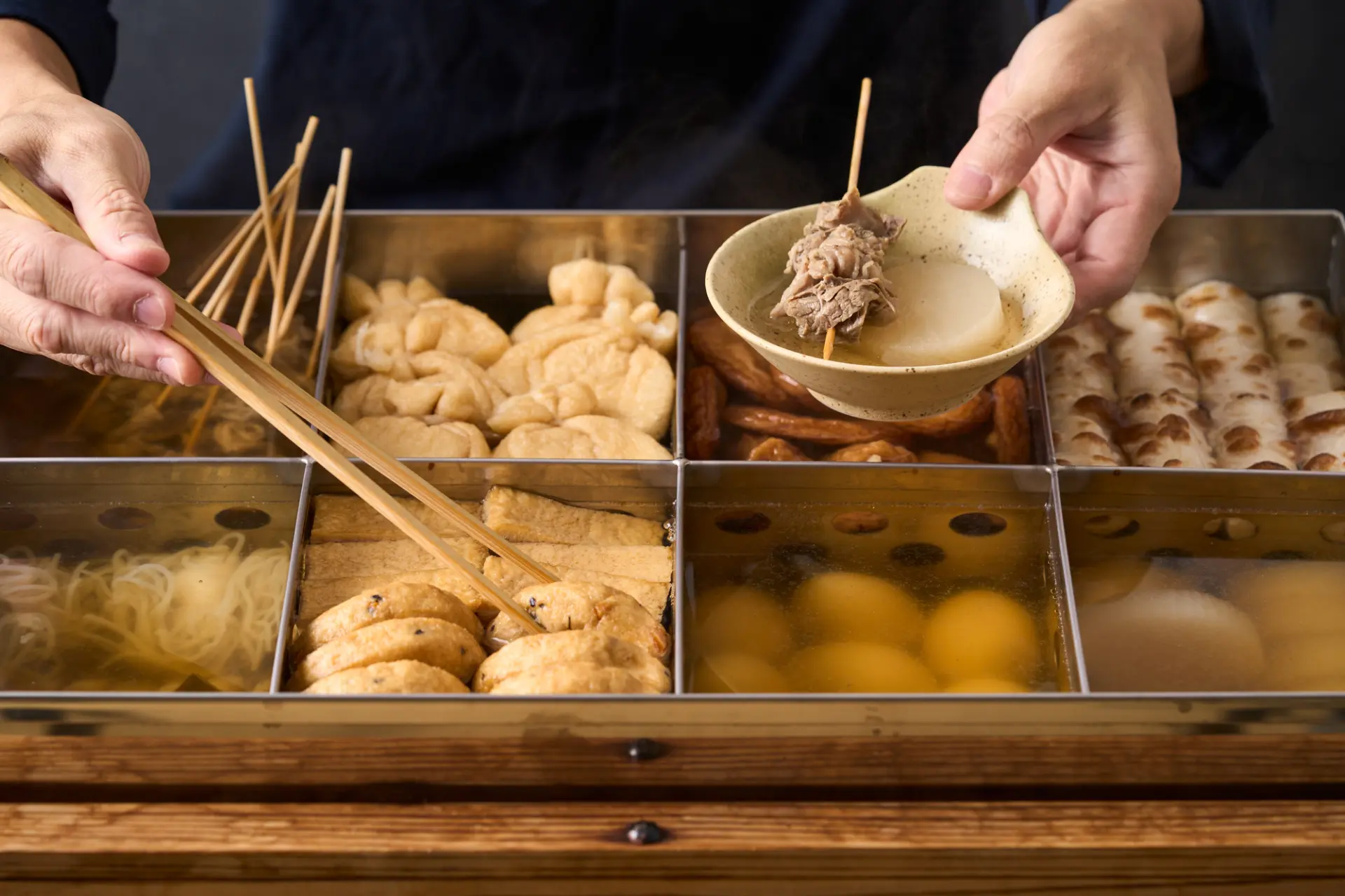
Oden is loved by many as both a winter tradition and a national comfort food in Japan. At first glance, it is a simple dish of ingredients simmered in broth, but each region and restaurant offers its own distinctive world. Our guide is Kyubei Yagyu, a specialty oden researcher who has sampled hundreds of varieties from oden restaurants, delivery services, convenience stores, and more throughout Japan. He spoke passionately about the world of oden, including its history and evolution, regional characteristics, how to enjoy it at restaurants, advice for travelers, and outstanding restaurants across Japan worth visiting.
How a Love of Broth Led Me Deep into the World of Oden
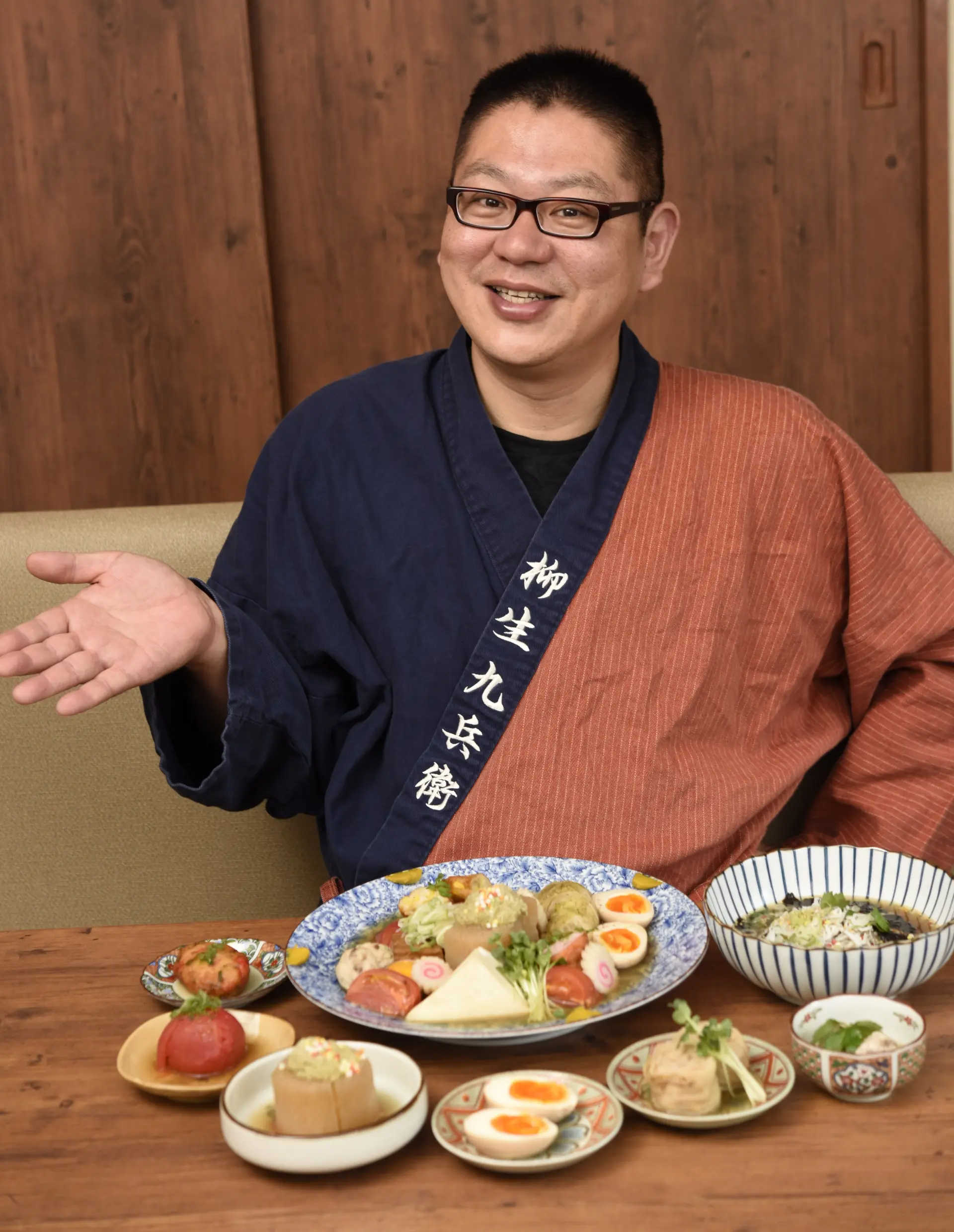
I'm Kyubei Yagyu, a researcher of specialty oden and regional cuisine.
I've always loved inexpensive, delicious food, especially broths, soups, and other liquid-based dishes. My appreciation for different broths and soup bases sparked my love of oden, beginning with convenience-store oden. I would study the pot and carefully choose where to scoop the broth, thinking, “The flavor from the beef tendon must have seeped out around here,” or “The savory flavors from the fish cakes must be concentrated in this corner.”
That was how I fell deep into the world of oden, but then I noticed something fascinating. At the time, convenience-store chains divided Japan into several areas, changing the broth base and ingredients by region. When traveling for work or leisure, I would discover that the convenience-store oden tasted completely different from what I knew back home. These local experiences inspired me to begin traveling in search of oden.

More Than 400 Restaurants Visited Across Japan
Of course, convenience-store oden could only take me so far, so I began visiting dedicated oden restaurants throughout Japan in earnest.
For simplicity, I often tell the media that I've visited more than 300 or 400 restaurants. In reality, however, I kept no records during my early years, so I'm certain the actual number is much higher. Including the oden I've ordered for delivery, it adds up to quite a total.
Because I rarely visit oden restaurants during the hot summer months, most of my trips take place from fall through winter. These days, I travel to different regions and visit several restaurants in a single night, covering at least 20 to 30 restaurants each winter.
Japan's Oden Culture: Different Histories and Characteristics in Every Region
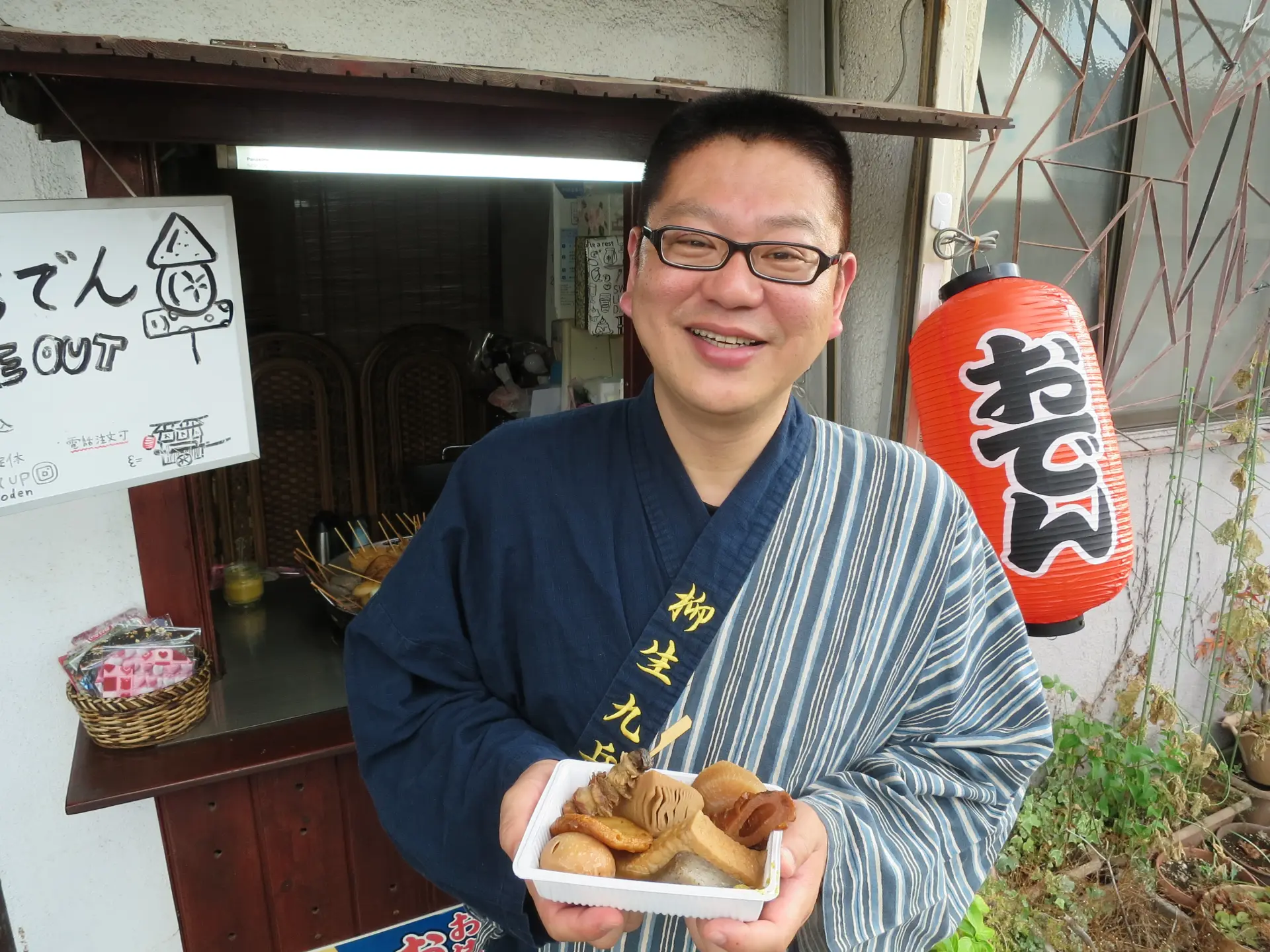
What astonished me as I visited these restaurants was how vividly oden reflects each region's history, characteristics, individuality, and food culture.
That realization launched my oden travels across Japan in earnest, and I set one rule for myself: whenever I visit a region, I go to three or four restaurants rather than just one.
I don't want to judge an entire region's oden from a single restaurant. That would be unfair to both the restaurant and the region. I question local residents thoroughly and conduct my own research, visiting as many places as my budget and schedule allow.
After visiting several restaurants, shared regional traits begin to emerge, such as the broth and ingredients typical of the area. At the same time, restaurants in the same region can be completely different because of each owner's preferences. Discovering these variations among restaurants within a common regional tradition is part of what makes exploring oden so fascinating.
Centuries of Development and Evolution Through Everyday Ingenuity and Dedication
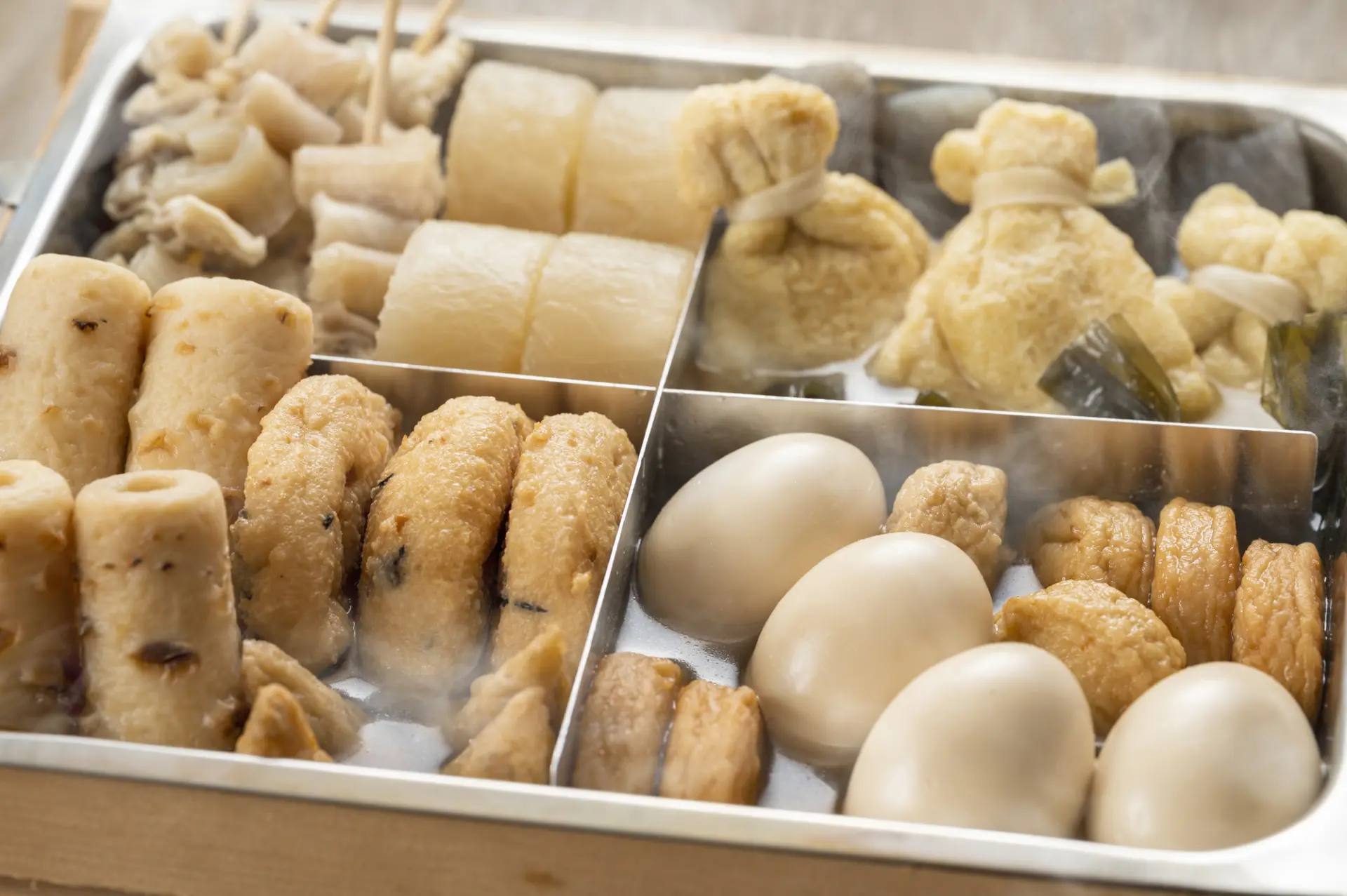
First, let me explain what oden is. Virtually everyone in Japan knows it, but international visitors may find it easier to picture as a traditional Japanese hot-pot dish in which fish cakes, vegetables, and other ingredients are simmered in a Japanese broth made with kombu kelp, bonito, and similar ingredients until they absorb its flavor.
However, simmering ingredients in broth came relatively late in oden's history. Its original form is said to have been tofu dengaku. Dengaku refers to ritual dances performed during rice planting to pray for a good harvest. During the Muromachi period, people began skewering and grilling tofu cut into rectangular pieces resembling wooden clappers. The dish is said to have been named for its resemblance to dengaku dancers.
A leading theory holds that women serving at the Imperial Court politely called the dish “o-dengaku,” adding the honorific prefix “o.” The word was later shortened by dropping “gaku,” becoming “oden.” Building on tofu dengaku, people eventually began grilling skewers of eggplant, taro, fish, and other ingredients. During the Edo period, konjac dengaku with miso became enormously popular among ordinary people.
From the Meiji through Taisho periods, modern oden simmered in soy sauce-based broth developed in Tokyo. It spread to the Kansai region, where it was called Kanto-daki to distinguish it from dengaku. This Tokyo-style Kanto-daki, simmered in broth rather than grilled like dengaku, can be considered the closest predecessor of present-day oden.
In this way, oden has continued to develop and evolve over hundreds of years of Japanese history through the ingenuity and dedication of ordinary people. I believe international visitors will be moved when they discover the subtle range of broths and the remarkable regional variations that have evolved across Japan.
The Long-Reigning King of Hot-Pot Dishes
Oden was never originally a luxury dish but an approachable meal also enjoyed at home. Apparently, it has remained Japan's most popular hot-pot dish for nearly 30 years. I could talk endlessly about its appeal, but I'll keep it brief (laughs).
As someone who loves broths and soups, one major attraction is being able to savor the broth itself. Japan is a long, narrow island nation with distinctive regional ingredients, cooking methods, and food cultures, so oden varies widely from place to place.
Recently, more restaurants have begun serving different regional styles of oden, offering an experience completely unlike eating it at home. The regional oden specialties introduced below offer an easy and affordable way to discover that appeal.
A Guide to Japan's Regional Oden by Type
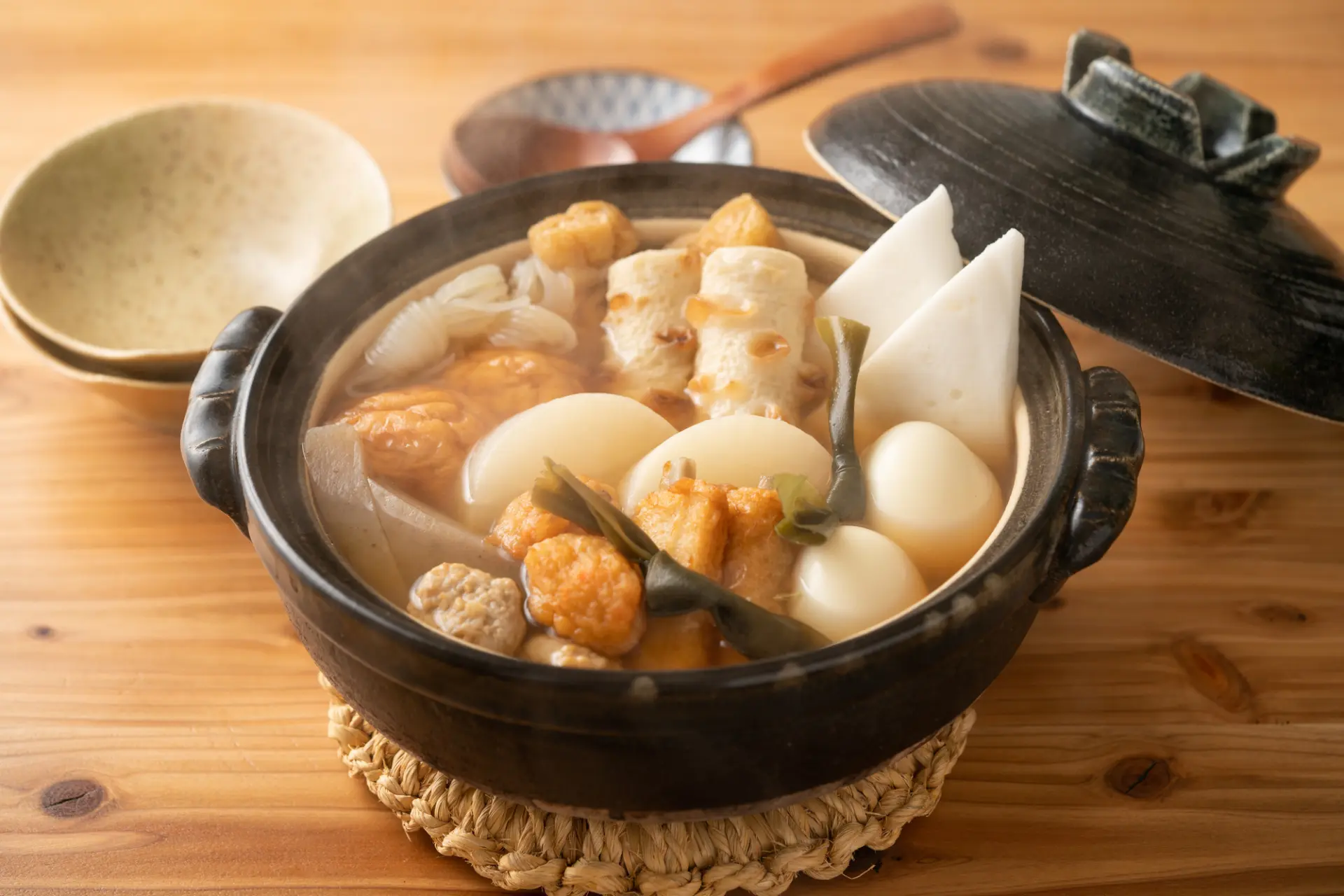
Regional oden can broadly be divided into three types.
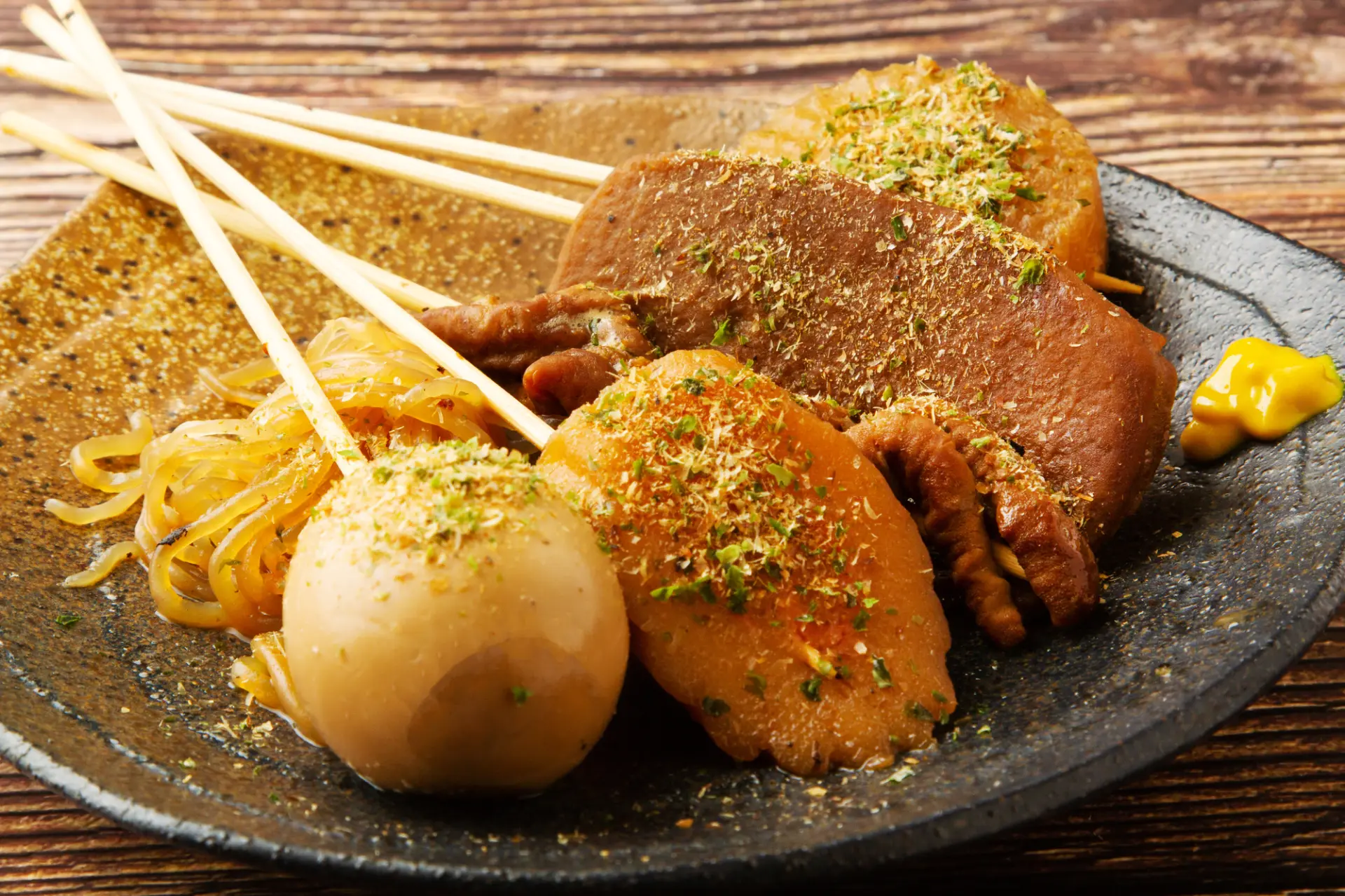
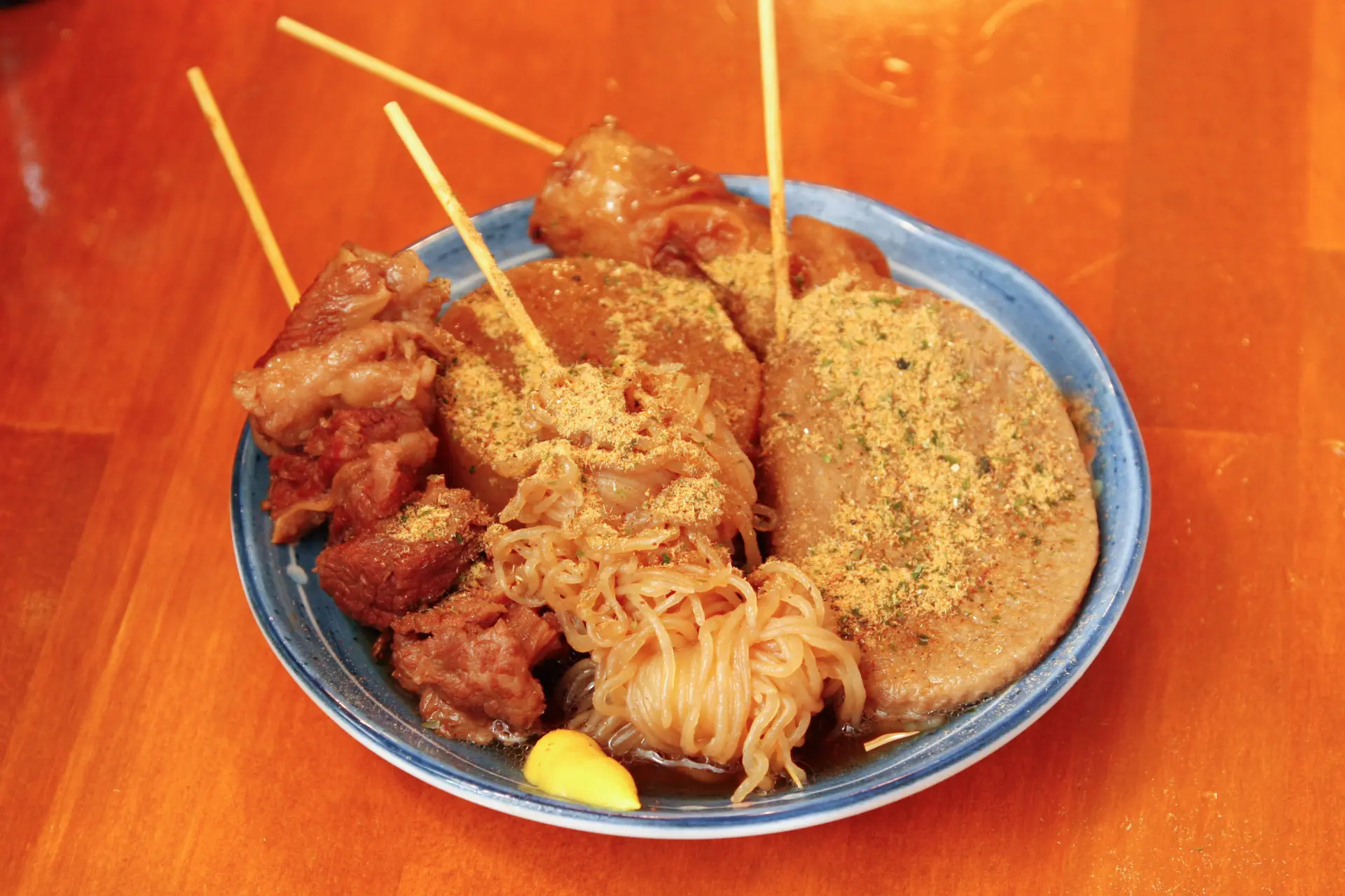
The first is the deeply rooted regional type, with distinctive local characteristics and a long-established oden culture. This type has a clear definition throughout the region, supported and promoted by active organizations or associations. The best-known example is Shizuoka oden. It has strict defining characteristics: it includes black hanpen fish cake; every ingredient is skewered; the dark broth is made with beef tendon and other ingredients; and it is topped with green laver and powdered dried fish. Although many people assume it is found throughout Shizuoka Prefecture, it is actually a highly localized culture centered on Shizuoka City. It is so deeply rooted there that the city alone is said to have between 600 and 1,000 establishments serving Shizuoka oden.
Incidentally, Shizuoka oden broth is strongly seasoned to flavor the ingredients and is not intended for drinking. There are likely dozens of such deeply rooted regional oden traditions throughout Japan.
The second is the regional revitalization type. These are new oden cultures developed collectively by communities that did not originally have a distinctive oden tradition, with the goal of regional development and revitalization. Local organizations are established to promote them as new regional specialties.
The third is what I call the pioneer type. These emerging regional oden styles are created by local volunteers using distinctive local ingredients and characteristics. They do not yet have their own organizations and are still in the process of spreading. For example, Kisarazu in Chiba Prefecture has “Kisarazu oden,” but only one restaurant in the world currently uses that name. The waters around Kisarazu contain a small sea snail called ibokisago, which fishermen consider a nuisance because it eats other small shellfish. Its flesh is too small for practical use as food, but it produces an exceptionally flavorful broth. The restaurant is working hard to turn oden made with it into a regional specialty.
As these examples show, many different types of regional oden exist throughout Japan.
Different Broths, Ingredients, and Ways to Eat It: 10 Distinctive Oden Specialties from Across Japan
Now, at last, let me introduce some specialty oden from around Japan.
I deliberately say “specialty oden” rather than “regional oden” because exceptional oden can also be found outside established regional traditions. From the many oden restaurants across Japan, I've selected 10 serving memorable specialties worth trying during your travels.
1. Aomori Prefecture: Oden Ishii (Hachinohe, Aomori)
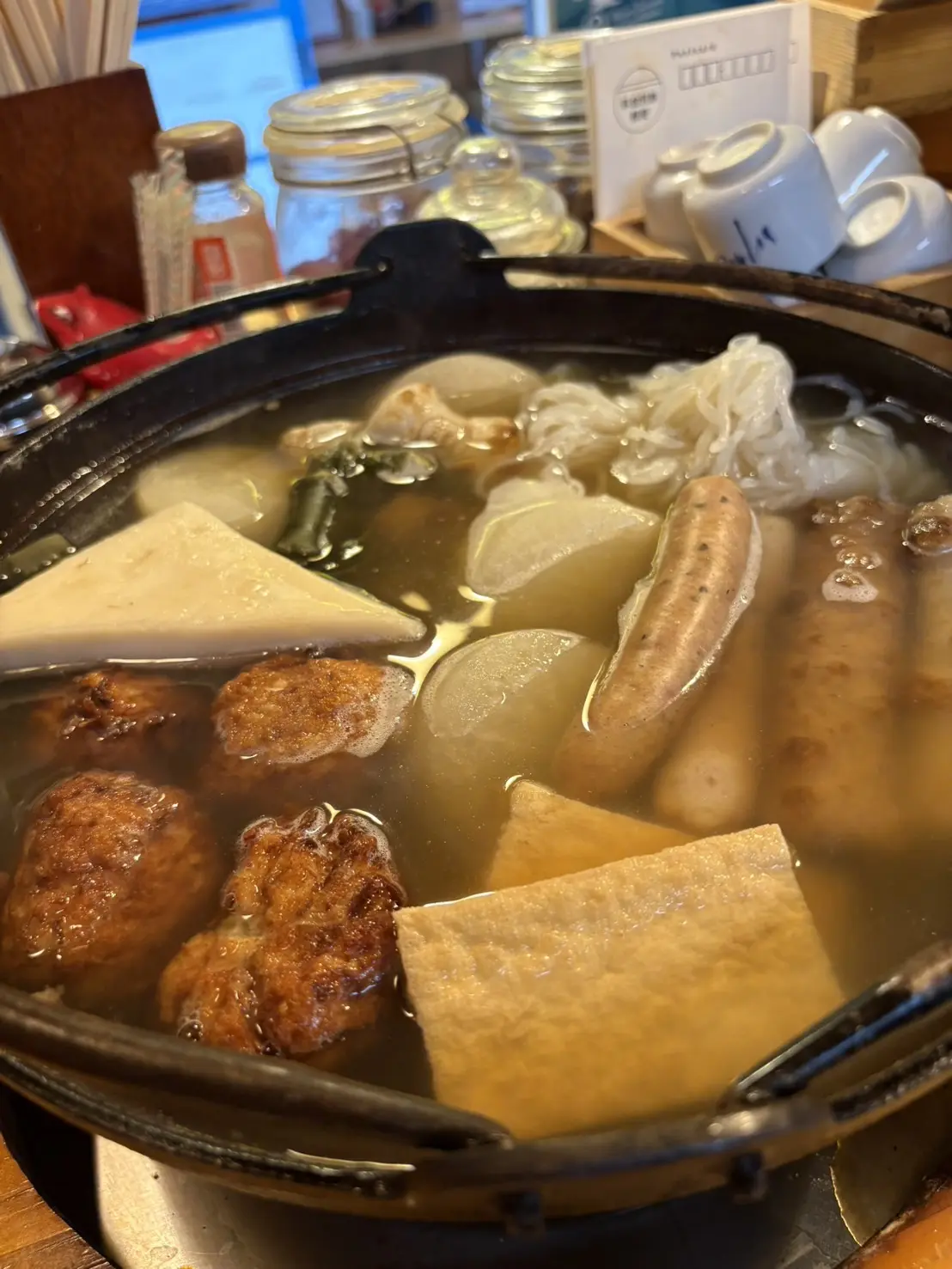
Oden simmered in a large pot of traditional Nambu ironware
This excellent oden restaurant stands in an alley in Hachinohe, Aomori Prefecture, that retains a retro Showa-era atmosphere. Although it is a casual standing bar, its oden is a serious example of the pioneer type. Its defining feature is a huge Nambu ironware pot, a traditional craft from Iwate, in which the oden bubbles away. The savory flavors released by the ingredients react with iron from the pot, gradually giving the broth a slightly dark color. Despite its appearance, the broth is gently seasoned with a special local salt, producing a clean, clear flavor without any unpleasant notes. Its savory flavor penetrates deep into every ingredient.
- Name in Japanese
- おでん いし井
- Postal Code
- 031-0033
- Address
-
Miroku Yokocho Yaanse-ichi 1-chome, 10 Mikkamachi, Hachinohe, Aomori Prefecture
Google Maps - Phone
- 080-3191-0141
- Closed on
- Irregular holidays
- Hours
- 5:00 pm–12:00 am
- Price Range
- JPY 2,000
- Access
- About a 10-minute walk from JR Hon-Hachinohe Station
- Credit Cards
- Accepted
- Official website
- Official website (Japanese)
2. Kanto: Odawara Oden Main Restaurant (Odawara, Kanagawa) — Odawara Oden
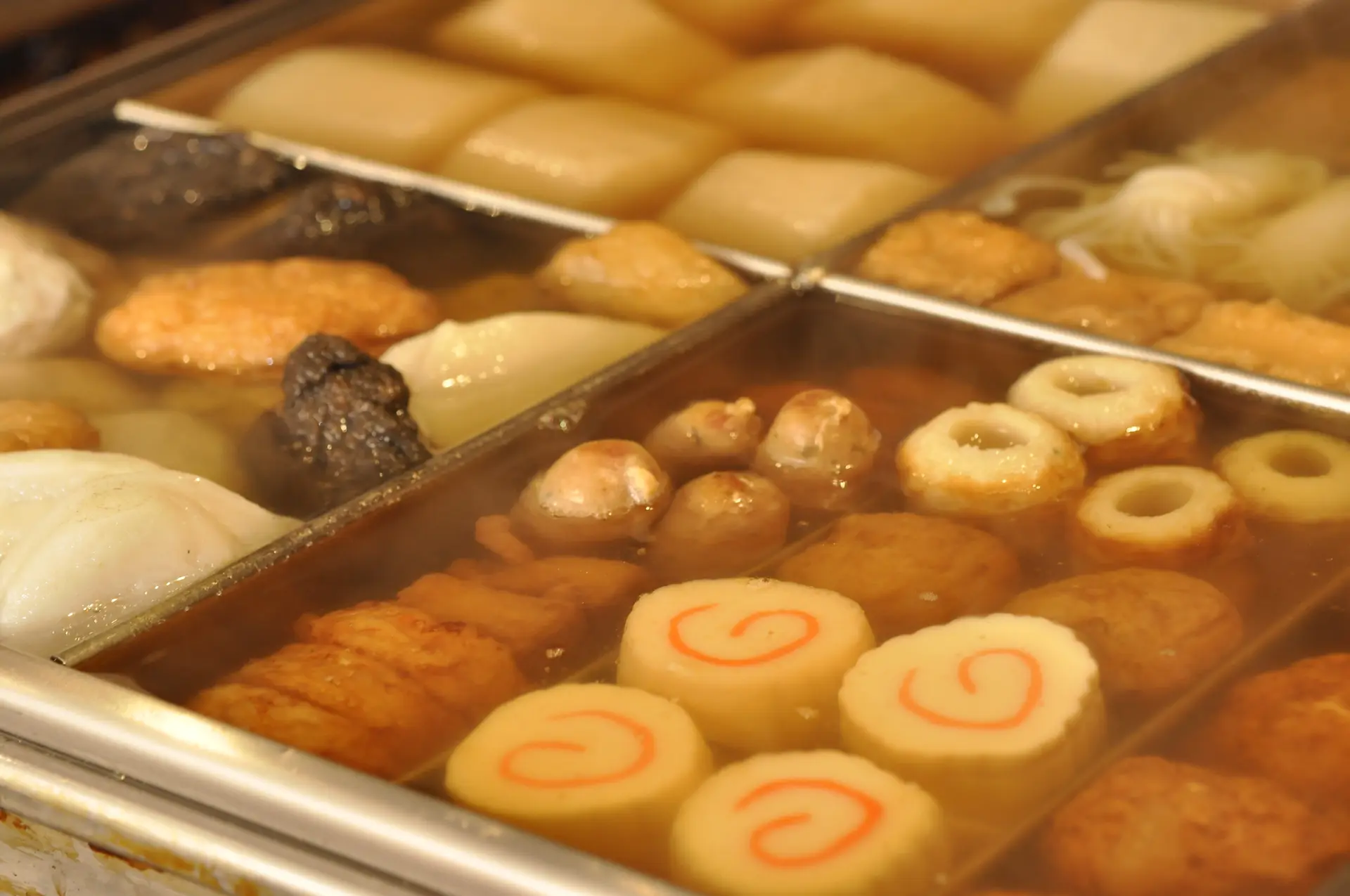
A diverse array of ingredients centered on the city's renowned fish cakes
Of all the regional revitalization oden styles I've encountered, Odawara oden is both the most successful and my personal favorite.
Odawara is one of Japan's leading producers of premium kamaboko fish cakes. Traditionally, however, kamaboko was purchased as a souvenir rather than routinely eaten by locals as an oden ingredient. A group of local enthusiasts saw an opportunity and said, “With so many excellent fish cake producers here, let's create our own oden culture.” They asked each long-established local kamaboko company to develop one new ingredient specifically for Odawara oden, forming an all-star oden lineup.
They also hold a public contest to solicit ideas for new ingredients, adding one official selection each year. Because not only professional craftspeople but the entire community feels that “this is the oden we're nurturing,” it has grown into a regional brand that attracts visitors from across Japan despite its relatively short history.
The broth is exceptionally refined and delicate. The Odawara way is to finish each bite with a little special plum miso made using the area's famous plums.
- Name in Japanese
- 小田原おでん 本店
- Postal Code
- 250-0004
- Address
-
3-11-30 Hamacho, Odawara City, Kanagawa
Google Maps - Telephone
- 0465-20-0320
- Closed
- Mondays
- Business Hours
- 11:30am - 2:30pm, 4:00pm - 9:00pm(L.O.8:00am)
- Budget
- Lunch 1,500yen〜, Dinner 3,000yen〜
- Access
- About a 3-minute walk from the “Tojincho” bus stop, accessible via bus from JR Odawara Station
- Credit Cards
- Not accepted
- Official Website
- Official Website (Japanese)
3. Kanto: Choi Oden Shinjuku Main Restaurant (Shinjuku, Tokyo) — A Shinjuku Oden Specialty
Refined conger eel broth paired perfectly with inventive ingredients
Traditional Tokyo oden made with soy sauce tends to have pronounced seafood flavors and a strong salty note, but Choi Oden offers something different, despite also being in Tokyo.
Its broth is based on the bones of premium conger eel, making it remarkably refined and deeply savory without any fishy odor. It has a sophisticated flavor that leaves an impression on anyone who tastes it.
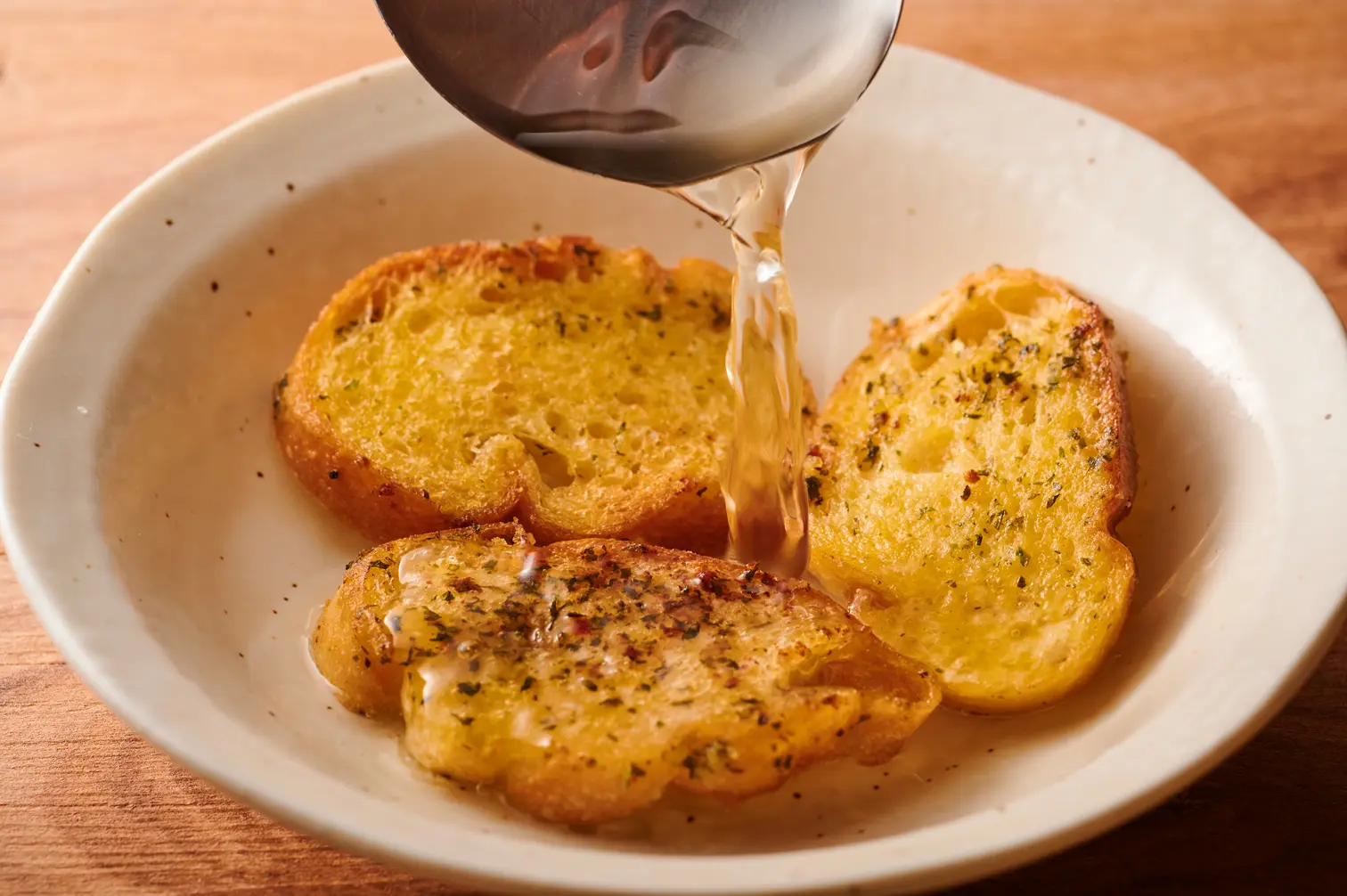
Rather than regional oden created to promote a community, this is inventive oden filled with the restaurant's own ideas. The standard daikon radish, eggs, and fish cakes are outstanding, of course, but so are original ingredients such as beef tongue and garlic toast. You may think garlic toast has no place in oden, but when paired with the refined conger eel broth, it's almost frustratingly delicious (laughs).
The restaurant is a bright, modern izakaya with an extensive selection of side dishes beyond oden. Prices are affordable and clearly listed, so you can dine with confidence.
- Name in Japanese
- ちょいおでん 新宿本店
- Postal Code
- 160-0023
- Address
-
Sanko Park Building 1F, 7-3-1 Nishi-Shinjuku, Shinjuku-ku, Tokyo
Google Maps - Phone
- 03-5331-3341
- Closed on
- Open year-round
- Hours
- 3:00 p.m.-2:00 a.m. (food last order 1:15 a.m., drinks last order 1:30 a.m.); Sundays and public holidays: 3:00 p.m.-11:00 p.m. (food last order 10:15 p.m., drinks last order 10:30 p.m.)
- Price Range
- From ¥2,000
- Access
-
1)About a 3-minute walk from Seibu-Shinjuku Station on the Seibu Railway
2)About a 5-minute walk from Shinjuku Station on the Toei Subway
3)About a 7-minute walk from JR Shinjuku Station - Credit Cards
- Accepted
- Official website
- Official website (Japanese)
4. Chubu: Umibozu Main Restaurant (Shizuoka, Shizuoka) — Izakaya-Style Shizuoka Oden
Classic Shizuoka oden at a renowned izakaya-style restaurant
I touched briefly on Shizuoka oden earlier, but to understand it more deeply, there are two styles you should know.
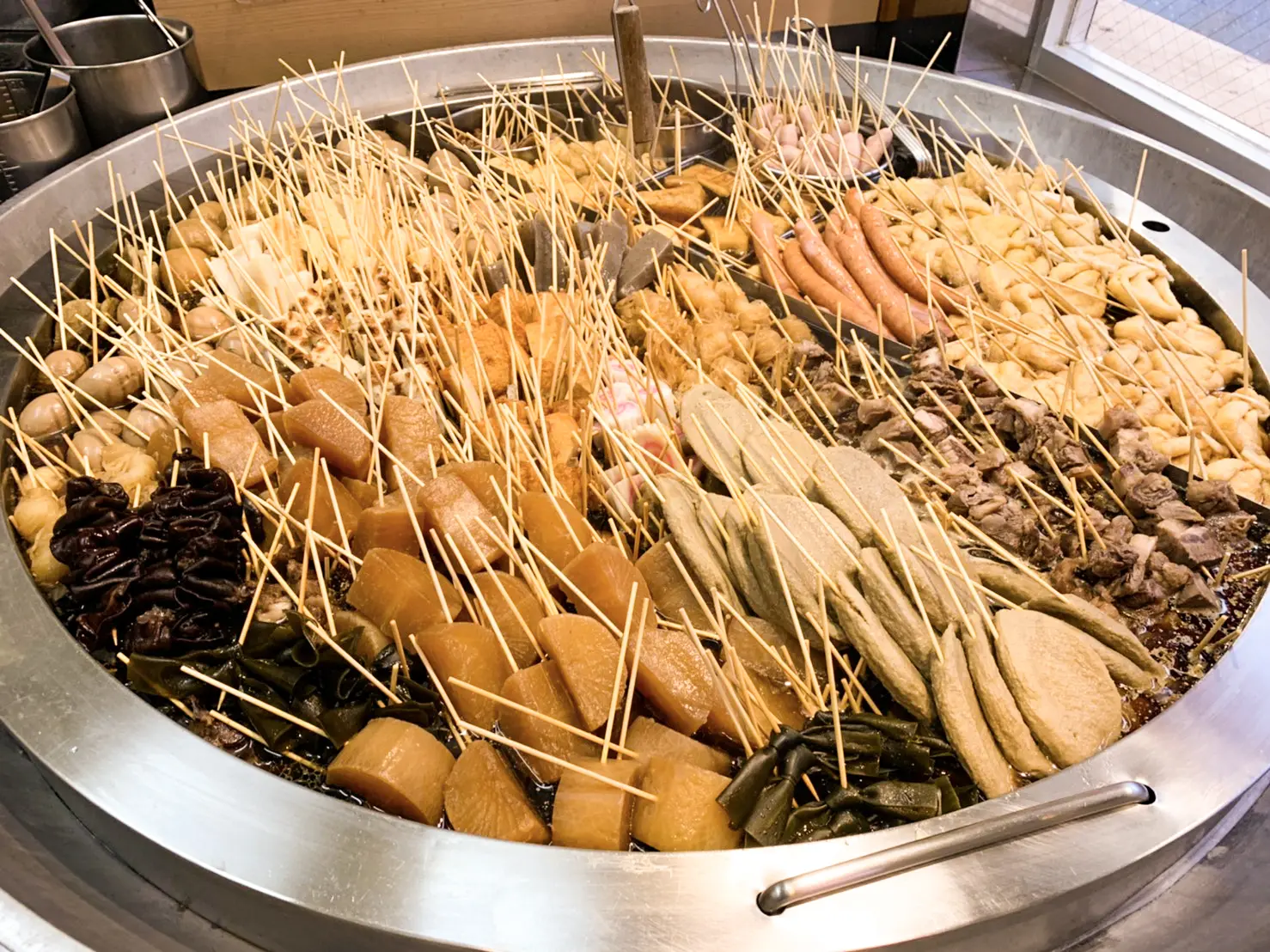
The first is the izakaya style, in which oden is enjoyed at night as a snack with drinks. A leading example is Umibozu Main Restaurant near Shizuoka Station. Since it is operated by the chairman of the Shizuoka Oden Association, it serves classic Shizuoka oden. It also offers many other Shizuoka specialties, including Fujinomiya yakisoba, so try them with local sake.
- Name in Japanese
- 海ぼうず本店
- Postal Code
- 422-8067
- Address
-
1F, Umibozu Building, 6-11 Minamicho, Suruga-ku, Shizuoka City, Shizuoka
Google Maps - Telephone
- 054-284-8282
- Closed
- Open every day
- Business Hours
- 3:00pm - 11:00pm
- Budget
- 3,000 yen
- Access
- 2 min. walk from Shizuoka Station on the JR Tokaido Main Line.
- Credit Cards
- Accepted
- Official Website
- Official Website (Japanese)
5. Chubu: Odenya Obachan (Shizuoka, Shizuoka) — Candy Store-Style Shizuoka Oden
The candy store style preserves the traditions of old-fashioned Shizuoka oden
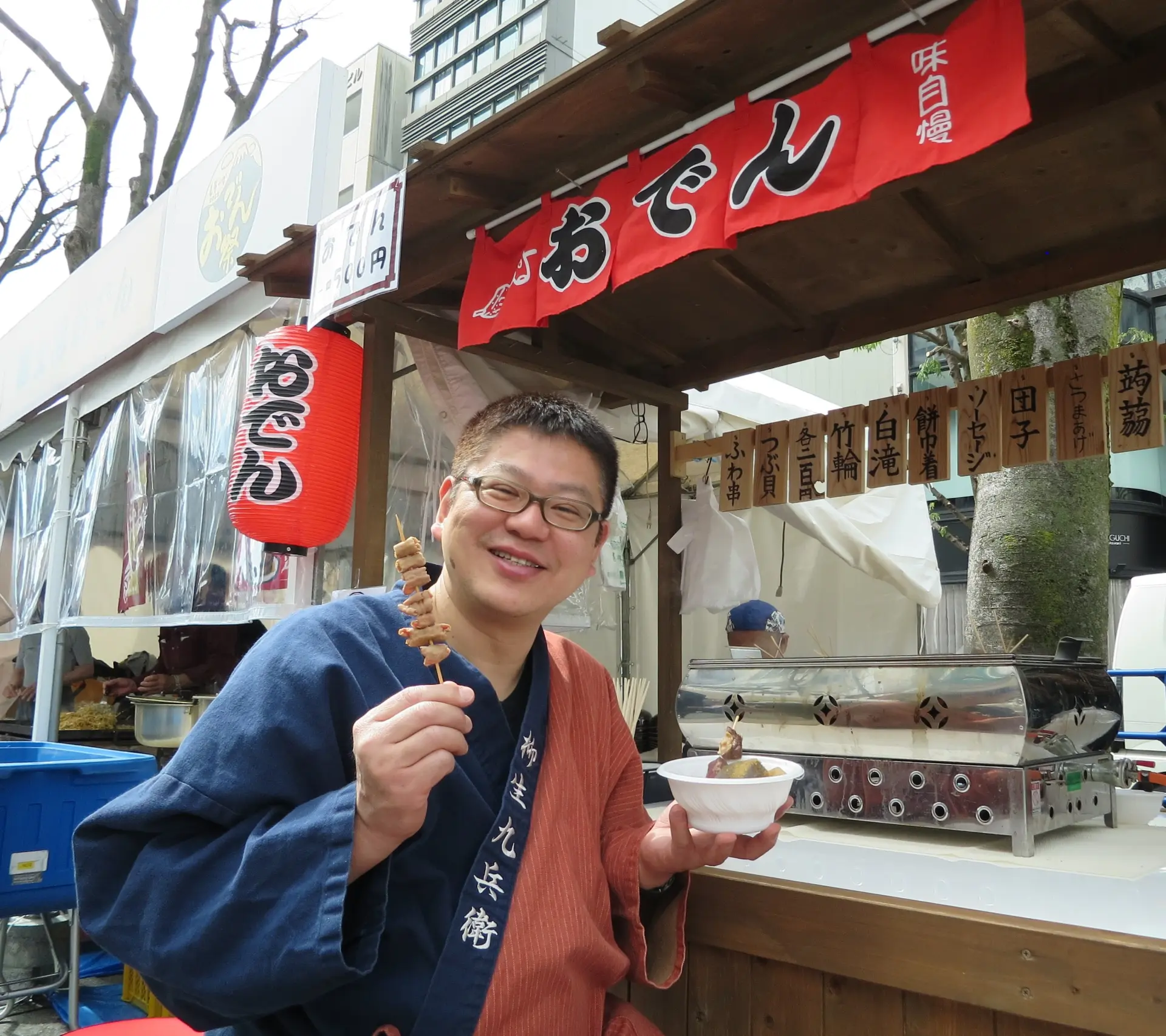
The candy store style, meanwhile, represents the deep roots of Shizuoka oden. In this nostalgic format, a pot of oden sat outside a neighborhood candy store, where children would come clutching a few coins to buy it as a snack. These shops generally operate from morning until evening and do not serve alcohol.
Odenya Obachan in Sunpu Castle Park preserves this old-fashioned Shizuoka oden tradition today. Most items cost between 100 and 199 yen per skewer, making it easy to buy a variety and snack on them in the park. Incidentally, the owner serves as vice chairman of the Shizuoka Oden Association.
- Name in Japanese
- おでんや おばちゃん
- Postal Code
- 420-0855
- Address
-
1-1 Sumpu Castle Park, Aoi Ward, Shizuoka City, Shizuoka Prefecture
Google Maps - Phone
- 080-5824-7400
- Closed on
- Open daily
- Hours
- 10:00 a.m.–5:00 p.m. (hours may vary by season)
- Price Range
- ¥1,000
- Access
-
1) About a 10-minute walk from Shin-Shizuoka Station on the Shizutetsu Line
2) About a 20-minute walk from JR Shizuoka Station - Credit Cards
- Accepted
- Official website
- Official website (Japanese)
6. Hokuriku: Akadama Main Restaurant (Kanazawa, Ishikawa) — Kanazawa Oden
Flavors passed down through four generations at a long-established restaurant
Kanazawa oden is now a major nationwide brand, but it only became firmly established within the past 10 years, after the Hokuriku Shinkansen reached Kanazawa.
Before then, there was no common name of “Kanazawa oden”; each restaurant had long served oden in its own style. As the Shinkansen extension approached, however, the Kanazawa Oden Fifty-Year Association was formed to unite and promote the city's excellent oden to tourists arriving from across Japan. This prestigious association brought together renowned restaurants that had served oden in the city for more than 50 years and formally established a definition for Kanazawa oden.
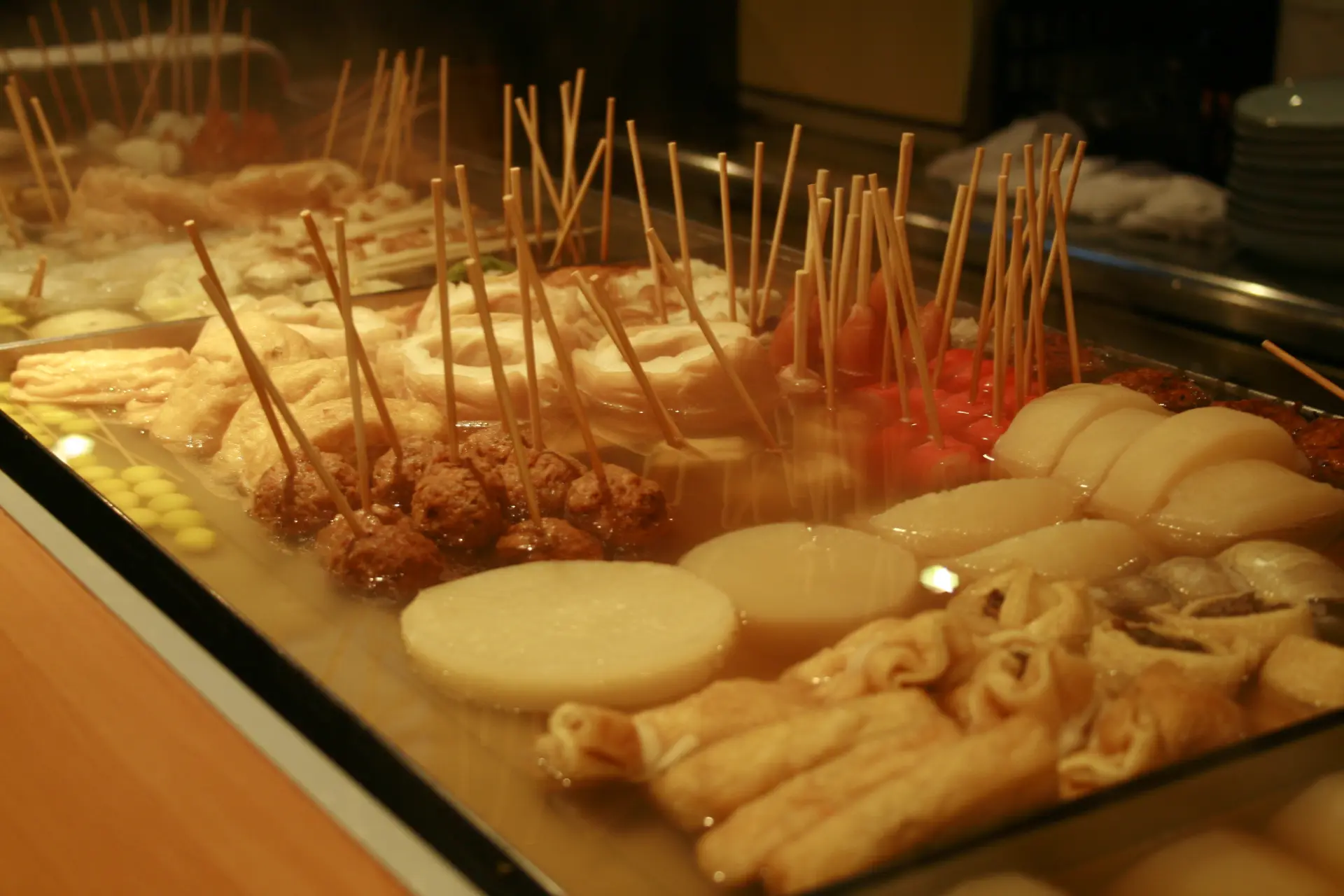
Characteristic ingredients include kuruma-fu, a ring-shaped wheat gluten that absorbs the broth; akamaki, a distinctive red kamaboko fish cake; traditional Kaga vegetables; and kanimen, made by packing the meat, tomalley, and eggs of a female snow crab, known as kobako-gani, into its shell and simmering it.
A central member of the association is Akadama Main Restaurant, run by its third-generation proprietress and fourth-generation junior proprietress. It is a landmark worth going out of your way to visit when traveling to Hokuriku. Alongside the Kanazawa oden standards, be sure to try the restaurant's original ingredient, akadama, or “red ball,” which shares its name. This substantial house specialty features a whole quail egg enclosed in a red fish cake colored with paprika, delivering plenty of visual appeal and flavor.
- Name in Japanese
- 金澤おでん赤玉本店
- Postal Code
- 920-0981
- Address
-
2-21-2 Katamachi, Kanazawa City, Ishikawa
Google Maps - Telephone
- 076-223-3330
- Closed
- Mondays (If falls on a holiday, the next day is closed)
- Business hours
-
Tue - Sat: 12:00pm - 3:00pm, 4:00pm - 11:00pm(L.O.10:30pm)
Sun & National Holidays: 12:00pm - 3:00pm, 4:00pm - 10:00pm(L.O.9:30pm)
*Reservations are available in four time slots.Please check the official website for details. - Budget
- Lunch 1,000 yen and up, Dinner 2,500 yen and up
- Directions
- Alight at the "Katamachi" bus stop on the Hokutetsu Bus from the JR West and IR Ishikawa Railway Kanazawa Station. The place is nearby.
- Credit Cards
- Accepted
- Official Website
- Official Website (Japanese)
7. Kansai: Takoume Main Restaurant (Osaka, Osaka) — Osaka Oden (Kanto-ni)
Japan's oldest oden restaurant and the birthplace of whale oden
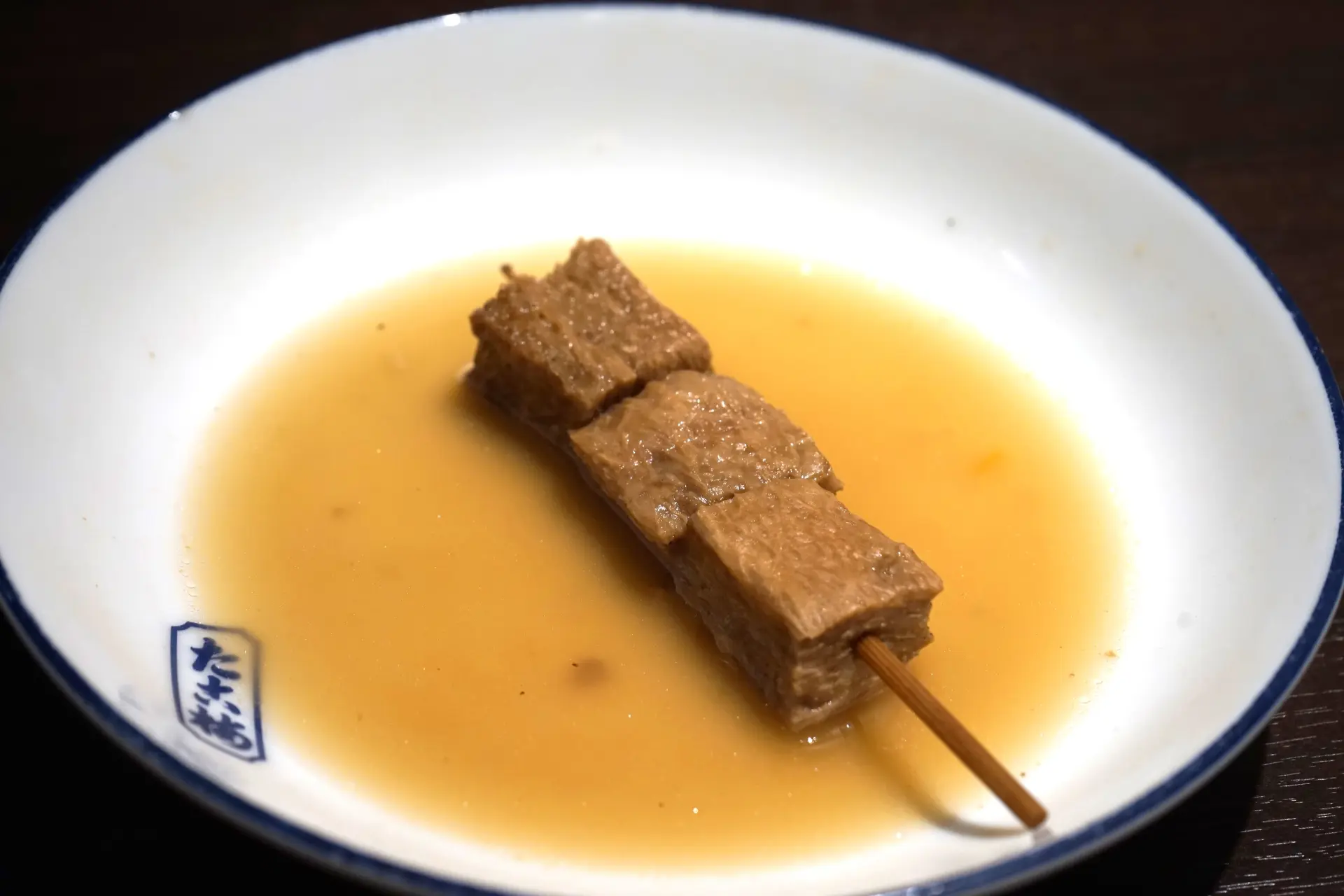
Kansai has a long-established broth culture and so many excellent oden restaurants that choosing one is difficult, but Takoume stands apart. This long-established Osaka oden restaurant specializes in what is known locally as Kanto-ni and is said to be Japan's oldest oden restaurant. Founded in 1844 during the late Edo period, it has a history of more than 180 years. Its golden broth has been carefully strained and replenished every day for many years, giving it an exceptionally mellow, deep, and distinctive flavor. No discussion of this restaurant would be complete without mentioning that it is the birthplace of whale oden in Japanese oden culture. Whale ingredients are now served at oden restaurants across the country, but the tradition began at Takoume and spread from here. Try saezuri, or baleen whale tongue; koro, or skin; and tendon, each offering a different texture and deeply satisfying flavor.
- Name in Japanese
- たこ梅 本店
- Postal Code
- 542-0071
- Address
-
1-1-8 Dotonbori, Chuo Ward, Osaka City, Osaka Prefecture
Google Maps - Phone
- 06-6211-6201 (phone reservations accepted from 3:00 p.m.)
- Closed on
- Open year-round, except during the New Year holidays
- Hours
- 4:00 p.m.-10:30 p.m. (last order at 10:00 p.m.)
- Price Range
- JPY 6,000
- Access
- About a 4-minute walk from Nippombashi Station on the Osaka Metro and Kintetsu lines
- Credit Cards
- Accepted
- Official website
- Official website (Japanese)
8. Kansai: Ashiya Tanoshiya (Ashiya, Hyogo) — An Ashiya Oden Specialty
Separately prepared ingredients and salt-based broth come together beautifully in a small pot
No introduction to Kansai's oden restaurants would be complete without Tanoshiya in Ashiya. I first discovered it through delivery. One bite left such an impression that a week later, I traveled from Tokyo to Ashiya solely to eat its oden. That is how remarkable this restaurant is.
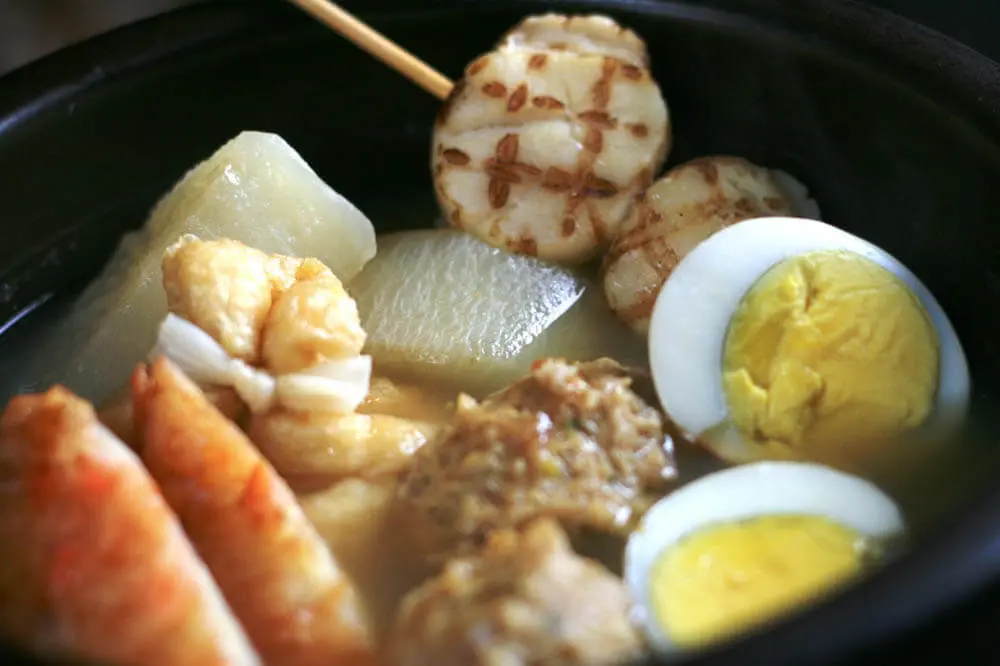
Part of an oden restaurant's appeal is that various ingredients bubble together in a large pot of broth, sharing their savory flavors. This restaurant, however, has no large pot. Each ingredient is seasoned and prepared in a separate pot so their flavors do not mingle. Only after an order is placed are they combined in a small pot, covered with the restaurant's special salt-based broth, heated, and brought briefly to a boil to finish.
The salt-based broth is drawn from several carefully selected natural ingredients, and it is so delicious it gives me goosebumps! Experience this luxurious, kappo-style oden, in which perfectly prepared ingredients meet an exceptional broth just before being served.
- Name in Japanese
- 芦屋たのしや
- Postal Code
- 659-0066
- Address
-
5-12 Omasucho, Ashiya, Hyogo Prefecture
Google Maps - Phone
- 0797-38-2225
- Closed on
- Mondays and one additional day per month
- Hours
- 5:30 p.m.-11:00 p.m.
- Price Range
- ¥5,000
- Access
- About a 4-minute walk from Ashiya Station on the Hanshin Line
- Credit Cards
- Accepted
- Official website
- Official website (Japanese)
9. Chugoku and Shikoku: Gyukotsu Oden Ichi to Ni (Yonago, Tottori)
One of a kind: oden combining beef-bone soup with Japanese broth
For the Chugoku and Shikoku region, I recommend Gyukotsu Oden Ichi to Ni, a restaurant I can confidently say is worth a trip on its own.
The area around Yonago in western Tottori Prefecture is known for beef-bone ramen, an unusual regional specialty even within Japan. However, this restaurant's creation was unrelated to the beef-bone ramen trend. It is operated by the company behind a highly regarded local yakiniku restaurant.
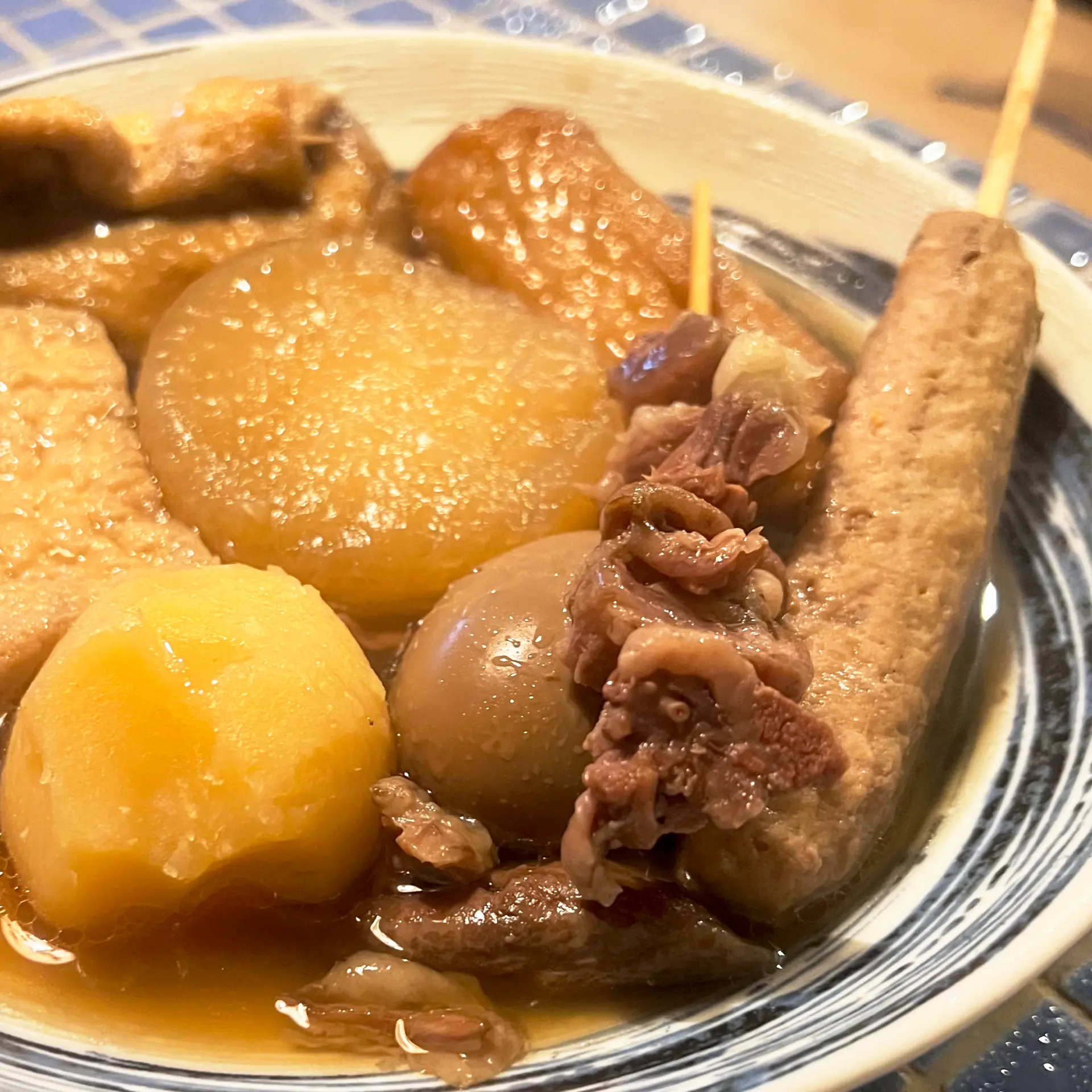
Backed by meat specialists, it has unrivaled access to beef, bones, tails, and other ingredients. Every day, high-quality beef bones and tails are gently simmered at the restaurant for more than 10 hours to produce a rich, intensely savory beef-bone soup. This is blended with Japanese broth drawn from kombu kelp and bonito, along with oden broth that is strained and replenished daily. A small amount of high-quality wagyu fat is then added to balance the flavor. The resulting oden broth is truly distinctive: deeply savory yet not greasy, with a clean, light mouthfeel. The extensive lineup of around 40 ingredients is another attraction.
- Name in Japanese
- 牛骨おでん 壱ト弐
- Postal Code
- 683-0053
- Address
-
273 Meiji-cho, Yonago City, Tottori Prefecture
Google Maps - Phone
- 0859-21-1250
- Closed on
- Wednesdays
- Hours
- 5:00 PM–10:30 PM; Fridays and Saturdays, 5:00 PM–11:00 PM; Sundays, 8:30 AM–10:30 AM
- Price Range
- ¥4,000
- Access
- About a 3-minute walk from JR Yonago Station
- Credit Cards
- Accepted
- Official website
- Official website (Japanese)
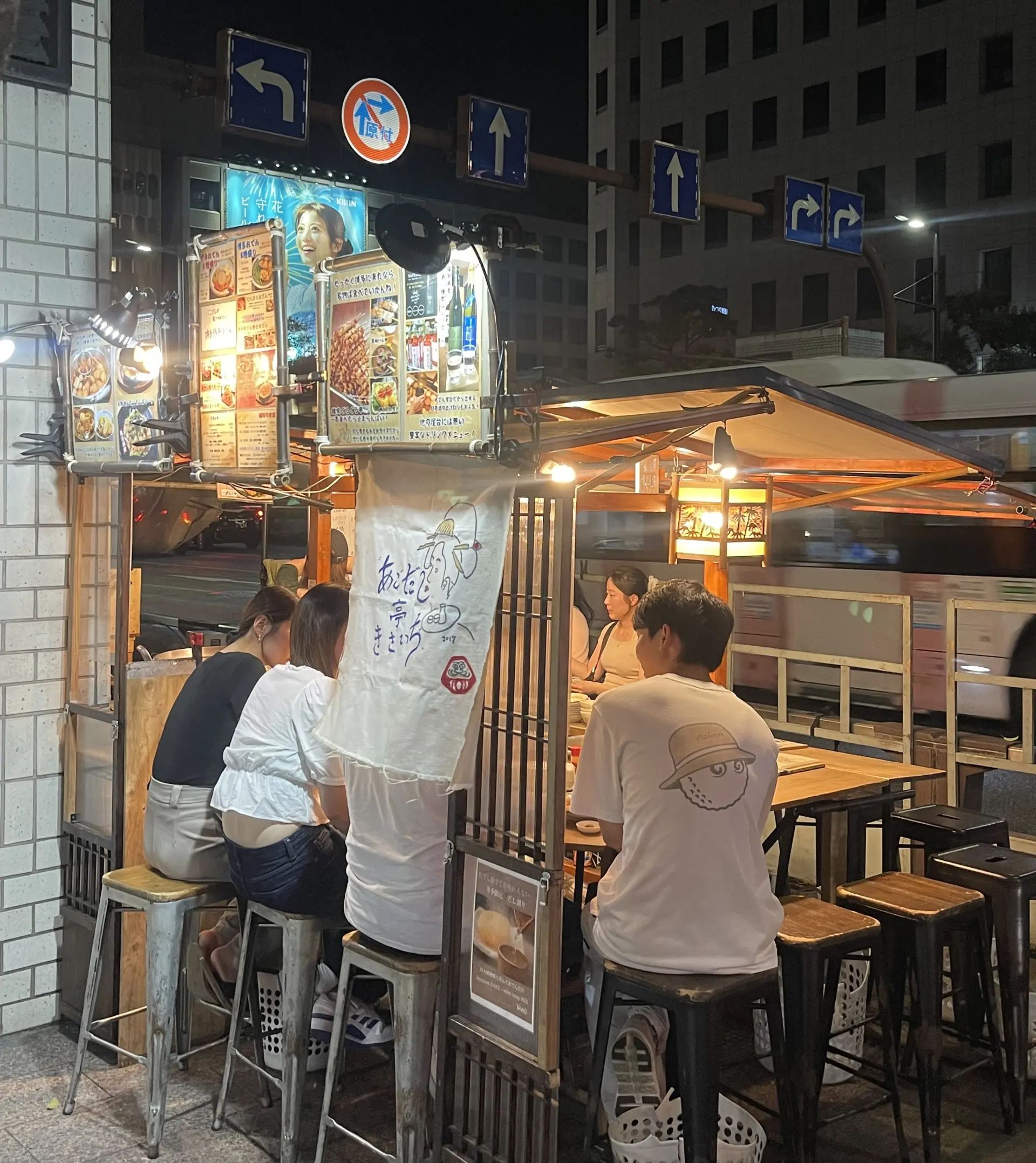
10. Kyushu and Okinawa: Hakata Oden Stall Agodashi-tei Kisaichi (Fukuoka, Fukuoka) — A Hakata Oden Specialty
Savor oden in refined flying fish broth at one of Hakata's famous food stalls
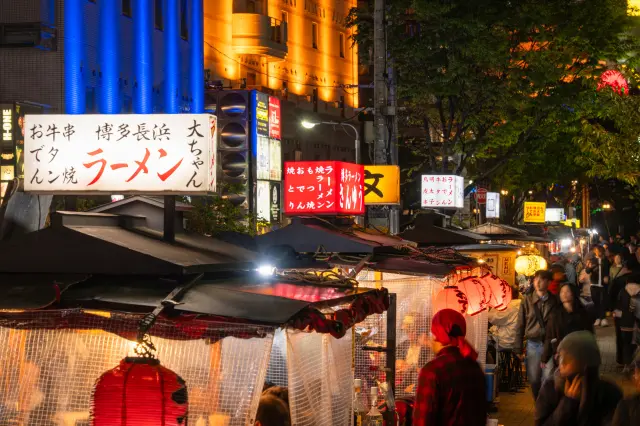
Finally, from Kyushu, I recommend the Hakata oden stall Tenjin Yatai Agodashi-tei Kisaichi. In recent years, food stalls have been disappearing nationwide because of road traffic laws, land-use rights, hygiene concerns, and other factors. Located in Hakata's Tenjin area, where food-stall culture remains alive, this approachable stall is also a good choice for tourists seeking an authentic experience.
Visit this conveniently located stall near Tenjin Station, and the cheerful owner and proprietress will welcome you with friendly service. Kyushu may evoke images of rich tonkotsu pork-bone soup, but this stall specializes in a refined broth made with grilled flying fish. Alongside classics such as broth-soaked daikon radish, its excellent original creations include onions from Awaji Island and pork belly rolls, in which the broth and meat enhance each other's savory flavor. To finish, be sure to try the thin Goto udon noodles, which pair perfectly with the flying fish broth.
- Name in Japanese
- あごだし亭きさいち
- Postal Code
- 810-0001
- Address
-
2-12-1 Tenjin, Chuo Ward, Fukuoka City, Fukuoka Prefecture
Google Maps - Phone
- 080-4694-9187
- Closed on
- Mondays and other irregular days
- Hours
- 6:30 p.m.-12:00 a.m.
- Price Range
- 2,500yen
- Access
- Just steps from Tenjin subway station
- Credit Cards
- Not accepted
- Official website
- Official Instagram (Japanese)
Four Tips for Getting More from Your Oden Experience While Traveling
1. Determine Whether It Is a Casual or Upscale Restaurant
Oden is a casual dish of ingredients simmered in broth, but that informality can lead to a major mistake if you misjudge a restaurant's style or price range.
Research beforehand whether it is a casual izakaya with prices listed on the menu or an upscale sushi-restaurant-style establishment with no prices shown. Visiting an upscale restaurant knowingly can be a wonderful adult experience, but stumbling into one unaware might put you off oden altogether.
2. Start with the Chef's Selection to Learn the Restaurant's Style
At a restaurant you're visiting for the first time, I don't particularly recommend immediately ordering only your favorite ingredients individually. If there is an assortment such as a five-item chef's selection, order that first. It serves as the owner's introduction, presenting a balanced combination of ingredients that best showcases the restaurant's signature broth and recommended items that have absorbed the flavor perfectly.
After trying it, order additional items such as unusual house creations or regional specialties.
3. Choose Your Own Benchmark Ingredient
Having your own benchmark ingredient makes exploring oden restaurants much more interesting. Using it as a standard lets you appreciate the owner's technique and dedication, as well as differences between restaurants, making it easier to tell whether a particular place suits your tastes.
Choose one or two favorite ingredients as your benchmarks for understanding what each restaurant does well.
4. Save Room for Side Dishes and the Final Course
Restaurants with excellent broth not only serve exceptional oden but also outstanding side dishes and final courses made with that broth. Many offer dishes such as rice topped generously with oden broth, udon simmered in it, or zosui rice soup as a final course. Pace your oden order so you have room to enjoy them.
Summary
Set out on a journey through the rich regional world of oden.
Across Japan, oden offers a rich range of flavors and characteristics that vary by region and restaurant. In the next city you visit, there will surely be oden found nowhere else. Follow the advice of oden enthusiast Yagyu and embark on a journey filled with warming oden experiences.
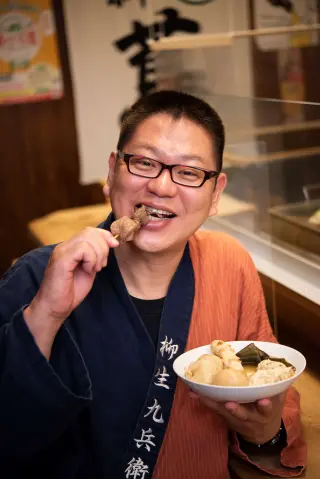
Supervising Editor
Oden Specialist / Food Specialist
Yagyu Kyubei
Every Oden Pot Is a Treasure Island!