
19 Best Things to Do in Kanazawa (2026): Where to Eat, Shop & Stay
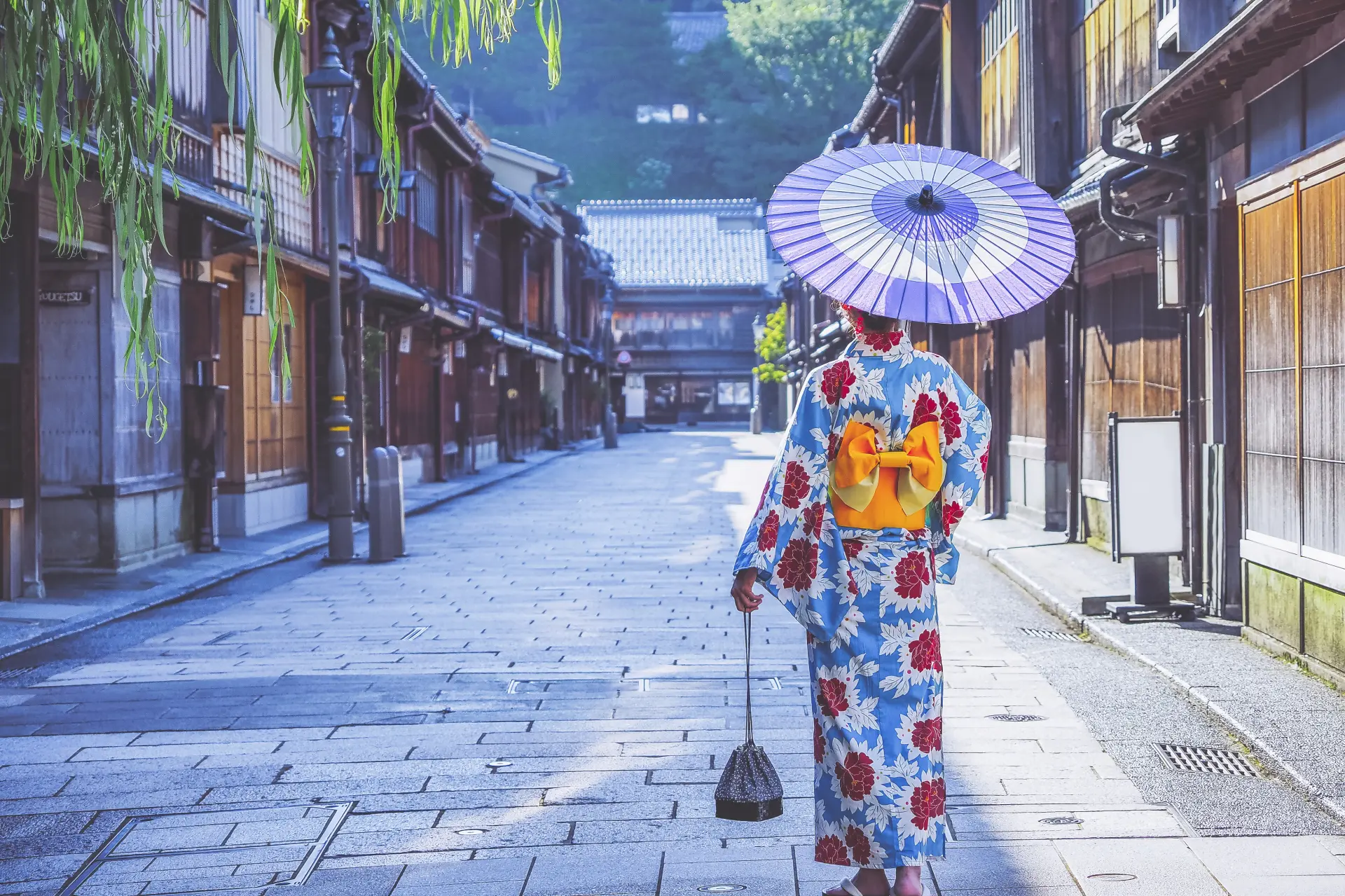
Kanazawa flourished as a cultural center during the Edo period, backed by the wealth of the Kaga domain. There are many ways to explore the city: stroll through atmospheric historic streets, savor fresh seafood landed at Kanazawa Port, or visit museums showcasing dazzling traditional crafts and contemporary art.
This guide introduces recommended sights, shopping, dining, accommodations, and more in Kanazawa, a city where the history and traditions of its cultural heyday remain deeply rooted.
What Is Kanazawa Like?
Kanazawa is located near the center of Ishikawa Prefecture, on the Sea of Japan side of central Honshu.
During the Edo period, it was the seat of the Kaga domain, ruled by 14 generations of the Maeda family. Kaga grew into a powerful domain with an assessed annual rice yield of one million koku, a measure of its wealth.
That wealth helped build a splendid castle town that flourished as a cultural center.
Having escaped major disasters and wartime destruction, Kanazawa retains many Edo-period remains and historic buildings, with traces of that era found throughout its streets.
Its food culture developed alongside its other cultural traditions, earning Kanazawa a reputation as a city of fine food.
When Is the Best Season to Visit Kanazawa?
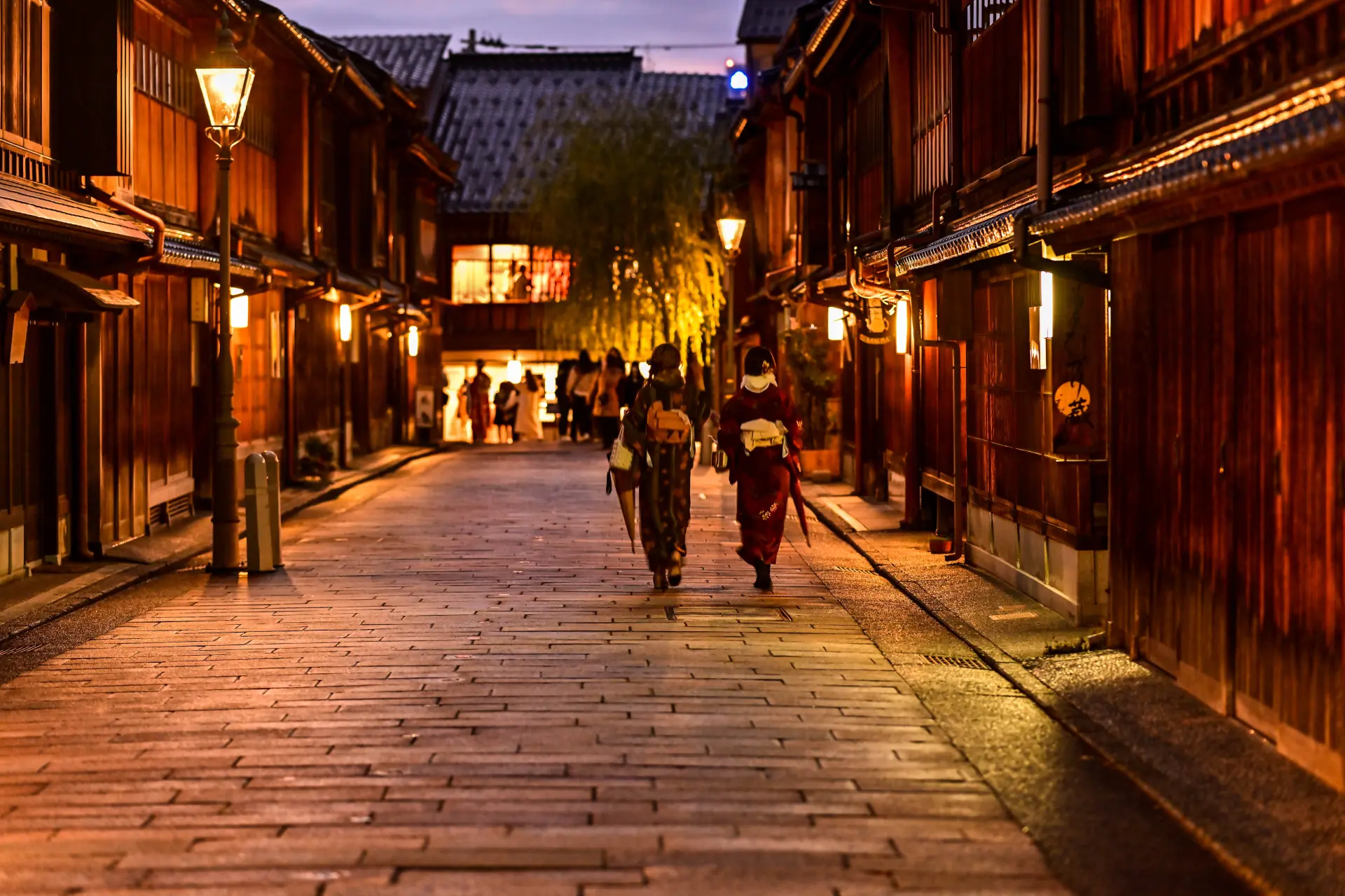
Winter is recommended if you want to take in Kanazawa's scenery.
Kenrokuen Garden and the Nagamachi Samurai District covered in snow are sights not to miss.
If your priority is filling up on delicious food, visit in fall.
Seasonal seafood includes crab, shrimp, oysters, and cod milt.
What to Wear in Kanazawa by Season
- Spring (March–May): A light jacket and a lightweight sweater
- Summer (June–August): Lightweight clothing and short sleeves
- Fall (September–November): A light jacket or coat
- Winter (December–February): A coat, thick sweater, or warm jacket
How Do You Get to Kanazawa?
Kanazawa is easy to reach, with journeys taking about 2.5 hours from Tokyo by Hokuriku Shinkansen and from Nagoya or Osaka by JR limited express train.
If flying, the trip from Haneda Airport to Komatsu Airport in Ishikawa Prefecture takes about 1 hour.
From Komatsu Airport, an express bus reaches Kanazawa in about 40 minutes.
Getting Around Kanazawa
The main sights are within a 2 km radius of Kanazawa Castle, so you can explore on foot and by bus.
Use the Kanazawa Loop Bus and local buses to make your way around the sights efficiently.

From Edo-Period History to Contemporary Art: 19 Recommended Sightseeing Spots in Kanazawa
Kanazawa, a historic city in Hokuriku, is one of Japan's leading cultural centers, where the legacy of the prosperous Kaga domain still lives on in the streets.
While its teahouse districts and former samurai residences retain a strong sense of the Edo period, the city also draws international attention as a center for contemporary art, led by the 21st Century Museum of Contemporary Art, Kanazawa. Here are our selected must-visit sights in a city shaped by both history and art.
1. Kanazawa Castle Park
This spacious park occupies the site of the castle that served as the residence of the Kaga domain's Maeda family from Maeda Toshiie's arrival in 1583 until the early Meiji period.
Alongside Ishikawa Gate and the Sanjikken Nagaya storehouse, which survive from the Edo period, Kahoku Gate, Imori Moat, and Gyokuseninmaru Garden have been restored, gradually bringing the castle's former appearance back to life. Look closely at the stone walls, too, where features designed to ward off evil from the northeast and hexagonal, tortoiseshell-shaped stones reflect the influence of yin-yang and five-element philosophy.

- Name in Japanese
- 金沢城公園
- Postal Code
- 920-0937
- Address
-
1-1 Marunouchi, Kanazawa City, Ishikawa
Google Maps - Telephone
- 076-234-3800
- Holiday
- Open every day
- Hours
-
March 1 - October 15 : 7:00am - 6:00pm (closing time)
October 16 - the end of February : 8:00am - 5:00pm (closing time)
*The operation hours vary by the facility. Please check the official website for details. - Admission
- Free (Admission fees may apply to some facilities)
- Directions
- Ride the Kanazawa loop bus from Kanazawa station and get off at “Kenrokuen-sita/Kanazawa castle” or ”Hirosaka/21 century museum of contemporary art, Kanazawa”.
- Credit Cards
- Accepted
- Official Website
- Official Website (English)
2. Kenrokuen Garden
Counted among Japan's Three Great Gardens, this strolling garden was developed over approximately 180 years by successive lords of the Kaga Maeda family.
Ponds, winding streams, and landscaped hills are scattered across its approximately 114,400-square-meter grounds, designed to be explored as you stop at different points along the way.

- Name in Japanese
- 兼六園
- Postal Code
- 920-0936
- Address
-
1 Kenrokumachi, Kanazawa City, Ishikawa
Google Maps - Telephone
- 076-234-3800
- Holiday
- Open every day
- Hours
-
March 1 - October 15 : 7:00am-6:00pm (closing time)
October 16 - the end of February : 8:00am-5:00pm (closing time)
*The operation hours vary by the facility. Please check the official website for details. - Admission
- Adults 320 yen, Children (6-17 years old) 100 yen
- Directions
- From JR Kanazawa Station, take a local bus to “Kenroku-en-shita/Kanazawa castle”
- Credit Cards
- Accepted
- Official Website
- Official Website (English)
3. 21st Century Museum of Contemporary Art, Kanazawa
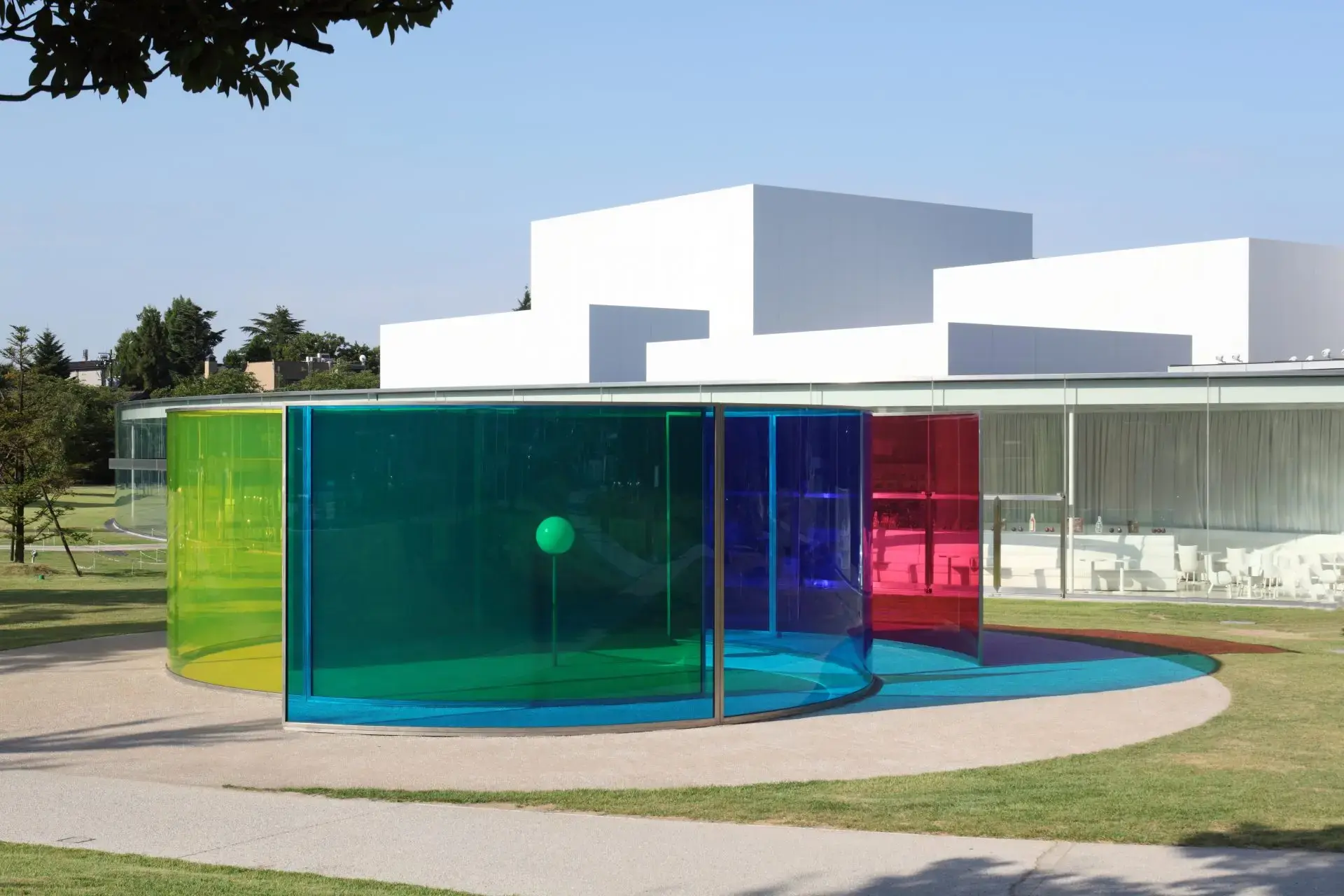
Built around the concept of an "open museum," this museum attracted attention for exhibition methods that challenge conventional ideas of what a museum can be. It has become one of Japan's most popular museums and a driving force behind Kanazawa's reputation as an art city.
Its contemporary artworks propose new ways of seeing: one captures shifting light through an opening in the ceiling, while another appears to be a swimming pool in the courtyard but actually consists of water laid over transparent glass, allowing visitors to look up from the space below.
- Name in Japanese
- 金沢21世紀美術館
- Postal Code
- 920-8509
- Address
-
1-2-1 Hirosaka, Kanazawa City, Ishikawa
Google Maps - Telephone
- 076-220-2800
- Closed
- Mondays, the end of year, New Year’s Day (the end of year and New Year’s Day for the interacting zone)
- Hours
- Exhibition Zone: 10:00am - 6:00pm, Interacting Zone: Depends on facilities. Check the official website.
- Admission
- Free (To enter the exhibition zone, a ticket is necessary * Prices vary depending on exhibitions)
- Directions
- From JR Kanazawa Station, ride Kanazawa Loop Bus to Hirosaka/21st Century Museum, and walk 1 min.
- Credit Cards
- Accepted
- Official Website
- Official Website (English)
4. Higashi Chaya District
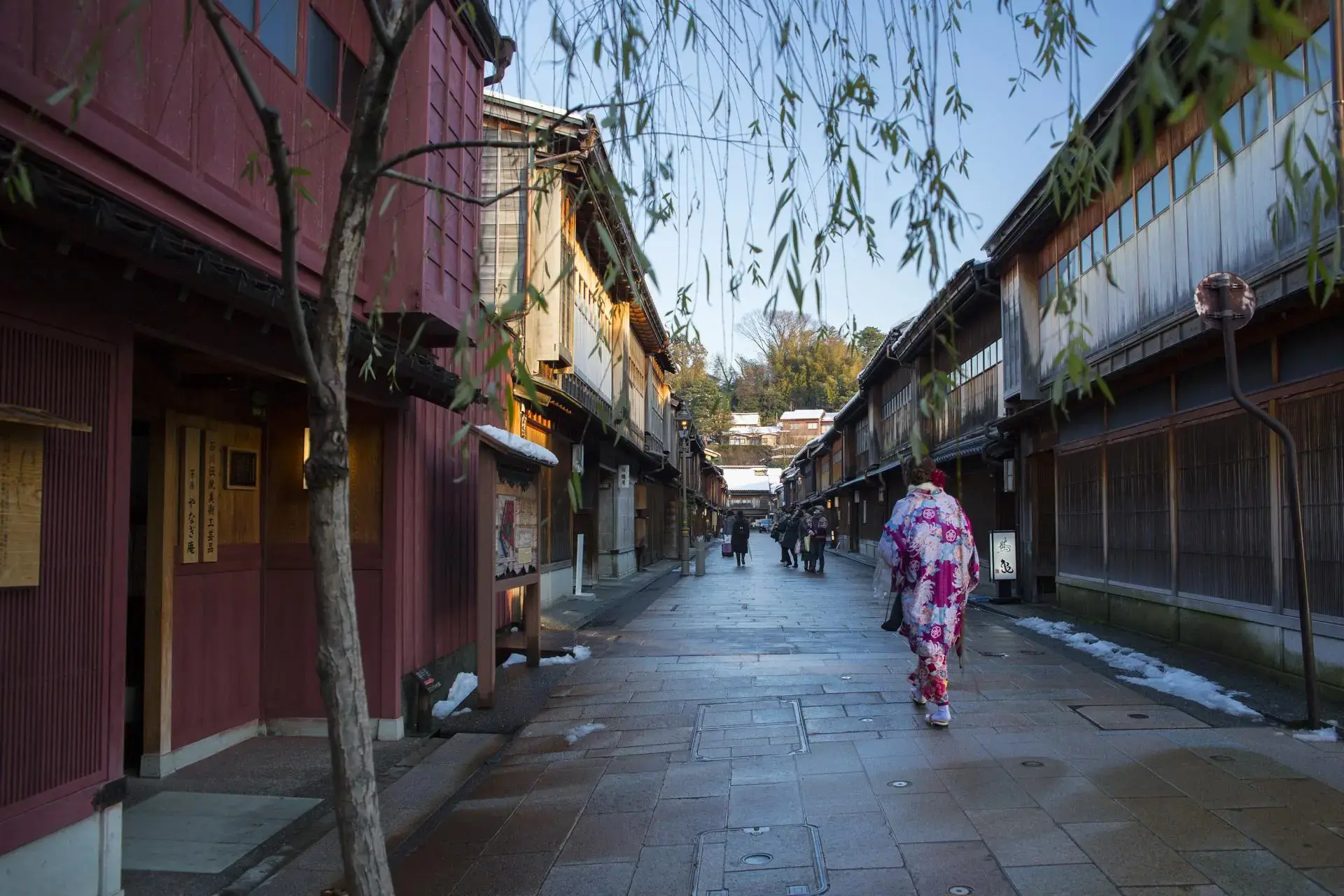
One of Kanazawa's signature sightseeing areas, this district of elegant projecting lattice windows and stone-paved streets is designated a national Important Preservation District for Groups of Traditional Buildings.
Traditional buildings from the Edo period still line its streets. Many now house cafes and shops offering Japanese sweets, traditional crafts, and lifestyle goods, making it a pleasant place to shop and dine amid historic surroundings.
- Name in Japanese
- ひがし茶屋街
- Postal Code
- 920-0831
- Address
-
Higashiyama, Kanazawa City, Ishikawa
Google Maps - Telephone
- 076-232-5555 (Kanazawa City Tourism Association)
- Hours
- Walk anytime
- Directions
- Take a city bus from JR Kanazawa Station, get off at Hashiba-cho and walk 6 minutes.
- Official Website
- Official Website (English)

5. Omicho Market
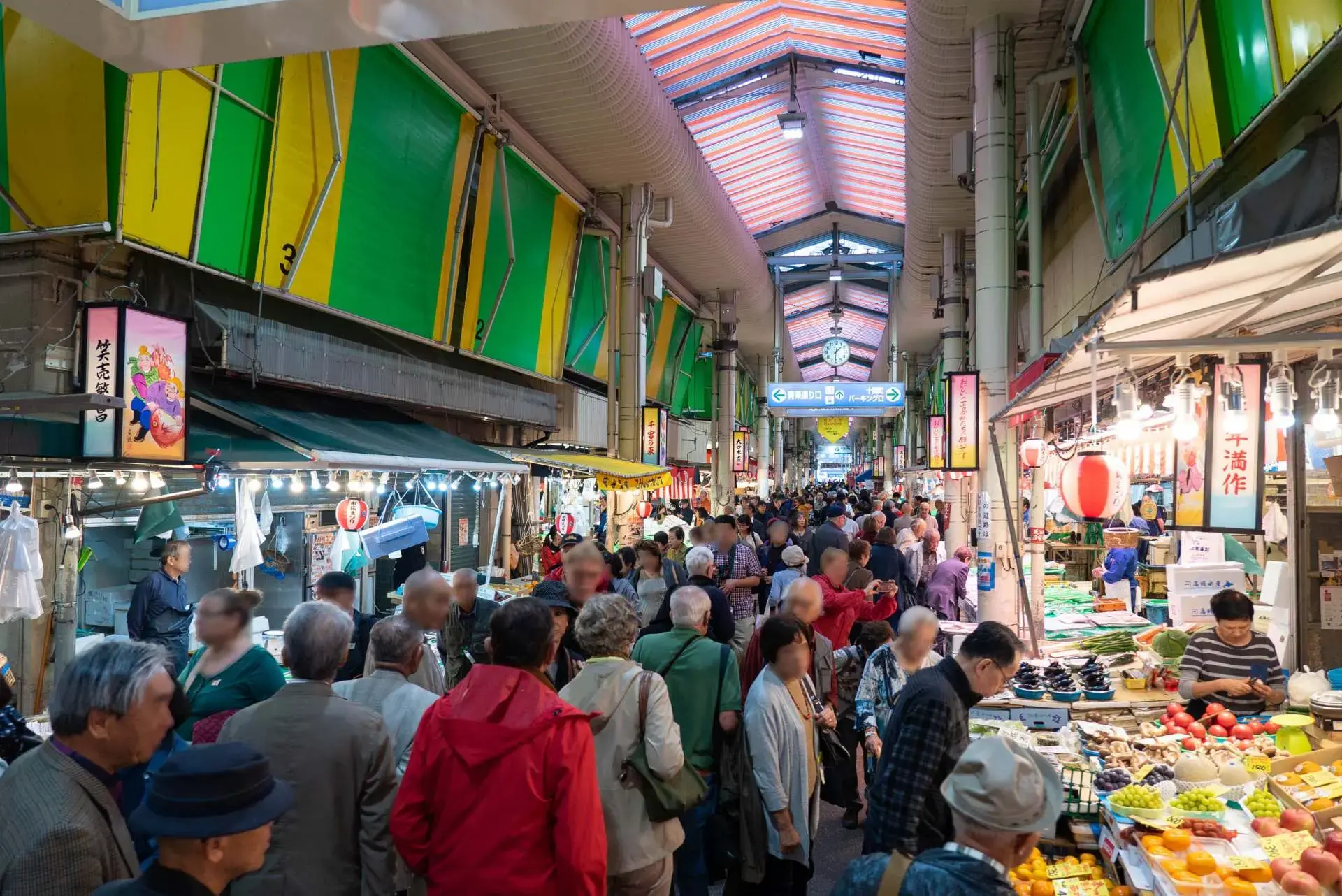
Affectionately known as "Omicho," this market has served as Kanazawa's kitchen for about 300 years.
Its narrow lanes bustle with approximately 170 shops selling fresh seasonal seafood, vegetables, prepared foods, souvenirs, and more. Some cook food right in front of you or provide eat-in seating, so you can sample seasonal flavors on the spot.
- Name in Japanese
- 近江町市場
- Postal Code
- 920-0905
- Address
-
50 Kamiomicho, Kanazawa City, Ishikawa
Google Maps - Telephone
- 076-231-1462 (Omicho Market Promotion Association)
- Holiday
- Varies by store
- Hours
- Varies by store
- Admission
- Free
- Directions
-
1) 15-minute walk from JR Kanazawa Station
2) From JR Kanazawa Station, ride a local bus to “Musashi-ga-tsuji/Omicho Market” bus stop. - Credit Cards
- Varies by store
- Official Website
- Official Website (Japanese)
6. Nagamachi Samurai District
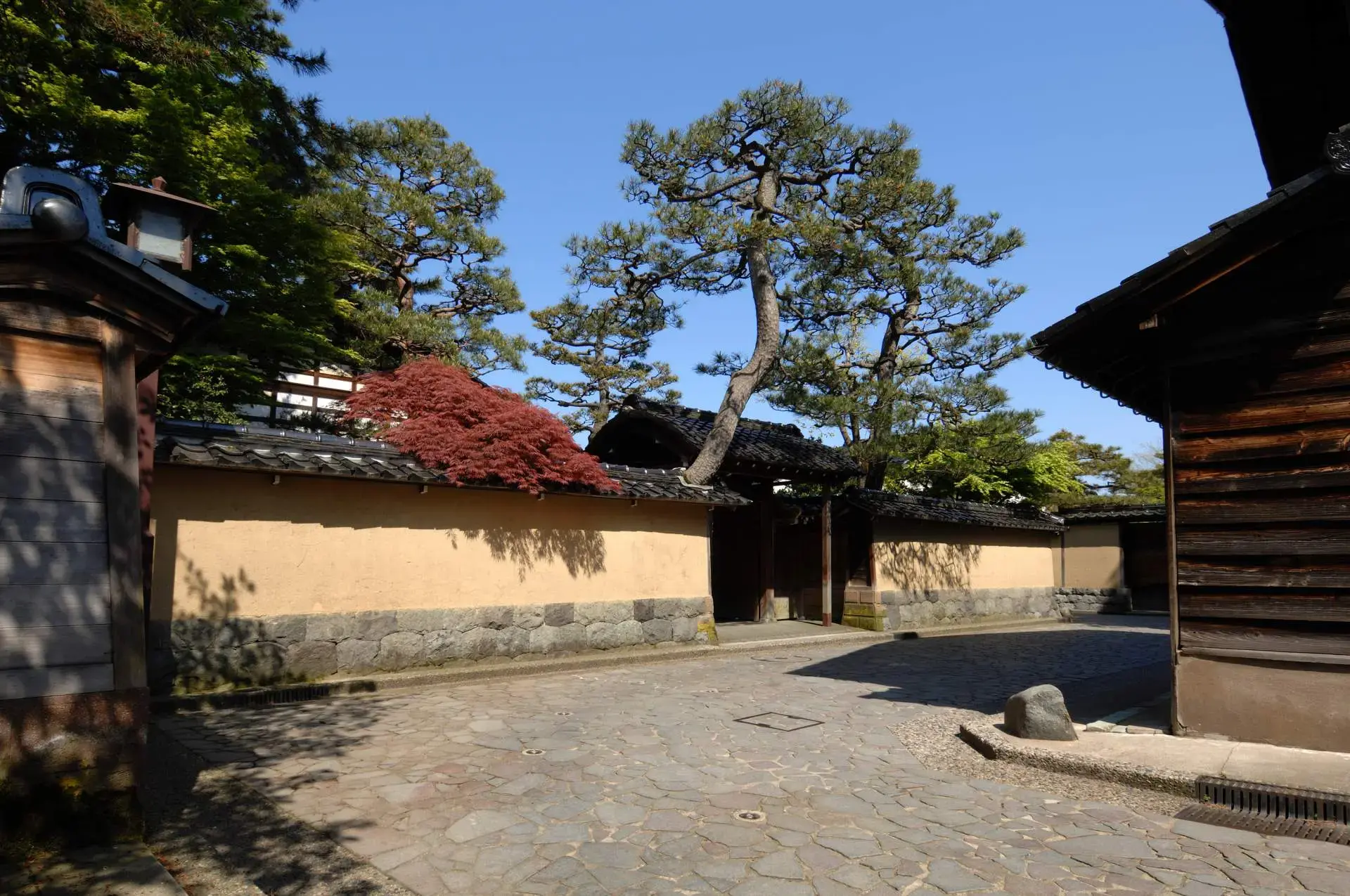
This area preserves the former residences of mid-ranking samurai who served the Kaga domain.
Earthen walls line the stone-paved lanes, making a stroll feel like a journey back to the Edo period. Shops selling traditional crafts and local restaurants add to the pleasure of exploring the neighborhood.
- Name in Japanese
- 長町武家屋敷界隈
- Postal Code
- 920-0865
- Address
-
Nagamachi, Kanazawa City, Ishikawa
Google Maps - Telephone
- 076-232-5555 (Kanazawa City Tourism Association)
- Hours
- Always open
- Admission
- Free (Each facility has a separate fee)
- Directions
- From JR Kanazawa Station, ride the City Bus, get off at Korinbo Stop and walk 5min.
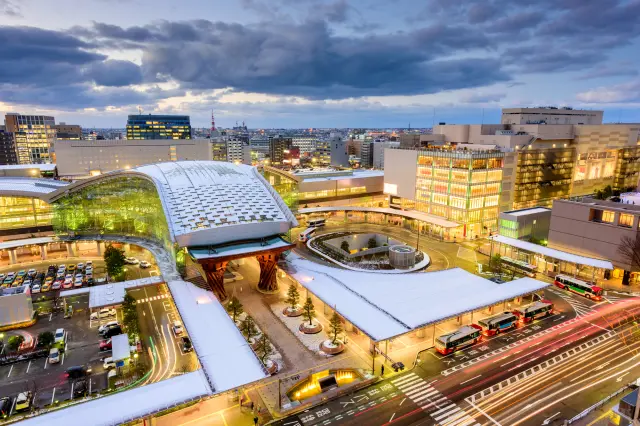
7. Tsuzumi-mon Gate and Motenashi Dome (Kanazawa Station)
Kanazawa Station is a gateway to Ishikawa and a starting point for exploring both Kanazawa and the wider Hokuriku region.
Gold leaf decorates the Shinkansen platforms, while washi paper and Kaga Yuzen textiles feature in passageways and pillars. More than 200 craft pieces, including Wajima lacquerware and Kutani ware, adorn the waiting room walls, making the entire station a showcase for Kanazawa's traditional crafts.

- Name in Japanese
- 鼓門・もてなしドーム(金沢駅)
- Postal Code
- 920-0858
- Address
-
2 Kinoshimbomachi, Kanazawa City, Ishikawa
Google Maps - Closed
- Open every day
- Business Hours
- Walk anytime
- Admission
- Free
- Access
- In front of JR Hokuriku Shinkansen and Hokuriku Main Line’s Kanazawa Station
- Website
- Website(English)
8. Myoryuji Temple
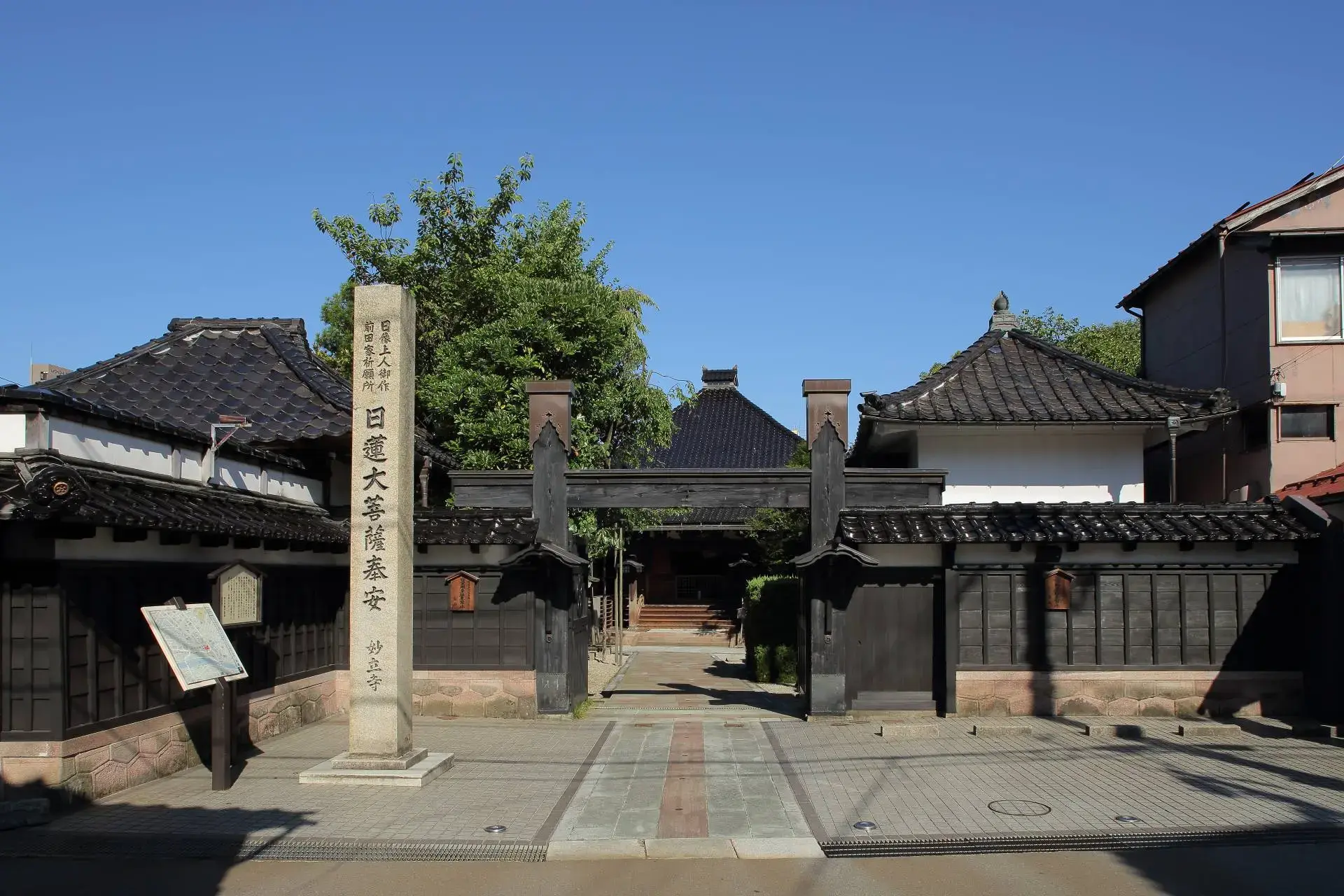
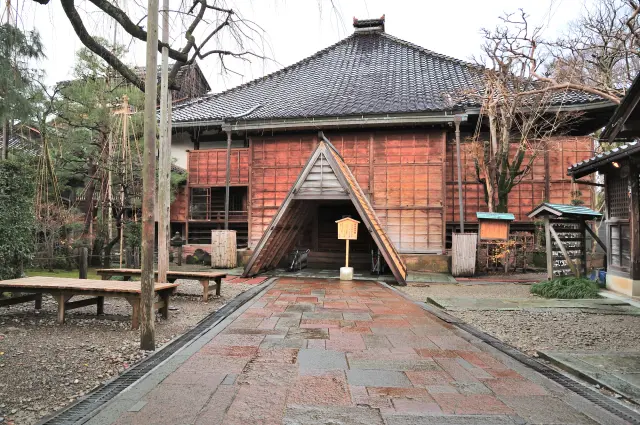
This Nichiren Buddhist temple was founded in 1643 by Maeda Toshitsune, the third lord of the Kaga domain, who relocated a place of prayer from near Kanazawa Castle.
It was also intended to serve as an outpost in an emergency, so the building has a complex layout filled with hidden stairways, concealed rooms, pitfalls, and other devices designed to deceive enemies.
- Name in Japanese
- 妙立寺
- Postal Code
- 921-8639
- Address
-
1-2-12 Nomachi, Kanazawa City, Ishikawa
Google Maps - Telephone
- 076-241-0888
- Holiday
- Jan. 1 and 2 on Buddhist memorial services (call to confirm)
- Hours
- 9:00am - 4:00pm (Reservation by phone is required)
- Admission
- Adults 1,200 yen, elementary school students 800 yen (proof of age required for elementary school students)
- Directions
- Take a city bus from JR Kanazawa Station, get off at Hirokoji bus stop, and walk for 3 minutes.
- Credit Cards
- Not accepted
- Website
- Official Website (English)
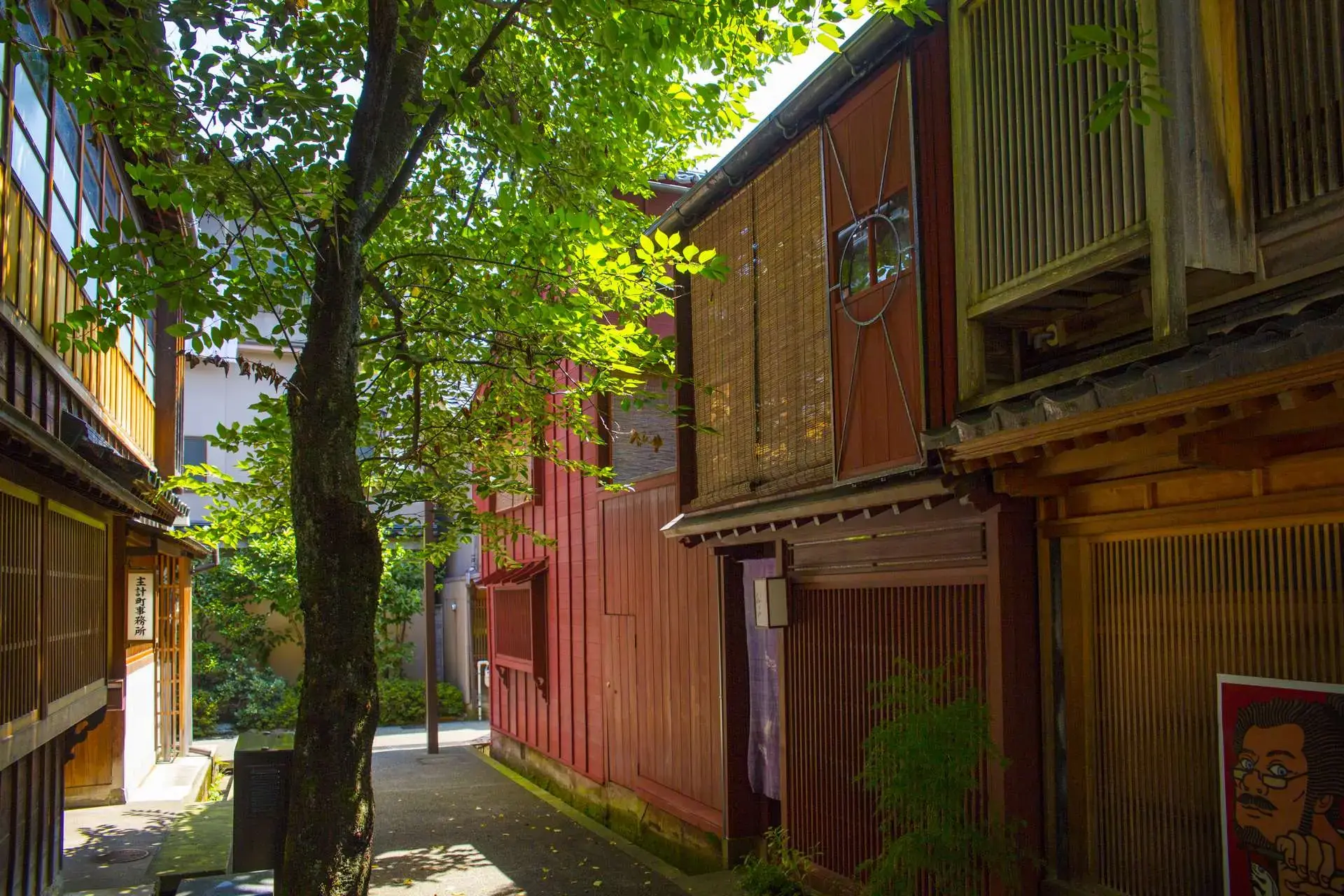
9. Kazuemachi Chaya District
Along with Higashi Chaya and Nishi Chaya, this is one of Kanazawa's three teahouse districts.
Narrow lanes and closely spaced wooden latticework create a peaceful atmosphere along the Asano River. Designated a national Important Preservation District for Groups of Traditional Buildings, the area also appears frequently in the works of celebrated writer Izumi Kyoka.
- Name in Japanese
- 主計町茶屋街
- Postal Code
- 920-0908
- Address
-
Kazuemachi, Kanazawa City, Ishikawa
Google Maps - Telephone
- 076-232-5555 (Kanazawa City Tourism Association)
- Hours
- Walk anytime
- Directions
- Take a city bus from JR Kanazawa Station, get off at "Hashiba-cho," and walk 5 minutes.
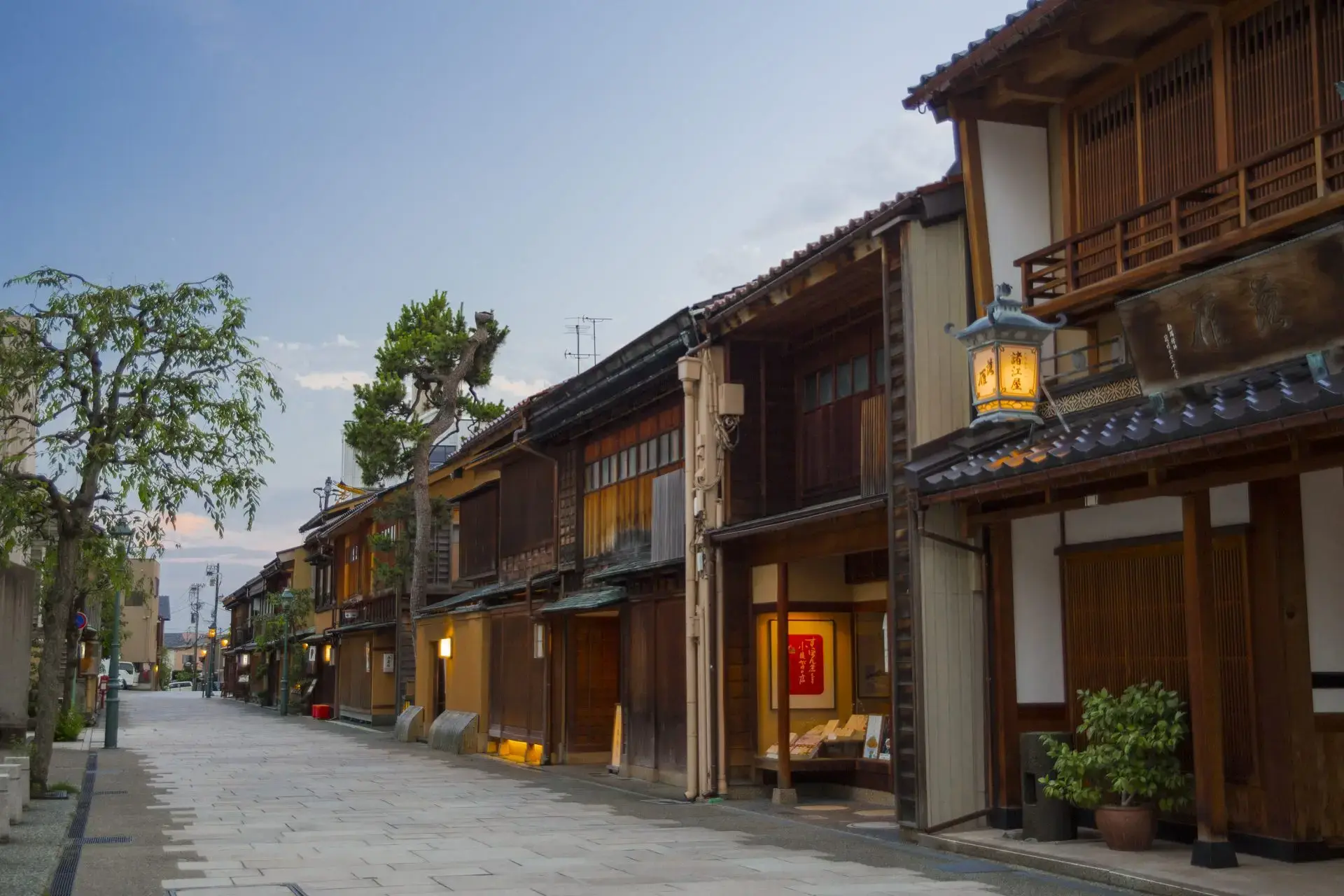
10. Nishi Chaya District
Nishi Chaya District was one of the entertainment districts officially authorized by the Kaga domain in 1820.
Its name, meaning "west," comes from its location west of Kanazawa Castle.
Two-story teahouse buildings with elegant projecting lattice windows line the streets, making this a pleasant area to explore with stops at cafes and shops.
Of Kanazawa's teahouse districts, this is where the city's performing arts traditions feel most present. At dusk, you may spot geisha dressed in their finery.
- Name in Japanese
- にし茶屋街
- Postal Code
- 921-8031
- Address
-
Nomachi, Kanazawa City, Ishikawa
Google Maps - Telephone
- 076-232-5555 (Kanazawa City Tourism Association)
- Hours
- Walk anytime
- Directions
- Take a city bus from JR Kanazawa Station, get off at the Hirokoji bus stop, and walk 3 minutes
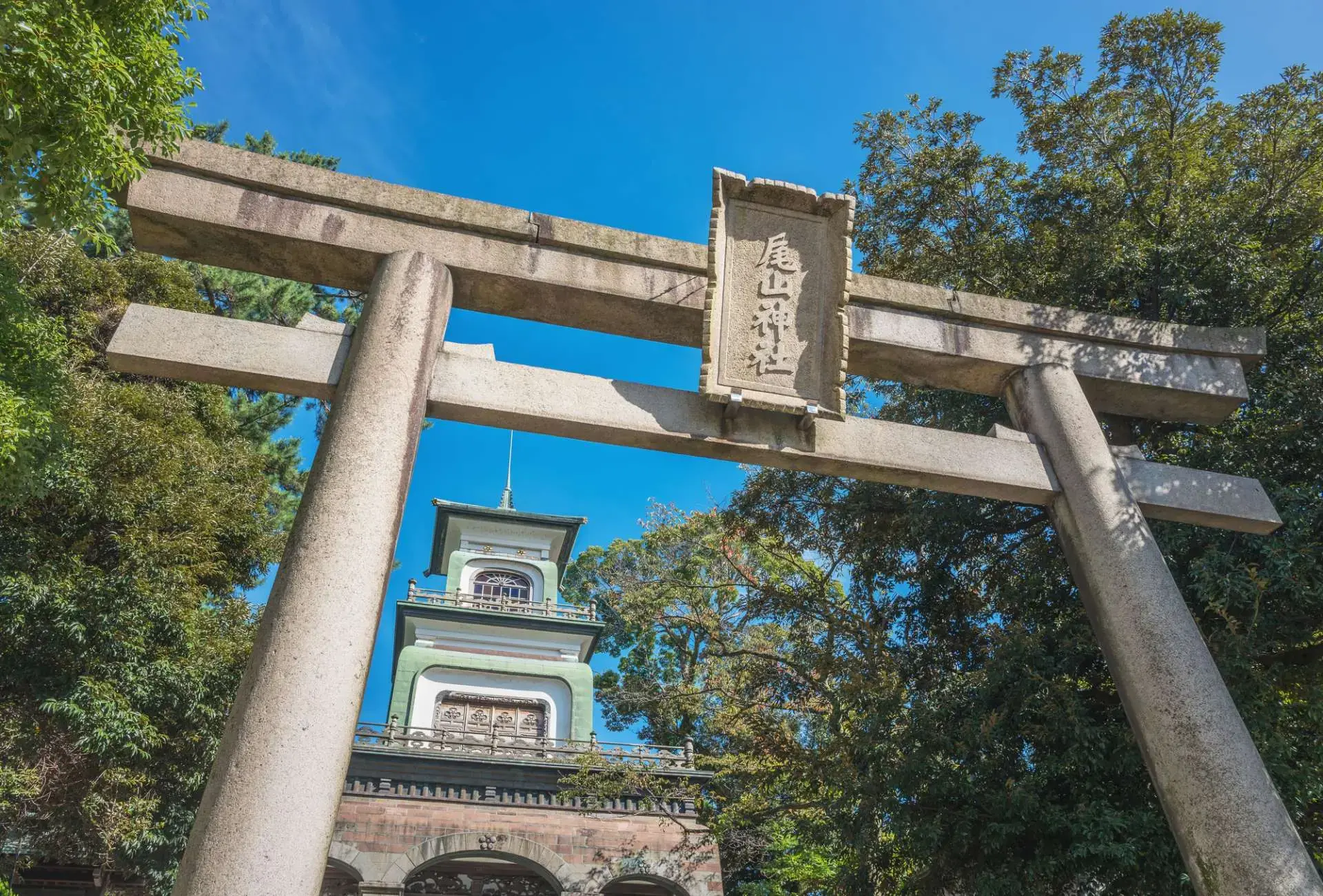
11. Oyama Shrine
Built in 1873 by former samurai of the Kaga domain, this shrine honors the domain's founder, Maeda Toshiie, and his wife, Omatsu.
It is known for its distinctive gate, which combines Japanese, Chinese, and Western architectural styles. Glass panels are set into the top level, an unusual feature, and the sacred light shining through them once illuminated Kanazawa and served as a beacon for ships sailing the Sea of Japan.
- Name in Japanese
- 尾山神社
- Postal Code
- 920-0918
- Address
-
11-1 Oyamamachi, Kanazawa City, Ishikawa
Google Maps - Telephone
- 076-231-7210
- Hours
- Always open
- Access
- Take the city bus from JR Kanazawa station, and leave at “Minami-Machi, Oyama Shrine” bus stop. 3 minute walk.
- Official Website
- Official Website (Japanese)
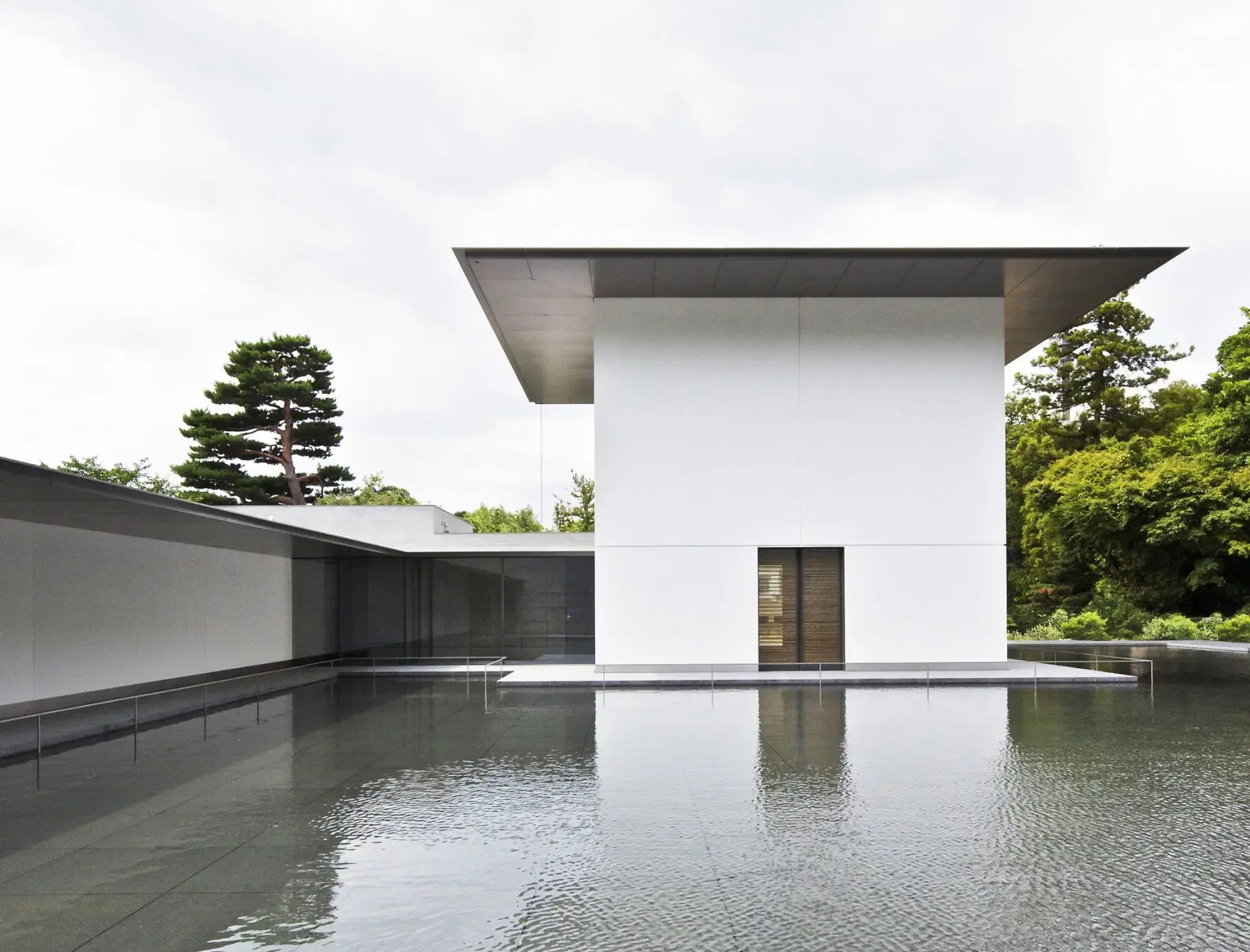
12. D. T. Suzuki Museum
This museum introduces the ideas, beliefs, and life of Kanazawa-born Buddhist philosopher Daisetz Suzuki, known worldwide as D. T. Suzuki. It opened on October 18, 2011, Suzuki's birthday, with the hope of becoming a place where visitors could reflect for themselves while learning about him.
Despite its central location, the museum is deeply peaceful, inviting visitors to lose track of time.
- Name in Japanese
- 鈴木大拙館
- Postal Code
- 920-0964
- Address
-
3-4-20 Hondamachi, Kanazawa City, Ishikawa
Google Maps - Telephone
- 076-221-8011
- Closed
-
Mondays (If it falls on a holiday, closed on the following weekday),
Dec 29 - Jan 3
* May be closed temporarily for reorganizing curations. - Hours
- 9:30am-5:00pm (Admission allowed until 4:30pm)
- Admission
-
General: 310 yen
Age 65 or older, those with a disability certificate and his/her helper: 210 yen
(Disability certificate app “Mirairo ID” accepted) *Free on holidays
High schooler and younger: Free
Multi Facility Ticket: 1-Day Pass: 520 yen, 3-Day Pass 830 yen, 1-Year Pass 2,090 yen
* Valid at 17 cultural facilities in Kanazawa City - Directions
- From JR West / IR Ishikawa Railway, Kanazawa Station, ride Kanazawa Loop Bus or Hokuriku Railway Route Bus to Hondamachi Stop, and walk 4 min.
- Credit Cards
- Accepted
- Official Website
- Official Website (English)
13. Nomura Samurai House
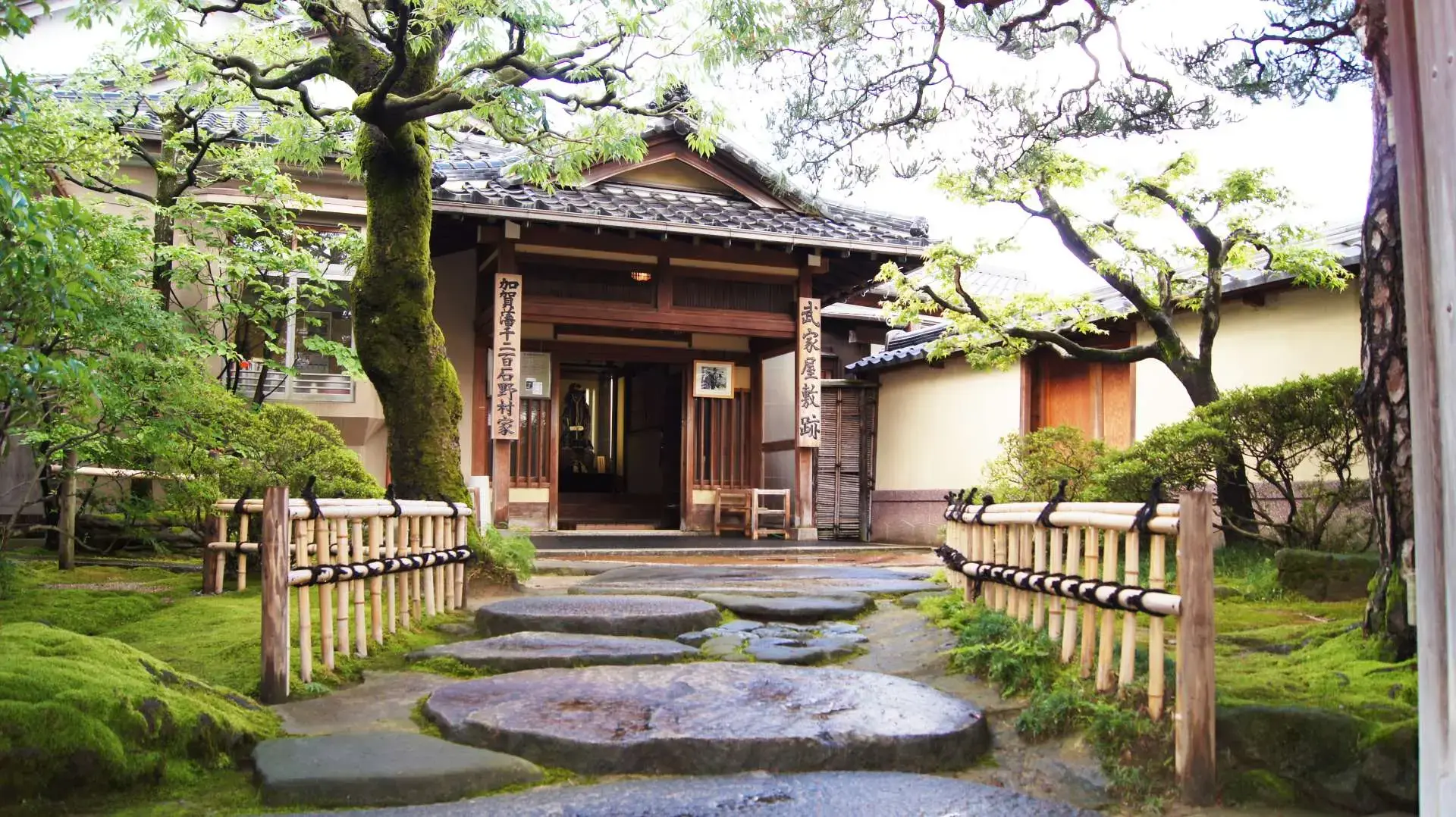
Of the many former residences of mid- and high-ranking Kaga samurai in the Nagamachi area, this is the only one open to the public.
The present property combines surviving features, including earthen walls and a winding stream, with a relocated raised reception room and audience chamber where a wealthy Kaga merchant once hosted the domain's lord. The reception room, built entirely of hinoki cypress, features sliding-door paintings by an official Kaga-domain artist and shoji screens inset with glass to provide views of the garden.
- Name in Japanese
- 武家屋敷跡 野村家
- Postal Code
- 920-0865
- Address
-
1-3-32 Nagamachi, Kanazawa City, Ishikawa
Google Maps - Telephone
- 076-221-3553
- Closed
- December 26th and 27th, January 1st and 2nd
- Hours
-
8:30am - 5:30pm
October to March: 8:30am - 4:30pm
*Last admission is 30 minutes prior to closing time. - Admission
- Adult 550 yen, High schooler 400 yen, Middle/Elementary schooler 250 yen
- Directions
- From JR West or IR Ishikawa Railway’s Kanazawa Station, ride Hokuriku Rail Road’s Kanazawa Loop Bus, Local bus or JR West Bus, get off at Korinbo Stop, and walk 6 min.
- Credit Cards
- Not accepted
- Official Website
- Official Website (Japanese/English)

14. Shima, a National Important Cultural Property
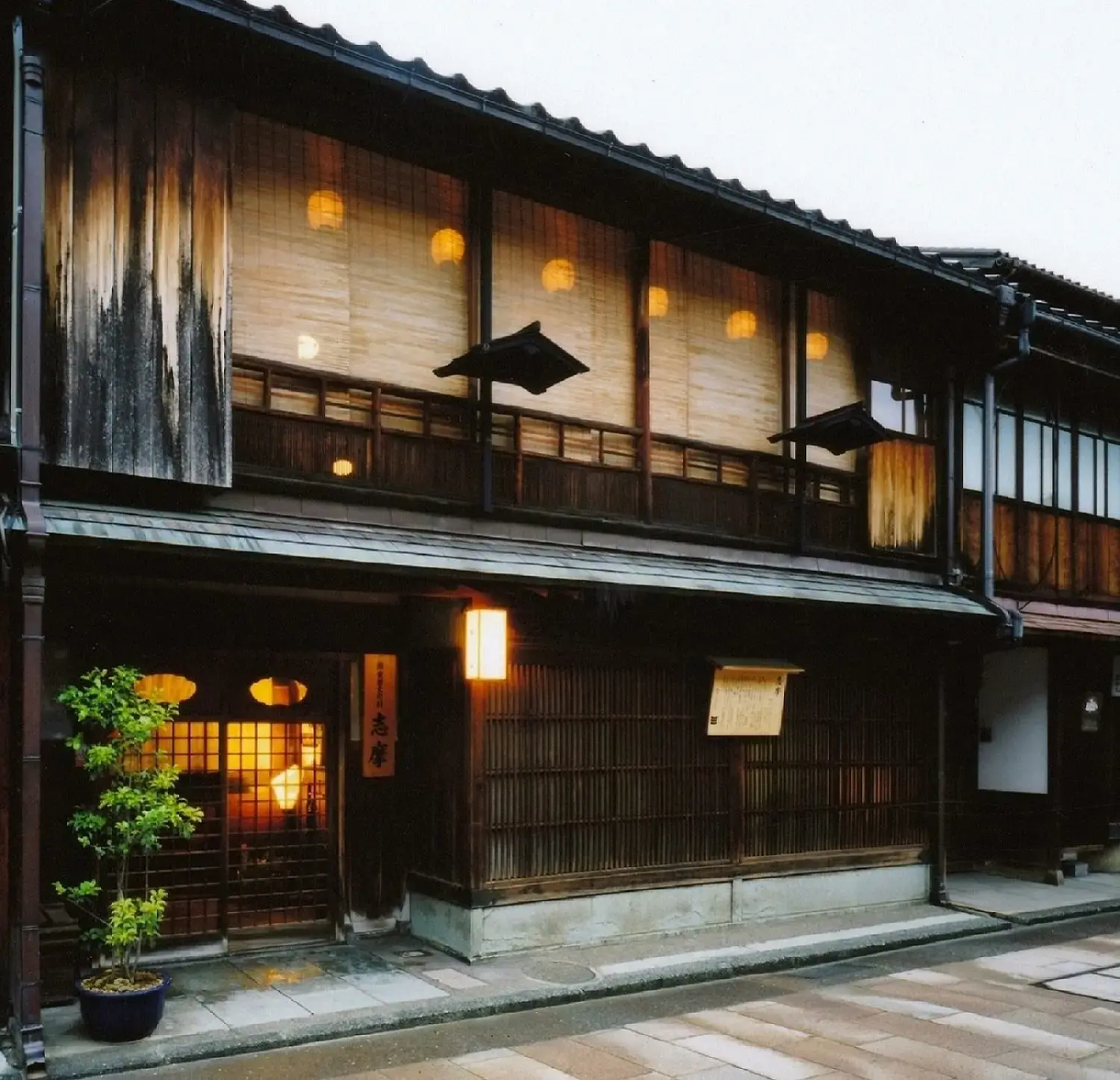
Built in 1820, this teahouse in Higashi Chaya District has been preserved in its original form and is open to the public.
Kanazawa's traditional teahouses follow a custom of accepting guests only by introduction, a rule that remains in place today. Shima therefore offers travelers a valuable opportunity to learn about teahouse culture.
- Name in Japanese
- 国指定重要文化財 志摩
- Postal Code
- 920-0831
- Address
-
1-13-21 Higashiyama, Kanazawa City, Ishikawa
Google Maps - Telephone
- 076-252-5675
- Closed
- Open every day
- Hours
- 9:30am - 5:30pm (December~February 9:30am - 5:00pm)
- Admission
-
Adults : 500 yen
Junior high school students and under : 300 yen - Directions
- Take a city bus from JR Kanazawa Station, get off at "Hashiba-cho" and walk 5 minutes.
- Credit Cards
- Accepted
- Official Website
- Official Website (English)
15. Utatsuyama Park
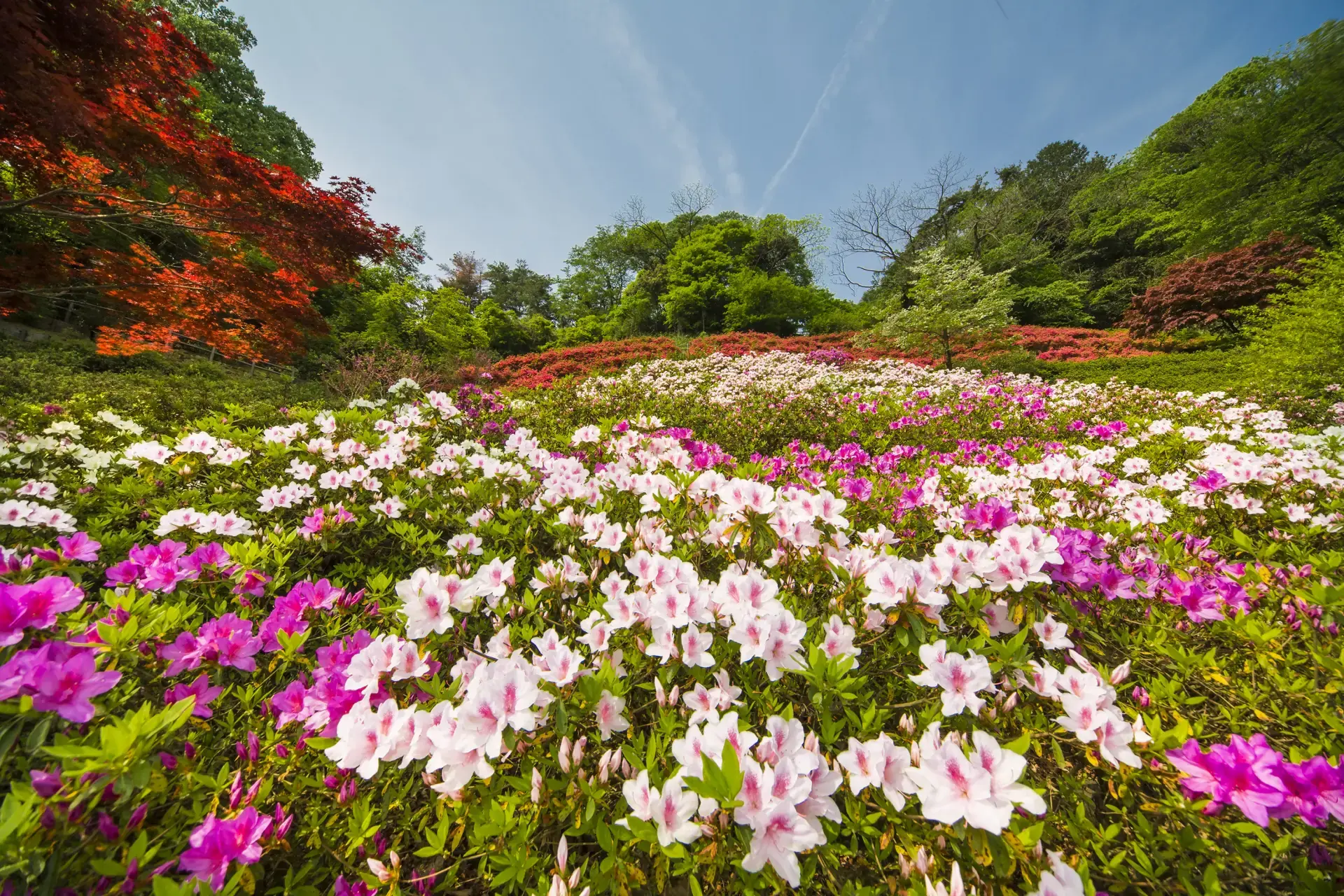
This park spreads across Mount Utatsu, overlooking central Kanazawa. It is also known for its flowers, particularly the Japanese irises and hydrangeas that bloom from early June to mid-July.
Several viewpoints are scattered throughout the park, each offering a different panorama. Miharashidai overlooks Mount Io, Mount Tomuro, and the Kanazawa Plain; Bokodai offers views of the city and the Sea of Japan; Yokozoradai faces the Tateyama mountain range and is a lovely spot for sunrise; and Chobo no Oka looks toward Kanazawa Station and Kahoku Lagoon. After sunset, the park is also popular for its night views.
- Name in Japanese
- 卯辰山公園
- Postal Code
- 920-0832
- Address
-
Utatsumachi and other areas, Kanazawa City, Ishikawa
Google Maps - Phone
- 076-220-2356 (Kanazawa City Greenery and Flowers Division)
- Closed on
- Open daily
- Hours
- Open for free strolls at any time
- Admission
- Free
- Access
- Take a bus from JR Kanazawa Station, get off at "Bokodai," then walk 1 minute
- Official website
- Official website (Japanese)
16. Kanazawa Umimirai Library
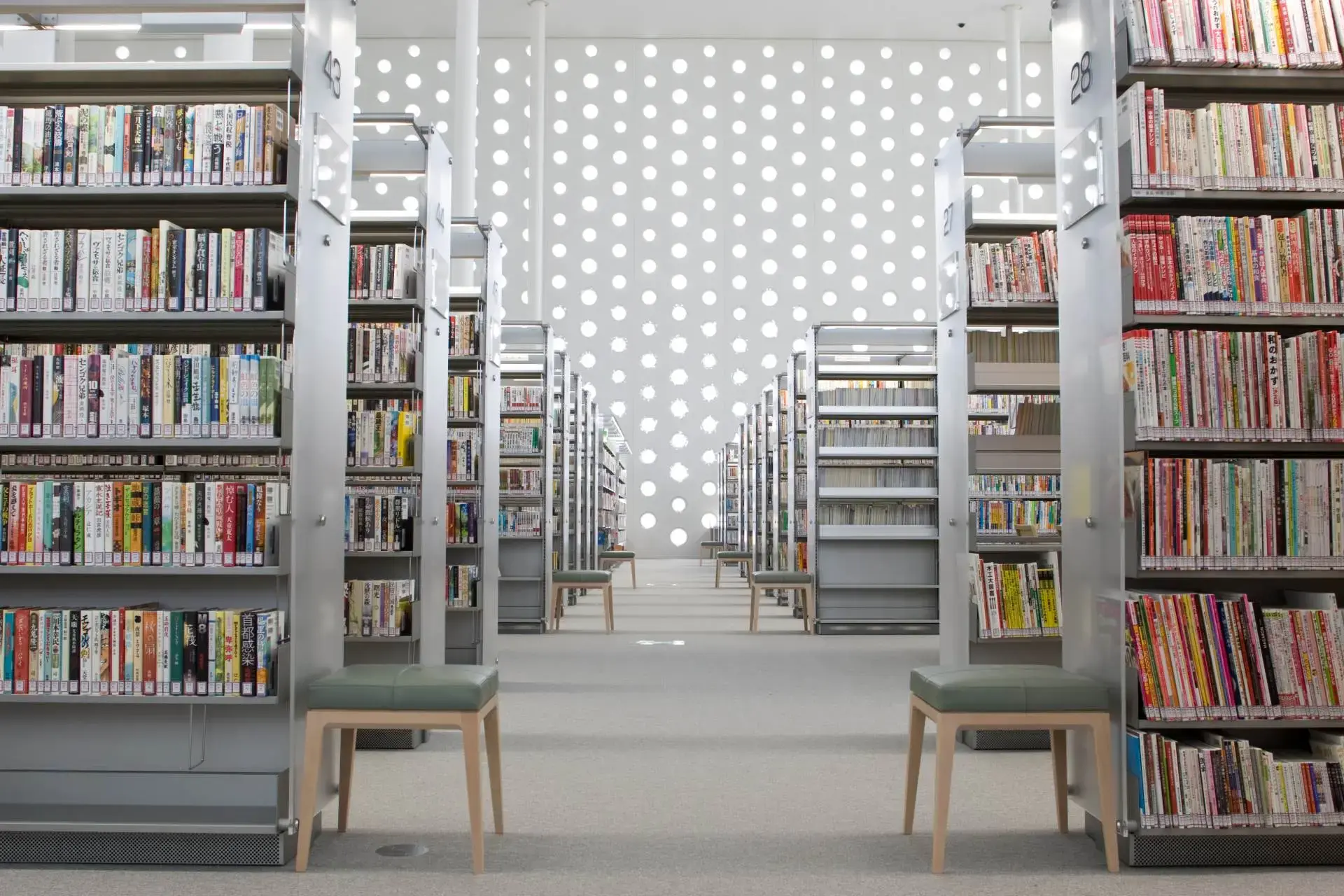
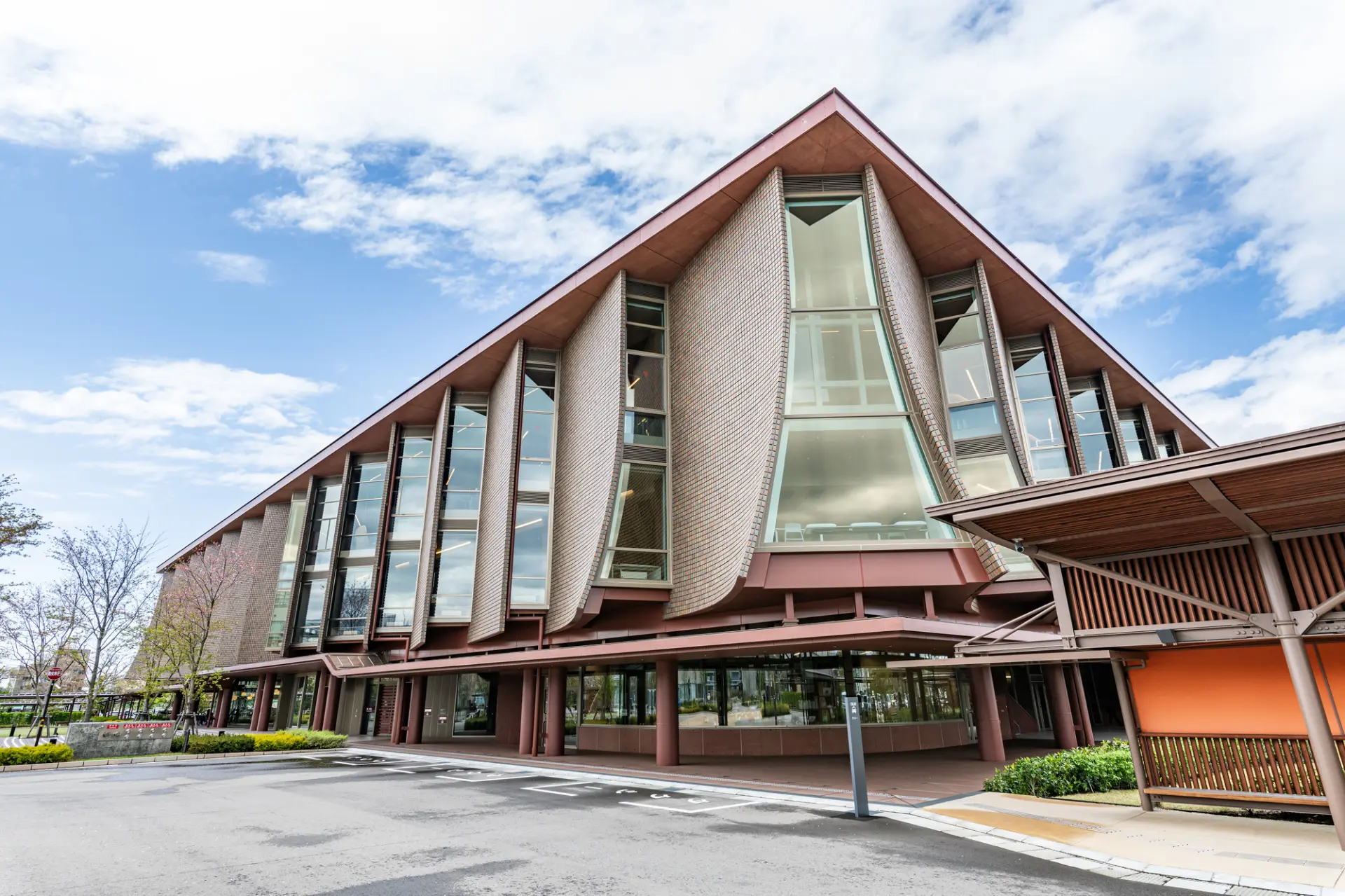
Designed by the architectural firm Coelacanth K&H, this building is distinguished by its round windows and a concept inspired by a "cake box." Its striking appearance earned it a place among the world's 25 most beautiful public libraries.
Approximately 6,000 round windows evoke bubbles floating in the sea. Their arrangement was developed through repeated testing to bring in light suited to reading. The windows come in three sizes—20 cm, 25 cm, and 30 cm—and reportedly use four types of glass, including wired and heat-absorbing glass, depending on their position.
- Name in Japanese
- 金沢市立 金沢海みらい図書館
- Postal Code
- 920-0341
- Address
-
I 1-1 Jichumachi, Kanazawa City, Ishikawa
Google Maps - Telephone
- 076-266-2011
- Closed
- Wednesdays (Open if a public holiday; Closed on subsequent working day instead), Special Organizing Period (1st Monday of June to the day after the next, last Monday of November to the following Friday of the next week), December 29 - January 4.
- Hours
-
10:00am - 7:00pm
Weekend and public holidays: 10:00am - 5:00pm - Admission
- Free
- Directions
- Alight at "Kanazawa Umimirai Library" after a bus ride from JR West Japan & IR Ishikawa Railway Kanazawa Station with Hokuriku Railway Bus. A short walk from the bus stop.
- Credit Cards
- Not accepted
- Official Website
- Official Website (Japanese)
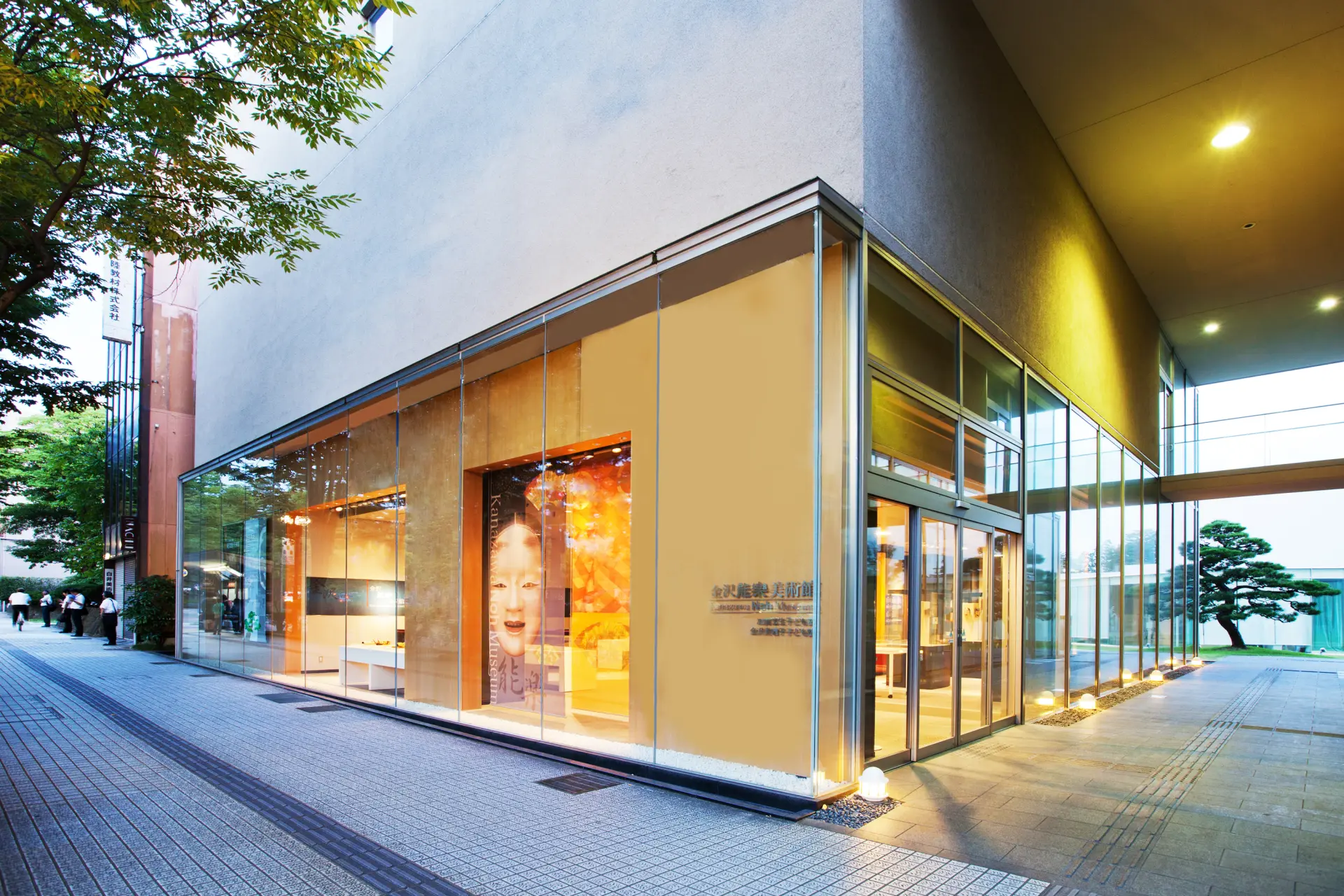
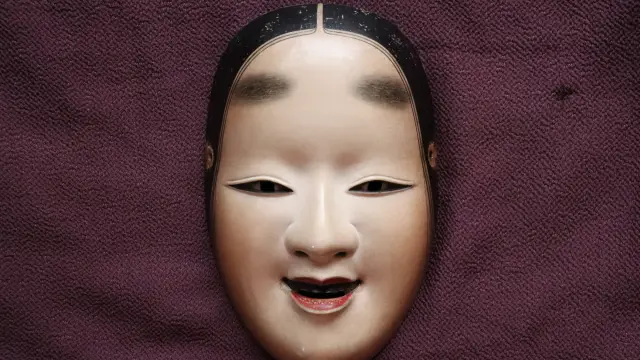
17. Kanazawa Noh Museum
The Maeda family of the Kaga domain loved Noh theater and encouraged its chanting among ordinary people, leading to a saying that in Kanazawa, "Noh chants fall from the sky." This museum was built in Hirosaka, an area associated with the Kanazawa Noh Theater, to pass on these performing arts traditions and their artworks.
Exhibits focus on documents and artworks related to Kaga Hosho Noh, which was designated an Intangible Cultural Property of Kanazawa City in 1950. A variety of displays offer an engaging introduction to Noh theater.
- Name in Japanese
- 金沢能楽美術館
- Postal Code
- 920-0962
- Address
-
1-2-25 Hirosaka, Kanazawa City, Ishikawa
Google Maps - Telephone
- 076-220-2790
- Closed
-
Every Monday (or following weekday if Monday falls on a holiday), New Year’s holiday
*Subject to change for exhibition replacements. - Hours
- 10:00am - 6:00pm (Admission allowed until 5:30pm)
- Admission
- Adults: 310 yen, Seniors (65+) & Disability cardholders: 210 yen (free on national holidays), High school students and below: free. *Special exhibition prices may vary.
- Directions
-
(1) From JR West & IR Ishikawa Railway "Kanazawa" station, take the Hokuriku Railroad bus to "Hirosaka/21st Century Museum of Contemporary Art" stop and walk a short distance.
(2) From JR West & IR Ishikawa Railway "Kanazawa" station, take the Hokuriku Railroad bus to "Korinbo" stop and walk about 5 minutes. - Credit Cards
- Accepted
- Official Website
- Official Website (Japanese)
18. Ishikawa Prefectural Government Office 19th-Floor Observation Lobby
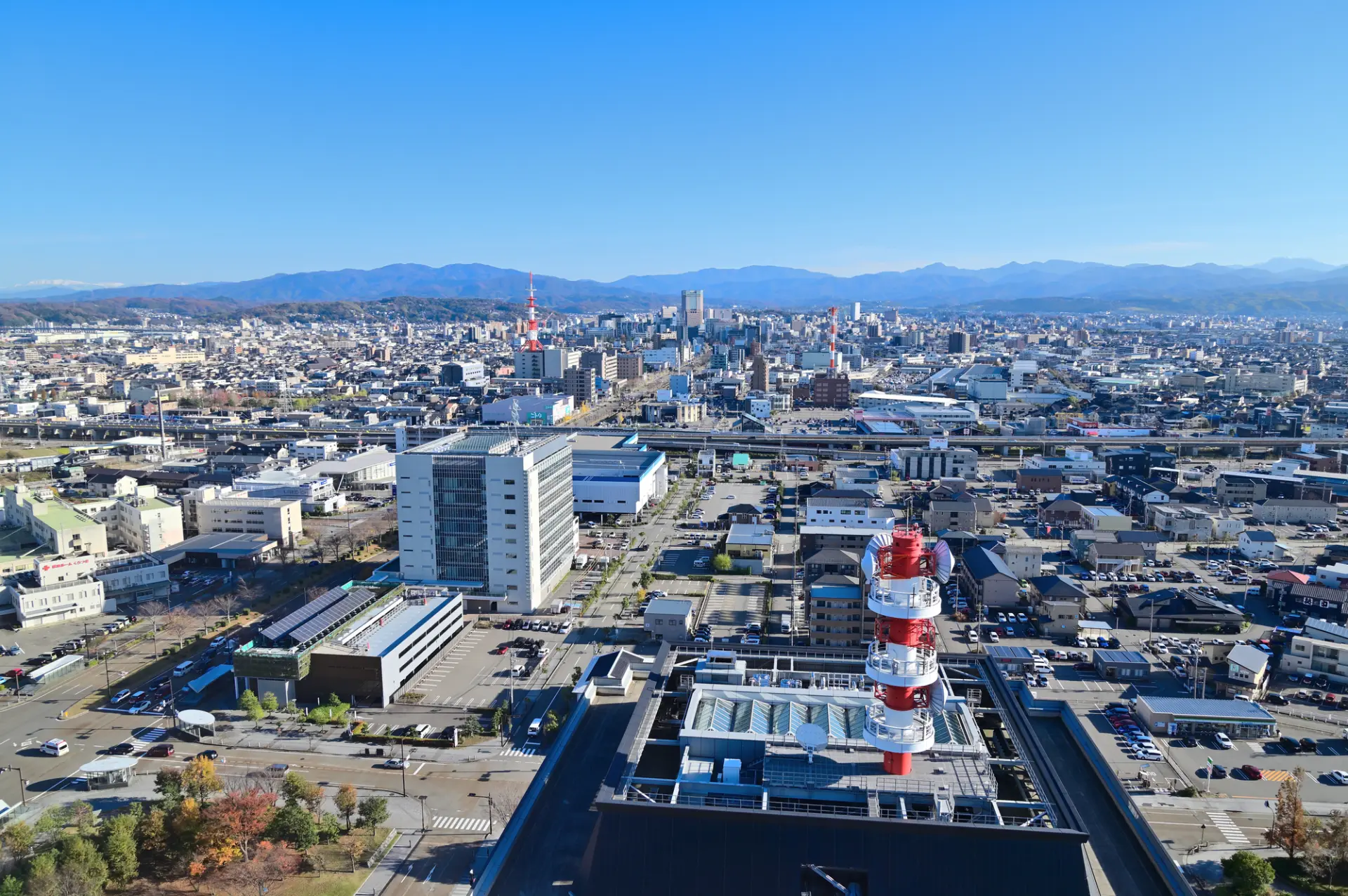
This publicly accessible observation area occupies the top floor of the Ishikawa Prefectural Government Office. With glass walls on all four sides, it offers sweeping views of Kanazawa, the sea, and the mountains from approximately 80 meters above ground.
On clear days, you can see as far as Mount Hakusan and the Tateyama mountain range. It is open until 8:00 p.m. (7:00 p.m. on weekdays from January through March), so you can also take in the night views. A cafe area makes it a pleasant stop for lunch or a coffee break.
- Name in Japanese
- 石川県庁19階展望ロビー
- Postal Code
- 920-8580
- Address
-
1-1 Kuratsuki, Kanazawa City, Ishikawa
Google Maps - Phone
- 076-225-1111
- Closed on
- December 29–31
- Hours
- 10:00am–8:00pm, until 7:00pm on weekdays from January to March
- Admission
- Free admission
- Access
- A short walk from the “Kenchomae” bus stop
- Official website
- Official website (Japanese)
19. Kanazawa Port Cruise Terminal
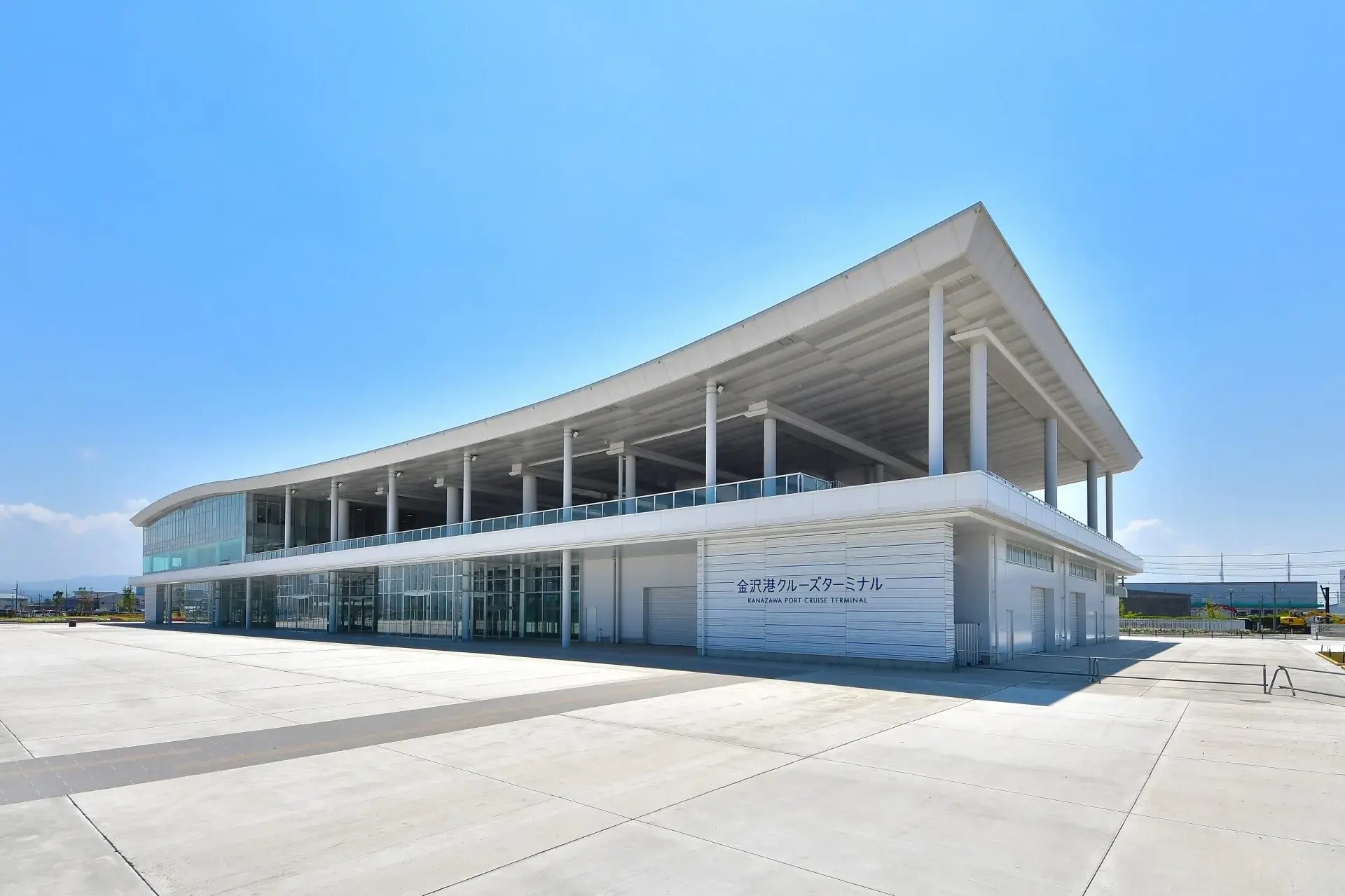
This cruise terminal welcomes many visitors each day as the maritime gateway to Kanazawa Port.
It includes a restaurant and an observation terrace affectionately known as Hyakumangoku Marine Terrace. The Kanazawa Port Learning and Experience Room features a ship-handling simulator and a diorama of the port, giving families a fun way to learn about Kanazawa Port together. Floor-to-ceiling glass on the sea-facing side also offers expansive views of the Sea of Japan.
- Name in Japanese
- 金沢港クルーズターミナル
- Postal Code
- 920-0332
- Address
-
Ri-65 Muryojimachi, Kanazawa City, Ishikawa
Google Maps - Telephone
- 076-225-7030
- Closed
- December 29th to January 3rd (Restaurant closed on Mondays)
- Hours
-
9:00am - 9:00pm (Kanazawa Port Cruise Terminal)
Kanazawa Port Learning Experience Room: 9:00am - 5:00pm
Restaurant: 10:00am - 9:00pm (Last Order: 8:30pm) - Admission
- Free
- Directions
- From JR West / IR Ishikawa Railway "Kanazawa" Station, take the Hokutetsu Kanazawa Bus to "Kanazawa Port Cruise Terminal" and walk a short distance.
- Credit Cards
- Accepted (Restaurant only)
- Official Website
- Official Website (Japanese)
5 Things to Do in Kanazawa
Where history, culture, and innovation meet, Kanazawa brings together experiences that leave a lasting impression. Explore samurai culture and the spirit of Zen, discover the skills and aesthetics of Kaga's traditions, and savor history and food in this prosperous former castle town. From these traditions to internationally recognized contemporary architecture and art, here are five experiences particular to Kanazawa.
1. The Samurai Spirit: Experience Samurai Culture with All Your Senses
Kanazawa developed as the castle town of the Kaga domain, and traces of samurai culture remain deeply rooted today.
In the Nagamachi Samurai District, explore historic streets lined with earthen walls and stone paving. At venues such as the Ishikawa Prefectural Budokan, you can also try kyudo archery, aikido, and kendo.
Rather than simply looking at history, Kanazawa offers the chance to experience the samurai spirit firsthand through martial arts.
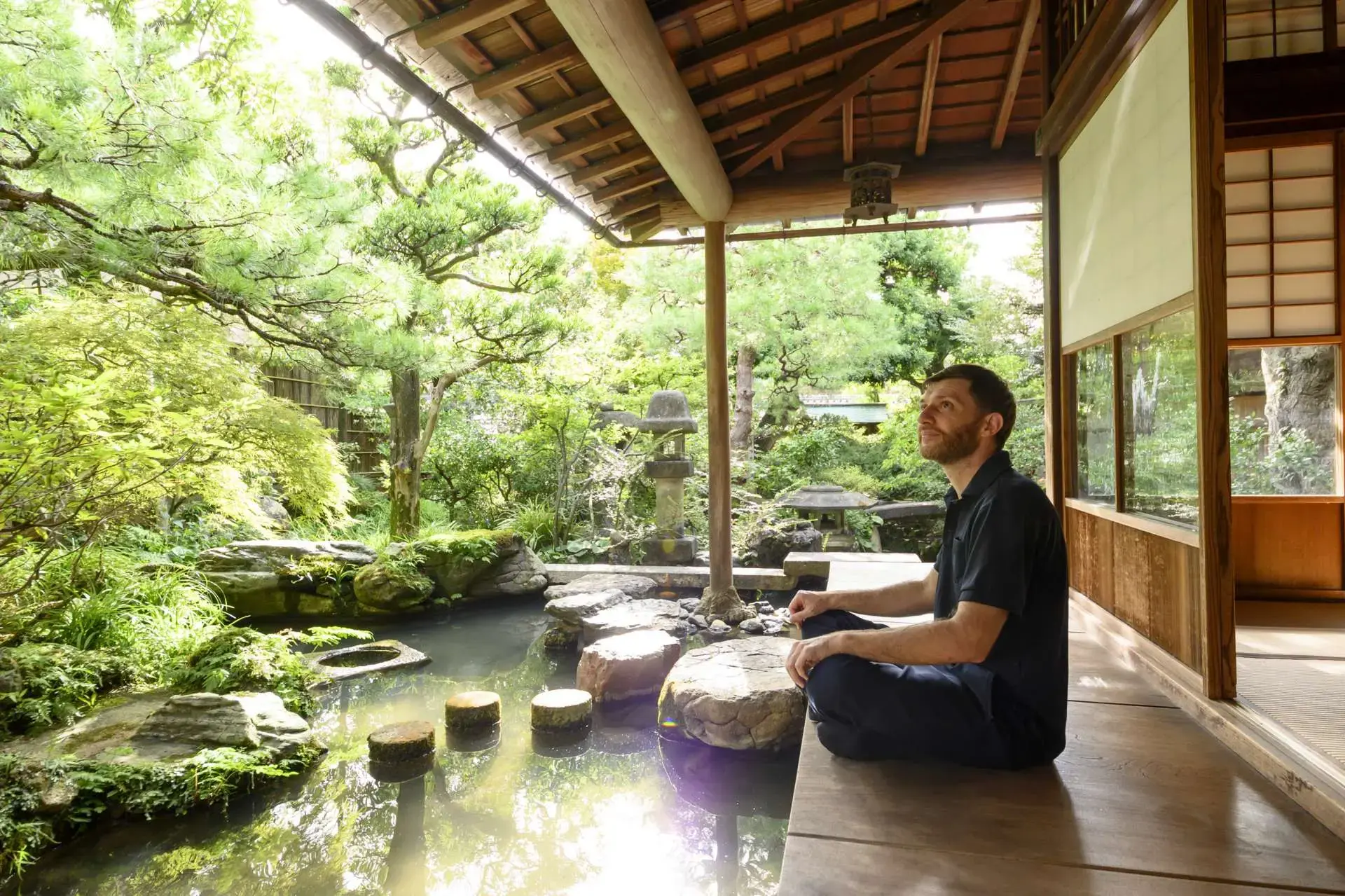
2. Zen and Stillness: Take Time for Self-Reflection
Kanazawa has many places where you can reflect in quiet surroundings.
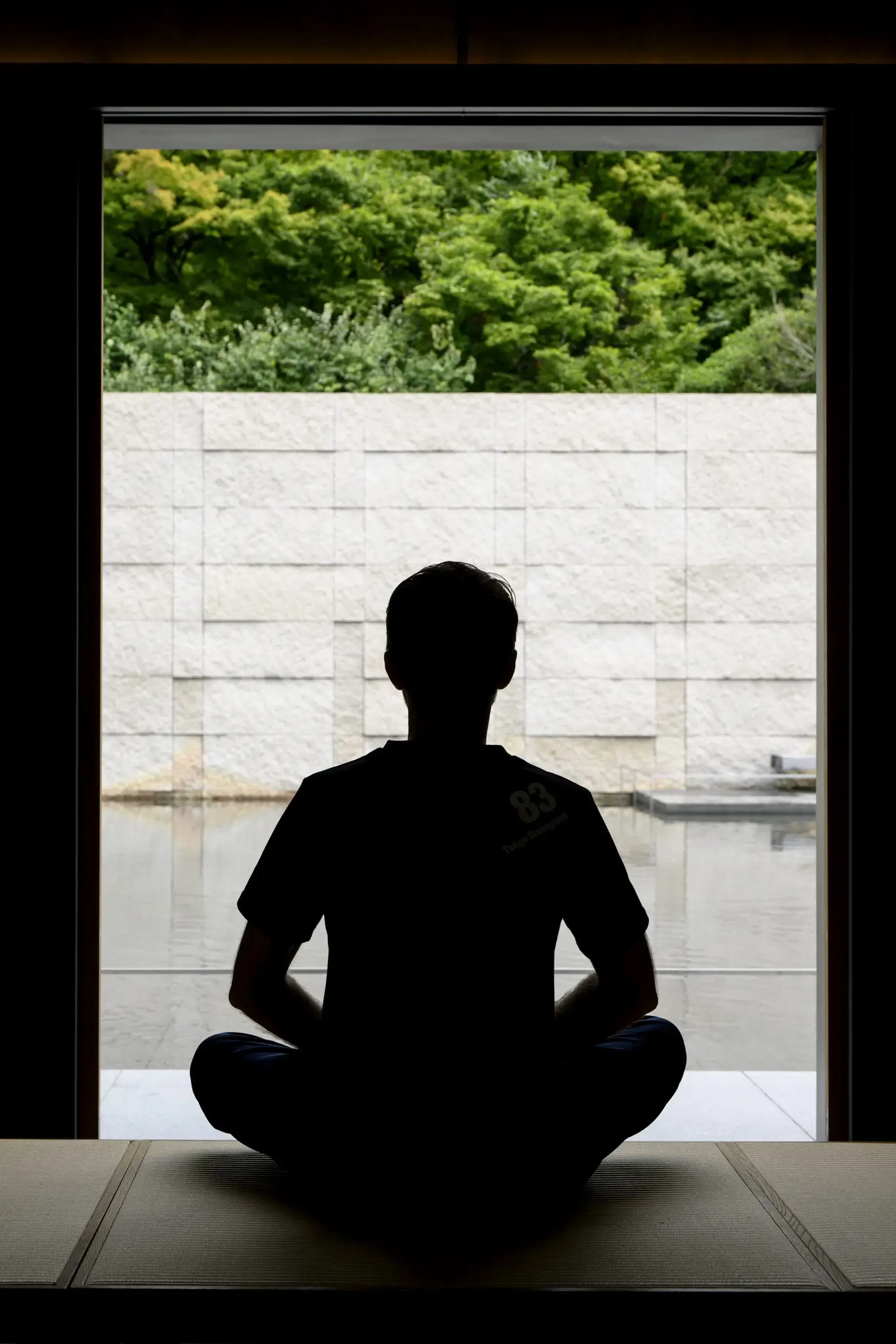
Zazen meditation sessions at temples such as Eianji offer valuable time to step away from busy everyday life and settle your mind.
At the D. T. Suzuki Museum, dedicated to the ideas of the internationally renowned philosopher, the Water-Mirror Garden and peaceful architectural spaces leave a lasting impression.
The chance to appreciate the luxury of doing nothing is another part of Kanazawa's appeal.
- Name in Japanese
- 鈴木大拙館
- Postal Code
- 920-0964
- Address
-
3-4-20 Hondamachi, Kanazawa City, Ishikawa
Google Maps - Telephone
- 076-221-8011
- Closed
-
Mondays (If it falls on a holiday, closed on the following weekday),
Dec 29 - Jan 3
* May be closed temporarily for reorganizing curations. - Hours
- 9:30am-5:00pm (Admission allowed until 4:30pm)
- Admission
-
General: 310 yen
Age 65 or older, those with a disability certificate and his/her helper: 210 yen
(Disability certificate app “Mirairo ID” accepted) *Free on holidays
High schooler and younger: Free
Multi Facility Ticket: 1-Day Pass: 520 yen, 3-Day Pass 830 yen, 1-Year Pass 2,090 yen
* Valid at 17 cultural facilities in Kanazawa City - Directions
- From JR West / IR Ishikawa Railway, Kanazawa Station, ride Kanazawa Loop Bus or Hokuriku Railway Route Bus to Hondamachi Stop, and walk 4 min.
- Credit Cards
- Accepted
- Official Website
- Official Website (English)
3. Traditional Beauty and Craftsmanship: Experience Authentic Kaga Culture
Kanazawa offers a wide range of cultural traditions passed down from the days of the wealthy Kaga domain.
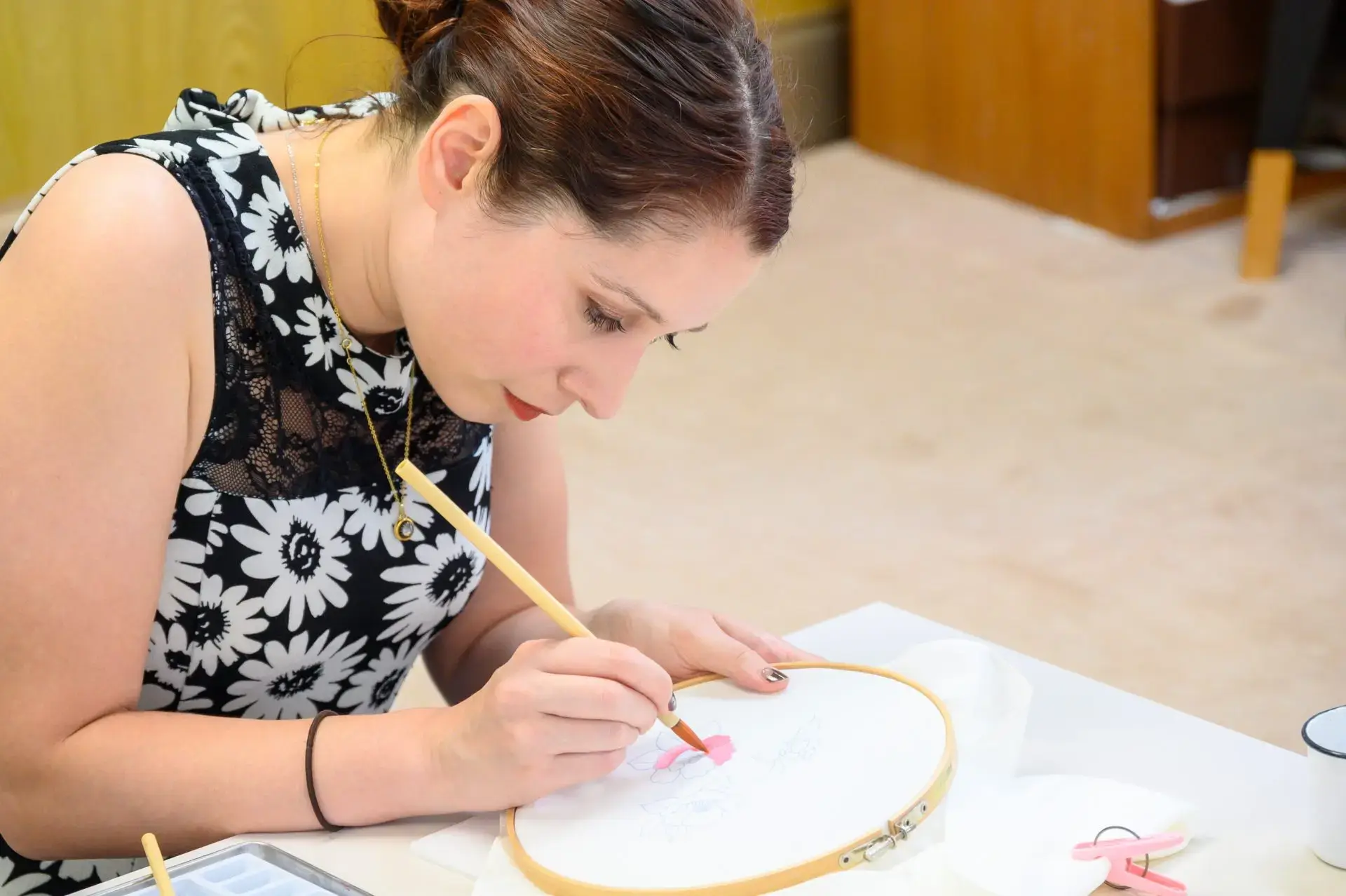
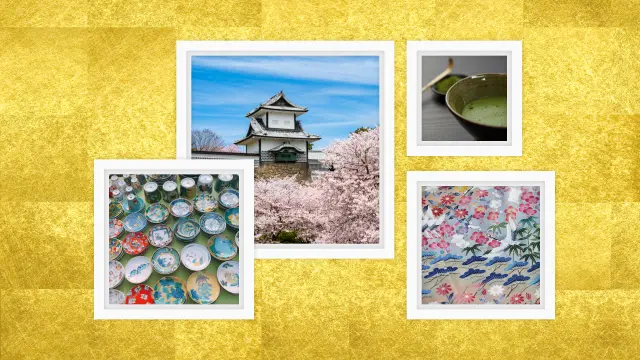
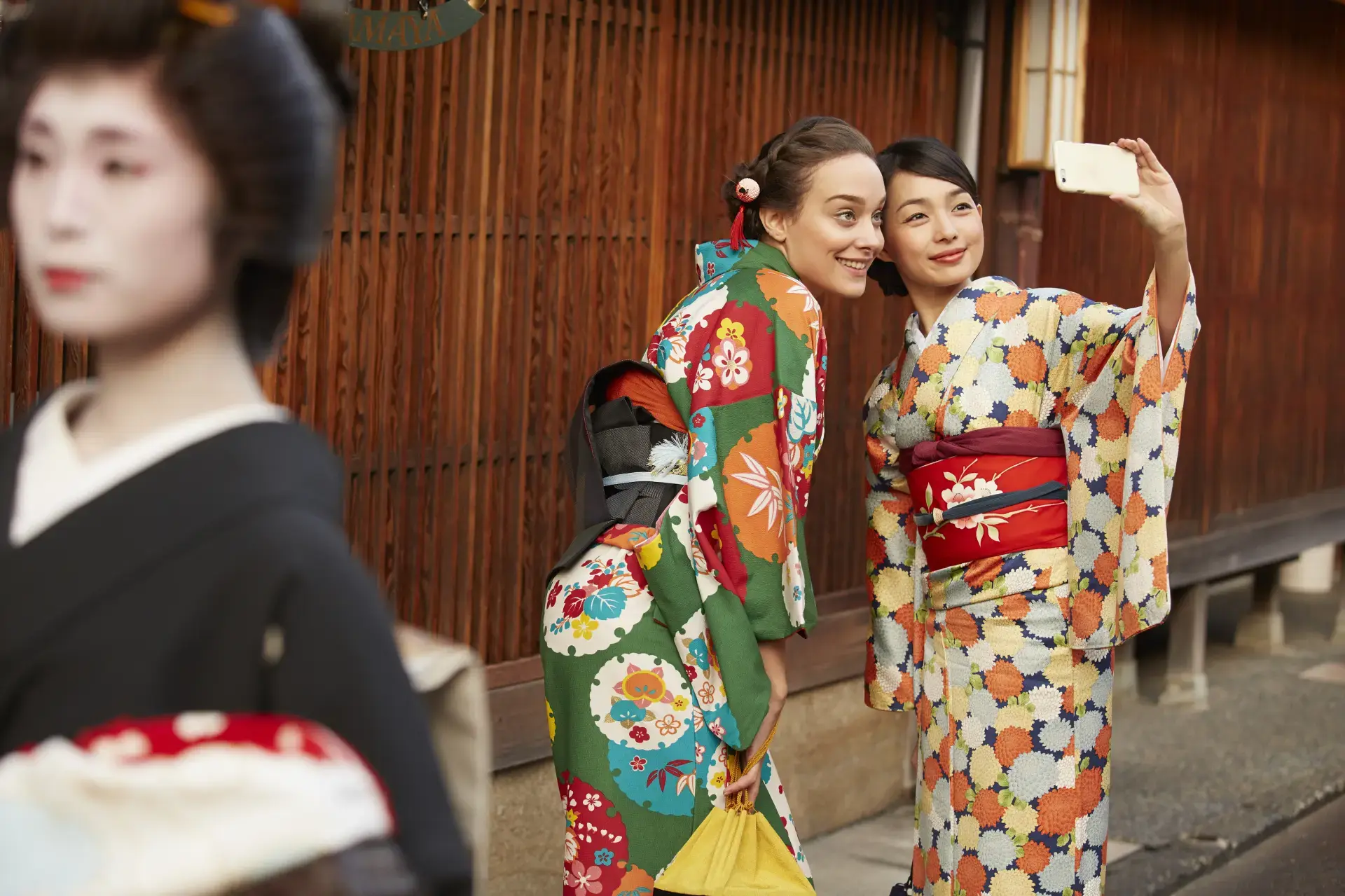
Discover geisha culture in the teahouse districts, try a tea ceremony or Japanese sweet-making in a historic tearoom, or join craft workshops in Kaga Yuzen dyeing and maki-e gold-decorated lacquerwork.
The chance to experience culture firsthand, rather than simply tour the sights, gives a trip to Kanazawa a character that sets it apart from other sightseeing cities.
4. Castle-Town History and Food: Discover the Legacy of Kaga's Prosperity
From Kenrokuen, one of Japan's Three Great Gardens, to Higashi Chaya District and Omicho Market, Kanazawa brings together places that reflect its castle-town history and food culture.
After strolling through beautiful gardens and historic streets, sit down to fresh seafood or Kaga cuisine.
With history, scenery, and food packed into a compact area, even a walk around town offers a rich taste of Kanazawa.
5. Contemporary Ideas and Art: Explore Innovative Architecture That Inspires
Kanazawa may be closely associated with traditional culture, but it is also highly regarded for contemporary art and architecture. Leading examples include the 21st Century Museum of Contemporary Art, Kanazawa and Ishikawa Prefectural Library.
With its vast circular bookshelves, the library has attracted attention in Japan and abroad as a place that invites visitors to stay awhile.
Exploring these innovative spaces and artworks offers a fresh perspective on Kanazawa.
There is more to Kanazawa than the five experiences above. Recommended sights and activities also vary depending on whether you are traveling with children, as a couple, or in another style. Check out the related articles for ways to explore Kanazawa that suit your trip.
- Name in Japanese
- 石川県立図書館
- Postal Code
- 920-0942
- Address
-
2-43-1 Kodatsuno, Kanazawa City, Ishikawa Prefecture
Google Maps - Phone
- 076-223-9565
- Closed on
- Mondays (or the following weekday if Monday is a national holiday), New Year holidays, and special inventory periods
- Hours
- 9:00 am–7:00 pm (Reading Area), 9:00 am–9:00 pm (Cultural Exchange Area), Saturdays, Sundays, and national holidays 9:00 am–6:00 pm (Reading Area / Cultural Exchange Area)
- Admission
- Free
- Access
- Approx. 14 minutes by car from JR Kanazawa Station
- Official website
- Official website (Japanese)
5 Must-Try Places to Eat in Kanazawa That Impress Even the Locals
Known for history and art, Kanazawa is also a city rich in food. Regional dishes shaped by Kaga's culinary traditions and seafood from the Sea of Japan add another memorable dimension to a visit. Here are places not to miss if you want to fully explore Kanazawa's food scene.
1. Ikiikitei Omicho Branch
Just steps from the Musashi entrance to the popular Omicho Market, this sushi restaurant opens at 7:00 a.m. With only 10 counter seats, the small space brings diners close to the staff and creates a welcoming, homey atmosphere.
The wide selection of seafood is served separately from the sushi rice, allowing you to savor each piece. The popular Ikiikitei World is a generous serving featuring local fish such as blackthroat seaperch, Mediterranean tuna, and other favorites.

- Name in Japanese
- いきいき亭 近江町店
- Postal Code
- 920-0831
- Address
-
1F Omicho Ichibakan 88 Aokusamachi, Kanazawa City, Ishikawa
Google Maps - Telephone
- 076-222-2621
- Closed
- Closed on Tuesdays (if Monday is a holiday, closed on Wednesday instead)
- Business hours
- 7:00am - 3:00pm (or until the ingredients run out)
- Budget
- 1,600 yen and up
- Directions
- From Kanazawa Station on JR West and IR Ishikawa Railway, take the Hokutetsu Bus to "Musashigatsuji" and it's a short walk.
- Credit Cards
- Not accepted
- Official Website
- Official Website (Japanese)
2. Kanazawa Maimon Sushi Main Branch
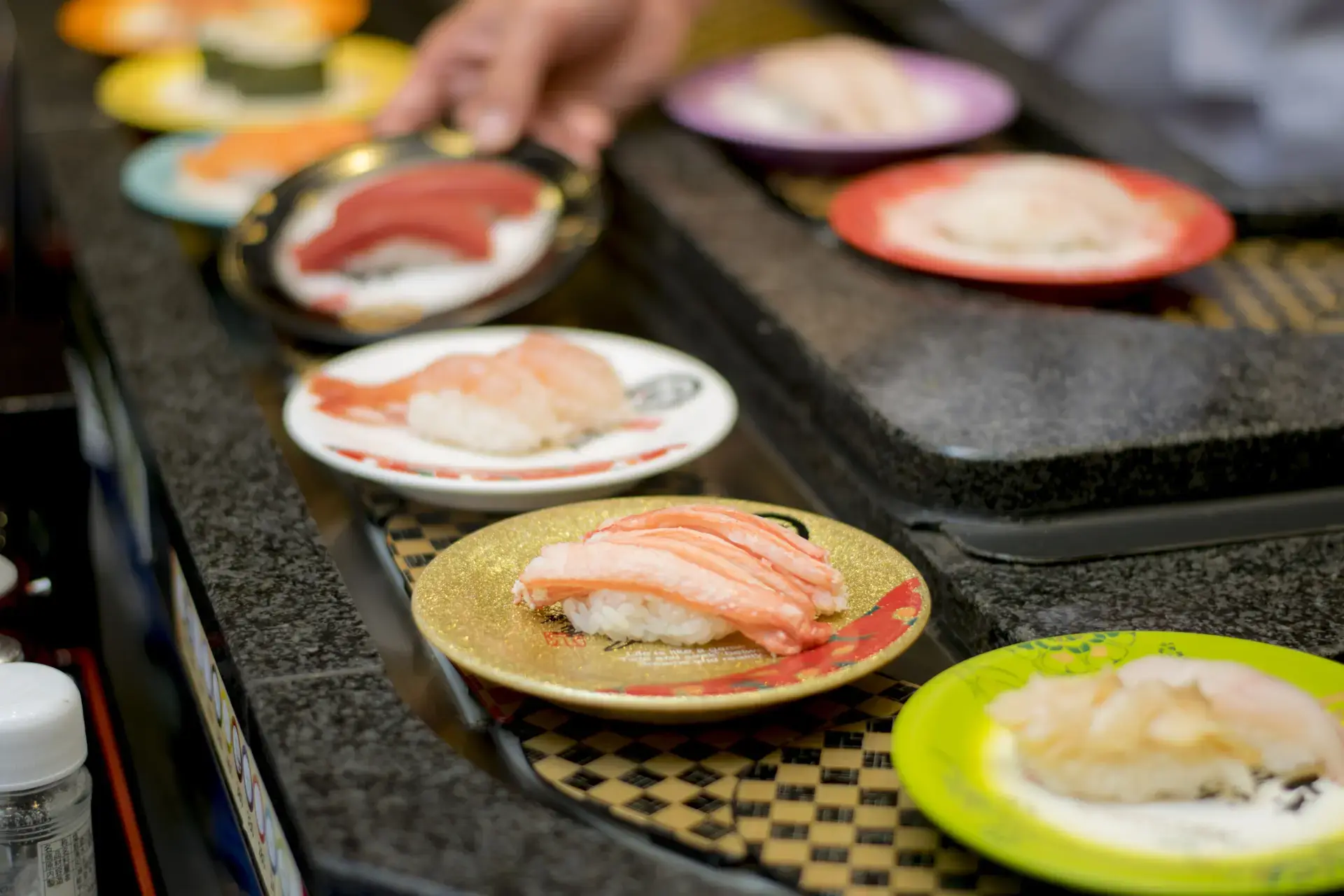
This well-known conveyor-belt sushi restaurant is one of Hokuriku's leading names. In addition to seafood from Kanazawa Port, it receives fresh fish directly from Nanao Bay in Ishikawa Prefecture about 2–3 times a day.
The menu features local seafood prized for freshness, quality, and flavor, including blackthroat seaperch, white shrimp, red-spotted grouper, and gasu shrimp. It is a sought-after stop for anyone wanting authentic sushi made with Hokuriku seafood in a casual setting.
- Name in Japanese
- 金沢まいもん寿司 本店
- Postal Code
- 920-0027
- Address
-
3-20-7 Ekinishishinmachi, Kanazawa City, Ishikawa
Google Maps - Telephone
- 076-234-1144
- Closed
- Open every day
- Business Hours
- 11:00am - 9:30pm (L.O.9:00pm)
- Budget
- 3,000yen - 5,000yen
- Access
- About 10 minutes by car from JR Kanazawa Station
- Credit Cards
- Accepted
- Official Website
- Official Website (Japanese)

3. Nikusho Jade Kanazawa
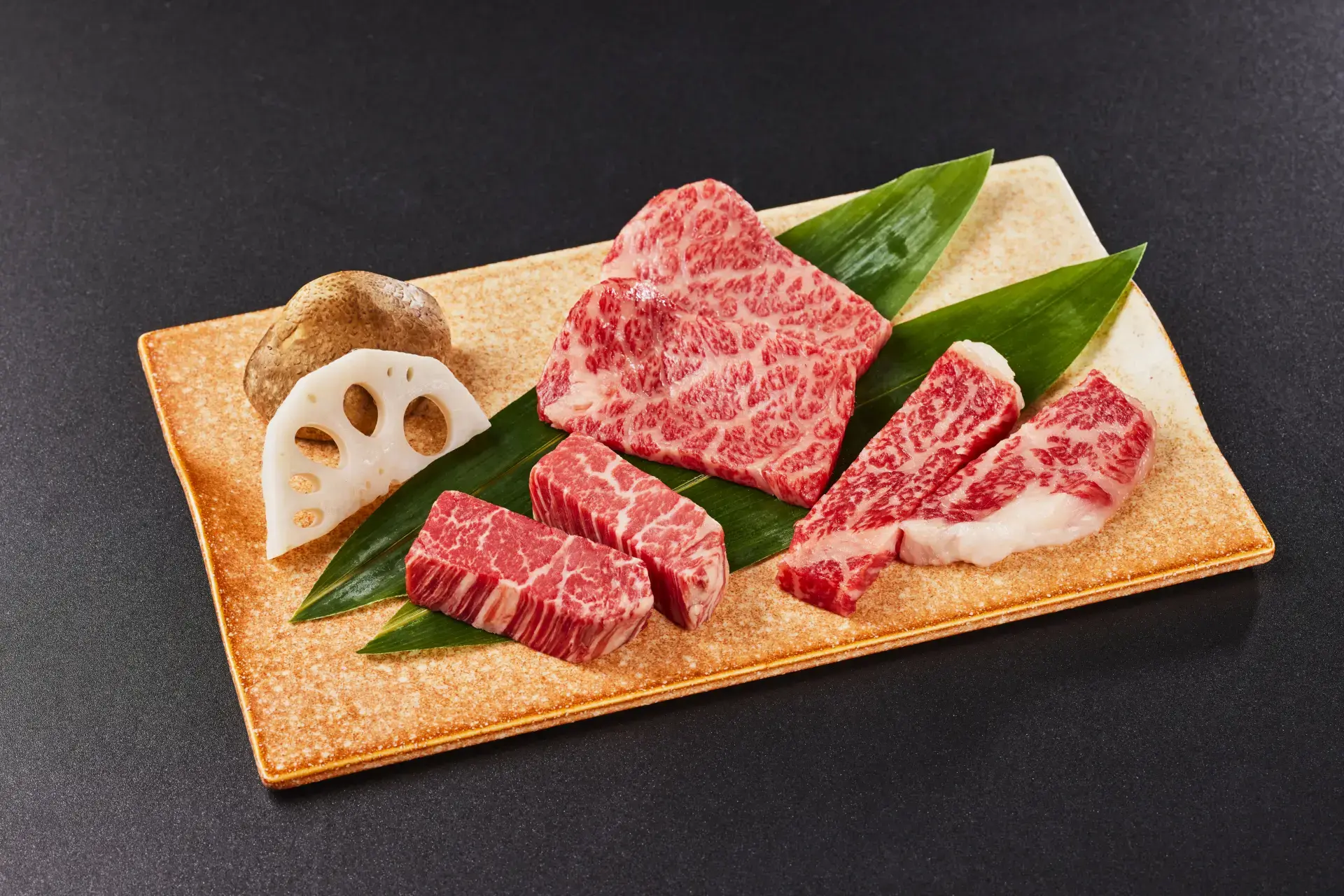
Nikusho Jade Kanazawa is a yakiniku restaurant in Kanazawa, Ishikawa Prefecture, operated by JA Zen-Noh Ishikawa. Here, you can savor the melt-in-your-mouth texture of Noto beef and Noto pork.
The signature Tokusen Sanshu Mori platter features three premium, hard-to-find cuts of Noto beef. Another appealing touch is the original Kutani ware tableware created by ceramic artists.
- Name in Japanese
- 肉匠Jade金澤
- Postal Code
- 920-0852
- Address
-
Live 1 Building, Building B, 2nd Floor 3-3 Konohanamachi, Kanazawa City, Ishikawa
Google Maps - Telephone
- 076-256-1129
- Business Hours
- 11:00am - 14:00pm(L.O.1:30pm), 5:00pm - 10:00pm(L.O.9:30pm)
- Closed
- Irregular holidays
- Budget
- Lunch 1,500yen〜, Dinner 6,000yen〜
- Access
- About 3 minutes walk from JR any Line’s Kanazawa Station.
- Credit Cards
- Accepted
- Official Website
- Official Website (Japanese)
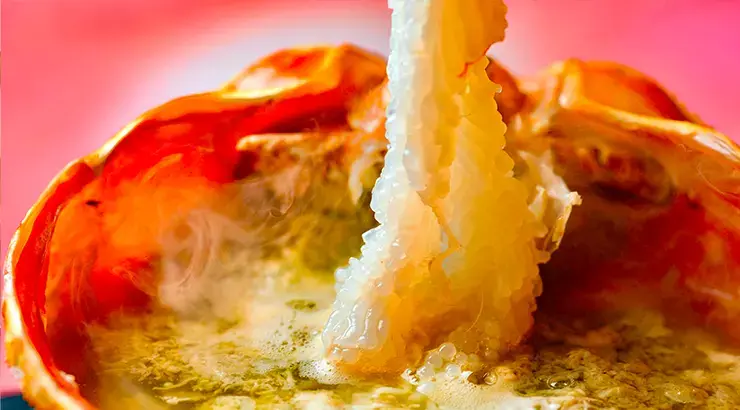
4. Kaga Cuisine Daimyojaya
Established in 1962, Kaga Cuisine Daimyojaya is a longstanding traditional Japanese restaurant about a 5-minute walk from Kanazawa Station.
It serves reasonably priced Kaga kaiseki meals featuring seafood from the Sea of Japan and Kaga vegetables. Trusted by local luxury ryokan and frequently featured on food programs, it is known as one of Kanazawa's leading Kaga cuisine restaurants.
- Name in Japanese
- 加賀料理 大名茶家
- Postal Code
- 920-0852
- Address
-
7-5-1 Konohanamachi, Kanazawa City, Ishikawa
Google Maps - Telephone
- 076-231-5121
- Business Hours
- 11:30am - 2:30pm(L.O.1:45pm), 5:00pm - 10:00pm(L.O.9:00pm)
- Closed
- Irregular holidays(temporary closures; closed during New Year holidays)
- Access
-
1) About a 5-minute walk from Kanazawa Station on the JR Hokuriku Shinkansen and IR Ishikawa Railway Line
2) About a 3-minute walk from Hokutetsu Kanazawa Station on the Hokuriku Railroad Asanogawa Line - Credit Cards
- Accepted
- Official Website
- Official Website (Japanese)
5. Kuroyuri
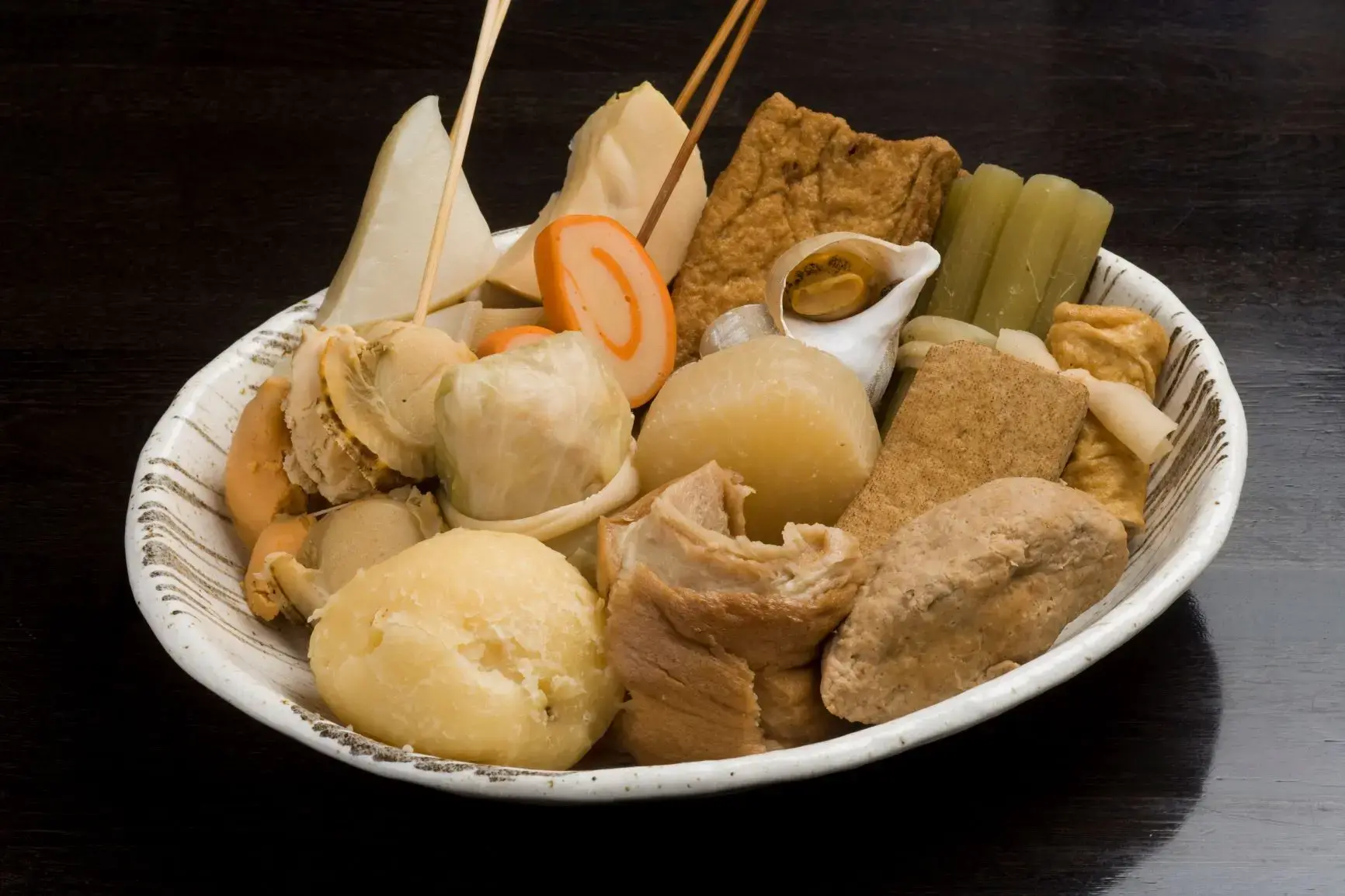
Founded in 1953, Kuroyuri serves Kanazawa oden alongside Kaga regional dishes and local sake.
Its specialty is Kanazawa oden, a simmered dish made with a broth combining two types of dried bonito flakes, dried sardines, and kelp. The flavor is gently sweet and clean. Representative ingredients include bai sea snails landed in Kanazawa and the San'in region, and kuruma-fu, made by wrapping wheat gluten around a rod and baking it.
- Name in Japanese
- 黒百合
- Postal Code
- 920-0858
- Address
-
Inside the Kanazawa Hyakubangai "Anto", 1-1 Kinoshimbomachi, Kanazawa City, Ishikawa
Google Maps - Telephone
- 076-260-3722
- Business Hours
-
11:00am - 9:30pm (L.O.9:00pm)
Please note: The restaurant may close early if items sell out. - Closed
- Open every day
- Budget
- Lunch 1,000yen〜, Dinner 2,000yen〜
- Access
- About 2 minutes walk from JR any Line’s Kanazawa Station.
- Credit Cards
- Accepted
- Official Website
- Official Website (English)
From Traditional Crafts to Souvenirs: 5 Places to Shop in Kanazawa
A walk through Kanazawa brings encounters with time-honored crafts and tempting local ingredients. The culture of the prosperous Kaga domain lives on in its shopping destinations, where browsing is a pleasure and each visit brings new discoveries. From souvenir shopping to purchasing fine traditional crafts, here are some of the city's most popular places to shop.
1. Kanazawa Hyakubangai
This shopping complex is directly connected to JR Kanazawa Station. It consists of three buildings: Anto, featuring Kanazawa souvenirs and food; Rinto, with a varied selection of fashion, lifestyle goods, and cafes; and Anto Nishi, a zone for everyday needs that includes a fresh-food supermarket and clinics.

- Name in Japanese
- 金沢百番街
- Postal Code
- 920-0858
- Address
-
1-1 Kinoshimbomachi, Kanazawa City, Ishikawa
Google Maps - Telephone
- 076-260-3700(Main number)
- Closed
- Irregular holidays
- Business Hours
-
【Anto】Shopping 8:30am - 8:00pm, Foods & Drinks 11:00am - 10:00pm※Hours vary for some stores and restaurants
【Rinto】10:00am - 8:00pm※Hours vary for some stores and restaurants
【Anto nishi】Hours vary for some stores and restaurants - Access
- Directly connected to JR Kanazawa Station
- Credit Cards
- Accepted ※Vary for some stores and restaurants
- Official Website
- Official Website (Japanese)
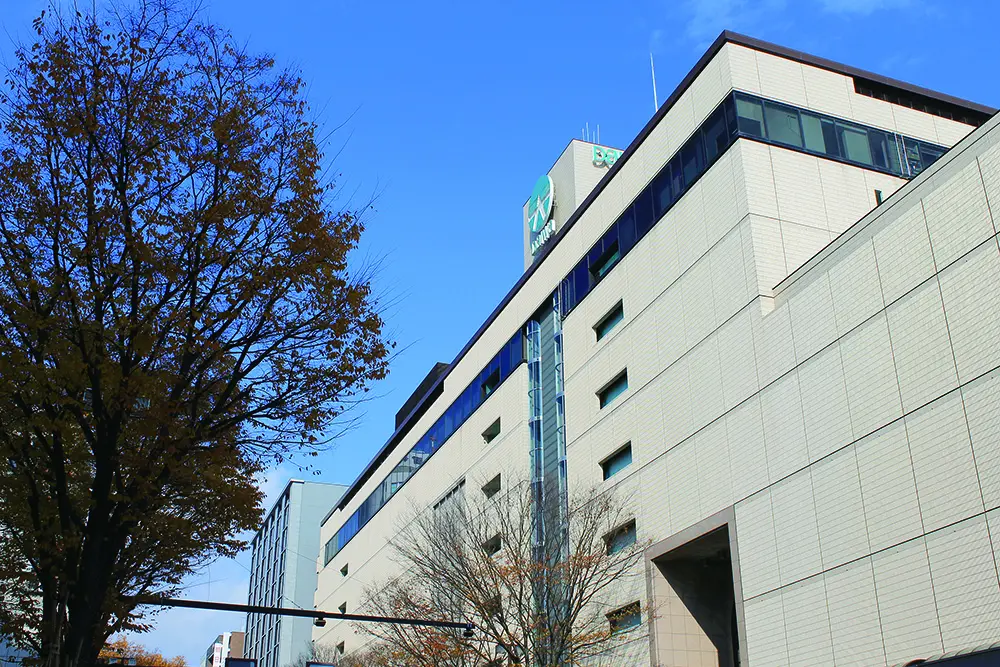
2. Daiwa Korinbo Store
With a history of more than 100 years, Daiwa Korinbo Store boasts the highest sales of any department store in Hokuriku. Located in Korinbo, one of Kanazawa's busiest entertainment and shopping districts, it attracts both local shoppers and visitors.
Its nine floors, from the first basement level to the eighth floor, bring together well-known stores specializing in fashion, cosmetics, home furnishings, and more. For Kanazawa souvenirs, head to the food floor for local specialties and celebrated sweets.
- Name in Japanese
- 大和 香林坊店(ダイワ コウリンボウテン)
- Postal Code
- 920-8550
- Address
-
1-1-1 Korinbo, Kanazawa, Ishikawa
Google Maps - Phone
- 076-220-1111
- Closed on
- Irregular holidays
- Hours
- 10:00am–7:00pm *Restaurant area: 11:00am–9:00pm
- Access
- Approx. 10 minutes by Hokutetsu bus from JR Kanazawa Station, get off at Korinbo stop, then a short walk
- Credit Cards
- Accepted
- Official website
- Official website (Japanese)
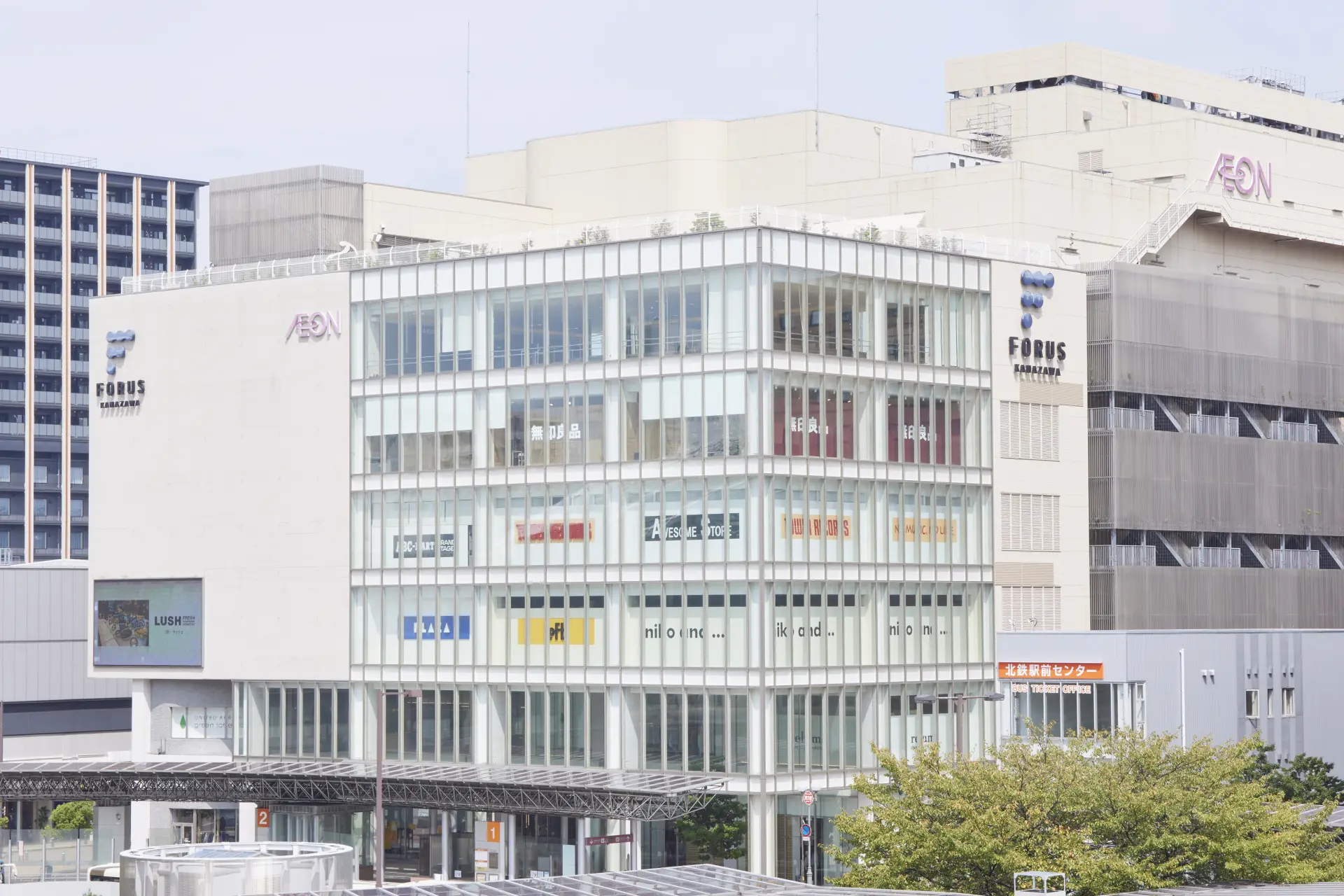
3. Kanazawa Forus
Operated by OPA, this shopping center is conveniently located just a 1-minute walk from JR Kanazawa Station.
Its eight levels house approximately 190 shops offering fashion, home accessories, lifestyle goods, cosmetics, jewelry, and more.
- Name in Japanese
- 金沢フォーラス
- Postal Code
- 920-0849
- Address
-
3-1 Horikawashinmachi, Kanazawa City, Ishikawa
Google Maps - Telephone
- 076-265-8111
- Closed
- Open every day
- Business Hours
-
Stores 10:00am - 8:00pm, Foods & Drinks 11:00am - 10:00pm
*Hours vary for some stores and restaurants - Access
- Approximately 1 minute walk from JR Kanazawa Station
- Credit Cards
- Accepted *Varies by store
- Official Website
- Official Website (Japanese)
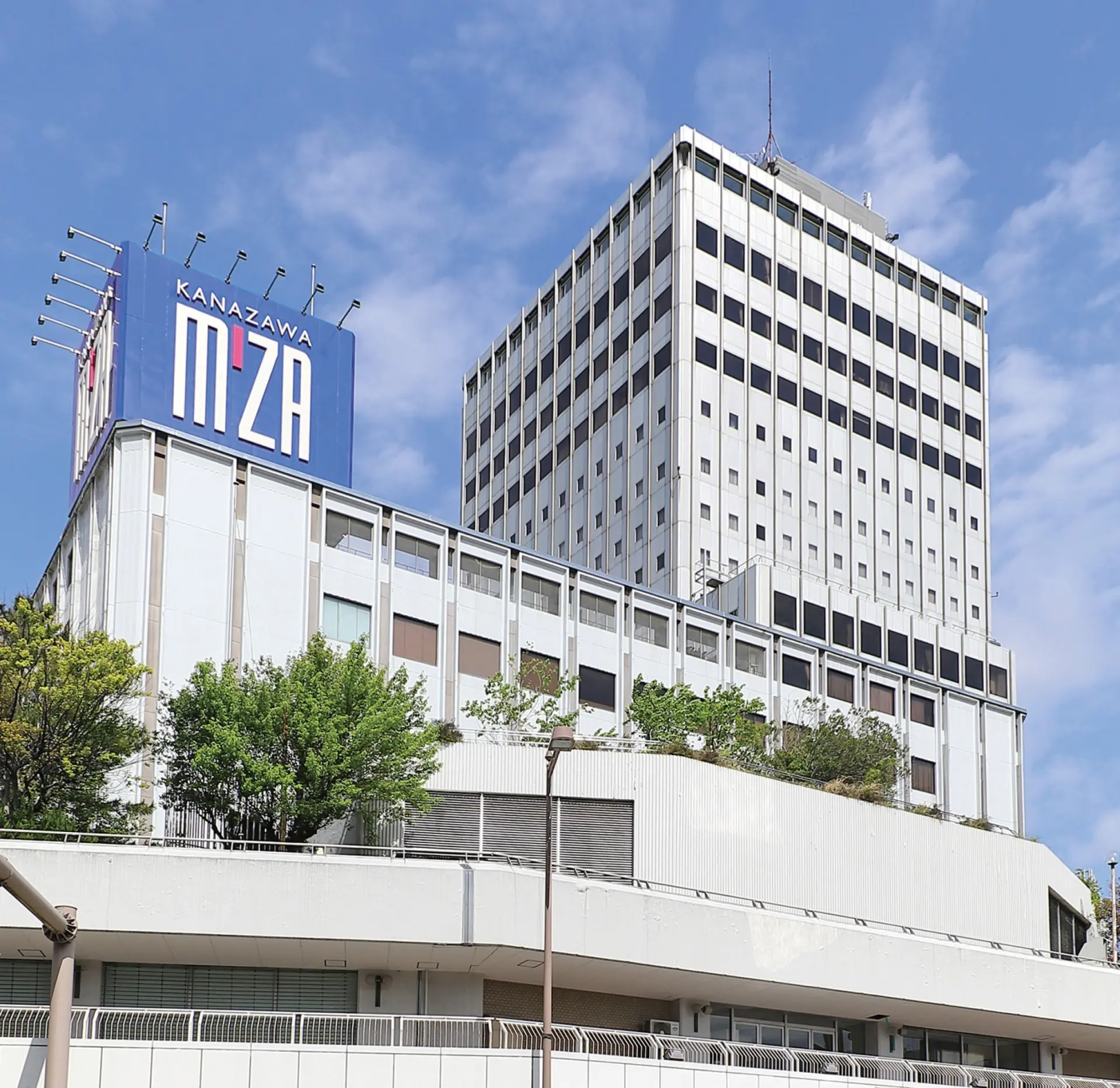
4. Kanazawa M'ZA
This longstanding department store opened in 1973 and adopted its current name, Kanazawa M'ZA, in 2021.
From the first basement level to the eighth floor, its shops offer everything from fashion, lifestyle goods, and food to traditional Ishikawa crafts. It caters to a wide range of needs, from everyday shopping to choosing souvenirs.
- Name in Japanese
- 金沢エムザ
- Postal Code
- 920-8583
- Address
-
15-1 Musashimachi, Kanazawa City, Ishikawa
Google Maps - Phone
- 076-260-1111 (main number)
- Closed on
- Irregular holidays
- Hours
- Basement Restaurant Floor 11:00am–9:00pm, Basement Bookstore 10:00am–9:00pm, Basement–3rd Floor 10:00am–7:30pm, 3rd Floor Cattleya Salon, 4th–9th Floors 10:00am–6:30pm
- Access
- 10-minute walk from JR Kanazawa Station
- Credit Cards
- Accepted
- Official website
- Official website (Japanese)
5. Hakuichi Higashiyama Store
Operated by Hakuichi, this shop stands on the former site of Azumayu, a public bathhouse once cherished in Higashi Chaya District.
The interior preserves the bathhouse's open, high-ceilinged space, creating an airy setting for relaxed browsing. Its extensive selection ranges from travel souvenirs to finely crafted pieces suited to special gifts.
Be sure to try the Kinpaku no Kagayaki Soft Cream, a gold-leaf-covered soft serve that began as a limited-edition treat celebrating the opening of the Hokuriku Shinkansen.
-
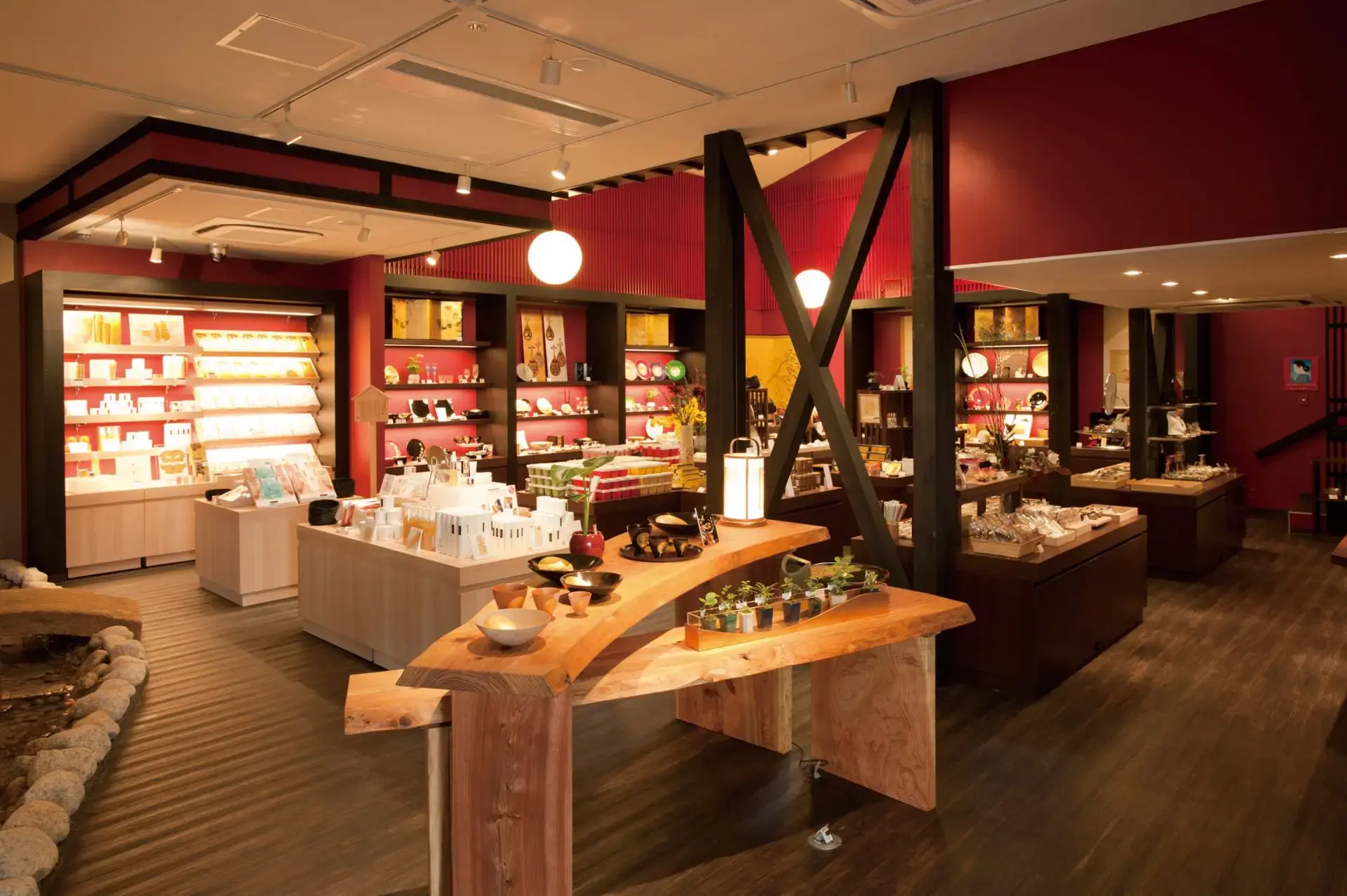
A souvenir shop with a wide selection of gold-leaf items, from crafts to food
-
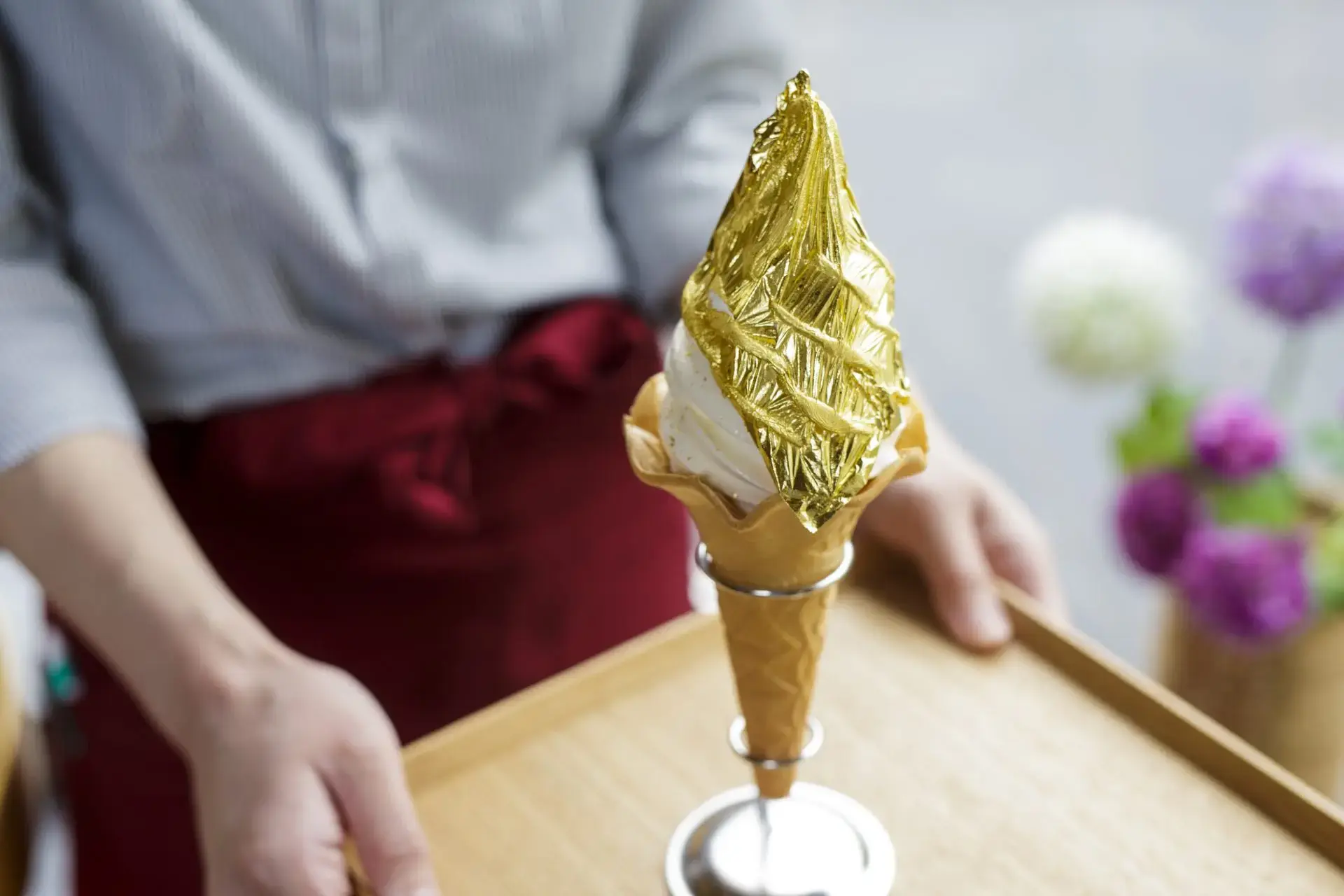
Kinpaku no Kagayaki Soft Cream
- Name in Japanese
- 箔一 東山店
- Postal Code
- 920-0831
- Address
-
1-15-4 Higashiyama, Kanazawa City, Ishikawa
Google Maps - Telephone
- 076-253-0891
- Closed
- Open every day
- Business hours
- Shop 9:00 - 18:00 Cafe 9:00 - 17:00
- Directions
- Transfer from JR Kanazawa Station East Exit to Hokuriku Tetsudo Bus, get off at bus stop "Hashiba-cho" and walk 5 minutes.
- Credit Cards
- Accepted
- Official Website
- Official Website (English)
5 Recommended Places to Stay as Your Base in Kanazawa
Choosing the right place to stay can add depth to your Kanazawa visit. Options span a range of styles and prices, from large, conveniently located city hotels to contemporary Japanese-style townhouse hotels with Kaga character and atmospheric hot spring ryokan in Yuwaku Onsen. Here are selected accommodations to suit different travel styles and plans.
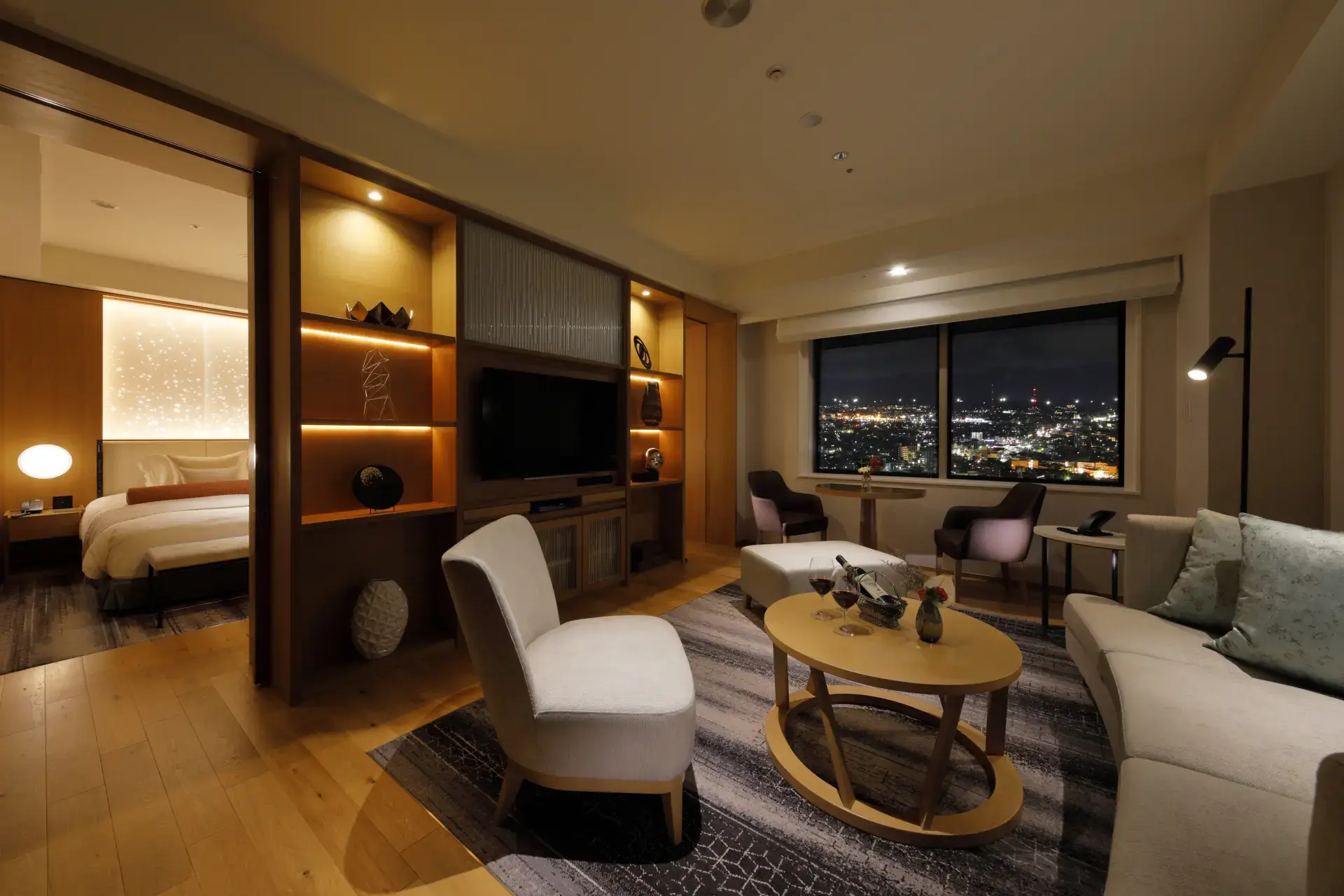
1. Hotel Nikko Kanazawa
Standing directly in front of JR Kanazawa Station, this 30-story luxury hotel is among Hokuriku's most prominent hotels. It is a 3-minute walk from the Kenrokuen Exit, marked by the striking Tsuzumi-mon Gate. An underground passage connects it directly to the station, keeping the journey comfortable even in rain or snow.
All guest rooms are on the 17th floor or above, offering a setting for a special stay. Choose a floor to suit your preferences for design, amenities, and other features.
- Name in Japanese
- ホテル日航金沢
- Postal Code
- 920-0853
- Address
-
2-15-1 Honmachi, Kanazawa, Ishikawa
Google Maps - Phone
- 076-234-1111
- Check-in
- 3:00pm
- Check-out
- 12:00pm
- Rates
- Variable pricing, please check in advance. 1 night room only (twin) from 19,600 yen (rate for 2 guests per room, tax and service charge included) *Accommodation tax charged separately
- Access
- 3-minute walk from Kanazawa Station on the JR lines
- Credit Cards
- Accepted
- Official website
- Official website (English)
2. Hotel Torifito Kanazawa
This stylish hotel is a 4-minute walk from Kanazawa Station, a convenient starting point for your trip.
Traditional crafts displayed in the lounge offer an easy way to encounter local art.
On the second and third floors, the Kottori no Yu communal baths are decorated with lanterns featuring Kaga Yuzen patterns, providing a relaxing setting to unwind after a day of travel.
The well-equipped amenities are another draw, with products such as carbonated skincare available at the vanities in the women's bathing area.

- Name in Japanese
- ホテル・トリフィート金沢
- Postal Code
- 920-0853
- Address
-
2-12-1 Honmachi, Kanazawa City, Ishikawa
Google Maps - Telephone
- 076-210-9010
- Check-in
- After 3:00pm
- Check-out
- Until 11:00am
- Accommodation Fee
- Comfort Double 1 night with breakfast from 7,000 yen per person (based on 2 persons per room)
- Directions
- 4 min. walk from Kanazawa Station of JR West Japan and IR Ishikawa Railway
- Credit Cards
- Accepted
- Official Website
- Official Website (English)
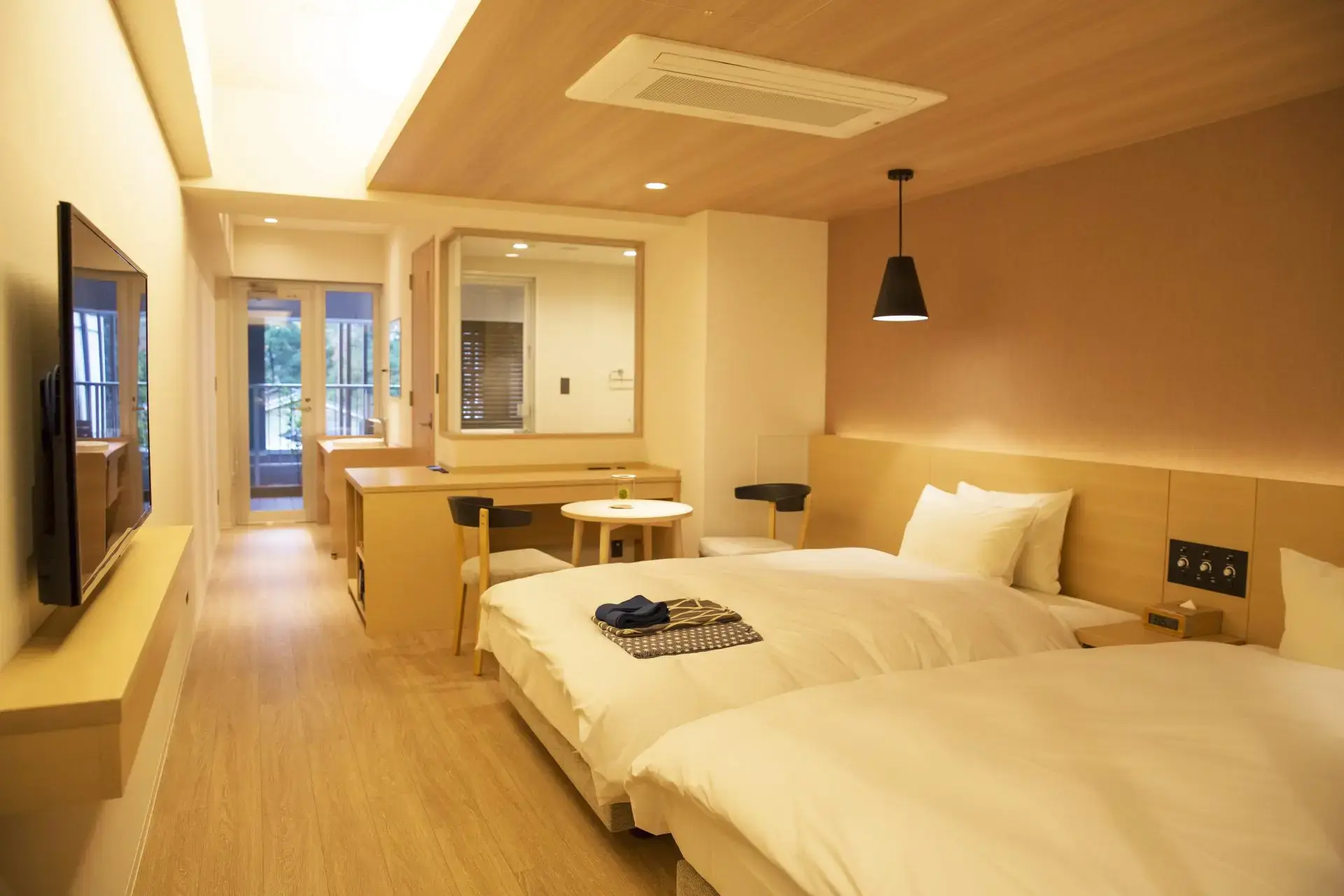
3. UAN Kanazawa
Kanazawa is so rainy that a local saying advises, "You may forget your lunch, but don't forget your umbrella."
The hotel was named UAN, or "rain retreat," with the hope that guests would appreciate rainy trips as much as sunny ones and even feel glad it rained. The first-floor Hare no Ma lounge displays books and artworks related to Kanazawa and serves complimentary Kaga roasted stem tea and soba noodles, offering an easy introduction to local culture.
- Name in Japanese
- 雨庵 金沢
- Postal Code
- 920-0918
- Address
-
6-30 Oyamamachi, Kanazawa City, Ishikawa
Google Maps - Telephone
- 076-260-0111
- Check-in
- After 3:00pm
- Check-out
- Until 11:00am
- Accommodation Fee
- Standard Plan: from 13,000 yen per person per night including breakfast (based on double occupancy)
- Directions
- Take the Hokutetsu Bus from JR West Japan Railway/IR Ishikawa Railway Kanazawa Station to Musashigatsuji / Omimachi Ichiba and walk 5 minutes.
- Credit Cards
- Accepted
- Official Website
- Official Website (English)
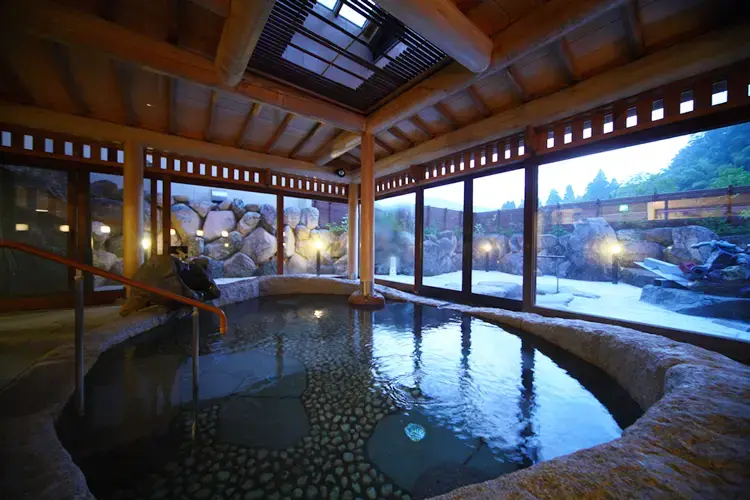
4. Yunode
Away from the city's bustle, Yuwaku Onsen is Kanazawa's hot spring retreat, known for clear, colorless waters that are gentle on the skin. With a green courtyard, an authentic tearoom, and a calm Japanese atmosphere, Yunode Ryokan offers thoughtful hospitality that helps guests feel at home.
Its 10 individually designed rooms follow the traditional sukiya architectural style, long favored by tea practitioners and other cultural figures.
5. Yamanoo
This longstanding ryokan was founded in 1890.
Its first proprietor was a devotee of the arts whom the renowned Kitaoji Rosanjin praised as "Hokuriku's foremost character, Kanazawa's honored guest, and an outstanding figure in the tea world." He drew gourmets and tea practitioners from far and wide.
Today, Yamanoo continues its founding tradition of providing a separate pavilion for each party, alongside the refined cuisine of a traditional ryotei restaurant.

- Name in Japanese
- 山乃尾
- Postal Code
- 920-0831
- Address
-
1-31-25 Higashiyama, Kanazawa City, Ishikawa
Google Maps - Telephone
- 076-252-5171
- Check-in
- After 3:00pm
- Check-out
- Until 10:00am
- Accommodation Fee
- A night with two meals, from 65,000 yen
- Directions
- 15 minutes by taxi from JR Kanazawa Station
- Credit Cards
- Accepted
- Official Website
- Official Website (Japanese)
5 Souvenirs from Kanazawa, One of Japan's Three Great Confectionery Cities
Tea ceremony culture spread widely in Kanazawa under the encouragement of the Kaga domain during the Edo period.
Japanese sweets served with tea also became part of everyday life for ordinary residents, leading to a flourishing confectionery tradition.
Alongside Kyoto and Matsue, Kanazawa is one of Japan's Three Great Confectionery Cities, and its beautiful seasonal sweets are not to be missed.
Here are selected treats from some of its many celebrated shops.
1. Ukeian's Ukokkei Castella
This is the signature product of Ukeian, which operates a dedicated silkie chicken farm in the forested mountains of Kanazawa, Ishikawa Prefecture. As its name suggests, the cake is made with generous amounts of fresh silkie chicken eggs. Each loaf is carefully prepared and baked by skilled confectioners.
Alongside the plain version, options include matcha, brown sugar, and a premium version covered in gold leaf. This rich Kanazawa souvenir is also a fitting gift for someone special.
-
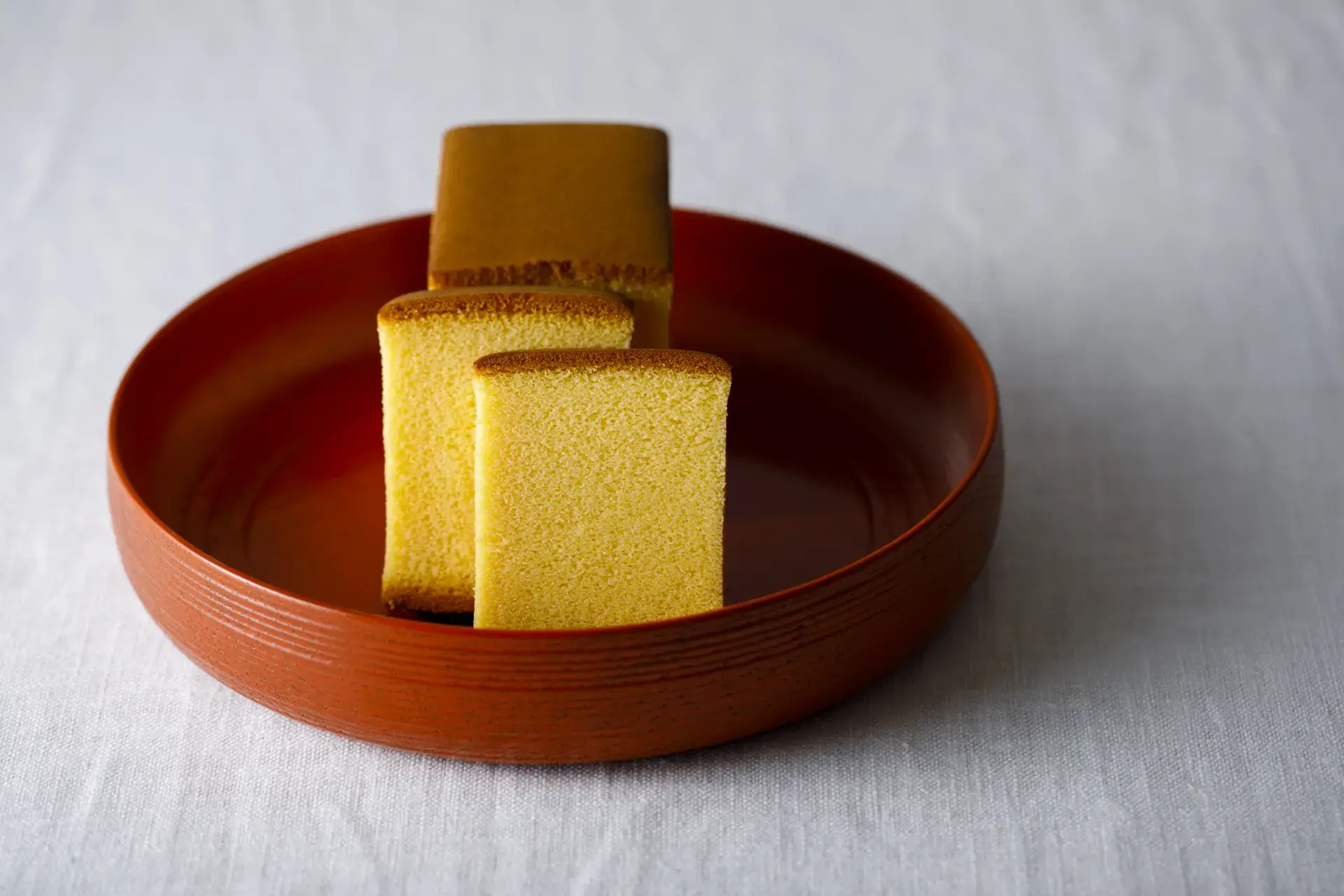
Remarkably rich flavor, made with generous amounts of rare silkie chicken eggs
-
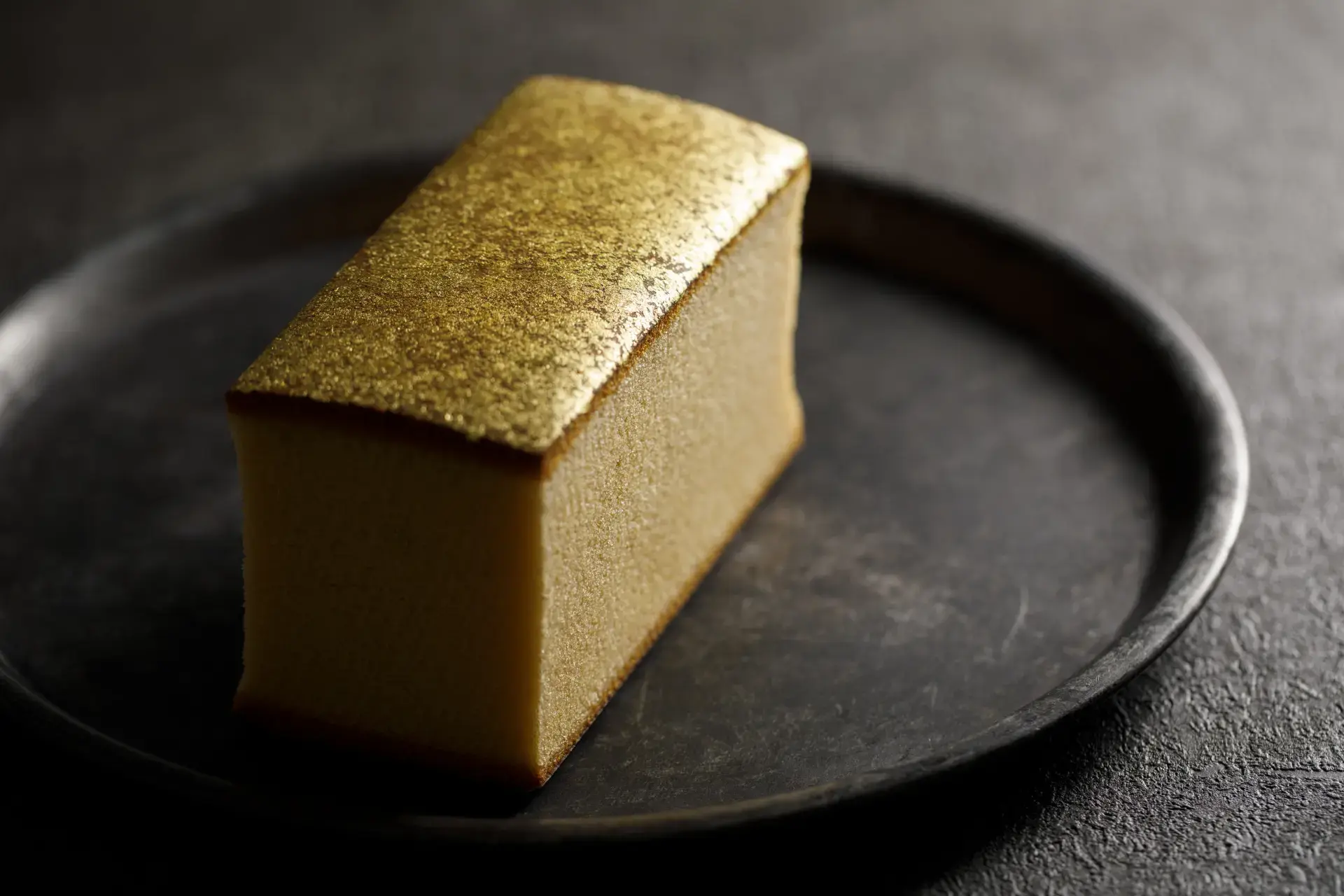
A premium version covered in gold leaf
- Name in Japanese
- 烏骨鶏かすていら
- Manufacturer
- Ukokkei-an
- Price
- Silkie Egg Castella (No. 2 size): from 1,555 yen
- Stores
- Ukokkei-an Main Store (4-22 Sainen, Kanazawa, Ishikawa), Izumigaoka Store (1-9-3 Togashi, Kanazawa, Ishikawa), Higashiyama Store (1-3-1 Higashiyama, Kanazawa, Ishikawa), Kanazawa M’za Store (Kanazawa M’za B1F, 15-1 Musashimachi, Kanazawa, Ishikawa), Daiwa Store (Korimbo Daiwa B1F, 1-1-1 Korimbo, Kanazawa, Ishikawa), Hyakubangai Store (inside Kanazawa Hyakubangai “Anto,” 1-1 Kino-shinbocho, Kanazawa, Ishikawa), Mitsukoshi Nihonbashi Store (Mitsukoshi Nihonbashi Store, basement food section, 1-4-1 Nihonbashimuromachi, Chuo-ku, Tokyo)
- Calories
- 372 kcal (per 100 g)
- Best Before
- 30 days from the production date
- Official website
- Official website (Japanese)
2. Le Cotentin Kanazawa's Kintsuba Biscuit
This inventive confection pairs kintsuba, a traditional Japanese sweet long loved in Kanazawa, with fragrant, creamy handmade butter. The cultured butter is slowly made in Normandy, a region especially renowned for dairy farming even within France. Its deep flavor and aroma pair beautifully with the gently sweet bean filling, which has a hint of rum. The moist texture of kintsuba also complements the tender, crumbly biscuit-like dough.
There are two flavors: plain, which highlights the combination of delicately sweet bean filling and rich butter, and matcha, with a lingering, lightly bitter finish.
-
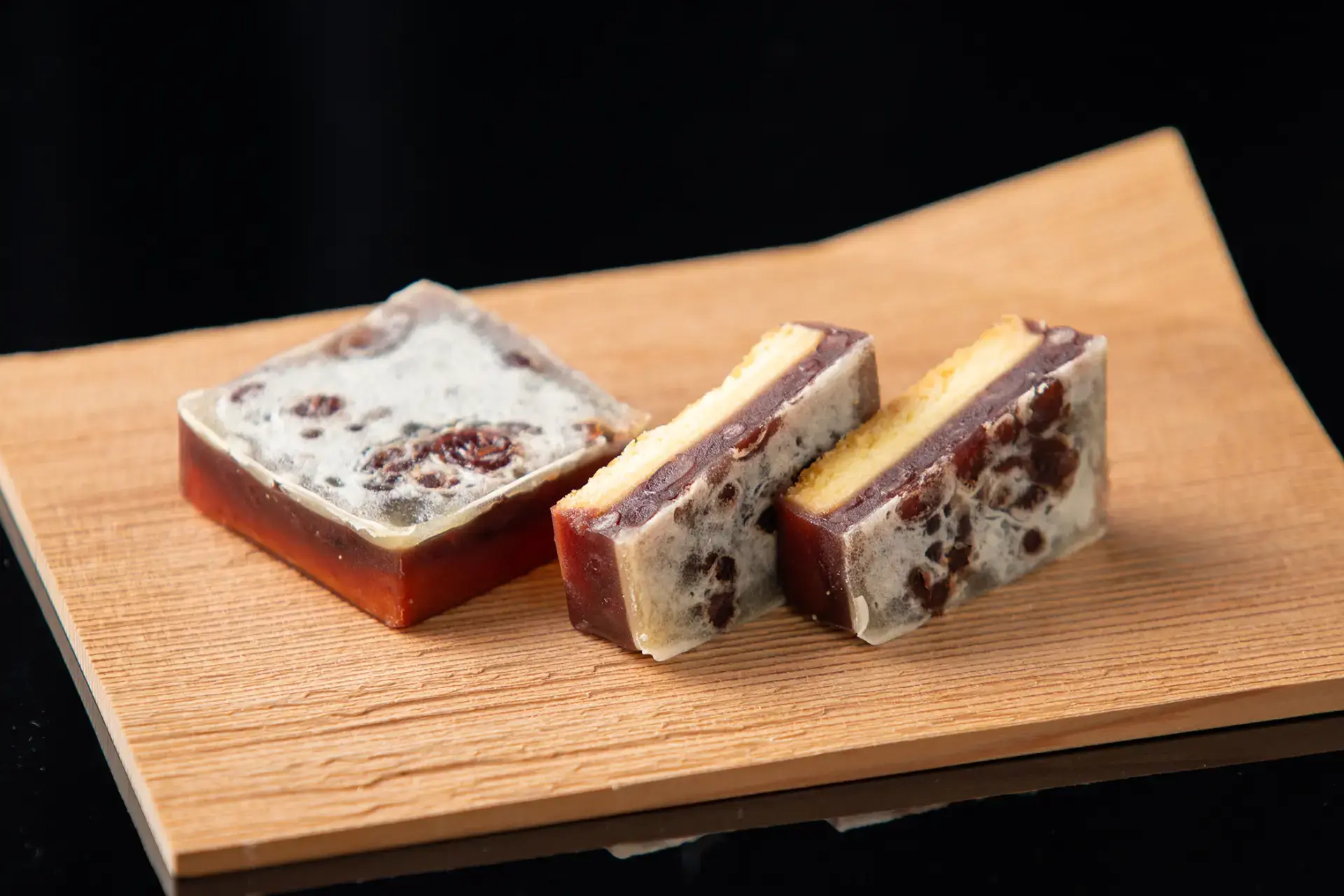
An inventive sweet bringing together Japanese and Western confectionery traditions
-
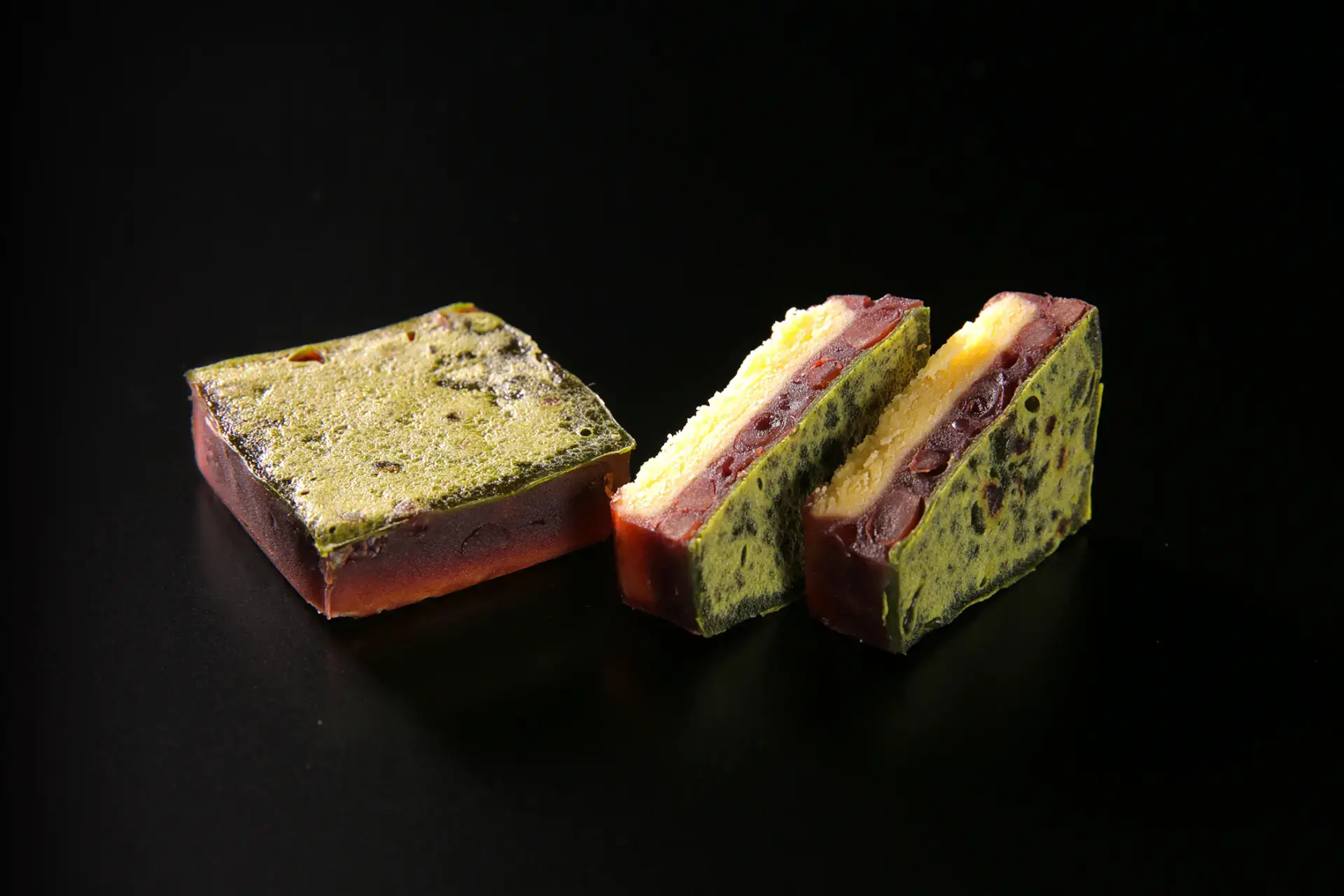
The matcha version, with its subtly bitter flavor, is also popular
- Name in Japanese
- きんつばビスキィ
- Manufacturer
- Le Cotentin Kanazawa
- Price
- From 450yen per piece
- Sales Locations
- JR Kanazawa Station, Kanazawa Station Shopping Area “Anto”
- Calories
-
Plain: 155 kcal per piece
Matcha: 153 kcal per piece - Expiration date
-
About 2-3 weeks from the production date
(About 2 weeks from July to September) - Official Website
- Official Website (Japanese)
3. Ishikawaya Honpo's Kaichin
Founded during the Tenpo era, between 1830 and 1844, this longstanding Japanese confectionery shop has a history of more than 170 years. Alongside kaichin, a popular souvenir, it sells handmade premium fresh confections and baked sweets.
Kaichin are jewel-like kohakuto candies made by naturally drying a special agar and sugar mixture. Their colorful appearance is said to come from the old Kanazawa word "kaichin," meaning the small glass counters used in a traditional children's game. A bite reveals a crisp exterior and a soft, jelly-like center—the distinctive texture that makes kaichin so appealing.
-
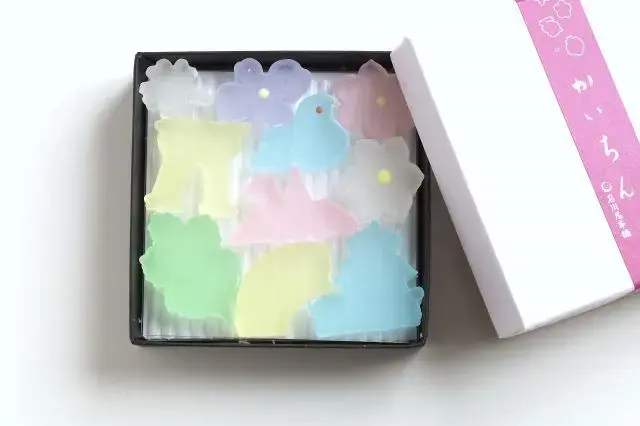
A classic souvenir that sparkles like jewels, made by a longstanding Japanese confectioner
-
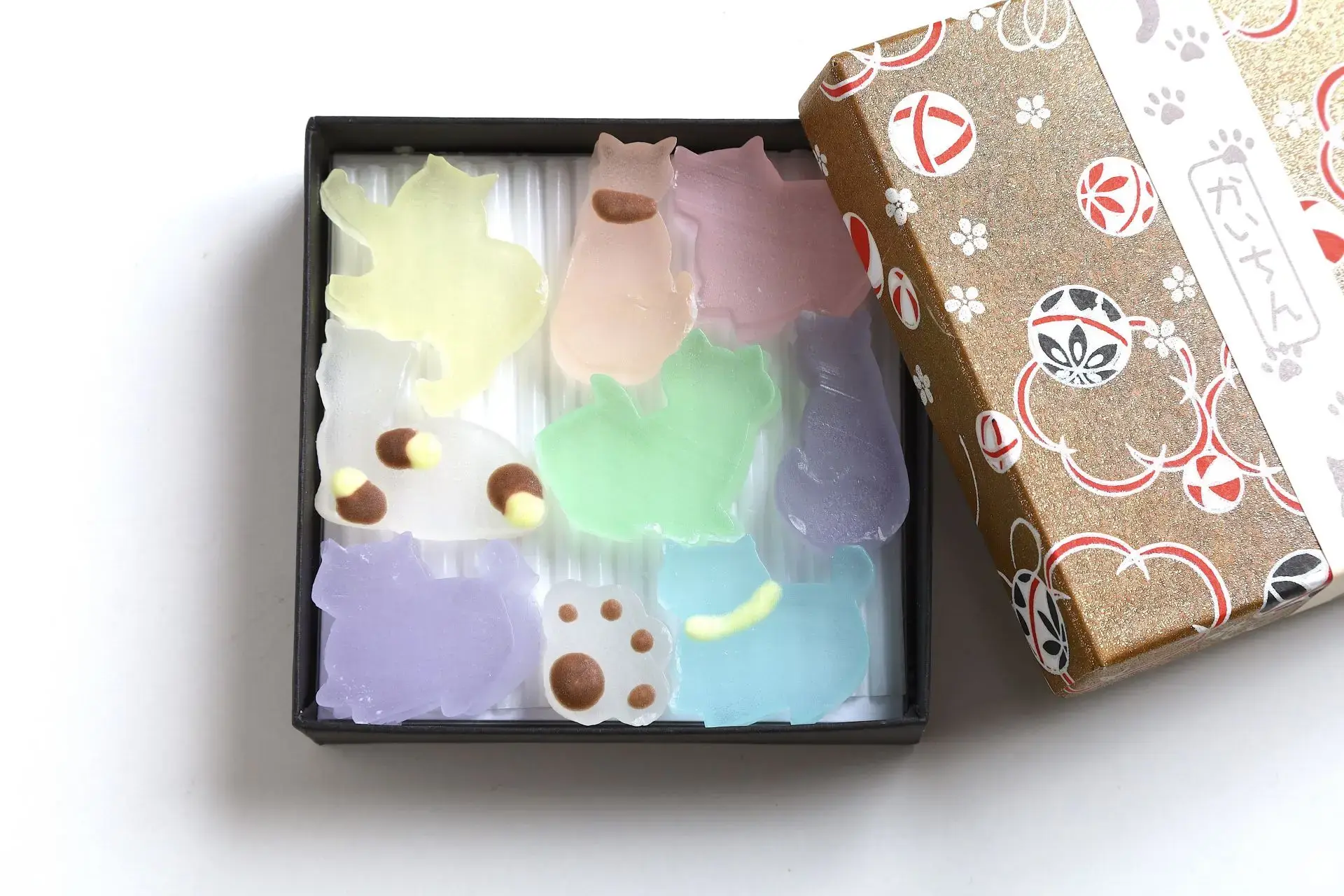
Kaichin Neko is also available, with quantities, shapes, and colors that vary from batch to batch
- Product name in Japanese
- 石川屋本舗「かいちん」
- Manufacturer
- Ishikawaya Honpo
- Price
- Kaichin Various 1,188 yen, Kaichin Aquarium 1,296 yen, Kaichin Neko 1,296 yen
- Sales Locations
-
Ishikawaya Honpo Main Store: 22 Shimenomachi-Nishi, Kanazawa City, Ishikawa
JR Kanazawa Station Kanazawa Hyakubangai Anto Store: 1-1 Kinoshimbomachi, Kanazawa City, Ishikawa - Official Website
- Official Website (Japanese)
4. Kanazawa Urata's Kaga Hachiman Okiagari Monaka
Kaga Hachiman Okiagari Monaka is made by Kanazawa Urata, a longstanding Japanese confectioner with more than 80 years of history.
This charmingly shaped souvenir is modeled after the Kaga Hachiman Okiagari, a traditional local roly-poly doll. The doll depicts Kaga Hachiman, who would later become Emperor Ojin, as a newborn with only his face peeking out of celebratory red baby clothes.
-
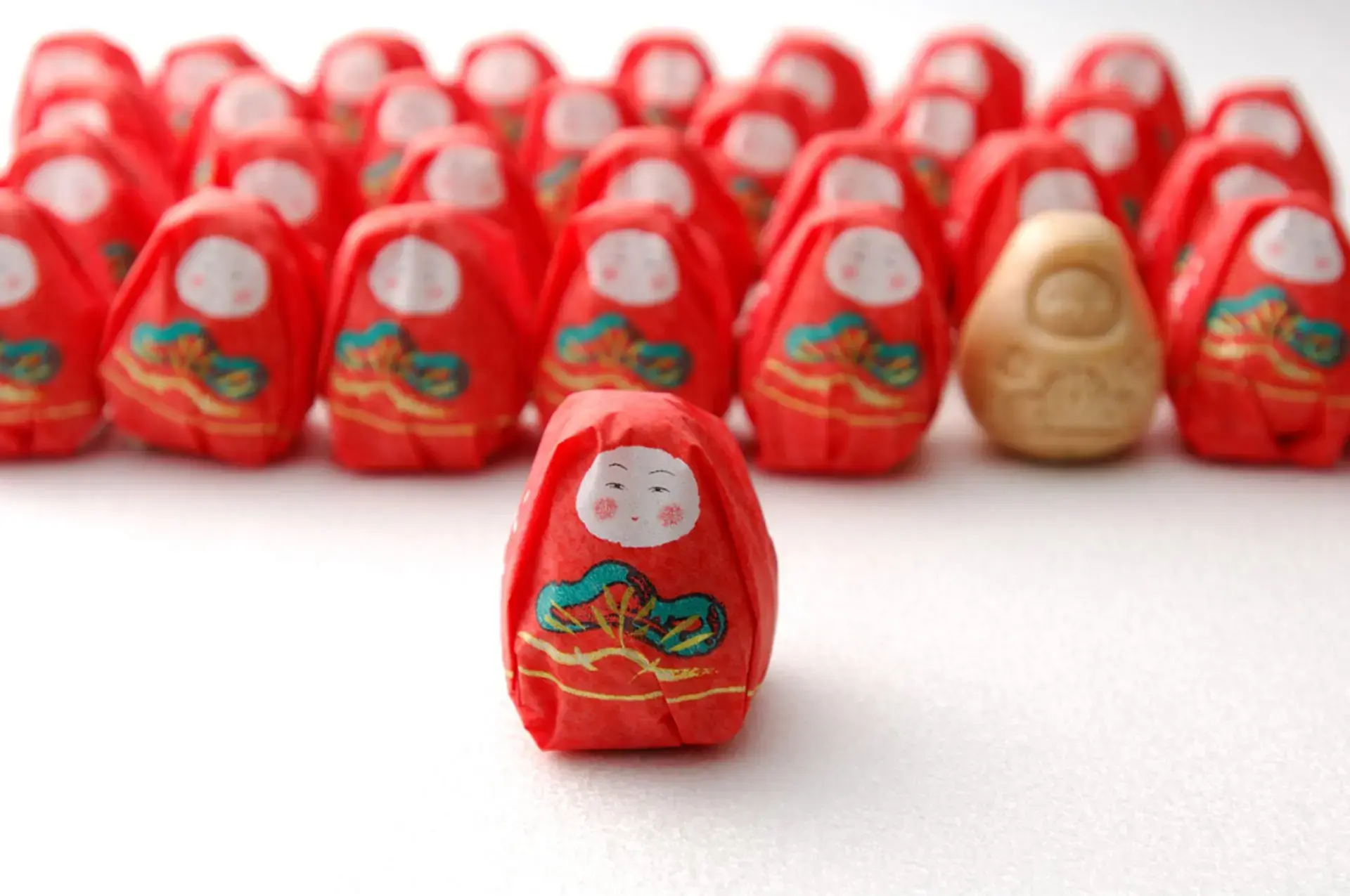
These rounded monaka wafer sweets fit in the palm of your hand
-
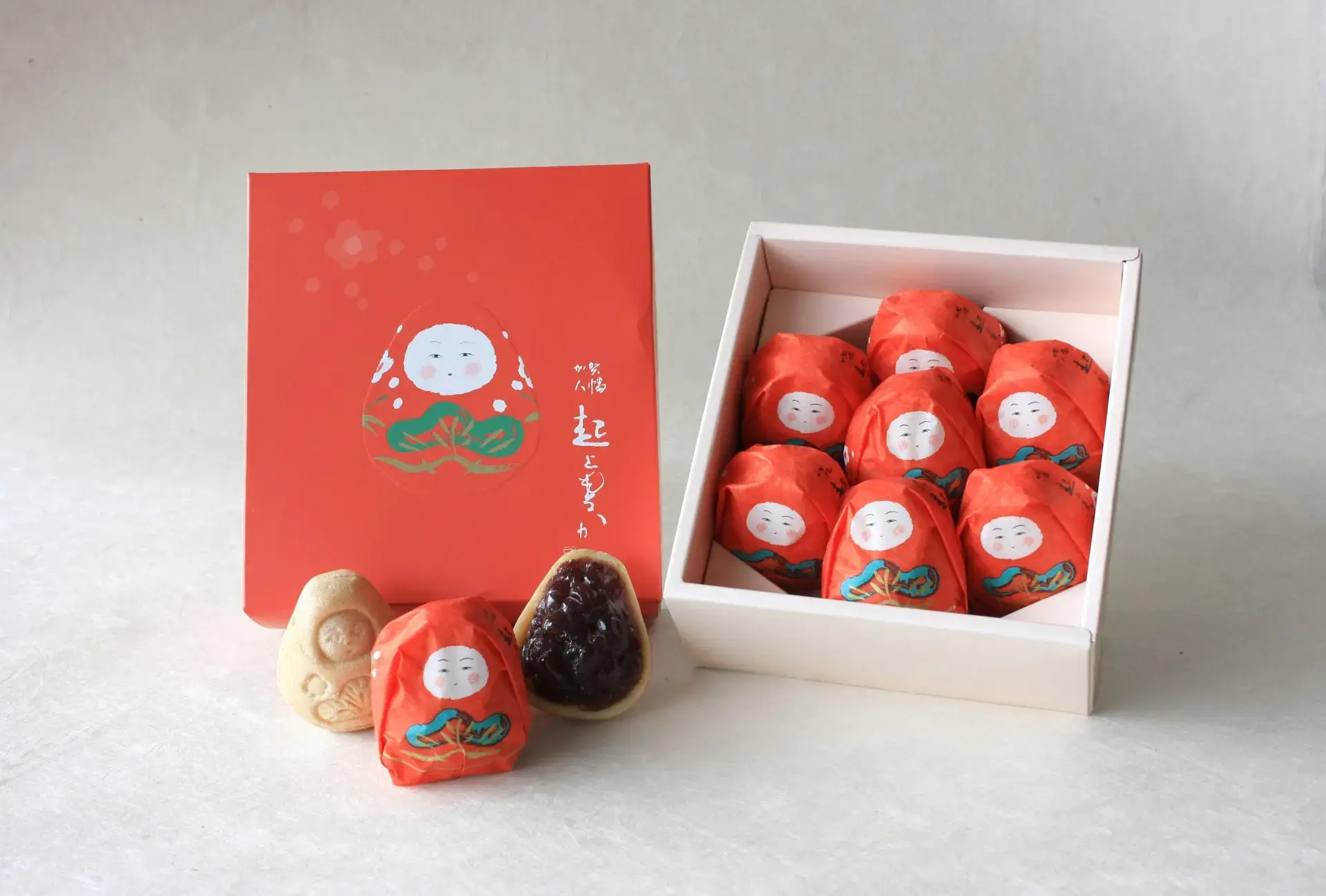
A charming classic souvenir inspired by an auspicious traditional toy
- Product name in Japanese
- 金沢うら田「加賀八幡 起上もなか」
- Manufacturer
- Kanazawa Urata
- Price
- Single item 206 yen, 7 pieces 1,577 yen, 10 pieces 2,214 yen, 15 pieces 3,294 yen, 20 pieces 4,374 yen, 30 pieces 6,480 yen
- Sales Locations
- Kanazawa Urata Izumino store and others
- Official Website
- Official Website (Japanese)
5. Tawaraya Ame's Tawarikko and Amenko
Founded in 1830, this traditional candy shop has a history of more than 190 years.
Its candy is made only from Japanese-grown rice, barley, and water. Rich in nutrients, it has long been appreciated as a natural food for restoring strength during illness and supporting health.
Two particularly suitable souvenirs are Tawarikko and Amenko. Both are made from okoshiame, produced by boiling down the shop's signature jiroame syrup to remove moisture. Tawarikko is formed into hard, bite-sized candies that are easy to suck on, while Amenko is kneaded before being shaped into small pieces.
-
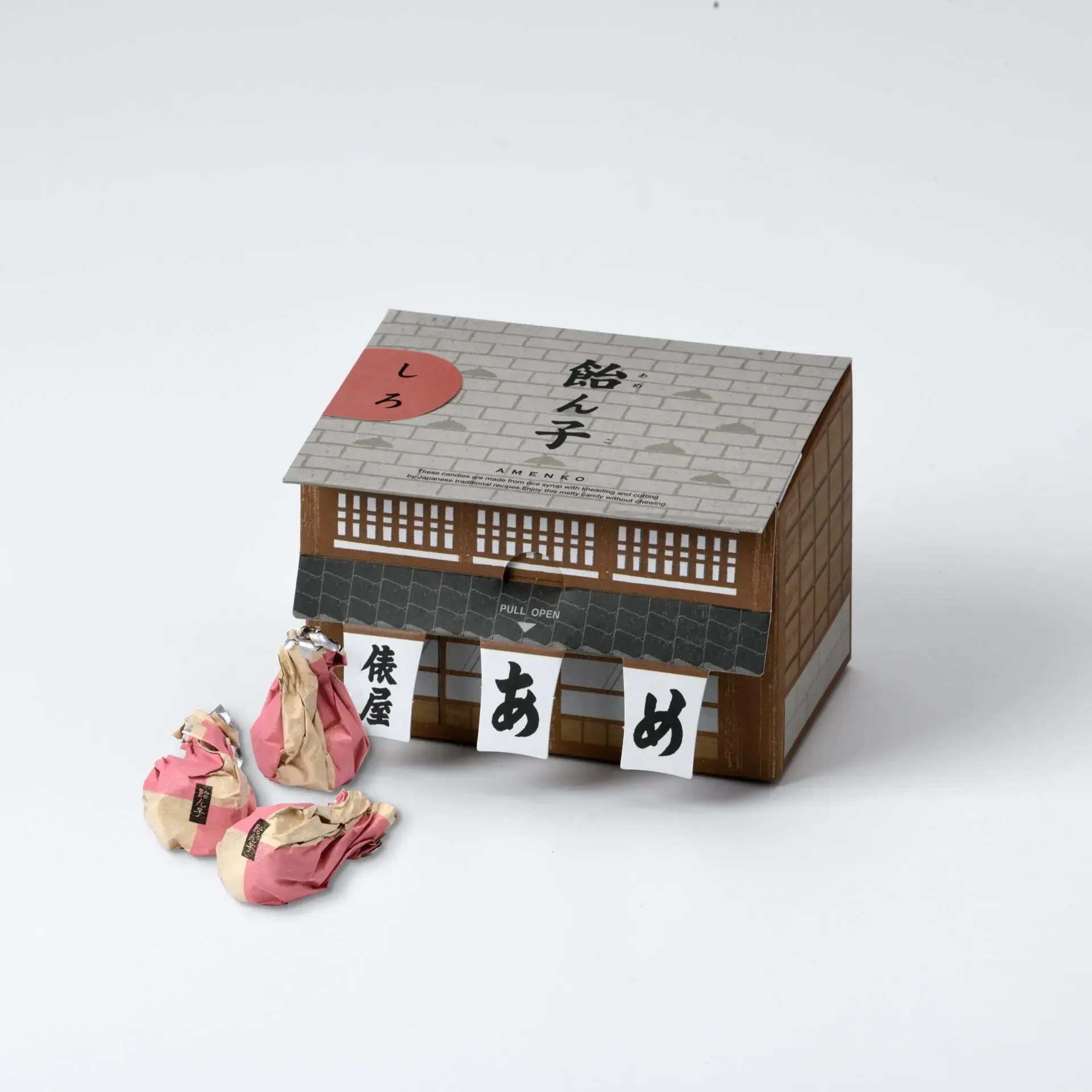
Amenko's design is inspired by the main store
-
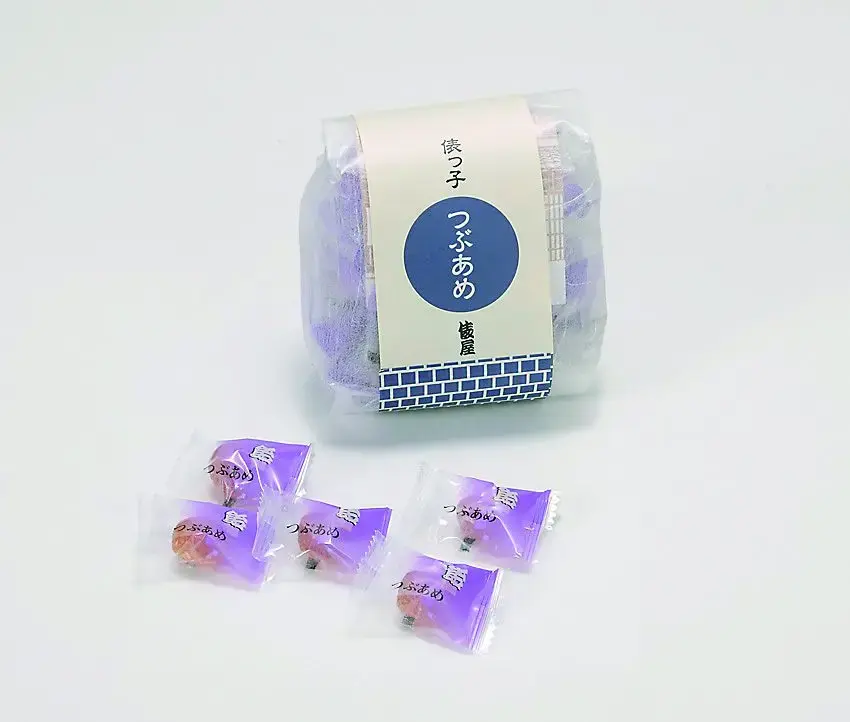
Tawarikko keeps well, with a shelf life of 360 days
- Product name in Japanese
- 俵屋あめ「俵っ子」「飴ん子」
- Manufacturer
- Tawaraya Candy
- Price
- Tawarakko (150g) 1,026yen, candy (130g) 1,026yen
- Sales Locations
-
Tawaraya Main Store: 2-4 Kobashimachi, Kanazawa City, Ishikawa
Kanazawa Hyakubangai Anto Store (inside Kanazawa Station) - Official Website
- Official Website (Japanese)
5 Things to Keep in Mind in Kanazawa
A little preparation can help you get more out of your visit to Kanazawa. Many popular martial arts, tea ceremony, and craft experiences require reservations, and sights are spread across the city, so allow plenty of time in your schedule. Check clothing etiquette for each activity and opening hours, and prepare for changeable weather. Plan ahead to make the most of your trip.
1. Advance Reservations Are 100% Essential for In-Depth Martial Arts, Zazen, and Craft Experiences
Many of Kanazawa's popular martial arts, tea ceremony, zazen meditation, and traditional craft experiences are available by reservation only.
Programs popular with international visitors often fill up several weeks ahead, especially for weekends and peak travel seasons.
You may miss out if you arrive expecting to join on the day, so it is best to make reservations as you plan your itinerary.
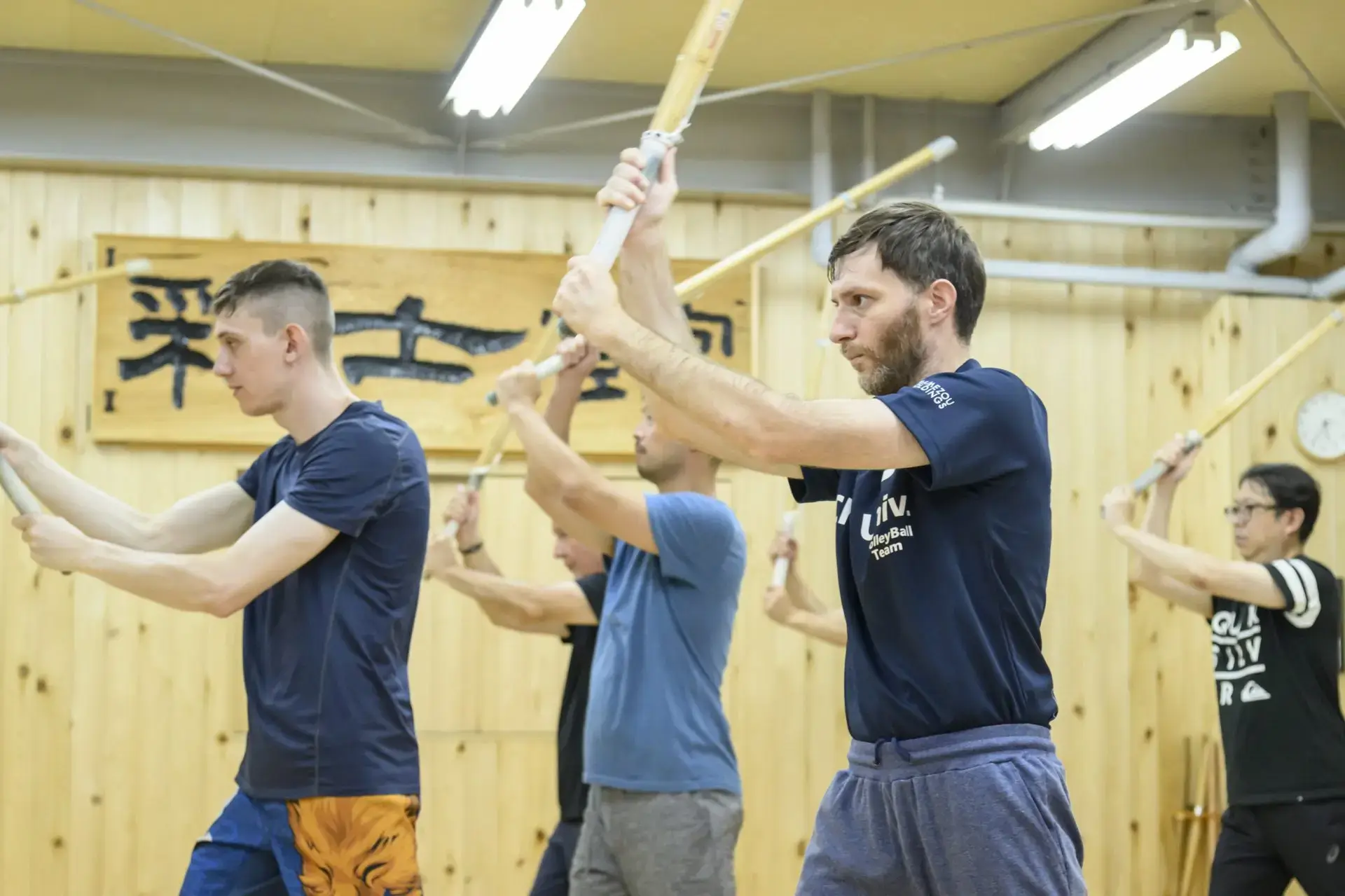
2. Allow Travel Time Between Experience Venues Spread Across the City
Major sights such as Kenrokuen Garden and Omicho Market are relatively close together, but martial arts halls, temples, and craft workshop venues are scattered throughout the city.
Buses can be especially crowded during peak travel seasons, and journeys may take longer than expected.
Packing too much into one day can leave you tired from simply getting around, so leave some breathing room in your schedule.
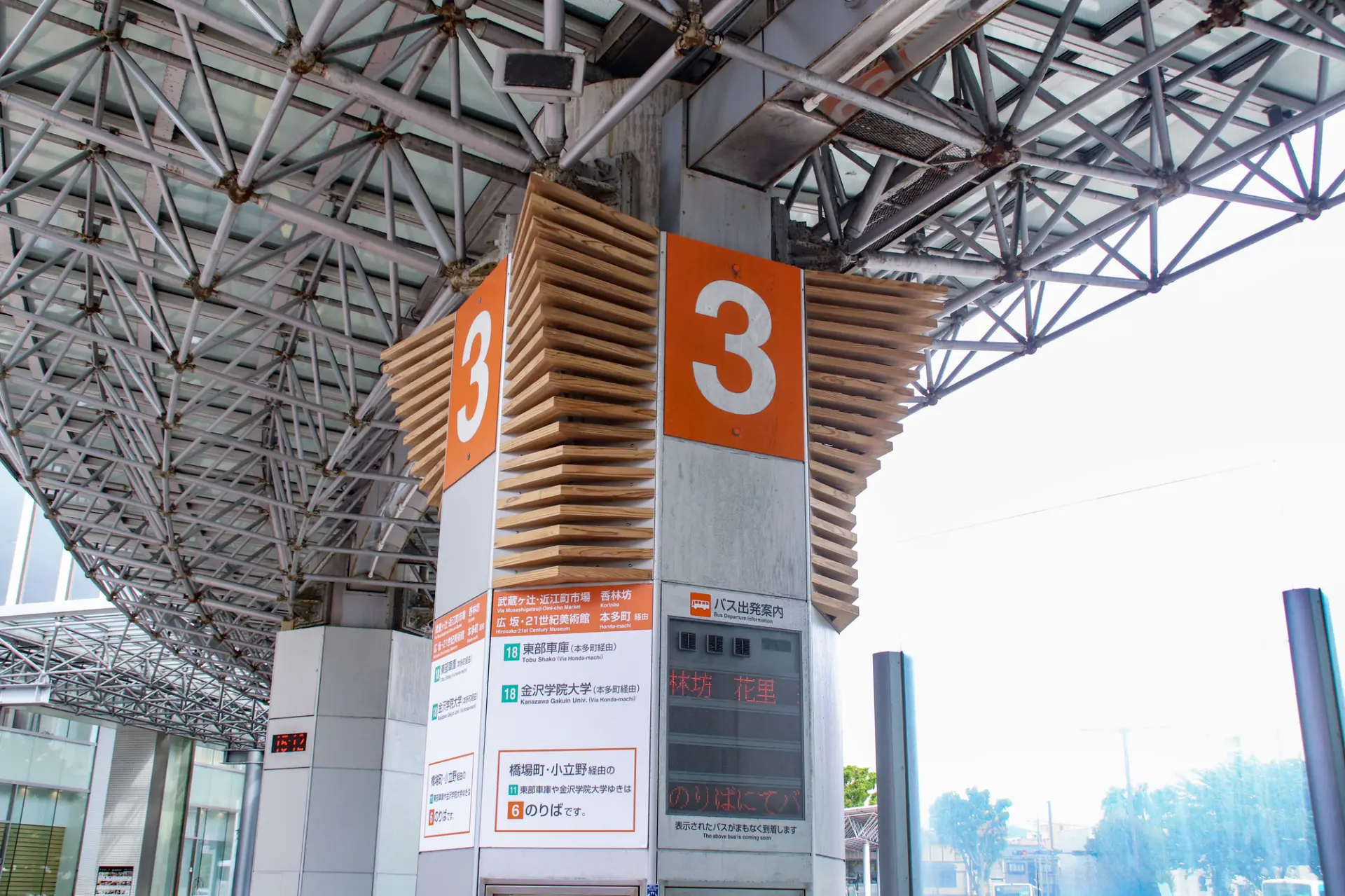
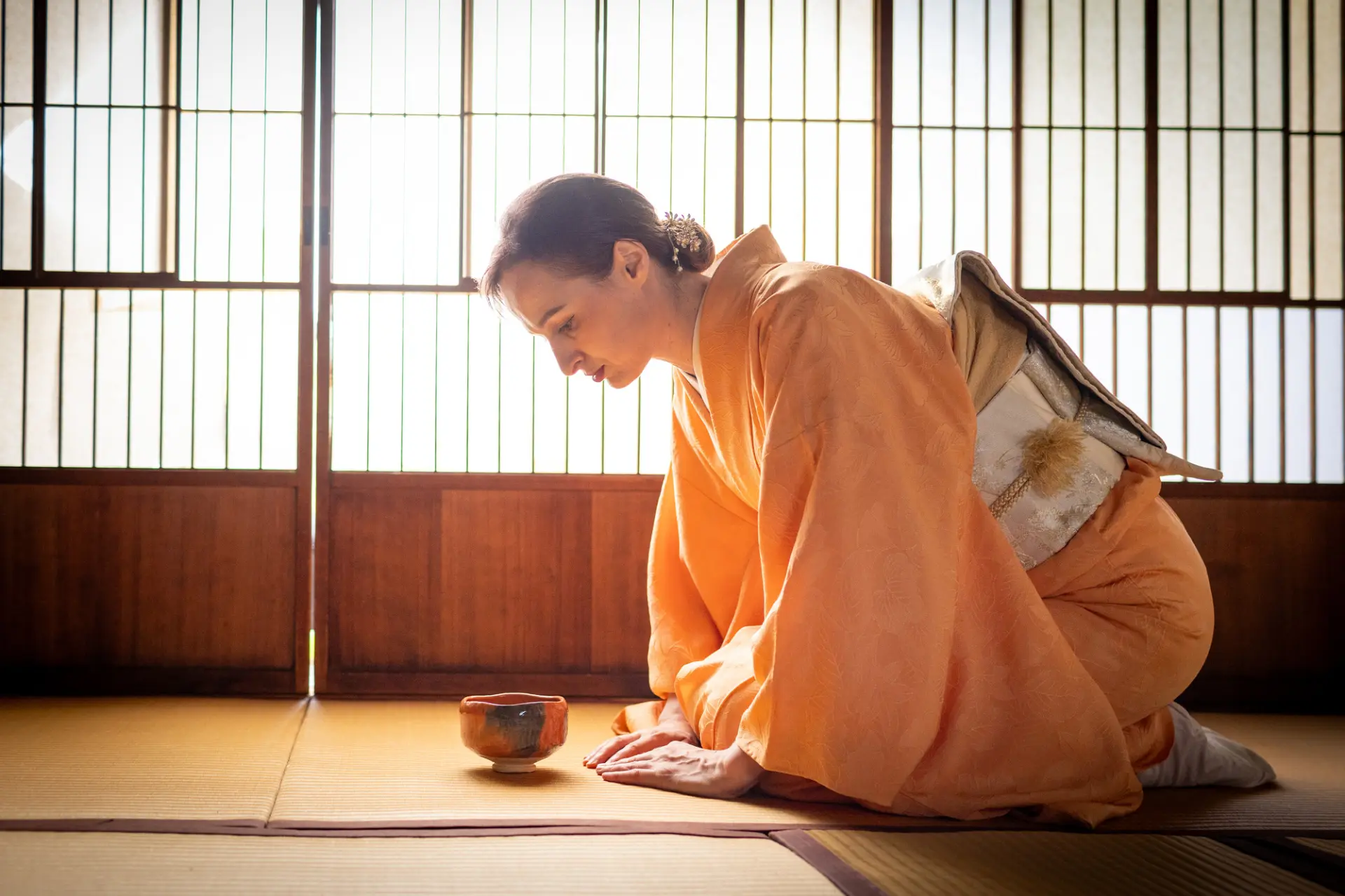
3. Martial Arts, Zazen, and Tea Ceremony Experiences Have Their Own Dress Etiquette
The martial arts, tea ceremony, and zazen experiences available in Kanazawa place importance on Japanese etiquette.
Along with clothing that allows easy movement, appropriate personal presentation matters: avoid revealing outfits and strong perfume.
Observing customs such as removing your hat at temples and behaving quietly in tearooms helps you engage more fully with the experience.
4. Popular Spots Get Crowded and Often Close Early
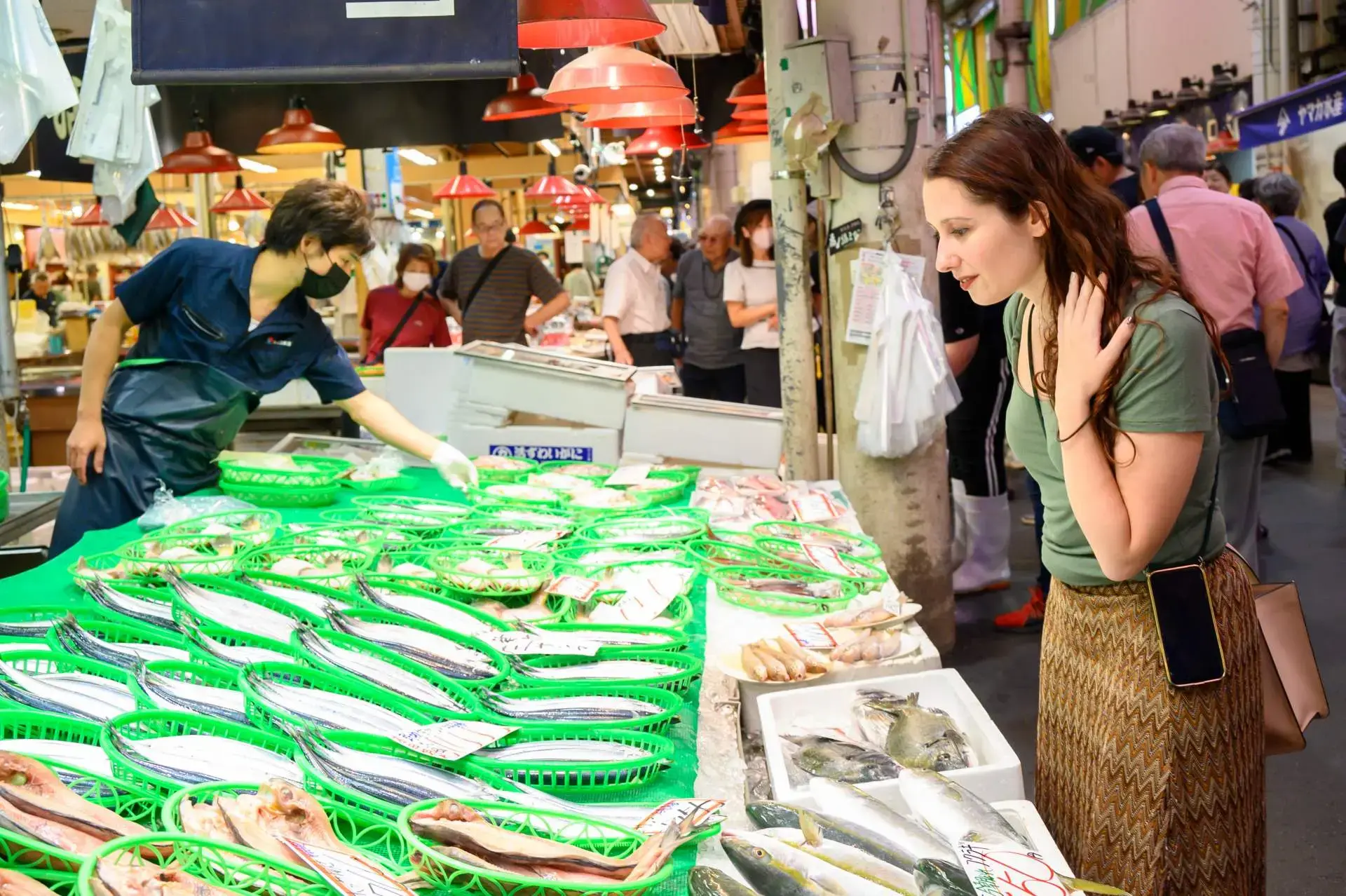
Popular sights such as Kenrokuen Garden, Omicho Market, and Higashi Chaya District draw many visitors, especially on weekends and during major holiday periods.
Around midday, crowds can make it difficult to take photos or browse the food stalls. If you prefer a leisurely walk, an early-morning visit is recommended.
Many Omicho Market shops, longstanding restaurants, and cultural experience venues close by late afternoon or early evening.
They may already be closed if you plan to stop by after a full day of sightseeing, so check opening hours in advance and visit earlier in the day.
5. Changeable Weather Can Transform Outdoor Sights
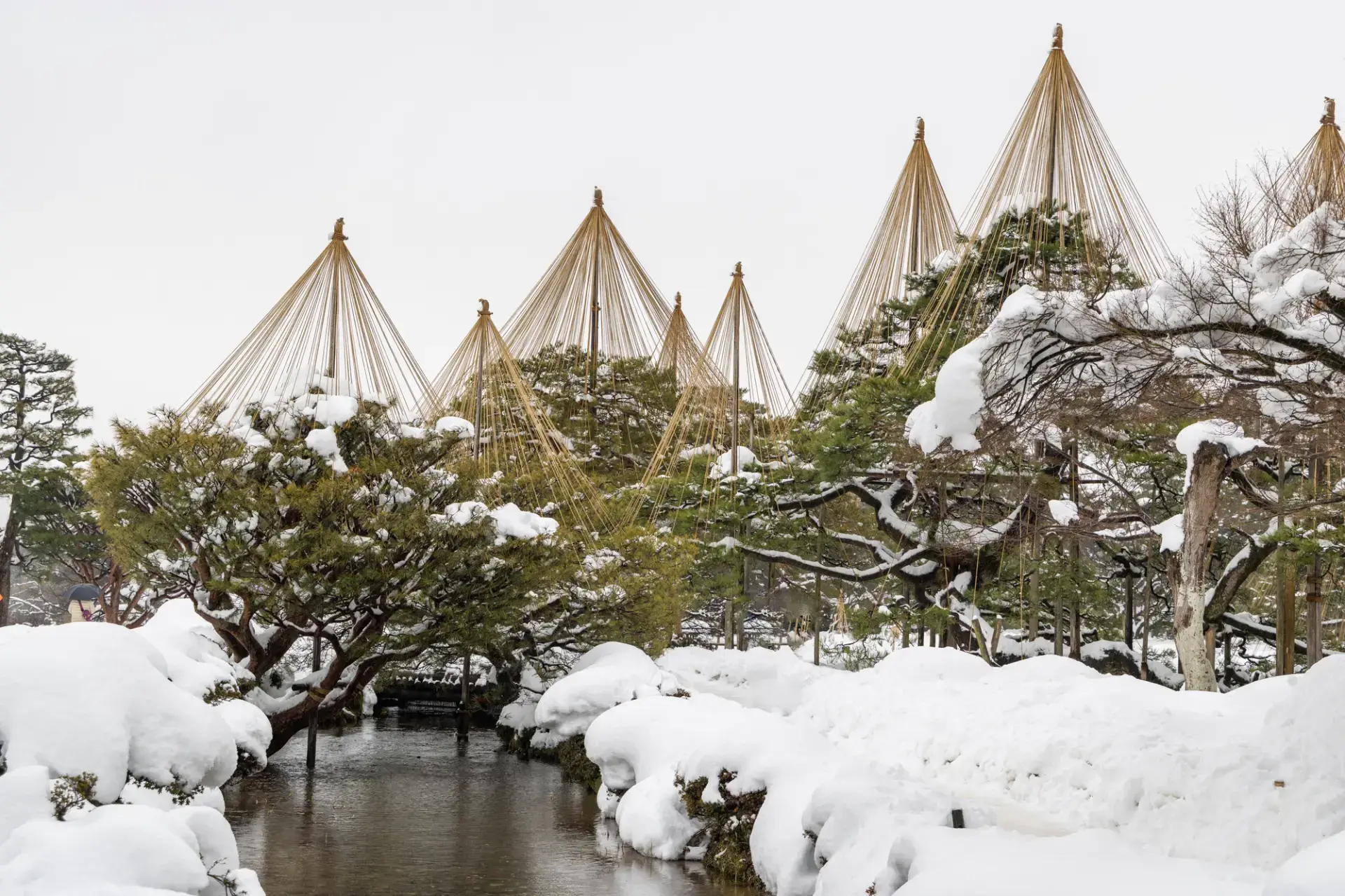
Located on the Sea of Japan coast, Kanazawa is known for changeable weather and frequent rain—hence the saying, "You may forget your lunch, but don't forget your umbrella."
Sudden rain after clear skies is not unusual, and snowy scenery is common in winter.
With much of the sightseeing outdoors at places such as Kenrokuen Garden and the teahouse districts, a folding umbrella, warm layers, and waterproof shoes will help keep you comfortable.
Kanazawa Sightseeing Map
FAQs About Visiting Kanazawa
Q
How many nights should I stay in Kanazawa?
A 2-day, 1-night stay is recommended for efficiently covering the main sights, while 3 days and 2 nights allow more time for food and shopping. If you also plan to visit other parts of Ishikawa Prefecture, such as the Noto Peninsula or Kaga Onsen area, staying 3 nights or more gives you a more relaxed pace.
Q
How do I get to Kanazawa?
From Tokyo, the Hokuriku Shinkansen takes about 2 hours and 30 minutes. From Osaka and Nagoya, you can travel by limited express train or highway bus. The extension of the Hokuriku Shinkansen to Tsuruga in March 2024 has made access from the Kansai region even more convenient.
Q
What souvenirs do you recommend from Kanazawa?
Classic choices include sweets and small goods featuring gold leaf, Kaga roasted stem tea, and Japanese confections. Kanazawa Hyakubangai, directly connected to Kanazawa Station, stocks most of these souvenirs, making it convenient to pick them up before boarding your Shinkansen home.
In Higashi Chaya District, you can also find fine traditional crafts such as Kaga Yuzen textiles and Kutani ware.
Summary
Kanazawa has a depth that a single visit cannot fully reveal. Walk through streets preserved from the Edo period, encounter world-class contemporary art, savor seafood from the Sea of Japan, and discover traditional crafts. The city's greatest appeal is that all of this fits within a compact former castle town. From Kenrokuen Garden's changing seasonal scenery to the different atmosphere of the teahouse districts after dark, every visit brings new discoveries.
After exploring Kanazawa, consider looking farther afield in Ishikawa Prefecture. From the vast natural landscapes of the Noto Peninsula to the soothing waters of Kaga Onsen, many more appealing destinations await. Let Kanazawa be the starting point for a deeper exploration of Ishikawa.