Oyama Shrine

Verified [Verified] denotes information that has been published with confirmation of its owing parties.

Oyama Shrine

The Sacred Gate, a nationally designated Important Cultural Property, is a highlight.

3.25 3

Last update :
Supervised by :  Oyama Shrine

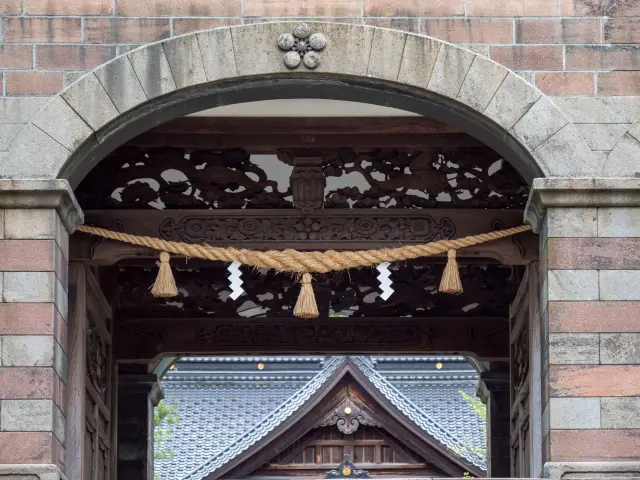
Built by former Kaga Domain retainers in 1873 (Meiji 6), this shrine enshrines Lord Maeda Toshiie, founder of the Kaga Domain, and his principal wife, Lady Omatsu. It is known for its distinctive Sacred Gate, which combines Japanese, Chinese, and Western architectural styles. The unusual top tier is fitted with colored glass, and its sacred light once illuminated Kanazawa and served as a beacon for ships sailing on the Sea of Japan.

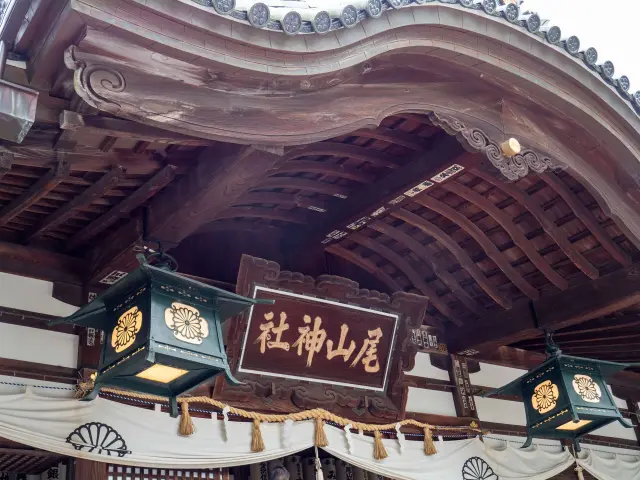
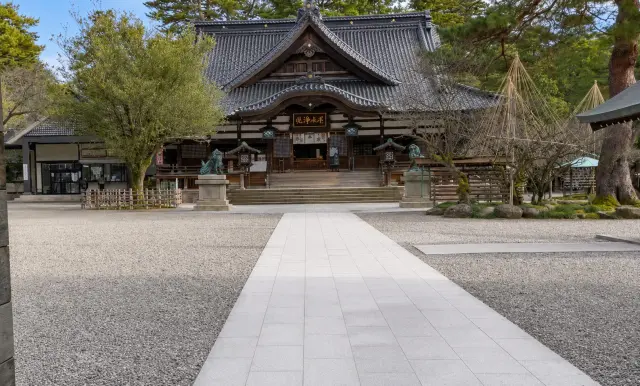
Beyond the Sacred Gate stands the Worship Hall, with a tiled hip-and-gable roof. Highlights include its coffered ceiling, with udumbara flowers painted in vivid colors on each panel, and transoms featuring exquisite openwork carvings of plum blossoms. Behind the Worship Hall stands the solemn Main Sanctuary, built in the traditional three-bay nagare-zukuri style. The sacred wall on the right side of the Main Sanctuary is unusually made of brick and features openwork designs of the Ken-umebachi sword and plum blossom crest.

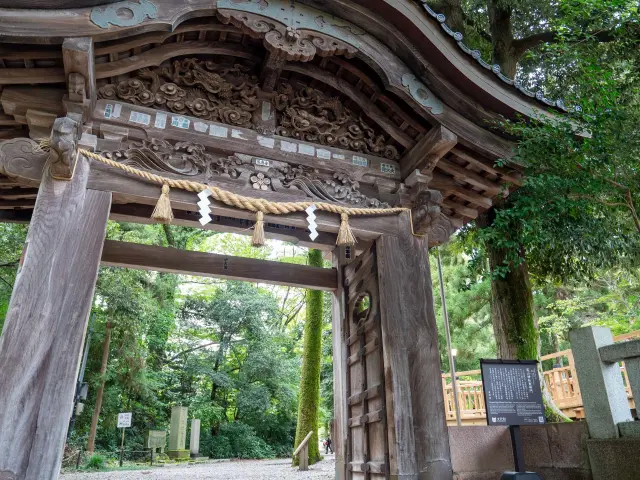
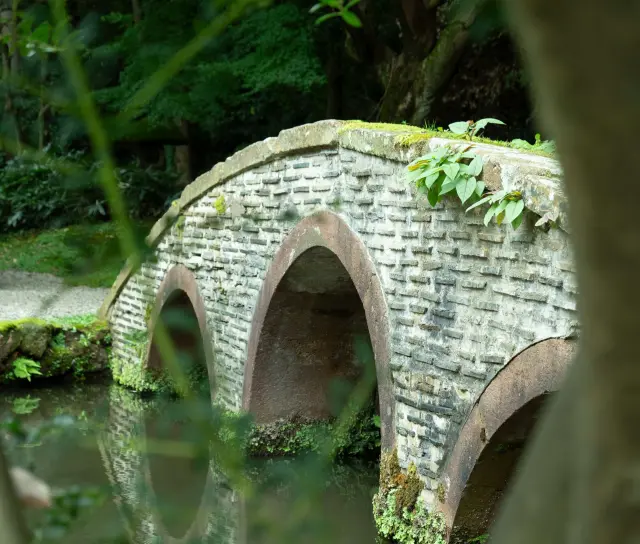
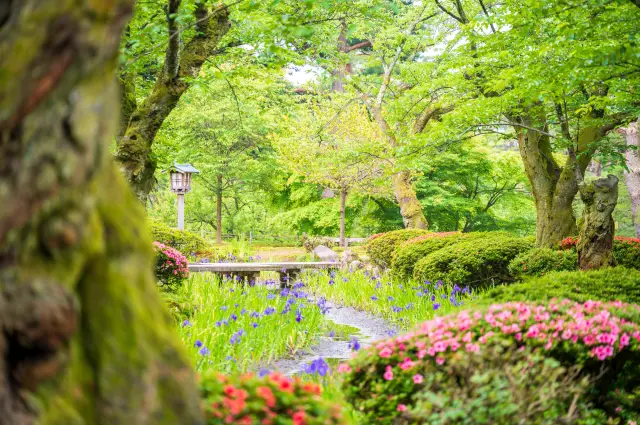
The shrine grounds feature a strolling garden with a central pond designed to resemble ancient bugaku court-music instruments. Other sights include Kanaya Shrine, which enshrines Maeda Toshinaga, the first lord of the domain, the successive lords through the 17th generation, and their principal wives; the East Sacred Gate, originally the Karamon Gate of the former Kanazawa Castle's Ninomaru compound and later located in front of the former Utatsuyama Shokonsha Shrine from the early Meiji period before being relocated here; and statues of Lord Maeda Toshiie and Lady Omatsu.

Highlights

  • See the nationally designated Important Cultural Property known as the Sacred Gate, a rare blend of Japanese, Chinese, and Western architectural styles.
  • One of Kanazawa's best-known sightseeing spots.
  • Events associated with the Kaga Domain are held throughout the year, including the Hyakumangoku Parade on the first Saturday in June.

Photos

  • The Sacred Gate, known for its distinctive design

    The Sacred Gate, known for its distinctive design

  • The Worship Hall with its tiled hip-and-gable roof

    The Worship Hall with its tiled hip-and-gable roof

  • Statue of Lord Maeda Toshiie on the shrine grounds(Photo courtesy of Kanazawa City)

    Statue of Lord Maeda Toshiie on the shrine grounds(Photo courtesy of Kanazawa City)

  • Statue of Lady Omatsu on the shrine grounds(Photo courtesy of Kanazawa City)

    Statue of Lady Omatsu on the shrine grounds(Photo courtesy of Kanazawa City)

  • The illuminated Sacred Gate(Photo courtesy of Kanazawa City)

    The illuminated Sacred Gate(Photo courtesy of Kanazawa City)

  • Oyama Shrine

    Oyama Shrine

Reviews

3

Some reviews are AI-translated.

  • See More

    I made a special trip to Oyama Shrine this time to fulfill a vow. The day before, I had briefly lost my wallet. There were two police stations nearby, and one happened to be close to Oyama Shrine, so I decided to report it there and visit the shrine afterward. As it turned out, I actually got my wallet back at that police station, so I wanted to make time the next day, no matter what, to return and thank the deity.
    Oyama Shrine itself was also more worth exploring than I expected. Its most famous feature is, of course, the gate at the entrance, which blends Japanese, Chinese, and Western styles. The top level is fitted with stained glass, and the roof even retains the oldest existing lightning rod in Japan, making it one of Kanazawa's most iconic landmarks. On the other side of the grounds, the East Gate was originally the Chinese-style gate of the Ninomaru Palace at Kanazawa Castle and was later relocated here. From the rear of the shrine, you can also connect to Kanazawa Castle via the Nezumitamon Bridge area, so it works well to visit both attractions together.
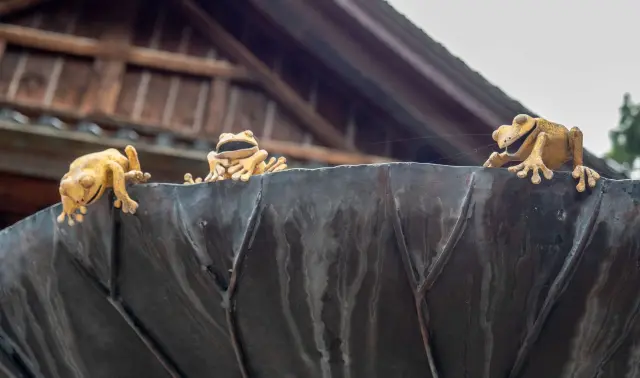
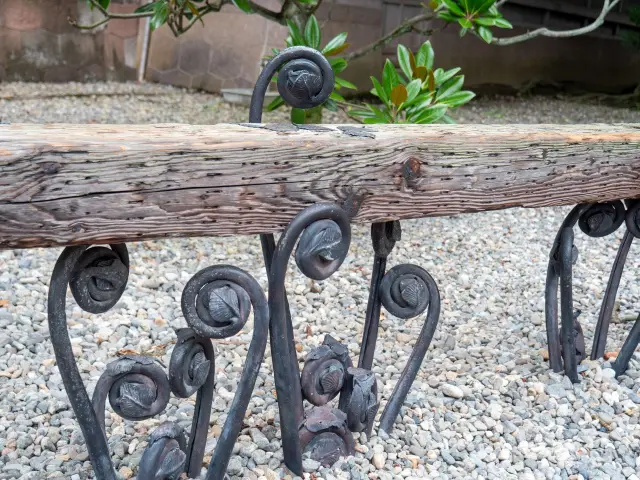
    I also really liked the garden on the shrine grounds. It's a pond-centered strolling garden, with islands designed in the shapes of gagaku instruments. You can also spot some frog-shaped decorations and details nearby, which add a touch of cuteness to the solemn shrine.
    I originally came back specifically to fulfill my vow after finding my wallet, but after walking around, I realized that Oyama Shrine itself has a lot of distinctive features. It really is an attraction with a character that's uniquely Kanazawa.

  • See More

    Oyama Shrine is a very distinctive attraction in Kanazawa, dedicated to Maeda Toshiie, the first lord of the Kaga Domain, and his wife, Matsu. What drew me most was its unique Shinmon Gate, which blends Japanese, Chinese, and Western styles. The stained glass at the top is especially beautiful in the sunlight, and it looks different from every angle. The shrine grounds are also perfect for a leisurely walk while admiring the gardens and architectural details. Besides Kenrokuen Garden and the Higashi Chaya District, Oyama Shrine is also well worth adding to your Kanazawa itinerary. After it's illuminated at night, the atmosphere is completely different!

  • See More

    This shrine mixes Japanese and Western styles, which makes it really different from the typical shrines you usually see in Japan.

Details

Name in Japanese
尾山神社
Postal Code
920-0918
Address
11-1 Oyama-machi, Kanazawa, Ishikawa
Phone
076-231-7210
Gate Hours
Open at all times for worship
Access
From JR Kanazawa Station, take a local bus to the Minami-cho/Oyama Shrine bus stop, then walk 3 minutes.
Official website
Official website (Japanese)
Hokkaido Tohoku Kanto Chubu Hokuriku Kansai Chugoku Shikoku Kyushu Okinawa