

Kenroku-en

Verified [Verified] denotes information that has been published with confirmation of its owing parties.

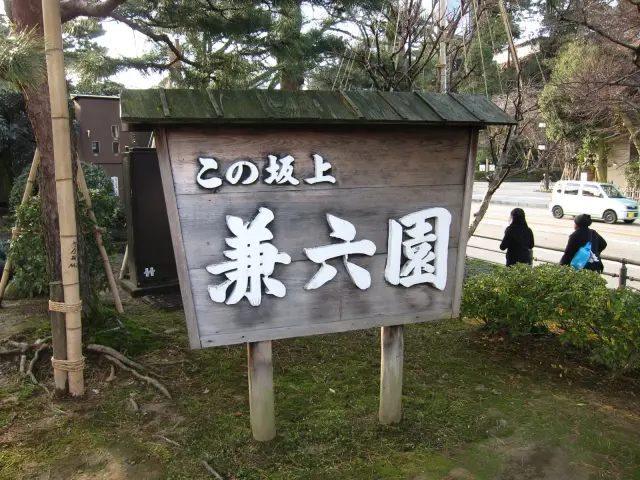
Kenroku-en

A garden developed by Daimyo (feudal lord) that conveys the glory of Kaga Hyakumangoku to this day.

4.01 19

Last update :

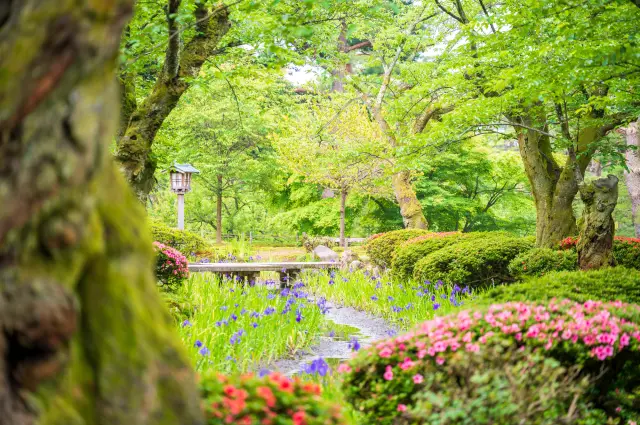
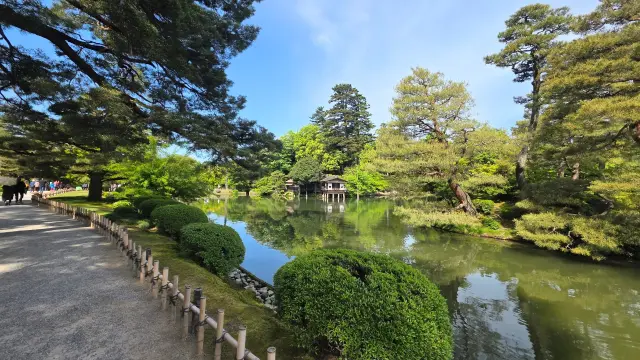
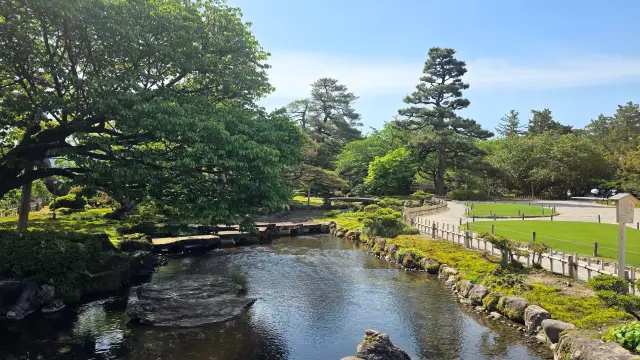
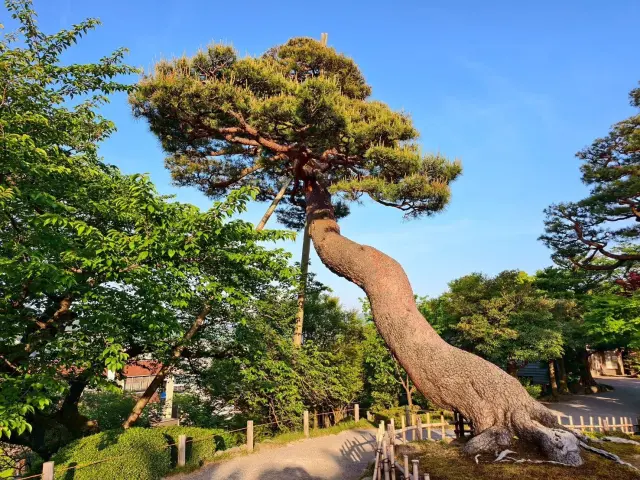
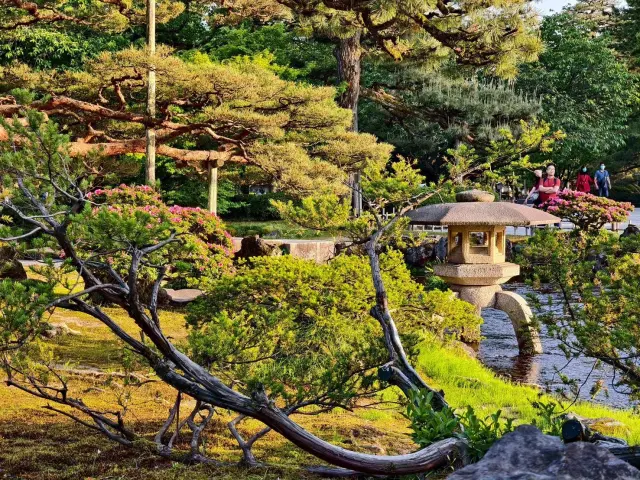
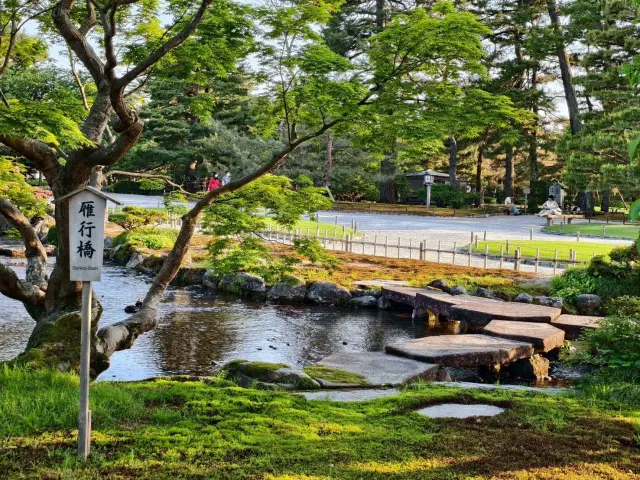
Kenroku-en was founded and developed for about 180 years by the Maeda clan lord in Kaga, which is a strolling-style landscape garden and one of the three most beautiful gardens in Japan. The strolling-style garden allows you to take a walk to enjoy the landscape, in contrast to the sit-and-view style garden, which allows you to view the garden from a specific spot, such as a room in the palace or the drawing room. There are ponds, winding streams, and artificial hills scattered throughout the vast site of approximately 34,600 tsubo (about 28 acres), and you can enjoy the entire garden by stopping at each spot.

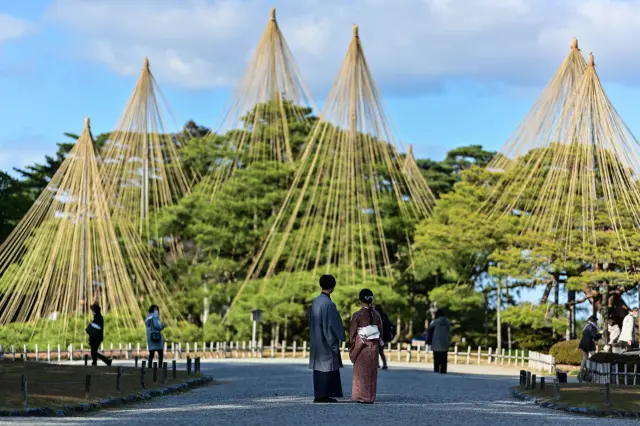
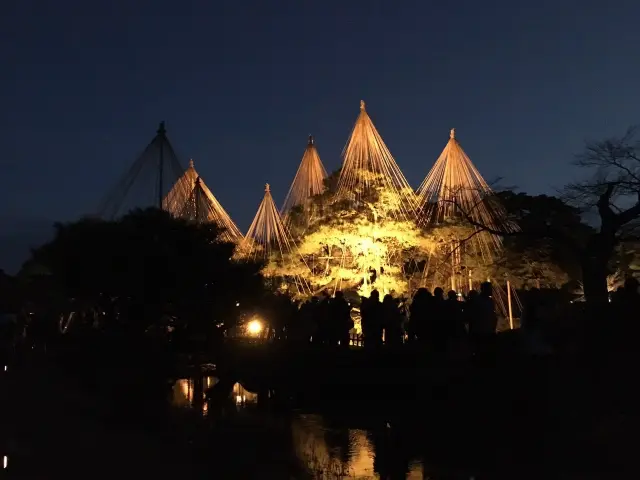
The name was derived from the fact that it has all the six attributes that are said to be difficult to coexist with, as described in the Song Dynasty book “Chronicles of the Famous Luoyang Gardens”. The contrasting landscapes are in perfect harmony, creating a beauty of contrast. It is also known for its seasonal beauty, as well as its illumination show (held on a regular basis), which transforms it into a fantastic sight. You can enjoy the beautiful garden in every season, with cherry blossoms in the spring, the Japanese iris in the summer, the colorful leaves in the fall, and the breathtaking collaboration of the trees with ropes to support the branches and silver snow in the winter.

There are many highlights scattered throughout the vast garden, it will take about 1 hour and a half to visit all of them. It is best to get a park map from the information center beforehand.

*Photo courtesy of Ishikawa Prefecture Tourism League.

Highlights

  • Wheelchairs are available to rent for free. There is also a barrier-free course for wheelchair users.
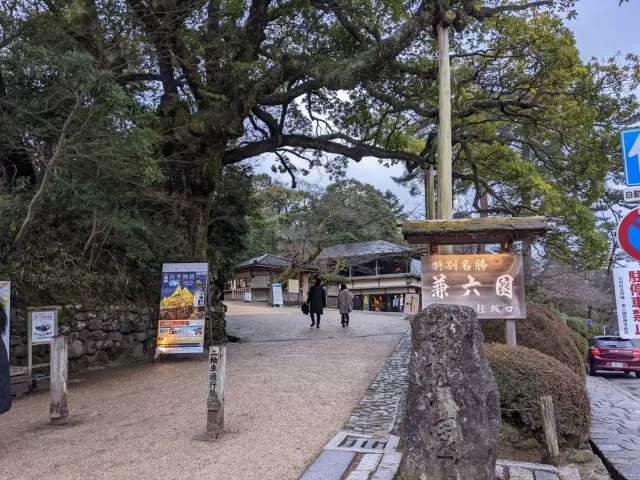
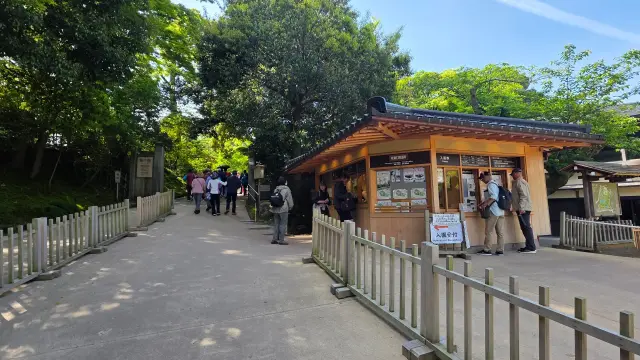
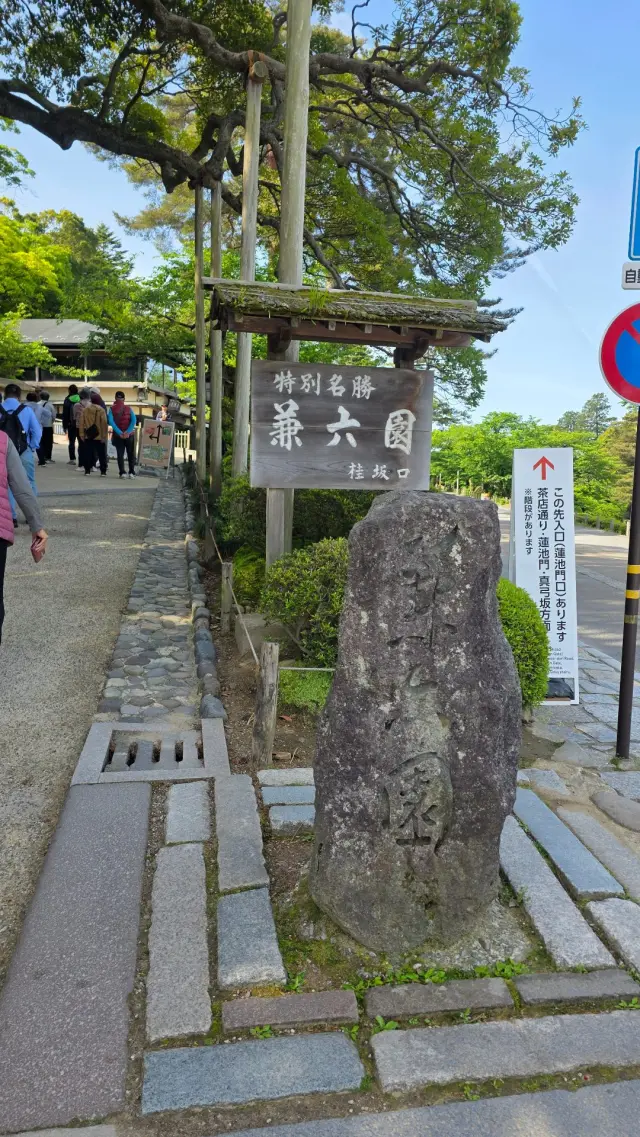
  • A tourist information booth is located next to the Katsura-zaka gate entrance, where you can obtain a park map and other materials.

Photos

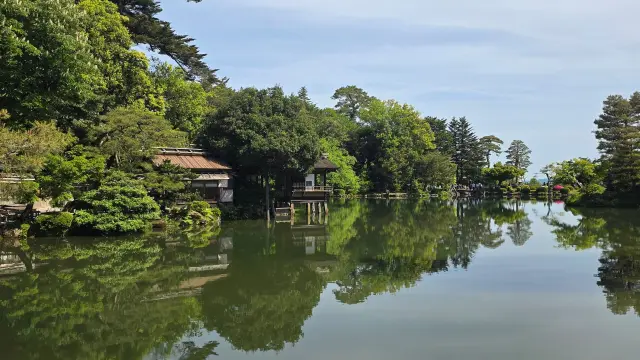
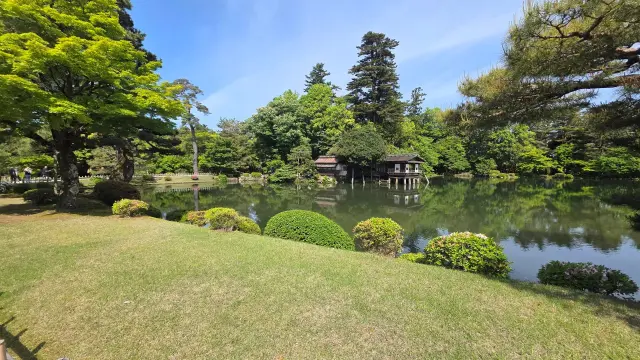
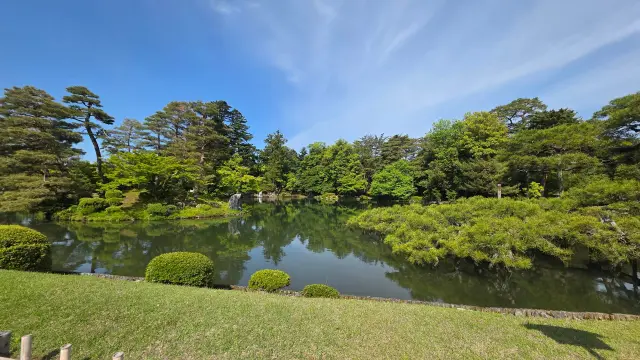
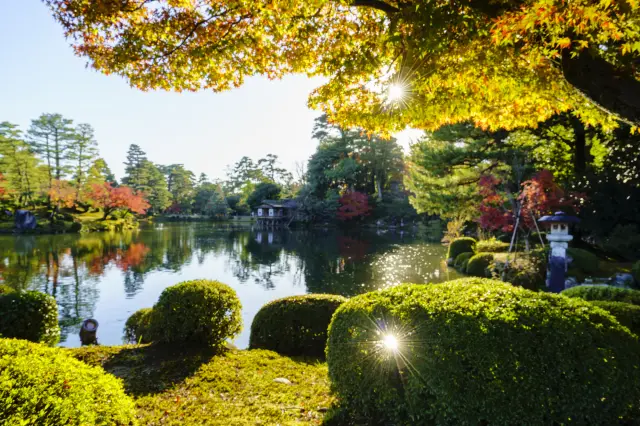
  • Kasumigaike pond, located in the center of the park

    Kasumigaike pond, located in the center of the park

  • Yamazaki-yama Hill, also known as “Momiji-yama” (autumn color hill)

    Yamazaki-yama Hill, also known as “Momiji-yama” (autumn color hill)

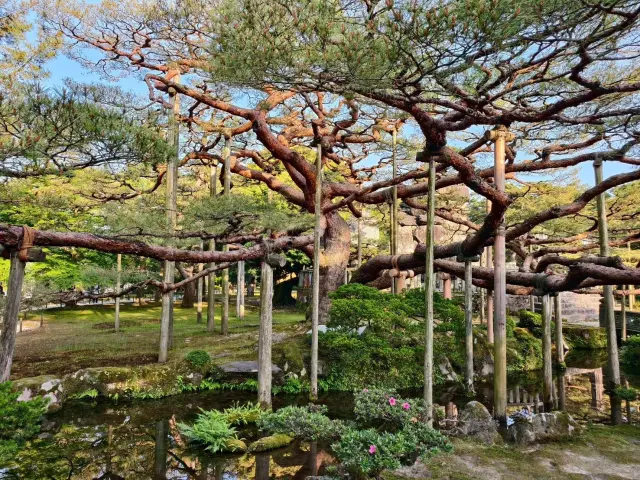
  • The trees with support ropes are reflected in the pond.

    The trees with support ropes are reflected in the pond.

  • Yugao-tei, the oldest facility in the garden where authentic tea ceremonies are held.

    Yugao-tei, the oldest facility in the garden where authentic tea ceremonies are held.

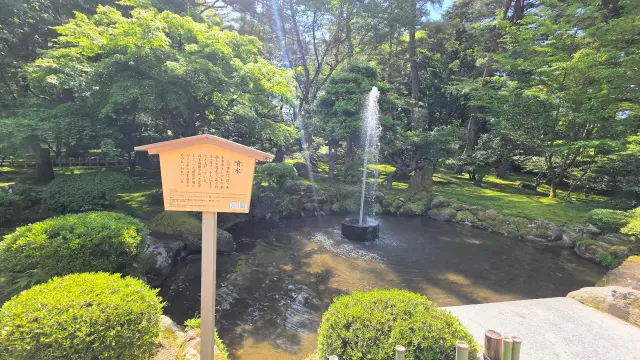
  • This fountain is said to be Japan’s oldest, spurted by natural pressure caused by the difference in the surface levels of the two waters.

    This fountain is said to be Japan’s oldest, spurted by natural pressure caused by the difference in the surface levels of the two waters.

  • Kenrokuen Garden (Kasumigaike) Covered in Snow

    Kenrokuen Garden (Kasumigaike) Covered in Snow

Reviews

19

Some reviews are AI-translated.

  • See More

    When visiting Kanazawa, Kenroku-en is an iconic attraction that's almost impossible to miss. Along with Kairaku-en in Mito and Koraku-en in Okayama, it is considered one of Japan's Three Great Gardens. It was originally created by successive lords of the Maeda clan of the Kaga Domain, and after many years of expansion, it developed into the combination of natural scenery and garden artistry seen today. Ponds, winding streams, old pine trees, and teahouses are scattered throughout the garden, offering different scenery in each season. The famous yukitsuri in winter is an especially iconic sight in Kanazawa. On my last visit to Kanazawa, I only planned a one-day itinerary, and it was almost closing time when I arrived at Kenroku-en. I had to hurry around the garden with the little time left, which felt like a shame. The next time I visit Kanazawa, I'll allow more time to explore it.

  • See More

    I happened to visit Kenroku-en in Kanazawa during the nighttime illumination, and it felt completely different from the scenery during the day. The lights reflected on the garden, ponds, and trees, giving the entire garden a quiet and romantic atmosphere.

    Walking through the grounds at night, it wasn’t as bright as during the day, which actually made it easier to appreciate the depth and layers of the garden’s design. The lights reflected on the water were especially beautiful in photos, together with the surrounding trees and traditional buildings.

    I originally thought Kenroku-en was already beautiful during the day, but the nighttime illumination gave it a completely different charm. Taking a slow stroll through the garden, enjoying the lights while experiencing the tranquility of Kanazawa at night, was truly atmospheric.

  • See More

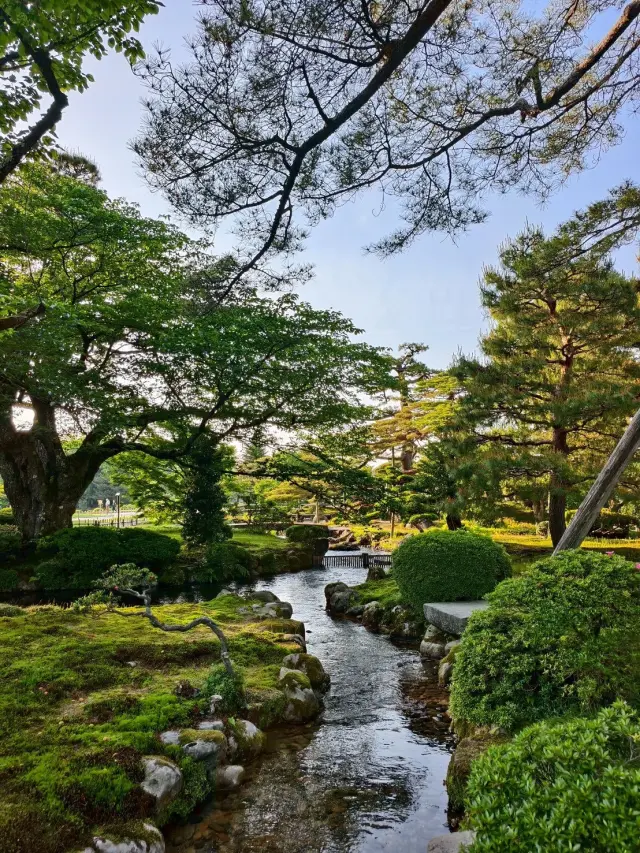
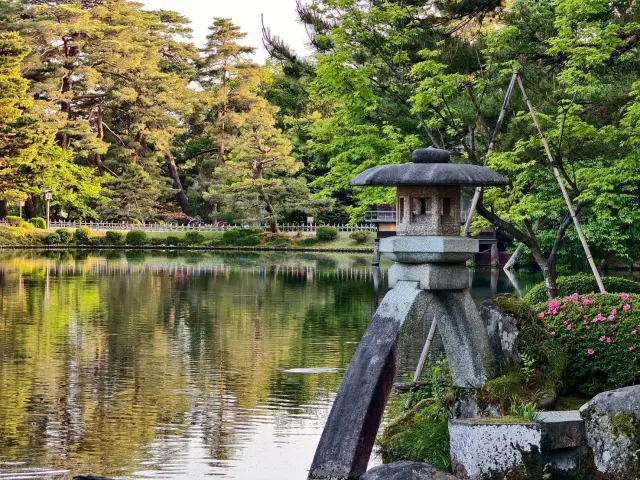
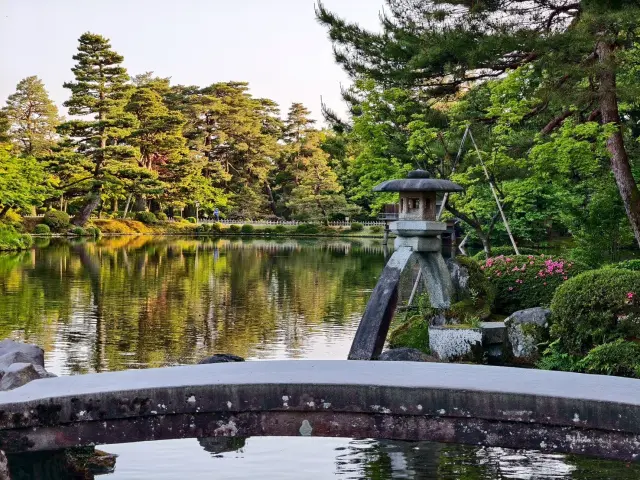
    A lot of people say Kenroku-en is at its most beautiful during cherry blossom season or when it’s covered in snow, but I actually really love the fresh greenery of summer. The lush green trees reflected on the pond, together with the sound of flowing water, add a refreshing touch to the hot summer weather.

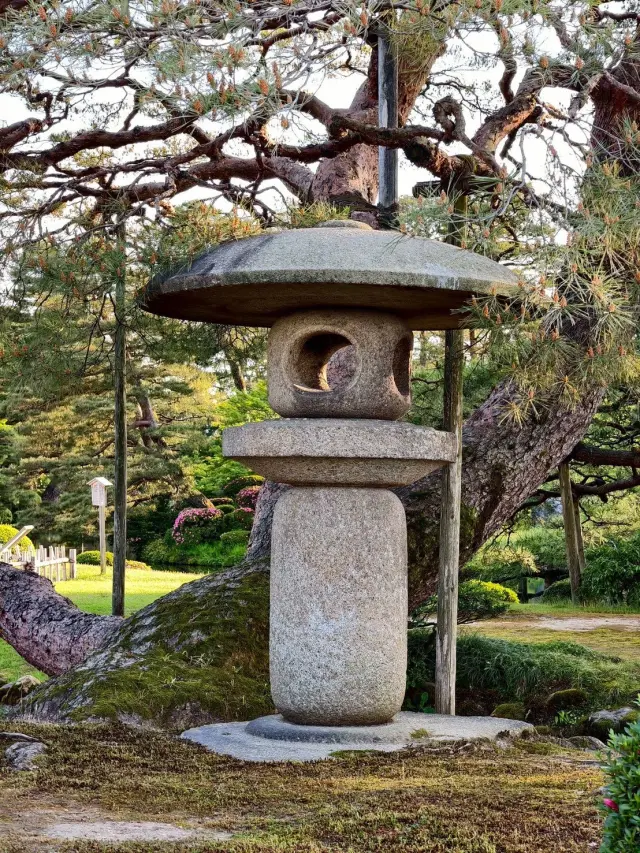
    Walking slowly along the garden paths, feeling the breeze pass through the treetops, and occasionally stopping to admire the classic Kotoji Lantern and Kasumigaike Pond, every angle feels like a landscape painting.

    Summer may be hot, but it’s also the season when you can really feel Kenroku-en’s peaceful atmosphere. Sit down at a teahouse, cool off with a bowl of shaved ice or a Japanese sweet, then keep wandering at an easy pace and enjoy Kanazawa’s unique slow rhythm.

    If you get the chance to travel to Kanazawa, don’t only plan around cherry blossom season. Kenroku-en in summer is also well worth savoring.

  • See More

    Kenroku-en in winter is as beautiful as an ink-wash landscape painting.
    The most striking sight is the huge yukitsuri on the old pine trees throughout the garden. To keep heavy snow from breaking the branches, craftspeople stretch ropes out from the top to support each branch, making them look like geometric pyramid-shaped tents from a distance. When snow settles on the green pine needles and ropes, the elegant garden instantly takes on a vast, dramatic sense of line.
    Walking through the light snow beside Kasumigaike Pond, it was so quiet that all I could hear were my own footsteps. Seeing the Kotoji lantern, the thinly frozen surface of the pond, and the old pines still standing tall in the snow, I could truly feel Japan’s incredible attention to detail. This isn’t a loud, colorful kind of scenery. It’s crisp and serene, with a beauty that hits you straight in the heart.

  • See More

    Kenroku-en, one of Japan’s three most beautiful gardens, is truly so beautiful you won’t want to leave!

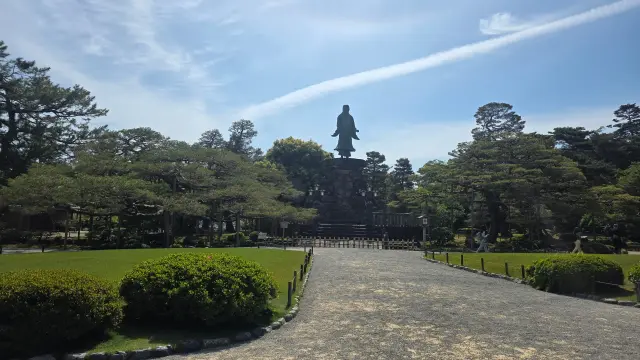
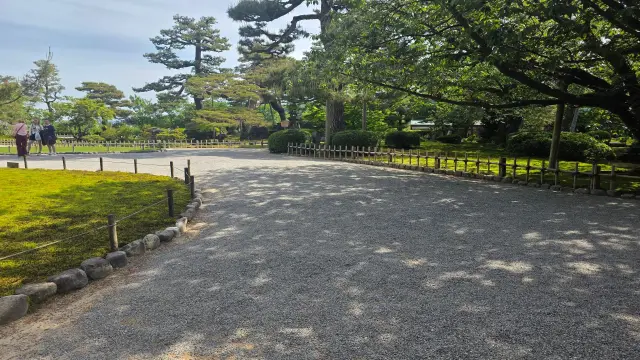
    The weather was amazing when I visited this time. With the blue sky, white clouds, and elegant Japanese garden scenery, every corner looked as beautiful as a postcard. From the delicate ponds and classic garden landscaping to the pine trees and pathways full of Japanese charm, everything made me want to keep taking photos.

    Kenroku-en has a different character in every season, and I felt really lucky to visit on such a perfectly clear day. Walking through the garden, I could really feel the rich culture of a traditional Japanese garden and its peaceful atmosphere, which made me forget the busyness of everyday life for a while.

    If you’re planning a trip to Hokuriku in Japan, Kenroku-en is absolutely a place you should visit at least once in your life. Highly recommended!

Details

Name in Japanese
兼六園
Postal Code
920-0936
Address
1 Kenrokumachi, Kanazawa City, Ishikawa
Telephone
076-234-3800
Holiday
Open every day
Hours
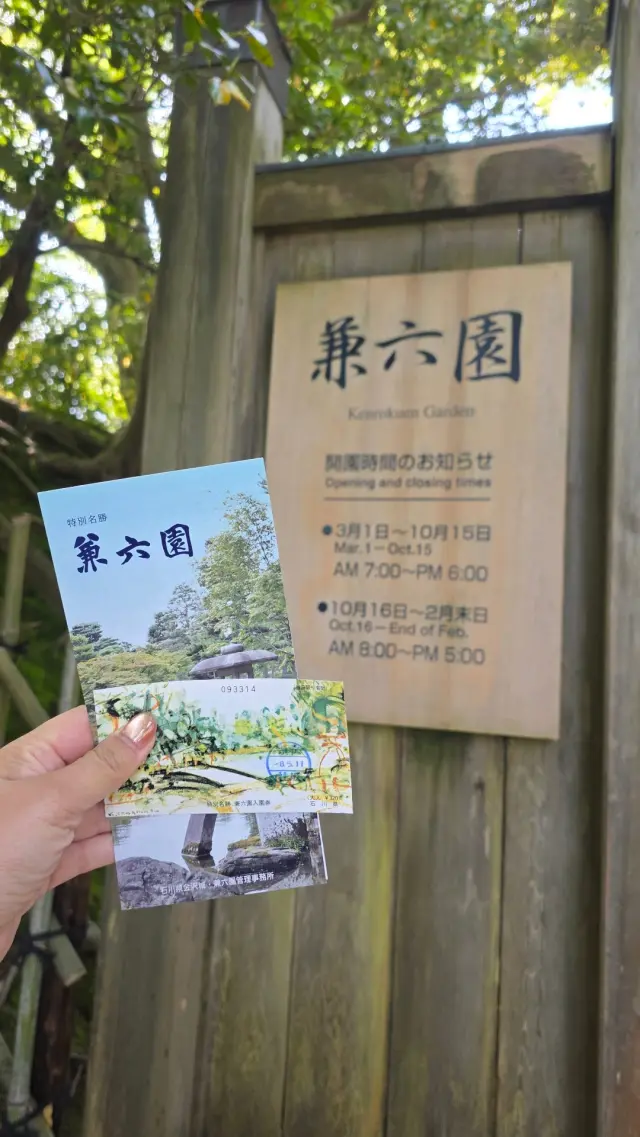
March 1 - October 15 : 7:00am-6:00pm (closing time)
October 16 - the end of February : 8:00am-5:00pm (closing time)
*The operation hours vary by the facility. Please check the official website for details.
Admission
Adults 320 yen, Children (6-17 years old) 100 yen
Directions
From JR Kanazawa Station, take a local bus to “Kenroku-en-shita/Kanazawa castle”
Credit Cards
Accepted
Official Website
Official Website (English)
Hokkaido Tohoku Kanto Chubu Hokuriku Kansai Chugoku Shikoku Kyushu Okinawa