
Verified [Verified] denotes information that has been published with confirmation of its owing parties.
Hattasan Soneiji Temple
An ancient temple known as a Kannon temple for warding off evil. Enjoy seasonal nature and local flavors at the temple gate.
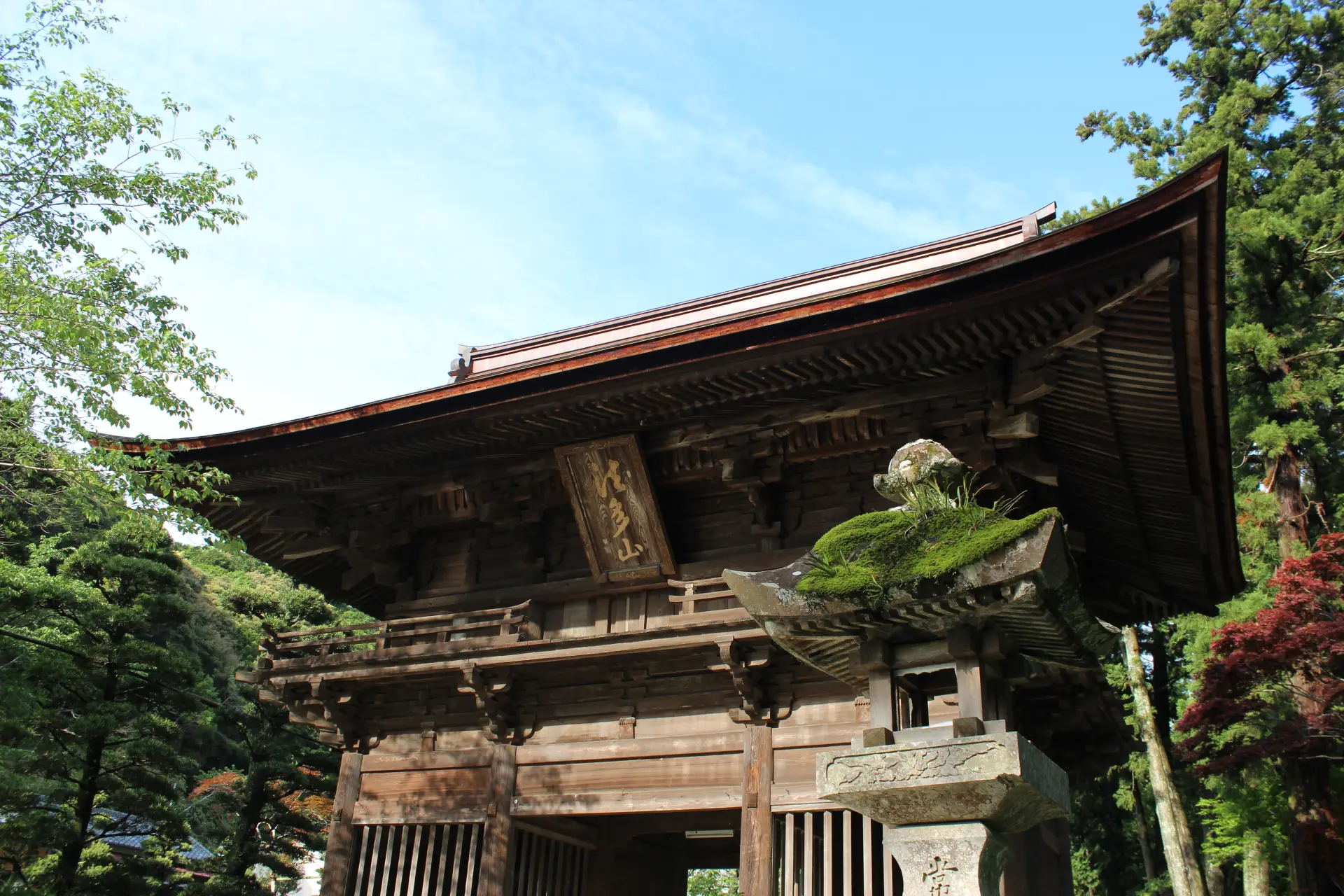
Founded in 725 by the monk Gyoki, this ancient temple has long attracted worshippers as a temple of Kannon for warding off evil. From the Niomon Gate, the temple’s main gate, a gently sloping approach leads to the Main Hall, with teahouses and souvenir shops lining both sides. Within the cedar-covered grounds stand historic buildings such as the Niomon Gate, designated an Important Cultural Property of Japan, along with the Main Hall, the Nitenmon Gate, and the bell tower, all enveloped in a solemn atmosphere.
The temple’s specialty, “Yakuyoke Dango,” is a must-try for visitors. These simple yet comforting dumplings feature soft mochi topped generously with sweet bean paste, and enjoying them after a visit to the temple brings a sense of calm and relaxation. Freshly made dango can also be enjoyed at the teahouse, and they are also popular as souvenirs.
The scenery changes with the seasons, from cherry blossoms in spring and hydrangeas in early summer to autumn leaves in fall. Many events are held throughout the year, including Hatsumode in January, the Mantosai Lantern Festival in May, and the Momiji Festival in November, so the temple is lively whenever you visit. It is one of Enshu’s most representative ancient temples, where faith, nature, and everyday life come together.
Highlights
-
An ancient Kannon temple for warding off evil, founded by the monk Gyoki in 725.
-
Historic buildings line the grounds, including the Niomon Gate, a nationally designated Important Cultural Property.
-
You can enjoy the specialty “Yakuyoke Dango” after your visit.
-
Enjoy seasonal scenery such as cherry blossoms in spring and autumn leaves in fall.
-
The temple is lively with annual events such as Hatsumode and the Mantosai Lantern Festival.
Photos
-
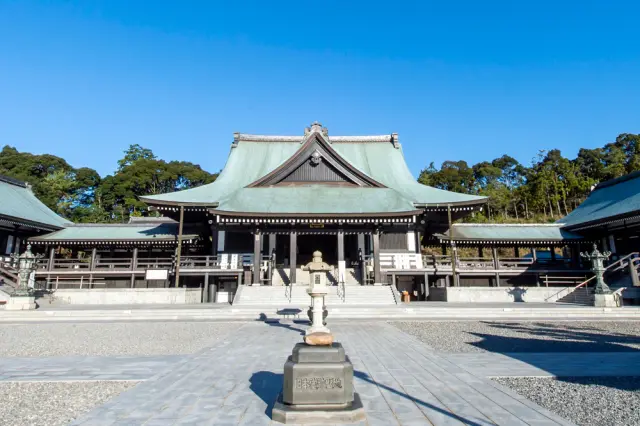
The Hattasan Main Hall, which enshrines the principal image, Yakuyoke Sho-Kanzeon Bosatsu
-
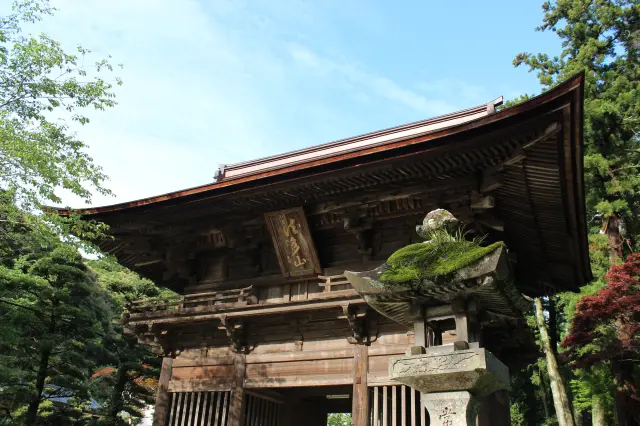
Built in 1640, the Niomon Gate is designated an Important Cultural Property of Japan
-
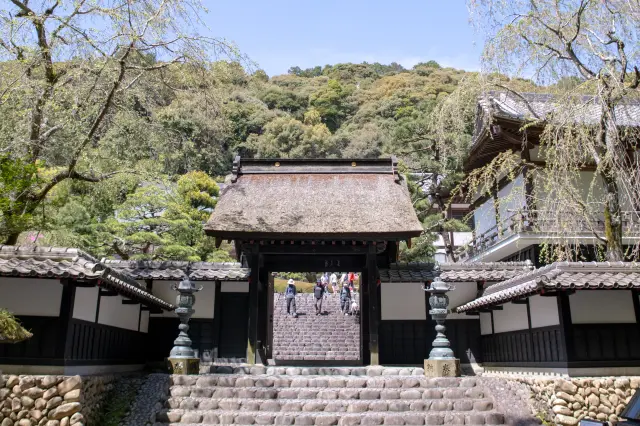
The Kuromon Gate, a city-designated cultural property, was built in 1711
-
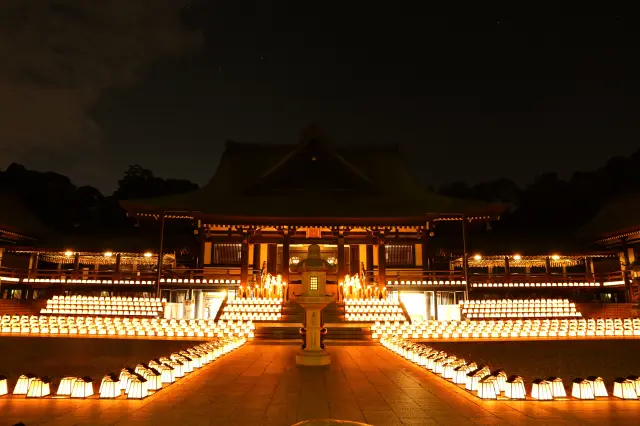
The “Mantosai” festival is held every year on July 9 and 10
-
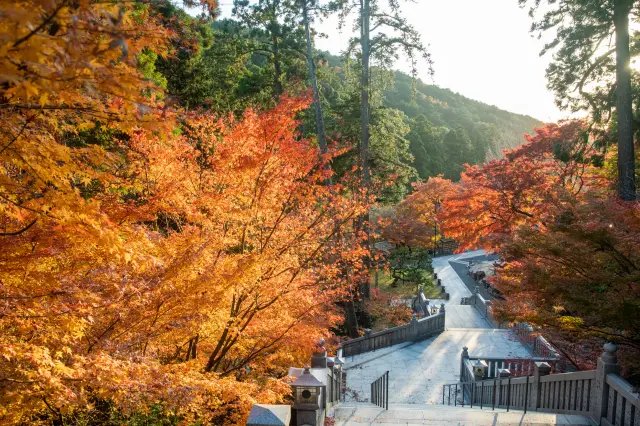
Enjoy seasonal scenery throughout the year, including autumn leaves
-
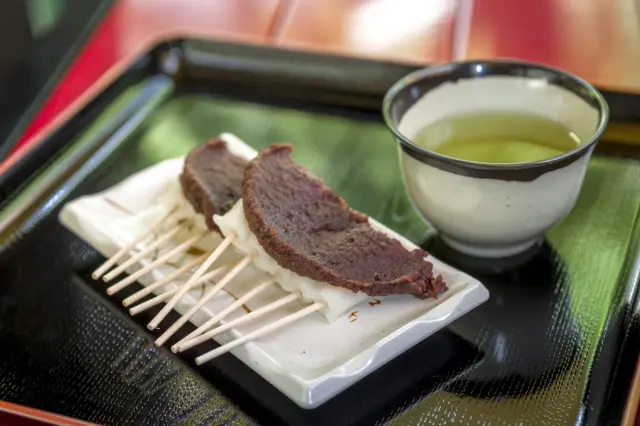
At the teahouses in the temple grounds, you can enjoy the specialty “Yakuyoke Dango,” and souvenir packs are also available
Official FAQs
Frequently Asked Questions have been vetted and answered directly by each listing.
Q
Do you have goshuin temple stamps?
Yes.
Q
Is there parking?
Yes. Paid parking is available (privately operated, 1,600 spaces).
Q
Are there coin lockers?
No.
Q
Are there any sightseeing spots nearby?
Yes. Enshu Sanzan and Ecopa.
Q
How long does it take to get to the Main Hall?
Approx. 20 minutes from the temple gate.
Q
Can I drive into the temple grounds?
No. Please park in the parking lot and walk.
Q
Are wheelchairs available?
Yes. There are two free wheelchair rental locations, one at the temple gate and one within the grounds.
Q
Are there any closing days?
No, it is open every day.
Reviews
Details
- Name in Japanese
- 法多山 尊永寺(はったさん そんえいじ)
- Postal Code
- 437-0032
- Address
- 2777 Toyosawa, Fukuroi, Shizuoka
- Phone
- 0538-43-3601
- Closed on
- Open grounds
- Hours
- Reception hours 8:30am–4:30pm
- Admission
- Open grounds
- Access
-
1) Approx. 30 minutes on foot from JR “Aino” Station
2) Approx. 20 minutes by car from Tomei Expressway Fukuroi IC - Official website
- Official website (Japanese)