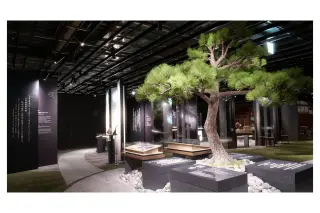
Panasonic Museum
The Panasonic Museum, renovated during the 100th-anniversary year of Panasonic, a comprehensive electrical manufacturer.
This place has been redesigned and displays 550 home appliances from the company's founding to today.

Panasonic Museum
The Panasonic Museum, renovated during the 100th-anniversary year of Panasonic, a comprehensive electrical manufacturer.
This place has been redesigned and displays 550 home appliances from the company's founding to today.
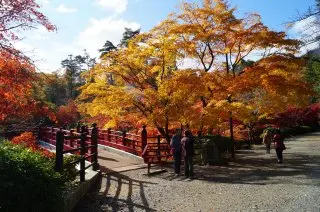
Yahiko Park
Established in the Taisho era in 1918, Yahiko Park is conveniently situated just a short walk from JR Yahiko Station. Spanning a vast area of approximately 40,000 tsubo in size, or roughly 132231㎡, the park offers visitors a taste of traditional Japanese scenery. With its rich landscapes and serene ambience, it's a favorite destination for both local residents and tourists alike.
This is a park where you can really feel the atmosphere of Japan—there are waterfalls, streams, and even a tunnel! 👍
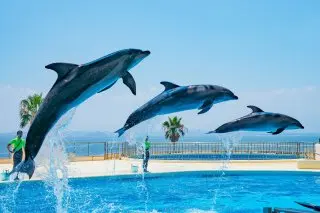
Marine World Uminonakamichi
Marine World Uminonakamichi, opened in 1989, is an aquarium that exhibits about 350 species and 30,000 organisms under the theme of "Kyushu's Sea”.
There's an area here that's set up as a seaside park. It's a great spot for Fukuoka locals to relax and unwind on weekends.
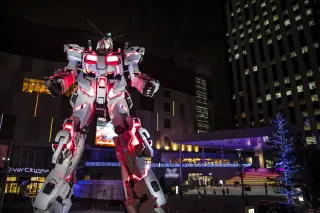
[Display Ended] Life-Size Unicorn Gundam Statue
Located at "Divercity Tokyo Plaza" in Odaiba, Tokyo, which has a concept of "theatrical urban space", stands the approximately 19.7 meters tall life-sized Unicorn Gundam statue.
At night, the Unicorn mode transforms into Destroy mode, just like in the show! The transformation performance is super cool! 👍
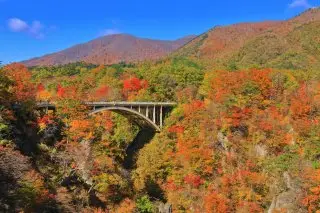
Naruko Gorge
The Naruko Gorge has a 100m deep cliff that stretches for about 2.5km. Sharp white cliffs are covered with deciduous broadleaf trees such as maples and oak, and in autumn these trees turn red and yellow, creating a beautiful scene like a painting.
The autumn leaves make Naruko Gorge a famous spot for fall colors. Highly recommended!
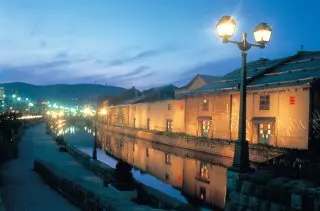
Otaru Canal
Otaru Port, which developed as a gateway for Hokkaido's settlement, saw an increasing volume of cargo over the years. To streamline its transportation, the "Otaru Canal" was completed in 1923 (Taisho 12). The canal, created by reclaiming the offshore coast, is characterized by its gentle curves rather than a straight line.
You definitely have to check out Sakaimachi Street, the liveliest shopping street in Otaru! ❤️
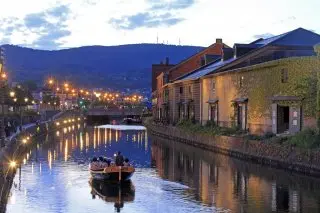
Otaru Canal Cruise
The Otaru Canal, completed in 1923 (Taisho 12) by reclaiming the offshore coast, is lined with historic stone and timber warehouses and remains a popular tourist attraction. A 40-minute tour on a cruise boat around this area is a popular choice among visitors.
The cruise lasts about 40 minutes, and the captain shares stories about the town and even points out some hidden gems only locals know about.
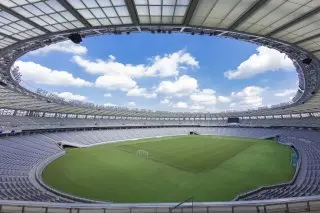
Tokyo Stadium (Ajinomoto Stadium)
Tokyo Stadium is one of Asia's largest comprehensive sports arenas, complete with a sprawling, spacious field of lush, natural grass. In addition to Japanese professional J-league soccer and Japanese national soccer team official games, the stadium was also the venue that hosted matches for the 2020 Tokyo Olympics and Paralympics, the Rugby World Cup 2019 opening ceremony and a frequent number of concert event by prominent Japanese and global artists.
Ajinomoto Stadium has a beautifully manicured green lawn. I also noticed there are solar panels installed on the roof.
SAPPORO ART PARK
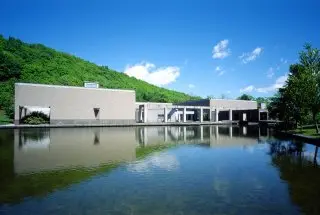
Sapporo Art Park (Sapporo Geijutsu no Mori) is a base for various art facilities such as art museums, ateliers, craft studios, and an open-air stage on a vast site of about 40 hectares in Sapporo. The open-air art museum, which is integrated with nature and allows visitors to enjoy art as the seasons change, and rental facilities for rehearsals and lodging are also available and often used by performers and tourists.
This place blends right into nature. The outdoor art museum lets you enjoy art as the seasons change—such a unique vibe!
Mt. Hakodate Observatory
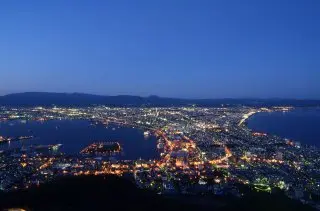
The Mt. Hakodate Observatory is the final stop of Mt. Hakodate Ropeway. The first floor features an inside lounge, the Ryoubi Park popular among locals as a less-crowded area to enjoy the night sceneries. The second floor features a summit shop, and restaurant selling Mt. Hakodate original goods. The third floor features a tea lounge, and the fourth floor features an observatory lounge.
You can get a full view of Hakodate city and the surrounding mountains and sea from here. The scenery is just stunning!