

There are plenty of restrooms and seats everywhere inside. It's really thoughtful and convenient, especially for seniors who might get tired and need to rest.
Kaiyukan | Review by Sandy Kou
Other Reviews by Sandy Kou
-
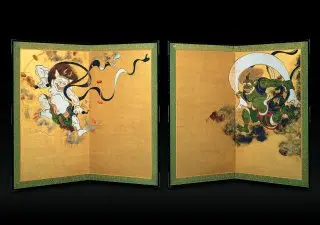
Kenninji Temple
Kyoto’s oldest Zen temple and the head temple of the Kenninji school of Rinzai Zen Buddhism. It was founded in Kennin 2 (1202), when Minamoto no Yoriie, the second shogun of the Kamakura shogunate, donated the temple grounds and appointed Zen master Eisai as its founding priest. The temple flourished as the third-ranked temple of the Kyoto Gozan, but wars and fires later left it in ruins. Its restoration began during the Keicho era when Ankokuji Ekei relocated the Abbot’s Quarters to the site, and its buildings were subsequently rebuilt under the protection of the Tokugawa shogunate.
The oldest Zen temple in Kyoto. Ikkyu Sojun once lived here for five years. It's pretty quiet since there aren't many tourists.
-
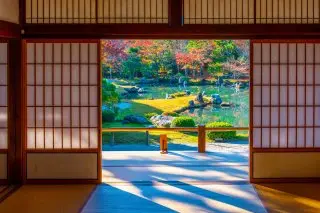
Tenryu-ji Temple
This is the head temple of the Tenryuji sect of the RInzai school. It was founded by Ashikaga Takauji in 1339, during the early Muromachi period, in memory of Emperor Go-daigo, with Muso Kokushi (the eminent Zen master Muso Soseki) appointed as founding abbot.
You can really appreciate Japanese garden culture through the dry landscape garden here. The beauty is simple yet sophisticated.
-
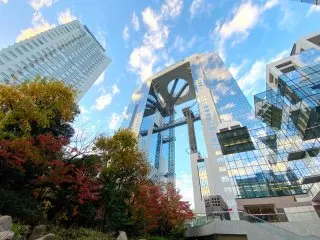
Umeda Sky Building and Kuchu Teien Observatory
Completed in 1993, this enormous 40-story skyscraper consists of two towers connected at the top. It was selected in the UK as one of the “Top 20 Buildings in the World” and described as a “thrilling skyscraper.” Its striking architectural design is another reason for its popularity. The departure gate on the third floor leads to an elevator that takes visitors directly to the 35th floor.
This is the most iconic building in the Umeda area. The observatory offers amazing views of Osaka's vibrant nightscape. There's also a food court downstairs with all kinds of Japanese cuisine, so you won't feel lonely at night.