

This hot spring area has been around for a long time, and many of the hotels have a lot of history. I really like the autumn scenery here.
Kinugawa Onsen | Review by Yee Ming
Other Reviews by Yee Ming
-
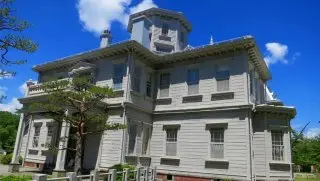
Tenkyōkaku
This villa was built in August 1908 during Prince Arisugawa Takehito’s travels through the Tohoku region, after he was captivated by the beauty of Lake Inawashiro. When Crown Prince Yoshihito (later Emperor Taishō) visited the following September, it is said that the villa was named Tenkyōkaku after a line in a poem by Li Bai: “The bright lake reflects the heavens like a mirror” (Ming hu luo tianjing). As a former imperial villa, it is the northernmost of its kind in Japan and was designated a National Important Cultural Property in 1979.
There’s an audio guide inside that’s worth listening to. It really helps you appreciate the history of this building.
-
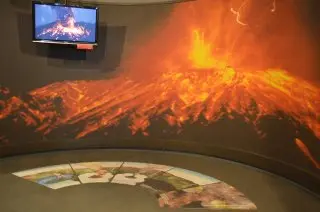
Sakurajima Visitor Center
Situated just a 10-minute walk from the Sakurajima Ferry Terminal, the Sakurajima Visitor Center is the perfect place to learn about Sakurajima and Kirishima-Kinkowan National Park, a coveted destination classified as part of the Sakurajima-Kinkowan Geopark. Drop in for videos, dioramas, interactive exhibits, and a deep look into the island’s unique nature and history.
The exhibits were really interesting. The volcano model and videos helped me understand how volcanoes are formed.
-
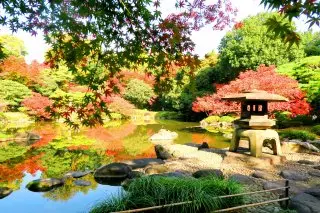
Former Furukawa Gardens
The gardens were built as the residence of Toranosuke Furukawa, the third head of the Furukawa conglomerate. Taking advantage of its location on the slopes of the Musashino Plateau, a Western-style mansion was built on a small hill on the north side, and a Western-style garden was placed on the pitch, while a Japanese-style garden was placed on the lower ground.
It’s about a 5 or 6 minute walk from Nakazato Station. The garden is half Japanese style and half Western style, and it still keeps its original Taisho era look. If you get the combined ticket with Rikugien, it’s totally worth it.