

Enjoy One of Kumamoto’s Top Power Spots! A Travel Guide to Aso Shrine
Aso Shrine, home to as many as 12 deities, is a sacred site where traces of volcanic worship still remain.
It’s also well known as a power spot where you can receive many kinds of blessings.
It suffered major damage in the 2016 Kumamoto earthquakes, but in 2024, all restoration work—eight years in the making—was finally completed.
To help you fully enjoy one of Kumamoto’s top power spots, we’ll introduce the key highlights and nearby sightseeing spots you should know.
Stroll not only around the grounds of “Aso Shrine,” but also the many attractive spots in the surrounding area.
What is Aso Shrine Like?
Aso Shrine, located in Aso City, Kumamoto Prefecture, on the northern foothills of Mt. Aso, is the head shrine of around 500 branch shrines across Japan.
With a history spanning over 2,000 years, it enshrines 12 deities, including Takeiwatatsunomikoto (健磐龍命).
Its blessings range widely, including warding off misfortune, household safety, academic success, business prosperity, bountiful harvests, finding a good match, and longevity.
Within the grounds are six shrine buildings and the Romon Gate, designated Important Cultural Properties of Japan, making it full of highlights.
The 18-meter-tall Romon Gate, known as one of the “Three Great Romon Gates of Japan,” is a must-see.
Another highlight is its rare yoko-sando (side approach), which runs parallel to the shrine—uncommon nationwide.
With many kinds of omamori charms—such as “Yakuyoke Kaiun Mamori,” “Kinun Mamori,” “Kokoro to Karada no Omamori,” and “Kotsu Anzen no Omamori”—receive the blessings of “Aso Shrine,” also famous as a power spot.
Several buildings were damaged by the Kumamoto earthquakes, and restoration work continued for a long time; in 2024, all restoration work—eight years in the making—was completed.

Access to Aso Shrine
Here’s how to get to “Aso Shrine” starting from Kumamoto Airport, which has international flights.
You can also get there by train, but we recommend taking the bus for an easier trip.
- Route
- Take the express highway bus “Limited Express Yamabiko” (bound for Oita Prefectural Office Main Gate), get off at “Miyaji Station-mae.” 15 minutes on foot from the bus stop
- Travel time
- Approx. 1 hour 15 minutes
Aso Shrine Hours and Admission
For Aso Shrine hours and admission, please refer to the table below.
- Hours
- 6:00am–6:00pm
- Admission
- Free
What’s the Best Season to Visit Aso Shrine?
Spring is recommended for visiting “Aso Shrine.”
The “Hifuri Shinji” ritual, held every year in mid-March, represents the wedding ceremony of the deities; when the sacred object of the princess deity arrives, people light torches and swing them around to celebrate.
It is also designated an Important Intangible Folk Cultural Property.
The rings of fire created by the dynamically swung torches light up the night, creating a mysterious world.

4 Must-See Highlights at Aso Shrine
“Aso Shrine” is one of Kumamoto’s top power spots.
To truly feel its long history and receive its blessings, here are the unmissable highlights.
The “Haiden” (Worship Hall), a Symbol of Recovery After the Earthquakes
The Haiden (Worship Hall), where you pray to the enshrined deities of “Aso Shrine,” collapsed in the 2016 Kumamoto earthquakes and was rebuilt in 2021.
Funded by donations from local people, and built with 50% of the wood sourced from the Aso region, it is now considered a symbol of recovery from the Kumamoto earthquakes.
The newly rebuilt Haiden is still fresh and new, letting you enjoy the beautiful color of the wood and the cypress scent in the air.
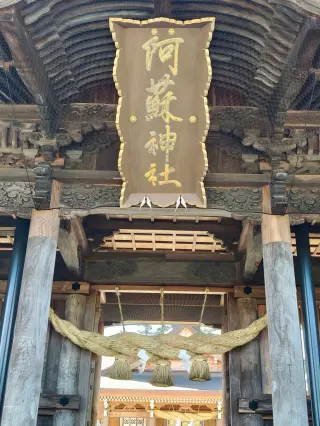
Don’t miss the massive shimenawa sacred rope displayed at the front—7.5 m long and weighing 160 kg.

Six Structures Designated Important Cultural Properties of Japan
At “Aso Shrine,” three shrine buildings and three gates—including the Romon Gate—are designated Important Cultural Properties of Japan.
The three shrine buildings and gates are arranged symmetrically on the left and right, in a layout that seems to protect the Haiden.
The Romon Gate, one of the “Three Great Romon Gates of Japan,” is a two-story gate among the largest in Kyushu, and its solemn presence makes it a symbol of “Aso Shrine.”
The table below summarizes the Important Cultural Properties, so please use it as a reference.
| National Important Cultural Property | Completed |
|---|---|
| First Shrine Building | 1840 |
| Second Shrine Building | 1842 |
| Third Shrine Building | 1843 |
| Romon Gate | 1850 |
| Shinko Gate | 1849 |
| Kango Gate | 1849 |

*The “Three Great Romon Gates of Japan” refers to the Romon gates of Kashima Jingu (Kashima City, Ibaraki Prefecture), Hakozaki-gu (Fukuoka City, Fukuoka Prefecture), and Aso Shrine (Aso City, Kumamoto Prefecture).
“Takasago no Matsu,” a Power Spot for Finding a Good Match
“Takasago no Matsu,” also known as the “Matchmaking Pine,” is said to have originated around 1,000 years ago, when the 26th chief priest, Aso Tomonari (あそともなり), brought back pine nuts from the Takasago Pine in Hyogo Prefecture.
It’s said that women should circle the pine twice clockwise and men twice counterclockwise to be blessed with a good match.

“Kami no Izumi” (God’s Spring), Said to Bring Longevity
Along the approach directly in front of the Romon Gate, “Kami no Izumi” (God’s Spring) has flowing “sacred water,” said to grant blessings of longevity if you drink it.
Ichinomiya, where “Aso Shrine” is located, is also famous as a place where high-quality groundwater springs up.
Nearby are drinking spots called “mizuki,” with a total of 14 locations installed.
In addition to “Kami no Izumi,” there are other mizuki where you can receive blessings, and many people do a “mizuki pilgrimage” by visiting them.
Since you’ve come all the way to “Aso Shrine,” we hope you’ll also try the “mizuki pilgrimage.”

Snack Your Way Through Aso Gourmet: Monzenmachi Shopping Street
Monzenmachi Shopping Street extends from the yoko-sando (side approach) of “Aso Shrine.”
Lively with worshippers and tourists, it’s filled with historic-feeling buildings and plenty of greenery.
You can eat your way through Aso specialties like “Umarokke” (horse croquettes), Akaushi beef skewers, Aso corn soft-serve, and “Asodora.”
After your visit, enjoy street food and the mizuki pilgrimage.

3 Sightseeing Spots to Visit Along with Aso Shrine
Around “Aso Shrine,” you’ll find sightseeing spots where you can feel volcanic energy and the richness of nature.
After visiting “Aso Shrine,” stop by these spots too.
1. Daikanbo
Mt. Aso is the collective name for a volcanic group that developed inside a depression (caldera) formed by four massive eruptions that occurred Approx. 270,000 to 90,000 years ago, including the Aso Five Peaks.
Railways run through the caldera, and around 50,000 people live across three municipalities—Aso City, Takamori Town, and Minamiaso Village—making it one of the largest volcanic regions in the world.
Daikanbo is located on the north side of the caldera rim (outer rim mountains), offering views over the vast collapsed terrain. From its 936 m elevation, you can take in sweeping views of Aso’s towns and farmlands, the Aso Five Peaks, and even the Kuju Mountain Range.

2. Aso Nakadake Crater
Nakadake (1,506 m), located in the center of Mt. Aso, is an active volcano that continues vigorous activity, and you can see the crater’s violently rising smoke up close.
Of Nakadake’s seven aligned craters, the one currently active and viewable is the First Crater, and you can go close to the huge crater, which measures around 4 km in circumference.
When the gas clears, you can see an emerald-green crater lake at the bottom, filled with strongly acidic water at 50–60°C.

3. Aoi Aso Shrine
A historic shrine in Hitoyoshi City, Kumamoto Prefecture, founded in 806.
Worshipped as the chief guardian shrine of the Hitoyoshi-Kuma region, it’s affectionately called “Aoi-san” by locals.
Its main hall, corridors, heiden (offering hall), haiden (worship hall), and romon gate were built from 1610 to 1613, and are designated as National Treasures.

3 Popular Restaurants Near Aso Shrine
Around Aso Shrine, surrounded by magnificent nature, you’ll find restaurants where you can enjoy dishes made with local ingredients.
From local specialties to sweets packed with Aso’s bounty, there are plenty of inviting places you can easily stop by between sightseeing.
Enjoy Aso’s unique flavors—perfect for a quick break after your visit or a relaxed meal you’ll want to savor.
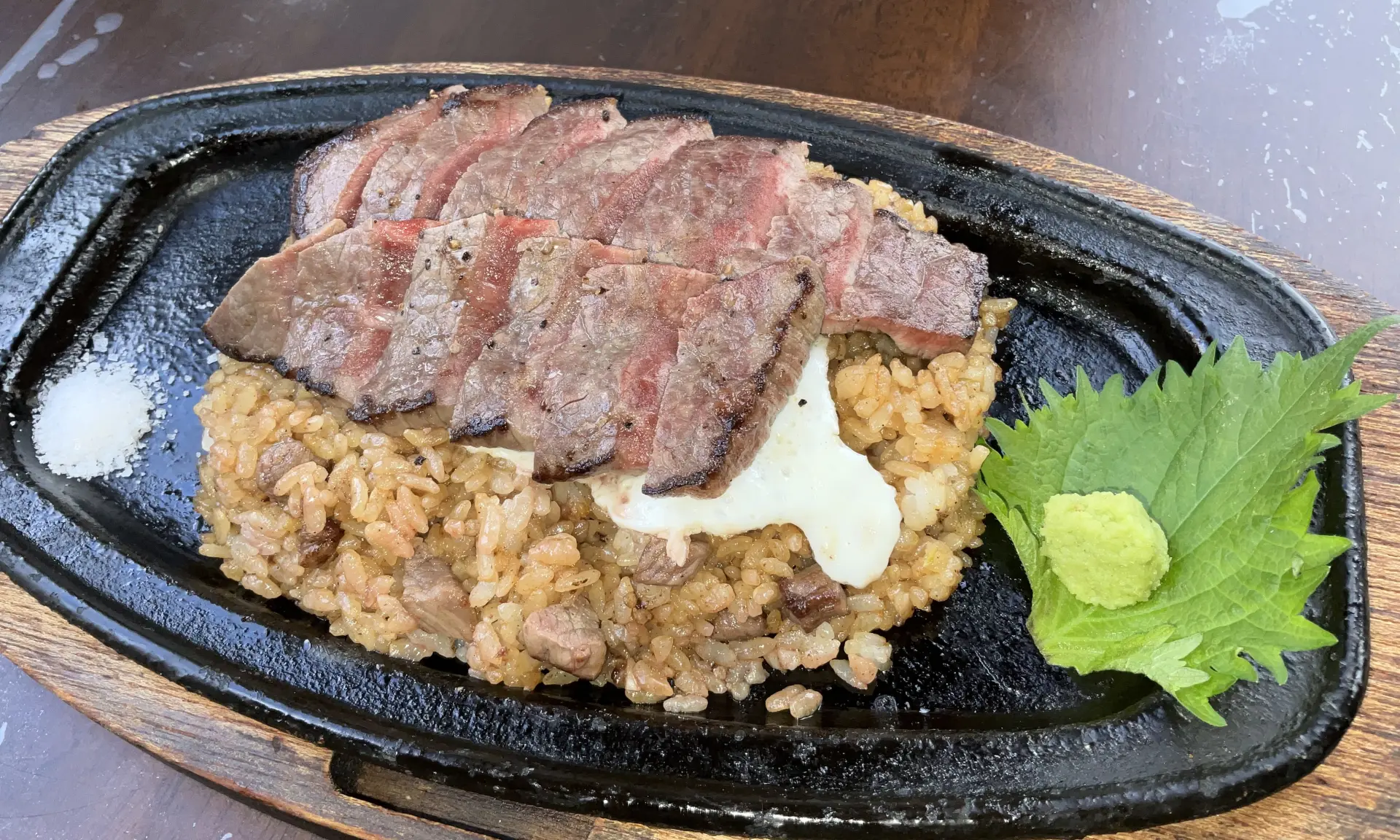
1. Teppanyaki Aso Ma-bo
A teppanyaki restaurant specializing in Akaushi beef, located in Monzenmachi Shopping Street near “Aso Shrine.”
It serves hearty, satisfying dishes made with Aso’s specialty “Akaushi” beef.
The most popular item is “Akaushi Garlic Rice.”
An irresistible dish topped with spice-seasoned Akaushi steak over garlic rice.
2. Aso Hanabishi
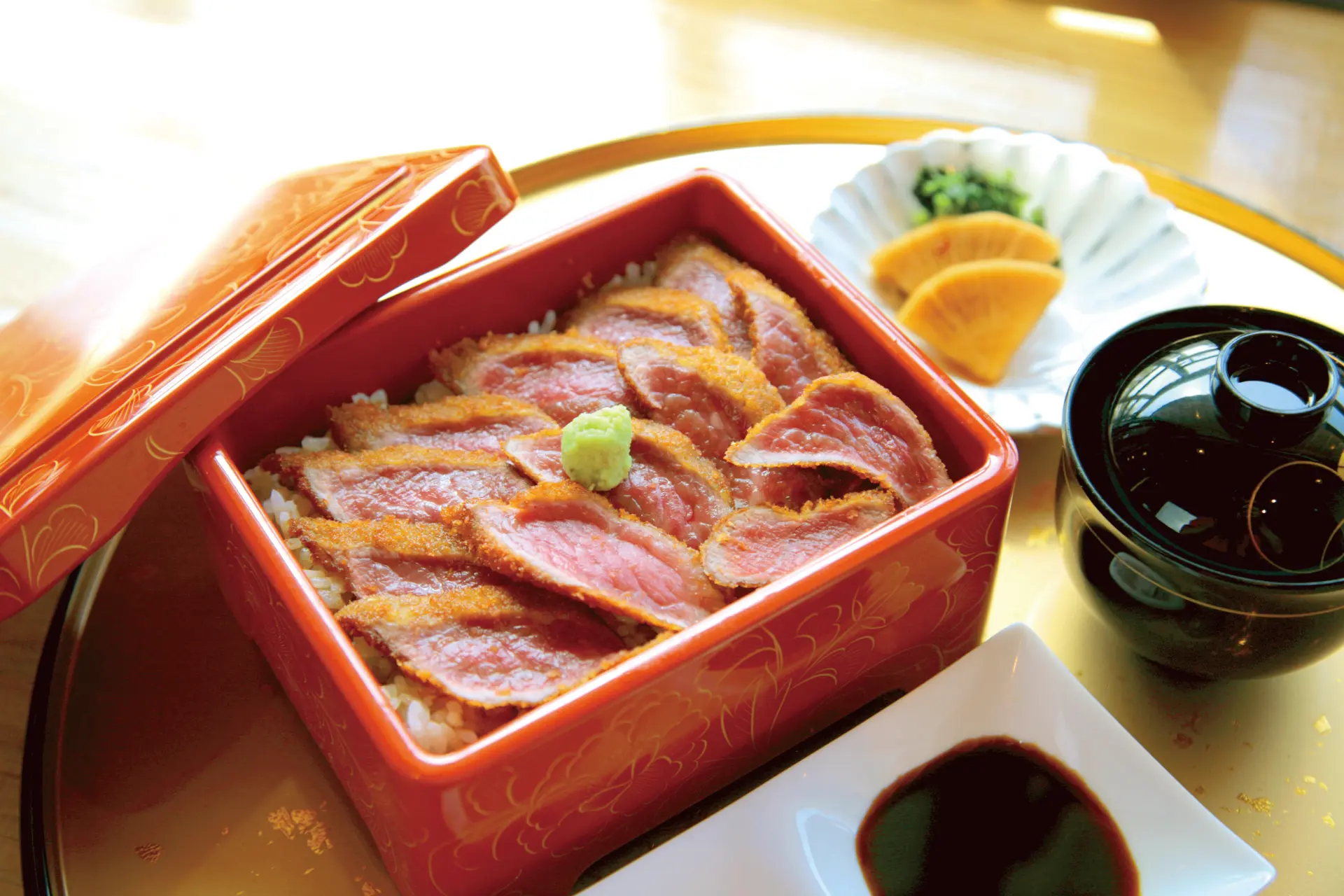
A local-cuisine restaurant just a short walk from “Aso Shrine.”
To let you taste Aso’s natural bounty, it mainly uses seasonal local ingredients such as locally grown vegetables, and serves dishes prepared using traditional methods.
With a wide variety of Japanese and Western options—from beef katsu rice bowls to sukiyaki, soba, and the local specialty dago-jiru—it offers a diverse menu.
3. Aso Okashi Kobo Tanoya
A Western-style sweets shop in Monzenmachi Shopping Street in front of Aso Shrine.
Made by Mr. Tano, who is particular about fresh cream, the “Tano-shu” cream puff is the shop’s top specialty.
From inside the choux pastry topped with fragrant almonds, custard with fresh cream oozes out smoothly.

Reviews of Aso Shrine
3.87
Some reviews are AI-translated.
-
The overall vibe at Aso Jinja is really relaxing. It’s not one of those super touristy, noisy shrines. The moment I walked in, I felt my mind slow down.
-
When I visited, the area was still heavily affected by the earthquake and most of the main buildings hadn't been rebuilt yet. I really hope they can restore everything soon.
FAQ about Aso Shrine
Q
Which deities are enshrined at Aso Shrine?
A
Twelve deities are enshrined there, including Takeiwatatsunomikoto.
Q
What blessings can you receive at Aso Shrine?
A
Warding off misfortune, household safety, academic success, business prosperity, bountiful harvests, finding a good match, and longevity, among others.
Q
What can you do at Miyamonzenmachi Shopping Street near Aso Shrine?
A
You can enjoy street food and the mizuki pilgrimage.
Summary
“Aso Shrine” is one of Kumamoto’s signature power spots.
It’s packed with highlights, including the rebuilt Haiden (Worship Hall), the Important Cultural Property Romon Gate, and “Takasago no Matsu,” said to bring blessings for finding a good match.
If you have extra time, enjoy Aso-only gourmet treats and the mizuki pilgrimage as well.
Kumamoto also has many other places where you can experience nature, culture, food, and history.
If you’re not sure where to go sightseeing in Kumamoto, we hope you’ll read this article too.