

Horyu-ji Travel Guide: Experience Timeless History at Japan’s First World Heritage Site
Horyu-ji is one of Japan’s most celebrated historic temples and is home to some of the world’s oldest surviving wooden structures.
With around 3,000 structures and artifacts designated as National Treasures or Important Cultural Properties, the temple holds exceptional historical and cultural value. It also has deep ties to Prince Shotoku and has long held a special place in Japanese history and culture, with its traditions continuing to this day.
In this article, we’ll introduce the highlights and appeal of Horyu-ji to help first-time visitors make the most of their visit.
What Is Horyu-ji Like?
Located in Ikaruga, Ikoma District, Nara Prefecture, Horyu-ji is a historic temple with more than 1,300 years of history. It is the head temple of the Shotoku sect of Buddhism and is closely associated with Prince Shotoku.
Horyu-ji is renowned for its ancient wooden structures, including some of the oldest surviving wooden buildings in the world. Many of the temple’s surviving structures and cultural treasures are designated as National Treasures or Important Cultural Properties. Its collection includes 38 National Treasure designations covering 150 items, and around 3,000 items when Important Cultural Properties are included.
The temple’s outstanding value is recognized internationally. In 1993, the “Buddhist Monuments in the Horyu-ji Area” were inscribed on the UNESCO World Heritage List, becoming one of Japan’s first World Cultural Heritage sites alongside Himeji Castle.
One of the highlights of Horyu-ji is its distinctive arrangement of buildings, known as the Horyu-ji-style temple layout. The temple is divided into the Western Precinct, home to the Main Hall and Five-Story Pagoda, and the Eastern Precinct, where the Yumedono Hall and Shoryoin Hall are located.
These historic buildings have been preserved through the centuries as invaluable examples of the architectural styles and Buddhist culture of the Asuka period (592-710).
Horyu-ji also preserves evidence of historical exchanges between Japan and China, further adding to its exceptional historical significance.

The History and Origins of Horyu-ji
Horyu-ji was founded in 607 by Empress Suiko and Prince Shotoku, who carried out the wishes of Emperor Yomei, Prince Shotoku’s father.
Because the temple was built just west of Ikaruga, where Prince Shotoku lived, it was originally known as Ikaruga-dera.
According to the Nihon Shoki, the temple was destroyed by fire in 670 and later rebuilt. For this reason, the Horyu-ji seen today is generally considered to date from the reconstruction that followed.

Access to Horyu-ji
Here’s how to get to Horyu-ji from JR Nara Station, a major transportation hub for exploring Nara.
- Route
-
1. From JR Nara Station, take the Yamatoji Line Rapid Service bound for Tennoji from Platform 1 and get off at JR Horyuji Station.
2. From JR Horyuji Station, take Nara Kotsu Bus No. 72 bound for Horyuji Sando from Bus Stop 2 and get off at Horyuji Sando.
3. From Horyuji Sando, walk for approx. 5 minutes.
*You can also walk from JR Horyuji Station (approx. 15 minutes). - Travel Time
- Approx. 20 minutes (approx. 25 minutes if walking from JR Horyuji Station)
Horyu-ji Hours and Admission
The visiting hours and admission fees for Horyu-ji are listed in the table below.
As closing time approaches, admission to some buildings or areas may end earlier, so be sure to allow plenty of time for your visit.
- Hours
-
・February 22–November 3 8:00am–5:00pm
・November 4–February 21 8:00am–4:30pm - Admission
-
・Adults: 2,000 yen
・Junior high school students: 1,700 yen
・Elementary school students: 1,000 yen
What Is the Best Season to Visit Horyu-ji?
Spring is the best season to visit Horyu-ji, when cherry blossoms add beautiful color to the historic temple grounds.
From late March to early April, when the blossoms are typically at their best, their soft pink hues blend beautifully with the temple’s historic buildings, creating a scene unique to Horyu-ji.
The cherry tree in front of the Central Gate, near the stone monument marking Horyu-ji as part of Japan’s first World Cultural Heritage site, also makes a picturesque photo spot.
The weeping cherry tree near Yumedono Hall offers a different sense of seasonal beauty and is another sight not to be missed.

Experience More Than 1,300 Years of History! 6 Highlights of Horyu-ji
Across Horyu-ji’s vast grounds of approximately 187,000 square meters, National Treasures and Important Cultural Properties are found throughout.
With so many historic structures worthy of its World Heritage status, you may wonder where to start.
Among Horyu-ji’s many attractions, here are six highlights you won’t want to miss.
1. Kondo: A Rare Example of Asuka-Period Architecture
The Kondo is one of the oldest surviving wooden buildings in the world.
It has a two-tiered irimoya-style hipped-and-gabled roof, but there is no room on the upper level, making it effectively a single-story building. Its mokoshi pent roof on the lower level, which helps protect the building from rain and wind, adds elegance to the exterior, while its beautiful wooden framework and carvings showcase a distinctive Asuka-period architectural style rarely seen today.
One of the main highlights of the Kondo is the Shaka Triad, said to have been created to pray for the repose of Prince Shotoku’s soul. Completed in 623, the Shaka Triad is one of Japan’s oldest Buddhist statues and serves as the principal object of worship at Horyu-ji.

2. Five-Story Pagoda: Japan’s Oldest Pagoda and a Symbol of Horyu-ji
The Five-Story Pagoda at Horyu-ji is one of the world’s oldest surviving wooden structures and is considered the oldest five-story pagoda in Japan.
Standing approximately 32 meters tall, the pagoda is distinguished by roofs that gradually decrease in size toward the top, with the fifth roof measuring about half the size of the first.
Each story is structurally independent, while a central pillar known as a shinbashira runs through the structure and plays an important role in its resistance to earthquakes.
One of the pagoda’s highlights is the reliquary placed in the foundation stone beneath the central pillar. According to one tradition, it contains relics of Shakyamuni said to have been brought from India by Prince Shotoku.

3. Yumedono Hall: Home to a Statue Believed to Depict Prince Shotoku
Yumedono Hall is one of the most prominent structures in the Eastern Precinct, built in memory of Prince Shotoku and as a place of devotion to him.
Its distinctive octagonal design is crowned by a jewel-shaped ornament at the top of the roof. One of its greatest highlights is the Kuse Kannon statue, which was carefully preserved for centuries as a hibutsu, a Buddhist image normally kept hidden from public view. Said to be a life-size representation of Prince Shotoku, the statue has a striking golden appearance created with lacquer and gold leaf.
Yumedono Hall was built at the initiative of the eminent monk Gyoshin, who lamented the decline of this site, once home to Prince Shotoku’s palace. Its origins are associated with the Shoryoe, a memorial service for Prince Shotoku held in 748. Despite undergoing major renovations in 1230, the hall still retains traces of its original appearance.
The Kuse Kannon statue is revealed to the public only twice a year, during special openings from April 11 to May 18 in spring and from October 22 to November 22 in autumn. If you want to see this rarely revealed statue, plan your visit during one of these periods.

4. Daikodo Hall: Admire Its Architecture and the Yakushi Triad
Daikodo Hall was built as a place where monks could study Buddhism and deepen their knowledge.
It is the largest building at Horyu-ji in terms of floor area and is characterized by its broad, horizontally extended structure. Its roof features closely spaced rafters, while misu blinds hanging above help define the sacred space within.
A major highlight is the Yakushi Triad, consisting of a seated statue of Yakushi Nyorai with a captivating, mysterious smile, flanked by seated statues of Nikko Bosatsu and Gakko Bosatsu.
Daikodo Hall was destroyed by fire in 925 and rebuilt in 990 to nearly the same scale as the original. The Yakushi Triad dates from this reconstruction.
The view from Daikodo Hall also offers an excellent perspective on Horyu-ji’s historic temple layout, making it a recommended spot for photos.

5. Chumon Gate: A Splendid Example of Asuka-Period Architecture
Chumon Gate is a two-story gate marking the entrance to the Western Precinct, distinguished by its deeply overhanging eaves.
One of its most distinctive features is the pillar standing directly in the center of the gate, creating an unusual four-bay facade with two entrances. The pillars are known for their entasis-style design, with shafts that gradually taper toward the top, reflecting the distinctive architectural style of the Asuka period.
Another highlight is the pair of Kongo Rikishi statues standing on either side of the gate. Dating back more than 1,300 years, they are considered the oldest surviving Nio guardian statues in Japan. Although they have undergone repeated repairs after centuries of exposure to wind and rain, their weathered appearance only adds to their powerful presence.
Today, Chumon Gate is no longer used as an entrance or exit, so visitors view it from outside rather than passing through it.

6. Daihozoin: Home to a Wealth of Important Cultural Treasures
Daihozoin was built to safely preserve and protect the many temple treasures handed down at Horyu-ji.
Completed in 1998, it is a relatively modern building equipped with climate control and storage facilities, setting it apart from the temple’s historic structures.
Among the many precious cultural properties on display, two National Treasures are not to be missed: the Kudara Kannon statue and the Tamamushi Shrine.
Many other remarkable treasures are also exhibited here, offering visitors a fascinating opportunity to experience the history and culture of Horyu-ji through its priceless works of art.

Discover the Seven Mysteries of Horyu-ji
With its long and storied history, Horyu-ji is associated with numerous tales and legends, along with mysteries that remain unexplained to this day.
Among them are seven particularly famous mysteries that have been passed down through generations as the “Seven Mysteries of Horyu-ji.”
Learning about these mysteries before your visit may give you a fascinating new perspective as you explore the temple.
Do Spiders Never Spin Webs at Horyu-ji, and Do Birds Never Leave Droppings?
One curious legend surrounding Horyu-ji claims that spiders never spin webs within the temple grounds. Over time, the story expanded to include the claim that even birds never leave droppings there.
Various explanations have been proposed, including the idea that the wood used in the temple buildings somehow repels spiders. Others suggest that the legend arose as an expression of the monks’ deep reverence for Horyu-ji, though its true origins remain unclear.
In reality, both spider webs and bird droppings can be found at Horyu-ji, so the legend is just that-a legend.
Perhaps it was the mysterious atmosphere surrounding this ancient temple that gave rise to such a curious tale in the first place.

The Taiishi Stone, Said to Protect Against Flooding
In front of the South Great Gate lies a distinctive stone known as the Taiishi Stone, traditionally said to resemble a fish.
According to legend, when the nearby Yamato River once overflowed, the floodwaters mysteriously stopped at the Taiishi Stone and did not reach beyond it. This gave rise to the belief that stepping on the stone can protect people from flooding and other water-related misfortunes.
Since many visitors enter Horyu-ji through the South Great Gate, be sure to look out for the Taiishi Stone on your way in.

The Mystery of the Sickles on the Five-Story Pagoda
At the top of the Five-Story Pagoda, four sickles are attached to the kurin, the series of rings forming part of the finial above the roof.
Among the many elegant architectural details found throughout Horyu-ji, these seemingly out-of-place sickles make a curious impression. No definitive explanation for their presence has been found, but two well-known theories have been passed down.
One theory suggests that the sickles were intended to ward off lightning and thereby protect the pagoda from fire. Another theory holds that they were placed there to pacify the vengeful spirit of Prince Shotoku.
The truth remains unknown. What makes the mystery even more intriguing is that sickles attached to a kurin in this way are said to be unique to Horyu-ji, and the Five-Story Pagoda has survived without being destroyed by lightning or fire.
When visiting the pagoda, look up at the kurin and consider for yourself why these mysterious sickles were placed there.

The Mysterious Storehouse That No One Has Ever Seen Inside
Within the grounds of Horyu-ji are three underground storehouses known as fukuzo, said to have been used to preserve valuable treasures.
One of them lies beneath the courtyard of the Western Precinct, where its location is marked off by a simple fence. According to tradition, various treasures are stored inside.
A saying traditionally attributed to Prince Shotoku instructs that the objects stored there should be used if Buddhism ever falls into decline. However, it is said that no one has ever seen inside the storehouse, and exactly what lies within remains a mystery.
Another legend holds that the storehouse is protected by the spiritual power of Prince Shotoku and that anyone who attempts to dig it up will meet with misfortune. The fukuzo remains one of the intriguing mysteries associated with Horyu-ji’s long history and religious traditions.

Do the Frogs at Horyu-ji Have Only One Eye?
According to legend, the frogs living in Yoruka Pond, located between Horyu-ji’s Western and Eastern Precincts, have only one eye.
The story goes that Prince Shotoku was once deeply absorbed in his studies but found himself distracted by the constant croaking of frogs in the pond. Annoyed by the noise, he threw his writing brush toward the pond to silence them, accidentally striking one of the frogs in the eye. From that time on, legend has it that the frogs of Yoruka Pond were born with only one eye.
Of course, this is only a legend, and the frogs living in Yoruka Pond today have two eyes just like any other frogs.
The tale has long been passed down as an episode illustrating Prince Shotoku’s extraordinary dedication to his studies.

Does the Raiban at Yumedono Hall Really Sweat?
A raiban is a platform on which monks sit while chanting sutras. According to one of Horyu-ji’s Seven Mysteries, the underside of the raiban in Yumedono Hall, which stands about 20 centimeters high, is said to “sweat.”
In reality, the “sweat” refers to moisture that forms on the underside of the raiban due to the humid conditions inside the hall. It is also said that structures beneath the raiban, including a well or openings, may contribute to the buildup of moisture.
Today, a ritual known as “Yumedono no Mizutori” is held in which the raiban is placed in sunlight, and the amount of moisture that appears is traditionally used to predict whether the coming year will bring a good or poor harvest.

Why Doesn’t Rainwater Wear Away the Stones at Horyu-ji?
At Horyu-ji, large stones were used in the foundations to help prevent erosion caused by dripping rainwater. The roofs were also designed to control the flow of rainwater.
These architectural features help protect the buildings from water damage while preserving their appearance and contributing to their structural stability.
The saying that “the stones of Horyu-ji are never worn away by dripping rainwater” is therefore thought to reflect the temple’s stable ground and effective drainage, symbolizing its ability to withstand the forces of nature.

3 Recommended Attractions Near Horyu-ji
Beyond Horyu-ji, Nara is home to numerous historic buildings and time-honored temples and shrines.
These sites offer a glimpse into Japanese culture spanning from the Nara period (710-794) to the Muromachi period (1336-1573), and many are home to precious National Treasures and Important Cultural Properties that can only be seen at these locations.
The three attractions introduced below are all conveniently located near JR Nara Station, making them easy to combine with a visit to Horyu-ji.
As you explore, compare their historical backgrounds, architectural styles, and scenery to gain an even deeper appreciation of Nara’s rich history and culture.
1. Nara Park
This expansive park brings together some of Nara’s most important historic and cultural sites, including Kasuga Taisha Shrine, Kofuku-ji Temple, Todai-ji Temple, the Nara National Museum, and the Shosoin Repository, all surrounded by beautiful natural scenery and lush greenery.
Located in the heart of the city, the park also offers convenient access to many of Nara’s major attractions.
The area is home to numerous nationally designated Natural Monuments, including the Kasugayama Primeval Forest, the deer of Nara, the nagi forest within the grounds of Kasuga Taisha Shrine, the Narano-yaezakura cherry tree at Chisokuin Temple, and the habitat of the Loomis’s copper butterfly.

2. Kofuku-ji Temple
Kofuku-ji traces its origins to Yamashinadera, a temple established at the private residence of Fujiwara no Kamatari in Yamashina Suehara, Yamashiro Province. In 710, when the capital was moved to Heijo-kyo, the temple was relocated to its present site under the direction of Fujiwara no Fuhito and renamed Kofuku-ji.
The temple grounds are home to numerous historic structures designated as National Treasures, including the Northern Round Hall, rebuilt during the Kamakura period, and the Five-Story Pagoda and Eastern Golden Hall, both rebuilt during the Muromachi period. The Southern Round Hall, rebuilt during the Edo period, is designated as an Important Cultural Property.

3. Gango-ji Temple
As part of the “Historic Monuments of Ancient Nara,” a UNESCO World Heritage property comprising eight component sites, the temple’s former monks’ quarters-the Gokurakudo Hall (Gokurakubo Main Hall) and Zenshitsu Hall (Gokurakubo Zenshitsu)-are included in the World Heritage designation.
Some of the roof tiles transferred from Asuka-dera still remain on parts of the roof, offering a glimpse into the temple’s past. The temple also houses numerous treasures, including the Five-Story Miniature Pagoda, designated a National Treasure; the East Gate, designated an Important Cultural Property; the Chiko Mandala, created during the Muromachi period; a seated wooden statue of Amida Nyorai dating from the Heian period; and a standing wooden statue of Prince Shotoku.

3 Popular Restaurants and Cafes Near Horyu-ji
After exploring Horyu-ji, you may want to take a relaxing break at a cozy cafe.
Among the many places to eat and drink in the surrounding area, here are some of the most popular cafes to check out.
Be sure to stop by after your visit to Horyu-ji.
1. café comodo
This cafe and restaurant is located just a short walk from the World Heritage Site of Horyu-ji.
Part of the Mahoroba Station ikarucoki complex, the cafe has a playful atmosphere, with numerous charming robot toys displayed throughout the interior.
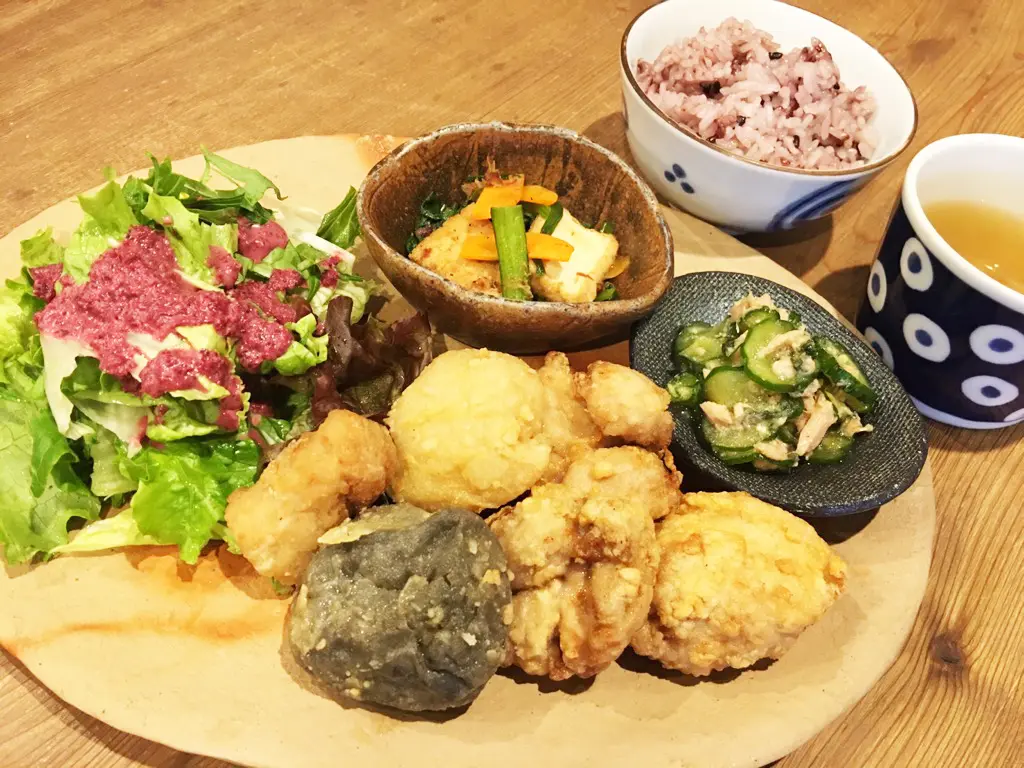
Among its wide selection of lunch options, the signature dish is the Three-Kind Tatsuta-age Lunch, featuring Japanese chicken, fu (wheat gluten), and soy meat marinated in a secret sauce and deep-fried until crisp and golden.
2. CafeCojica
Look for the eye-catching red noren curtain as you turn into an alley off Sanjo Street. Set in a renovated 120-year-old traditional Japanese house, the cafe offers a relaxing atmosphere where you can unwind in a tatami room.
The cafe’s philosophy is to serve wholesome, nutritious dishes that a mother would want her child to eat.
Its signature dish is the “Cojica Special Simmered Hamburger Steak with Yamato Beef and Yamato Pork.”

3. K COFFEE
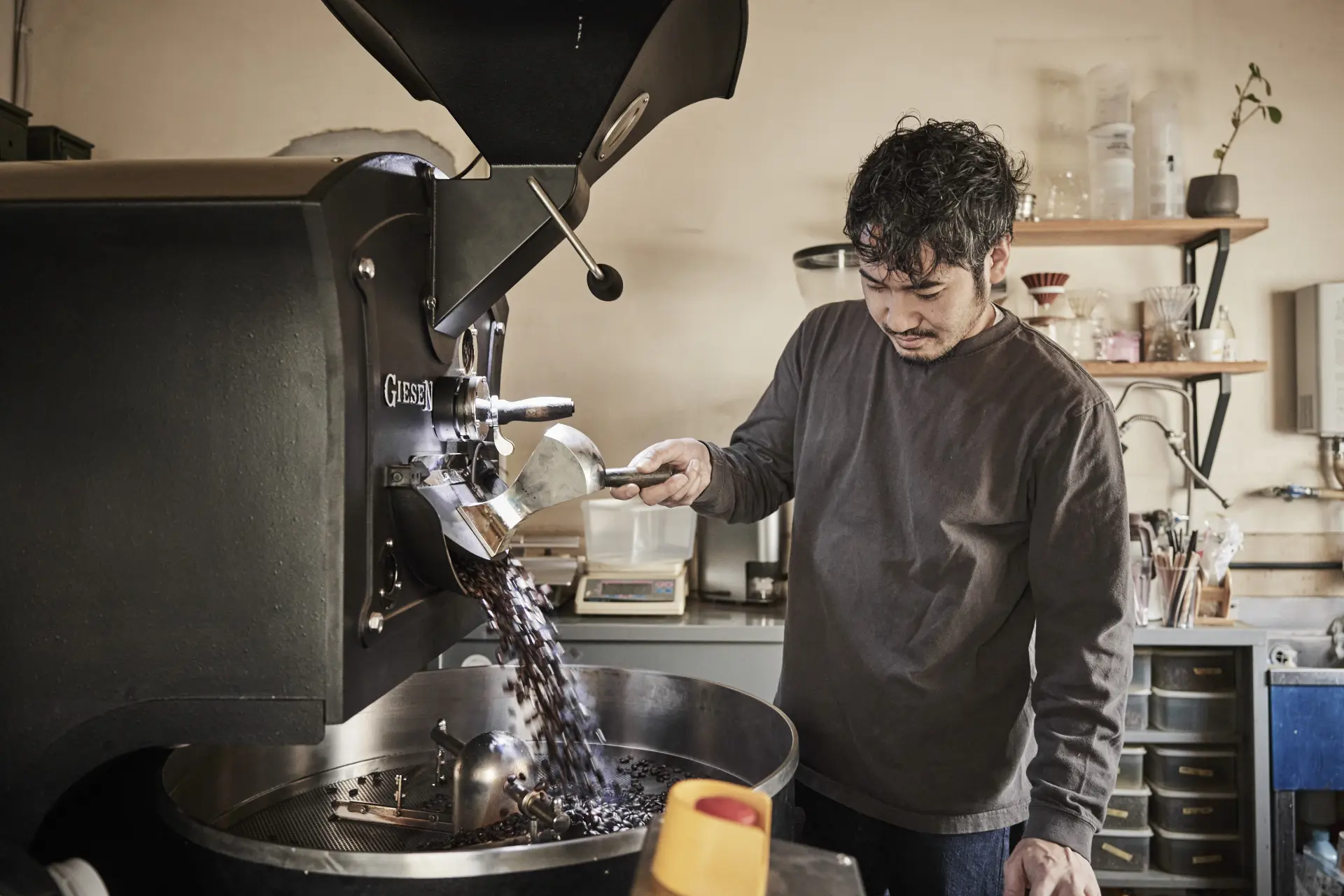
This coffee roastery and stand is tucked away on a quiet shopping street in Yamatokoriyama City, Nara Prefecture.
Housed in a uniquely renovated former gas station, the shop serves freshly brewed hand-drip coffee and also sells coffee beans. Inspired by the owner’s own experience of once not being much of a coffee drinker, the shop embraces the concept of “easy to drink, easy to brew,” encouraging people to enjoy coffee in a simple, approachable way.
3 Recommended Places to Stay Near Horyu-ji
In a setting where history and everyday life blend gently together, slow down the pace of your trip just a little.
Whether you want to embrace the tranquility, experience Nara’s gentle charm, or simply enjoy a relaxing stay near a World Heritage Site, here are three accommodations that offer just the right setting for a laid-back stay.
1. ANDO HOTEL Nara Wakakusayama
Located on the slopes of Mt. Wakakusa, this Japanese-style auberge opened in July 2020 following the renovation of an inn that had been cherished for more than half a century.
Its concept centers on the sense of comfort that comes from harmony with nature and a connection to the local community.
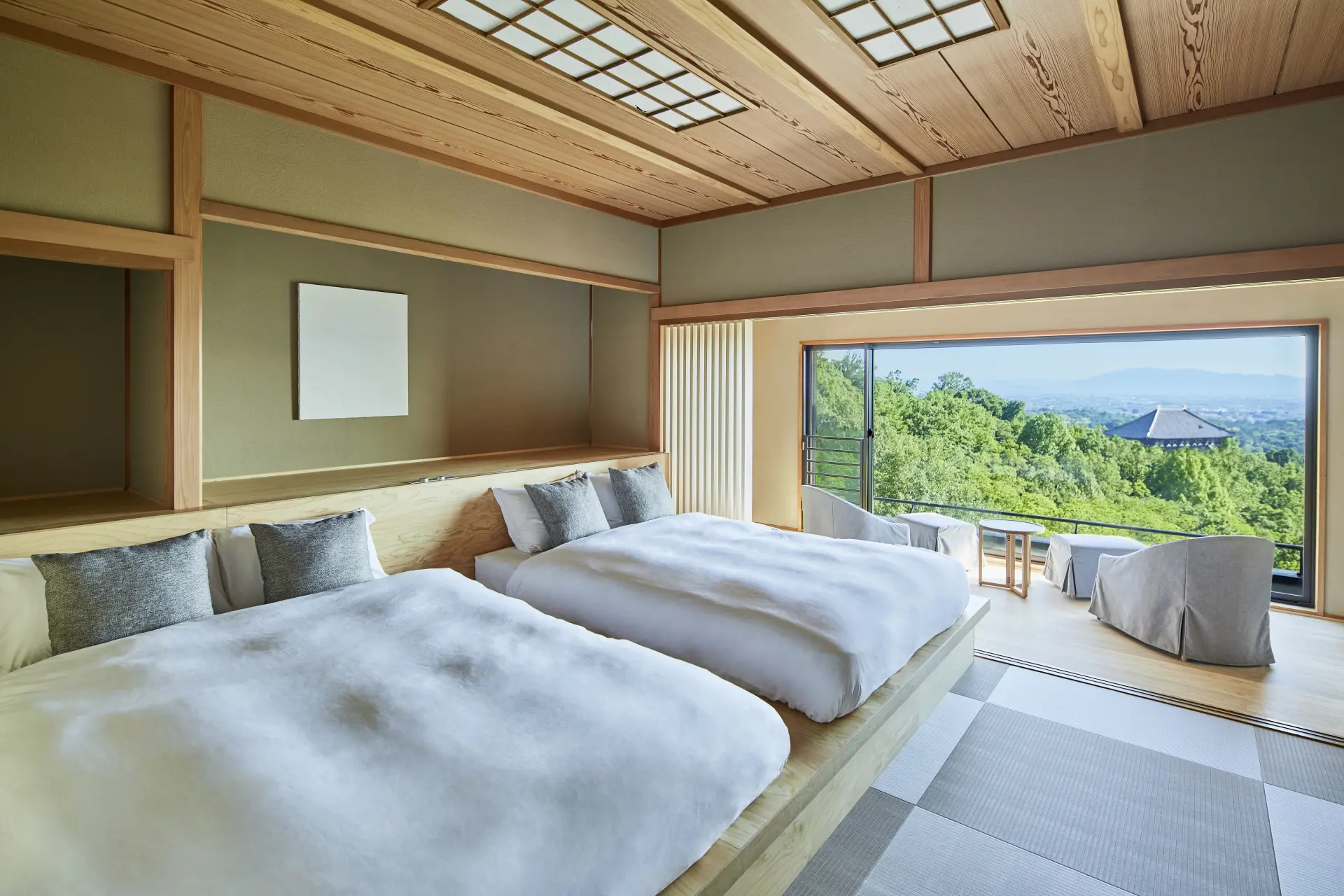
Above all, the property is renowned for its panoramic views of the ancient capital of Nara from the mountainside. From various locations throughout the property-including the newly added rooftop open-air bath, penthouse suite, lobby, and most guest rooms-you can take in sweeping views of the Great Buddha Hall of Todai-ji, Kofuku-ji’s Five-Story Pagoda, and the cityscape of Nara.
2. Nara Manyo Wakakusa no Yado Mikasa
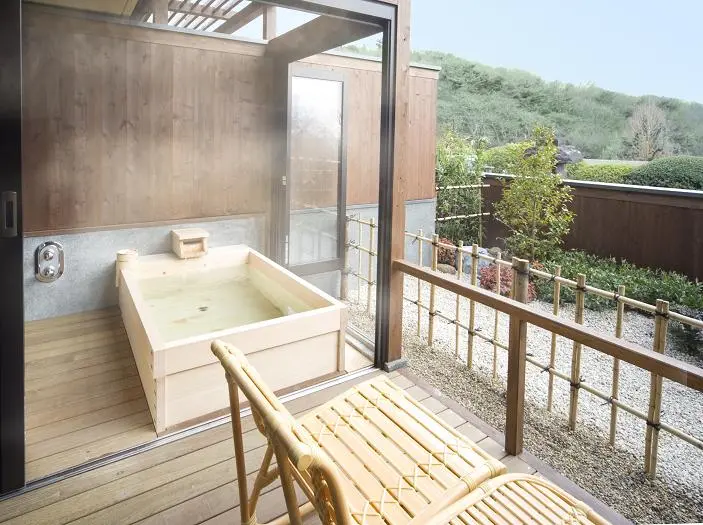
This traditional Japanese ryokan is located on the slopes of Mt. Wakakusa, adjacent to the World Heritage-listed Kasugayama Primeval Forest, in an area known for its wild deer.
The ryokan received a three-red-pavilion rating in the Michelin Guide Kyoto Osaka Kobe Nara 2012.
Situated at one of the highest elevations among accommodations in the Nara city area, it offers sweeping views of the historic cityscape of Nara from the lobby and some guest rooms.
3. Bakery Hotel Chateau D'or
With easy access to Kintetsu Nara Station and Nara Park, this hotel makes a convenient base for sightseeing.
Its breakfast featuring soft, fluffy Japanese-style milk bread from a long-established bakery is especially popular, as are its homemade cookies.
Guest rooms come in a variety of types, including single, twin, double, and family rooms, with both Western-style and Japanese-Western-style accommodations available.
All rooms are reasonably priced, making the hotel a great choice for travelers planning an extended stay.

FAQ about Horyu-ji
Q
When was Horyu-ji built, and by whom?
Horyu-ji was founded in 607 by Empress Suiko and Prince Shotoku.
Q
What famous Buddhist statues can be seen at Horyu-ji?
Notable examples include the Shaka Triad, Kuse Kannon, Kudara Kannon, and Yakushi Nyorai.
Summary
In this article, we’ve introduced the highlights of Horyu-ji, home to some of the world’s oldest surviving wooden structures, along with the legends surrounding its Seven Mysteries.
Be sure to visit Horyu-ji and experience its timeless history for yourself. Across its tranquil grounds, you’ll encounter numerous precious structures designated as National Treasures and Important Cultural Properties, each reflecting more than 1,300 years of history.
For more ideas on exploring Nara, check out the article below featuring classic attractions and recommended local cuisine.