Himeji Castle

Verified [Verified] denotes information that has been published with confirmation of its owing parties.

Himeji Castle

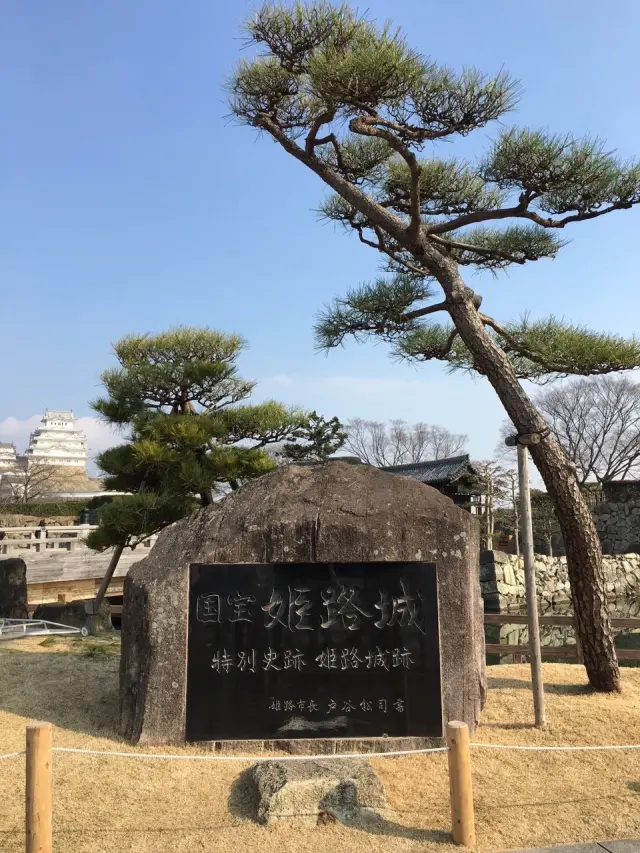
A World Heritage Site and one of Japan's most famous castle buildings. Also known as "Hakuro Castle”.

4.78 27

Last update :
Supervised by :  Himeji City

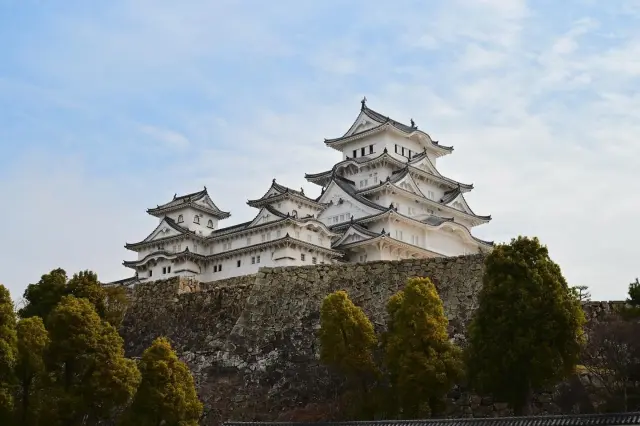
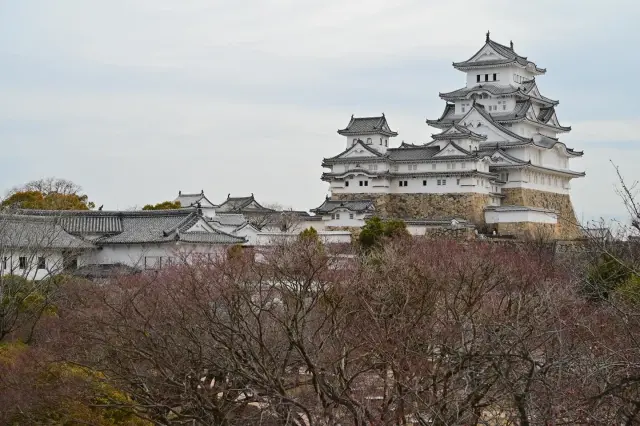
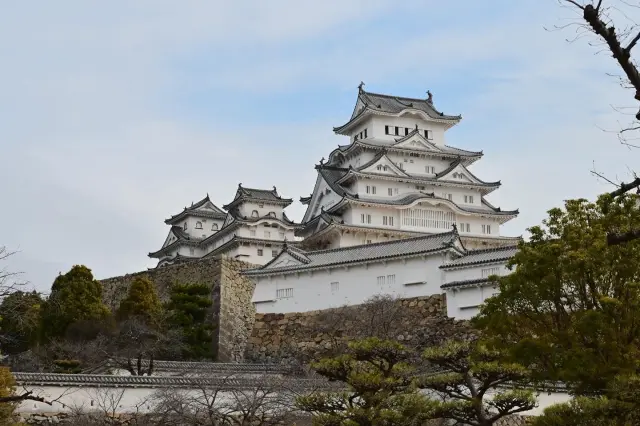
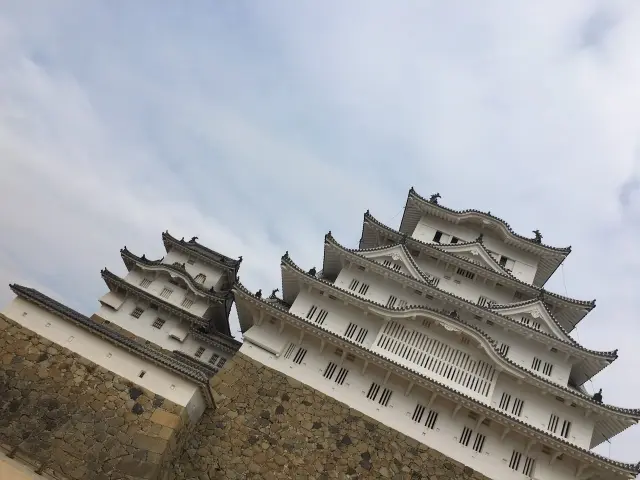
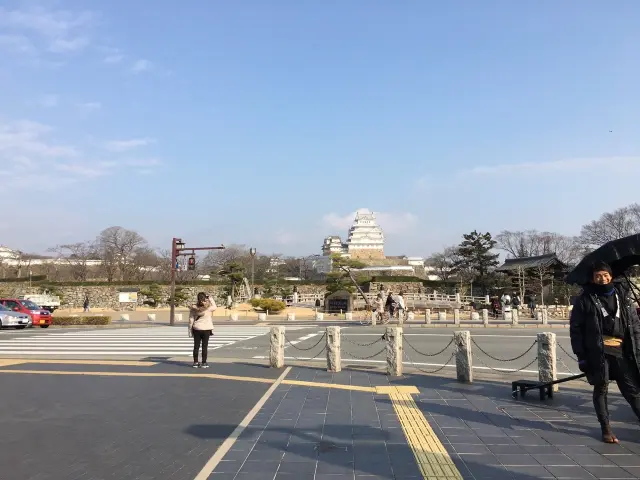
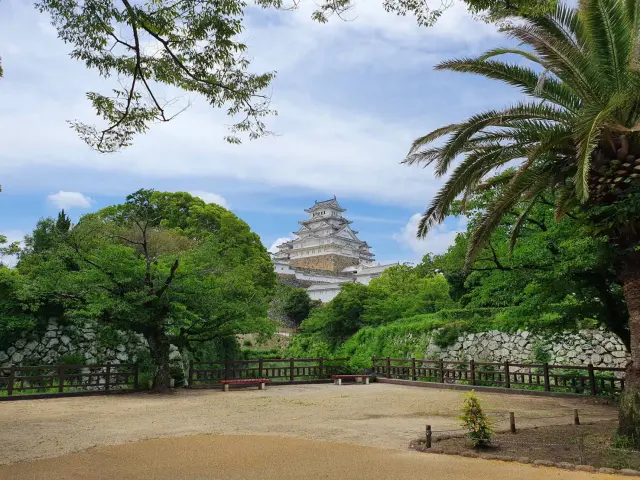
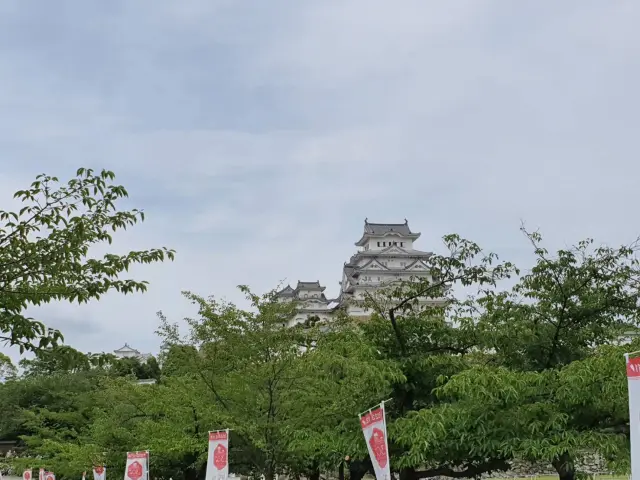
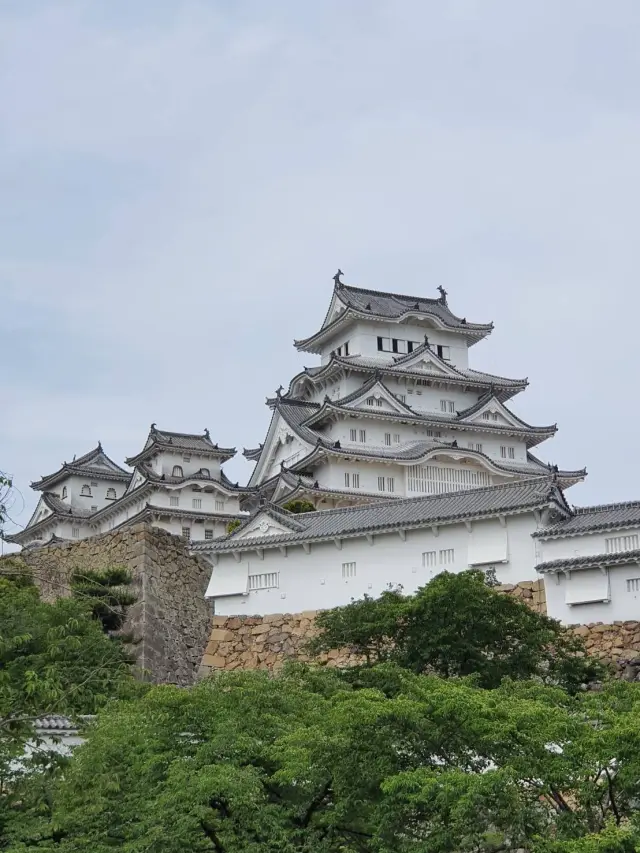
This castle is a World Heritage Site and a Japanese castle masterpiece. The main keep, built by Ikeda Terumasa in the early Edo period, has a five-story exterior, one basement level, and six stories above ground on the inside, making it the largest Edo period castle tower still standing. The castle town is located within the moat, making it a “total castle,” and it is large enough to completely encompass the center of present-day Himeji city. The outer moat is said to have been right around Himeji Station.

The only castle ruins that remain today are those within the inner moat, yet they are quite large. The castle, which is a National Treasure, is a hilltop castle with the main keep and three small keeps by corridors. The castle has experienced very little actual warfare and has amazingly survived air raids, allowing it to keep its exquisite appearance.

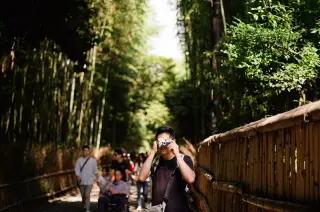
The slope leading from the “Ro-no-Mon” gate to the “Ha-no-Mon” gate is a popular photo spot, and it is called “Shogun’s Slope” because it frequently appears in samurai dramas that use Himeji Castle as if it were Edo Castle. There is the Japanese garden “Koko-en”, which was created on the site of the Lord's West Residence, located on the east side of the castle, as well as the Hyogo Prefectural Museum of History and other attractions in the area.

Highlights

  • A Japanese castle masterpiece and also a World Heritage Site.
  • It used to be large enough to contain the entire city center of Himeji.
  • It’s a valuable cultural asset that still retains the appearance of its original construction.
  • On the way to the castle, “Shogun’s Slope” is a great photo spot.
  • Koko-en, a garden with Himeji Castle in the background, is also worth seeing.

Photos

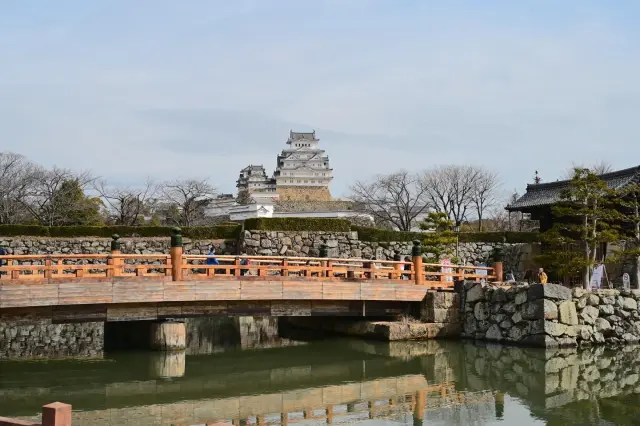
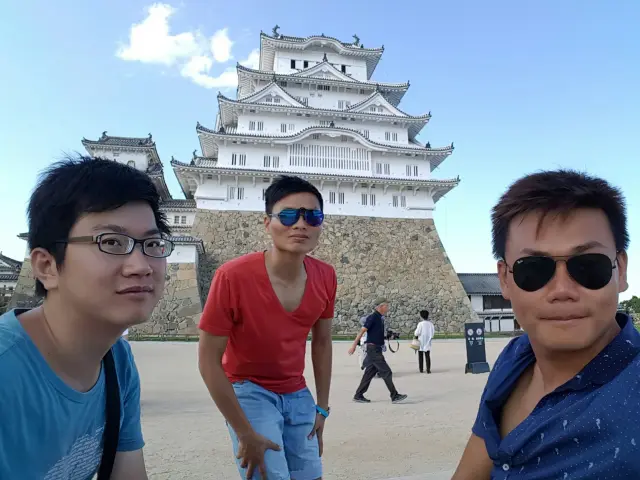
  • Himeji Castle has a regal and imposing appearance. The “Great Restoration in the Heisei Era” has enhanced its beauty.

    Himeji Castle has a regal and imposing appearance. The “Great Restoration in the Heisei Era” has enhanced its beauty.

  • “Nu-no Mon” gate in Ninomaru is a National Important Cultural Property.

    “Nu-no Mon” gate in Ninomaru is a National Important Cultural Property.

  • “Shogun’s Slope,” where the “Abarenbo Shogun” rushed through.

    “Shogun’s Slope,” where the “Abarenbo Shogun” rushed through.

  • The 2nd floor of the main keep.

    The 2nd floor of the main keep.

  • “Kokoen,” a garden created on the site of the Lord’s West Residence.

    “Kokoen,” a garden created on the site of the Lord’s West Residence.

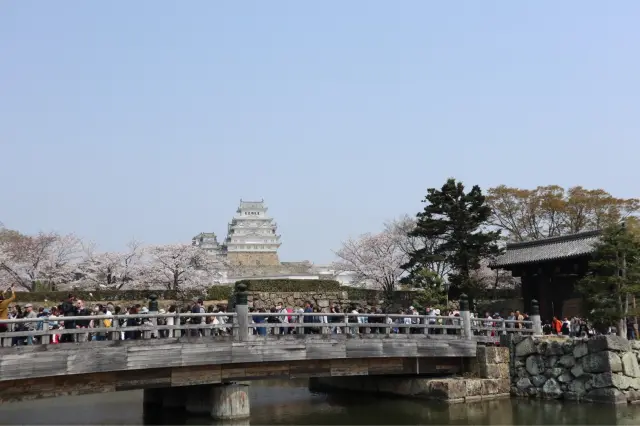
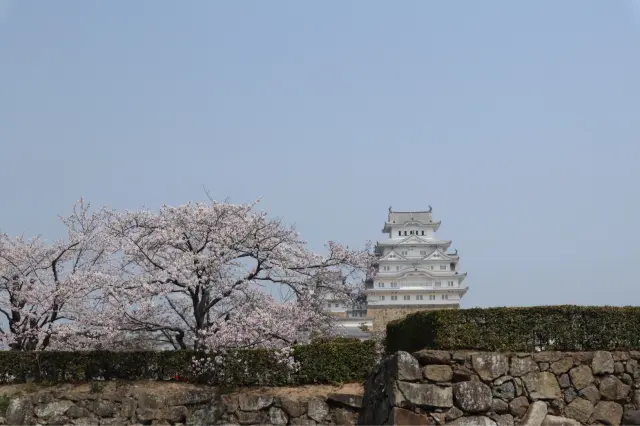
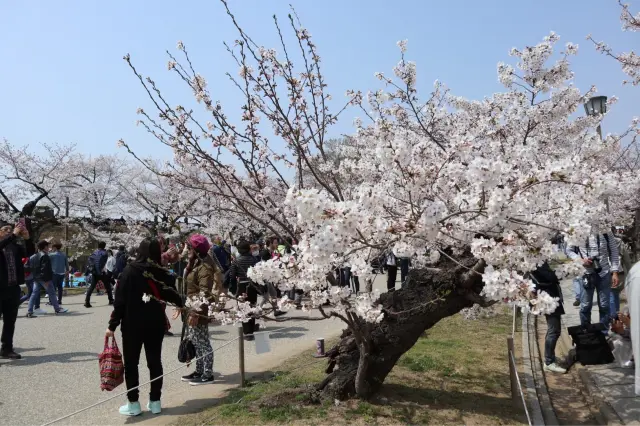
  • Cherry Blossoms & Himeji Castle

    Cherry Blossoms & Himeji Castle

Reviews

27

Some reviews are AI-translated.

  • See More

    Himeji Castle truly lives up to its reputation!

    As soon as I arrived, I was drawn in by the bright white castle walls. The whole main keep sparkled in the sunlight, looking both elegant and magnificent. No wonder it’s called the “White Heron Castle.” From a distance, it looked as beautiful as a dream castle.

    The weather was amazing when I visited. The blue sky and white clouds against the pure white exterior made it the perfect time for photos. It looked great from every angle, and every quick snapshot came out beautifully.

  • See More

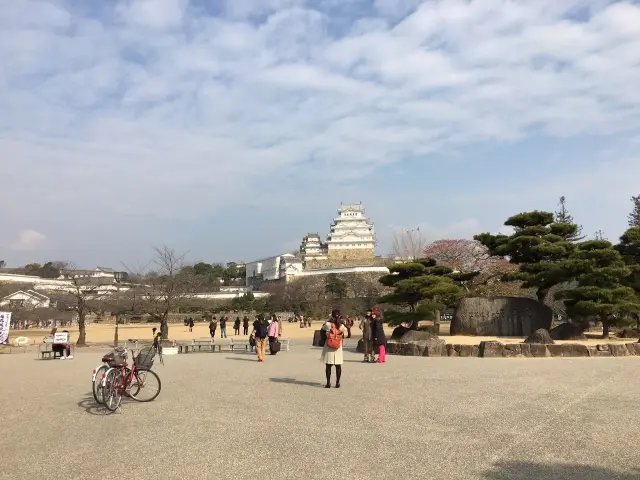
    I originally thought the main difference between Himeji Castle and other Japanese castles was simply its beautiful white exterior. But once I went inside, I realized its scale, state of preservation, and architectural details were far beyond what I had expected. After entering from Sakuramon Bridge, it already takes a while just to cross Sannomaru Square and reach the ticket gate. Once officially inside the castle grounds, I was drawn in by the layered views of the main keeps, smaller keeps, connecting corridors, and multiple gates. I kept stopping to walk, take photos, and look around, so there was no way I could finish the visit in the two hours I had originally planned.

    Compared with the main keep, which gets the most attention, I really liked the Hyakken Corridor and Keshō Yagura in Nishinomaru. This area preserves a rare glimpse of women’s living spaces within a Japanese castle. As I walked along the wooden corridor and looked at the small rooms used by attendants, household items, and exhibits related to Princess Sen, I realized that castles were not only places for lords, samurai, and war. They also once held the everyday lives of women. Princess Sen spent some rare peaceful years at Himeji Castle, but in the end she lost both her child and husband one after another. It gave that seemingly glamorous life a sense of fated sadness.

    The main keep area has a completely different atmosphere. The low gates, steep stone steps, winding passages, and sudden corners are already quite tiring for ordinary visitors, so it’s hard to imagine how enemy soldiers in armor would have advanced through them. After entering the keep and seeing the many weapon racks, shooting holes, stone-dropping openings, and hidden rooms, I finally understood that beneath Himeji Castle’s elegant white appearance lies an extremely cold, warlike nature. I’m also grateful to live in a peaceful era, when this castle built for defense can finally be appreciated for its most beautiful side.

  • See More

    When I arrived at Himeji Castle, I was genuinely blown away by its beauty at first sight! The bright white exterior and impressive main keep make it easy to see why it’s called the “White Heron Castle.” From a distance, it looks like a castle straight out of a fairy tale, so beautiful that you can’t help but keep taking photos.

    I had planned to visit on a weekday, thinking I could stroll around at a relaxed pace, but there were still quite a few visitors. Everyone was busy finding the best angles to capture this centuries-old castle.

    Even with the crowds, the moment I saw Himeji Castle in person, I felt it was absolutely worth it! It’s not only beautiful on the outside, but once you step inside, you can really feel the rich history. It’s a classic must-visit spot for any trip to Kansai.

  • See More

    From a distance, Himeji Castle looks like a white heron spreading its wings, standing gracefully beneath the blue sky. This all-white Edo-period castle keep is not only one of Japan’s greatest castles, but also a precious miracle that survived the destruction of war.
    Crossing the moat, passing through layer after layer of heavy gates designed like a maze, and climbing the narrow wooden stairs of the main keep, you feel the marks of history beneath your feet. All around are cleverly designed defensive features. When you finally reach the top floor, the breeze and the sweeping view over the entire city of Himeji make the power and elegance of the Edo period feel instantly refreshing and inspiring.

  • See More

    Himeji Castle’s white walls look like a white egret spreading its wings, which is why it’s also called the “White Egret Castle.” It has a long history and is beautifully preserved. The connected cluster of keeps has an elegant style, earning it the reputation of being Japan’s finest castle. The cherry trees were still in bud, but I imagine the spring cherry blossom views here must be absolutely beautiful 🌸.

Details

Name in Japanese
姫路城
Postal Code
670-0012
Address
68 Honmachi, Himeji City, Hyogo
Telephone
079-285-1146
Holiday
December 29th and 30th
Hours
9:00am - 5:00pm (Admission allowed until 4:00pm)
Admission
Ages 18 and over (City residents): 1,000yen
Ages 18 and over (Non-residents): 2,500yen
* Visitors under 18 years old (up to March 31 following their 18th birthday) are admitted free of charge.
Directions
1) From JR Himeji Station North exit, take the Shinki Bus and get off at Otemon-mae bus stop, then walk for 5 minutes.
2) About a 20-minute walk from JR Himeji Station or Sanyo Himeji Station.
Credit Cards
Accepted
Official Website
Official Website (Japanese)