

Enjoy Hyogo’s Many Sides! 19 Must-Visit Attractions in Hyogo
Hyogo Prefecture is full of highlights, from an international-feel port city and UNESCO-listed Himeji Castle to powerful natural landscapes.
Plus, with historic hot spring towns and outstanding local cuisine featuring fresh seafood, there are plenty of ways to enjoy Hyogo.
To help you avoid any “wish we’d done that” moments, we’ve handpicked must-see attractions, recommended food spots, and places to stay.
What is Hyogo Like?
Hyogo Prefecture sits on the western edge of the Kinki region, facing the Sea of Japan to the north and the Seto Inland Sea to the south.
It’s the largest prefecture in Kansai by area, with standout attractions scattered across the region.
Among them, the international-feel port city of Kobe and Himeji City—home to UNESCO-listed Himeji Castle—are especially popular and packed with things to do.
On the Sea of Japan side, you’ll also find striking coastal cliffs like the Matsugasaki Hyakusogai Cliffs, plus many other spots where you can feel the power of nature.
And that’s not all: from Arima Onsen, one of Japan’s three oldest hot springs, to excellent local food made with fresh seafood and mountain produce, Hyogo offers something for every traveler.
You might think “Hyogo = Kobe,” but don’t stop there—be sure to explore beyond Kobe, too.

Best time to visit Hyogo
Hyogo has so many attractions that you can enjoy sightseeing year-round.
Spring brings beautiful blooms and scenery.
In fall, you’ll find vivid red foliage, and in winter, hot springs are the perfect seasonal treat.
What to wear in Hyogo by season
- Spring (March–May): A light jacket and a thin sweater
- Summer (June–August): Light clothing, short sleeves
- Fall (September–November): A light jacket or coat
- Winter (December–February): A coat, thick sweater, or warm jacket
How to get to Hyogo
By shinkansen, it’s about 2.5 hours from Tokyo.
From Nagoya, it takes only 1 hour.
From Osaka, it’s just Approx. 25 minutes via the JR Sanyo Line.
Hyogo also has Kobe Airport, making it an easy trip by air—Approx. 1 hour from Tokyo’s Haneda Airport.
Via Kansai International Airport, it’s also convenient to access from overseas.
Main ways to get around in Hyogo
Hyogo is large, so the best transportation depends on the area.
In Kobe, one of the most popular destinations, the rail network is extensive. Using JR and private railways, you can reach most major sights within about 30 minutes.
For top spots like Mt. Rokko and Mt. Maya, cable cars and ropeways are highly recommended—and the views are part of the fun.
First Time in Hyogo? 19 Must-Visit Attractions
Hyogo has many attractions that are famous nationwide, so first-time visitors often wonder where to start.
To help, we’ve selected Hyogo’s best spots—like Himeji Castle, one of Japan’s first UNESCO World Heritage Sites, parks filled with seasonal flowers and scenery, and neighborhoods with an international vibe.
1. Himeji Castle
A legendary castle and UNESCO World Heritage Site.
Built in the early Edo period by Terumasa Ikeda, the main keep has five stories, six floors, and one basement level—making it the largest surviving Edo-period castle keep in Japan.
It’s also a “sogamae” castle, meaning the entire castle town sits within the outer defenses—large enough to encompass today’s central Himeji city area.

2. Awaji Hanasajiki (Hyogo Prefectural Park)
Awaji Hanasajiki is a park spanning about 15 hectares across the northern hills of Awaji Island.
It’s a prime viewing spot where you can enjoy sweeping panoramas of the Akashi Kaikyo Strait and Osaka Bay along with vibrant “carpets” of seasonal flowers.
The view from the observation deck is especially breathtaking.

3. Meriken Park
Meriken Park is a waterfront park facing Kobe Port, created in 1887.
Nearby are Kobe landmarks like the Kobe Port Tower, the Kobe Maritime Museum (with ship-themed exhibits), and the upscale Kobe Meriken Park Oriental Hotel.
Together, these distinctive buildings form one of Kobe’s most famous cityscapes.

4. Himeji Central Park
Opened in 1984, this large complex centers on a safari park and an amusement park.
Nicknamed “Hime-sen,” it’s one of Kansai’s best-known theme parks.

5. Akashi Kaikyo Bridge
The Akashi Kaikyo Bridge connects Honshu and Awaji Island. With a total length of 12,831 feet (3,911 m) and a main span of 6,532 feet (1,991 m), it’s known as the world’s longest suspension bridge. Together with the Onaruto Bridge, it forms a popular sightseeing route linking Kansai to Shikoku.

6. Engyo-ji Temple (Mt. Shosha)
A Tendai Buddhist temple on Mt. Shosha (elevation 1,217 feet/371 m) in northern Himeji. Founded in 966, it’s said to have been established by the monk Shoku.
It’s also a well-known filming location, including for the Hollywood movie <i>The Last Samurai</i> (2003), and has appeared in many films and TV dramas.

7. Kobe Nunobiki Herb Gardens & Ropeway
One of Japan’s largest herb gardens, set at an elevation of about 1,312 feet (400 m), with around 200 varieties and 75,000 plants blooming through the seasons. The garden is filled with fresh scents and color year-round.
Across its spacious grounds are 12 themed gardens, including rose and lavender gardens and a four-season garden, plus plenty of photo spots.

8. Nankinmachi (Kobe Chinatown)
Kobe’s Nankinmachi is counted among Japan’s three major Chinatowns, alongside Yokohama Chinatown and Nagasaki Shinchi Chinatown.
With 100+ Chinese restaurants plus Japanese and Western eateries, grocery shops, and souvenir stores, it’s lively and fun to explore. While taking in the bustling streets, you can snack your way through authentic Chinese favorites like pork buns, shark-fin dishes, grilled soup dumplings, and Peking duck.

9. National Government Park: Akashi Kaikyo Park (Awaji Island Area)
Akashi Kaikyo National Government Park has two locations: Awaji Island and Kobe.
The concept for the Awaji area is “a seaside recreational space.”
It’s divided into an outlook zone that makes use of the hillside greenery, a cultural exchange zone with beautiful flower scenery and play areas, and an open seaside coastal zone.

10. Uzushio Whirlpool Cruise
The Naruto whirlpools are a natural phenomenon created by the tidal difference between the Seto Inland Sea and the Kii Channel.
They’re considered among the world’s three major tidal currents—and if you want to see these massive whirlpools up close, a whirlpool cruise is the way to go.

11. Mt. Rokko
Mt. Rokko (elevation 3,054 feet/931 m) is the highest peak in the Rokko mountain range.
It’s easy to reach the summit by cable car, and you’ll find a variety of facilities—from active outdoor spots to places to enjoy romantic night views.
From Rokko Cable Shita Station, buses circle the mountain, making it easy to get to the places you want to visit.

12. Kobe Kitano Ijinkan (Foreign Residences)
Kobe Kitano Ijinkan-gai developed as a foreign settlement after Kobe Port opened in 1868.
On a hill overlooking the sea, Western-style buildings blend with Japanese architecture to create a distinctive streetscape.
About 30 Western-style buildings remain from that era, and 16 are open to the public.

13. Kobe Harborland
Kobe Harborland is the name of a waterfront area spanning about 18.5 hectares, lined with multiple large commercial complexes.
One of them, Kobe Renga Soko (Kobe Brick Warehouse), was originally built as a cargo warehouse in the late 1890s. Today it’s popular not only for shopping, but also for its historic atmosphere and international vibe.

14. Mt. Maya
Mt. Maya (elevation 2,303 feet/702 m) is part of the Rokko mountain range, with peaks of various sizes.
Tourist facilities are scattered across the mountaintop, and from the base you can easily reach them via the Maya Cable and Maya Ropeway—together known as the “Maya View Line.”

15. Awaji Yumebutai
Awaji Yumebutai is a multi-purpose complex in northern Awaji Island designed by world-renowned architect Tadao Ando.
Across about 28 hectares, you’ll find facilities like a hotel, greenhouse, international conference center, shops, and restaurants, plus the adjacent Akashi Kaikyo National Government Park.
Together they form a beautiful area filled with seasonal plants and flowers.

16. Kobe Animal Kingdom
An all-weather zoo and botanical park built around animal encounters.
In a park designed to realistically recreate natural habitats, you can interact with animals living in settings close to free-range—at a very short distance.
Along with experiences like feeding and camel rides, there are also performances where you can learn about animal behavior.

17. Kinosaki Marine World
A spacious aquarium on the Sea of Japan where you can enjoy a variety of ocean-themed experiences.
With daily performance shows and unique attractions like fishing for horse mackerel and eating it on the spot, there’s plenty you won’t find elsewhere.
Kinosaki Marine World offers 10 signature attractions in total.

18. Rokko Garden Terrace
Rokko Garden Terrace sits at an elevation of 2,887 feet (880 m) on Mt. Rokko and is a scenic viewpoint for sweeping panoramas that include Kobe’s cityscape, the Osaka Plain, and the Akashi Kaikyo Strait—plus the famous “10-million-dollar night view.”
Within the grounds are multiple viewpoints with different features, including the 36-foot (11 m) “Miharashi Tower” for wide panoramas, the step-like “Miharashi Terrace” where you can sit and relax with the view, and the “Miharashi Deck” with clear views of the Rokko mountains and the Osaka Plain.

19. Genbudo Park
A park featuring caves formed from basalt with striking, regular cracks known as columnar joints—created as magma cooled and hardened after volcanic activity about 1.6 million years ago. The park was renovated and reopened in 2022, with pathways and other facilities improved. The surrounding area is part of San’in Kaigan National Park, and it’s recognized as a UNESCO Global Geopark as part of the San’in Kaigan Geopark, valued for its geological importance.

Stroll Through Atmospheric Streets: 3 Hot Spring Towns in Hyogo
Hyogo is also home to historic hot spring areas and hot spring towns—perfect for soothing your body after sightseeing.
Beyond the baths, enjoy wandering through charming streets lined with restaurants and souvenir shops.
1. Arima Onsen
A celebrated hot spring on the northern foothills of Mt. Rokko, and one of Kansai’s most famous onsen destinations. With a long history mentioned in the <i>Nihon Shoki</i> and <i>Fudoki</i>, it’s counted among Japan’s three oldest hot springs. It has been loved by countless notable figures—from emperors and feudal lords to writers and artists—and it’s especially well known that Toyotomi Hideyoshi frequently visited for therapeutic bathing.
Though it’s within Kobe City, the area is surrounded by rich nature. At the same time, renowned ryokan line the streets, creating a classic hot spring town atmosphere.

2. Kinosaki Onsen
A traditional hot spring town loved by famed authors like Naoya Shiga and Toson Shimazaki, with a history of over 1,300 years. Within about a 20-minute walk, you’ll find seven public bathhouses, making it easy to enjoy an onsen-hopping stroll through charming streets.
The entire Kinosaki Onsen area is lined with inns, restaurants, and souvenir shops—giving it the feel of one large, welcoming “inn town.”

3. Ako Onsen
Ako Onsen sits on a hill in Ako Misaki overlooking the Harima-nada Sea, known for sweeping Seto Inland Sea views. It opened relatively recently in 1969, and in 2000, an additional hot spring source was drilled from 5,249 feet (1,600 m) underground.
The neutral saline spring is rich in minerals, feels smooth on the skin, and retains heat well. It’s also affectionately known as the “revival bath.”

Savor Incredible Local Flavors: 3 Popular Restaurants in Hyogo
Hyogo is blessed with not only fresh seafood, but also excellent farm and livestock products.
From Awaji Island seafood and branded beef to Akashi octopus, conger eel, Tanba matsutake mushrooms, and Tajima crab, the lineup of must-try local food is impressive.
Kobe also flourished through trade, and along with Western culture, pastries were introduced and developed into a unique sweets scene—so you’ll still find many dessert shops today.
If you want to experience Hyogo’s food culture, be sure to visit the three restaurants below.
1. Ocean Terrace (Awaji Island)
An ocean-view grill restaurant in a prime location with the Seto Inland Sea right in front of you, offering 100 seats on its third-floor terrace.
Enjoy changing views throughout the day along with branded beef, including “Awaji Beef”—a top-quality label selected from Tajima cattle raised on Awaji Island under strict standards.

2. Patisserie Mont Plus
One of Kobe’s most highly regarded dessert shops.
The chef focuses on French pastries and sweets inspired by French traditions.

3. Ajitetsu Maiko
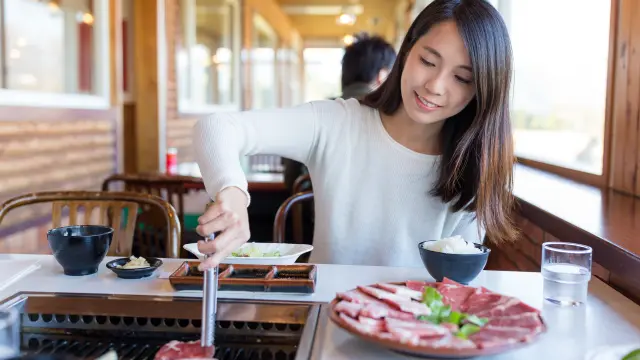
A restaurant inside Maiko Park where you can enjoy carefully selected Japanese black wagyu from around the country, including Kobe beef—served as steak, shabu-shabu, yakiniku, and sukiyaki.
Expert buyers purchase whole cattle and dry-age certified Japanese black wagyu to concentrate umami, serving it at its best timing.

3 Recommended Shopping Areas in Hyogo
From open, seaside shopping spots to long-established department stores, Hyogo has plenty of great places to shop.
Here are three especially recommended shopping areas.
1. Kobe Harborland umie
Kobe Harborland is one of Kobe’s signature waterfront sightseeing areas.
Within it is the large shopping complex Kobe Harborland umie.
It has about 230 stores, including fashion, lifestyle goods, and restaurants, plus a movie theater.
In a breezy location right by the sea, you can shop, dine, or take a stroll—easy to enjoy all day.

2. Daimaru Kobe
Kobe’s former foreign settlement is known for its retro, calm streets.
One of the area’s signature department stores is Daimaru Kobe.
The building’s “classic & modern” concept blends into the neighborhood, and features like corridor-style walkways and gas lamps add to the refined former-settlement atmosphere.

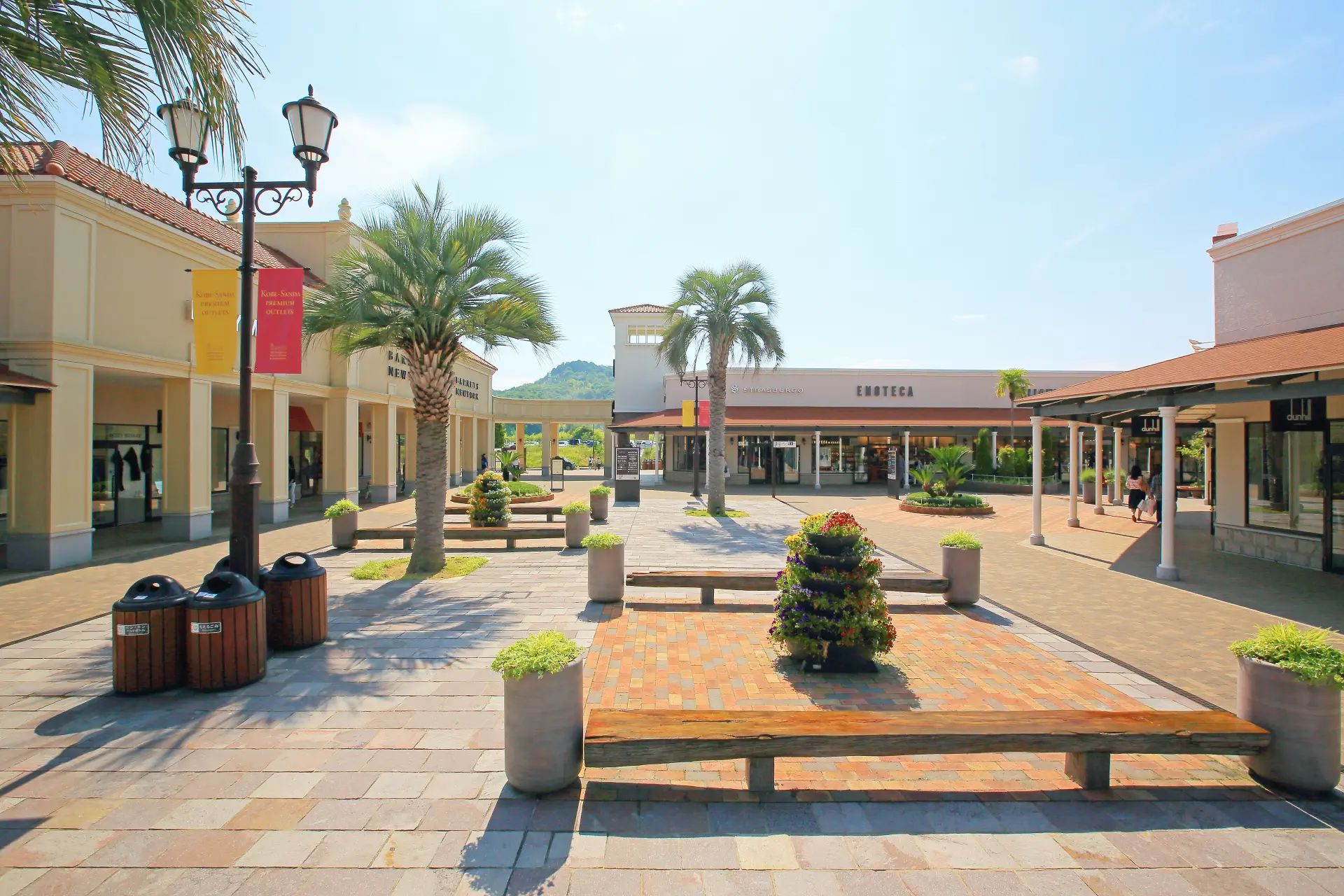
3. Kobe-Sanda Premium Outlets
Kobe-Sanda Premium Outlets is one of the largest outlet malls in western Japan.
Built with the theme of “a premium, open, adult town,” it’s modeled after Pasadena, an upscale residential area outside Los Angeles.
About 210 stores line the streets, from famous brands and popular select shops to interiors, sports, lifestyle goods, and restaurants.
3 Recommended Places to Stay in Hyogo
Hyogo offers a wide range of accommodations, from ryokan where you can soak in hot springs surrounded by mountains to hotels with a sophisticated atmosphere.
Here are three especially recommended places to stay.
1. Momijikan Bettei Azare
Takedao Onsen is easy to reach from central Osaka and Kobe by car or train.
The area’s only accommodation is Momijikan Bettei Azare.
Surrounded by nature and mountains that change beautifully with the seasons, it’s the perfect place to slow down and enjoy a relaxing, Japan-style stay.

2. NIPPONIA Sasayama Castle Town Hotel
A small, dispersed hotel created by renovating historic buildings scattered throughout the Tanba-Sasayama castle town. It’s the first hotel in the “NIPPONIA” brand, developed nationwide by VMG HOTELS & UNIQUE VENUES.

3. Kobe Kitano Hotel
A city auberge-style hotel on Tor Road in Kitano’s foreign residences neighborhood.
Housed in an elegant red-brick building, it offers 30 rooms, each with its own feel, featuring refined British-inspired design.
It’s also a member of Relais & Châteaux, a nonprofit association open only to world-class hotel-restaurants.

3 Events You Should Experience in Hyogo
Here are three festivals and events that represent Hyogo.
Each offers a memorable experience that reflects Japanese and local culture.
If your schedule lines up, don’t miss the chance to join.
1. Kobe Luminarie
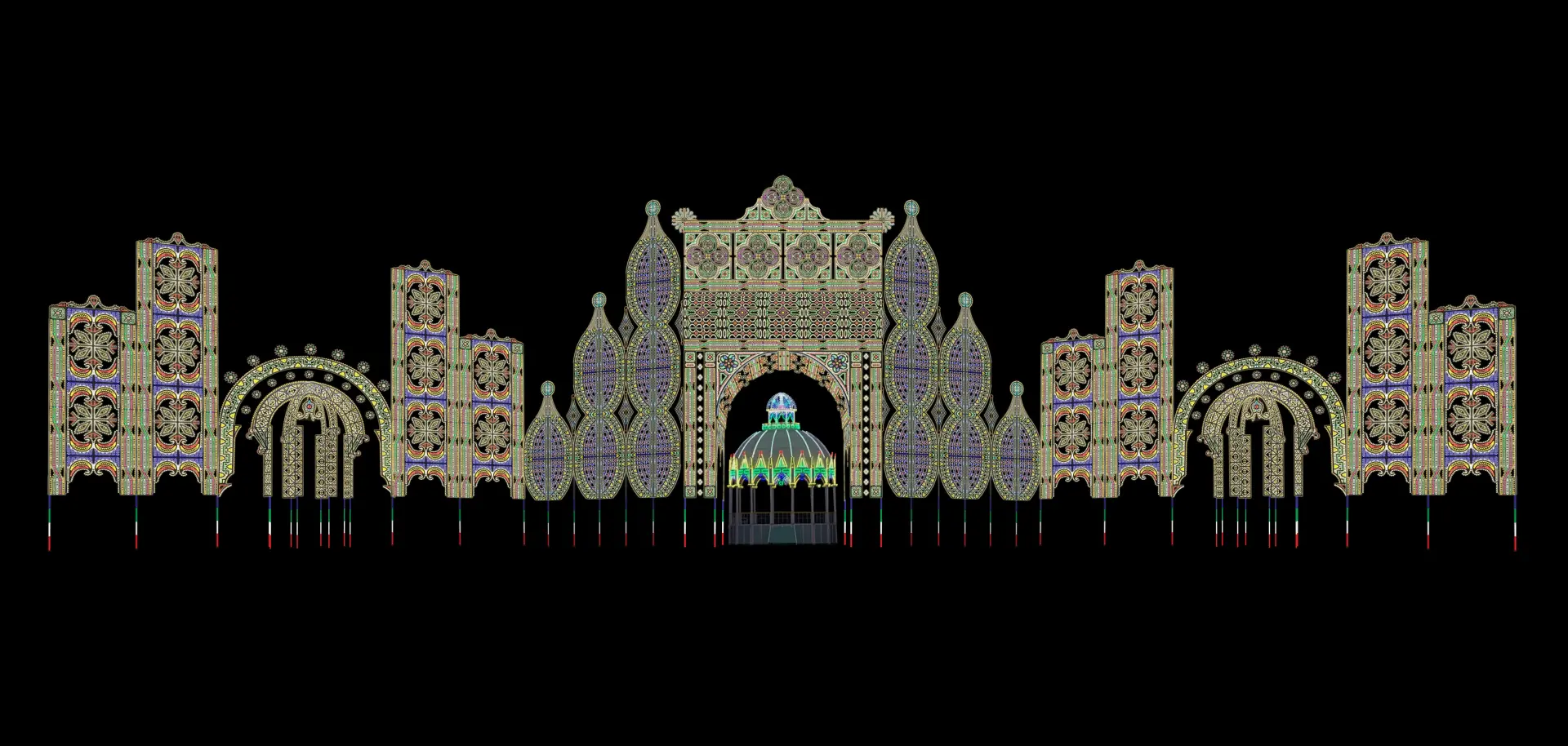
Kobe Luminarie began in 1995 as an event to pass on the memory of the Great Hanshin-Awaji Earthquake and to symbolize hope for Kobe. Each year, a theme is chosen, designs are created to match it, parts are prepared in Italy, shipped to Kobe, and assembled by Italian craftsmen together with Japanese staff.
2. Minato HANABI: 5 Days of Fireworks in Kobe
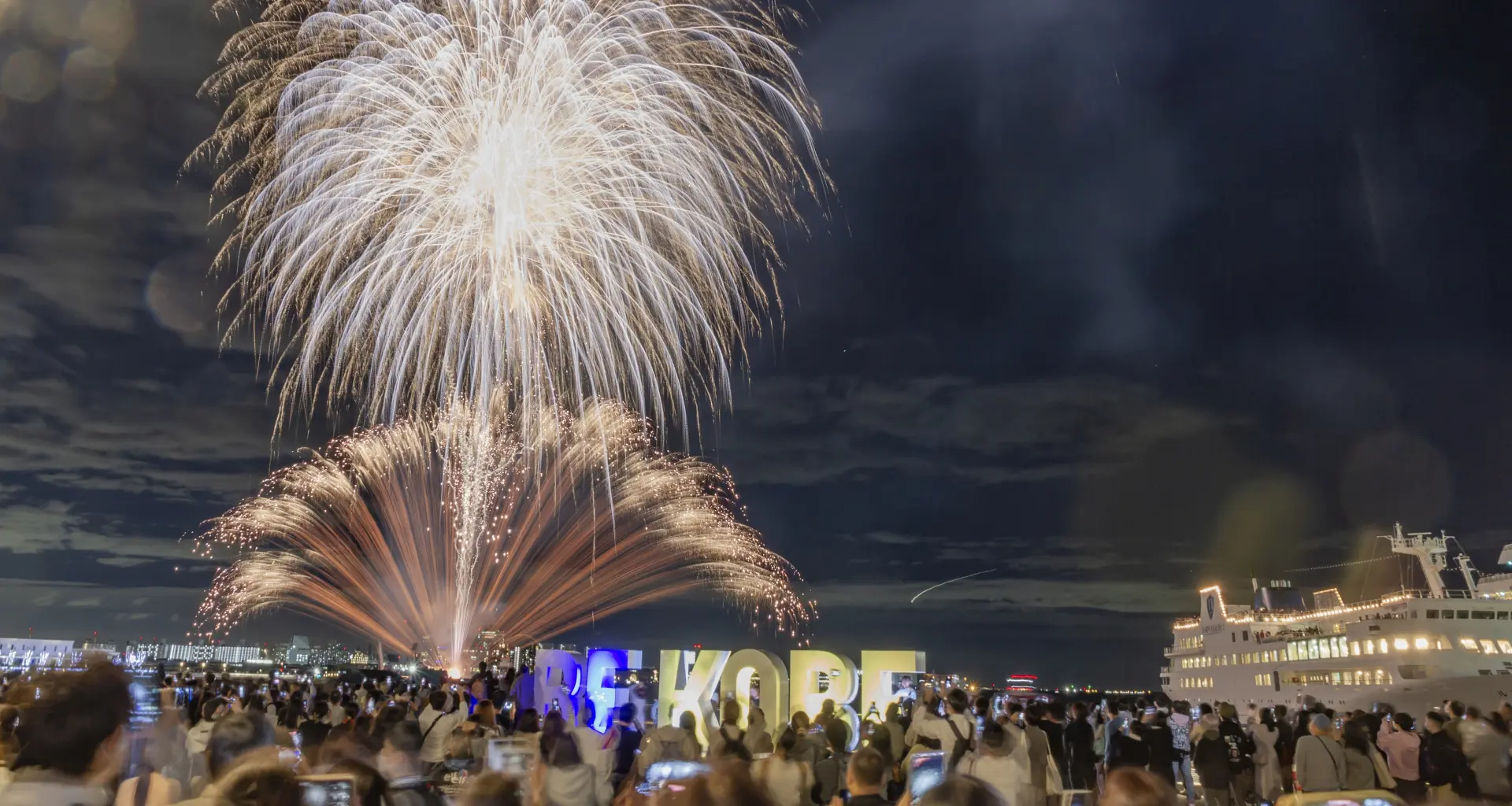
A distributed fireworks event held over five weekdays in October, with a 20-minute show each day.
Following last year, it will be held again to boost the vibrancy of Kobe’s waterfront area and promote the nighttime economy.
A key highlight is “music fireworks,” where the show is launched in sync with music played through large speakers set up at the venue.
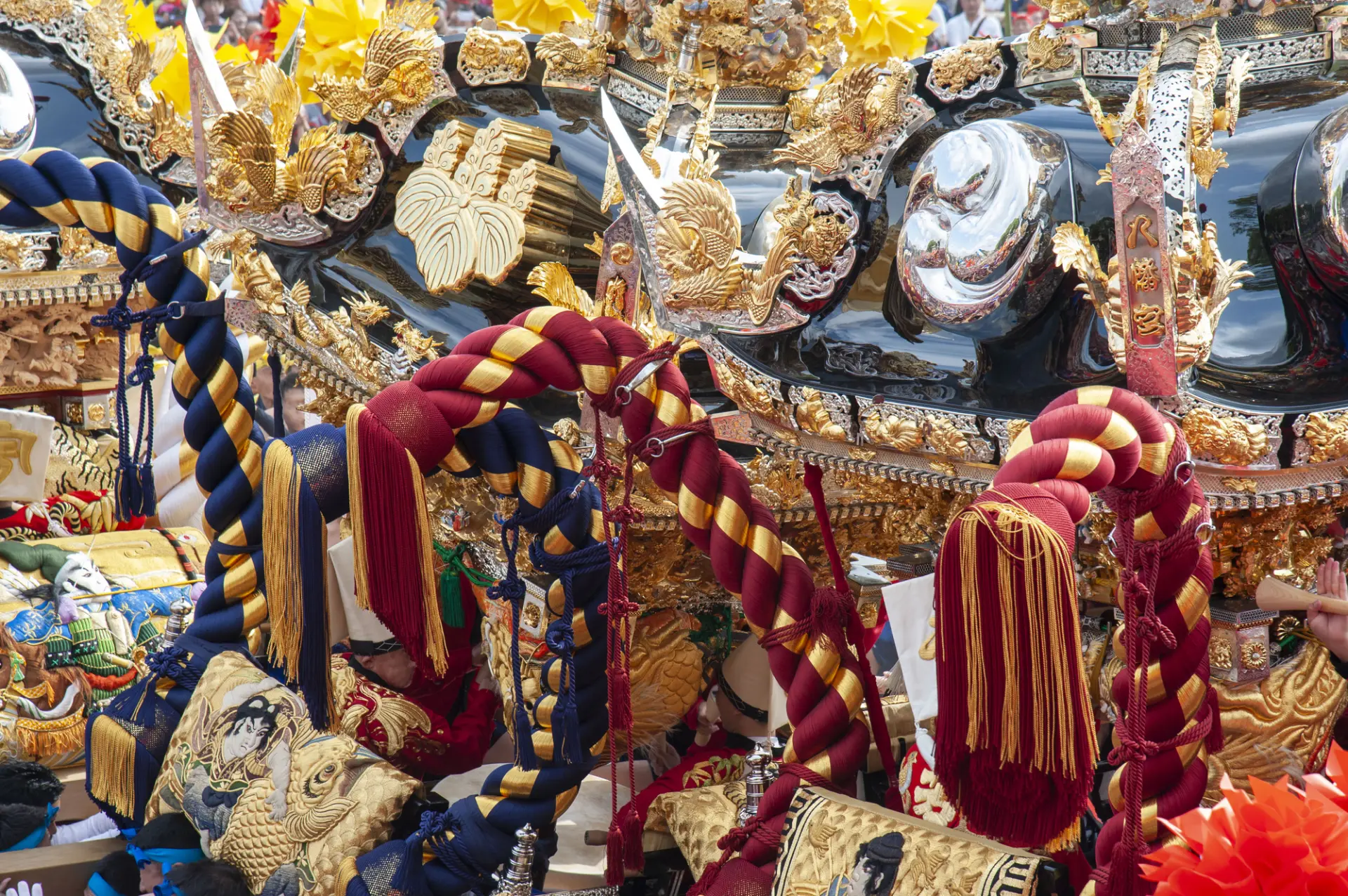
3. Nada Kenka Matsuri
An annual fall grand festival held on October 14 and 15 at Matsubara Hachiman Shrine in Shirahama, Himeji City.
Known as one of Japan’s “three most fierce mikoshi festivals,” it’s a famous and intense event, with participants coming from seven areas called the “former seven villages” along the southeastern coastal region of the city, all parishioners of Matsubara Shrine.
Summary
With a wide area and coastlines on both sides, Hyogo is dotted with attractions across the prefecture.
From international-feel neighborhoods and some of Japan’s most beautiful night views to historic castles, there’s no shortage of things to see.
With so much to choose from, it can be hard to know where to start—so try building your itinerary around the spots introduced here first.
After enjoying Hyogo to the fullest, consider taking a highway bus to Tokushima, just 1–2 hours away.
Be sure to check out Tokushima’s famous sights too, like the powerful Naruto whirlpools and the traditional Awa Odori dance with about 400 years of history.