
11 Ways to Experience Nara: A Journey Through the Atmosphere of the Ancient Capital
Explore the historic townscapes of Naramachi and Imai-cho, the gardens and architecture of Yoshikien Garden and the Former Yagyu Domain Chief Retainer’s Residence, the craftsmanship of Hakomotokan “Konya” and Yoshida Mosquito Net, plus local flavors at Awa Naramachi and Senjuan Yoshimune Nara Main Store.
Nara is dotted with places that carry the spirit of the ancient capital into the present. By walking, looking, choosing, and tasting, you can connect with the culture and everyday life rooted in this land.
Visit each spot and take your time savoring what makes Nara special.
Walk Historic Streets Lined with Low Eaves
Step onto streets lined with lattice doors and tiled roofs, and you’ll find scenery where Nara’s sense of time still lingers.
These townscapes grew through layers of commerce and faith, and their depth becomes clearer as you walk. Follow the changing character of each street as you explore.
1. Naramachi (Nara City)
This old district has a history dating back to its development as the outer capital of Heijo-kyo during the Nara period.
In the Edo period, the area around Sarusawa Pond flourished as a post town, and it continued to function as a commercial center until the mid-Showa period.
Machiya townhouses built from the Edo period to the Meiji period still remain around the former grounds of Gangoji Temple, making the area ideal for a retro stroll.
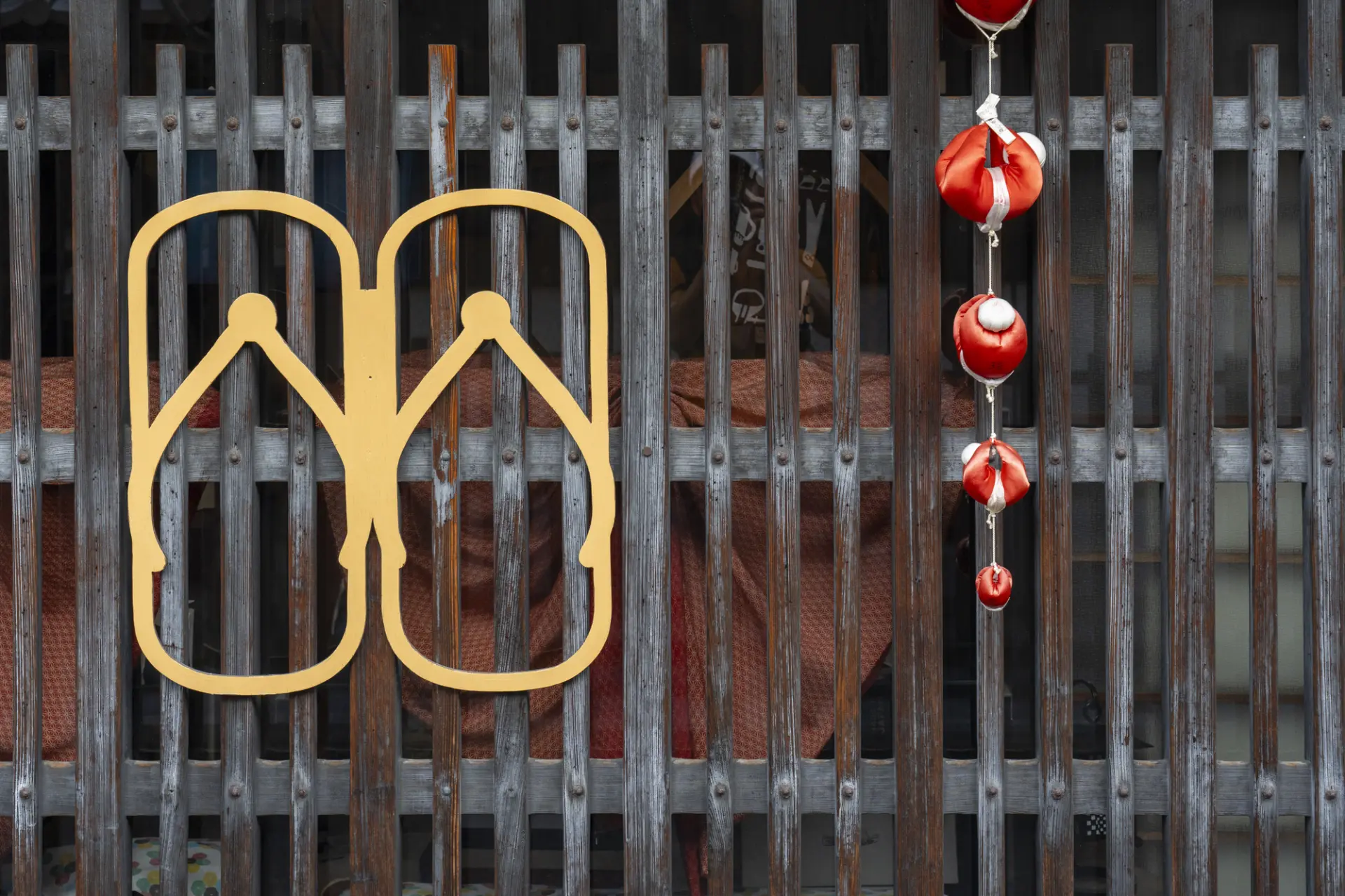
Today, cafés and general stores are scattered throughout the neighborhood, while “migawari-zaru” charms hanging from machiya eaves add color to the streets.
Pick up a walking map at the information center and wander down any alley that catches your eye.
2. Imai-cho Walking Tour (Kashihara City)
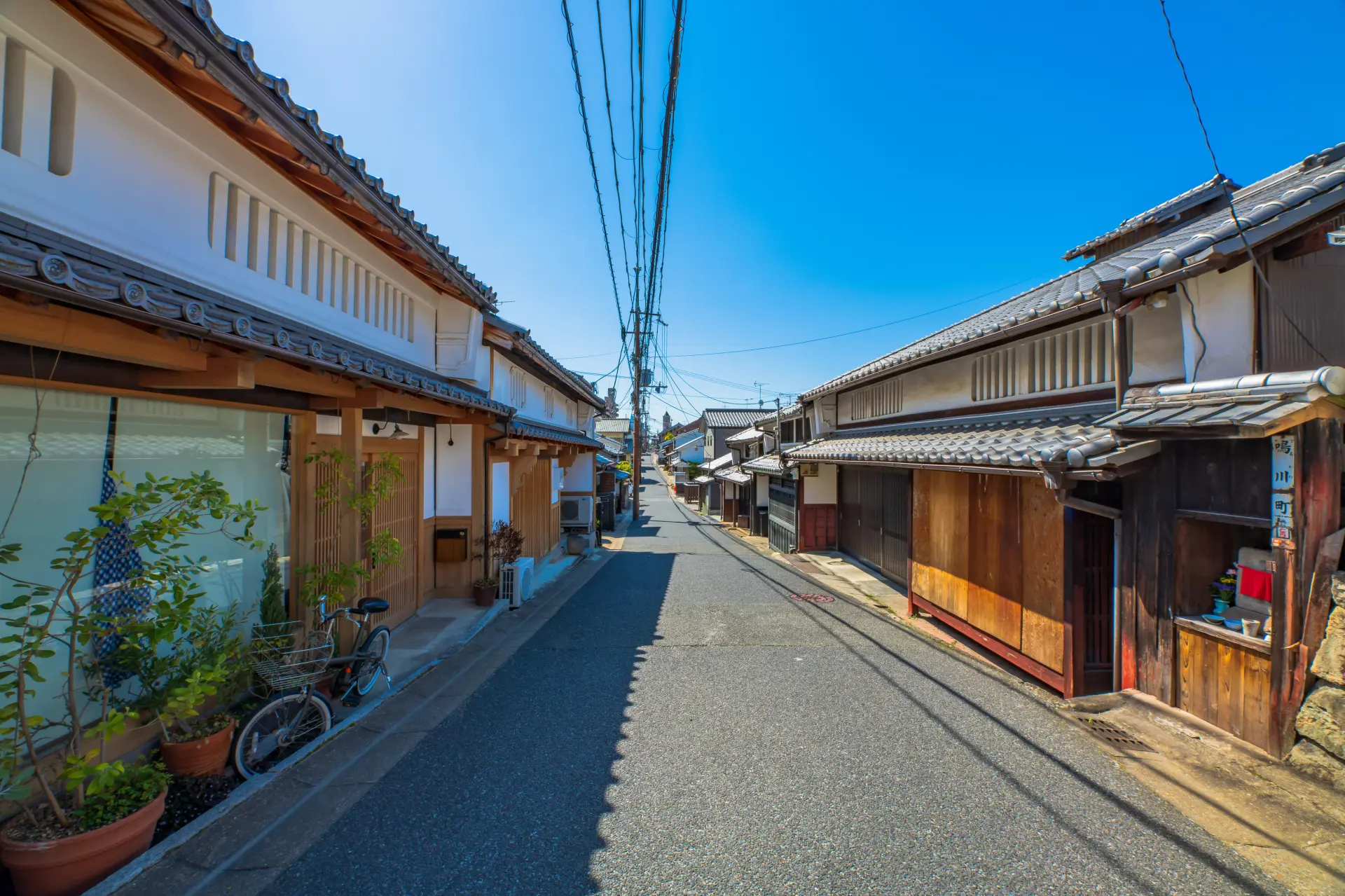
Imai-cho formed around a temple and developed as a self-governing town.
As a temple town administered by a temple, Imai-cho developed into a historic streetscape where many old tiled-roof houses built in the Edo period still remain.
It also has a history of receiving a red-seal document from Oda Nobunaga and aspects of a commercial city permitted to circulate its own currency. Houses preserving the structures of that time line the streets, making this a place where history and everyday life overlap, best enjoyed at a relaxed pace.

Step into Gardens and Residences and Feel the Layers of Time
Pass through the gate and into the garden, and a quiet atmosphere unlike the bustle outside surrounds you.
As you trace the ideas expressed in the architecture and garden design, you can sense the layers of time continuing from the past.
Take in the space from different angles as you explore.
3. Yoshikien Garden (Nara City)
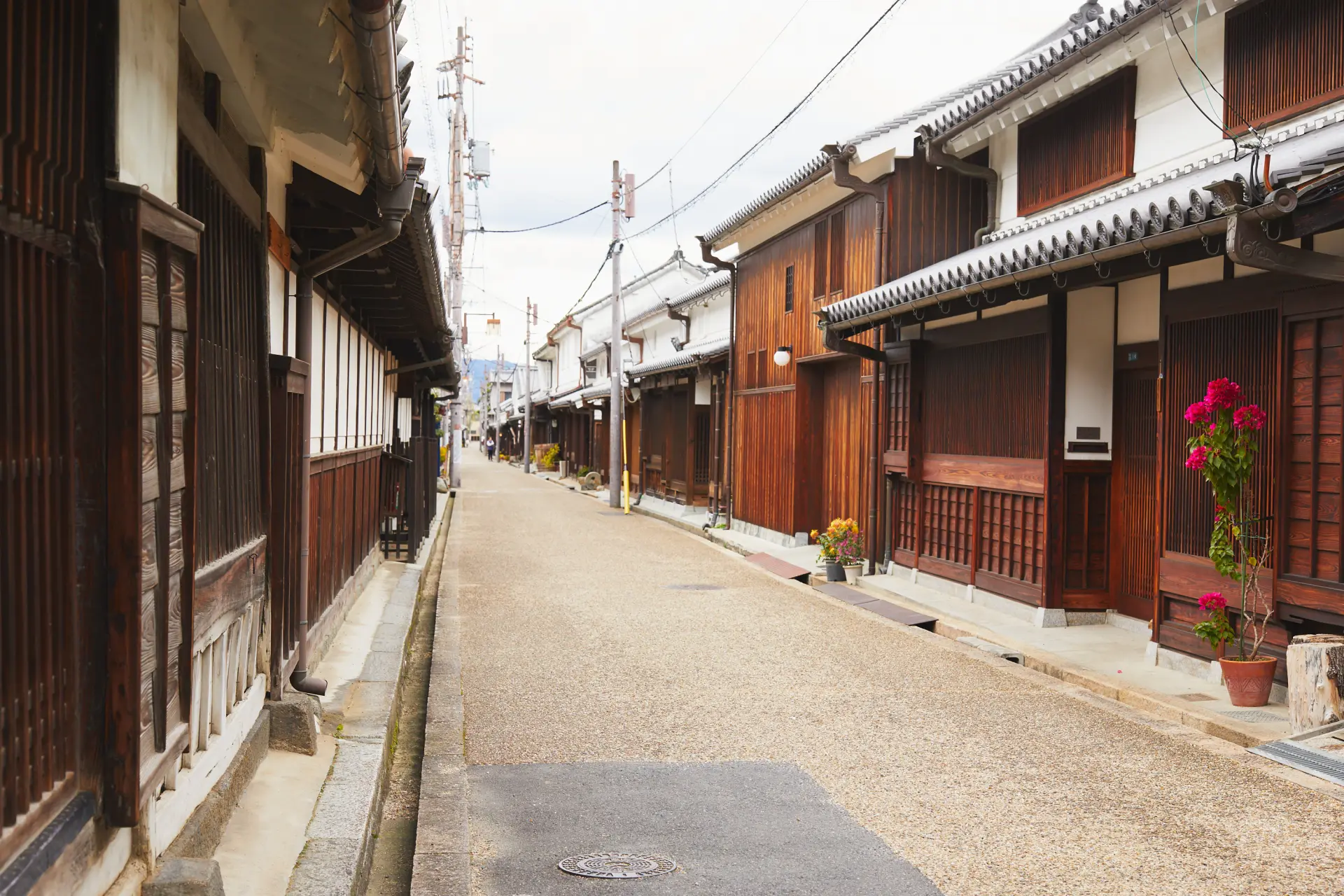
A Japanese garden located near Nara Park and Todaiji Temple. It is said that a sub-temple of Kofukuji Temple once stood here before the Edo period, and the garden was shaped into its present form during the Taisho period.
The spacious grounds of Approx. 8,900 square meters consist of three gardens—the Pond Garden, Moss Garden, and Tea Ceremony Flower Garden—plus a detached tea house. The scenery, which incorporates Mount Kasuga and Mount Wakakusa as borrowed landscapes, is beautiful. Each garden offers a different composition, including a strolling pond garden and a flat garden of cedar moss.
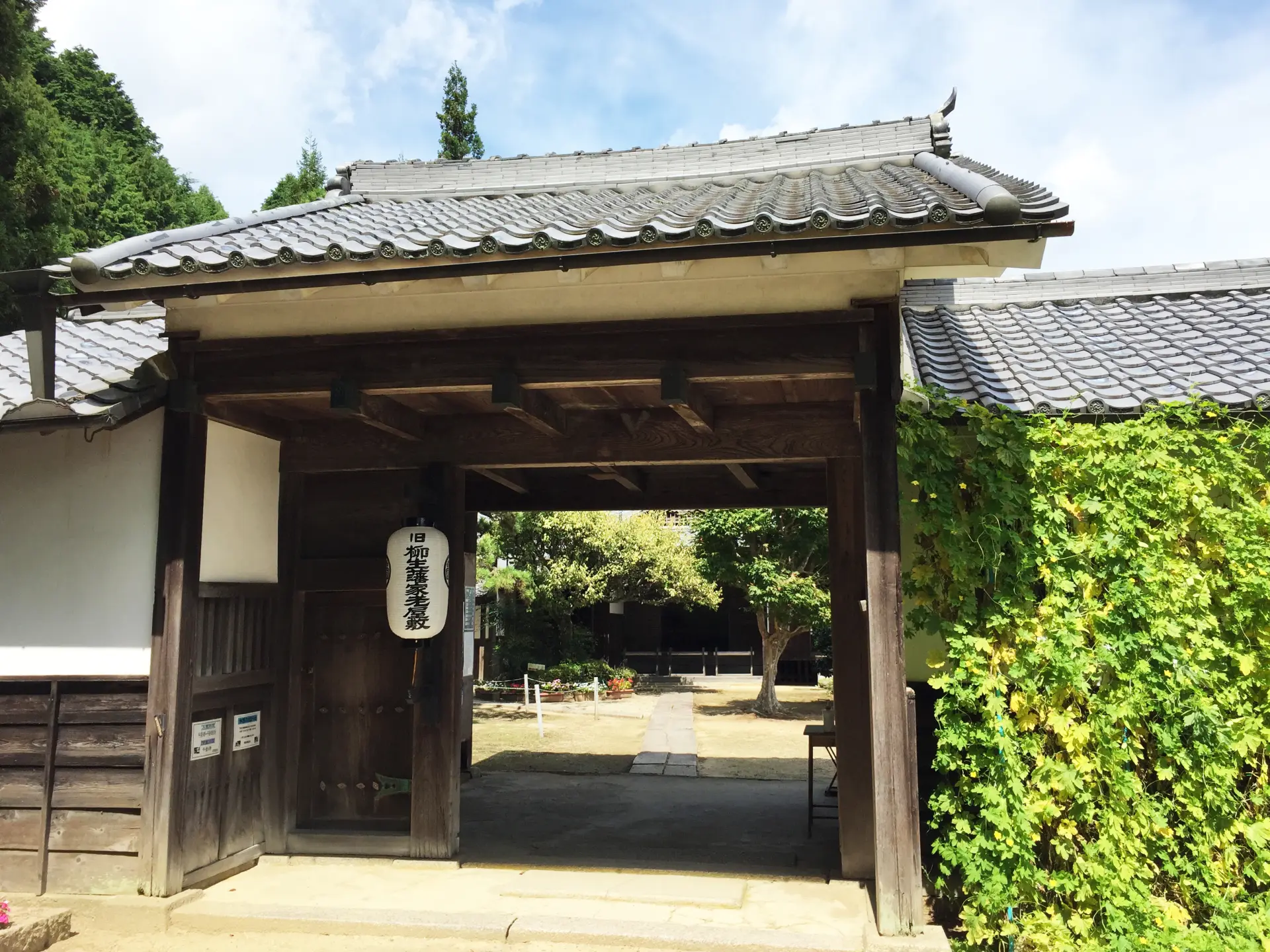
4. Former Yagyu Domain Chief Retainer’s Residence (Nara City)
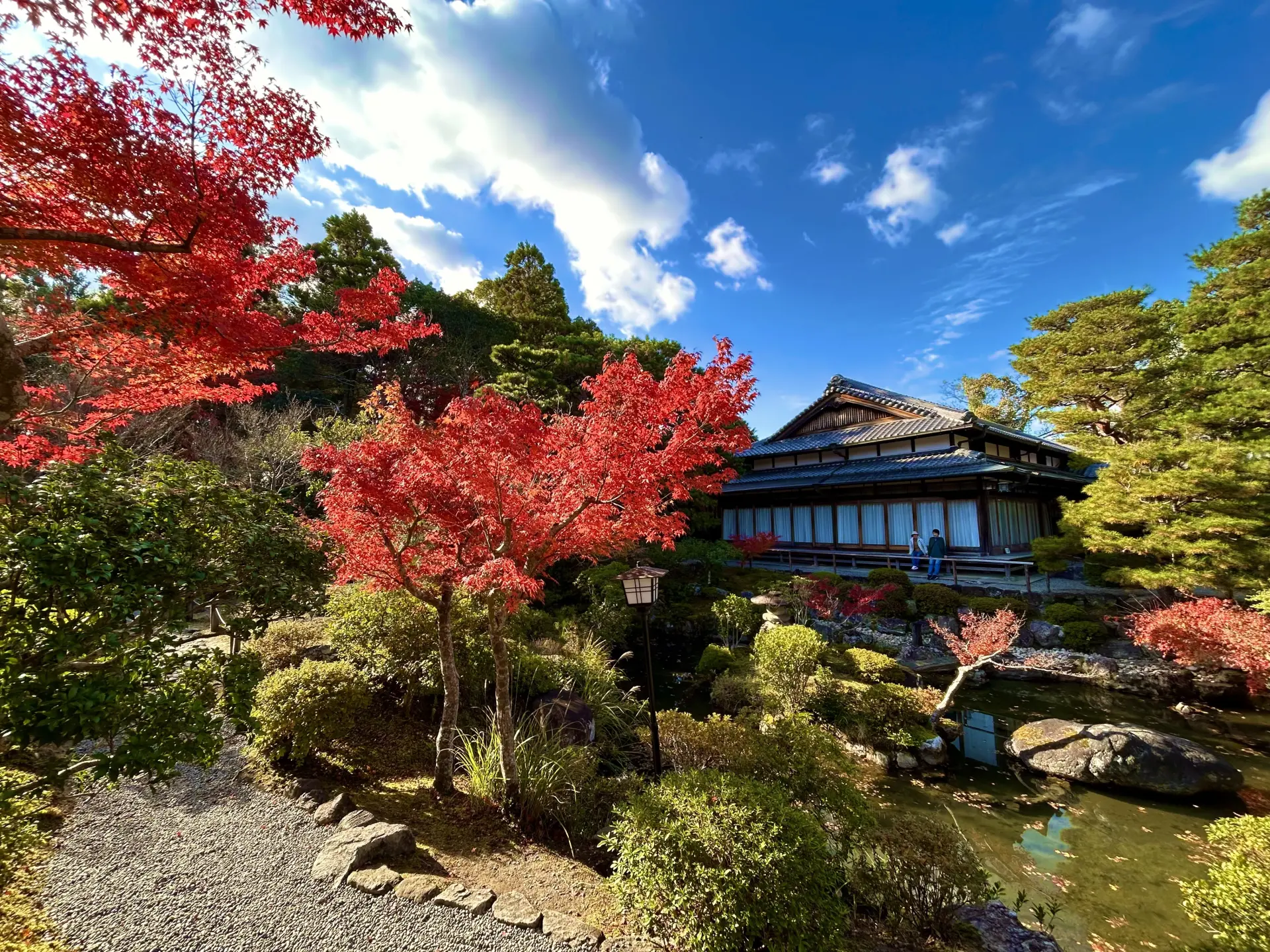
A samurai residence built in the late Edo period for the chief retainer who supported the domain’s finances.
It is the only surviving samurai residence in Nara Prefecture, and from 1964 it was owned by writer Sohachi Yamaoka. Today, it is open as a museum, displaying materials related to the Yagyu Domain and the writer, and also serves as the Yagyu Tourism Association.
Guest rooms for the lord, a garden, stone walls, and other elements from the past remain throughout, making it pleasant to move between the building and garden as you look around.
Discover Everyday Tools Shaped by Nara Craftsmanship
Tools and materials used in daily life carry the skills and ingenuity of each region.
When you learn about the materials and techniques as you handle them, their background becomes more tangible. Choose pieces while imagining how you might use them.
5. Hakomotokan “Konya” (Yamatokoriyama City)
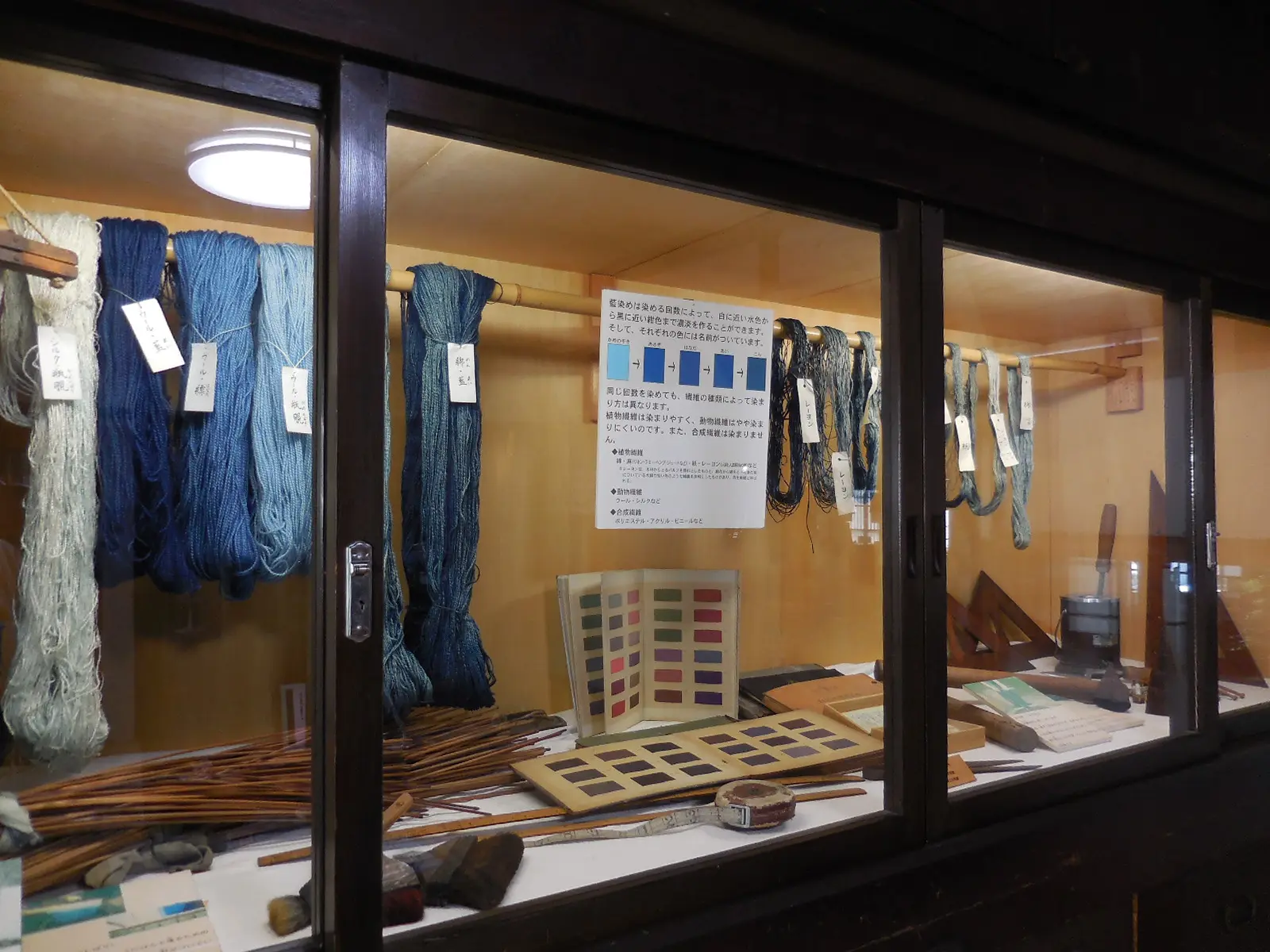
A facility created by restoring the machiya of an indigo-dye merchant, preserving the culture of indigo dyeing.
Inside, a wide variety of tools actually used by indigo dyers—including indigo vats, brushes, and stencils—are displayed, giving visitors a close sense of artisans’ lives in the past.
In addition to exhibits, visitors can also try indigo dyeing using dye prepared through the traditional method known as natural lye fermentation. The building also displays a collection related to goldfish, offering a glimpse into the breadth of local culture.
6. Yoshida Mosquito Net (Nara City)
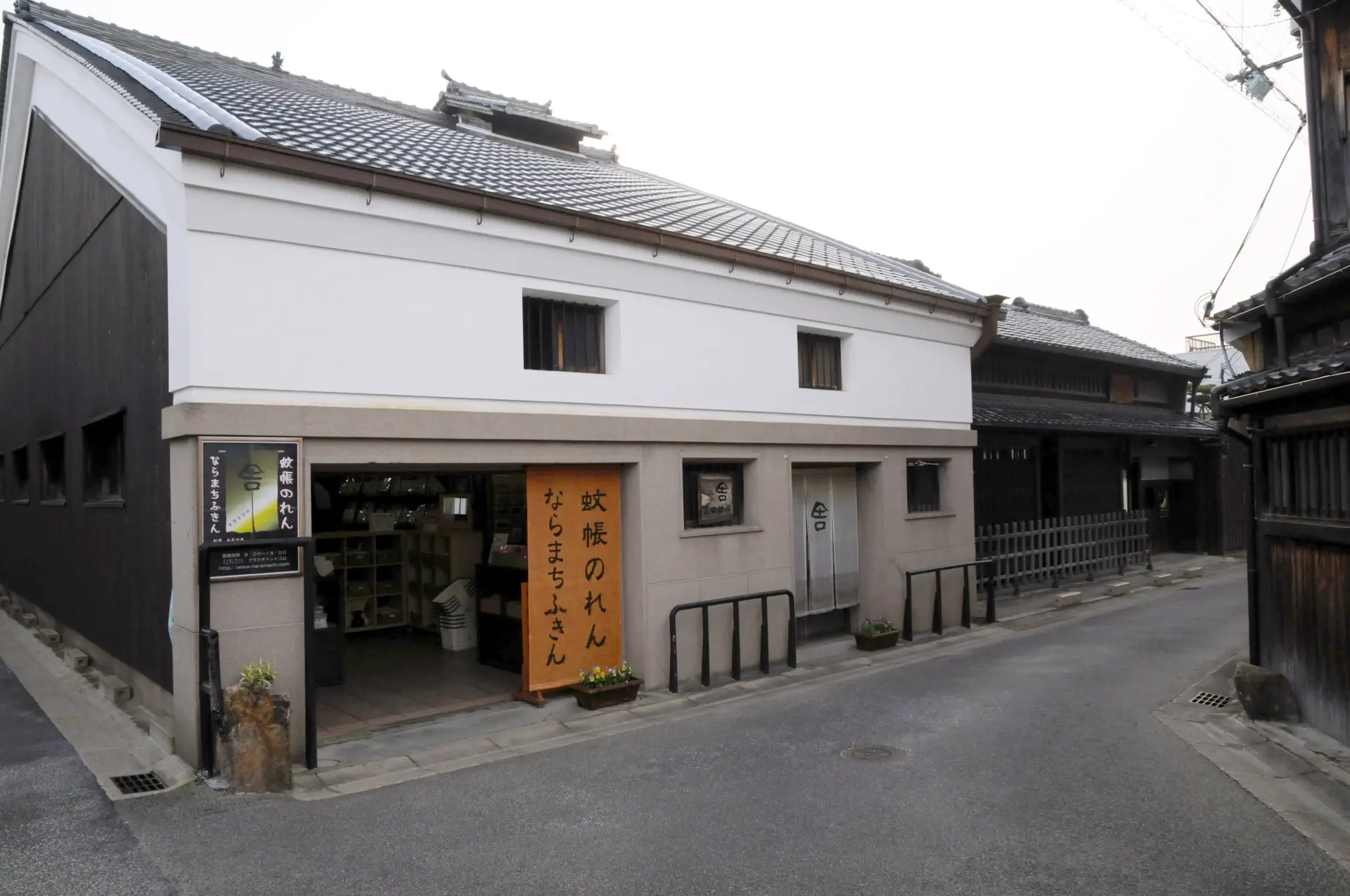
A specialty shop that carries on Nara’s history as a mosquito-net production area. Of the more than 100 mosquito-net shops once found around Naramachi, this is now the only one remaining.
The shop offers everyday items such as noren curtains and dishcloths made with linen and rayon fabrics. Among them, the “Naramachi Fukin” dishcloth is a classic known for its absorbency and ease of use. It naturally brings to mind ways to use it in daily life.
7. Nakagawa Masashichi Shoten Branch Souvenir Nara Sanjo Store (Nara City)
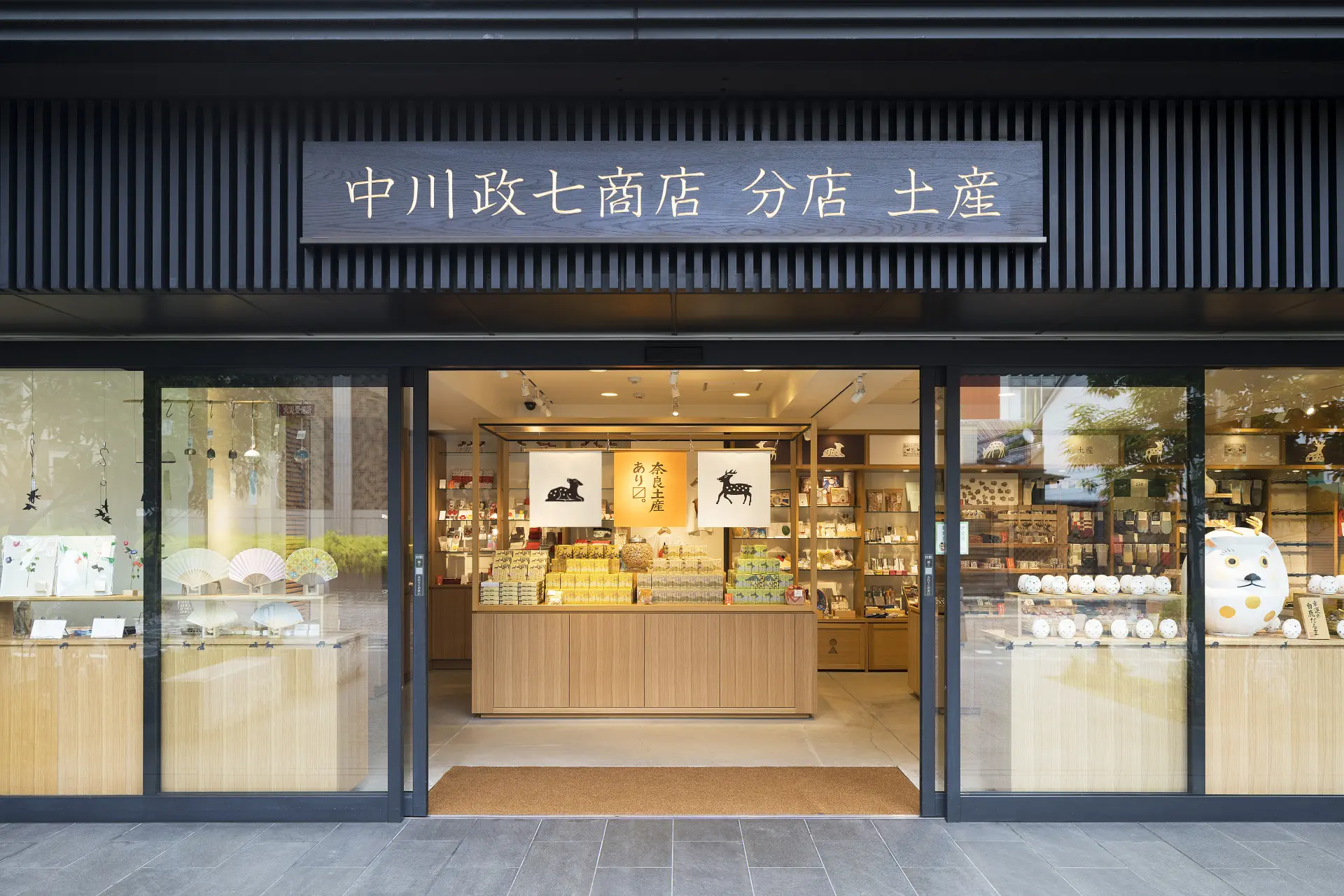
A souvenir shop built around Nara craftsmanship.
A wide range of products fills the shelves, including clay dolls with deer motifs, Yoshino cedar goods, and chusen-dyed fabric items. In addition to original products, the shop carries many Nara-brand foods selected from around the prefecture, such as somen noodles and craft cola.
Just browsing the sales floor gives you an instant sense of the breadth of Nara’s craftsmanship.
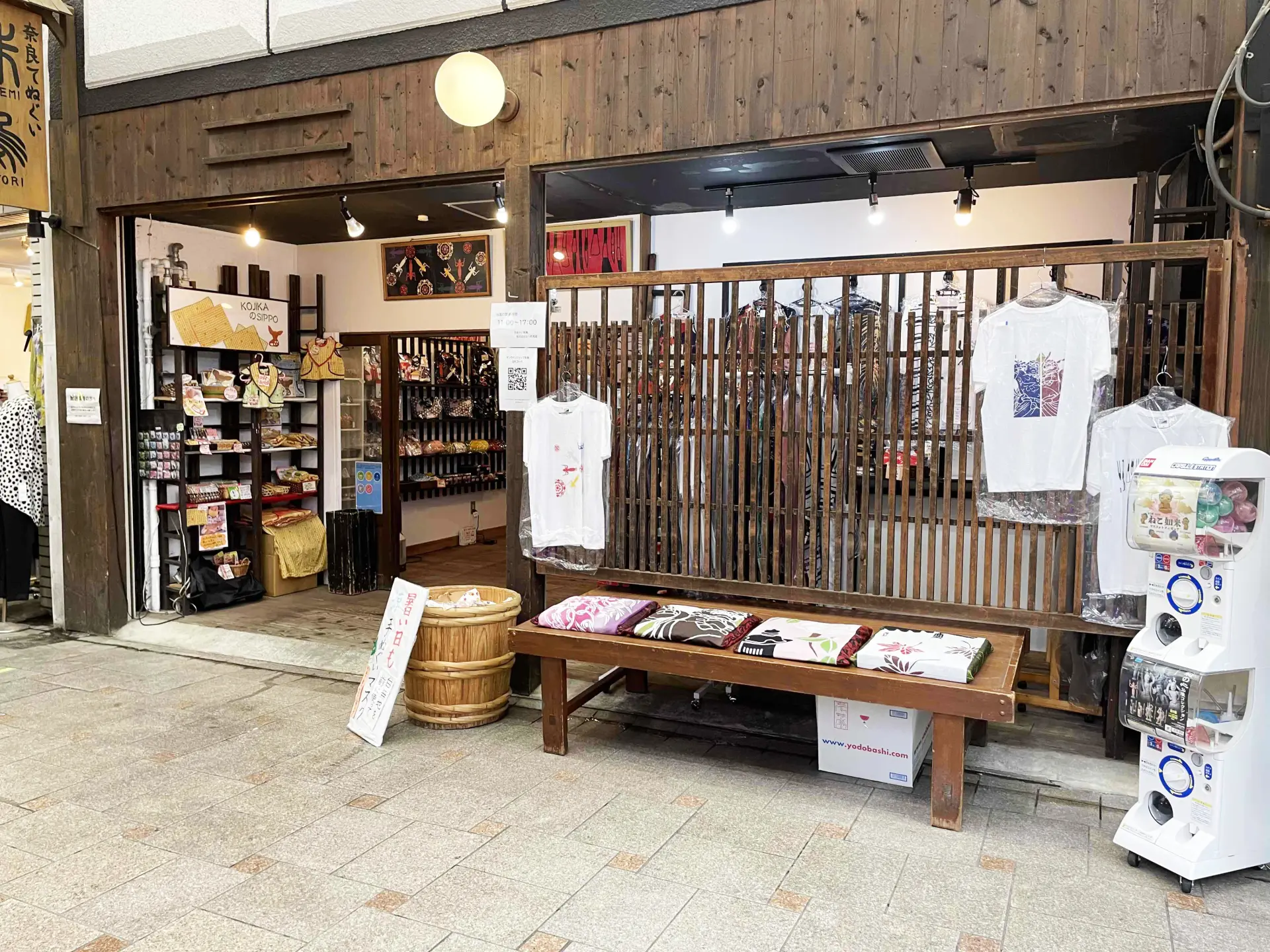
8. Ake Tori Main Store (Nara City)
A specialty tenugui towel shop in Mochiidono Center Street.
Its tenugui are known for designs inspired by the ancient capital of Nara and vivid colors, developing more character the longer they are used. They are dyed with chusen, a traditional technique, using Ise-katagami stencils carefully hand-carved by artisans.
Pick one up as an easy piece to incorporate into daily life.
Sit Down in a Machiya and Enjoy the Flavors of Nara
The dishes and sweets enjoyed in machiya spaces strongly reflect local ingredients and culture.
Enjoying them together with the atmosphere of the building makes the food experience even more memorable. These spots are also worth visiting for a break during a walk.
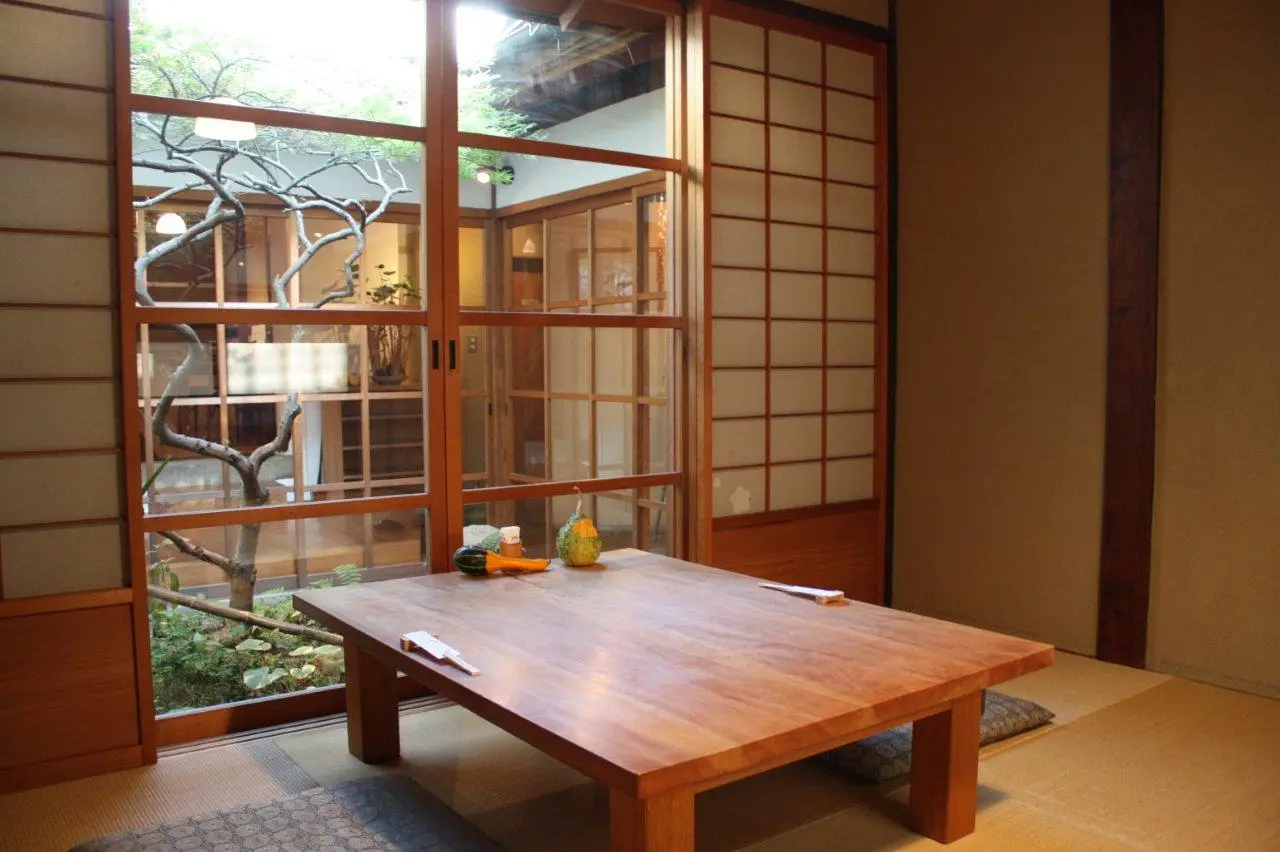
9. Awa Naramachi (Nara City)
A popular restaurant featured in the Michelin Guide. It welcomes guests with dishes centered on Yamato traditional vegetables, along with a wide range of heirloom vegetables from Japan and abroad.
Using heirloom varieties grown in mountain villages on the outskirts of Nara City, its course-style meals offer enjoyable changes in both appearance and flavor.
In a 140-year-old machiya setting, the appeal of vegetables comes through on every plate.
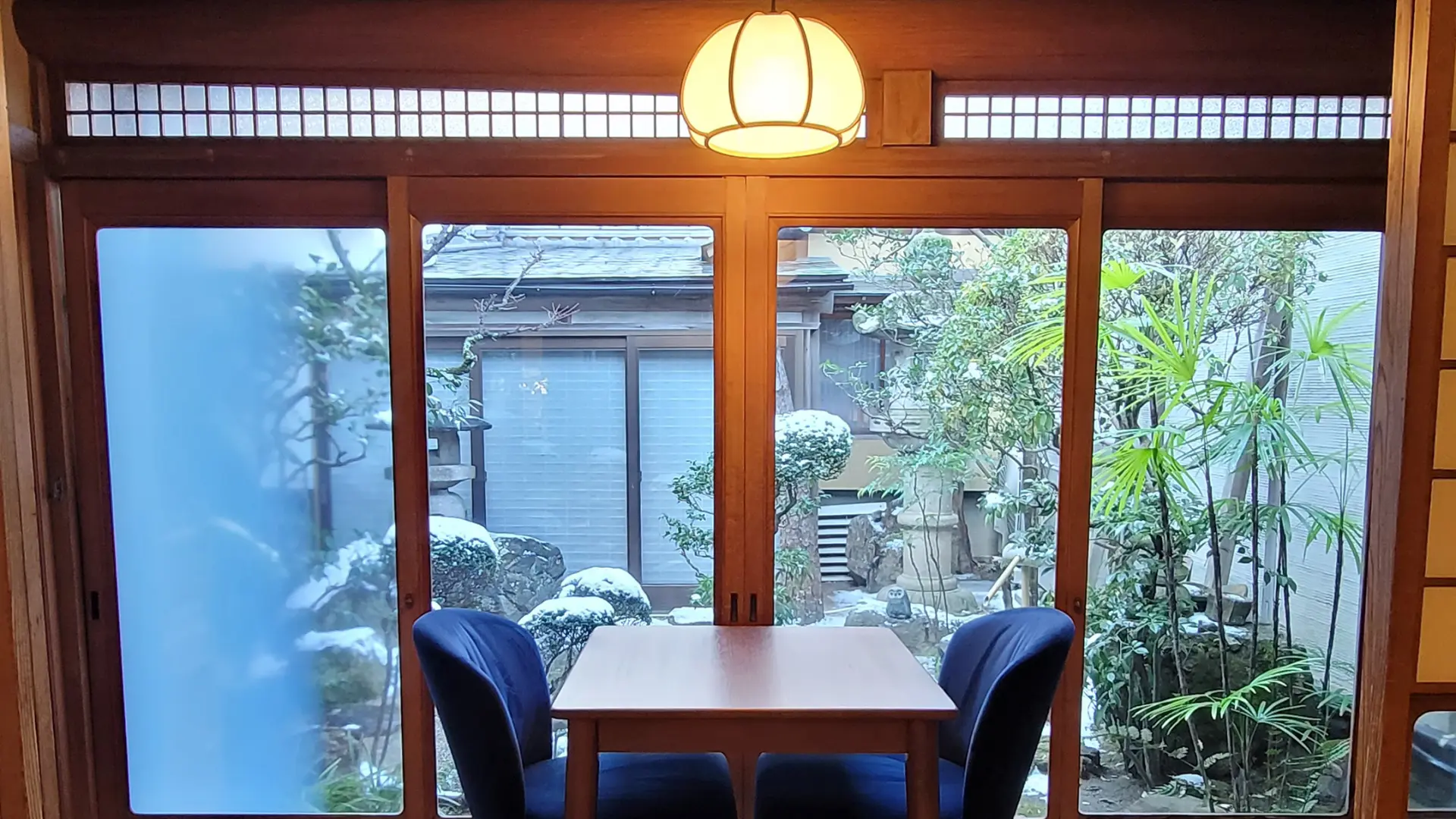
10. Senjuan Yoshimune Nara Main Store (Nara City)
The main store of a confectioner with a long history in Nara.
Its signature fresh warabi mochi is carefully made with a precise blend of ingredients to achieve a delicate mouthfeel. Domestic genuine bracken starch and sweet potato starch are blended in an exquisite balance and kneaded to create a soft texture and smooth finish.
Eat-in is also available at the tea salon, where you can enjoy freshly made sweets on the spot. It is a shop you’ll want to visit between strolls.
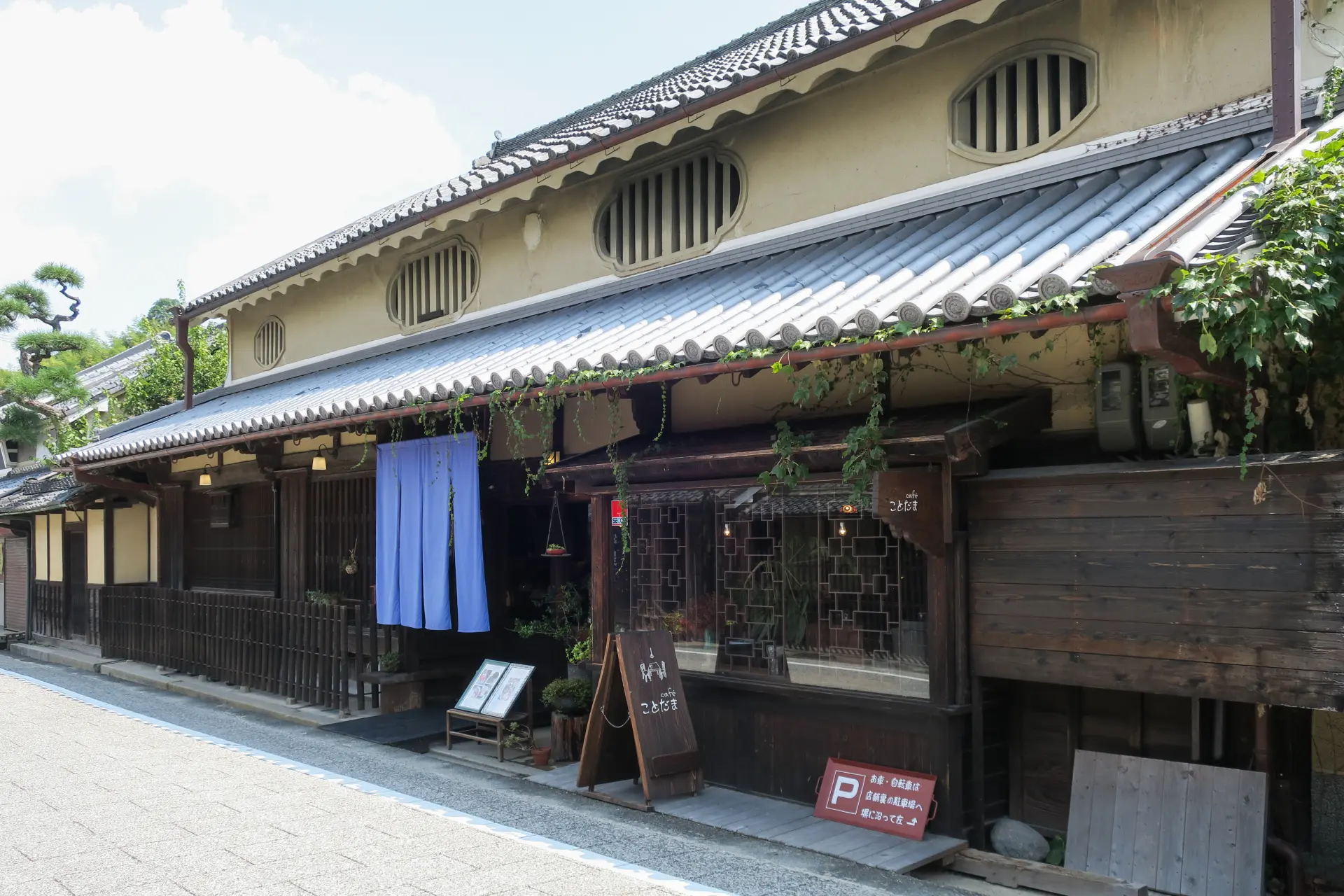
11. café Kotodama (Asuka Village)
A café where you can enjoy a meal in a renovated old house.
Located in a machiya district near the village office, the shop was self-renovated over Approx. two months from a 200-year-old building that once served as the main house of a sake brewery. The “Kotodama Lunch,” made with local ingredients, changes with the seasons and lets you taste the best of Asuka.
The café also includes a craft gallery, creating a space where visitors can experience both food and handiwork.

Summary
Walk through historic streets, step into gardens and residences, touch tools shaped by craftsmanship, and enjoy local flavors in machiya townhouses.
In Nara, each experience connects gently with the next, building into a charm unique to the ancient capital.
Combine the places that interest you and discover your own way to enjoy Nara.