
![[Summer Nara Travel Guide] A Summer Trip to Nara, Soothed by Ancient Forests and Clear Streams](https://static.gltjp.com/glt/data/article/22000/21512/20260717_143413_118c921c_w1920.webp)
[Summer Nara Travel Guide] A Summer Trip to Nara, Soothed by Ancient Forests and Clear Streams
Nara Prefecture is home to World Heritage temples and shrines, along with atmospheric historic streetscapes. In summer, the primeval forests around Nara Park and Kasuga Taisha Shrine create refreshing shade, while the mountains in the southern part of the prefecture reveal cool landscapes of clear streams and valleys.
One of the joys of visiting is spending a relaxed time exploring historic temples, shrines, and Japanese gardens while experiencing the area’s rich nature, from valleys to primeval forests.
Discover the seasonal scenery woven from history and nature, and enjoy a summer trip that feels distinctly Nara.
How to Spend Summer in Nara, Where History and Nature Come Together
For summer sightseeing in Nara, it is recommended to visit not only historic temples, shrines, and gardens, but also natural spots such as the valleys and clear streams that stretch across the southern part of the prefecture. You can gaze at a quiet garden at Isuien Garden surrounded by trees, or venture a little farther to Mitarai Valley to feel the coolness of its clear stream. By exploring both the ancient capital and its rich natural surroundings, you can fully experience Nara’s summer appeal.
You can also make sightseeing more comfortable in the hot season by planning around the time of day and area you visit, such as strolling through temples, shrines, and gardens in the morning or evening when the sun is softer, or going as far as the valleys and limestone caves in southern Nara if you have extra time.
11 Popular Nara Sightseeing Spots, from Temples and Shrines to Valleys
Explore old temples and Japanese gardens surrounded by trees, and experience clear waters and magnificent nature in valleys and mountain areas.
Nara is dotted with many places where you can enjoy both the historic scenery of an ancient capital and abundant nature in a single trip.
Here are some of Nara’s most popular spots to visit on a summer journey.
1. Nara Park (Nara City)
Surrounded by World Heritage temples and shrines, this park offers scenery that feels distinctly Nara together with abundant nature.
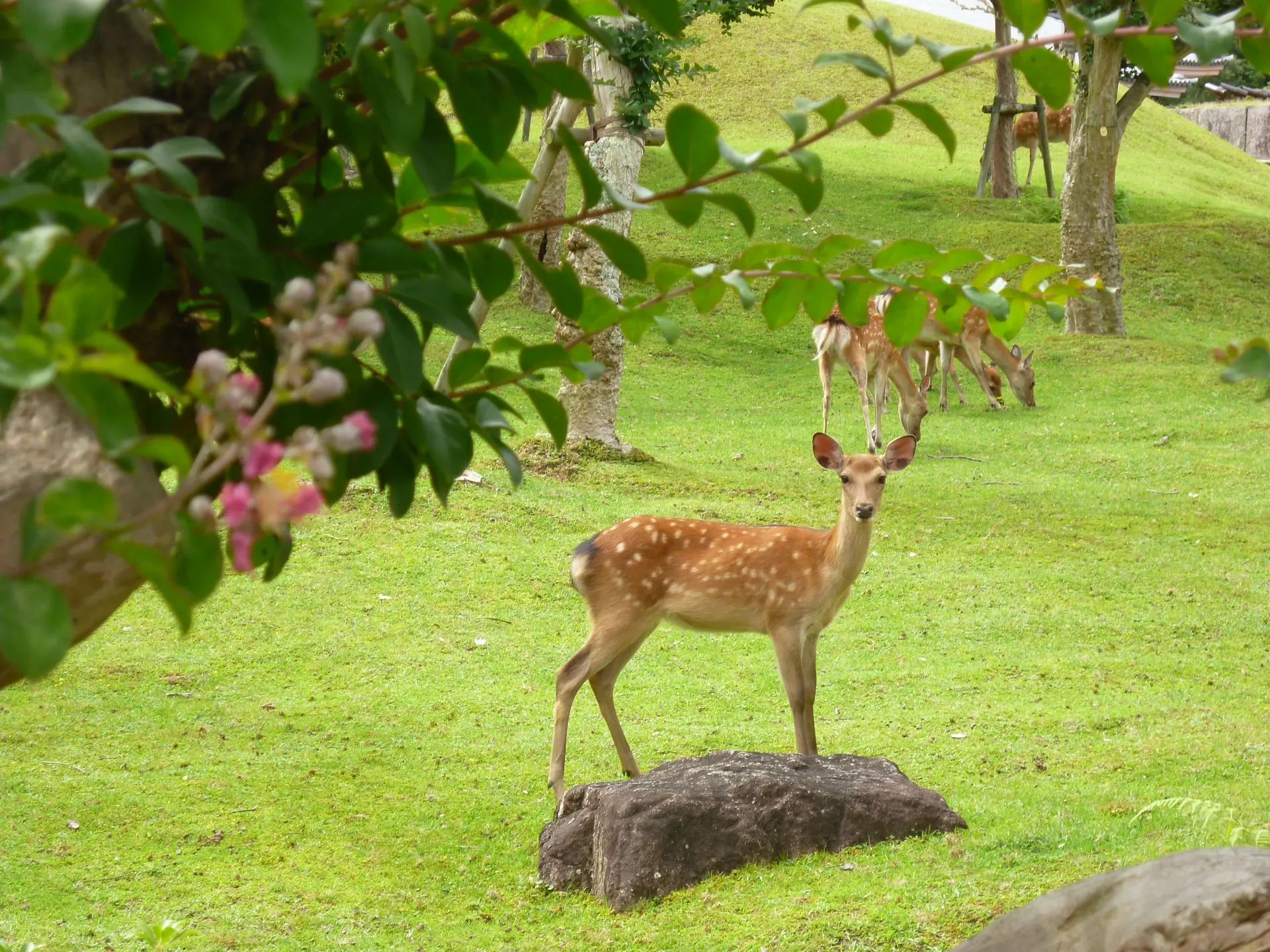
The expansive Nara Park covers about 511 hectares and includes the Kasugayama Primeval Forest, designated as a Special Natural Monument.
Deer designated as Natural Monuments roam freely through the park, and interacting with them using deer crackers is an experience unique to Nara. In summer, you can stroll through the shade and take in the nature and history of the ancient capital at a relaxed pace.
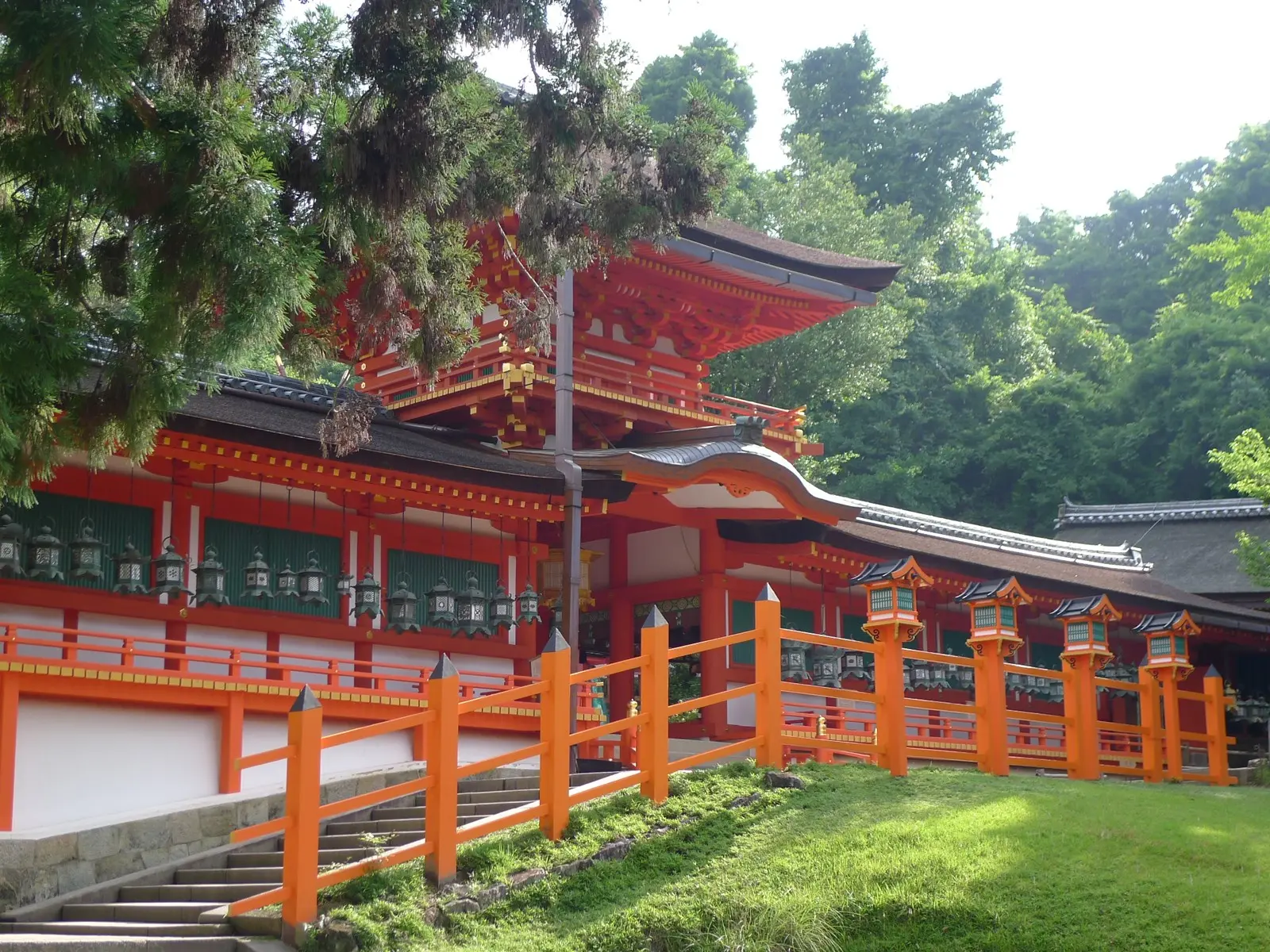
2. Kasuga Taisha Shrine (Nara City)
This ancient shrine is registered as part of the World Heritage Site “Historic Monuments of Ancient Nara,” and has a sacred atmosphere surrounded by the Kasugayama Primeval Forest. The Kokuhoden Museum on the grounds houses about 3,000 items, including National Treasures and Important Cultural Properties.
As you explore the vivid vermilion shrine buildings, you can encounter its history and culture, then enjoy a relaxed view of summer in Nara beneath the shade created by the primeval forest.
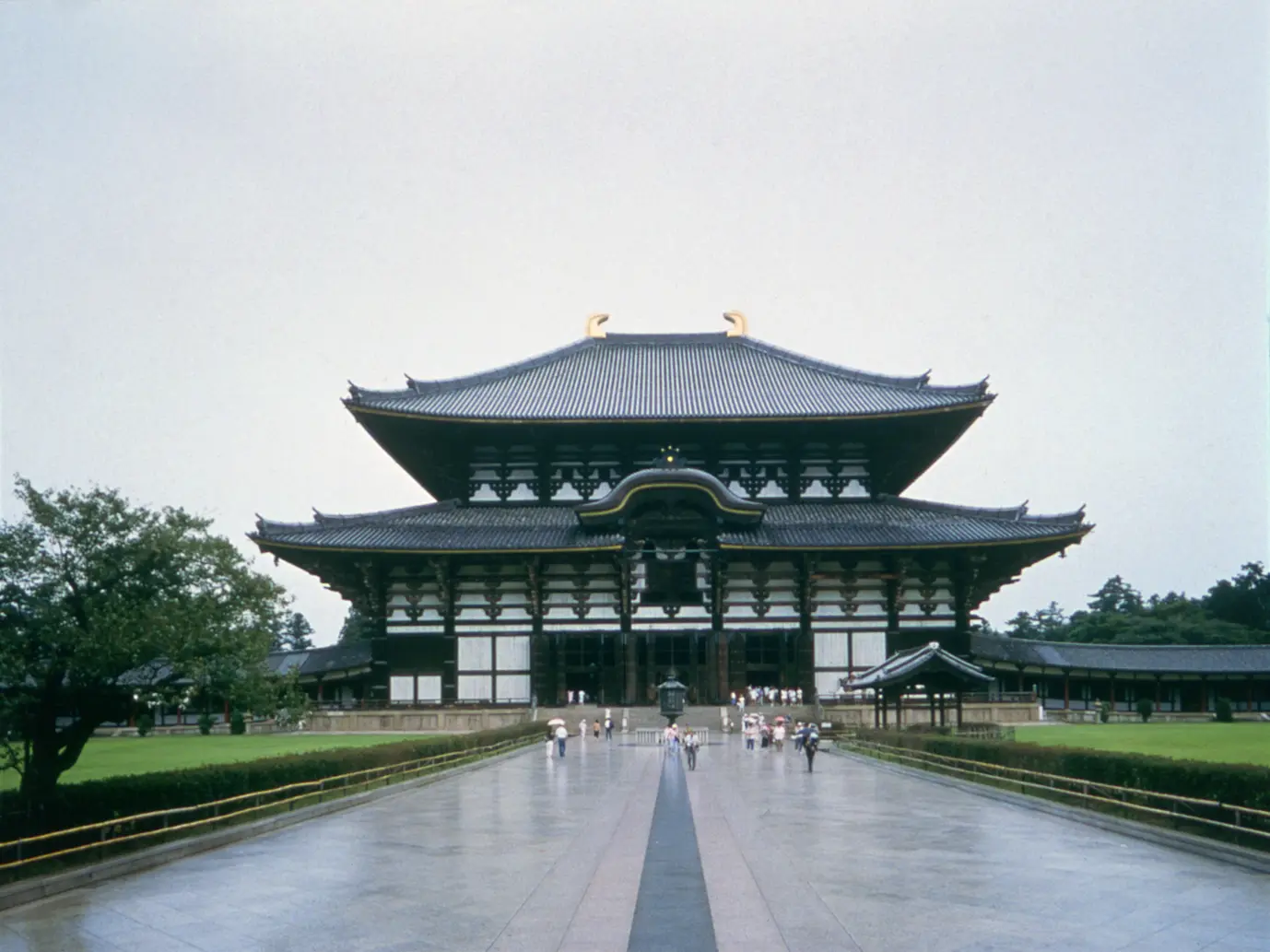
3. Todaiji Temple (Nara City)
Beloved as a symbol of Nara, this renowned temple is home to the Great Buddha Hall, which enshrines the Great Buddha of Nara, as well as many National Treasure structures such as the Nandaimon Gate and Hokke-do Hall.
In 1998, it was registered as a World Heritage Site as part of the “Historic Monuments of Ancient Nara,” together with Kasuga Taisha Shrine, Kofukuji Temple, and other sites. Walk through the expansive grounds, admire the historic architecture, and experience its impressive scale.
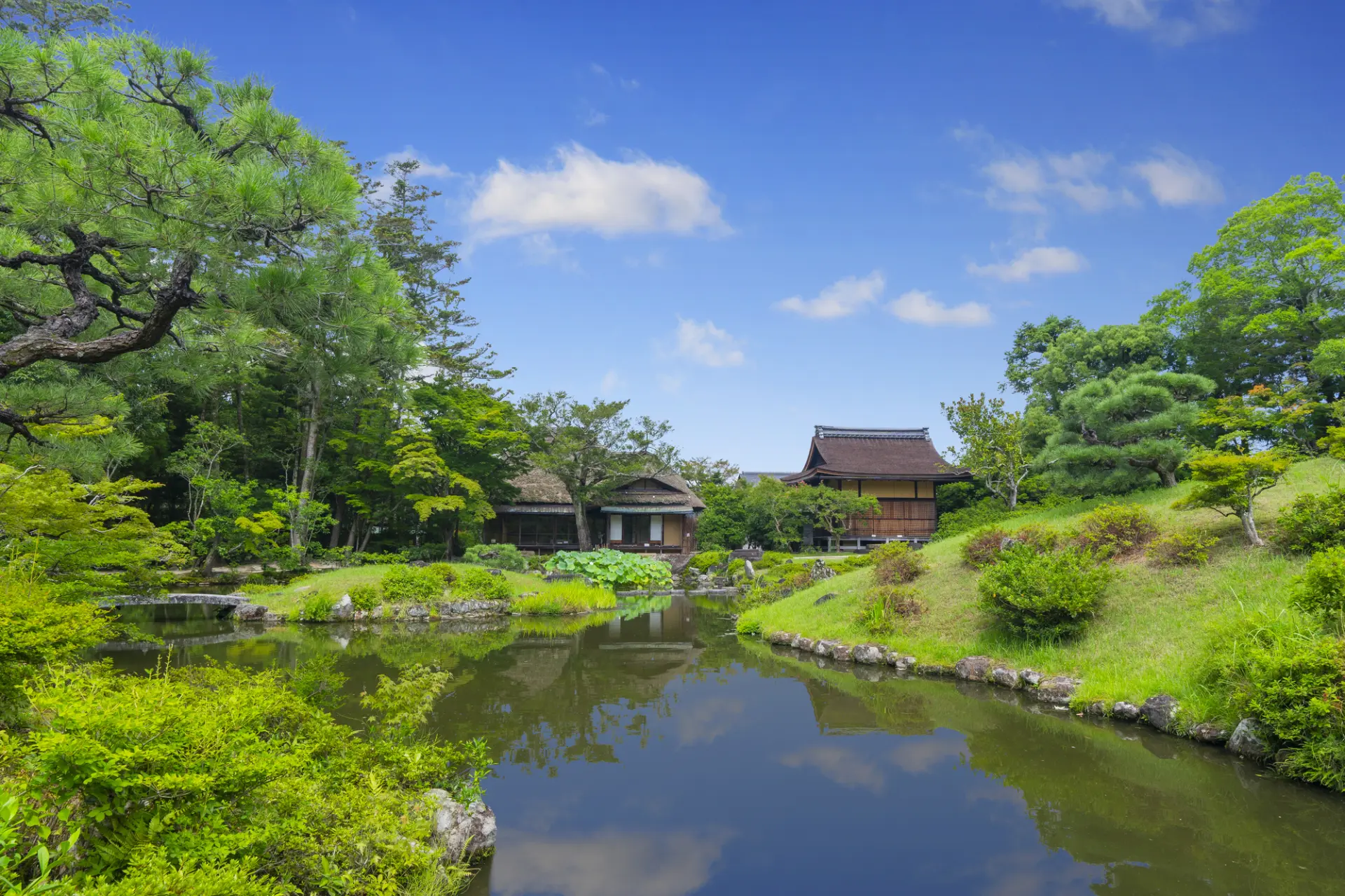
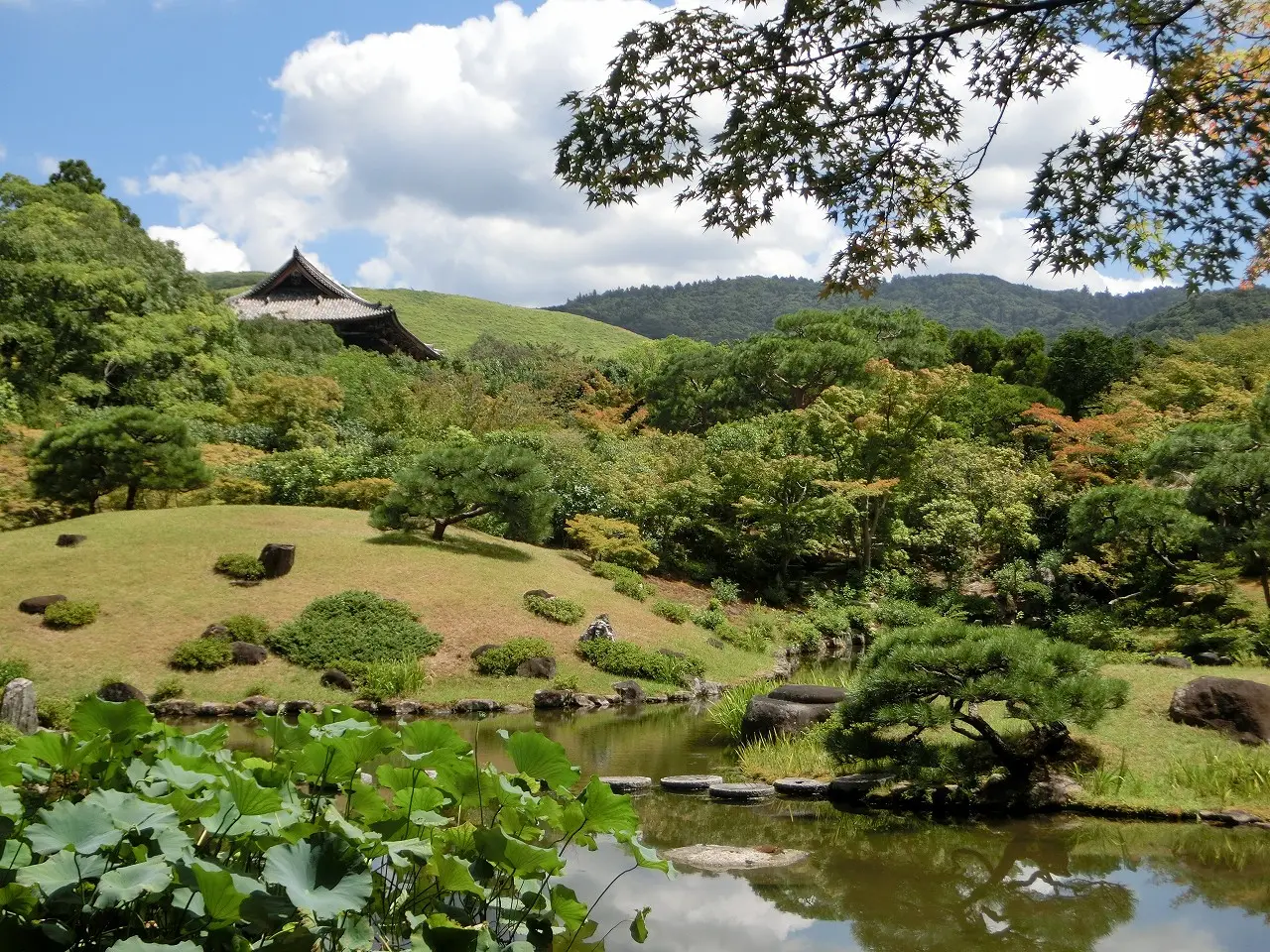
4. Isuien Garden (Nara City)
Located north of Nara Park, this pond-stroll garden is designated as a National Place of Scenic Beauty.
It consists of two areas: the Front Garden, created in the early Edo period, and the Rear Garden, developed in the Meiji period. One of its features is that visitors can experience the aesthetic sensibilities of different eras in one place.
The scenery incorporating Mount Wakakusa and Todaiji Temple’s Nandaimon Gate as borrowed landscapes is also a highlight. You can enjoy a garden stroll while taking in the greenery of the trees and the scenery reflected in the pond.
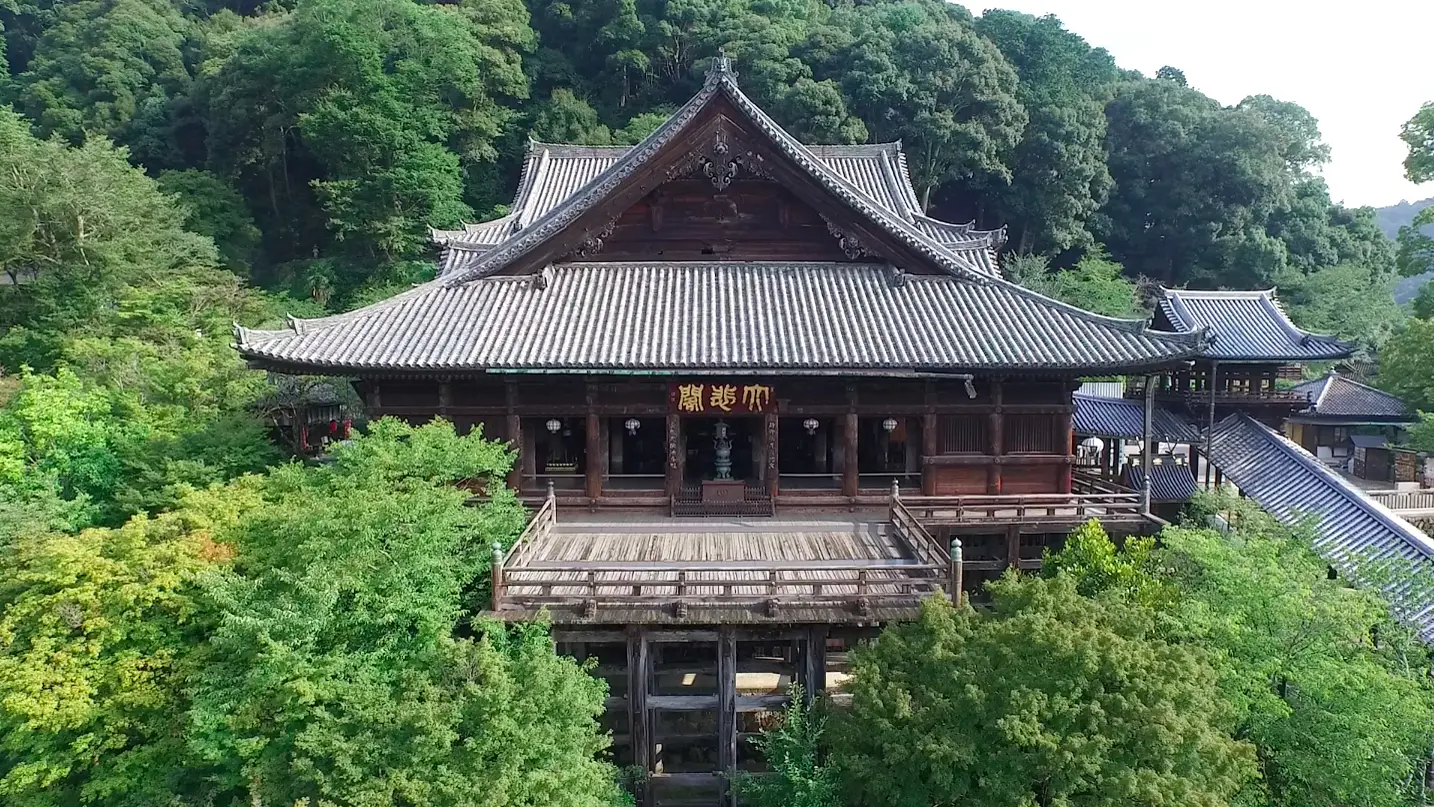
5. Head Temple Hasedera (Sakurai City)
Located halfway up Mount Hatsuse, this temple is the eighth temple on the Saigoku Kannon Pilgrimage. It has long been known as the “Temple of Flowers,” and even today visitors can enjoy beautiful seasonal flowers throughout the year.
After climbing a covered stairway of about 399 steps, you will reach the National Treasure main hall, built as if projecting out over a cliff. From its stage, views extend as far as the Nara Basin. In summer, take a walk through the deep green temple grounds and enjoy the open feeling unique to a mountain temple.
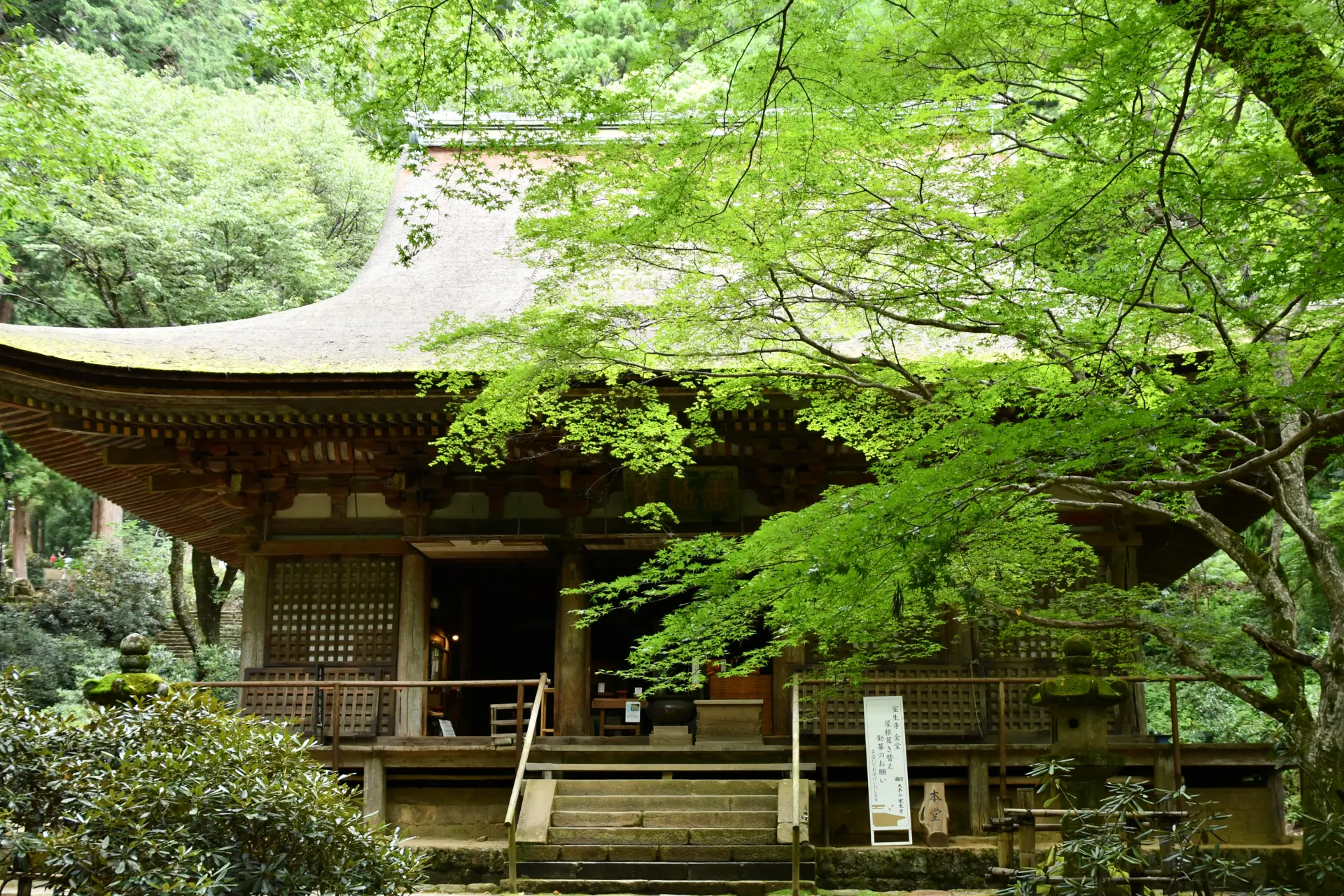
6. Nyonin Koya Muroji Temple (Uda City)
Standing beside the Muro River, this ancient temple has long welcomed female worshippers and is affectionately known as “Nyonin Koya,” or Koya for Women.
The approximately 16-meter-high Five-Storied Pagoda is the smallest outdoor pagoda of its kind in Japan. It is also designated as a National Treasure and is admired for its refined appearance and atmosphere. The temple grounds are dotted with historic buildings, including the National Treasure Kondo Hall and main hall, and quiet scenery unfolds with each stone step you climb.
In summer, take your time exploring the grounds where history and nature come together, surrounded by green trees and clear air.
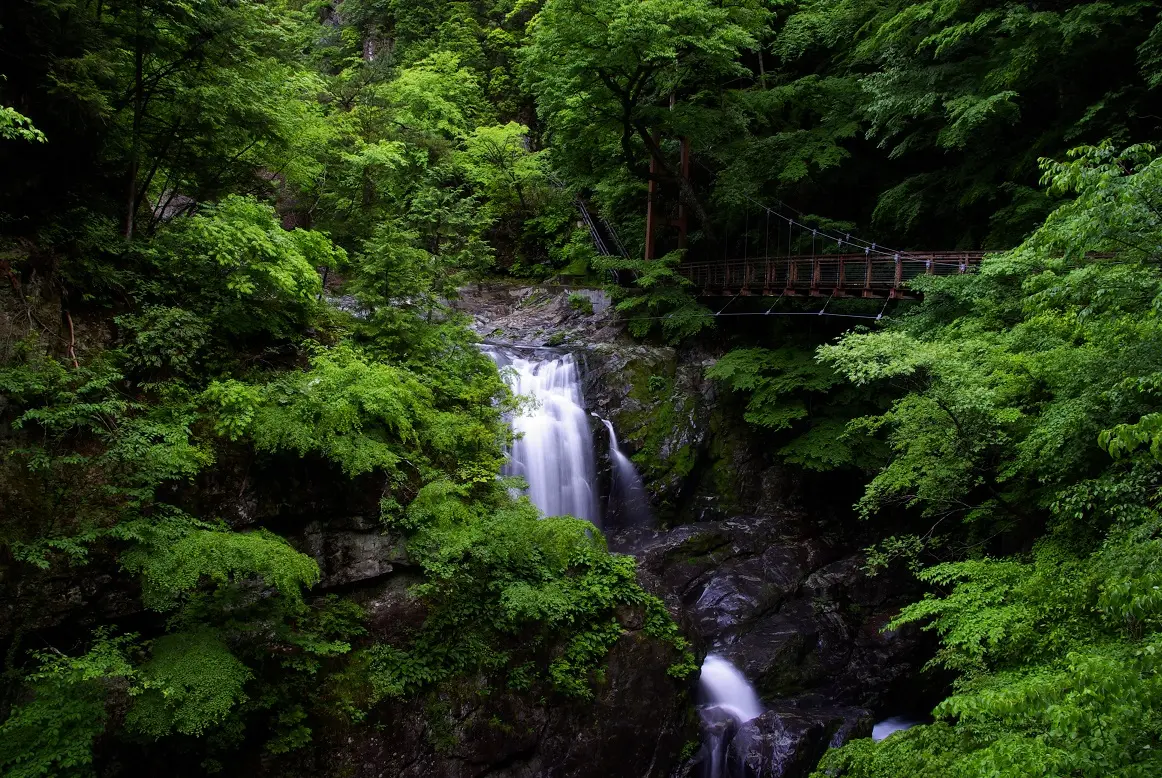
7. Mitarai Valley (Tenkawa Village)
This valley is known for scenery created by a clear stream flowing from the Omine mountain range, waterfalls of various sizes, and massive boulders. A walking path is maintained along the river, making it easy to enjoy hiking with peace of mind.
From suspension bridges and viewpoints, you can admire the valley’s beauty from different angles. In summer, walking while listening to the murmuring stream surrounds you with the cool air of the clear water.
8. Menfudo Limestone Cave (Tenkawa Village)
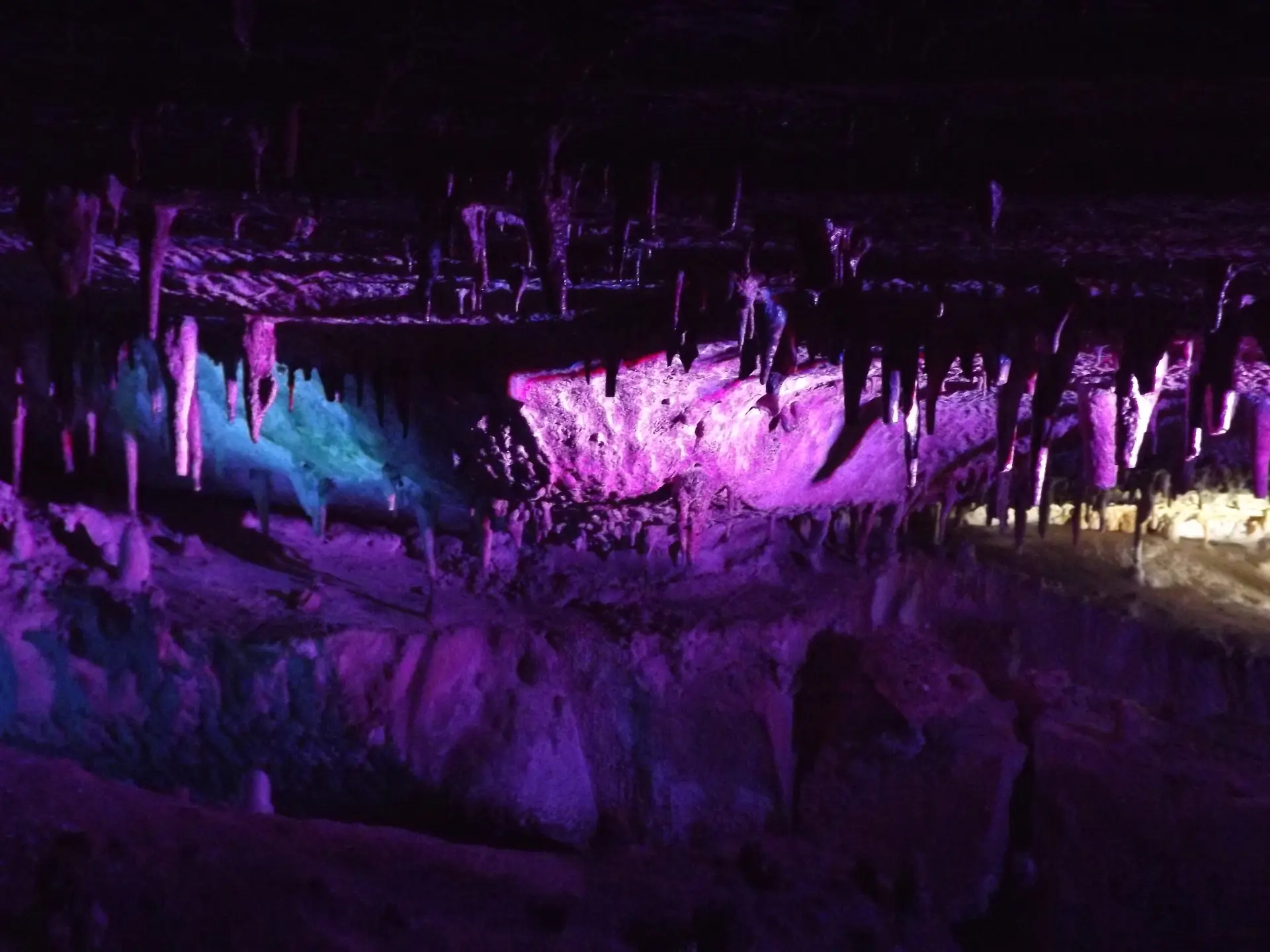
Located near the Dorogawa Onsen area, this is one of the largest limestone caves in Nara Prefecture. Inside is a mysterious underground space lined with stalactites and stalagmites formed over long periods of time, where you can observe natural formations up close.
The cave extends 280 meters in total and stays around 10°C year-round with no wind, making it cool in summer and warm in winter.
It is popular as a cool spot unique to Tenkawa Village that helps you forget the summer heat.
9. Odaigahara (Kamikitayama Village)
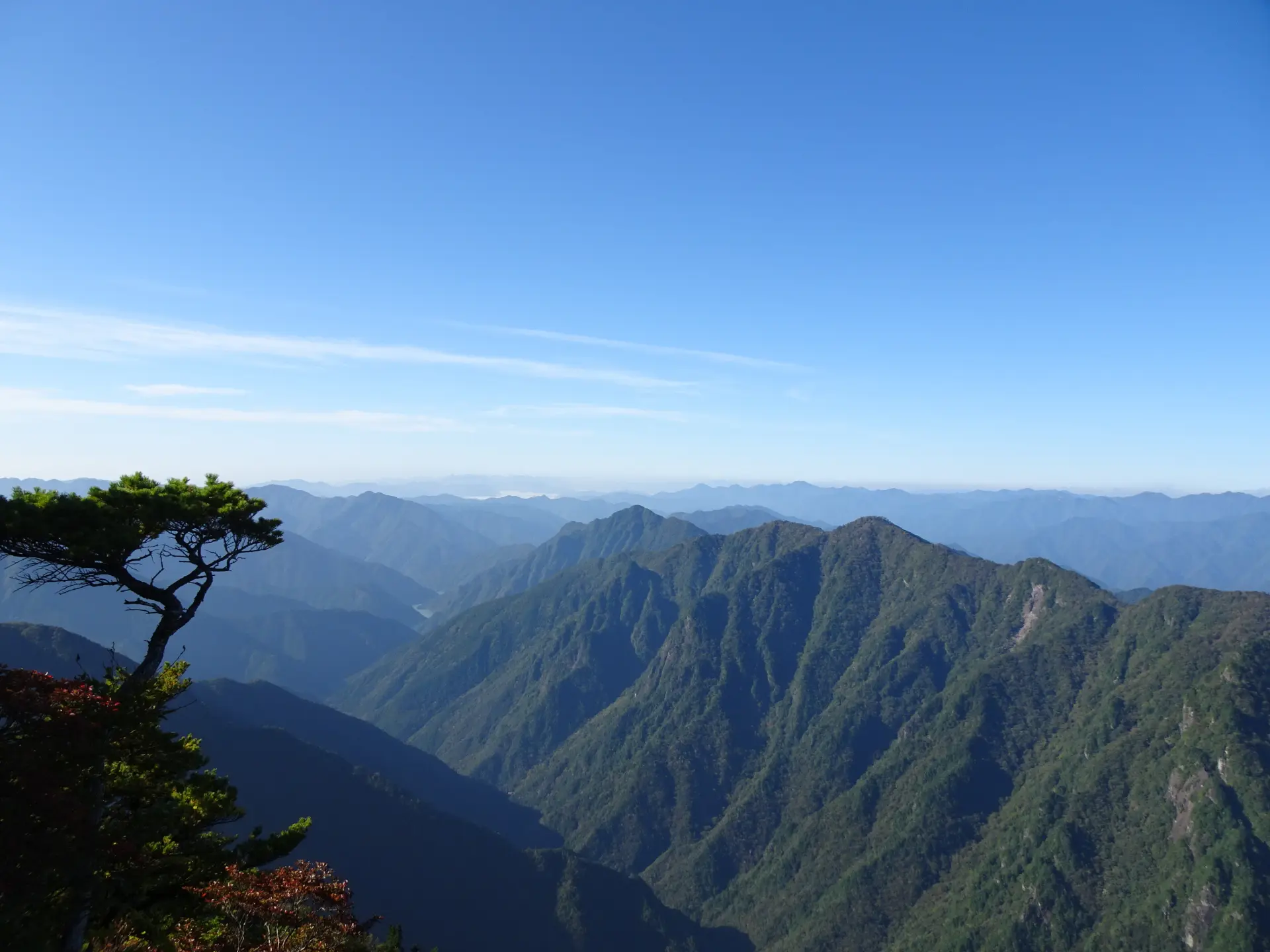
This plateau-like mountain area rises along the border between Nara and Mie prefectures, with Mount Hidegatake, at 1,695 meters above sea level, as its highest peak.
It is one of Japan’s 100 Famous Mountains, and the entire mountain is designated as part of special protection areas within Yoshino-Kumano National Park.
A wide range of routes is available, from beginner-friendly hiking courses to serious mountain trails, and the varied scenery, including primeval forests of spruce and beech and sweeping valleys, is another appeal.
10. Tanize Suspension Bridge (Totsukawa Village)
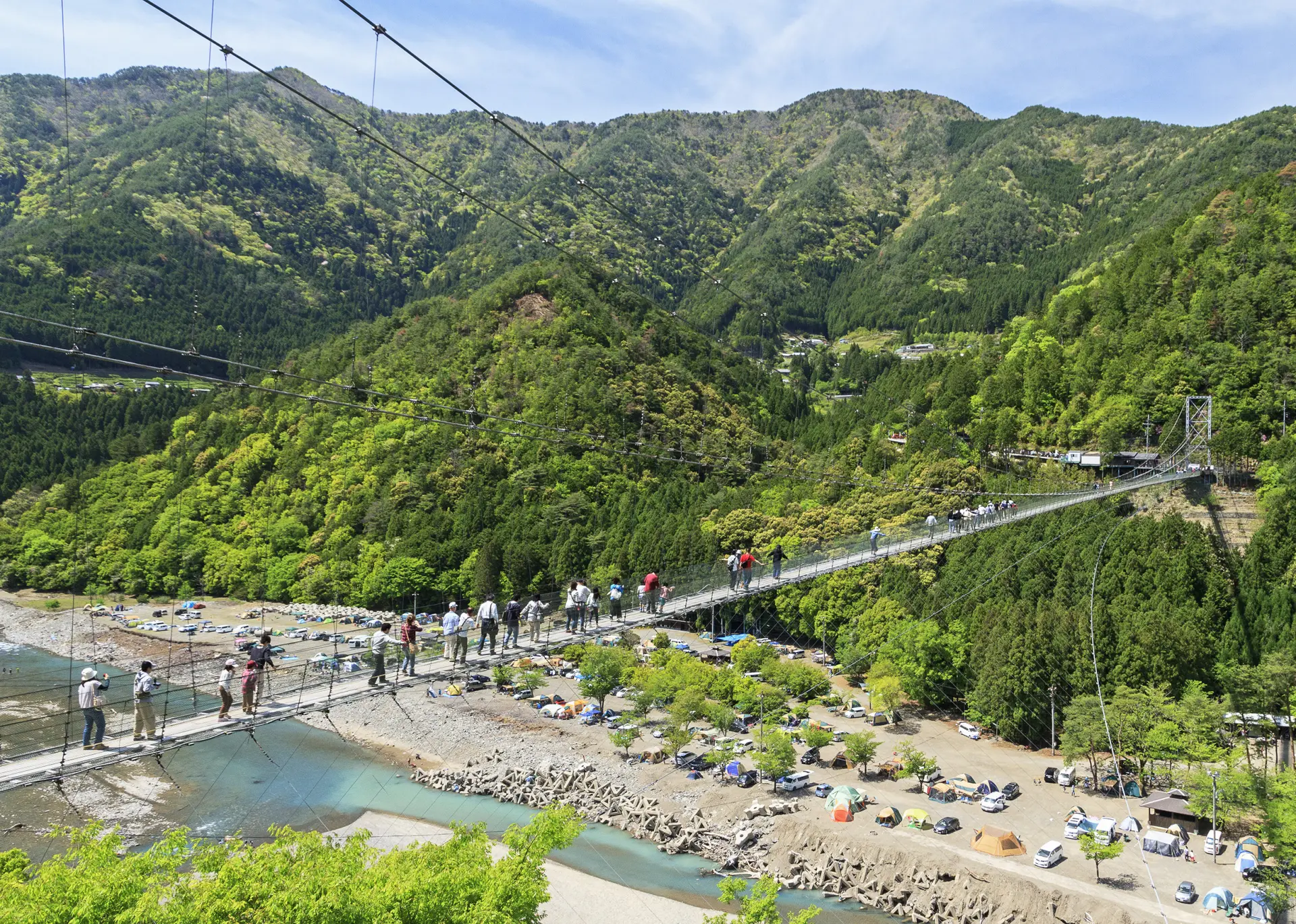
A representative sightseeing spot of Totsukawa Village, this is one of Japan’s leading wire suspension bridges, built by local residents as a bridge for daily life. It connects Uenoji and Tanize, measuring 297 meters long and 54 meters high.
From the bridge, wide views open out over the clear Totsukawa River and surrounding mountains, and the thrill of feeling the bridge sway with each step is part of its appeal. In summer, it is a scenic spot where you can take in valley views surrounded by deep greenery.
11. Dorokyo Gorge (Totsukawa Village)
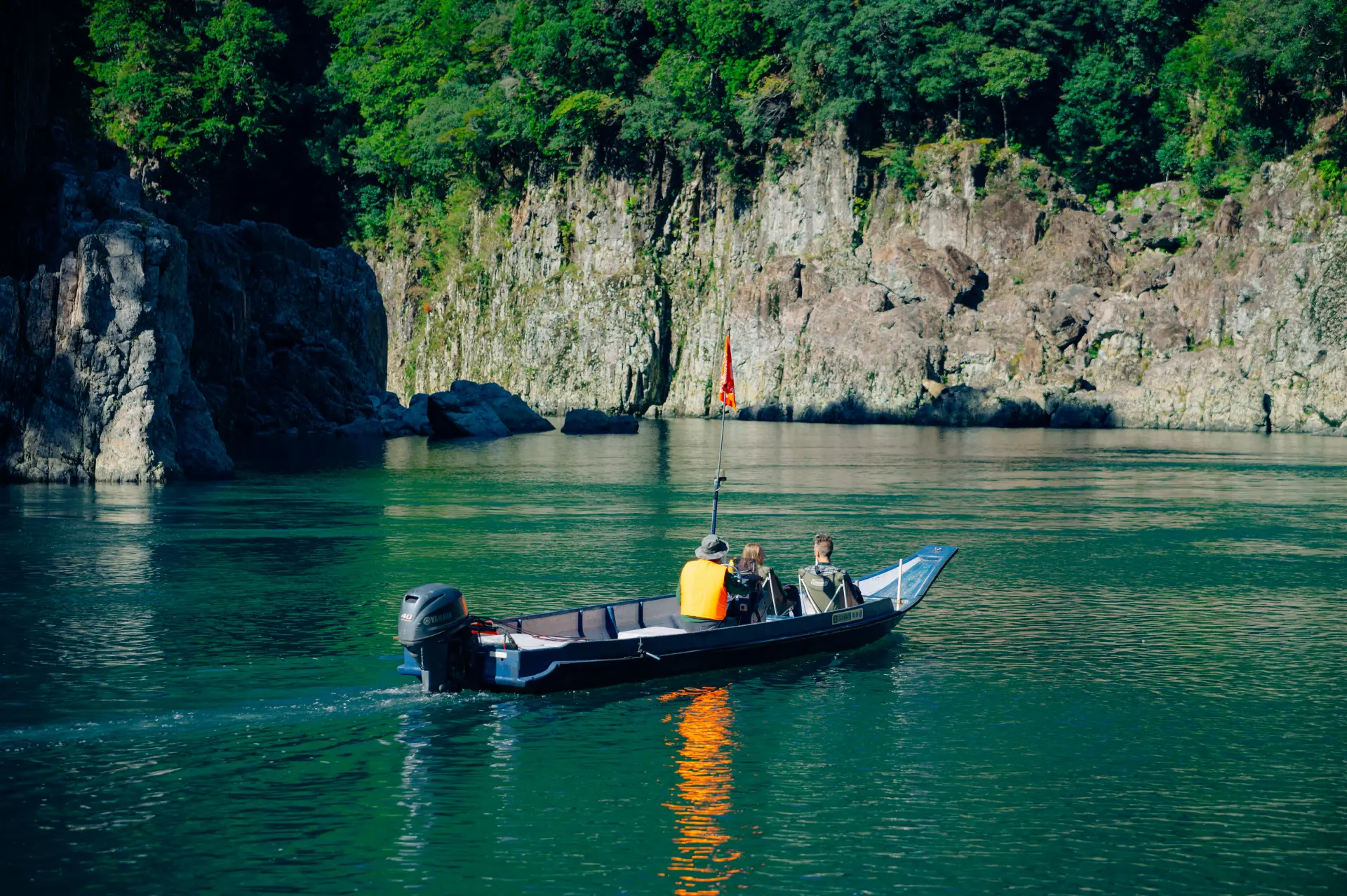
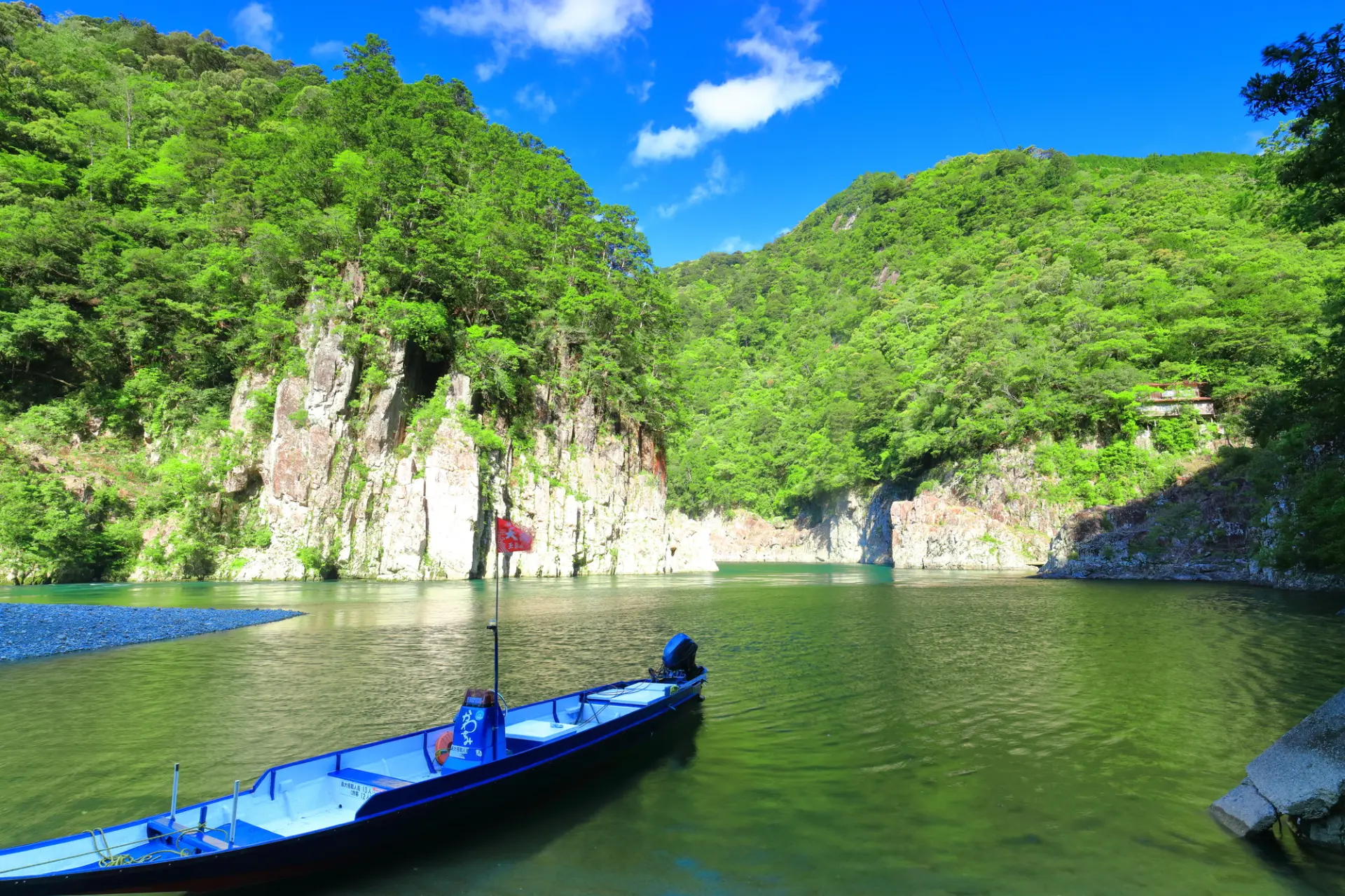
Spreading across the borders of Nara, Mie, and Wakayama prefectures, this secluded gorge is one of the representative sights of Yoshino-Kumano National Park. A sightseeing boat lets you view the valley scenery up close, created by steep cliffs and calm water.
The landscape formed by cobalt-blue clear water and cliffs several dozen meters high rising on both sides of the river is striking.
In summer, the contrast with the deep greenery becomes even more vivid, allowing you to leisurely take in the grand scenery created by nature.
Summer Activities in Nara: Clear Streams, Valleys, and Primeval Forests
In southern Nara Prefecture, clear streams, valleys, and primeval forests offer a wide range of activities that bring you close to rich natural surroundings.
Try experiencing Nara’s great outdoors, which has a different feel from the historic ancient capital, by viewing valley scenery from a boat, cooling off in clear rivers, or walking through the forests of the Kii Mountains.
Riverboat Experiences through Scenic Valleys
In valleys surrounded by steep cliffs and deep greenery, you can feel the grandeur of nature up close while riding in a riverboat.
The scenery of crystal-clear streams and powerful rock walls is something special that can only be experienced from the water. Let yourself ease into the slow passage of time and take in the scenery created by the vast nature of the Kii Mountains.
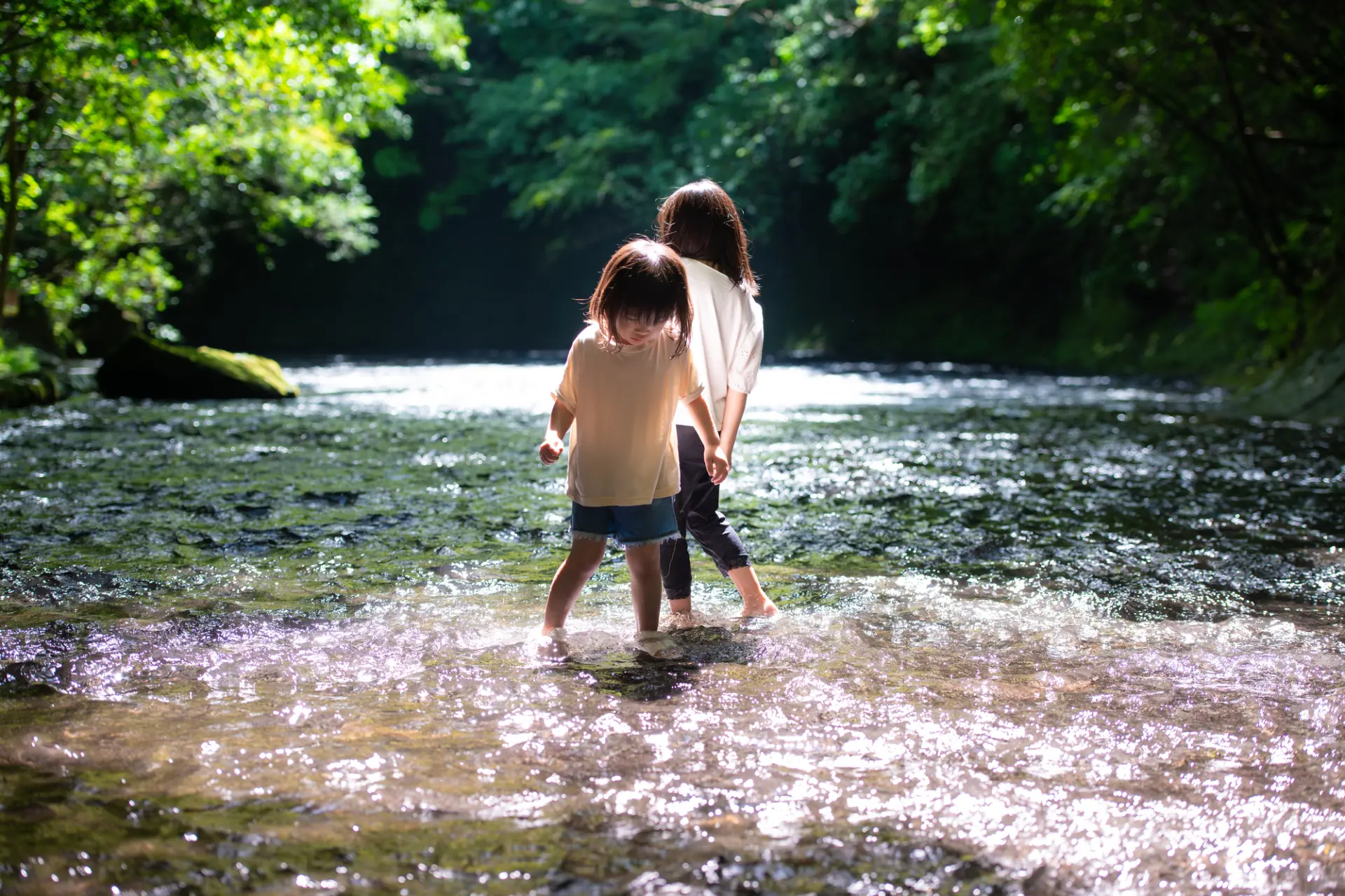
River Play and Valley Walks for a Cool Break by Clear Streams
Nara’s mountain areas, where highly transparent streams flow, are ideal cool retreats that help you forget the summer heat.
You can spend your time as you like, from playing in the river to walking along paths by the valley. Enjoy a moment in nature while feeling soothed by the murmuring water and the breeze through the trees.
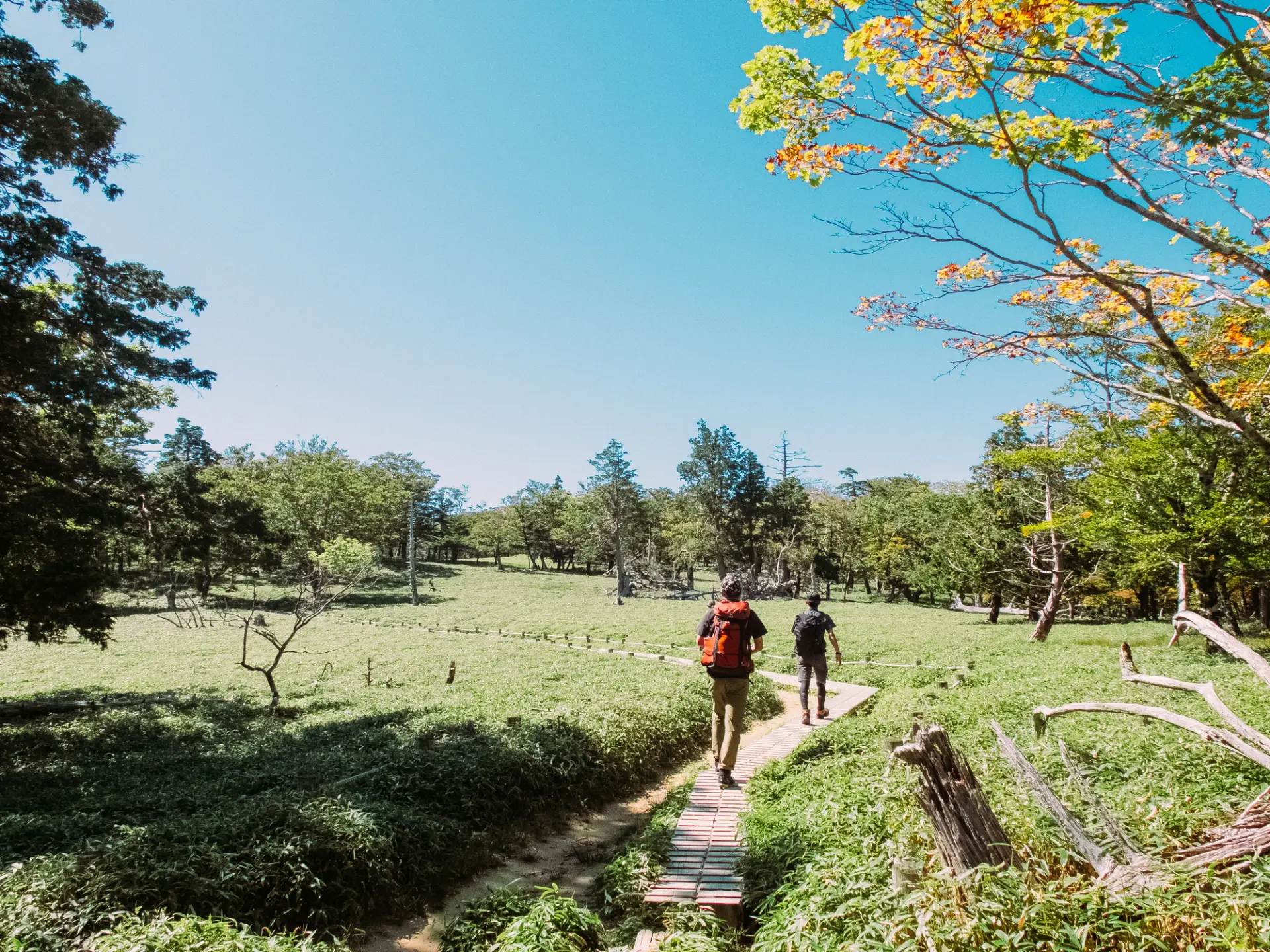
Forest Hiking through the Nature of the Kii Mountains
The Kii Mountains, registered as a World Heritage Site, offer a variety of routes, from easy courses for beginners to full-scale mountain trails.
The changing scenery as you walk is also part of the appeal, including deep forests, primeval woodland, and viewpoints overlooking the mountains. In the clear air, you can enjoy forest bathing while experiencing nature on a grand scale.
3 Nara Restaurants for Traditional Flavors and Refreshing Sweets
Nara is home to local flavors that are refreshing even in the hot season, along with food culture passed down through the centuries.
Here are Nara foods to try especially in summer, including shaved ice made with seasonal fruit, authentic Miwa somen noodles, and chagayu, a local dish representative of Nara.
1. kakigori Hosekibako (Nara City)
This popular shop is known for helping spark Nara’s shaved ice boom. Its distinctive flavors combine ingredients such as locally produced Nara matcha and seasonal fruit, as well as white miso and local honey, and there are also menus inspired by Nara.
One of its features is the use of mousse-like foam sauces, known as espuma, on most of its shaved ice. With its smooth texture, this is a summer treat to try while sightseeing in Nara.

2. Miwa Yamamoto Restaurant (Sakurai City)
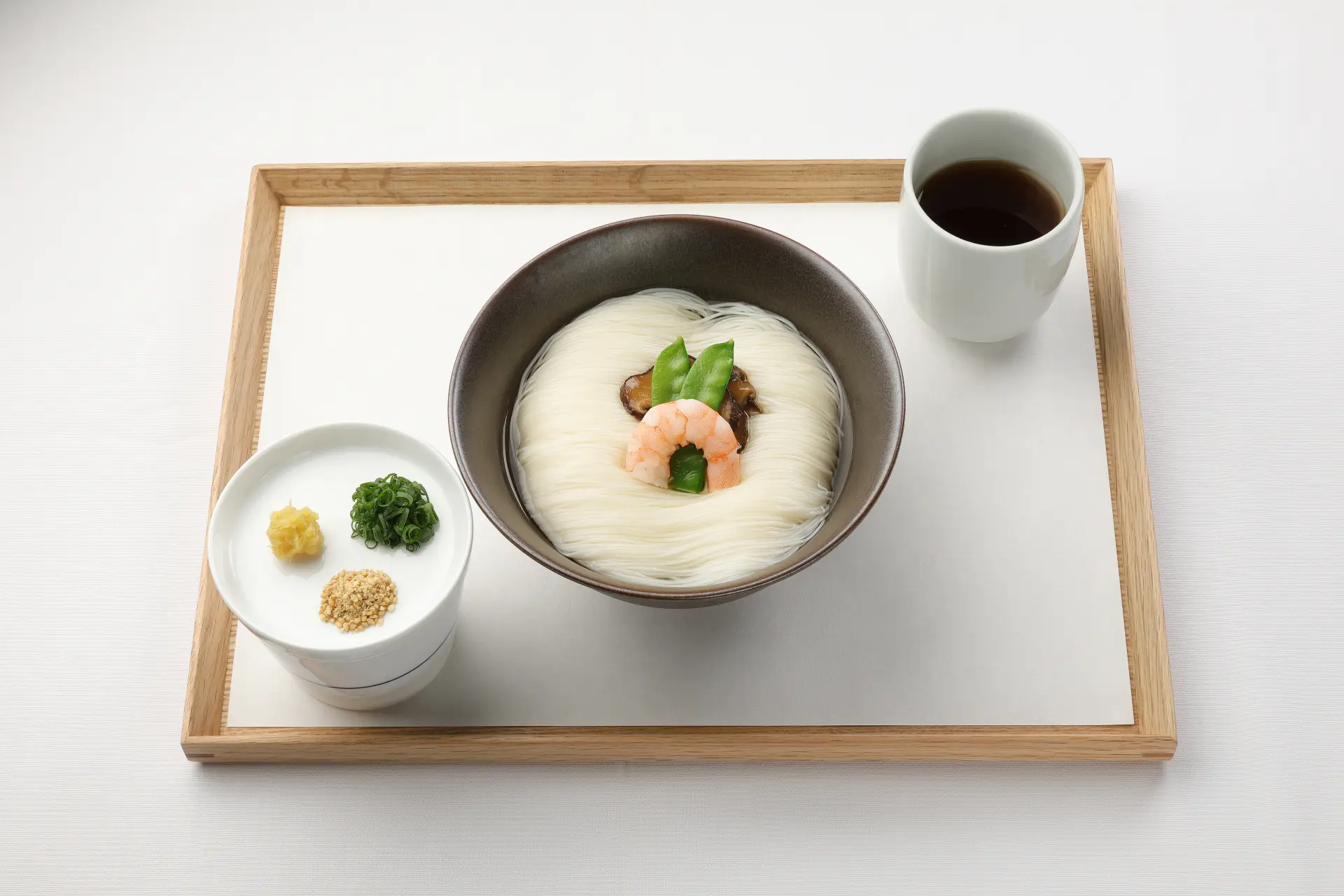
At the foot of Mount Miwa, known as the birthplace of somen noodles, this dining spot attached to a long-established maker serves authentic Miwa somen. The fine texture and firm bite made possible by Miwa Yamamoto’s hand-stretched production method, backed by more than 300 years of history, are its appeal.
The classic chilled somen uses Hakuryu, ultra-thin noodles about 0.6 mm wide. This bowl, with its delicate smoothness, is a good fit for Nara sightseeing in the hot season.
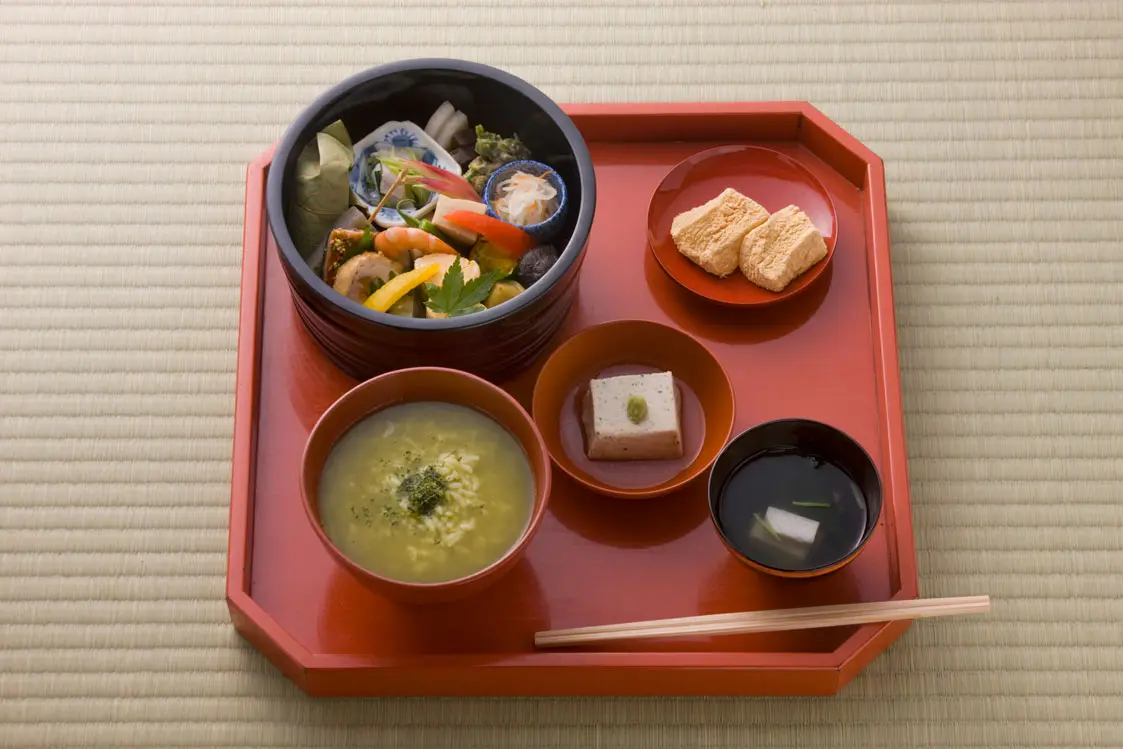
3. Chagayu Specialty Tower Teahouse (Nara City)
Located in Naramachi, this restaurant serves chagayu, a local dish that has been enjoyed in Nara for more than 1,200 years.
Chagayu, as the name suggests, is rice porridge cooked with tea. Here it is made with tencha, the tea leaves used to make matcha, giving it a pale young-green color.
Along with the Chagayu Bento, which comes with about 10 dishes such as simmered items, you can savor Nara’s food culture.
3 Convenient Hotels for a Summer Trip to Nara
Around Nara Park, you will find a wide range of accommodations, from classic hotels with long histories to inns that blend into the scenery of the ancient capital and hotels with views from Mount Wakakusa.
Here are carefully selected hotels where you can enjoy a stay with a distinctly ancient-capital atmosphere, while feeling close to historic streetscapes and rich nature.
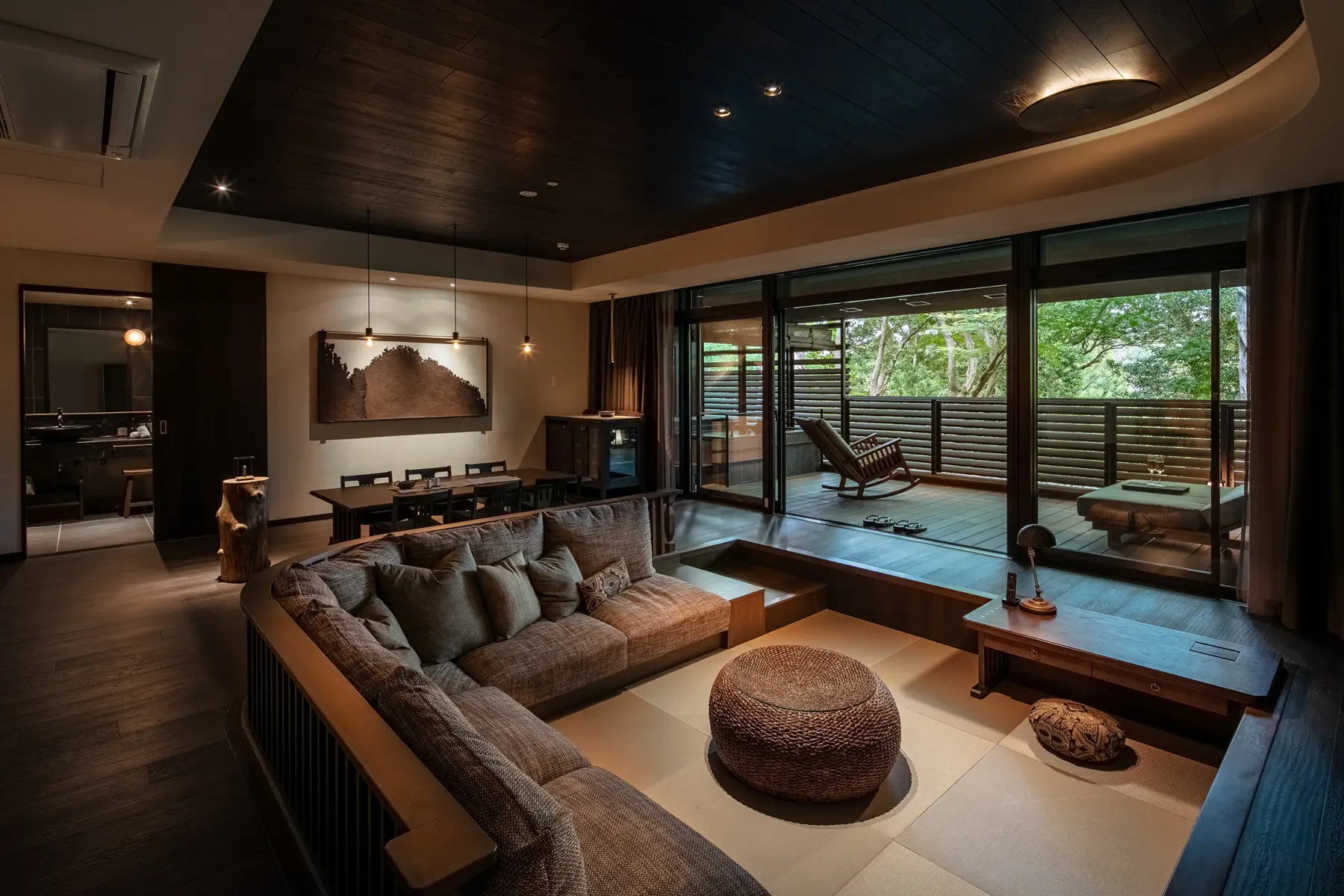
1. Fufu Nara (Nara City)
Standing in a corner of Nara Park, this luxury hotel is also convenient as a sightseeing base. The building was designed by master Japanese architect Kengo Kuma.
All guest rooms are suites equipped with open-air baths, and each room’s distinct furniture and fabrics show careful attention to detail. Japanese cuisine using local ingredients, spa services, and more are also available, making for a refined stay.
2. Nara Hotel (Nara City)
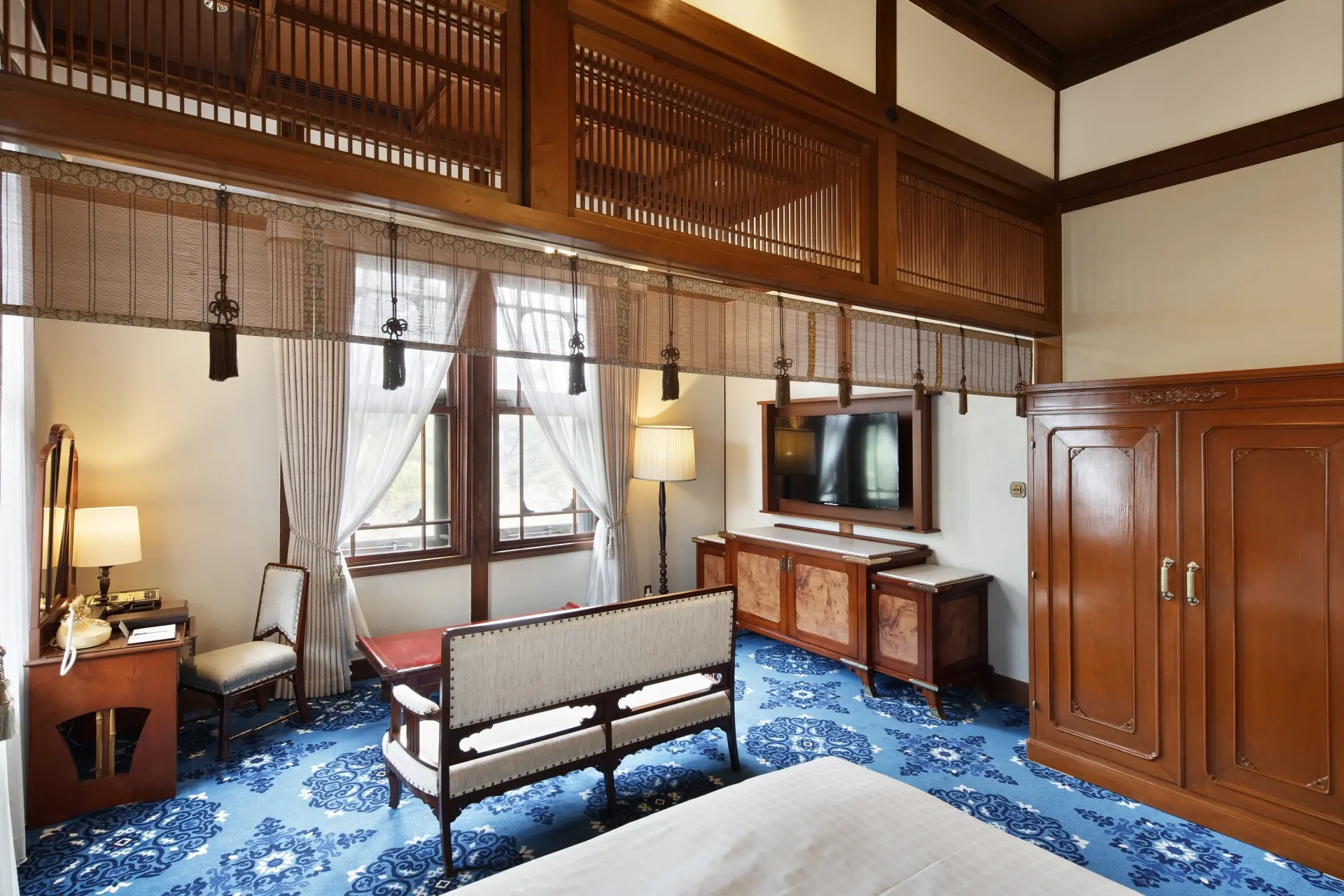
Since opening in 1909, this classic hotel has welcomed many distinguished guests from Japan and abroad as the “State Guesthouse of Kansai.”
The Main Building, which still strongly retains the atmosphere of its founding throughout, was designed by architect Kingo Tatsuno. The New Building offers a different appeal, with all rooms overlooking a Japanese garden.
Enjoy a relaxed stay amid a historic setting and the calm atmosphere characteristic of Nara.
3. ANDO HOTEL Nara Wakakusayama (Nara City)
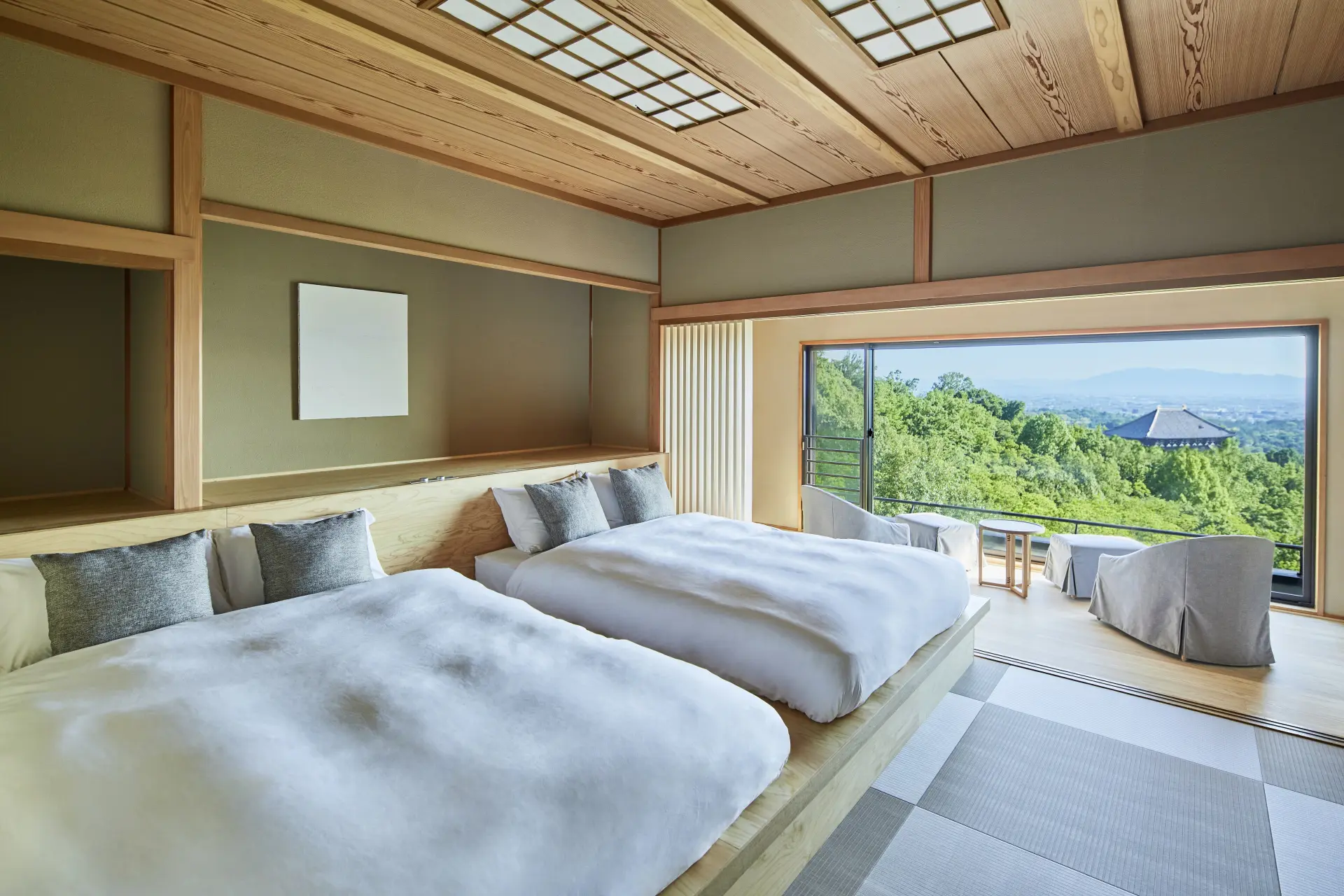
Located halfway up Mount Wakakusa, this hotel is known as a Japanese-style auberge. Its greatest pride is, above all, the view of the ancient capital of Nara from the mountainside.
In addition to views overlooking Todaiji Temple’s Great Buddha Hall, Kofukuji Temple’s Five-Storied Pagoda, and the city of Nara, the hotel’s cuisine using local ingredients such as Yamato vegetables and meat from Nara Prefecture is also appealing. Through scenery and food, guests can relax while experiencing Nara’s history and culture.
Make Your Summer Sightseeing in Nara More Enjoyable! 3 Events to Check Out
Starting with Nara Tokae, where candlelight creates a dreamlike glow across Nara Park, events where you can experience tradition and local culture are held throughout Nara.
Here are summer events shaped by the scenery of the historic ancient capital and the lively atmosphere of the season.
1. Nara Tokae (Nara City)
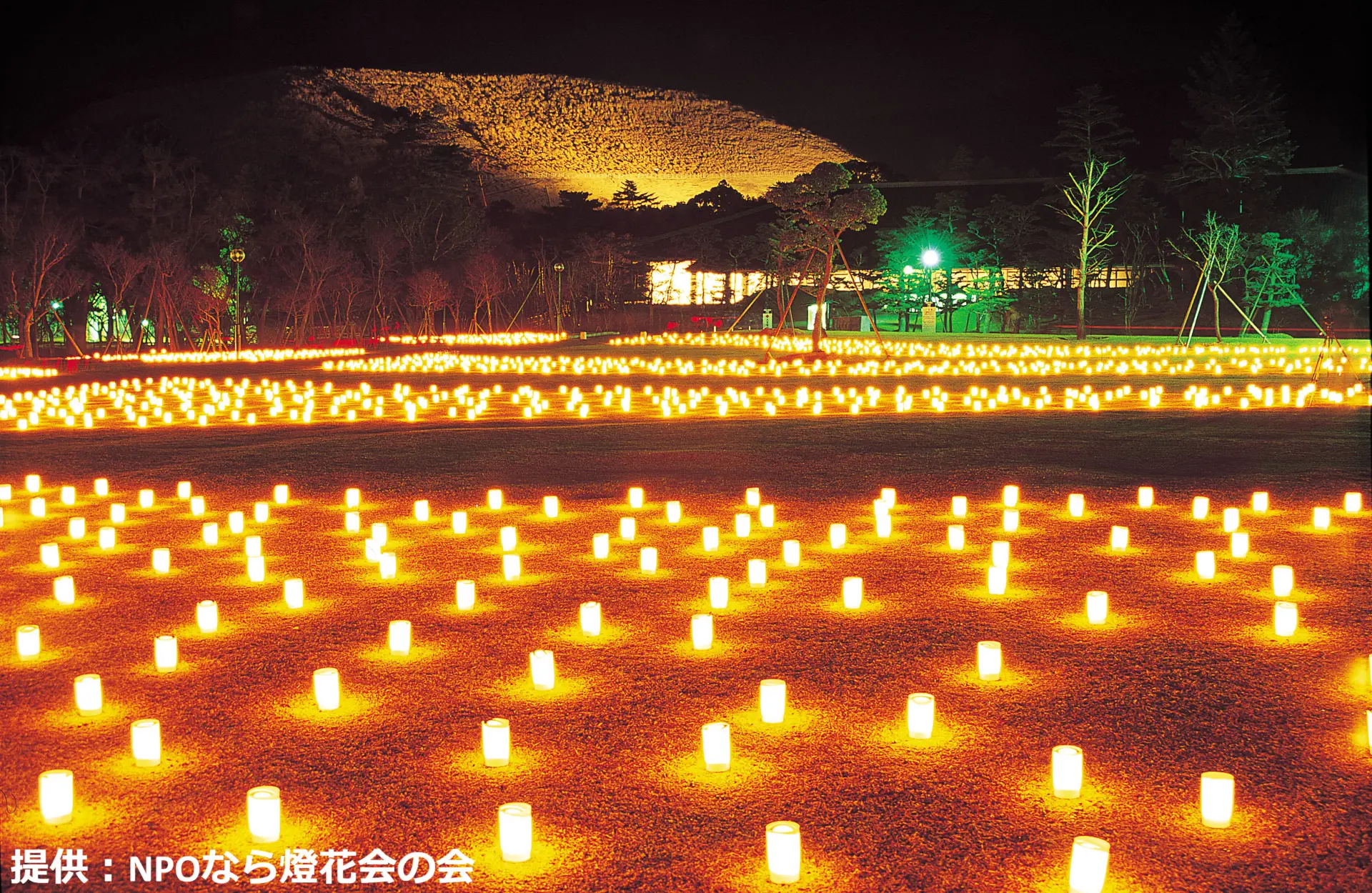
Held in Nara Park, this annual summer event is one of Nara’s signature seasonal traditions. The entire Nara Park area is enveloped in gentle candlelight, making it a hallmark of summer in Nara.
Different styles of light spread across venues such as Ukigumo Garden, Asajigahara, Ukimido, and Sarusawa Pond, and the dreamlike appearances of Todaiji Temple, Kofukuji Temple, and Kasuga Taisha Shrine are also highlights. You can leisurely enjoy a summer night unique to the ancient capital.
2. Yoshinogawa Festival (Gojo City)
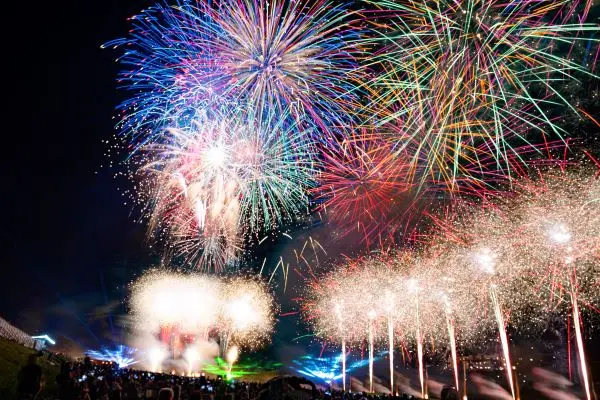
Held every year on August 15 along the Yoshino River, this is a representative summer festival of Gojo City.
The festival’s biggest highlight is the fireworks display, with about 4,000 fireworks launched. Fireworks synchronized with music and effects combining laser lights vividly color the summer night sky, while the venue, lined with about 100 food and game stalls, bustles with many visitors.
It is a summer tradition of Gojo City that blends history with modern production.
3. Basara Festival (Nara City)
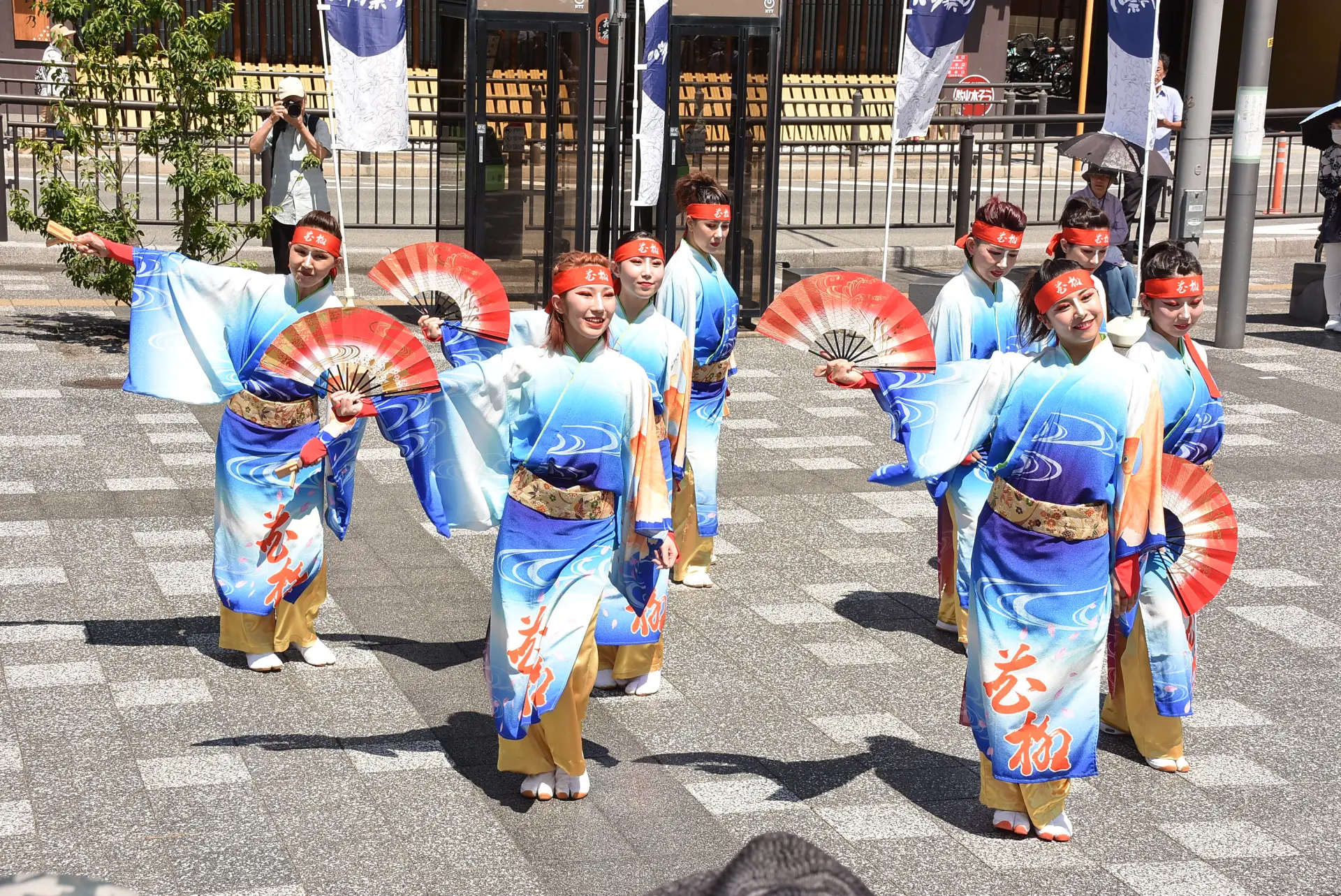
Started in 1999, this citizen-participation event is held at representative Nara spots such as Todaiji Temple, Kasuga Taisha Shrine, and Sanjo-dori Street.
The word “basara,” which gives the festival its name, refers to a free-spirited aesthetic that emerged during the Kamakura and Muromachi periods.
Dance teams dressed in colorful costumes parade through the streets to powerful music, bringing energetic excitement to summer in the ancient capital of Nara.
A 2-Day, 1-Night Nara Summer Model Itinerary through Landscapes of Nature and History
One of the appeals of summer in Nara is that you can visit World Heritage temples, shrines, and Japanese gardens while also encountering scenery shaped by rich nature. On Day 1, explore temples, shrines, and gardens that represent the ancient capital, and enjoy historic streetscapes and Nara cuisine. On Day 2, venture out to famous flower spots and old temples in the mountains, and enjoy a summer trip unique to Nara, surrounded by abundant nature.
- Day 1
- Kintetsu Nara Station → Visit Todaiji Temple and Kasuga Taisha Shrine → Stroll through the Japanese garden at Isuien Garden → Try Nara’s famous chagayu at Chagayu Specialty Tower Teahouse → Stay at Nara Hotel
- Day 2
- Depart from the hotel → Arrange a rental car → Enjoy authentic Miwa somen at Miwa Yamamoto Restaurant → Visit Head Temple Hasedera → Stroll through the grounds of Nyonin Koya Muroji Temple, where nature and history come together → Return the rental car → Kintetsu Nara Station
Average Summer Temperatures in Nara
Summer in Nara is hot with many days of strong sunshine, but mountainous areas and valleys often offer cooler places to spend time than the city center. Summer can also bring evening showers and sudden rain, so it is a good idea to check the latest weather forecast before sightseeing.
If you plan according to the climate of each area you visit, you can enjoy summer in Nara more comfortably.
| June | July | August |
|---|---|---|
| 22.9°C | 26.8°C | 27.8°C |
Source: Japan Meteorological Agency
What to Wear for a Comfortable Summer Visit to Nara
Since daytime temperatures in Nara are high in summer, short sleeves and breathable clothing are recommended. You will often walk around temples, shrines, gardens, valleys, and other sites, so comfortable walking shoes are a good choice.
It is also reassuring to bring a hat or parasol for sun protection, as well as a drink for hydration. Temperatures may drop in mountain areas or in the mornings and evenings, so a lightweight layer can be useful.
Frequently Asked Questions about Visiting Nara in Summer
Q
How many days do I need to enjoy sightseeing in Nara in summer?
Plan on 1 to 2 days if you are visiting the main temples, shrines, and gardens in Nara City. If you want to go as far as southern Nara Prefecture, including Mitarai Valley, Dorokyo Gorge, or Odaigahara, 3 days will give you more time to enjoy sightseeing at a relaxed pace.
Q
Are there places to cool off while sightseeing in Nara in summer?
Yes. There are spots that remain relatively cool even in summer, such as Mitarai Valley with its clear stream and Menfudo Limestone Cave, which stays around 10°C year-round. By including nature-rich areas in your itinerary, you can enjoy sightseeing comfortably even in the hot season.
Q
When is the best time to stroll around Nara Park in summer?
Morning or evening, when the sunlight is softer, is recommended. If you walk during the relatively cooler hours, you can enjoy interacting with the deer and visiting temples and shrines more comfortably.
Q
Are there spots to enjoy on rainy days?
Yes. In addition to Todaiji Temple and Kasuga Taisha Shrine, there are many facilities and museums displaying National Treasures and Important Cultural Properties that you can enjoy regardless of the weather. By combining indoor and outdoor spots according to the weather, you can make the most of sightseeing in Nara even on rainy days.
Summary
Nara’s appeal lies in landscapes woven from historic temples and shrines, Japanese gardens, rich forests, and clear streams.
Walk through the streets of the ancient capital, find refreshment in valleys and mountain nature, and enjoy local flavors and summer traditions to fully experience what makes Nara special in this season.
Enjoy a peaceful summer trip to Nara amid scenery where history and nature come together.