Kasugataisha Shrine

Verified [Verified] denotes information that has been published with confirmation of its owing parties.

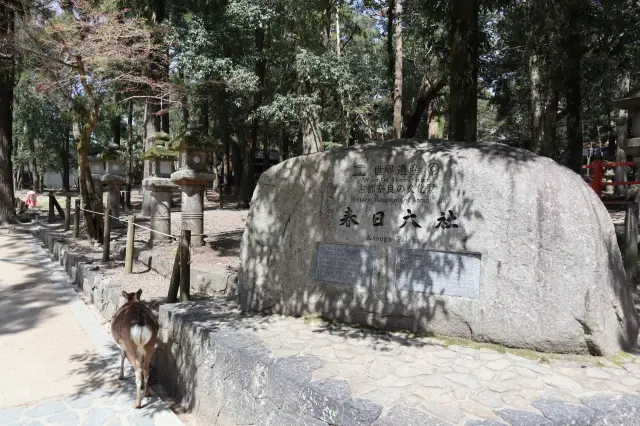
Kasugataisha Shrine

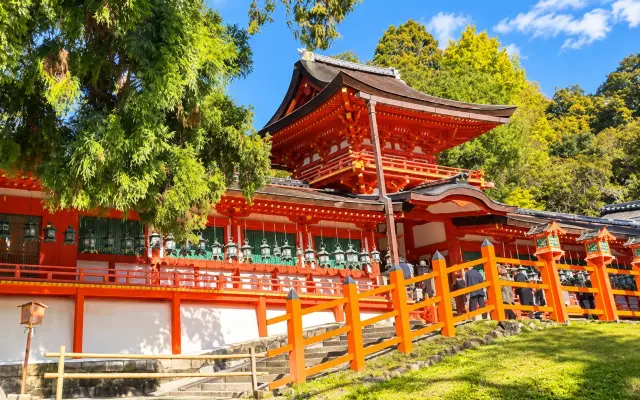
This is the head shrine of the 3,000 Kasuga Shrines in Japan. It was built to protect Heijo-kyo and promote national prosperity. With the Kasuga primeval forest, the shrine is one of the Monuments of Ancient Nara, designated as a joint UNESCO World Heritage Site.

3.43 10

Last update :
Supervised by :  Kasugataisha Shrine

At the beginning of the Nara period, Takemikazuchi-no-mikoto is said to have ridden on sacred deer from Kashima in Ibaraki Prefecture to Mt. Mikasa to protect Heijo-kyo and promote national prosperity. In 768, the Main Sanctuary was built at the foot of Mt. Mikasa, and four deities, Takemikazuchi-no-mikoto, Futsunushi-no-mikoto, Amenokoyane-no-mikoto, and Himegami were enshrined there.

Over 2,200 festivals are held here annually, especially the “Kasuga Festival” on March 13 is one of the three major imperial festivals in Japan for more than 1,200 years. An imperial envoy is sent from the imperial palace as the emperor’s representative to pray for the safety of the nation and peace among the people.

Mt. Mikasa (Mt. Kasuga) is a sacred mountain that has been worshipped where deities reside since ancient times. Because hunting and logging have been prohibited in the area since the Heian period, the primeval forest still remains to the present day and is designated as a special natural monument of Japan. Kasuga Taisha and the Kasugayama Primeval Forest were designated as one of the World Heritage Sites “Historic Monument of Ancient Nara” in 1998.

Many of the layouts of shrine buildings have remained unchanged since their original construction. In the “Shikinen Zotai” ceremony, the shrine’s 62 buildings, including the four Main Sanctuaries - the National Treasures - are repaired and repainted in bright vermillion every 20 years. Only Ise Jingu Shrine and Kasugataisha Shrine have been repaired more than 60 times so far, which shows their rich history.

It is the Fujiwara clan’s shrine, and is also known for its famous wisteria associated with them. The wisteria brightens up the shrine grounds with its beautiful purple color from late April to early May. The most famous is a 700-year-old “Sunazuri-no-Fuji” by the Keiga Gate. The “Manyo Botanical Garden” has a wisteria garden with about 200 gorgeous wisterias of about 20 species.

The “Kasugataisha Museum” houses about 3,000 items, including national treasures and important cultural properties. It is called the “Shosoin of Heian” because it displays sacred treasures from the Heian period, as well as armor, swords, and other Japanese weapons.

Highlights

  • It is the head shrine of Kasuga Shrines and it was built to protect Heijo-kyo and promote national prosperity.
  • The “Kasuga Festival”, held on March 13 annually, is one of three major imperial festivals in Japan for more than 1,200 years.
  • Kasugataisha and Kasugayama Primeval Forest are designated as World Heritage Sites.
  • Wild wisteria blooms throughout the shrine grounds from late April to Early May.
  • The “Kasugataisha Museum” is called “Shosoin of Heian” and houses national treasures and important cultural properties.

Photos

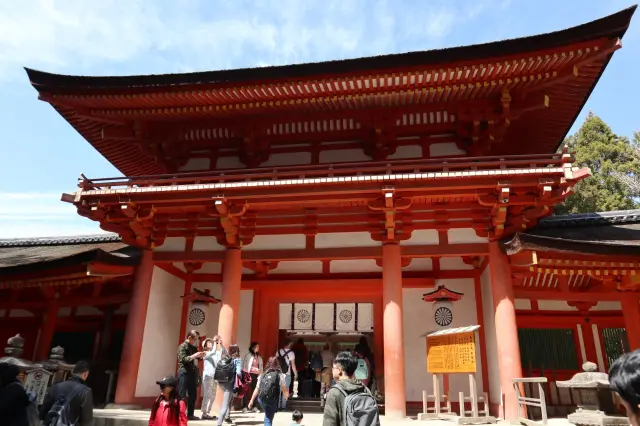
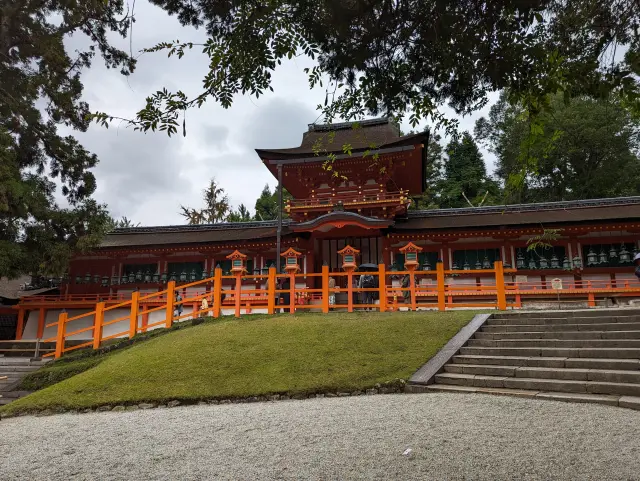
  • In front of the Main Sanctuary, “Chumon” (important cultural property)

    In front of the Main Sanctuary, “Chumon” (important cultural property)

  • Kasuga Festival  (photographed by Eibun Kuwabara)

    Kasuga Festival (photographed by Eibun Kuwabara)

  • More than 700 years old, “Sunazuri-no-Fuji”

    More than 700 years old, “Sunazuri-no-Fuji”

  • Lawn spreading at the foot of Mt. Mikasa (Mt. Kasuga)
(photographed by Eibun Kuwabara)

    Lawn spreading at the foot of Mt. Mikasa (Mt. Kasuga) (photographed by Eibun Kuwabara)

Reviews

10

Some reviews are AI-translated.

  • See More

    When visiting Nara, besides Todaiji Temple, Kasugataisha Shrine is another classic attraction you absolutely shouldn't miss. Located within the Kasugayama Primeval Forest, Kasugataisha is the head shrine of about 3,000 Kasuga shrines across Japan. Together with Todaiji Temple and Kofukuji Temple, it forms one of Nara's representative cultural landscapes and is also listed as a World Cultural Heritage Site.

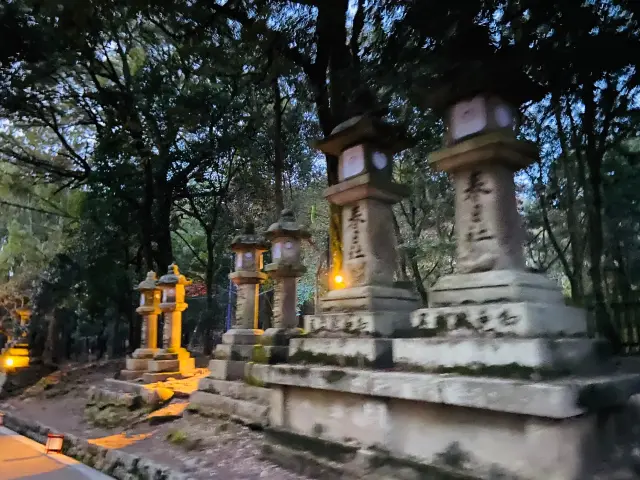
    Walking slowly along the approach into the forest, the towering ancient trees, stone lanterns, and vermilion buildings blend together. Sunlight filters through the treetops, creating an atmosphere that is both solemn and mysterious. What impressed me most was the sheer number of lanterns.

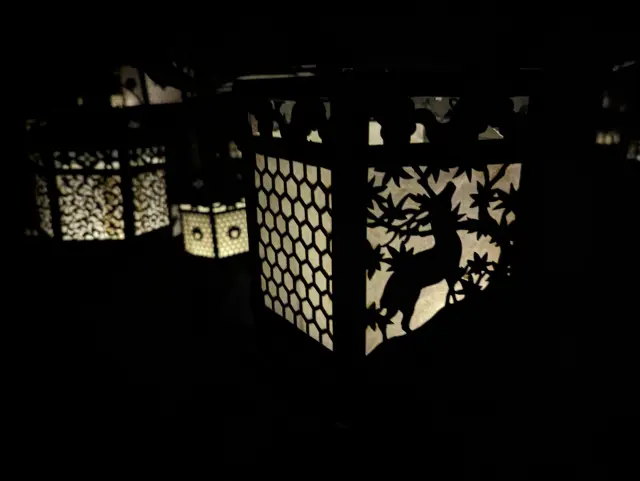
    There are many stone lanterns and hanging lanterns donated by worshippers throughout the grounds of Kasugataisha and along the surrounding approaches. Even when quietly lined up among the ancient forest and shrine buildings, they are already very distinctive; during certain annual festivals, thousands of lanterns are lit, creating a dreamlike and sacred scene.

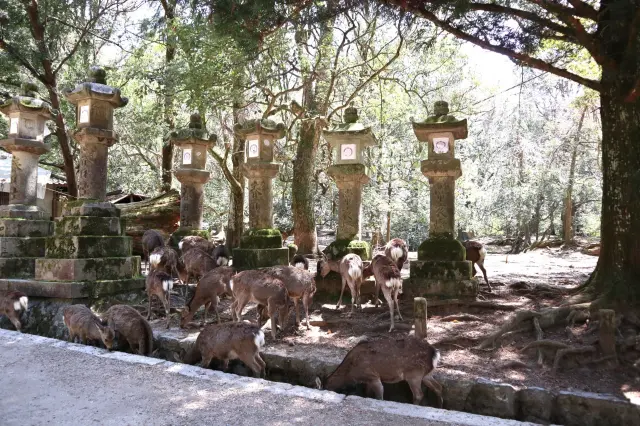
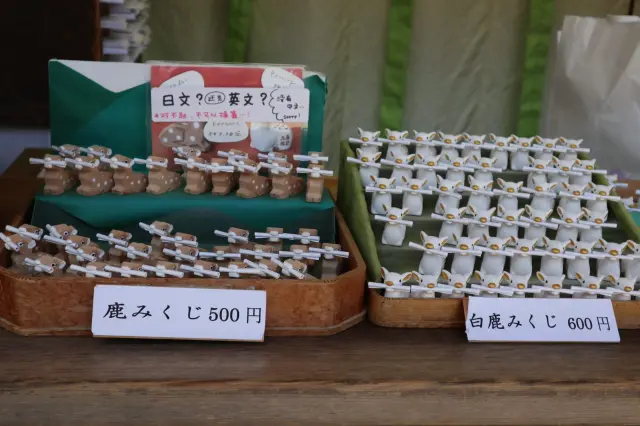
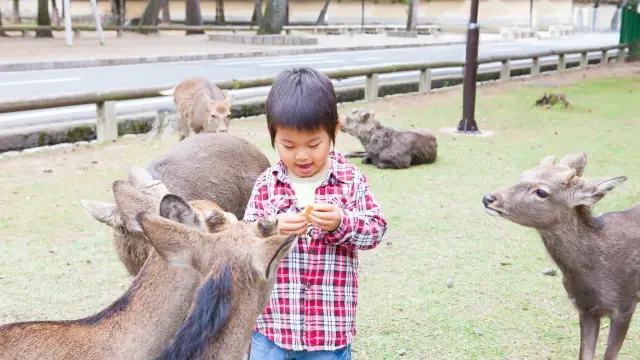
    There are also Nara's cutest divine messengers--the deer. While walking along the approach to Kasugataisha, you'll occasionally come across Nara deer strolling leisurely. Deer have deep ties to the beliefs of Kasugataisha and are regarded as messengers of the gods, adding a touch of charm and liveliness to the solemn shrine.

    What I liked most about this visit to Kasugataisha was the peaceful feeling of being surrounded by forest and far away from the noise of the city. The vermilion shrine buildings, ancient lanterns, towering trees, and leisurely sacred deer all fill the area with Nara's unique charm.

  • See More

    As soon as you enter Kasugataisha Shrine, the tall, stately old trees on both sides immediately shut out the noise from outside. Deep in the shade of the forest, there is also a coolness unique to spring, making it feel as though you are gradually entering the realm of the gods. Founded in 768 AD, Kasugataisha is one of Nara's most prominent shrines and enshrines the ancestral deities of the Fujiwara clan. The grounds are surrounded by a primeval forest, and ancient stone lanterns line the approach, adding a solemn and mysterious atmosphere. The most distinctive sight is the sika deer found everywhere. People in Nara believe that deer are messengers of the deities enshrined at Kasugataisha, so they have been especially revered since ancient times. Walking among the old trees, stone lanterns, and herds of deer, with sunlight filtering through the treetops, the surroundings are so quiet that you naturally slow your pace and feel the sacred atmosphere.

  • See More

    Kasugataisha Shrine in Nara. Unfortunately, it happened to be raining, which made the whole visit feel a little rushed. I had originally hoped to slowly walk along the approach, surrounded by the atmosphere of the ancient capital in nice weather, but instead I had to make my way there under an umbrella.

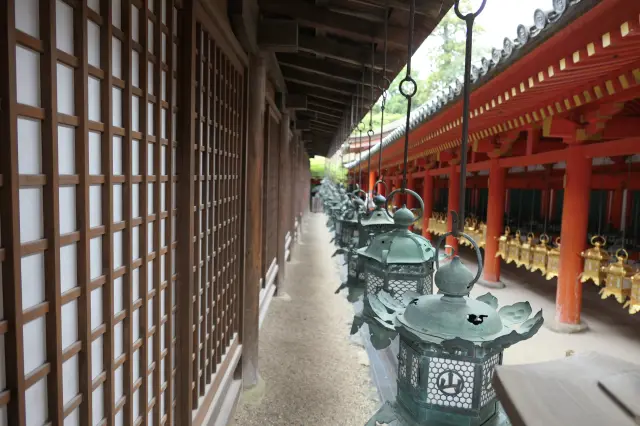
    Along the way, I saw the tall trees, stone lanterns, and rows of hanging lanterns on both sides. Together with the rain-soaked stone path, they created a very quiet and mysterious atmosphere. Although I didn't get the beautiful sunny-day views I had hoped for, Kasugataisha Shrine in the rain had its own unique charm.

    Walking through the forest was especially peaceful, and I occasionally saw Nara's deer wandering through it. It really felt like visiting an ancient shrine. Unfortunately, because of the rain, I wasn't able to take my time and fully explore.

    If I visit Nara again, I hope the weather will be nice so I can walk through Kasugataisha Shrine once more and make up for all the scenery I didn't get to see enough of this time!

  • See More

    Kasugataisha Shrine is located within Nara Park. Its vermilion buildings and ancient lanterns create a beautiful setting rich in history. As you walk toward the shrine, you'll see adorable deer roaming freely, which makes the visit even more enjoyable. The atmosphere feels both solemn and peaceful, offering a welcome break from the busyness of everyday life.

  • See More

    Kasugataisha Shrine really has a magical feel. As soon as you step onto the approach, the stone lanterns and forest scenery create such a relaxing atmosphere.

    The most fun part is that after just a short walk, deer will come over like they’re “on patrol.” They’re not afraid of people at all, and they definitely know how to find the camera!

    Besides praying at the shrine, don’t forget to take a photo with Nara’s little deer. Just remember, they’ll be checking to see if you have deer crackers in your hand. Put your things away after the photo, or they’ll be even more enthusiastic than you are!

Details

Name in Japanese
春日大社
Postal Code
630-8212
Address
160 Kasuganocho, Nara City, Nara
Tel
0742-22-7788
Closed
Open every day (Due to rituals, worship may not be allowed)
Hours
March to October 6:30am-5:30pm, November to February 7:00am-5:00pm
*varies by the building
Admission
Free for visiting, worship services are available for a fee (9:00am - 4:00pm)
Directions
About 11 to 15 minutes by bus from Nara Station on the JR Yamatoji Line or the KIntetsu Nara Line
Credit Cards
Not accepted
Official Website
Official Website (English)
Hokkaido Tohoku Kanto Chubu Hokuriku Kansai Chugoku Shikoku Kyushu Okinawa