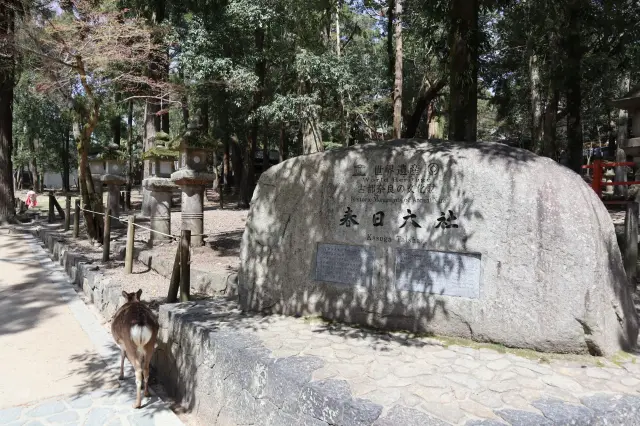
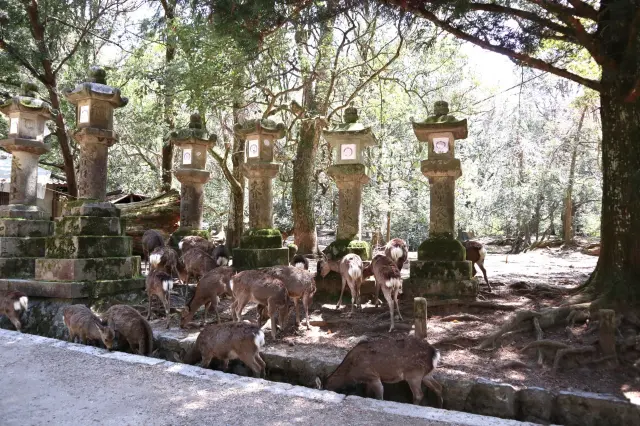
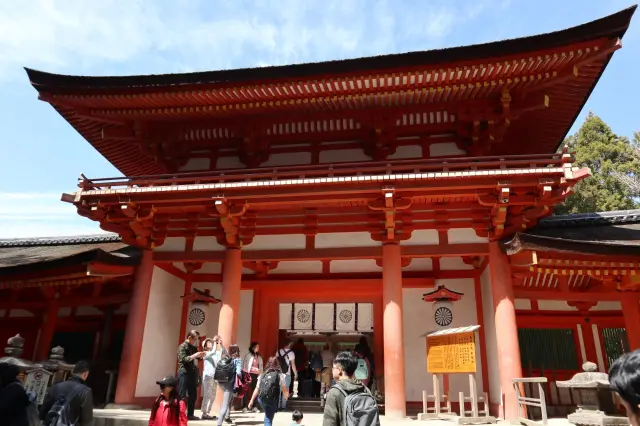
As soon as you enter Kasugataisha Shrine, the tall, stately old trees on both sides immediately shut out the noise from outside. Deep in the shade of the forest, there is also a coolness unique to spring, making it feel as though you are gradually entering the realm of the gods. Founded in 768 AD, Kasugataisha is one of Nara's most prominent shrines and enshrines the ancestral deities of the Fujiwara clan. The grounds are surrounded by a primeval forest, and ancient stone lanterns line the approach, adding a solemn and mysterious atmosphere. The most distinctive sight is the sika deer found everywhere. People in Nara believe that deer are messengers of the deities enshrined at Kasugataisha, so they have been especially revered since ancient times. Walking among the old trees, stone lanterns, and herds of deer, with sunlight filtering through the treetops, the surroundings are so quiet that you naturally slow your pace and feel the sacred atmosphere.
Kasugataisha Shrine | Review by Linda Liao
Other Reviews by Linda Liao
-
Koeido “Kibidango”
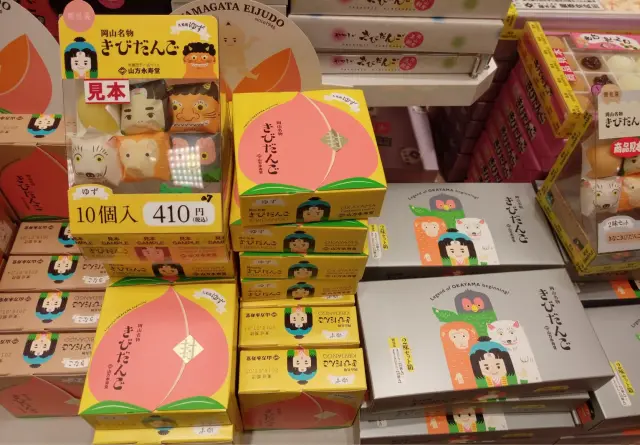
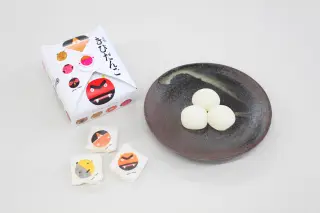
A signature confection from Koeido, one of Okayama’s leading traditional Japanese confectionery makers, founded in Ansei 3 (1856). Made from domestically grown glutinous rice with sugar, starch syrup, and millet using a traditional method, it is known for its soft texture and delicate sweetness. It has long been a popular Okayama souvenir associated with the legend of Momotaro.
While browsing the souvenir shops at Okayama Station, I was drawn to the cute look of the “Kibidango” and couldn’t help but stop! Okayama is the birthplace of the Momotaro legend, and this confection incorporates elements of the folktale that are sure to make you smile. The small dumplings are soft and chewy, with a delicately sweet filling that isn’t overly rich. In addition to the classic flavor, limited-time flavors are also available. Even the wrapping paper is incredibly cute, making this a souvenir full of Okayama character.
-
-

Namba Marui
Located in the heart of Osaka's Minami area, Namba, it is directly connected to the Osaka Metro Midosuji Line Namba Station via an underground pathway, allowing customers to enter without getting wet even on rainy days. It also has good access from other JR and private railway stations.
Namba Marui is located right next to Osaka-Namba Station, making it very convenient for shopping or planning a day around Osaka. It features clothing, lifestyle goods, accessories, and a variety of distinctive brands. The overall style is fairly youthful, making it a good place to take your time discovering interesting items. The department store also offers tax-free shopping, but Japan's tax-free system will switch to a refund system starting November 1, 2026, so it may take some time to get used to it after that~
-
-

Akama Shrine
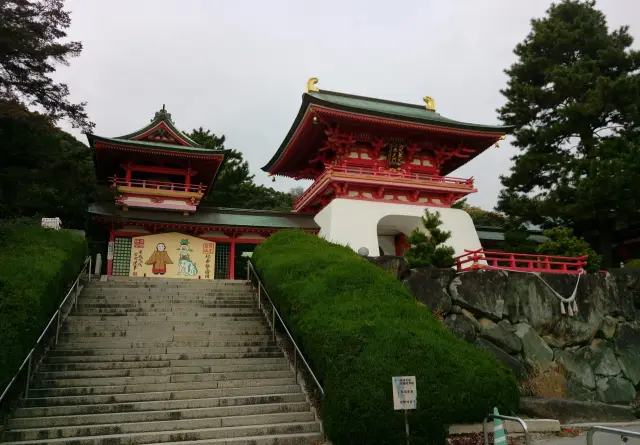
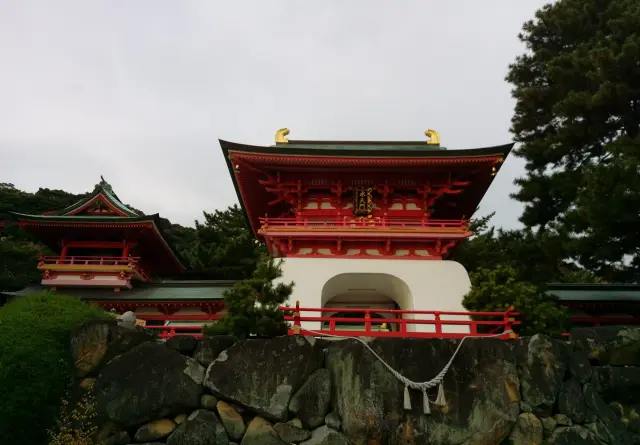
This shrine is notable for its vivid vermilion Suitenmon gate, inspired by the mythical Dragon Palace. It enshrines Emperor Antoku, who tragically perished by drowning at the age of eight following defeat in the Battle of Dan-no-ura. Additionally, the site's predecessor, Amidaji Temple, is famous as the setting for the eerie ghost story Mimi-nashi-Hoichi (Hoichi-the-Earless).
After visiting the Nisshin Peace Memorial Hall in Shimonoseki, I still had some time, so I took a walk along the road to Akama Shrine. The bright vermilion Suitenmon gate has a dreamy, Dragon Palace-like feel, and its design is quite eye-catching. I visited in late fall, just as winter was beginning, when the maple leaves had turned shades of red and orange, adding a touch of poetry to the solemn shrine. However, Emperor Antoku, who is enshrined here, has a sad history: in the 1185 Battle of Dan-no-ura, the emperor, only eight years old, drowned at sea along with the Taira clan. Thinking about this history brings a faint sense of sorrow.
-