Kasuga Taisha Manyo Botanical Garden

Verified [Verified] denotes information that has been published with confirmation of its owing parties.

Kasuga Taisha Manyo Botanical Garden

Japan’s oldest Manyo botanical garden, located in the ancient capital of Nara, where plants mentioned in the Manyoshu (Japan’s oldest anthology of poetry) are cultivated and displayed. It is also famous for its wisteria flowers.

3.27 2

Last update :

Located along the main approach to Kasuga Taisha Shrine, the Kasuga Taisha Manyo Botanical Garden is Japan’s oldest Manyo botanical garden, opened in 1932. It is home to around 300 species of plants mentioned in the Manyoshu, Japan’s oldest anthology of poetry. Covering approximately 3 hectares, the garden is divided into four areas: the Manyo Garden, the Five Grains Village, the Wisteria Garden, and the Kasuga Gunpo-en, which was completed in spring 2025.

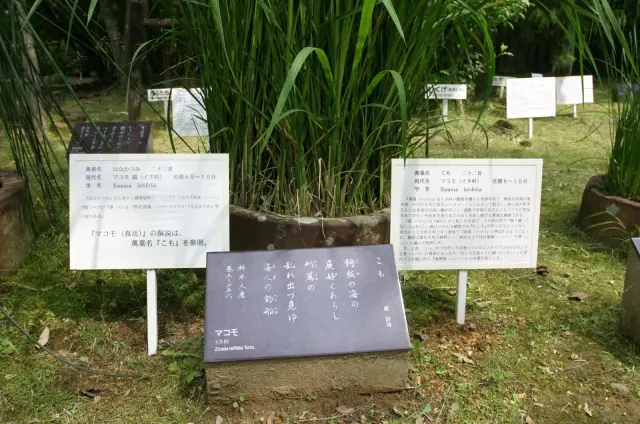
Throughout the garden, ceramic plaques engraved with Manyoshu poems and explanatory notes are placed beside the plants, allowing visitors to appreciate the ancient Japanese view of nature while enjoying the seasonal scenery. The garden highlights 45 recommended Manyo plants, introducing a few each month along with poem translations and interpretations, including beautifully rendered English versions of the ancient verses.

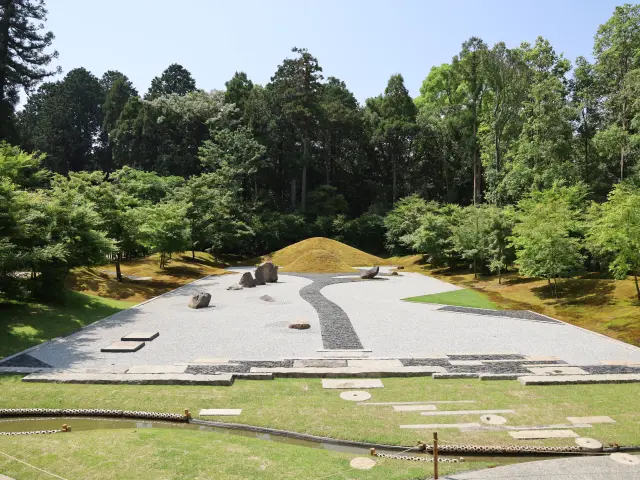
In the Kasuga Gunpo-en, the “Sacred Garden” expresses the world of the Kasuga Mandala through a dry landscape garden, surrounded by about 100 maple trees that reflect the changing seasons.

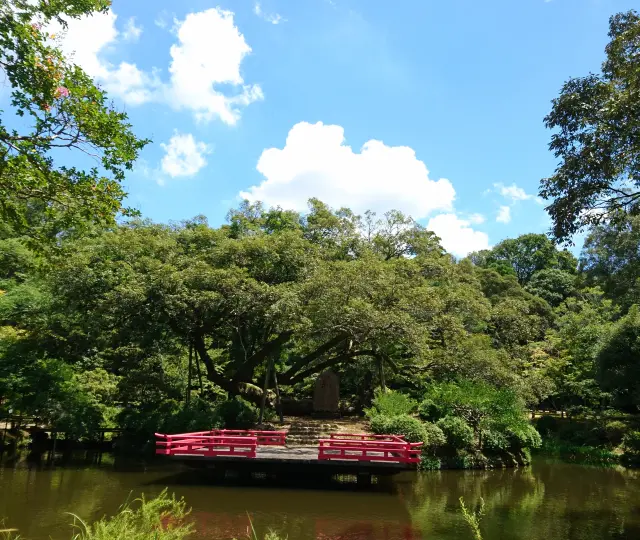
At the center of the garden, on a small island in the pond, stands the Garyu no Ichiigashi, an ancient oak tree designated as a cultural property of Nara City. Its stately, timeworn presence captivates visitors. In spring, the Wisteria Garden bursts into bloom with around 200 wisteria vines spanning 20 varieties, while the Five Grains Village features ancient rice and millet fields that showcase the seasonal transitions. A leisurely stroll through the garden offers a glimpse into the natural world admired by the people of the Manyo era.

Highlights

  • Japan’s oldest Manyo botanical garden, home to around 300 species of plants mentioned in the Manyoshu.
  • Ceramic plaques inscribed with Manyoshu poems are placed beside the plants, allowing visitors to quietly experience the ancient view of nature.
  • The Garyu no Ichiigashi, a Nara City cultural property, stands as a majestic symbol of time’s passage.
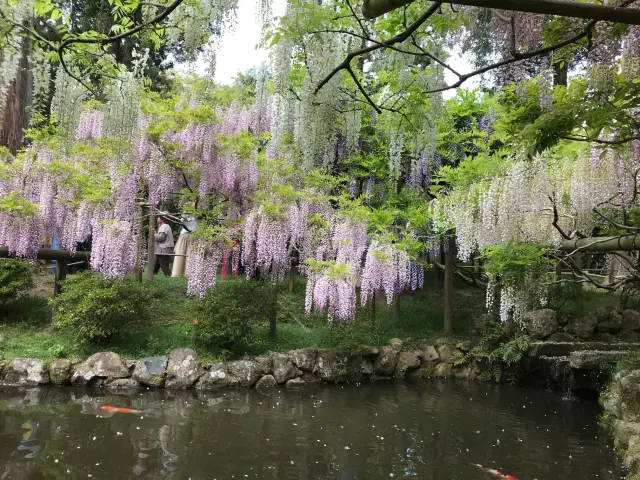
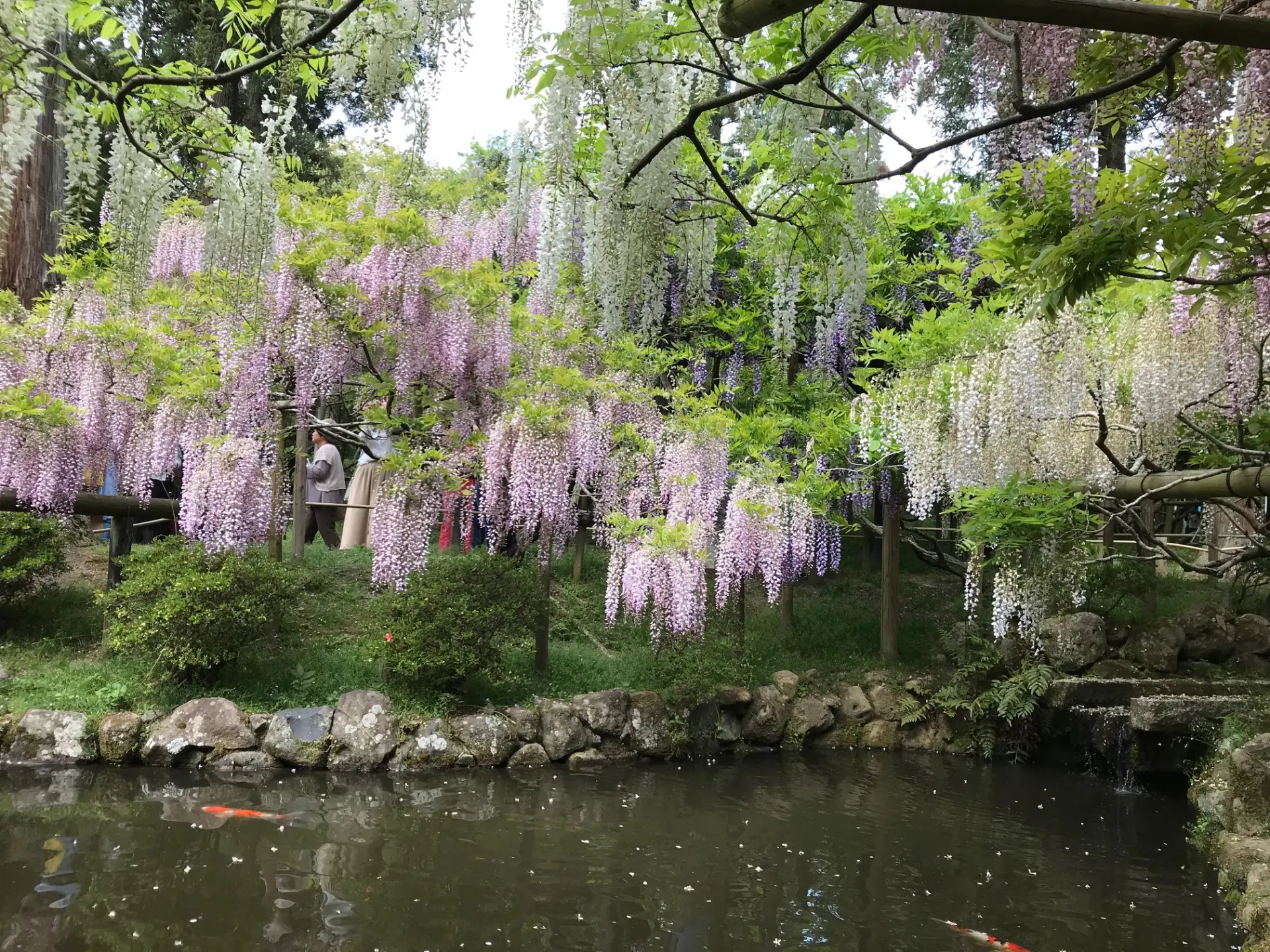
  • In spring, around 200 wisteria vines bloom in shades of purple, white, and pink, creating a dreamy, wind-swayed spectacle.
  • A popular activity in spring and summer is feeding the koi that gather eagerly in the central pond.

Photos

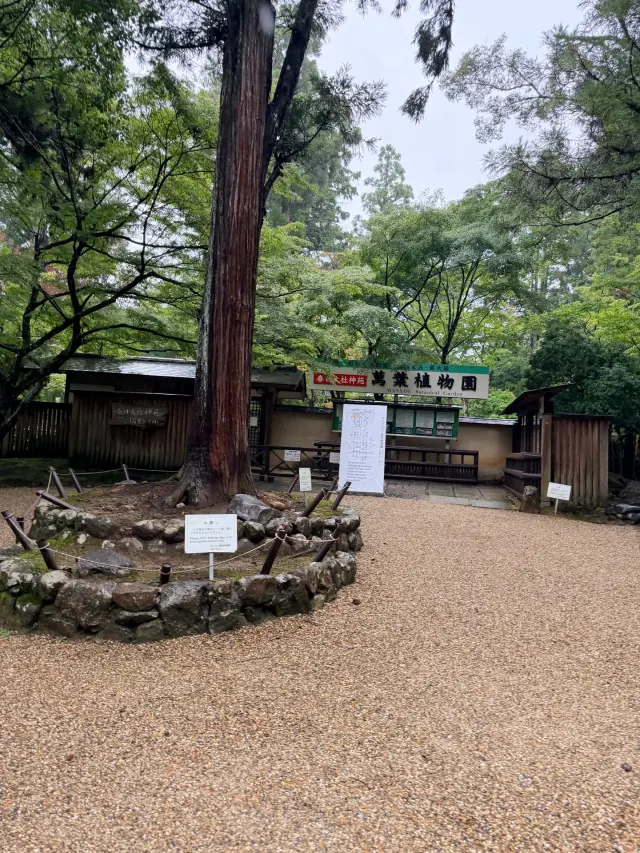
  • On the island in the pond, reminiscent of Manyo-era gardens, stands an ancient, majestic tree.

    On the island in the pond, reminiscent of Manyo-era gardens, stands an ancient, majestic tree.

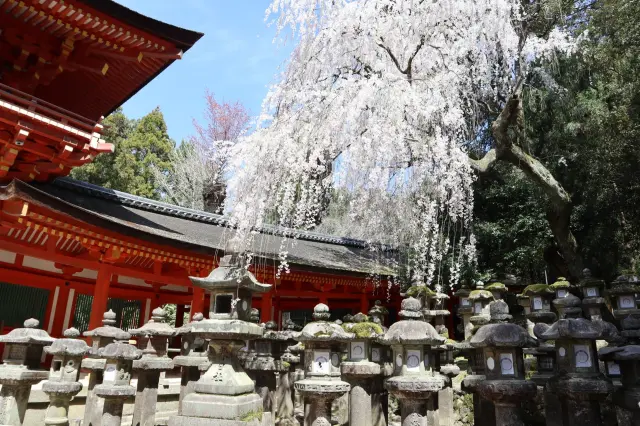
  • Famous as a wisteria-viewing spot with around 200 wisteria vines of 20 varieties in full bloom.

    Famous as a wisteria-viewing spot with around 200 wisteria vines of 20 varieties in full bloom.

  • Visitors can appreciate actual plants alongside ancient poems.

    Visitors can appreciate actual plants alongside ancient poems.

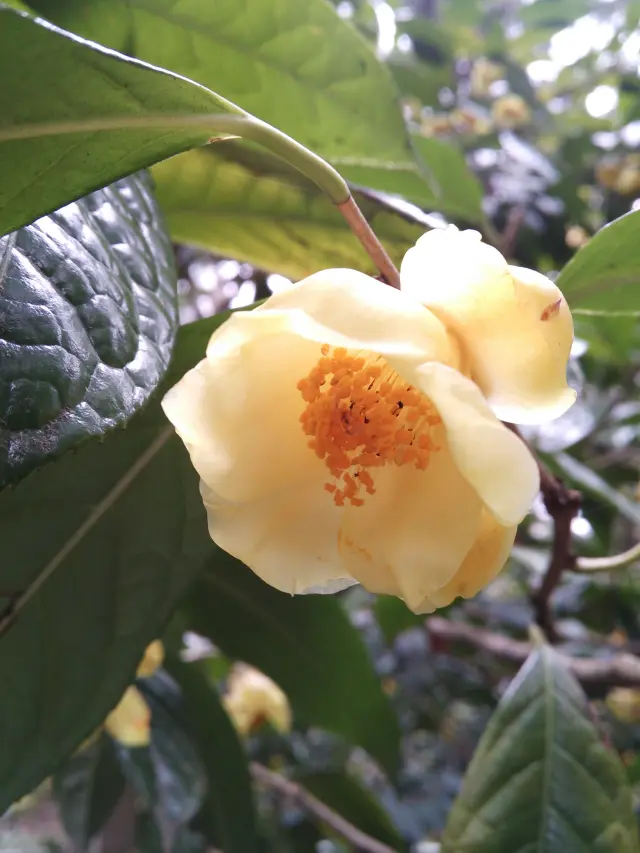
  • The golden camellia (Camellia chrysantha) with its beautiful yellow petals blooms around April.

    The golden camellia (Camellia chrysantha) with its beautiful yellow petals blooms around April.

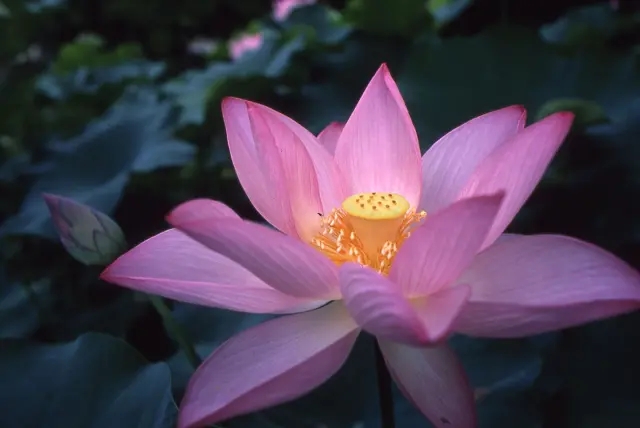
  • In July, visitors can see the Oga lotus, which sprouted after 2,000 years.

    In July, visitors can see the Oga lotus, which sprouted after 2,000 years.

  • “Shintei,” the Sacred Garden, was completed and opened to the public in spring 2025.

    “Shintei,” the Sacred Garden, was completed and opened to the public in spring 2025.

Official FAQs

Frequently Asked Questions have been vetted and answered directly by each listing.

Q

Do you have signs or pamphlets in foreign languages? (If you do, which languages are available?)

A

Yes. Pamphlets with maps are available in English, French, Simplified Chinese, Traditional Chinese, and Korean.

Q

Is free Wi-Fi available in the area?

A

No free Wi-Fi available.

Q

Are coin lockers available?

A

Not available.

Q

Are there restrooms available?

A

Yes, there are.

Q

Is it possible to re-enter the premises?

A

It is possible on the same day.

Q

Are there any smoking areas?

A

Not available.

Reviews

2

Some reviews are AI-translated.

  • See More

    The Kasuga Taisha Manyo Botanical Garden is located within the grounds of Kasuga Taisha Shrine and is surrounded by Nara's natural forests, offering different scenery in every season. Its main feature is its collection of plants associated with the beliefs of Kasuga Taisha, especially wisteria. During blooming season, the hanging clusters of purple flowers are particularly enchanting. The garden also has a variety of seasonal flowers and waterscapes, with a more relaxed pace than the shrine's worship area. Walking through the garden, you can experience the unique atmosphere created by the blend of Nara's natural scenery and shrine culture.

  • See More

    When visiting Kasuga Taisha in Nara, besides paying your respects at the shrine, I highly recommend stopping by the Manyo Botanical Garden. The moment you enter the garden, you can feel a peaceful atmosphere completely different from outside. Surrounded by greenery, you can walk along the garden paths without much noise around you, giving the place an even more relaxed and pleasant feeling.

    The main feature of the Manyo Botanical Garden is that it is themed around plants mentioned in the Man'yoshu. The garden is home to many flowers, plants, and trees that were described in ancient Japanese poetry. As you stroll through it, you can see plants from different seasons set against Japanese garden scenery, creating a strong sense of classical Japanese culture. It's a great place to spend some time if you enjoy plants, photography, or leisurely walks.

    The wisteria in the garden left an especially deep impression on me. If you visit in spring, you can enjoy the beautiful sight of purple wisteria hanging down, with clusters of flowers swaying in the gentle breeze. The scene is very romantic. In addition to the wisteria, the garden has different flowers to enjoy in every season, so you may see different scenery each time you visit Nara.

    Taking a walk here after visiting Kasuga Taisha is a great way to slow down the pace of your trip. Instead of rushing to check off attractions, you can follow the paths, admire the plants, take photos, and experience the quiet, historic side of Nara. If you like natural scenery and traditional Japanese culture, I highly recommend including the Manyo Botanical Garden in your visit to Kasuga Taisha.

Details

Name in Japanese
春日大社 萬葉植物園
Postal Code
630-8212
Address
160 Kasugano-cho, Nara City, Nara Prefecture
Telephone
080-1502-9998
Closed
Closed on Tuesdays from June to March(open if National holiday), Open every day from April to May
Business Hours
9:00am - 4:30pm(Admission allowed until 4:00pm)
Admission
Adults 700yen, Children 300yen
Access
About a 5-minute walk from the “Kasuga Taisha Omotesando” bus stop on the Nara Kotsu Bus, which can be boarded from Kintetsu Nara Station on the Kintetsu Nara Line.
Credit Cards
Accepted
Official Website
Official Website (Japanese)
Hokkaido Tohoku Kanto Chubu Hokuriku Kansai Chugoku Shikoku Kyushu Okinawa