
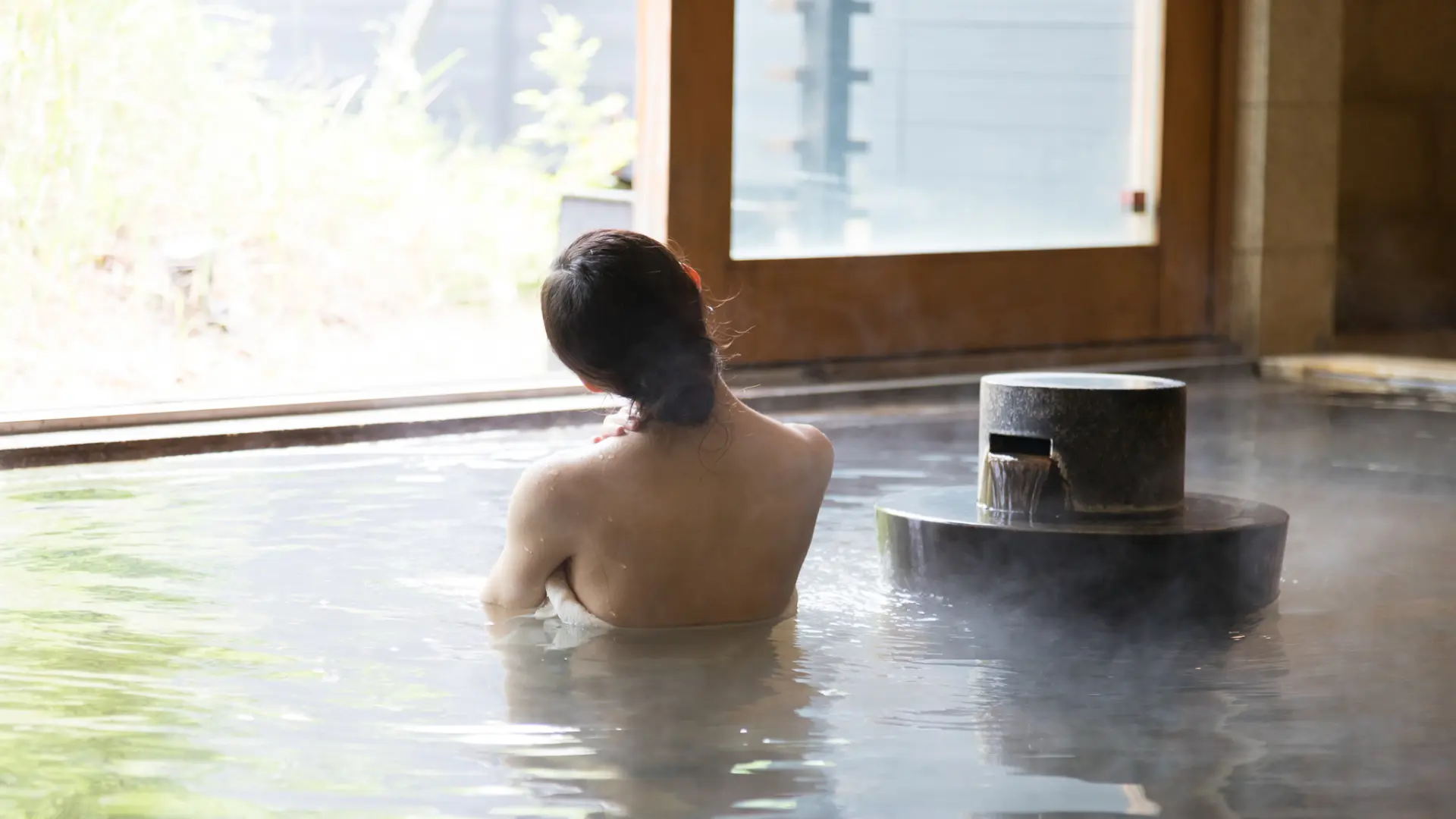
Soak Like a Local: The Must-Know Differences Between Japan’s Onsen, Sento & Super Sento
Japanese bath facilities, especially super sento, are all-in-one spaces for relaxation with a wide variety of baths and services.
On top of natural hot springs and many types of tubs, they often have stone saunas, regular saunas, and massage services. You can enjoy everything from fun to full-on refreshment in one place.
This article explains what bath facilities are, why they are appealing, and the etiquette when using them. It also introduces popular super sento from around Japan.
It is easy to understand for anyone interested in Japan’s hot spring and public bath culture, as well as people planning a trip to Japan. Read on to the end and get inspired for your visit.
What Are Bath Facilities? | Many Types and Ways to Enjoy Them
“Bath facilities” refers to all kinds of places where you can soak in hot water to warm up.
They are deeply rooted in daily life in Japan. These days they are not just for bathing but also serve as places for overall refreshment and entertainment.
There are many types, such as hot spring facilities, sento bathhouses, health resorts, wellness spas, and footbaths. Users can expect benefits like better blood circulation, relaxation, and support for the autonomic nervous system.
All of them aim to “rejuvenate you in hot water,” but their features differ depending on whether they have a natural spring, the size of the facility, and what they provide, such as medical treatment, sightseeing, or leisure.
If you remember the characteristics and differences between standard hot spring facilities, sento, and super sento, it will be easier to pick a place that fits your preferences, purpose, and situation.
First, let’s look at the basic differences between hot spring facilities and sento or super sento.
| Item | Onsen facilities | Sento / super sento |
|---|---|---|
| Type of water |
Naturally heated groundwater from springs (must meet standards for temperature and components) |
Generally heated tap water (some facilities use onsen water) |
| Applicable law | Based on the Hot Springs Act | Based on the Public Bath Houses Act |
| Scale | Ranges from small to large | Sento are relatively small. Super sento are large. |
| Facilities | Mainly focused on bathing | Sento offer basic bathing. Super sento feature various baths and relaxing spaces. |
| Main purposes | Therapeutic use, sightseeing, relaxation | Everyday bathing, refreshing, health maintenance |
From here, we’ll go into more detail on hot spring facilities, sento, and super sento one by one.
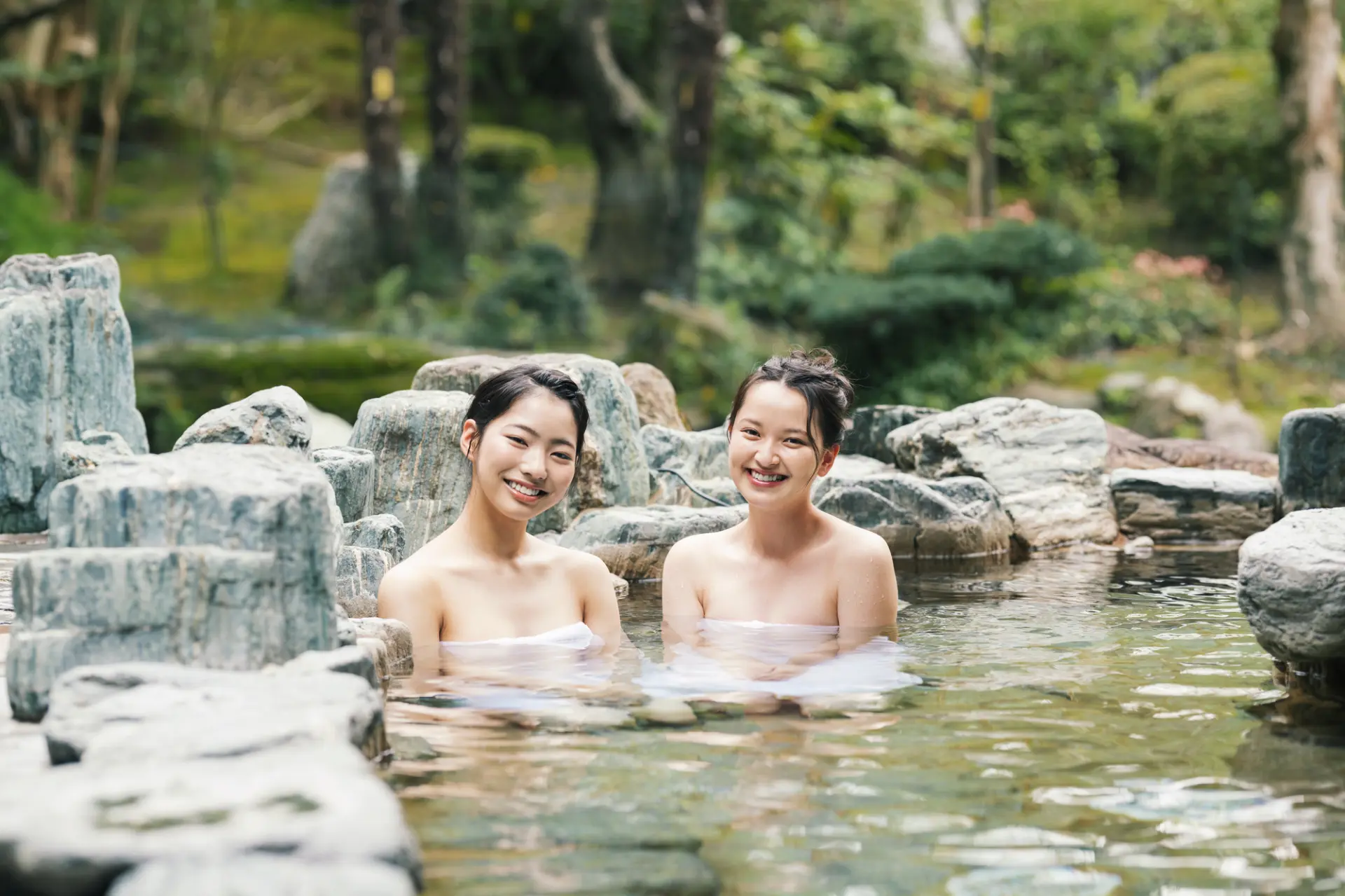
Bath Facilities That Meet the Hot Spring Act Conditions = Hot Spring Facilities
Hot spring facilities are bathing facilities in Japan that use hot water, mineral water, or gas that meets the conditions set by the Hot Spring Act. This includes regular baths, footbaths, steam baths, and more.
If the water coming from underground is 25°C or higher, or if it contains at least one of 19 specified substances above a set level, it is officially recognized as “hot spring water.” *Each country has different standards.
There are different usage styles such as free-flowing from the source, circulation and filtration, and heated water. By law, facilities must display information on the spring type, components, benefits, and precautions for use.
Hot spring facilities are attractive not only for expected benefits like better blood flow, recovery from fatigue, and smoother skin. You can also enjoy an extraordinary time together with local scenery and the changing seasons.
Combine your visit with local food and cultural experiences, and you can fully refresh both body and mind.

“Sento” - Public Bathhouses for Everyday Use
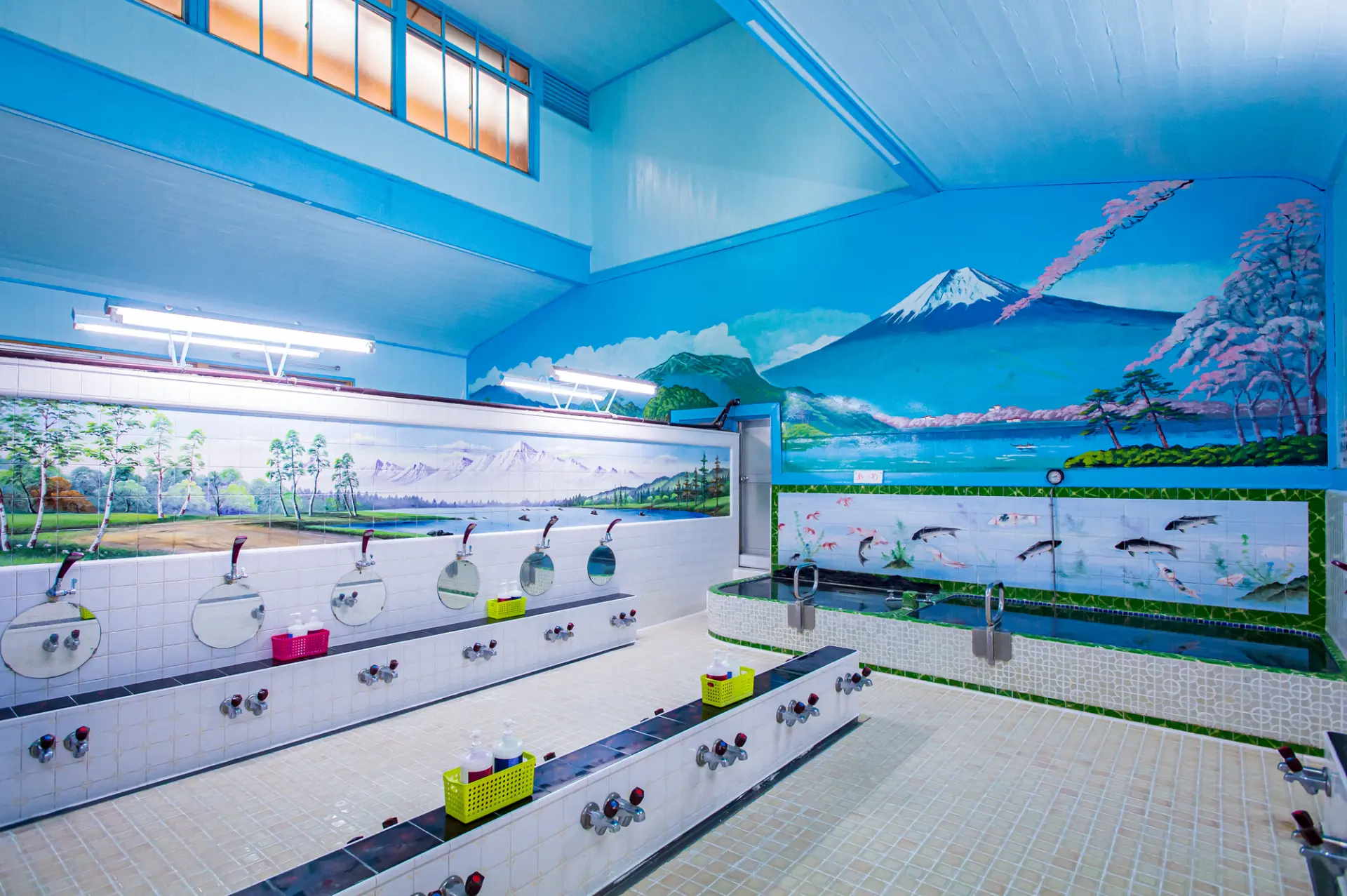
A sento is a public bathhouse operated under each prefecture’s Public Bath House Act (“general public bathhouse”) and used by local residents in their daily lives.
Its main purpose is bathing. It is seen as a familiar facility that supports public health and hygiene in the neighborhood.
Most feature separate large baths for men and women, where many people bathe at the same time. They basically use heated tap water, which is one of their defining features.
Prices are regulated nationwide by the Price Control Order. The upper limit for adults is set at around 300-600 yen (550 yen in Tokyo), which is another nice highlight for visitors on a budget.
The appeal of sento lies in how practical they are for a quick, casual soak and the comfort of blending into local everyday life.
They are relaxing spaces where you can mingle with regulars and locals. Traditional tile art and the old-style attendant’s counter (“bandai”) also let you feel the charm of Japanese culture.
“Super Sento” - More Than Just Taking a Bath
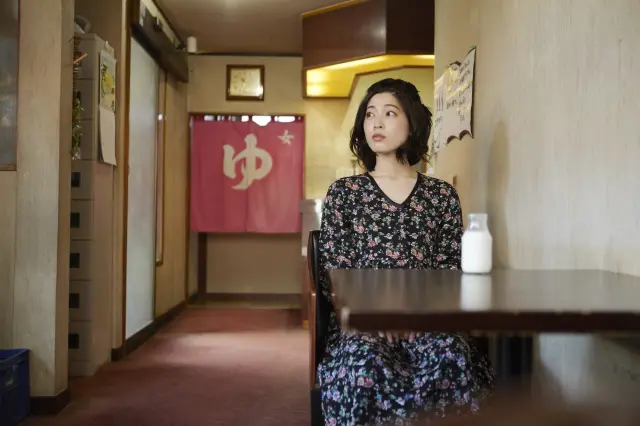
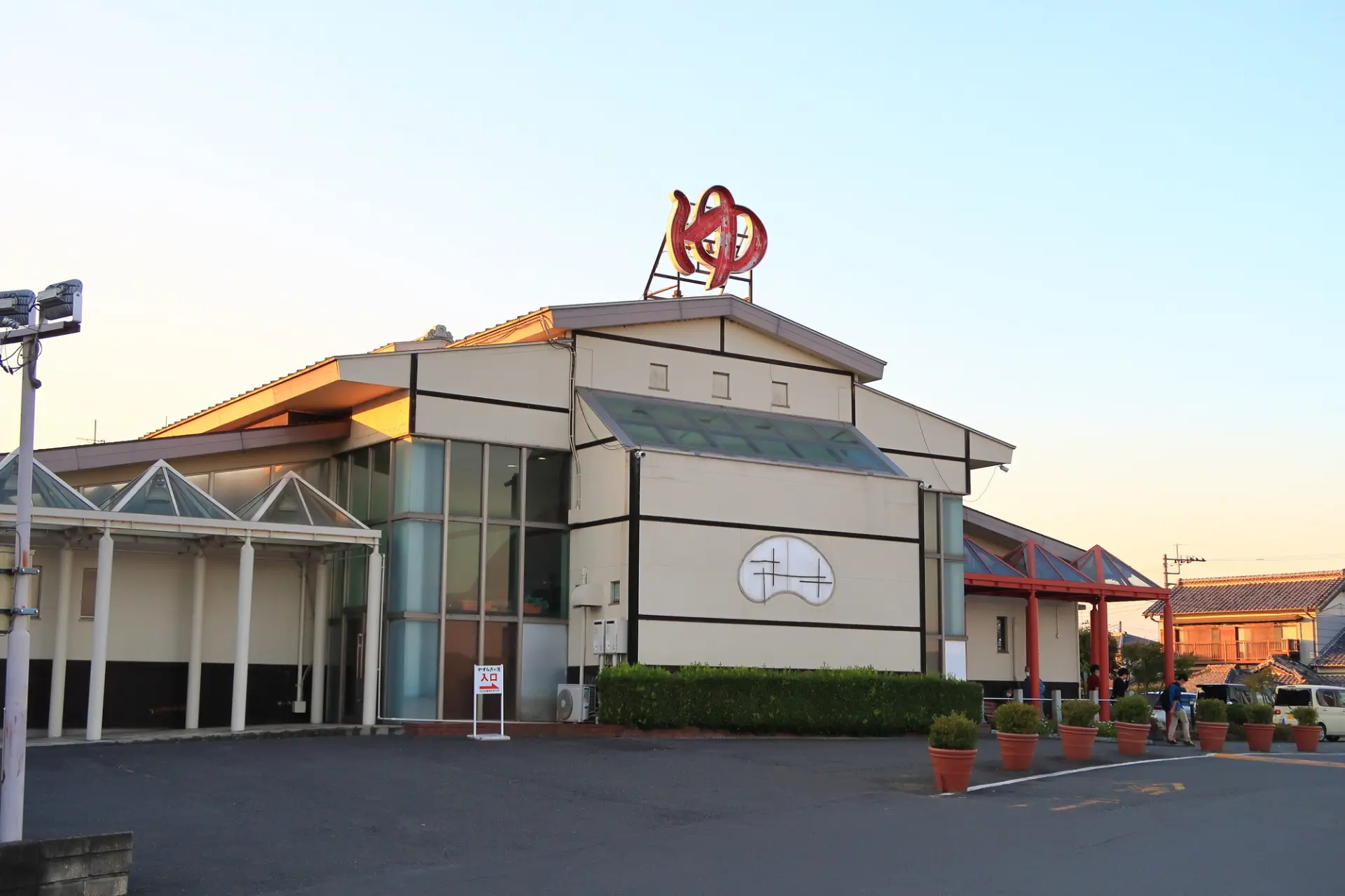
A super sento is one type of “public bathhouse (other public bathhouses)” in Japan, although there is no strict legal definition.
In general, it refers to a larger bath facility than a regular sento, with a wide range of extra services and amenities.
They are often located along major roads in cities or suburbs and are designed for families and groups. Long opening hours are another key feature.
While a standard sento is a simple, everyday bathing spot for locals, a super sento is a highly entertaining facility with plenty to enjoy besides bathing, such as food, relaxation, and healing experiences.
Prices are not fixed by law, so they vary widely depending on the size of the facility, its amenities, and the area.
Expect to pay roughly 1,000–1,500 yen if you only use the baths. If you add meals, massages, and hot stone spa (ganbanyoku), the total can easily reach 4,000–5,000 yen or more.
5 Best Things About Super Sento
From here, we’ll take a closer look at the appeal of super sento mentioned above.
Each facility has its own strengths, so your experience will change depending on where you go.
On top of the baths and hot springs, what really stands out is the range of extras, from food and relaxation areas to game and manga corners.
Use these ideas as a guide and find the style of super sento that suits you.
1. Enjoy a Variety of Baths in One Place
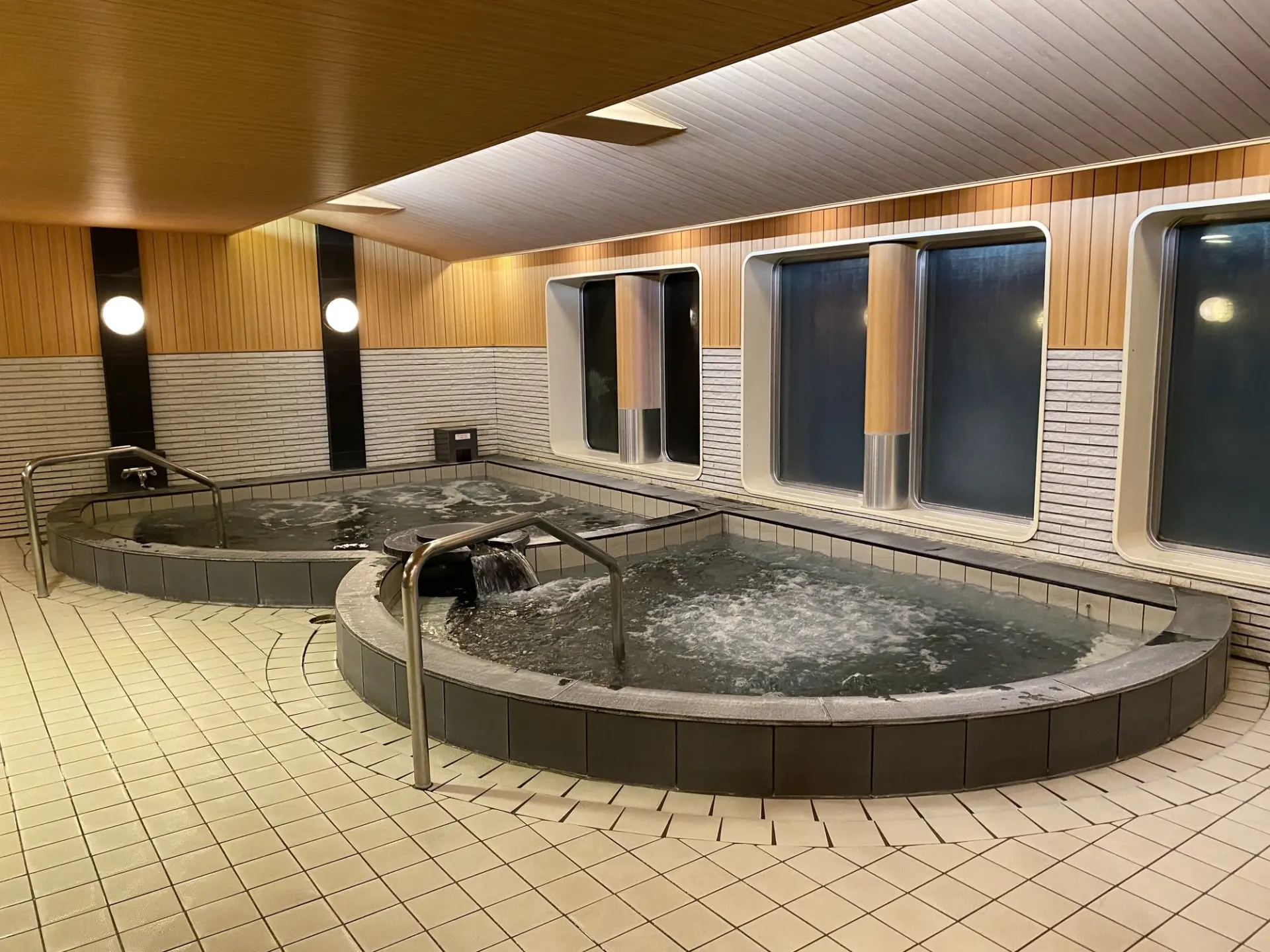
One major charm of super sento is the wide variety of baths you can try.
Indoor baths, jet baths, electric baths, and individual pot baths are lined up, each with different temperatures and effects. You can “tour” several types of baths in a short time.
Bathing in a place different from your usual surroundings helps you reset your mood and refresh yourself. It also helps relieve fatigue and reduce stress.
You can warm up in a high-temperature bath to improve blood circulation, relax in a carbonated bath to gently calm your heartbeat, then cool down in an open-air bath while enjoying the view. Being able to choose how you spend your time according to your mood, physical condition, and who you are with is another key point.
Some facilities also offer special seasonal baths or baths that recreate famous hot springs from around Japan, so you can visit again and again without getting bored.
2. Enjoy Hot Springs Right in the City
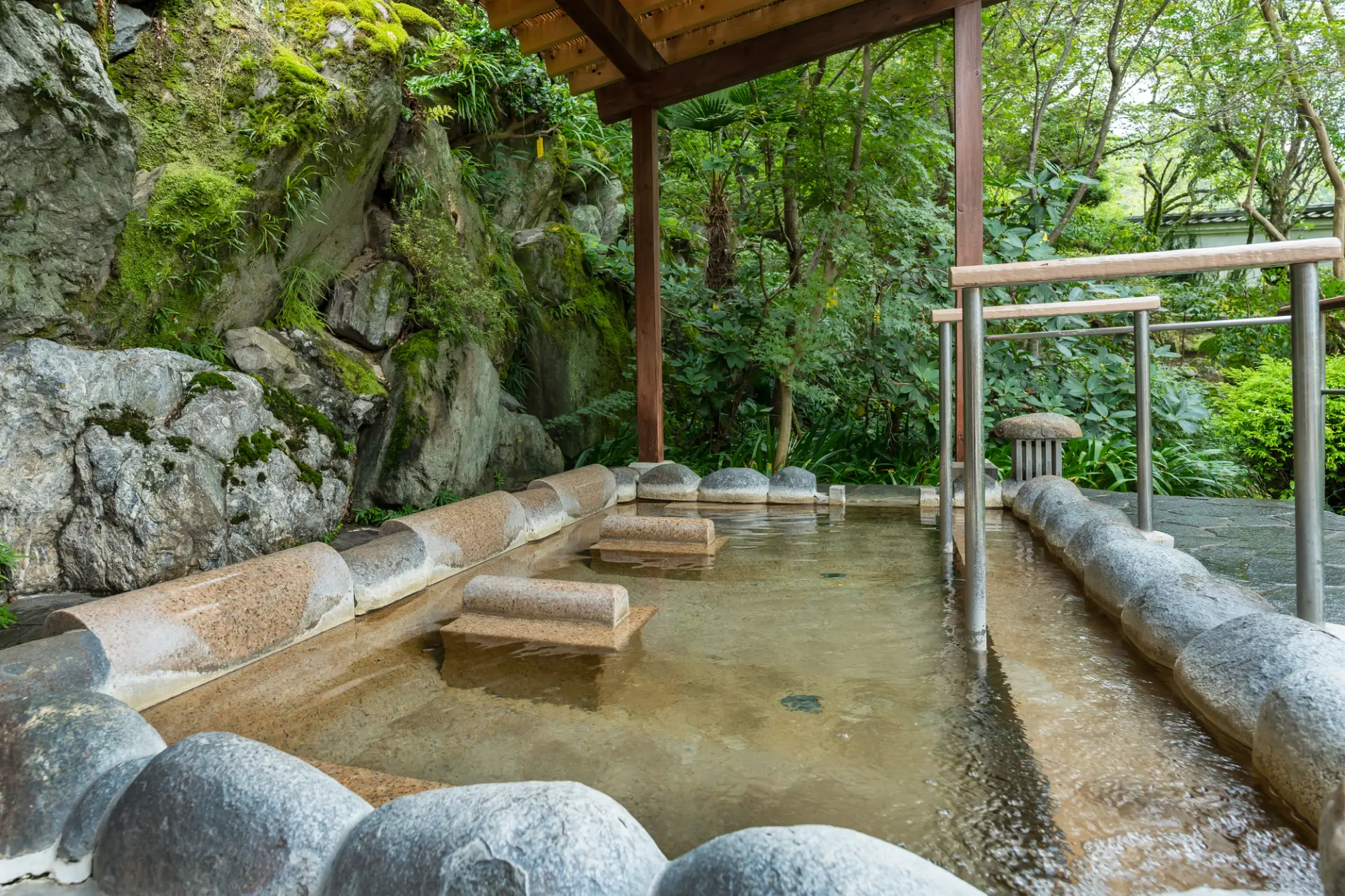
Some facilities draw natural hot spring water, so you can enjoy authentic onsen even in city centers and tourist areas.
The spring quality of the rich water that wells up from underground differs by area, so you can experience health benefits unique to each region.
Many super sento facilities give detailed information on their official websites, so if you’re looking for health benefits and relaxation, it’s a good idea to check in advance.
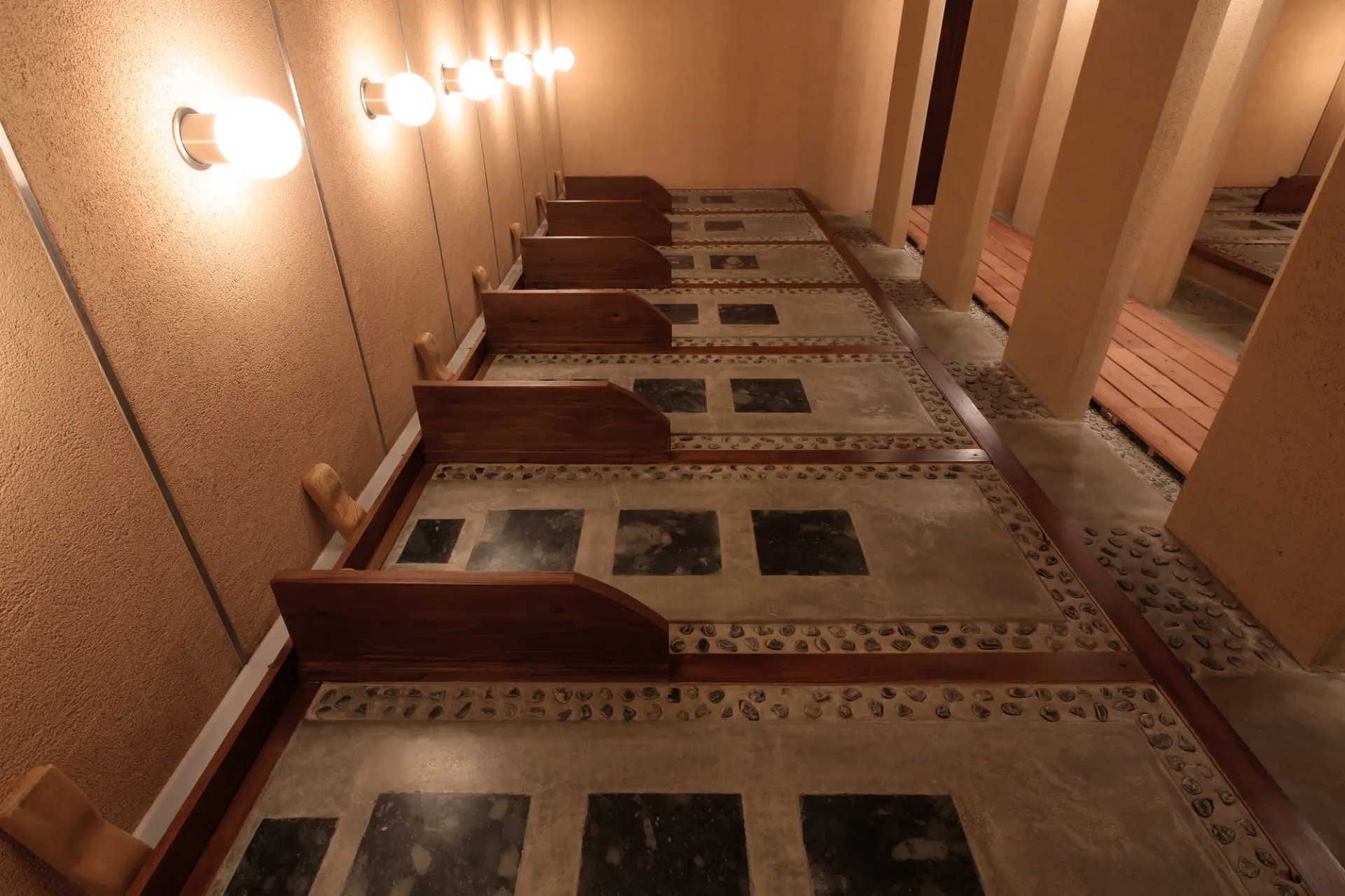
3. Relax with Both Ganbanyoku Hot Stone Baths and Saunas
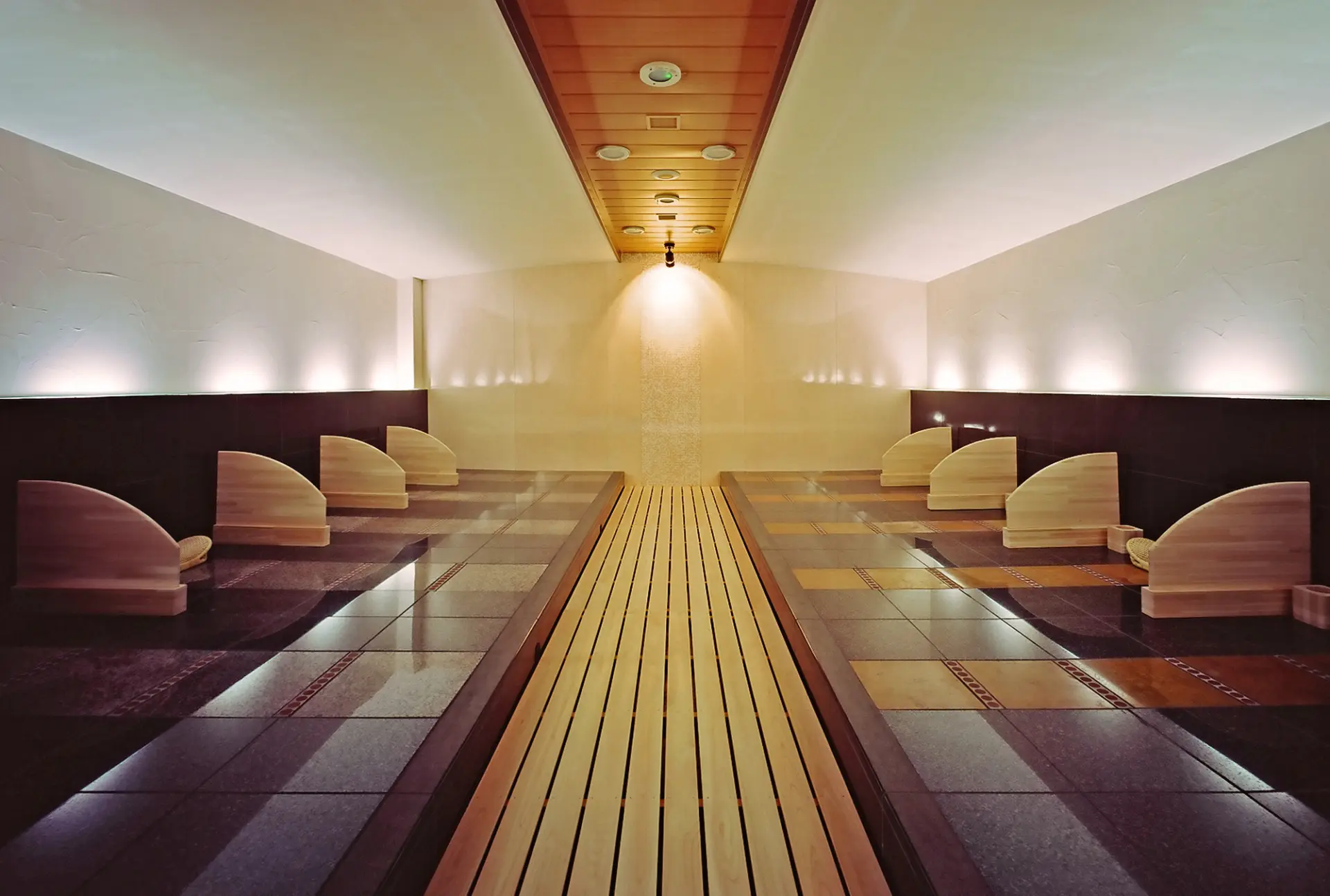
Some facilities offer hot experiences beyond bathing, such as ganbanyoku (often in mixed-gender areas) and saunas.
Ganbanyoku uses far-infrared rays to gently make you sweat. It helps discharge waste from the body, improves blood circulation, and enhances relaxation.
There are many types of sauna, including high-temperature dry saunas, salt saunas, and mist saunas. The appeal is the refreshing feeling of working up a sweat in a short time.
The “tuning” cycle of moving from sauna to cold bath, then to outdoor air-bathing, helps balance the autonomic nervous system and is ideal for resetting body and mind.
Combining ganbanyoku and saunas can bring synergistic effects such as detox, better skin, and fatigue recovery, giving you a level of relaxation you can’t get from a simple bath.
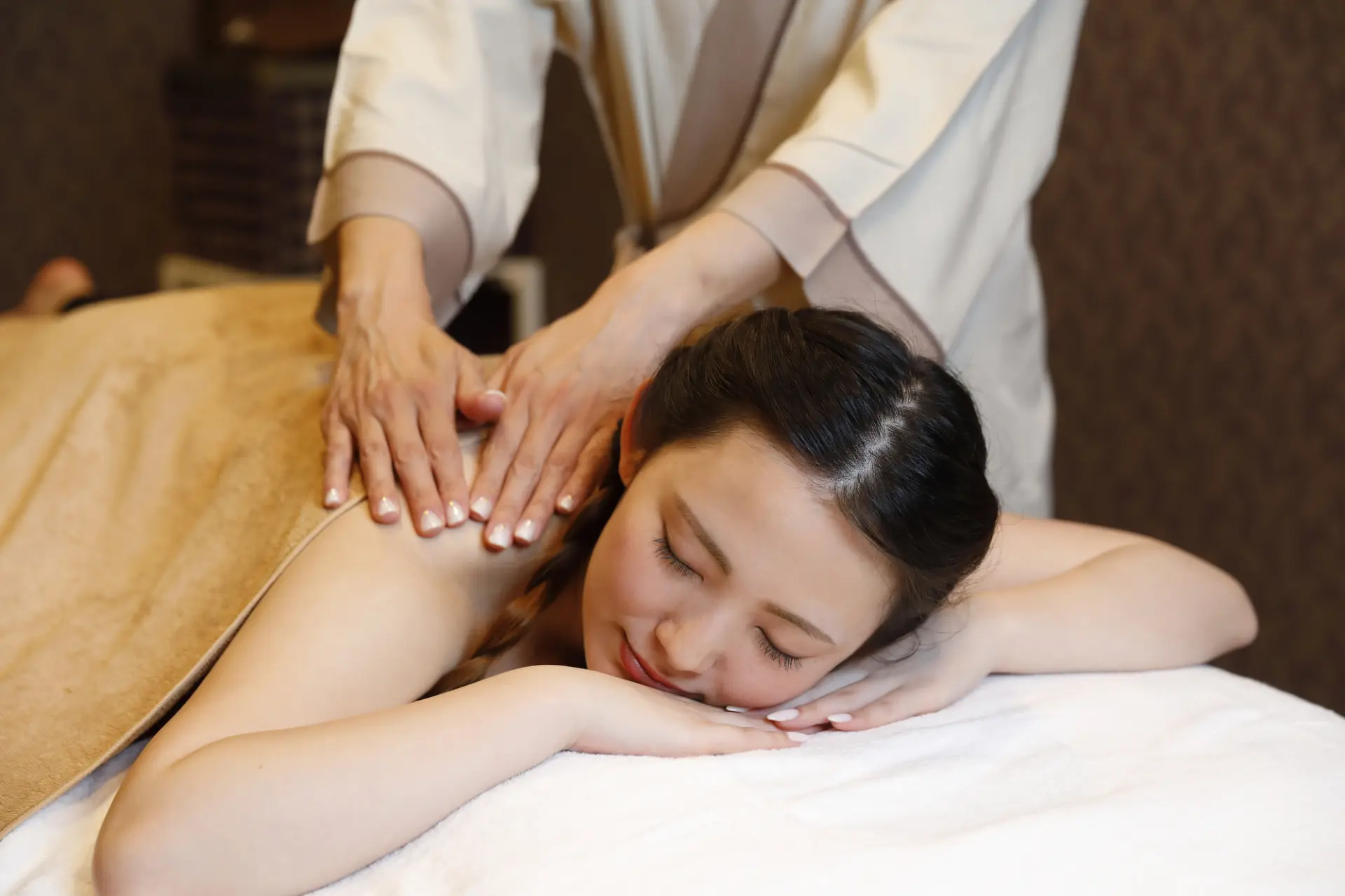
4. Great Food, Massages, and More
Super sento offer plenty of services beyond baths, ganbanyoku, and saunas.
Relaxation services such as massages, body care, body scrubs, and beauty treatments by professionals are typical examples to ease both body and mind.
Many also have relaxation rooms, rest areas with free Wi-Fi, manga and magazine corners, plus karaoke, table tennis, game corners, and kids’ spaces.
They create an extraordinary space and are designed so you can enjoy more than just bathing and spend your time comfortably.
They’re fun whether you come with family, friends, or a partner. You can enjoy both entertainment and refreshment all day without getting bored.
Many super sento also have dining areas where you can enjoy meals and alcoholic drinks inside the facility.
5. Perfect for a Quick Break During Sightseeing
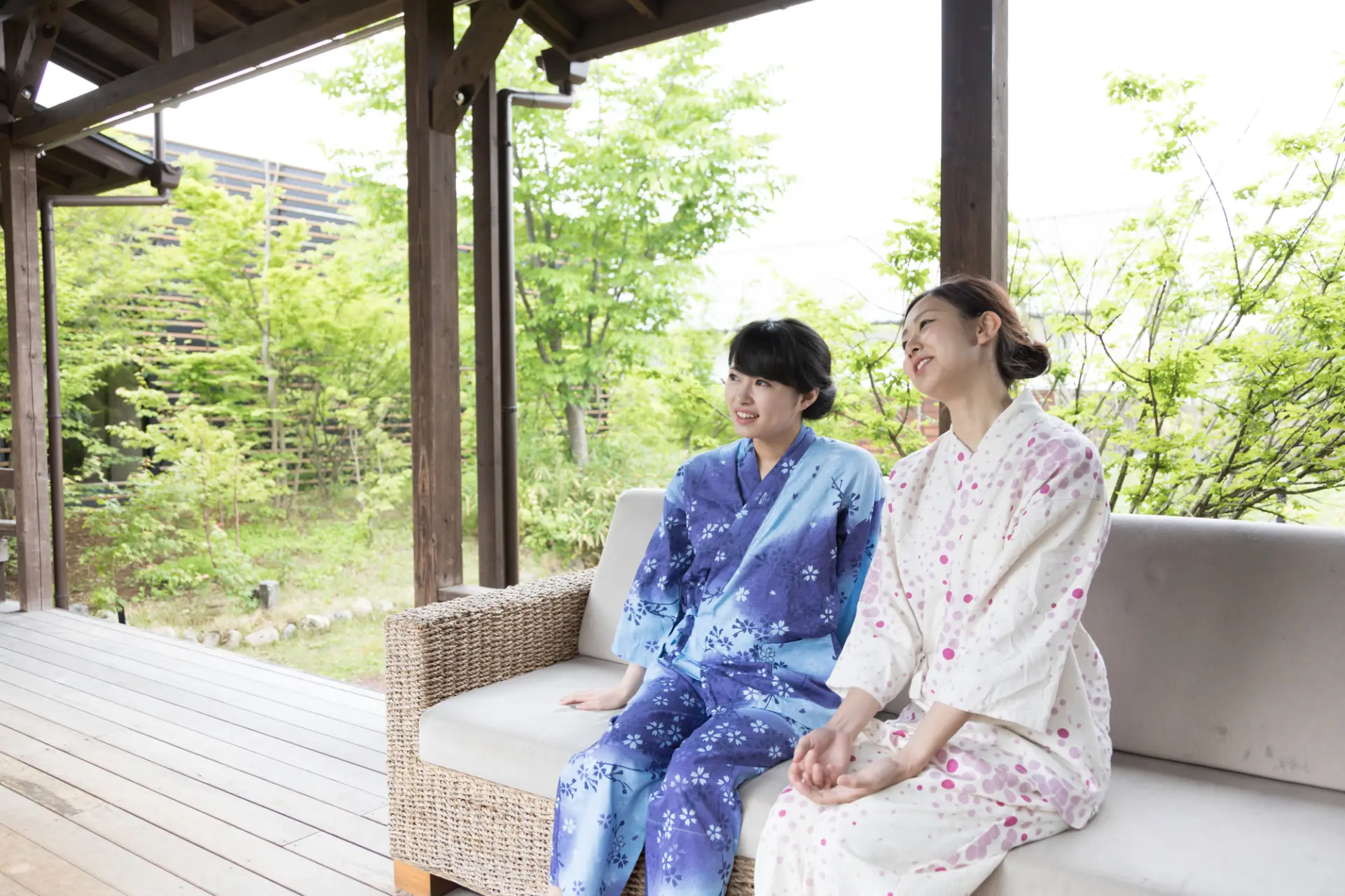
Most super sento rent out bath towels, face towels, and indoor wear for a fee, so you can visit empty-handed.
Prices are often reasonable depending on the facility and area. Stopping by during or after sightseeing to refresh your tired body is highly recommended.
Easy for Anyone to Enjoy! How to Use a Super Sento
Here is a general step-by-step flow for using a super sento.
This is just one example, so once inside you can spend your time however you like.
Rules and services differ by facility, but if you’re unsure about anything, just ask the staff and they’ll kindly explain.
- 1. Arrival
- Put your shoes in a shoe locker
- 2. Enter and pay
- Check in at the front desk, receive your bath ticket (wristband), rent towels if needed, arrange to use ganbanyoku and other services as required, and pay the fee (some facilities take payment when you leave)
- 3. Changing room
-
Undress in the changing room and put your belongings and clothes in a basket or a locker with a key
*Be careful with valuables - 4. Pre-wash and washing area
- First rinse your body with warm water, then wash your body and hair with soap and shampoo in the washing area
- 5. Bathing
- Relax and take your time in your favorite baths, such as open-air baths, jet baths, saunas, or ganbanyoku
- 6. After bathing and a short break
- After bathing, rehydrate in the changing room or rest area and get dressed
- 7. Free time
- Enjoy food, massages, and activities as you like
- 8. Leaving
- Return any rental items, check that you haven’t left anything behind, thank the staff, and leave
Etiquette and Rules to Know Before Visiting a Super Sento
Here are some basic manners and rules so everyone can enjoy their time at a super sento.
Small acts of courtesy from each person help keep the experience comfortable for all.
Be considerate of other guests and staff, follow the rules, and enjoy your visit.
- Basic guidelines
-
・Check the facility’s rules before entering and follow them
・Avoid using the baths if you feel unwell or after drinking alcohol
・Refrain from using your smartphone in the locker room or bath area (to prevent secret filming)
・Keep an eye on your children at all times
・Avoid soaking for too long and drink water regularly
・If you have tattoos, check whether they are allowed (rules vary by facility: entry may be prohibited, or allowed if covered with stickers) - In the main bath area
-
・Avoid loud voices and excessive chatting
・Always rinse your body before washing or entering the bath
・Use the shower while seated (to avoid splashing others)
・Rinse the stool and wash basin you used and return them to their place
・Don’t occupy the washing area with your own shampoos and other items
・Don’t put your towel in the bathtub (place it on your head or beside you)
・Tie up long hair so it doesn’t get in the bath
・Before going back to the locker room, lightly dry off your body
11 Popular Super Sento Across Japan to Add to Your Trip
Here are carefully selected super sento that are especially popular with locals all over Japan.
Most are in urban areas, so it’s easy to fit them into your sightseeing plans.
If you’re planning a trip to any of these regions, consider stopping by.
1. Hokkaido: Asahikawa Takasagodai Manyo-no-Yu
This super sento is in Takasagodai, Asahikawa City, Approx 10 minutes by car from Asahikawa Station.
It’s popular as a relaxing spot with great amenities for travelers, plus three key elements: “soak,” “unwind,” and “eat.”
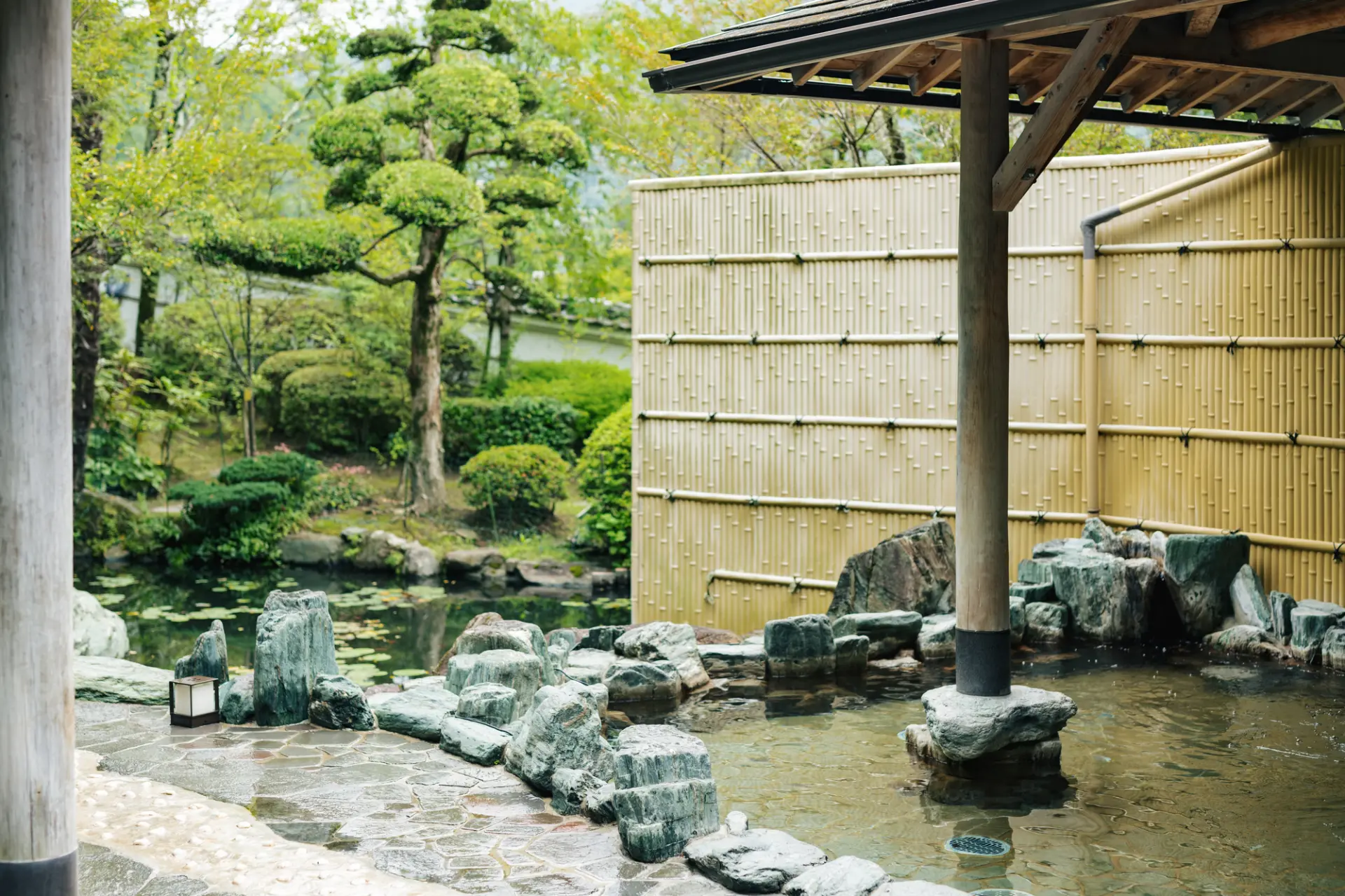
You can enjoy several types of baths, including open-air baths, cypress baths, and the secluded Futamata radium hot spring, all while taking in Hokkaido’s great outdoors surrounded by the Daisetsuzan mountain range.
There are also private baths, ganbanyoku (stone spa), and saunas, offering plenty of ways to relax on a day trip in a high-quality setting.
Long opening hours (10:00 a.m. to 9:00 a.m. the next morning) make it easy to stop by between sightseeing or business.
2. Miyagi: Sendai-Yudokoro Sunpia no Yu
This super sento is in a quiet part of Wakabayashi Ward in Sendai, the City of Trees.
Every corner of the building has been carefully designed. The warm atmosphere and exceptional hospitality soothe all five senses.
Centered around an open-air bath with natural hot spring water, there are seven types of baths. These include carbonated baths, jet baths, and special themed baths, where you can enjoy mainly chloride springs from the source, known for excellent heat-retention and moisturizing effects.
There is also a wide variety of saunas and stone saunas, which are popular for helping you detox both body and mind.
Facilities are extensive, with a relaxation area lined with reclining chairs, a manga and book corner with Approx 9,000 volumes, and a rooftop garden with beautiful views. Everything is set up for a great stay.
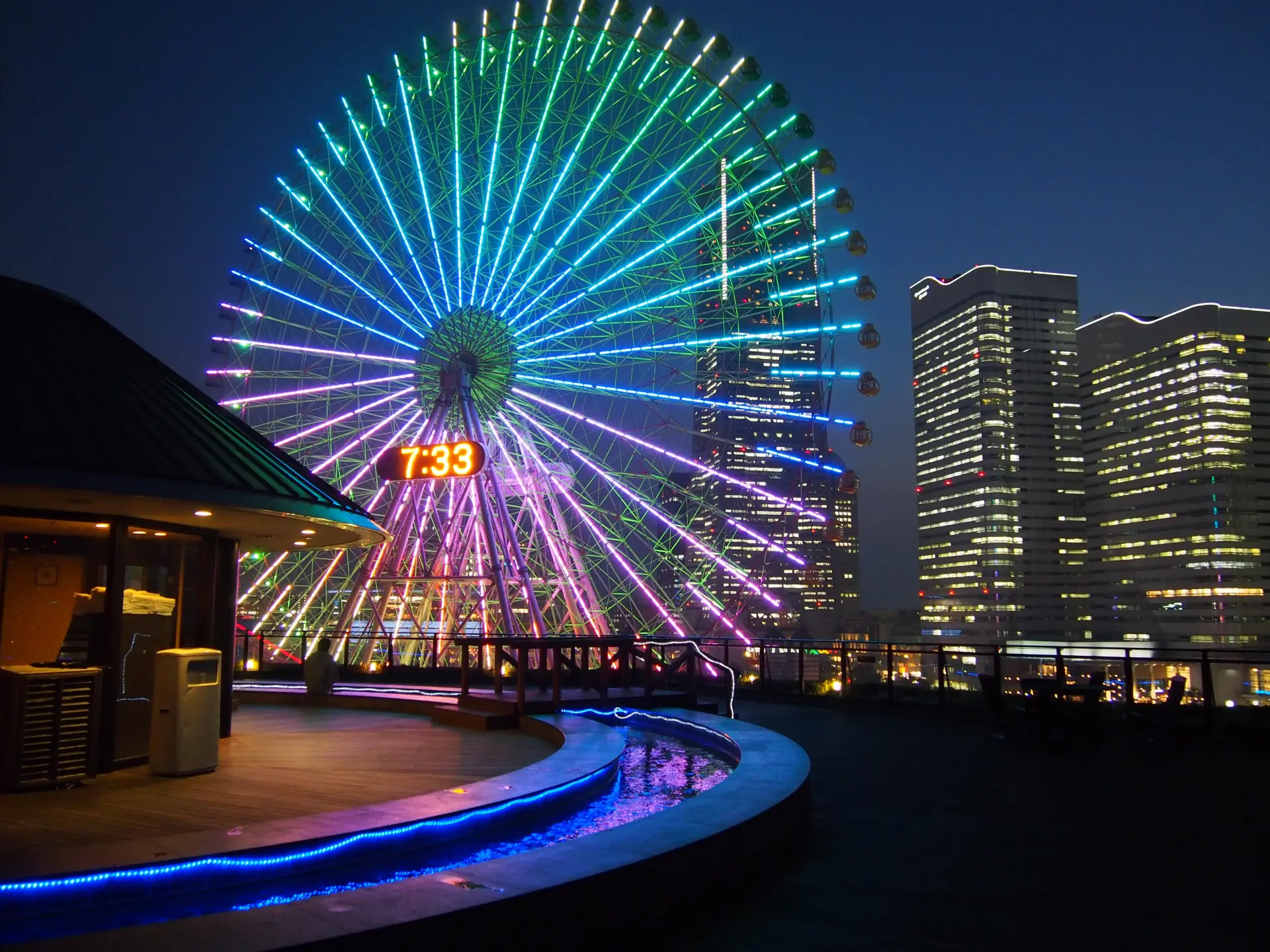
3. Kanagawa: Yokohama Minato Mirai Manyo Club
This eight-story super sento stands in Minatomirai, Yokohama’s futuristic waterfront district.
The spacious interior is filled with Japanese-style charm. It offers hot spring areas, relaxation facilities such as esthetic treatments and traditional Thai massage, stone saunas, dining, and more.
Hot spring water is brought in daily from the sources at Atami Onsen and Yugawara Onsen. You can unwind in these famous hot springs while taking in the Minatomirai cityscape from the rooftop footbath garden or soaking in the open-air baths with a wonderful sense of openness.
4. Tokyo: Ryogoku Bathhouse "Edo Yu"
This super sento is in the Ryogoku area of Sumida, Tokyo, within walking distance of JR and Toei Oedo Line Ryogoku Station.
Ryogoku Kokugikan and the Edo-Tokyo Museum are also nearby, so it’s a great place to stop by after strolling through the nostalgic downtown streets.
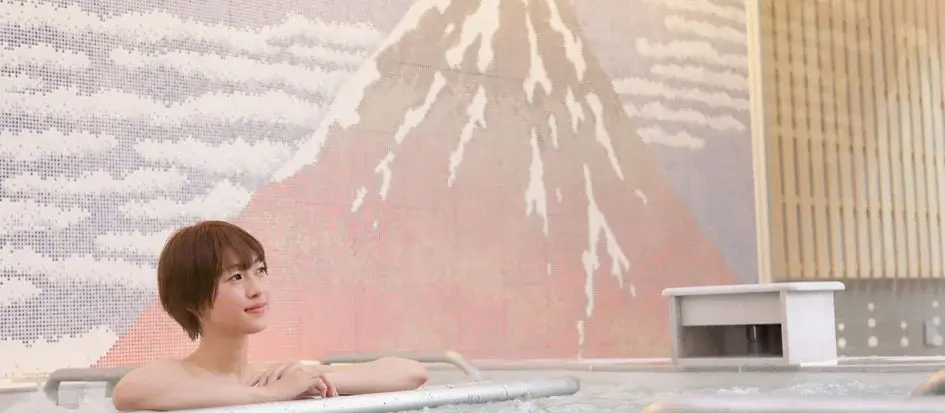
Inside, you’ll find a relaxing space that combines traditional Japanese design with modern comfort. It’s ideal for unwinding and recharging.
Facilities are extensive. There’s a large bath with free-flowing natural hot spring water, plus a bedrock bath, private baths, and Thai-style massage. Guests of all ages can take their time and relax.
At the Edo-style restaurant “Hokusai,” you can enjoy specialties like nihachi soba and handmade yose-dofu.
5. Aichi: RAKU SPA GARDEN Nagoya
This super sento is in Heiwagaoka, Nagoya. It’s a 3-minute walk from the “Hikarigaoka” bus stop, and you can also get there by bus from Nagoya Station.
A free shuttle bus runs from stations such as Hoshigaoka and Sakae. There’s also a free parking lot with space for 270 cars, so it’s convenient whether you come by public transport or rental car.
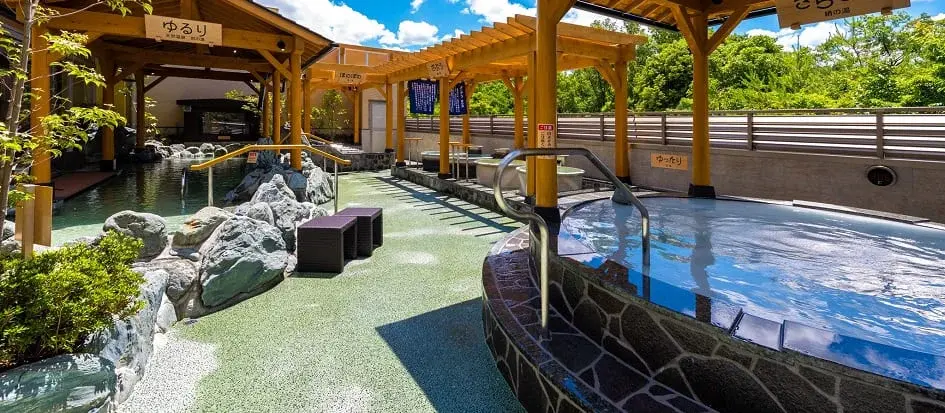
Here you can relax your body and mind while feeling close to nature, surrounded by greenery in the middle of the city.
The facilities include natural hot springs, saunas, and a variety of baths, as well as bedrock baths, massages, and esthetic treatments.
There’s also a kids’ area, children’s toilets, and a nursing room, making it a good choice for families.
6. Niigata: Akiba Onsen Casui
This super sento stands at the foot of Mt. Akiba in Akiha Ward, Niigata City, right in front of JR Banetsu West Line Higashi-Shibata Station.
The interior is designed with the concept of “relaxation, beauty, and health” and has a stylish Southern European feel. It offers spacious indoor and open-air baths, carbonated baths, saunas, private baths, and a restaurant.
The hot spring water comes mainly from fossil seawater from approx 4.5 million years ago. It’s rich in minerals and contains bicarbonate ions, giving it a smooth, moisturizing feel on the skin.
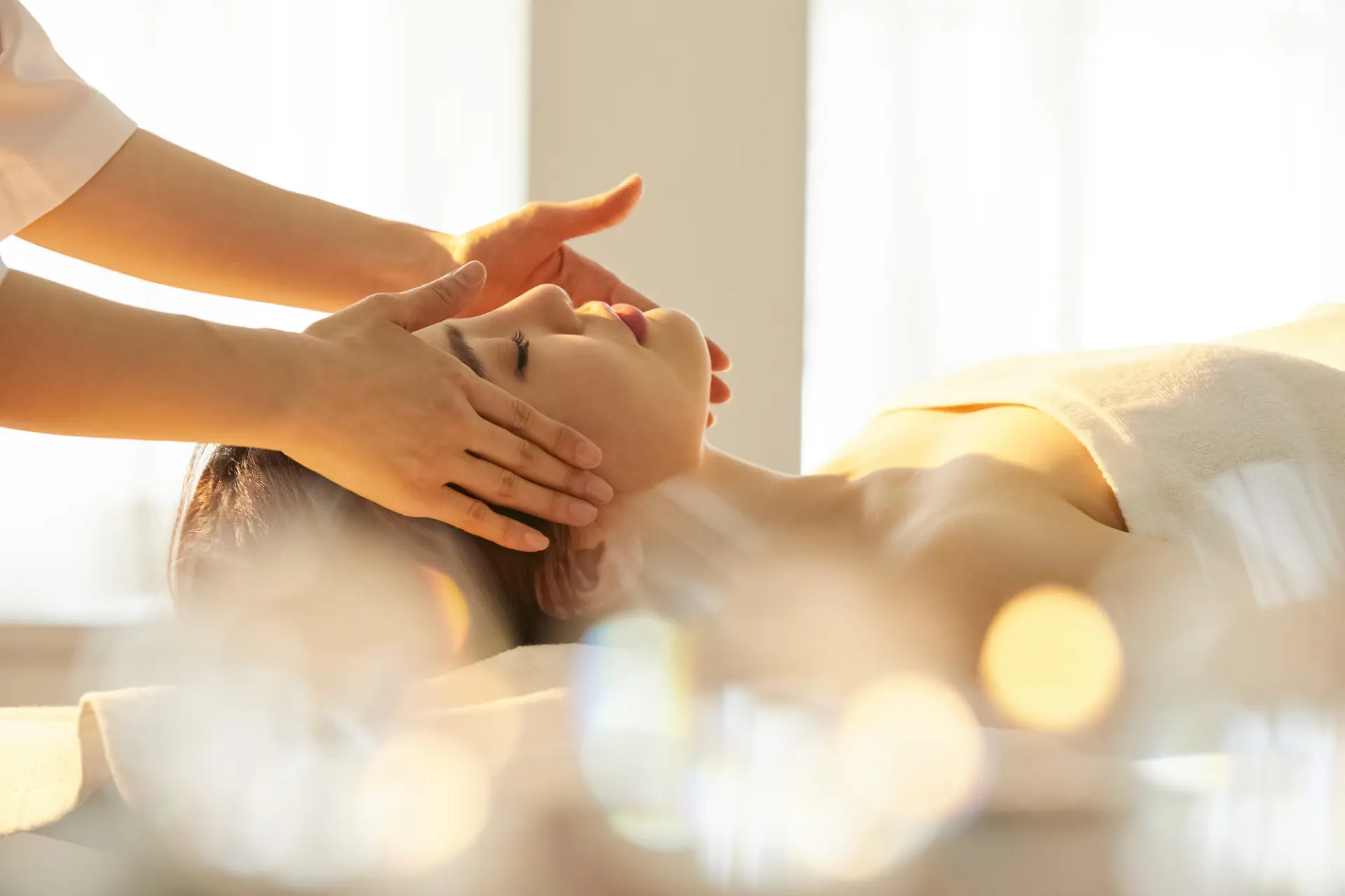
Another attraction is the lineup of over 30 spa treatment courses.
You can relax body and mind through a wide variety of treatments with a global approach.
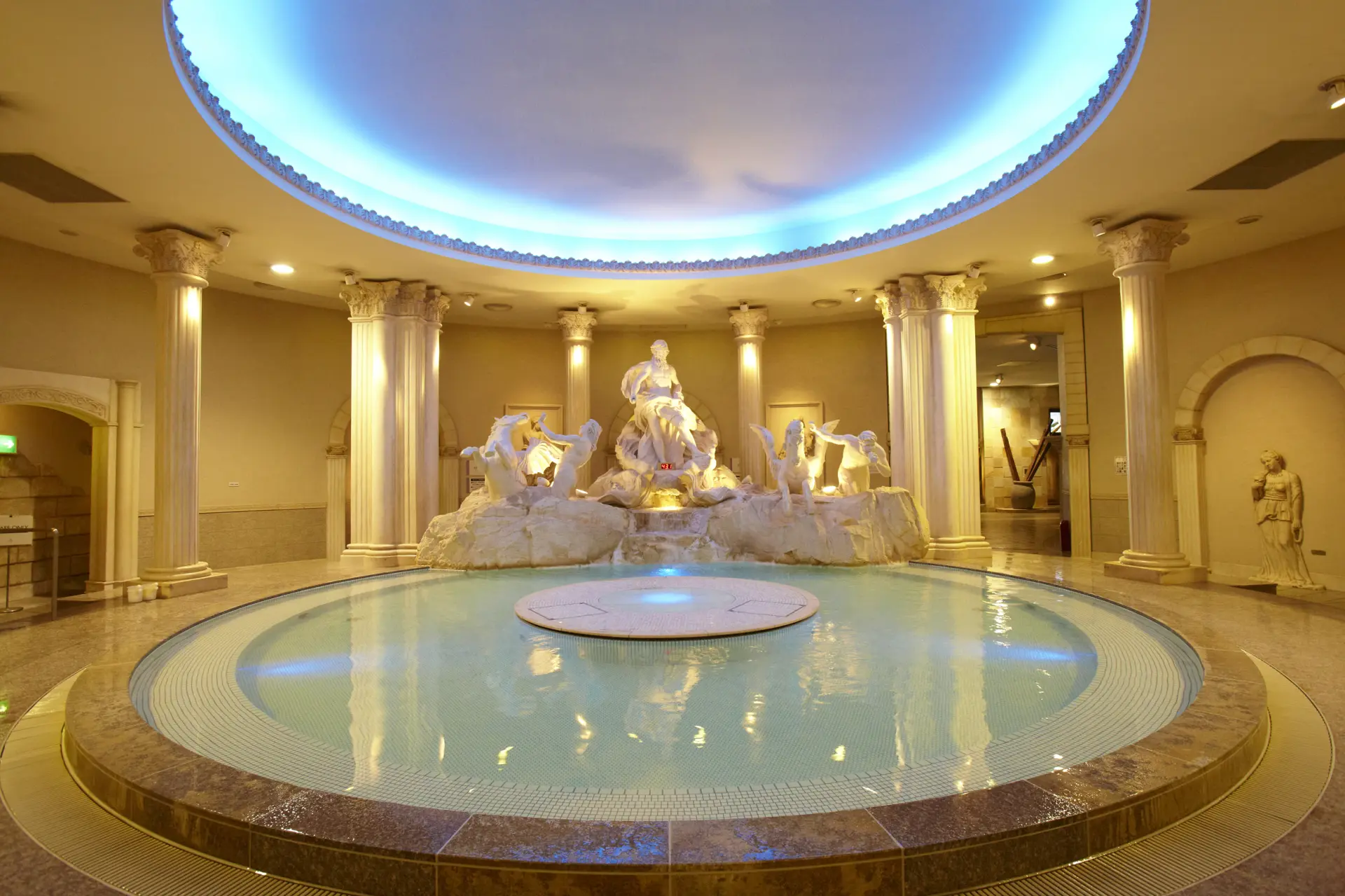
7. Osaka: SpaWorld: Onsen from Around the World
A large super sento themed around baths from around the world. The baths are divided into a “Europe Zone” and an “Asia Zone,” and the men’s and women’s zones switch every month.
There are 17 types of baths from 12 countries, including Ancient Rome, the Blue Grotto, Bali, and a large cypress bath. Try them all and you’ll feel refreshed in both body and mind.
There are also four types of saunas, including a “Salt Sauna” and a “Finland Sauna House.” Sauna lovers should definitely check them out.
8. Hiroshima: Shioya Natural Hot Spring Honoyu Rakurakuen
This super sento is in Saeki Ward, Hiroshima City, Approx a 5-minute walk from Rakurakuen Station on the Hiroden Miyajima Line.
The main attractions are the free-flowing natural hot spring source bath and open-air baths. There are also many other types of tubs including a rock bath and carbonated spring. In total you can enjoy 14 different kinds of baths.
You can also experience unique ways to work up a sweat, such as the Korean-style low-temperature sauna “Jjimjilbang Hanjung-dong” and the sauna program “Netsuen Rakubou,” which includes löyly. Warm up and sweat it out for a fully refreshing experience.
9. Kochi: Himewako no Yu
This super sento is in Ebinomaru, Kochi City, on the banks of the Kokubu River a short distance from the city center.
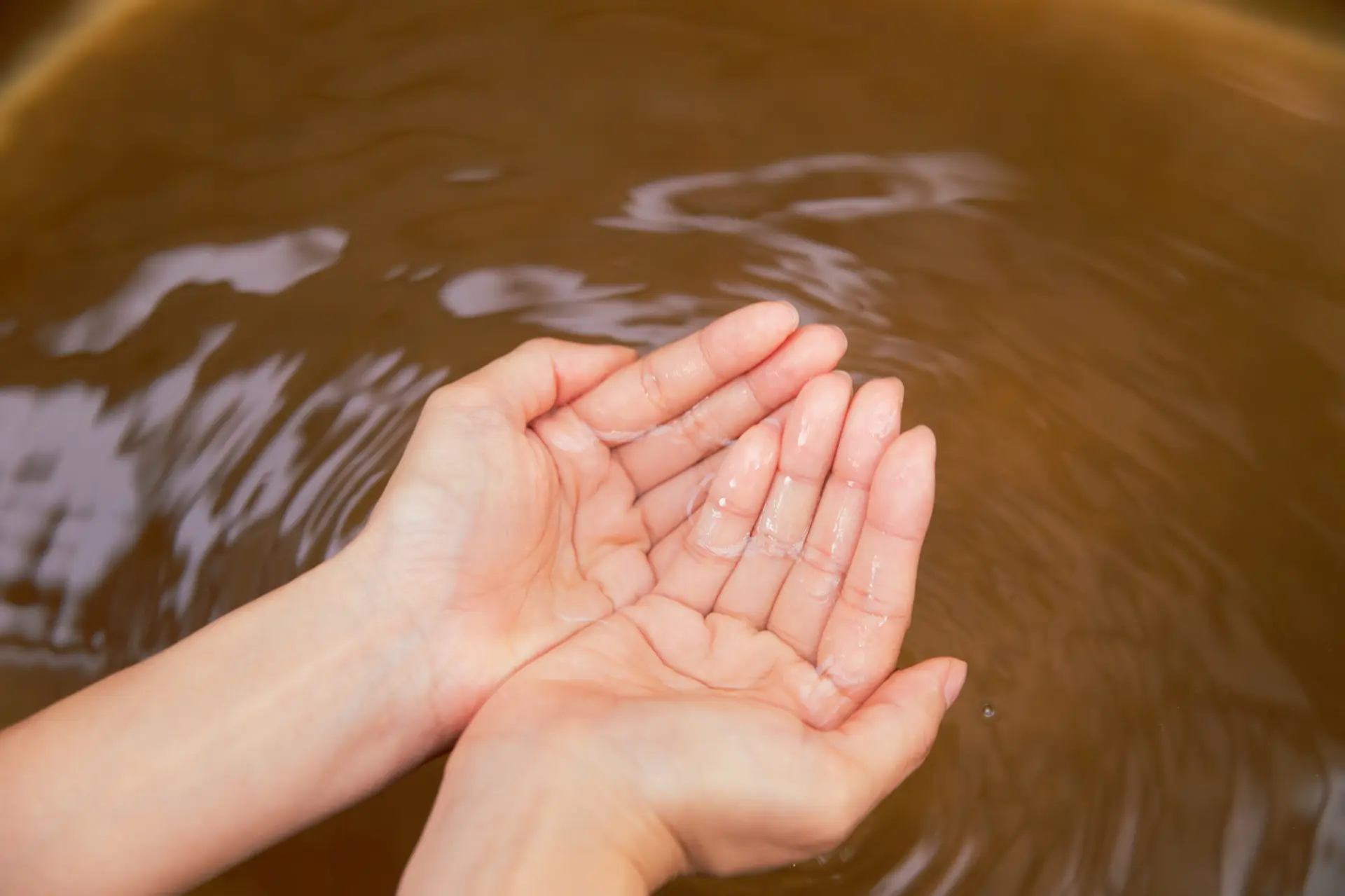
Its pride and joy is one of the largest open-air baths in the prefecture. You can enjoy a variety of tubs, including natural hot springs with different temperatures and herbal baths that change with the seasons.
The view opens wide toward the eastern sky with nothing to block it. It’s known for its exceptional sense of openness both day and night.
After your bath, relax in the free rest area or the women-only lounge. You can also enjoy great food made with local Kochi ingredients at the dining area.
You can rent an original yukata (paid) and stroll around the Taisho romance-style building interior, which is also recommended.
10. Fukuoka: Minato Onsen Namiha no Yu
A large public bathhouse located near Bayside Place Hakata in Hakata Ward, Fukuoka City.
It boasts great views of both the cityscape and the sea, plus an unbeatable location with Hakata Port Tower in the background.
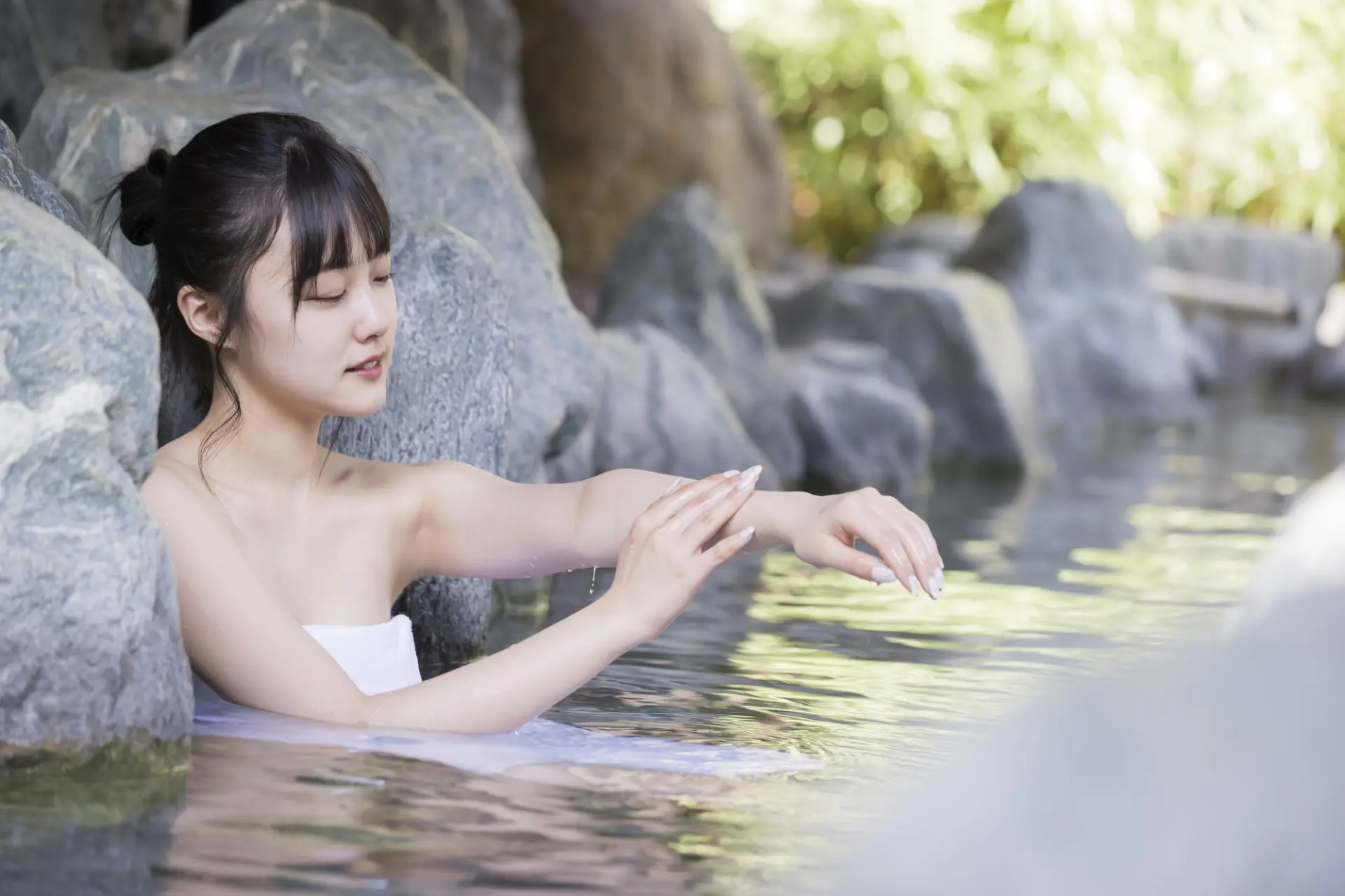
The baths use natural hot spring water drawn from 800m underground, a calcium-sodium chloride spring. You can enjoy a large public bath, four open-air baths, and private baths with semi-open-air tubs.
The facilities are also appealing, with plenty to keep you busy all day. There is the “Yakuseki Kenbi Kobo” bedrock bathing zone with seven types of stone saunas, a restaurant serving carefully selected drinks chosen by professionals, and a relaxation area with manga, magazines, and free Wi-Fi.
Events are held regularly, so you can have a different experience each time you visit.
11. Okinawa: Natural Hot Spring Sashikino Enjin no Yu
An accommodation and hot spring facility located on a hill in Sashiki, Nanjo City, Okinawa.
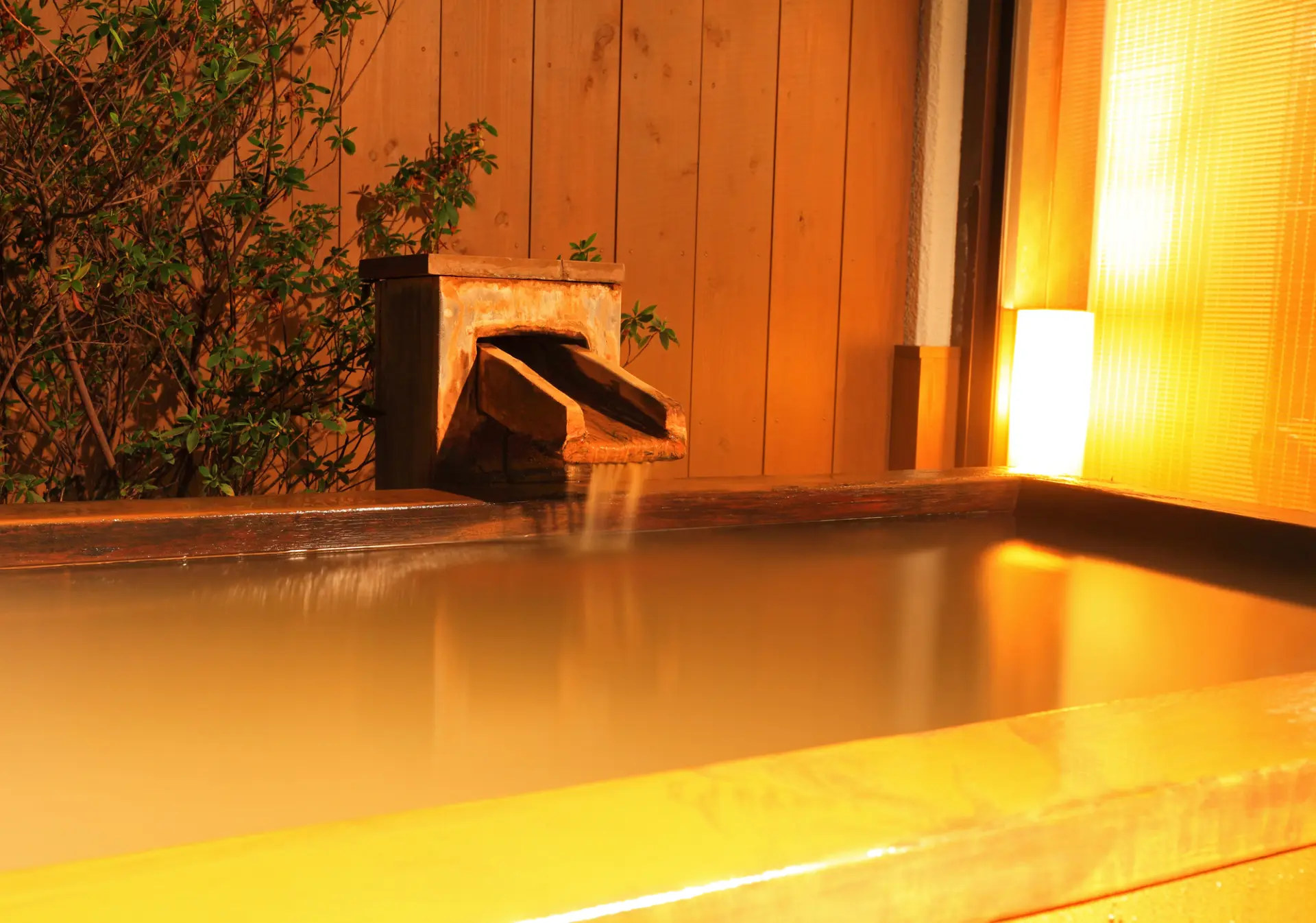
It offers a rare, authentic natural hot spring for Okinawa, using ancient fossil seawater that wells up from different strata formed Approx 5 to 54 million years ago.
The rich golden, cloudy water flows straight from the source with no filtration, heating, or added water. It is packed with metasilicic acid, calcium, and nutrients, and is known for its excellent heat-retention and skin-beautifying effects.
Inside, you will find a large public bath, medicinal baths, waterfall-style baths, seasonal event baths, and a sauna.
The scenic baths are especially popular, with sweeping views of Nanjo’s nightscape and the blue ocean that soothe you with both the scenery and the hot water.
There are also plenty of entertainment and relaxation facilities. It is well regarded for both day trips and overnight stays where you can fully unwind.
FAQ about Japanese Bathhouses
Q
Can I bathe if I have tattoos?
A
It depends on the facility, but many places will not allow guests with tattoos. That said, some facilities accept guests if the tattoos can be fully covered with sticker patches or similar items.
Q
What’s the difference between an onsen and a sento?
A
An onsen uses natural hot spring water drawn from underground and defined by the “Onsen Law.” A sento is a public bathhouse that basically uses tap water heated in a boiler. That’s the simple difference.
Q
What’s the difference between a sento and a super sento?
A
The main differences are the price and the range of facilities. Sento are inexpensive and used as everyday bathhouses for local residents. Super sento tend to be more expensive and focus more on entertainment.
Wrap-Up
This article has covered the types of Japanese bathhouses, the appeal of super sento, and basic rules when using them.
There are many ways to enjoy these facilities. You can take in changing views from outdoor baths in different seasons and try local herbal baths and regional food specialties.
Super sento in particular are often in convenient locations, which makes them easy to combine with city sightseeing.
Bathhouses have long been a part of daily life in Japan, and they continue to evolve today.
When you travel in Japan, visit a super sento and experience their charm for yourself.