
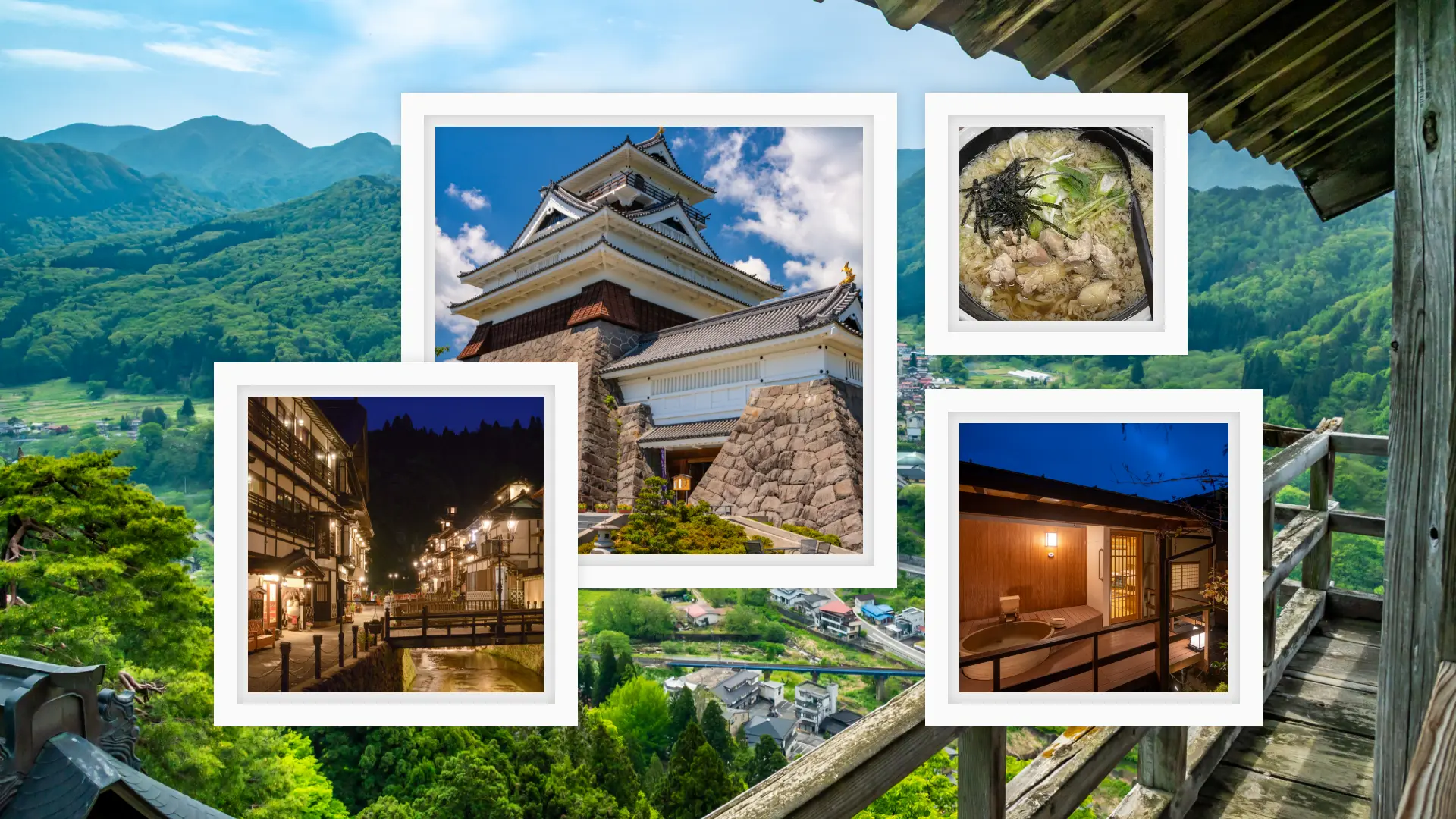
Murayama Region, Yamagata Prefecture: A 3-Night, 4-Day Model Itinerary Guide Packed with Everything from Yamadera and Zao to Ginzan Onsen
The Murayama region of Yamagata Prefecture is an area made up of seven cities and seven towns in the central part of the prefecture.
Yamagata’s top three highlights-Ginzan Onsen, Yamadera, and Zao-are all within this region, so traveling around Murayama lets you experience the best of Yamagata all at once.
Here is a 3-night, 4-day model itinerary that takes you around the area at a relaxed pace, with plenty of time for local food and culture.
What Is the Murayama Region of Yamagata Prefecture?
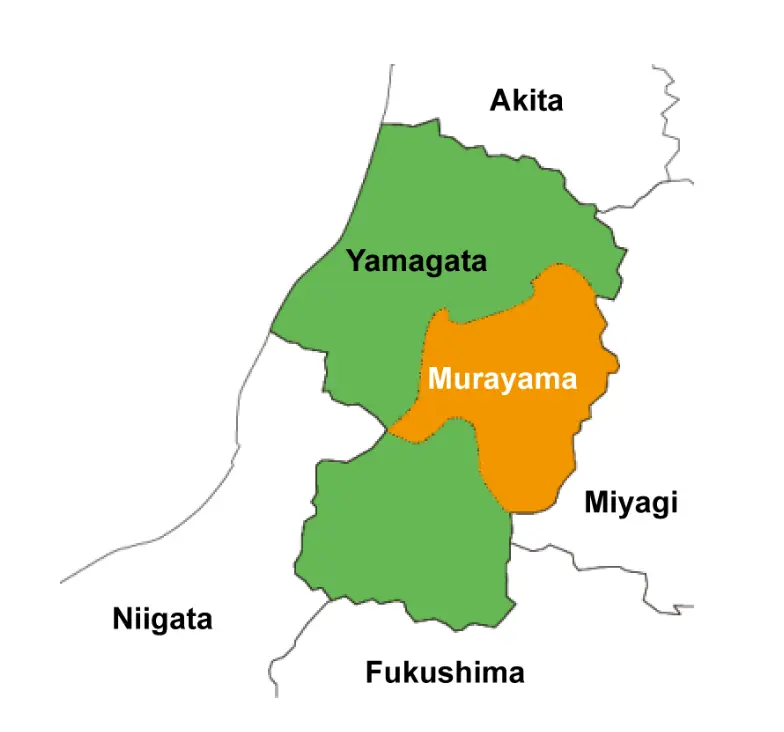
The region is home to major attractions such as Ginzan Onsen (Obanazawa City), Yamadera (Yamagata City), and Zao (Yamagata City), as well as Tendo City, known for hot springs and shogi pieces, and Kaminoyama Castle (Kaminoyama City).
Because the Yamagata Basin spreads across the center of the Murayama region, there is a large temperature difference between day and night, creating ideal conditions for growing agricultural products such as fruit and rice.
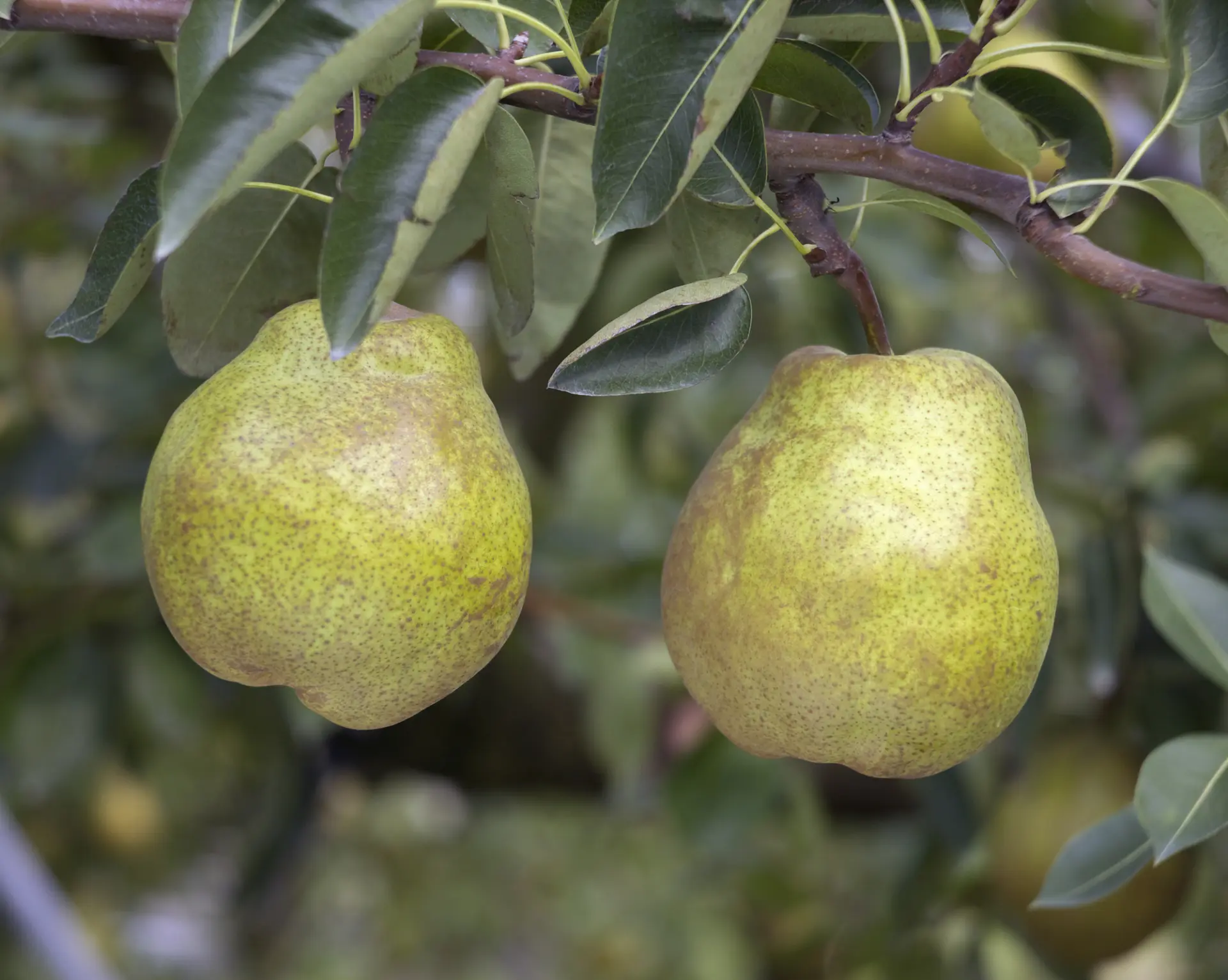
Yamagata Prefecture is known nationwide for its high fruit production, and the Murayama region is especially productive even within the prefecture, truly making it a fruit kingdom.
In addition to fruit, the region also produces a large amount of soba (4th in Japan), and in Murayama City, Obanazawa City, and Oishida Town, there is an area known as the “Three Great Soba Highways of Yamagata.”
The Murayama region is also a gourmet paradise, with local dishes such as imoni (a taro stew) enjoyed at outdoor imoni gatherings in autumn, and hiyashi ramen (cold ramen) that’s easy to enjoy even in summer.
When Is the Best Season to Visit the Murayama Region?
The four seasons are distinct, and the scenery shifts vividly from winter’s silvery world to spring cherry blossoms, early-summer rice paddies and green mountains, deep midsummer greens, and then bright red autumn foliage.
The best season depends on what you want from your trip.
For Yamagata gourmet experiences, early summer through autumn fruit season is ideal, for flower scenery spring is best, and for ink-wash-painting-like landscapes winter is recommended.
Spring Arrives in Yamagata Nearly Two Weeks Later Than in the Kanto Region
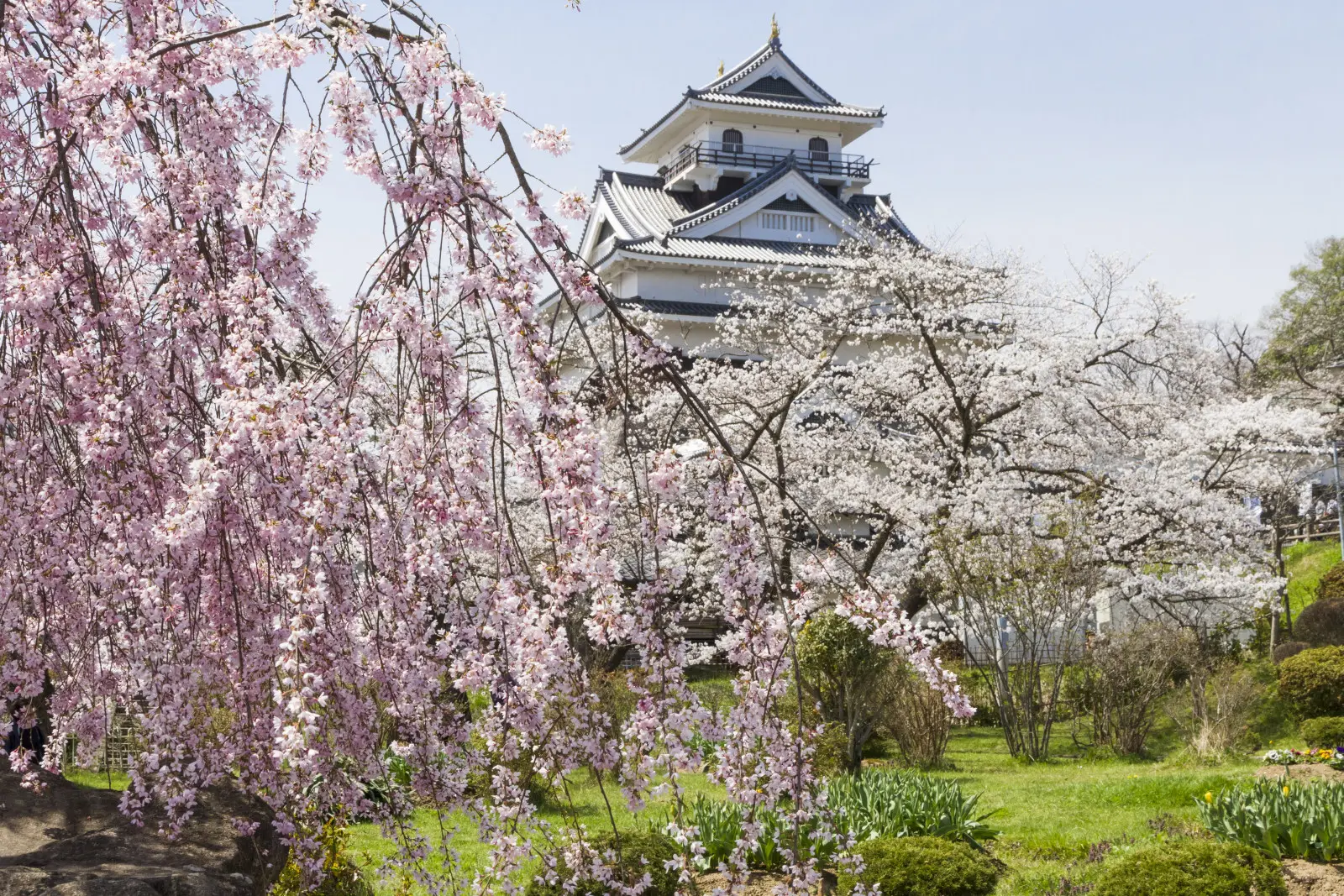
Spring arrives in Yamagata nearly two weeks later than in the Kanto region, and Somei Yoshino and weeping cherry trees reach their peak in mid-April.
Some famous cherry-blossom spots are within walking distance of train stations, and in Tendo City the “Human Shogi” festival is held, where people in armor or kimono move across a board as shogi pieces.
The Rainy Season Brings Peak Cherry Season
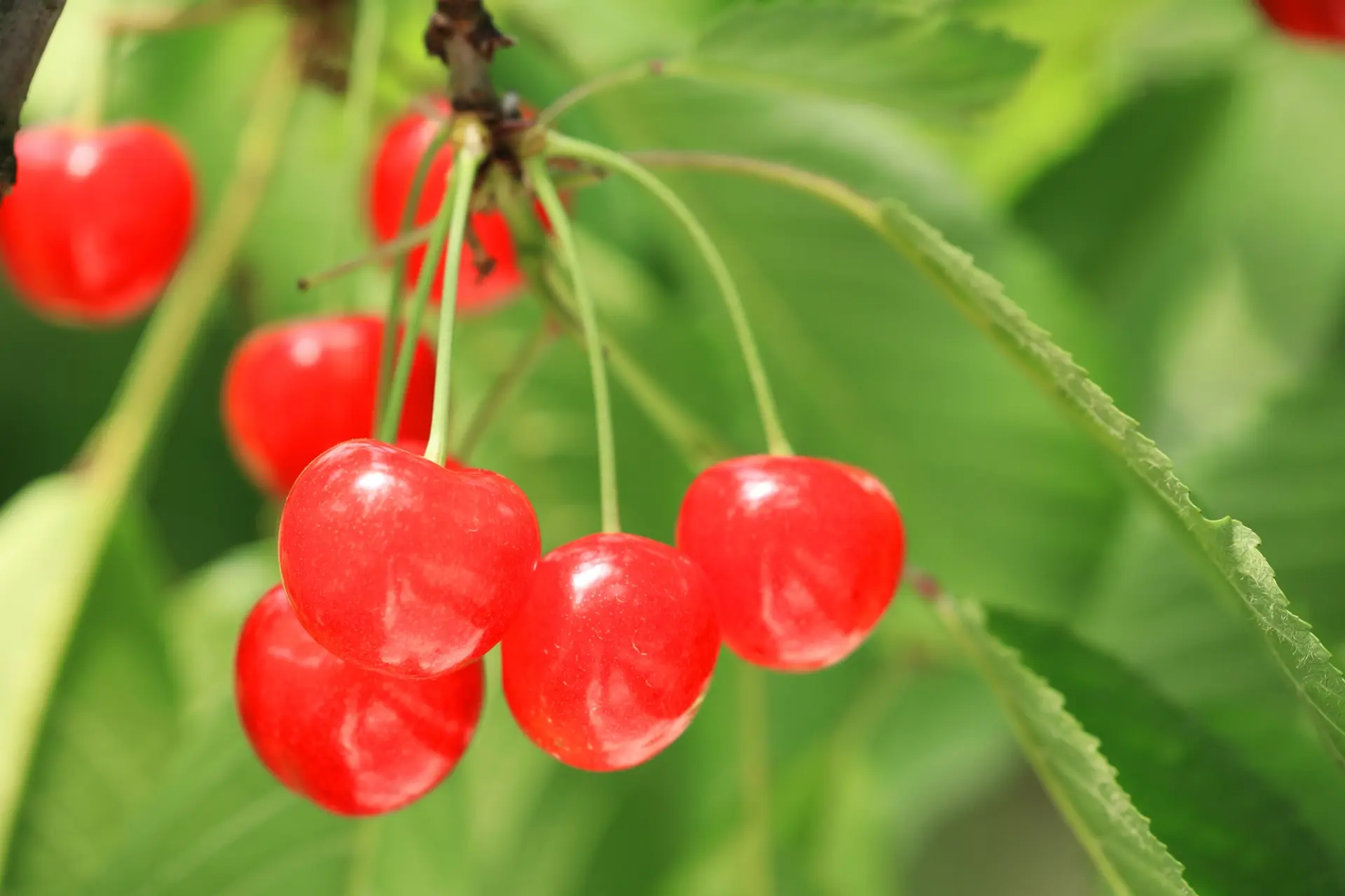
The rainy season in June and July, which usually feels dreary, is the peak season for cherries in Yamagata, and the region becomes lively with many visitors.
Hot Summer Brings Festival Season
Summer is hot for a northern region (and Yamagata held the record for Japan’s highest temperature until 2007), but tropical nights are not common, and temperatures often drop to a comfortable level in the evening.
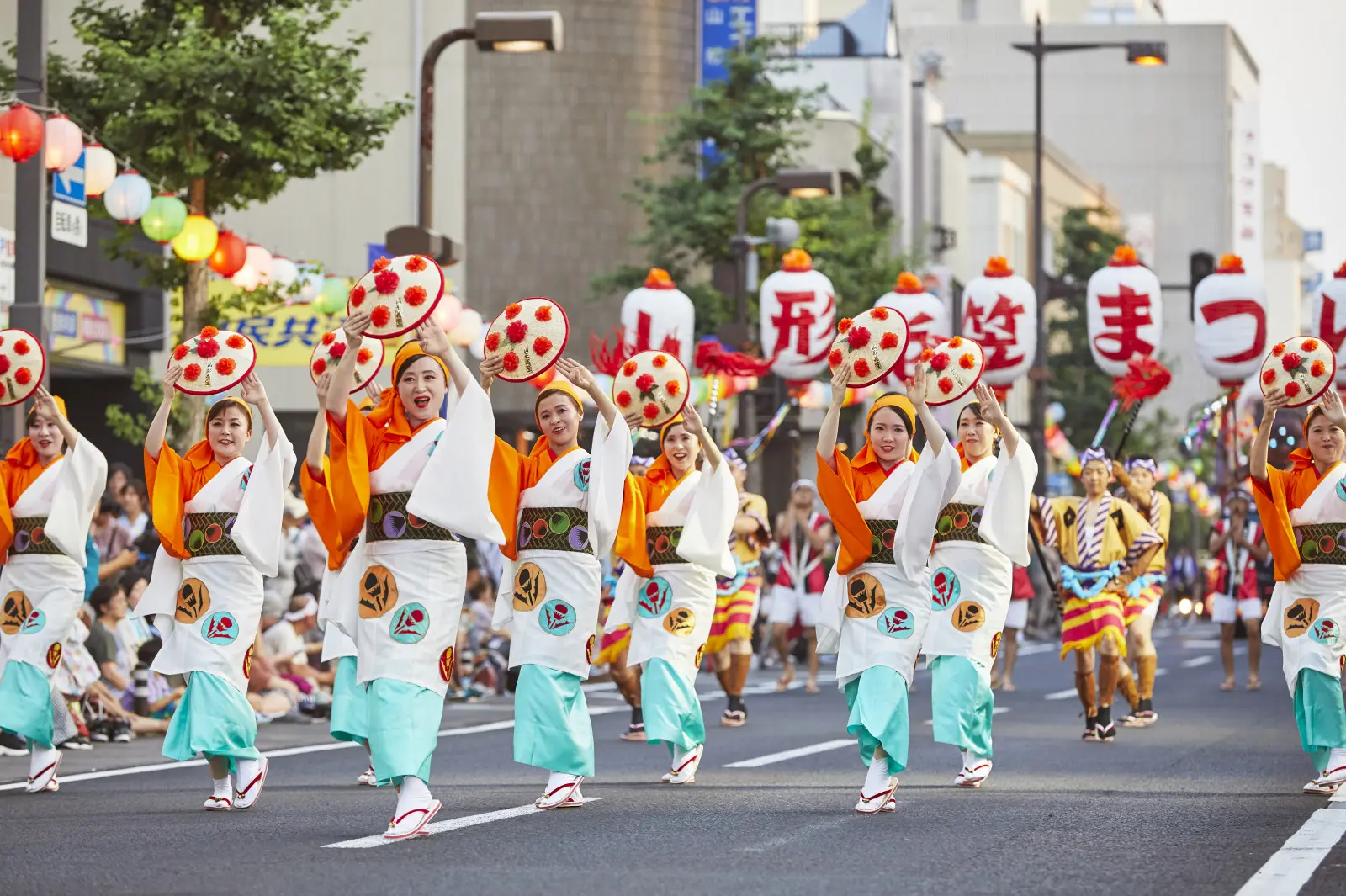
In Yamagata City, the Hanagasa Festival is held, and summer festivals and fireworks displays take place across the region, making it the most vibrant season of the year.
Autumn Foliage Arrives Early
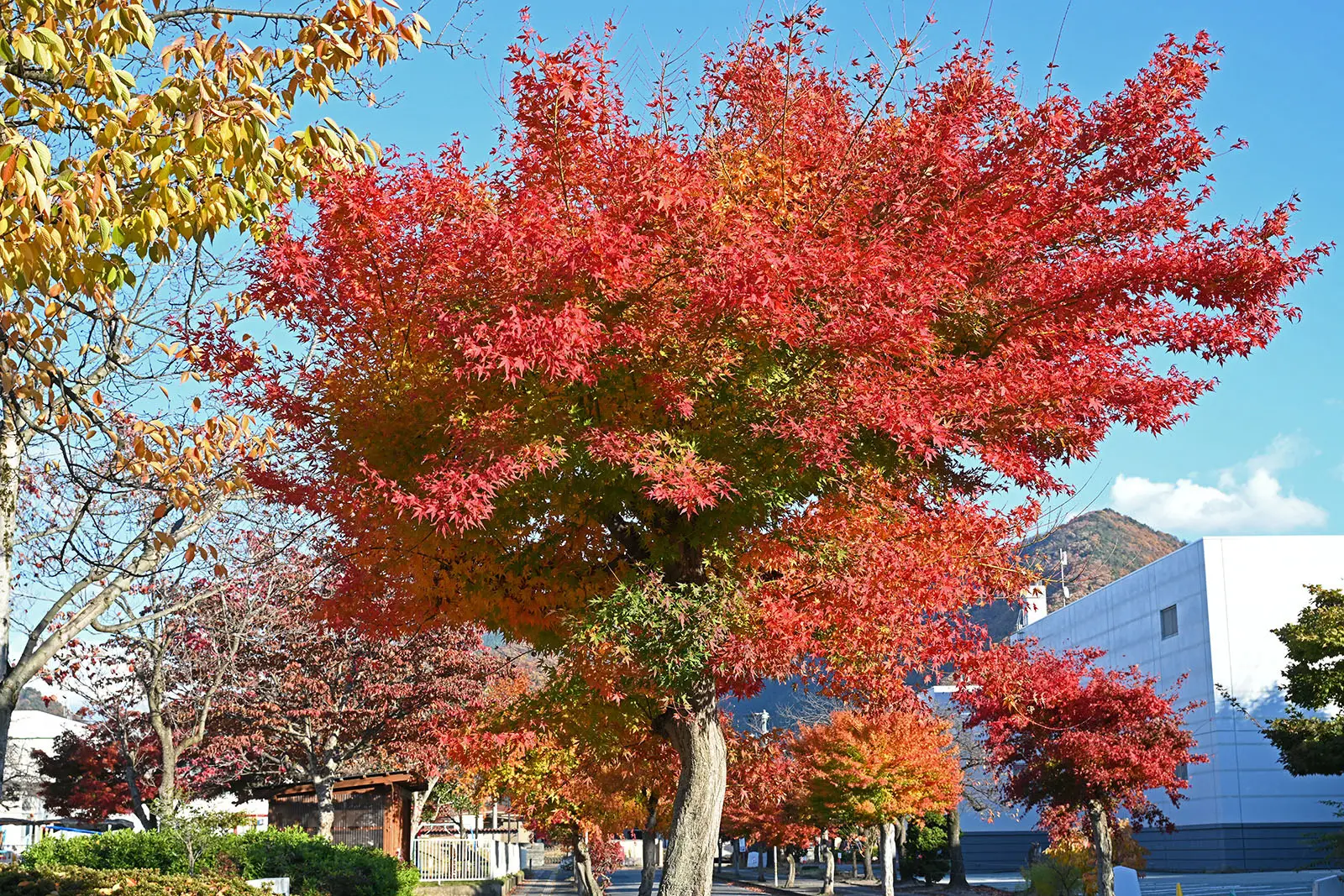
Autumn arrives early, and Zao’s foliage peaks by mid-October, while even on the plains foliage becomes visible by early November.
Fruits such as European pears, grapes, and apples come into season, and it is also the time when imoni gatherings are held.
The Central Area Has Less Snow, but the East and North See Heavy Winter Snowfall
In winter, because of the influence of the Asahi Mountain Range rising to the west, the area from Kaminoyama City to Higashine City does not see extremely heavy snowfall and is relatively easy to get around.
On the other hand, Oishida Town and Obanazawa City, where Ginzan Onsen is located, can see more than 1 meter of snow, and Nishikawa Town sometimes records snowfall exceeding 4 meters.
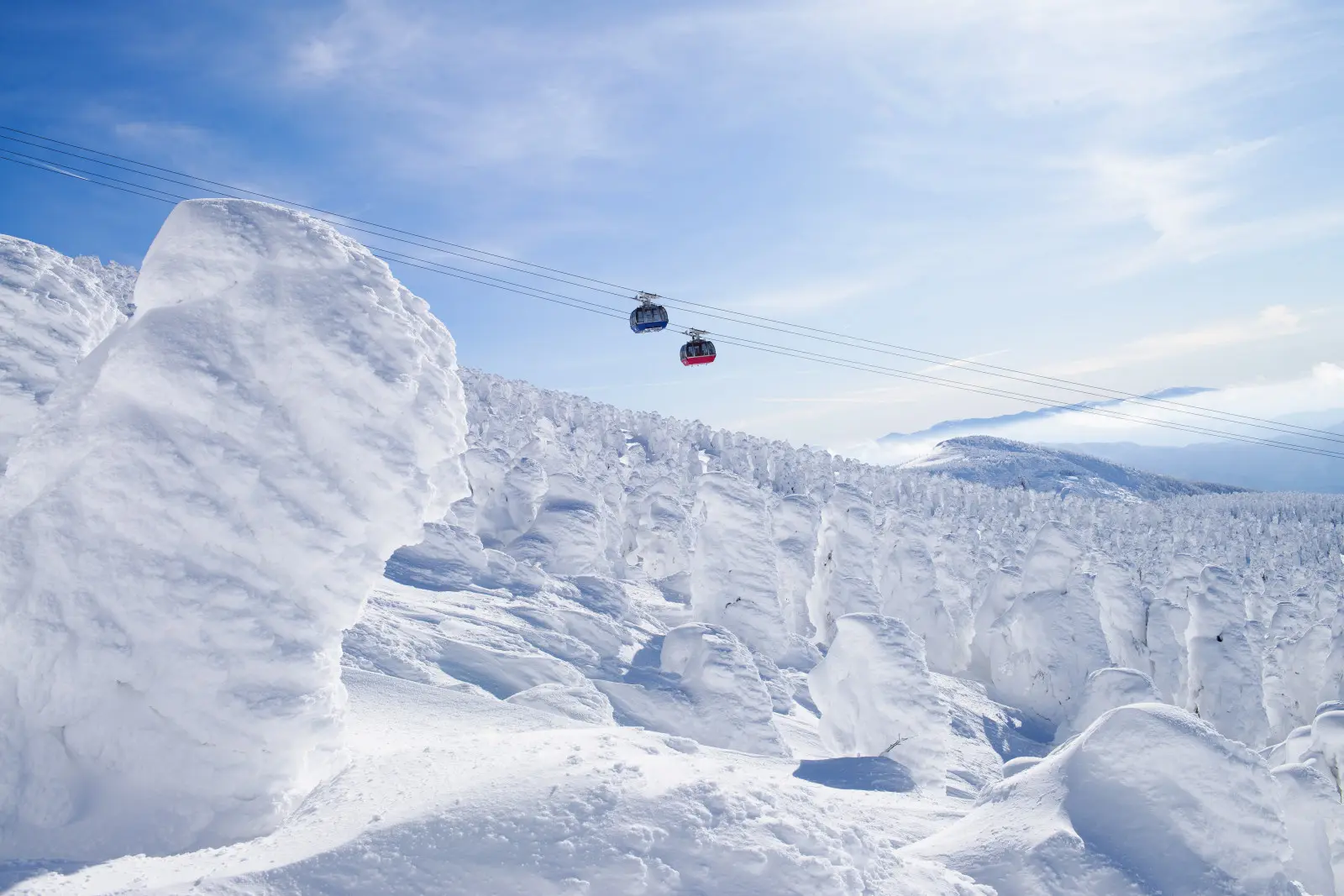
Even the highest temperatures are around 5°C, and lows can sometimes drop close to -10°C, so if you visit Yamagata during the juhyo (snow monster) sightseeing season in January and February, you will need thorough cold-weather gear.

A 3-Night, 4-Day Model Itinerary for the Murayama Region
Here is a 3-night, 4-day model itinerary that lets you explore Yamagata’s appeal in depth while visiting Zao, Yamadera, and Ginzan Onsen.
There are regular closing days and holidays at the planned stops, but the schedule is arranged so that you can do almost everything if you set Day 1 to start on a Monday, Wednesday, or Friday.
The itinerary is based on traveling by rental car, and the driving times are estimated on the generous side.
Day 1: Kaminoyama Castle and Zao
Day 1 starts in Kaminoyama City.
You can rent a car right away at a rental shop near Kaminoyama-Onsen Station, but since you are here, you may want to enjoy a bit of walking around town as well.
In the afternoon, head straight to Zao, one of the top three highlights of this trip.
After an aerial stroll on the ropeway, drive to Okama, then enjoy a hot spring before dinner.
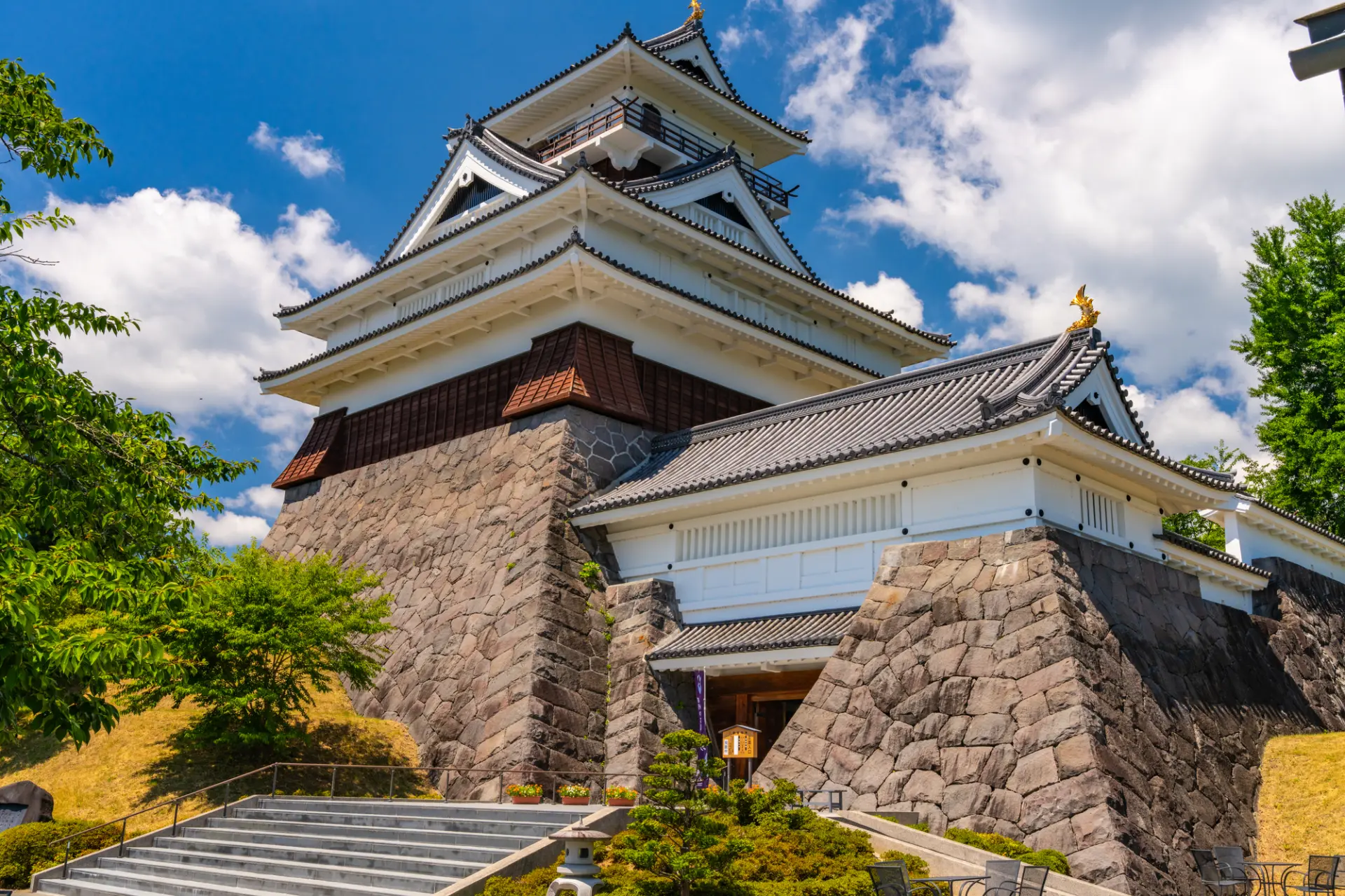
Kaminoyama Castle
This castle was once called a “famous castle of Ushu,” and is also known as “Tsukioka Castle.”
It was the southernmost fortress of the Mogami clan, which ruled Yamagata, but after the Mogami clan was dispossessed (their lands were confiscated), it became the residence of successive domain lords.
It was dismantled by order of the shogunate in 1692, but in 1982 a three-story keep was built and opened as a local history museum.
Its beauty changes with the seasons, and the view from the keep over Kaminoyama City and the Zao mountain range is superb.
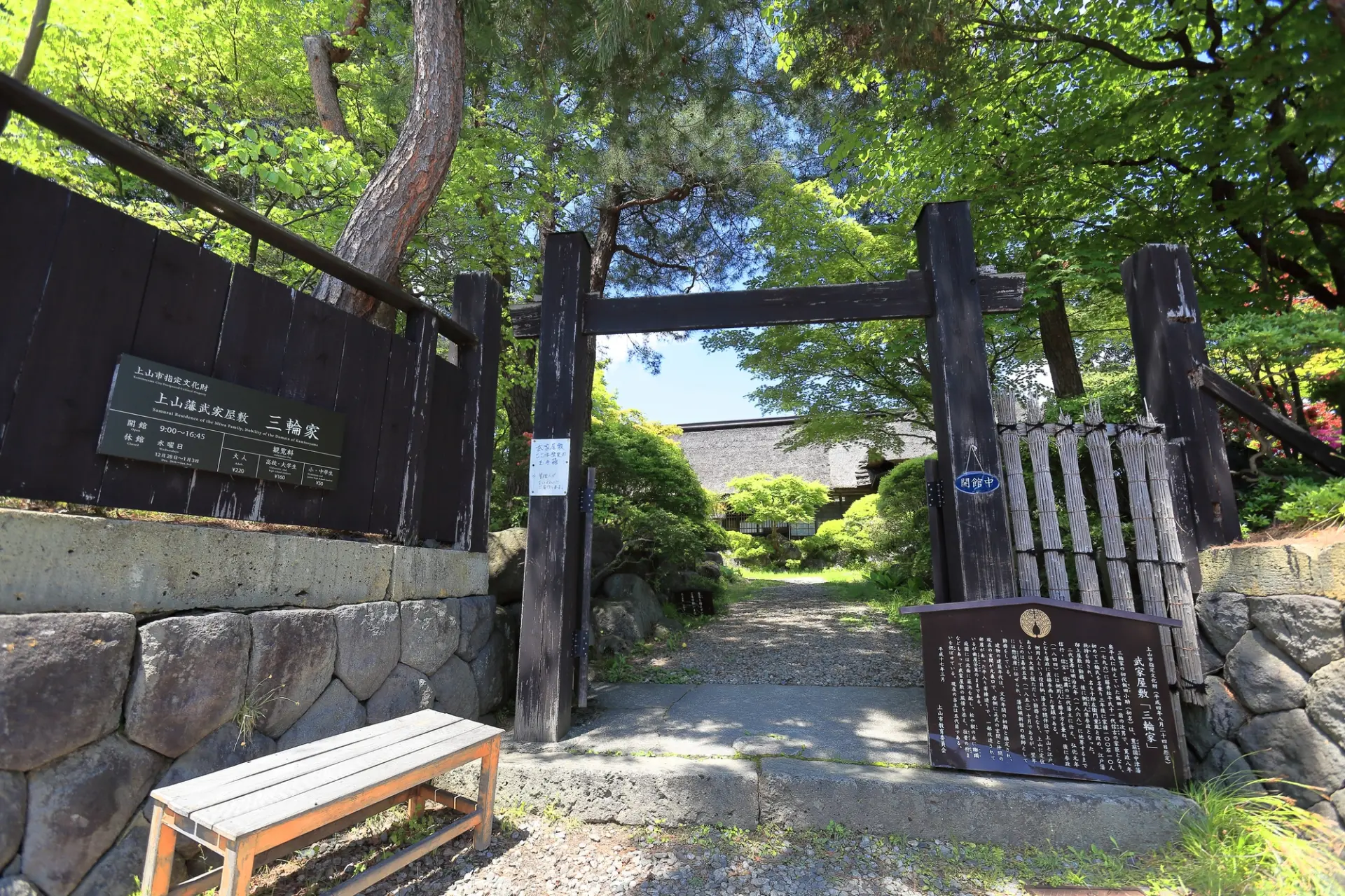
Samurai Residence District (Miwa Family Residence)
This samurai residence area remains in the northern part of Kaminoyama Castle, with four homes lined up: the Morimoto family, the Miwa family, the Yamada family, and the former Sogabe family.
All are buildings more than 200 years old and were once homes of samurai who held important posts.
The houses are a type of L-shaped structure called magariya, designed with functions to help withstand enemy attacks.
At the Miwa family residence, you can also tour the interior and view detailed explanations.
Narageshuku Tanno Konnyaku Konnyaku Bansho
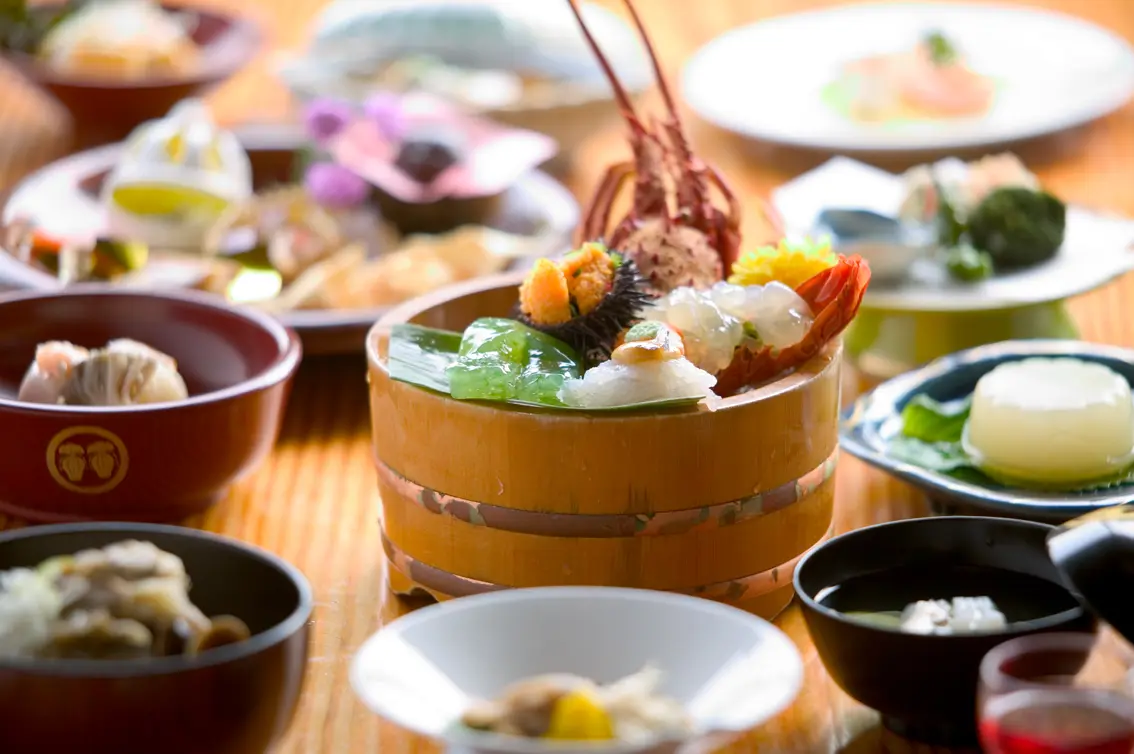
This is a restaurant where you can enjoy konnyaku kaiseki (multi-course Japanese dining) cuisine.
Some dishes are so convincing that you would not even realize they are made from konnyaku unless you were told, letting you savor its depth in full.
The souvenir shop selection is also extensive, and it is popular that you can sample items before choosing.
Zao Ropeway
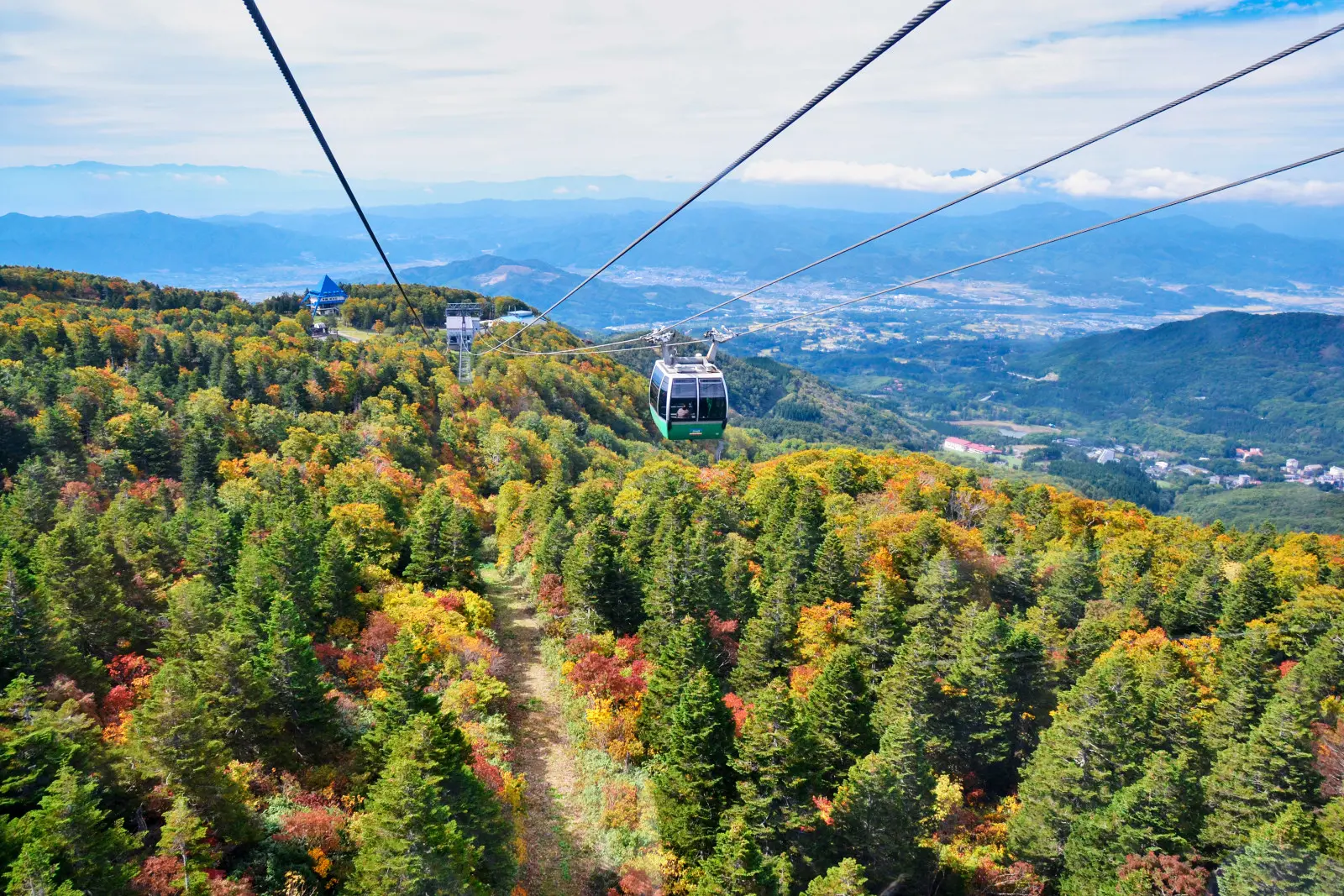
This ropeway takes you to Jizo Sancho Station at an elevation of 1,661 meters, via Juhyo Kogen Station at an elevation of 1,331 meters.
The section heading toward Jizo Sancho Station passes through a juhyo field, making it a highly popular ropeway route year-round.
The views are wonderful not only in the winter juhyo season, but also during the autumn foliage season.
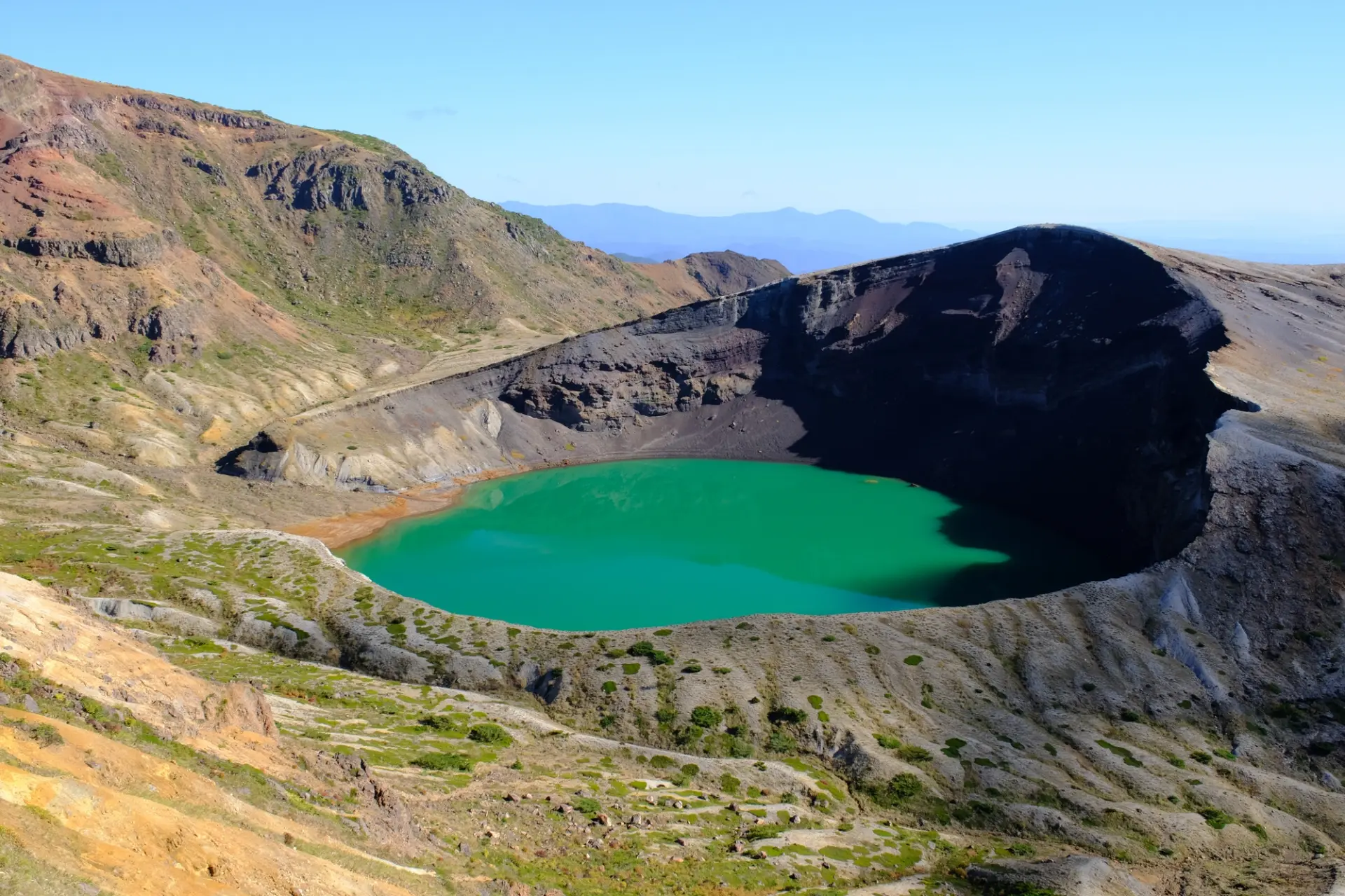
Okama Crater Lake
Okama is a signature summer view in Zao, and you can see it from the observation deck beyond the toll Zao Highline, accessible from late April (when the Zao Echo Line opens) through early November.
This crater lake formed in a volcanic crater, and because the water appears in different hues depending on weather conditions, it is also called Goshiki-numa (Five-Color Pond).
Because the viewing point is at high elevation and can be windy, having a long-sleeved outer layer is reassuring even in summer.
Zao Onsen
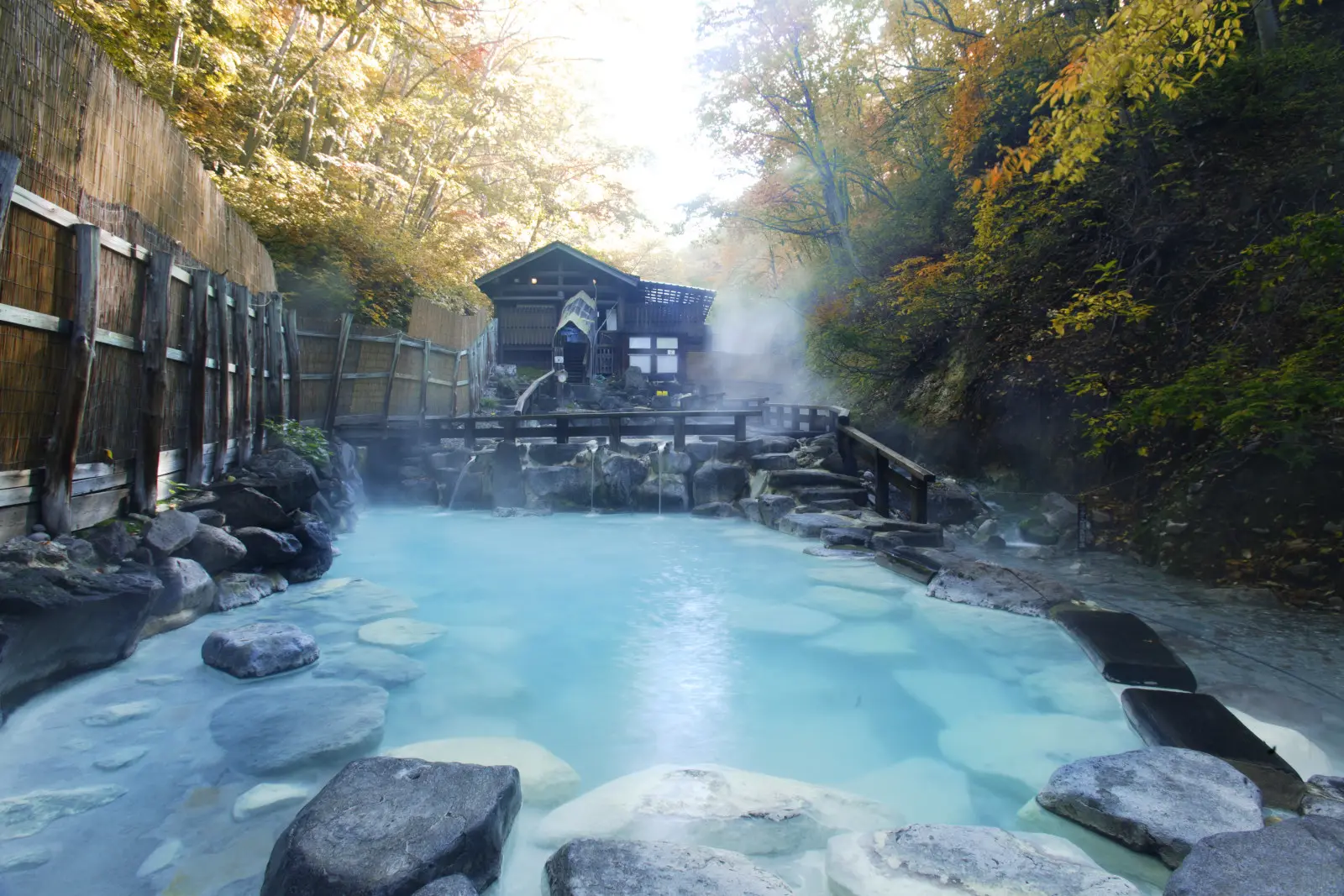
Zao Onsen is a strongly acidic sulfur spring opened about 1,900 years ago, known for many benefits, including for cuts and skin conditions, muscle pain and joint pain, and sensitivity to cold.
With three public bathhouses, four footbaths, and five day-use hot spring facilities, you can enjoy a variety of baths.
For day-use bathing, it is recommended to visit Zao Onsen Dai Rotenburo, where you can enjoy a large open-air bath beside a mountain stream.
On Saturdays, days before holidays, and during the Obon holiday period from June through mid-October, hours are extended and you can bathe until 9:00 pm (closed from late November to mid-April).

Day 1 (Mon, Wed, Fri)
| Time | On-Site Time | Destination / Transport |
|---|---|---|
| 9:00am | Start at Kaminoyama-Onsen Station | |
| Leave luggage at the station | ||
| Walk: 11 minutes | ||
| 9:15am | 35 minutes | Kaminoyama Castle |
| Walk: 6 minutes | ||
| 9:55am | 20 minutes | Samurai Residence District (Miwa Family Residence: interior visits available except Wed) |
| Walk: 15 minutes | ||
| 10:30am | Arrive at Kaminoyama-Onsen Station | |
| Pick up stored luggage | ||
| Pick up rental car | ||
| 10:50am | Depart from in front of Kaminoyama-Onsen Station | |
| Drive: 15 minutes | ||
| 11:05am | 60 minutes | Lunch at Konnyaku Bansho |
| Drive: 50 minutes | ||
| 1:00pm | Depart from Zao Ropeway Sanroku Station | |
| 1:10pm | 15 minutes | Juhyo Kogen Station |
| 1:40pm | 20 minutes | Jizo Sancho Station |
| 2:30pm | Arrive at Zao Ropeway Sanroku Station | |
| Drive: 45 minutes | ||
| 3:15pm | 20 minutes | Okama Crater Lake |
| Drive: 45 minutes | ||
| 4:20pm | 50 minutes | Zao Onsen Dai Rotenburo |
| 5:15pm | Check in to a hotel in Zao Onsen |
Day 2: Yamadera and Tendo
On Day 2, you will visit Yamadera, one of the top three highlights.
Because you will climb more than 1,000 steps, it is a good idea to buy warabi mochi as a snack to take with you.
In the afternoon, enjoy Tendo gourmet food and try painting shogi pieces.
Rest your body after the Yamadera climb in a hot spring.
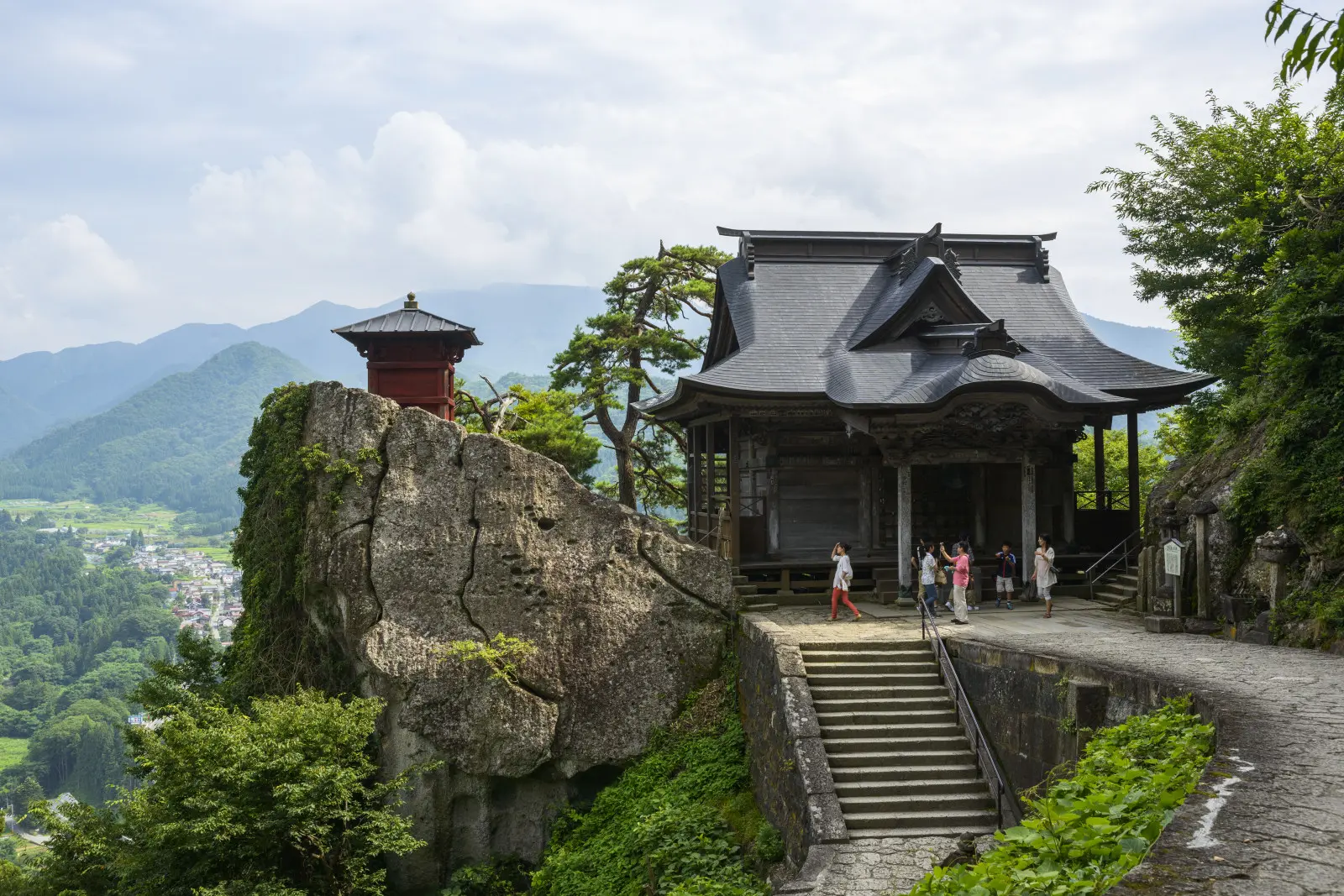
Risshakuji Temple (Yamadera)
Founded in 860 by Ennin (Jikaku Daishi), the third head of the Tendai sect, this sacred mountain is one of the most famous in the Tohoku region and appears in a haiku by Matsuo Basho.
The entire mountain is a place of training and worship, and to visit the inner sanctum (more precisely, the Nyoho-do Hall), you climb 1,015 stone steps.
Teuchi Suisha Kisoba
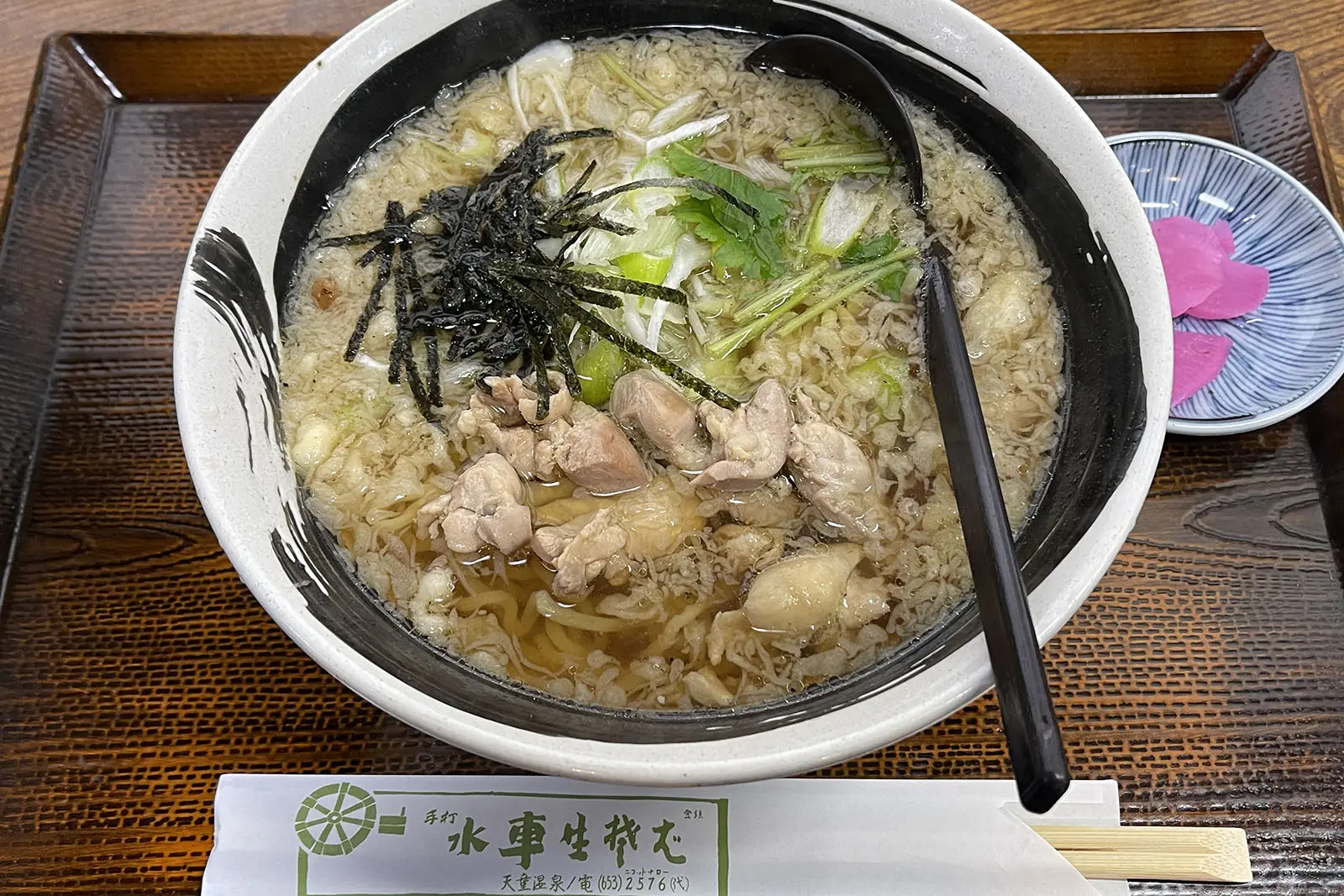
Founded in 1861, this long-established soba restaurant has been in business for more than 160 years.
You can enjoy juwari soba (100% buckwheat noodles) made from buckwheat milled using the power of the waterwheel in front of the shop, and one of its signature items is also tori chuka, which was originally served as a staff meal.
The broth for tori chuka has a flavor reminiscent of slightly spicy tanuki soba (soba topped with crunchy bits of tempura batter), but the moment you take the Chinese-style noodles into your mouth, it transforms into a rich Japanese-style ramen.
It is not listed on the menu, but you can also order a large portion.
Shogimura Tendo Tower
This is a commercial facility with a souvenir shop, restaurant, and garden.
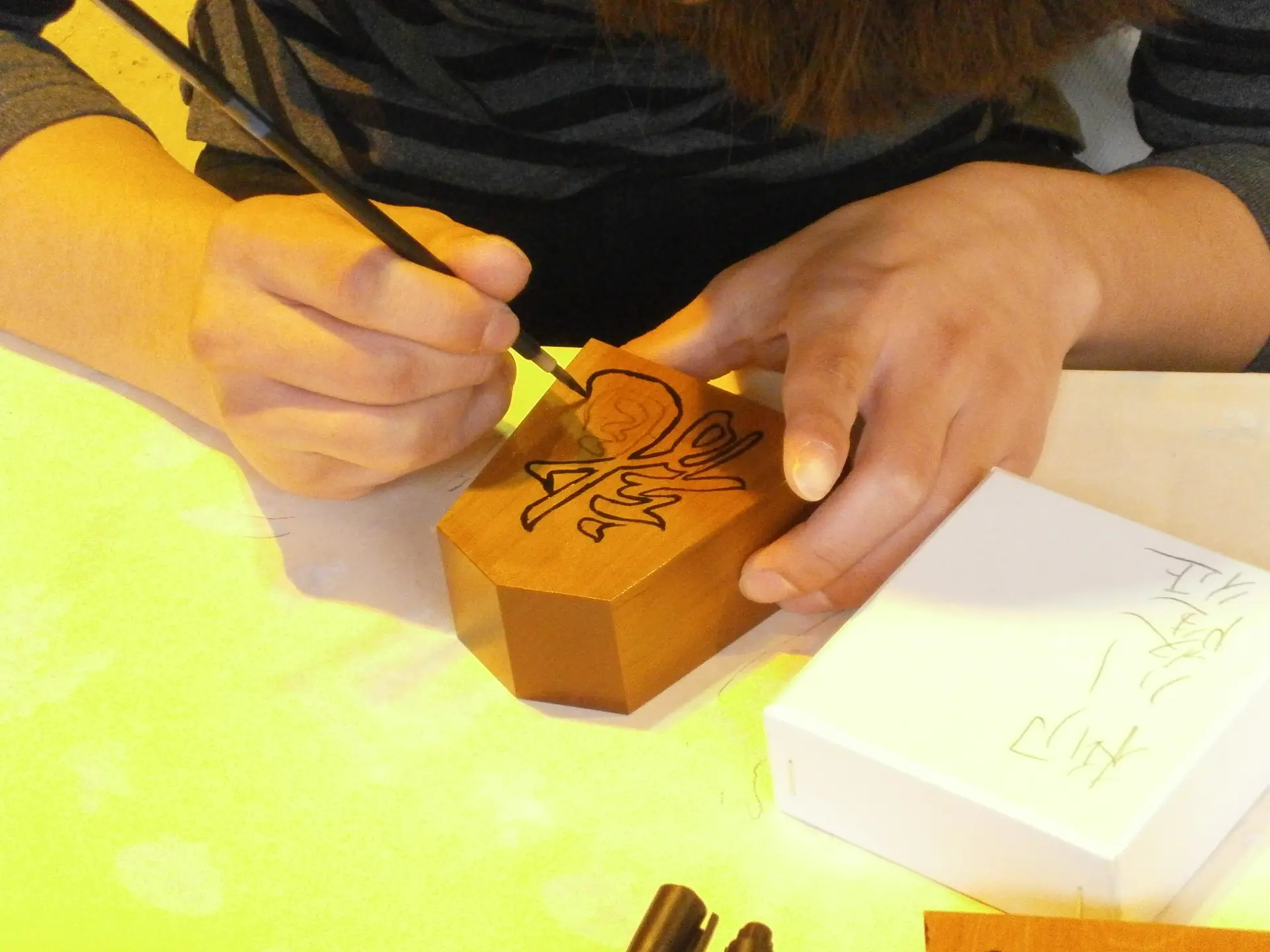
You can also try experiences such as soba making, safflower dyeing, writing characters on shogi pieces, and carving shogi pieces.
Writing on a shogi piece is a recommended experience that takes about 40 minutes and lets you add a single character of your choice.
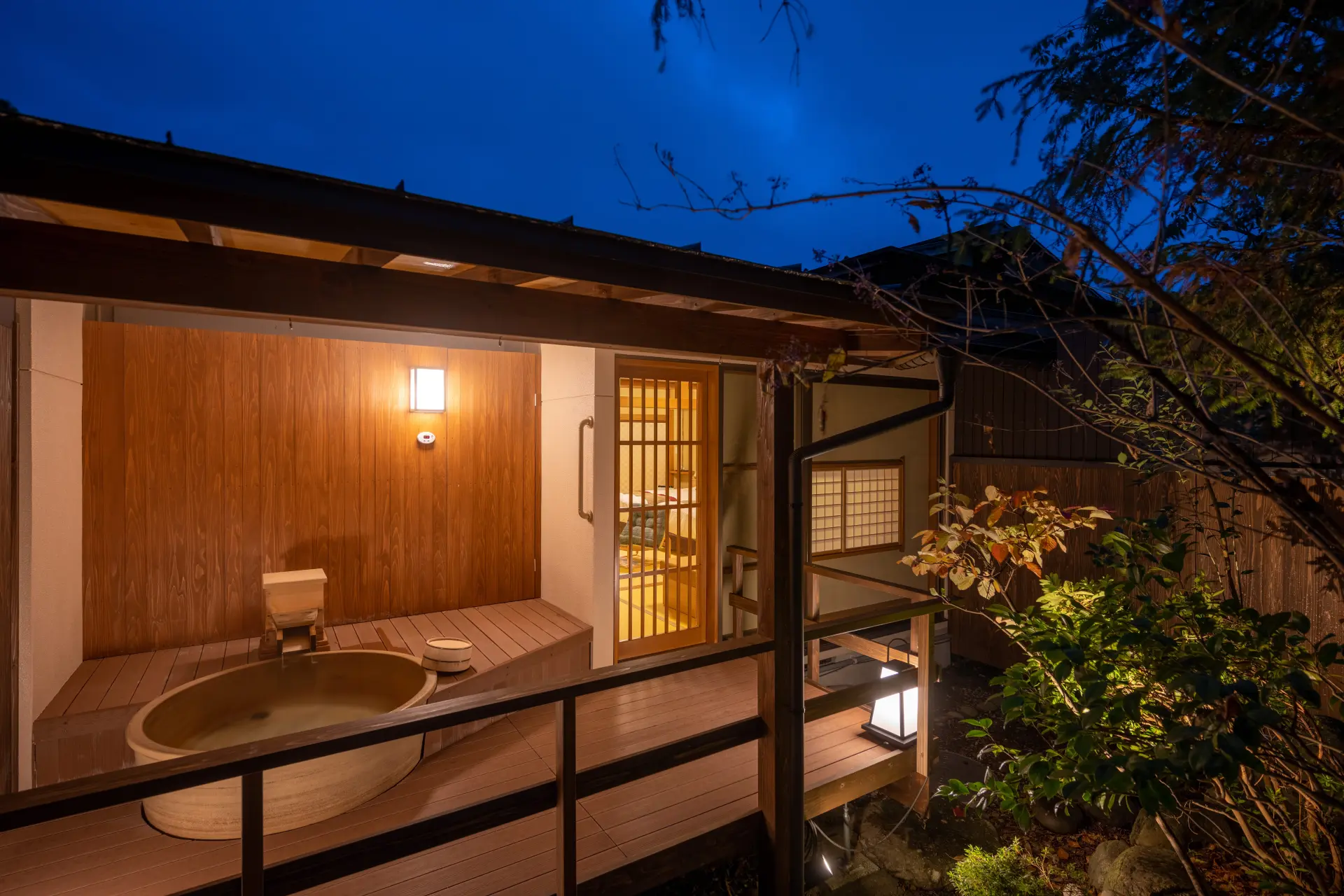
Hohoemino Kuyufu Tsuruya
The entire facility, including the baths, is covered in tatami, and with Tendo Mokko furniture placed throughout, you can relax while looking out over the courtyard.
Rooms include Japanese-modern rooms with twin beds, as well as spacious rooms with a private open-air bath with free-flowing hot spring water (some rooms have semi-open-air baths).
Both the quality of the meals and the hospitality of the staff are highly rated by guests, letting you fully enjoy a calm hot spring stay.
Day 2 (Tue, Thu, Sat)
| Time | On-Site Time | Destination / Transport |
|---|---|---|
| 9:00 am | Depart from Zao Onsen | |
| Drive: 75 minutes | ||
| 10:15 am | 10 minutes | Koshikakean |
| Drive: 25 minutes | ||
| 10:50 am | 100 minutes | Risshakuji Temple (Yamadera) |
| Drive: 25 minutes | ||
| 1:00 pm | 50 minutes | Lunch at Teuchi Suisha Kisoba |
| Drive: 10 minutes | ||
| 2:10 pm | Shogimura Tendo Tower | |
| 2:30 pm | 40 minutes | Kakigoma (shogi-piece calligraphy) experience |
| Drive: 15 minutes | ||
| 3:25 pm | Hohoemino Kuyufu Tsuruya | |
| After check-in, stroll around the hot spring town |
Day 3: From Yamagata City to Ginzan Onsen, Plus a Mini Iaido Experience
Day 3 includes an overnight stay at Ginzan Onsen, one of the top three highlights.
In the morning, you will sightsee in Yamagata City, and in the afternoon you will have a samurai experience, making it a packed and satisfying day.
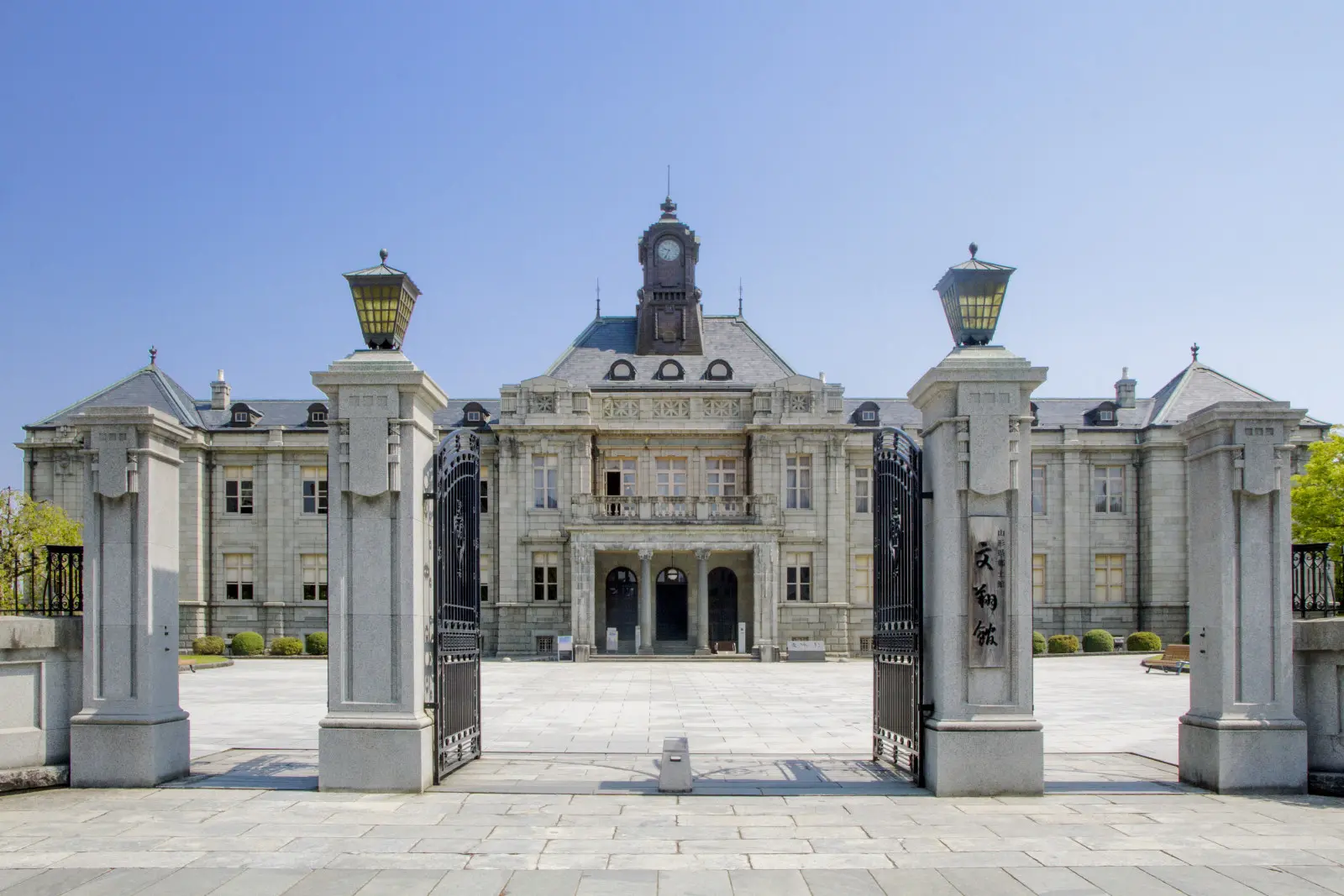
Yamagata Prefecture Hometown Pavilion “Bunshokan”
Built in 1916, this building was used as the prefectural office and prefectural assembly hall until 1975.
It was designated a National Important Cultural Property in 1984, and has been open to the public since 1995 as the Yamagata Prefecture Hometown Pavilion “Bunshokan.”
This impressive brick building has undergone repair and restoration, recreating the era down to the interior curtains, carpets, and wallpaper.
Goten-seki
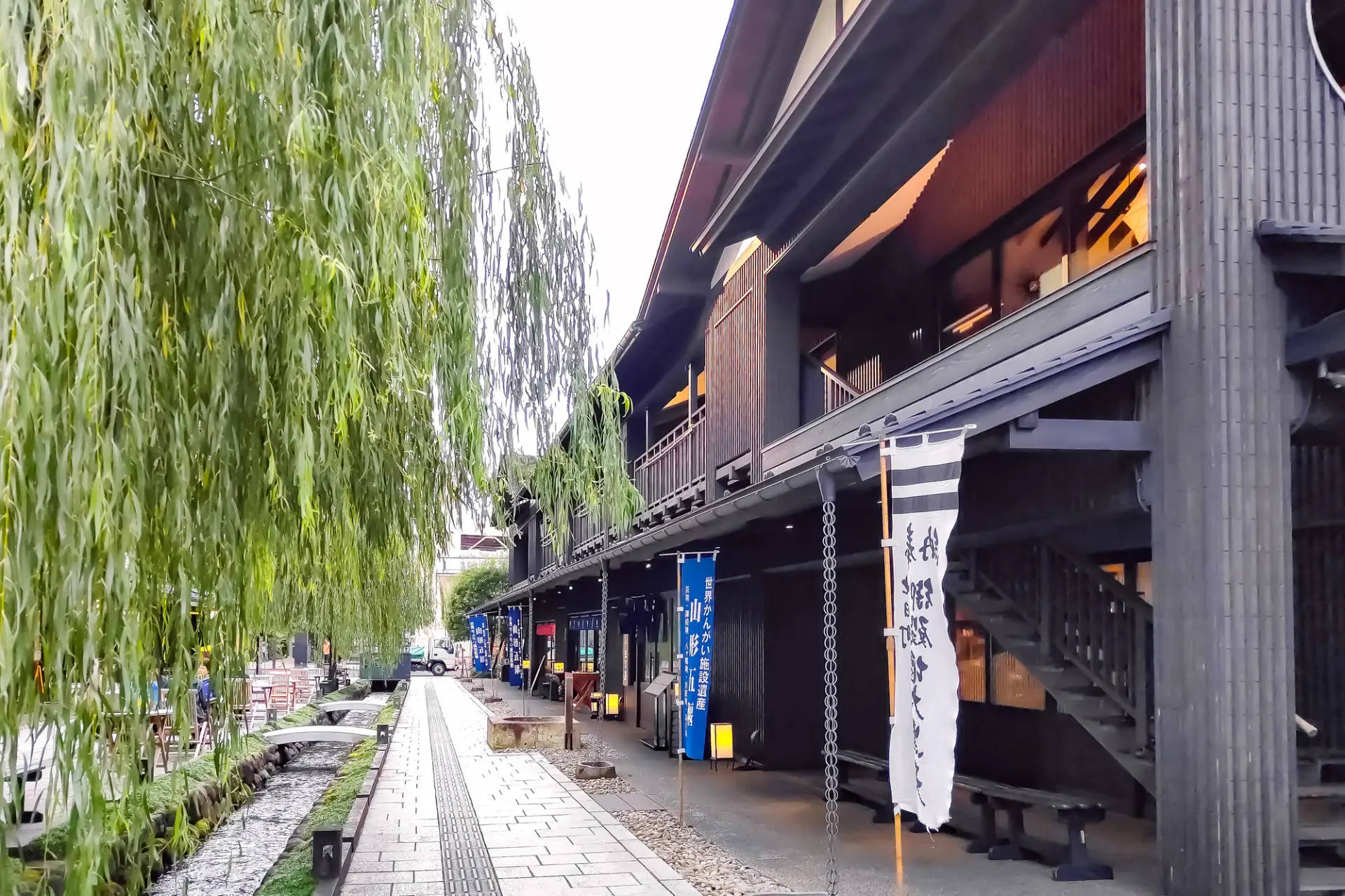
Goten-seki is one of five weirs built to secure water for the castle town and farming villages, and has been restored and reconstructed in Nanokamachi, Yamagata City’s shopping district.
Because it was a waterway drawn to the castle moat, it was named “Goten” (palace) weir.
Today, willow trees line the canal, and the area has become a charming district with wooden buildings housing restaurants and shops.
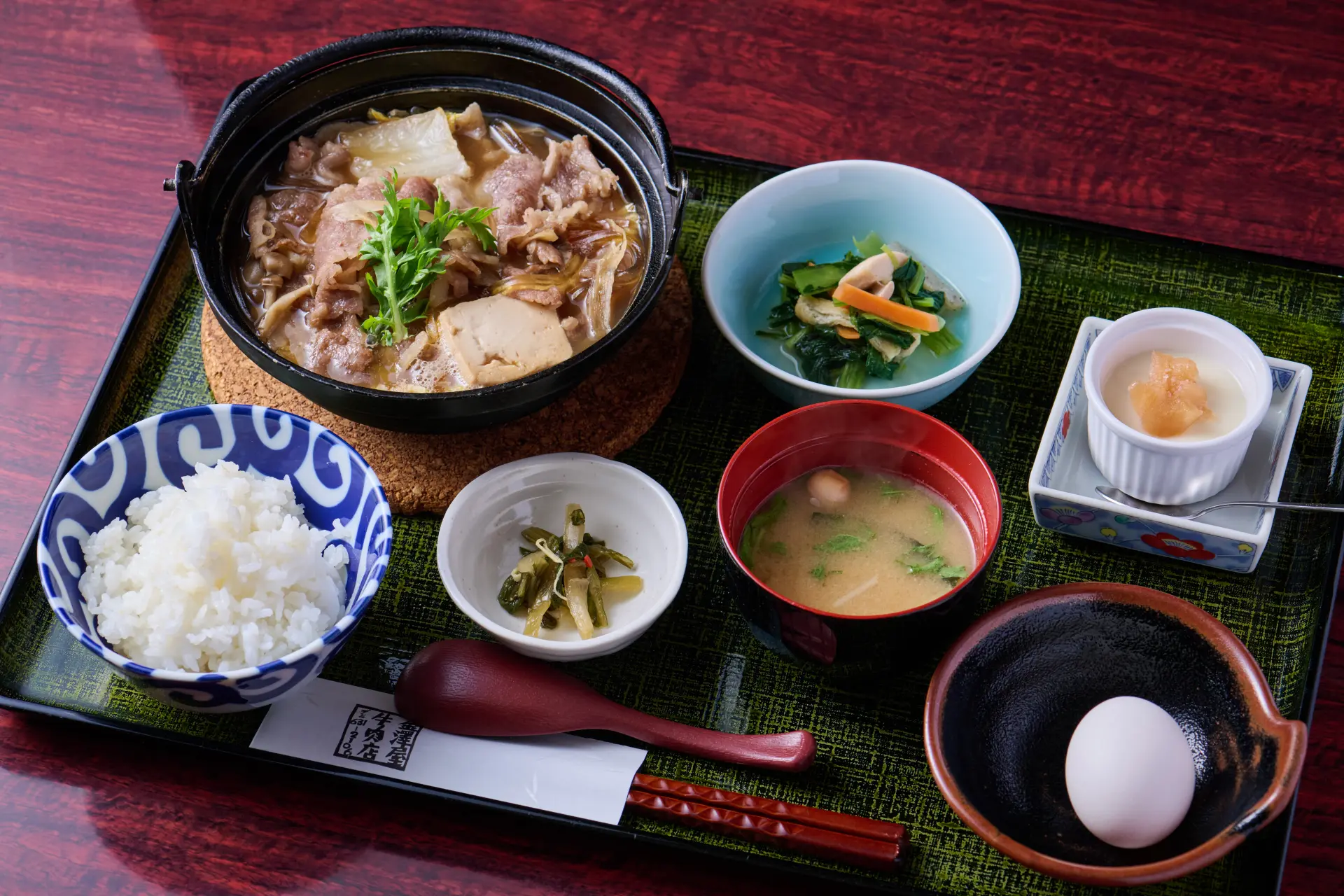
Kanazawaya Gyunikuten
This dining spot is run by a butcher shop founded in 1893, and at the butcher shop on the left you can also buy meat, boxed lunches, and prepared foods.
From procurement to cutting, they are particular about quality, and in addition to sukiyaki, shabu-shabu, and steak, you can savor Yamagata beef even through course meals.
At lunch, menu items such as beef hot pot, steak rice bowls, and hamburg steak also appear.
You can order sukiyaki or cut steak as well, but because it takes a bit of time to serve, it is better to make a reservation.
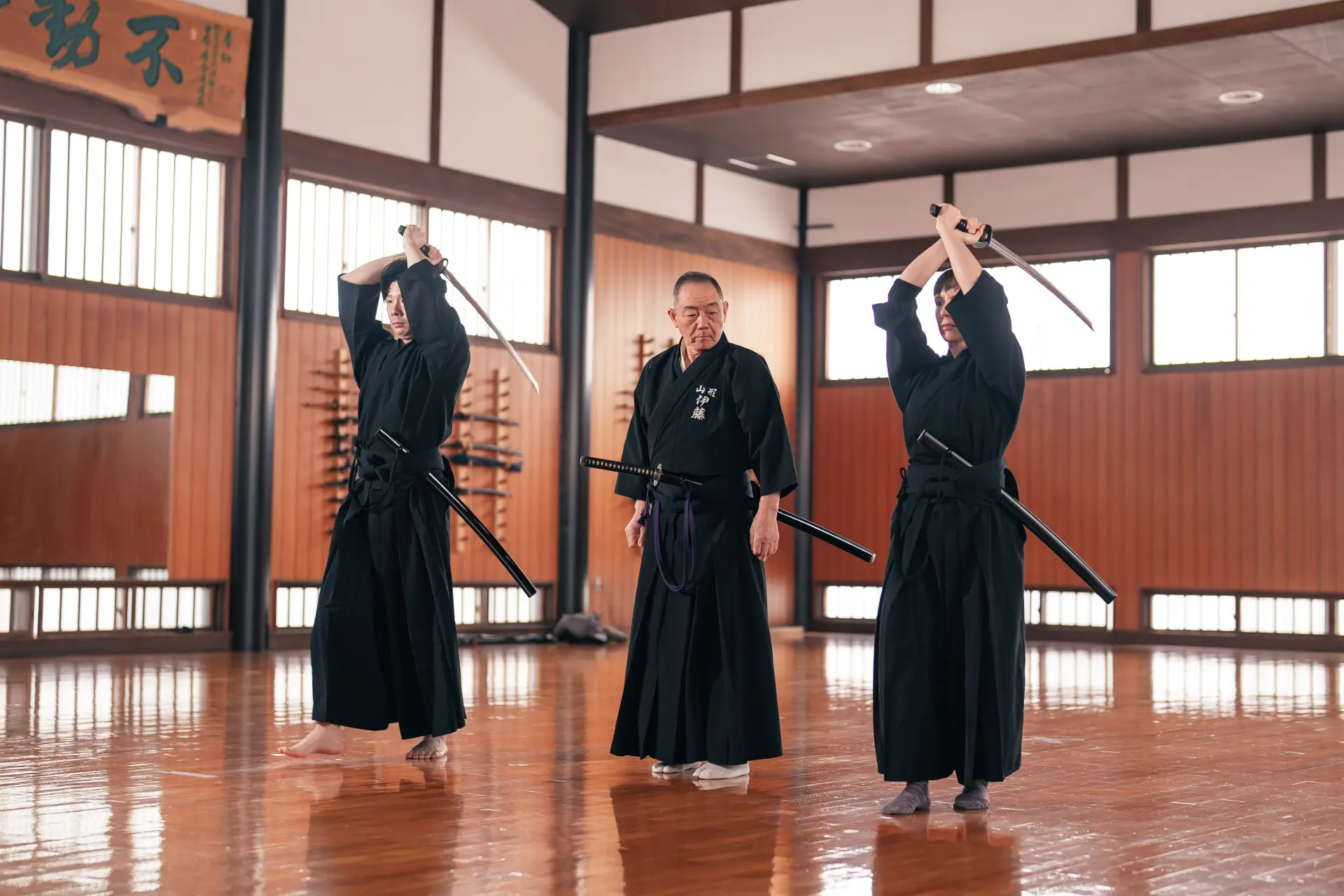
Japan’s Only Iai Shrine, Hayashizaki Iai Shrine: “Iai Battoujutsu Samurai Experience”
Japan’s only “Iai Shrine” enshrines Hayashizaki Jinsuke Shigenobu, the founder of iaido from Murayama, and is known as the birthplace of iaido.
Iaido is a sword art in which you seize the initiative against an opponent and draw your sword from its scabbard, and by learning etiquette and the basic form called “Shohattou,” you train the mind as well.
The Iai Battoujutsu Samurai Experience is a two-hour course where you wear a training uniform and learn forms, etiquette, and mental focus.
You can also watch tameshigiri (test cutting), a battoujutsu demonstration in which a master cuts rolled tatami with a real sword.
-
Careful instruction is available for both individuals and groups.
-
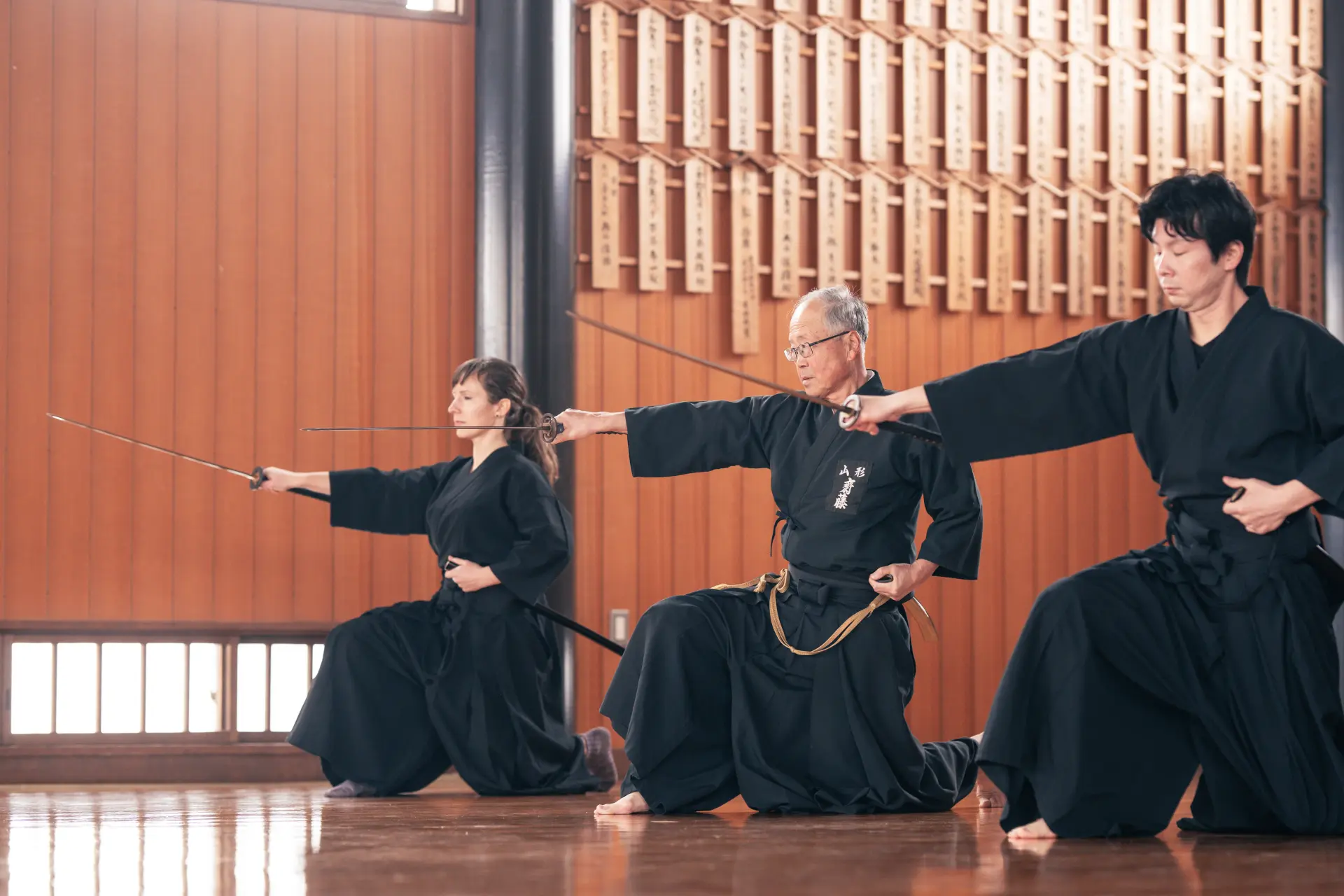
Iai Battoujutsu Samurai Experience
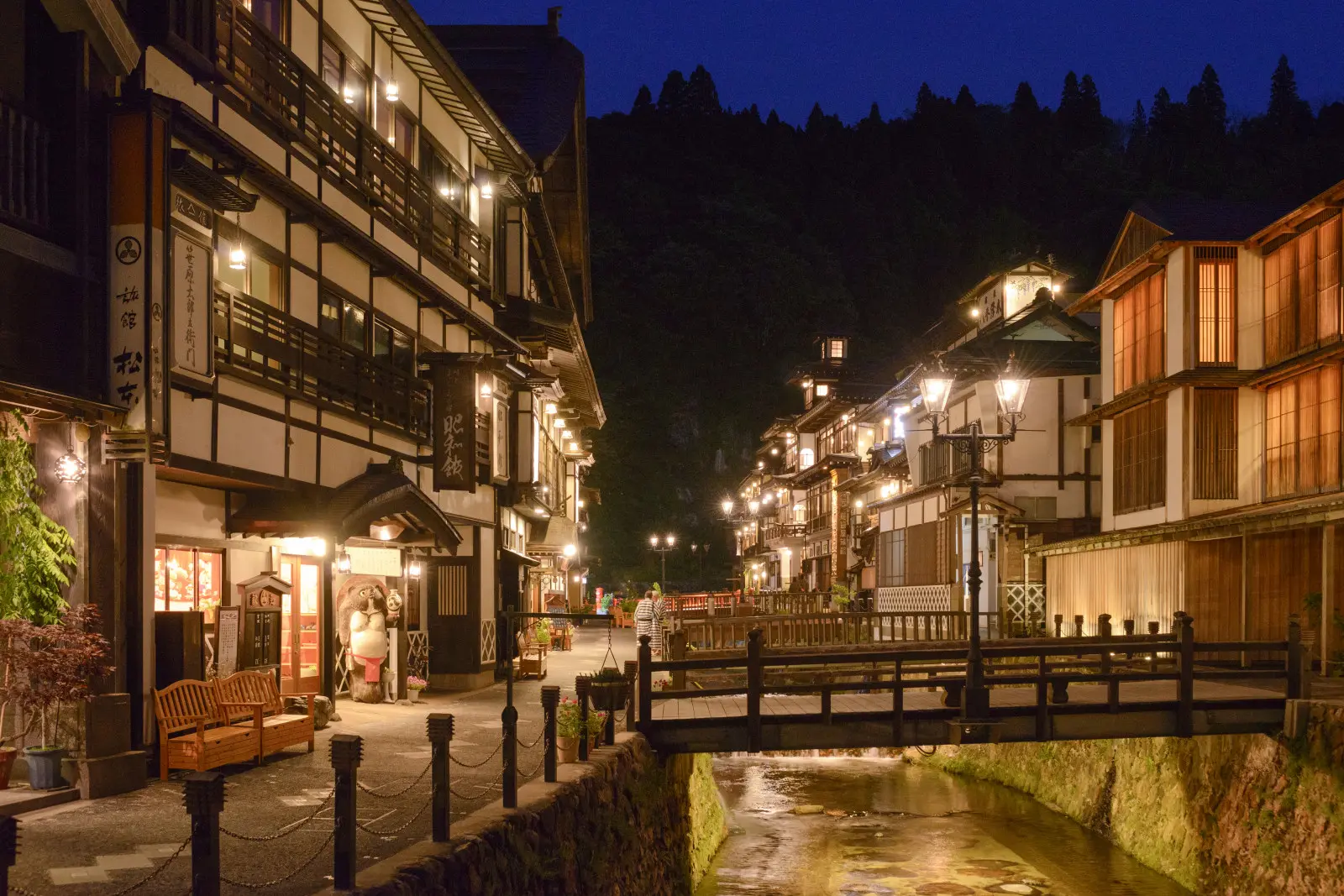
Ginzan Onsen
This hot spring town is lined with Taisho-era ryokan, and at night gas lamps glow, creating an atmospheric scene known as “Taisho Roman” that is beloved by visitors.
Winter stays are especially popular, but summer is also cooler than many other regions, allowing you to enjoy it as a summer retreat.

Day 3 (Wed, Fri, Sun)
| Time | On-Site Time | Destination / Transport |
|---|---|---|
| 9:15 am | Depart from Hohoemino Kuyufu Tsuruya | |
| Drive: 35 minutes | ||
| Park at the prefectural parking lot on the east side of Bunshokan | ||
| Walk: 2 minutes | ||
| 10:00 am | 40 minutes | Bunshokan |
| Walk: 6 minutes | ||
| 10:50 am | 30 minutes | Goten-seki |
| Walk: 8 minutes | ||
| 11:30 am | 50 minutes | Lunch at Kanazawaya Gyunikuten |
| Walk: 4 minutes to the parking lot | ||
| Drive: 60 minutes (using the expressway is recommended) | ||
| 1:30 pm | 120 minutes | Hayashizaki Iai Shrine “Iai Battoujutsu Samurai Experience” |
| 3:45 pm | Depart from Hayashizaki Iai Shrine | |
| Drive: 45 minutes | ||
| 4:30 pm | Arrive at Ginzan Onsen | |
| 4:45 pm | Check in to your accommodation | |
| Enjoy the evening scenery of Ginzan Onsen |
Day 4: A Morning Ginzan Stroll, Oishida Gourmet, and a Tasting Tour of Yamagata Sake
On the final day, enjoy a stroll around Ginzan Onsen and Yamagata gourmet experiences.
Have soba in Oishida Town, home to one of Yamagata’s Three Great Soba Highways, and enjoy outstanding dango for dessert.
After returning to Yamagata City, sample Yamagata-made drinks such as sake and wine, then take home your favorite labels as souvenirs.
Ginzan Onsen Walk
There are highlights beyond the main area lined with ryokan, so head out for a walk.
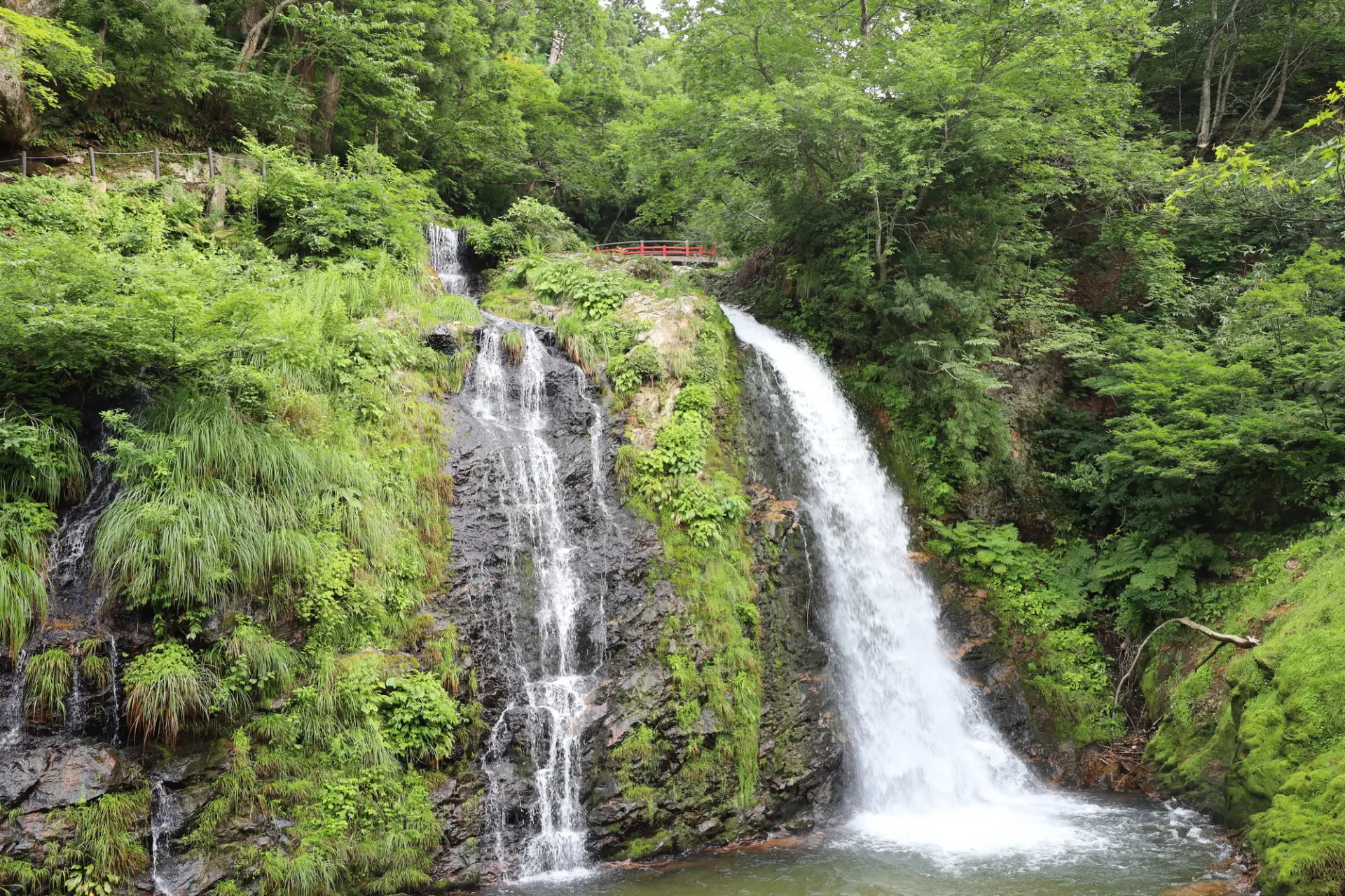
You will find spots such as Shirogane Falls, Natsu-shirazu, where cool air blows out like an air conditioner even in midsummer, and Nobesawa Ginkodo, a former silver mine site that you can enter.
Osoba Midori
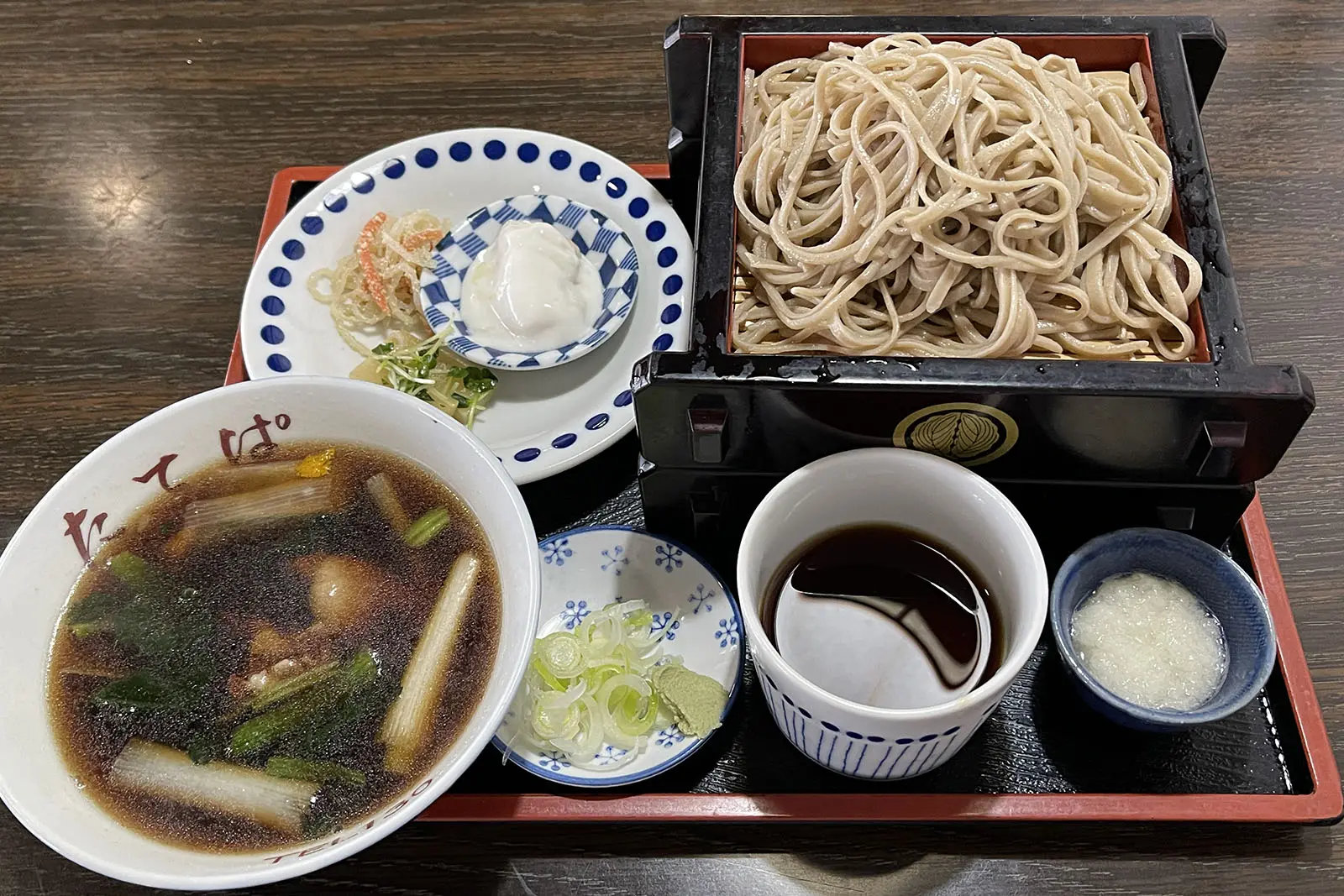
This soba shop, open on weekdays, is about a 12-minute walk from JR Oishida Station.
The recommended dish is kamo seiro, which lets you enjoy soba with two different dipping sauces.
At first, you will want to enjoy the smooth texture and aroma of the soba with the cold sauce, without adding condiments (green onion, wasabi, oroshi daikon).
The warm sauce uses deeply flavorful Yamagata duck meat.
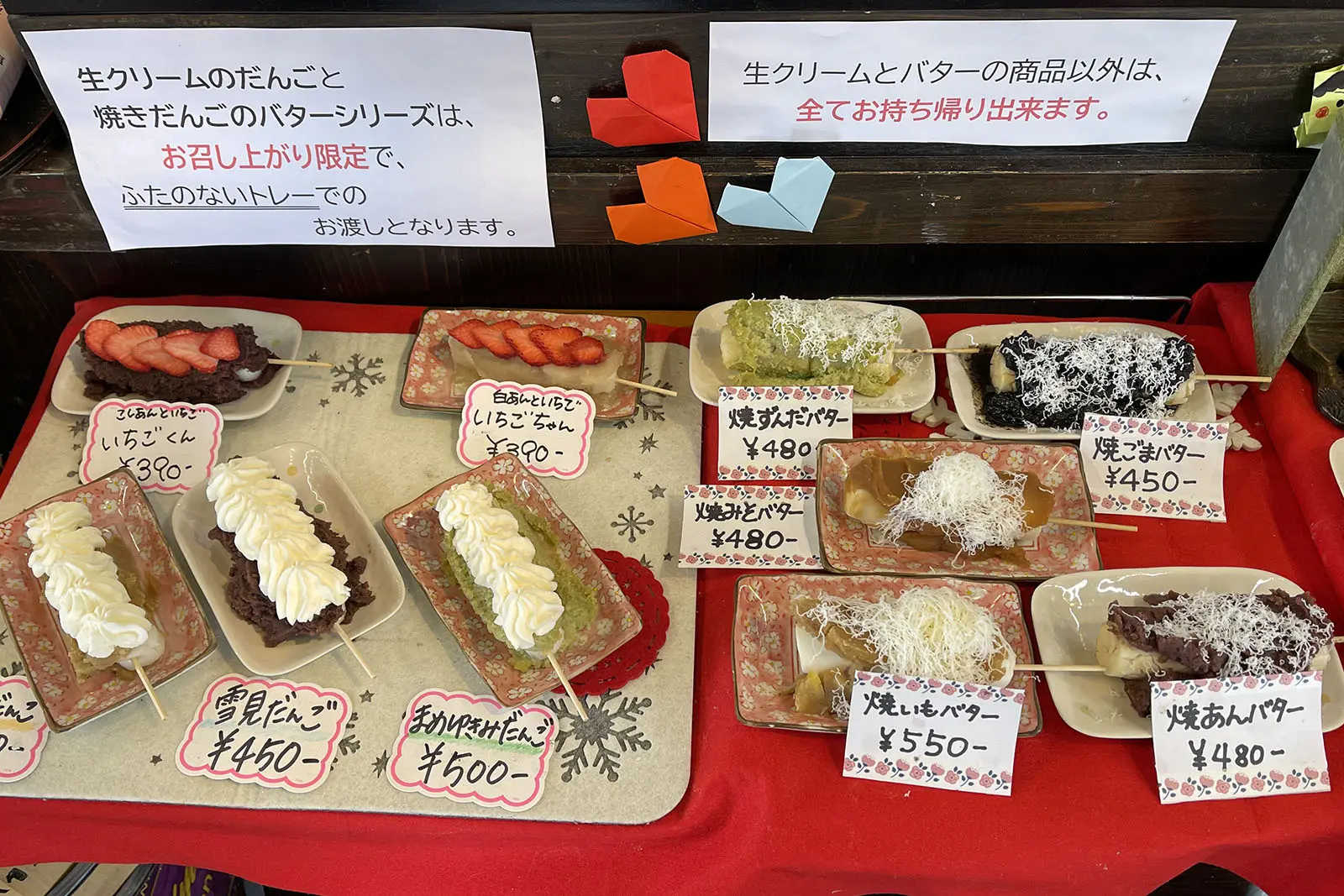
Mogamigawa Senbon Dango
This dango shop makes its dango with no additives at all, and the shelf life is the same day.
Freshly made, fluffy dango tastes on another level, with such a pleasant mouthfeel that it feels like you could eat any number of skewers.
Even as takeout, you can fully enjoy the generous topping of anko.
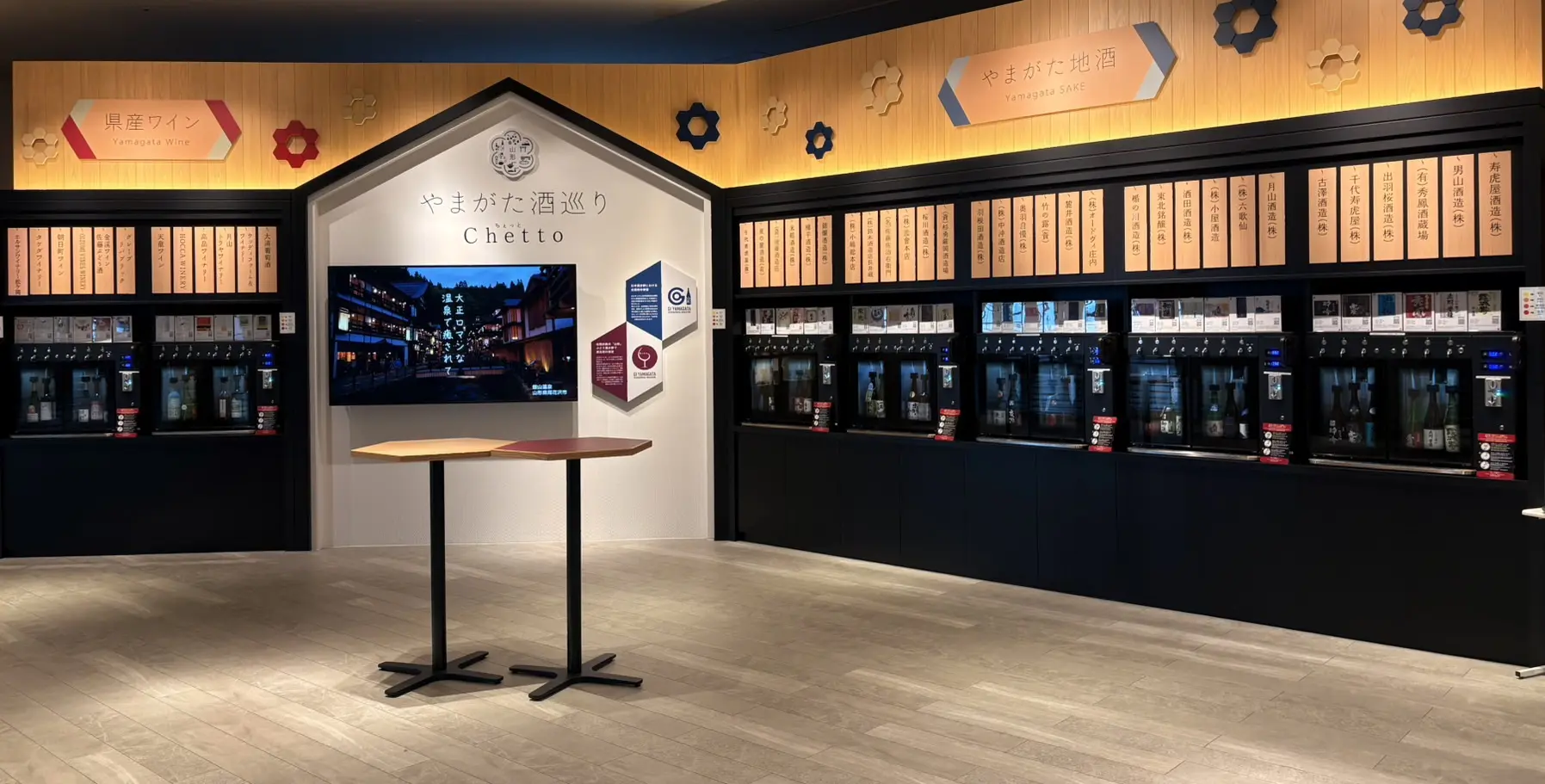
Yamagata Sake Tour Chetto
A sake tasting space inside the Yamagata Tourist Information Center on the first floor of Kajo Central, adjacent to the west side of Yamagata Station.
“Chetto” means “a little” in the Yamagata dialect, and you can taste small amounts from a variety of breweries.
A total of 42 drinks are available at all times (including 12 wines), and you can taste them for 500 yen for 3 shots or 1,000 yen for 6 shots.
Day 4 (Thu, Sat, Mon)
| Time | On-Site Time | Destination / Transport |
|---|---|---|
| 9:00 am | 90 minutes | Ginzan Onsen walk (Shirogane Falls, Natsu-shirazu, Nobesawa Ginkodo) |
| 10:40 am | Depart from Ginzan Onsen | |
| Drive: 35 minutes | ||
| 11:15 am | 50 minutes | Lunch at Osoba Midori |
| Drive: 2 minutes | ||
| 12:10 pm | 30 minutes | Mogamigawa Senbon Dango |
| Drive: 65 minutes (using the expressway is recommended) | ||
| 1:45 pm | Arrive at Toyota Rent a Car Yamagata Station West Exit Store; return the rental car | |
| 2:00 pm | 40 minutes | Yamagata Sake Tour Chetto |
| 50 minutes | Buy souvenirs at Yamagata Station | |
| 3:46 pm | Depart Yamagata Station on the Tsubasa 148 Shinkansen | |
| 6:36 pm | Arrive at Tokyo Station |
Tips for a Yamagata Drive Trip
Because traffic volume across the Murayama region is not especially heavy overall, it is easy to drive.
Driving etiquette in Yamagata is generally good, and traffic rules such as yielding to pedestrians at crosswalks are generally well observed.
Pedestrians also assume that cars will stop at crosswalks, so if there are pedestrians, be sure to come to a full stop.
The road leading into the Nanokamachi shopping district in Yamagata City is one-way for about 960 meters.
If you are coming to Nanokamachi from the direction of Tendo City, it is better to park at the prefectural parking lot east of Bunshokan and walk from there.
During commuting hours (7:30 am-9:00 am), traffic jams may occur on National Route 13 leading into Yamagata City and within the city itself.
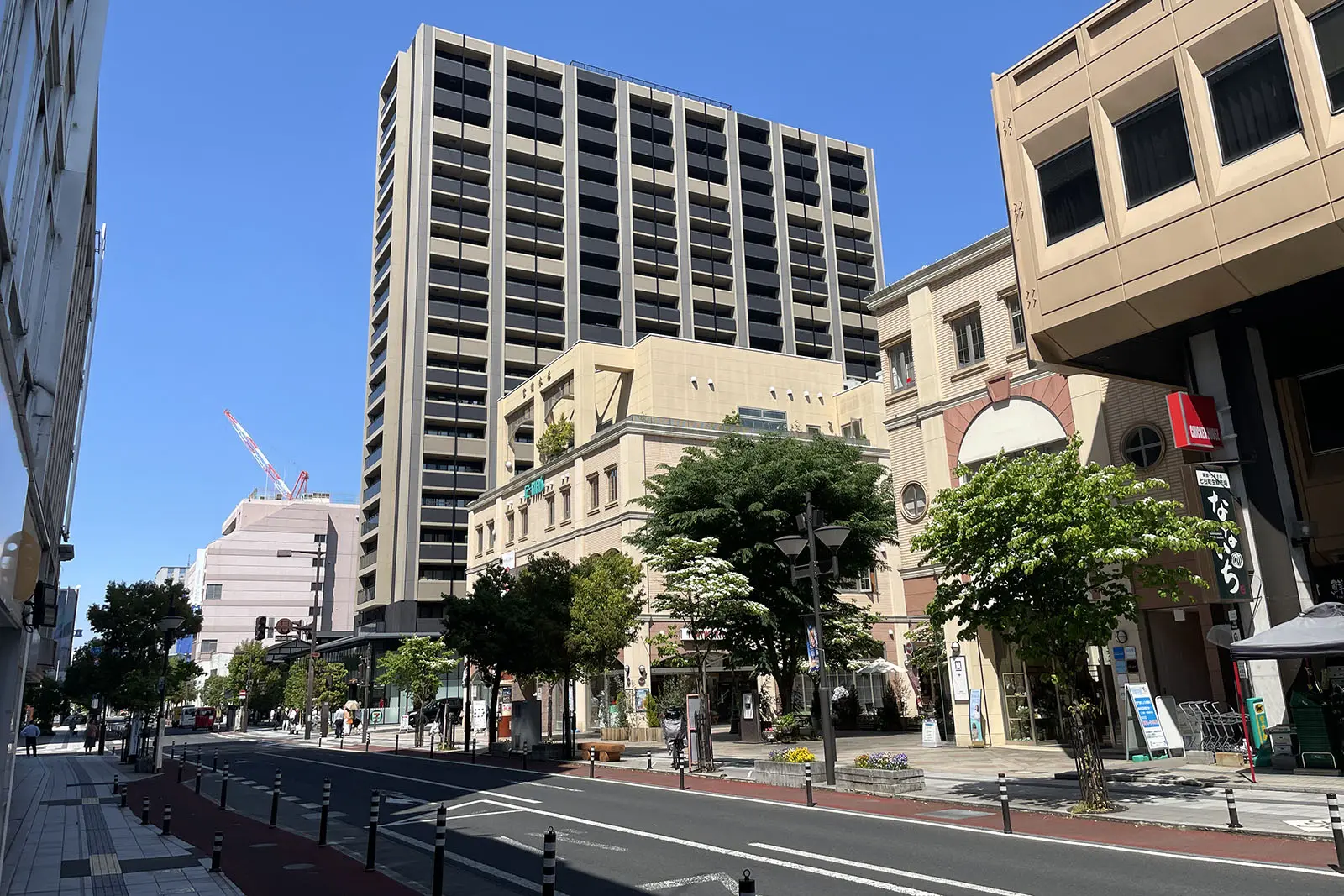
A Mini Lesson in Yamagata Dialect That’s Fun to Know
It is one of the dialects broadly called Tohoku dialect, but it includes expressions that only work in Yamagata, and it is so diverse that even within the same city, words can differ depending on the area.
Some words that do not exist in standard Japanese include the following.
- nda = “Yeah, that’s right.”
- harakuttui = “I’m full.”
- yabatsui = “I’m wet and it feels gross.”
One of the fun things about the Yamagata dialect is that you can even hold a conversation with a single letter.
Conversation can work with just “ke” and “ku.”
In this exchange, “ke” means “Please eat,” and “ku” means “Thanks-I’ll eat.”
This is not a conversation between people meeting for the first time, but one used among acquaintances or friends.
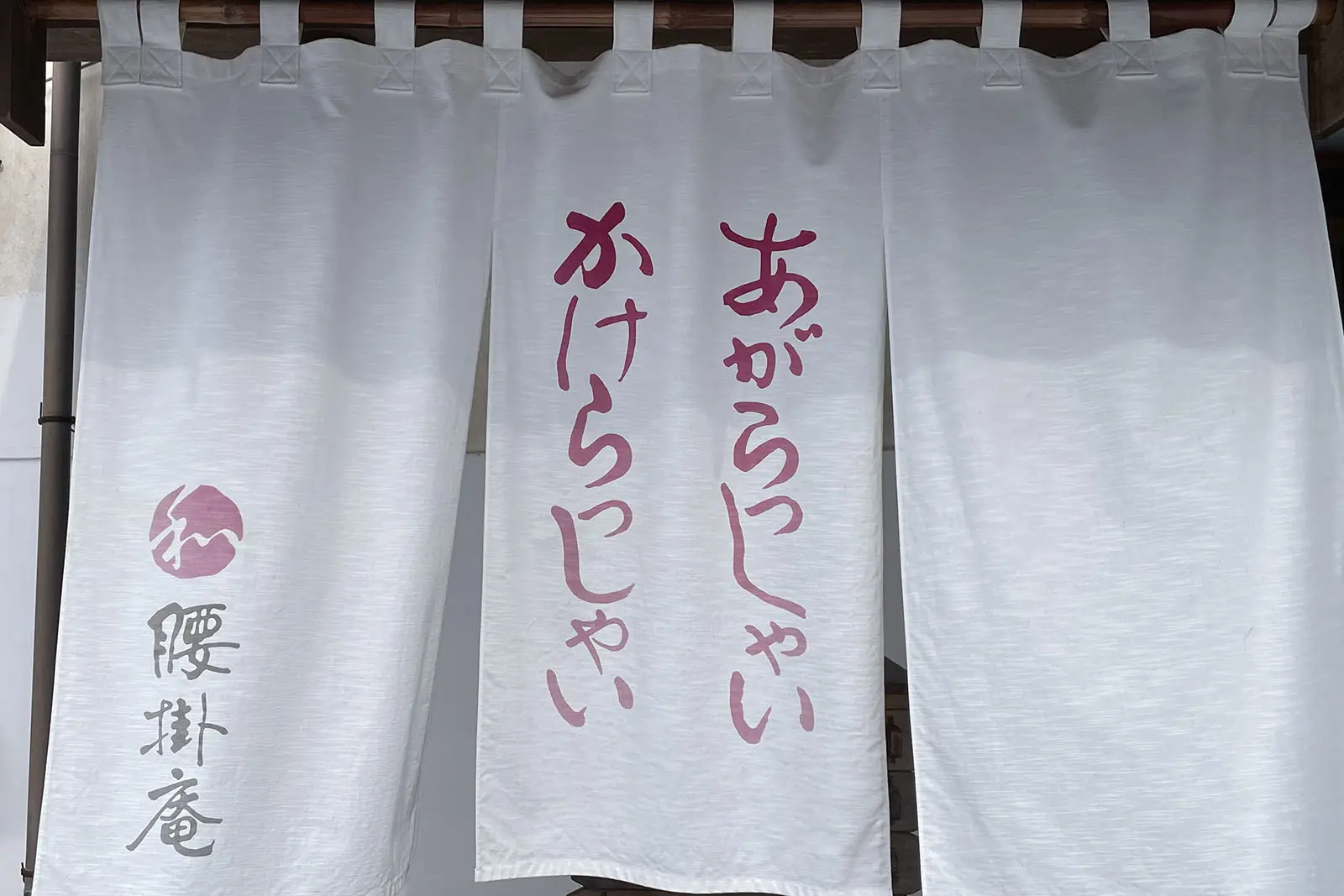
As greetings and expressions that travelers can also use, there are words such as the following.
- obandesu = “Good evening.”
- arigadosama = “Thank you.”
- sasuke ne = “It’s OK, no problem.”
“Sasuke ne” conveys not only that you are fine, but also a considerate feeling of telling the other person, “You don’t need to worry.”
FAQ About Traveling in the Murayama Region of Yamagata Prefecture
Q
How do I get to Yamagata from the Tokyo area?
A
You can take the Yamagata Shinkansen from Tokyo Station or Ueno Station, and Japan Airlines also operates flights from Haneda Airport. The flight time from Haneda is a little over an hour, but because the airport is in Higashine City, if you plan to start sightseeing from Yamagata City, taking the shinkansen is convenient.
Q
What should I keep in mind about clothing for a trip to Yamagata?
A
In spring and autumn, temperatures drop earlier than in the Kanto region, and winter becomes severely cold. If you travel in spring or autumn, add an extra outer layer for warmth. In winter, it is reassuring to have proper cold-weather gear (warm inner layers and a down coat) and snow boots.
Q
What are some local foods?
A
A local specialty is imoni, and in autumn it is so popular that outdoor imoni gatherings are held. There are also many famous soba and ramen shops, popular with both locals and visitors. The area is also known for many fruits, including cherries, peaches, European pears, and apples.
Q
How can I enjoy Yamagata in winter?
A
If you ski or snowboard, be sure to visit Zao. Because late January through February is the best season for juhyo sightseeing in Zao, you can enjoy the scenery even if you do not ski. You can also see beautiful snowy landscapes even on the plains, so strolling around town is recommended.
Summary
Yamagata was selected by the American travel media “National Geographic” as one of the “25 Places to Visit in the World in 2026.”
This reflects recognition of how you can learn about culture in a quiet environment, enjoy delicious food and hot springs, and connect with nature, and in the Murayama region you can experience all of these attractions.
With convenient access from the greater Tokyo area by shinkansen or plane, and a Murayama region full of highlights and great food, it is an easy and rewarding destination.
Because there are many places the model itinerary could not cover, consider staying as long as your schedule allows and savoring the full appeal of Yamagata.