
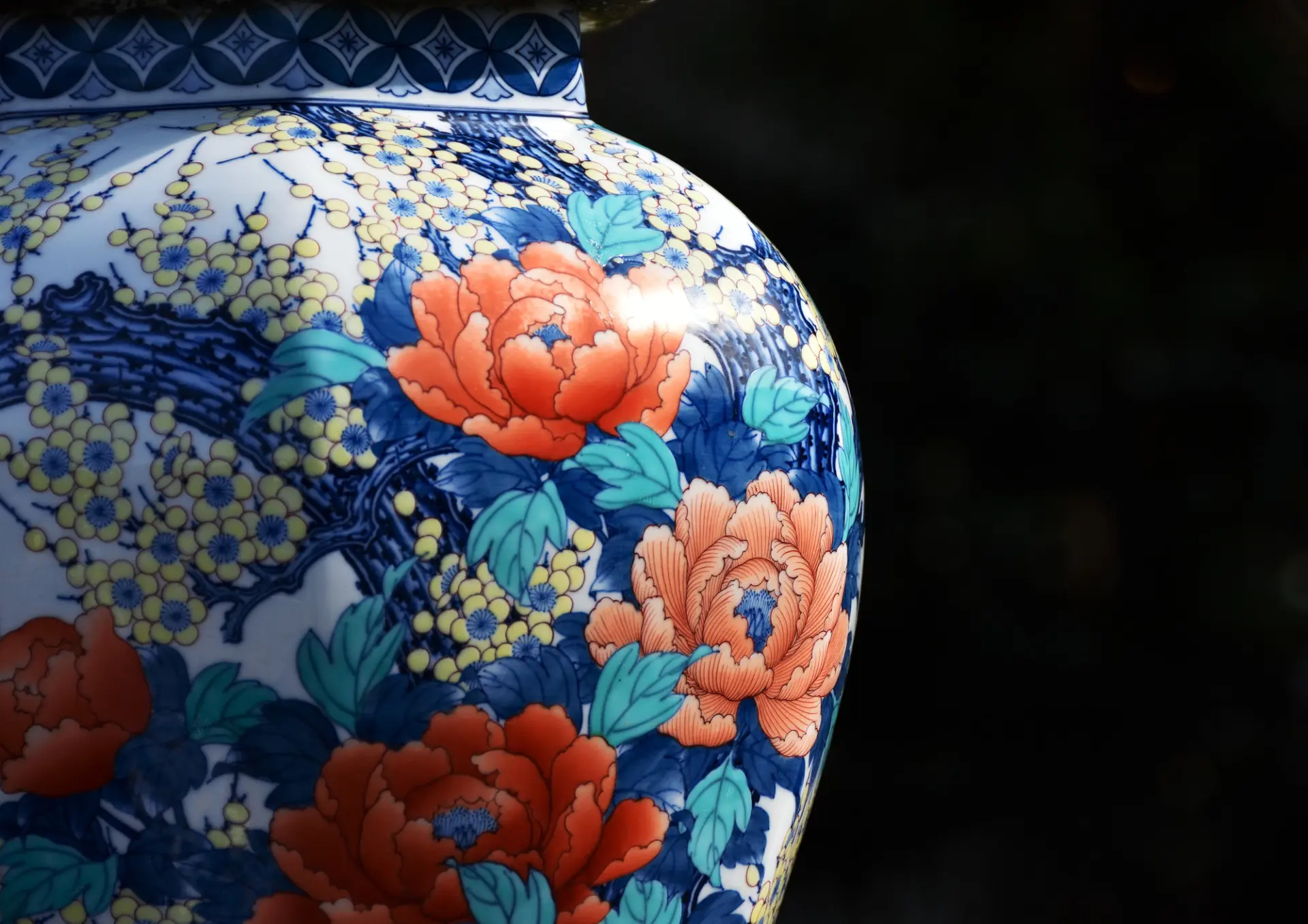
Arita Ware
The colorful beauty of porcelain, passed down for 400 years in Arita Town, Saga Prefecture.
Arita ware is porcelain produced in and around Arita Town in Saga Prefecture. It is known as the region where porcelain was first made in Japan. It is characterized by a wide variety of techniques and expressions, including white porcelain, sometsuke blue-and-white, and overglaze enamel decoration. Centered on tableware and arts and crafts, it has been produced for Approx. 400 years.
The origins of Arita ware date back to the end of the 16th century. They began when the Nabeshima clan, dispatched during Toyotomi Hideyoshi’s invasions of Korea, returned to Japan accompanied by the Korean potter Kanagae Sanbee (Yi Sam-pyeong). Kanagae Sanbee discovered pottery stone at Izumiyama. After that, porcelain production began. Since the products were shipped from Imari Port, they were also called “Imari ware.” In the 1640s, Sakaida Kakiemon succeeded in overglaze enamel decoration. This established richly varied decorative expression. In the late 17th century, Arita ware was exported to Europe through the Dutch East India Company and became popular as “IMARI.”
The main raw material is pottery stone from Izumiyama. Production is divided into shaping, glazing, painting, and firing, and is carried out through a division of labor. There are three major styles. The “Kakiemon style” features overglaze enamel decoration on a milky-white base with areas of blank space left intact. The “Nabeshima style” was produced under strict domain control as tribute and gift items. The “Kinrande style” is distinguished by deep blue underglaze decoration lavishly accented with red and gold. Decorations represented by overglaze enamel and kinrande are especially diverse. During the Meiji era (1868–1912), Western chemical technologies were introduced, improving quality and production efficiency. Today, Arita ware is mainly produced as tableware and arts and crafts. At the same time, because of its high functionality, it is also used for industrial products such as tiles and insulators.
Highlights
-
Japan’s oldest porcelain, produced around Arita Town in Saga Prefecture.
-
Known for a wide range of techniques and decoration, including white porcelain, sometsuke blue-and-white, and overglaze enamel.
-
Its history began in the late 16th century, when the potter Kanagae Sanbee discovered pottery stone at Izumiyama.
-
The three major styles, Kakiemon, Nabeshima, and Kinrande, have been passed down through the generations.
-
Since the Meiji period, the introduction of Western technology has improved quality and led to applications in industrial products as well.
Photos
-
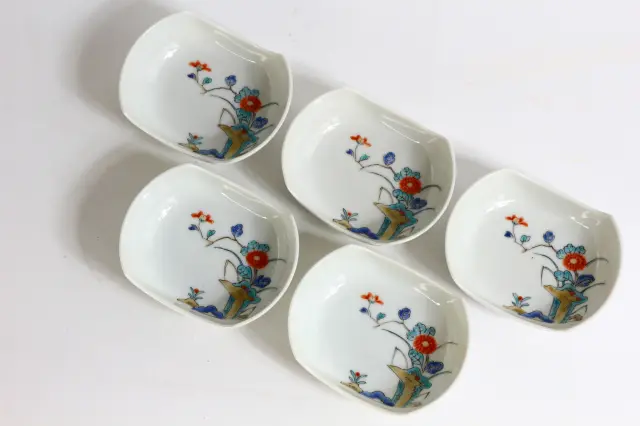
Small bowl in the “Kakiemon style”
-
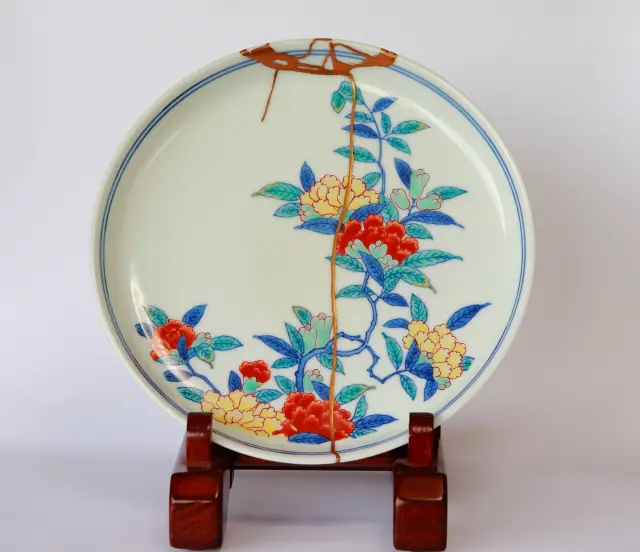
Decorative plate in the “Nabeshima style”
-
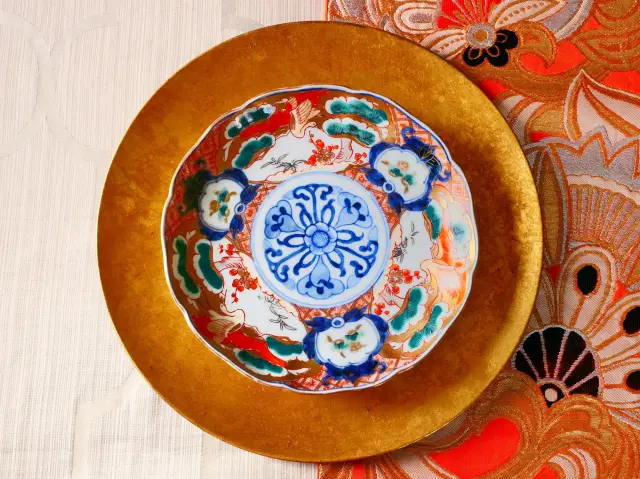
A glossy plate in the “Kinrande style”
-
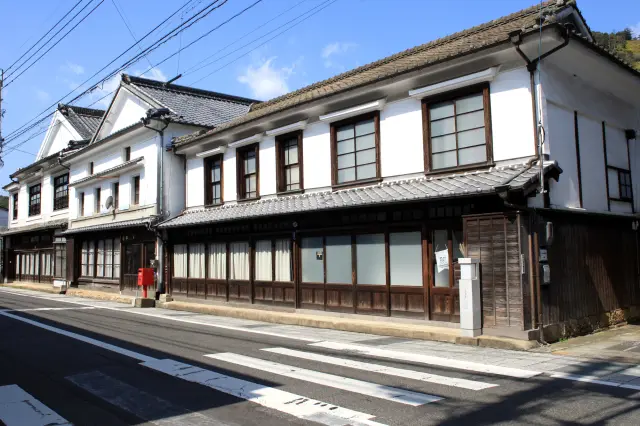
The streetscape of Arita, an Important Preservation District for Groups of Traditional Buildings
-
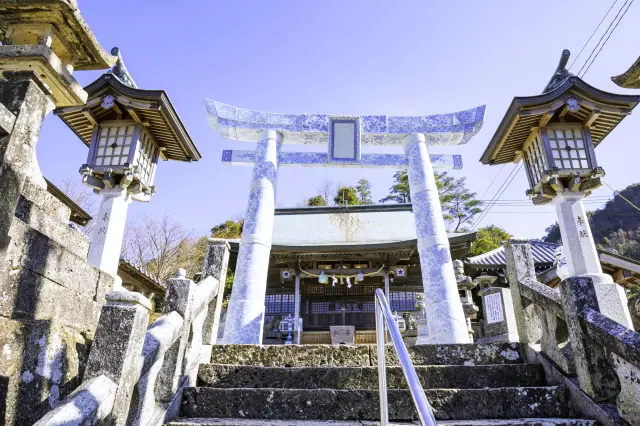
Tozan Shrine in Arita Town, dedicated to the deity of Arita ware
-
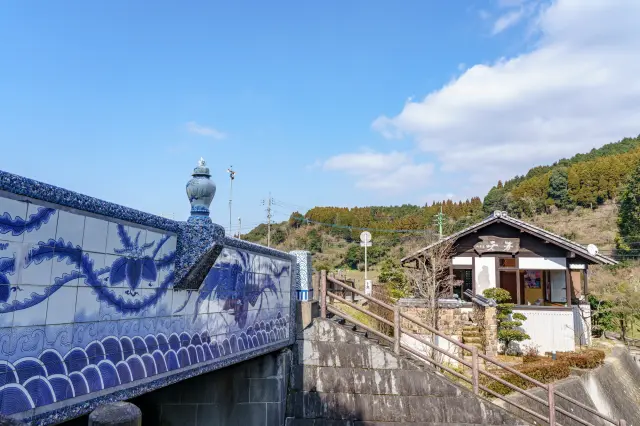
Nearby is the Nabeshima Hanyogama Bridge, decorated with Arita ware
Details
- Name in Japanese
- 有田焼
- Materials
- Pottery stone
- Types
- Kakiemon style, Nabeshima style, Kinrande style