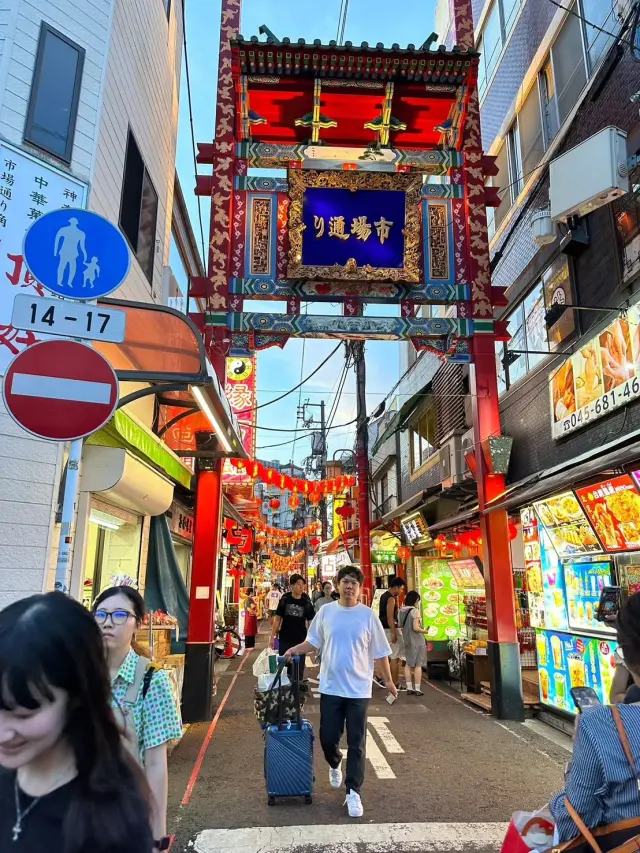
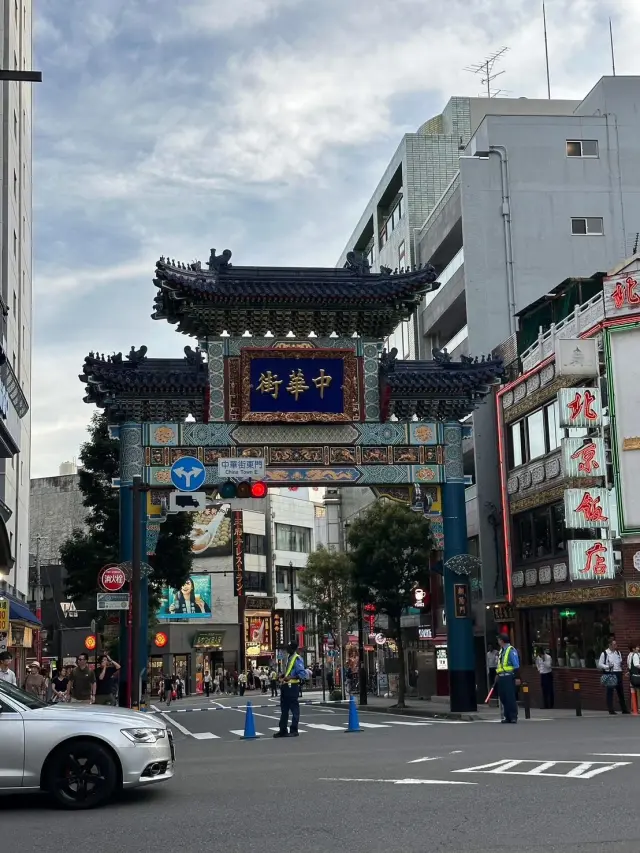
Honestly, the Chinese food here leans more Japanese-style. It’s not as bold as in Hong Kong, but it still has its own unique character.
Yokohama Chinatown | Review by King Yun
Other Reviews by King Yun
-
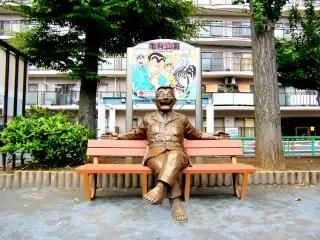
Kameari Park
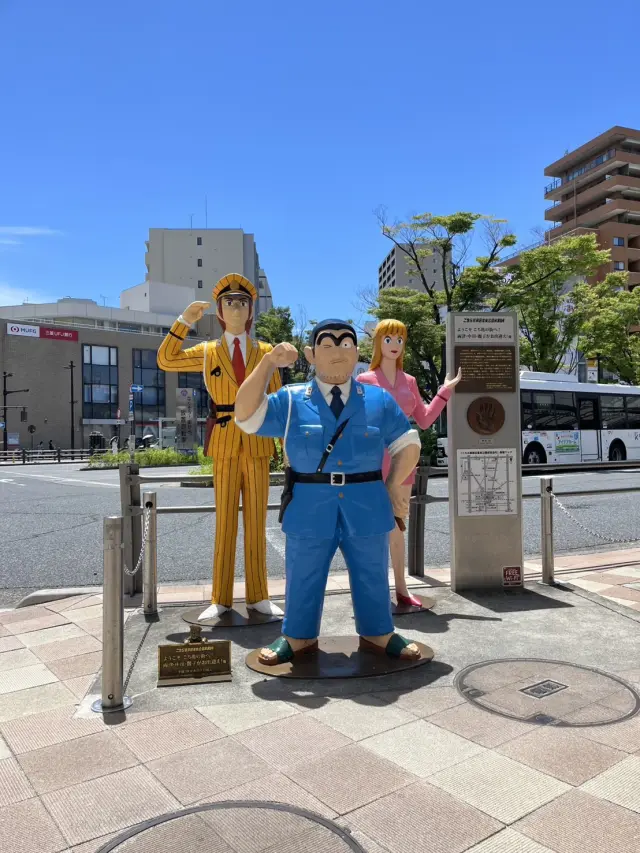
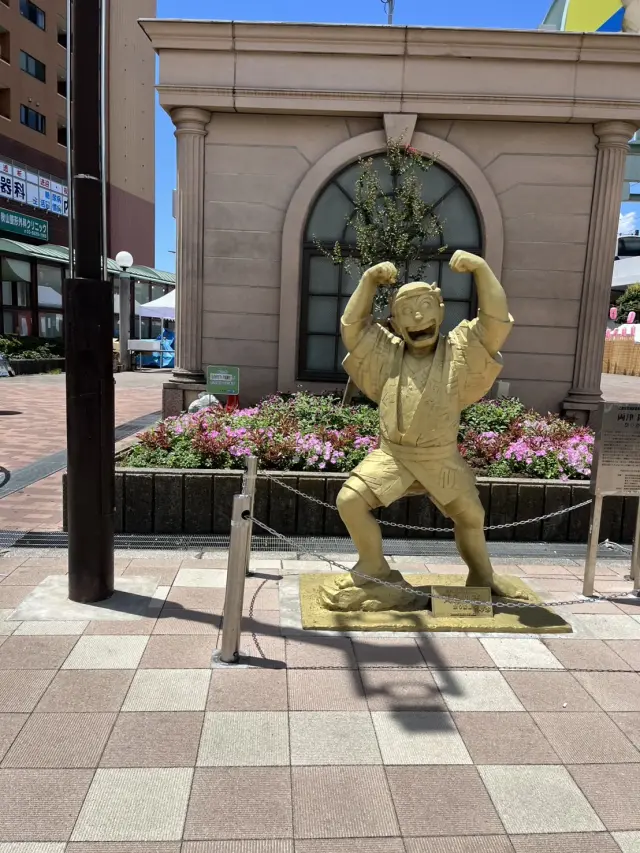
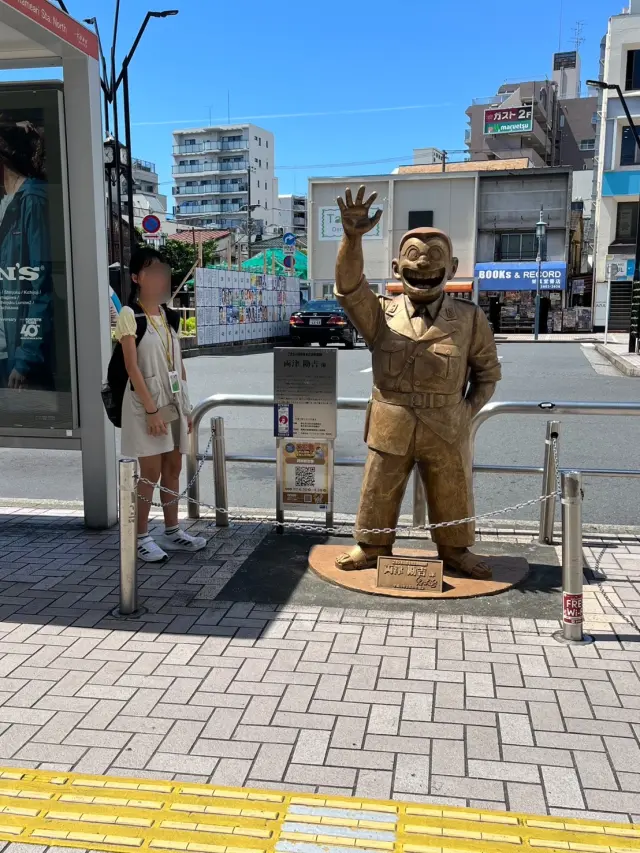
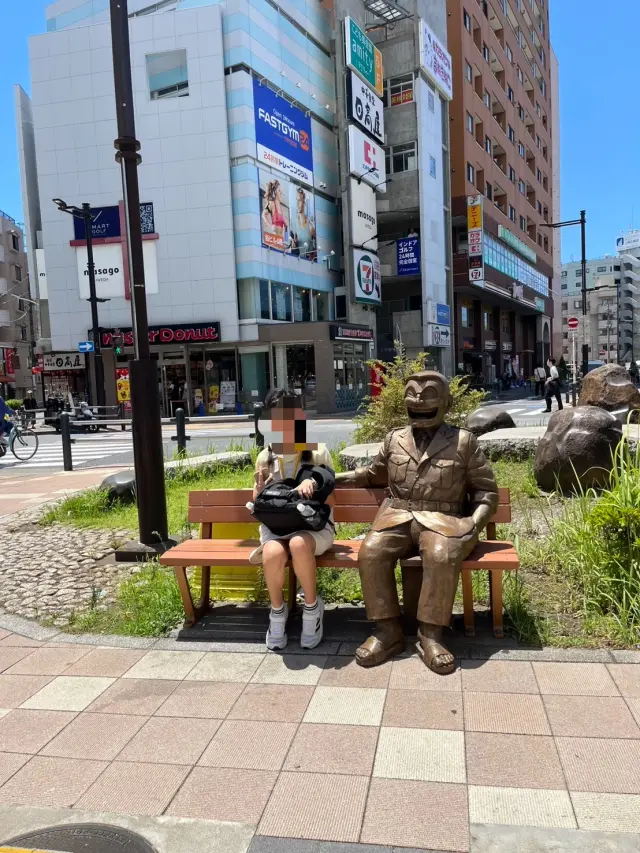
Kameari Park is located near the north exit of JR Kameari Station (head straight out, then turn right and you’re there). It’s famous as the park of the same name that acts as a setting in the manga “Kochira Katsushika-ku Kameari Koen-mae Hashutujo.”
As soon as you get near Kameari Station, you’ll see a bunch of Kochikame (“Kochira Katsushika-ku Kameari Koen-mae Hashutsujo”) character statues.
If you’re a fan, you’ll definitely want to track them all down and take photos one by one. -
-
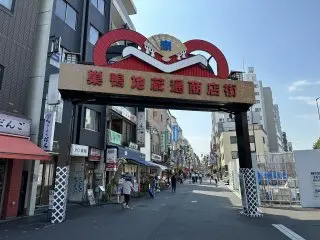
Sugamo Jizo-dori Shopping Street
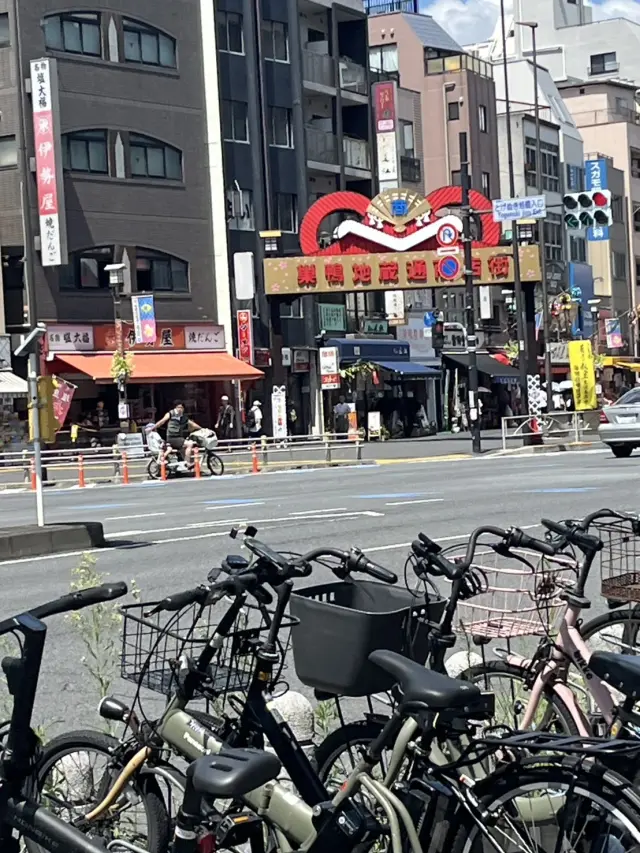
While Sugamo Jizo-dori Shopping Street is affectionately known as "Grandma's Harajuku", in recent years it has been drawing attention as a spot enjoyable for people of all ages and genders. Spanning approximately 780m, the shopping street is home to about 200 stores covering a diverse range of genres, including Japanese sweets, Western sweets, bakeries, tea shops, rice cracker shops, and Buddhist altar accessory shops.
This street feels pretty local by Tokyo standards—fewer tourists, more older locals—and the vibe is totally different from Shibuya or Shinjuku.
The whole street is packed with health foods, red underwear, and traditional wagashi. It has a real Showa-era feel. -
-
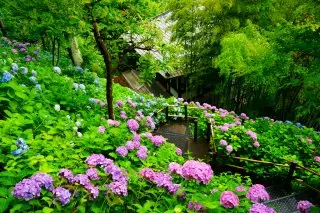
Hasedera temple (Kamakura)
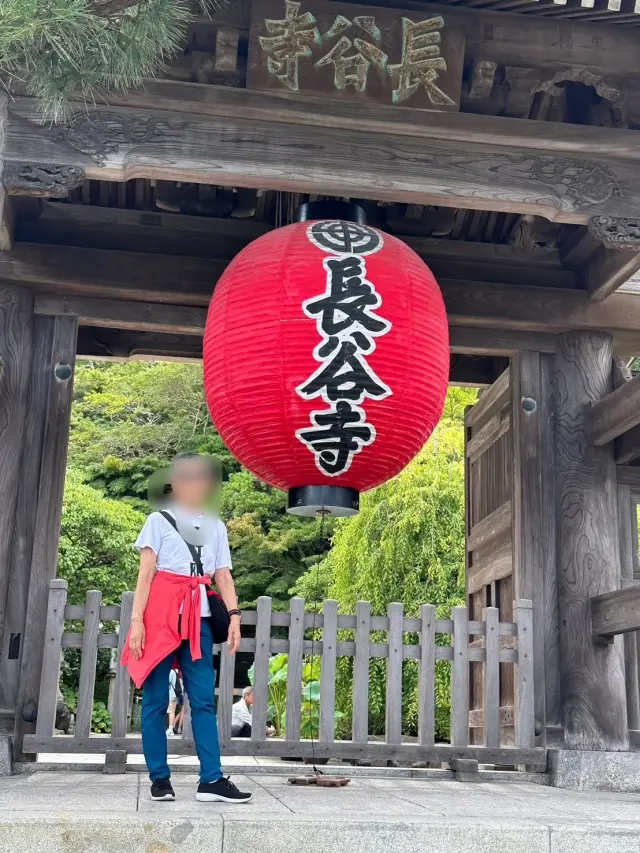
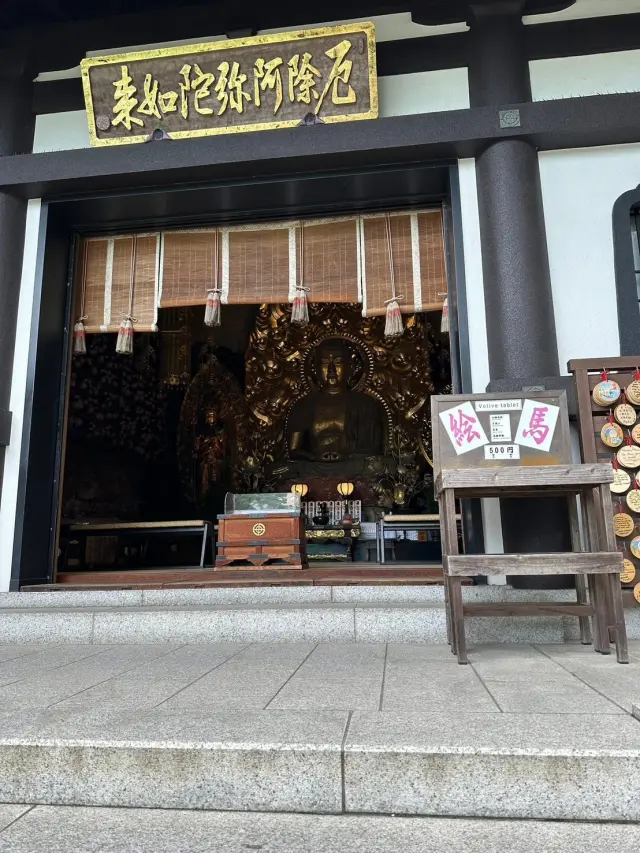
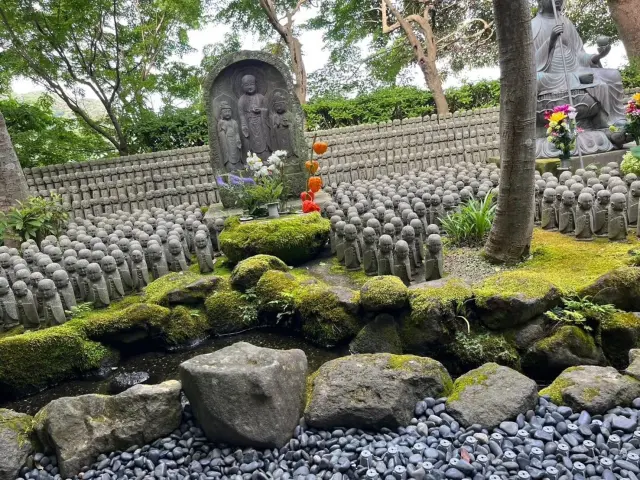
Hasedera Temple, often referred to as "Hase Kannon," is known as one of the most scenic spots in Kamakura. The principal deity is the statue of Kannon, the Goddess of Mercy, with 11 faces. Standing at 9.18 meters high, it is one of the largest wooden Buddha statues in Japan.
You can pair it with the nearby Kamakura Great Buddha. Doing both landmarks in one day works out perfectly.
-